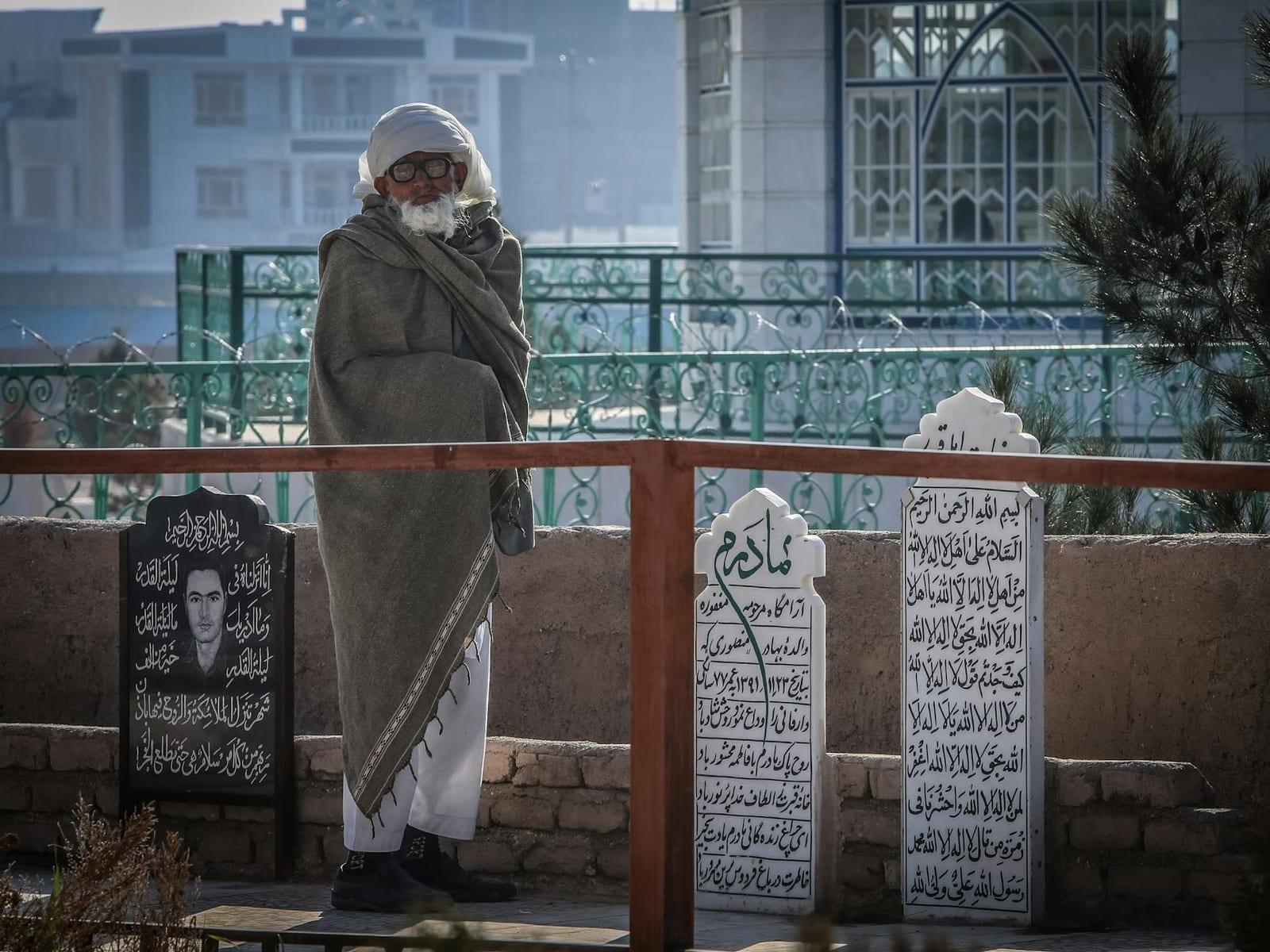
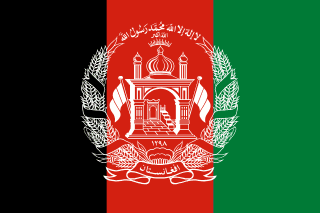
As it has been for better than 30 years, Afghanistan is not a place to travel to—at least not for 99% of the world’s tourists. Multiple long-term, quagmire-type wars—only the most recent versions of protracted, often-clumsy invasions stretching back to before Mongol times—have torn the country apart at enormous cost; everyday people have been lurched this way and that by internal and international conflicts, ethnic and religious violence, and widespread poverty. Terrorist attacks and outright fighting continue to make tourism here the province of only the most hardened and death-defying.
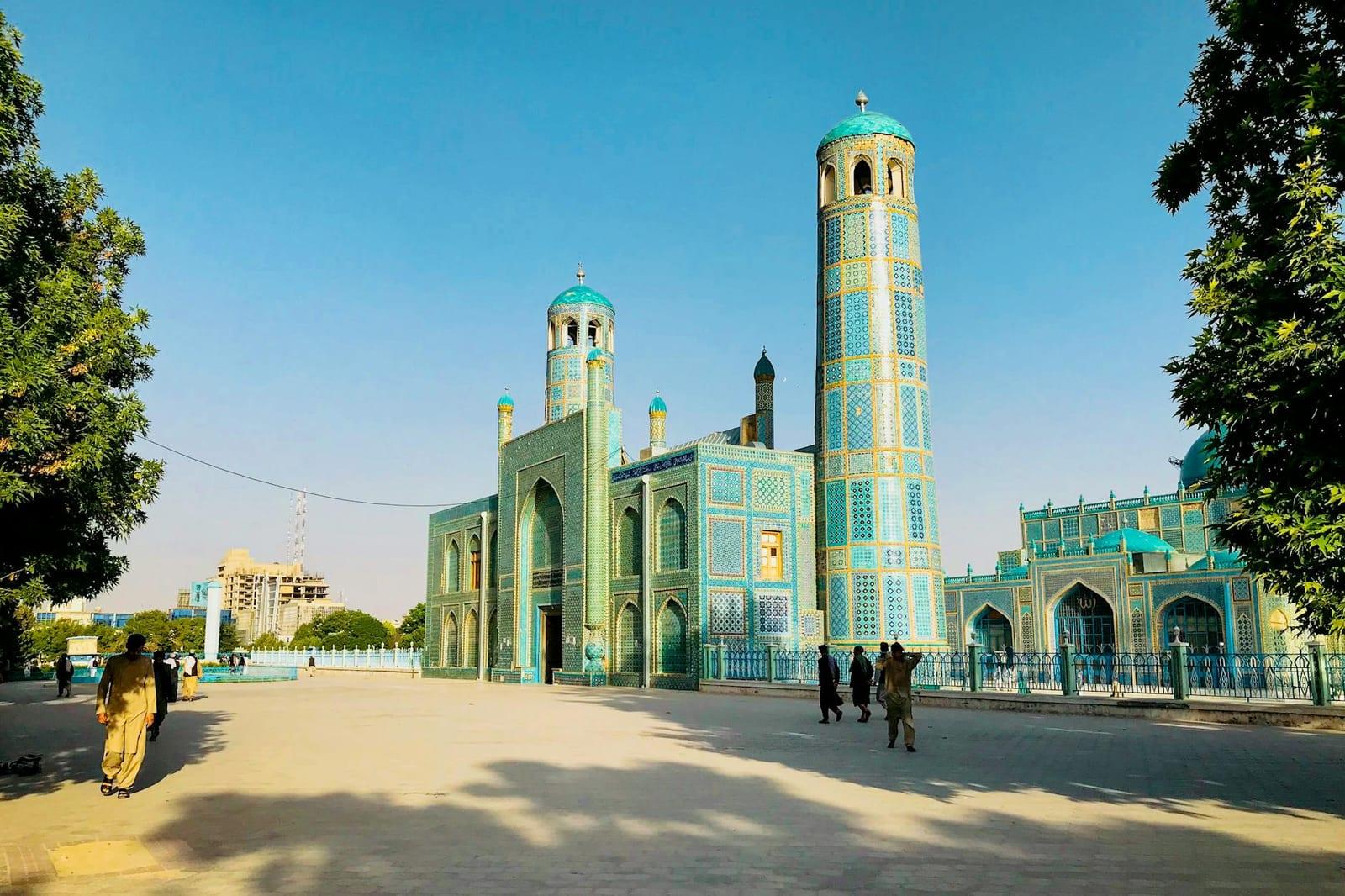
All this is tragic—from a human-rights standpoint, of course, most significantly; but also because Afghanistan is so richly endowed with historical, cultural, and natural wonders. It’s one of the global centers of civilization: Great empires—the Macedonian, Islamic, the Durrani, and many others—have called this continental crossroads home, which makes its landscapes thrilling ground to trod upon. There are spectacular ancient monuments here, including the Minaret of Jam—a 200-foot-tall 12th-century brick spire in an isolated mountain valley—and the Buddhist ruins of the Bamiyan Cliffs, which include the two enormous rock-hewn Buddhas tragically demolished by the Taliban in 2001 (though now being reconstructed). And Afghanistan’s venerable cities, war-wracked as they are, have their own architectural marvels: Kabul’s Abdul Rahman Mosque, Herat’s citadel, and Mazar-e Sharif’s Blue Mosque, to name but a few.
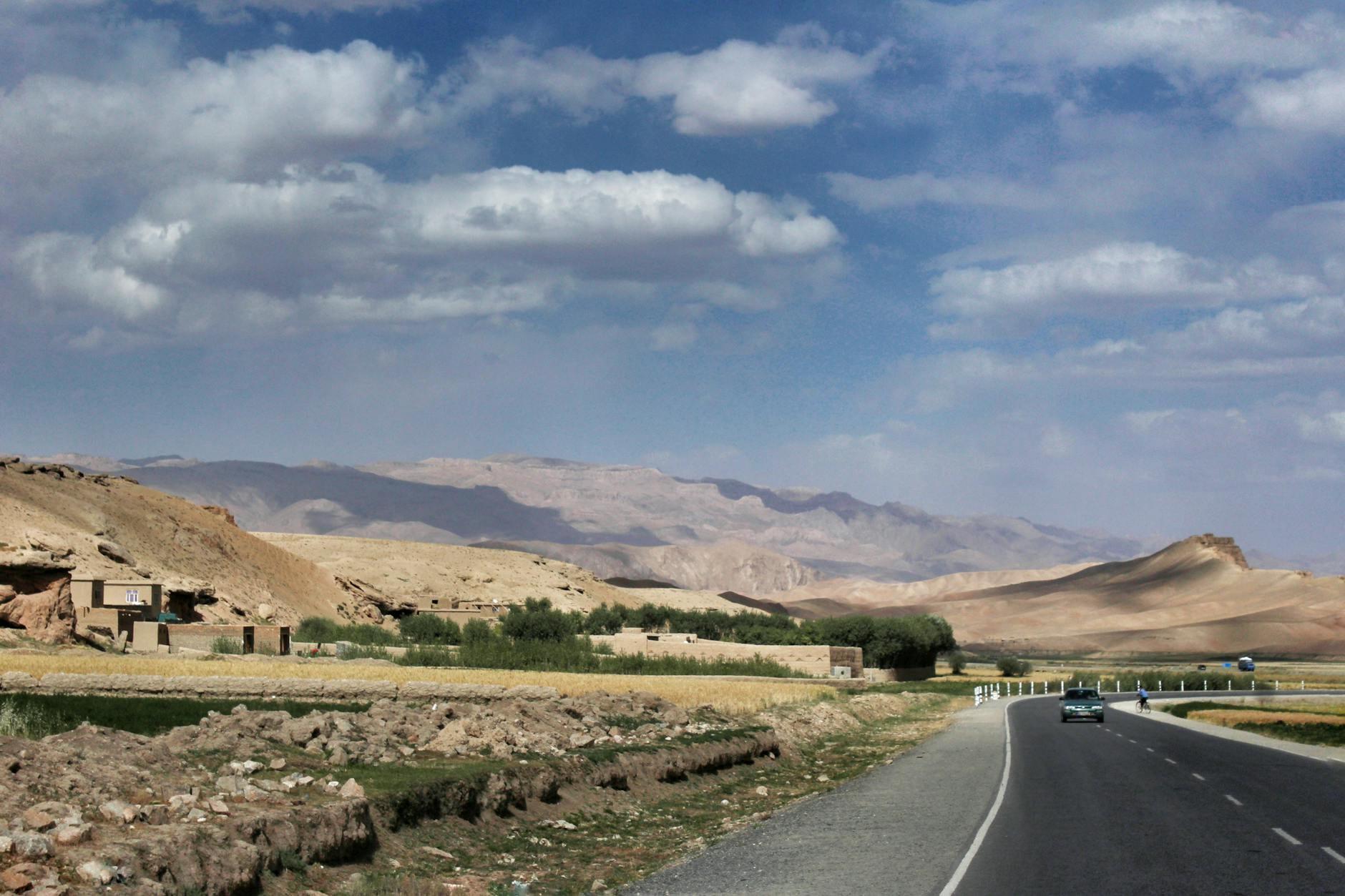
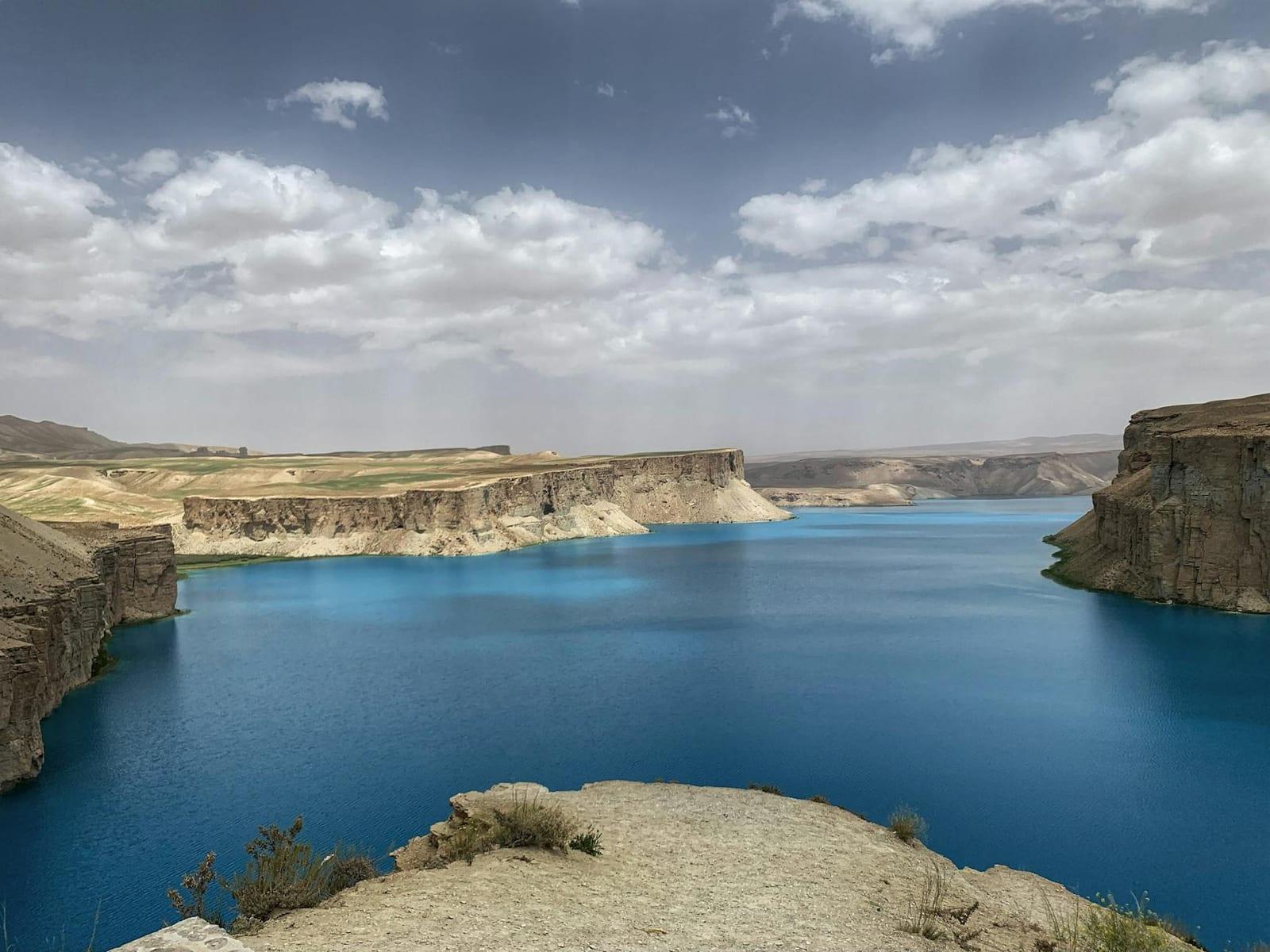
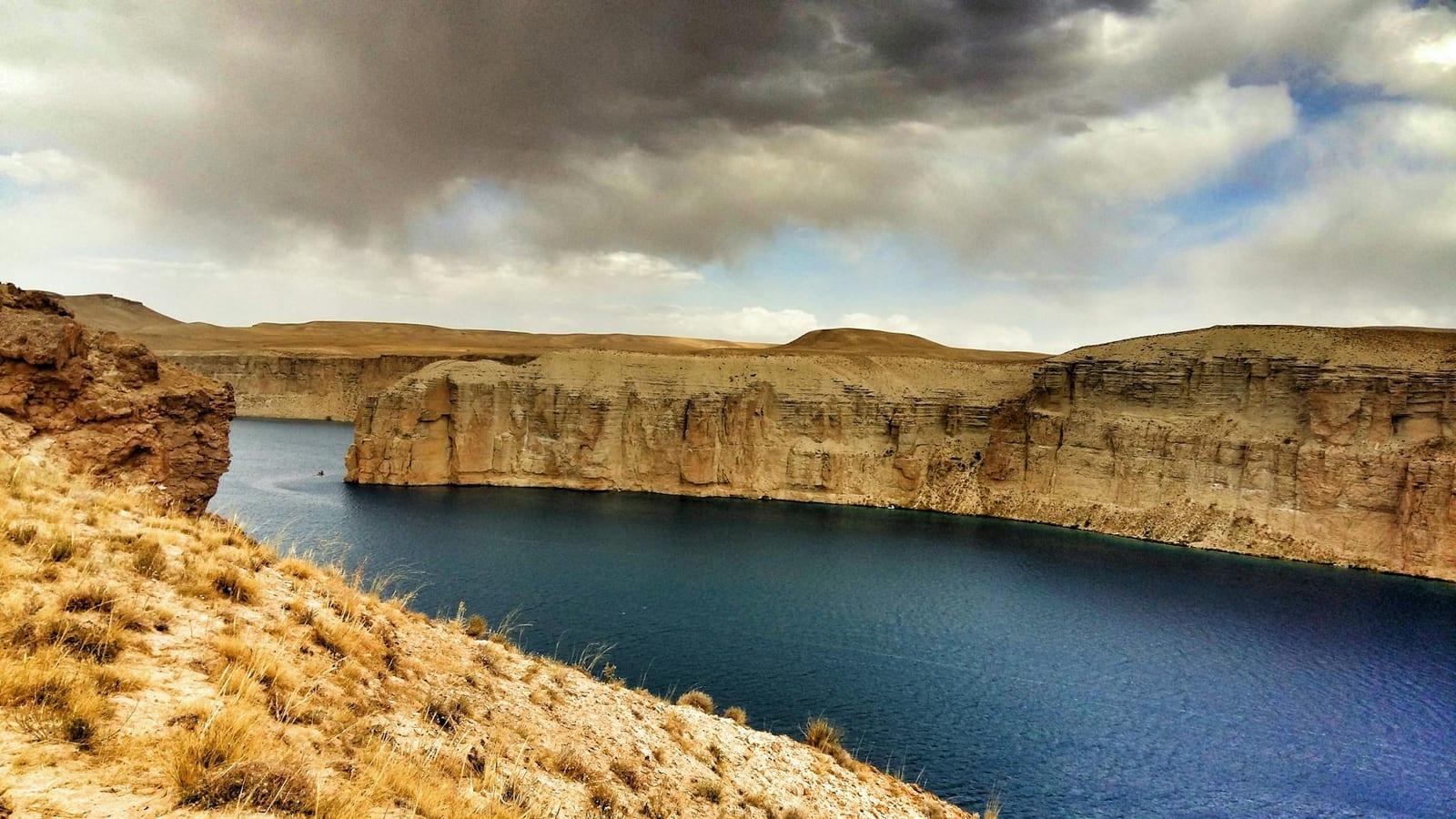
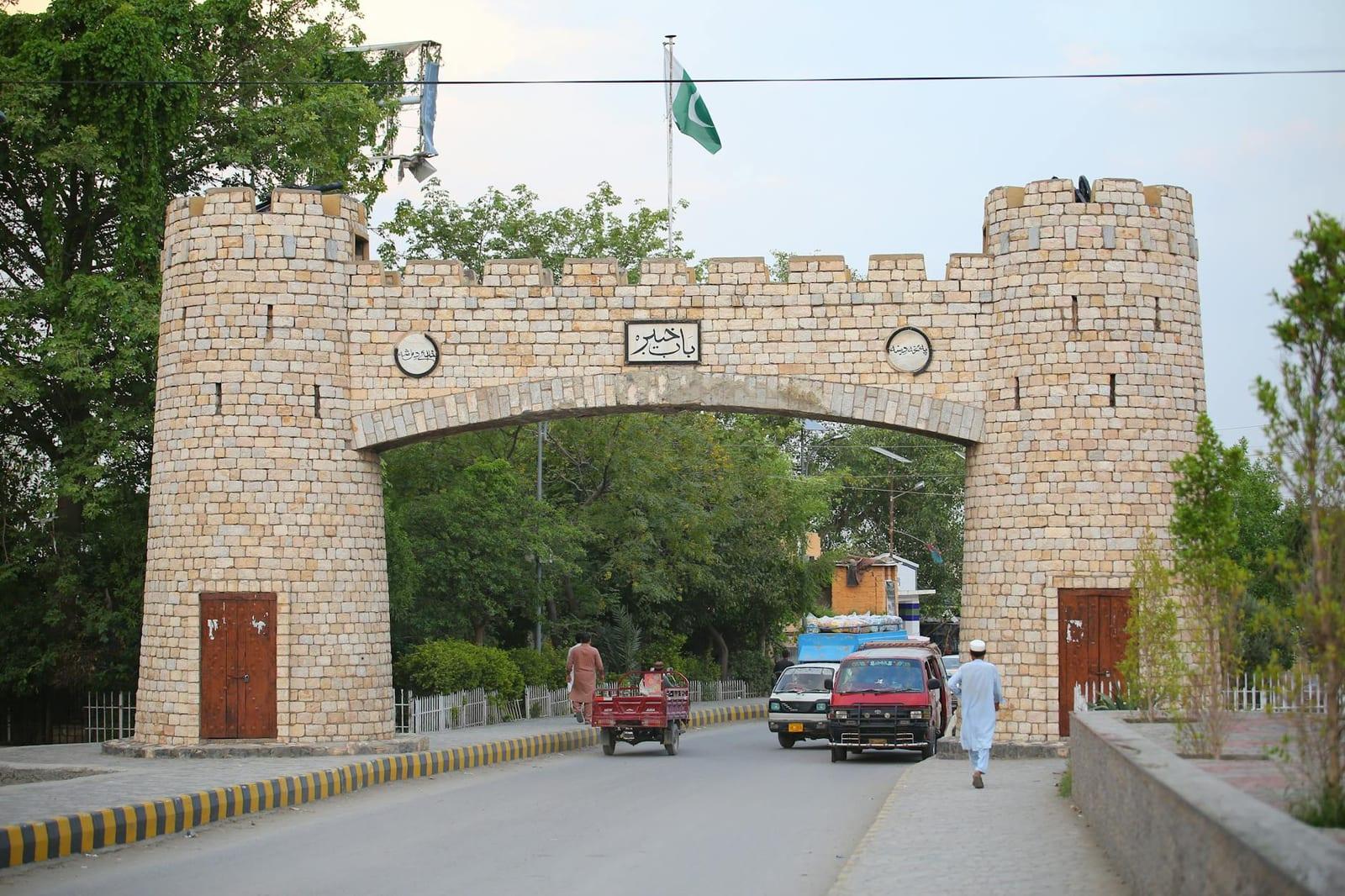
One reason why Afghanistan has thwarted so many would-be military conquests is its severe—and commonly beautiful—terrain. Were the country more secure and stable, it could be a marvelous trekking destination given the scenic glories of the regal Hindu Kush and Spin Ghar ranges. Band-e Amir National Park in the Hindu Kush—not all that far from the Buddhas of Bamiyan—boasts some world-class scenery, from deep-gouged canyons to high-country lakes. Besides their epic vistas, Afghan mountain passes such as the Salang and Khyber are awash in momentous history: The sort of mythic geography many travelers dream about seeing firsthand.
Such breathtaking landscapes—in addition to the warmth of Afghanistan’s common people, and the delectability of its culture-straddling cuisine—must remain hypothetical attractions for the tourist at this time. Given the bloody decades that have defined its modern history, it’s difficult to imagine a peaceful, prosperous Afghanistan—but that’s just the sort of future we must hope for.
12 things not to miss.
- lakes of Band-e AmirSee the lakes of Band-e Amir
- Bamiyan valleyVisit the Bamiyan valley
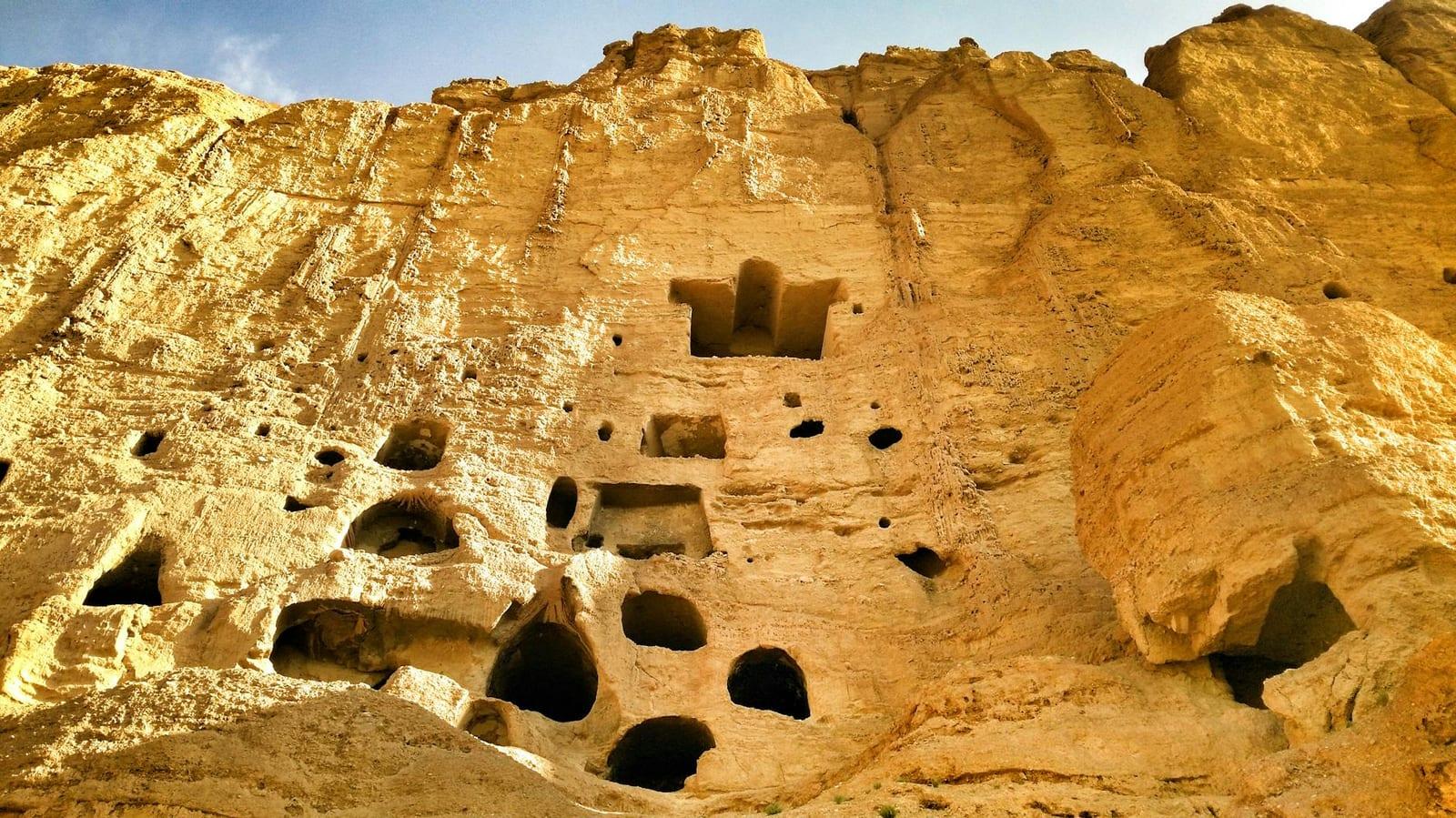
- the Wakhan CorridorTrek the Wakhan Corridor
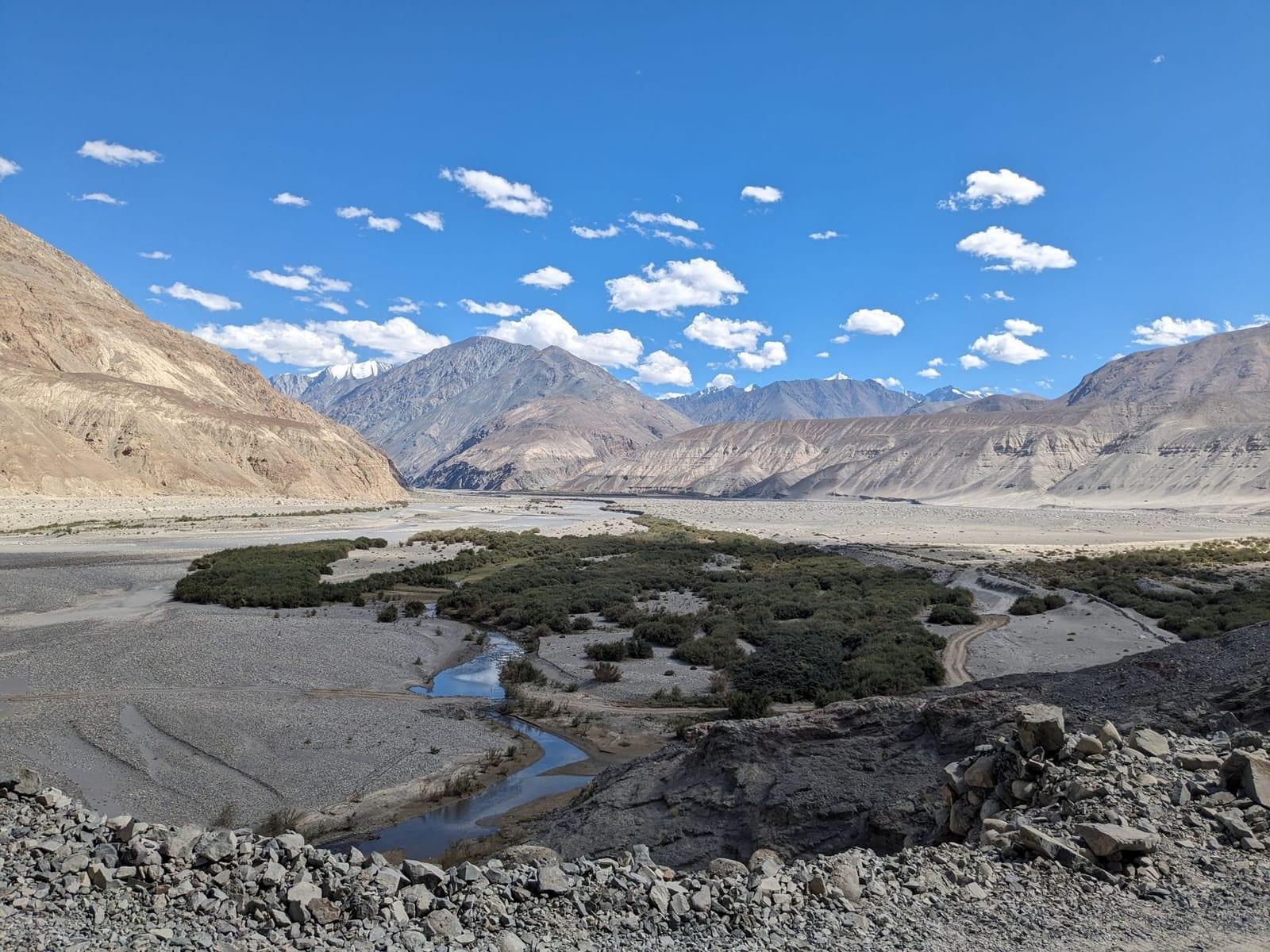
- The Buddhas of BamiyanThe Taliban infamously destroyed these two huge 500-year-old Buddha cliff statues in 2001, but an ambitious restoration effort is underway.
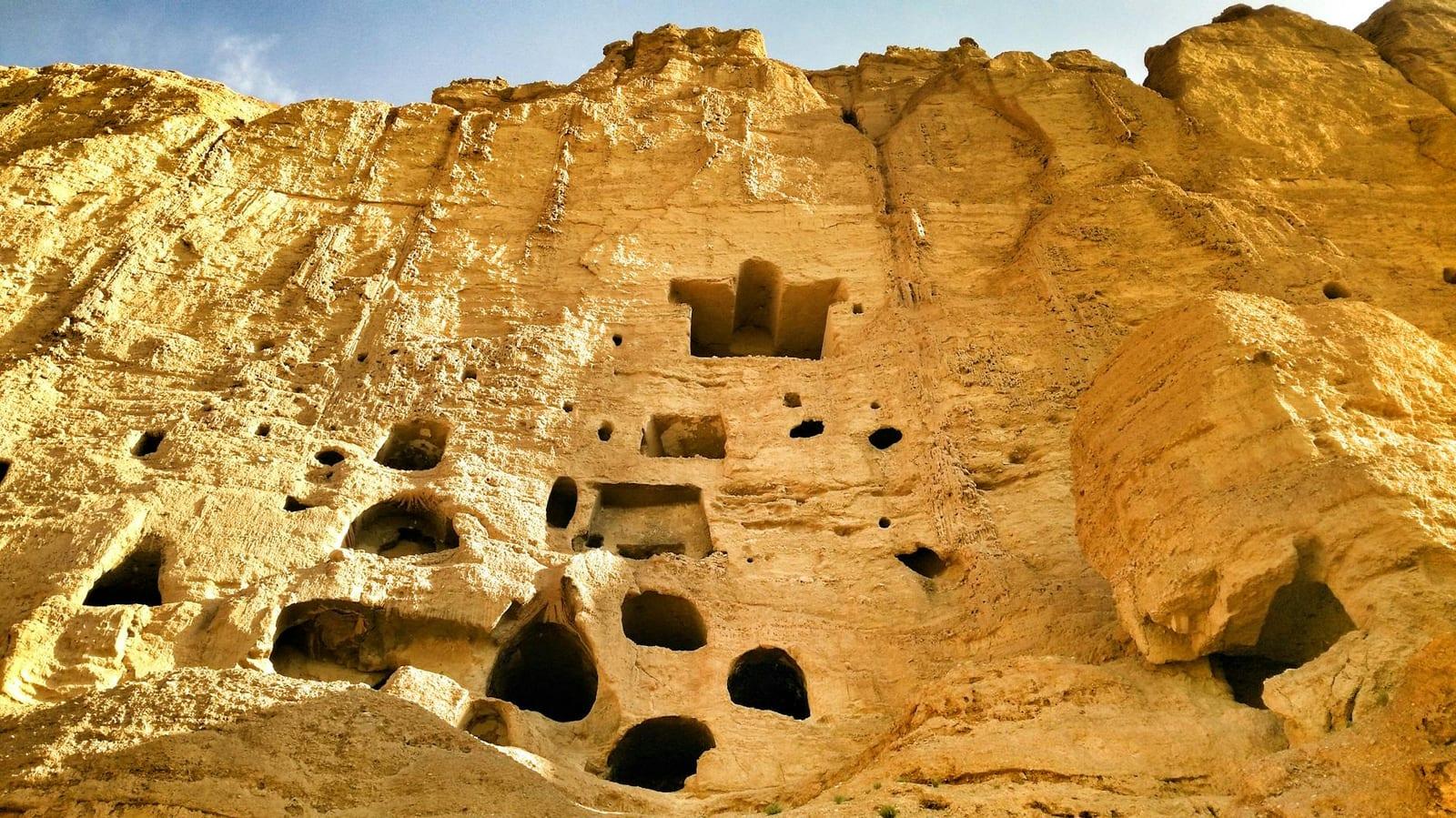
- The Minaret of JamThis marvelous 12th-century brickwork tower, a World Heritage Site, studs the banks of the Hari River in its remote valley.
- Band-e Amir National ParkIn this extraordinarily beautiful corner of the Hindu Kush, rimrock cliffs rise above sapphire lakes dammed by pale travertine.
- Khyber PassCrossed by the Silk Road and innumerable armies, this low gap in the Spin Ghar range is a legendary portal.
- Kabul MuseumThe National Museum displays remarkable artifacts of Afghanistan’s sweeping history—including the famed Rabatak inscription and Islamic, Buddhist, and Hindu treasures.
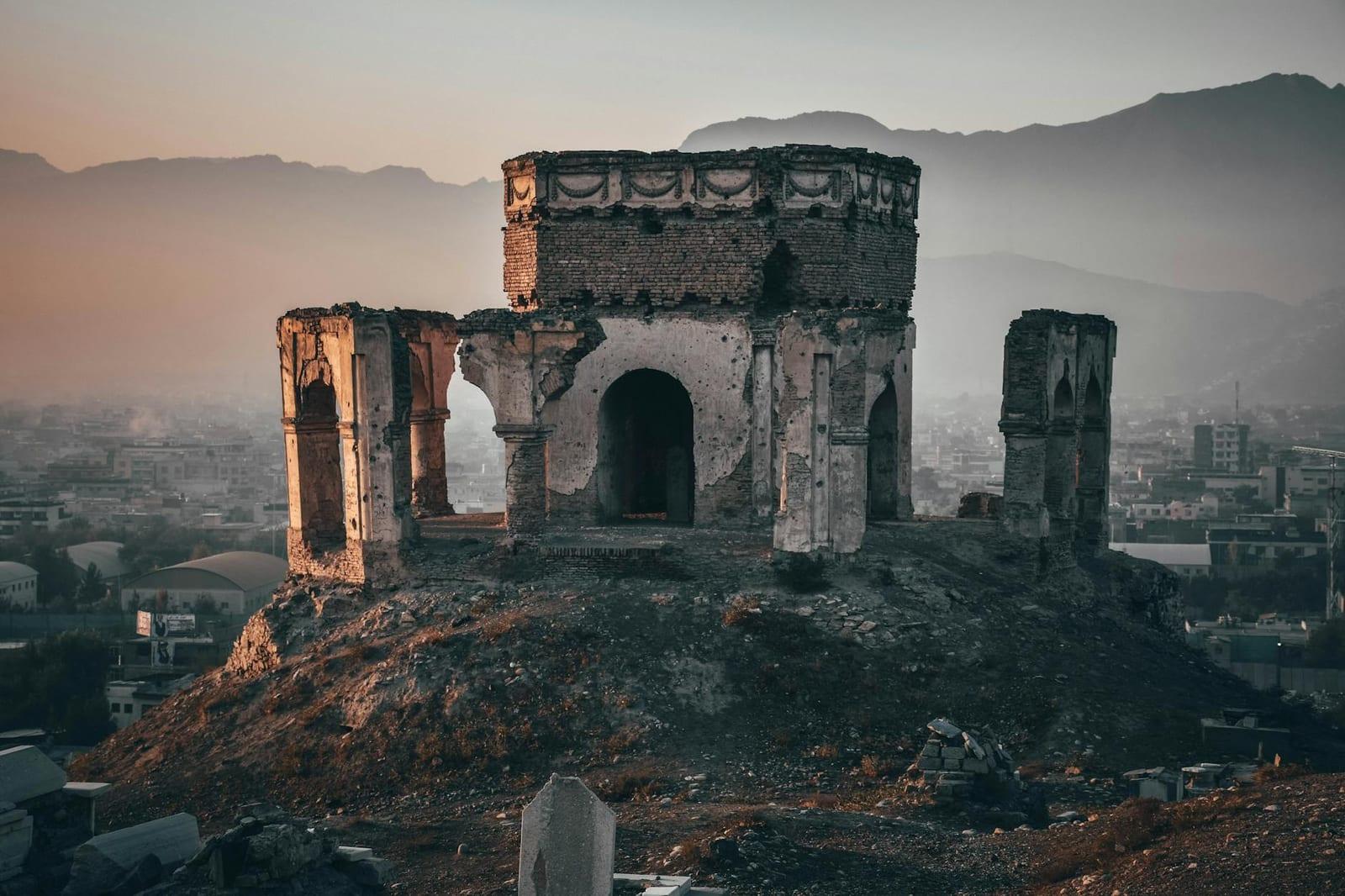
- National GalleryKabul’s art museum has suffered during Afghanistan’s modern tumult, but is still packed with wondrous classical and modern Afghan works.
- The Blue MosqueThis big, colorfully tiled mosque, Mazar-e-Sharif’s best-known landmark, dates from the 15th century.
- The Great Mosque of HeratThis huge, 600-year-old mosque, commissioned by a Ghurid sultan, is one of the most impressive Islamic monuments anywhere.
- Herat CitadelThis medieval stronghold anchors the ancient, long-fortified center of Herat.