For some staggering history, a striking blend of cultures, and evocative—even otherworldly—vistas, it only takes an easy flight across the Mediterranean from Europe to see Algeria, the largest country in Africa.
History buffs, for one thing, will thrill at a geography marinated in thousands of years of human endeavor. From the nomadic Tuareg of the desert backcountry to the mighty trading empires of the Mediterranean Basin, Algeria (a predominantly Muslim country today) has seen a grand pageantry of ethnic groups sharing and contesting its borders. Everyone from the Phoenicians and the Romans to the Turks and the French have held sway at one time or another, always against a backdrop of indigenous Berber culture.
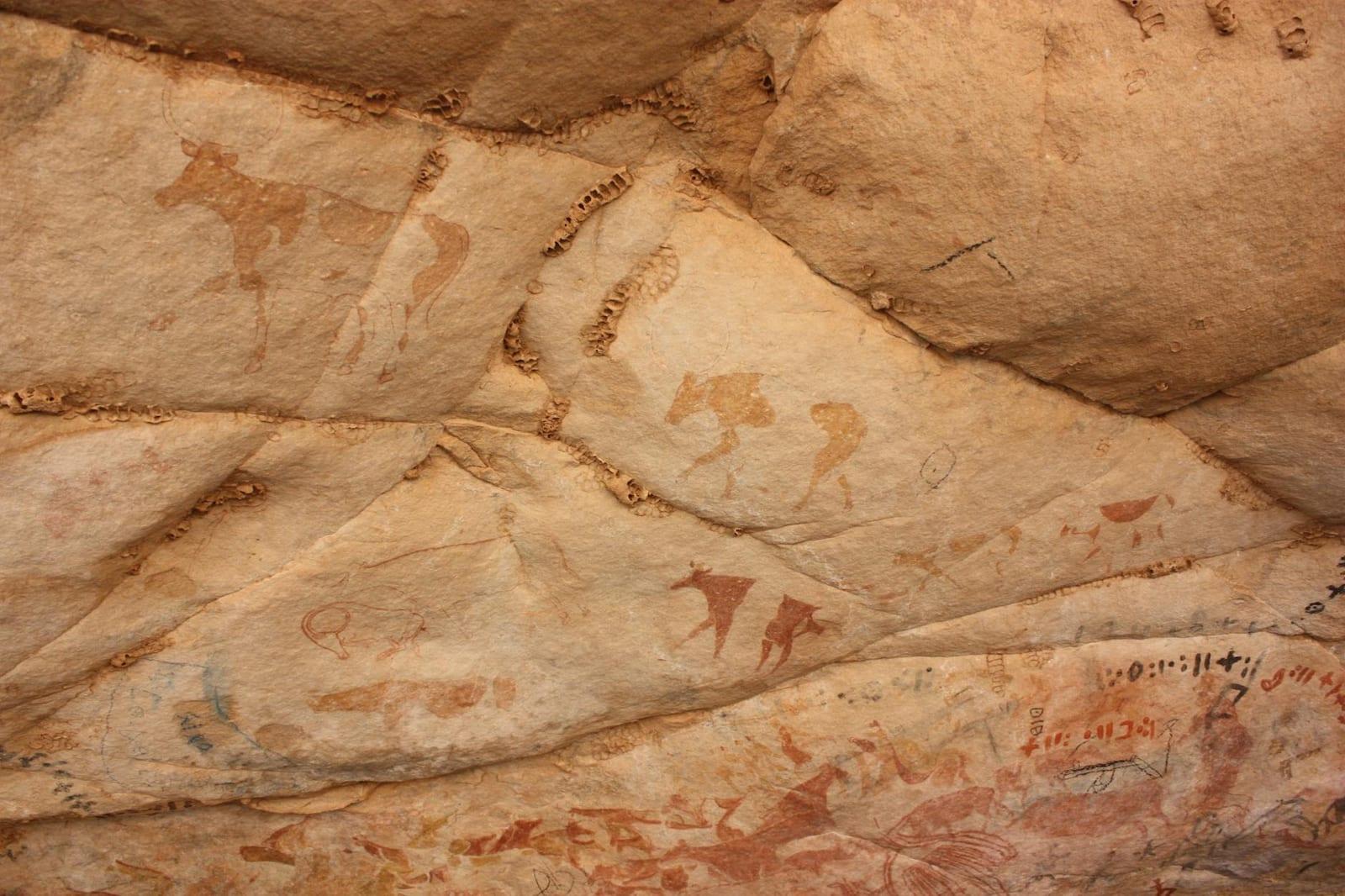
The beautiful city of Algiers—a hop, skip, and a jump from Spain—serves as an ideal launchpad for exploring local culture and heritage, not least in its vintage mosques and basilicas. Outside the capital, Tassili n’Ajjer National Park protects more than 15,000 rock paintings and engravings on the sandstone cliffs of the Saharan plateau; the oldest date from the Neolithic, while the most recent—created in the early centuries A.D.—depict the domestication of camels and horses. While on the Mediterranean coastline there are several outstanding sites of Classical ruins, foremost among them perhaps Tipasa: Here, Phoenician, Roman, and Byzantine structures overlap with relics of native civilizations, including the famous Royal Mausoleum of Mauretania.
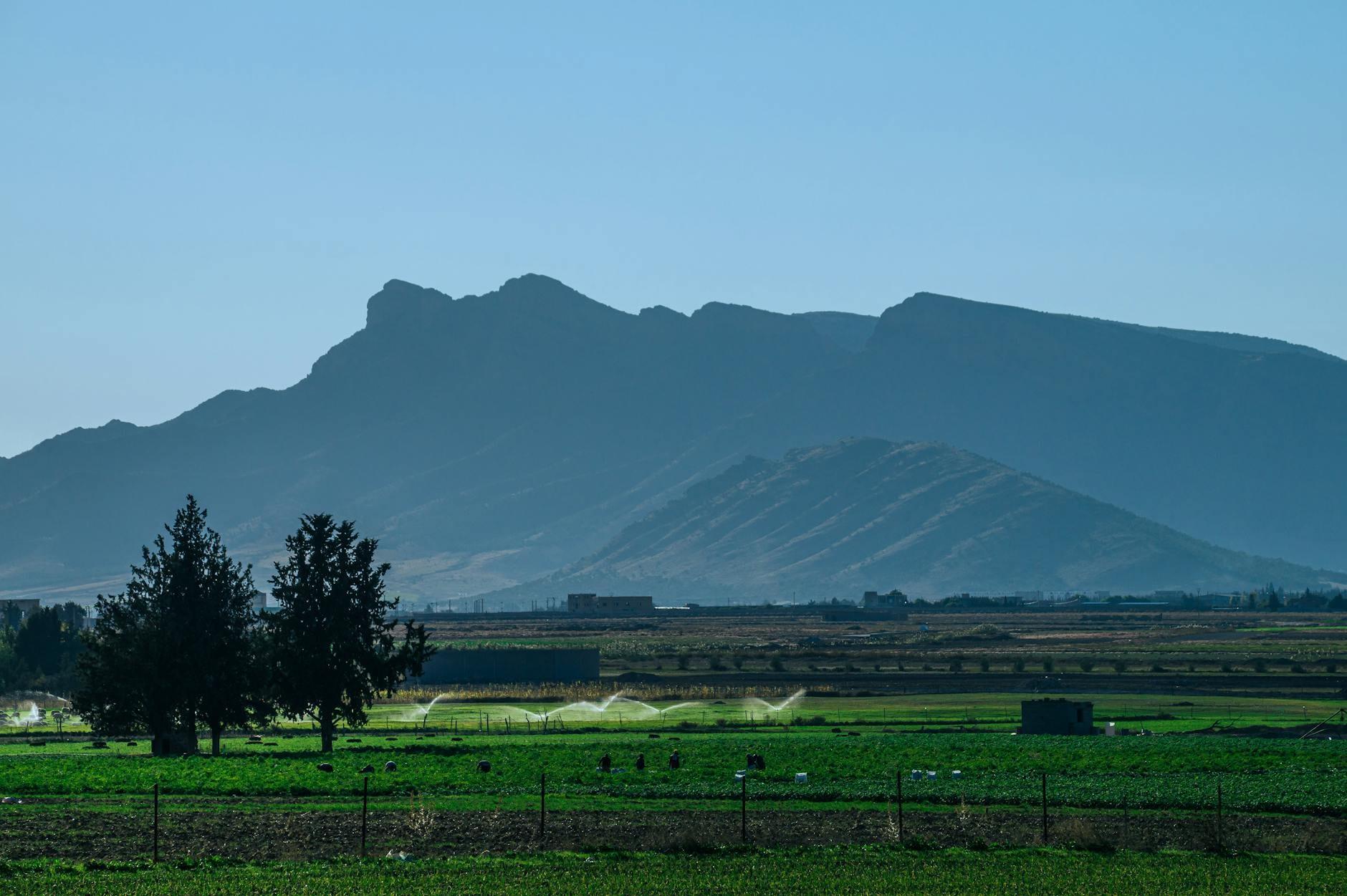
Algeria—more than three times the size of Texas—not only encodes great swaths of this history, but packs in an awful lot of scenery, from the heights of the Atlas Mountains and the Saharan highlands to giant dune fields and balmy Mediterranean lowlands. Algeria’s enormous share of the Sahara Desert includes such astonishing landmarks as the Ahaggar, toothy desert peaks that culminate in 9,541-foot Mount Tahat, and a pair of sprawling “sand seas,” or ergs: the Grand Erg Occidental and Grand Erg Oriental. Ahaggar National Park showcases the ethereal splendor of the Hoggar, providing habitat for such striking creatures as the nearly extinct Saharan cheetah; also included in the park’s bounds is the hermitage-topped summit of Assekrem.
Given Algeria’s vast geographic sweep and multicultural makeup, the country’s a fine place to “tuck in”: The cuisine reflects broad Arab-Berber cookery traditions of the Maghreb and the Sahara, as well as distinctive regional specialties. Algeria's homegrown grains (which once nourished Ancient Rome) can be tasted in everything from couscous to the native flatbread called kesra. Fruits such as figs and dates have long been important foods harvested from Mediterranean orchards and Saharan oases, while lamb and chicken are widely used meats for dishes such as kefta meatballs or chorba stew.
From the lively marketplaces of Algiers to the red canyons of the Ahaggar, Algeria presents a striking spectrum of people, places, and experiences. For a hardy and open-minded visitor, it’s a marvelously deep well to dive in.
13 things not to miss.
- rock art of Tassili n'AjjerSee the rock art of Tassili n'Ajjer
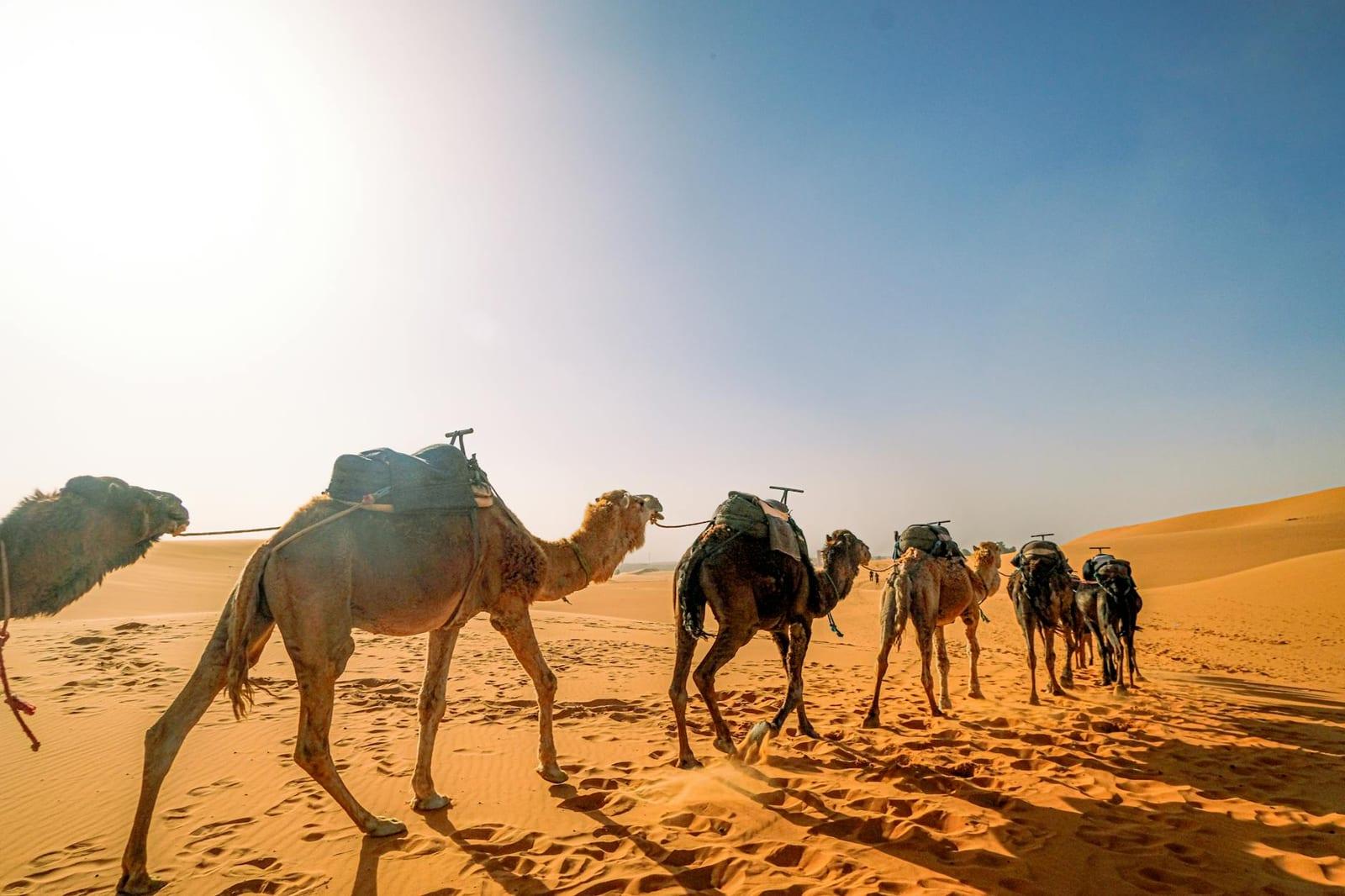
- Camel trek the Algerian SaharaCamel trek the Algerian Sahara
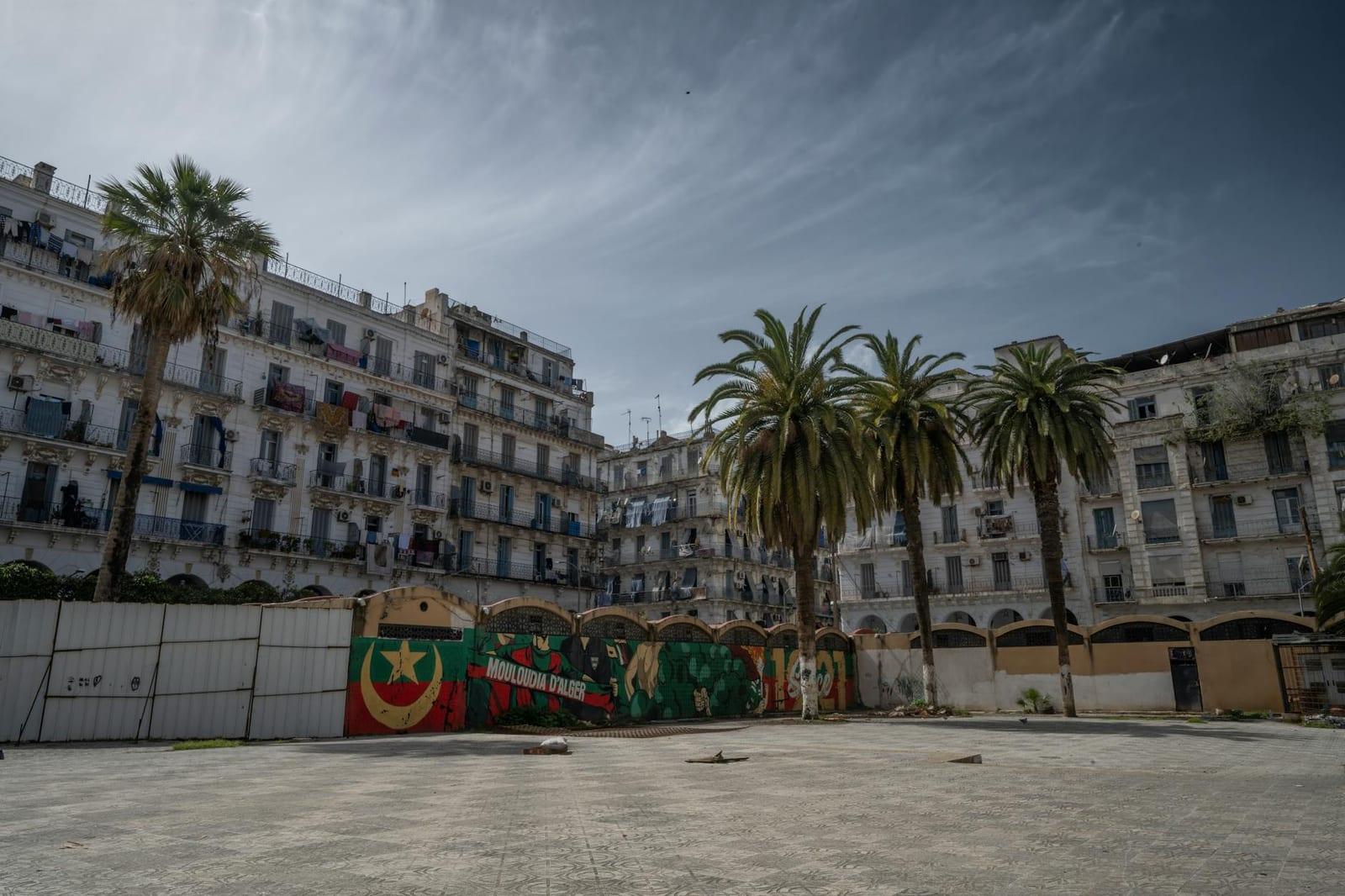
- the Casbah of AlgiersWander the Casbah of Algiers
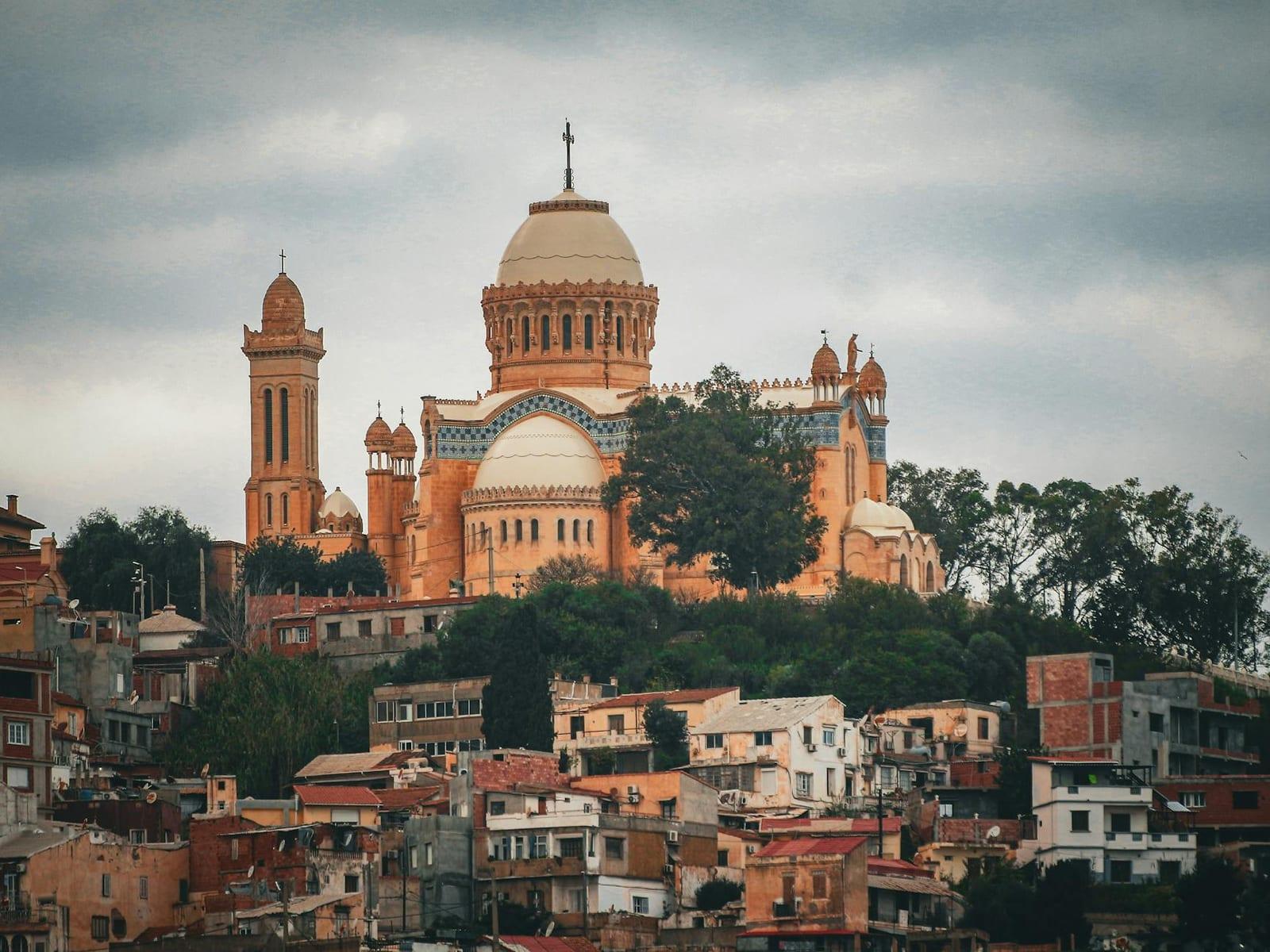
- Notre Dame D'AfriqueOne of Algiers’s great landmarks, this Catholic basilica dates from the 1870s and boasts an arresting Neo-Byzantine design.
- Casbah of AlgiersA UNESCO World Heritage Site, this historic citadel of Algiers includes striking palaces and mosques of Ottoman Empire vintage.
- TipasaWell more than 2,000 years old, this ancient outpost on the Mediterranean seacoast (another World Heritage Site) includes layered indigenous, Phoenician, Byzantine, and Roman ruins.
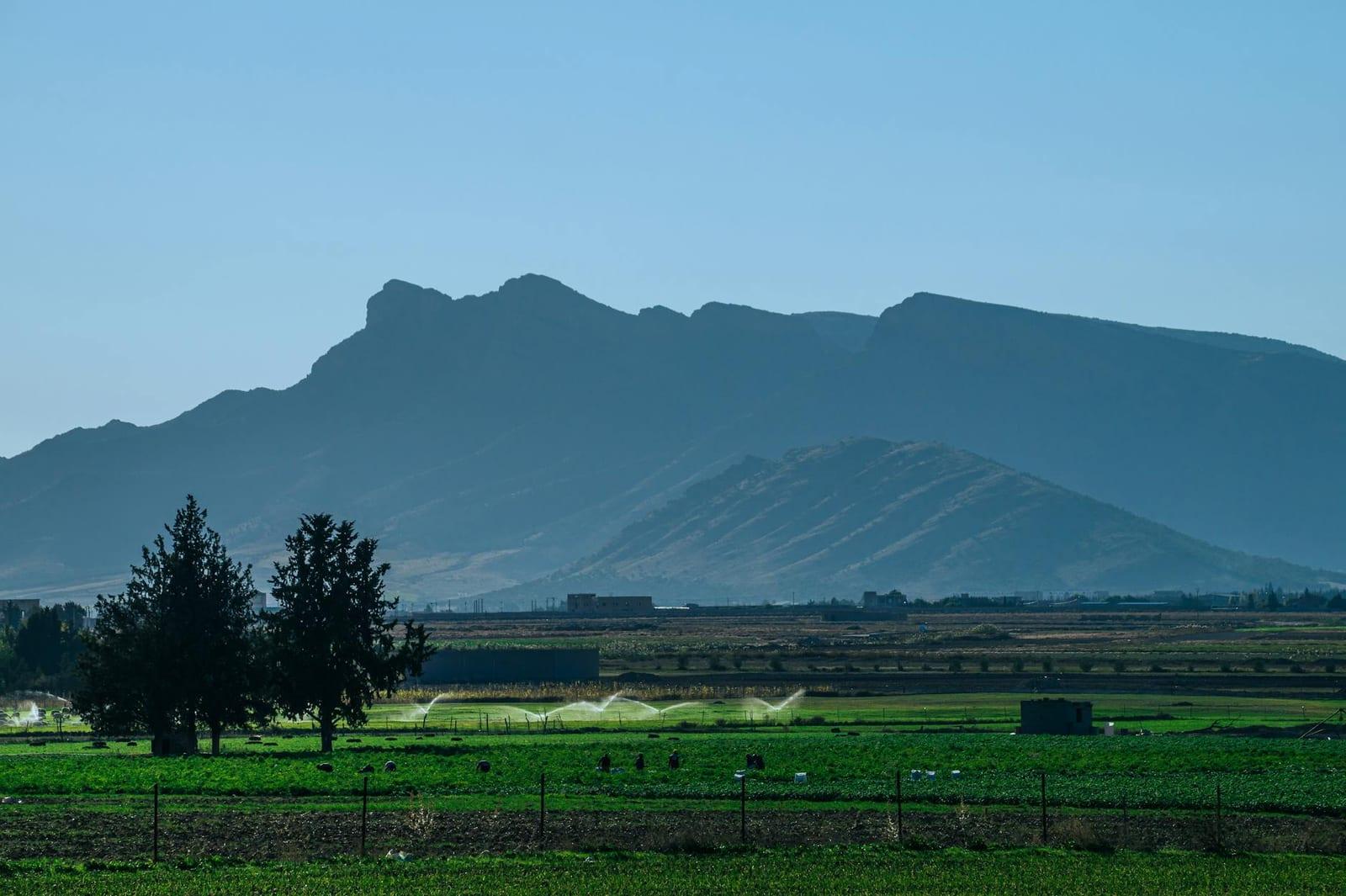
- M’Zab ValleyThis Saharan province boasts a quintet of ancient fortified cities (ksour) with breathtaking Berber-style architecture as well as palm oases.
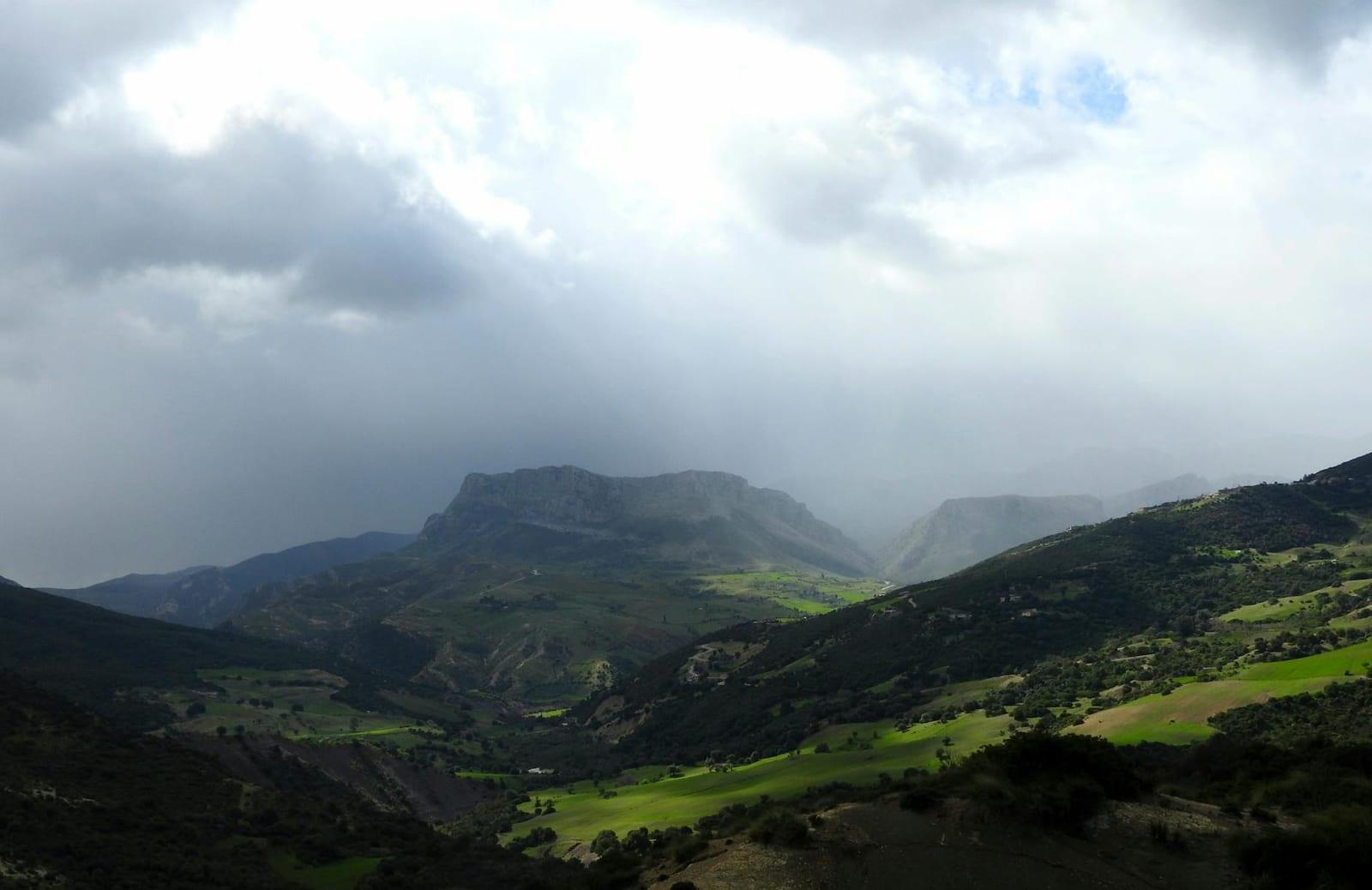
- Tassili n’Ajjer National ParkSurreal sandstone buttes and arches, unique desert groves, and more than 15,000 prehistoric rock paintings define this Saharan “Plateau of Chasms.”
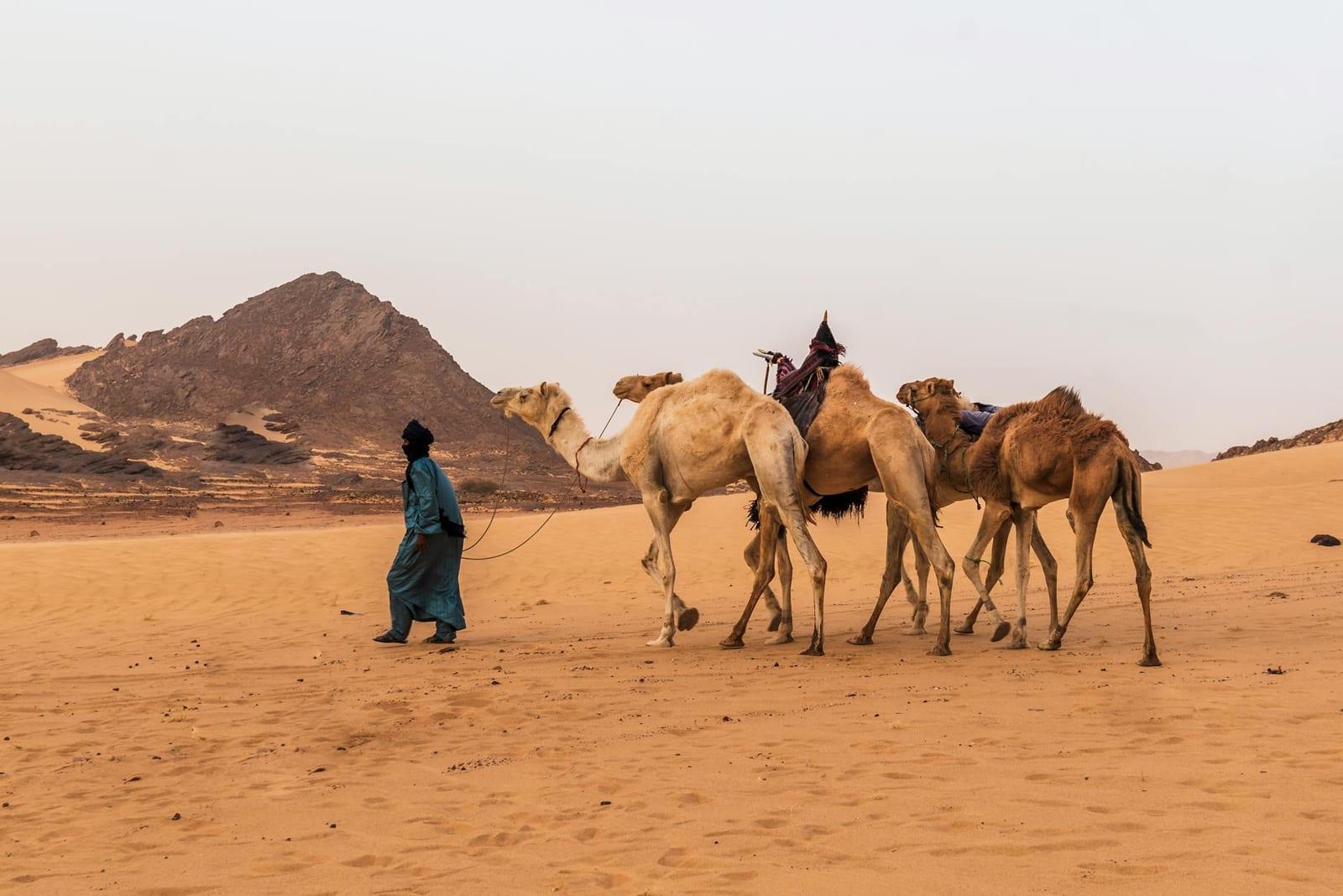
- Ahaggar National ParkThis 175,000-square-mile park shows off the toothy peaks and surreal gorges of the Hoggar Mountains—and provides essential refuge for rare Barbary sheep and Saharan cheetahs.
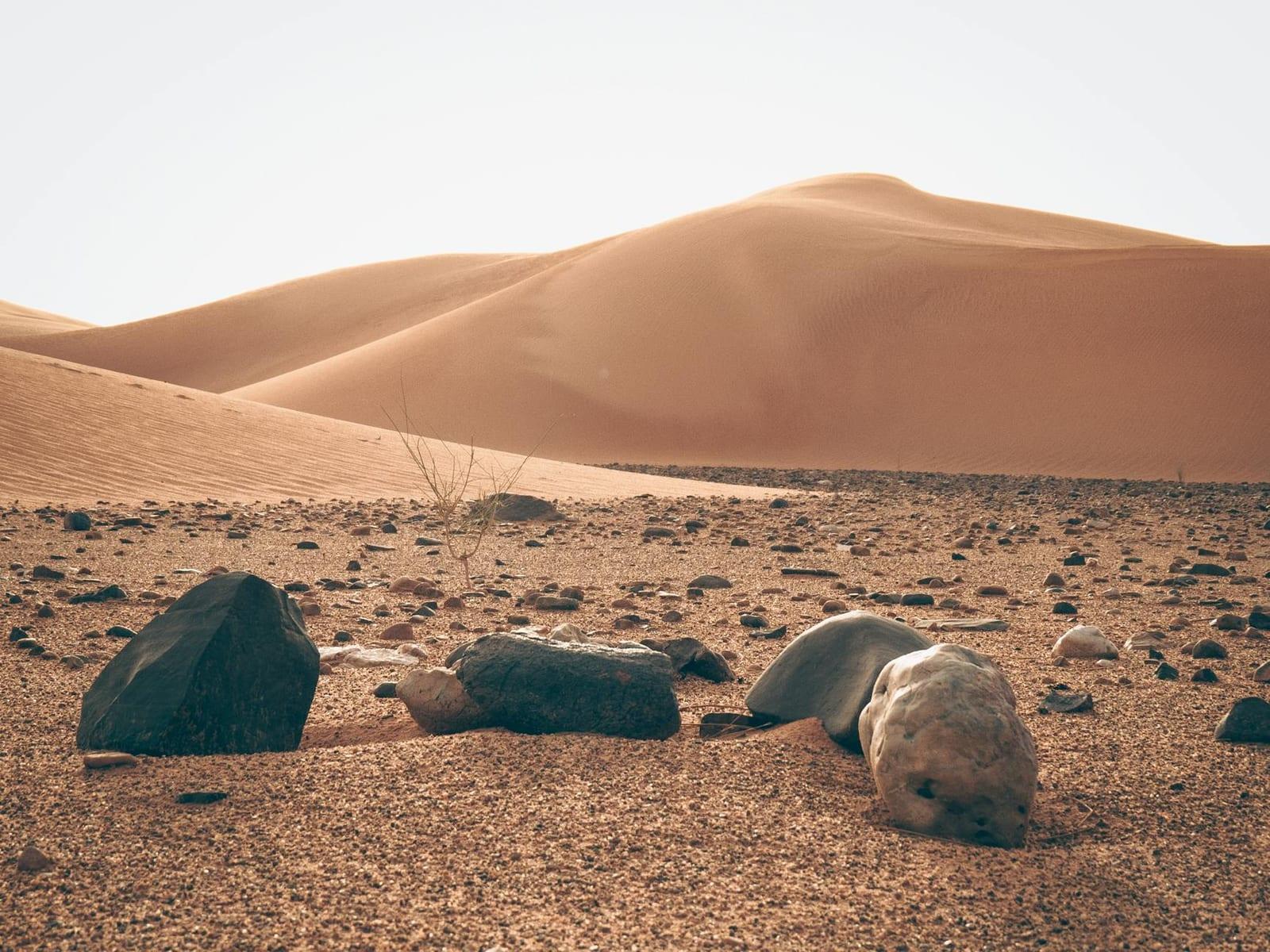
- DjémilaThe beguiling ruins of the Roman mountain colony of Cuicul, founded in the 1st century C.E., anchor this World Heritage Site.
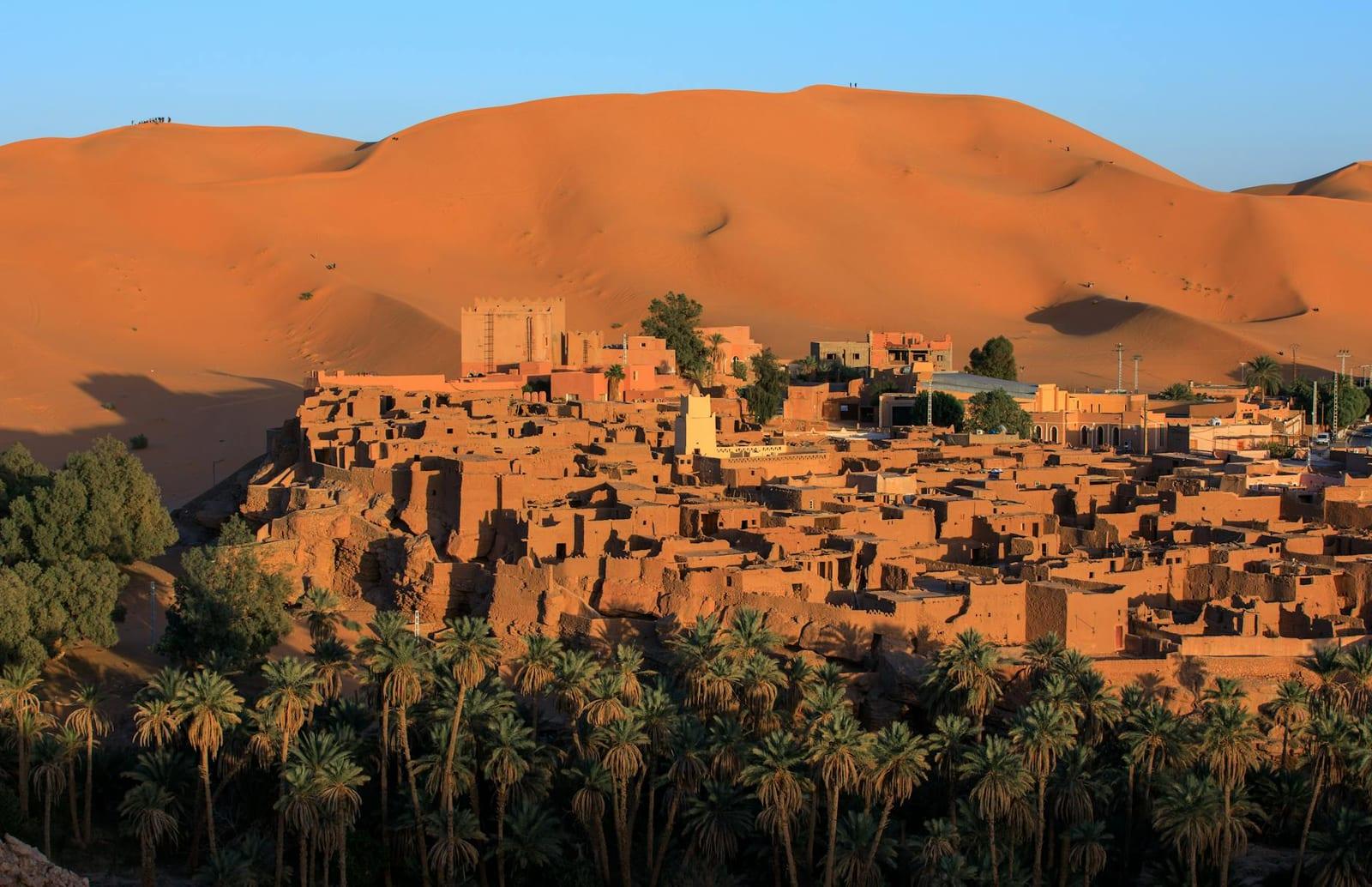
- Museums of AlgiersThe Algerian capital boasts several world-class museums, including the National Gallery of Fine Arts, the Bardo Museum (prehistory and ethnography), and the Museum of Antiquities.
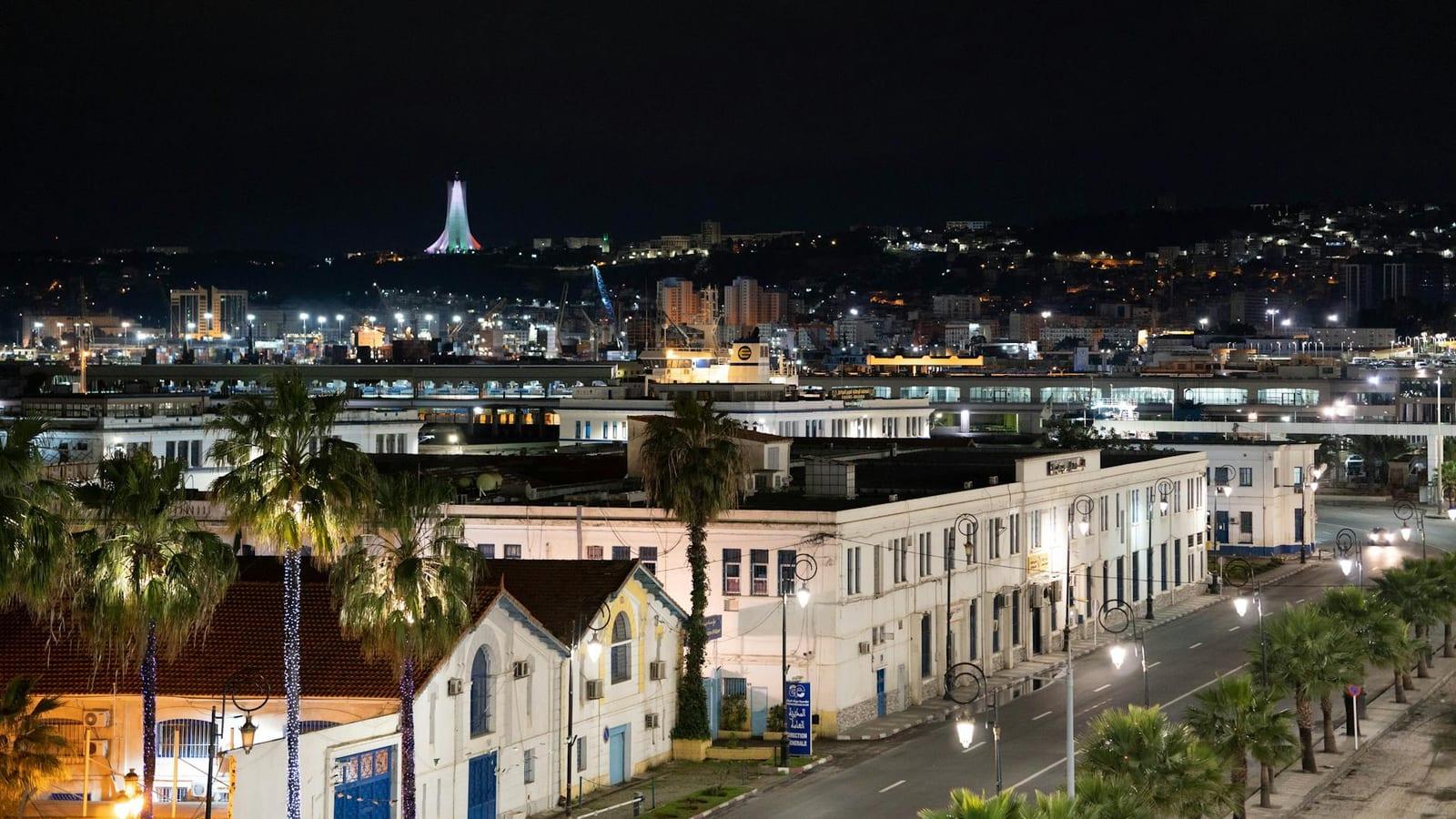
- ConstantineThe Carthaginians established this ruggedly situated city, the longest continually settled one in the entire country.
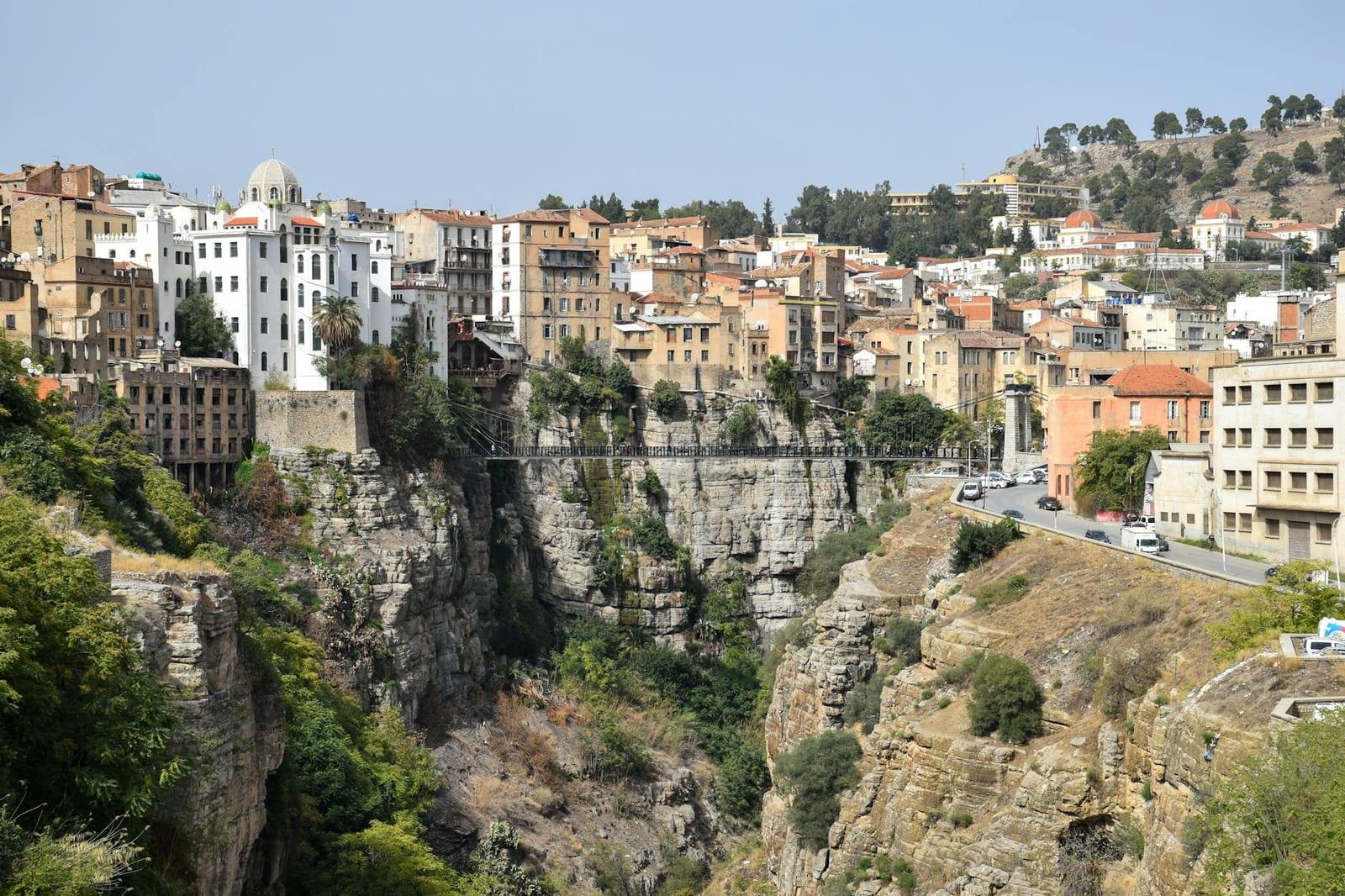
- El GoléaThe setting of this long-inhabited oasis outpost is breathtaking, what with the vast sands of the Grand Erg Occidental commencing nearby.