Off-limits to travelers during the last decades of the 20th century, due to the chaos of its shattering civil war, Angola—one of Africa’s biggest and most resource-rich countries—remains outside the typical tourist circuit. For the adventurous, though, Angola is flush in beautiful landscapes and cultural warmth.
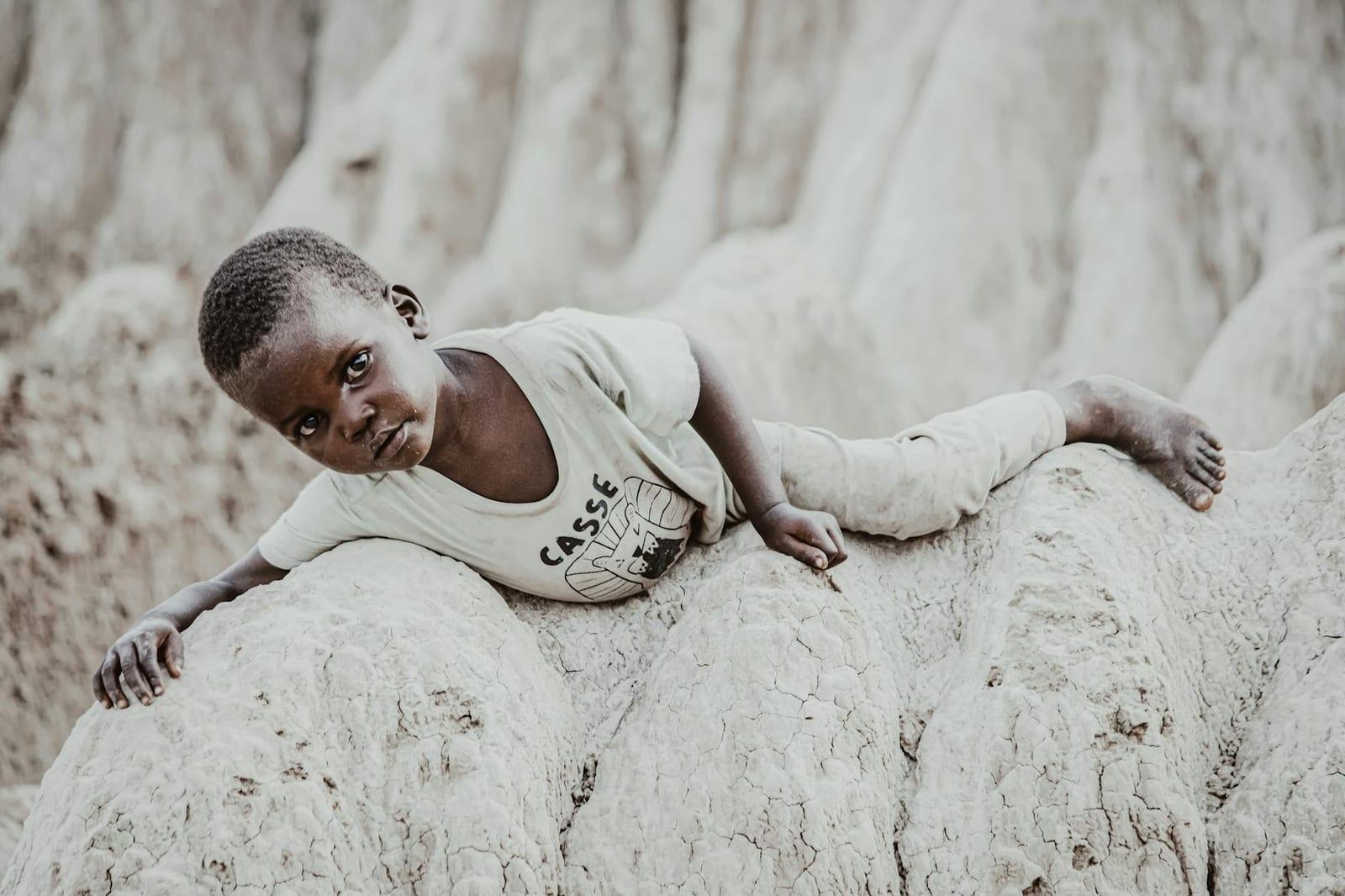
You’ll encounter an amazingly varied ethnic makeup, from the numerous Ovimbundu and Mbundu to small populations of Khoisan (part of southern Africa’s “click”-language cultures of hunter-gatherers and herders) and mesticos (citizens of mixed African and European ancestry). You’re likely to hear plenty of Portuguese, the official tongue, even in rural areas—a legacy of Angola’s long stretch, from the 15th century to the mid-1970s, as a colony of Portugal.
It’s impossible to visit Angola today and not perceive the residual shockwaves of the Angolan Civil War, a devastating power struggle between several groups that had fought for Angolan independence; in which, certain foreign powers—notably the United States and the Soviet Union—also had stakes in the conflict. Hundreds of thousands died or were displaced during the bloodshed, which erupted right after the country emerged from Portuguese control and continued—on-and-off—until the early 2000s. So keep well in mind: The country’s still a ravaged one, saddled with immense humanitarian challenges, riddled with mines, and heavily impacted from both infrastructure and natural-resources standpoints.
That said, roadways are improving, wildlife is returning, and beach resorts and other destinations catering to foreign tourists are on the up-and-up. Natural recovery and reintroductions are starting to restore national parks ransacked by poachers during the decades of fighting. Best-known is big, diverse Kissama National Park in the coastal lowlands south of Luanda; up on the central plateau, meanwhile, Cangandala National Park provides essential habitat for the critically endangered giant sable, a handsome, big-horned antelope.
If you’re willing to rough it a bit—and view the epidemic poverty, political tensions, and other civil-war after effects with a clear and compassionate eye—Angola certainly has magic in store.
10 things not to miss.
- Kalandula FallsStand at Kalandula Falls
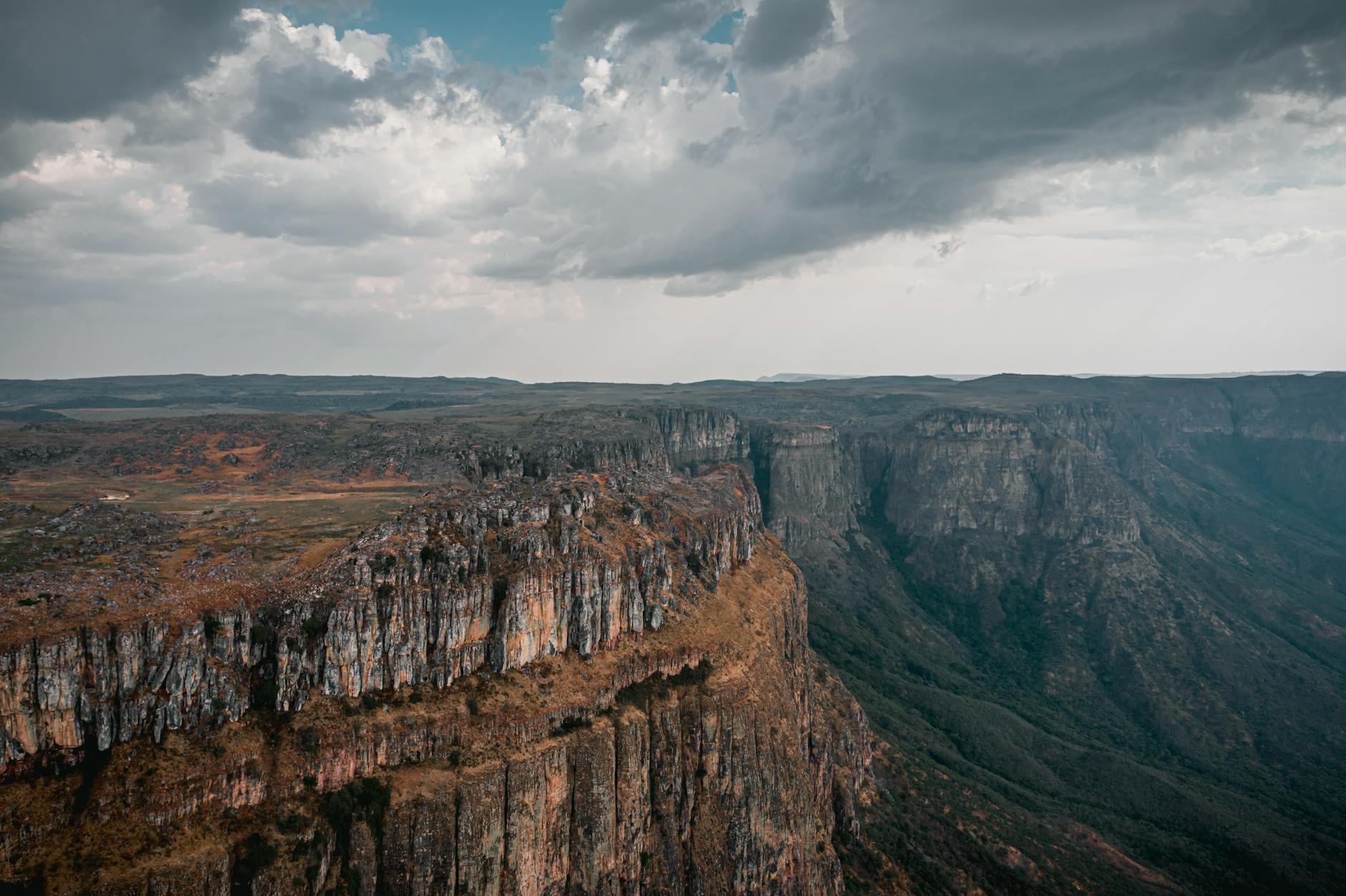
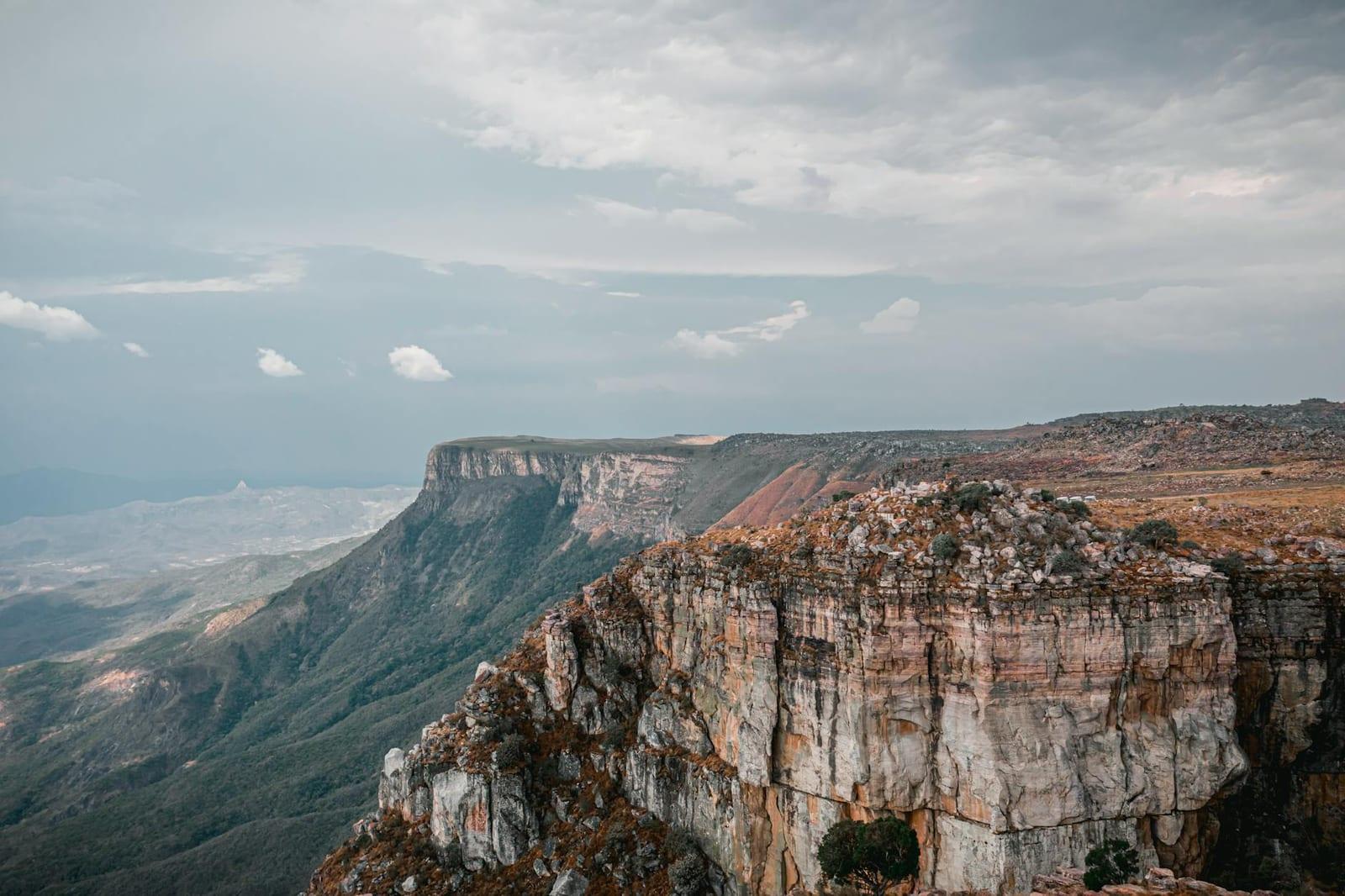
- Take in the Tundavala viewpointTake in the Tundavala viewpoint
- Spot wildlife in Kissama National ParkSpot wildlife in Kissama National Park
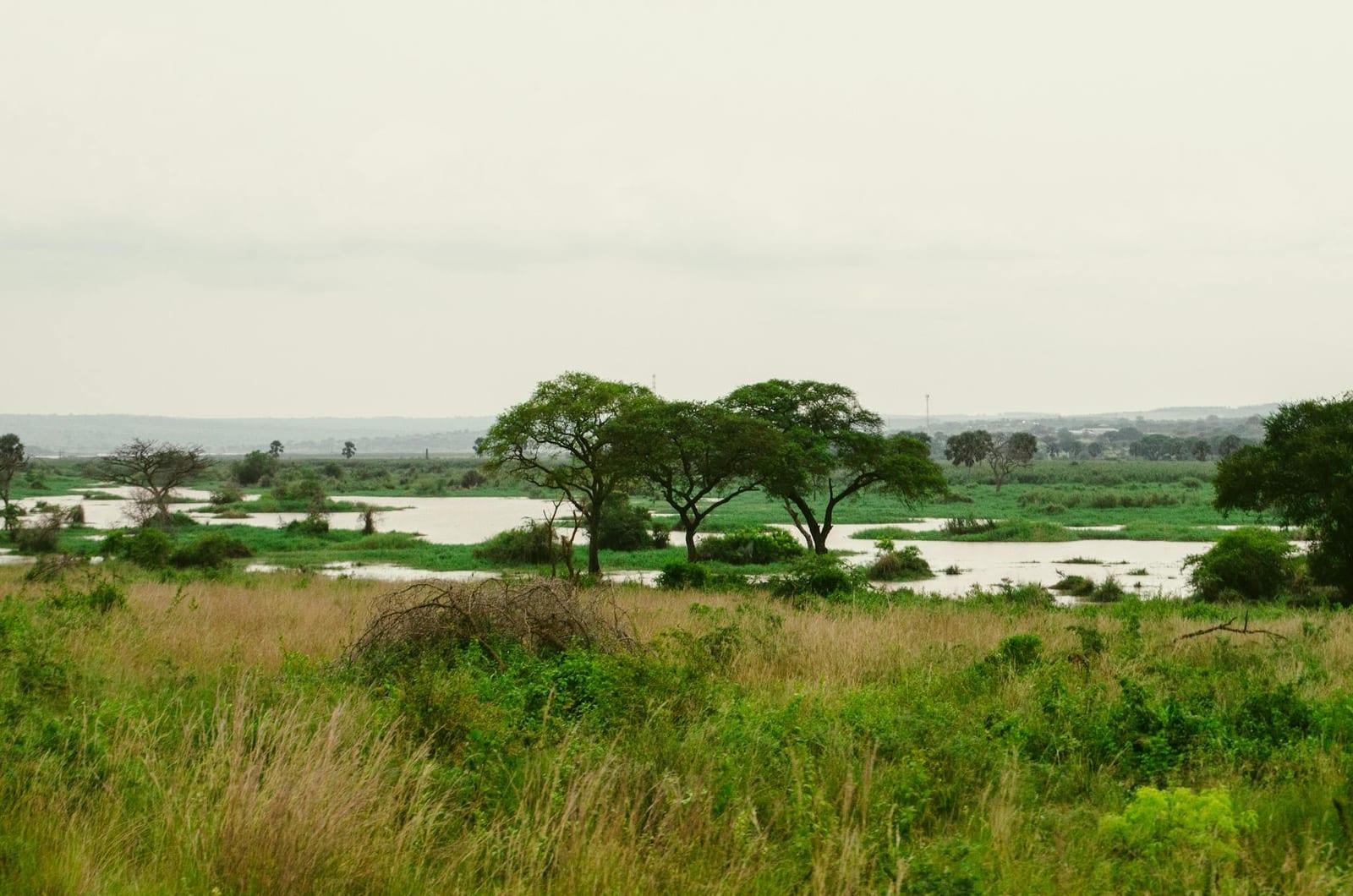
- Kissama (Qicama) National ParkThe best-known national park in Angola, Kissama—hit hard during the civil war but recovering—harbors elephants and other wildlife in coastal and riverine habitats.
- National Slavery MuseumThis sobering museum devoted to the story of the Angolan slave trade resides in a chapel where New World-bound slaves were once baptized.
- Benfica MarketThere aren’t many better places for taking the pulse of daily life in the Angolan capital than Luanda’s jampacked bazaar.
- Iona National ParkTake in Angola’s portion of the coastal Namib Desert here at its far northern end—and seek out a glimpse of the alien-looking welwitschia plant as you do.
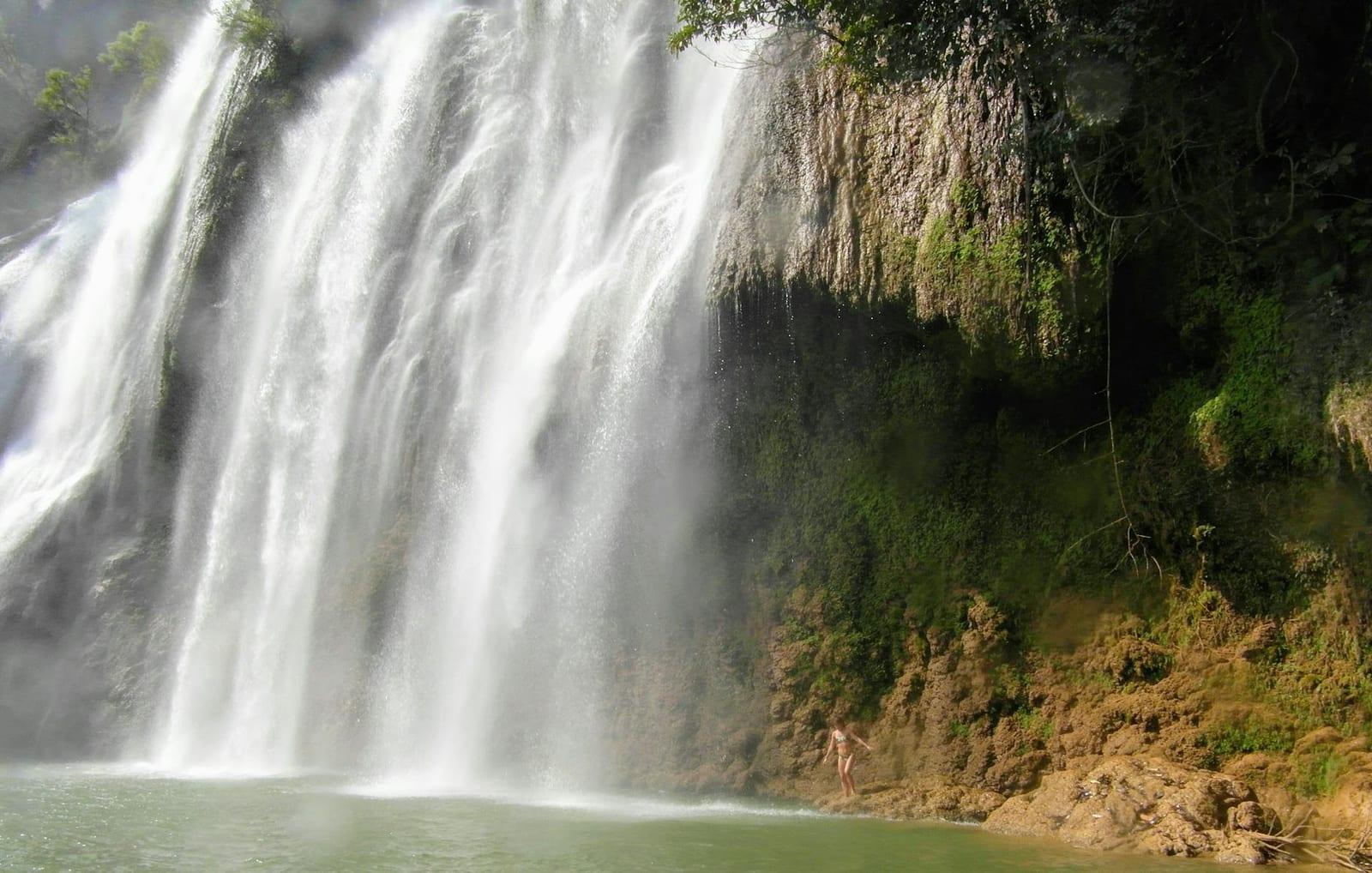
- Calandula WaterfallsThis 1,300-foot-wide horseshoe falls on the Lucala River in Angola’s northwest is one of Africa’s biggest and most breathtaking.
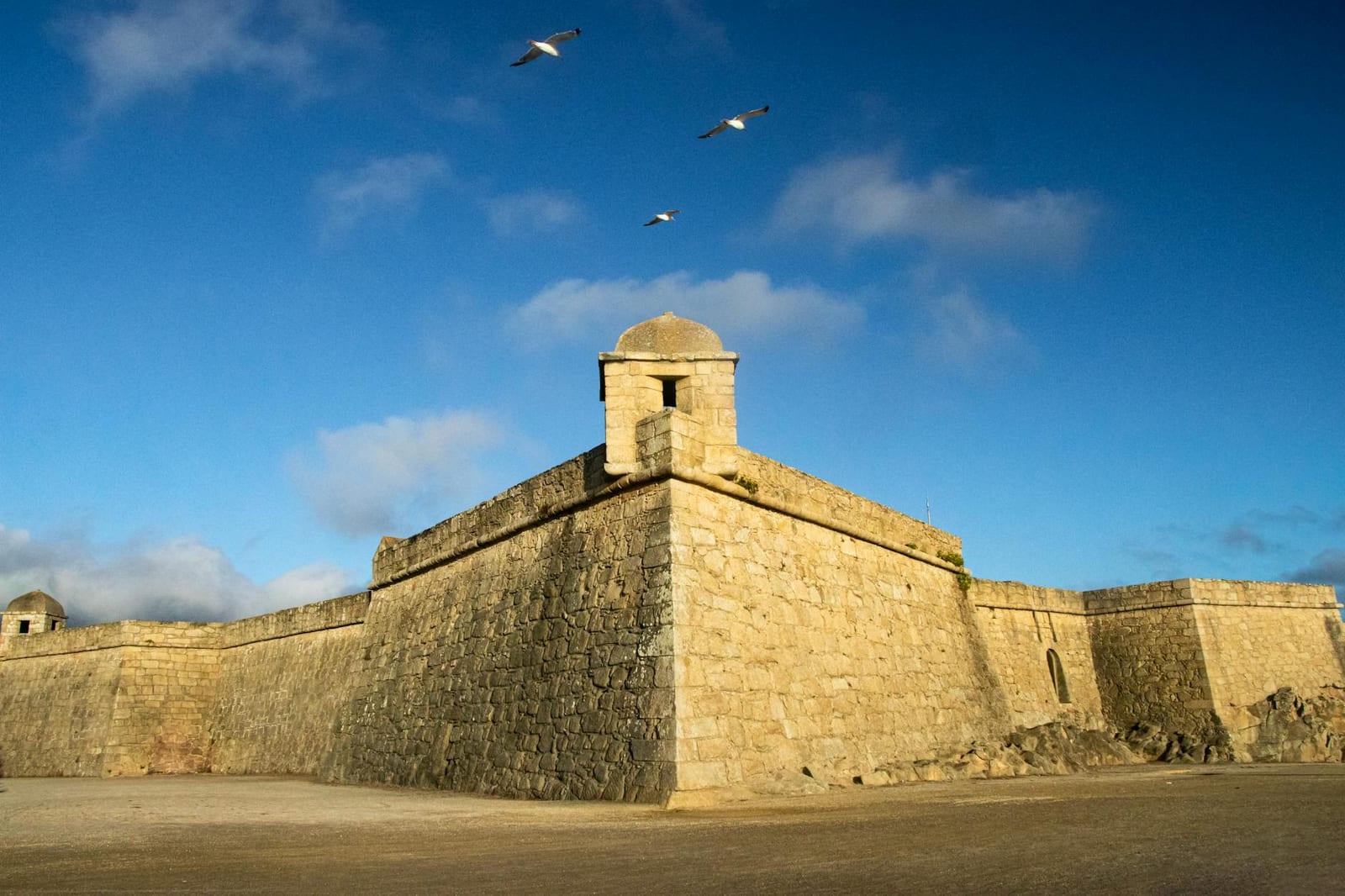
- Fort Sao MiguelOne of Luanda’s most celebrated historical landmarks, this 16th-century Portuguese fort, once a slave depot, now houses the Museum of the Armed Forces.
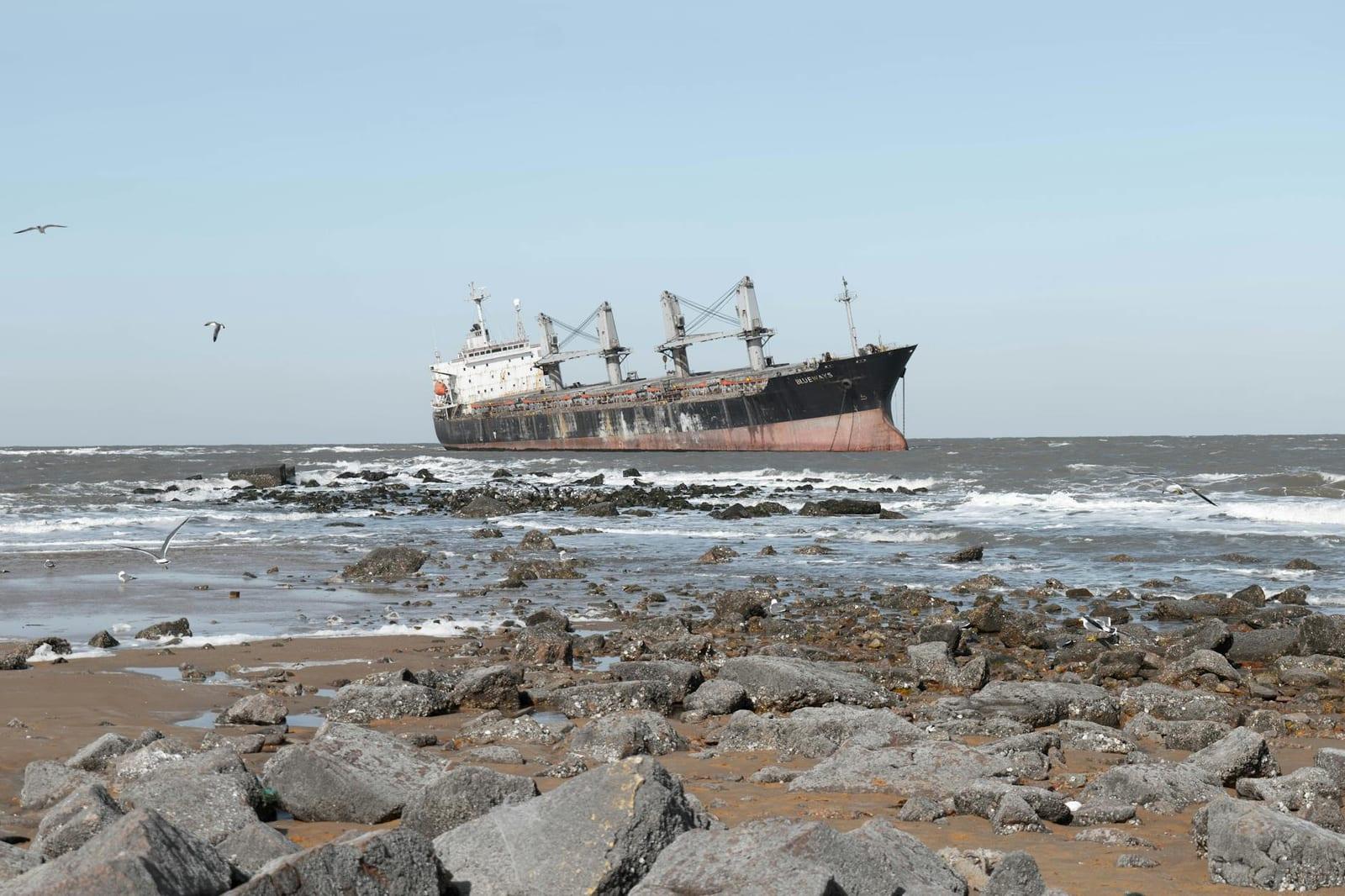
- Shipwreck BeachAlso called Santiago Beach, this 1.5-mile seashore lies studded with the huge hulks of multiple fishing boats, tankers, and other wrecked vessels.