Apart from its farflung international research stations and the ephemeral camps of foraying scientists or adventurers, the continent of Antarctica—the coldest, driest, and most remote on Earth—is devoid of human beings. It wasn’t even discovered until the early 1800s.
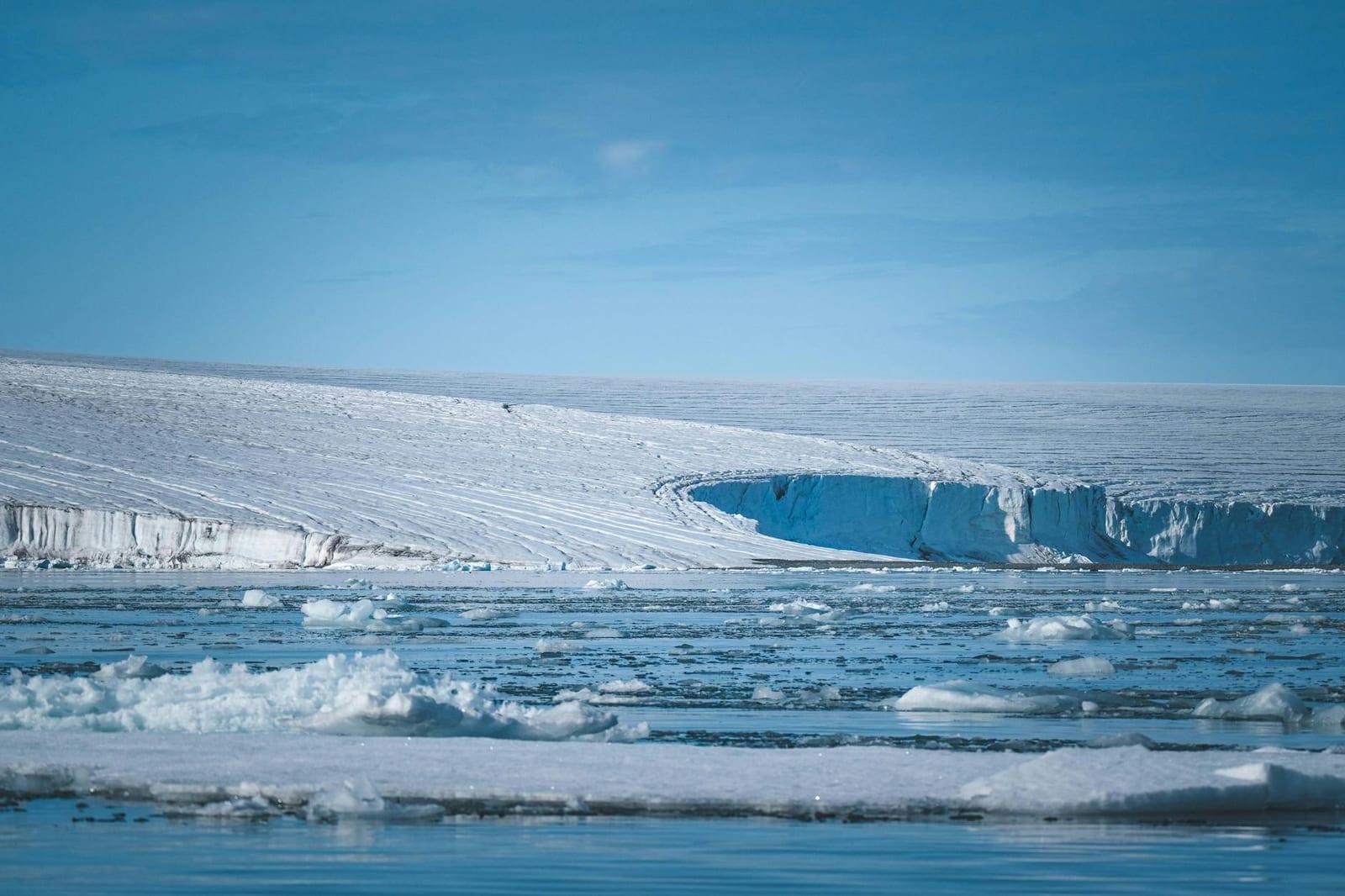
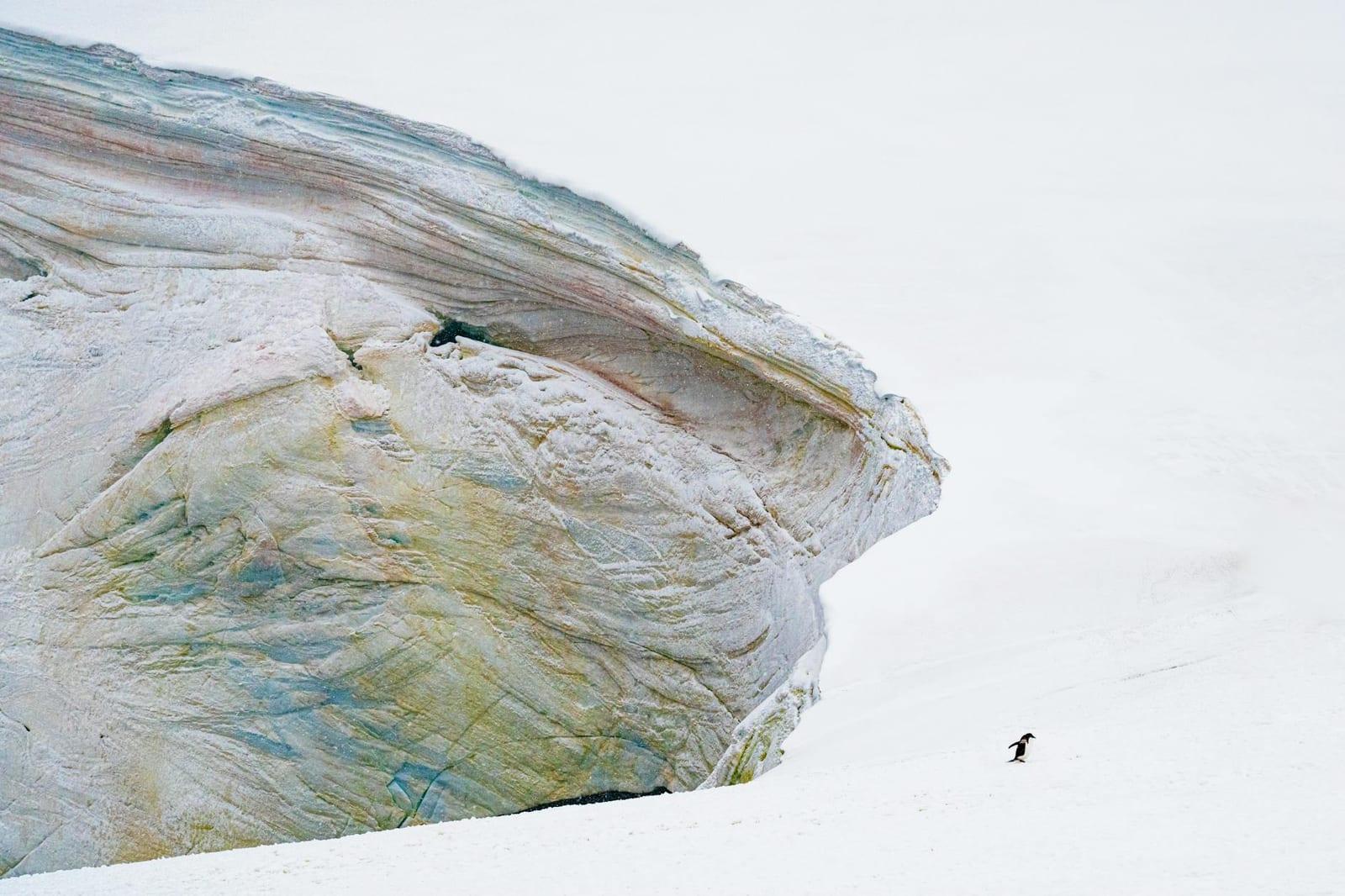
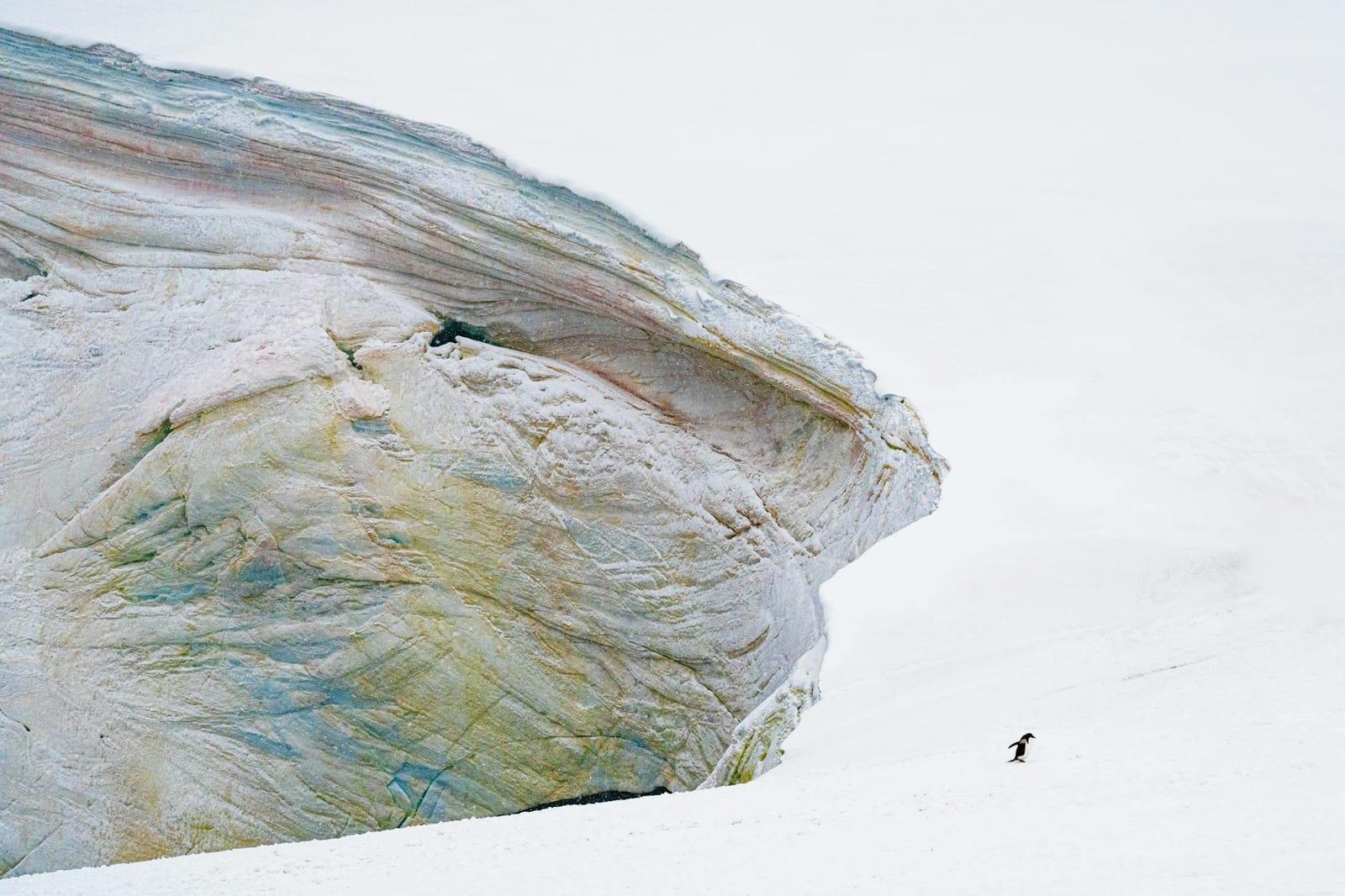
It’s astonishing to think about, but Antarctica has had its tropical and temperate eras with forests, swamps, and plentiful terrestrial fauna. Sundered from Gondwanaland and then Australia and rafted toward the South Pole, Antarctica’s encrustation in ice was a gradual but relentless one. Today it is massive, rugged, and almost wholly cloaked in the most magnificent ice sheet remaining on the planet.
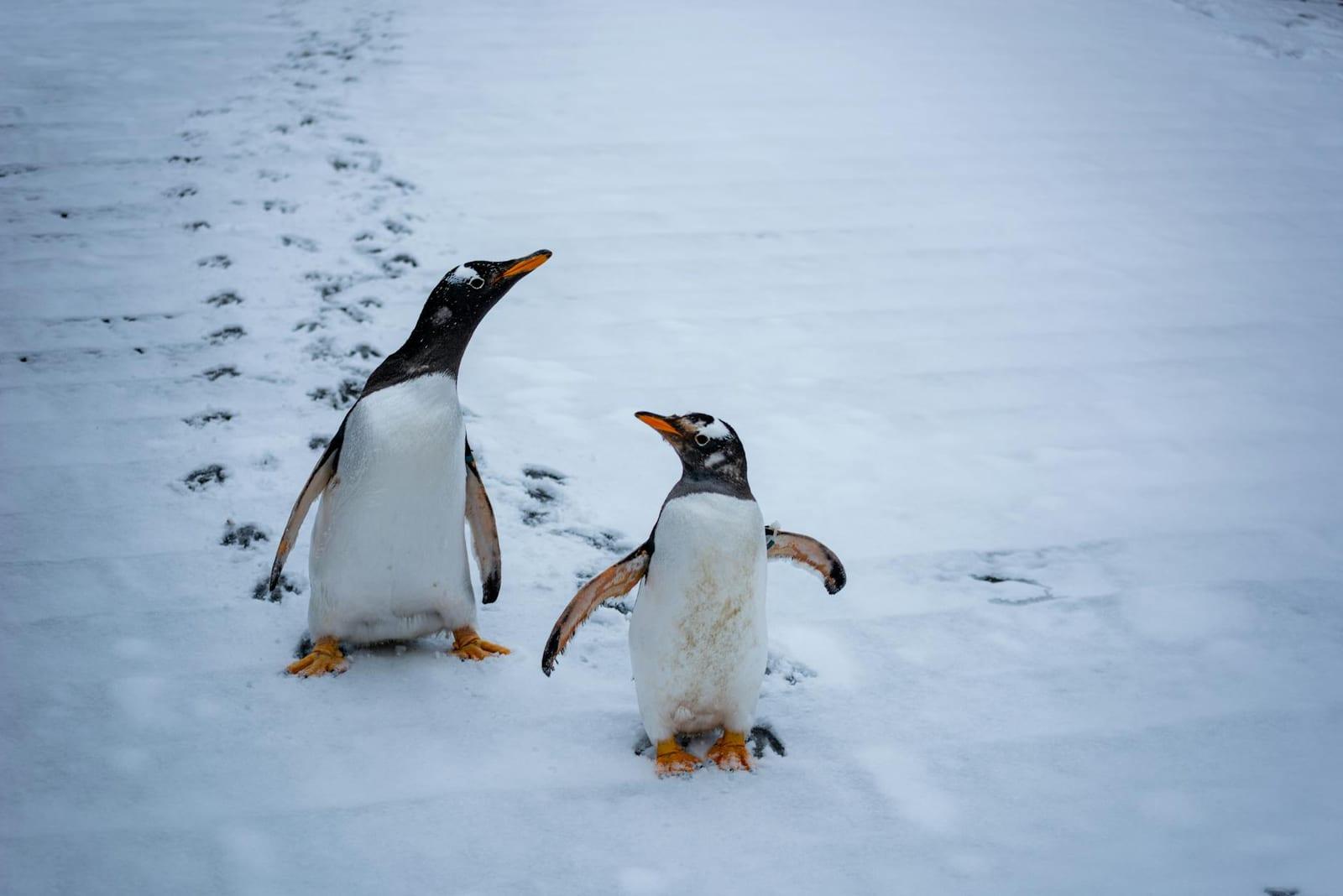
If you want polar bears, white wolves, muskoxen, and the like, head for the Arctic, not the Antarctic. But to conclude that a dearth of land animals (and land plants, for that matter) means Antarctica’s biologically bereft is woefully flawed: The ice continent is actually a wildlife hotspot when it comes to birds and marine life. A slew of penguin species breed here, including the huge and hardy emperor penguin, the males of which famously, stoically incubate eggs through the frigid darkness of the Antarctic winter. Some 20 varieties of seabird also have rookeries here, from skuas and petrels all the way up to albatrosses. Great congeries of marine mammals feed and reproduce here, too, with globally significant populations of seals and baleen whales. Prowling the pack-ice margins are ferocious marine predators: penguin- and pinniped-hunting leopard seals, and cunning pods of orcas targeting anything they can catch.
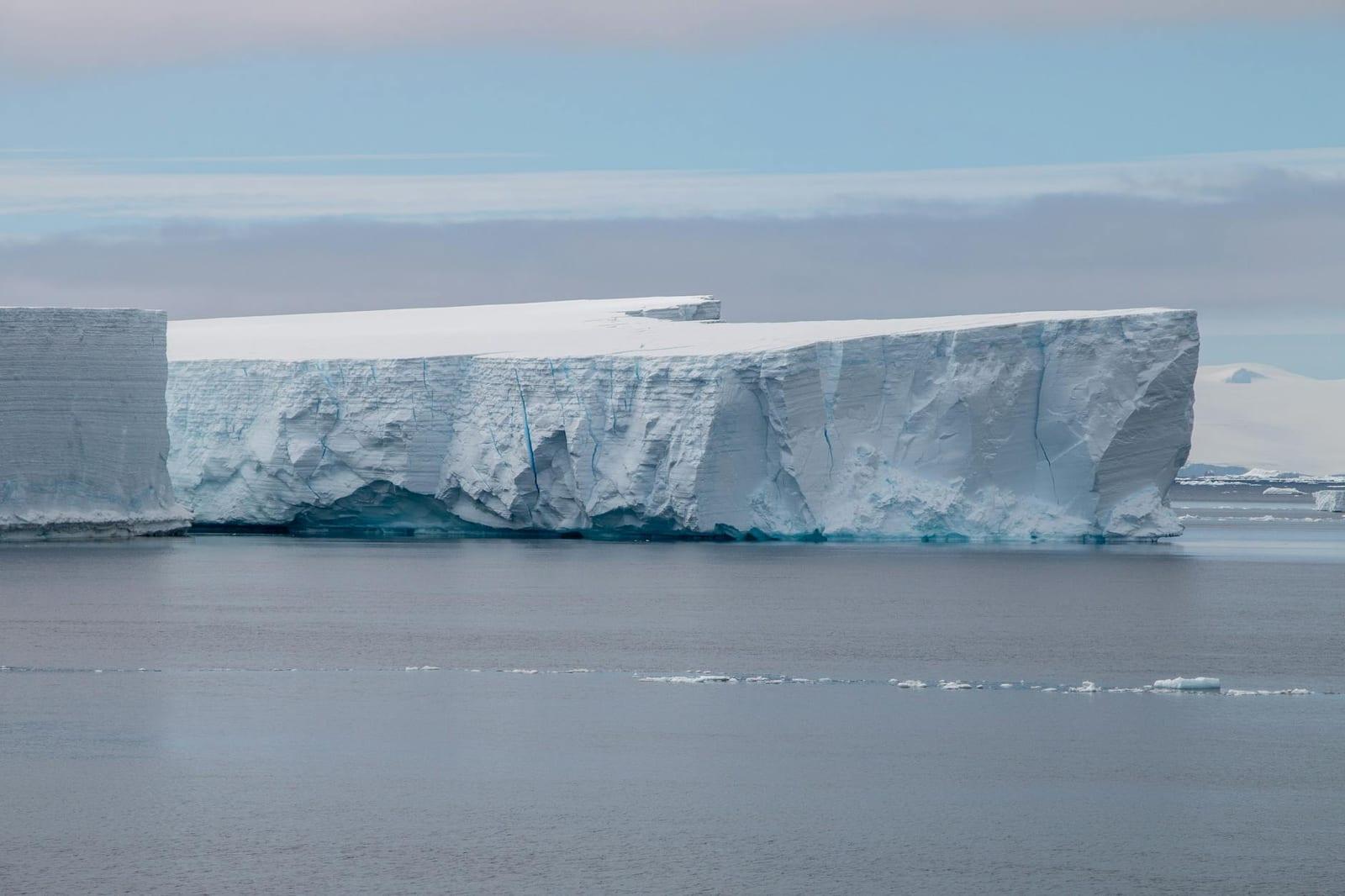
Then there’s the raw power of the Antarctic land- and seascape itself. The continent has the highest average elevation on Earth, and mountains of fierce remoteness rear from its ice sheets—including the great Transantarctic Mountains dividing West (“Lesser”) from East (“Greater”) Antarctica. In the Ellsworth Mountains, Vinson Massif—the highest summit in Antarctica—soars to 16,050 feet. Many Antarctic mountains are nunataks: thoroughly icebound save for their summits. The elemental forces of ice and fire (well—molten rock and steam, anyhow) square off at active volcanoes such as mighty Mount Erebus, which sports a churning lava lake in its crater. Then there are the mysterious McMurdo Dry Valleys, Lake Vostok and other subglacial water bodies; not to mention the titanic icebergs calved off the coastal ice shelves (one, recorded by the U.S.S. Glacier in 1956, was estimated at better than 12,000 square miles).
It goes without saying that a trip to Antarctica takes much planning and preparation. And it goes without saying that you should visit with plenty of respect: respect for the severity of the land and for the preciousness of its wilderness. Antarctica’s a global treasure, and, given the as yet unchecked march of global warming, now might be a good time to commune with these spectacular ice sheets.
10 things not to miss.
- Antarctica
- Penguins
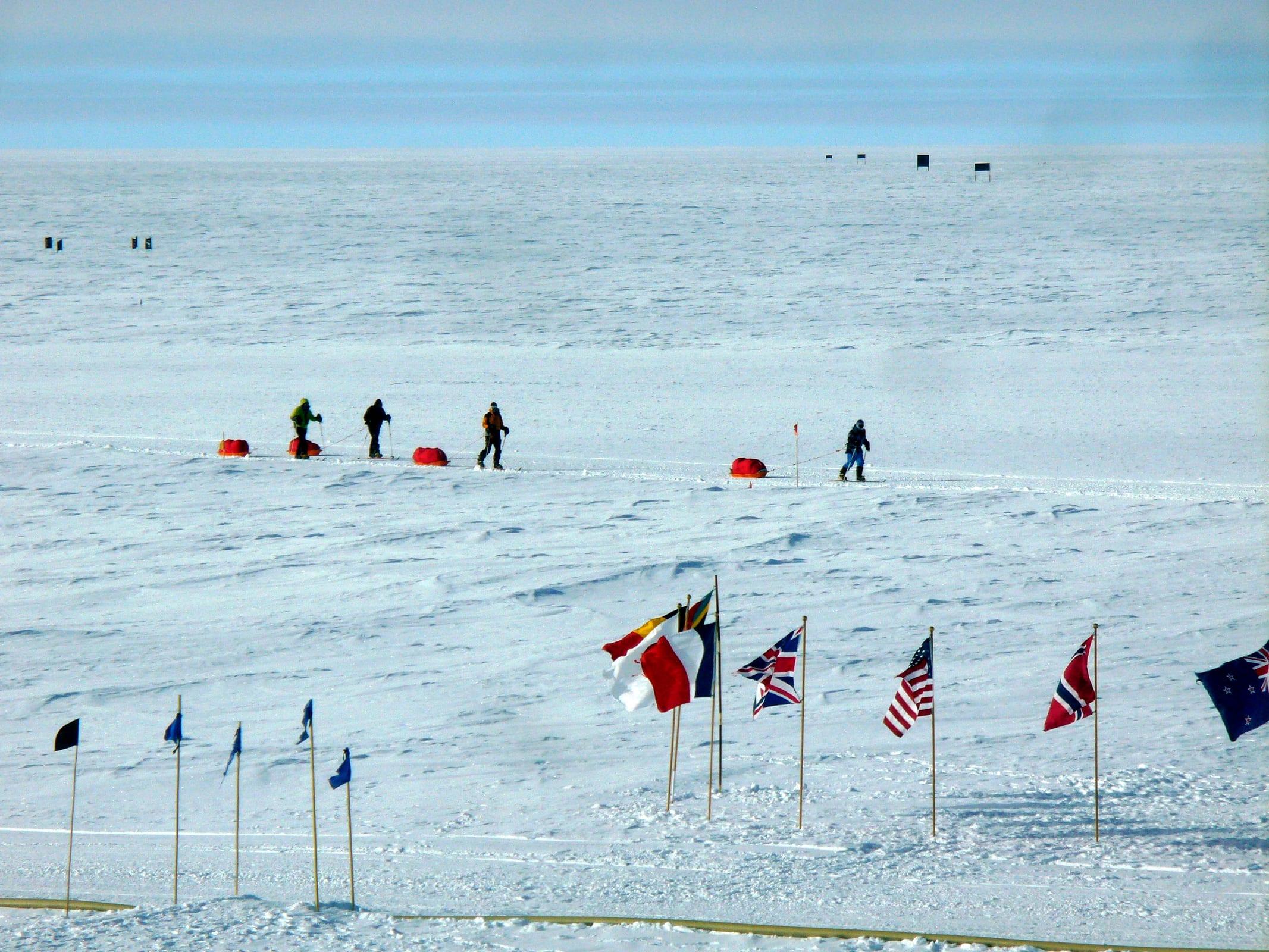
- South PoleOne of the mythic landmarks of human exploration, the South Pole is now reachable by commercial tours—but it’s still extreme.
- Blood FallsIron oxide turns this outflow of the Taylor Glacier in the McMurdo Dry Valleys into a gore-colored cascade.
- Vinson MassifIf you’re an adventurous mountaineer, it’s hard to resist the clarion call of the Ice Continent’s 16,050-foot high point.
- Half Moon IslandThis popular cruise stop in the South Shetland Islands gives you up-close looks at seabirds, chinstrap penguins, and seals.
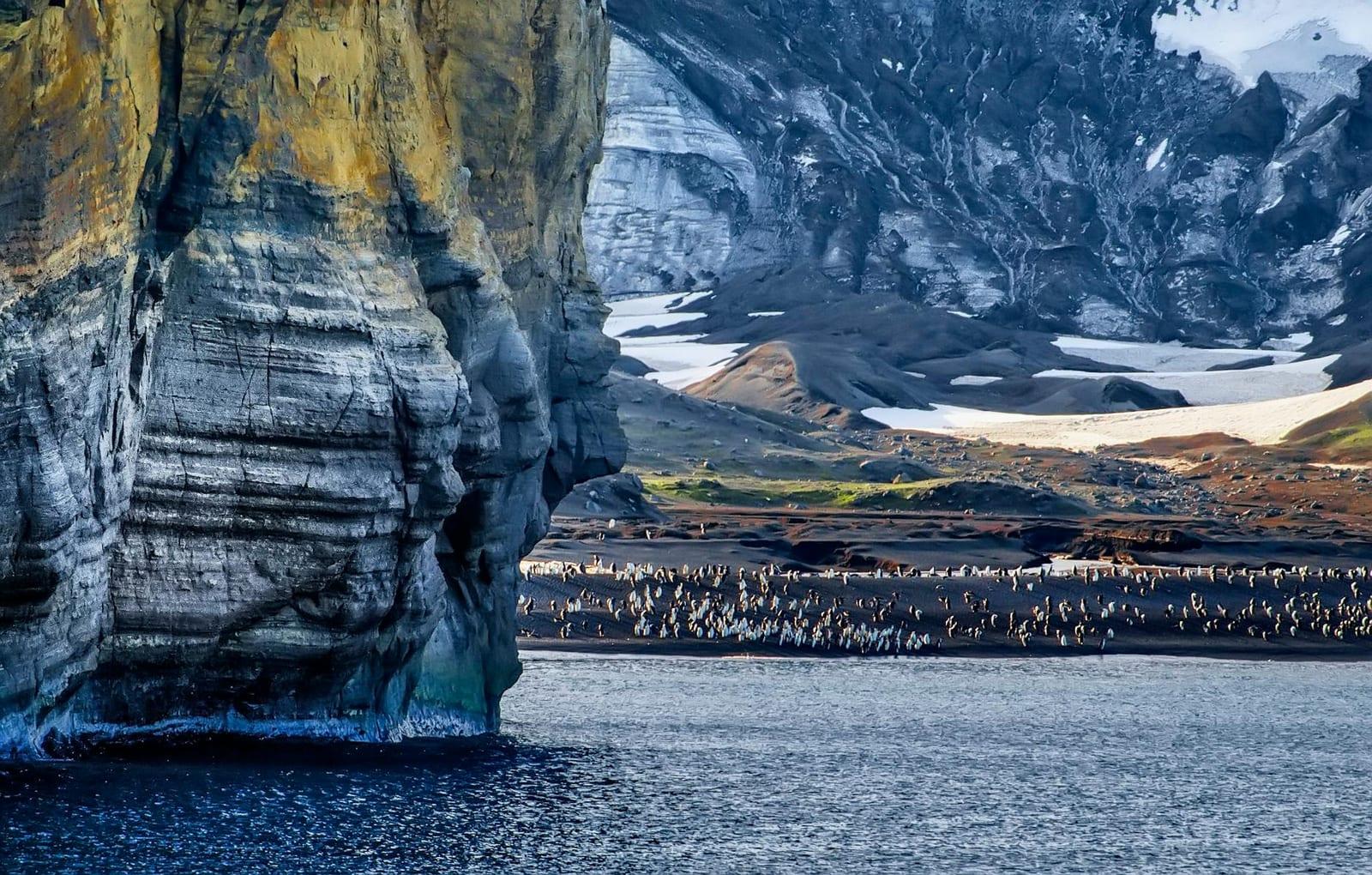
- Lemaire ChannelEnclosed by dark, snow-streaked cliffs and surfed by icebergs, this Antarctic Peninsula strait is breathtaking.
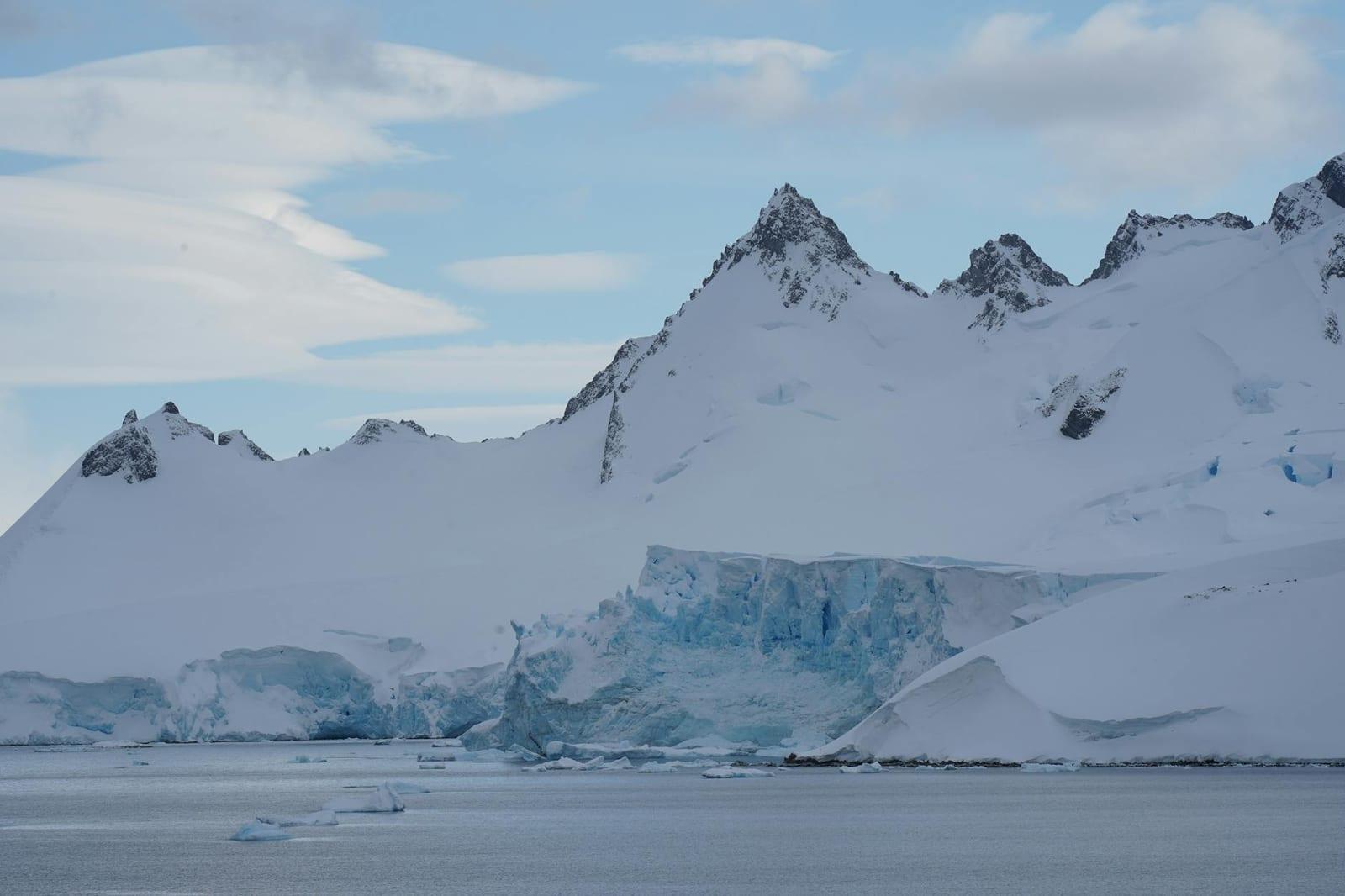
- Cierva CoveZodiac cruises through this icy inlet often yield sightings of Antarctic pinnipeds, including the formidable, penguin-gulping leopard seal.
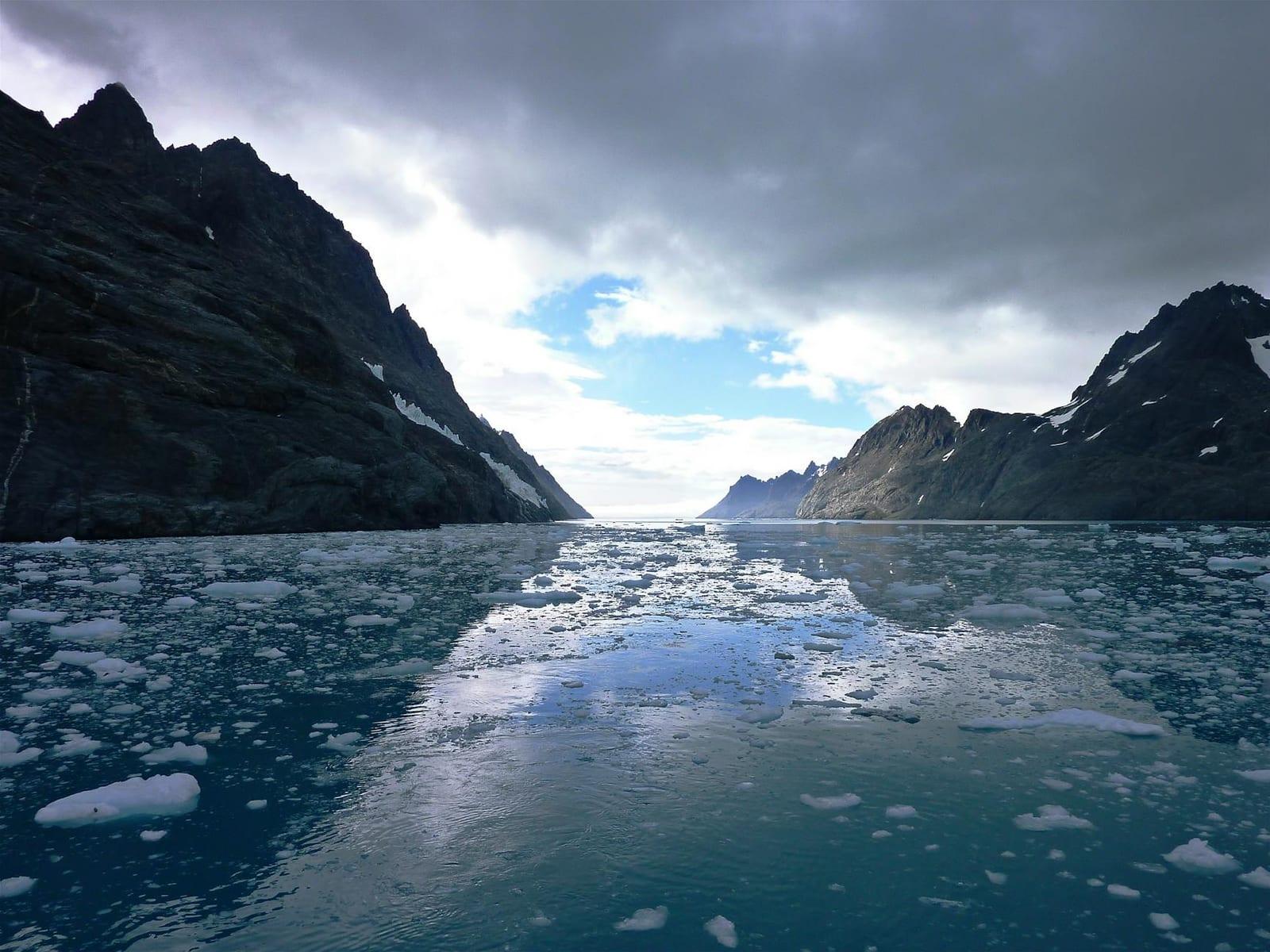
- Cape RoydsThis Ross Sea headland includes a wooden shack built by British explorer Ernest Shackleton during his Nimrod Expedition to Antarctica (1907-1909).
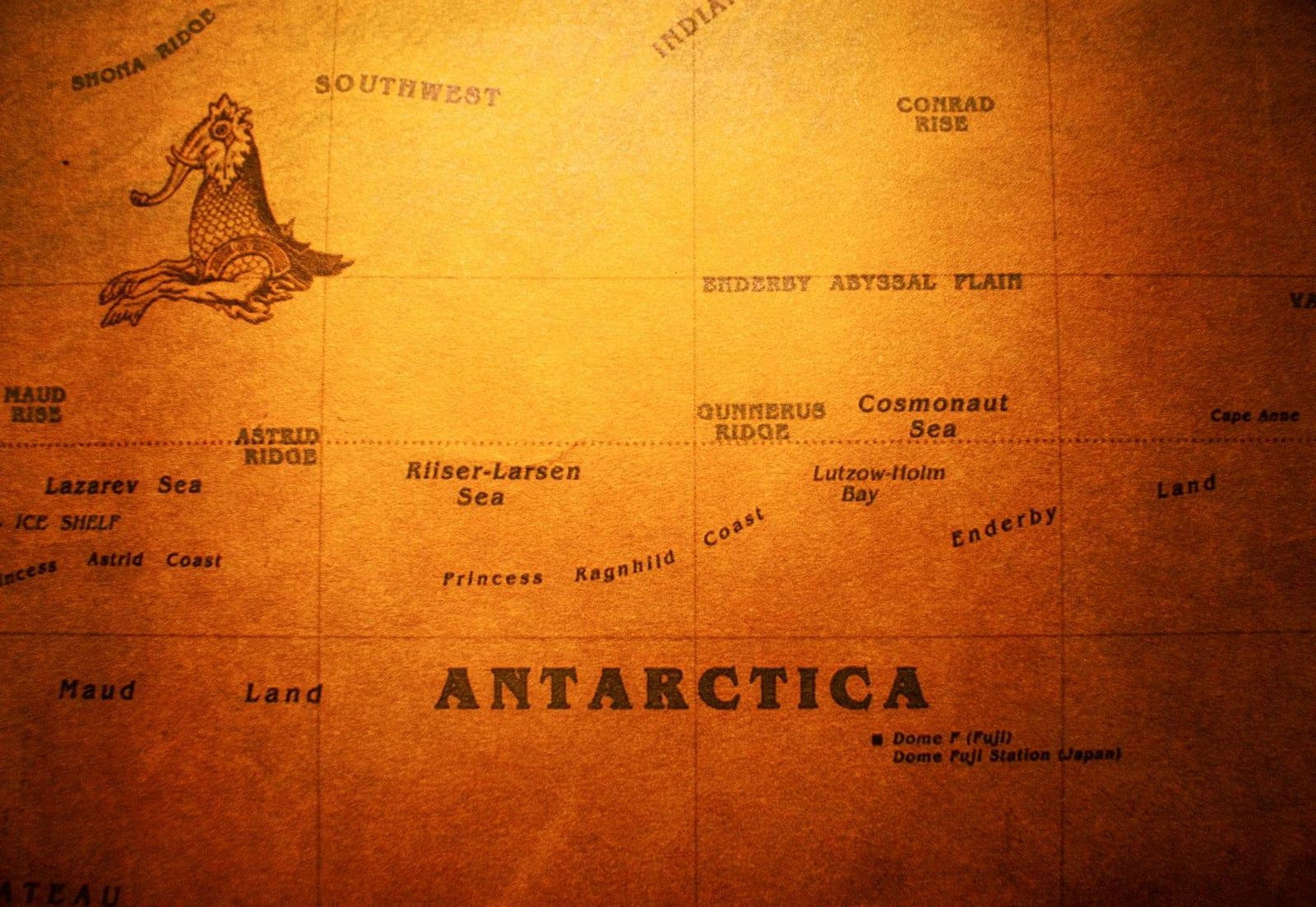
- McMurdo StationThis famous U.S.-run research outpost, Antarctica’s biggest, lies on Ross Island, dominated by the great volcano Mount Erebus.