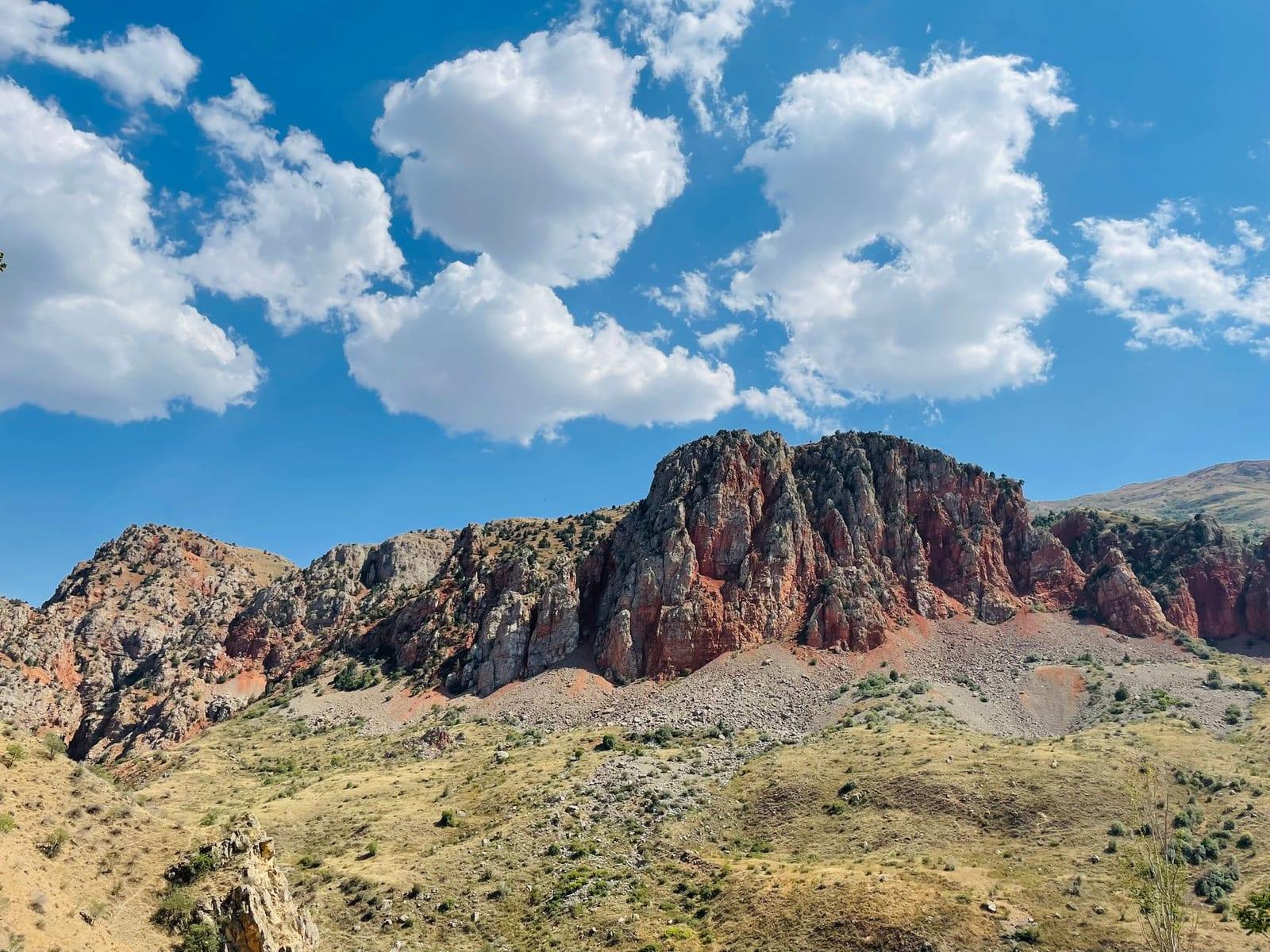
Burrowed into the heart of the Caucasus, landlocked Armenia has had a long and sometimes brutal history. But today it tempts the traveler with durable monuments of the past and equally durable cultural practices, not to mention a thoroughly fetching countryside of rough Caucasus ridges and deep-cut valleys.
It’s a small country today—especially by regional standards—but Armenia is the relic of a once-hefty and muscular kingdom, that of Tigranes the Great (140-55 BCE). But the empire was destined for whittling down: Romans, Persians, Byzantines, and, by the 19th century, the Ottoman and Russian empires divided the traditional Armenian homeland among themselves. The Armenian Genocide, perpetrated during the First World War by the Ottomans against Turkish Armenians, ranks among the most horrific tragedies of the oft-tragic 20th century, and still haunts the collective memory. Following an early doomed stab at self-government and various annexations by Turkish and Russian forces after World War I, Armenia became a Soviet republic in the 1920s and remained as such until 1991, when it finally gained independence.
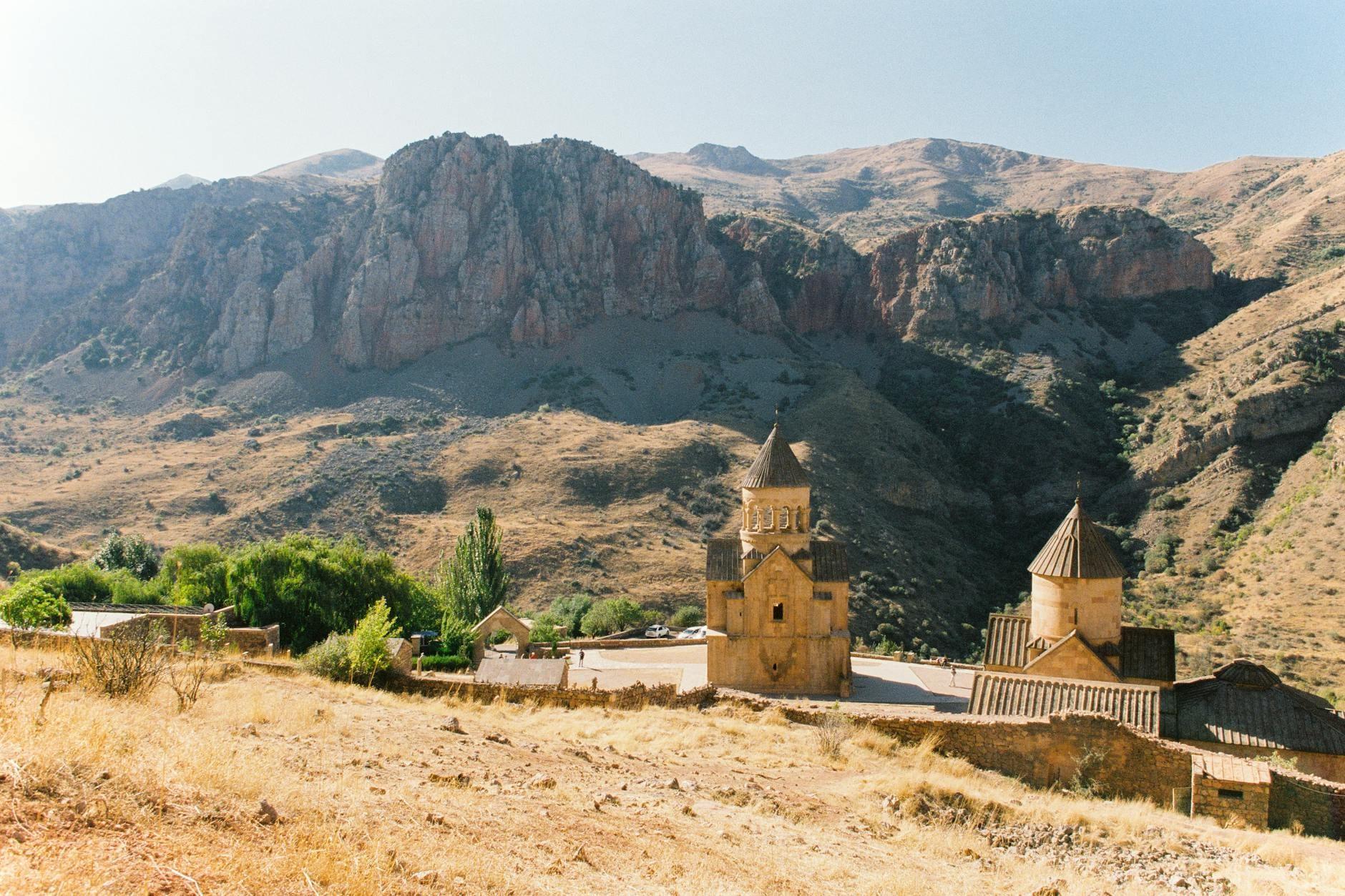
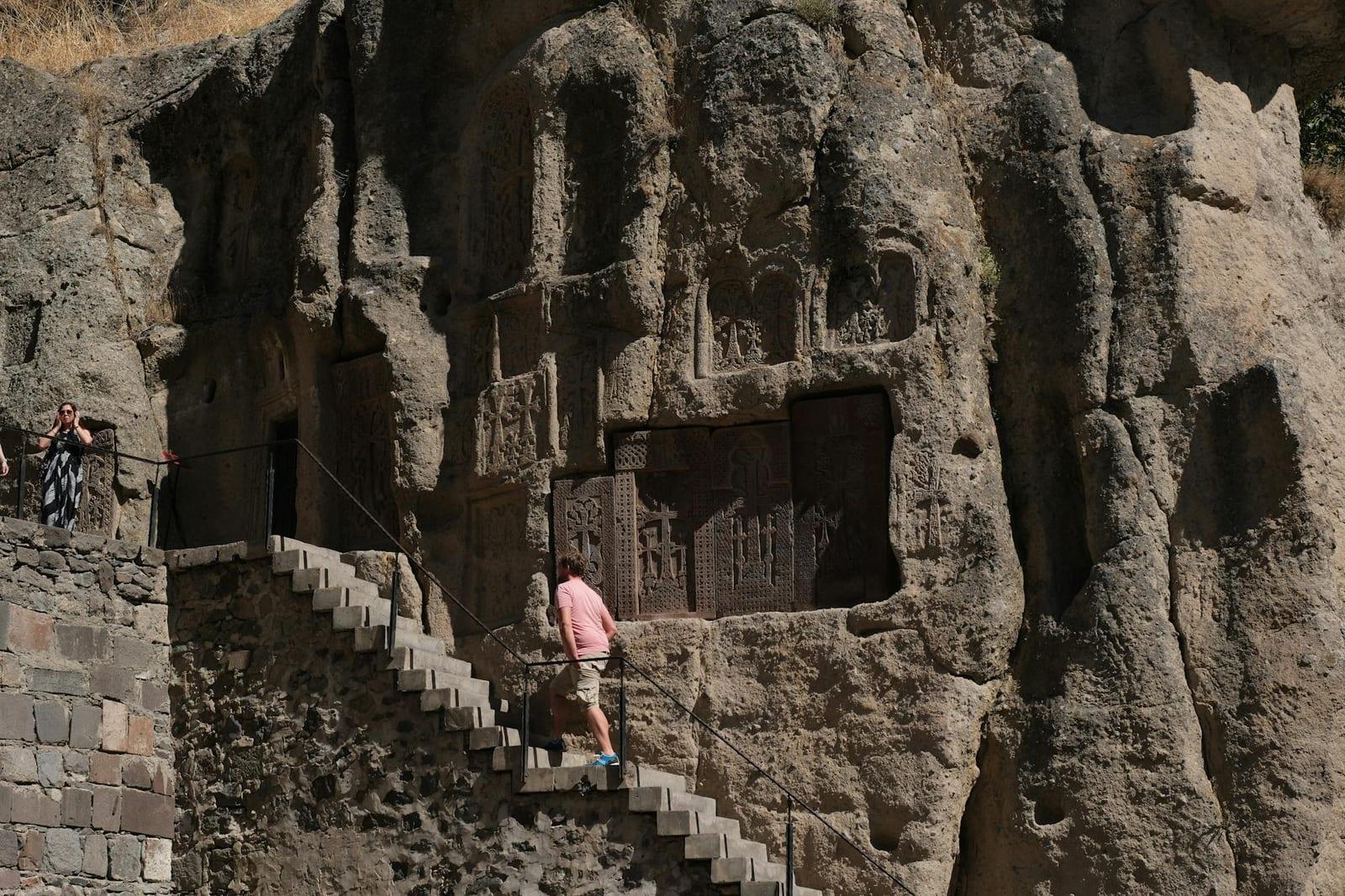
Armenia adopted Christianity as its official religion before any other country, and there’s an amazing spread of historic churches and monasteries here—including cliff-walled Geghard, the earliest incarnation of which dates to the 4th century, and the pair of World Heritage Site-designated monasteries, Haghpat and Sanahin, which are couched in the extraordinarily historic Debed Canyon.
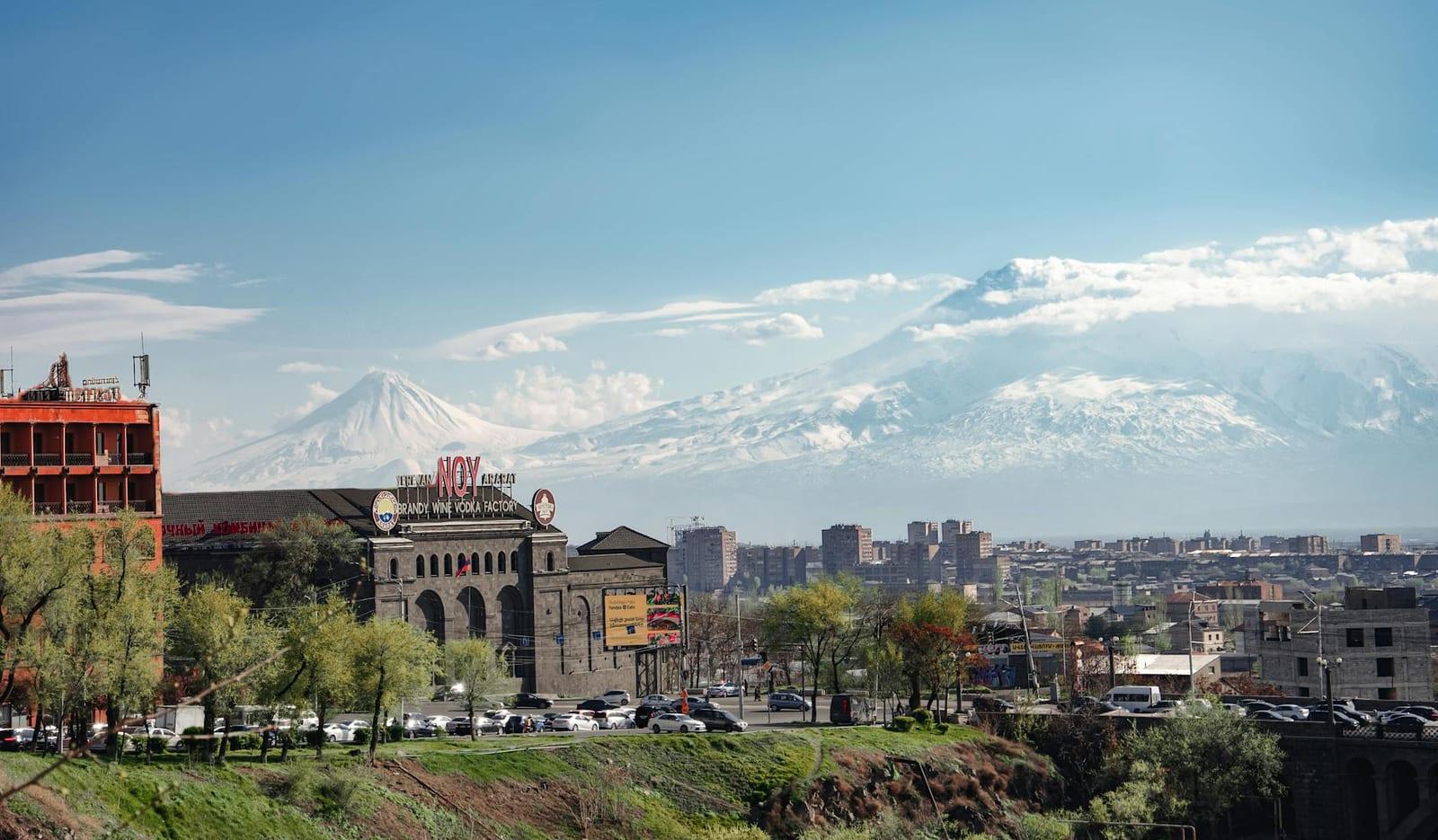
Centuries upon centuries of subjugation and persecution by foreign rulers—and the great exodus of the Armenian diaspora on the heels of the genocide—haven’t managed to destroy Armenian culture. The capital of Yerevan—magnificently backdropped by Mount Ararat just over the border in Turkey—is a spectacular place to explore that culture, whether you’re taking in a traditional dance performance, cutting-edge nightclub music, or a representative feast of native cuisine—grilled lamb or vegetable skewers, the meat soup of khash, lavash flatbread, and other delicacies.
Meantime, the natural landscape—a mountain-dominated one culminating in 13,418-foot Mount Aragats—simmers with beauty. A defining landmark is Lake Sevan (Sevana Lich), nearly 2,000 square miles across. No surprise, given Armenia’s heritage: There are numerous historical monuments, most famously the Sevanavank Monastery. Ambitious outdoors lovers can track down Armenian wilderness at national parks such as the Khosrov Reserve in the Geghama Mountains; if you’re lucky, sharp-eyed, and persistent, you may be rewarded with peeks at Caucasian bearded goats (or Bezoar ibex) or even—if you’re really lucky—a Persian leopard.
Leopards hidden amongst cliffs? Balmy beaches on a mighty lake? Age-old cathedrals and monasteries looming in concert with steep slopes? A capital city with enough cultural and culinary goings-on to draw any visitor in on the action? That's Armenia, putting a bold face toward the future—and justly showing off a landscape and a people too long cast in the shadows.
12 things not to miss.
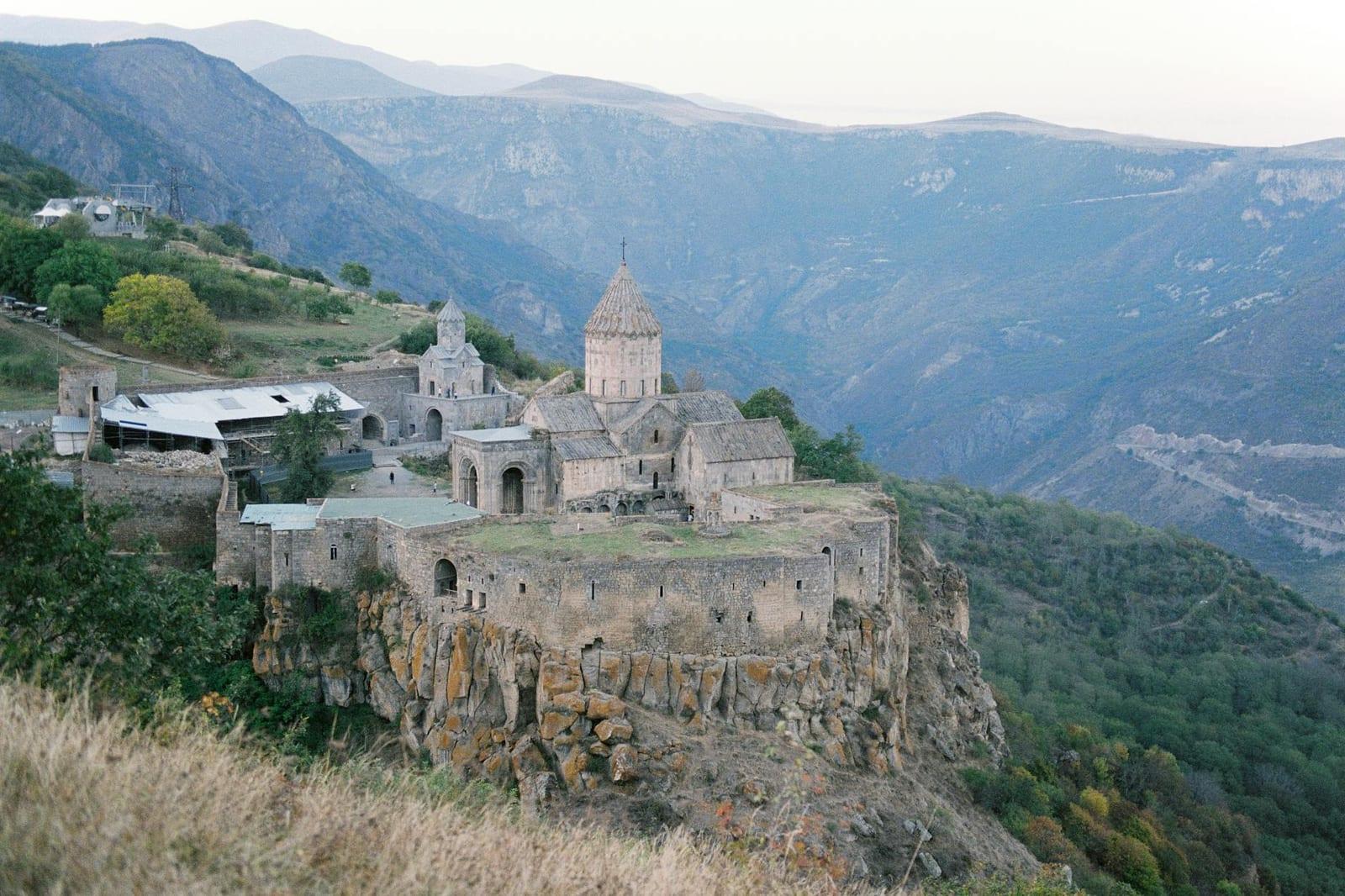
- Cable car up to Tatev monasteryCable car up to Tatev monastery
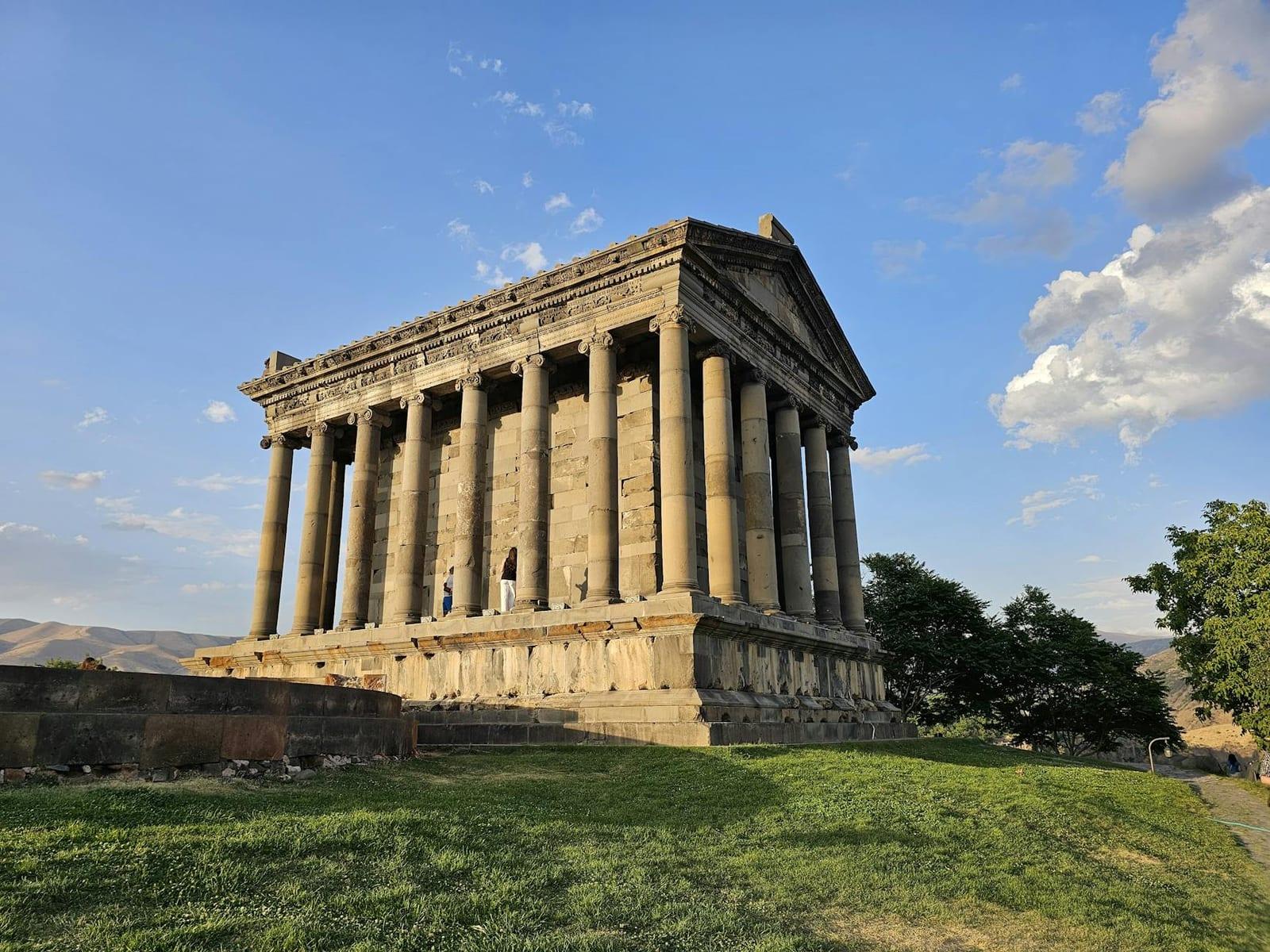
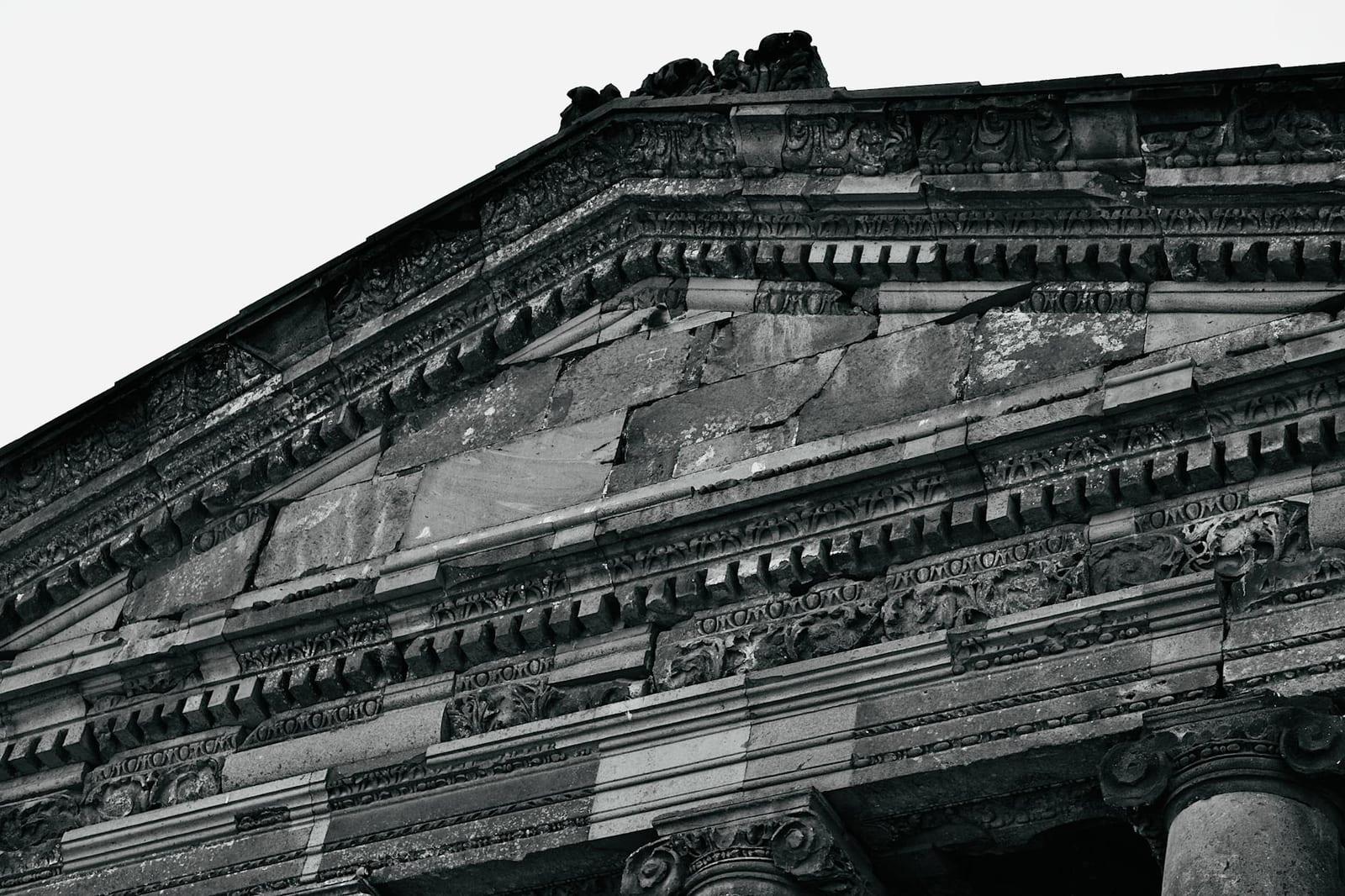
- Garni temple ruinsVisit the Garni temple ruins
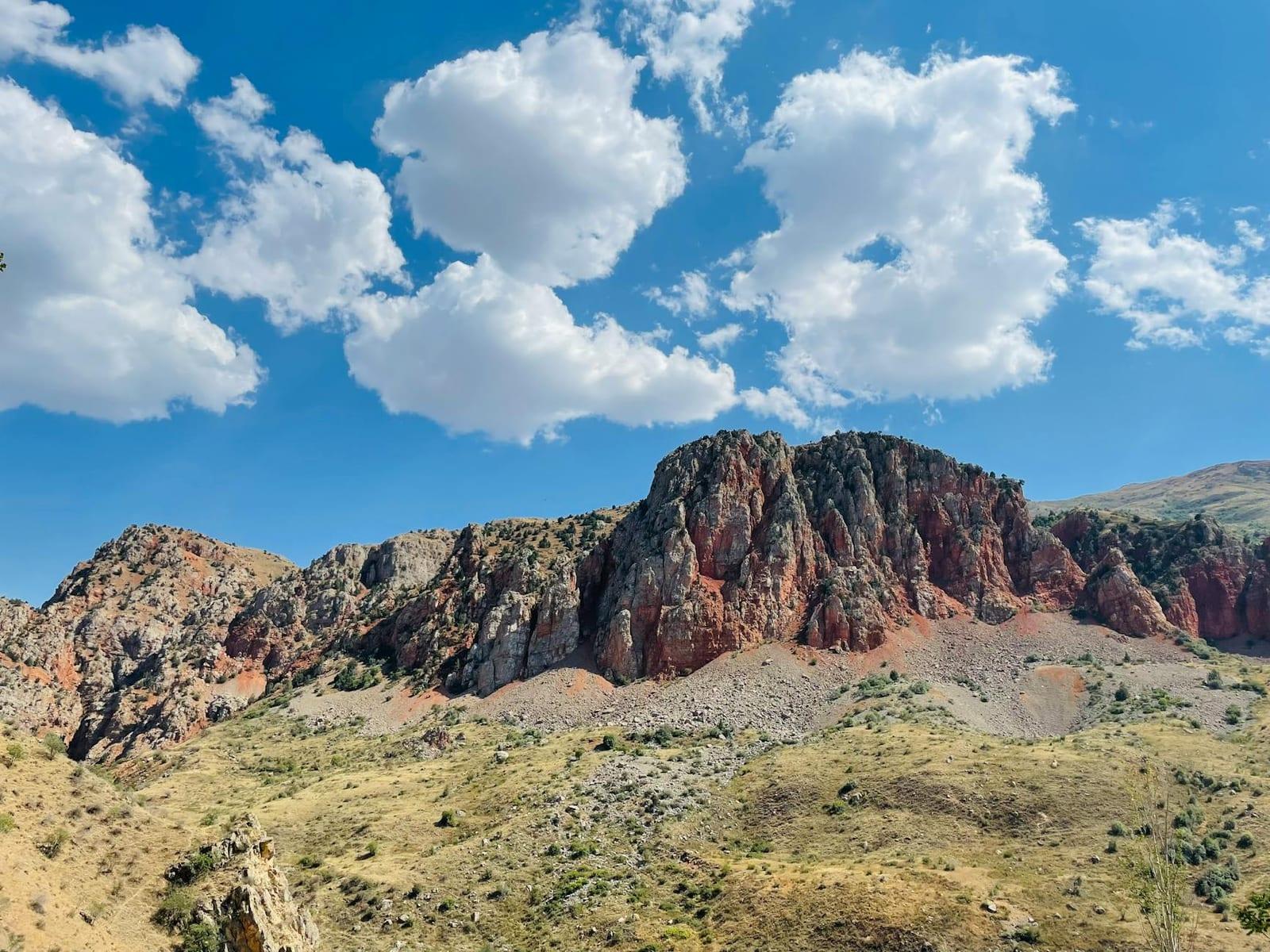
- Debed CanyonThis gorge isn’t just scenic: It’s also a tremendous reservoir of Armenian history, home to venerable monasteries, churches, and other landmarks.
- Geghard MonasteryFlanked by spectacular cliffs, this religious monument dates (in its earliest form) to the 4th century C.E.
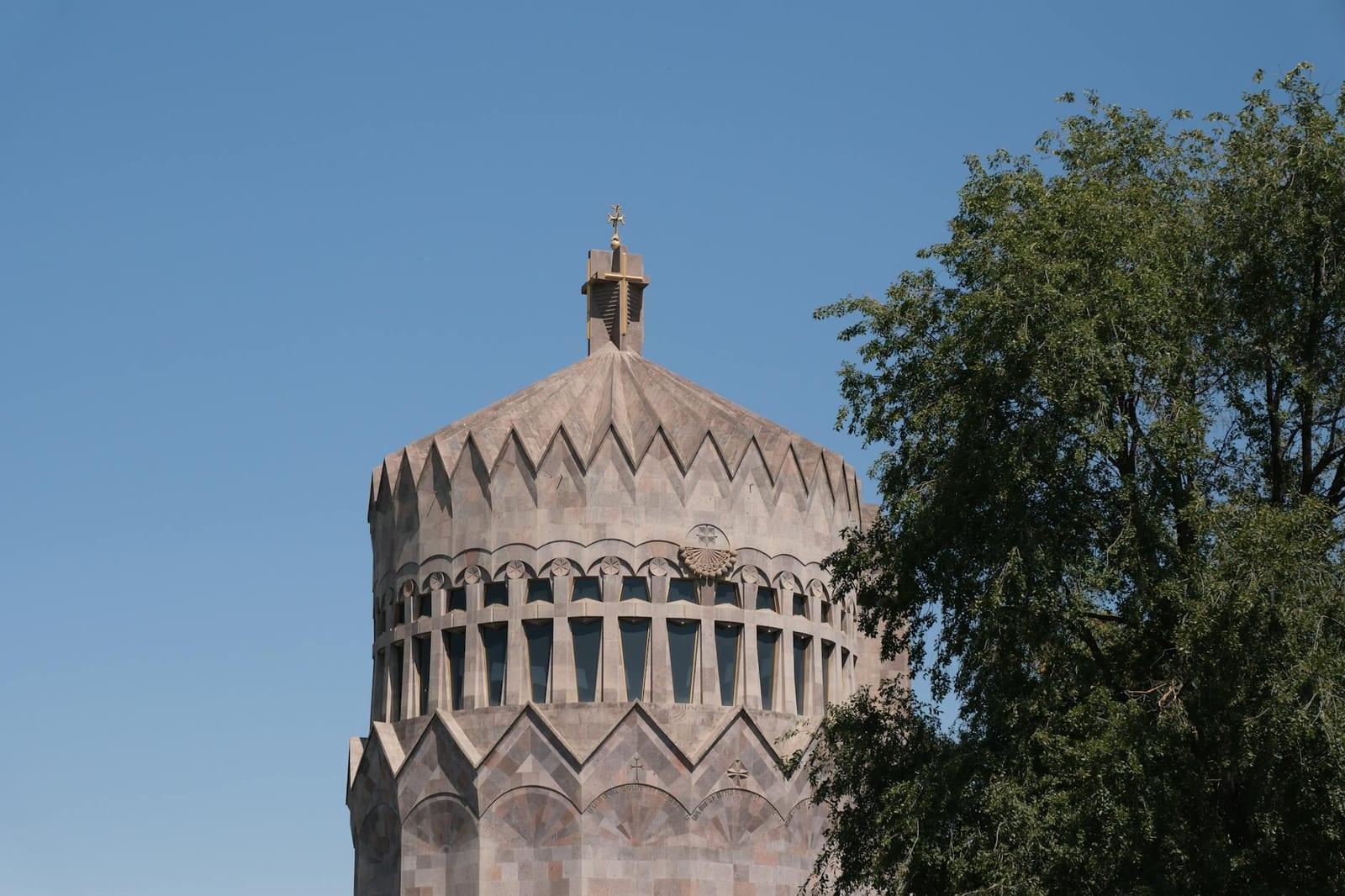
- Etchmiadzin CathedralSome authorities claim this Armenian Apostolic house of worship is the oldest cathedral on Earth.
- Khosrov ReserveTrack some of Armenia’s rarest beasts, including ibex and Persian leopards, in this protected corner of the Geghama Mountains.
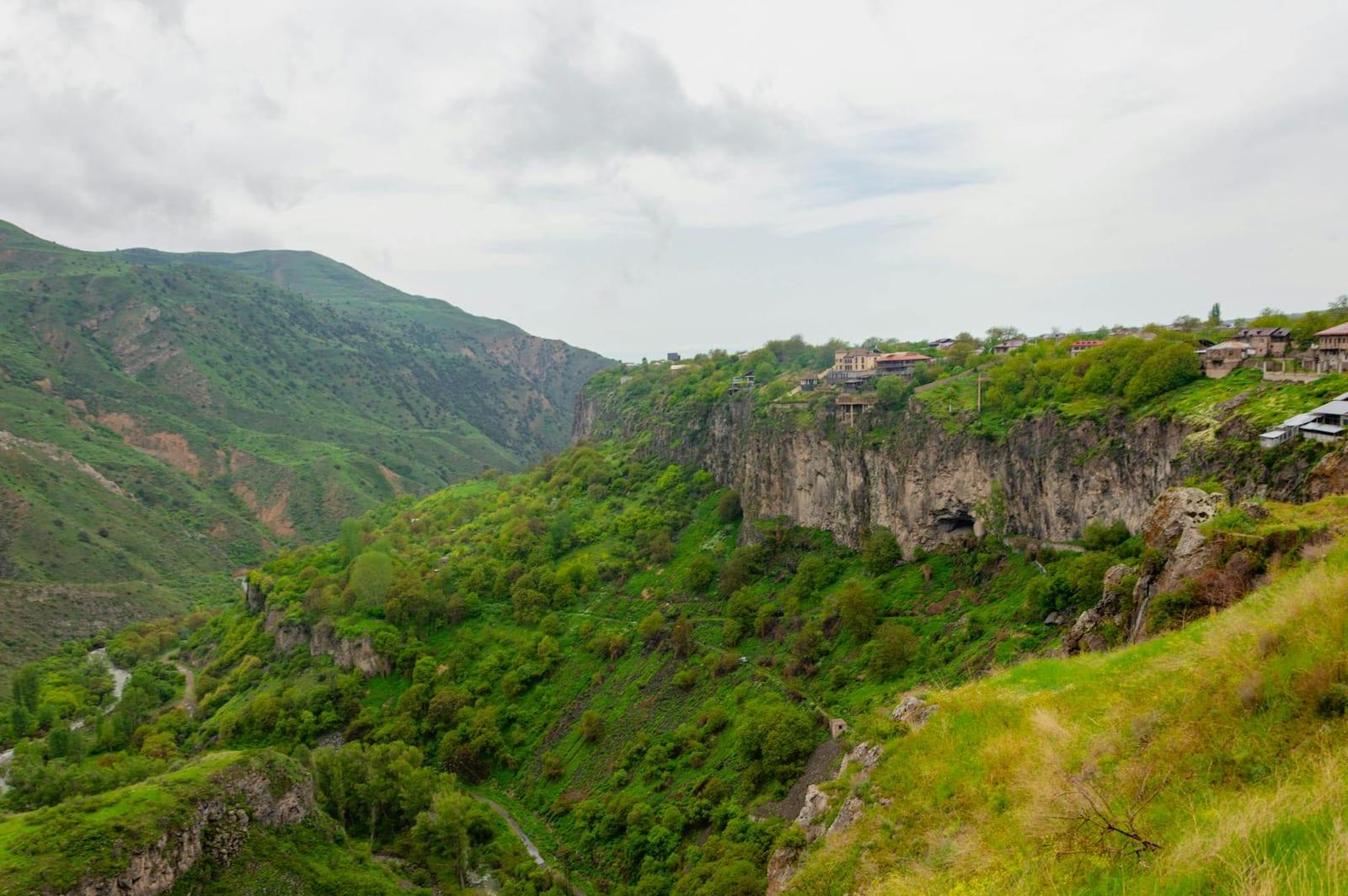
- Mount AragatsAt 13,420 feet, this double-peaked stratovolcano—Armenia’s high point—commands the skyline and lures trekkers up a non-technical climb.
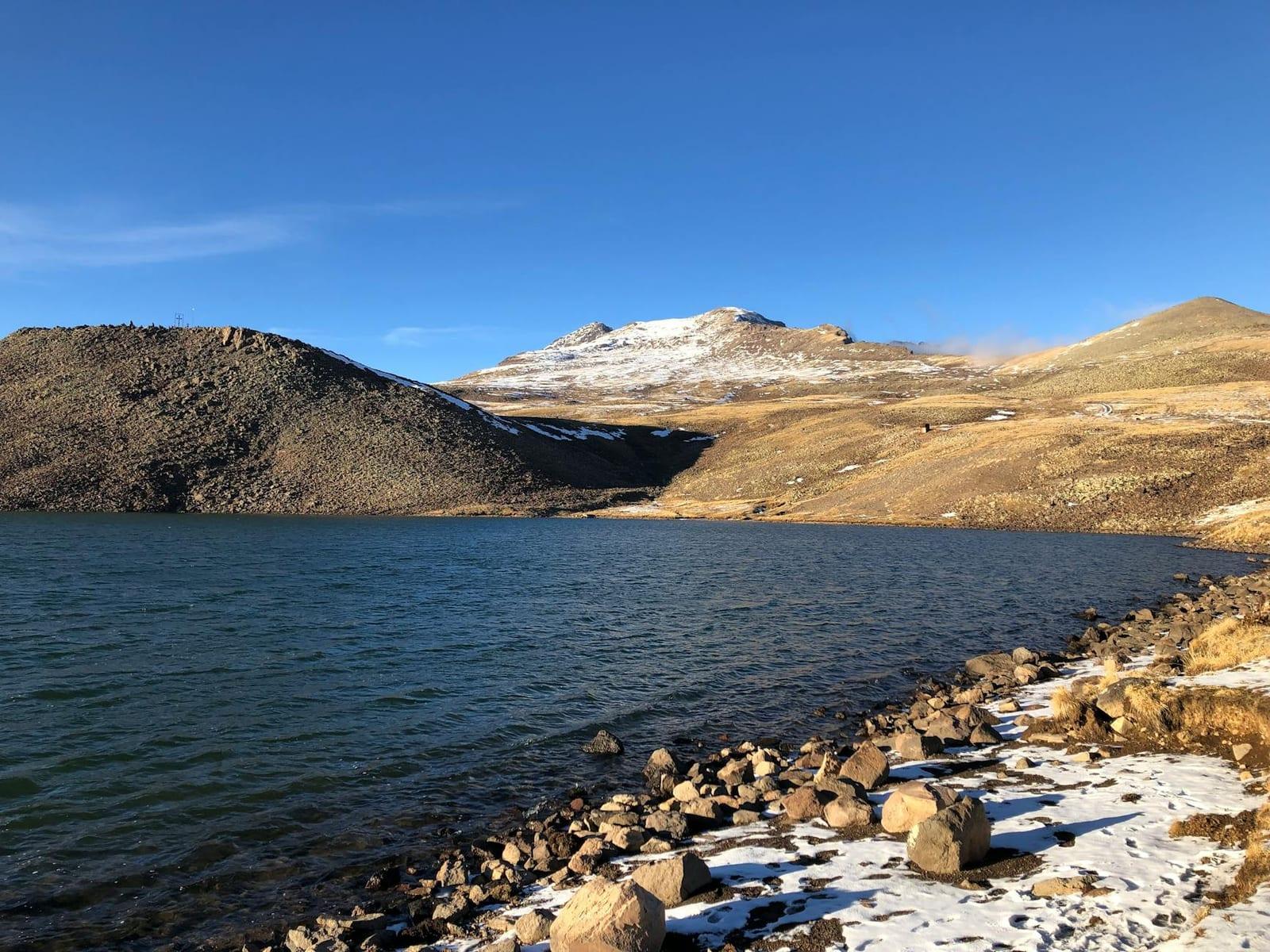
- Lake SevanThis giant lake draws sunbathers to its beaches, boaters to its scenic (and fish-rich) waters, and history buffs to its many cultural sites.
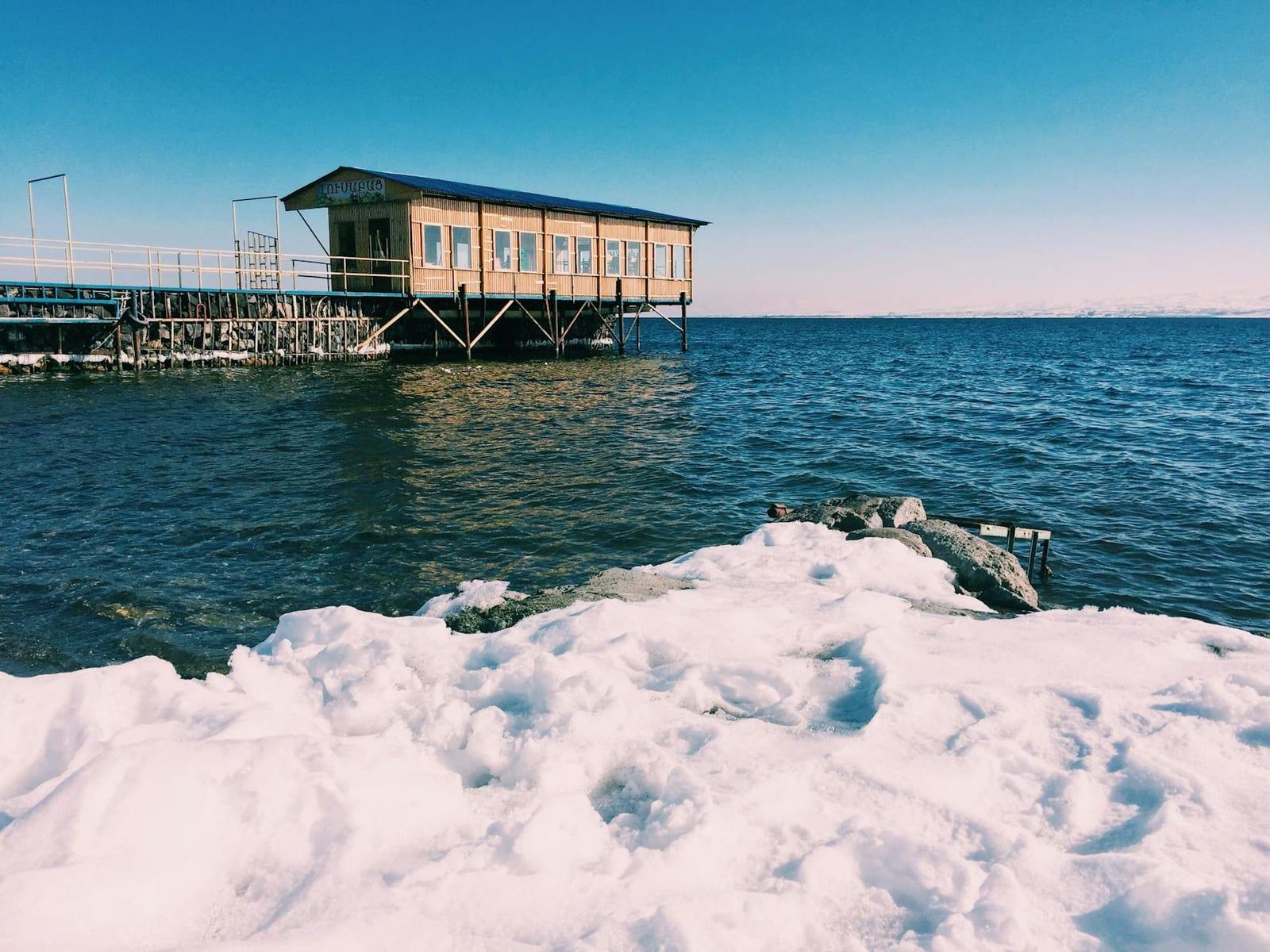
- Khor VirapThis iconic 17th-century monastery, preceded by forerunners dating back to the 600s, has a killer view of Mount Ararat looming from Turkey.
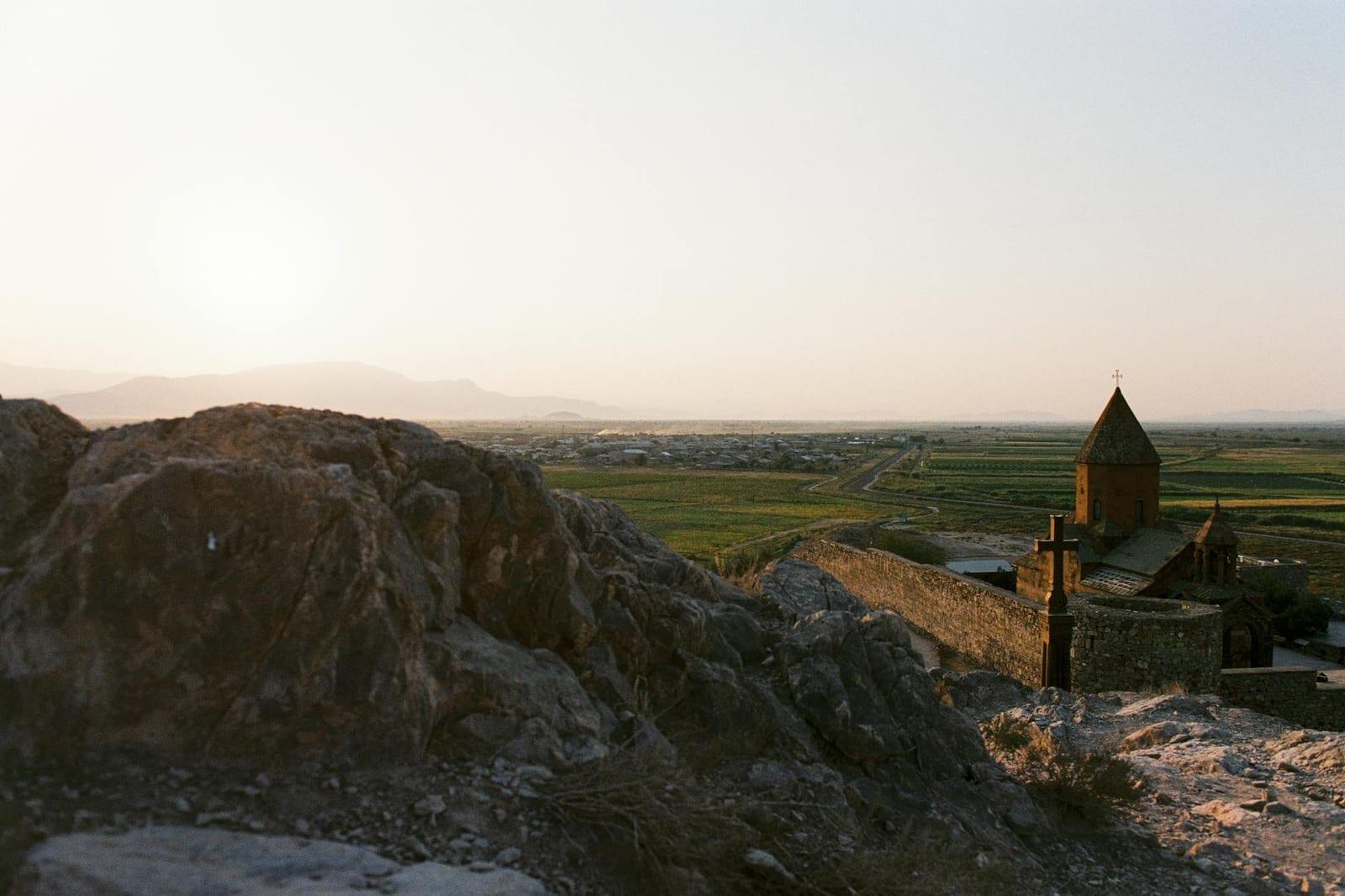
- Temple of GarniOne of Armenia’s best-known antiquities, this temple—reconstructed in the 1970s after a quake dismantled it—may be more than 1,000 years old.
- Zorats KarerOften loosely called the Stonehenge of Armenia, this site outside Sisian features a plethora of prehistoric standing stones.
- YerevanBesides its cosmopolitan energy and Mount Ararat backdrop, this ancient capital’s worth visiting for landmarks like the huge Saint Gregory the Illuminator Cathedral.