A good word for Australia is “unique”. Unique because of the antiquity of its rocks: In Western Australia, you can gaze upon the oldest exposed anywhere—forged more than 4 billion years ago. Unique because of the sheer strangeness of its creatures, from the duck-billed, egg-laying, spur-footed platypus to a notoriously diverse lineup of ultra-venomous beasts. And unique, too, because of contrasts of human culture and geography—contrasts that make the island-continent an enormously stimulating place to visit.
Humans have inhabited Australia for at least 50,000 years. The ancestors of the Aboriginal people likely spread Down Under when Australia and New Guinea were linked in a single landmass, the colonization of which from Asia still required an impressive feat of seafaring. Despite centuries of persecution by Europeans and Euro-Australians, Aboriginal culture—far from homogenous—remains vital and important.
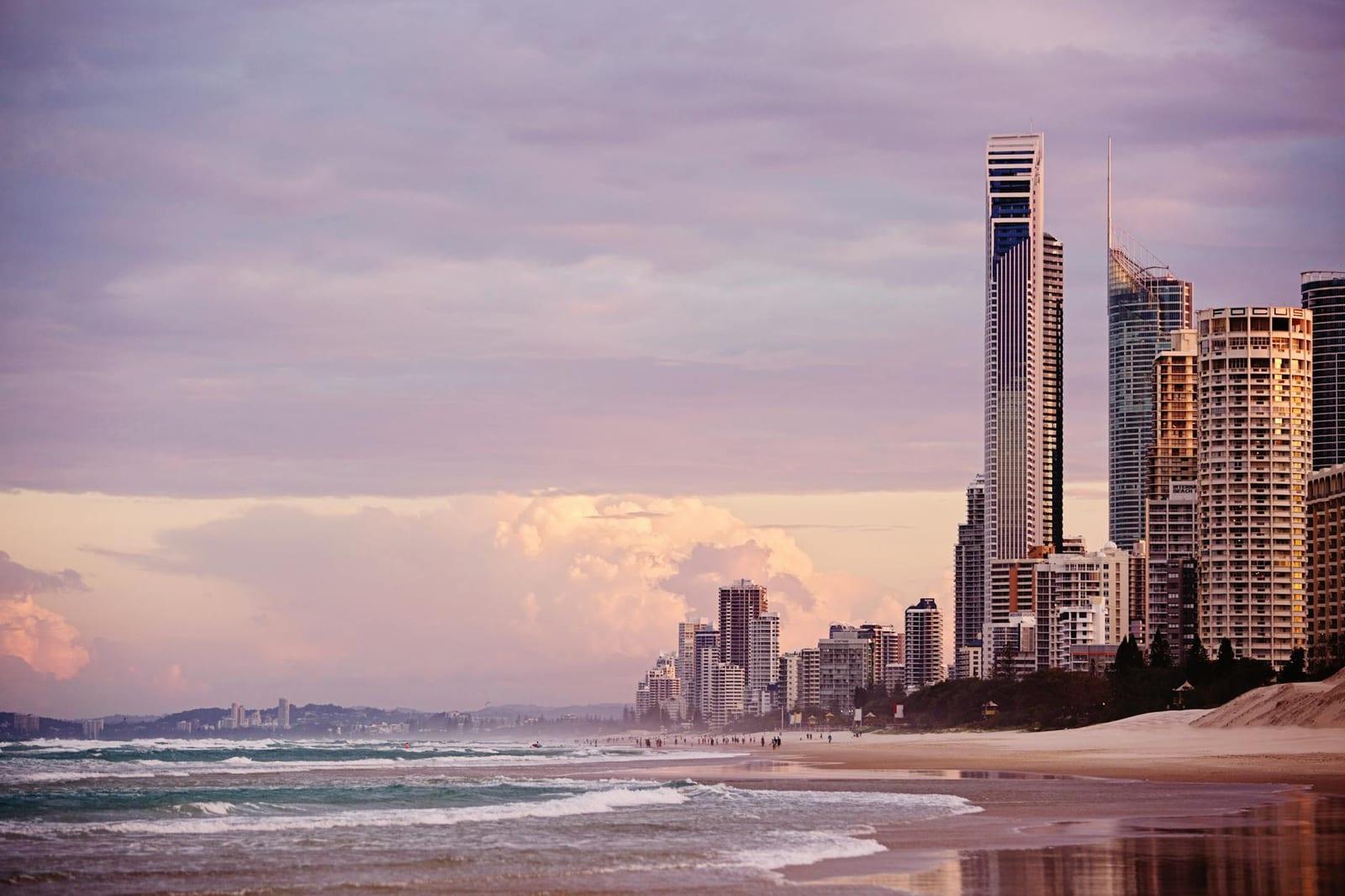
Alongside the venerable, wonderfully complex indigenous traditions, you have a modern-day population that’s highly urbanized, mostly concentrated in coastal metropolises. From farflung but sophisticated Perth, to the sun-kissed cities of the eastern seacoast, urban Australia is cosmopolitan and multicultural to a degree few other countries can match. Sydney has high-class cultural institutions alongside enthusiastic nightlife, Brisbane’s an international culinary destination, and the Gold Coast tantalizes with its sand-and-surf vibe. These chic playgrounds and their mashup European-Asian-Aboriginal influences are worlds away from the outback saloons of Crocodile Dundee-style stereotypes.
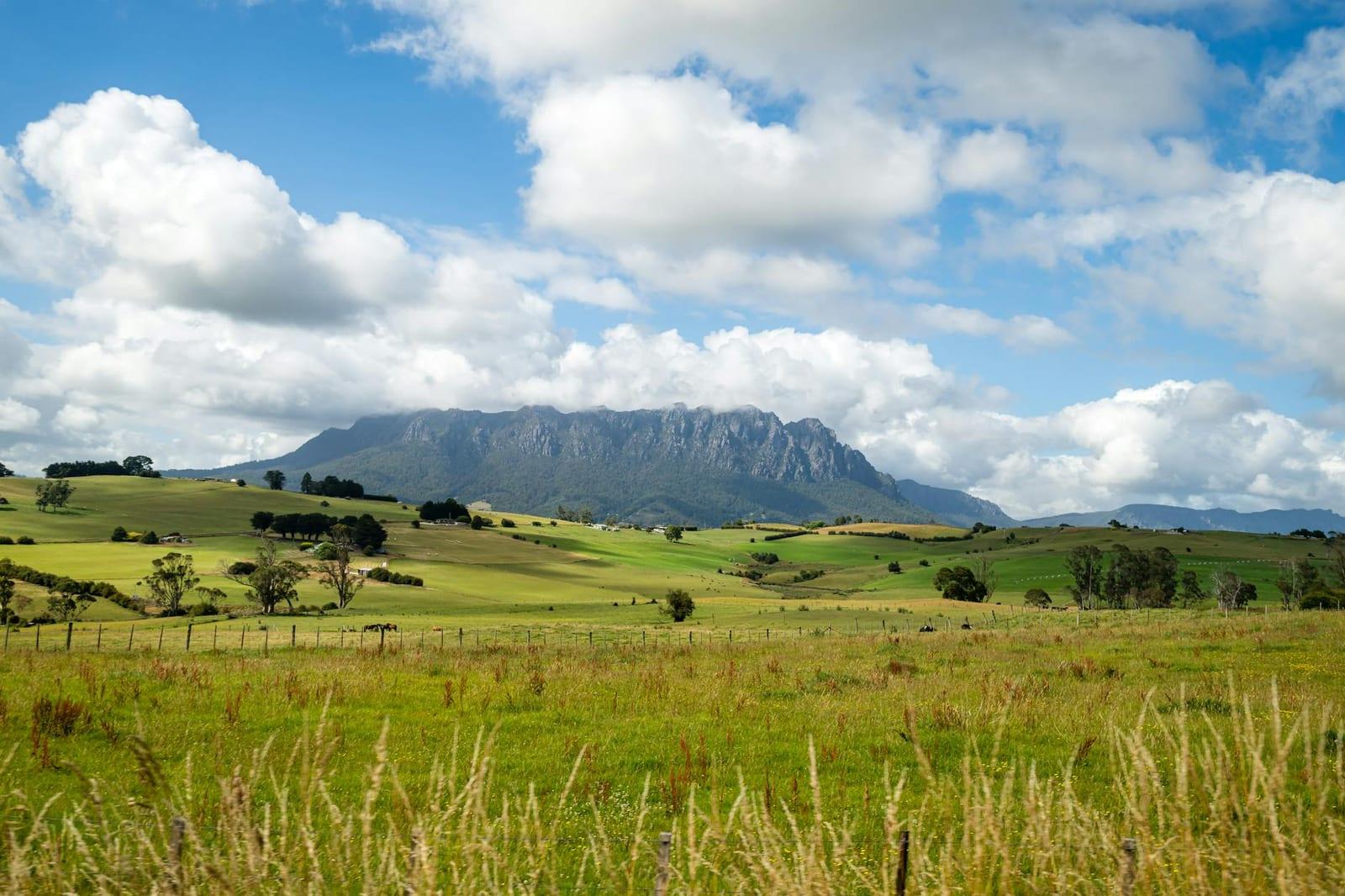
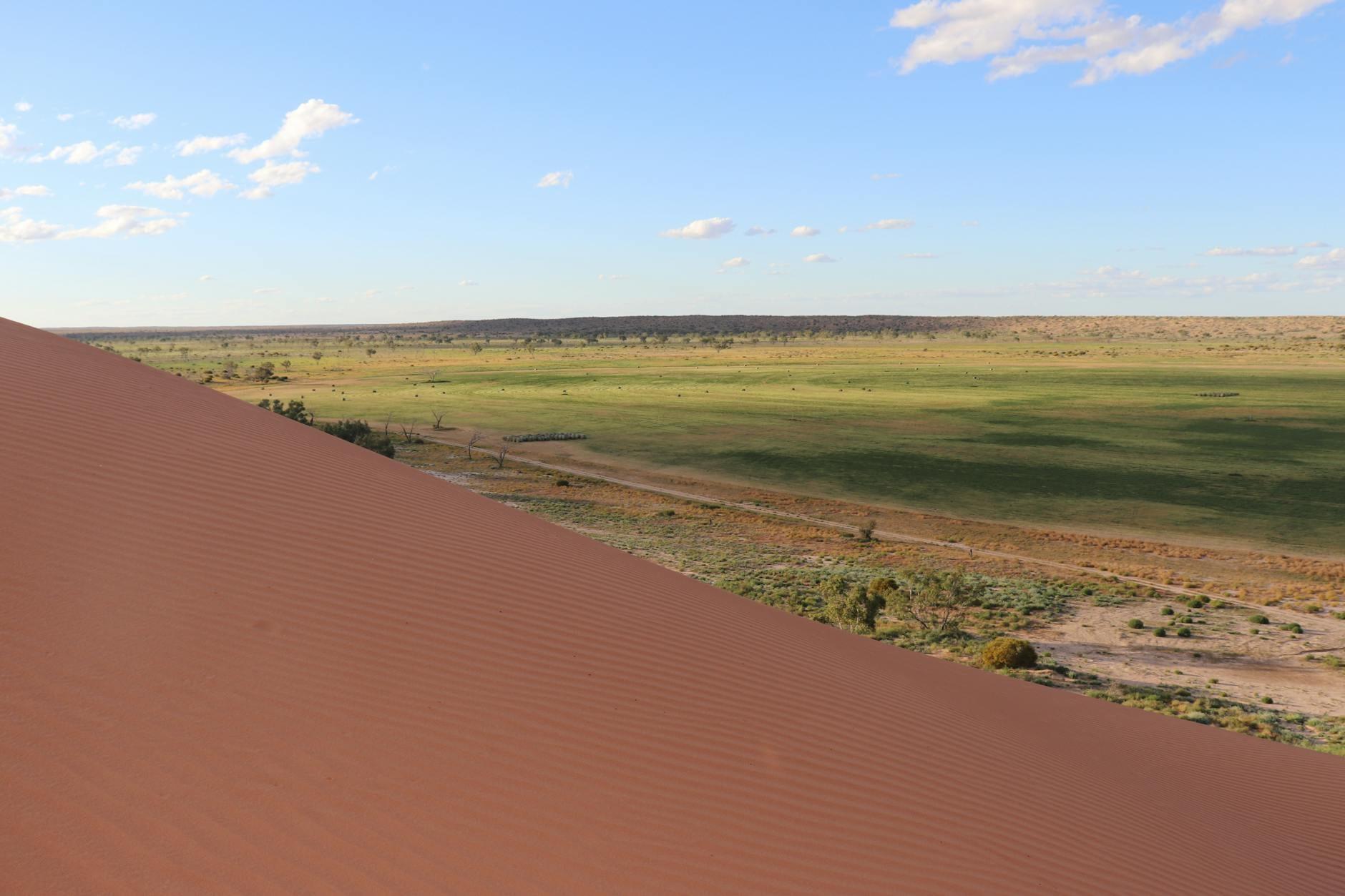
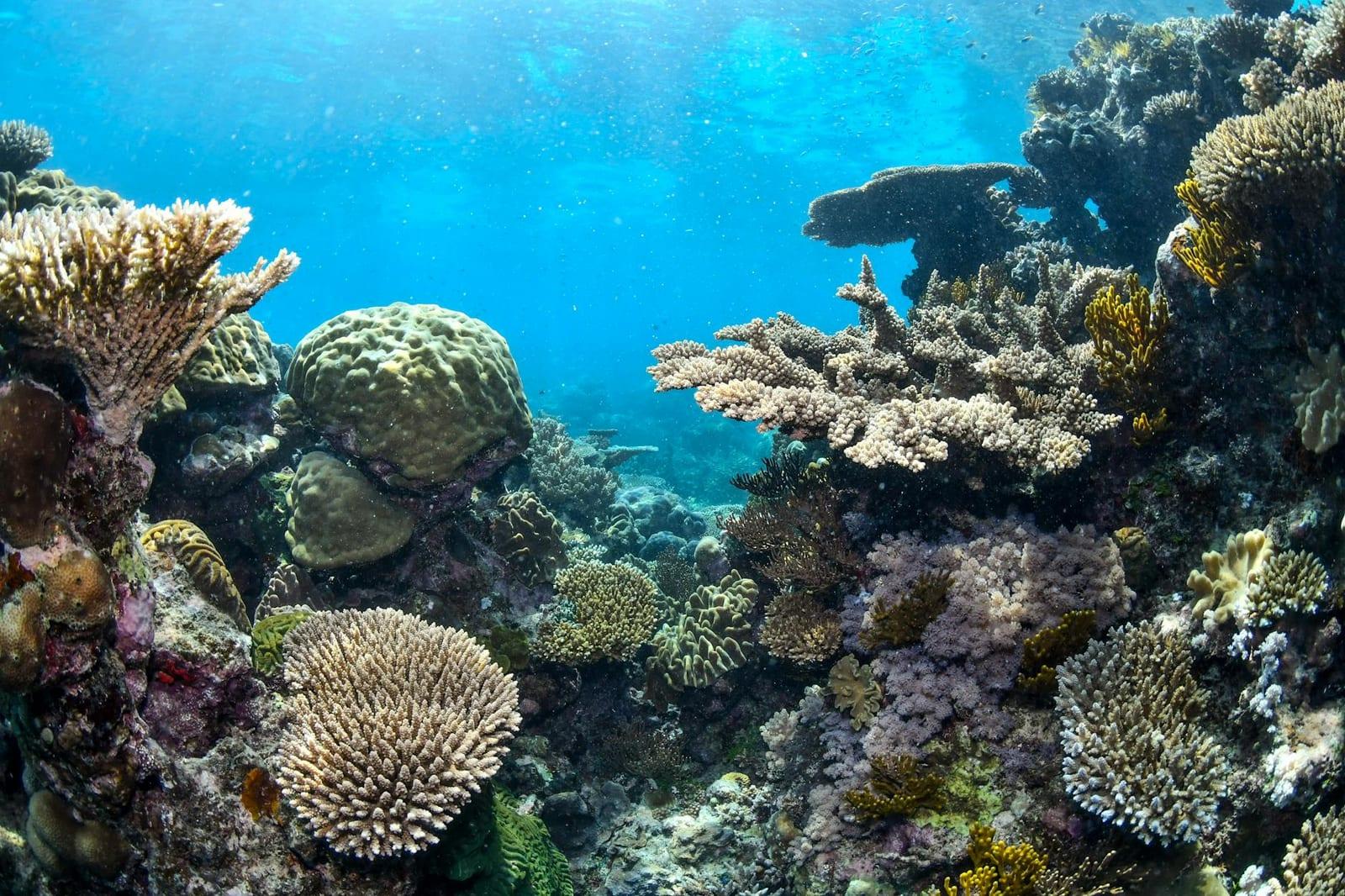
At the other end of the scale, there’s the vastness of Australia’s wilds—from the tropical billabongs of the north to the arid scrub of the Red Center. Adventurers have endless territory to discover in the near-trackless Outback (trackless to non-Aboriginals, that is). There’s an enviably rich inventory of global ecological treasures, the Great Barrier Reef and Far North Queensland’s ancient rainforests among them. Trek the mountainous Tasmanian (tassy) backcountry, go cage-diving with South Australian great white sharks (white pointers), or watch the Adelaide River saltwater crocodiles (salties) leap to the bait. And what outdoorperson could resist the allure of a place called the Bungle Bungle Range?
With its remarkable ecology, its sweeping landscapes, and its broad spectrum of history and culture, Oz has a singular magnetism. Whether you’re an epicurean, a backcountry rambler, or a surfboard master, Australia’s wide open spaces and arms await you.
30 things not to miss.
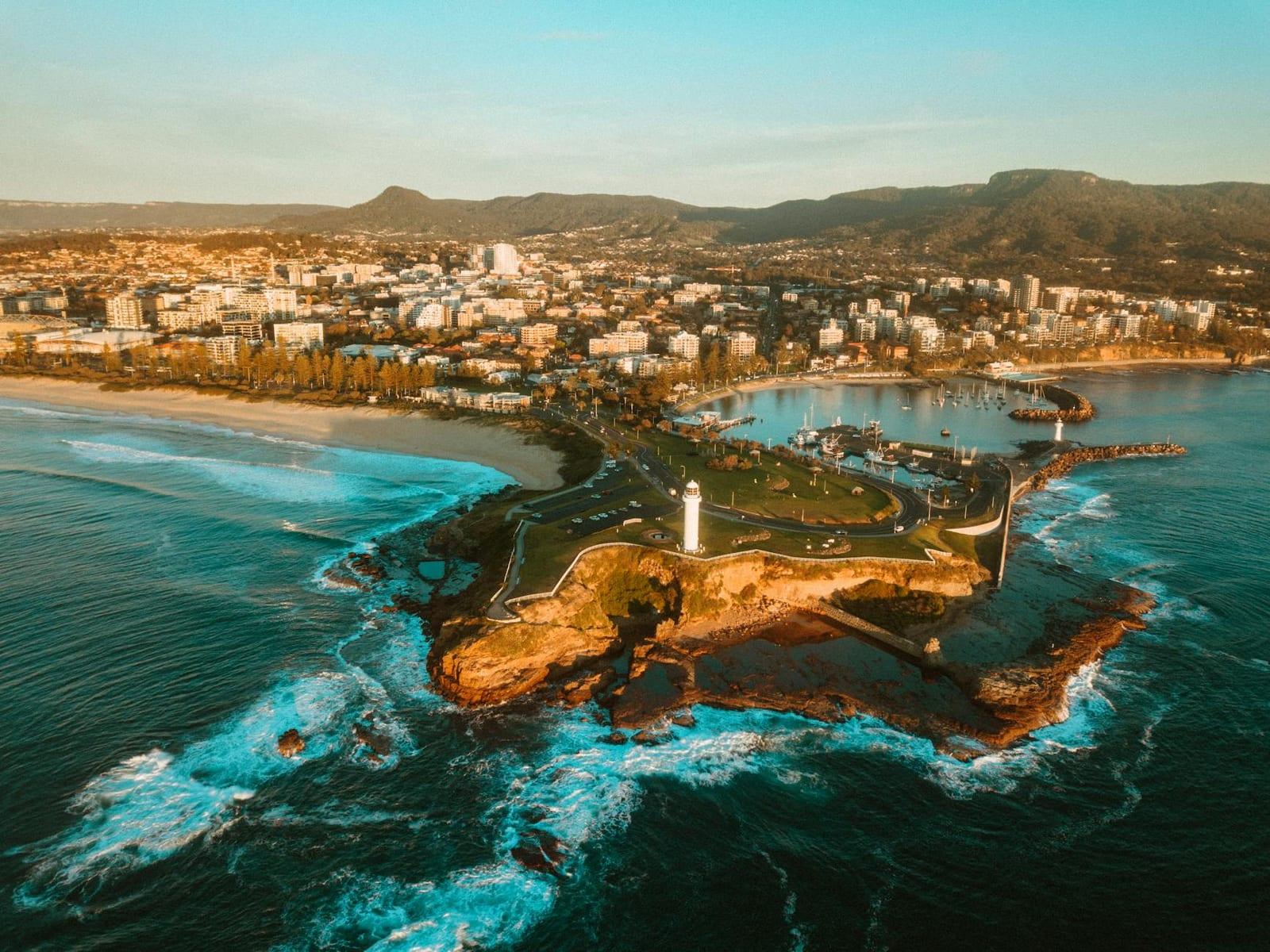
- Wollongong
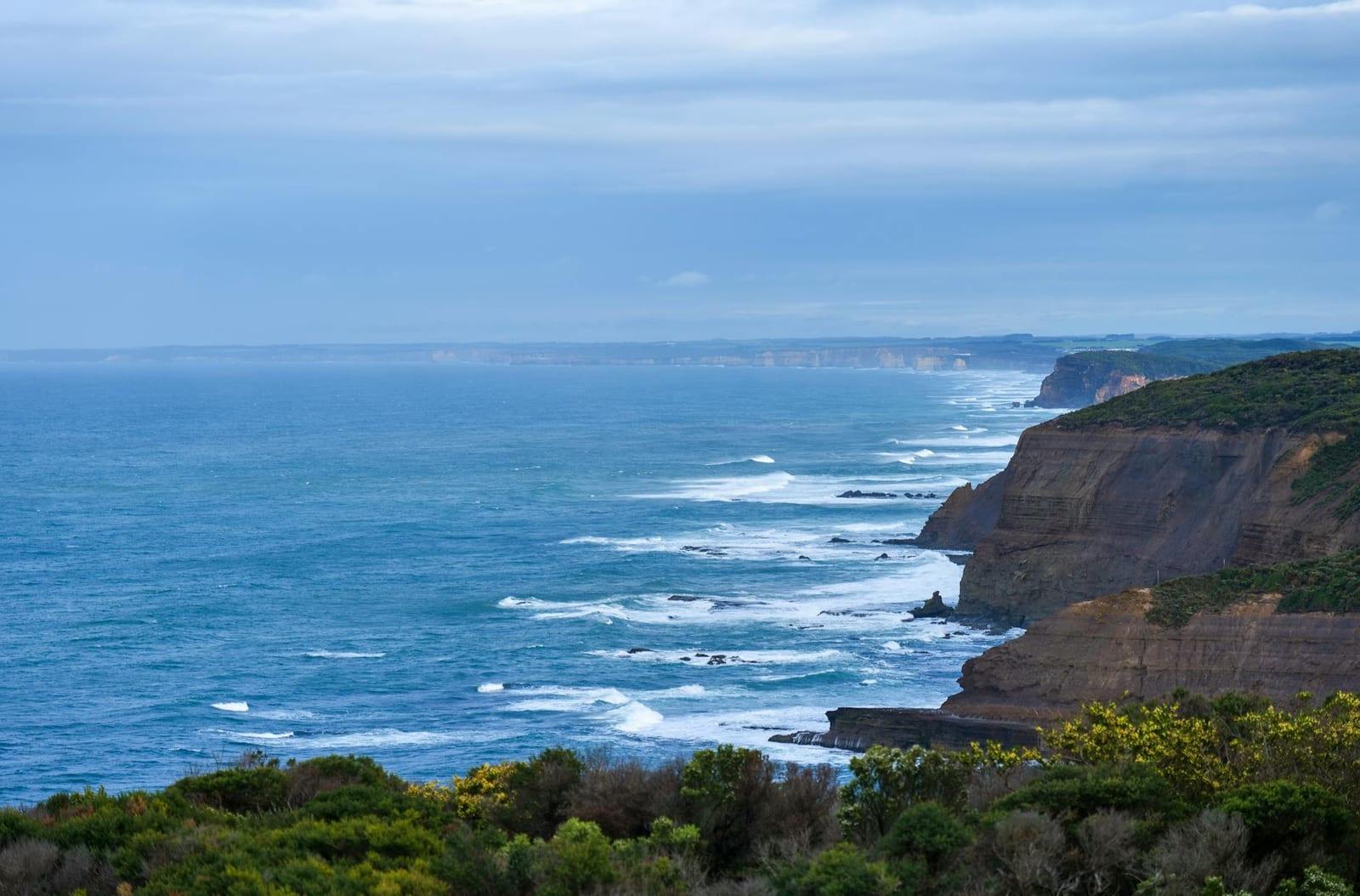
- Great Ocean RoadDrive the Great Ocean Road
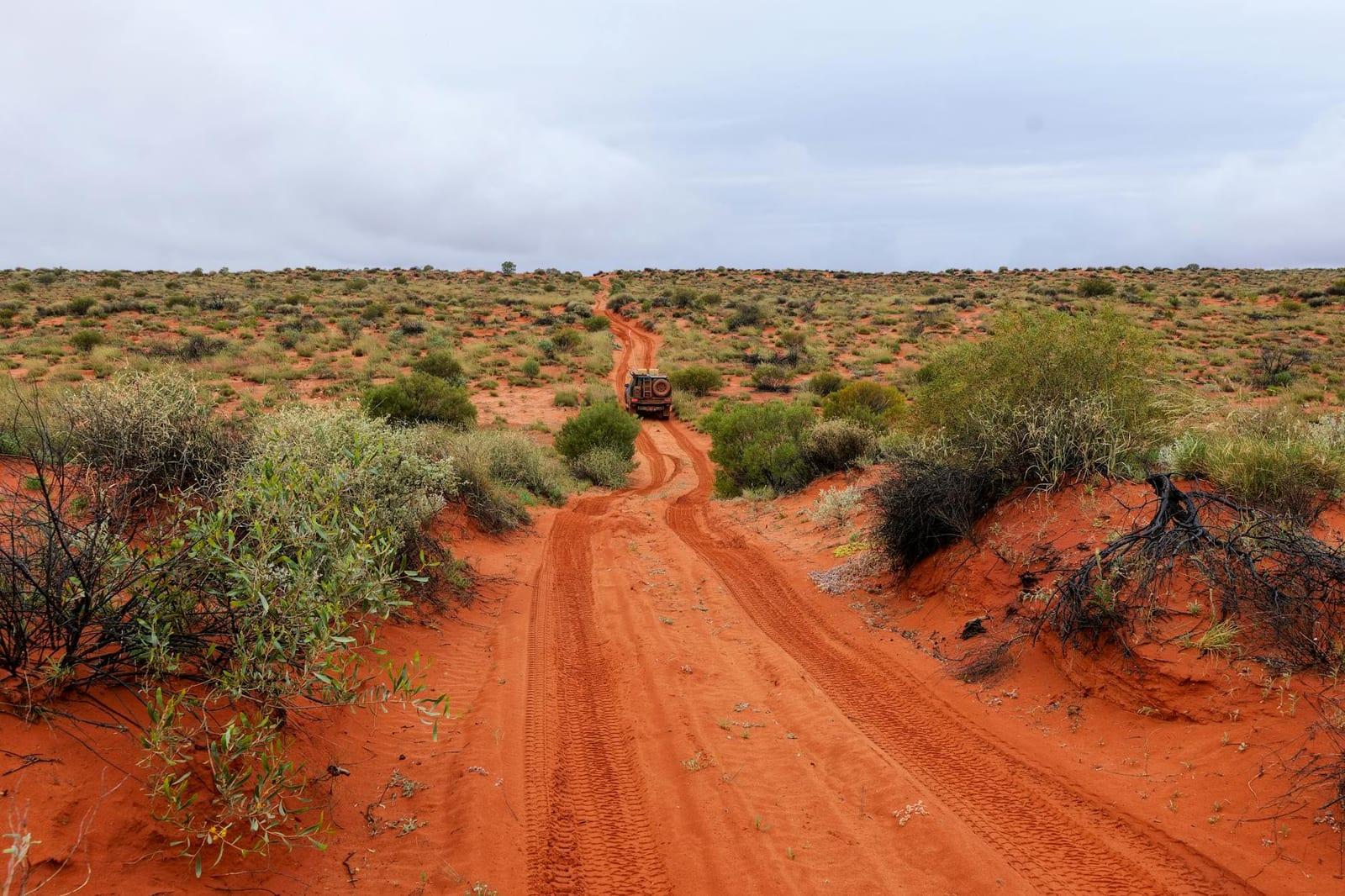
- the Larapinta TrailHike the Larapinta Trail
- Great Barrier Reef
- Gold Coast
- Franklin River
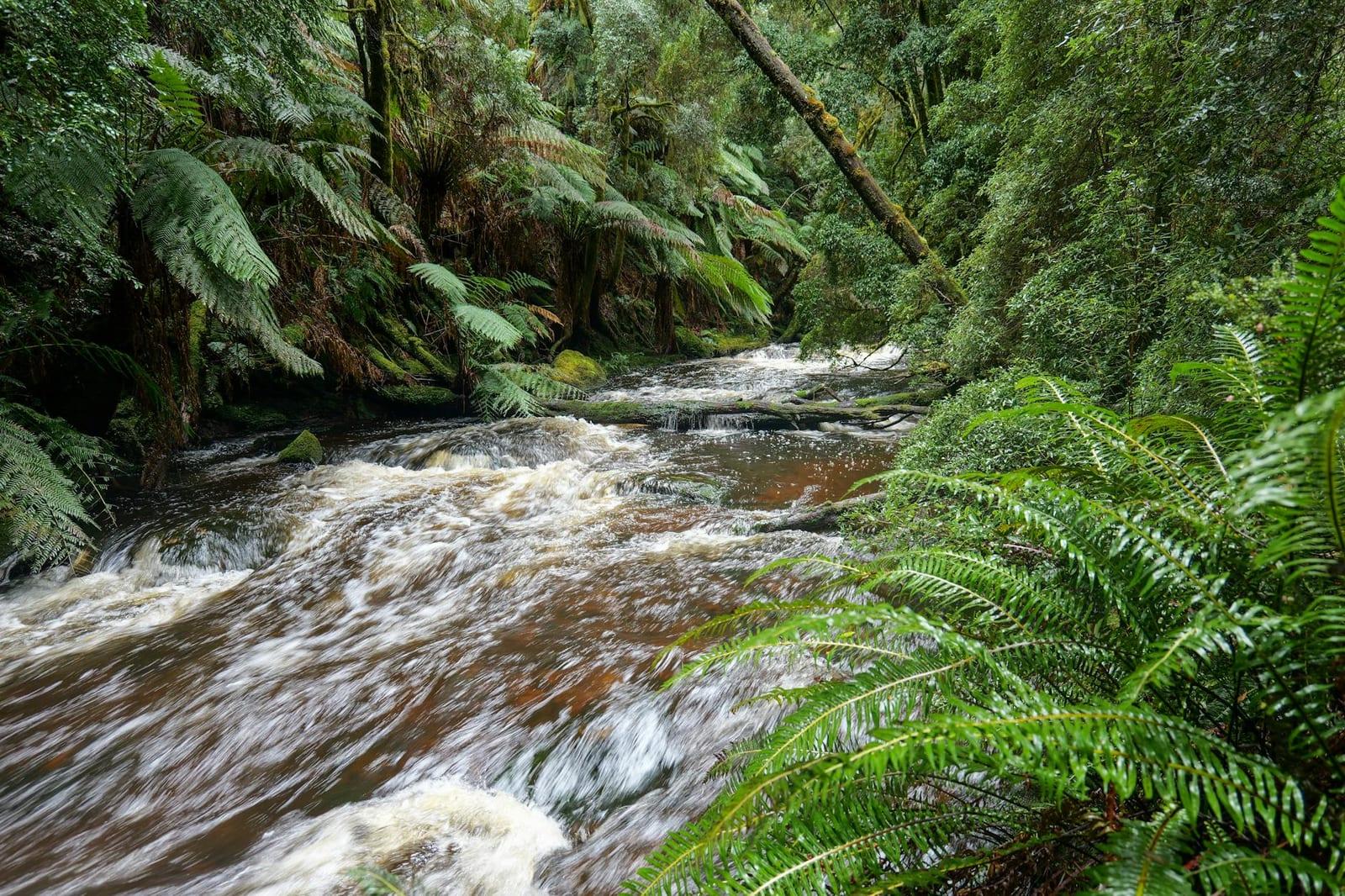
- Daintree Rainforest
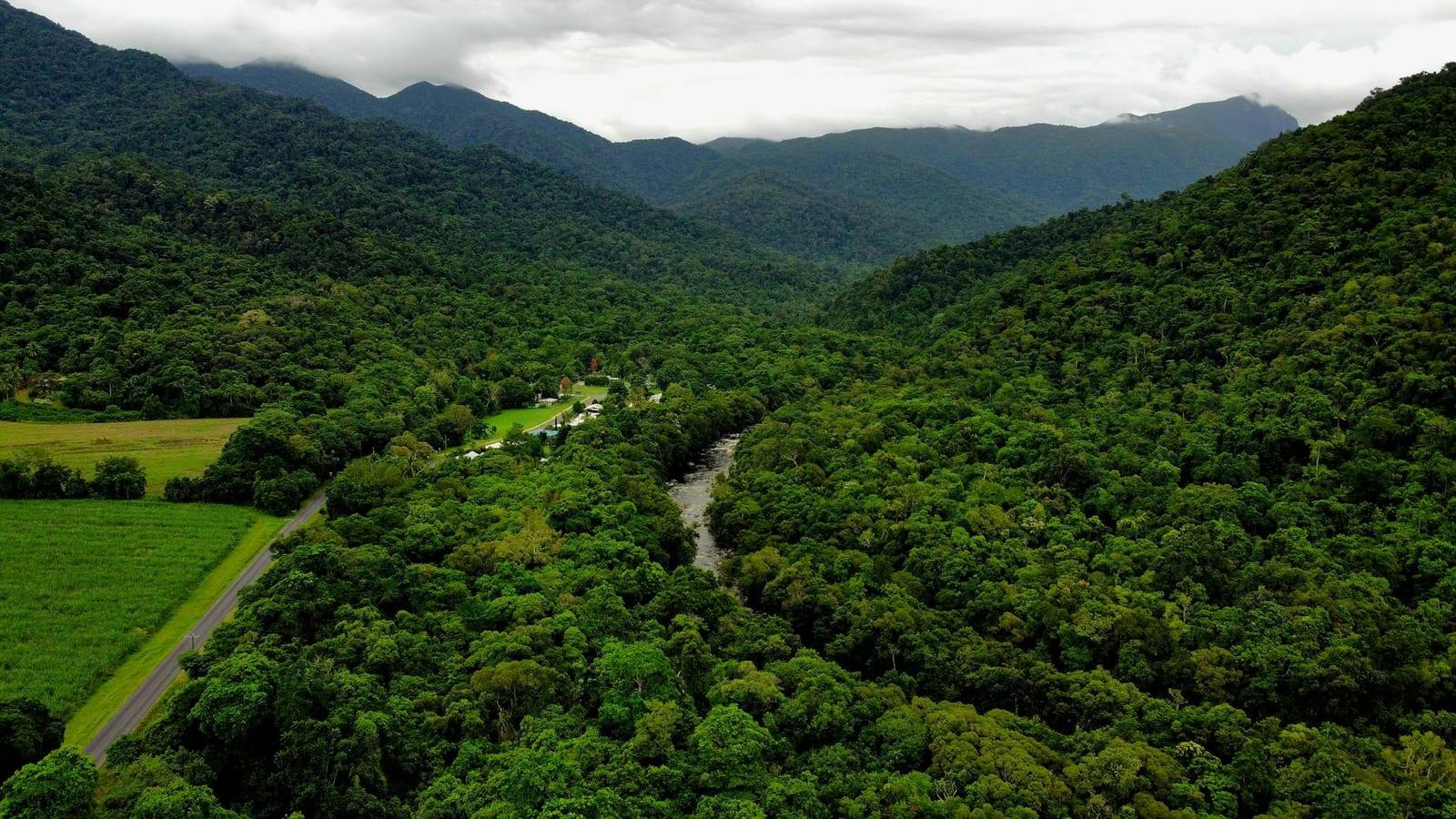
- Shark Bay
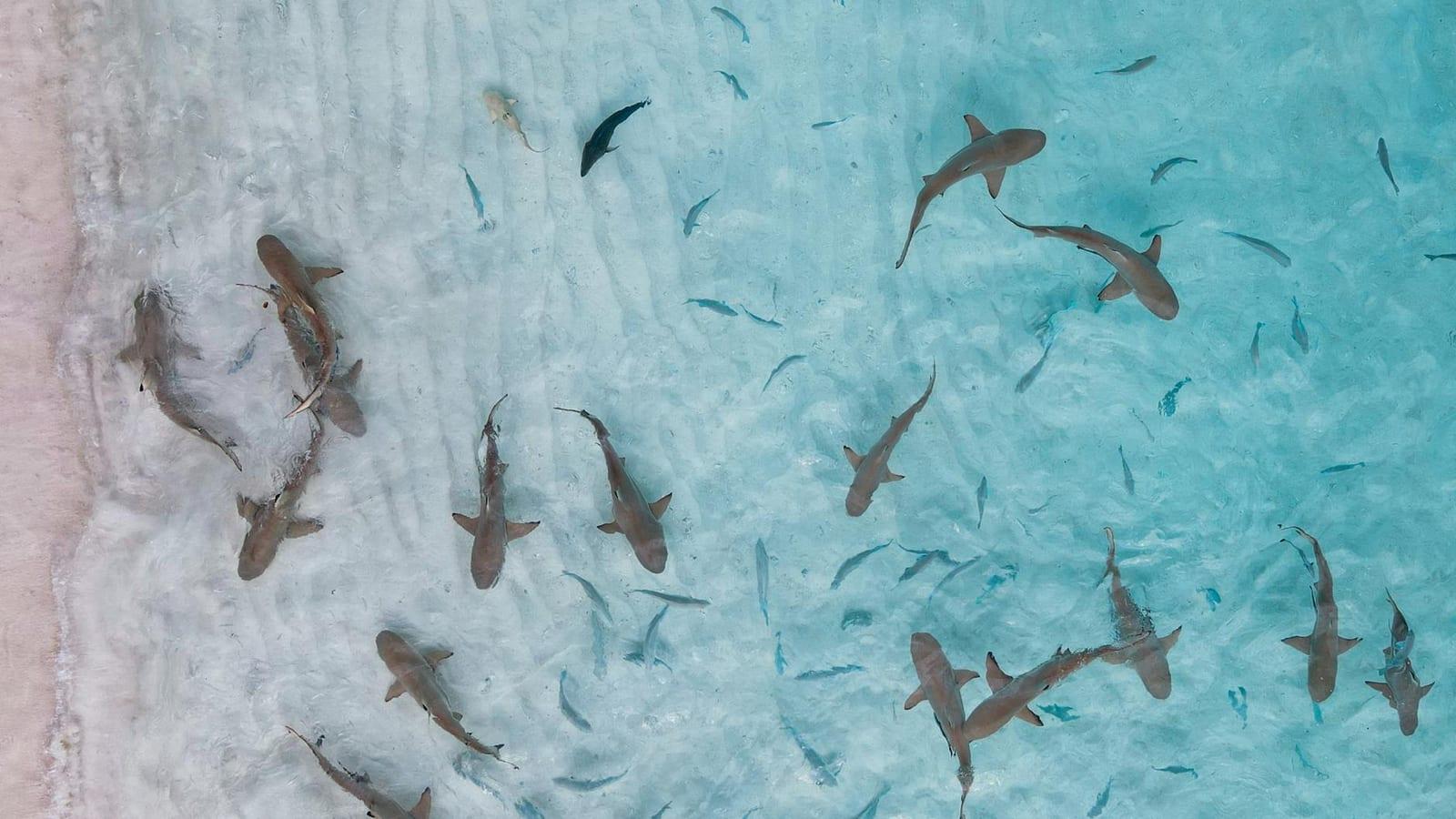
- Grampians National Park
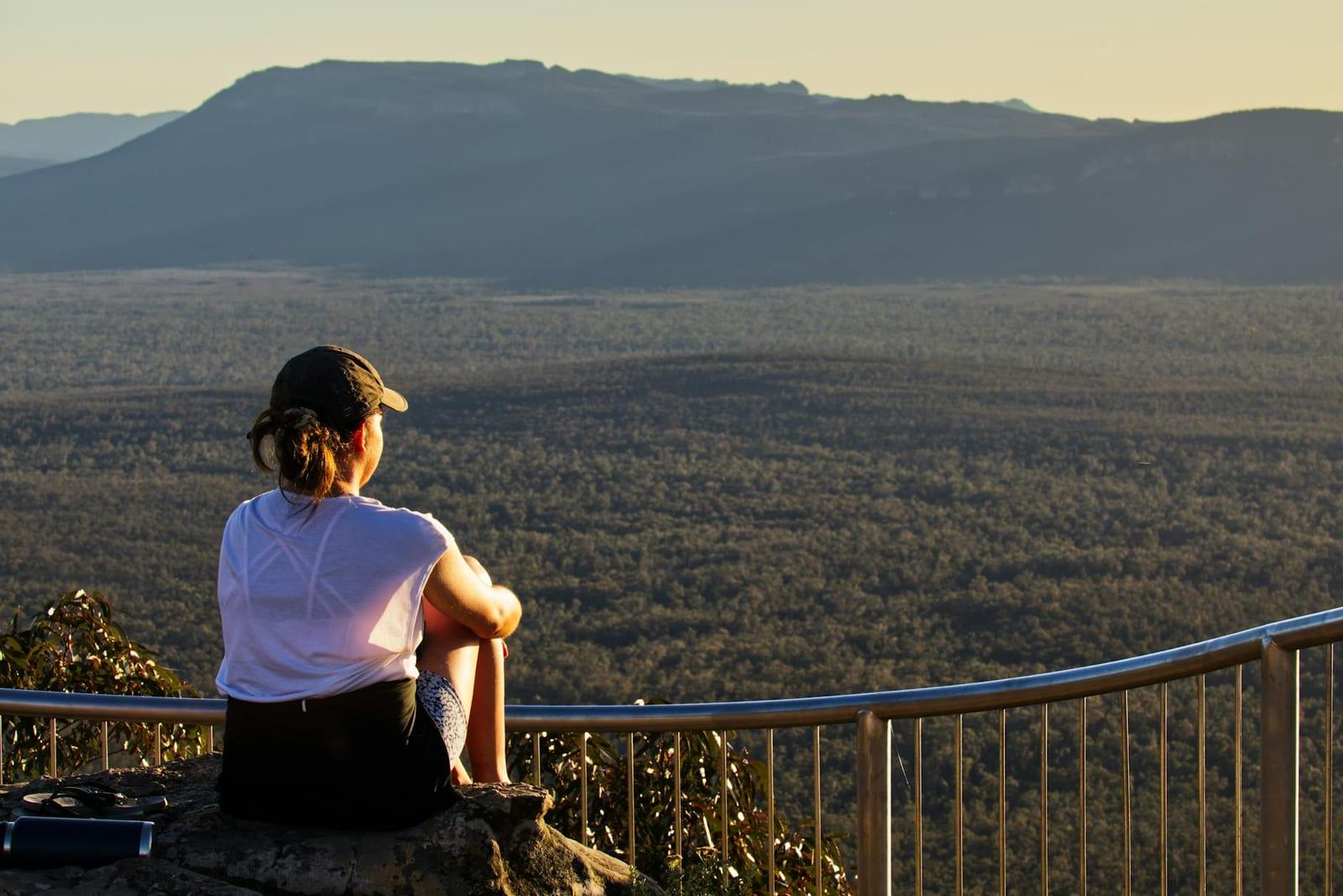
- Kangaroo Island
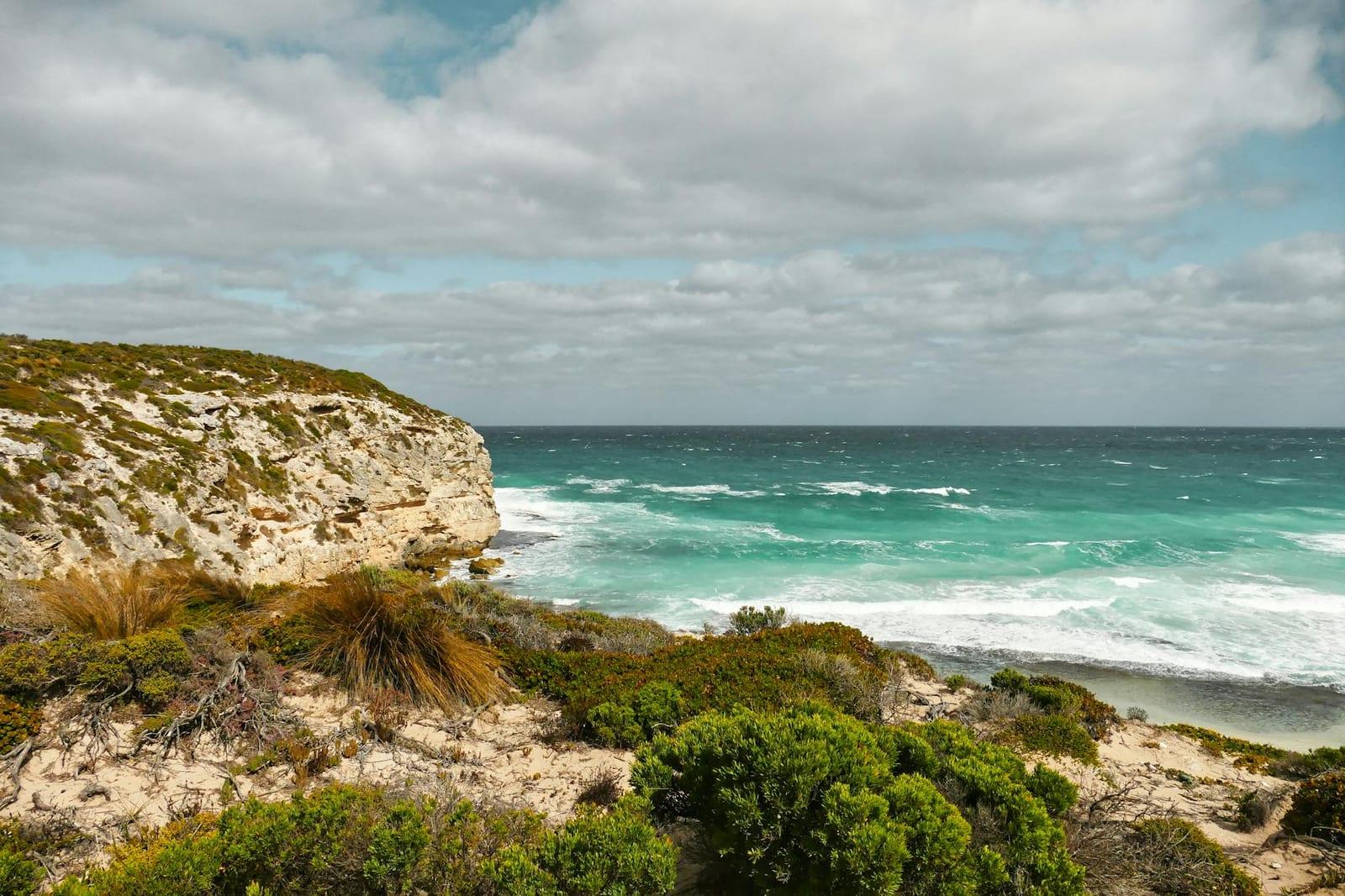
- Flinders Ranges
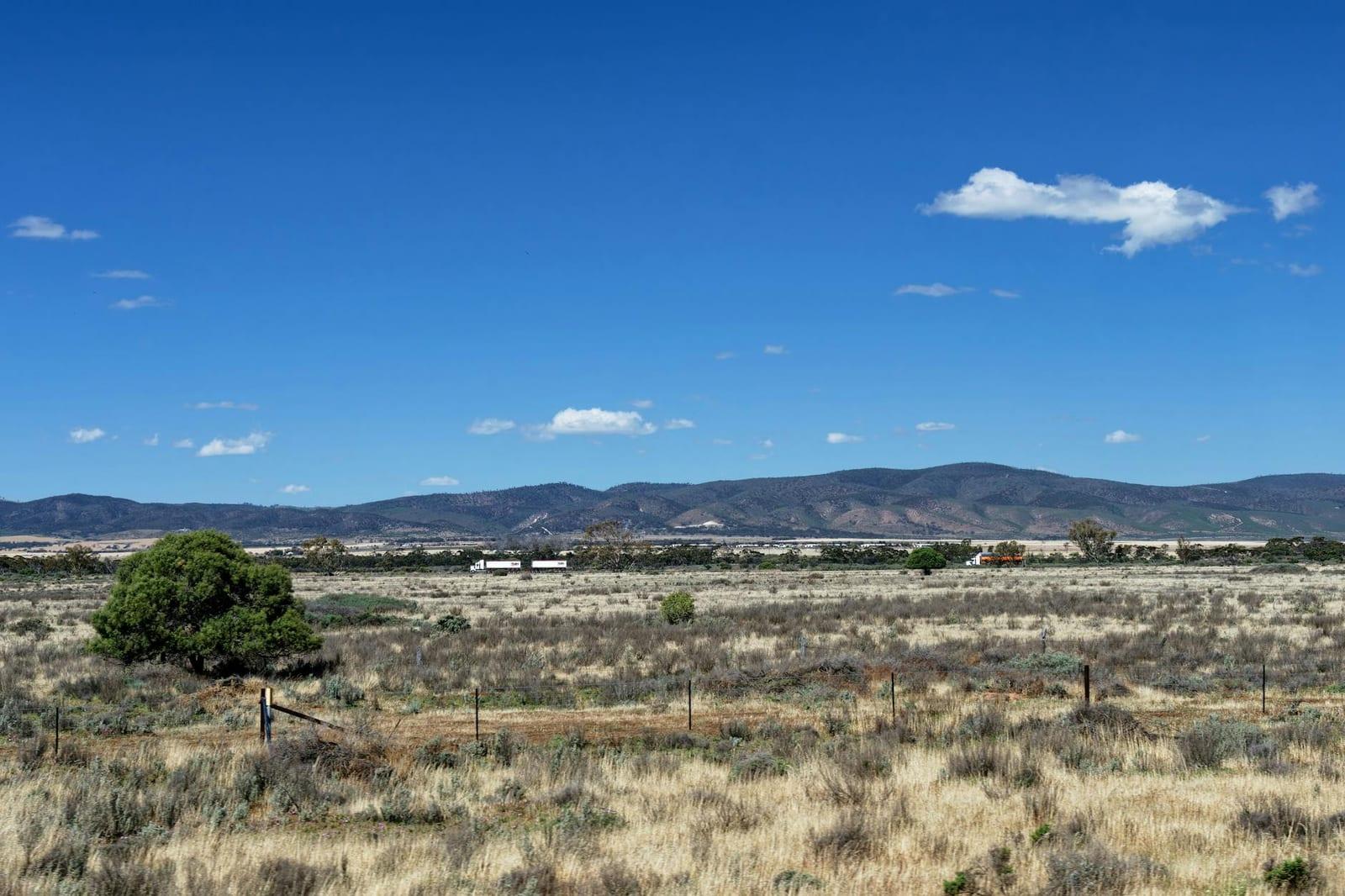
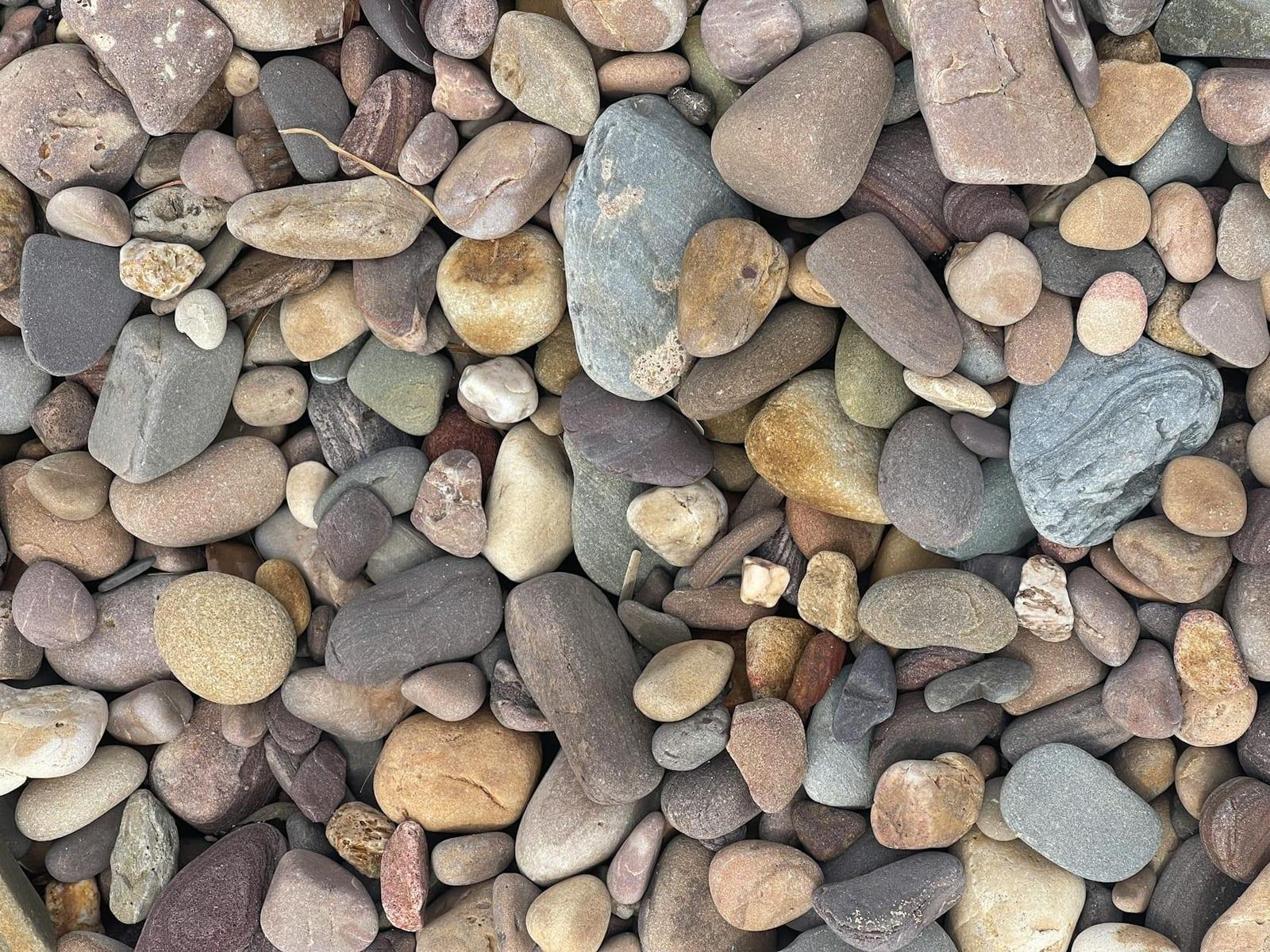
- Pebbly Beach
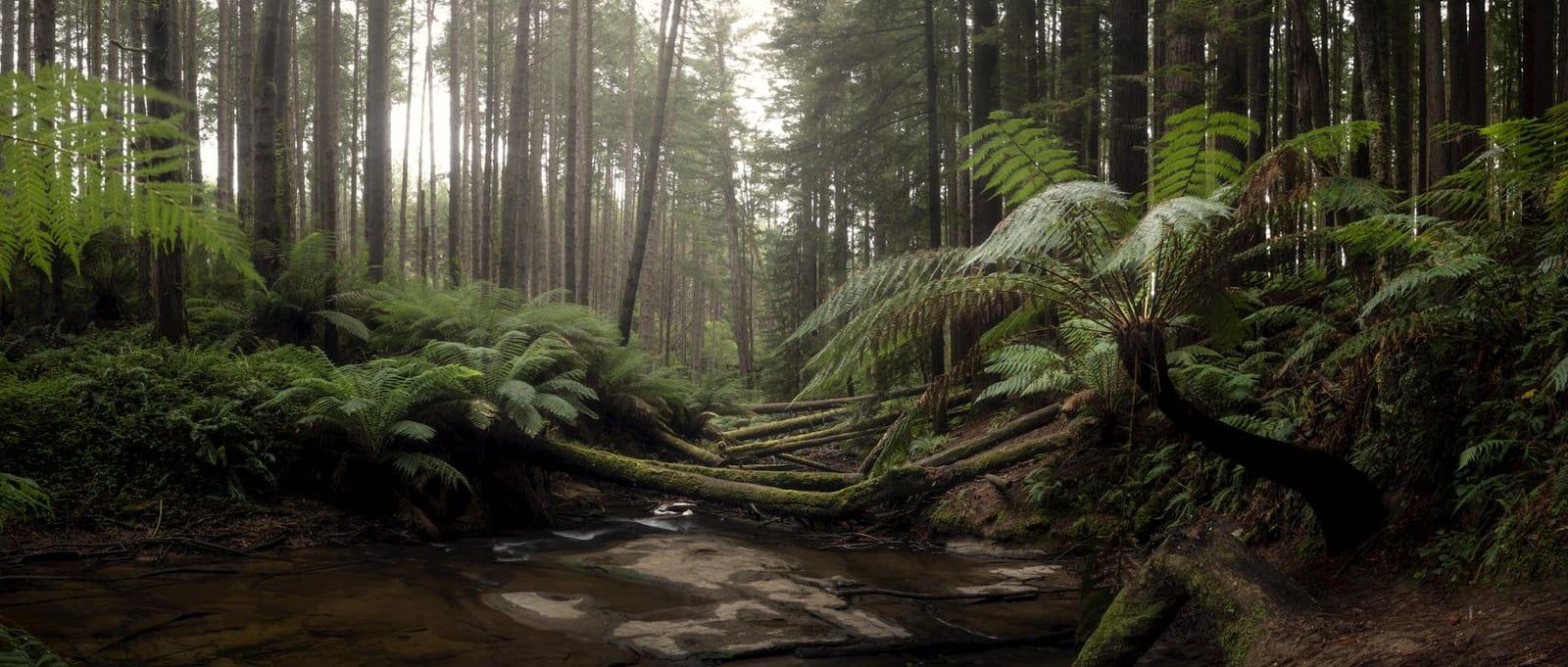
- Great Otway National Park
- Magnetic Island
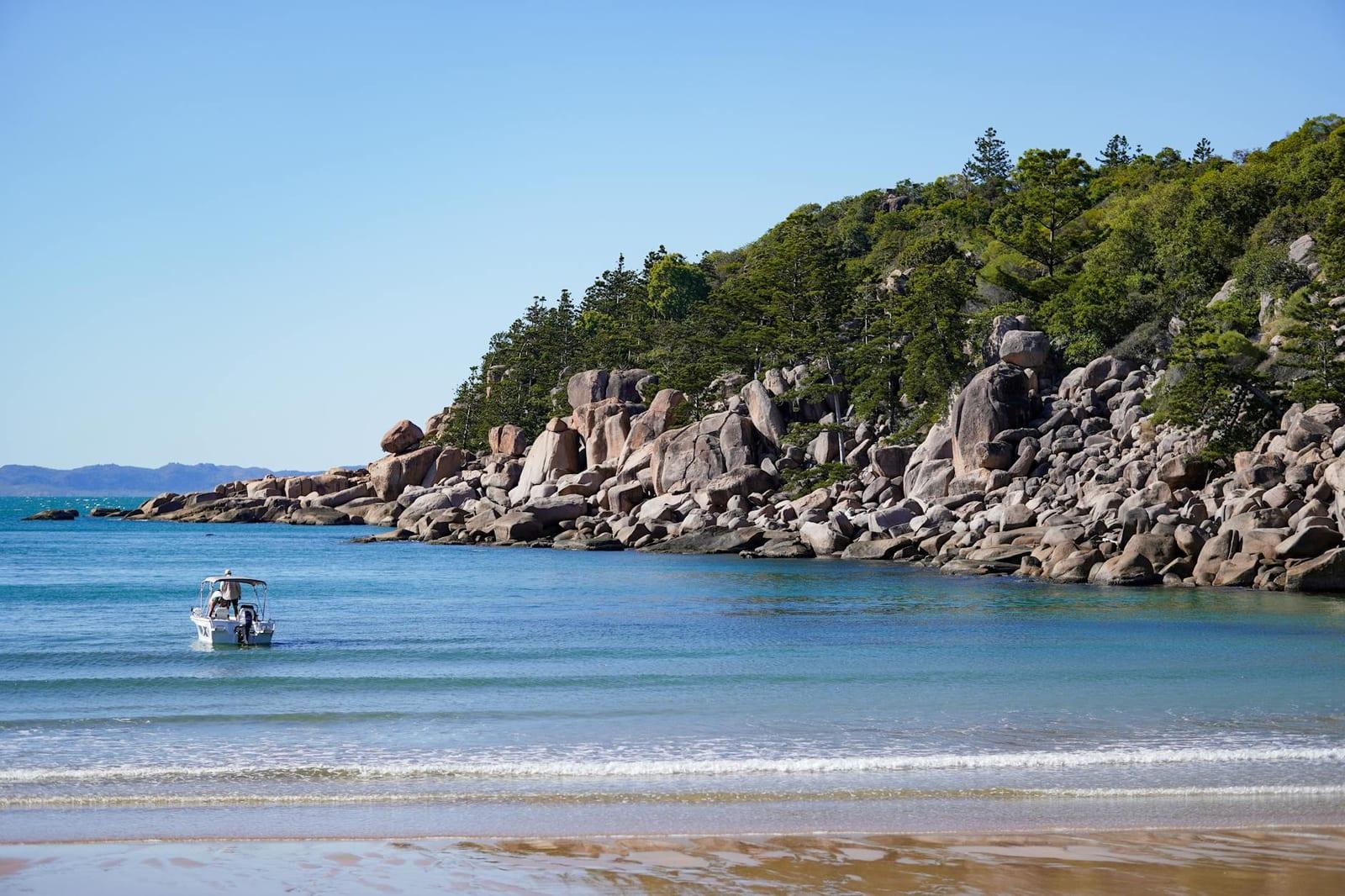
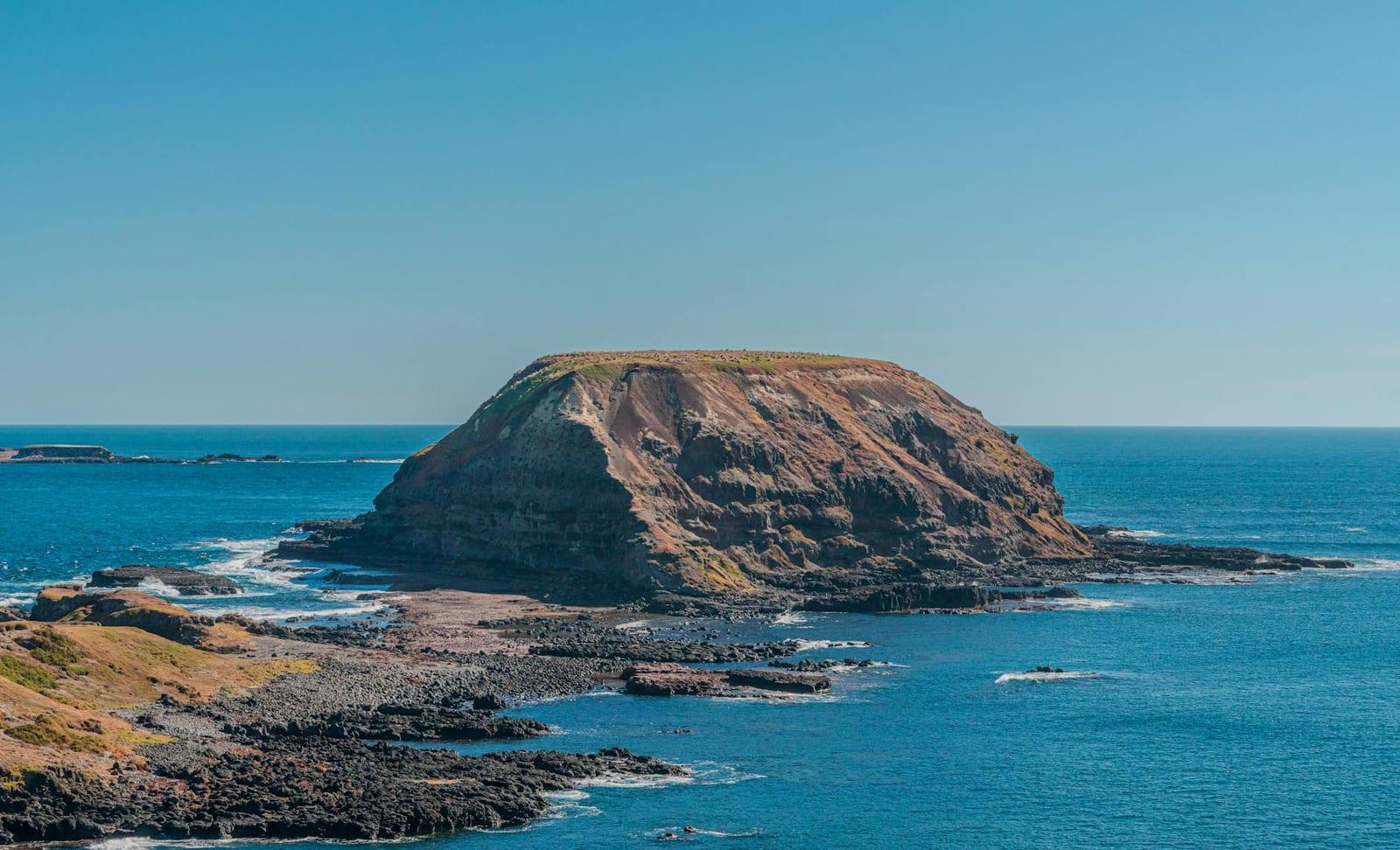
- Phillip Island
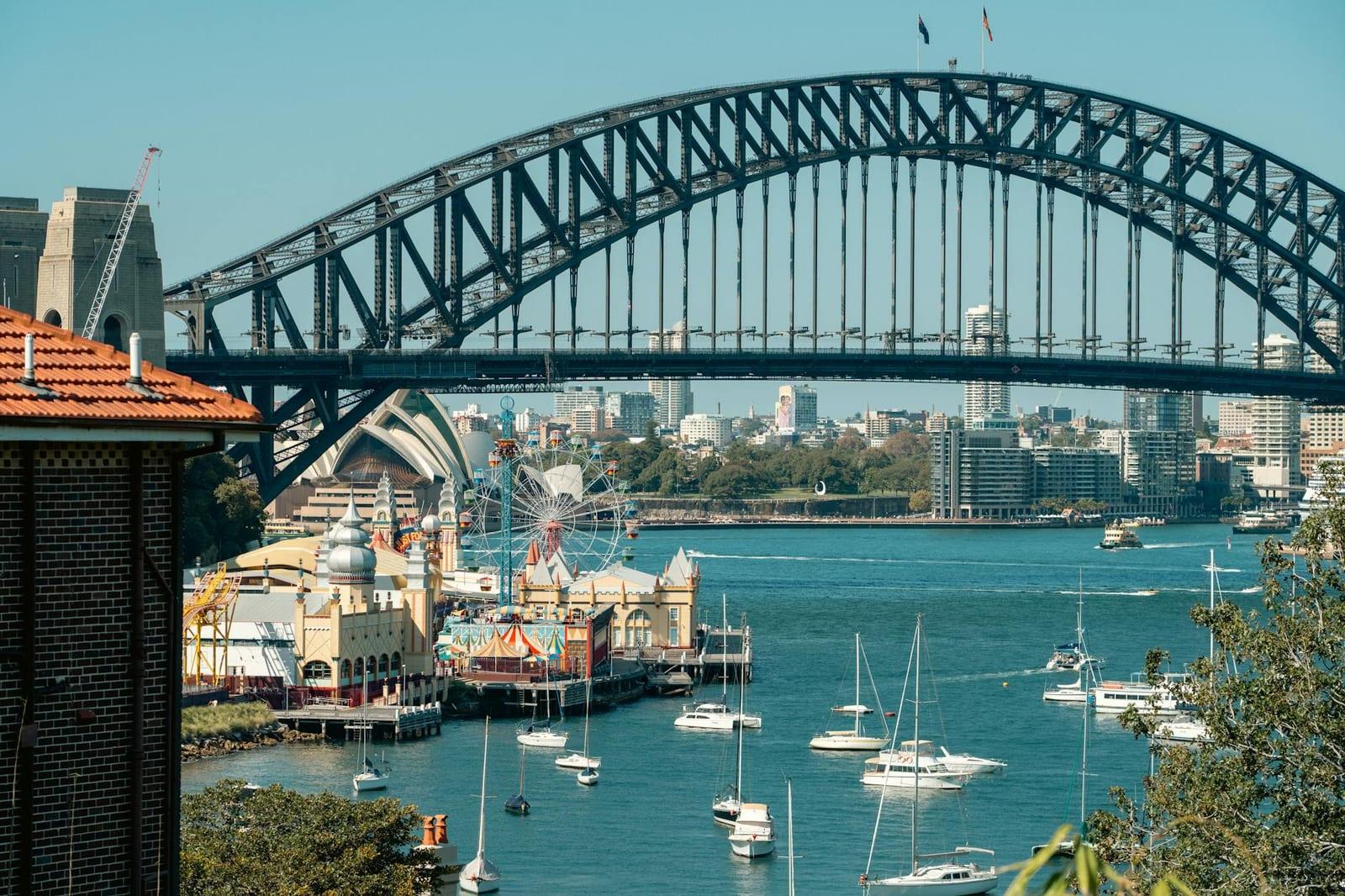
- Sydney
- Melbourne (Australian Open)
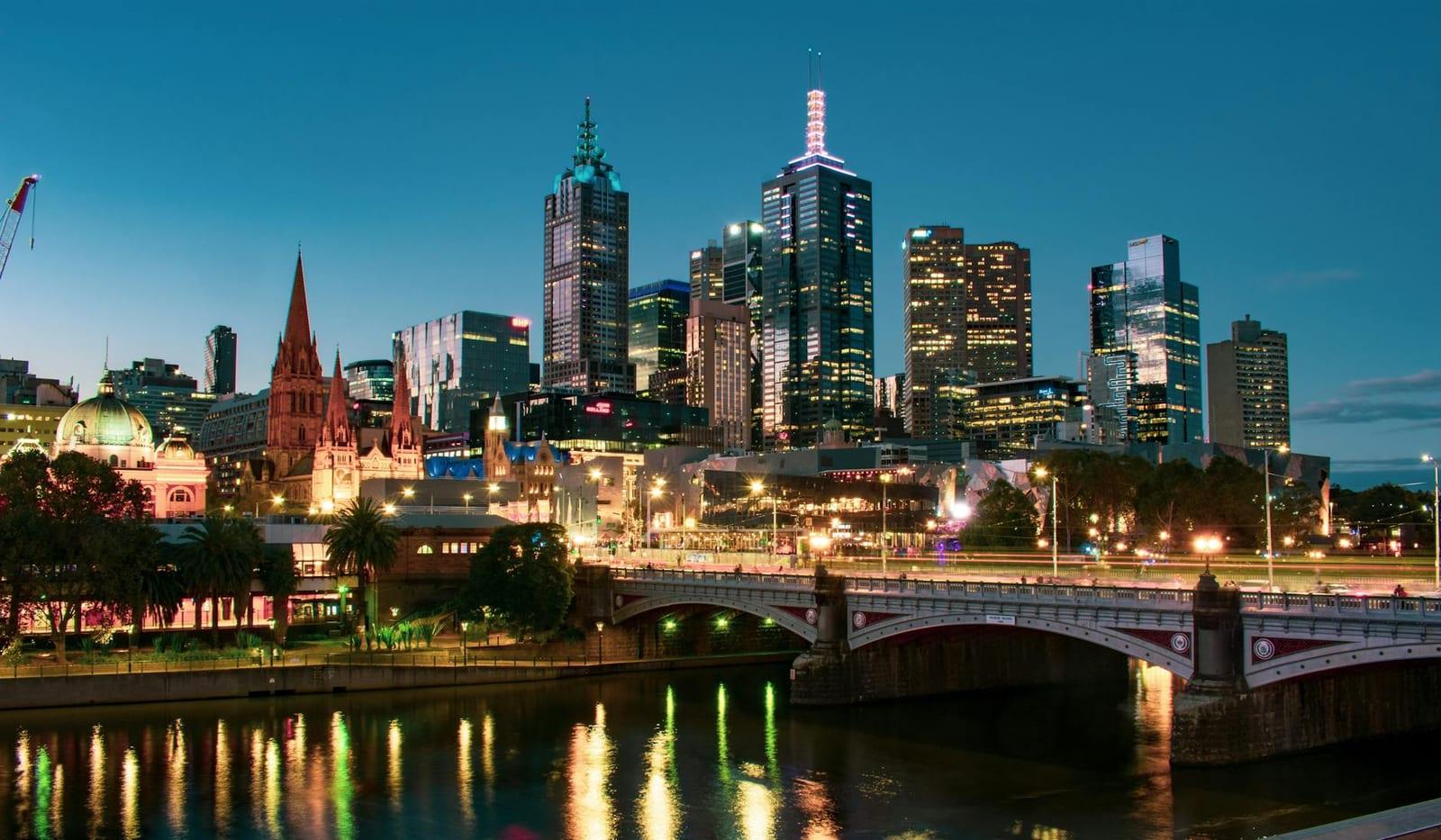
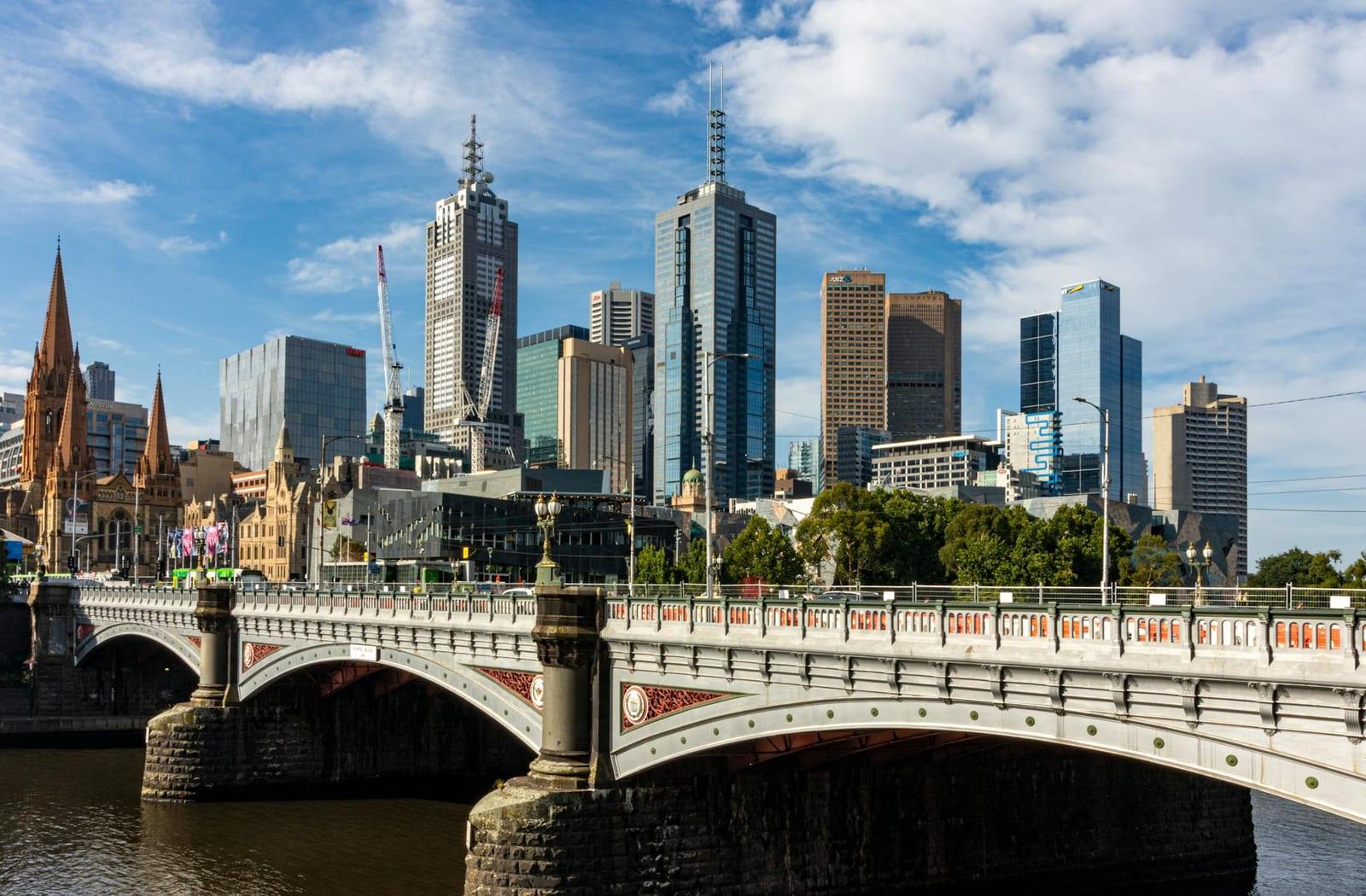
- Melbourne
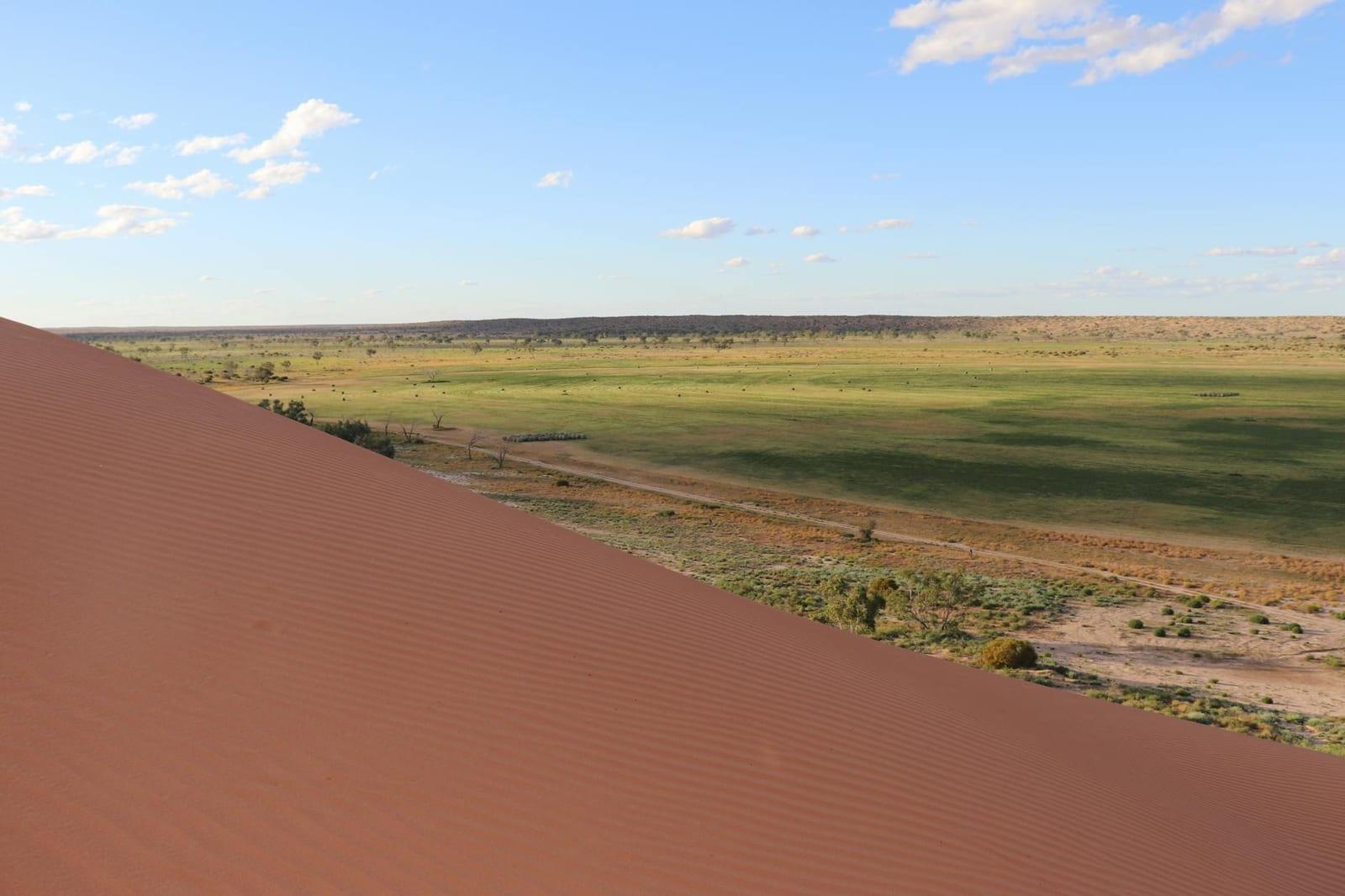
- Simpson Desert
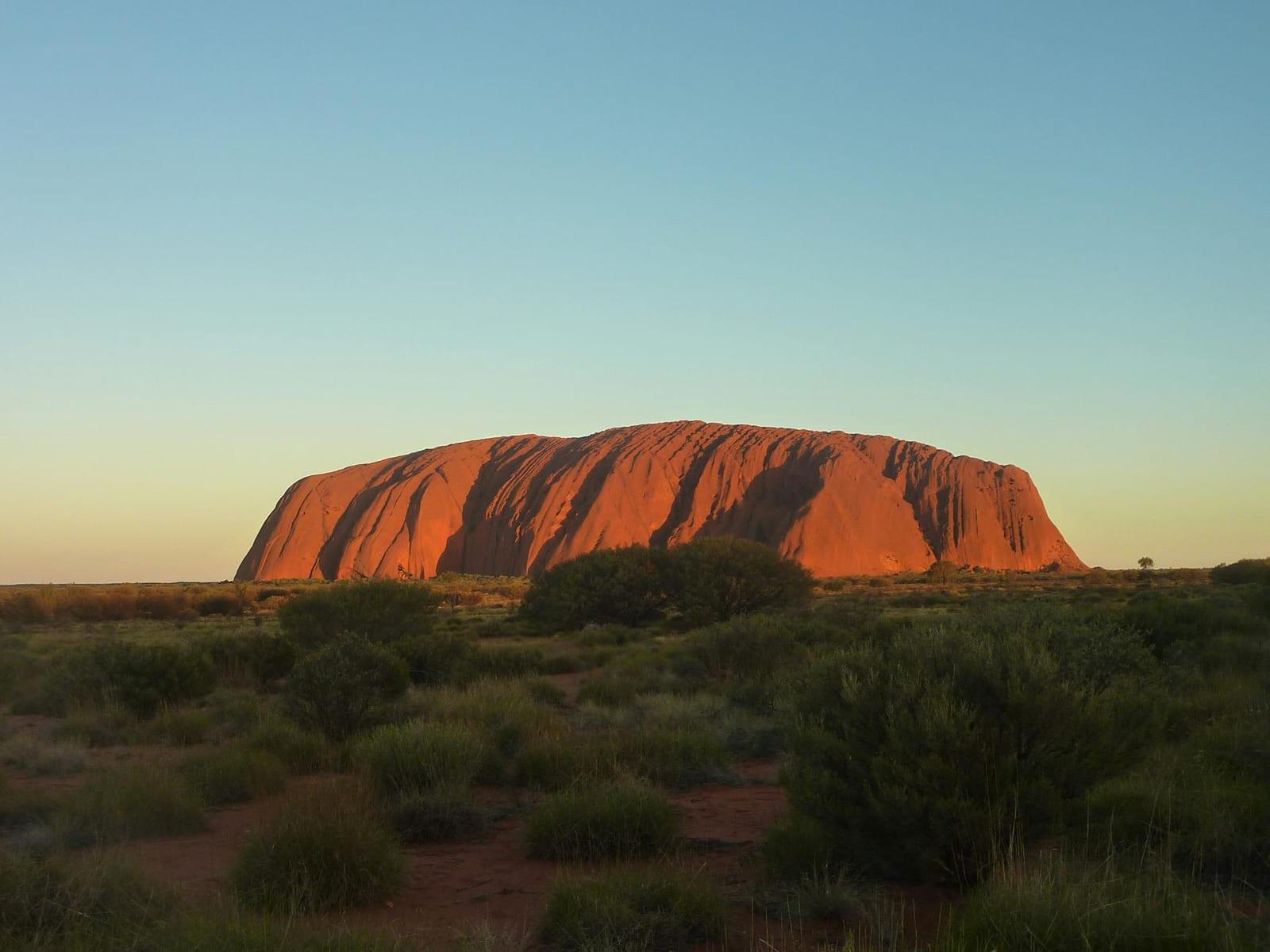
- Uluru
- Melbourne Cup Carnival

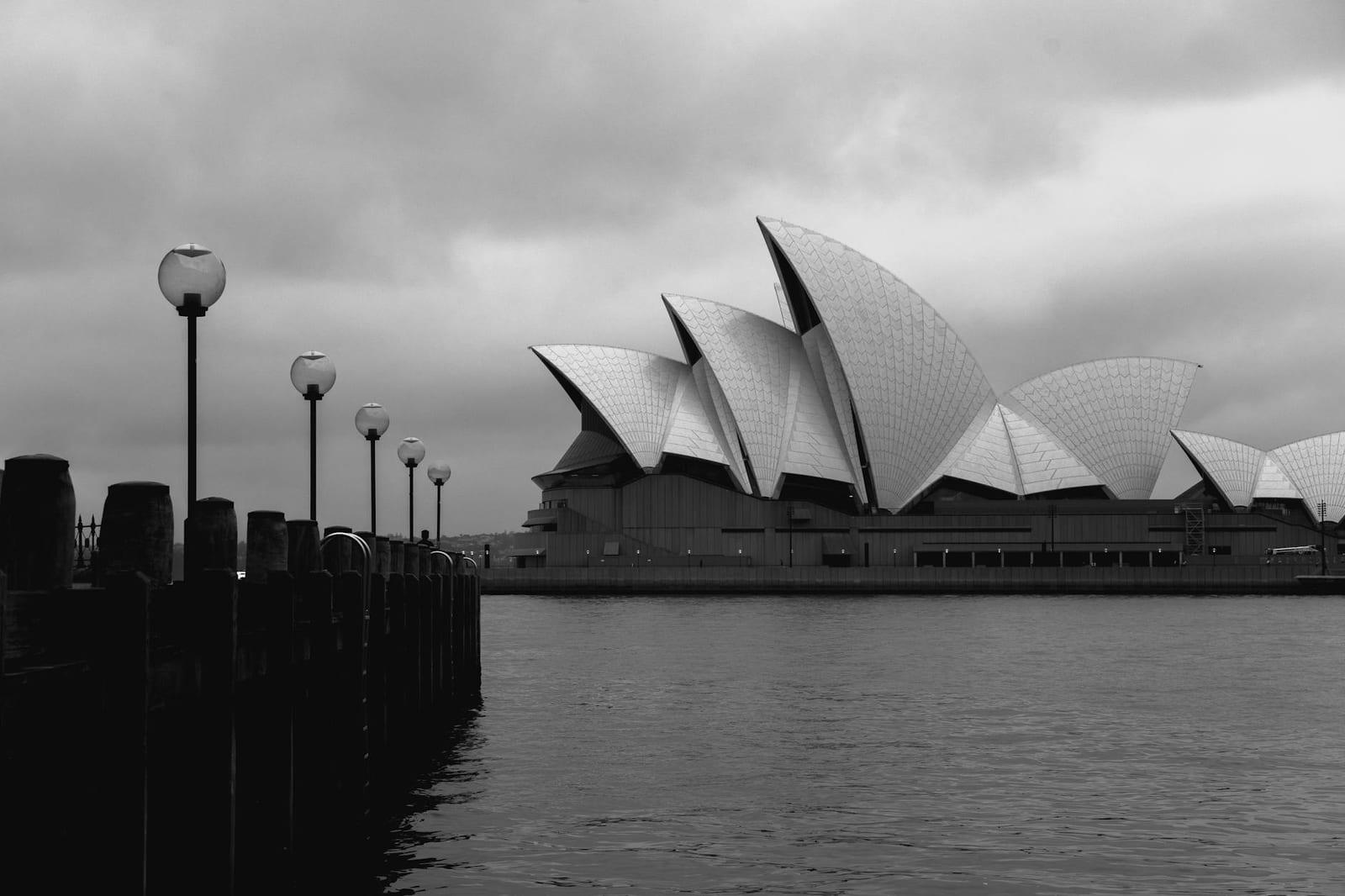
- Sydney Opera House
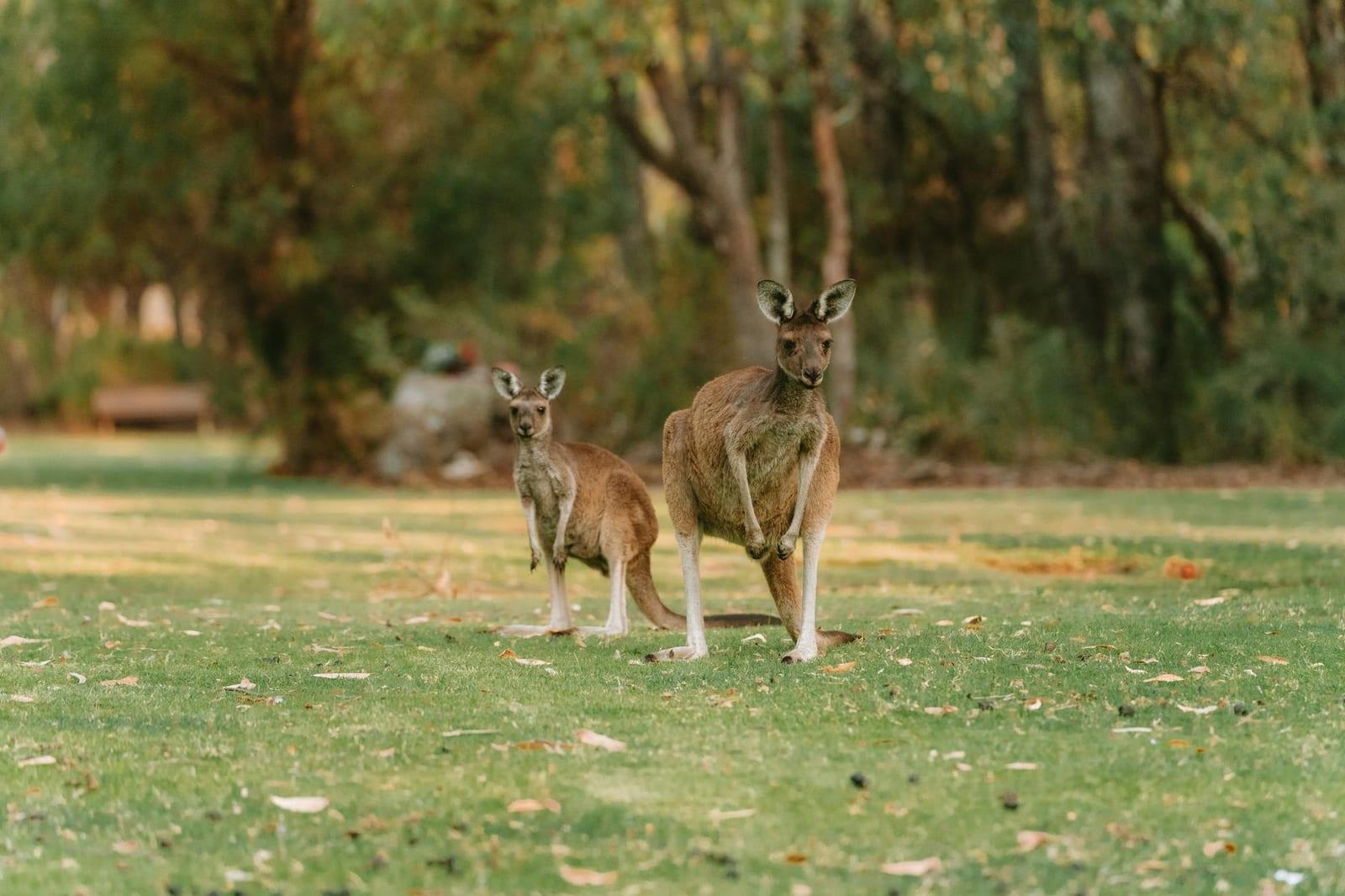
- Kangaroos
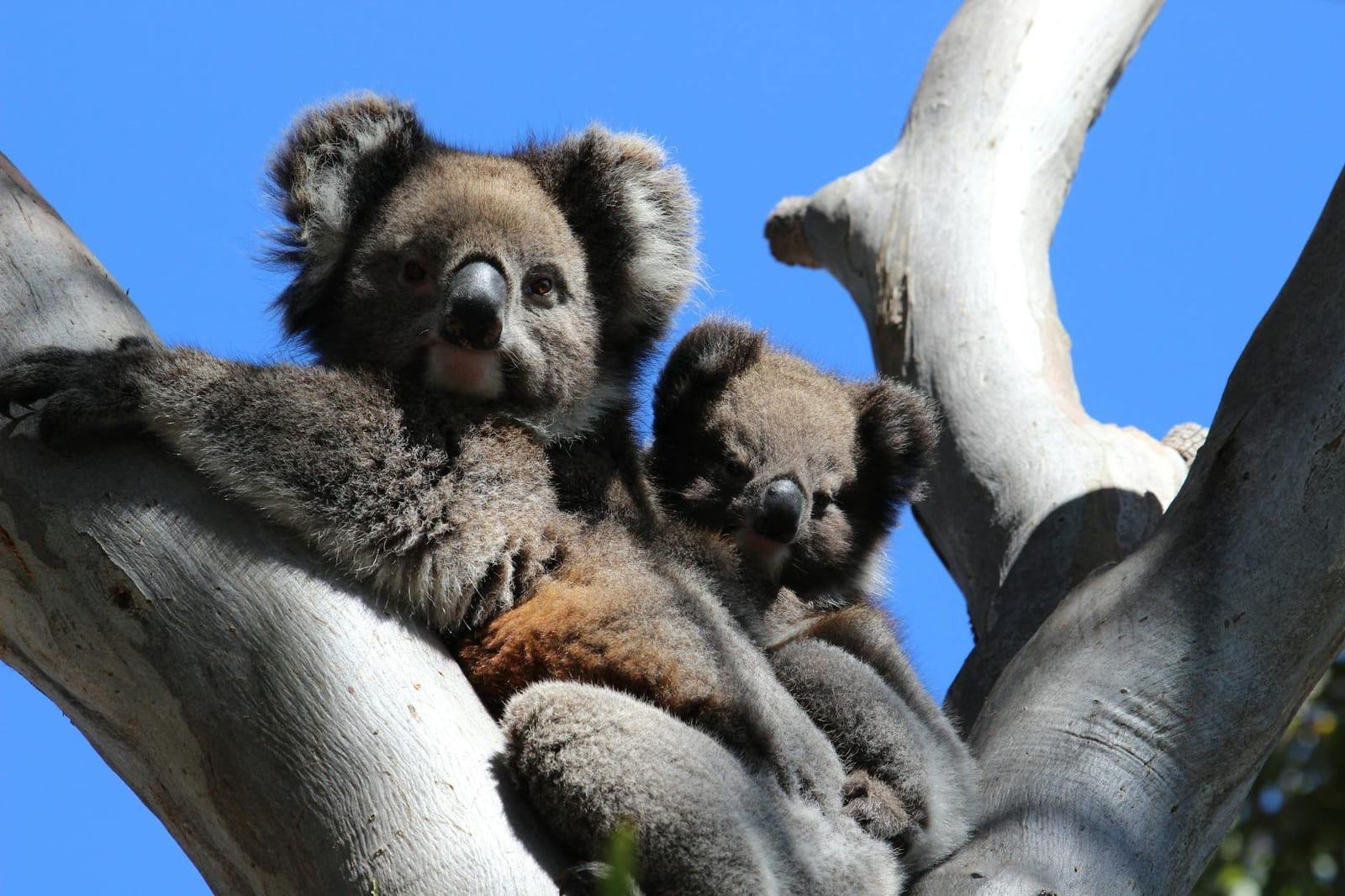
- Koalas
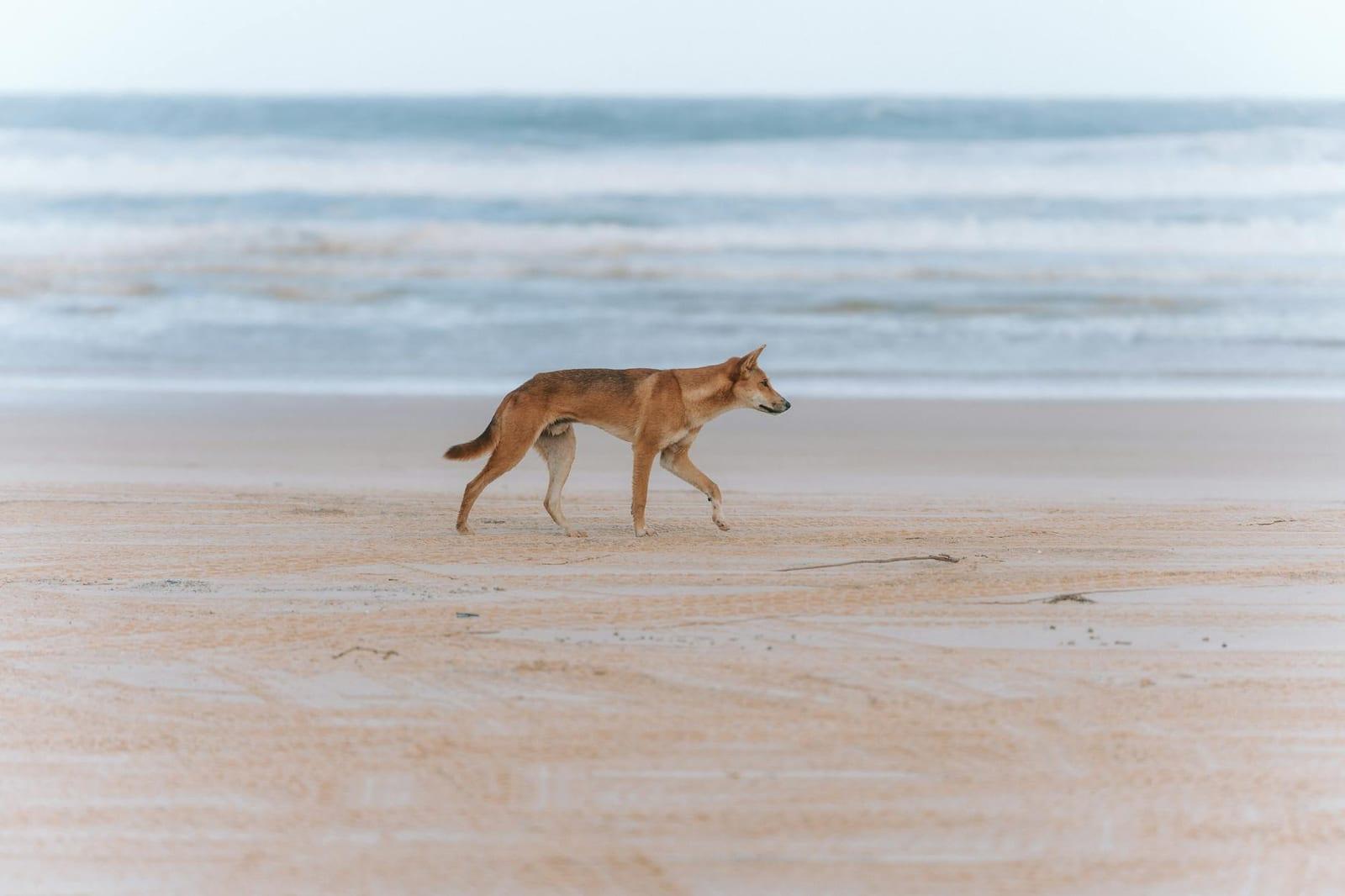
- Fraser IslandThe biggest sand island in the world, nearly entirely protected in a national park, has beautiful beaches and fascinating ecology (including plentiful dingoes).
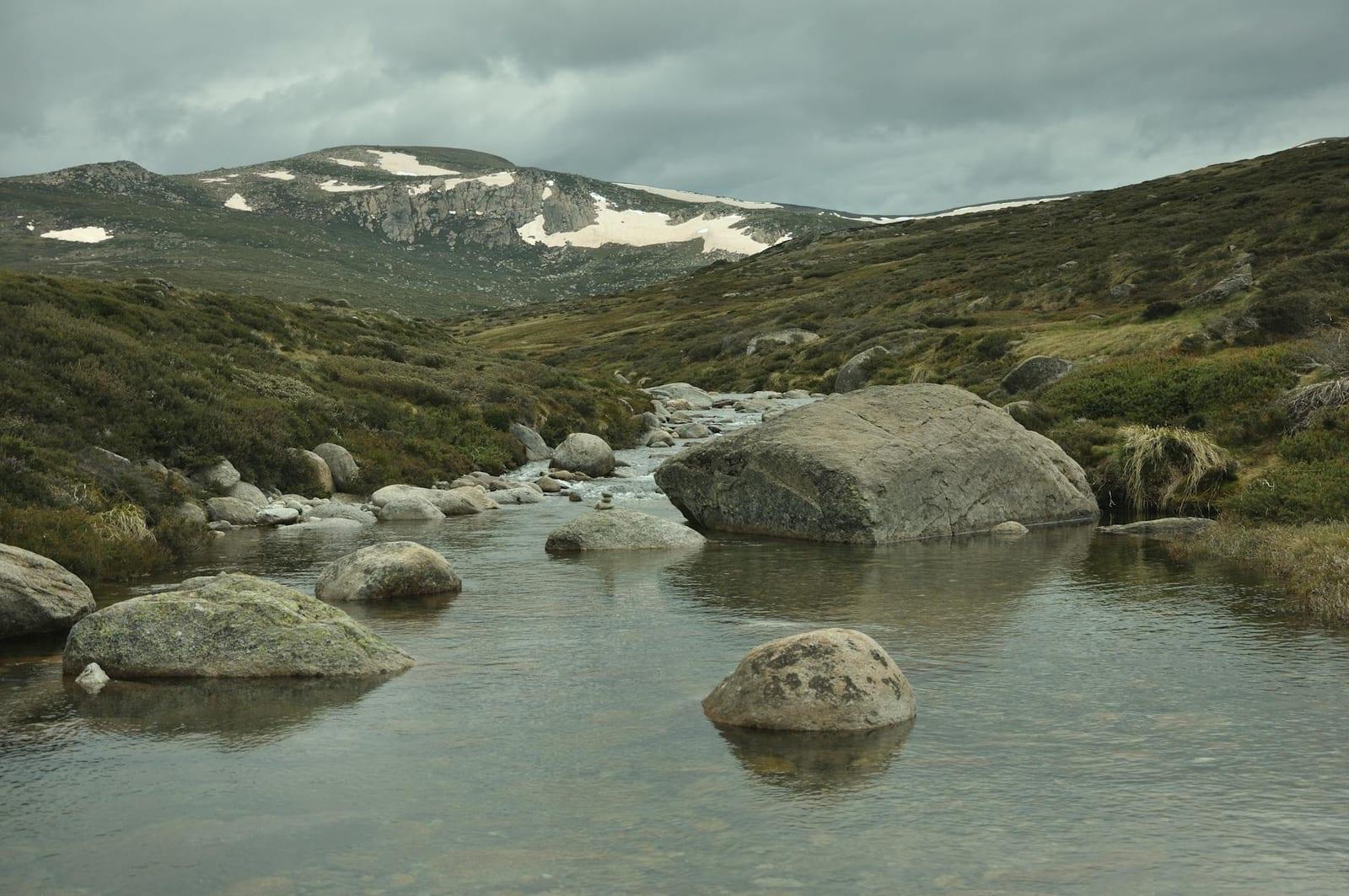
- Kosciuszko National ParkExplore the island continent’s highest country in the Snowy Mountains, which top out on ski-worthy 7,310-foot Mount Kosciuszko.
- Uluru (Ayers Rock)Visit the Red Centre’s iconic sandstone monolith with great sensitivity to the spiritual significance it holds for the indigenous Anangu.
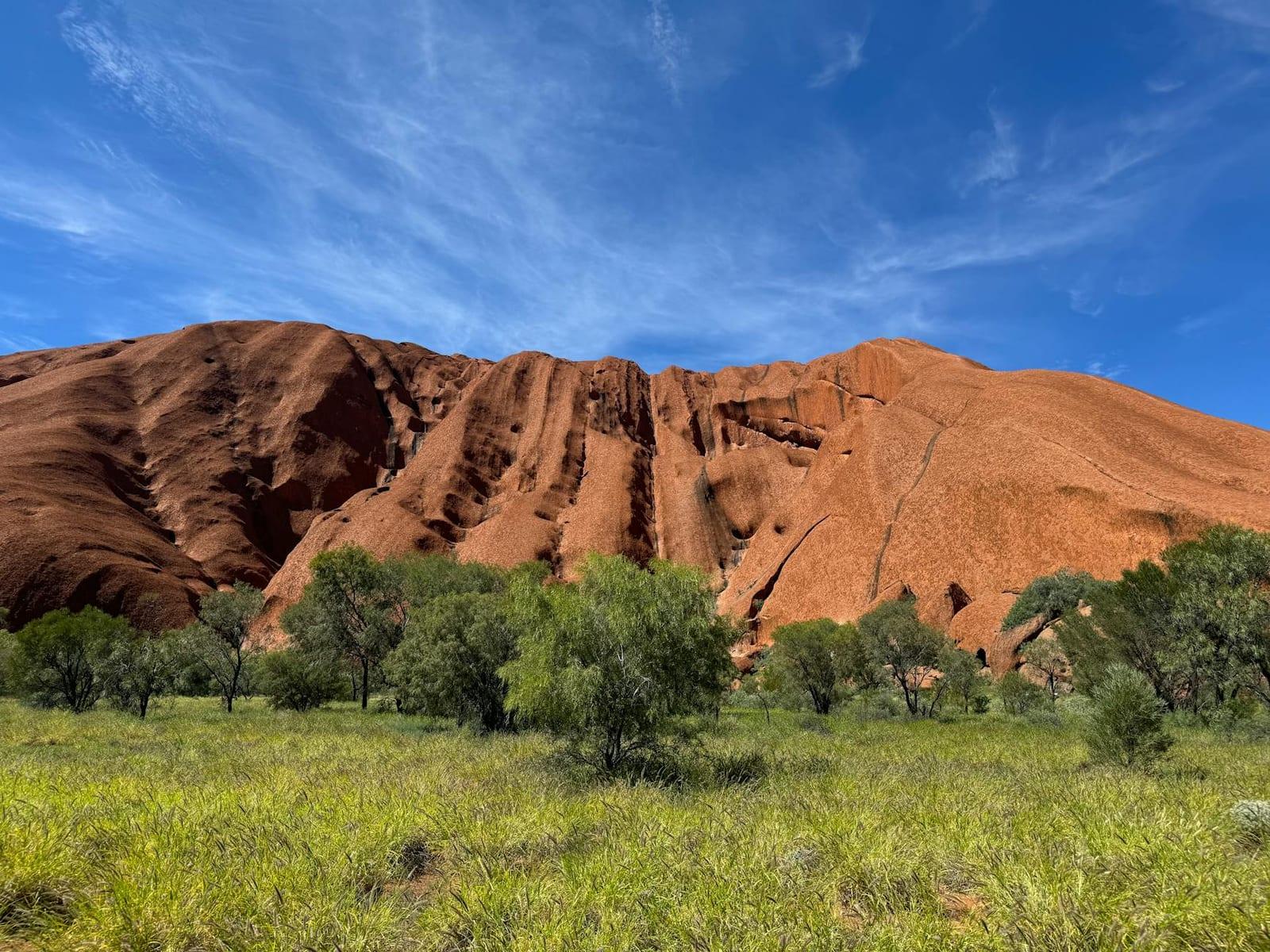
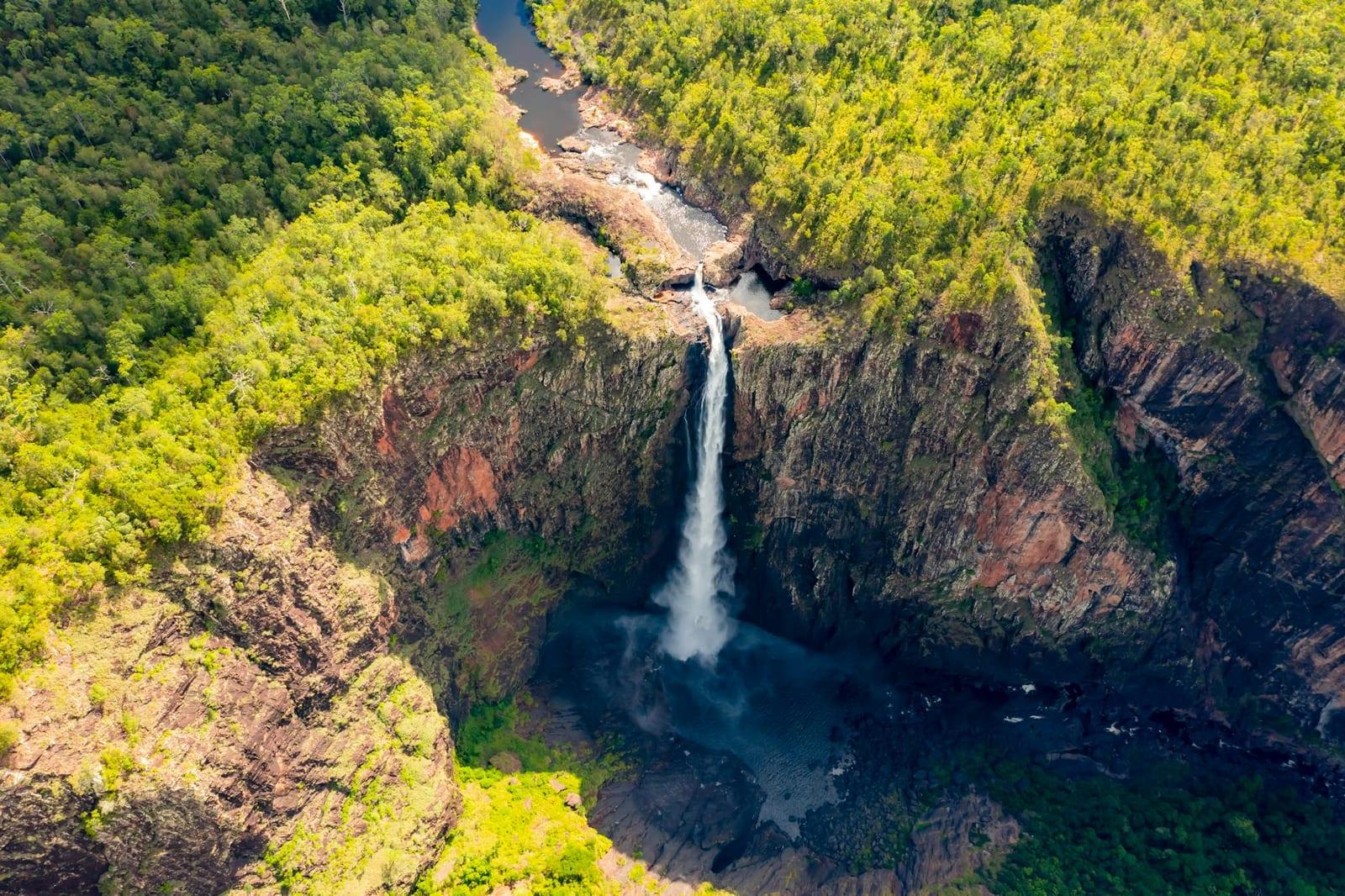
- Kakadu National ParkRocky plateaus and escarpments, Aboriginal rock art, billabong wetlands lorded over by estuarine crocs (“salties”): Experience one of Australia’s great tropical wildernesses.
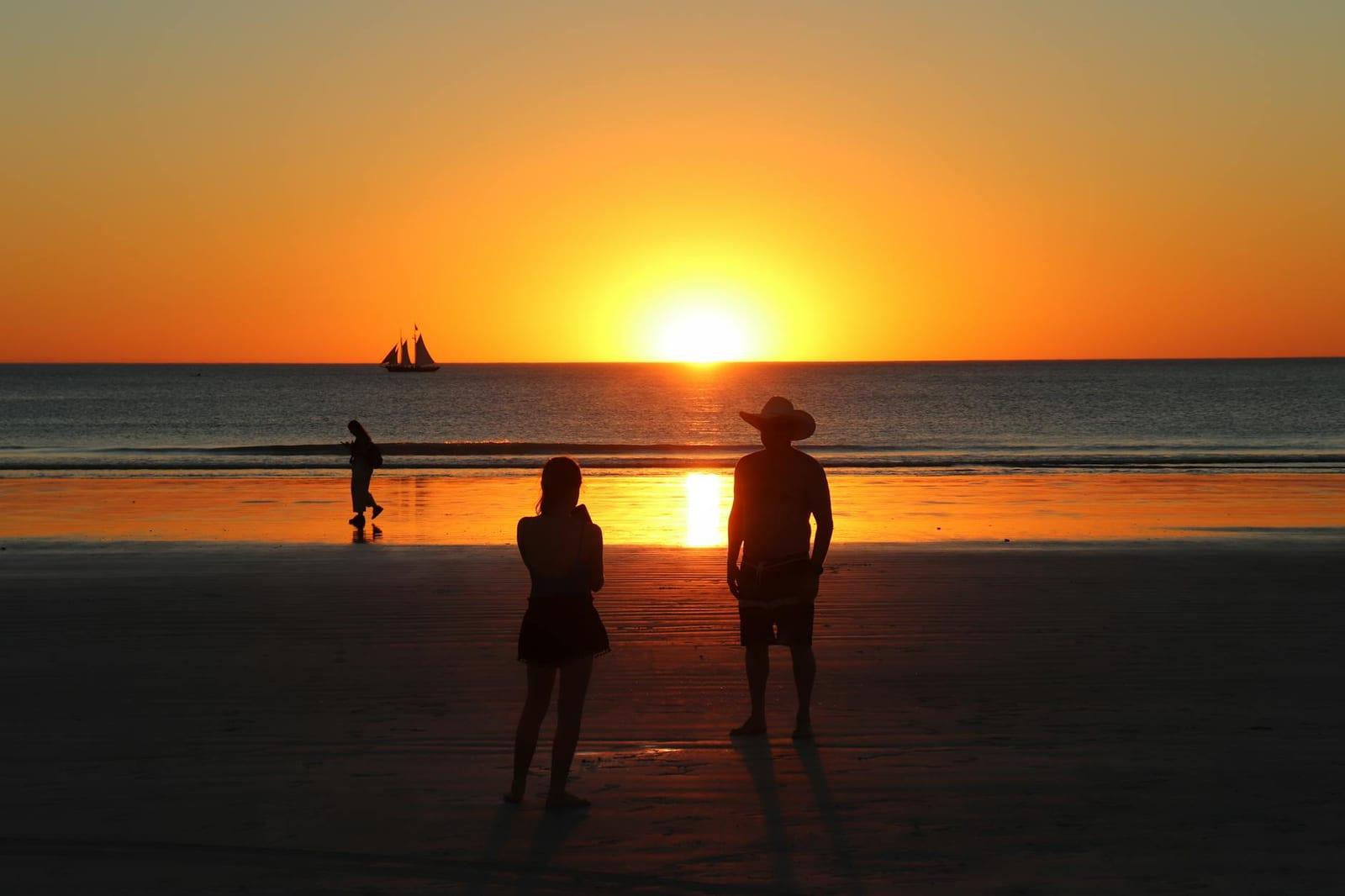
- BroomeThis beloved hamlet on Western Australia’s gorgeous coast is perhaps best known for lovely Cable Beach and its sunset camel rides.
- TasmaniaThis enigmatic island is a premier destination for adventurers and ecotourists, given its wild mountains, whitewater rivers, and towering rainforests.