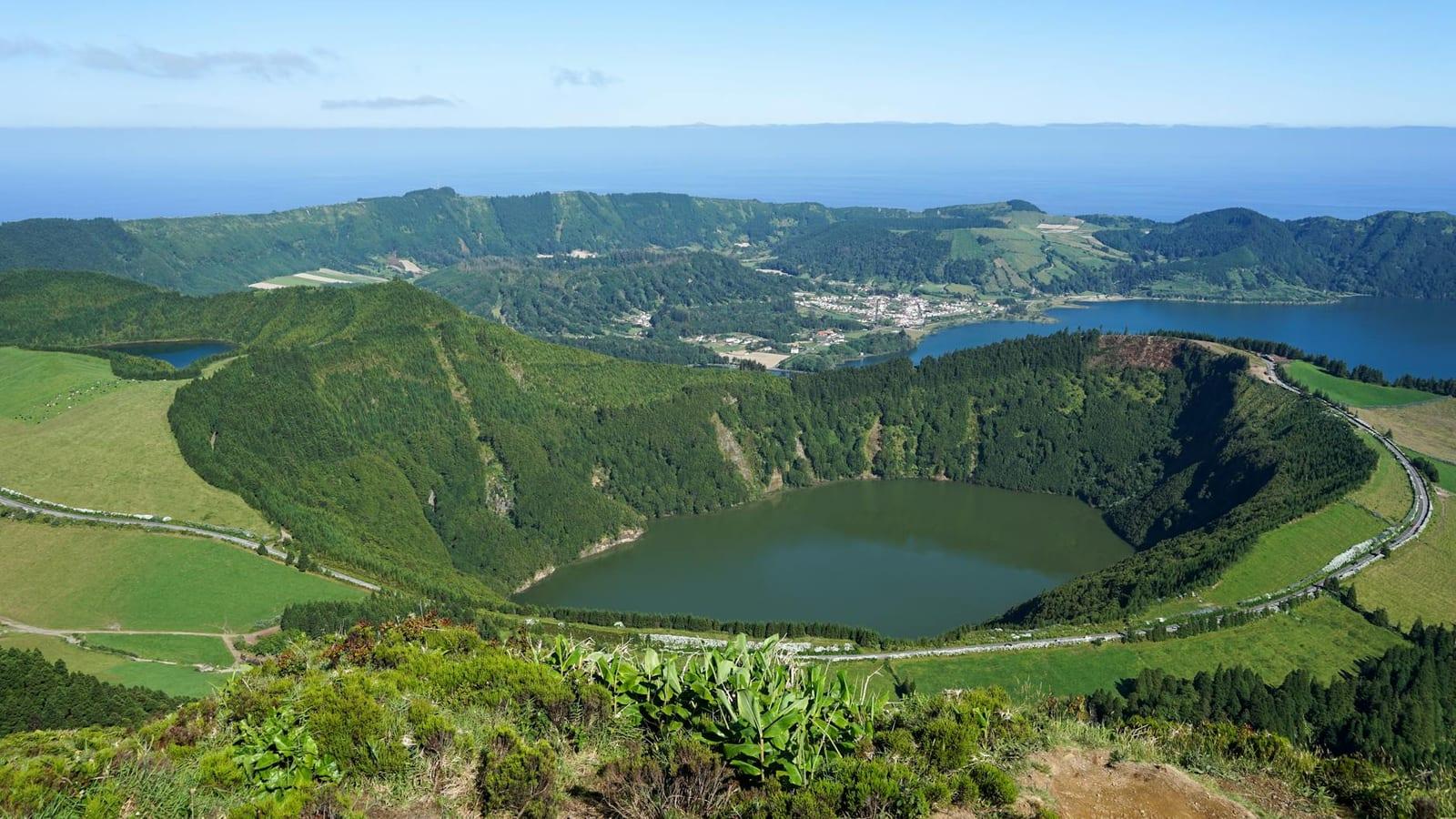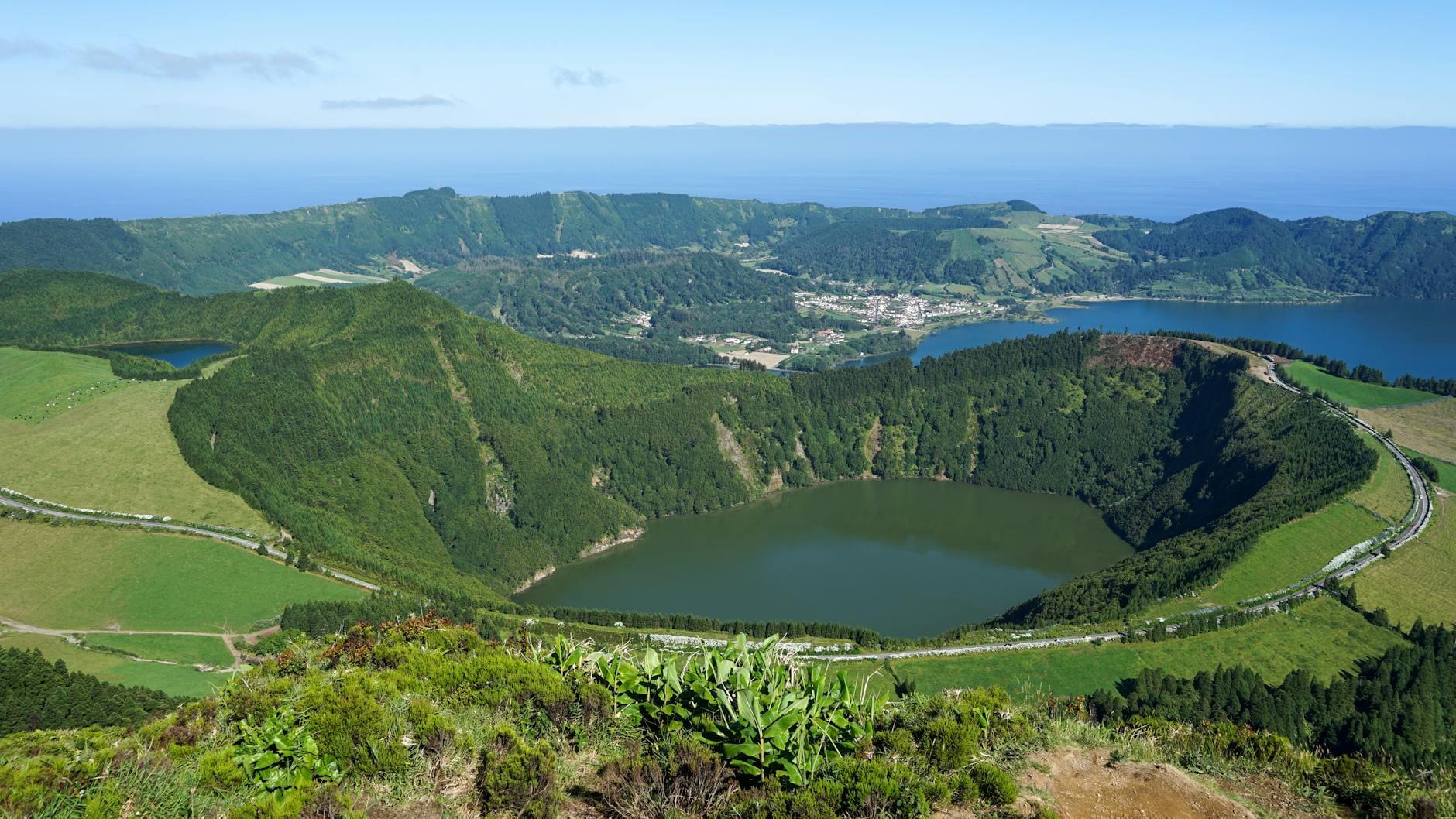
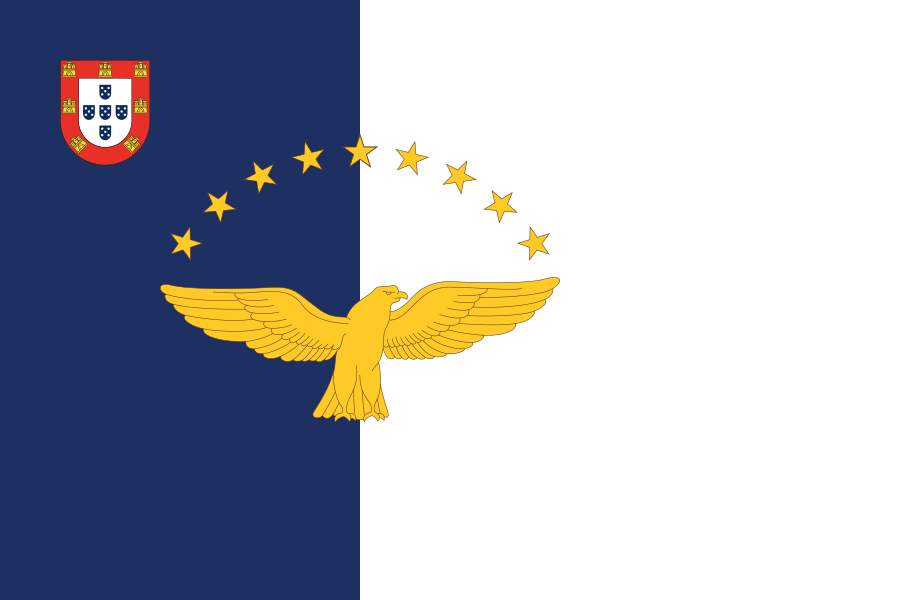
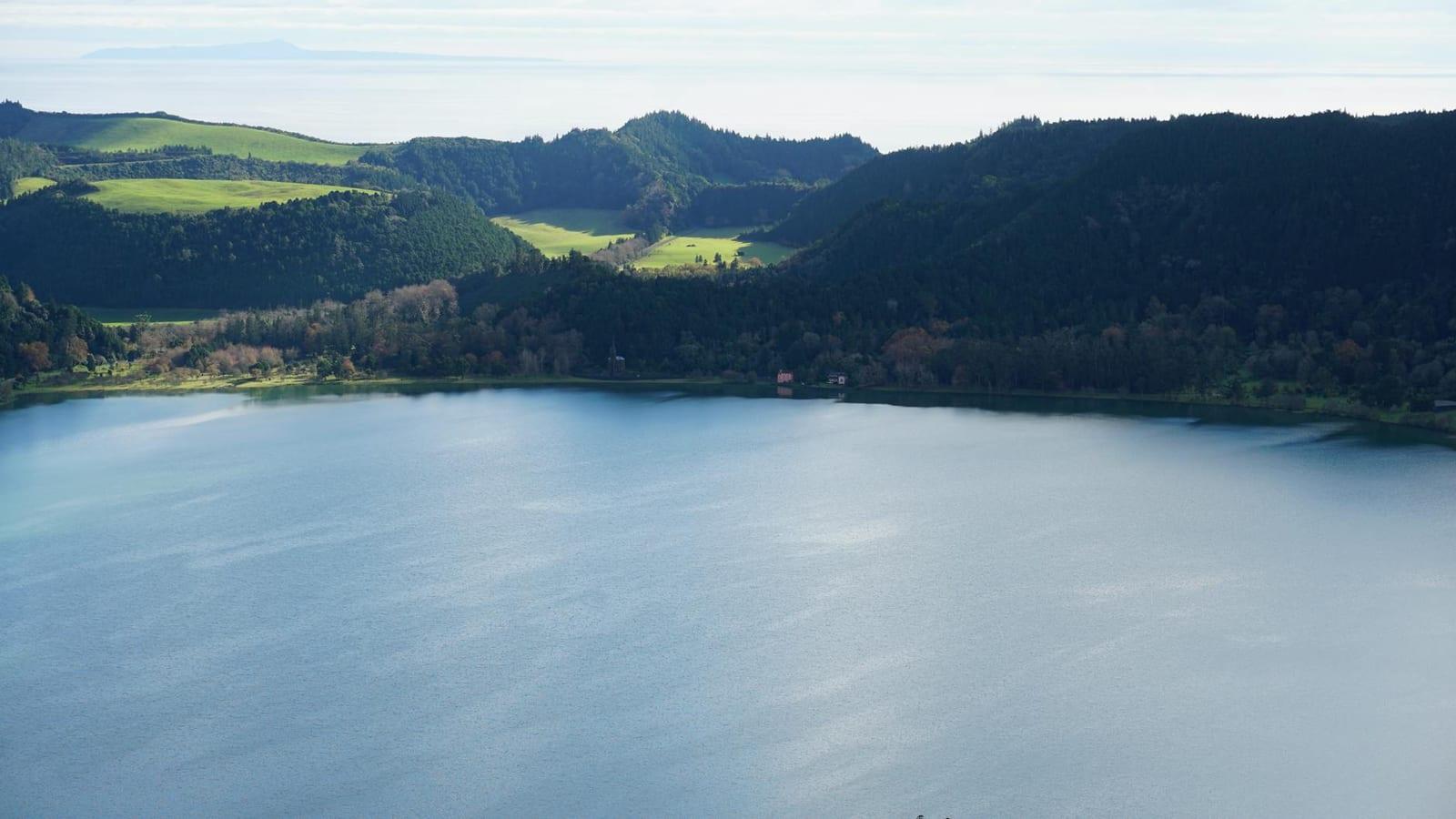
Soaring volcanoes, misty evergreen forests, deep blue Atlantic, and a slow island pace — the Azores are a Portuguese archipelago suspended in the middle of the ocean, 1,400 km west of mainland Lisbon and 1,500 km east of Newfoundland.
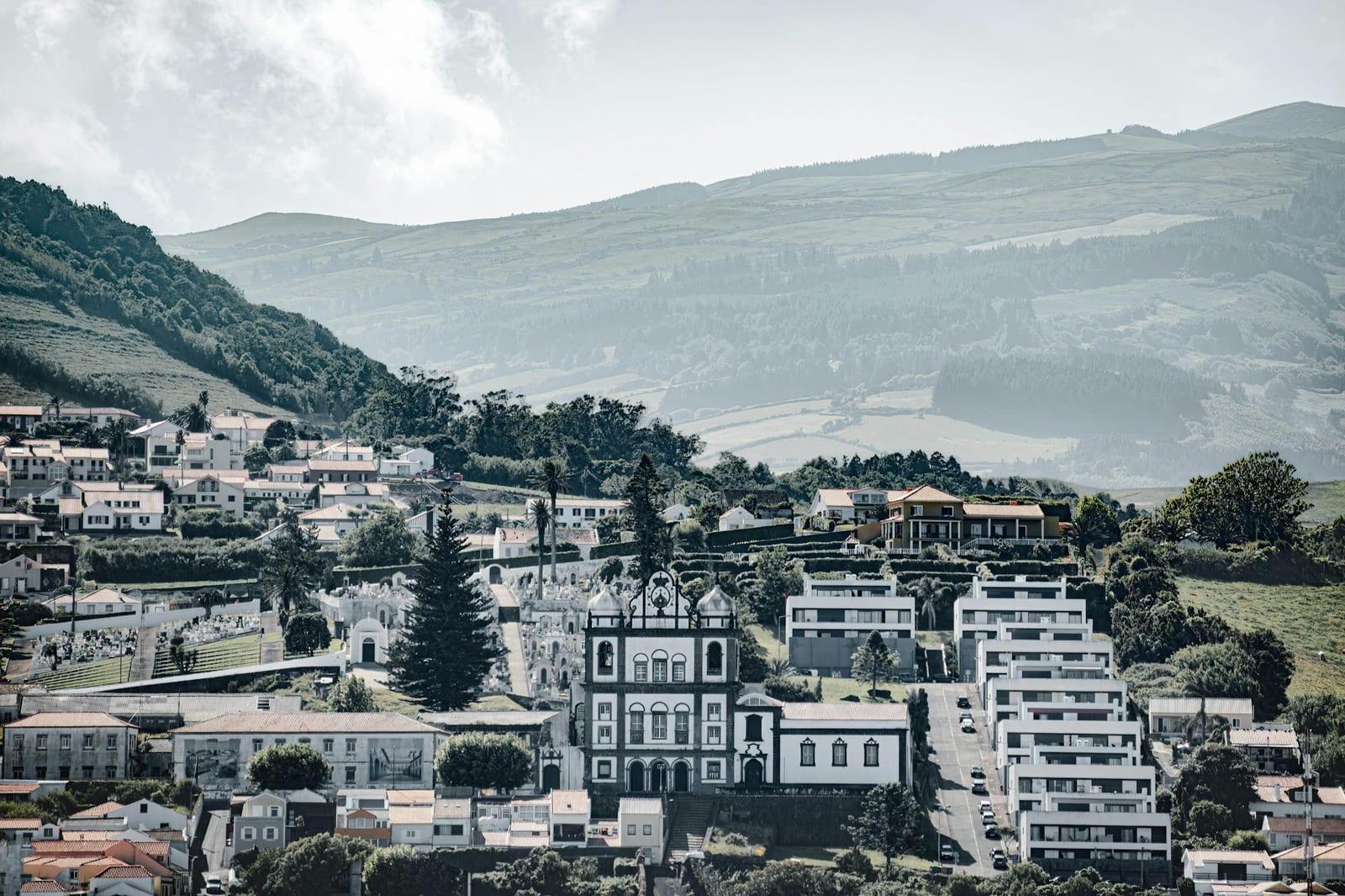
Nine inhabited islands span 600 km of sea, each with its own character. São Miguel is the largest and the usual entry point: home to the postcard-perfect twin Sete Cidades caldera lakes, the geothermal Furnas valley where pots of cozido stew slow-cook in the steaming earth, and a black-sand coast of churning surf and lava cliffs. Pico is named for its 2,351 m volcanic cone — Portugal's highest peak — and the sunrise summit climb above the cloud-line is one of Atlantic Europe's great rewards. Faial draws sailors to the Horta marina, where every hull on the seawall is painted with the boat's name and the dates they passed through. Terceira holds the UNESCO-listed Angra do Heroísmo and the volcanic chimney of Algar do Carvão; Graciosa, Flores, Corvo and the others reward the trip for their own quieter reasons.
The Azores were finalists for the Seven Natural Wonders of the World, designated a UNESCO Geopark, and the surrounding waters are a year-round migration corridor for sperm, blue, fin and humpback whales plus huge pods of common and bottlenose dolphins. Local cuisine pulls from the volcanic soil and the deep Atlantic: aged São Jorge cheese, fresh tuna, limpets grilled with garlic, pineapple grown in greenhouses, and the legendary cozido das Furnas pulled from the fumarole pots after six hours underground.
Direct flights connect Lisbon and a growing number of European + North American cities (Boston and New York both have direct service to Ponta Delgada). Inter-island travel is via SATA Air Açores hops or the seasonal Atlânticoline ferries. Late spring through early autumn is the dry window; the rest of the year is greener but wetter — and arguably the photography is better.
13 things not to miss.
- Furnas ValleyBubbling fumaroles, mineral hot springs, and the famous cozido das Furnas — a stew slow-cooked underground in geothermal vents.
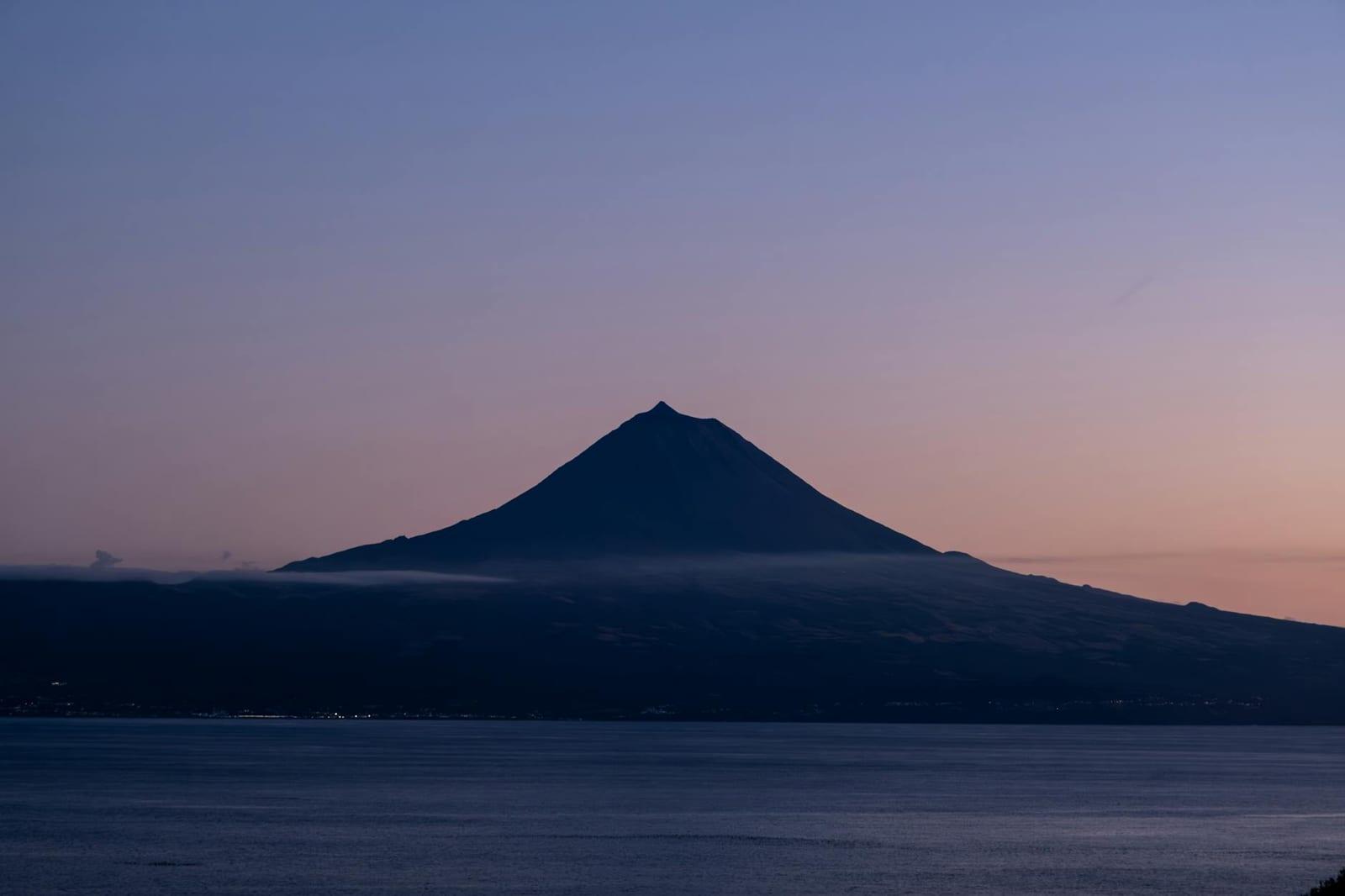
- Mount PicoPortugal's highest peak (2,351 m) — a hard but achievable overnight summit. Sunrise above the clouds with the other islands floating in the haze is one of Atlantic Europe's great rewards.
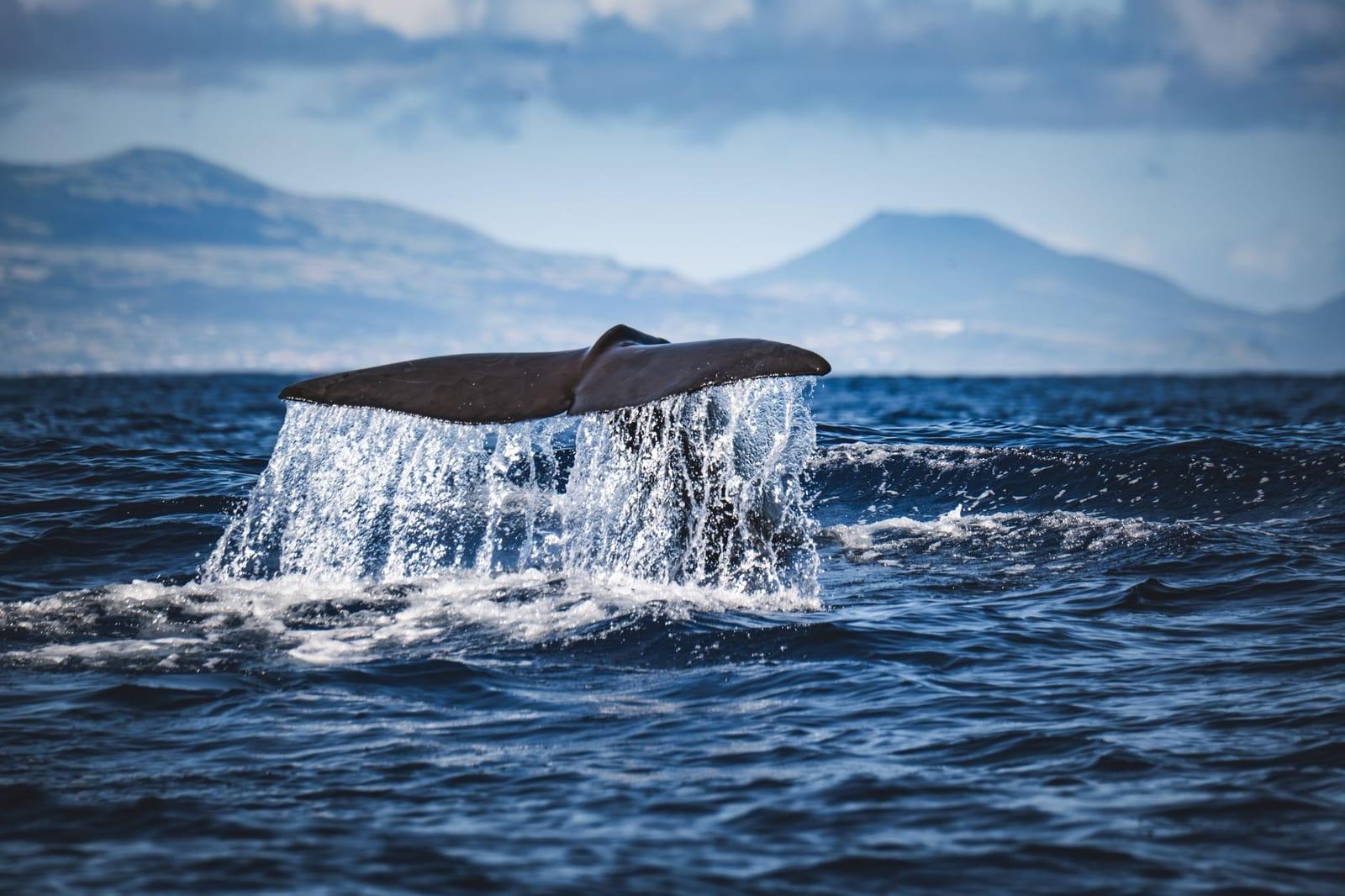
- Whale & Dolphin WatchingPico, Faial, and São Miguel sit on a deep-water migration corridor — sperm whales year-round, blue whales and humpbacks April-June, and pods of common + bottlenose dolphins almost every trip.
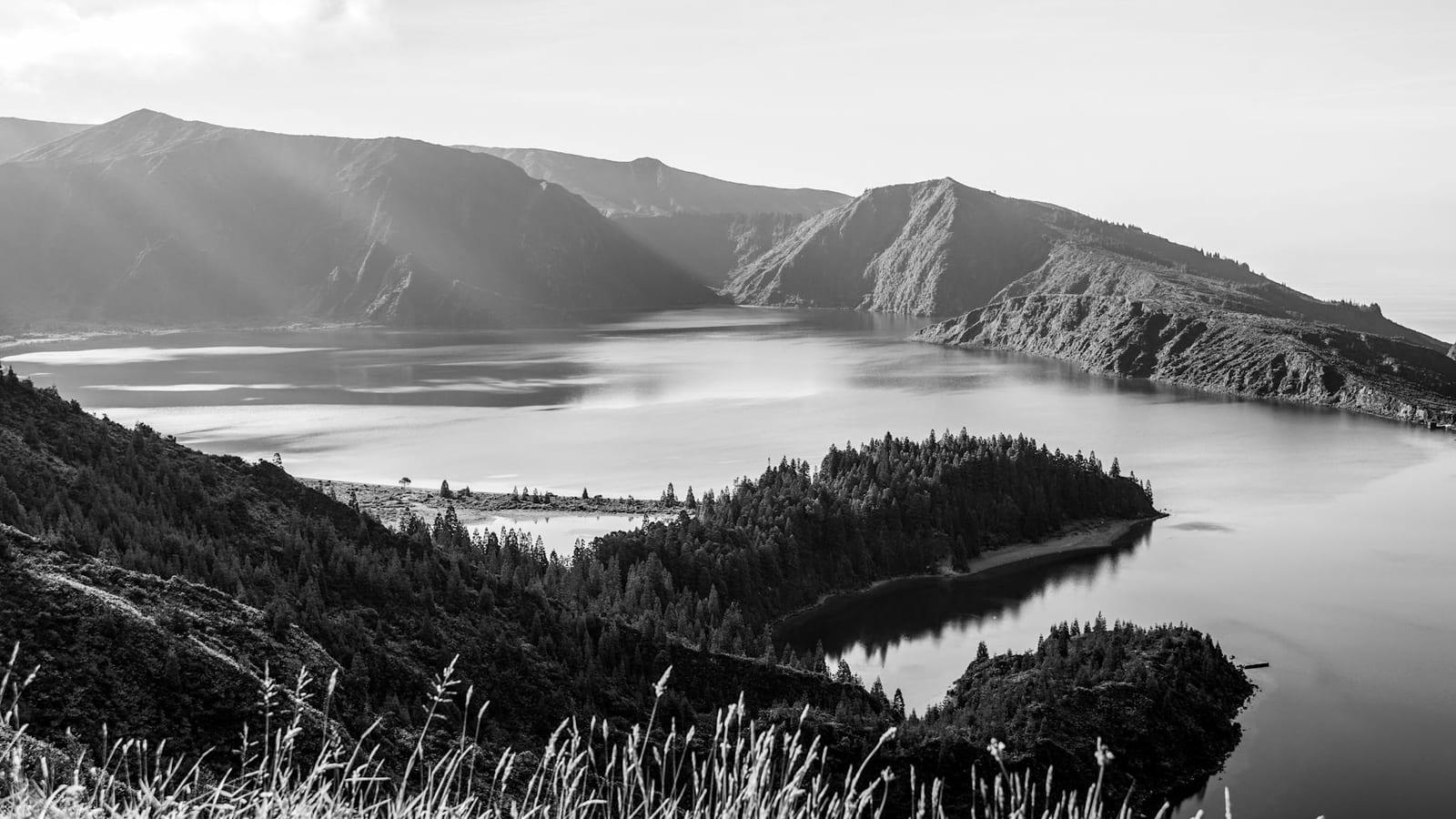
- Lagoa do FogoA pristine crater lake in São Miguel's interior, no roads or buildings on its shores. The descent from the rim is steep but the swim is worth it.
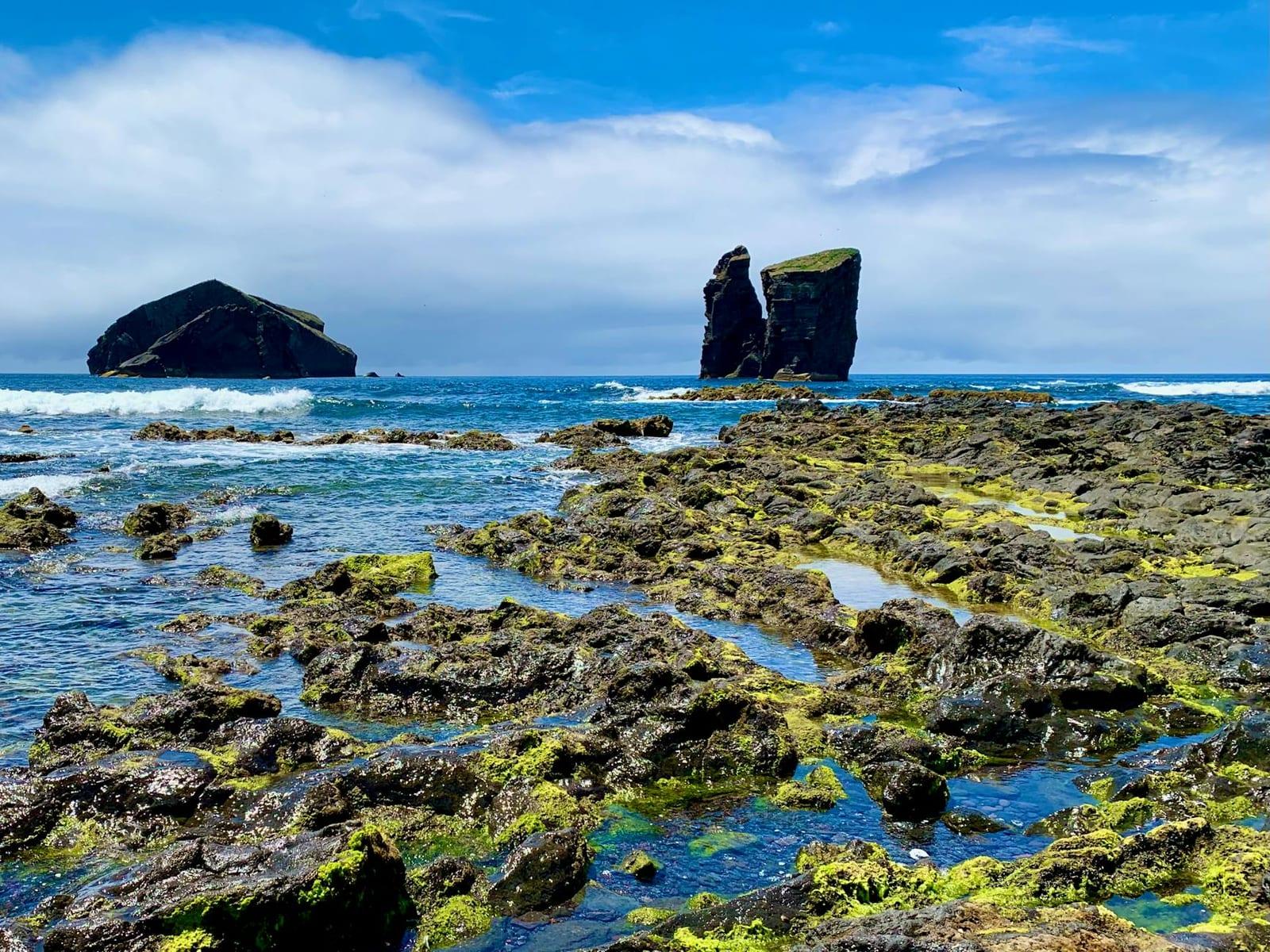
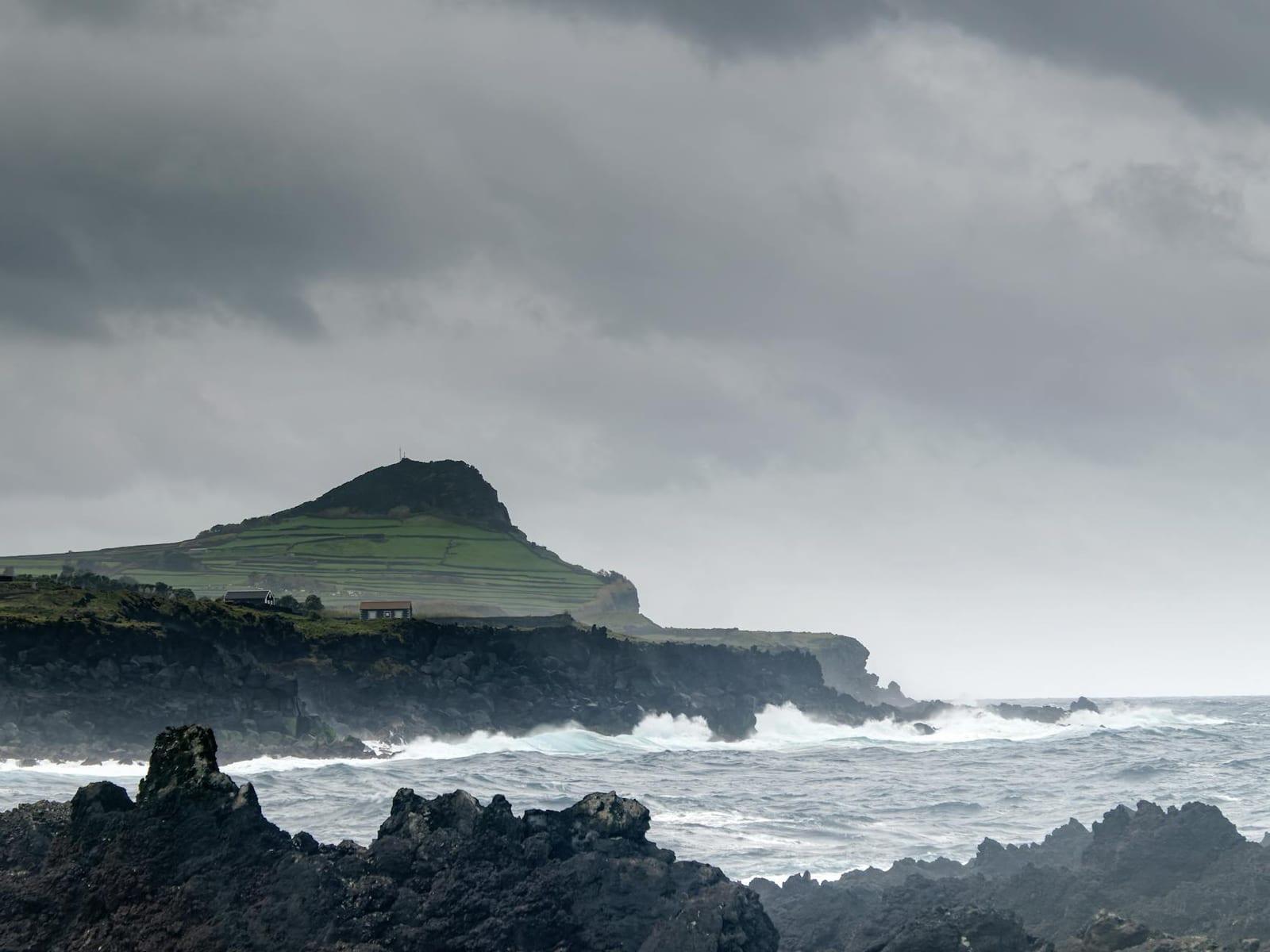
- Mosteiros & FerrariaBlack-sand beaches and the Ponta da Ferraria geothermal pools where Atlantic surf and volcanic vents mix into 30-degree natural baths at low tide.
- Horta MarinaOn Faial — every transatlantic sailor who calls in paints their boat's name on the seawall. The Peter Café Sport is the de facto clubhouse for the mid-Atlantic sailing fraternity.
- Algar do CarvãoWalk down into the volcanic chimney on Terceira — a 90 m vertical shaft into the throat of a 2,000-year-old vent, now lined with silica stalactites and a rain-fed lake at the bottom.
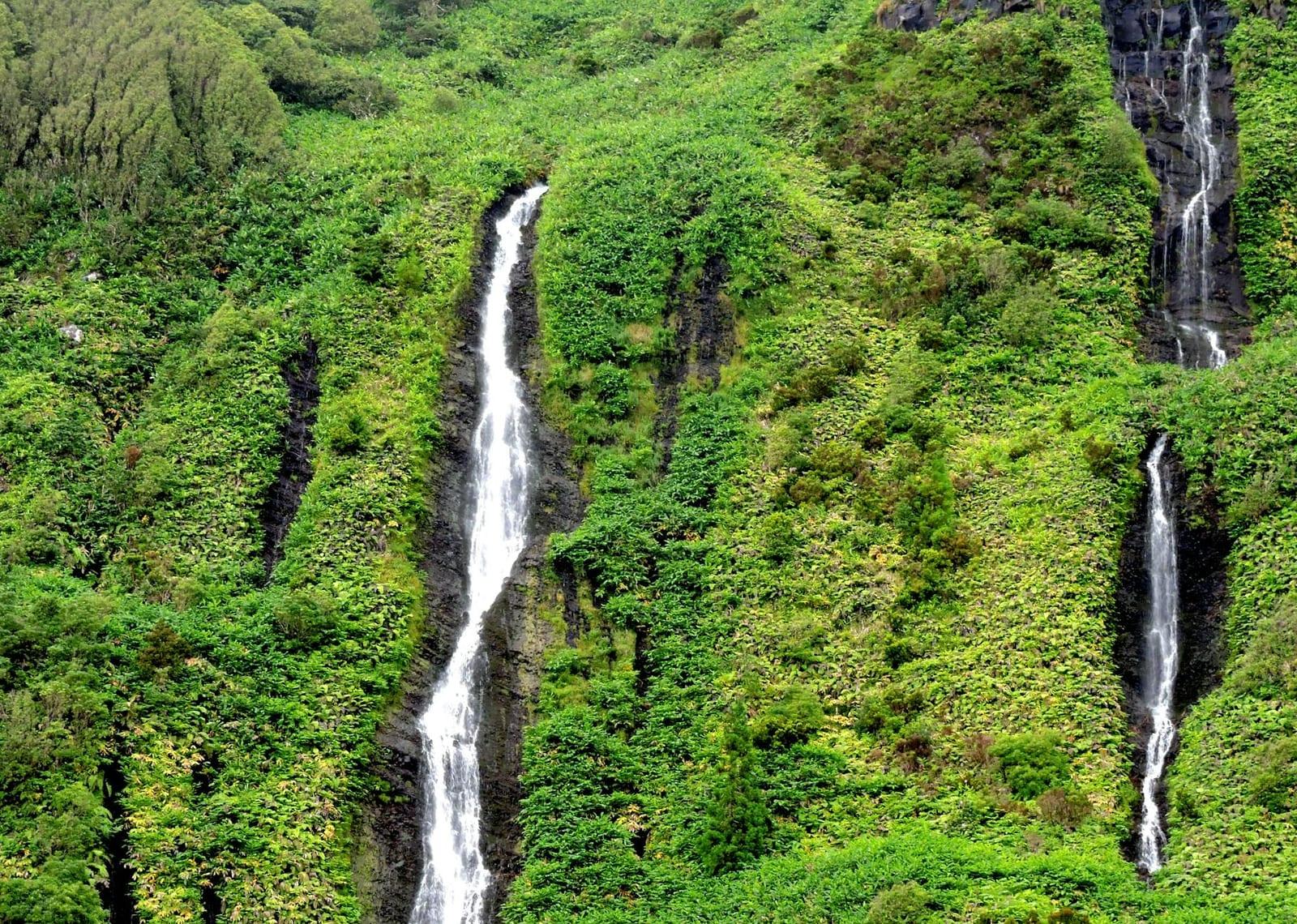
- Flores WaterfallsThe Poço do Bacalhau and Ribeira Grande cascades plunge straight off the cliffs of the western-most Azorean island. Take the boat from Horta or fly in from São Miguel.
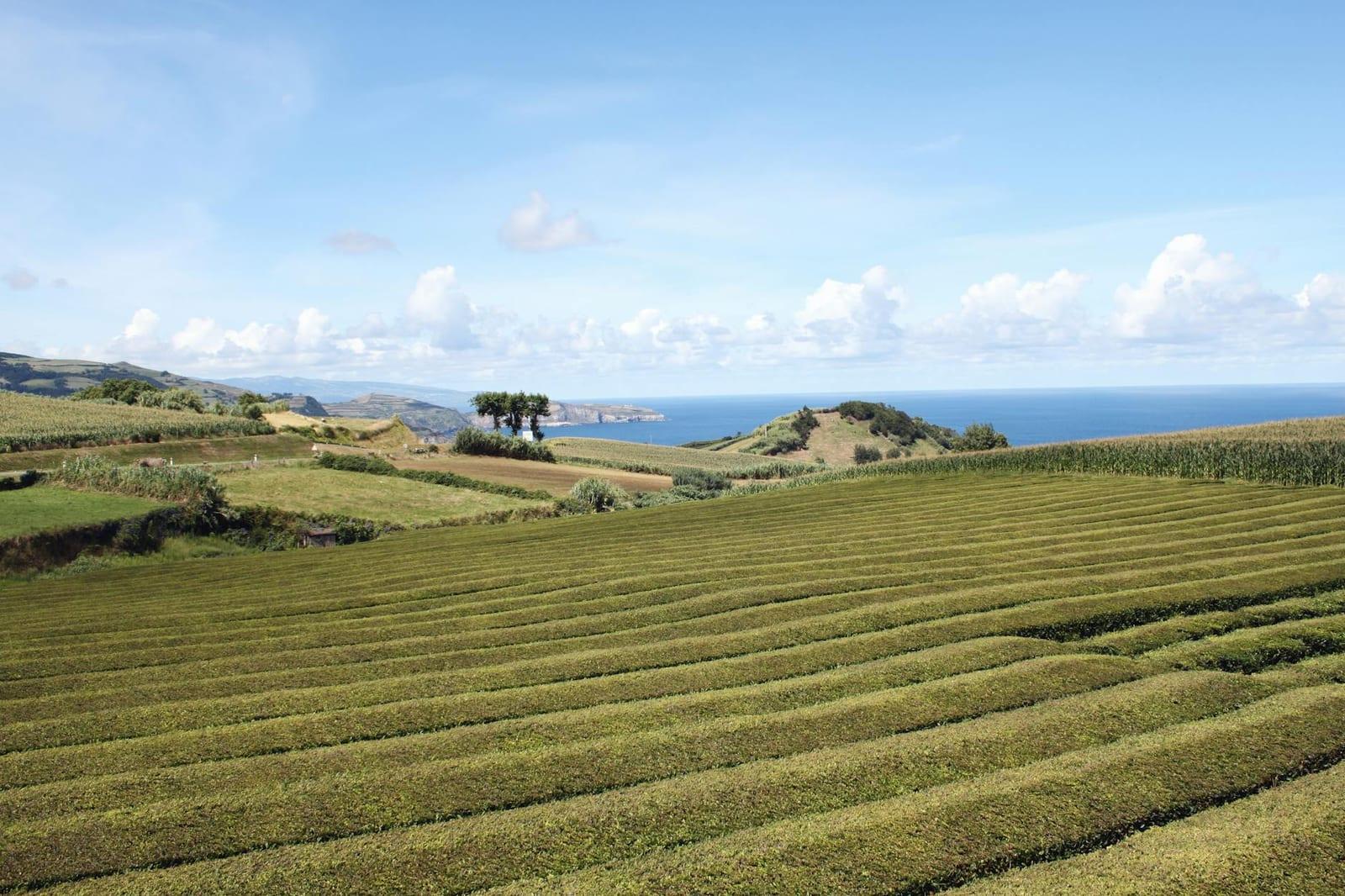
- Gorreana Tea PlantationEurope's only commercial tea plantation, on São Miguel's north coast. Free factory tour, tea tasting, and the contrast between the South-Asian crop and the Atlantic landscape is part of the appeal.
- Caldeira VelhaIron-rich hot waterfall + thermal pools in a deep ravine of laurel forest, halfway between Lagoa do Fogo and Ribeira Grande. Easy half-day visit.
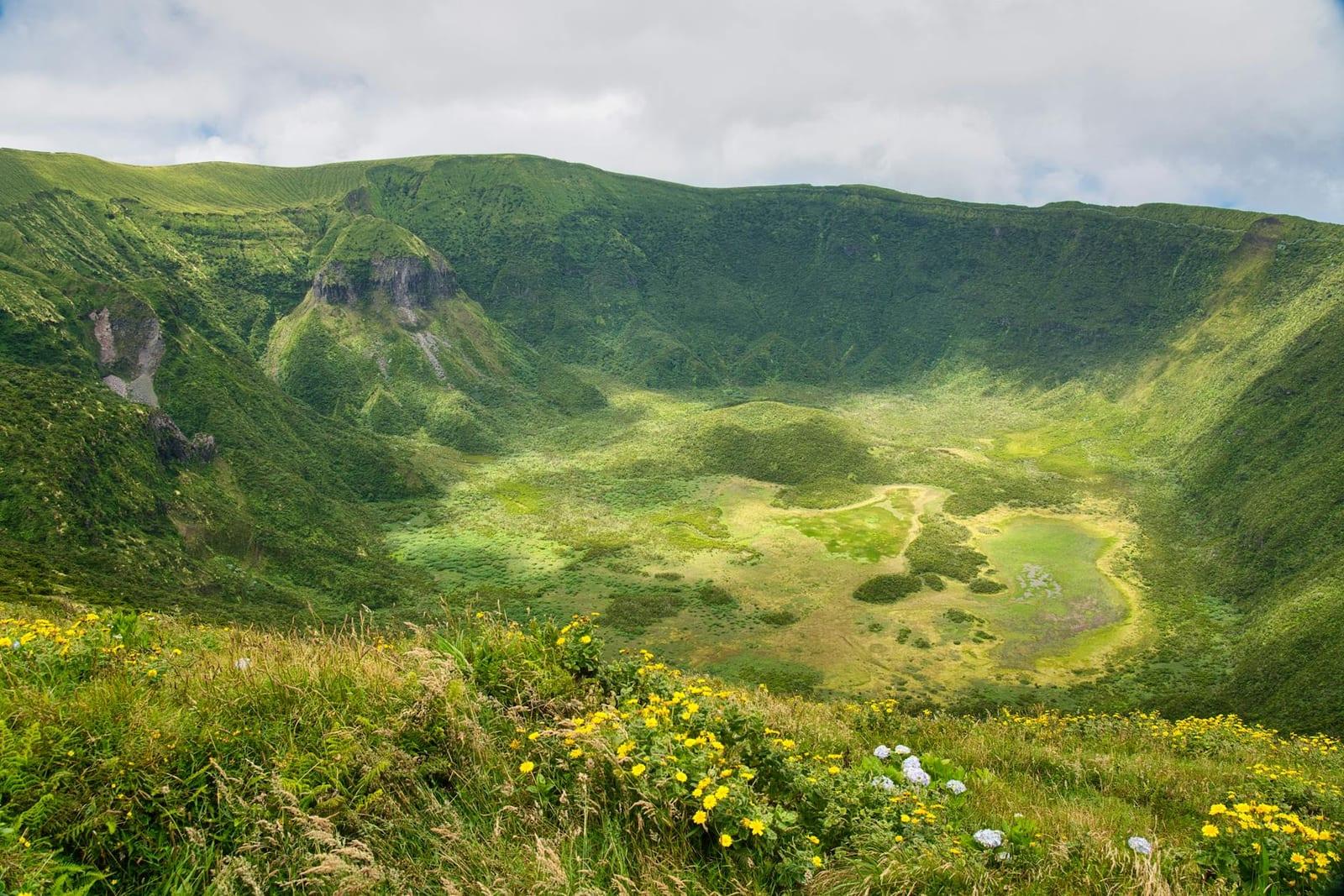
- Furna do EnxofreOn Graciosa — a vast volcanic cavern with a sulphurous lake at the bottom, accessed via a 19th-century iron spiral staircase down through a lava tube.
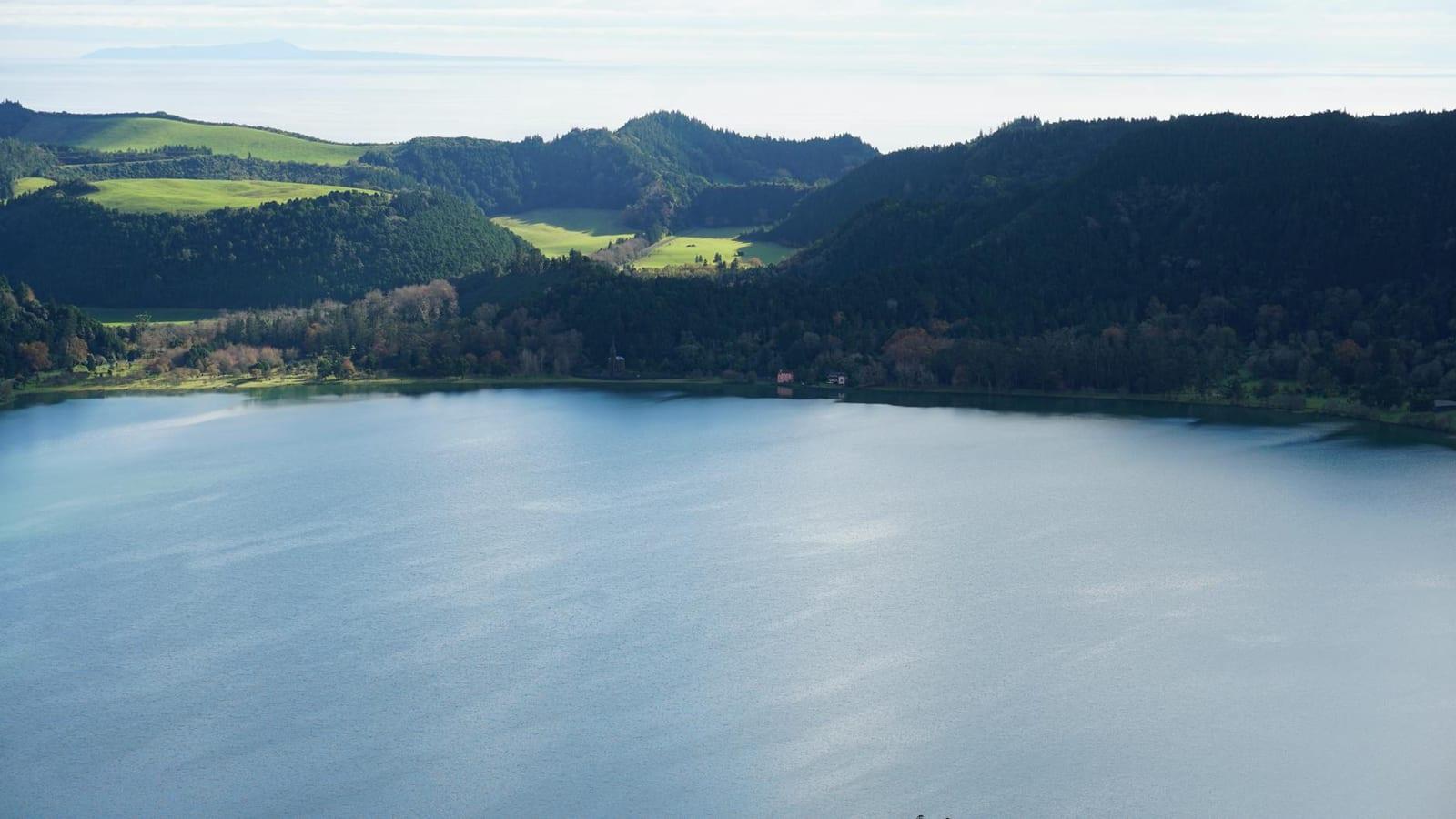
- Corvo CaldeirãoThe Azores' smallest island has a single town and a 2 km wide caldera at its centre, accessible by a steep hike from the village or a jeep transfer.
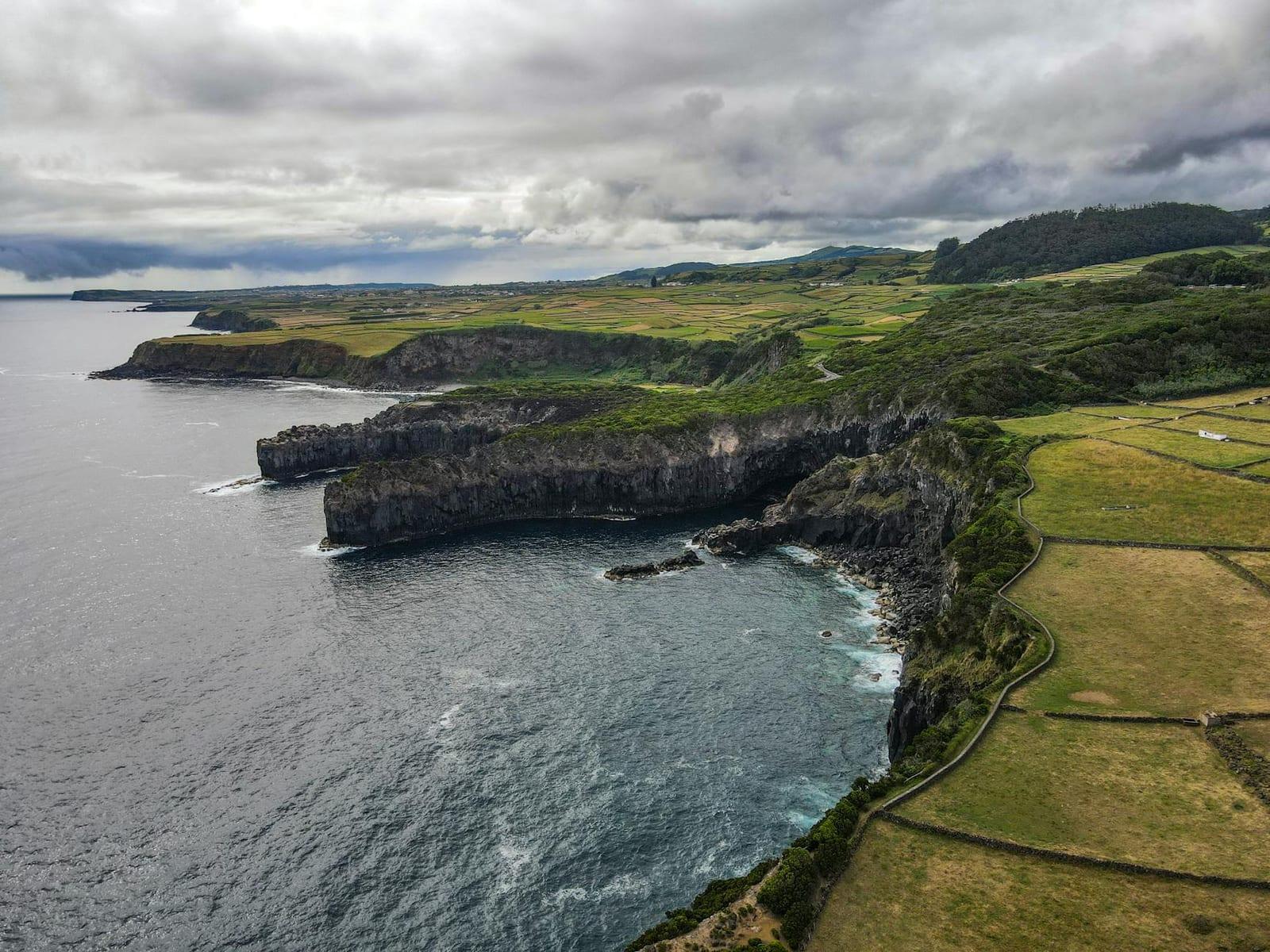
- Sete CidadesTwin crater lakes — one green, one blue — in the caldera of an extinct São Miguel volcano. The Vista do Rei viewpoint frames both at once and is the postcard shot of the Azores.