
Waterlogged by hundreds of rivers rolling out of the distant Himalaya toward the Bay of Bengal, low-lying Bangladesh is one of the most densely populated countries on the globe. The sheer scale of humanity can be overwhelming in places, but smiles come easy here and there’s such a treasure-trove of attractions—from Hindu temples to Royal Bengal tigers—that moments of sheer awe are commonplace.
Bangladesh’s teeming cities and deep-green countryside house numerous Muslim, Hindu, Buddhist, and other holy places—many of which are centuries old. Dhaka, the capital, includes numerous examples such as the national mosque (Baitul Mukarram) and the centerpiece of the country’s Hindu universe, the 11th-century Dhakeshwari National Temple. Other spiritual spaces popular among (respectful) sightseers include two UNESCO World Heritage Sites, the Mosque City of Bagerhat and the ancient Buddhist monasteries of Somapura Mahavihara, as well as the Buddhist ruins of Mainimati near Comilla. The Ganges itself, of course, is a sacred waterway to Hindus.
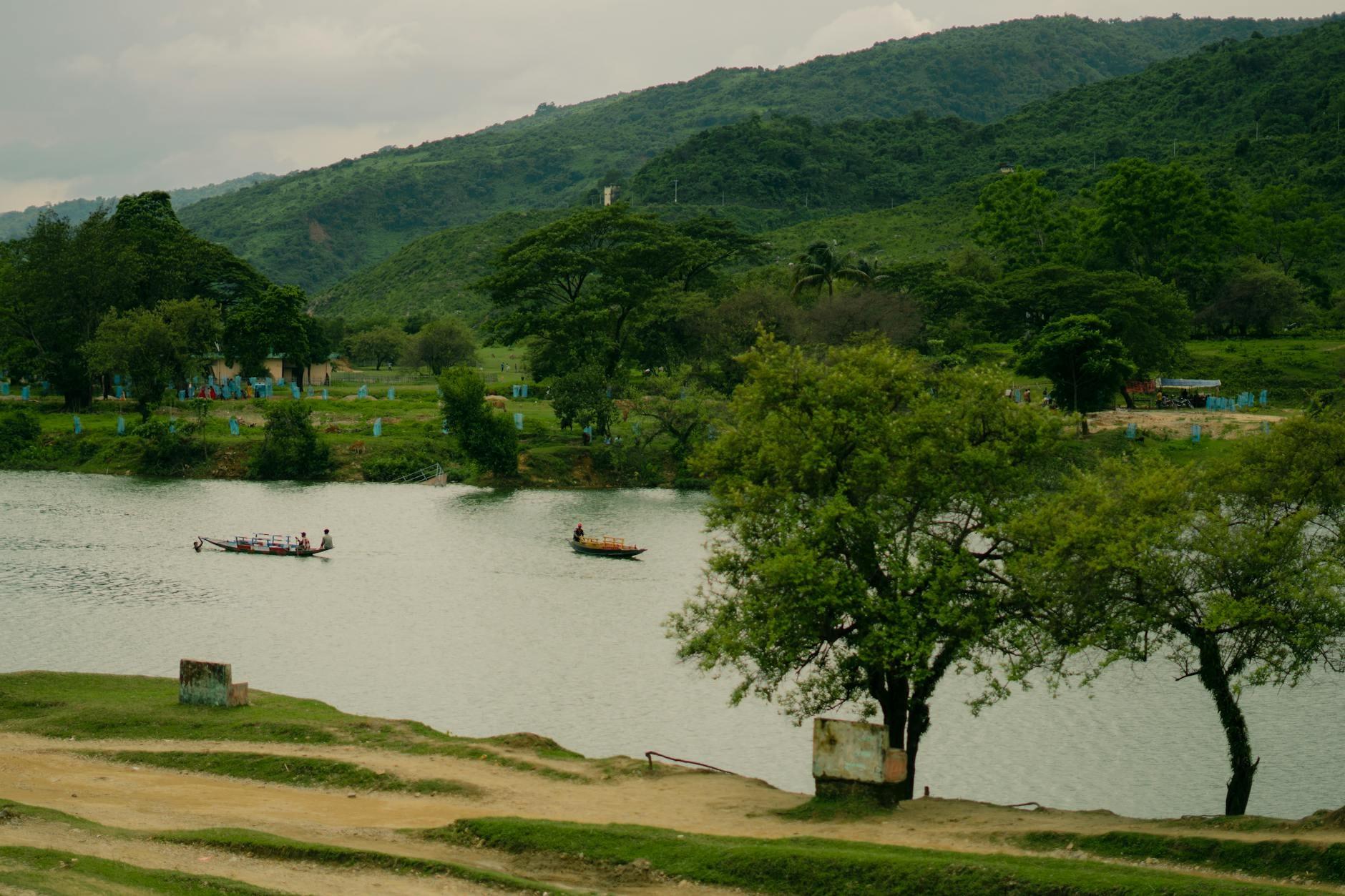
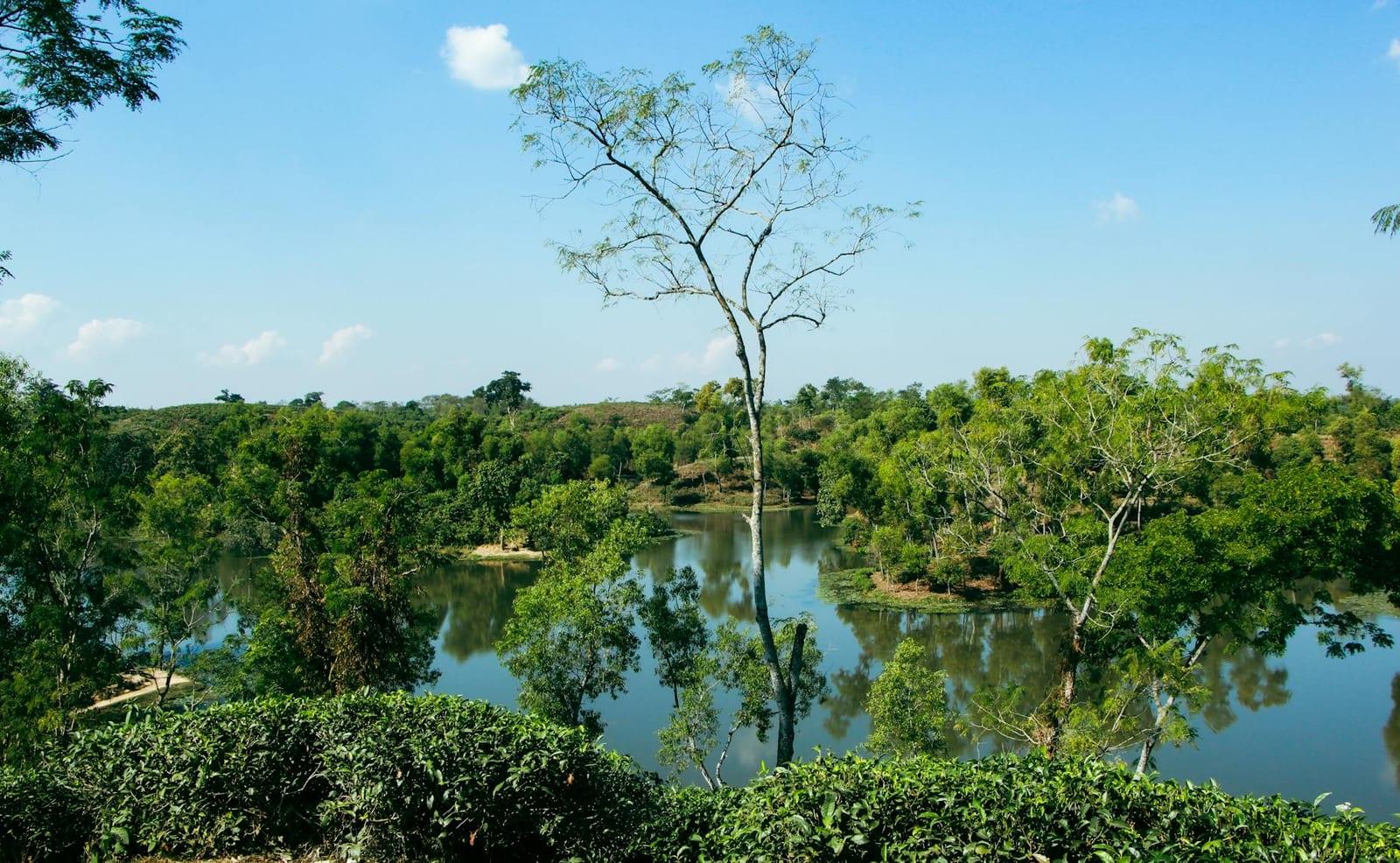
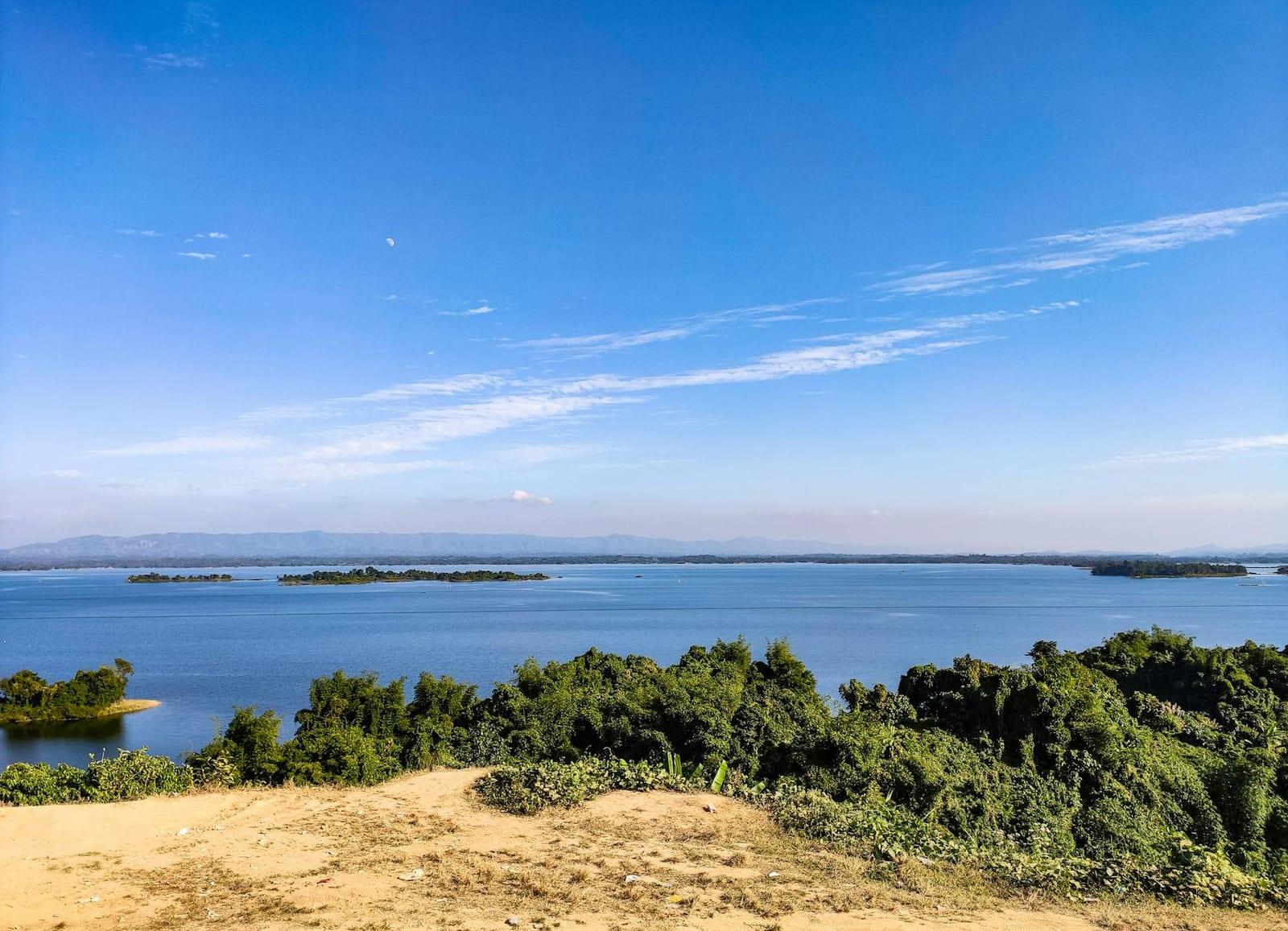
For adventures off the beaten path, the Chittagong Hill Tracts of the far southeast—an unusually rough landscape by Bangladesh’s pancake-flat standards—entice with some of the country’s most varied ethnic populations, precious forest remnants (including those of Kaptai National Park and the Pablakhali Wildlife Sanctuary), and extensive tea plantations.
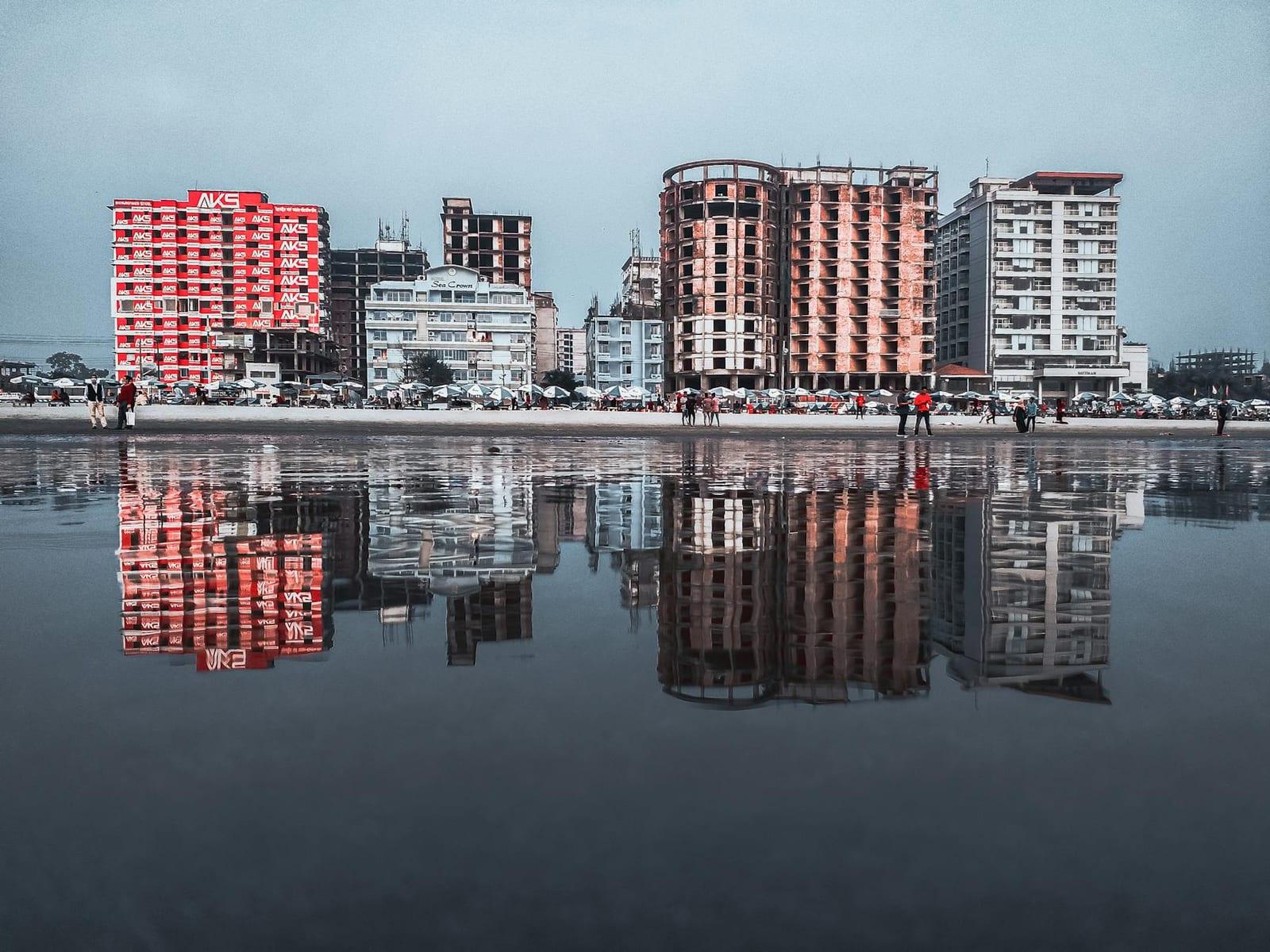
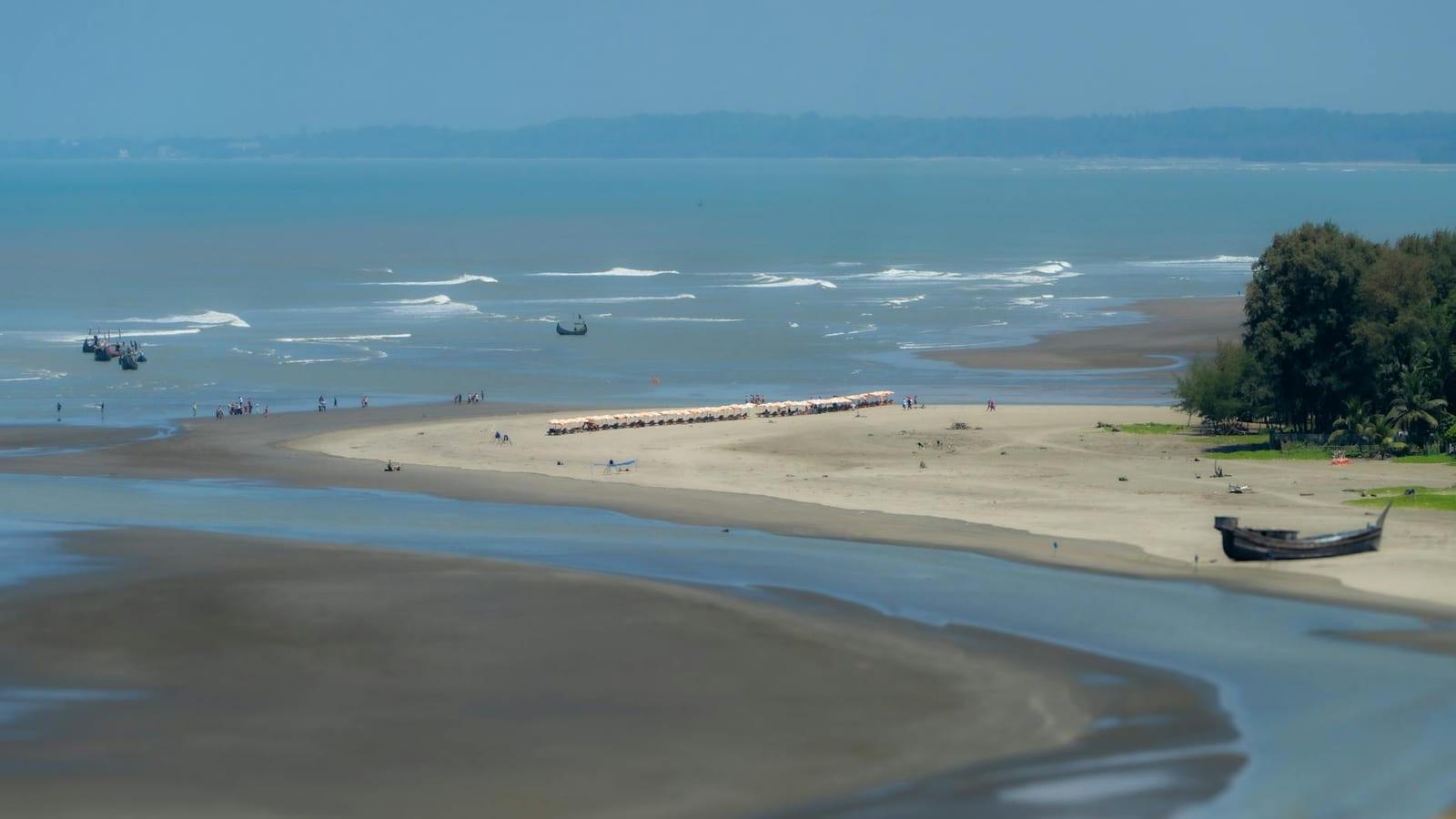
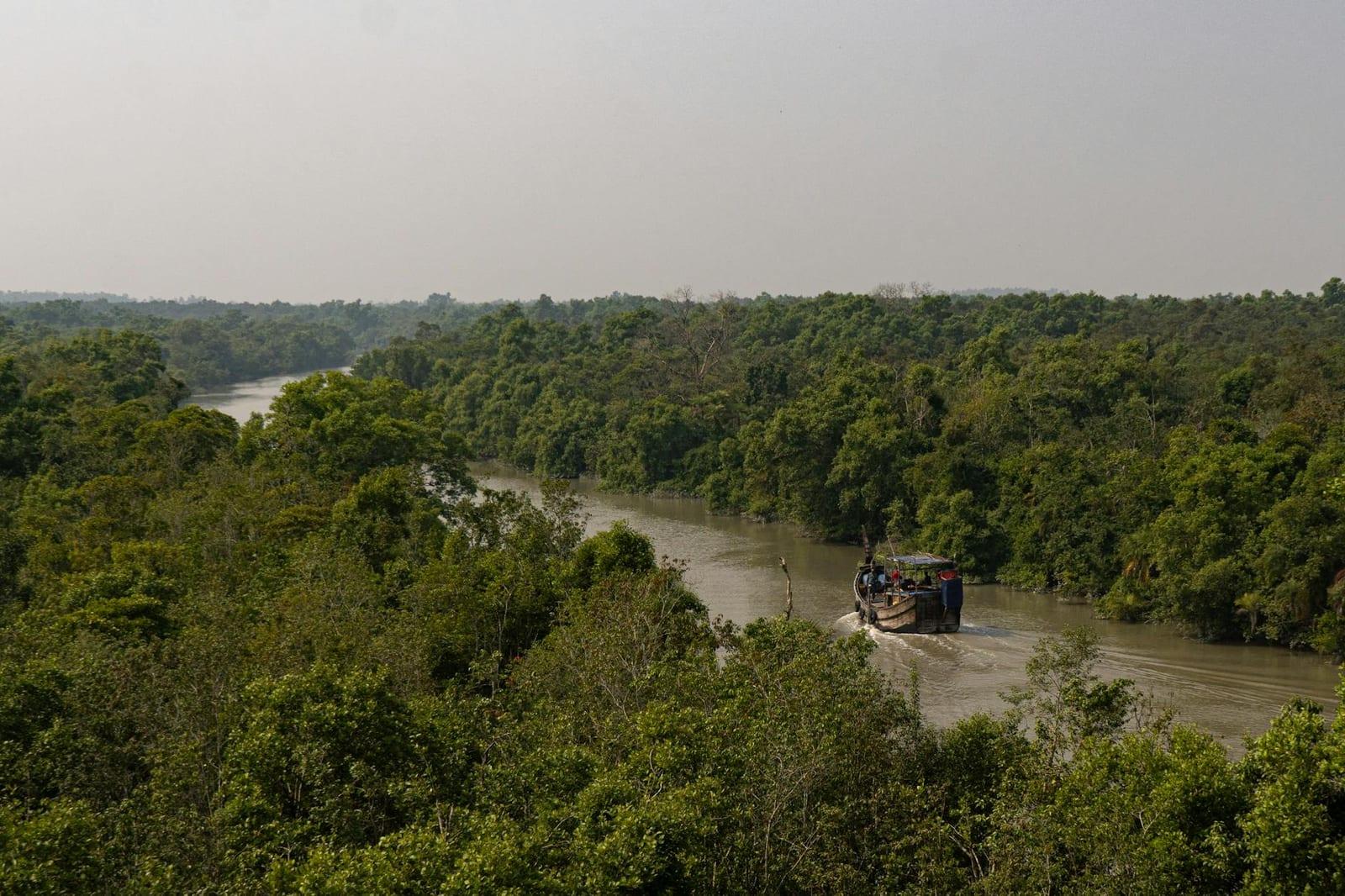
And speaking of on-the-fringe tourism, adventure awaits at the Bay of Bengal: There’s no greater natural wonder in Bangladesh than the Sundarbans, an enormous mangrove swamp at the Mouths of the Ganges on the Western border. Several expansive preserves unite with India’s Sundarbans National Park to protect this wild delta, prowled by regal (and dangerous) tigers and relied upon by thousands of local people for wood, honey, and fishing. For more refined and leisurely seashore idylls, try Cox's Bazar, which serves up a vast beach nearly 80 miles long.
Perhaps it’s the warm-hearted, even-keeled people so oriented by spiritual geography and so accustomed to the vagaries of Mother Nature—cyclones, floods, droughts, storm surges, etc. Perhaps it’s simply the humid air off the Bay of Bengal, or the languid roll of the countless rivers and distributaries. Whatever the reason, Bangladesh manages, in many corners, to be surprisingly slow-paced and graceful despite its epic population. For anyone who gamely submits to its tempo—and understands that ultra-posh tourist facilities are hard to come by in many places—the country enlivens the senses and touches the heart.
10 things not to miss.
- Cox's Bazar — world's longest natural beachWalk Cox's Bazar — world's longest natural beach
- Sip tea in Sylhet's hillsSip tea in Sylhet's hills
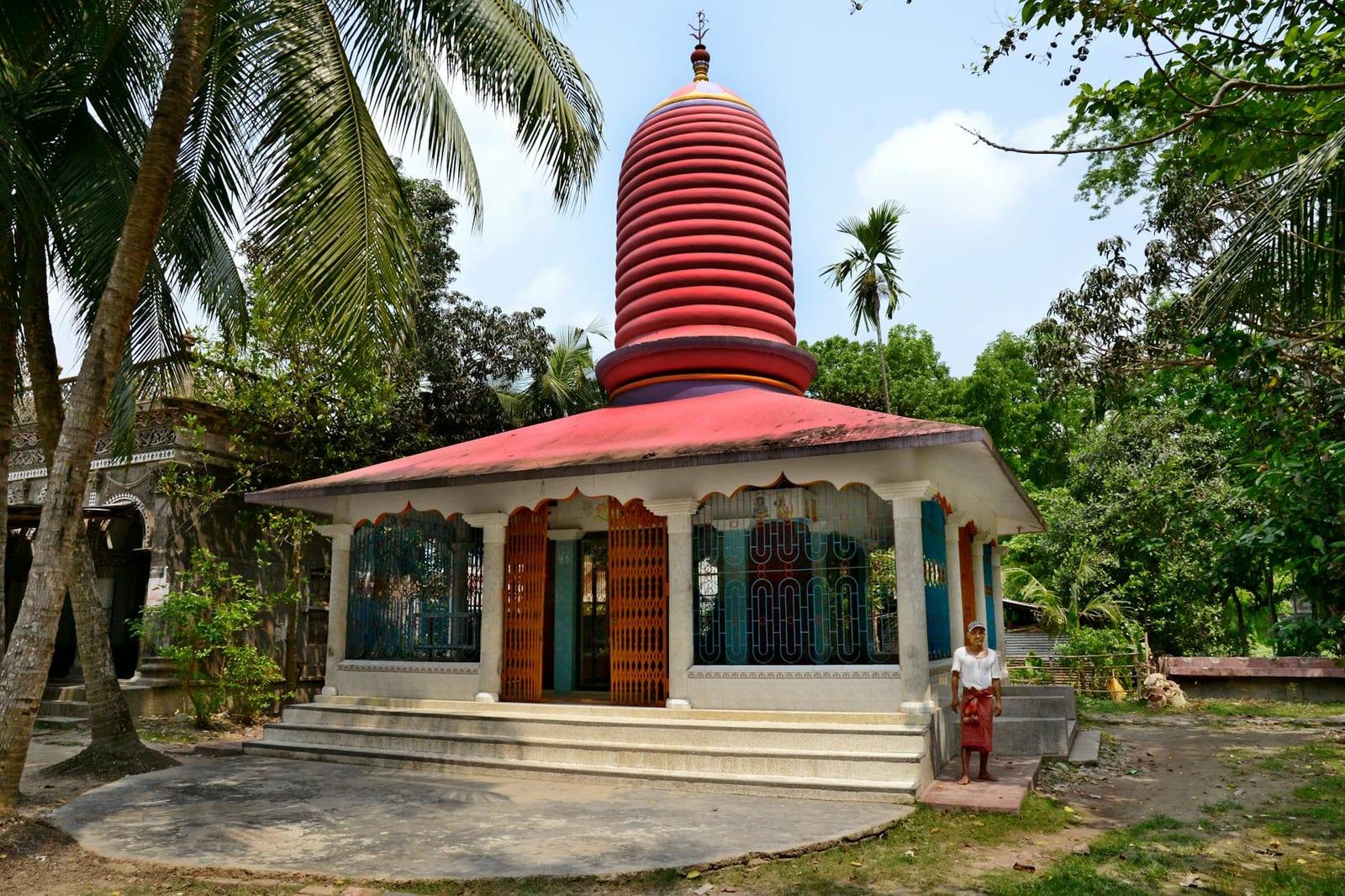
- Dhakeshwari National TempleThought to originally date from the 12th century, this Dhaka landmark is Bangladesh’s most revered Hindu structure.
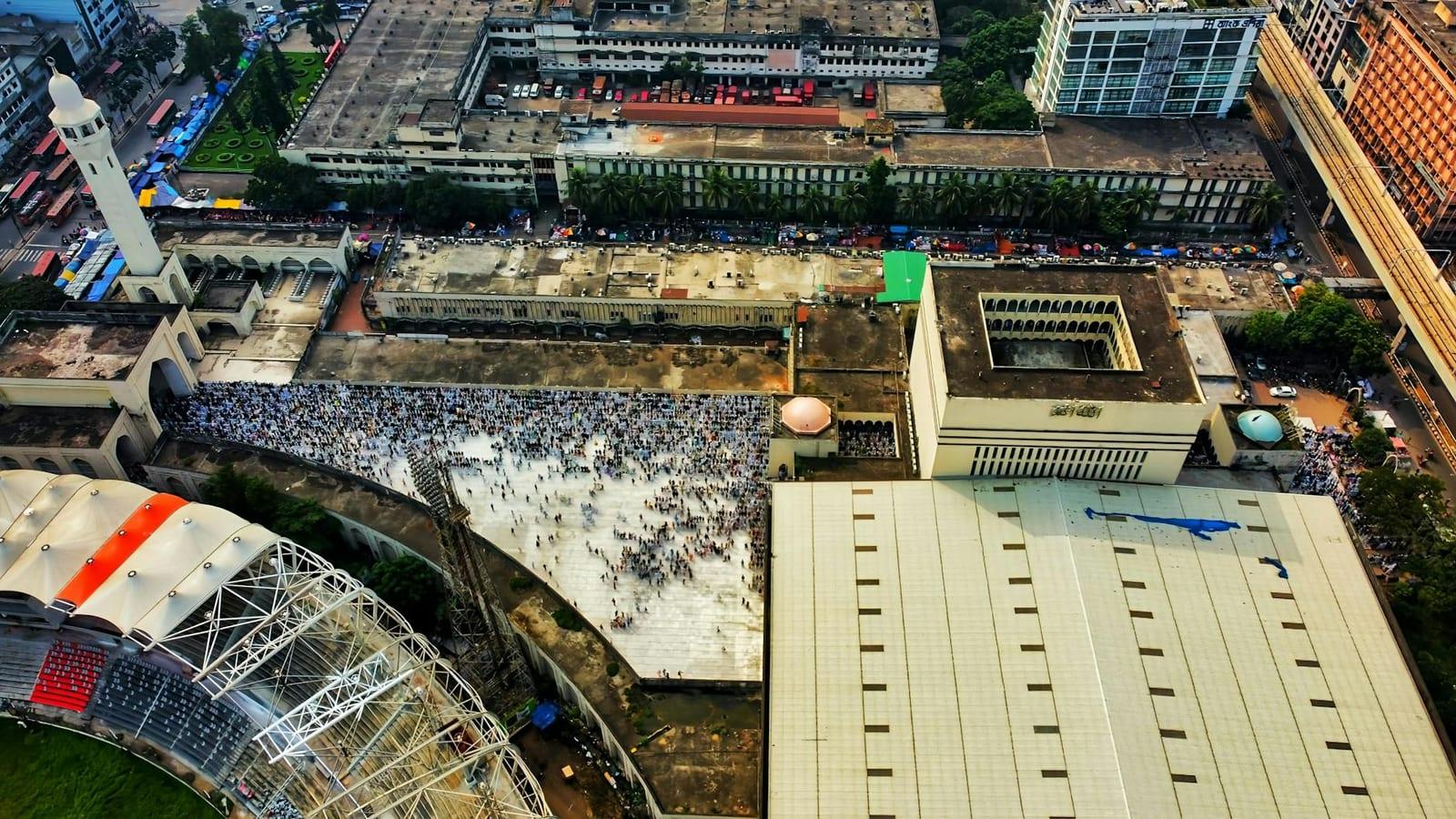
- Baitul MukarramThe country’s national mosque, built in the 1960s in Dhaka, is one of the largest in the world.
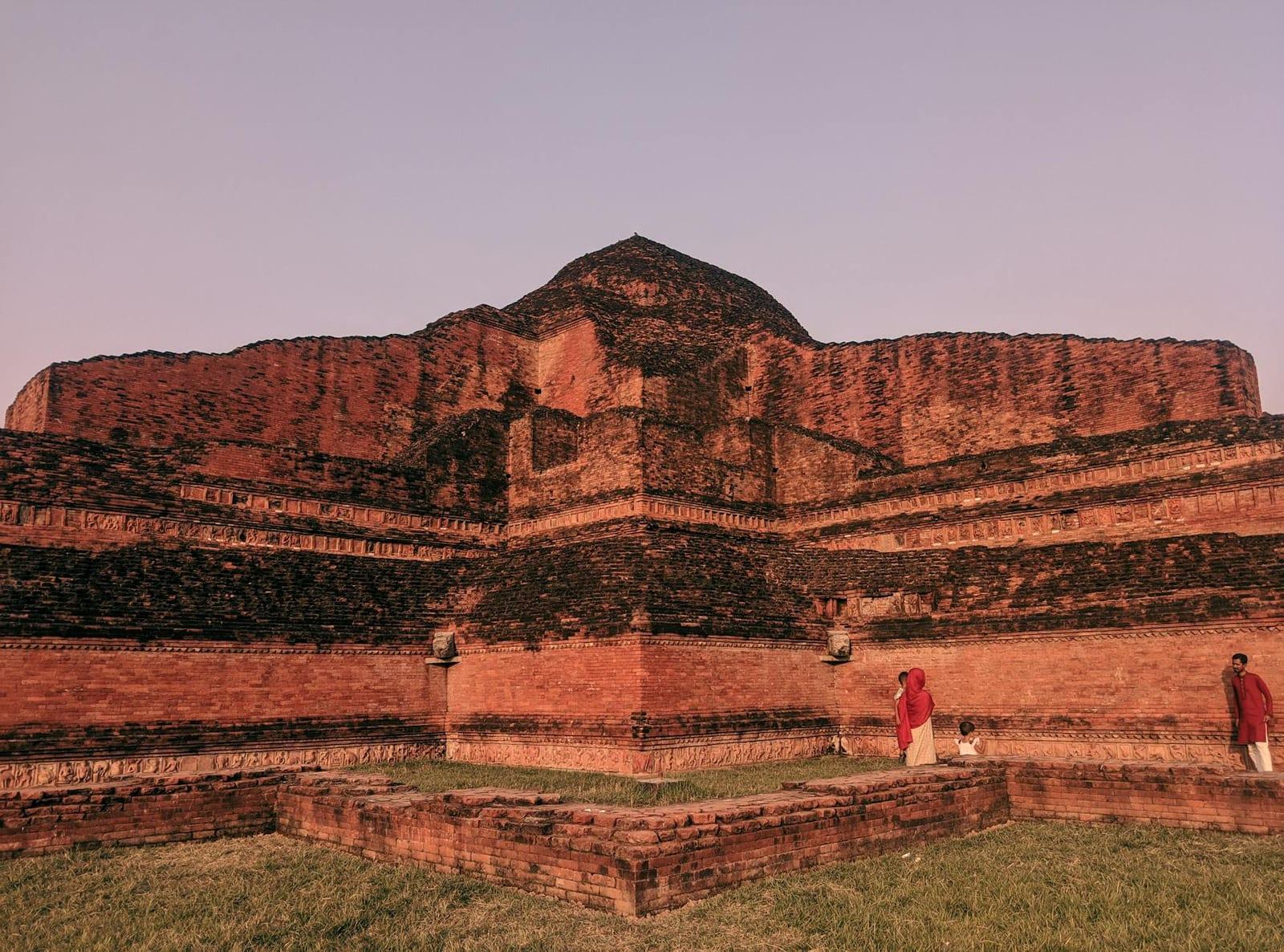
- Somapura MahaviharaThis World Heritage Site includes the remnants of a huge Buddhist monastery with Southeast Asian design elements.
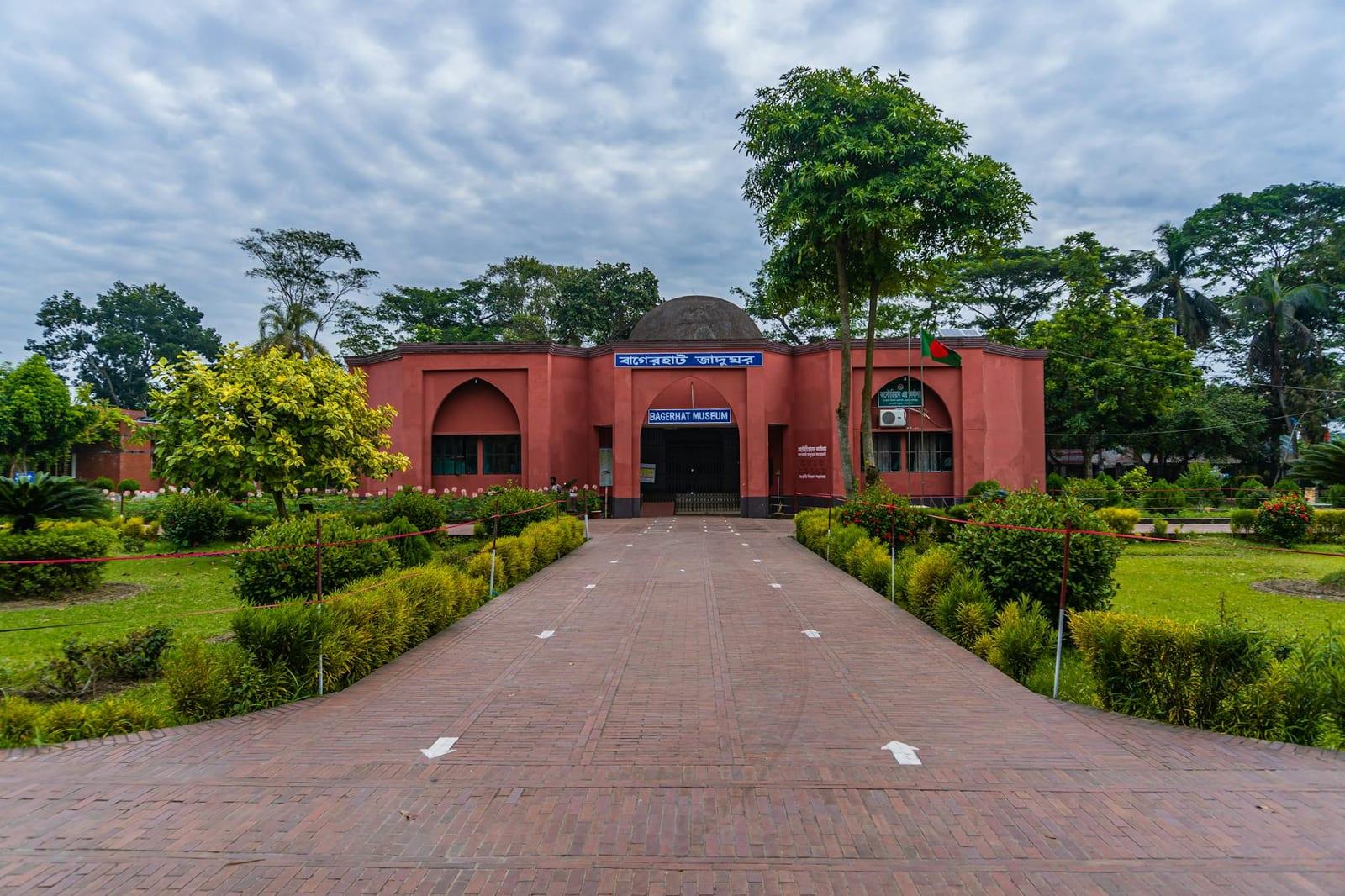
- The Mosque City of BagerhatEstablished in the 1400s amid what was then mangrove jungle, this is now an easy-to-reach, well-tended ruin of many mosques and tombs.
- MainamatiBuddhist temples and stupas from the 7th through 12th centuries mark this precious site; a nearby museum exhibits many of its artifacts.
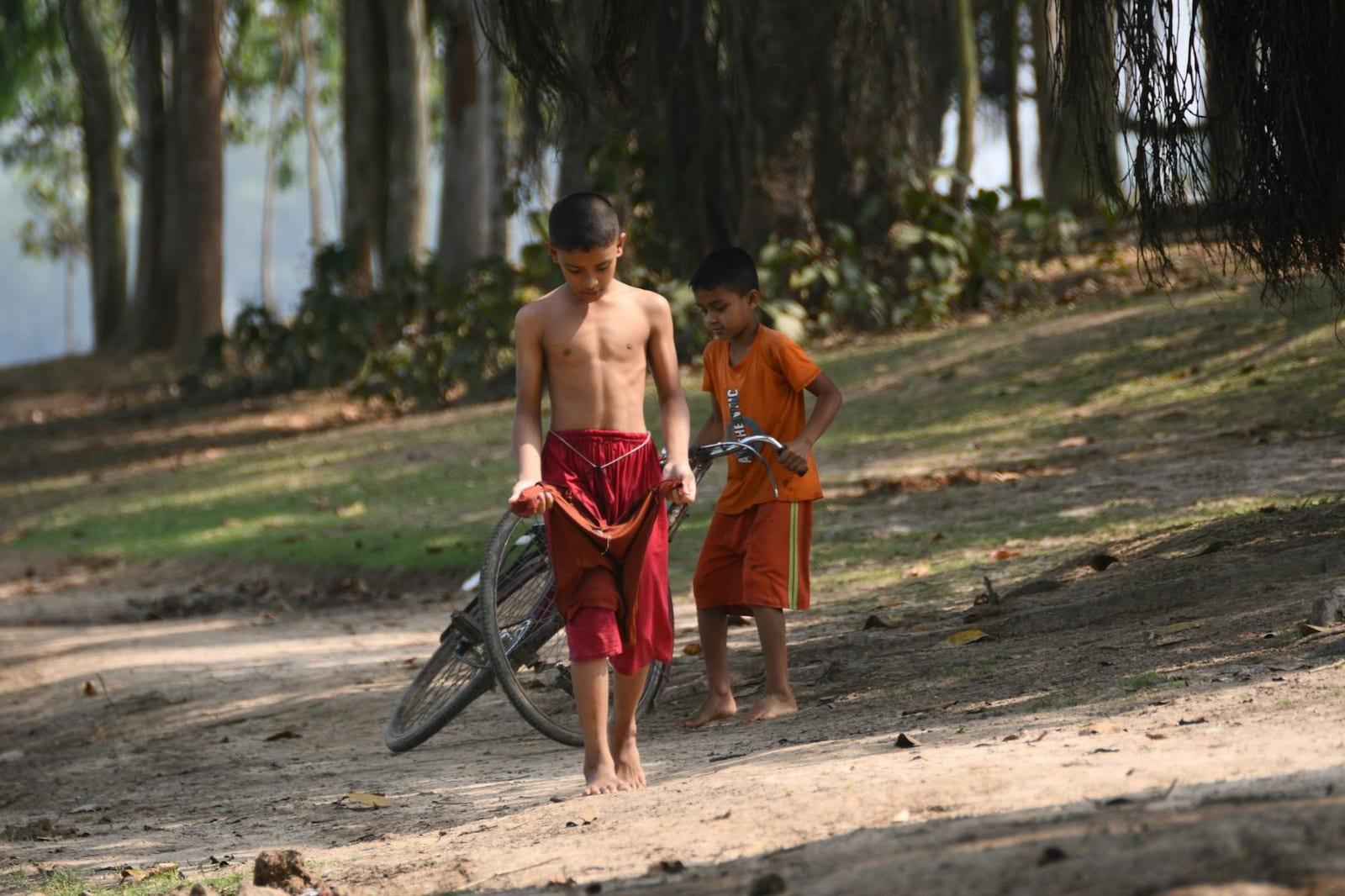
- The SundarbansThis huge coastal mangrove swamp on the India-Bangladesh border is the world’s greatest remaining refuge for Bengal tigers.
- Kaptai National ParkMost of Bangladesh is pancake-flat, but this park shows off the comparatively rugged forests of the Chittagong Hill Tracts.
- Cox’s Bazar BeachBangladesh hosts one of the longest sandy beaches on the planet with this 80-mile Bay of Bengal stunner.