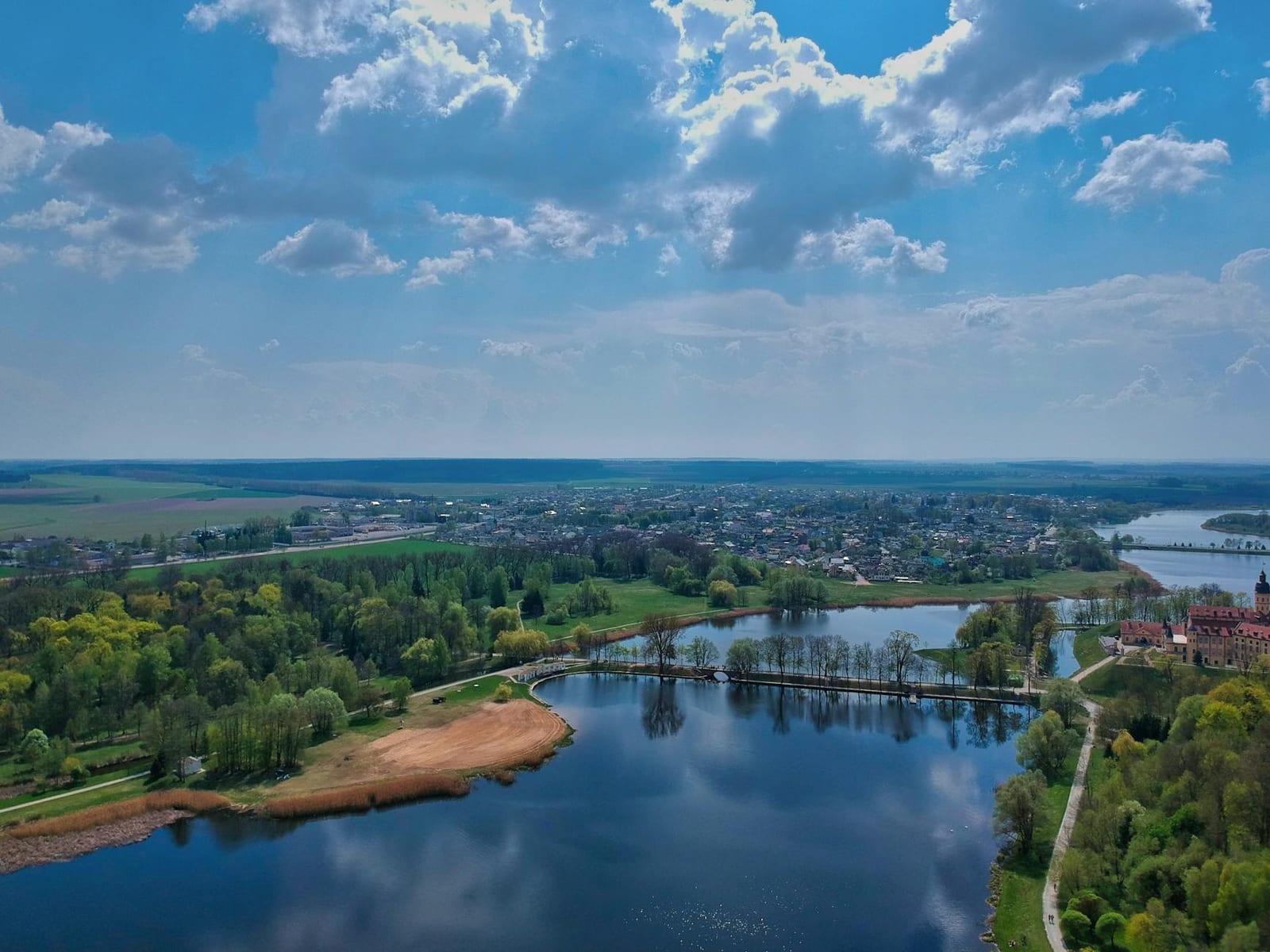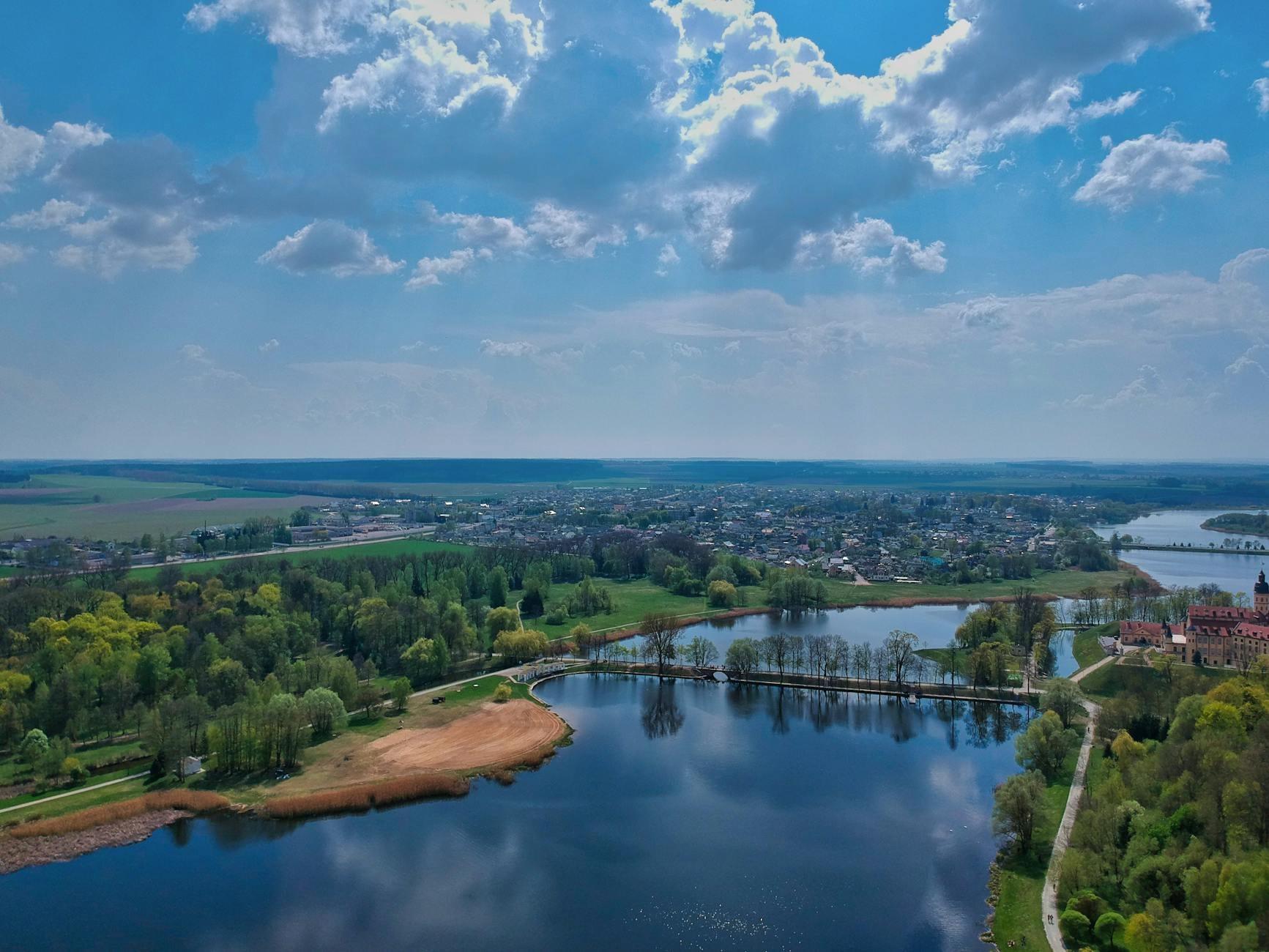
To the outside world, Belarus often appears an anachronistic holdover from the Soviet era: a mostly closed-off country stifled for decades by the authoritarian regime of Alexander Lukashenko. And it’s true, this hefty Eastern European nation is quite isolated and tightly restricted, and tourism is, on the whole, a fledgling industry. But peer behind the Belarusian shroud and you’ll discover amazingly preserved historical monuments, stirring visions of wild Europe, and an everyday society rich in tradition and far cheerier than its reputation might suggest.
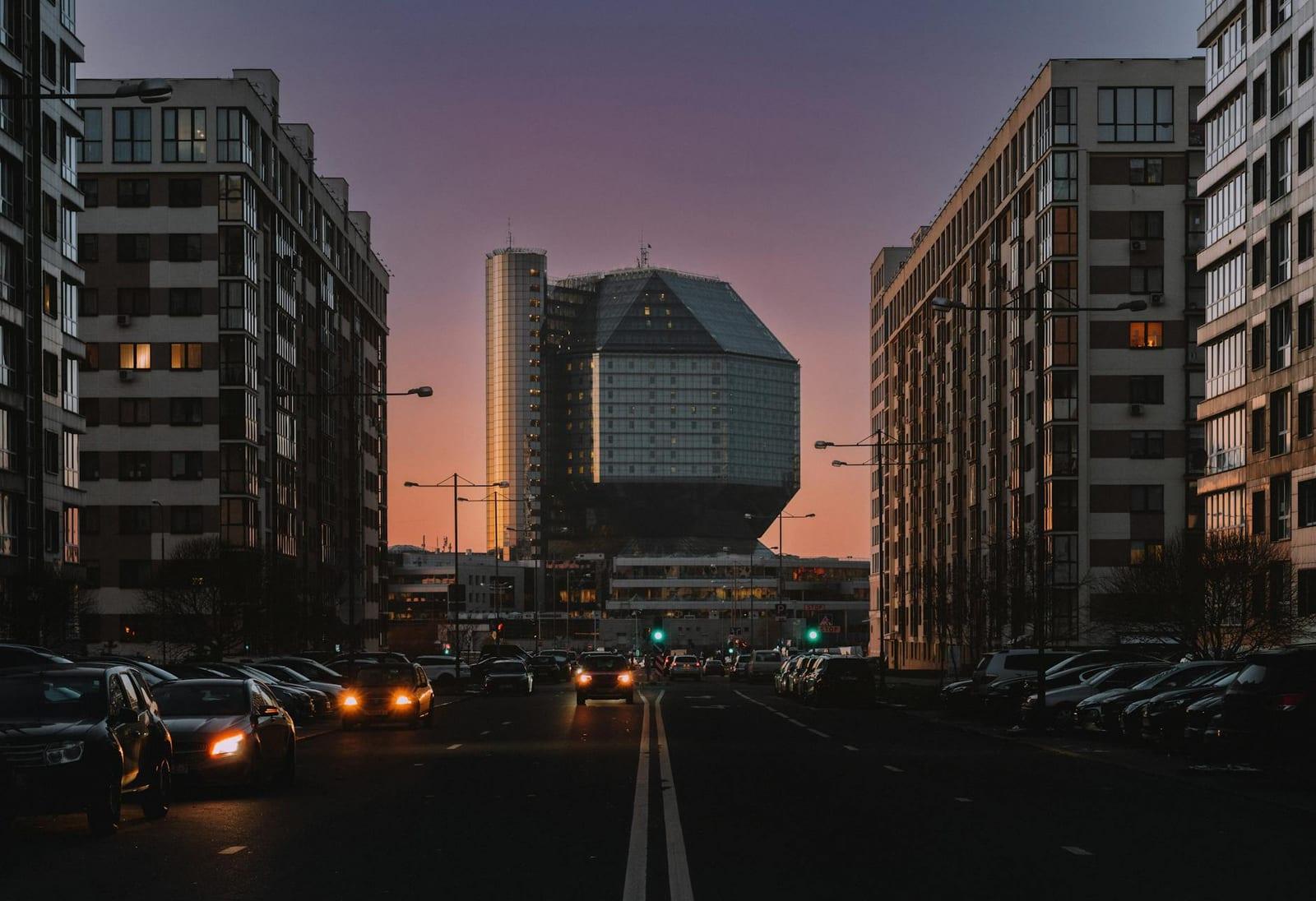
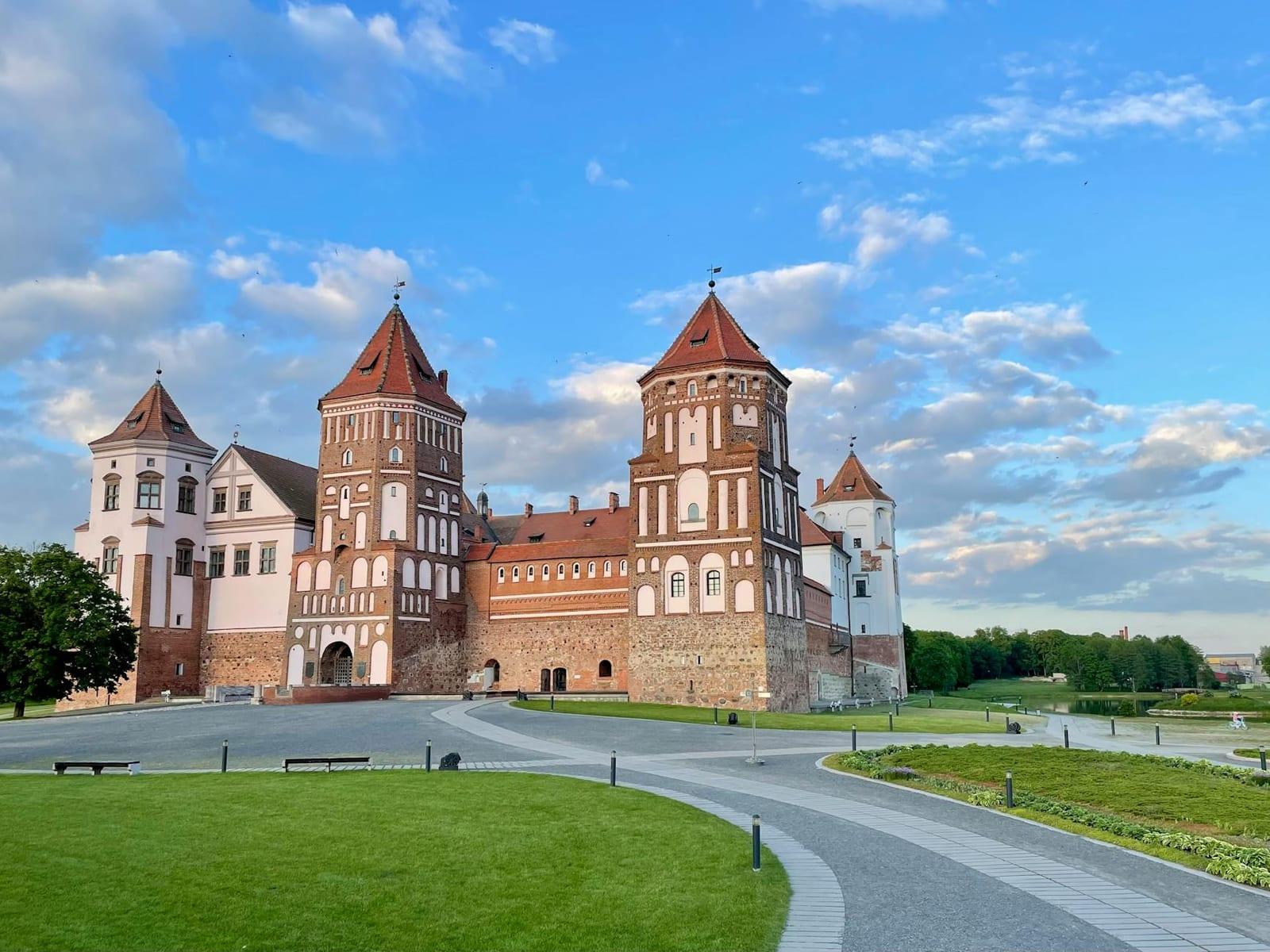
Multiple chapters of Eastern European history lie plain and exposed in the city skylines and rural villages of Belarus. Consider the stern Soviet-style architecture of Minsk (which belies an improbably lively cultural scene), or the hodgepodge of styles—Gothic to Baroque to Renaissance—on display in the handsome Mir Castle, or the snow-white Cathedral of Saint Sophia in Polotsk, built in the 11th century. World War II devastated the countryside—most of Minsk, for example, was leveled—and sobering monuments and battlefields marking that defining conflict are widely distributed, from the Khatyn Memorial to remnants of the Stalin Line.
Though the country’s terrain is subdued, notable wildlands persist; and some of Eastern Europe’s most important natural reserves lie in Belarus. One of Europe’s last great primeval woodlands, the Bialowieza Forest, bristles along the Polish border in Belovezhskaya Pushcha National Park; amongst its old-growth hardwoods are wolves, boar, and—most famously—some of the largest populations anywhere of the noble, humpbacked European bison, or wisent. Other national parks—Pripyatsky, Narochansky, and Braslav Lakes—showcase wildlife-rich mosaics of forest and wetlands.
You won’t be able to ignore the tight grip of the longstanding dictatorship on a trip to Belarus, but that doesn’t mean you won’t find many points of interest in this singular frontier of Eastern Europe. This is an off-the-beaten-track destination with much to recommend it, particularly if you’re a history or nature enthusiast.
11 things not to miss.
- Minsk's modernist boulevardsWalk Minsk's modernist boulevards
- Brest Hero FortressVisit the Brest Hero Fortress
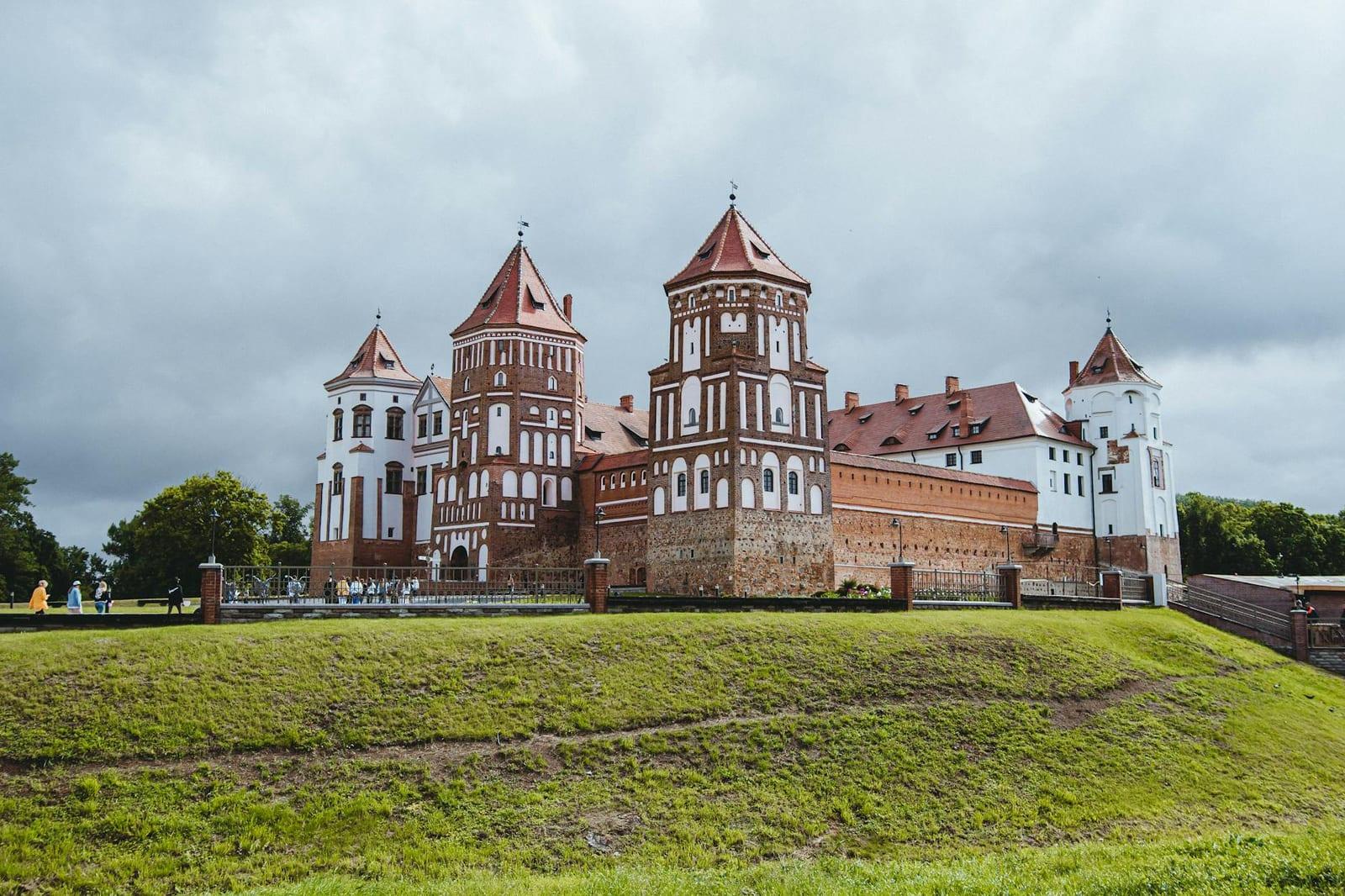
- Mir Castle and groundsTour Mir Castle and grounds
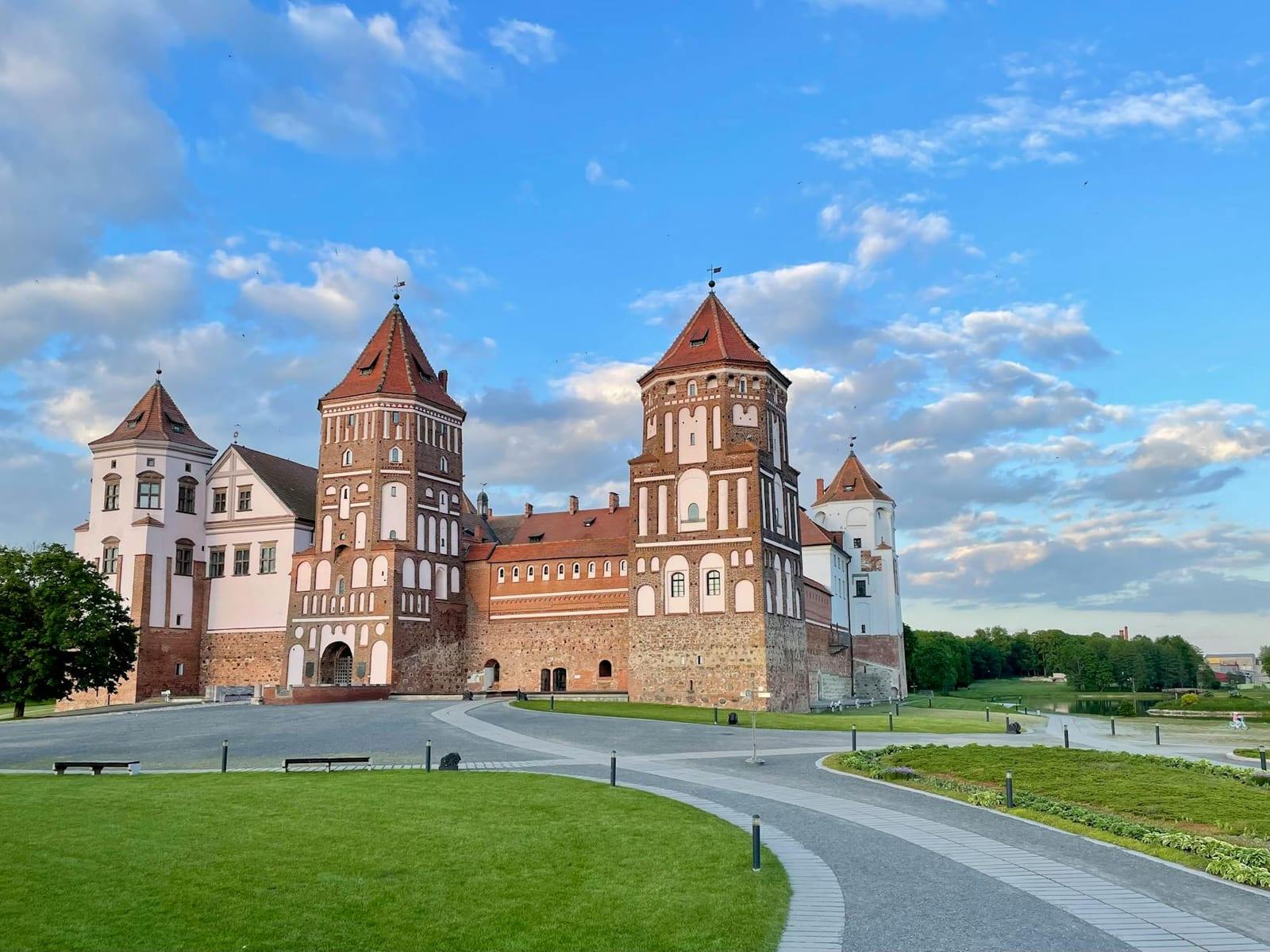
- Mir CastleA fusion of Gothic, Baroque, and Renaissance stylings, this 16th-century castle and its gardened grounds are straight out of a fairytale.
- Khatyn MemorialNazis massacred the residents of Khatyn and burned it down in March 1943; this memorial honors the dead and other similarly devastated communities.
- Dudutki MuseumThis well-arrayed outdoor museum showcases Belarusian traditions and artifacts, including a stellar collection of antique automobiles.
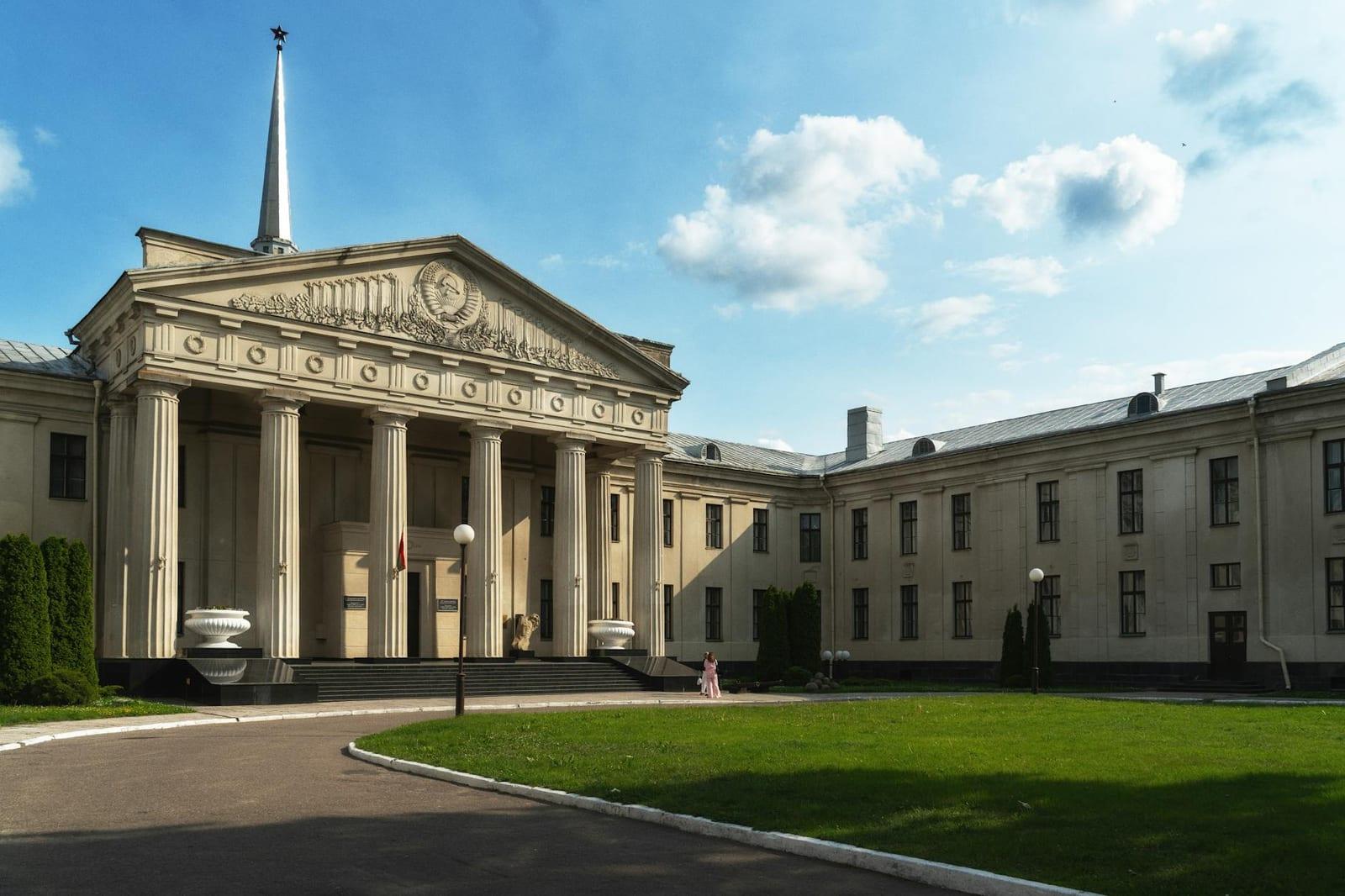
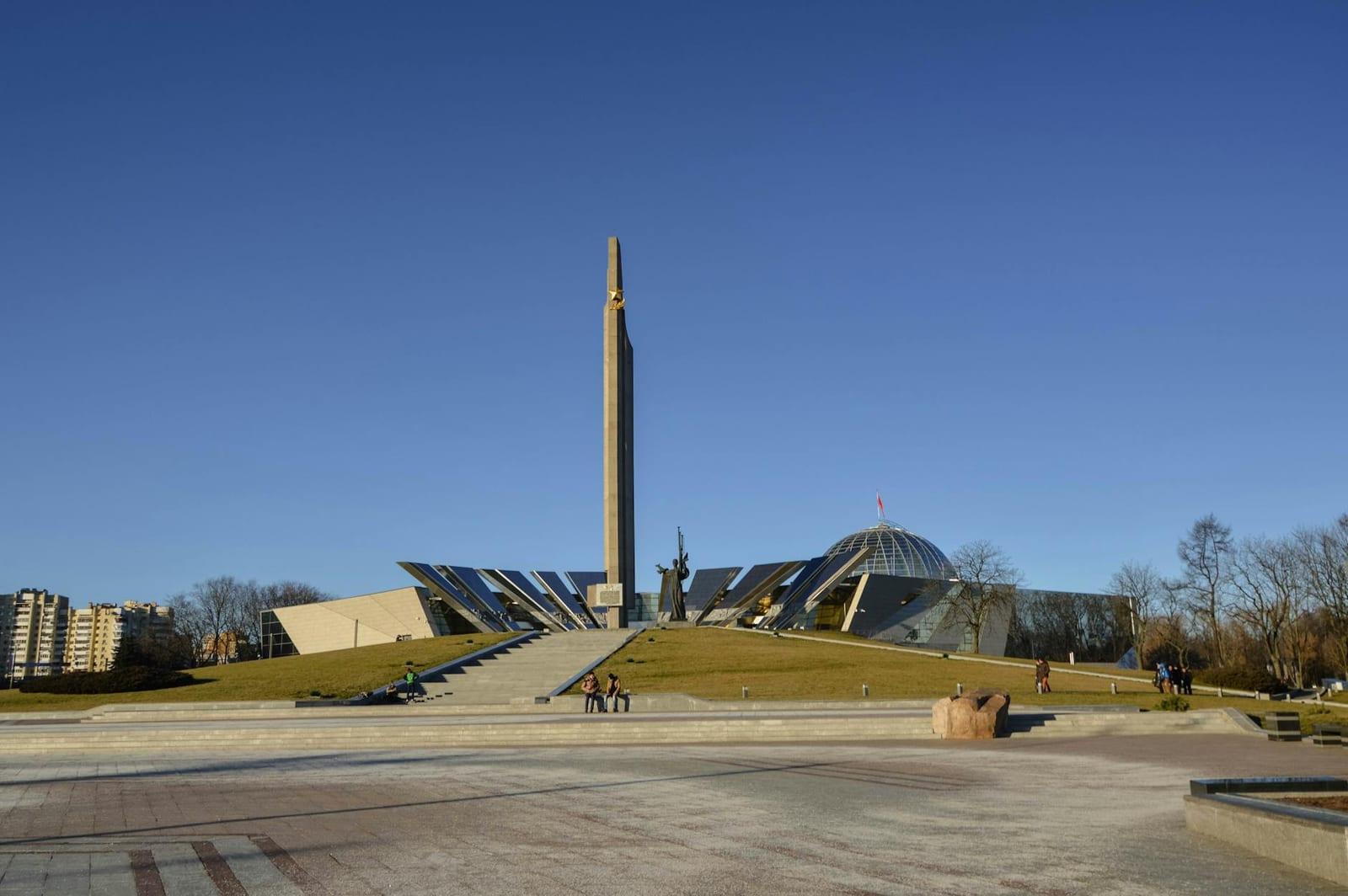
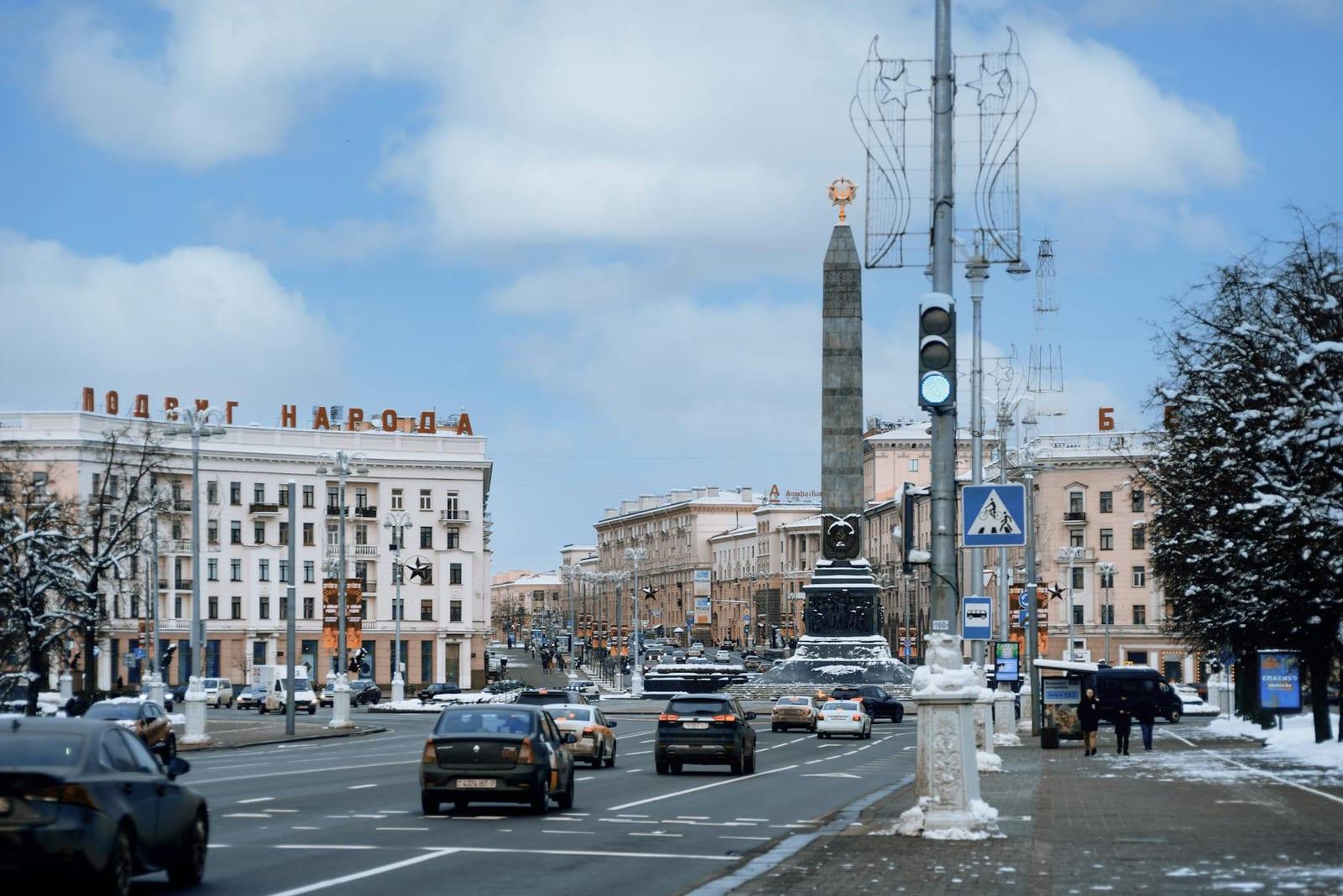
- Victory SquareMinsk’s central square serves as a monument to the Second World War, called the Great Patriotic War in Belarus.
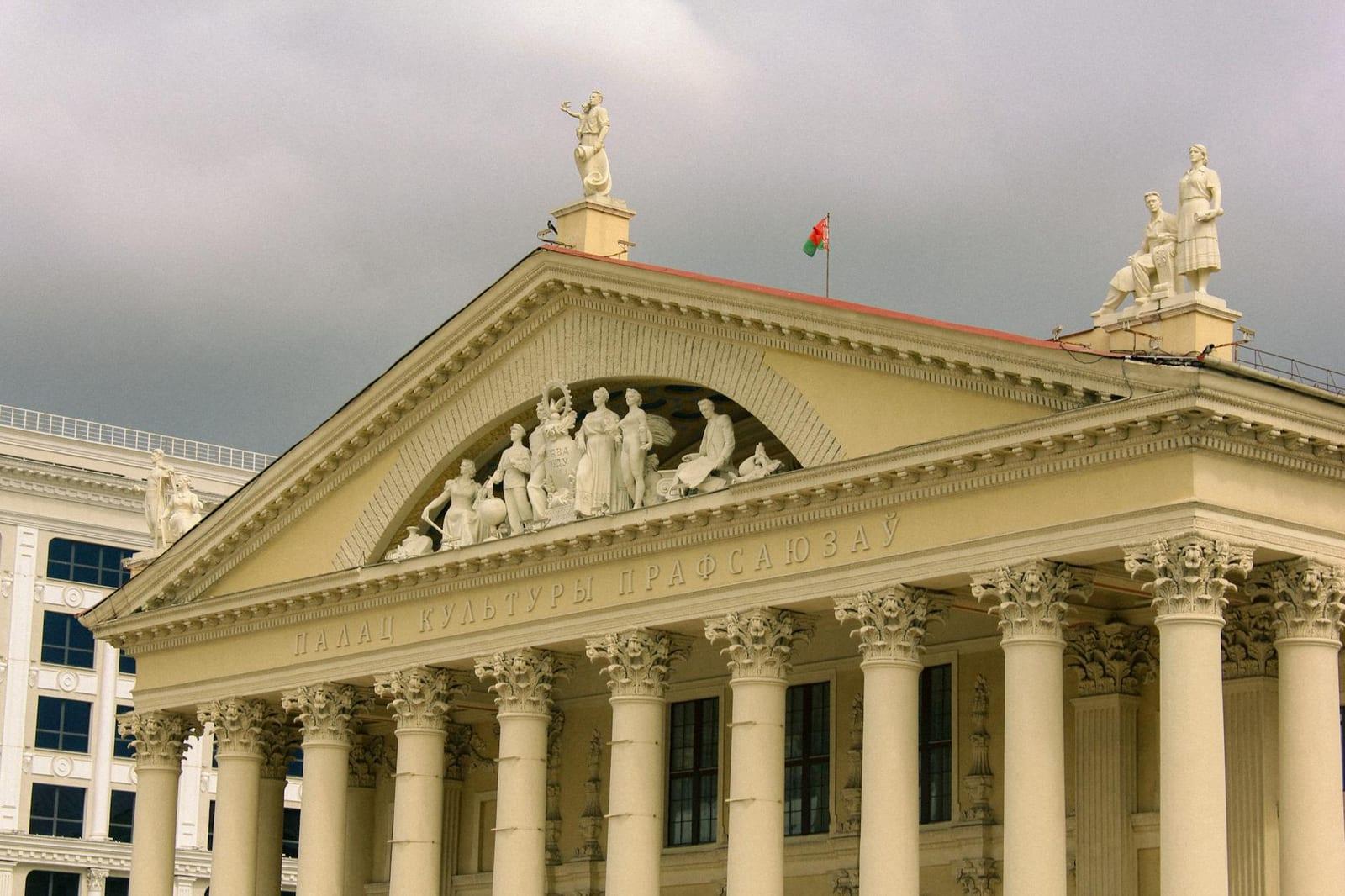
- Belarusian National Arts MuseumGiven this Minsk museum’s excellent national and international collections, it’s hard to believe the place was ransacked in World War II.
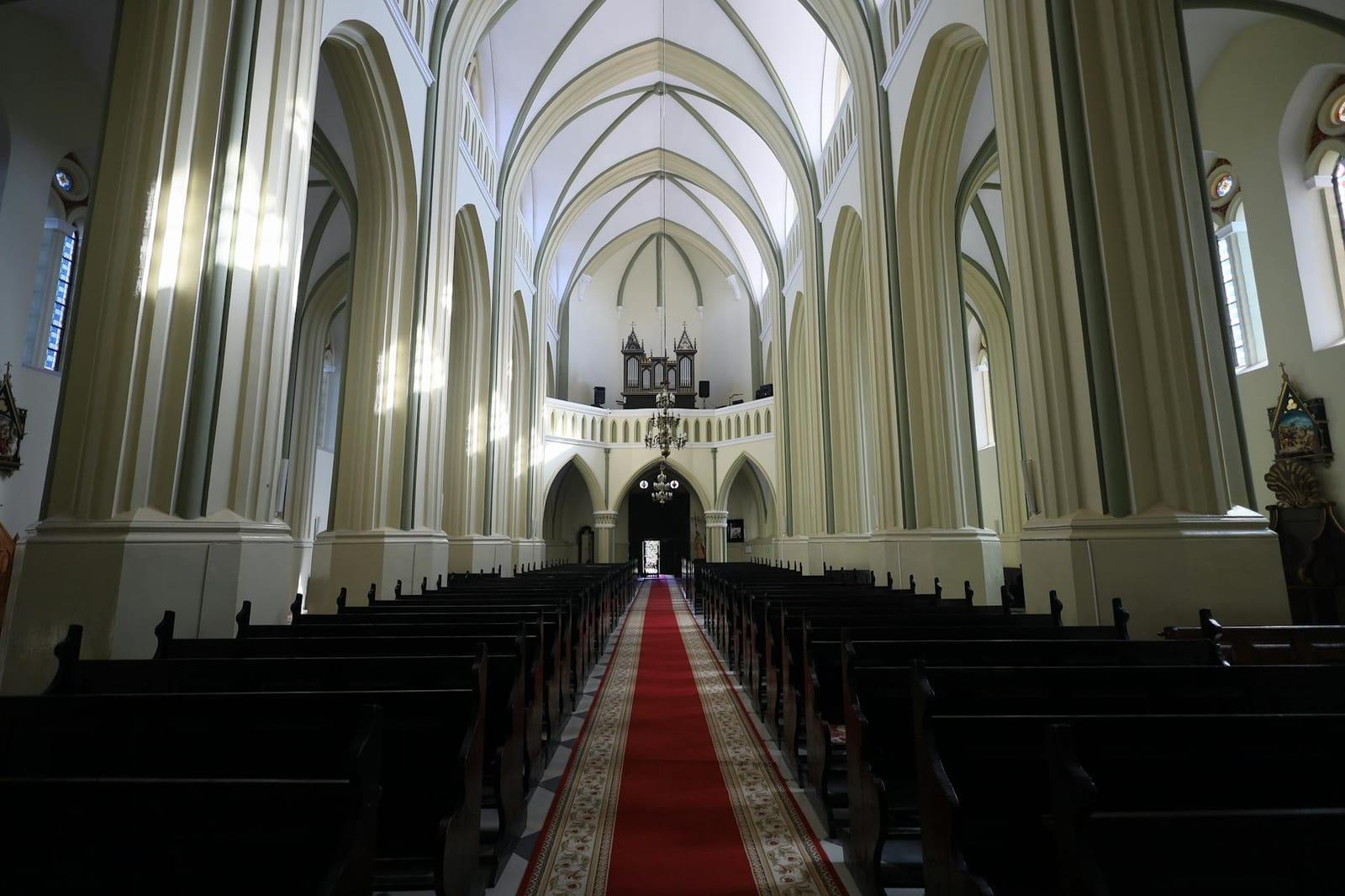
- The Red ChurchFormally the Church of Saints Simon and Helena, this Catholic church, built in the early 1900s, is a Minsk icon.
- Belovezhskaya Pushcha National ParkHike one of Europe’s biggest remaining tracts of old-growth forest, the Bialowieza—famously home to European bison.
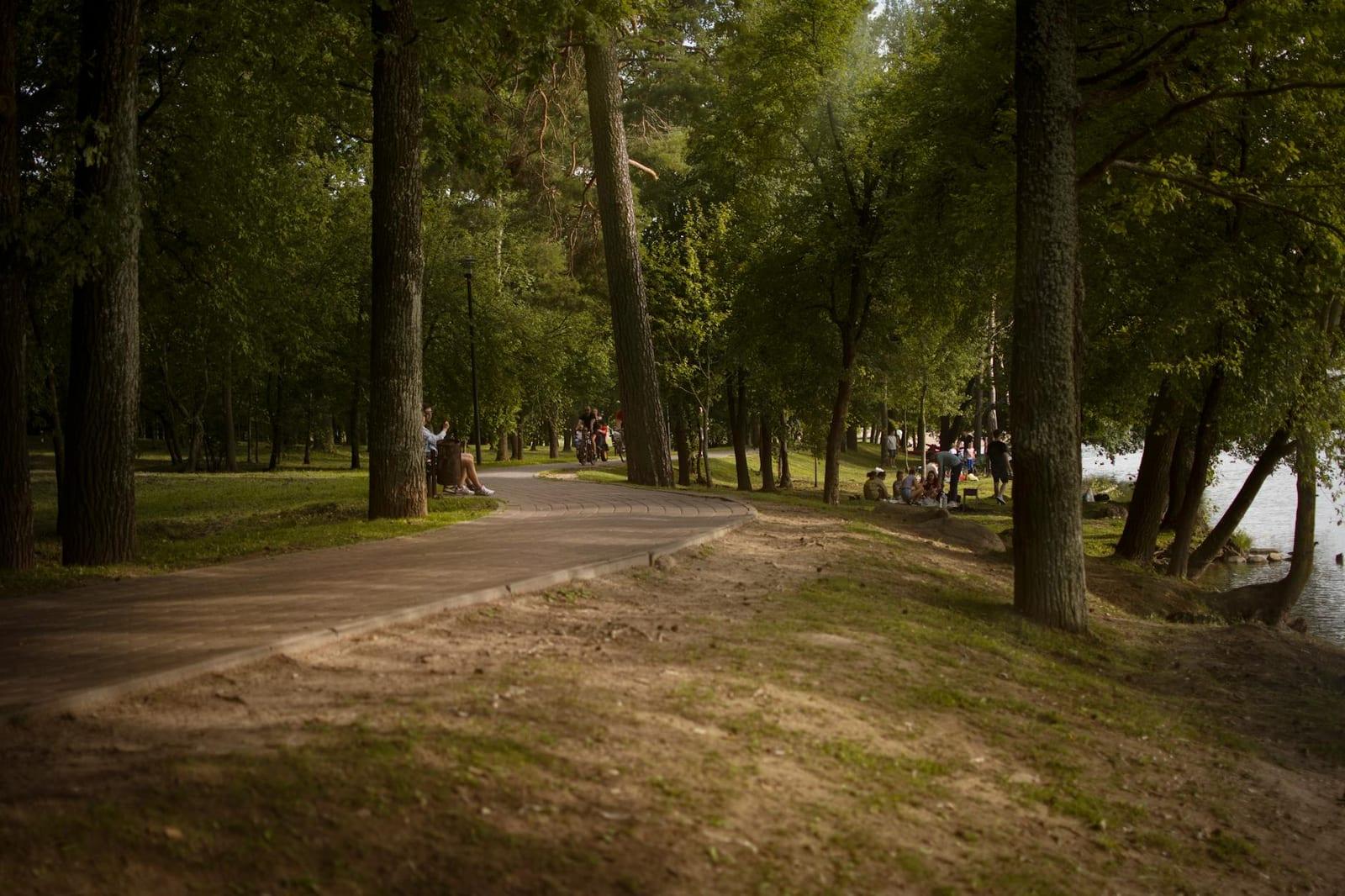
- Braslav LakesThis complex of lakes and forests, home to waterfowl, otters, brown bears, and other critters, is one of Belarus’s standout beauty spots.