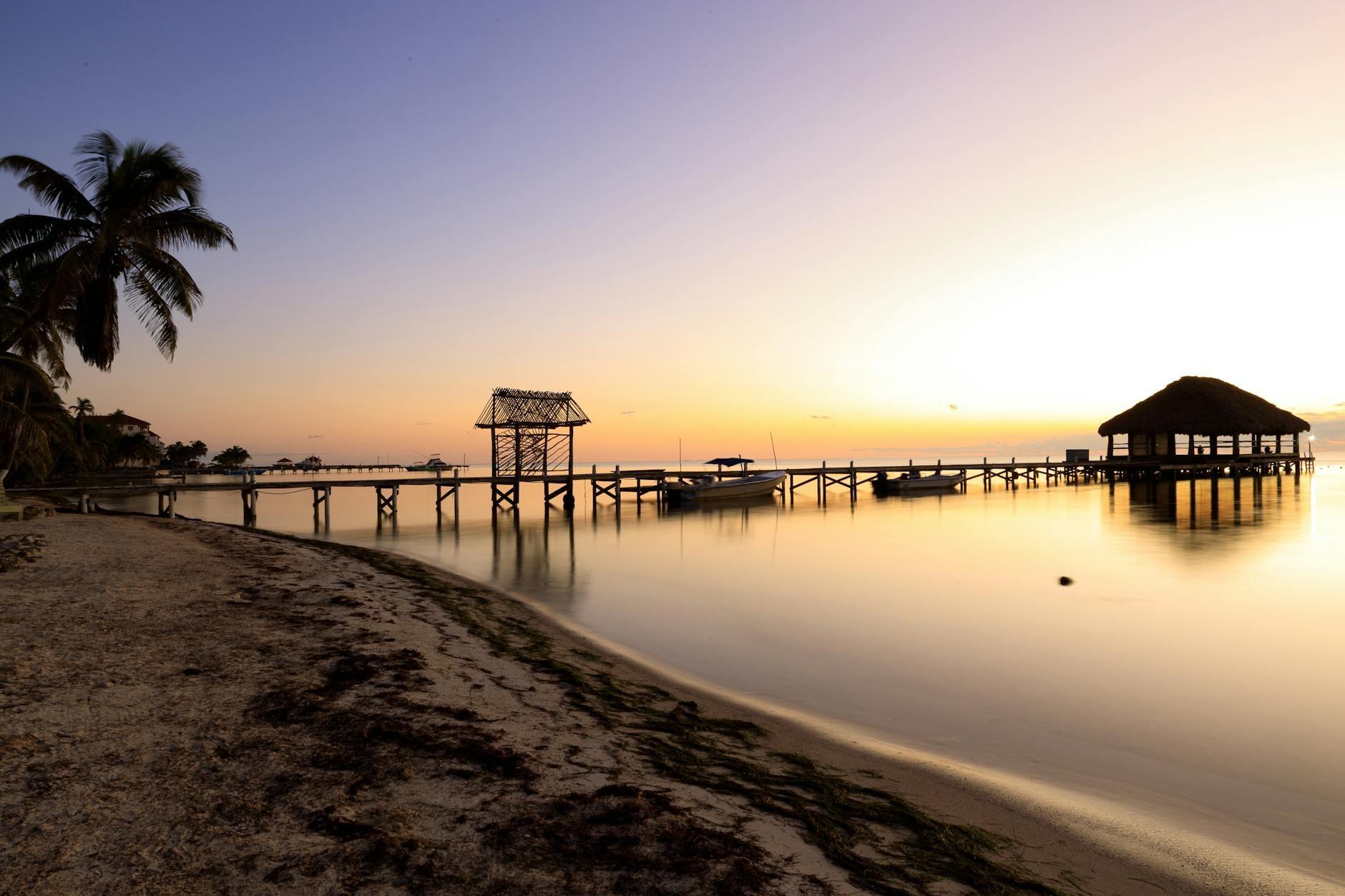
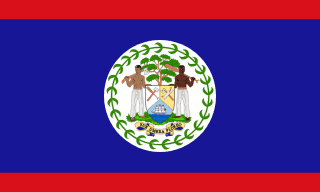
Bridging the Caribbean and Central America, Belize is one of Mesoamerica’s most captivating destinations. Home to some of the world’s finest diving, astonishing biodiversity, a wonderfully blended society, and some of the region’s most significant pre-Columbian monuments, this small country puts on quite the show.
From the tropical forests of the Maya Mountains and sprawling low savannas of Honduran pine to the coastal mosaic of mangrove swamps, cays, and coral reefs, Belize—one of the least densely populated countries in Central America—is a fantastic ecotourism destination. Certainly the terrestrial ecosystems well embody the blockbuster biological diversity of Middle America: More than 500 bird species call Belize home, for example. But it’s the marine world that really takes your breath away.
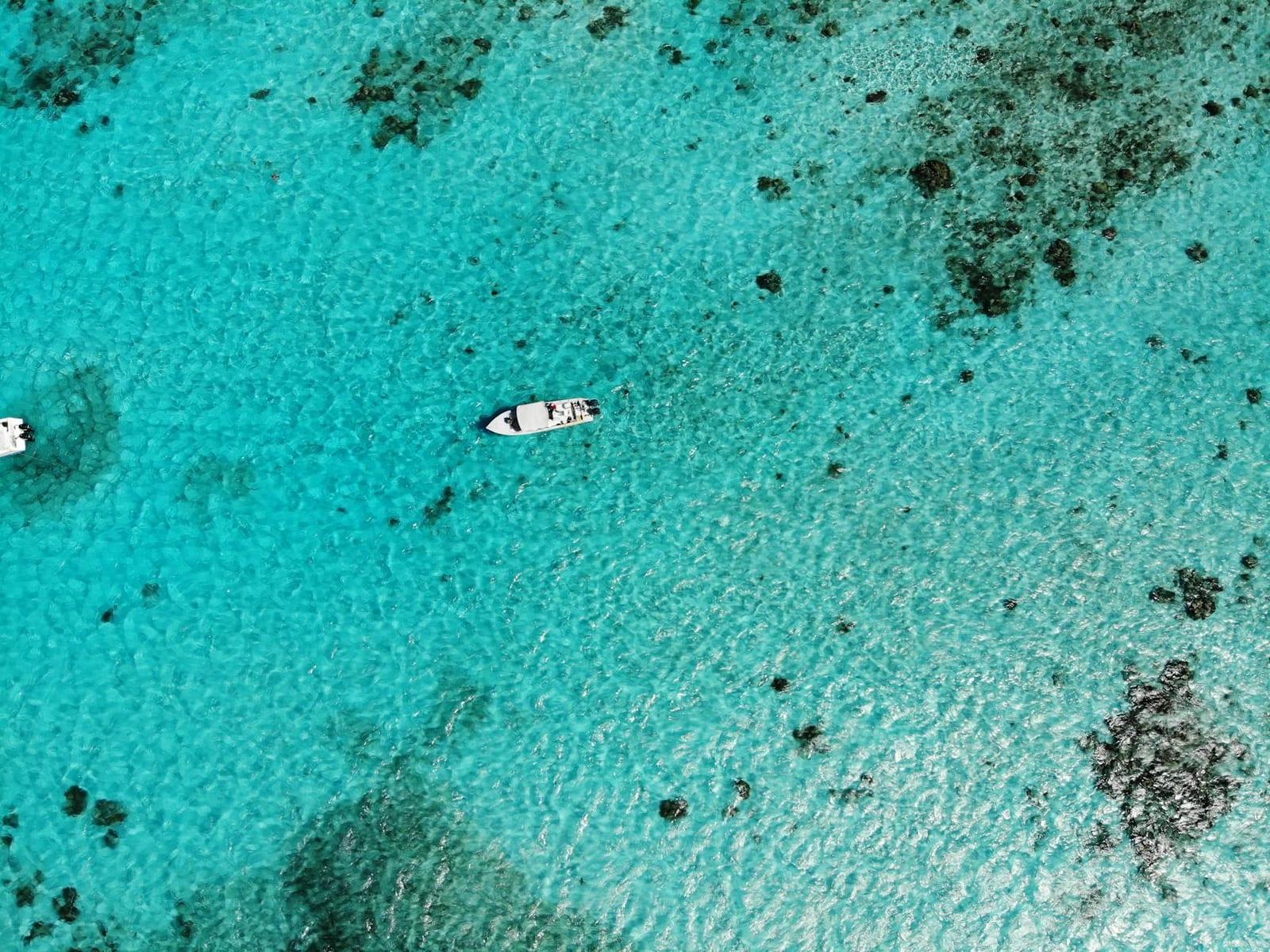
At nearly 200 miles long, the Belize Barrier Reef—part of the larger Mesoamerican Barrier Reef Complex, one of the planet’s greatest coral belts—accommodates snorkeling and scuba diving of the highest caliber. One of its best-known landmarks is the Great Blue Hole, a 1,000-foot-wide circular abyss in Lighthouse Reef. Jacques Cousteau introduced the wonders of this 400-foot-deep underwater sinkhole to the world, and it’s now among the truly legendary diving destinations in the Caribbean (and beyond).
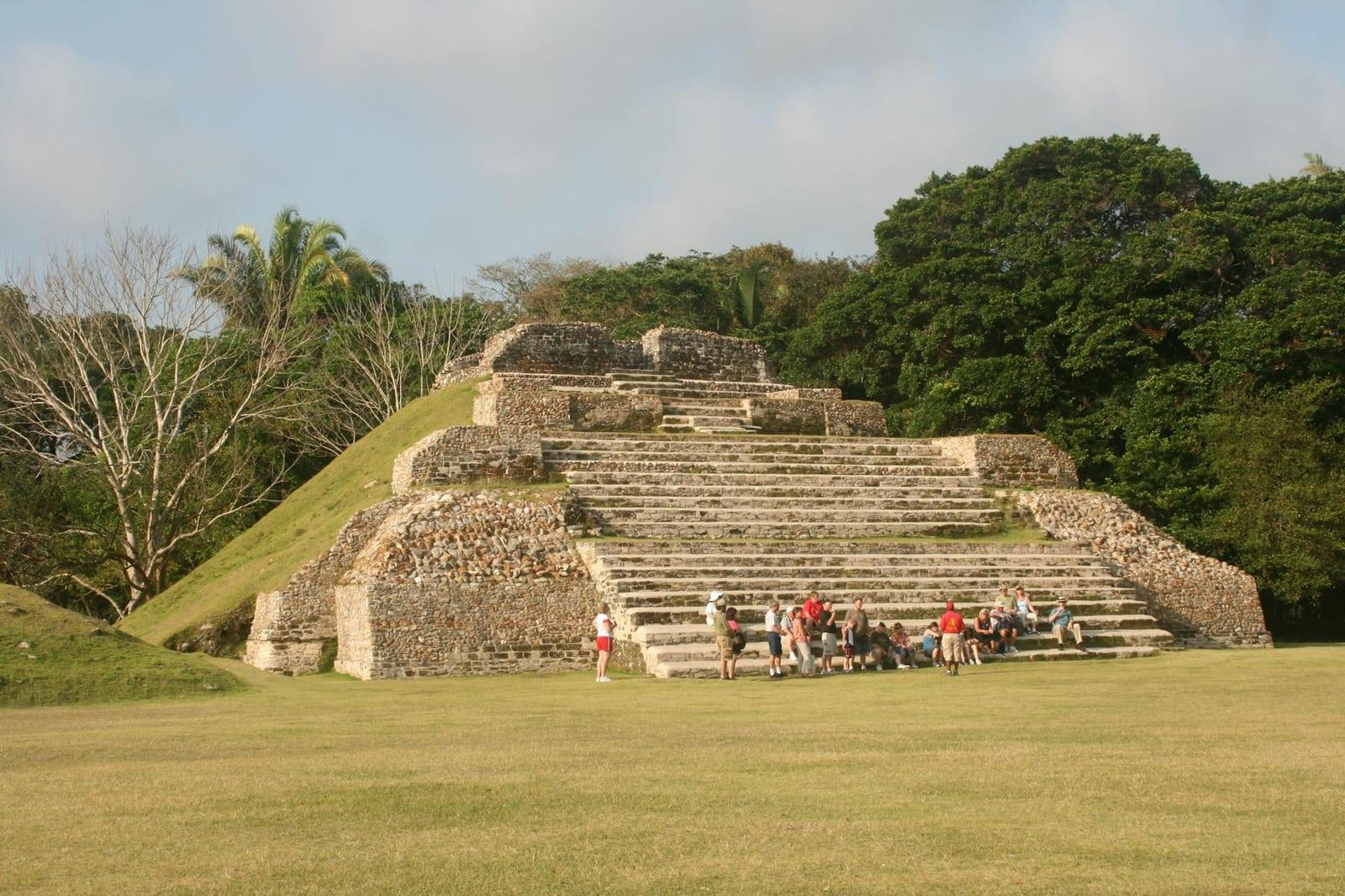
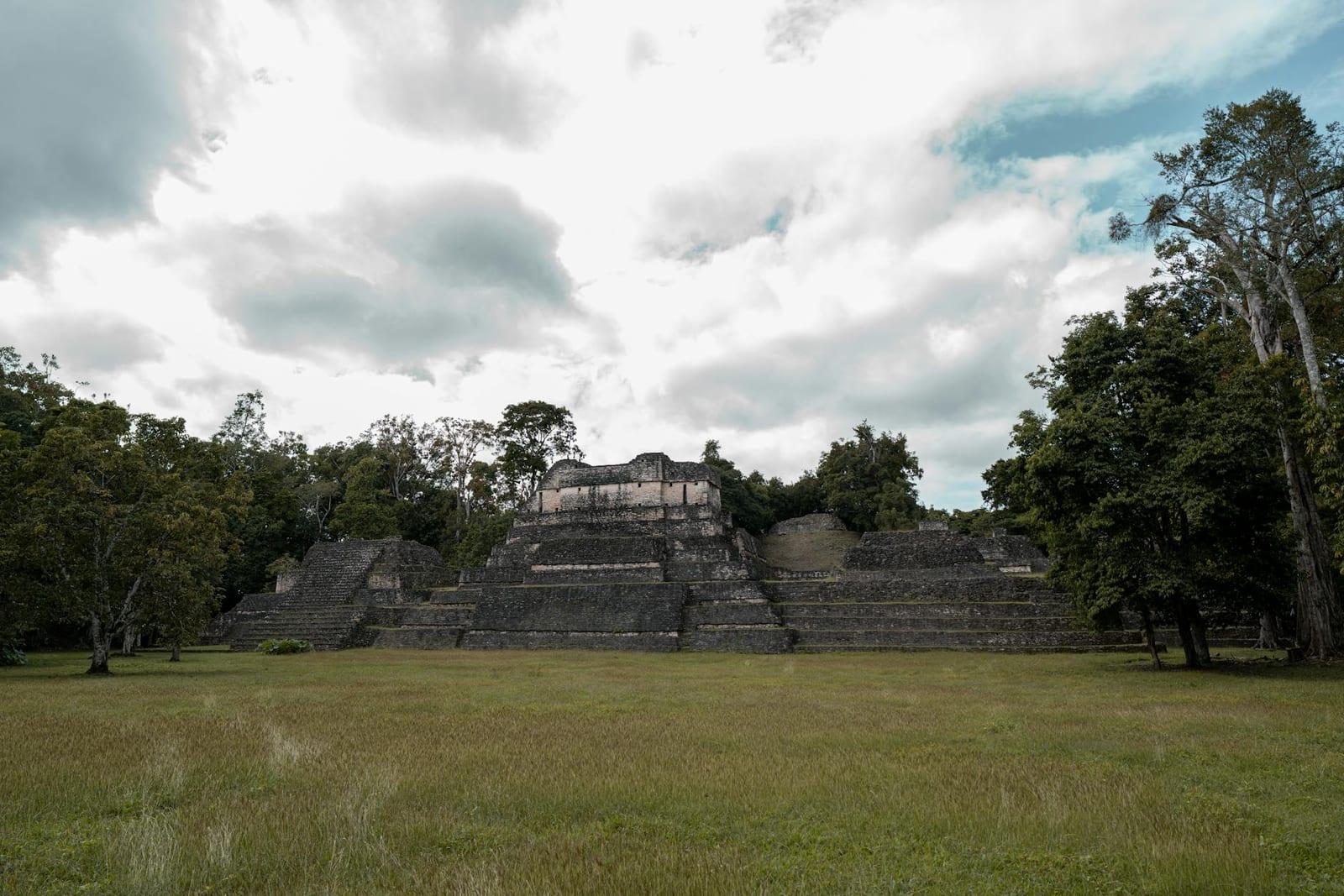
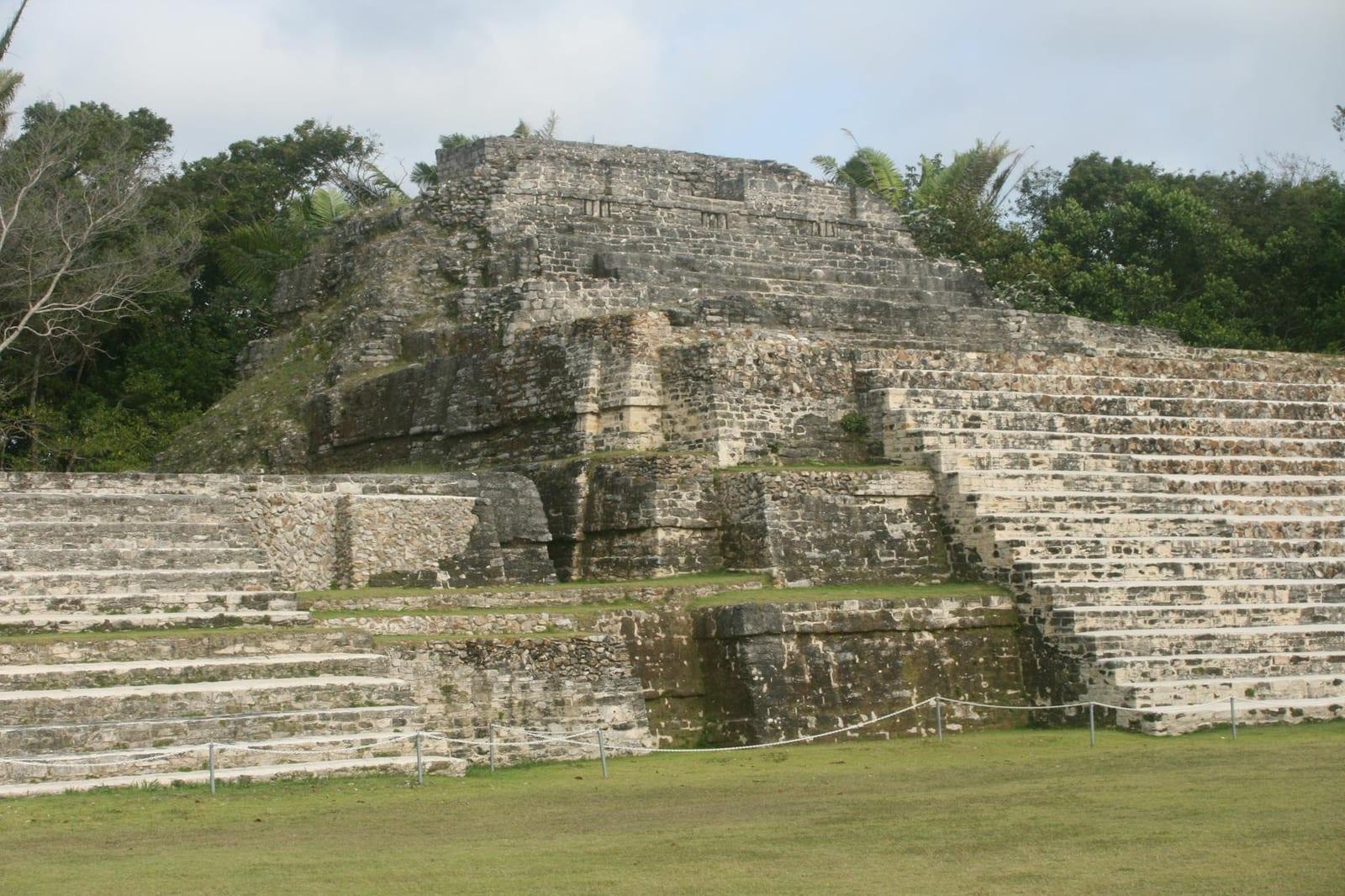
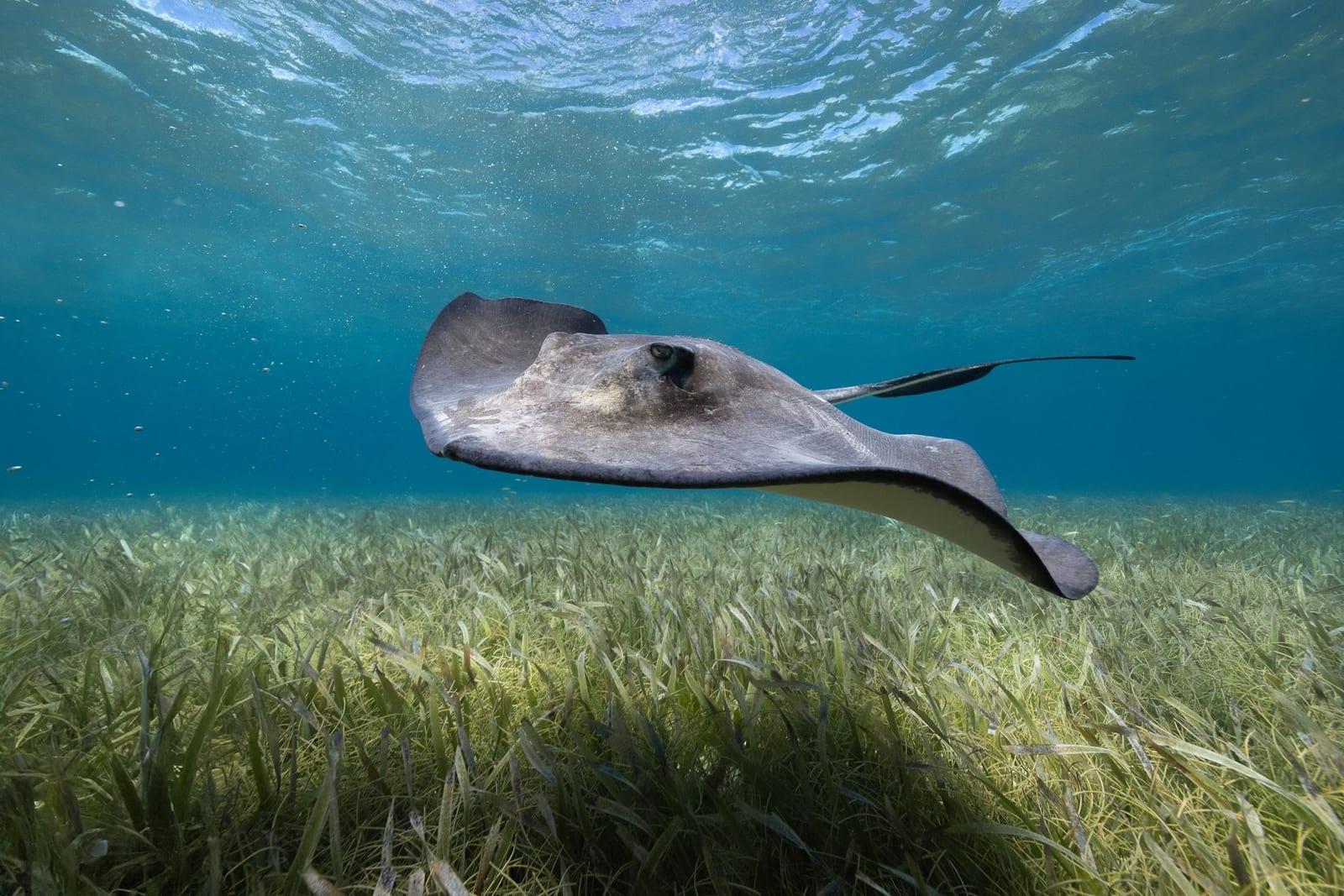
Sea turtles, reef sharks, parrotfish, howler monkeys, toucans—wild Belize throbs with life. But there’s also an amazing and multicultural human ecology woven into the dripping jungle and the mangrove-walled lagoons. The epic stamp of the Mayan civilization remains strong on the landscape: Among the most renowned ruins are Lamanai (beautifully set along the New River Lagoon), Altun Ha (one of the pyramids of which is immortalized on Belize’s ubiquitous Belikin beer label), and—grandest of all—Caracol, one of the hubs of the Mayan world.
The architectural legacy of Britain’s long presence in Belize, meanwhile, includes colonial-era landmarks such as the Government House (aka the “House of Culture”) and St. John’s Cathedral, both in Belize City. Belize, initially (and sort of half-heartedly) claimed by Spain, was the only British colony in Central America, and English remains the official language.
With the opportunity to explore Mesoamerican archaeological sites one day and the marine Caribbean at its finest the next, Belize tends to astound.
13 things not to miss.
- Free-dive the Blue HoleFree-dive the Blue Hole
- Caracol Maya ruinsClimb the Caracol Maya ruins
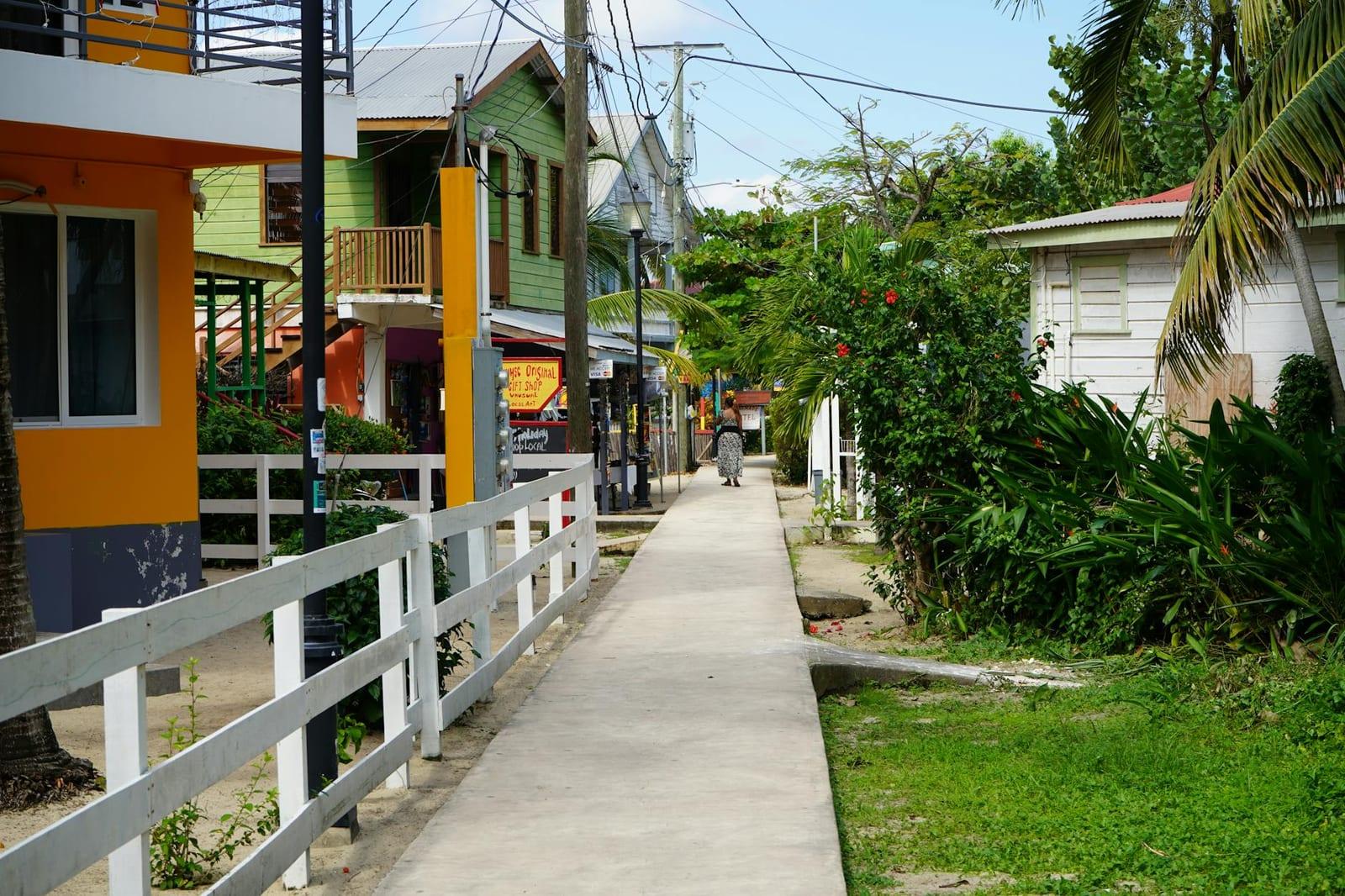
- the cayesSail the cayes
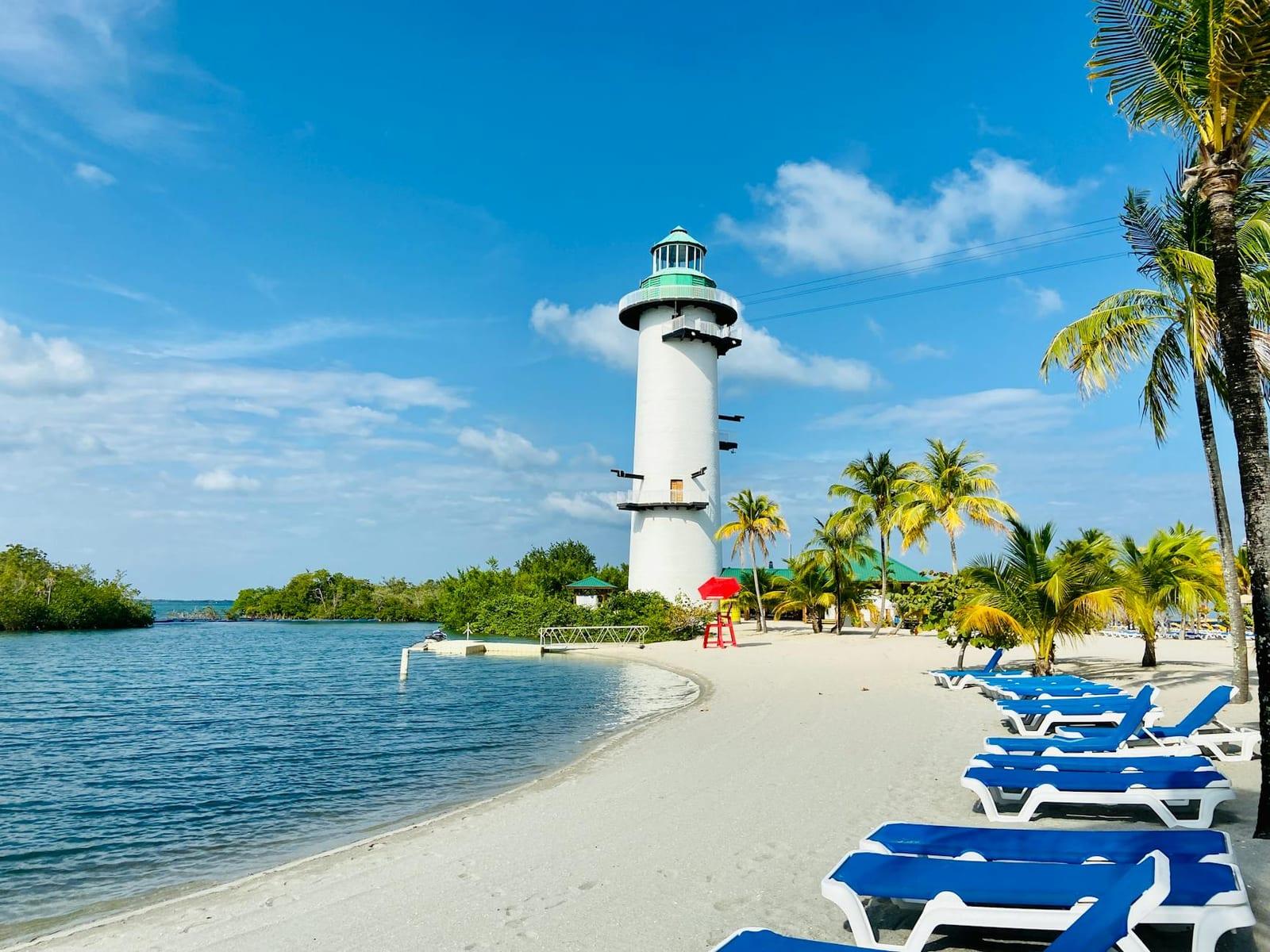
- Lighthouse Reef
- Chiquibul National ParkBelize’s largest national park includes the country’s highest point in the Maya Mountains, extensive caves, and rich rainforest wildlife.
- Cockscomb Basin Wildlife SanctuaryThis tropical-forest reserve in the Maya Mountains is one of the best refuges worldwide for the New World’s biggest cat, the jaguar.
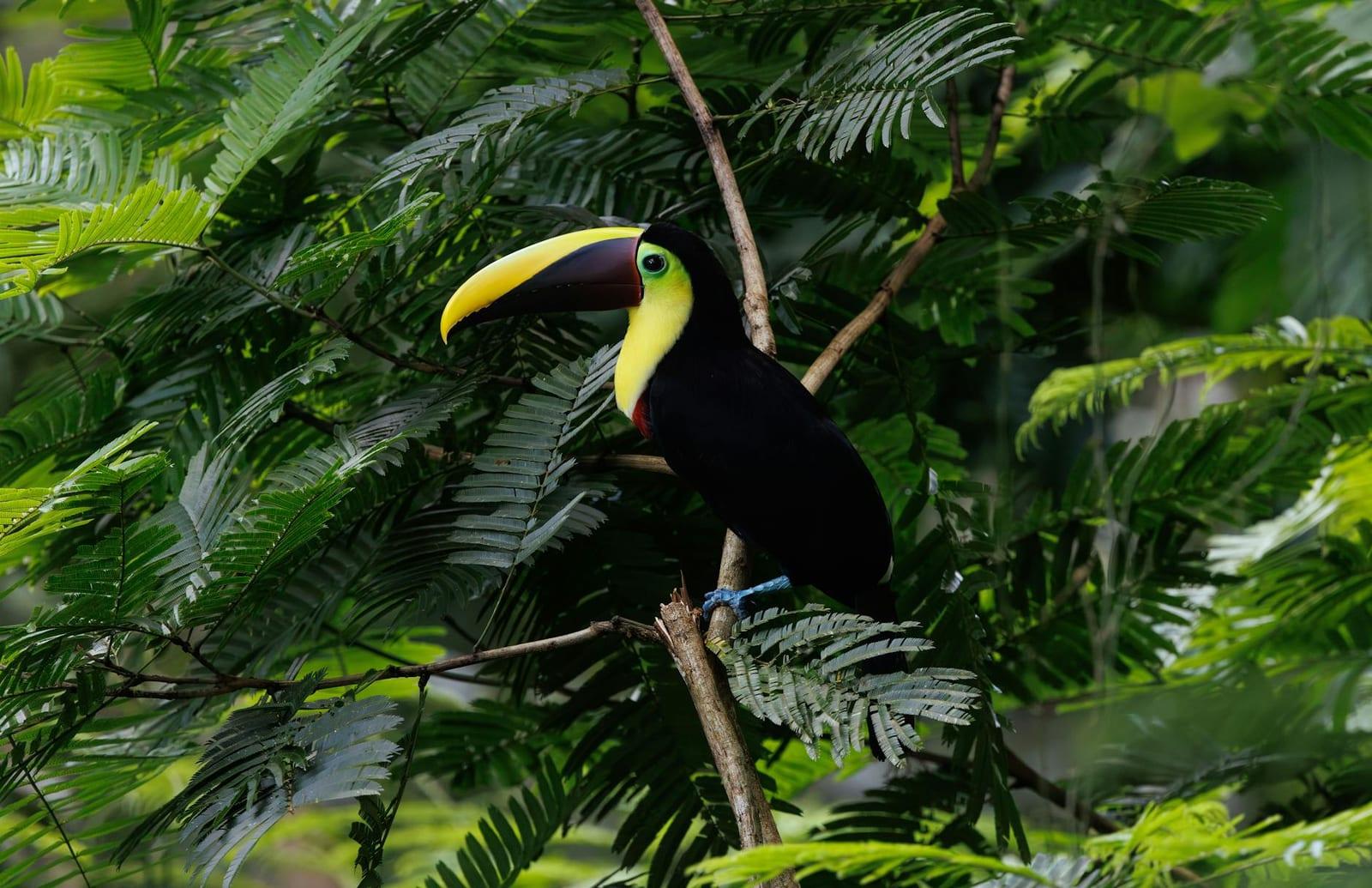
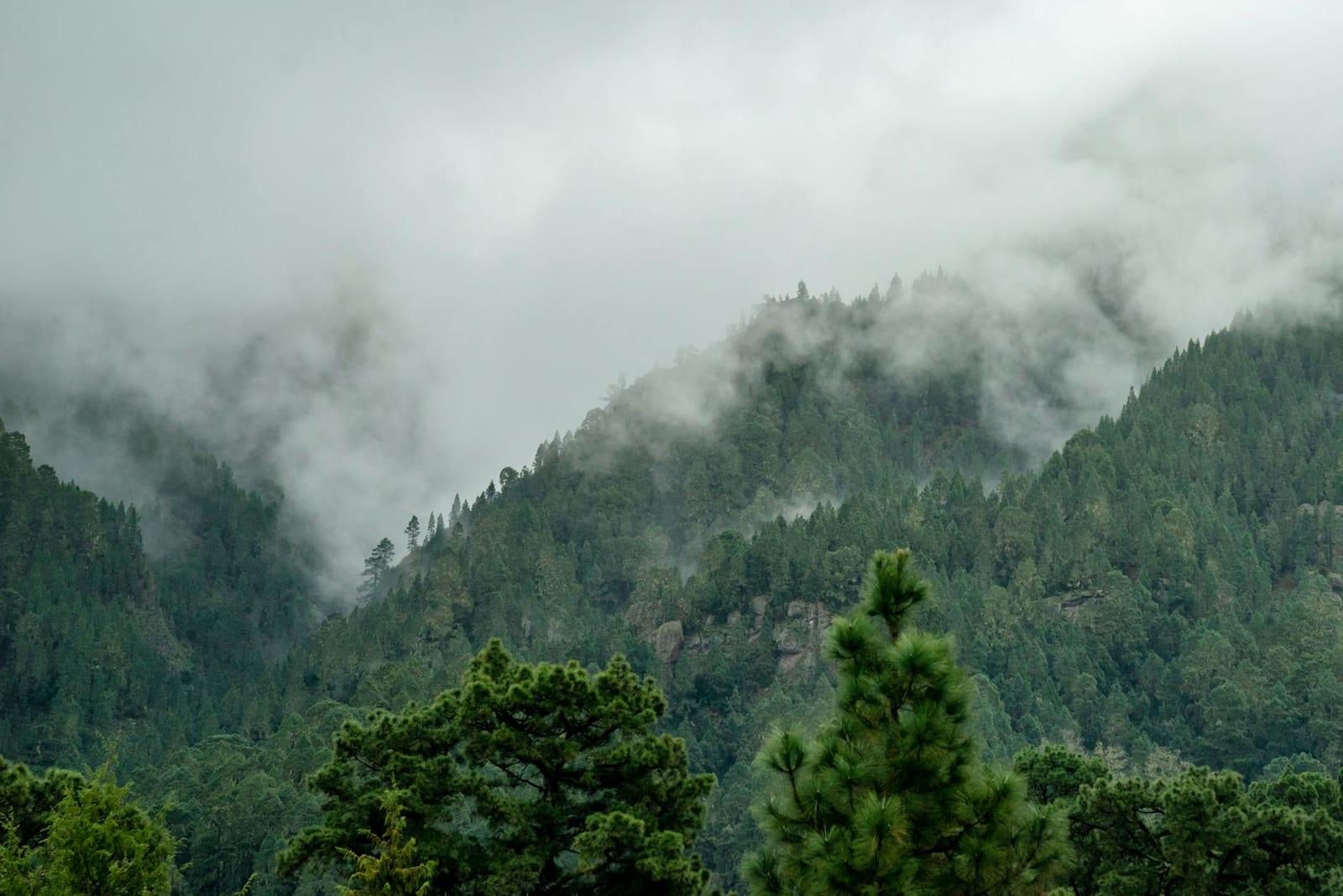
- Mountain Pine Ridge Forest ReserveThis sanctuary displays lovely highland pines, extensive cascades and waterfalls, and prime jaguar, puma, and tapir habitat.
- Great Blue HoleThis circular, 400-foot-deep abyss, a much-lauded diving destination, darkens Lighthouse Reef, part of the spectacular Belize Barrier Reef System.
- Half Moon CayeThe world-class coral gardens of the Belize Barrier Reef as well as important seabird colonies and sea-turtle nesting beaches distinguish this protected isle.
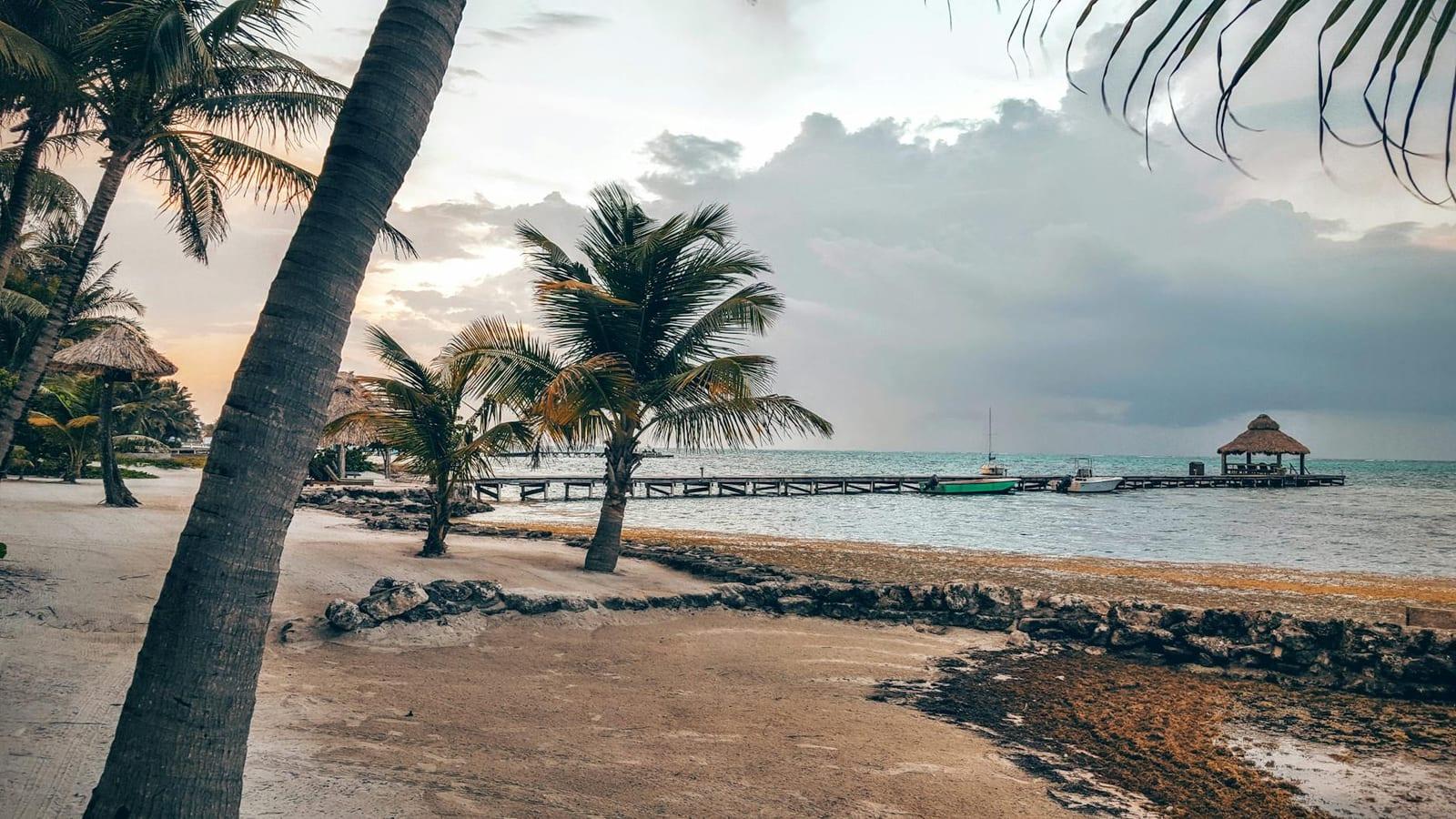
- Ambergris CayeThis thronged island, the biggest in Belize, ranks among the Caribbean’s mythic resort destinations.
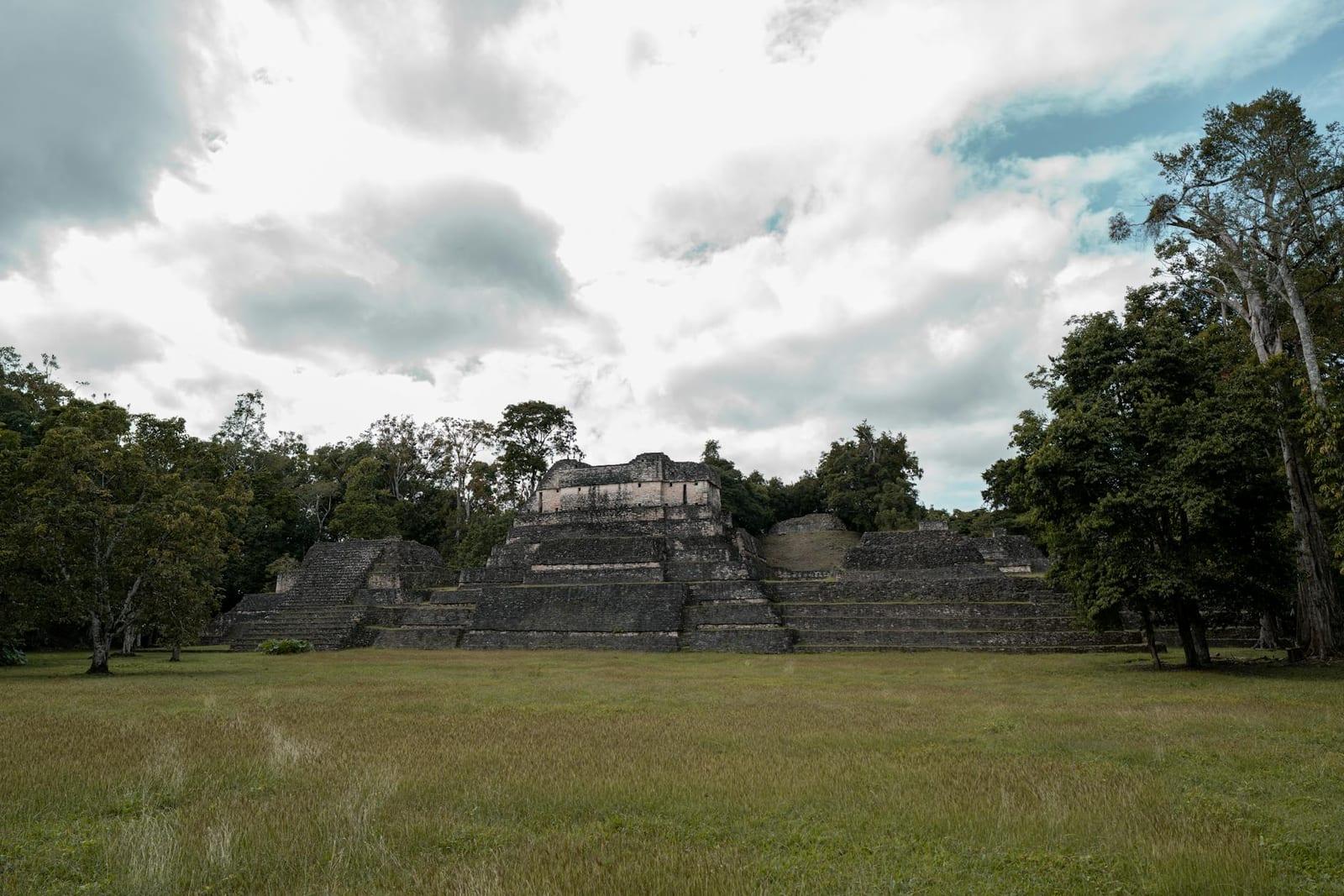
- CaracolBelize’s greatest Mayan site and one of the most important in all of Central America, Caracol in its prime well exceeded Belize City’s modern-day population.
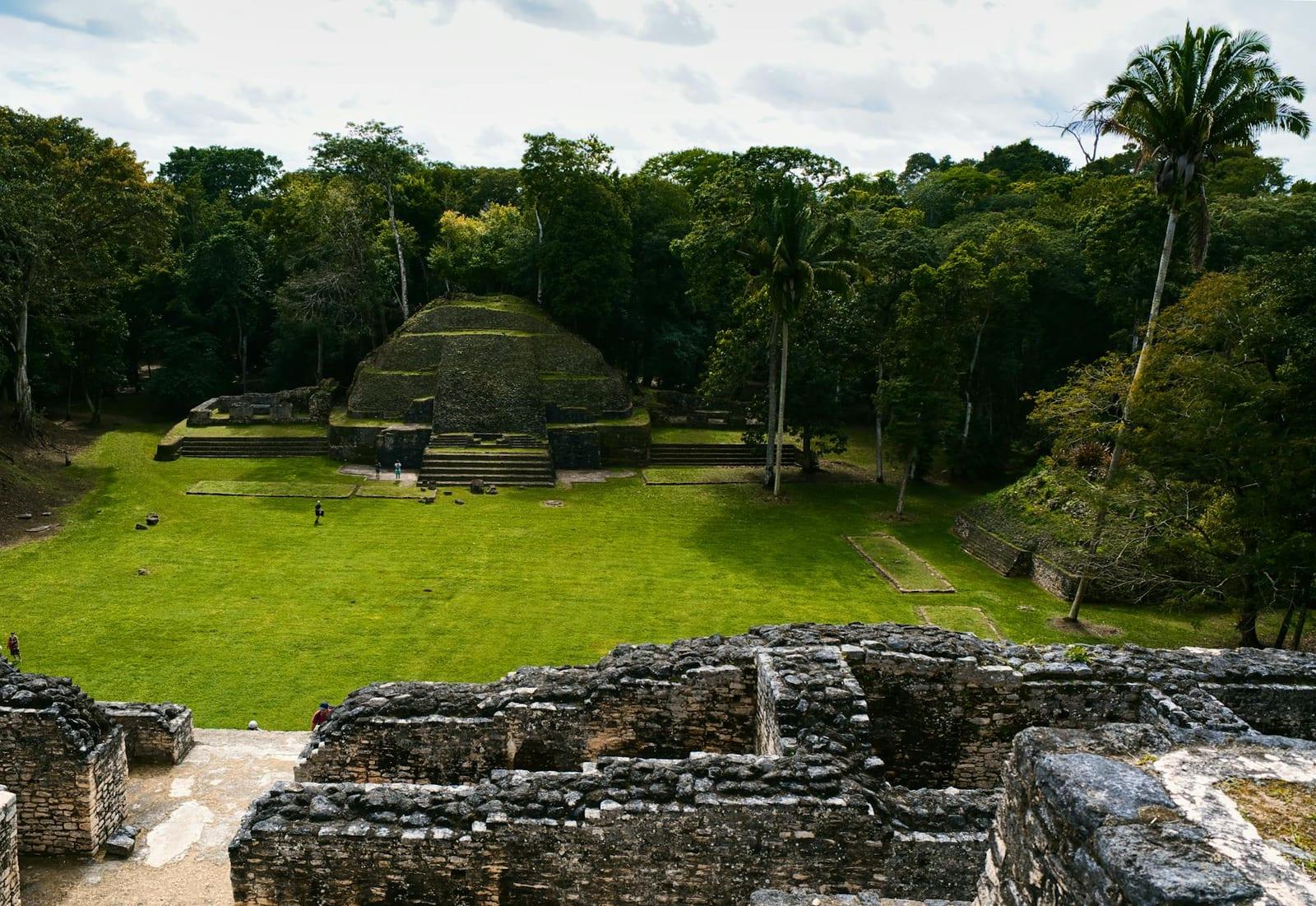
- LamanaiThis beautiful set of Mayan ruins lies along the New River Lagoon, a landscape best appreciated from the summit of the High Temple.
- Altun HaThe biggest of the numerous Mayan pyramids at this 1,000-year-old city is depicted in the logo of Belize’s top domestic beer, Belikin.