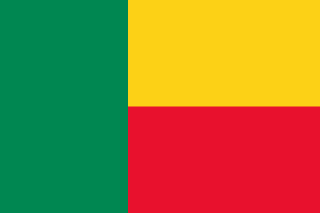
A narrow slab of a country, the Republic of Benin lies wedged between Togo, Burkina Faso, Niger, Nigeria, and the Gulf of Guinea. Pint-sized though it is, Benin serves as a prime venue for exploring the complex cultural array and ecological systems of West Africa.
The country encompasses a handsome 75-mile belt of beach and mangrove-edged seacoast, fertile coastal lowlands, rolling plateaus, and the gorge-laced Atakora Mountains of the northwest. While much of the countryside has been converted to oil-palm plantations and pasture—and only a few meager remnants persist of the tropical rainforest that once carpeted the region—you'll discover some stellar national parks in Benin’s northern borderlands. With their savannas and riverine forests, Pendjari National Park and “W” National Park (named for a bend in the Niger River) showcase the natural treasures of the West Sudanian Savanna, a long belt of tallgrass woodland that bridges the wetter forests of the Atlantic coast and the semiarid Sahel to the north.
Among the greatest bastions for rare wildlife in densely populated West Africa, these trans-border reserves—both of which adjoin protected lands in neighboring countries—are home to important herds of elephant and hippo as well as some of the last remaining West African lions, cheetahs, and painted hunting dogs. Given the prestige of these wildlands, the ecotourism in Benin is among the best-developed in the region.
In Benin, you'll also tap into the fascinating, convoluted, and often-tragic history of West Africa amid the multilingual conversations, the distinctive native cuisine, and the venerable artistic traditions. There's a big human story to take in: Dozens of tribal groups—including the Fon, the Yoruba, the Goun, and the Bariba—compose Benin’s ethnic palette, alongside expats from Europe, Asia, and elsewhere in Africa. Indigenous tongues are still widely spoken, though French serves as the official language. This was a French colony, after all, prior to Benin’s independence in 1960; before that, it was controlled by powerful tribal empires—notably the Dahomey and Oyo—which collaborated with European powers in feeding the devastating transatlantic slave trade.
For a glimpse at the increasingly rare wilderness of West Africa—and to eat and dance your way into some understanding of its rich multicultural makeup—consider Benin, where great things come in a small package.
7 things not to miss.
- a voodoo ceremony in OuidahWitness a voodoo ceremony in Ouidah
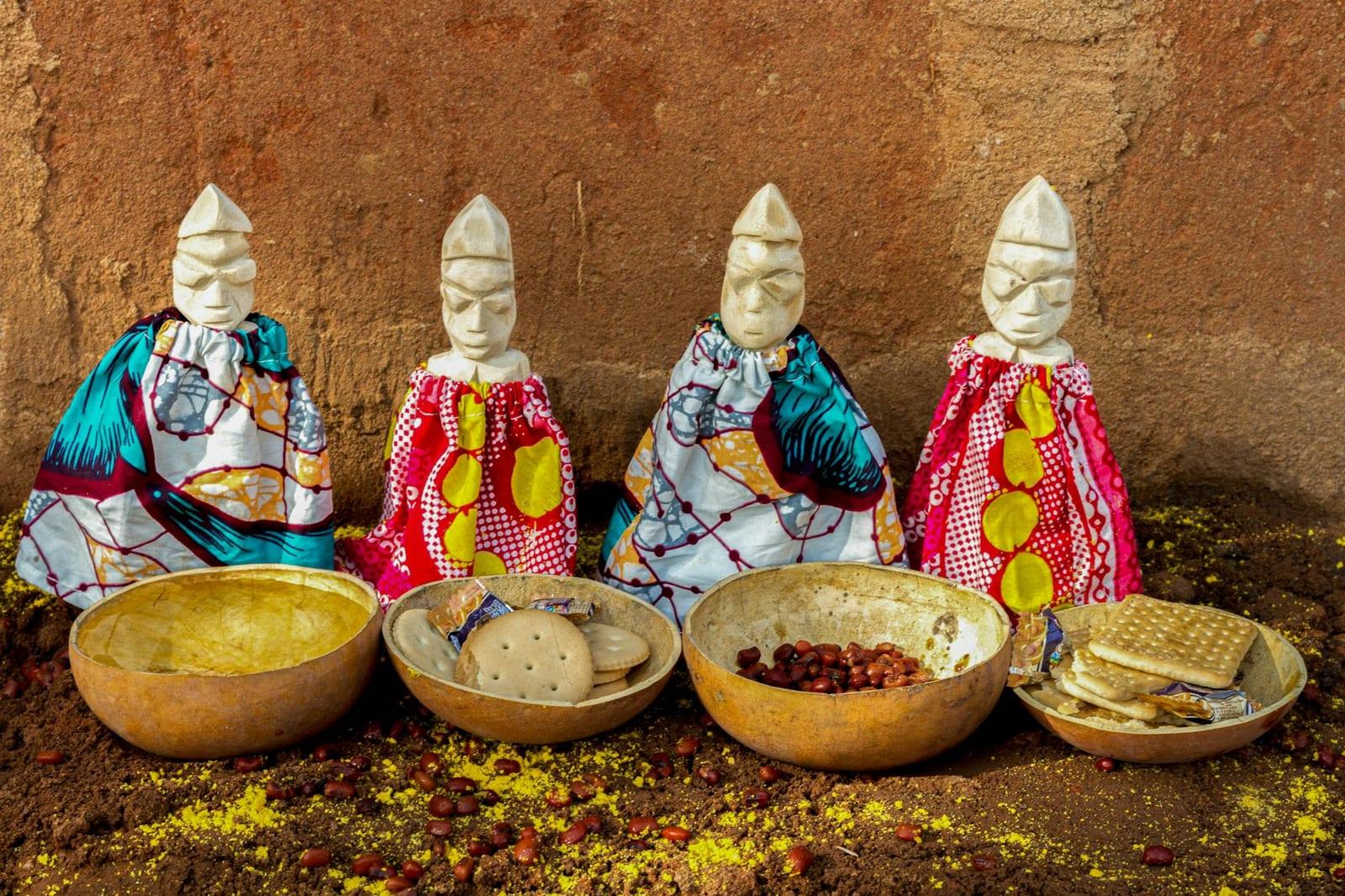
- Ouidah Museum of HistoryThis stellar museum, set in an 18th-century Portuguese fort, explores the heritage of Ouidah, center of the Vodun (“Voodoo”) religion and once a leading slave depot.
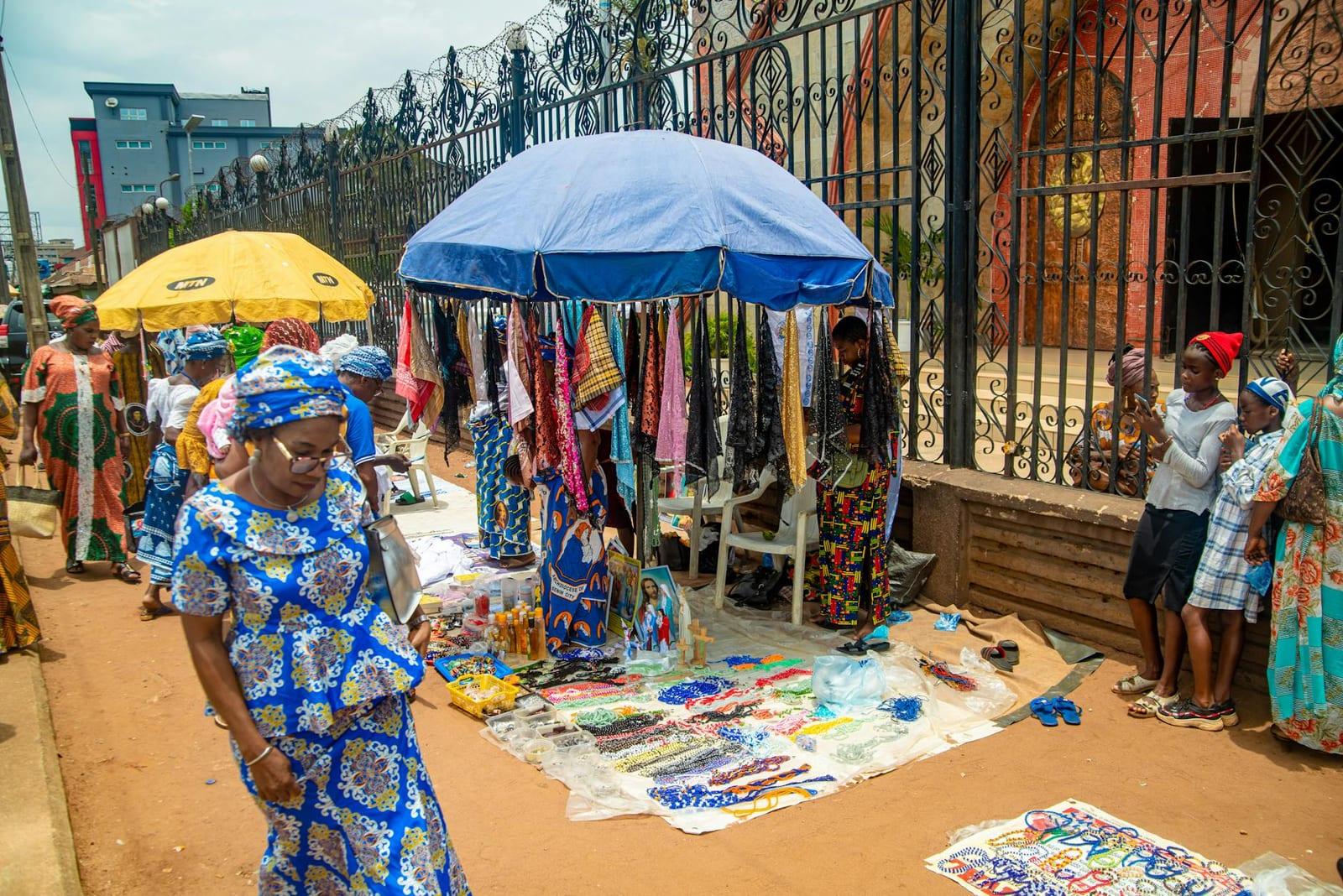
- Grand Marché de DantokpaEase into a night of clubbing or restaurant-hopping by experiencing Cotonou’s mammoth central market.
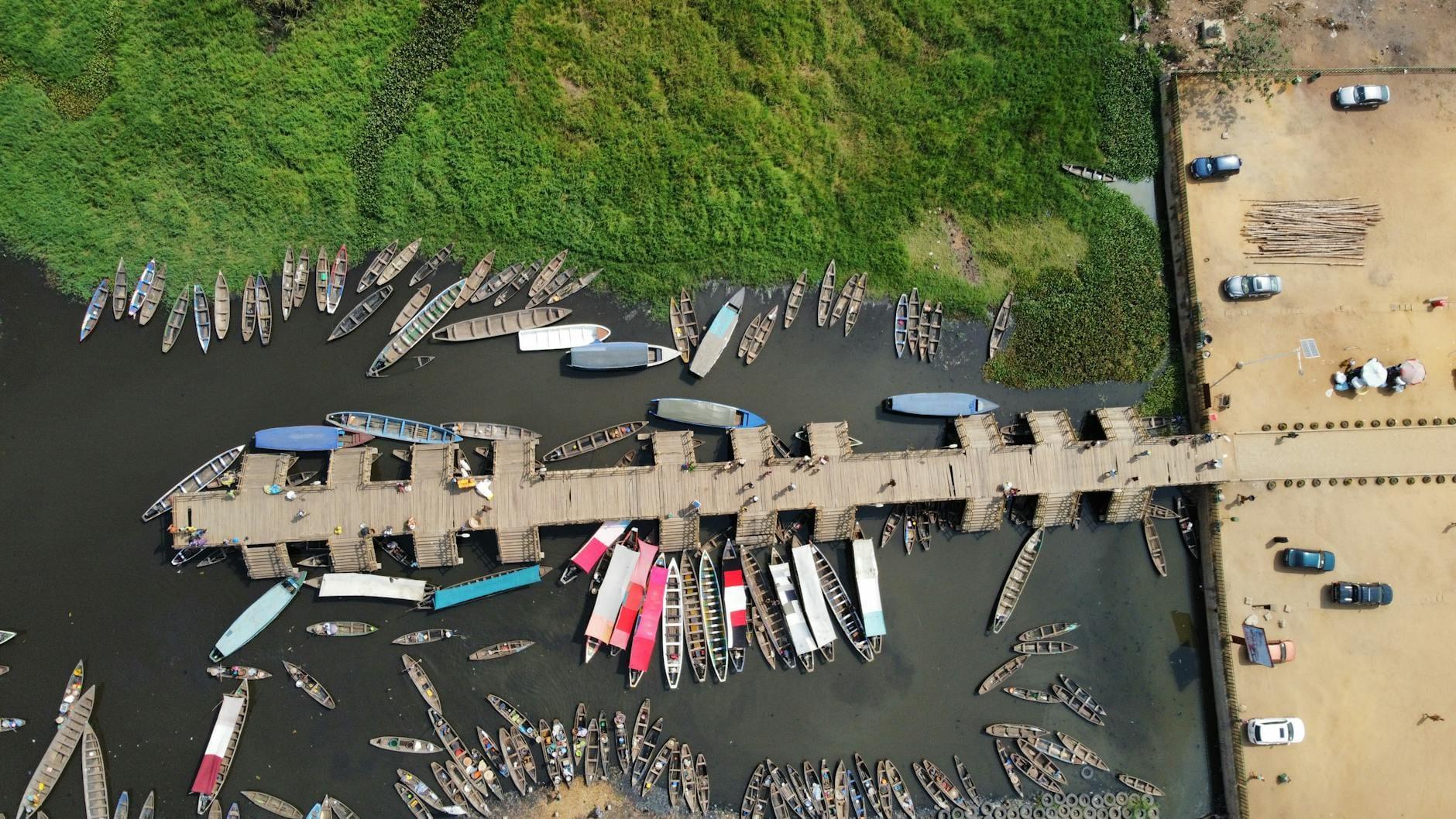
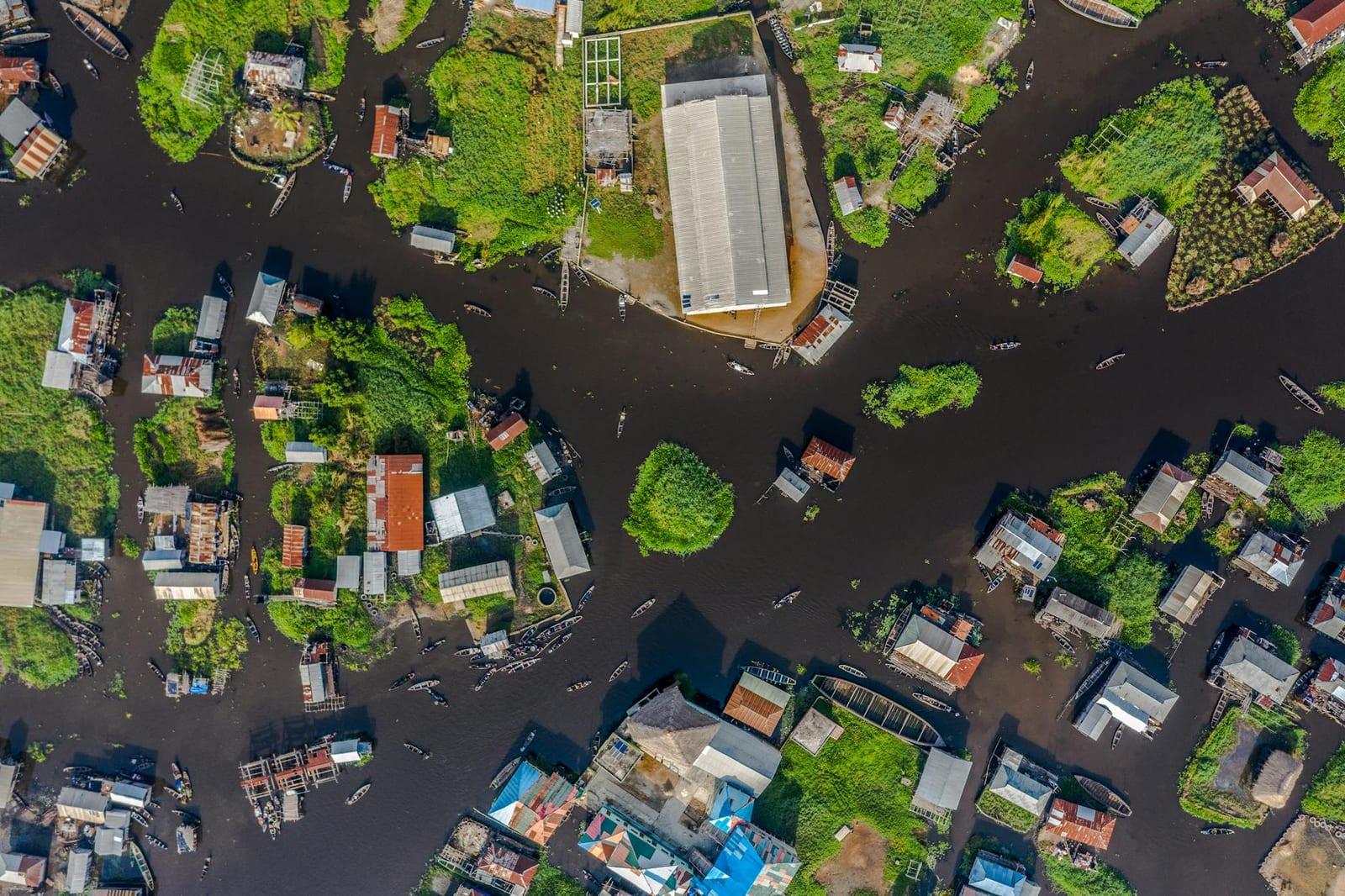
- GanviéThis fishing village of the Tofinu people is memorably composed of bamboo huts rising on stilts out of the waters of Lake Nokoué.
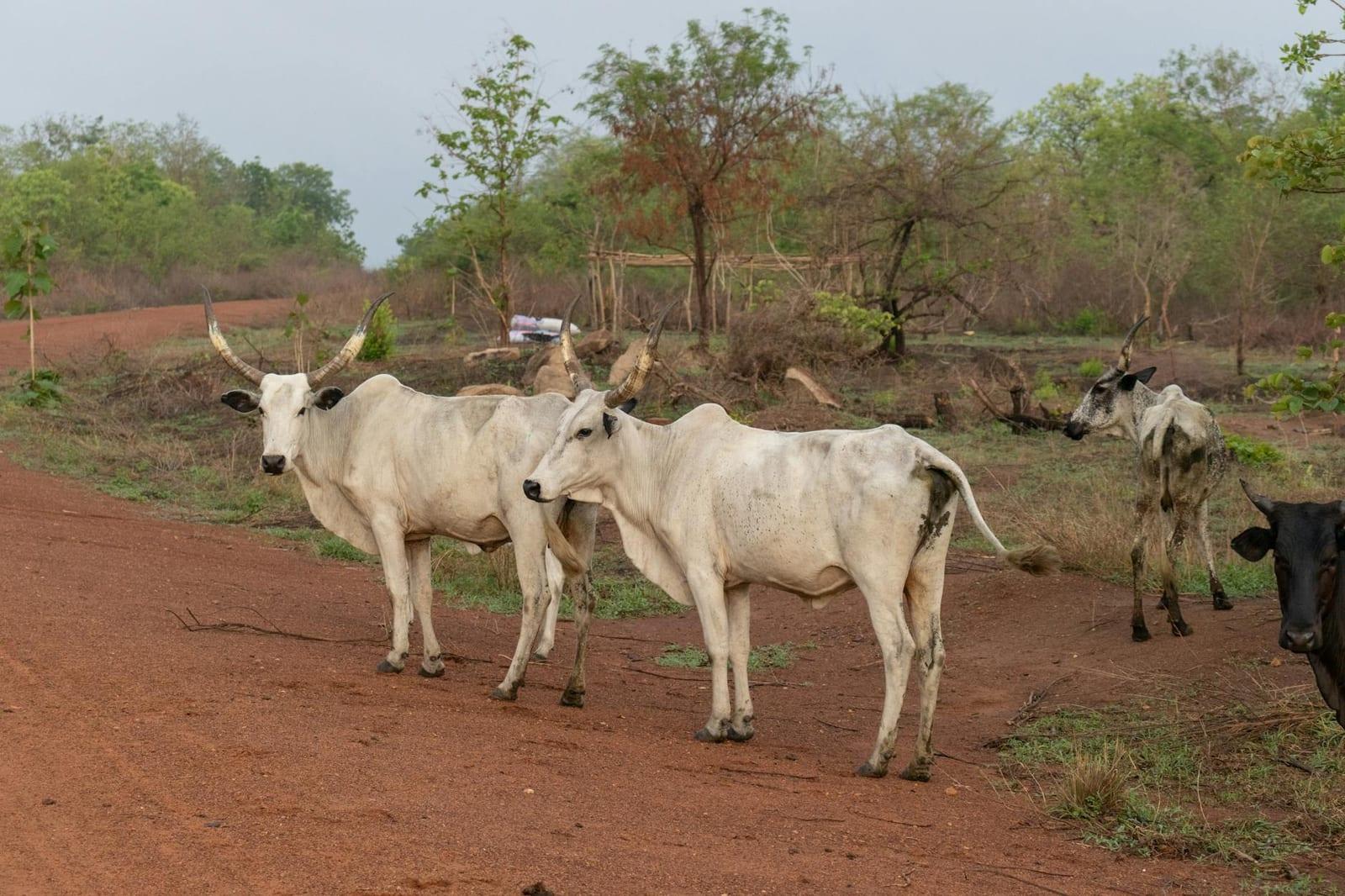
- W National ParkDescribing the Niger River bend it hugs, this diverse park, part of a big transborder reserve, supports an amazing menagerie—including regionally rare cheetahs.
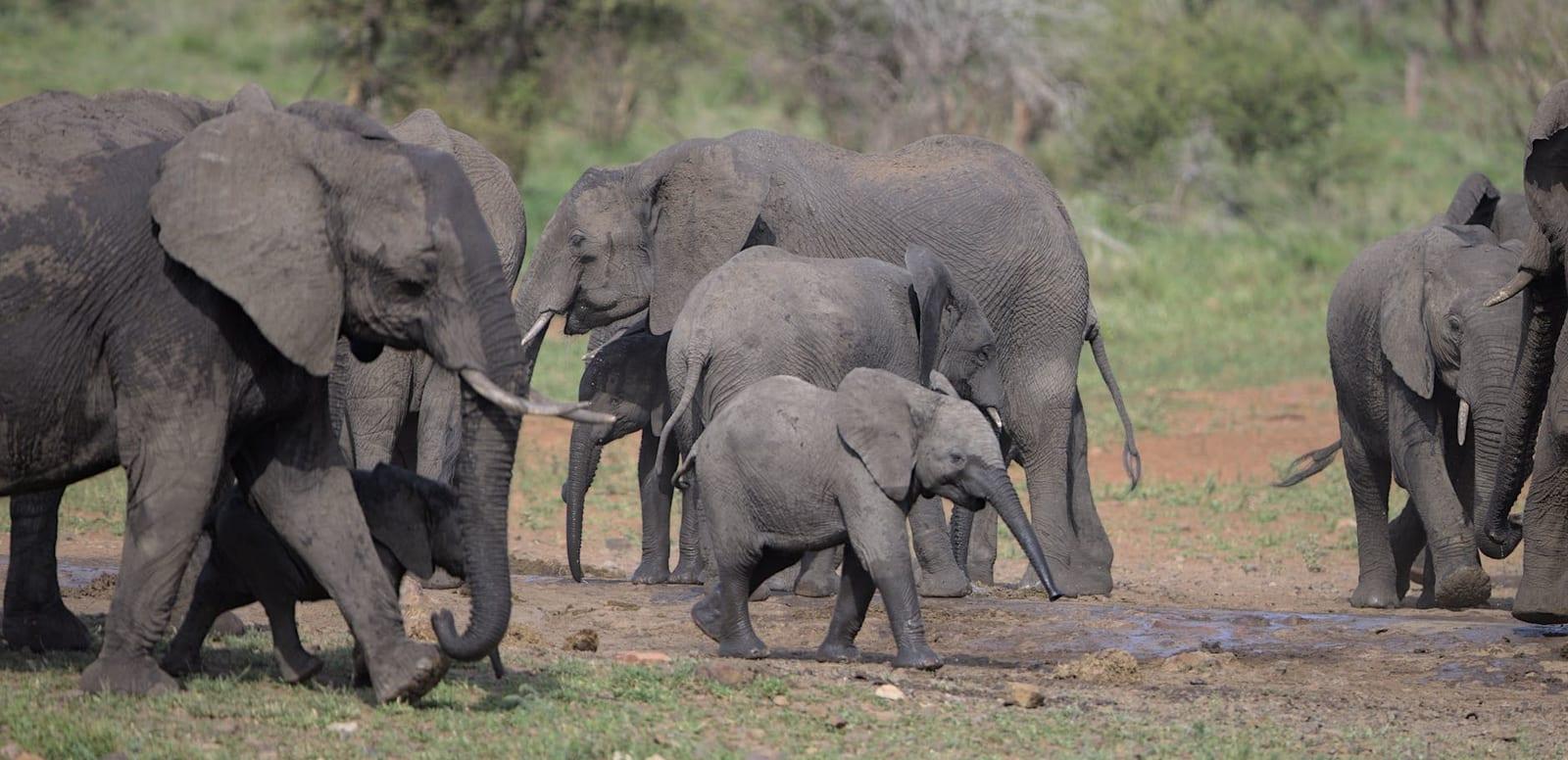
- Pendjari National ParkPendjari’s tallgrass savannas are one of the last refuges for West African lions and important pasture for elephants.
- AbomeyA dozen earthen and wooden homes here once sheltered Kingdom of Dahomey royalty: the Royal Palaces of Abomey, a UNESCO World Heritage Site.
