For anyone a bit shaky on their world geography—you know who you are—the location of Bermuda can come as a bit of a shock. No, this island (technically a compact archipelago) isn’t in the Caribbean; it’s not even terribly close to the Caribbean, given the nearest point of land, some 650 miles away, is North Carolina’s Cape Hatteras. But Bermuda is indeed a deliciously balmy place, with a subtropical climate owed to its position along the warm current of the Gulf Stream. For many deskbound dreamers—not least those American East Coasters for whom Bermuda’s a short, painless flight away—it’s the beaches that sing strongest to the imagination, but the country's history can be every bit as much of a draw.
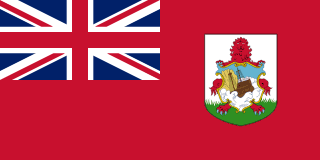
Bermuda was uninhabited prior to its discovery, at the dawn of the 16th century, by the Spanish. Though it was used as a stopover point for European mariners, it wasn’t until the early 1600s that the British established a presence on the island, which remains an overseas territory of Great Britain. Despite its small size and remote location, Bermuda saw an awful lot of geopolitical drama go down in and around its waters, including the island’s use by Confederate blockade runners during the American Civil War. (That particular chapter of Bermudian history is best appreciated at the former Globe Hotel in St. George, a historic building used by the Confederates to plan their maneuverings (now a museum)). It also played a crucial role for British troops during World War II.
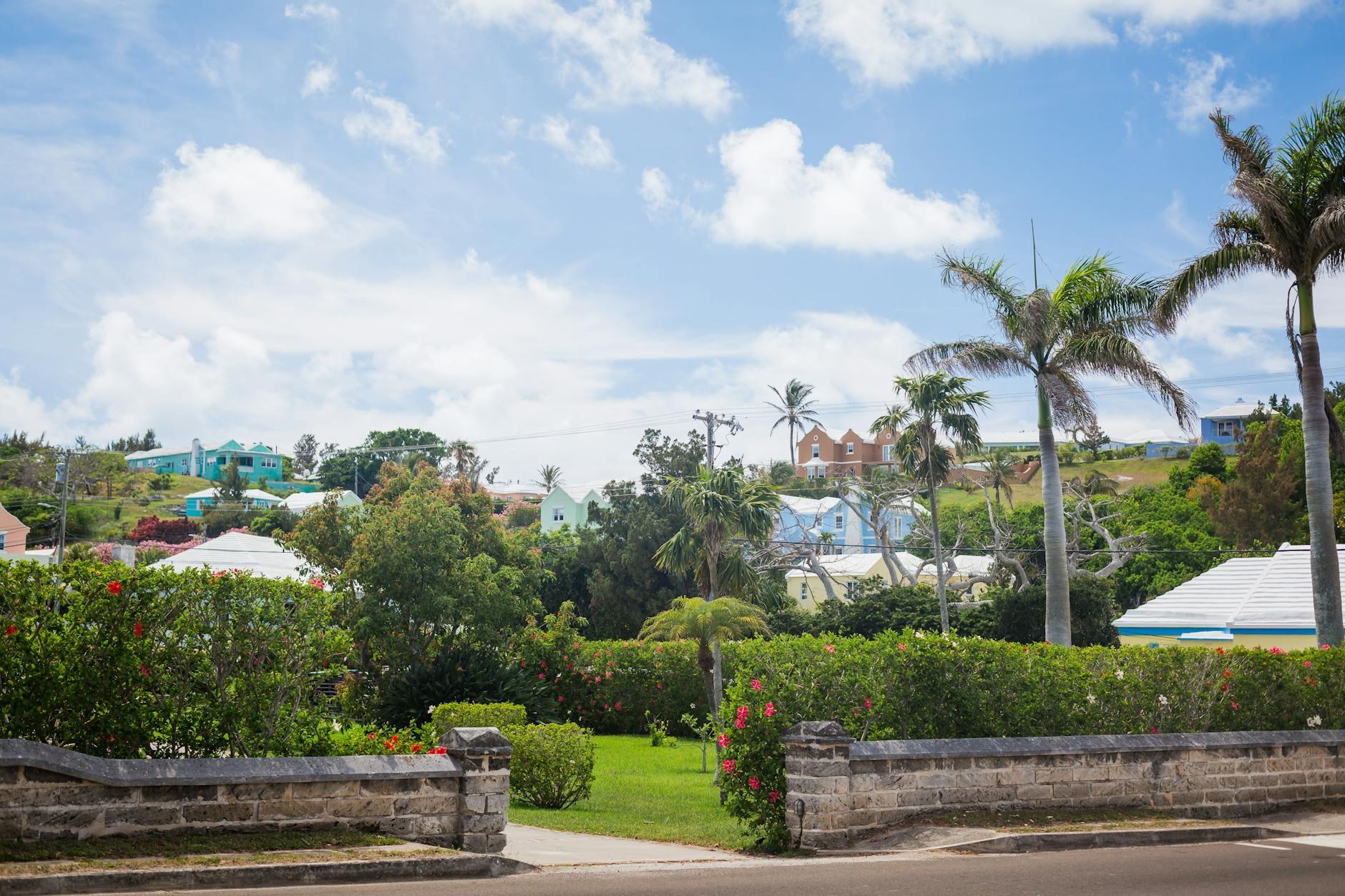
From high tea and cricket to the image of the Queen on the Bermudian dollar, there’s a lot of English spirit at play here, but the island is demographically diverse given centuries of wide-ranging immigration and slavery. Many Afro-Bermudians, for example, have some North American Indian roots, and there’s a notable Portuguese population stemming especially from Azorean and Madeiran immigrants. And on the streets of Hamilton or St. George, you’re liable to see more than one Bermudian of whatever background sporting the island’s famous namesake shorts.
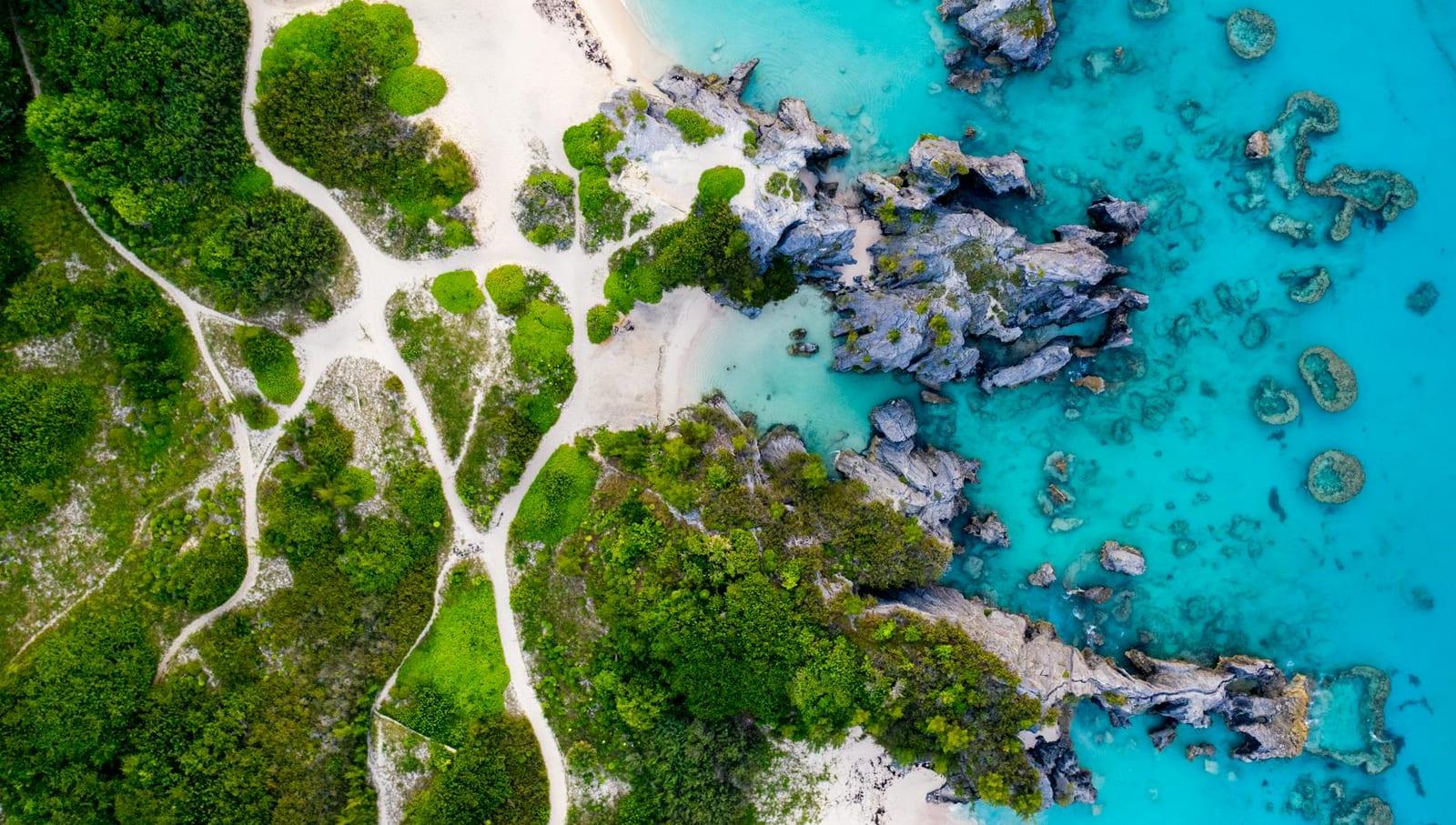
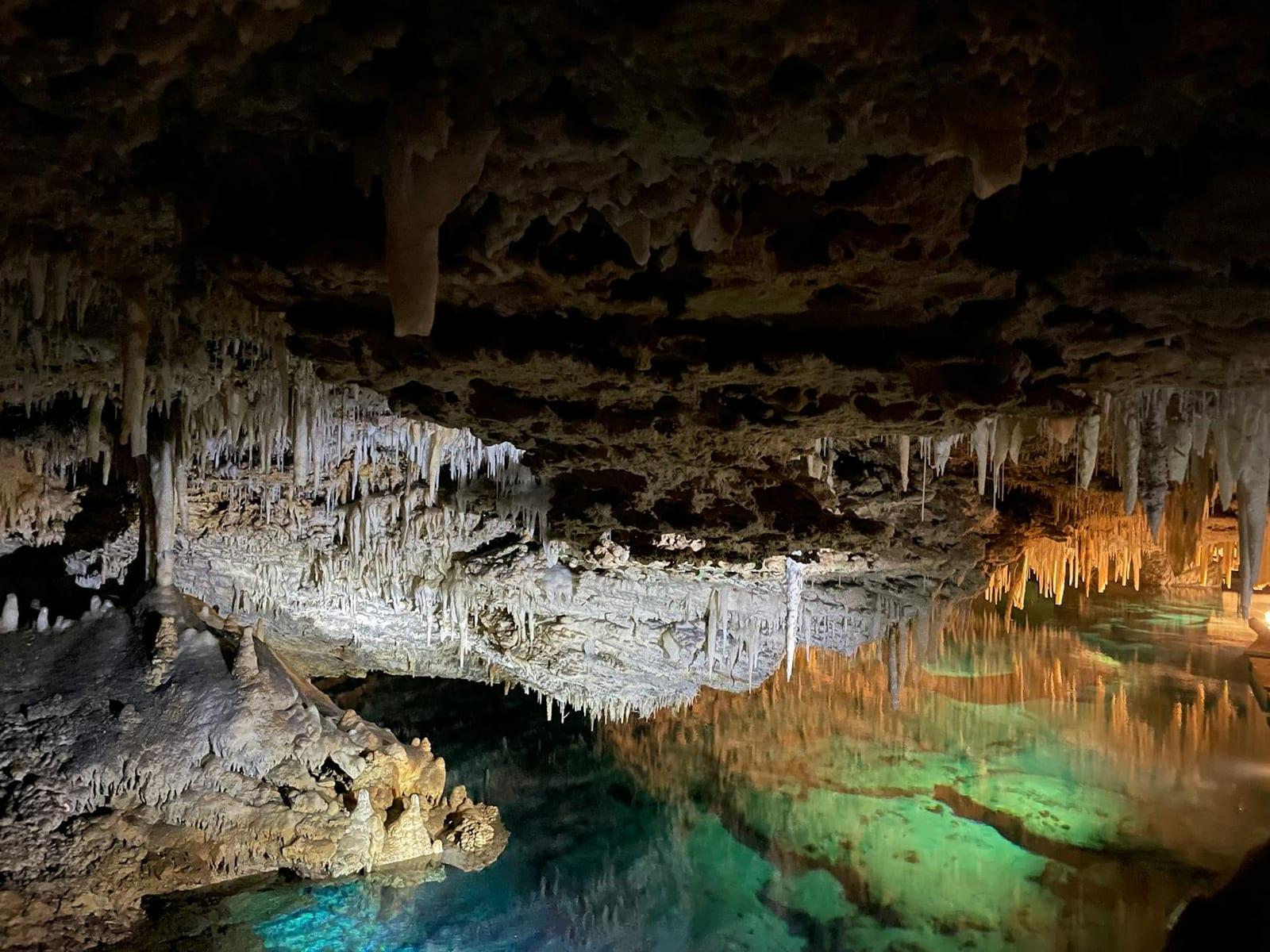
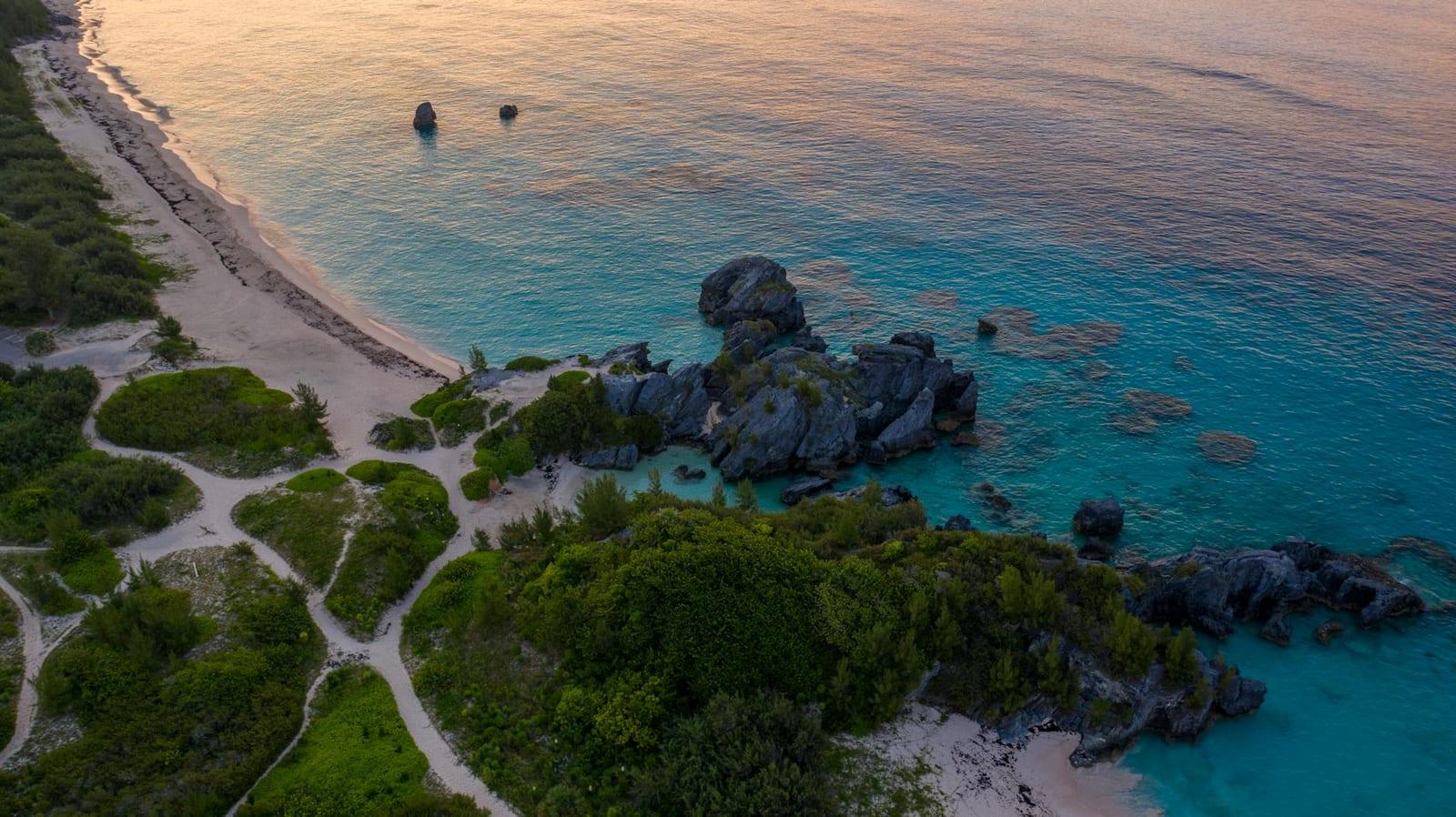
When you’re not lounging at Horseshoe Bay, Tobacco Bay, Jobson’s Cove, or one of the other Bermudian beaches—and it goes without saying that beach-lounging is a national pastime here—there are other outdoor attractions to fill your itinerary. Bermuda’s well known for its extensive caverns, the most famous of which is the ornate Crystal Cave. The coral reefs of Bermuda—some of the northernmost on the planet—are surprisingly extensive, while humpback whales migrate conspicuously through in spring, heading from Caribbean calving waters to North Atlantic feeding grounds.
Come to Bermuda for the history, for the cultural mashup, for the beaches—heck, come for the novelty of skirting the Bermuda Triangle. In the end, you may well find yourself agreeing in full with good old Mark Twain, who famously pronounced, “You can go to heaven if you want to—I’ll stay here in Bermuda.”
11 things not to miss.
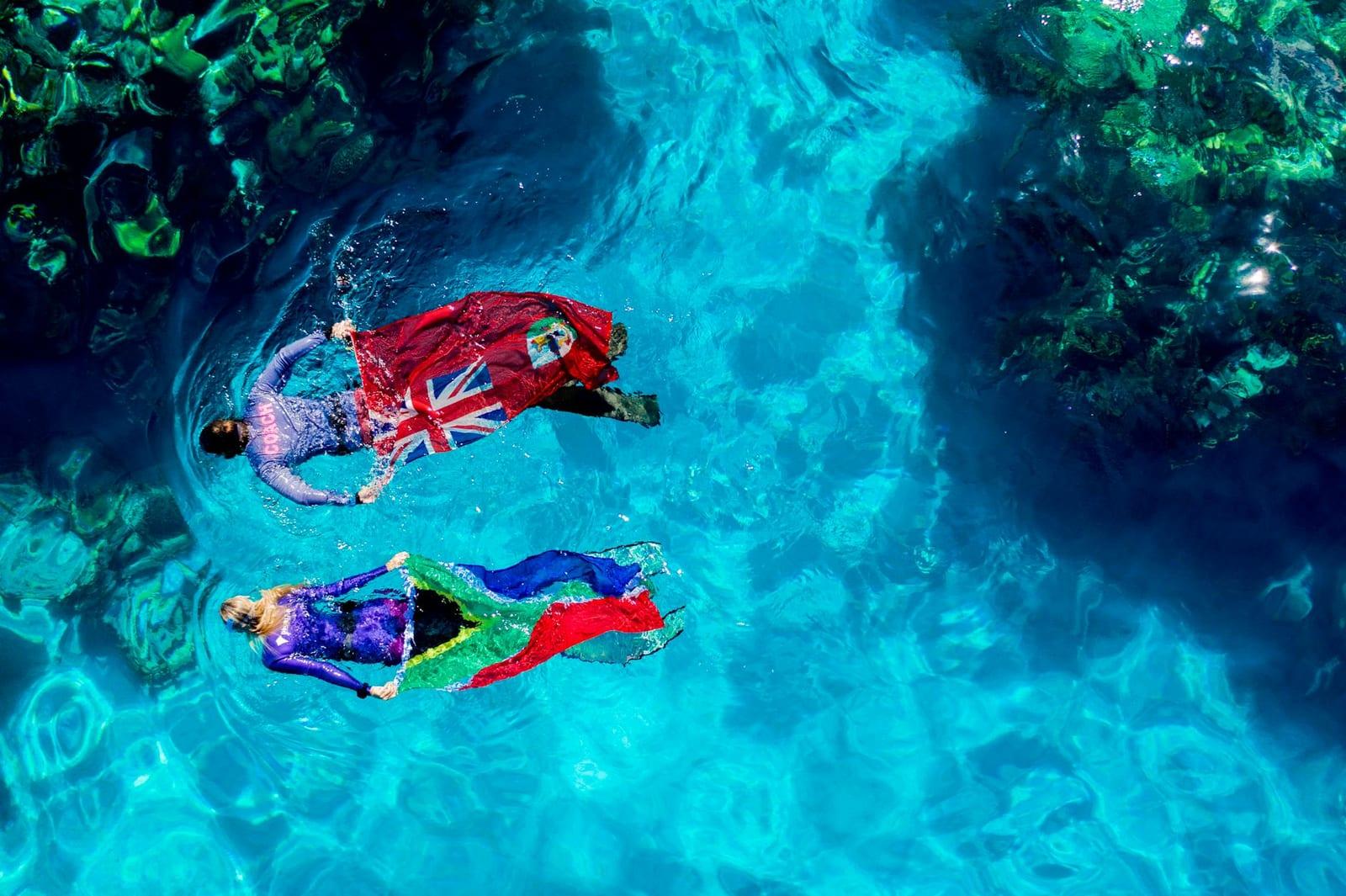
- Snorkel a Bermuda shipwreckSnorkel a Bermuda shipwreck
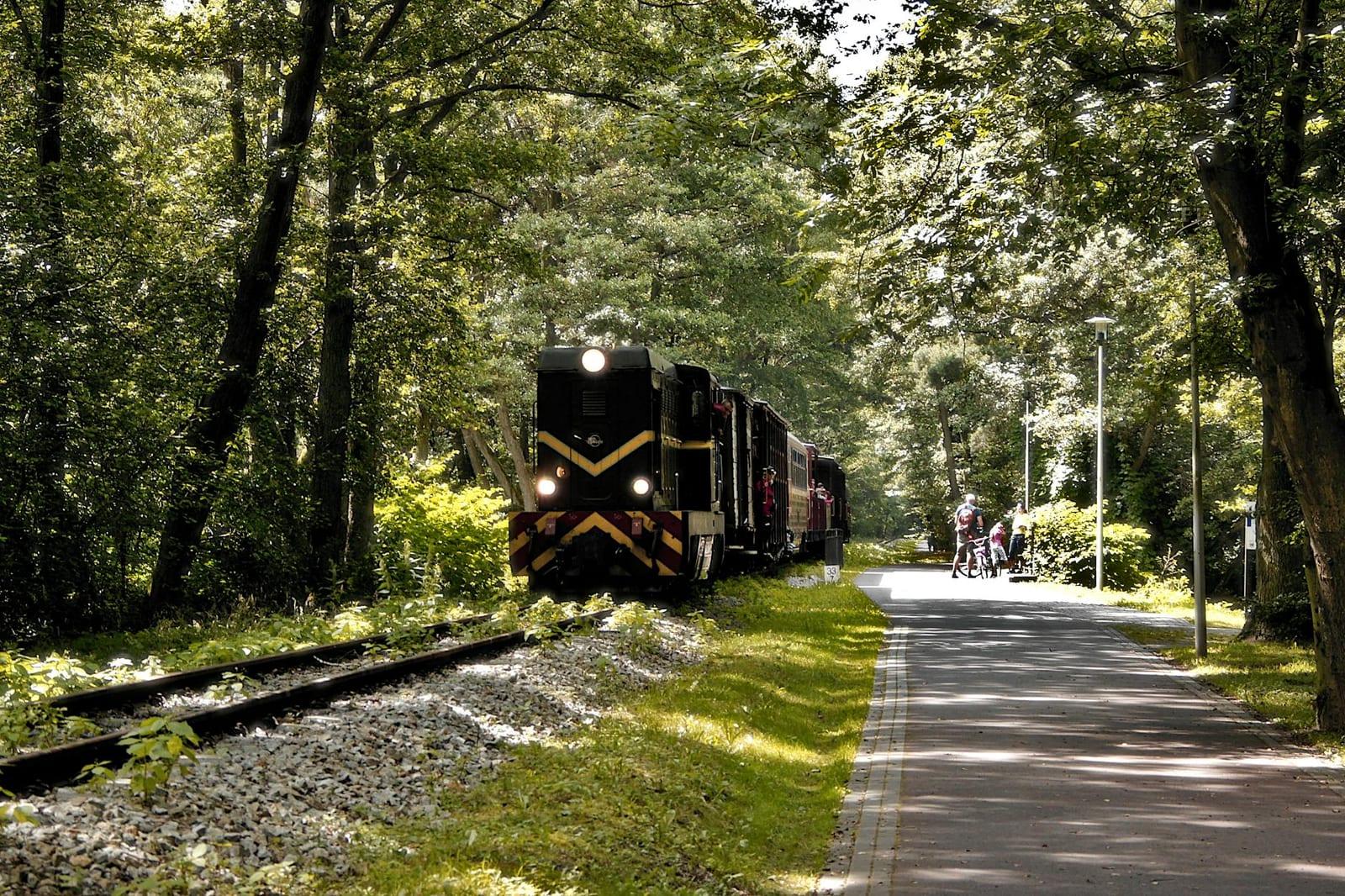
- Cycle the Railway TrailCycle the Railway Trail
- Horseshoe Bay's pink sandWalk Horseshoe Bay's pink sand
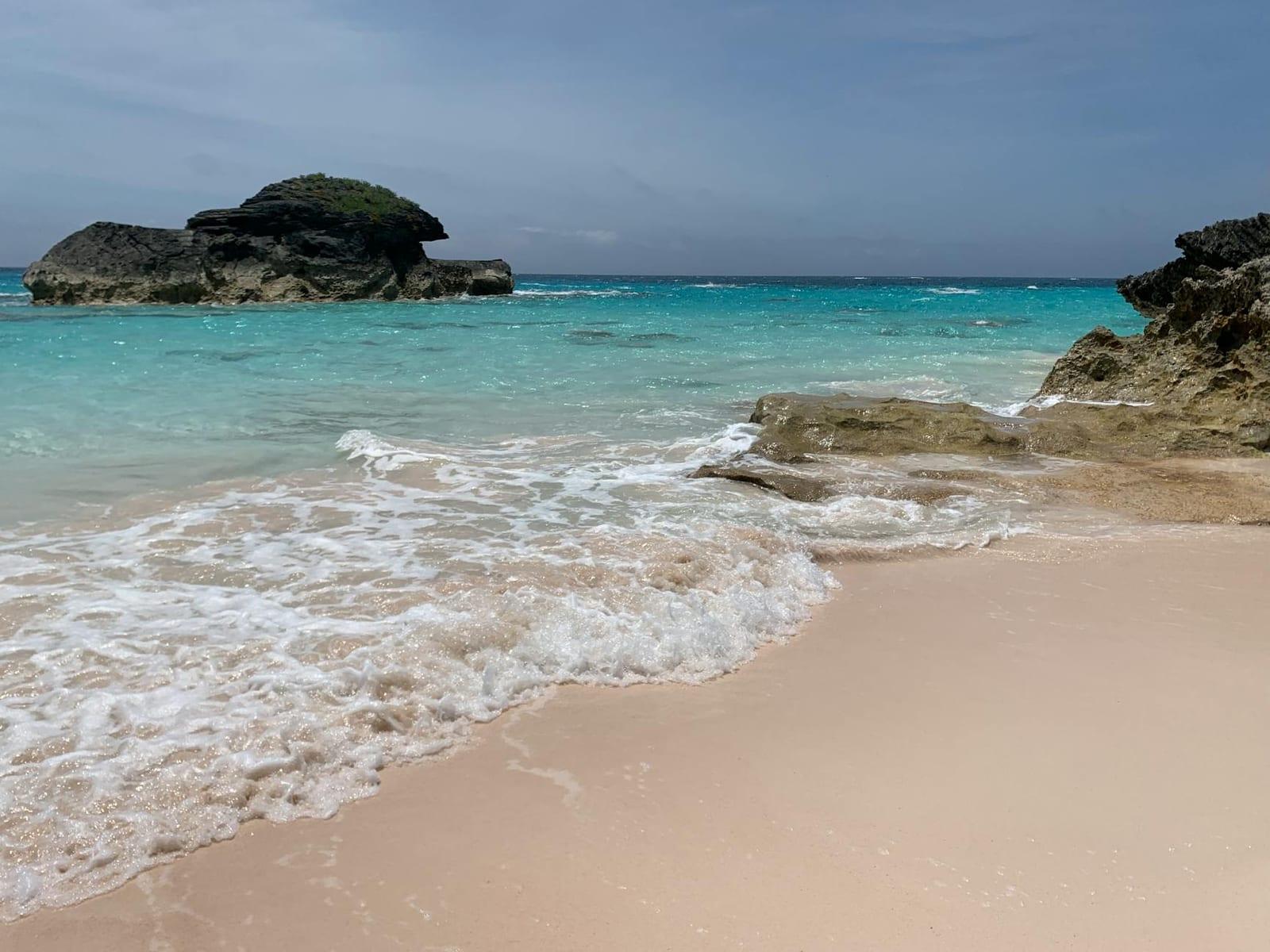
- Horseshoe BayThis white-sand beach on the southern coast is likely Bermuda’s most fabled stretch of seashore.
- Crystal CaveThis labyrinthine limestone cavern, strung with subterranean pools and channels, displays some truly glorious stalactites and stalagmites.
- Bermuda Maritime MuseumA vintage British fort provides an appropriate venue for exploring Bermuda’s backstory.
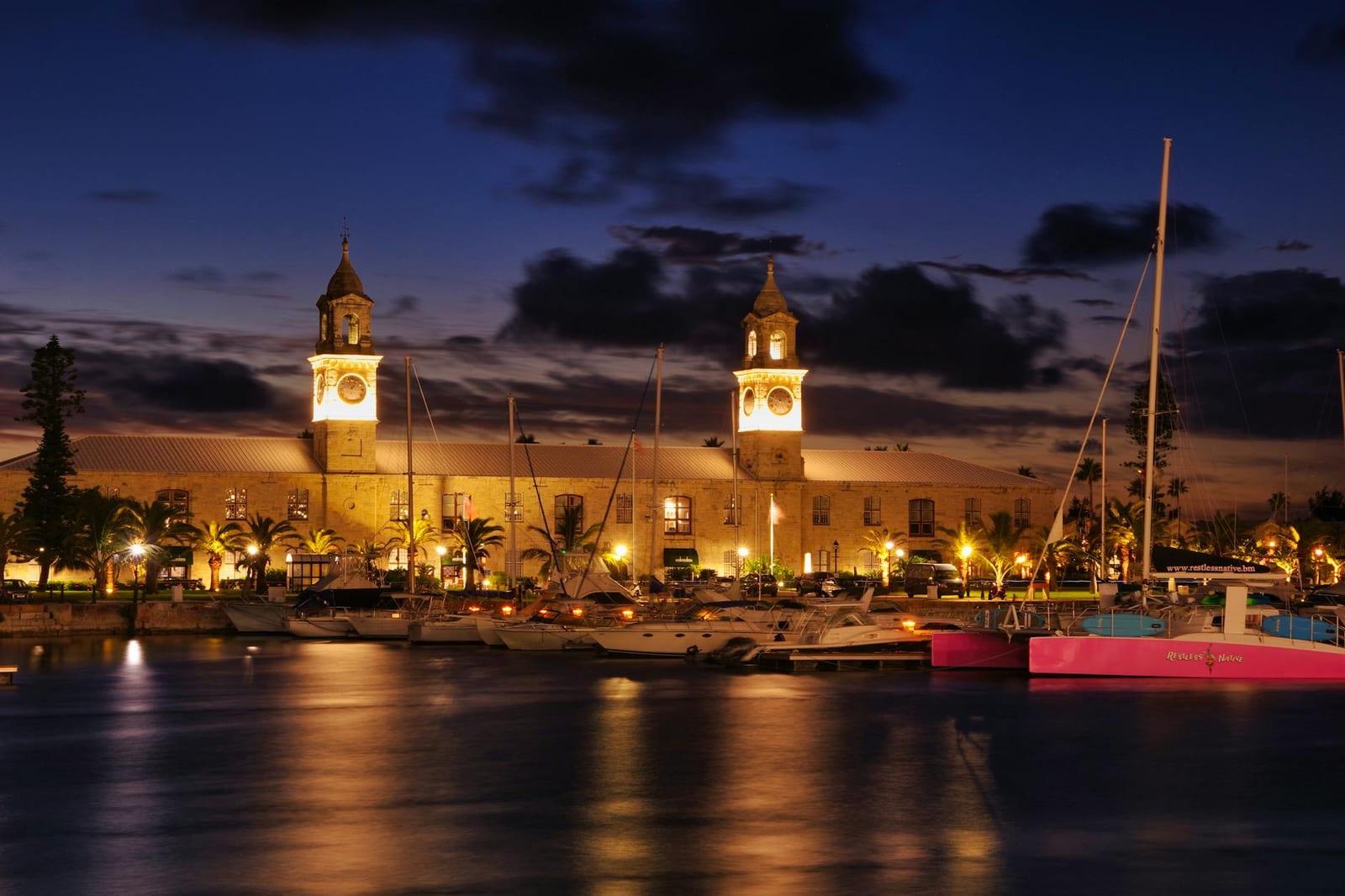
- Fort St. CatherineThe British erected the first incarnation of this St. George’s Island fort—now a military museum—back in the early 1600s.
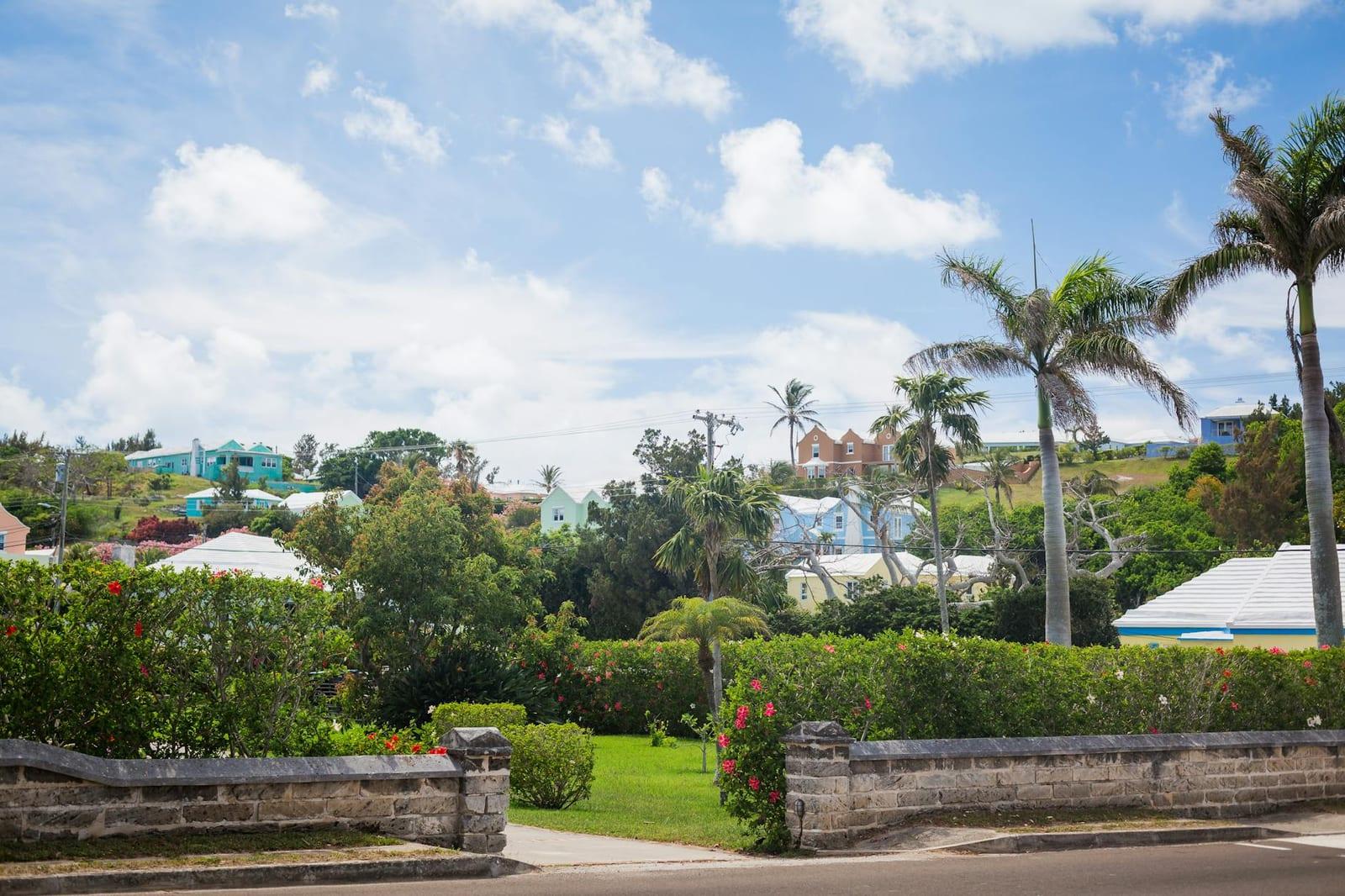
- Gibb’s Hill LighthouseThis cast-iron lighthouse first cast its beacon in 1844 and provides some unforgettable vistas.
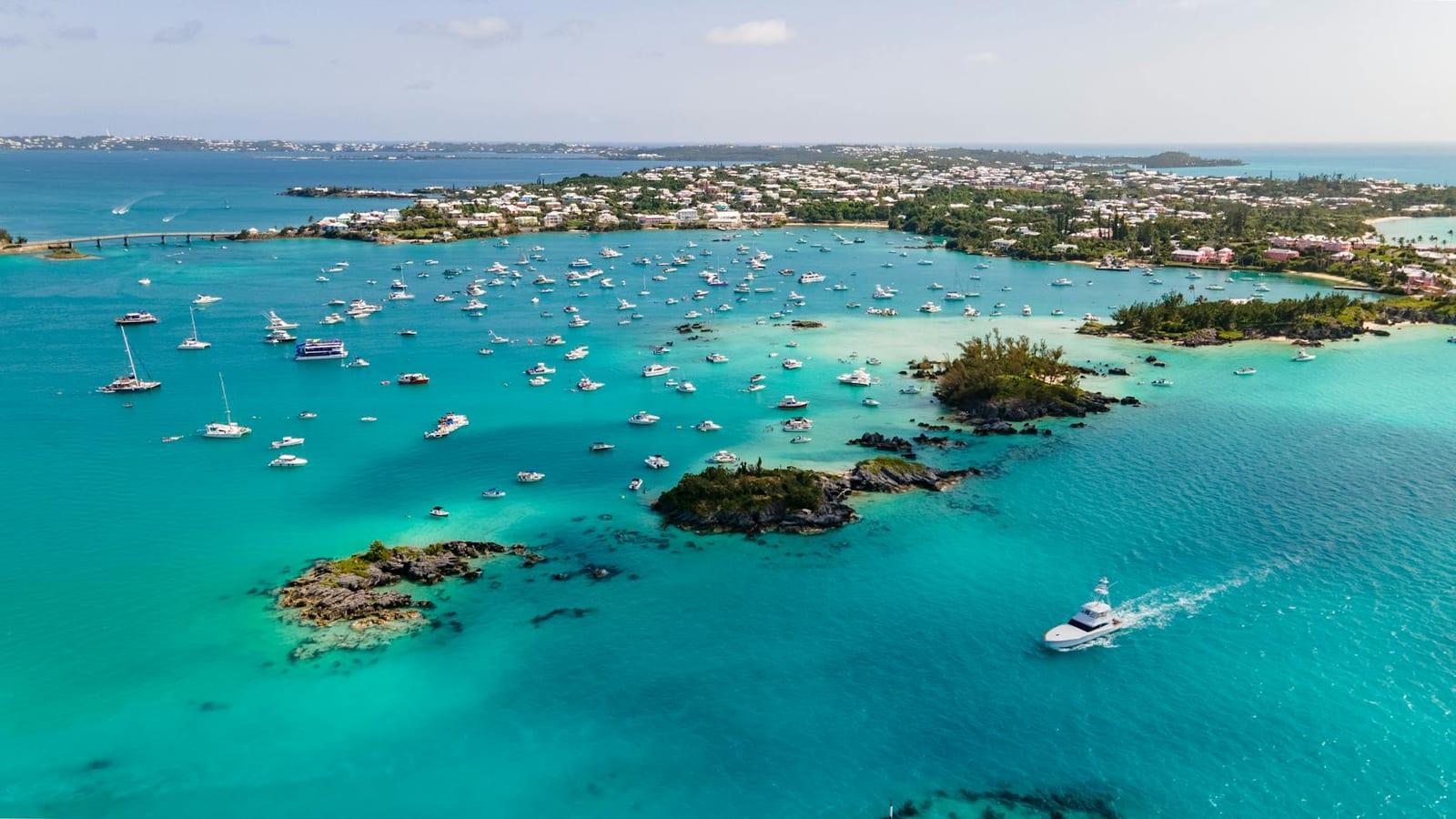
- St. George’s TownAmong the earliest British outposts in the Western Hemisphere, St. George’s includes a wealth of historical architecture, including St. Peter’s Church and the State House.
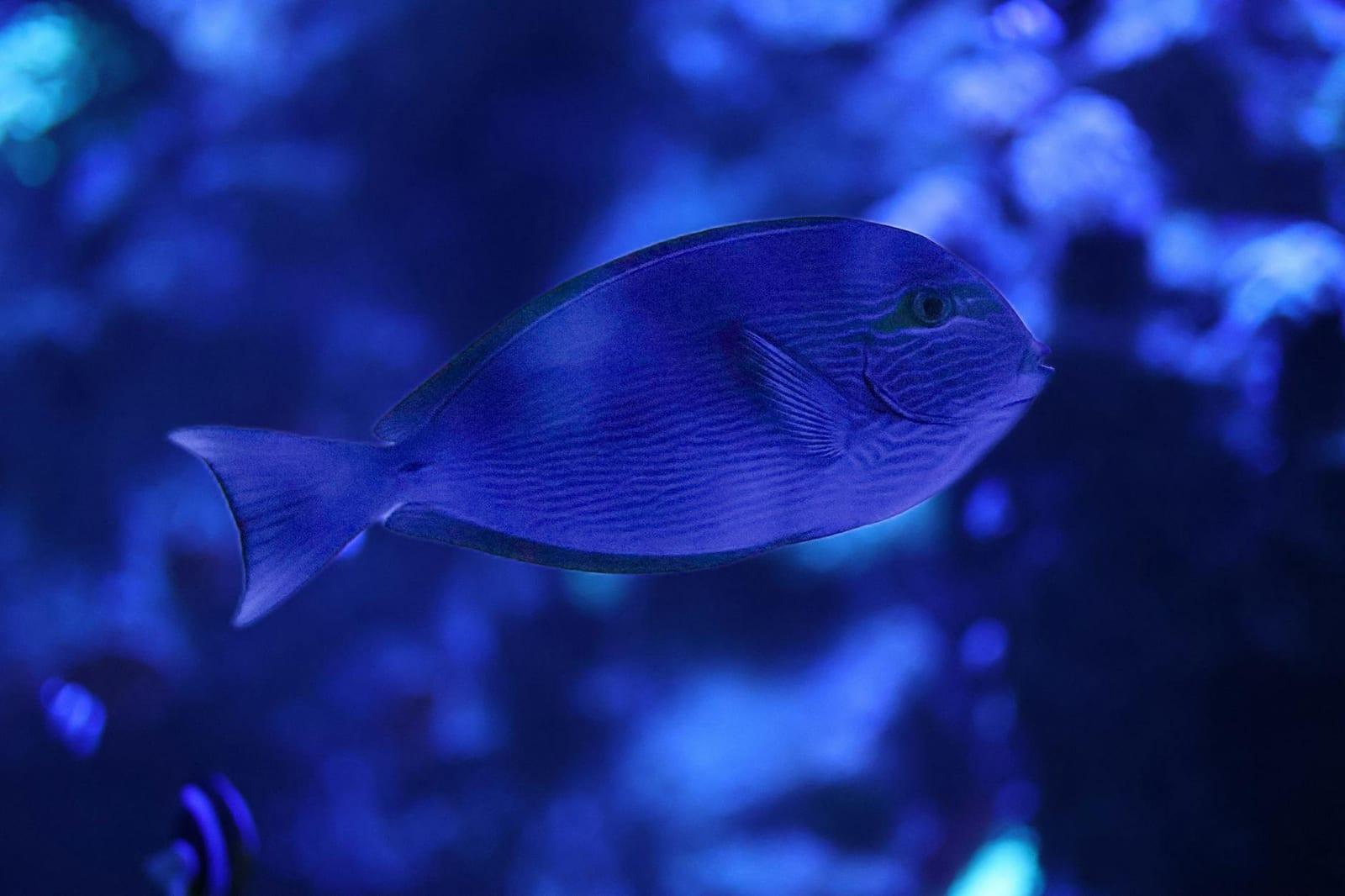
- Bermuda Aquarium, Museum and ZooThis long-running interpretive institution in Flatts Village showcases wildlife from around the world in exceptional exhibits.
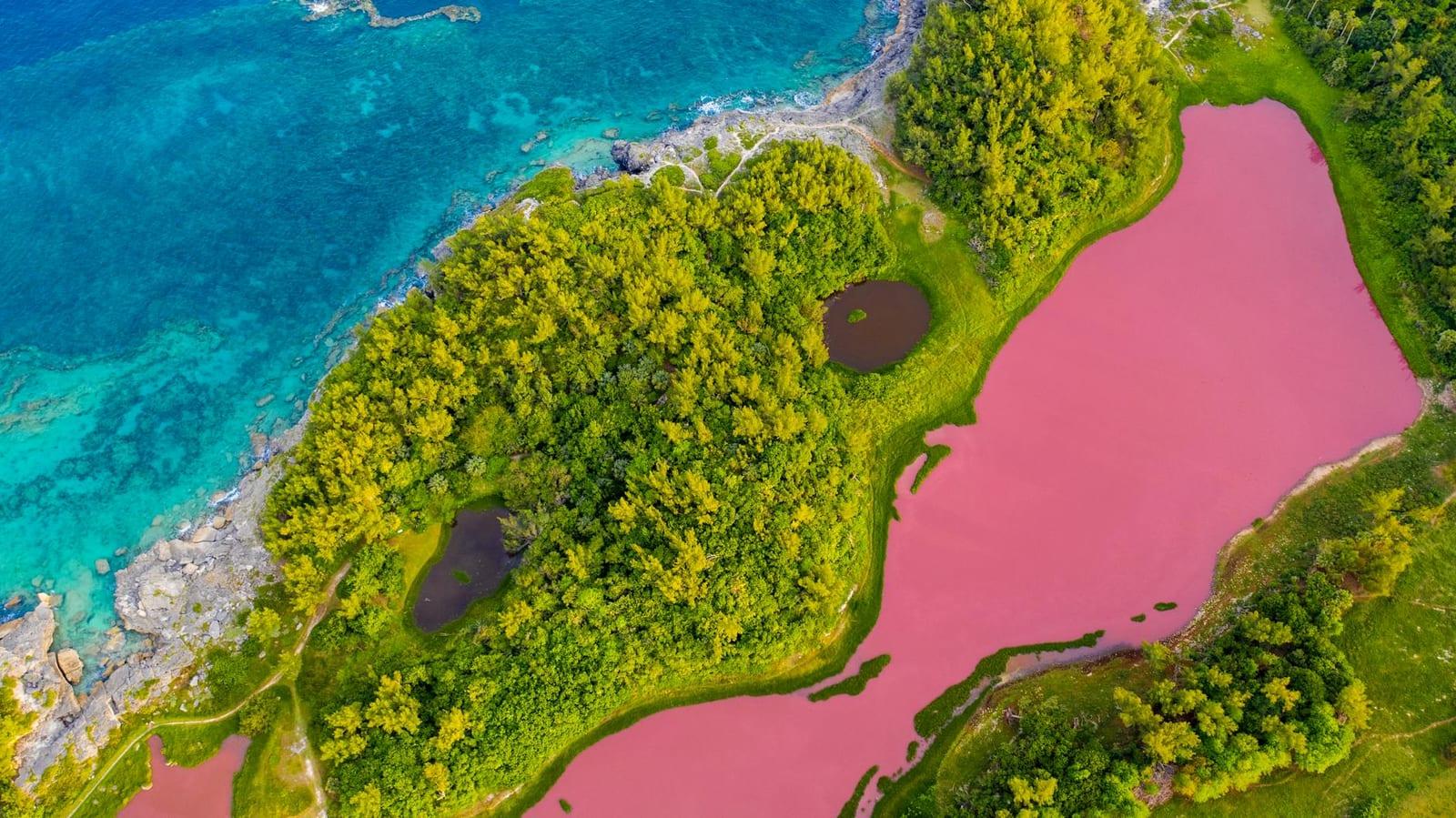
- Spittal Pond Nature ReserveThis site’s brackish wetlands and forest are a birding hotspot and also a whale-watching vantage during humpback season.