It’s hard to think of a place that compares with Bhutan: a country of sublime beauty and deep spirituality that bucks commercialism and resource exploitation in favor of national happiness and environmental protection. Here in the domain of the world’s grandest mountain range are scenes of almost unbelievable beauty: ornate Buddhist monasteries and swaying conifer forests beneath a cloud-splitting wall of glacial ramparts. As part of its commitment to protecting Bhutan’s time-honored traditions, harmony-focused society, and natural treasures, the government requires tourists to pay a tariff and possess a travel permit at all times—protocols made more than worth it by the magic in store.
The Kingdom of Bhutan—also called Druk Yul, “the Land of the Thunder Dragon”—is dominated by the Himalaya, which fortress the country’s north; the highest summit, 24,840-foot Gangkhar Puensum, is sometimes regarded as the loftiest unclimbed mountain peak on Earth. Those with the stamina can explore the rarefied alpine realm by attempting the legendary Snowman Trek, a multi-week adventure that links the town of Paro and the remote mountain village of Lunana via passes as elevated as 17,400 feet.
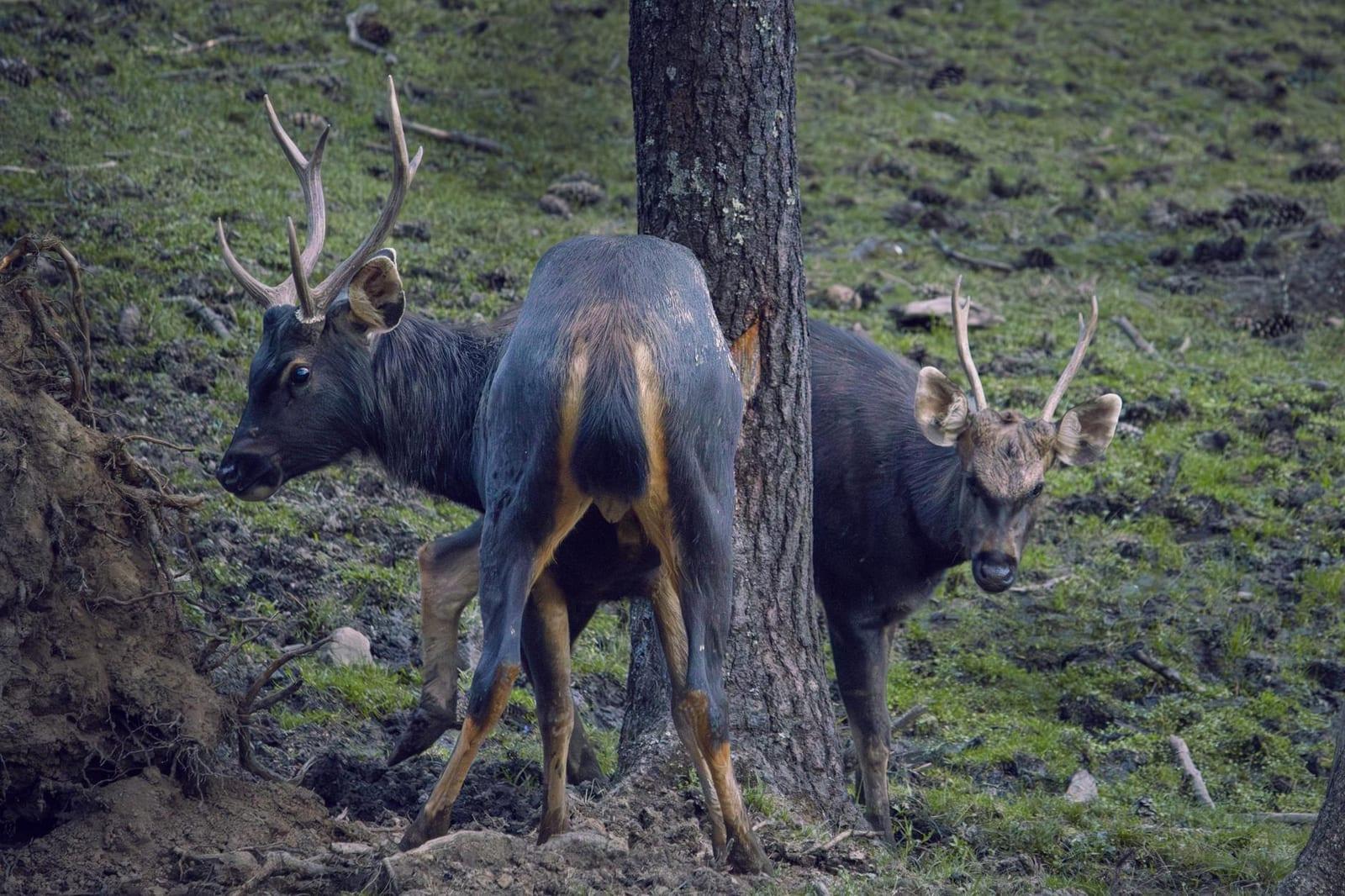
Whether you’re a hardcore Snowman pilgrim or have more modest hiking ambitions, Bhutan’s heraldic landscapes are irresistible to the eco-wanderer—not least because of the country’s globally outstanding biological riches. Compared with the many overpopulated, heavily altered corners of Asia, Bhutan is an ecological paradise: The strongly Buddhist ethics and low population have mostly safeguarded the stunning spectrum of ecosystems from major exploitation, and its extensive national parks and wildlife sanctuaries are among the finest in the Himalayan zone. Here you can journey to roof-of-the-world glaciers and snow-leopard crags in Jigme Dorji National Park, roam vast middle-elevation forests in Jigme Singye Wangchuck National Park, and track Asian elephants and gaur in the lowland forests of Khaling Wildlife Sanctuary.
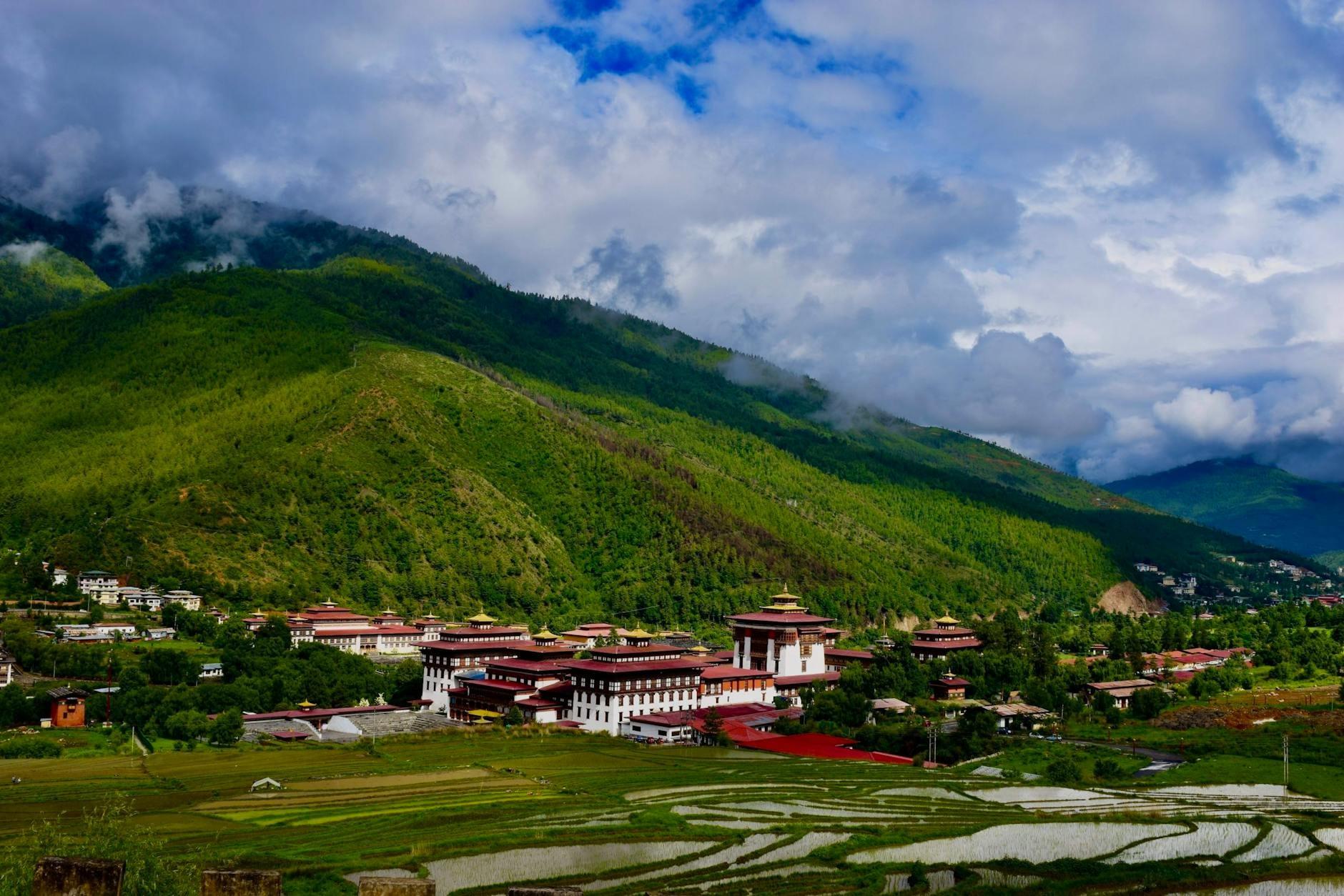
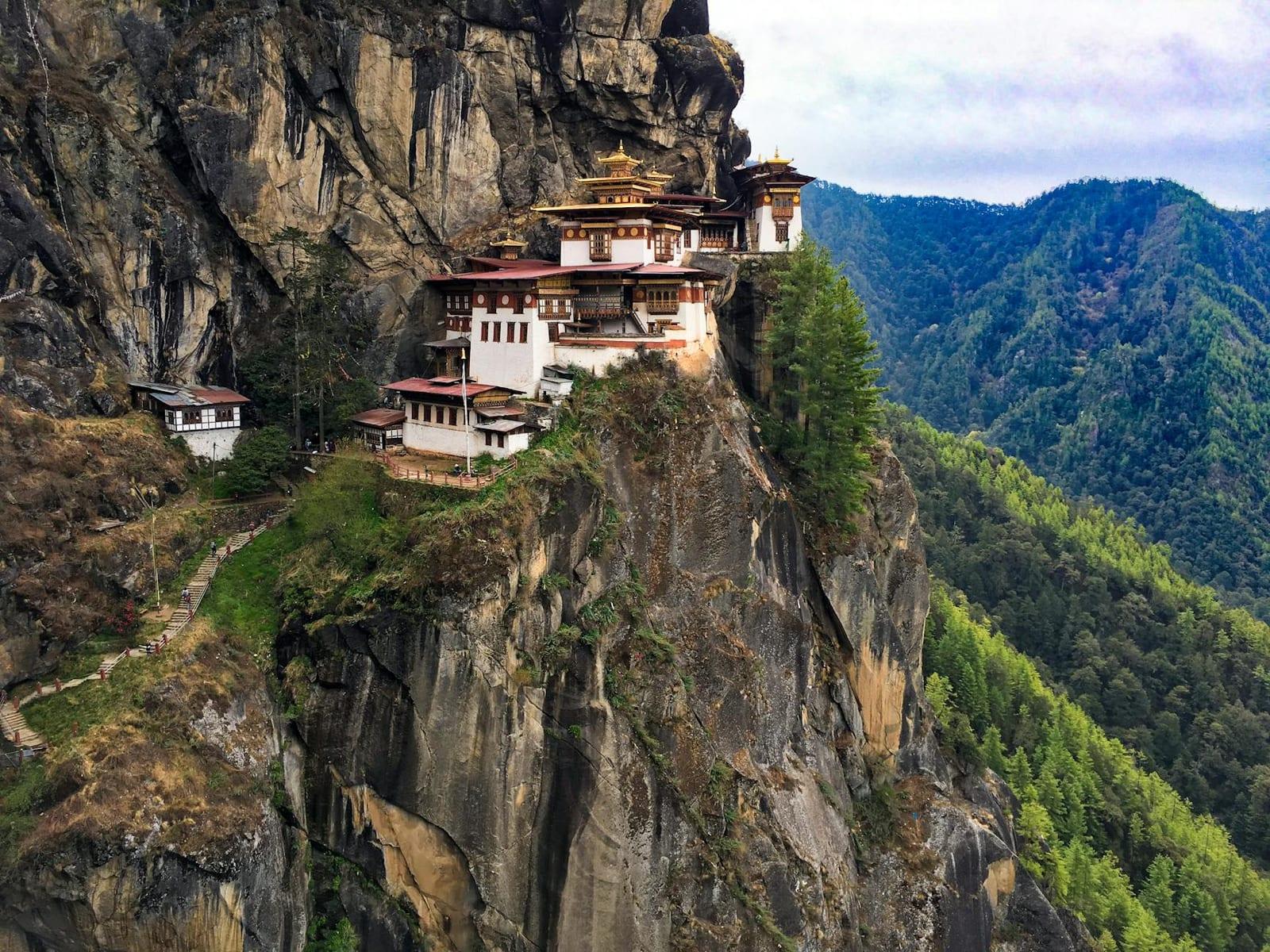
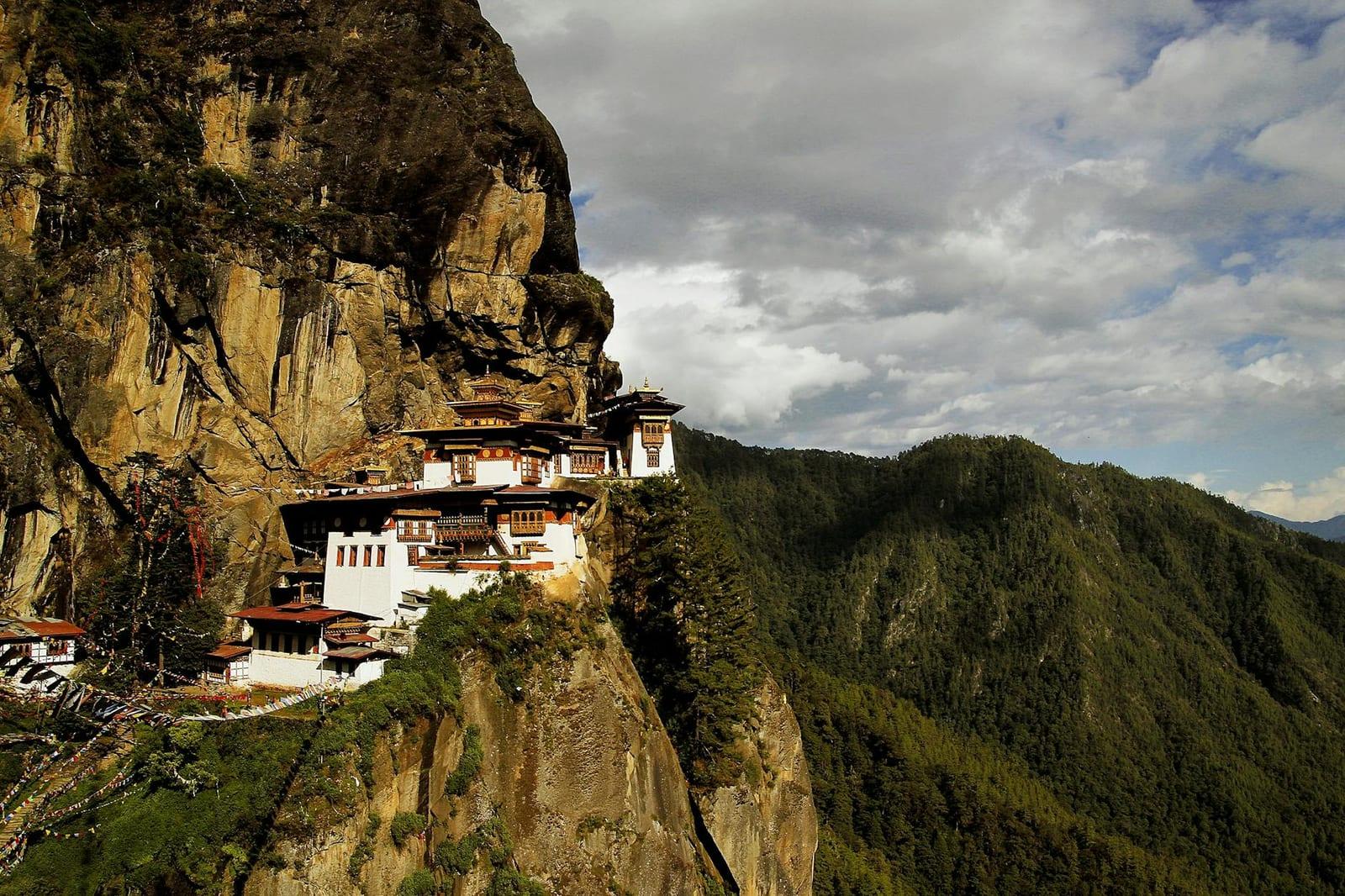
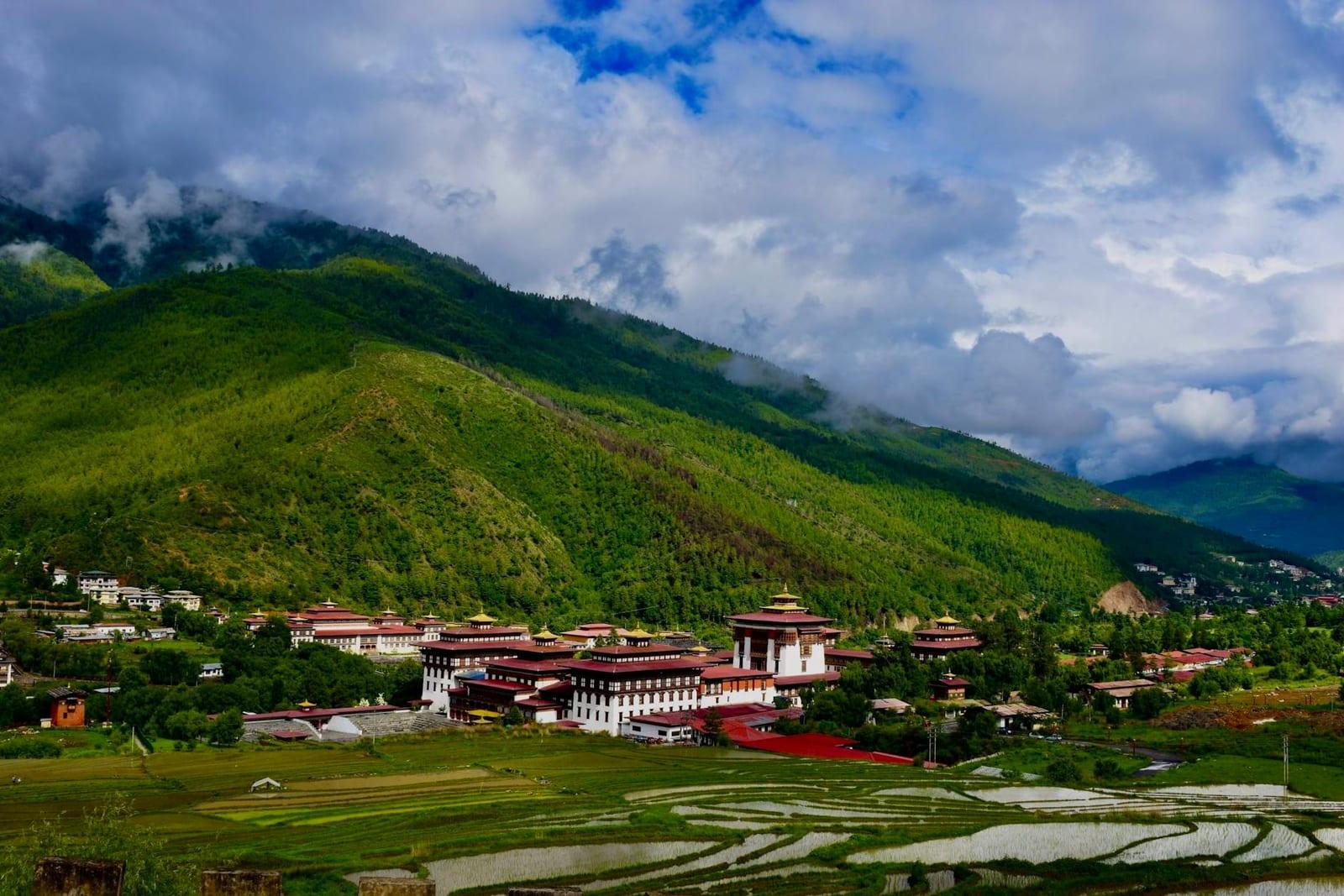
As enthralling as ice-wrapped peaks and piney foothills are, be sure to take note of Bhutan’s cultural glories, which include some of the most significant and well-preserved shrines and monasteries in the Buddhist world. These include the cliff-perched Taktsang (Tiger's Nest) Monastery in the Paro Valley and the towers and temples of Tashichho Dzong in Thimphu.
Whether it’s the Buddhist heritage, the ecological splendor, or the novelty of "Gross National Happiness" that draws you, Bhutan stands apart. You hear the term “Shangri-La” bandied about a lot among Bhutan devotees: And it only takes one look at this high-country kingdom reveals why.
12 things not to miss.
- Tiger's Nest (Paro Taktsang)Hike to Tiger's Nest (Paro Taktsang)
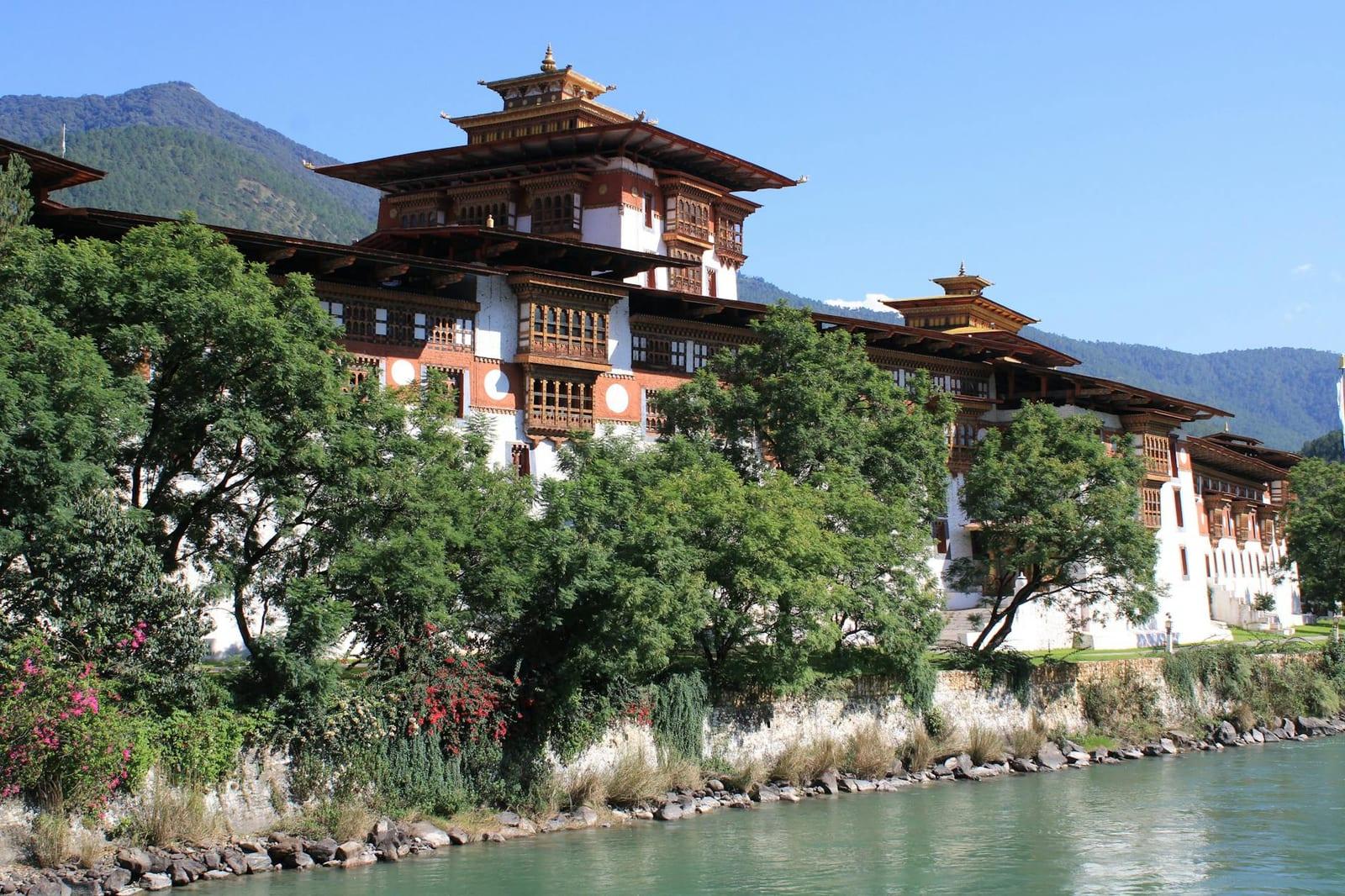
- Punakha Dzong at the river junctionVisit Punakha Dzong at the river junction
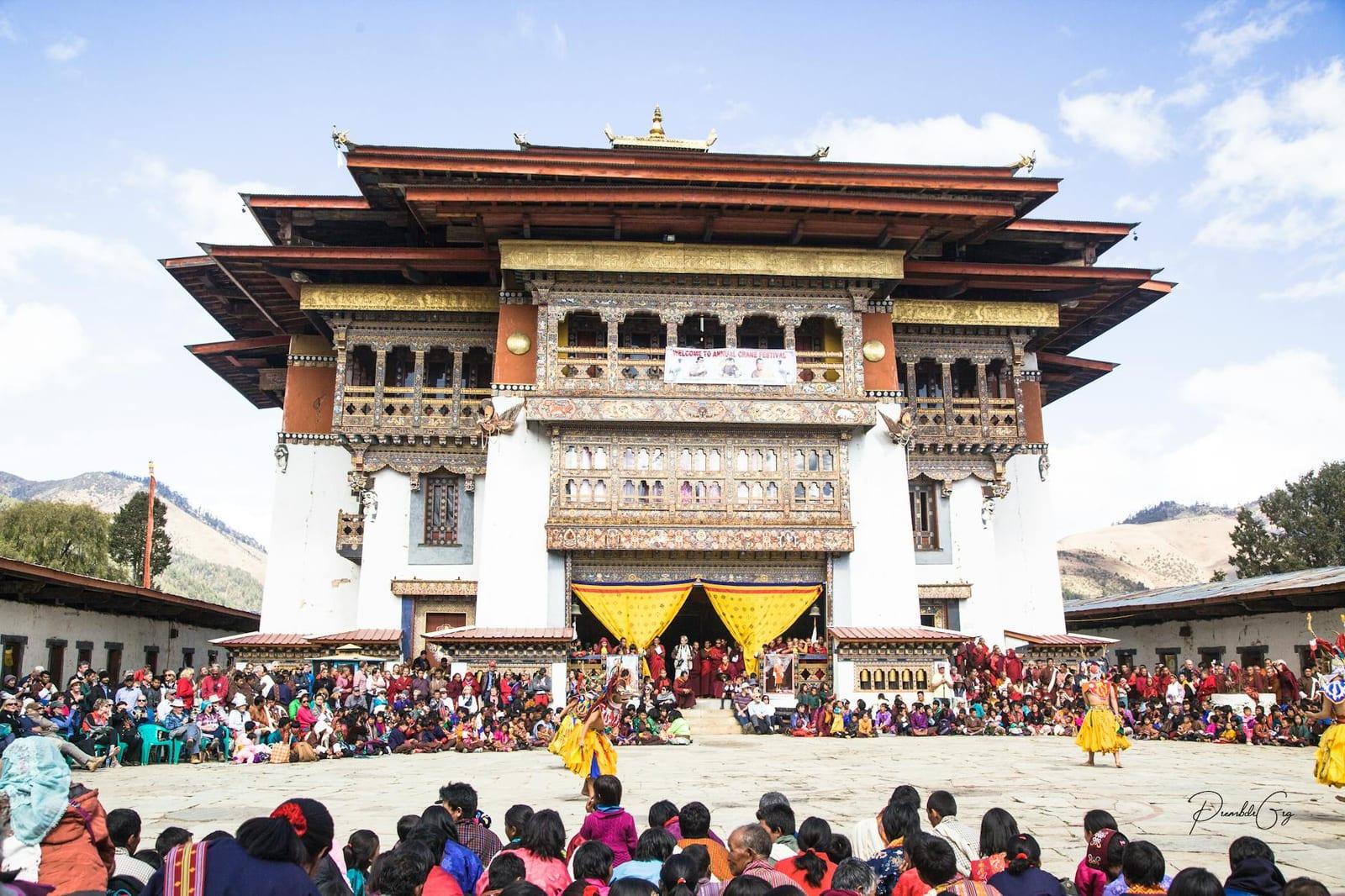
- a section of the Druk PathWalk a section of the Druk Path
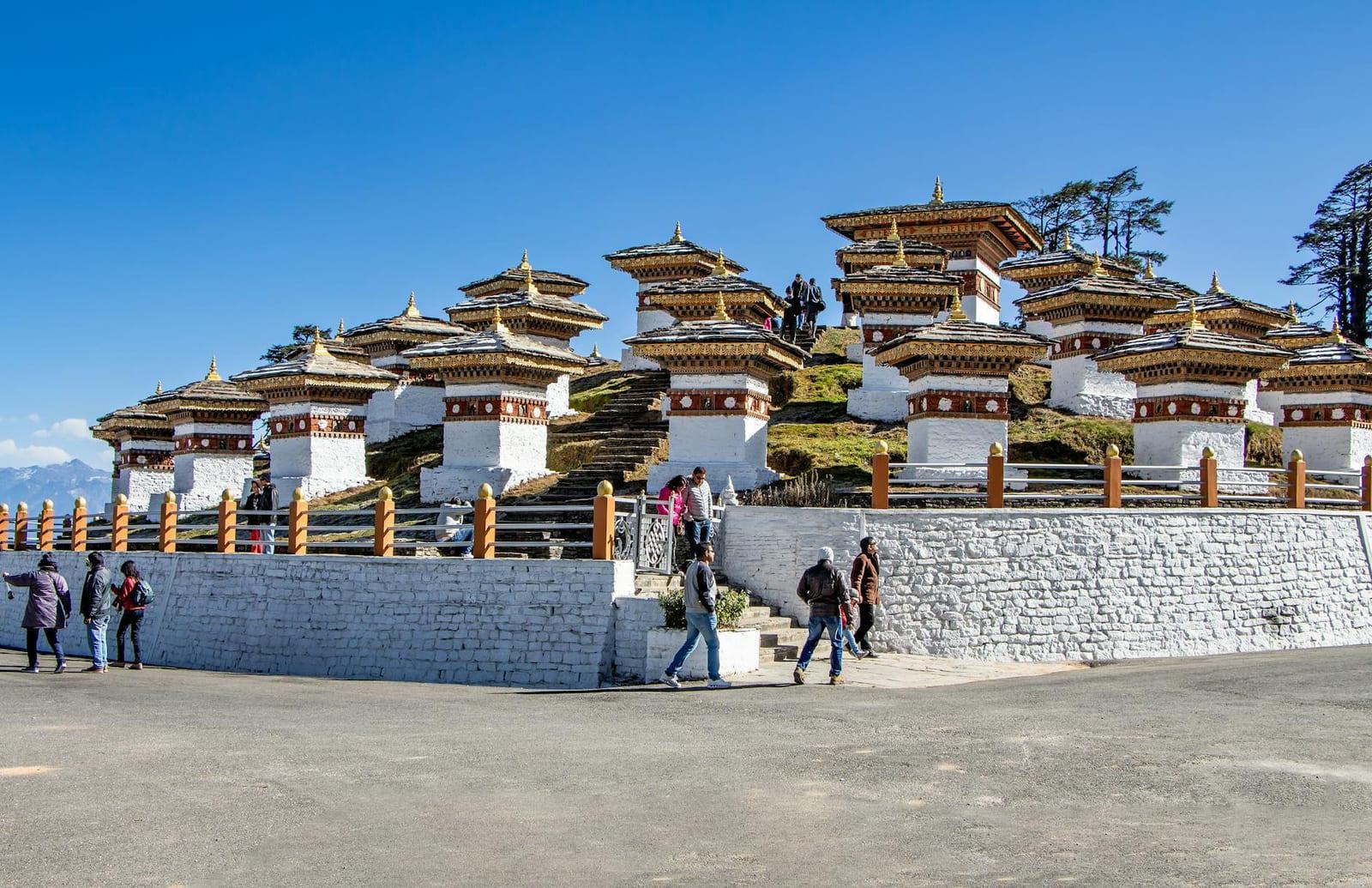
- Dochula PassFrom this high pass, marked by Buddhist stupas, you’ve got a killer Himalayan prospect—including 24,840-foot Gangkhar Puensum, Bhutan’s crown.
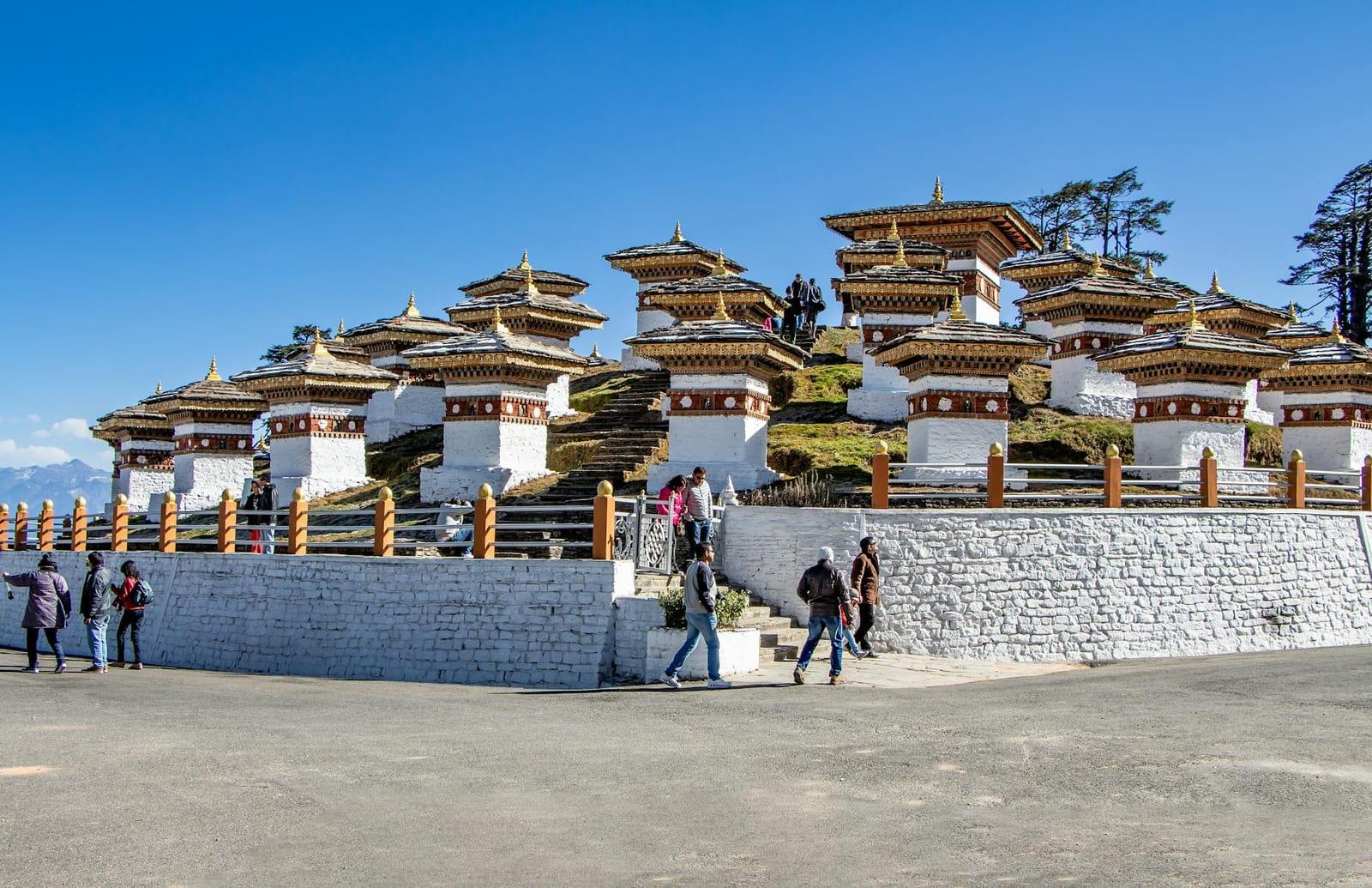
- LunanaTucked away high in the Bhutanese Himalaya, this village serves as the endpoint of the country’s renowned Snowman Trek.
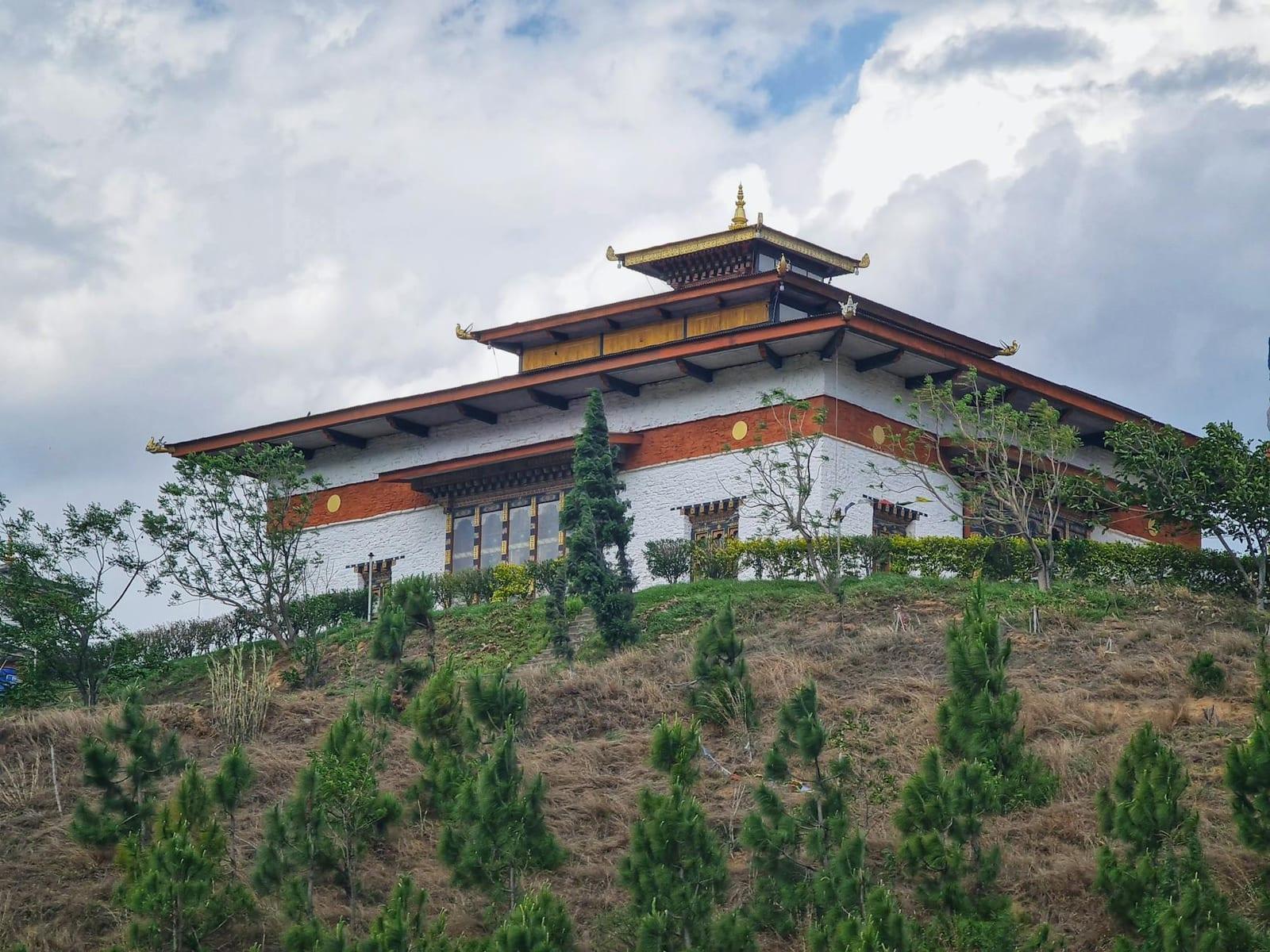
- Taktsang (Tiger’s Nest) MonasteryThis cliff-hugging 17th-century monastery marks an ancient meditation cave of Padmasambhava, said to have brought Buddhism to Bhutan.
- Punakha DzongThis 17th-century palace, an example of Tibetan Buddhist dzong architecture, is one of Bhutan’s most beautiful buildings.
- Tashichho DzongThimpu’s huge dzong functions both as a Buddhist monastery and a house of national government.
- Jigme Dorji National ParkThis enormous sanctuary, rising from evergreen forest to Himalayan glaciers, is among the few parks harboring both tigers and snow leopards.
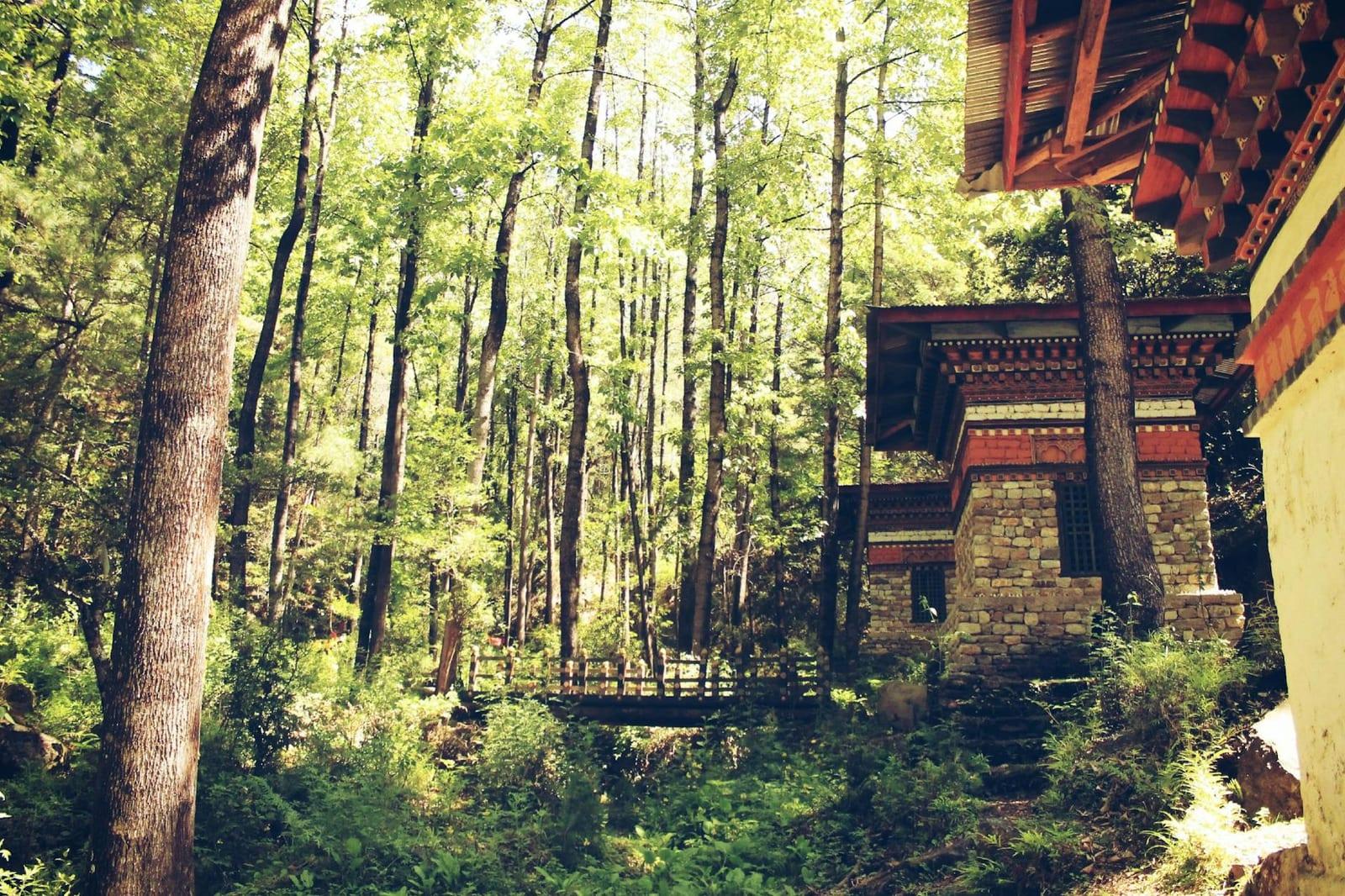
- Jigme Singye Wangchuck National ParkThis superlative park shelters the rare, sacred black-necked crane as well as one of the largest old-growth forest tracts in the Himalaya.
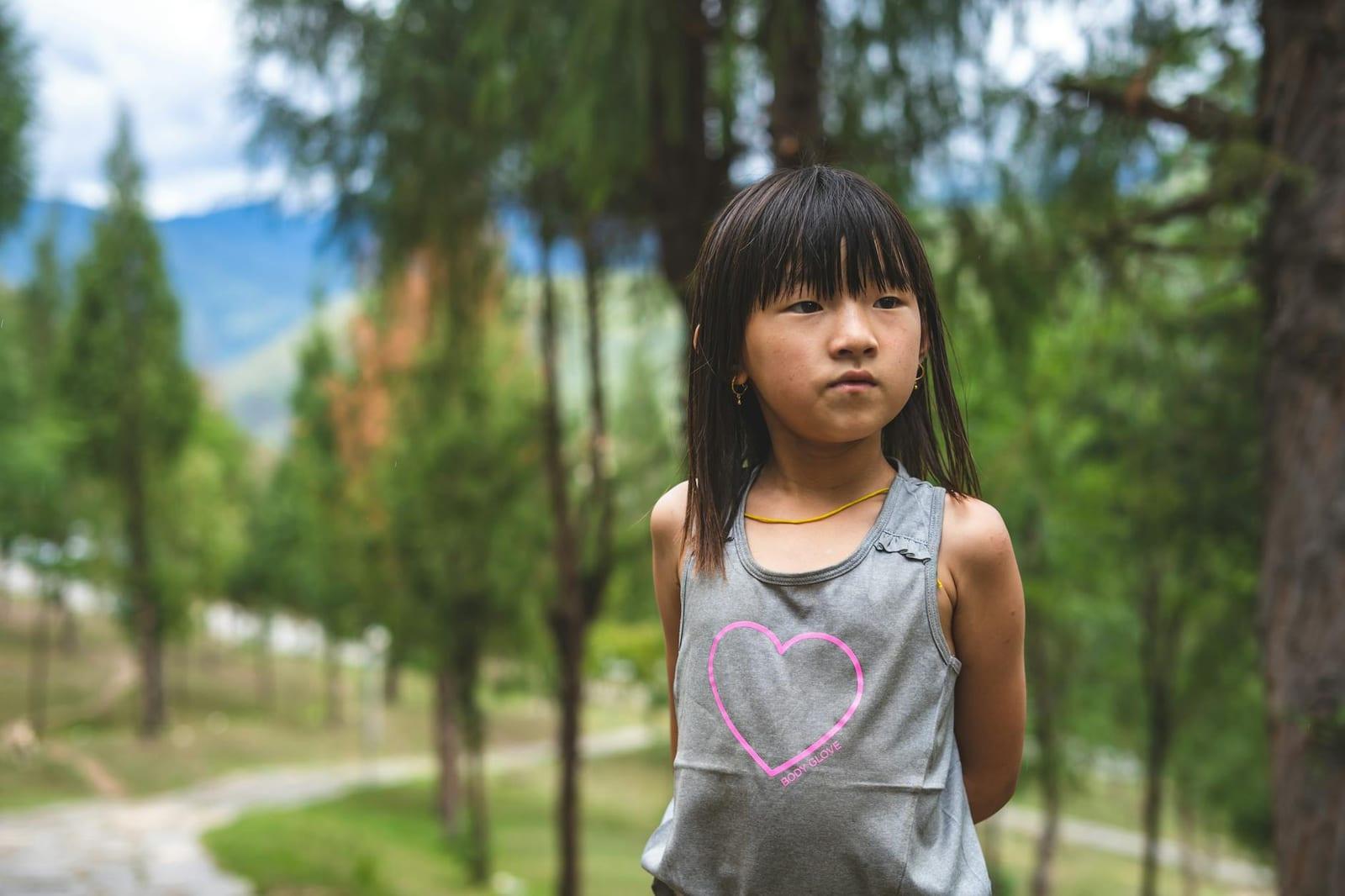
- Phrumsengla National ParkA range of gorgeous forests (including virgin fir woods) and rich birdlife distinguish Phrumsengla, reachable by the high-elevation Lateral Road.
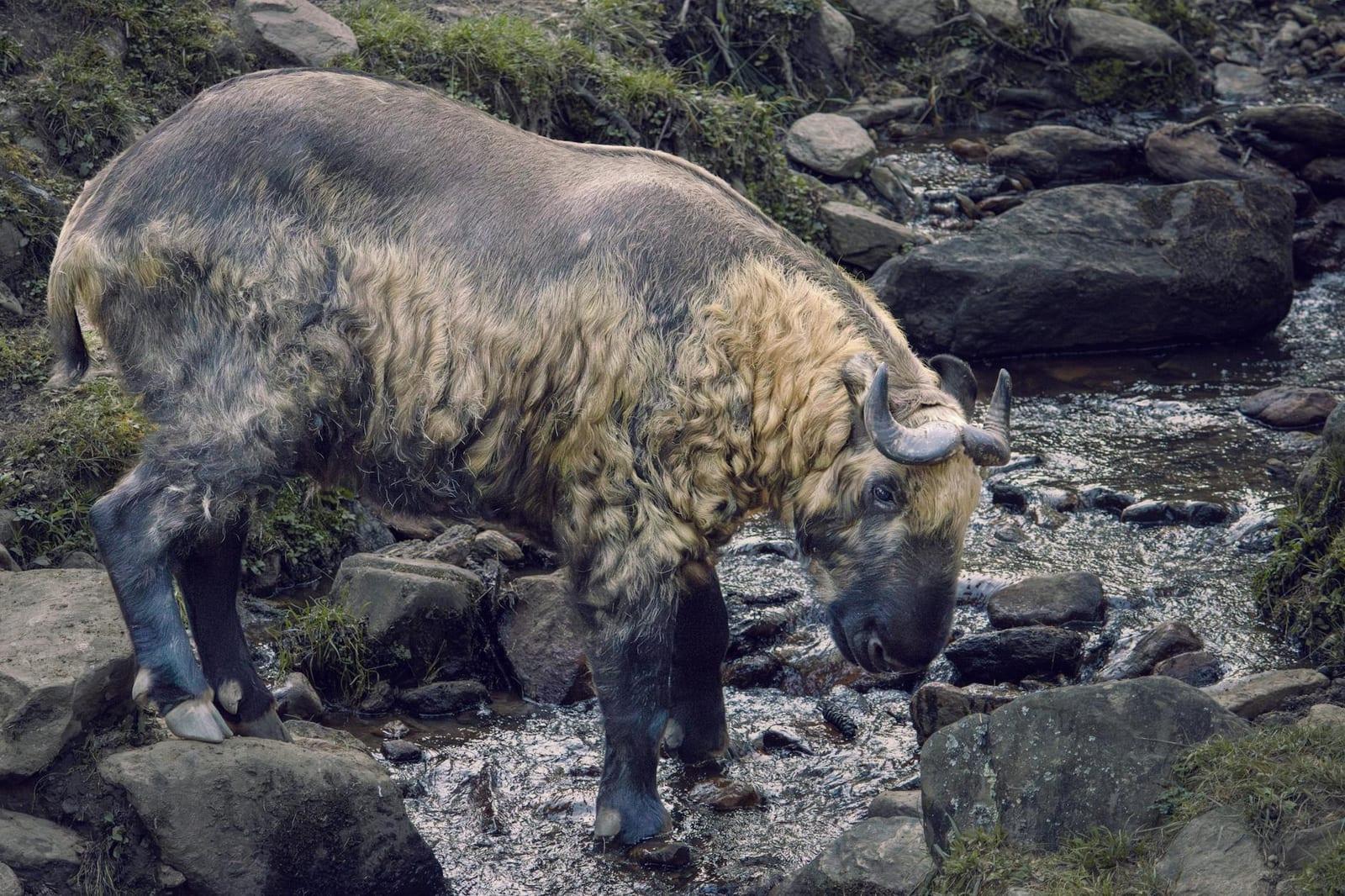
- Phibsoo Wildlife SanctuaryPhibsoo offers some of the best opportunities in Bhutan to see tropical lowland mammals like Asian elephant, gaur, and Ganges River dolphin.