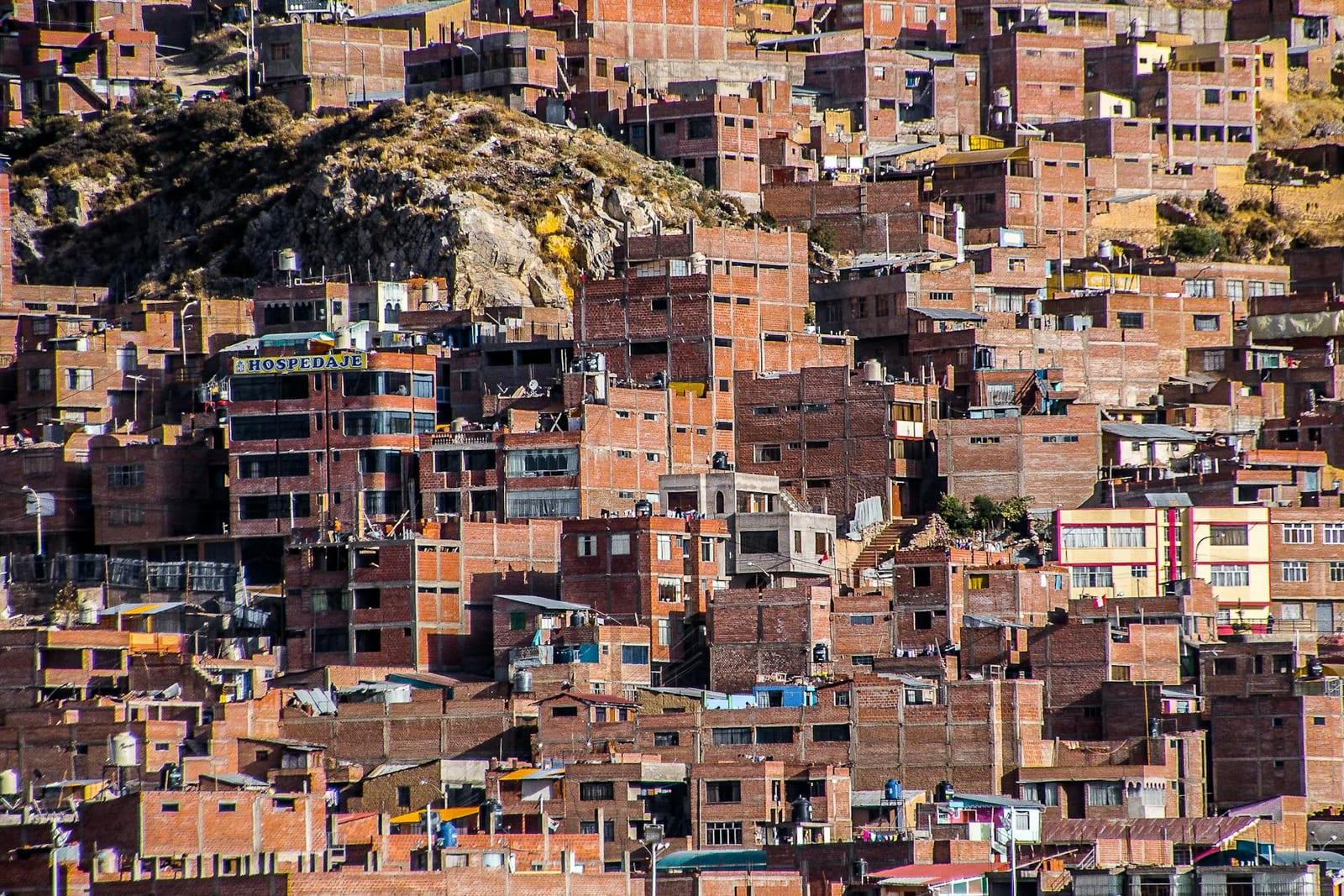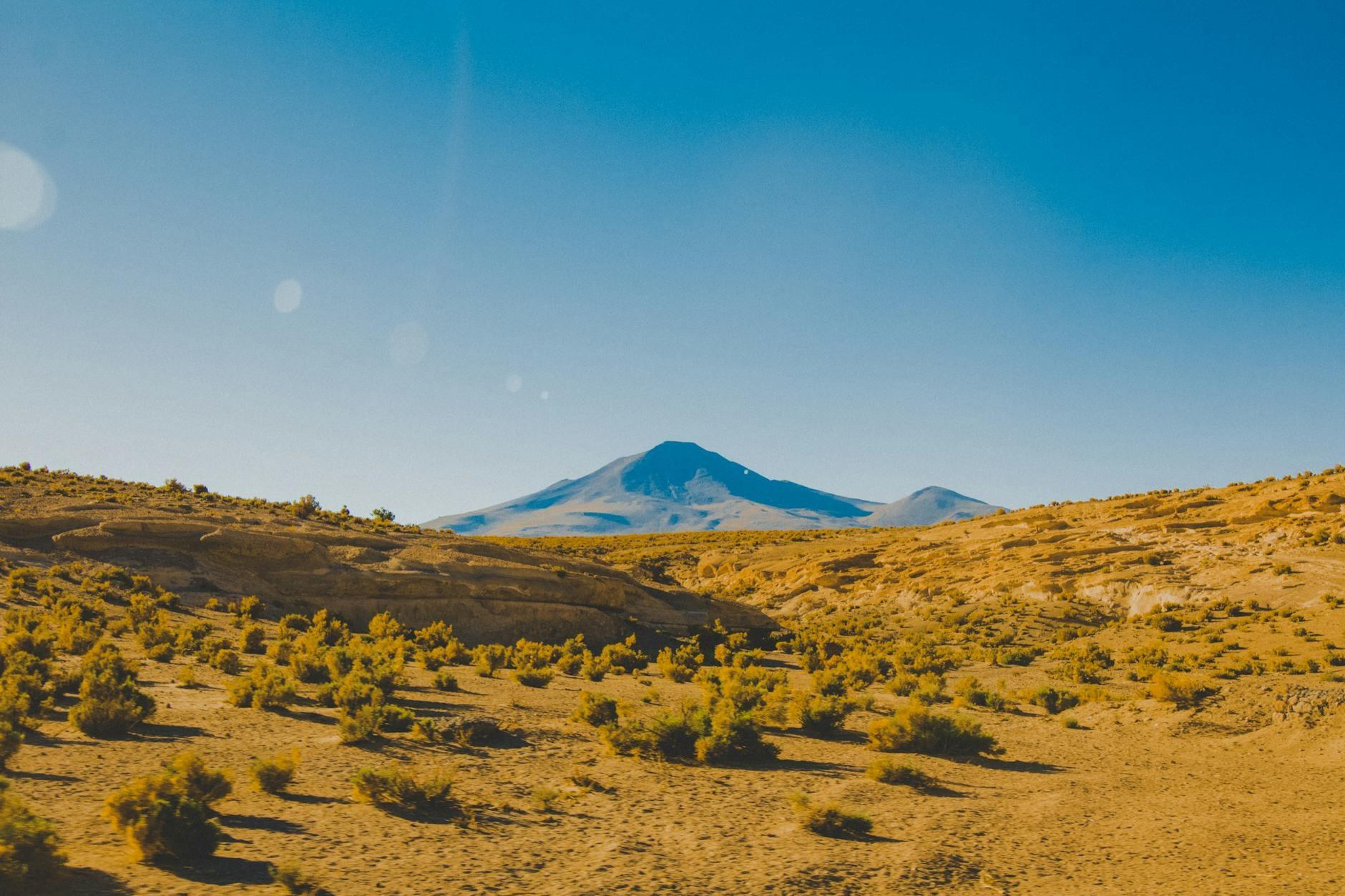
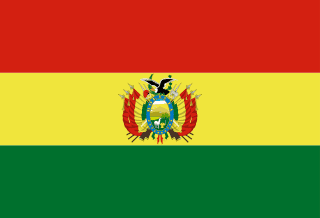
Bolivia may just be South America’s most beguiling country. There’s wilderness here of epic scale, from the depths of the Amazon to the windswept Altiplano between the country’s two Andean ranges. And no other corner of the continent is so predominantly indigenous: Some 60 percent of Bolivians are Amerindian. This is a destination that sings to the explorer in all of us—and reveals a precious diverse cross-section of humanity.
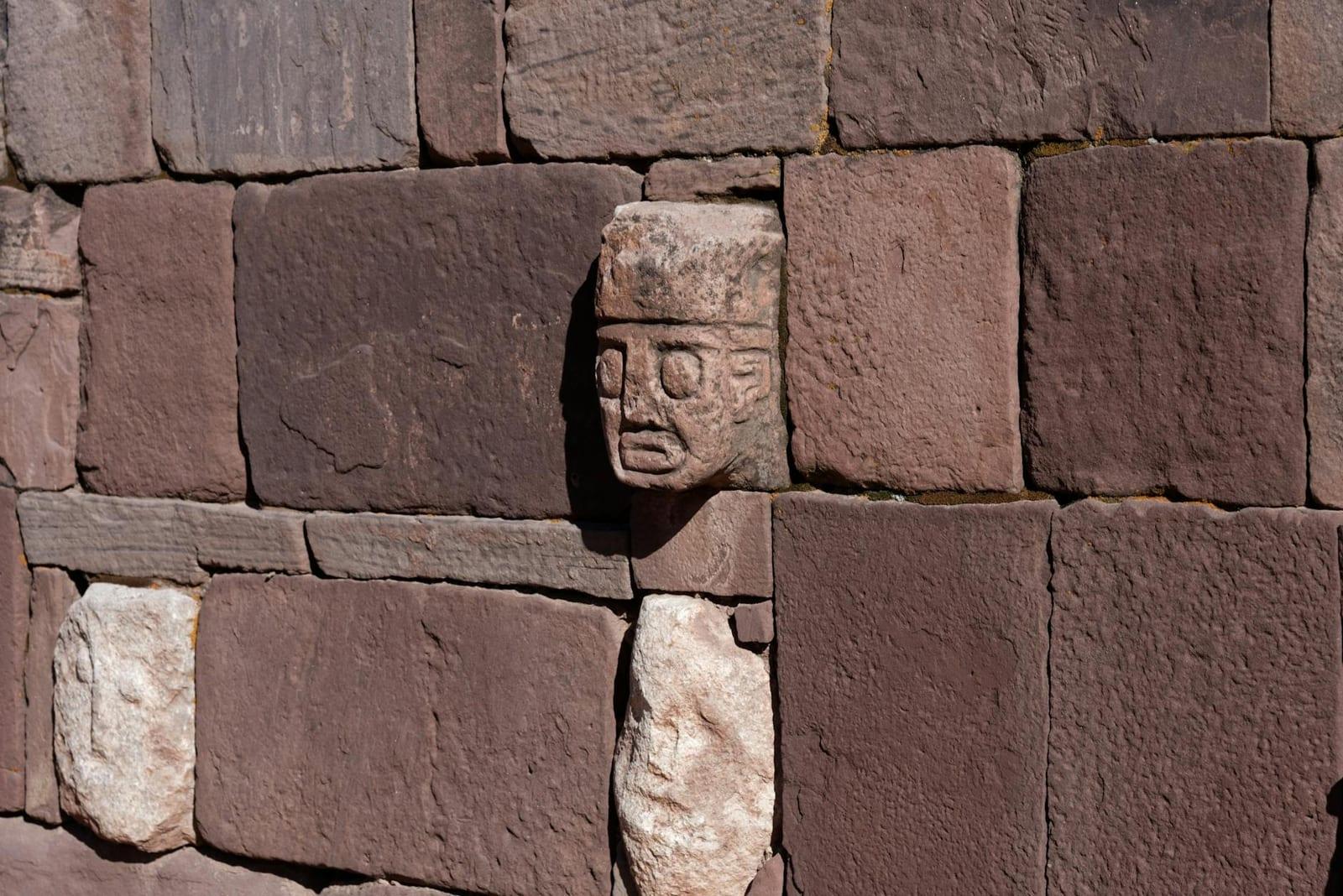
There’s an amazing chronicle of aboriginal history behind Bolivia’s multiethnic demographics: The Andean highlands fostered mighty agricultural empires such as the Tiwanaku, the Aymara, and—most imperial of all—the Incas, while the hunter-gatherers of the rainforest lowlands maintained their lifeways without much interference from the mountain superpowers. (The city of Tiwanaku, a UNESCO World Heritage Site near Lake Titicaca, reflects the eponymous civilization’s onetime glory and ranks among the continent’s most significant pre-Columbian monuments.) Despite the brutal ravages of Spanish colonialism—which dismantled the Incan kingdom by the 1530s and enslaved many Amerindians for harsh work in Andean silver mines—Bolivia’s indigenous peoples remain a fundamental part of the country’s political and cultural character.
Some of South America’s rawest and most sublime landscapes compose Bolivia, one of only two landlocked countries on the continent. (The War of the Pacific, fought from 1879 to 1883 between Chile and a Bolivian-Peruvian alliance, resulted in the former annexing Bolivia’s onetime coastal province, Litoral.) The Bolivian Andes are split between two parallel ranges: the Cordillera Occidental, which includes the country’s highest peak (21,463-foot Nevado Sajama), and the Cordillera Oriental; with the semi arid plateau of the Altiplano straddling the sub-ranges. Split with Peru, Titicaca—the loftiest navigable lake on Earth—lies above 12,000 feet on the Altiplano, its snowpeak-swaddled, cloud-mirror sprawl sure to lodge firmly in the memory of any visitor. Visible from the lake, the shining heights of the Cordillera Real (part of the Cordillera Oriental) are some of Bolivia’s handsomest mountains; in their lee, the steep mist jungles of the Yungas drop to the Amazonian rainforests.
Ecotourists discover internationally significant nature preserves in Bolivia. Two standouts are Noel Kempff Mercado National Park in the northeast, which bridges the Cerrado tropical savannas and the Amazon rainforest, and Madidi National Park in the northwest, which links the skyscraping Apolobamba range of the Andes with Amazonian lowlands. The biological diversity in such vast, multi-ecosystem parks exceeds that of many entire countries; Madidi, for example, serves as home for 11% of the globe’s bird species.
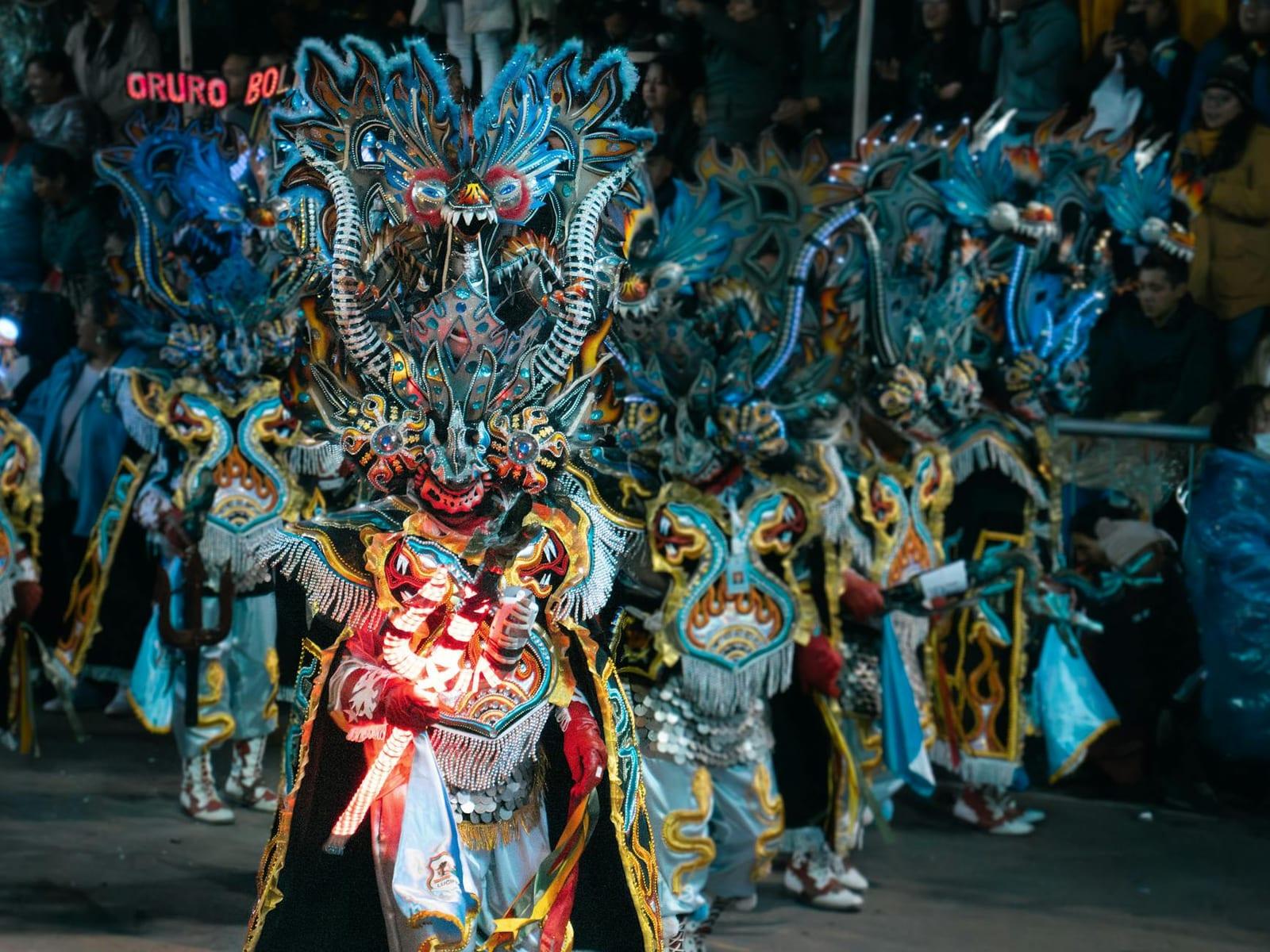
When you’re not pilgrimaging through the high Andes or taking a guided safari into the rainforest homeland of the Guarani, Bolivia’s cities are lively cultural showcases. Sucre’s dazzling, its impeccably preserved colonial heart honored as a UNESCO World Heritage Site. La Paz, strikingly set in the shadow of Illimani (greatest summit in the Cordillera Real), has an impressive collection of museums, some important colonial cathedrals, and pleasantly thronged markets. Of all Bolivia's carnival celebrations, meanwhile, Ororo's is the best-known: Its centerpiece is the Diablada (“Dance of the Devils”), deeply rooted in pre-Columbian Andean society.
Whether it’s an Aymaran vendor in a city bazaar, the fresh-laid track of a jaguar in riverbank mud, or the play of cloud shadows across a barren Andean massif, forays in Bolivia turn up visions of South America’s ancient spirit.
13 things not to miss.
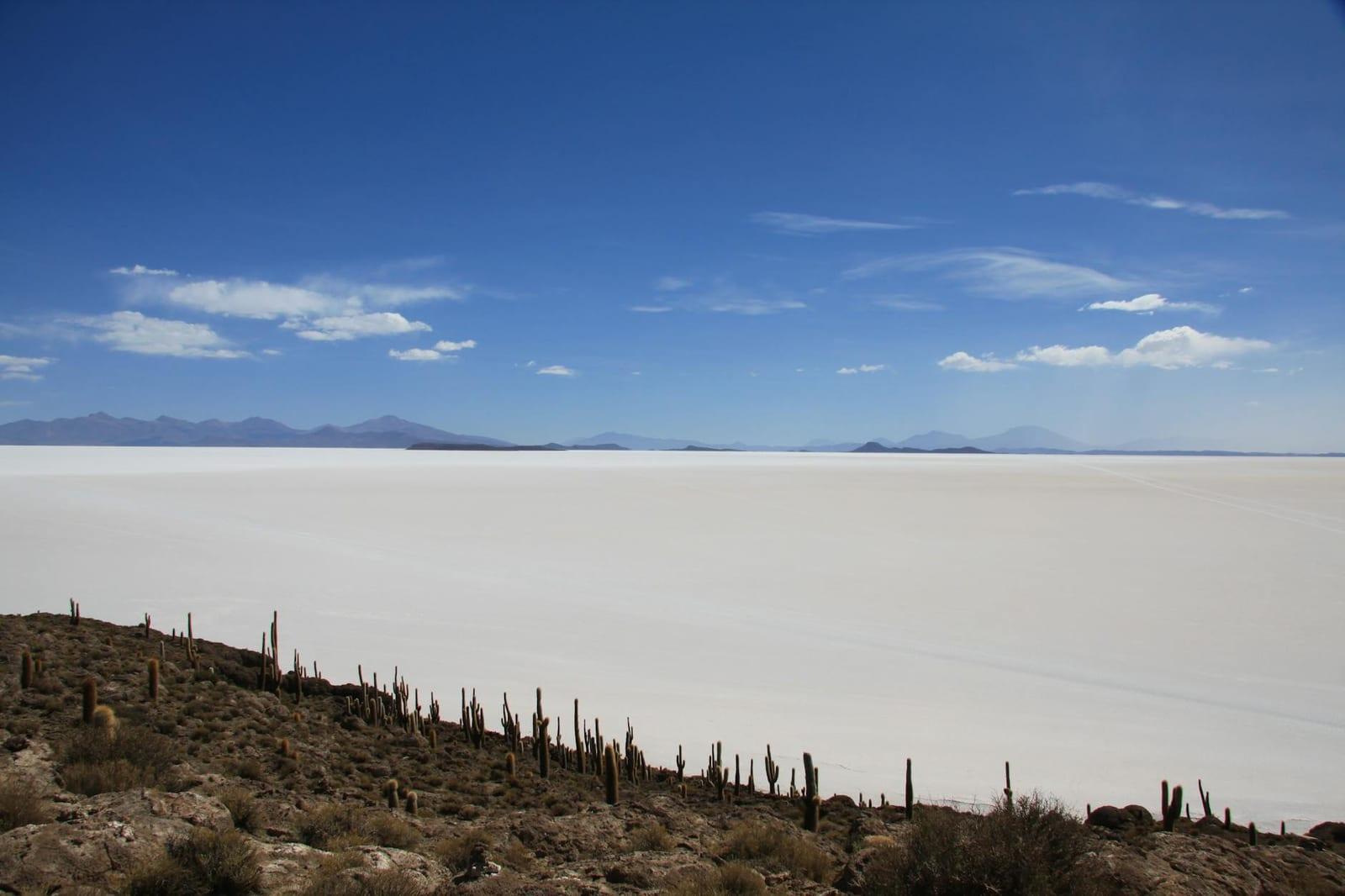
- Salar de Uyuni
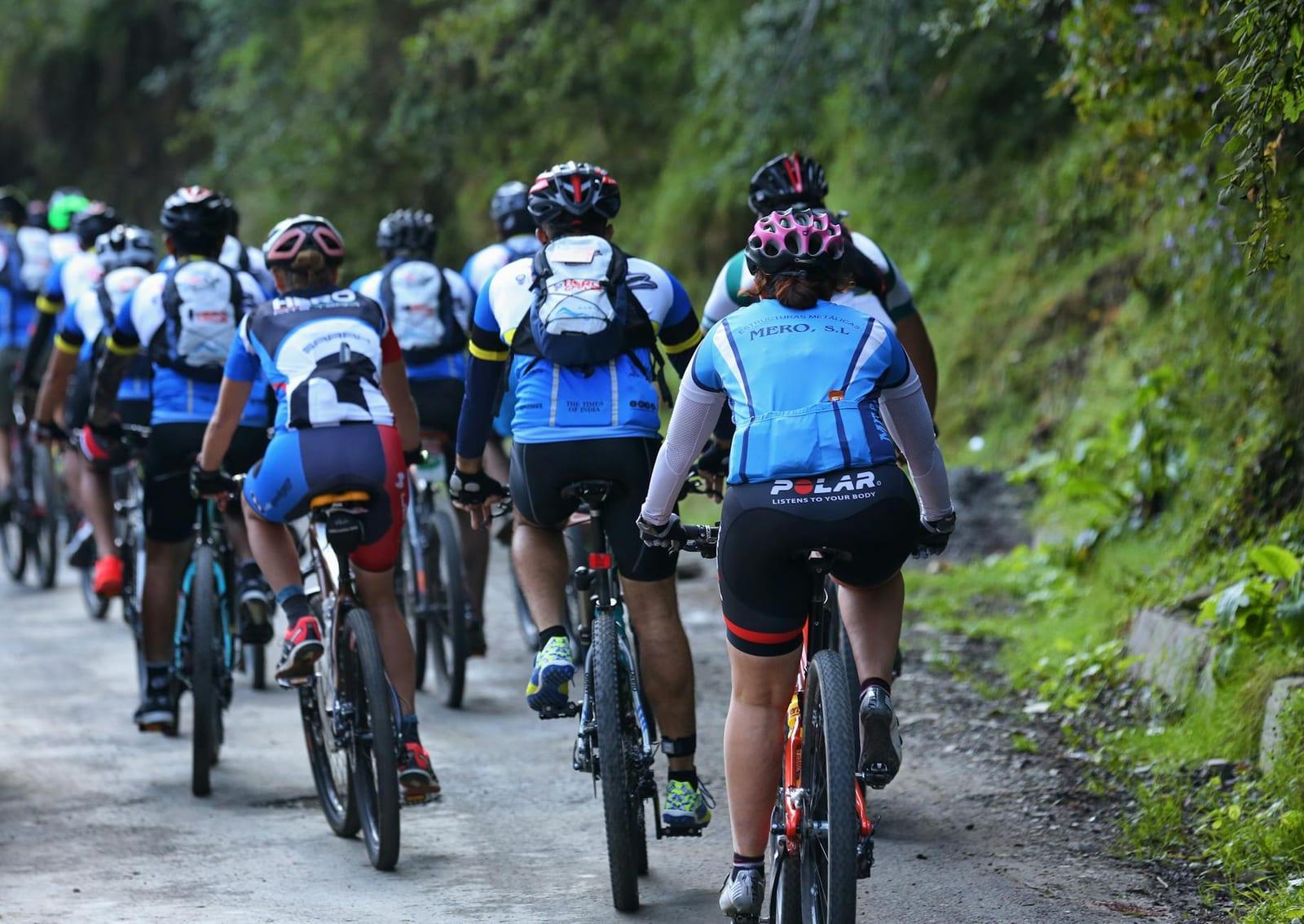
- Bike the Death RoadBike the Death Road
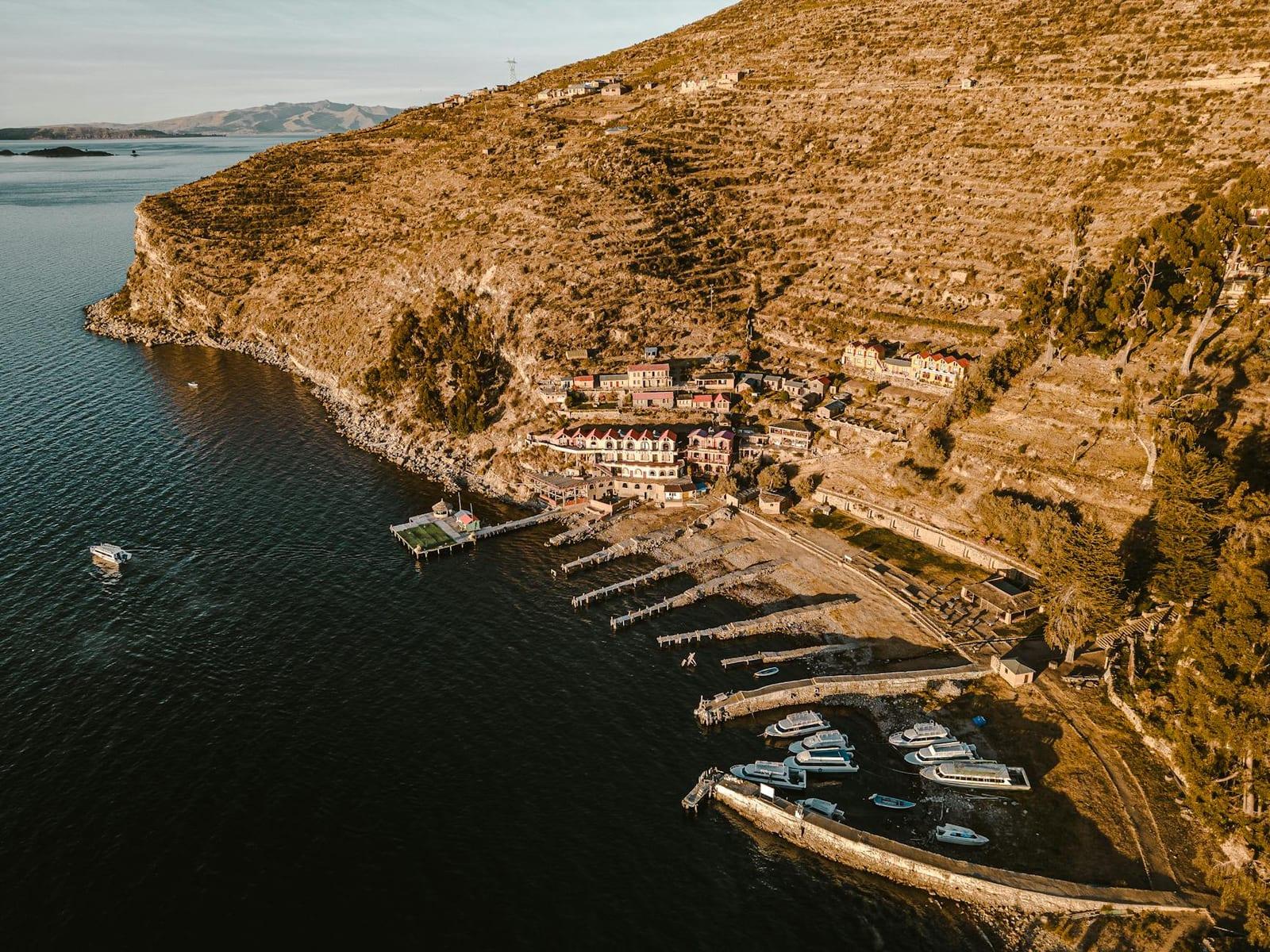
- Reach Lake Titicaca's Isla del SolReach Lake Titicaca's Isla del Sol
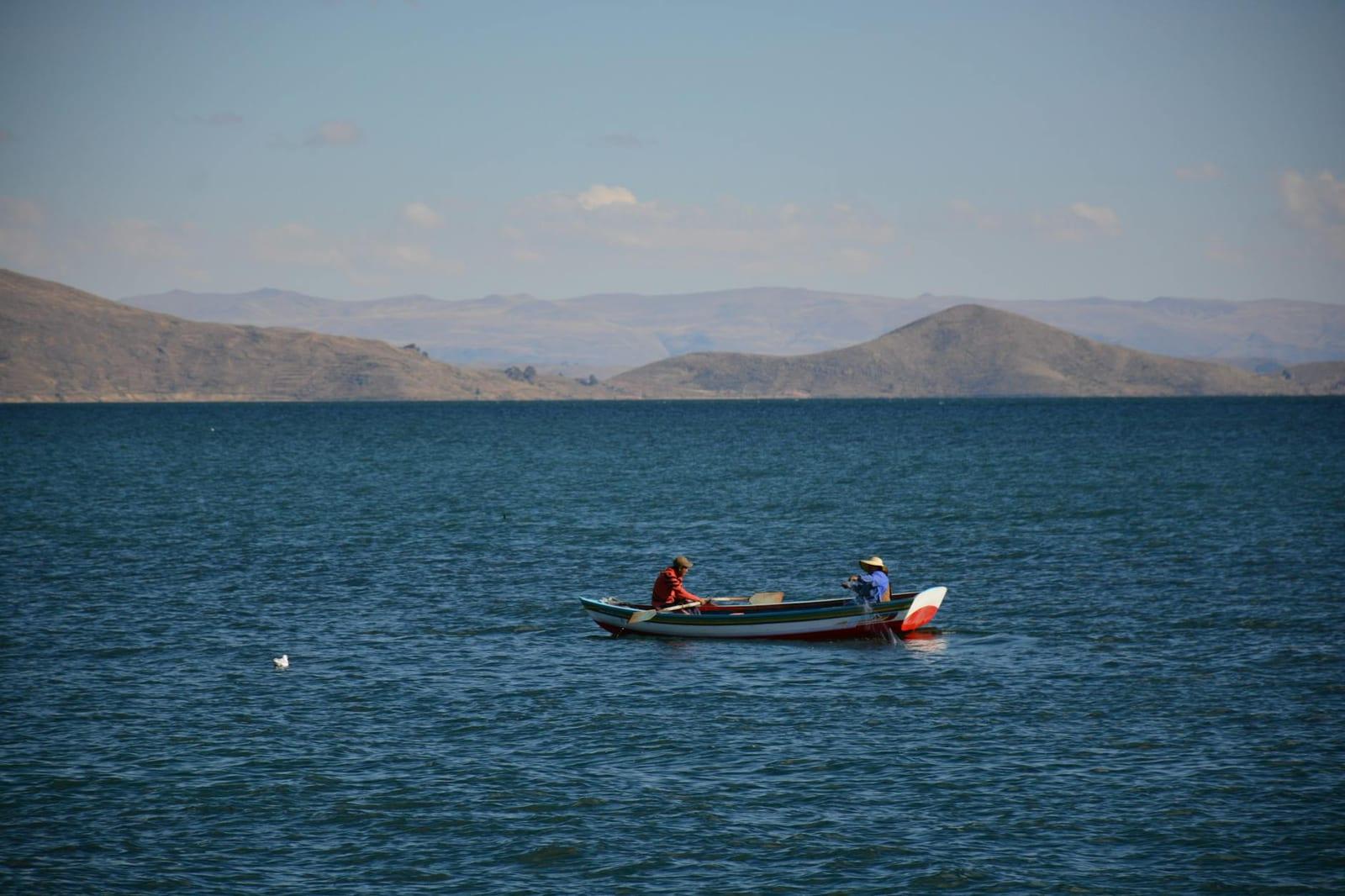
- Lake TiticacaSituated at an elevation beyond 12,000 feet on the Altiplano between Bolivia’s two Andean branches, Titicaca is the highest navigable lake on the planet.
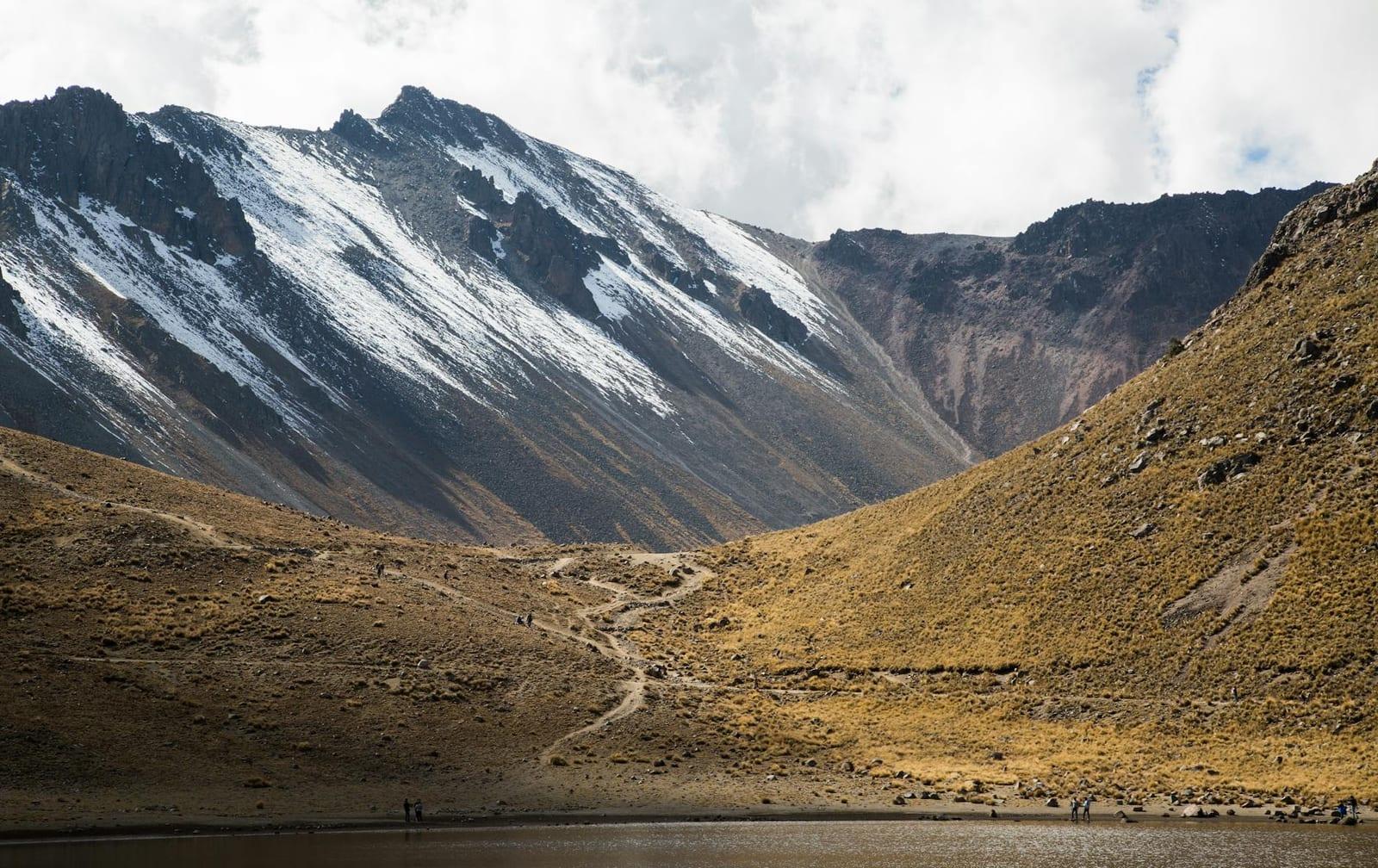
- Nevado SajamaThis beautiful dead volcano in the Cordillera Occidental of the Andes soars to nearly 21,500 feet, making it Bolivia’s loftiest point.
- Madidi National ParkOne of the most biologically diverse national parks on the planet, Madidi drops from Andean heights to the rainforest verdure of the Amazon Basin.
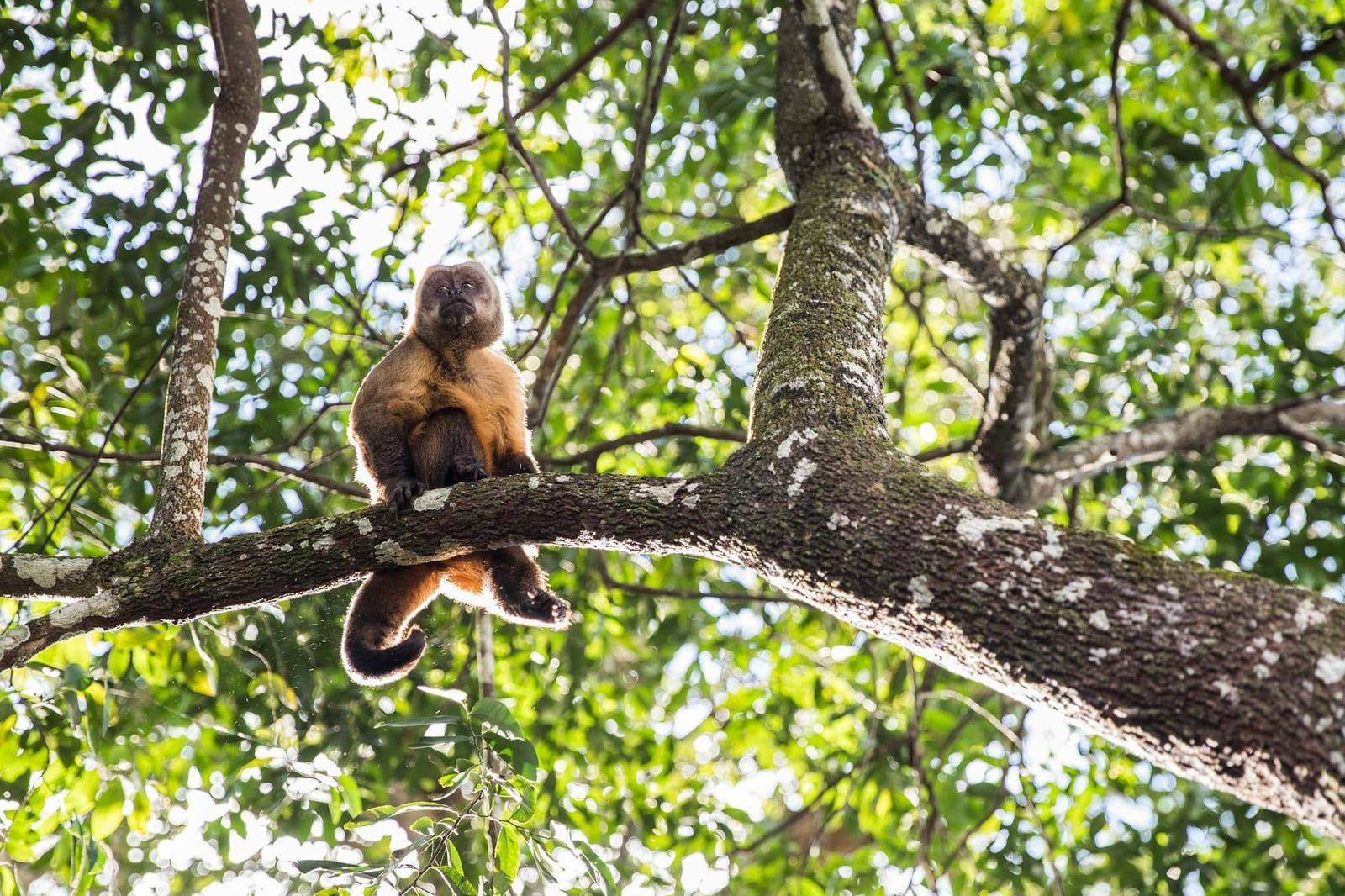
- Noel Kempff Mercado National ParkThis huge park, one of the most important protected areas in the Amazon Basin, bridges Cerrado savannas and deep rainforest.
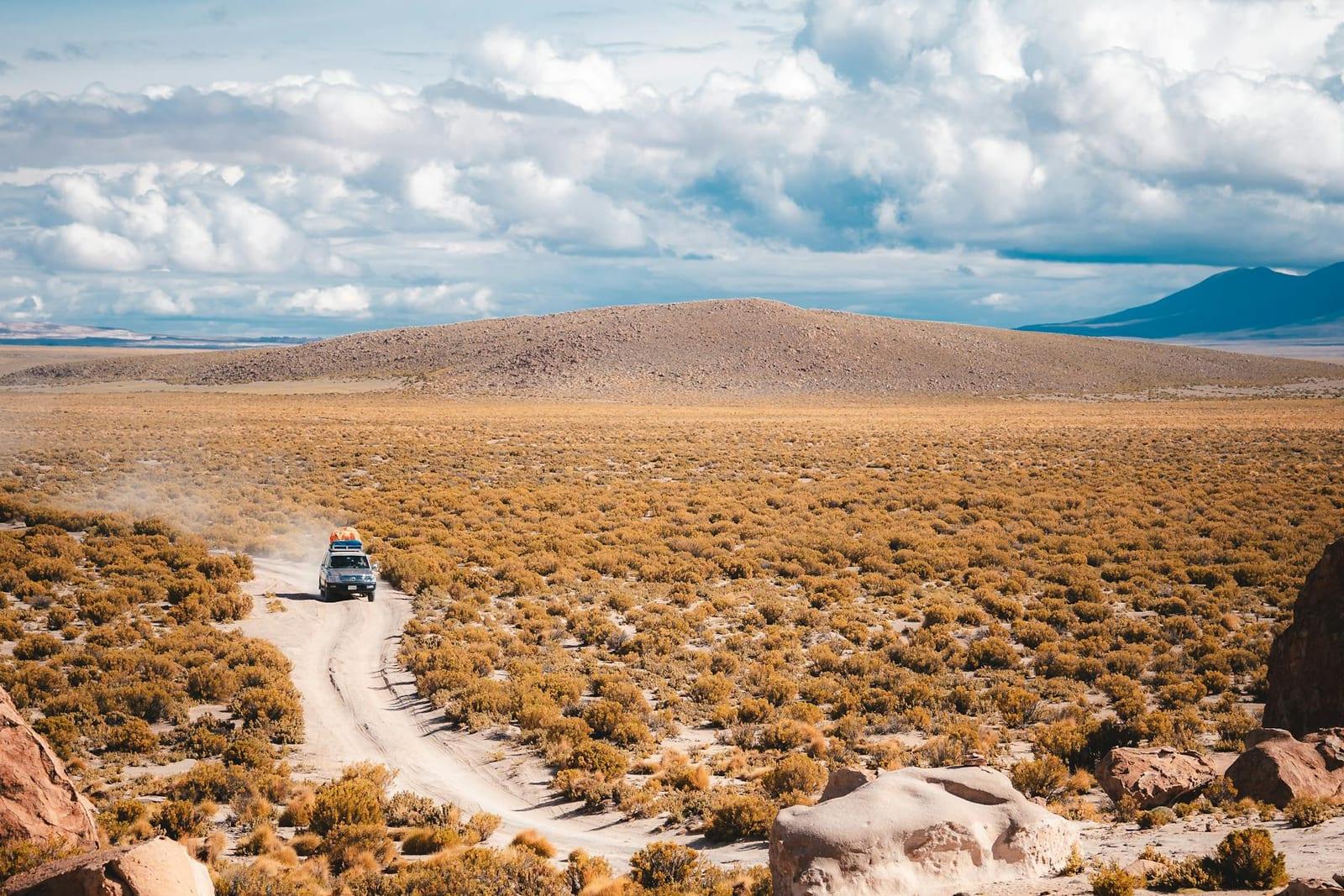
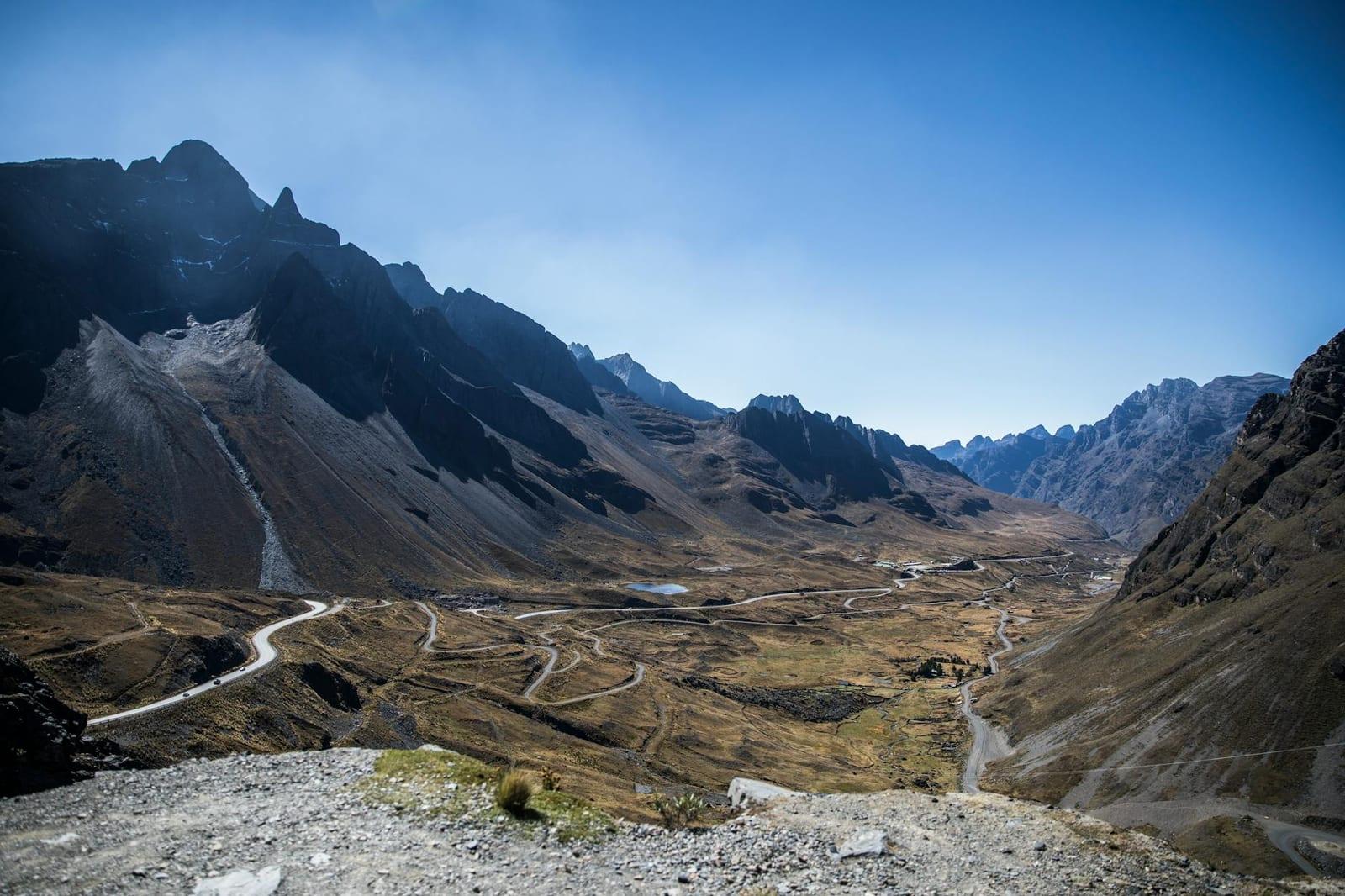
- North Yungas RoadDaredevils seek out this “World’s Most Dangerous Road” (also called “Death Road”) that hurtles terrifyingly from the Andes down to the jungle town of Coroico.
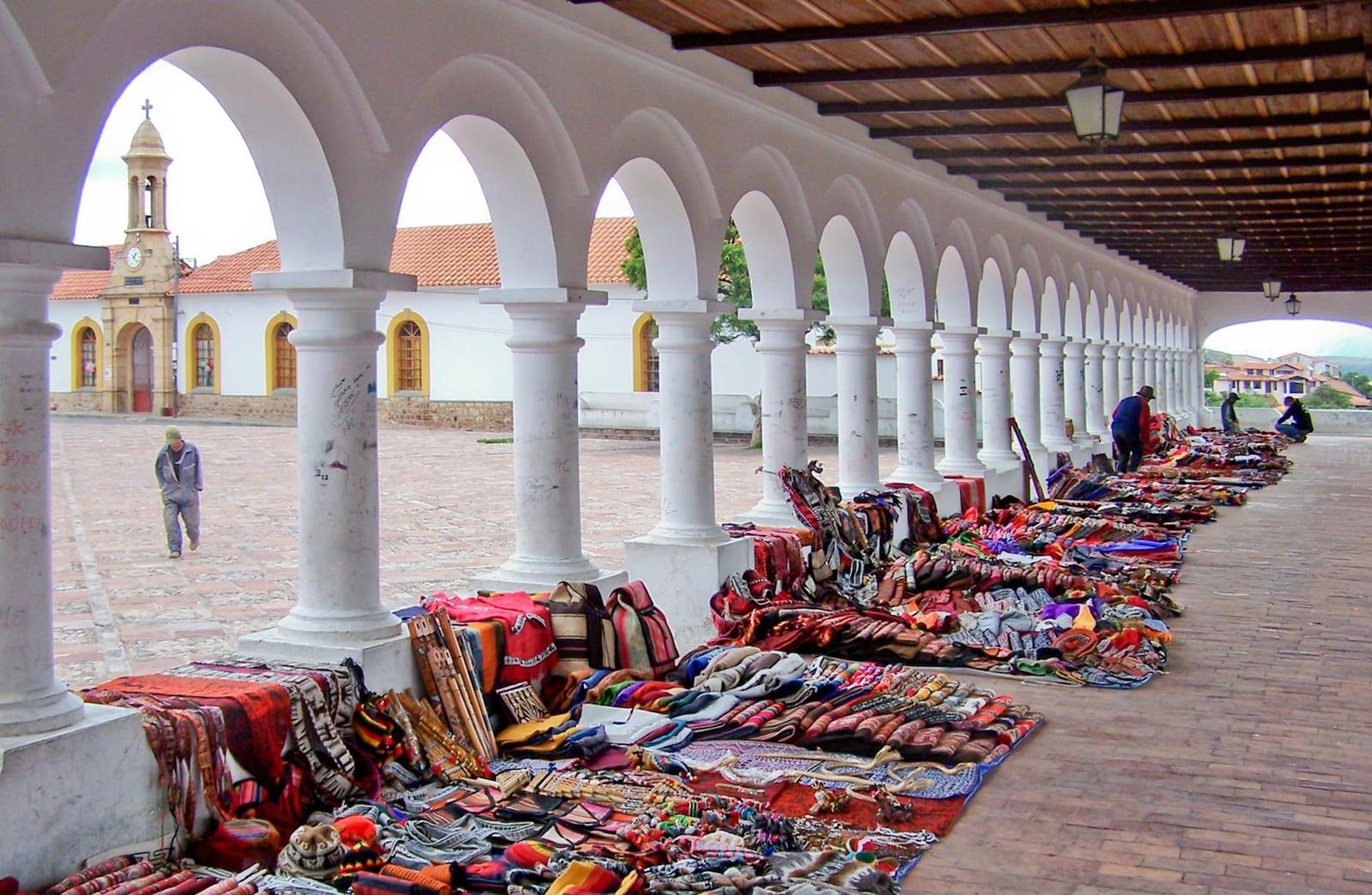
- SucreBolivia’s capital is famous for the colonial architecture of its World Heritage Site-designated center, including the House of Freedom where Simon Bolivar penned the Bolivian Constitution.
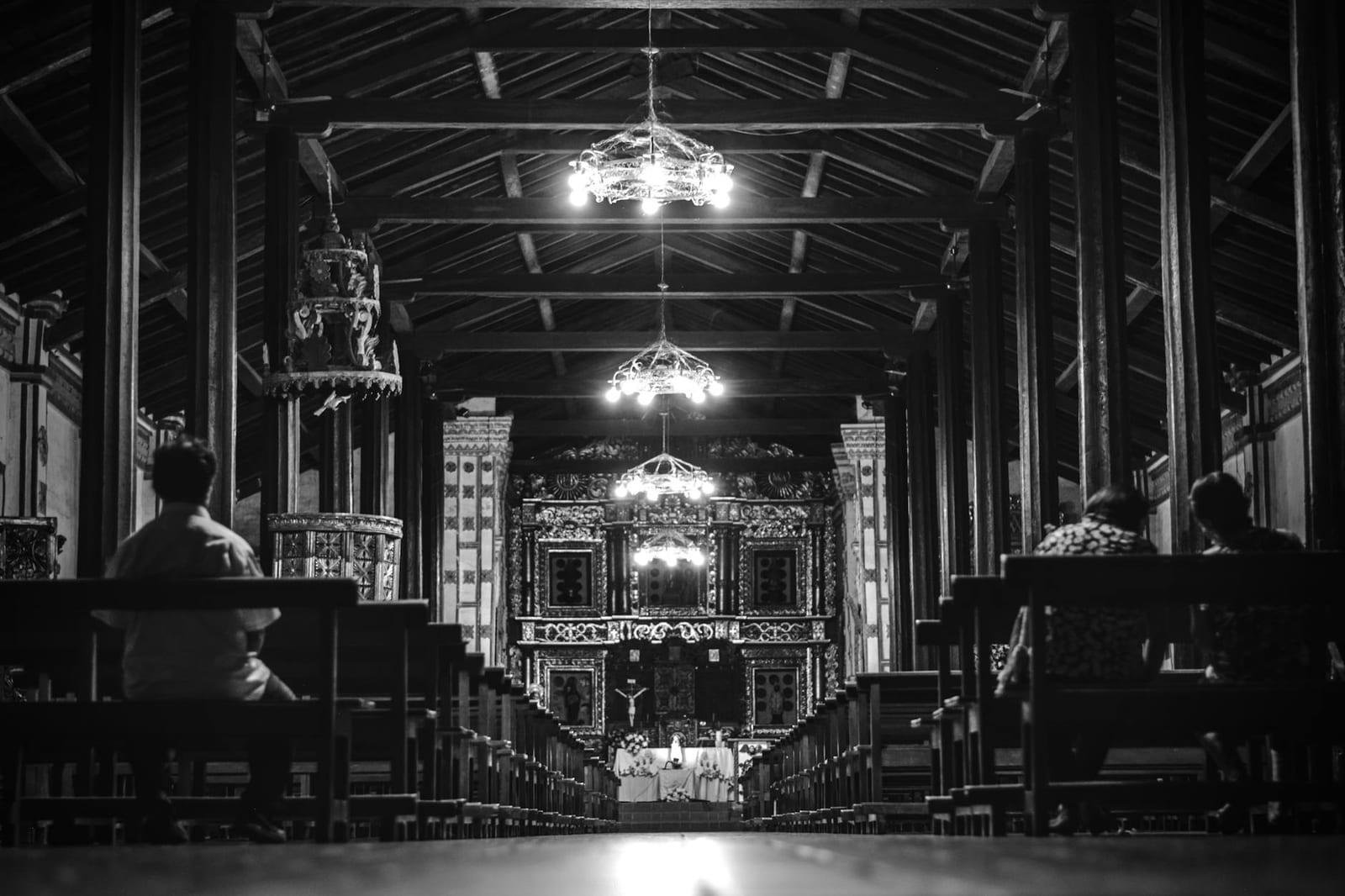
- San Jose de ChiquitosThis is one of the most resplendent of the six 17th- and 18th-century Jesuit mission towns in Bolivia together declared a UNESCO World Heritage Site.
- OruroThis city’s epic Carnival, Bolivia’s most famous, kicks off with the Diablada: the “Dance of the Devils.”
- TiwanakuCore of the pre-Columbian Tiwanaku Empire, this pyramid- and temple-rich ruin ranks among the most significant archaeological sites in the Americas.
- La PazMagnificent architecture, vibrant cultural life, and a skyscraping setting nearly 12,000 feet up make Bolivia’s governmental center a must-see.