
If you’re looking for some of the grandest wildlife spectacles on Earth as well as sprawling, ethereal landscapes that summon a sense of archetypal Africa, then Botswana surely fits the bill.
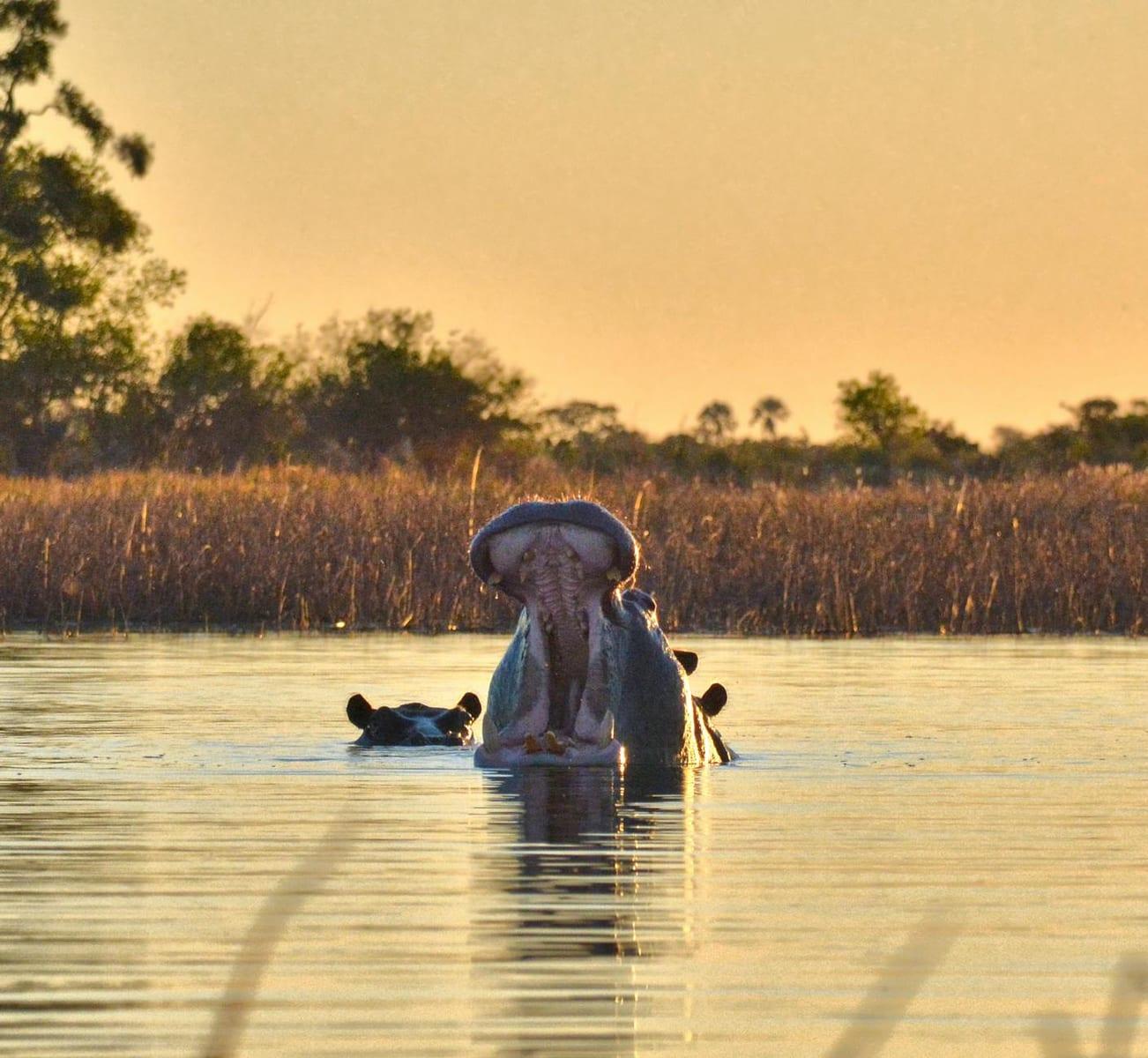
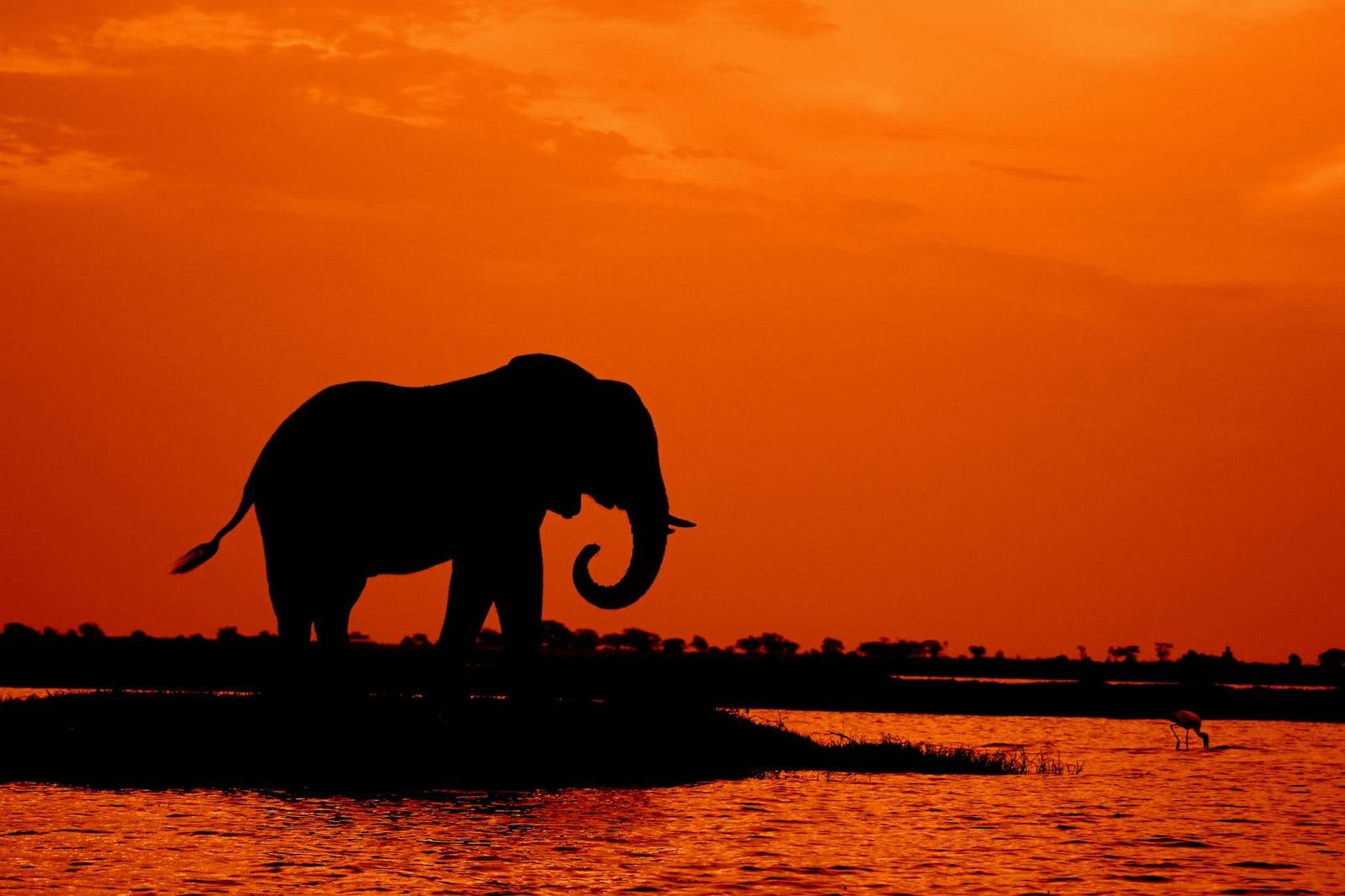
Most visitors to Botswana, famed as a world-class ecotourism destination, come for the fauna. For one thing, the country claims an authentic global ecological treasure: the Okavango Delta, a giant seasonal wetland in the northwest that’s roamed by a flashy lineup of big mammals—lions, painted hunting dogs, Cape buffalo, lechwe (a water-loving antelope)—as well as an astonishing variety of birds. But that soggy wonderland is only one of Botswana’s outstanding wilderness locales: There are also several enormous holdings in the Kalahari Desert (which covers much of the country)—including the Central Kalahari Game Reserve and Gemsbok National Park, which is combined with South Africa’s Kalahari Gemsbok in the Kgalagadi Transfrontier Park—as well as the woodlands, riverine forests, and marshes of Chobe National Park in the far north. Game drives in this venerable preserve might turn up elephants, giraffe, roan antelope, big cats, and spotted hyenas; while a cruise on the sublime Chobe River promises bellowing hippos and snaggletooth Nile crocodiles.
Demographically speaking, Botswana is mostly Tswana, but it counts among its minorities one of the oldest cultures on Earth: the San or Basarwa (sometimes called the Bushmen), whose traditional hunting-gathering culture dates back tens of thousands of years. Centuries of persecution have dismantled many of the old ways of the San, but you can still explore their rich heritage through cultural tourism in places such as Kgalagadi and by taking in the splendid millennia-old rock art at the UNESCO World Heritage Site of the Tsodilo Hills (the "Louvre of the Desert").
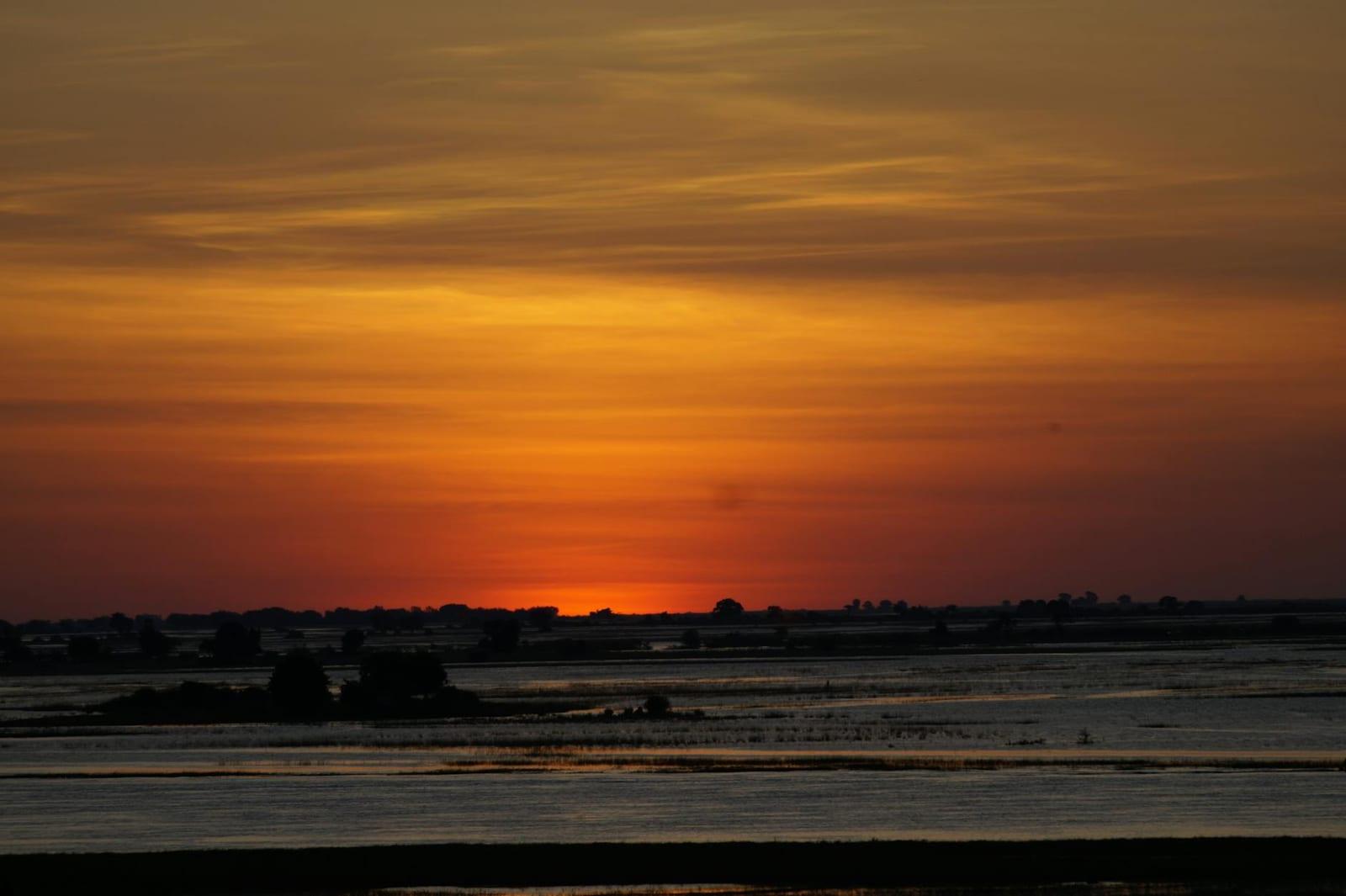
Black-maned lions and thunderous herds may steal the show, but the sheer vastness of Botswana’s sere countryside—mammoth baobab trees, acacia bushland, glinting pans—can seep deep into your soul.
9 things not to miss.
- Okavango Delta
- Chobe National Park
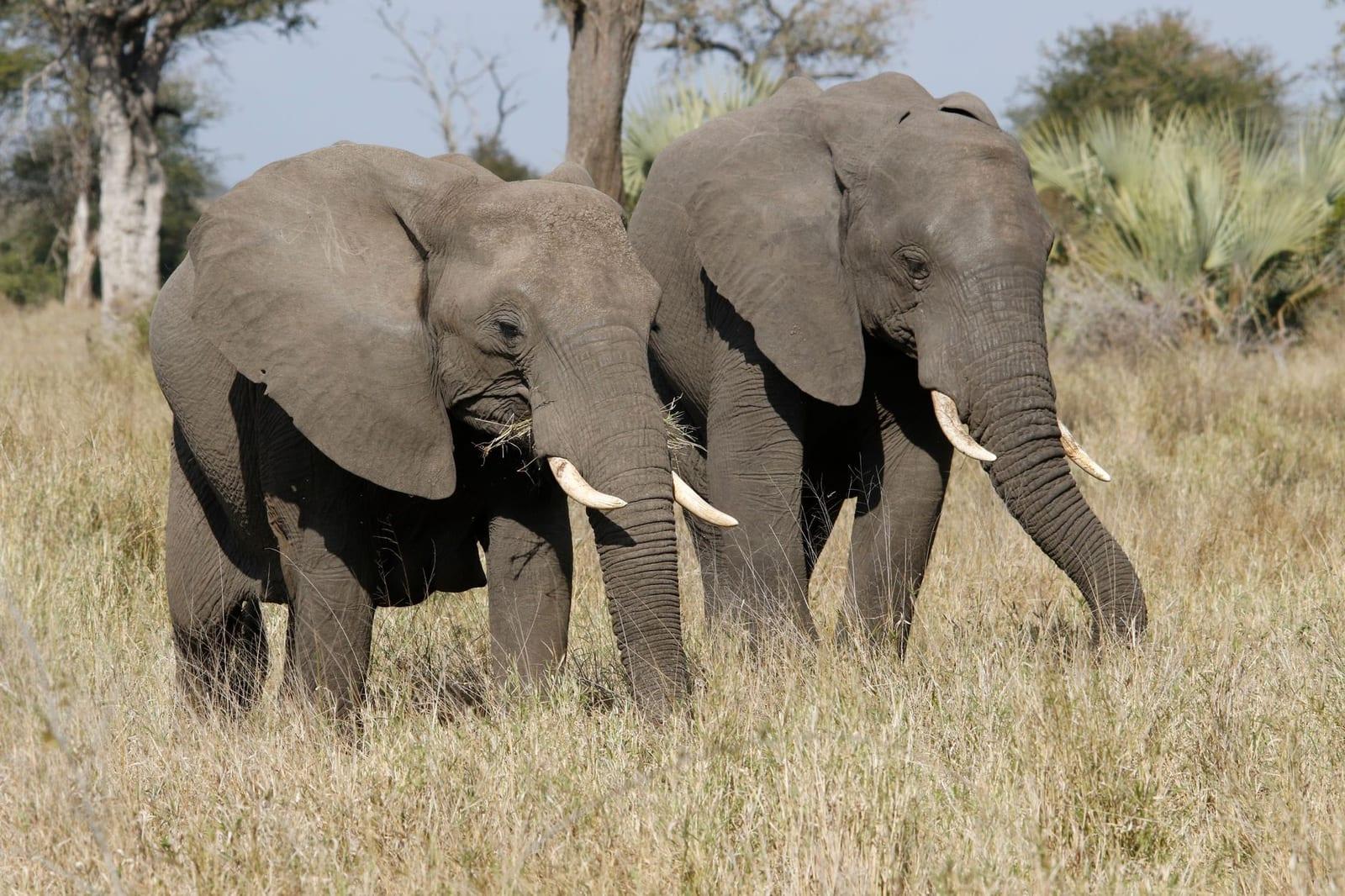
- Elephants
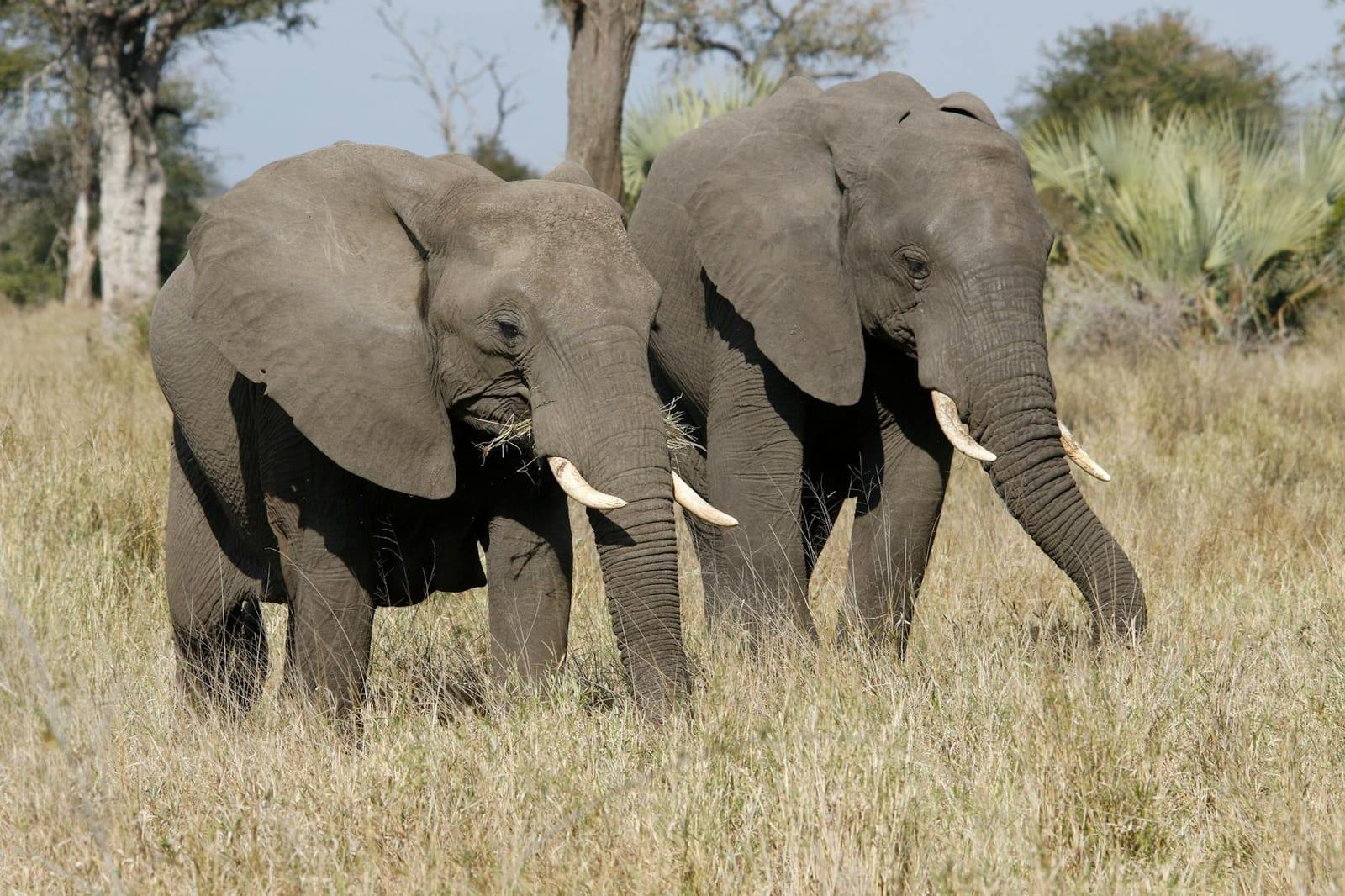
- Central Kalahari Game ReserveDeep wilderness awaits adventurers in the Kalahari Desert bush of this 20,000-square-mile gem, one of the world’s largest game parks.
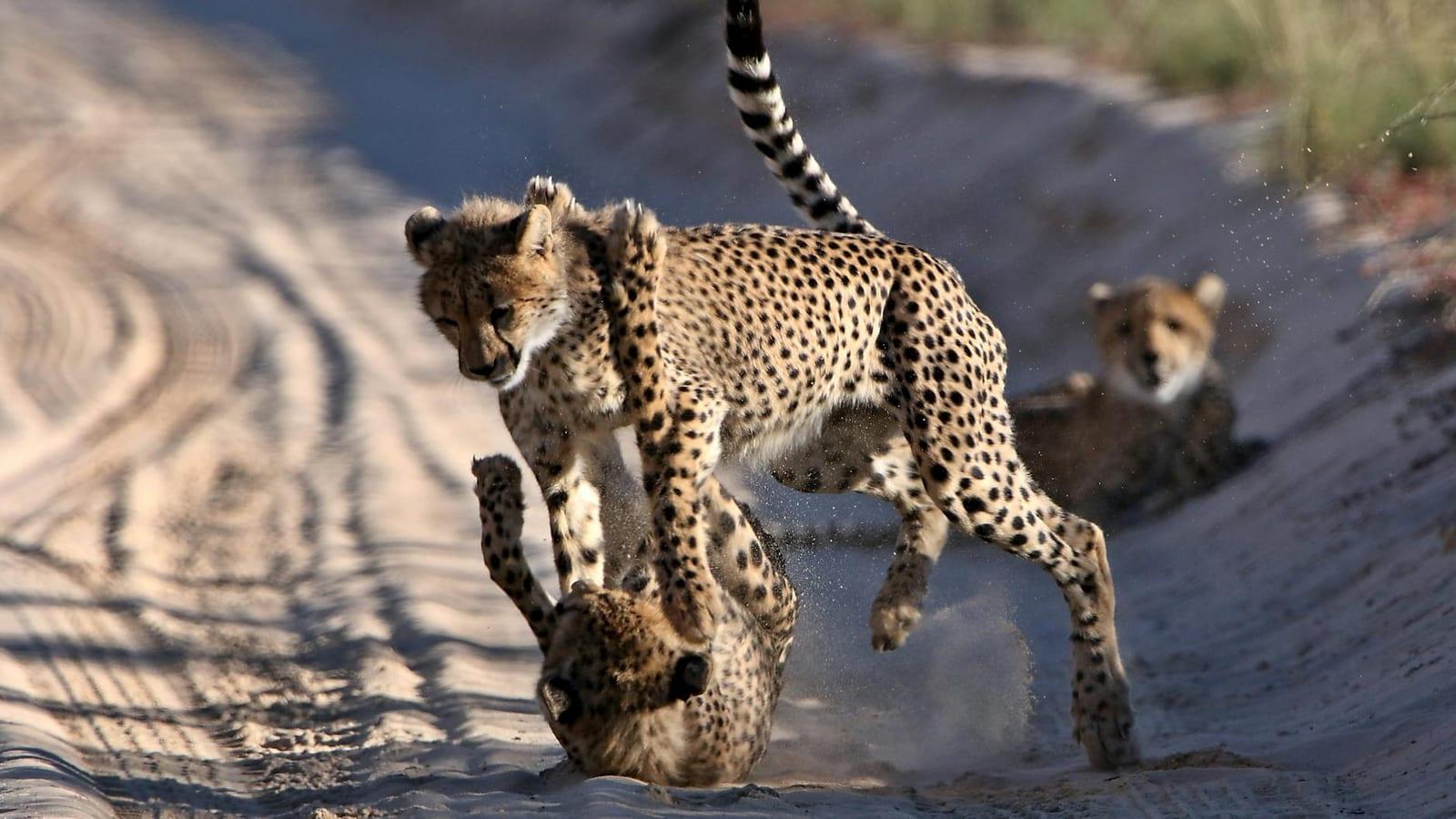
- Gemsbok National ParkBotswana’s share of the huge Kgalagadi Transfrontier Park spilling into South Africa, this wildlife-rich Kalahari tract is lorded over by black-maned lions.
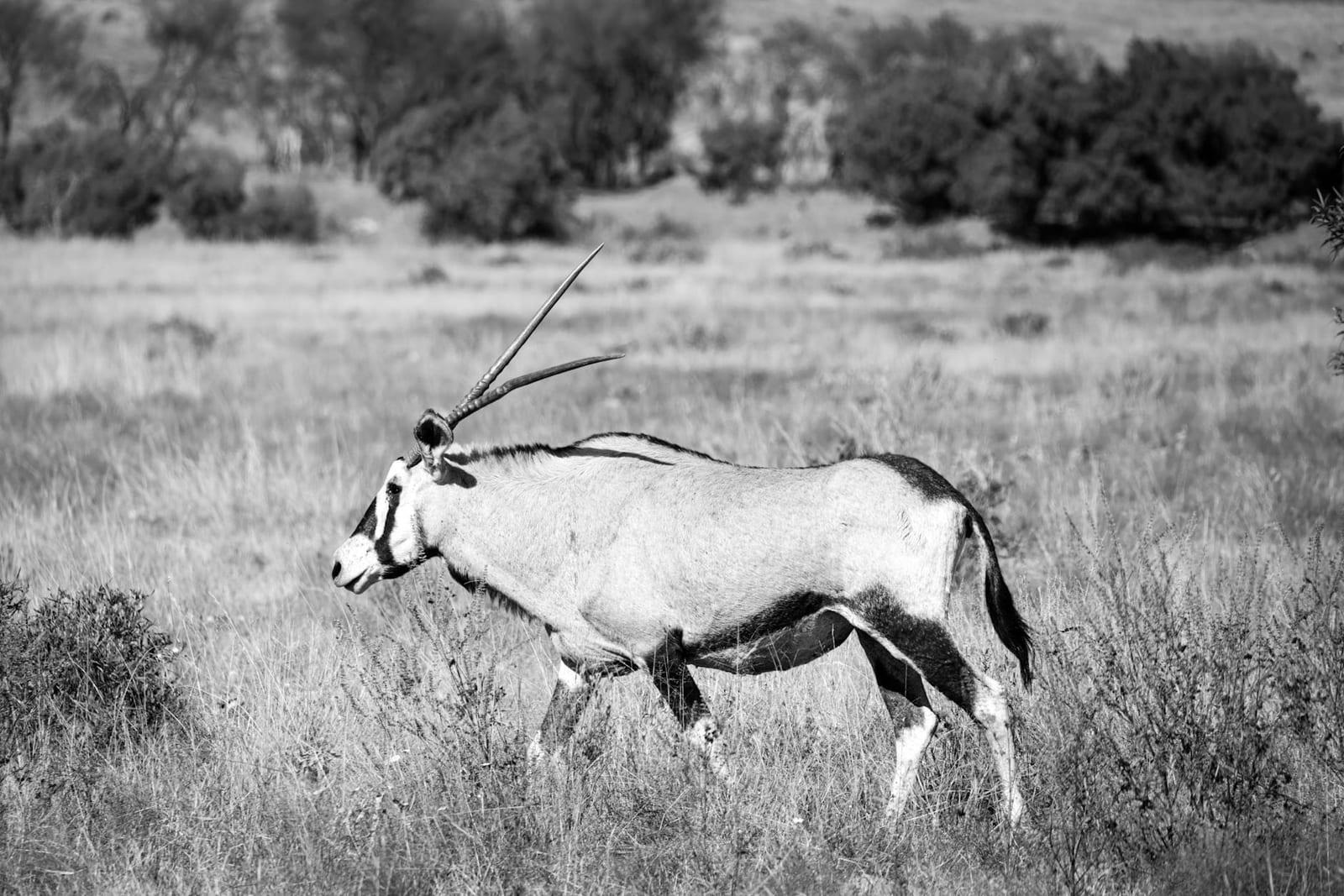
- Tsodilo HillsThe quartzite cliffs of this UNESCO World Heritage Site, the “Louvre of the Desert,” show off millennia of enigmatic San and Bantu rock art.
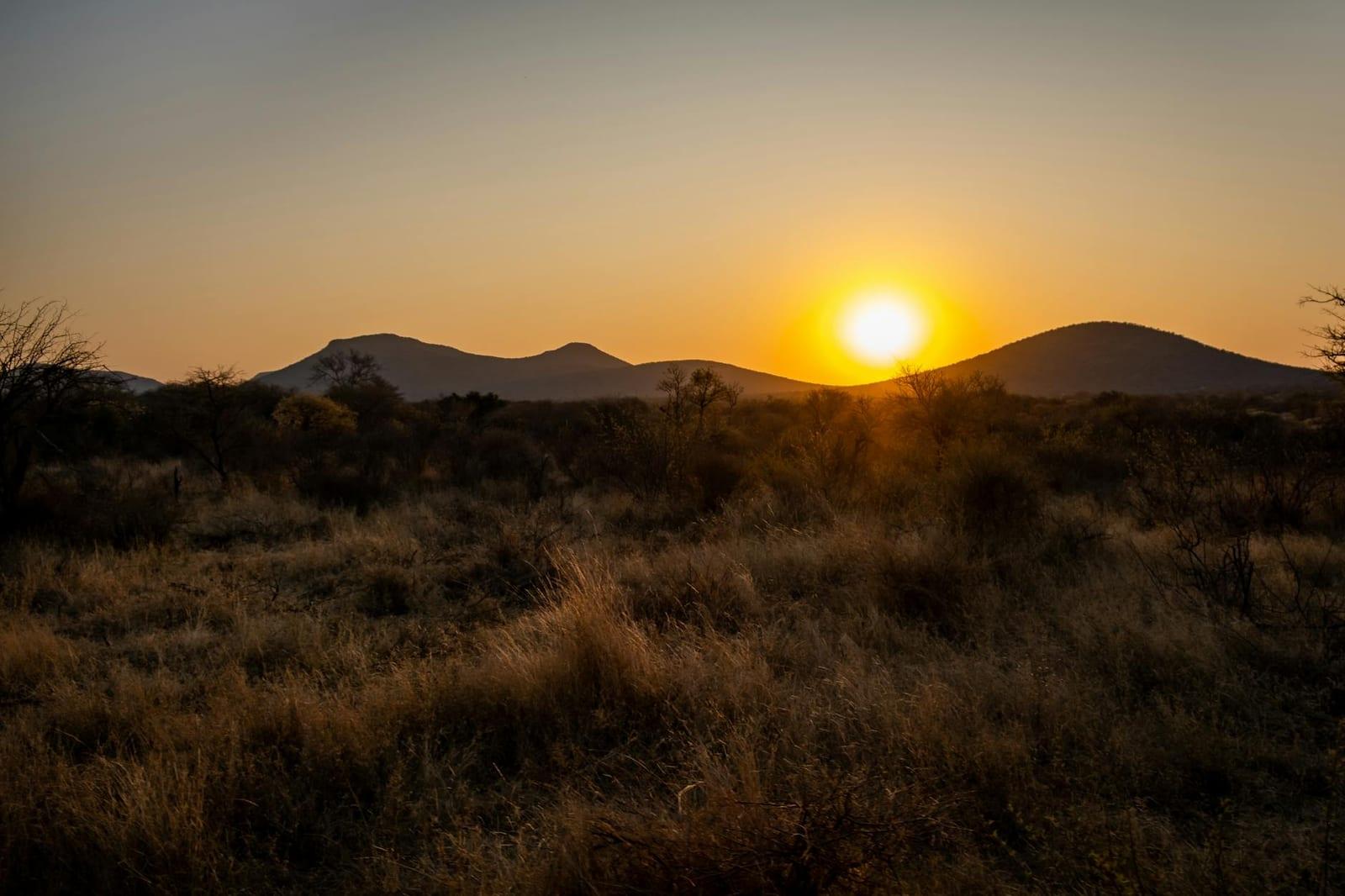
- Makgadikgadi PanSurreal Kalahari flats—some of the largest salt pans on Earth—lie southeast of the Okavango, thronged in the wet season by flamingos, zebras, and other fabulous wildlife.
- Botswana National MuseumOrient yourself to Botswana’s multiethnic culture and artistic heritage at this Gaborone institution, also home to the National Botanical Garden.
- Matsieng FootprintsOne of Botswana’s best-known petroglyph sites, these engraved human and animal footprints are associated with Matsieng, a mythological giant.