Brazil is a multiplicity. It’s a country of big cities both regal and sensual, stately and wild, opulent and poverty-stricken; it’s also a frontier state with the most trackless of wildernesses. It’s a place where people of farflung heritage have mingled and intermarried for centuries, and where fiercely independent aboriginals choose to ignore as best they can the modern world to preserve their ancient lifeways.
Brazil (colonized by Portugal from 1500 to 1825) presents a vision of a strikingly multiethnic society, though it has certainly not been free of racial discrimination over the years. Many Brazilians are now wonderful admixtures of Amerindian, European, and African ancestry; and there are better than 200 indigenous tribes in the country, with several dozen “uncontacted” groups—the most anywhere on Earth—in the remotest Amazon. That deep-forest settlements of the Korubo and Apiaká—having barely any interchange with outsiders—fall within the same country as Sao Paulo and Rio de Janeiro simply underscores all the more the astounding geographic and cultural spectrum of Brazil.
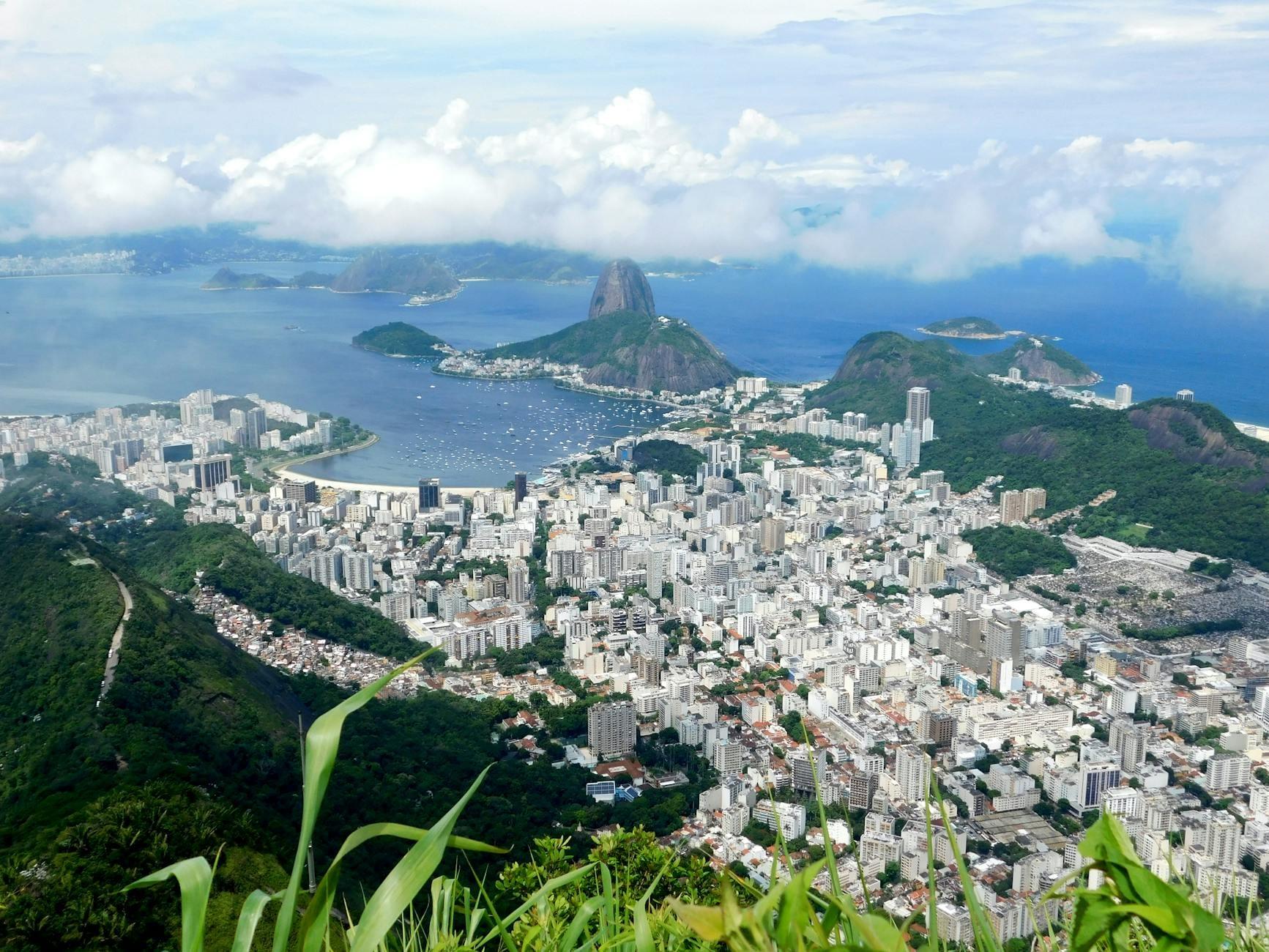
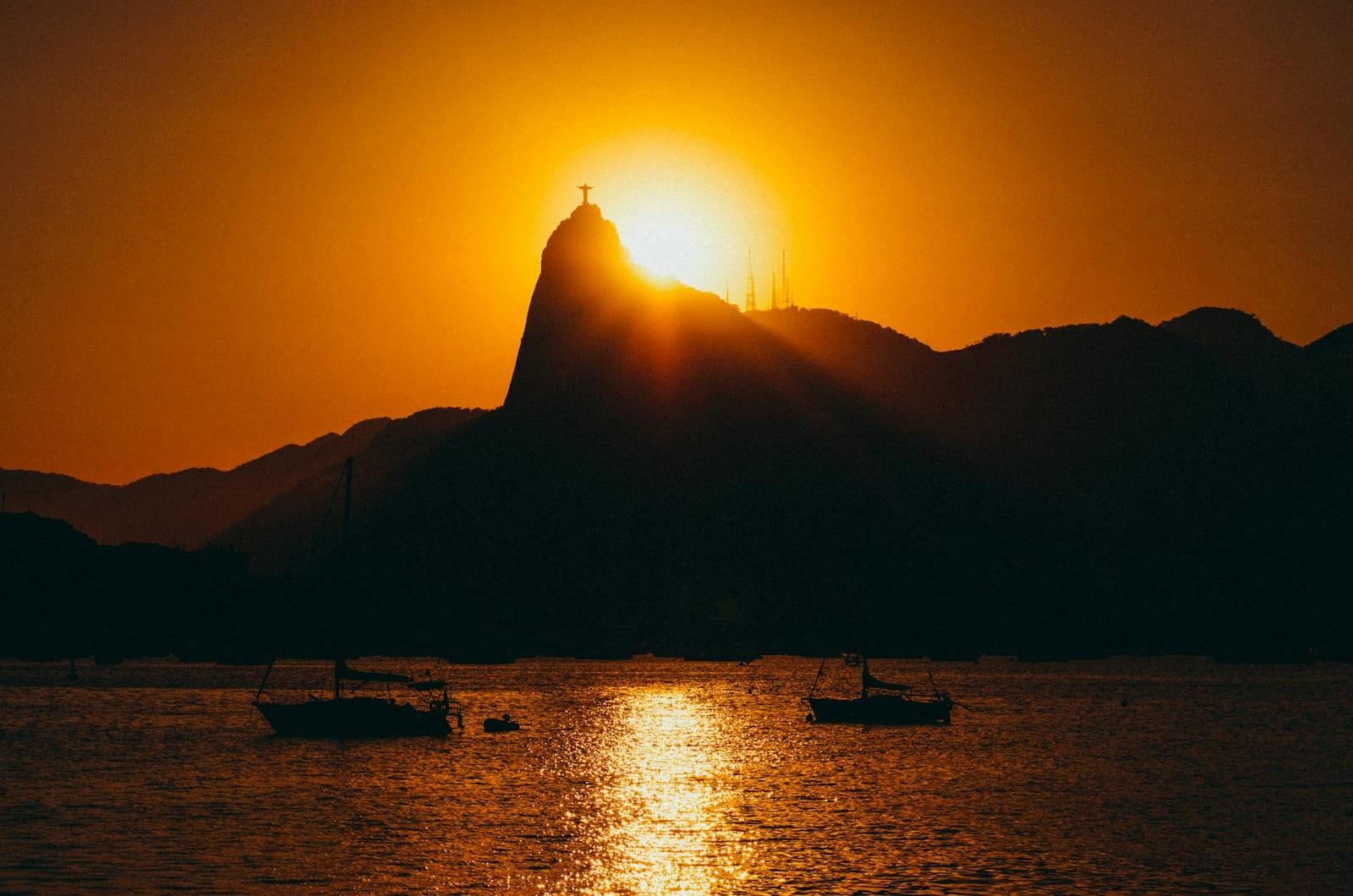
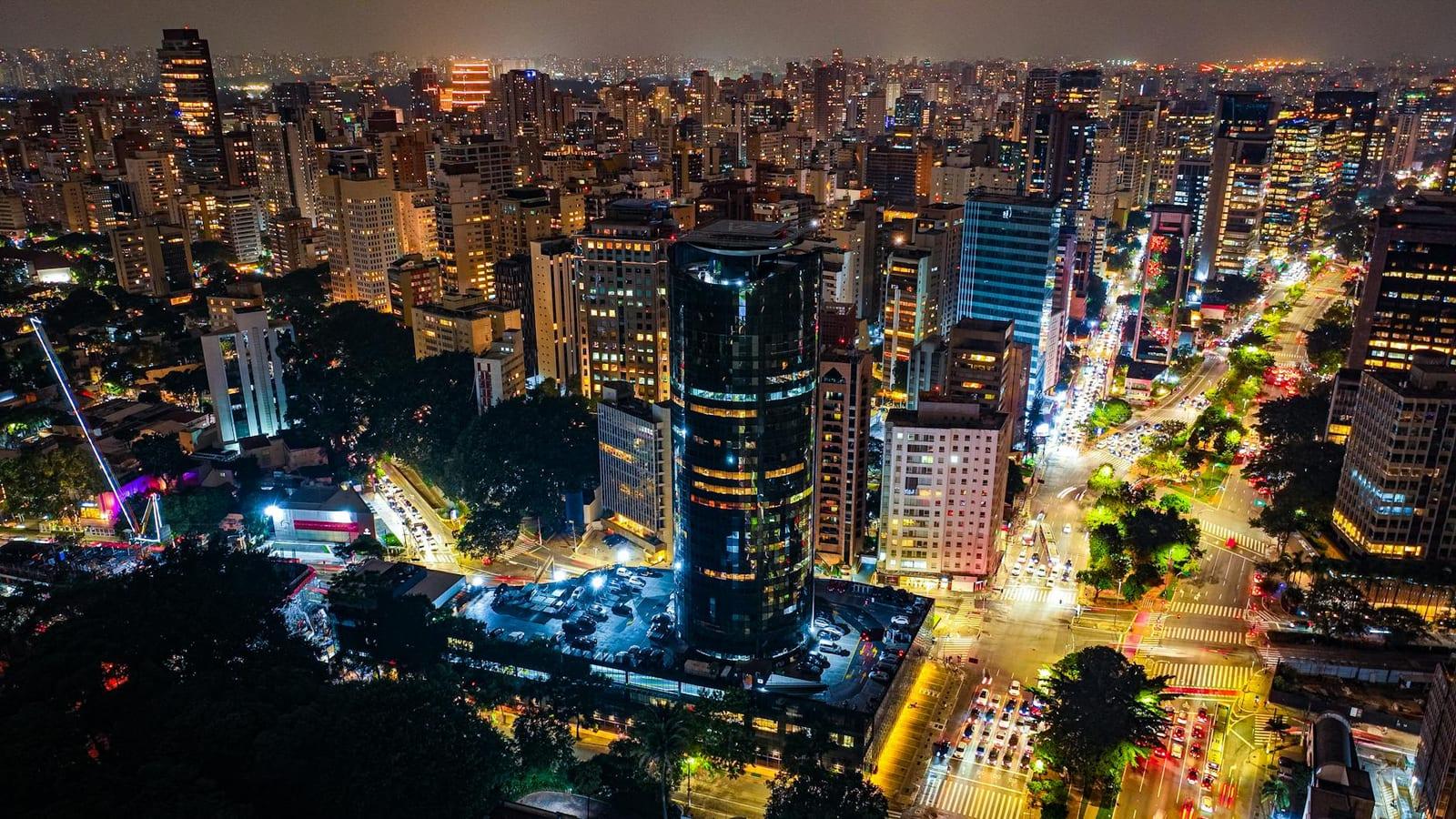
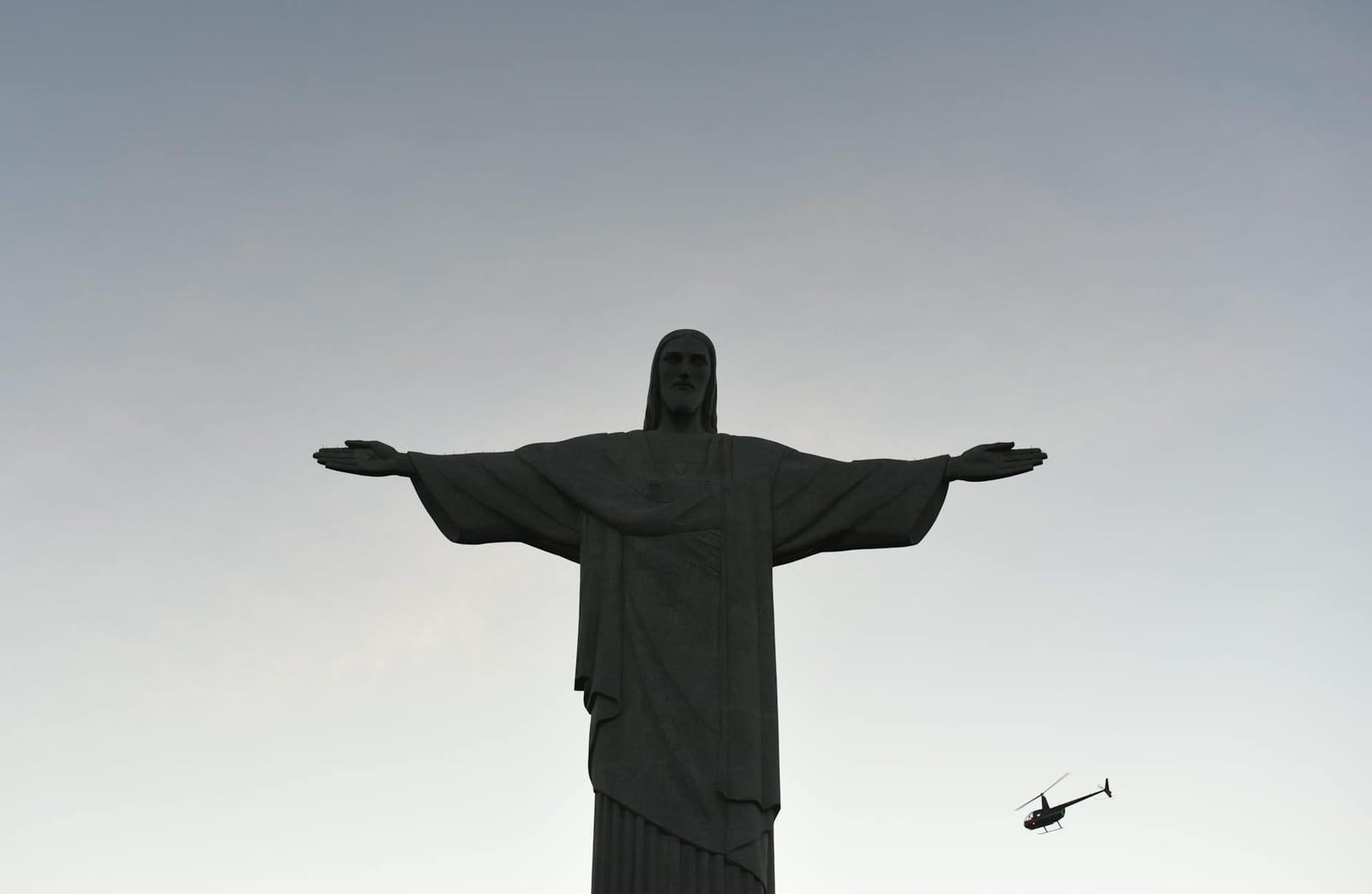
Speaking of Rio, it's the flagship city in the country, what with its world-famous beaches, samba tradition, sexy nightlife, showstopping Carnaval, and the iconic Cristo Redentor standing guard atop Corcovado. But it’s only one of many lively and distinct urban areas, from Sao Paulo (huge and cosmopolitan) and Salvador (bedecked with colonial architecture and throbbing with energy) to Belem (the gateway to the Amazon). Just remember that crime’s an everyday reality in parts of these steamy metropolises—another of Brazil’s myriad of complexities.
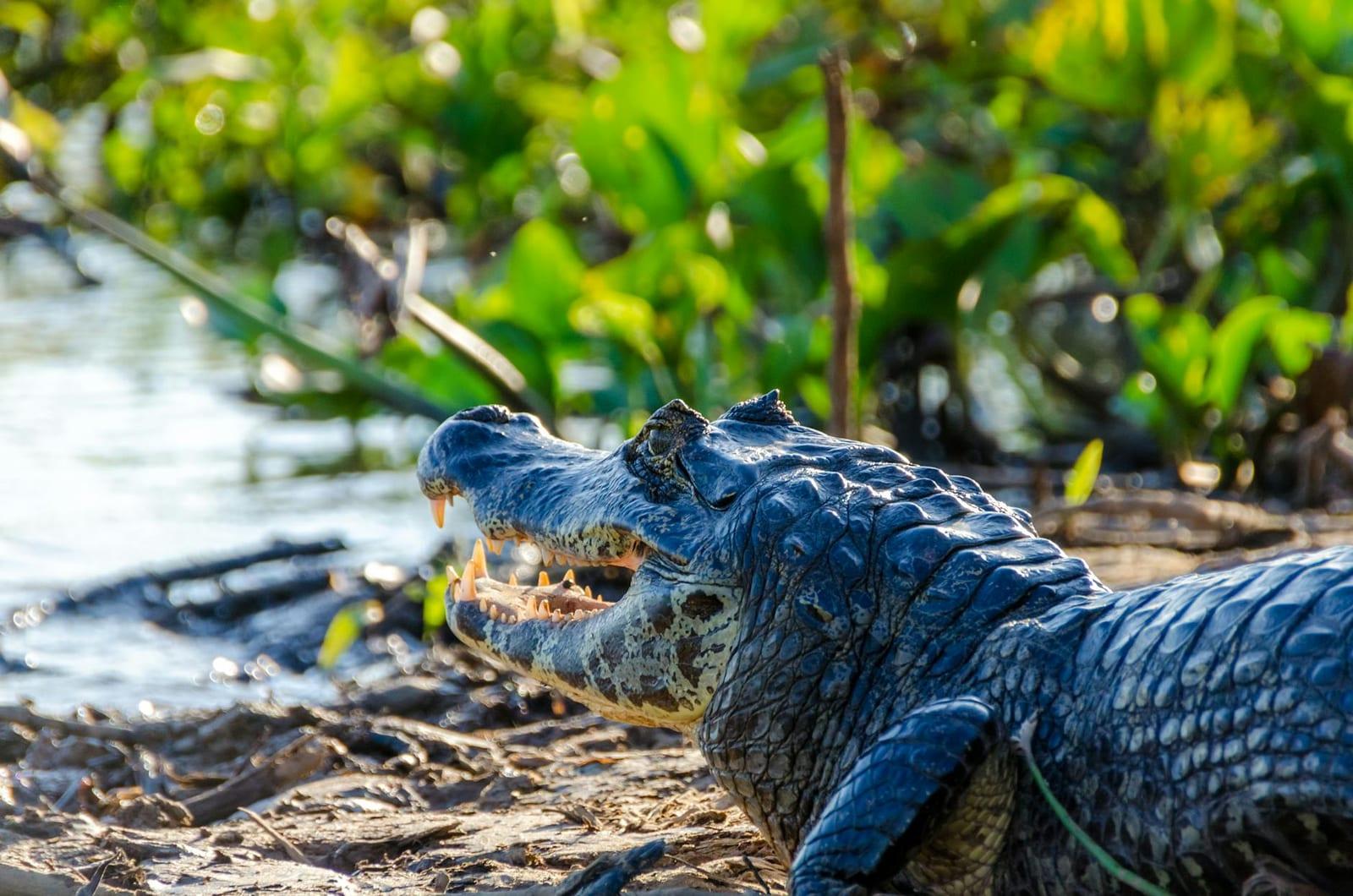
From the mesa cliffs of Mount Roraima to the much-reduced Atlantic Forest of the coast, Brazil’s natural geography comes stocked with superlatives: the biggest river in the world (the Amazon), the greatest and most biologically diverse tropical rainforest (also the Amazon), one of the vastest wetlands (the Pantanal) and most titanic waterfalls (Iguazu (shared with Argentina)). And there’s an almost unfathomable roster of organisms native to the country: 55,000 species of plants, 3,000 types of fish, nearly 2,000 kinds of birds. But as flashy as the Brazilian wilderness can be—colossal ceiba trees, richly plumaged macaws and toucans, toothy caimans, elusive jaguars, the limitless flocks of the Pantanal floodplain—the nation is as much about an intoxicating mood, a palpable life energy, as anything else.
Brazil’s a place to soak yourself in the multi-hued beauty of humanity, to taste tropical flavors and move to tropical rhythms, to see how the spirit and verve of Latin America inflects Old World traditions, to experience Earth at its most exuberantly fecund. In Brazil, there’s a call to adventure—the urban and the wilderness sorts, both—ringing everywhere you look.
21 things not to miss.
- Sugarloaf at sunsetClimb Sugarloaf at sunset
- Ride a Boi-Bumbá night in São LuísRide a Boi-Bumbá night in São Luís

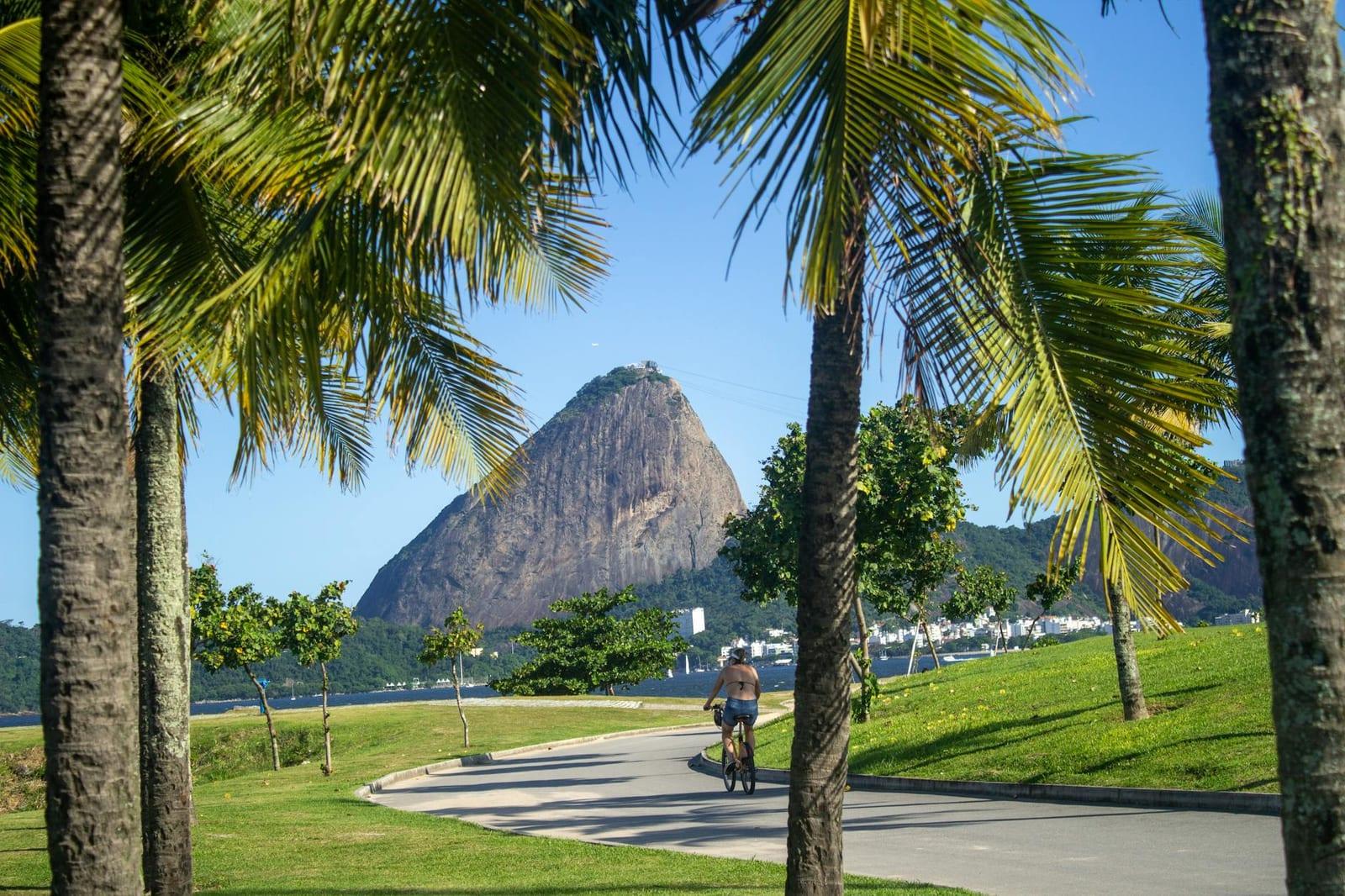
- Rio de Janeiro
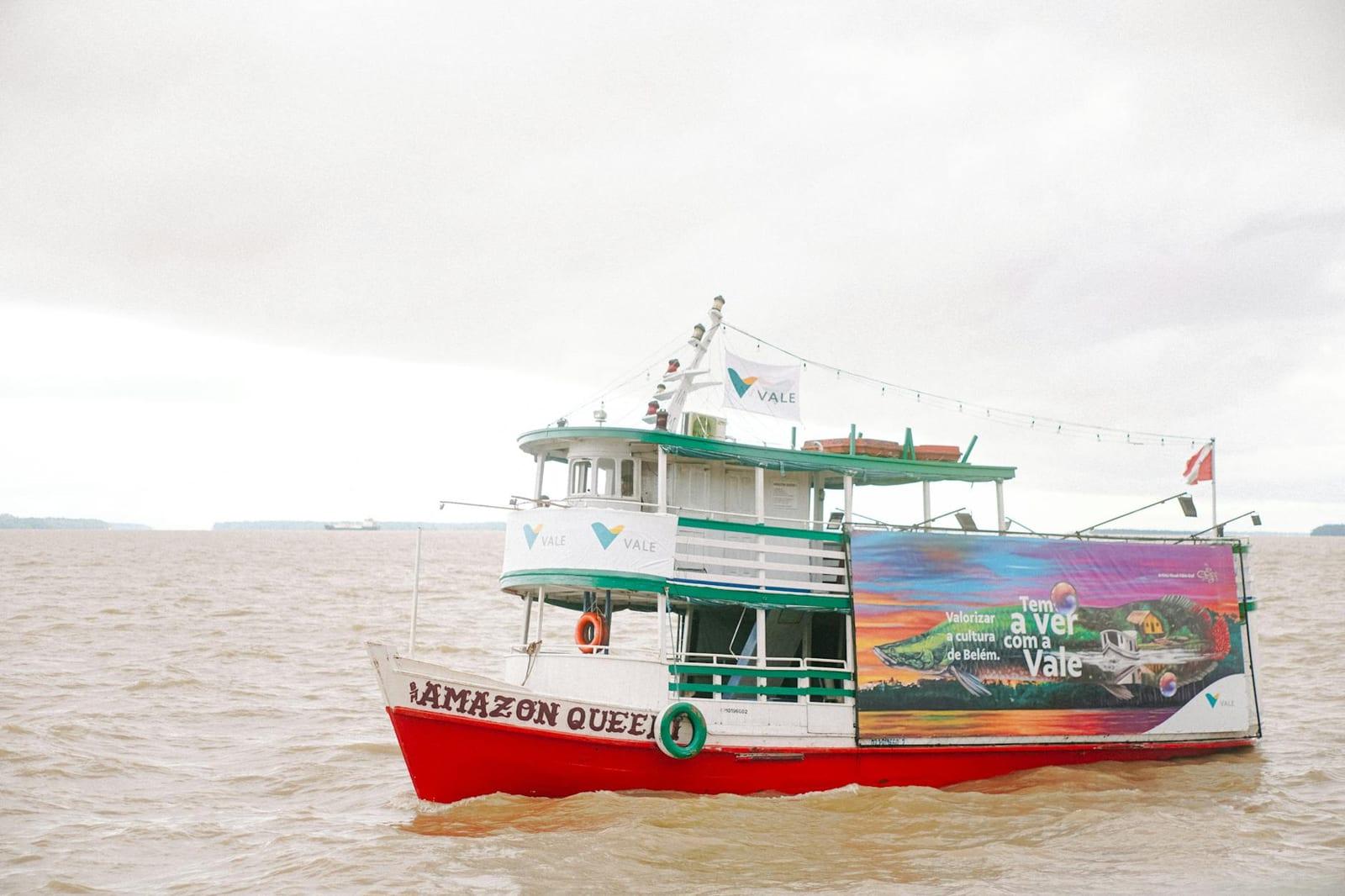
- The Amazon
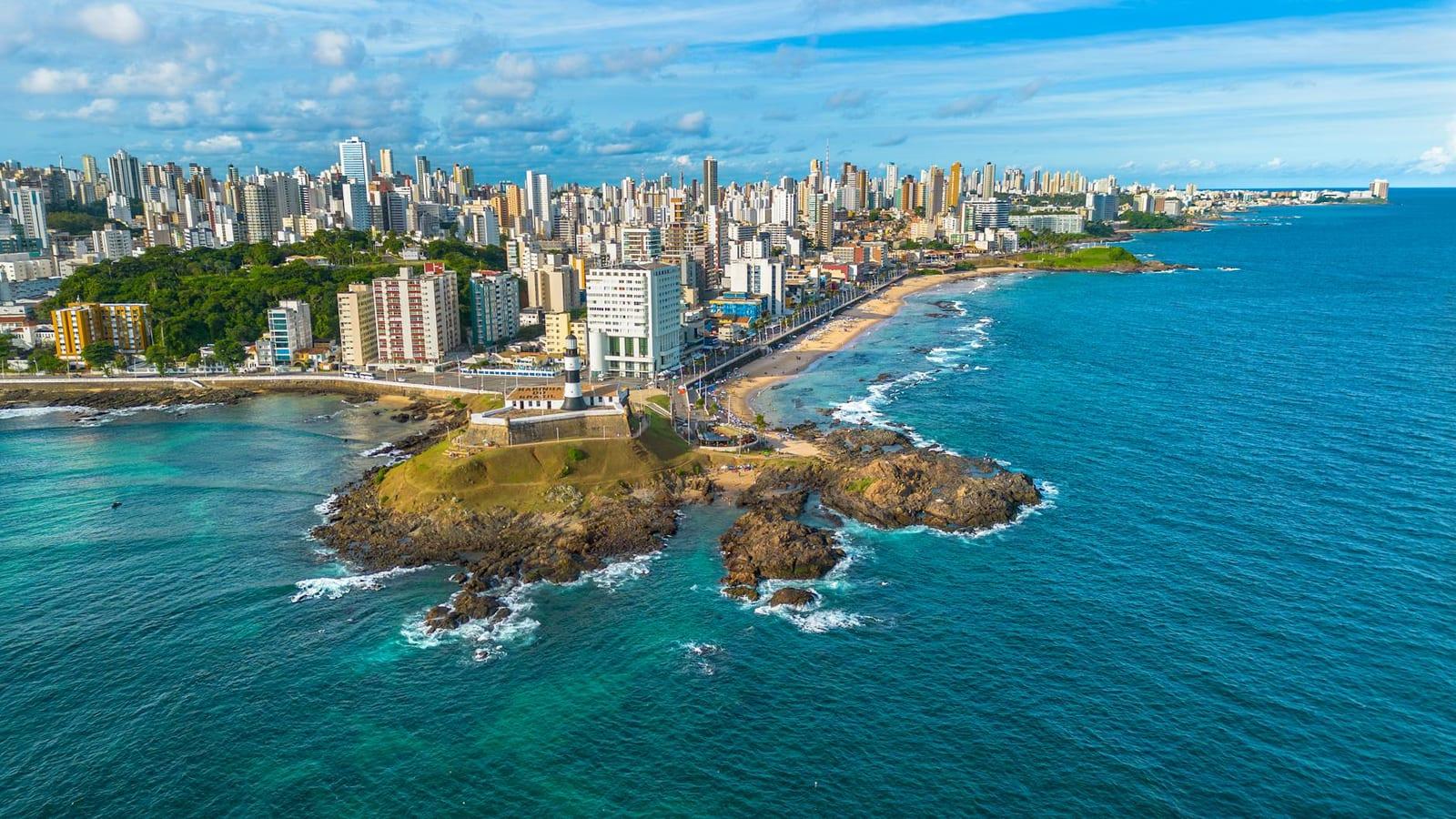
- Salvador
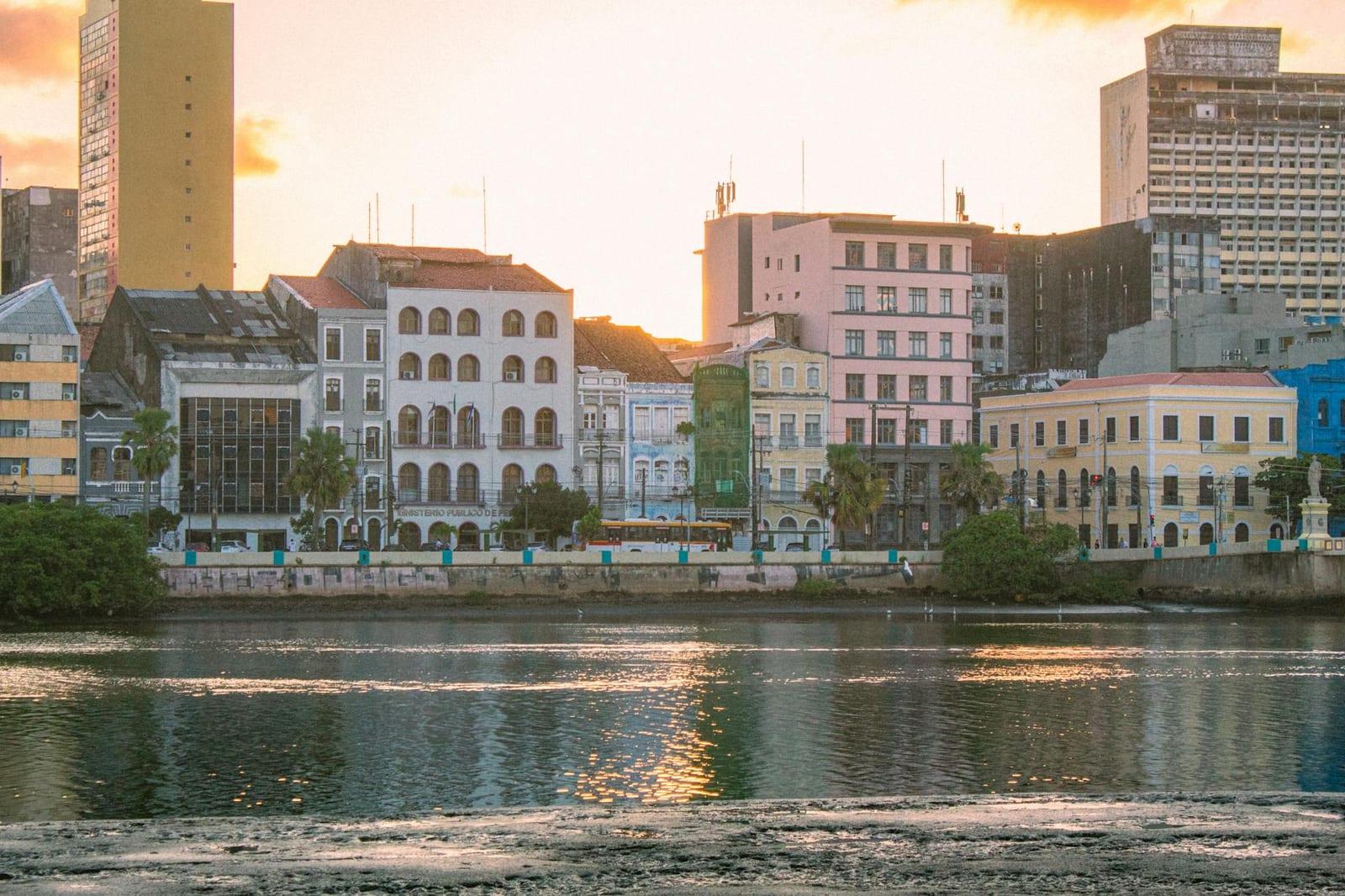
- Recife
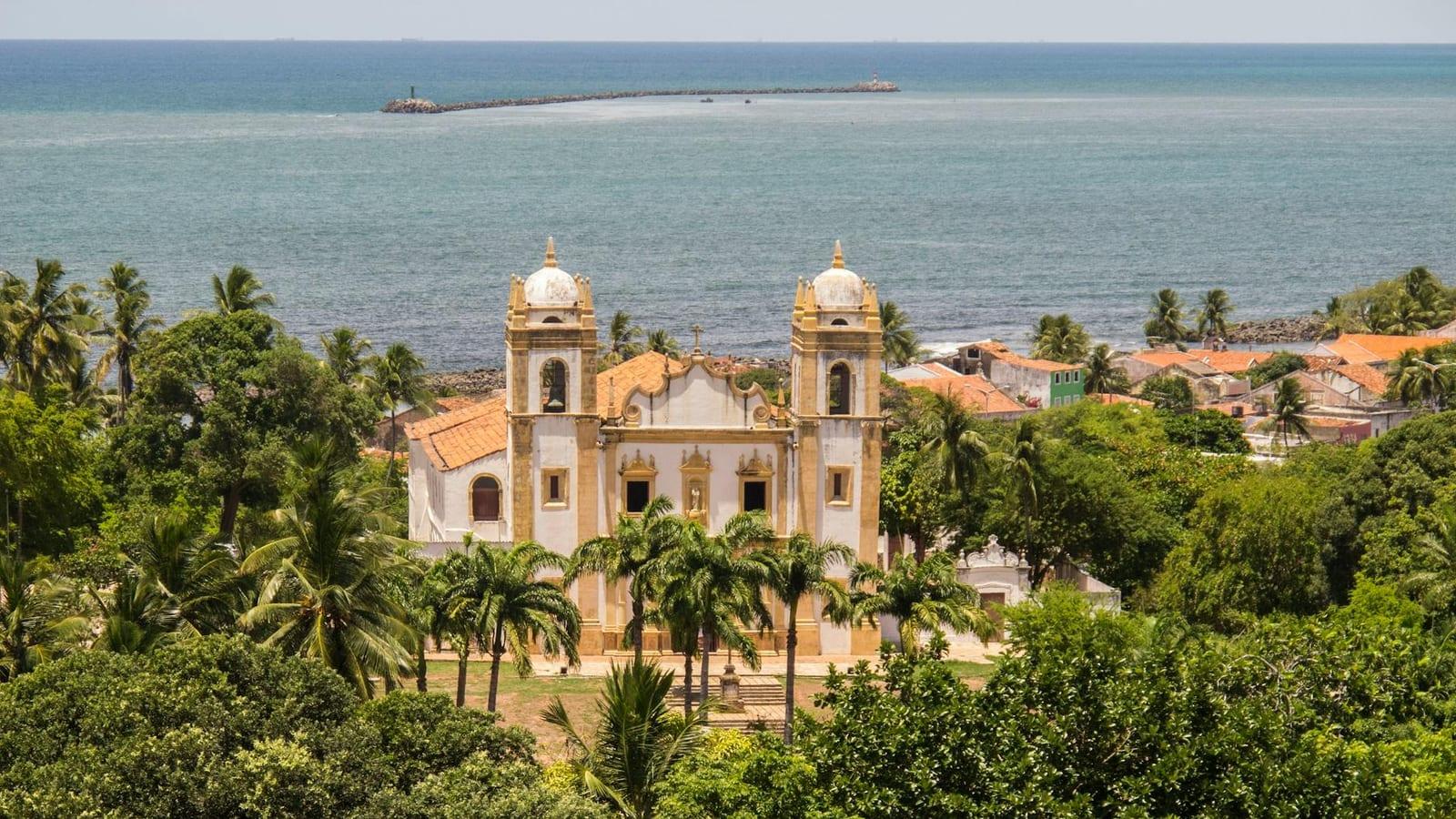
- Olinda
- Sao Paulo
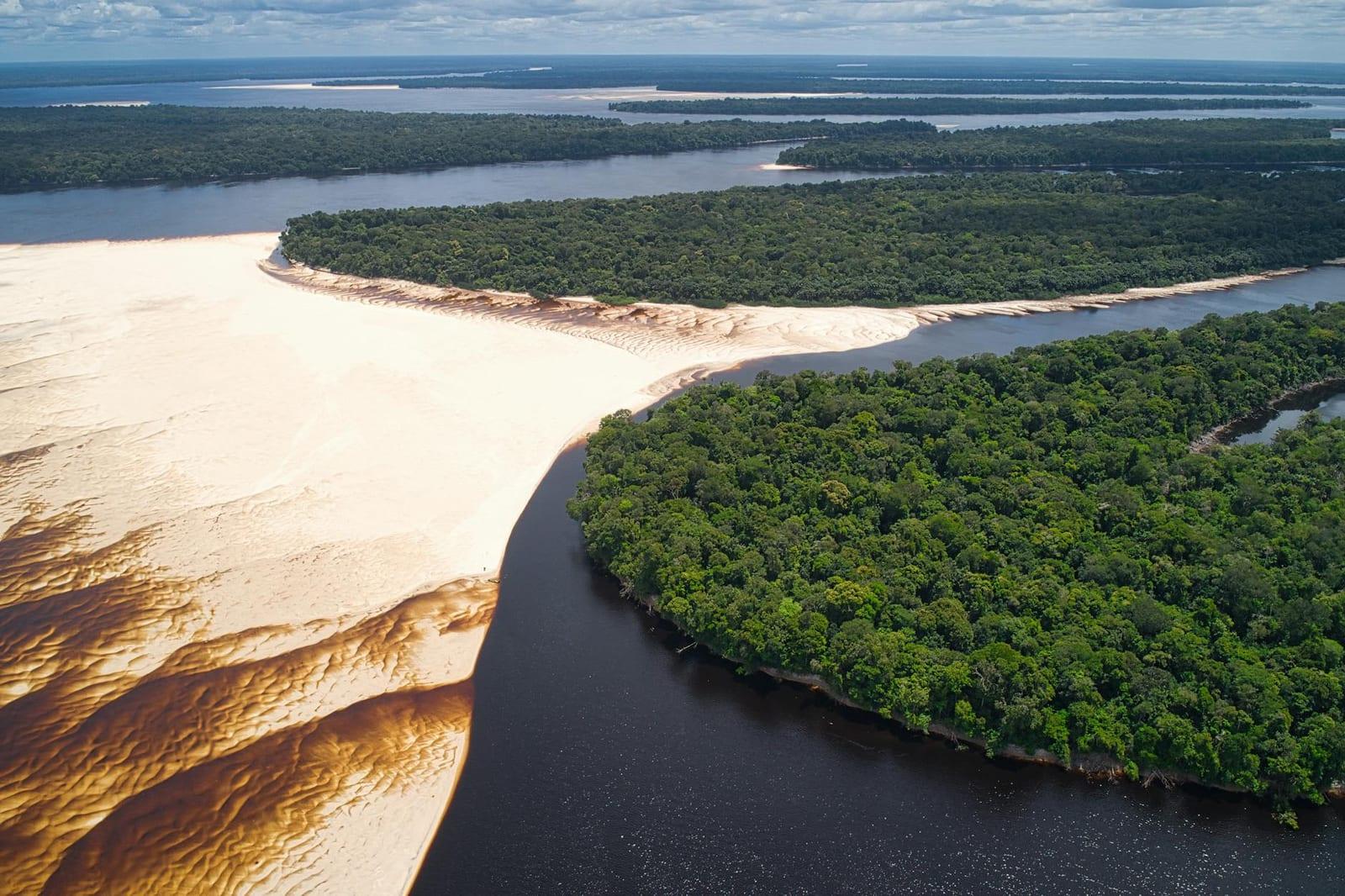
- Amazon Rainforest
- Hangglide
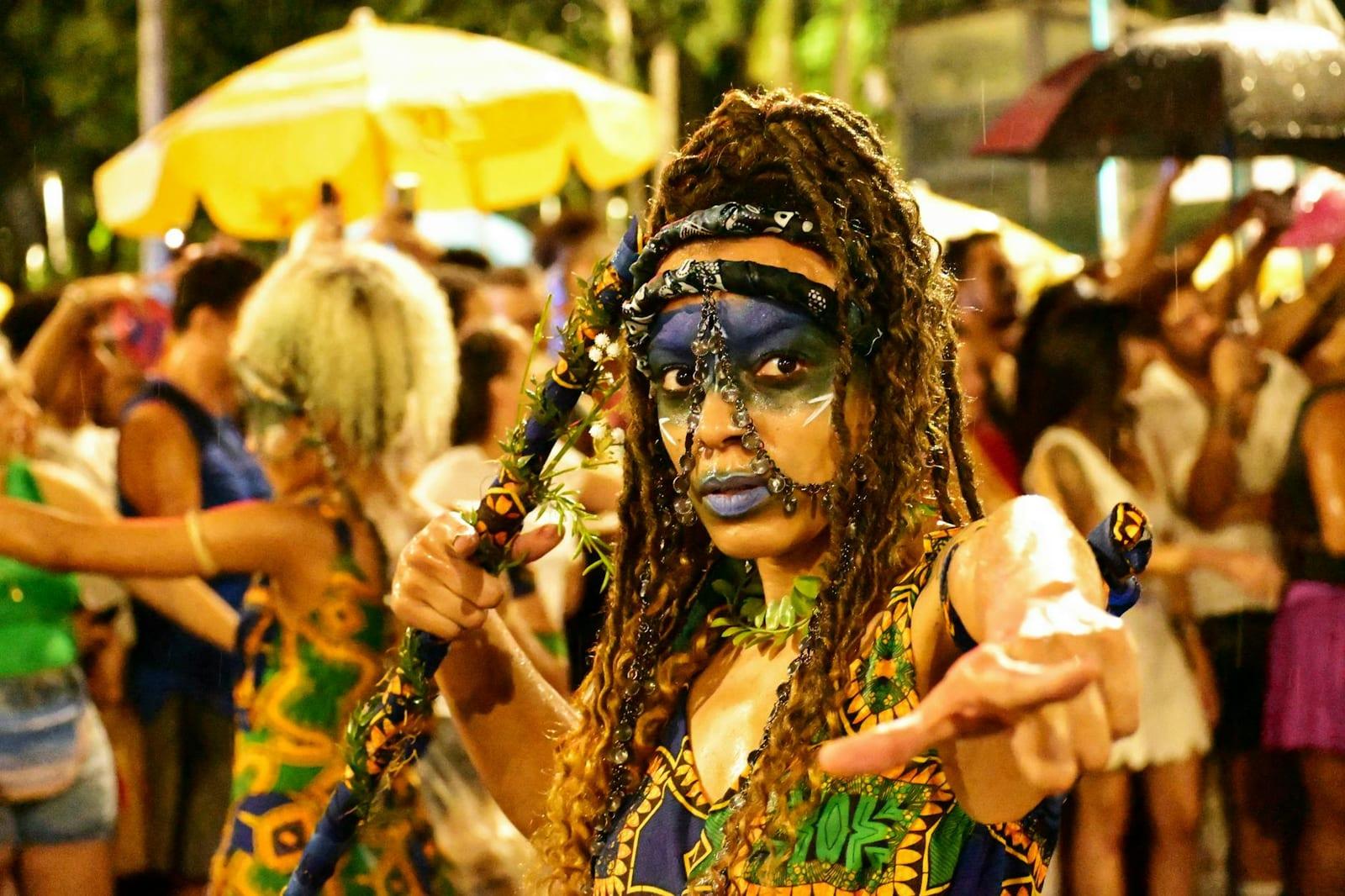
- Carnival Brazil
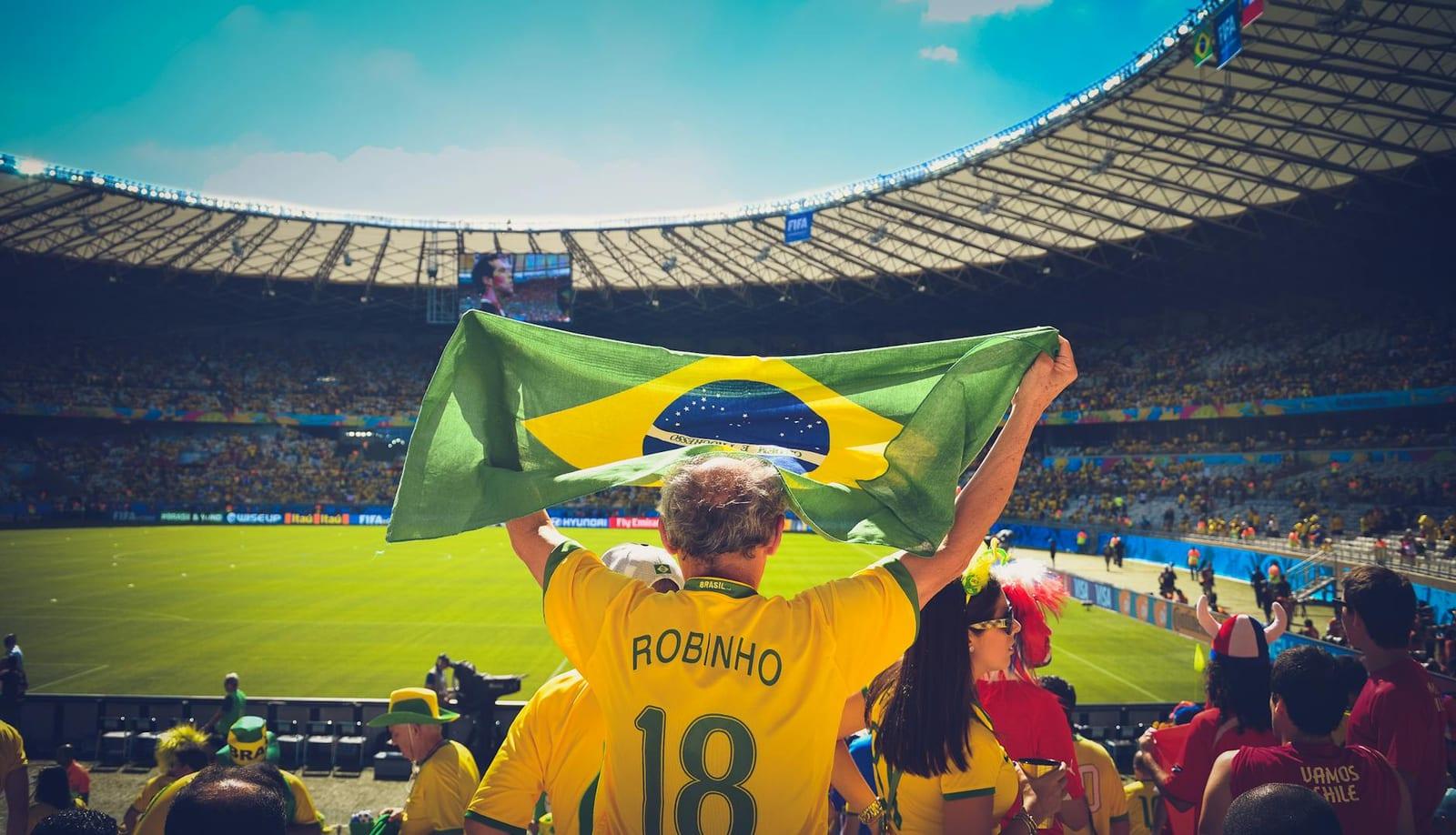
- FIFA World Cup
- Christo Redentor
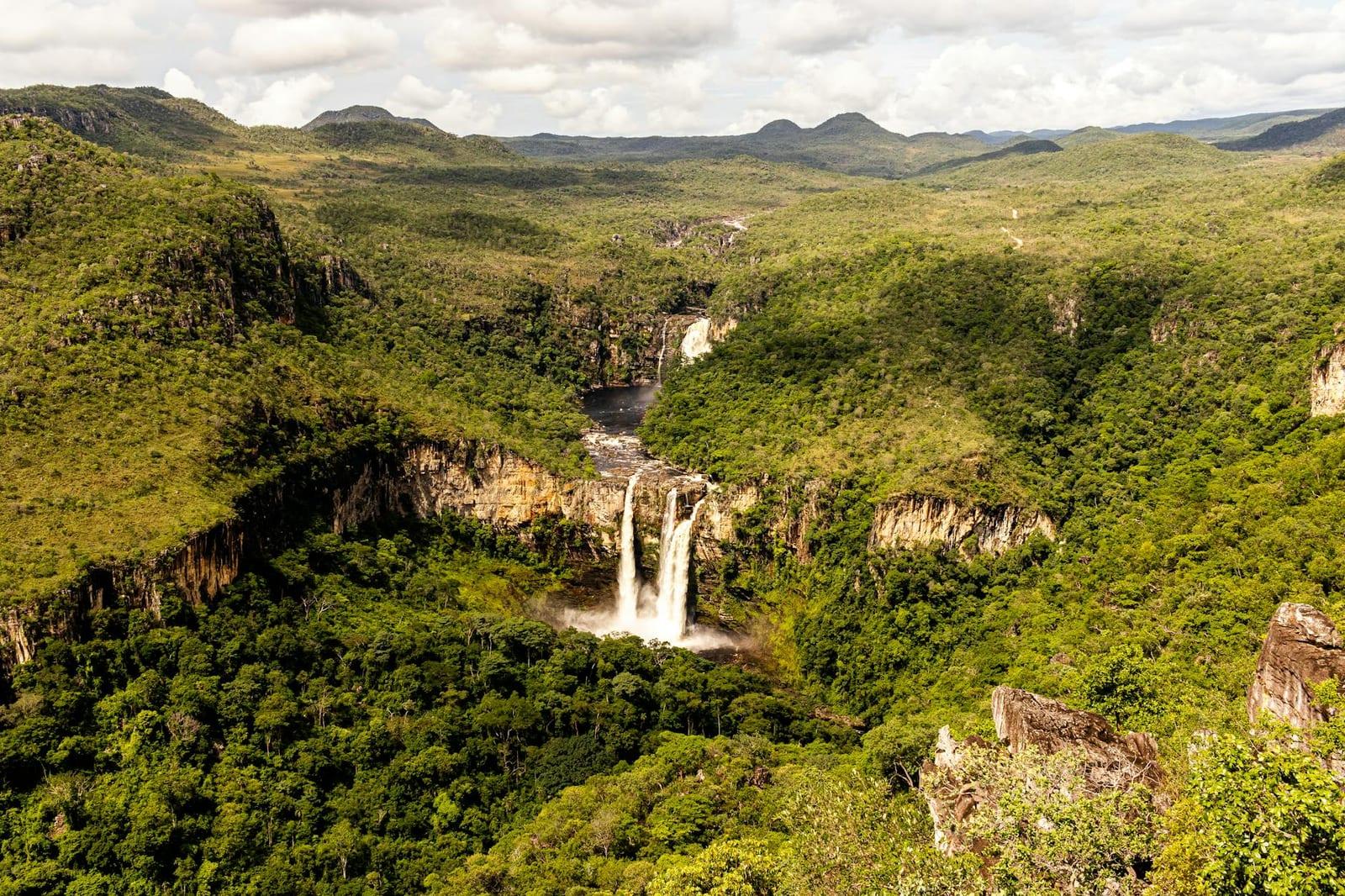
- PantanalAmong the largest and most pristine wetlands in the world, the Pantanal offers incredible wildlife spectacles—from macaws and jabiru storks to anacondas and jaguars.
- ManausThis big, rollicking city is the gateway to the Amazon and home to the famous “Meeting of the Waters” of the Negro and Solimoes rivers.
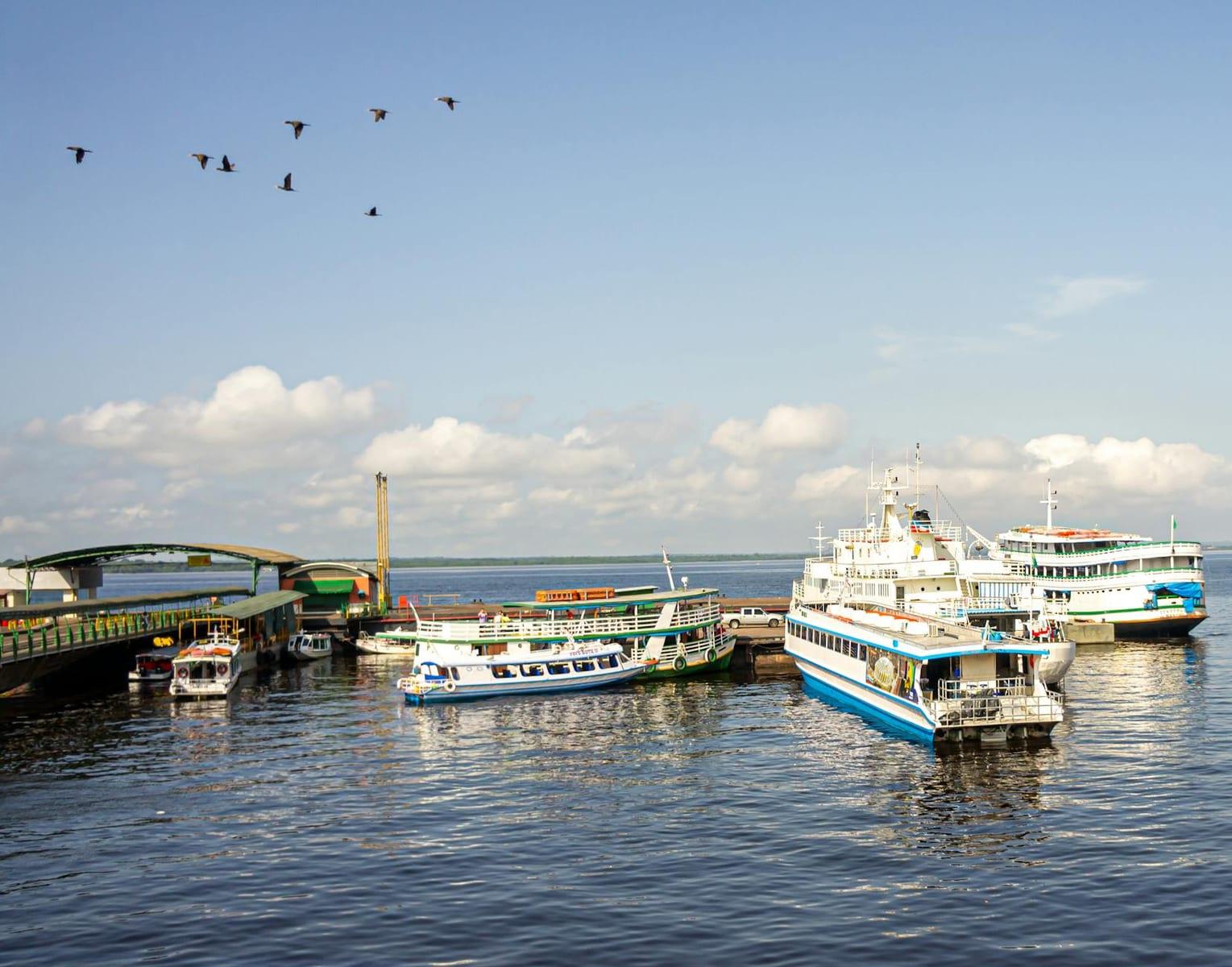
- Jau National ParkThis huge, remote park, which requires governmental permission to enter, exemplifies the Amazon Rainforest, the world’s biggest, at its wildest.
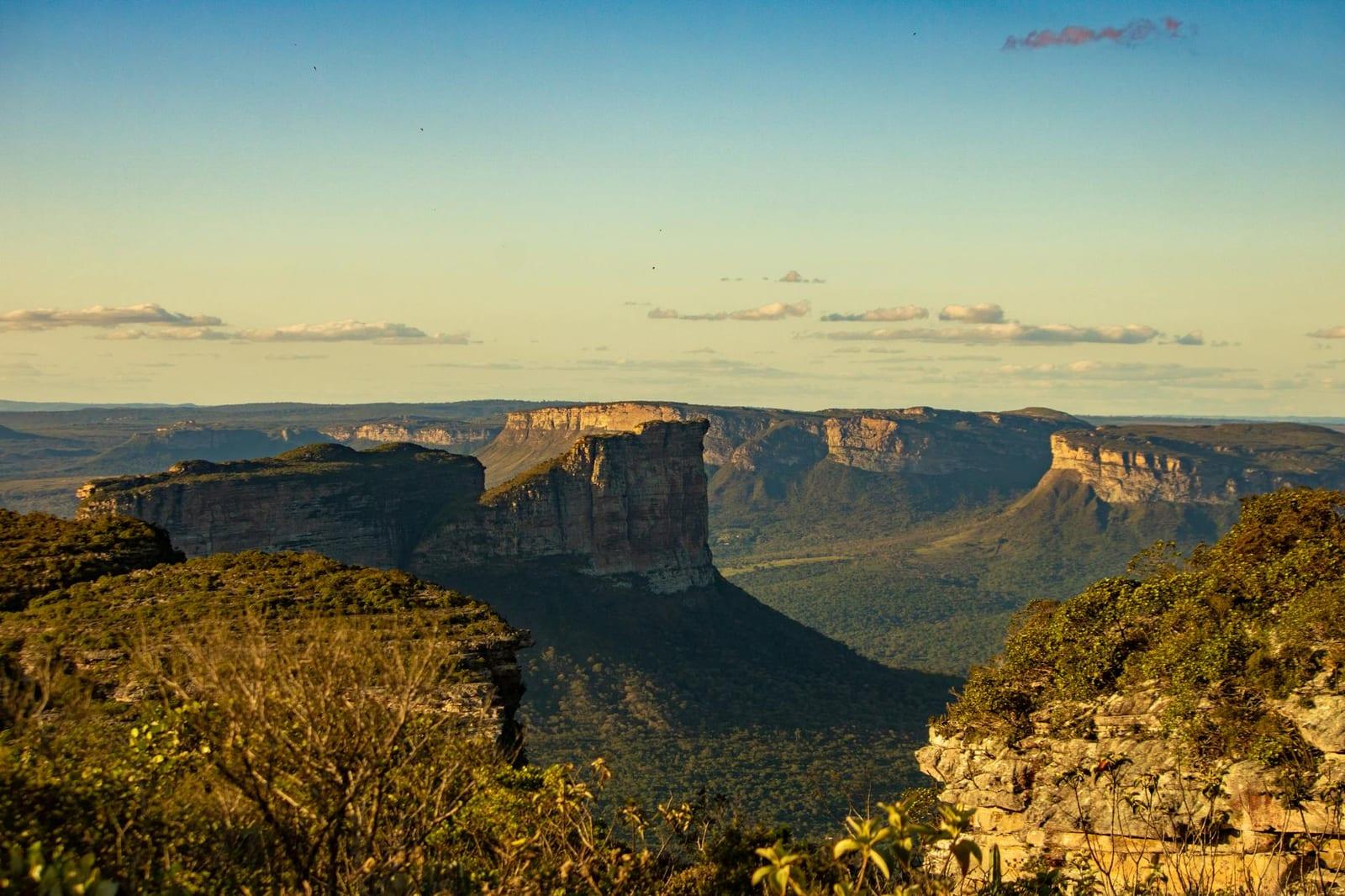
- Chapada Diamantina National ParkThis Bahia park’s precipitous cliffs, free-plunging waterfalls, and sharp summits make for some of Brazil’s grandest scenery.
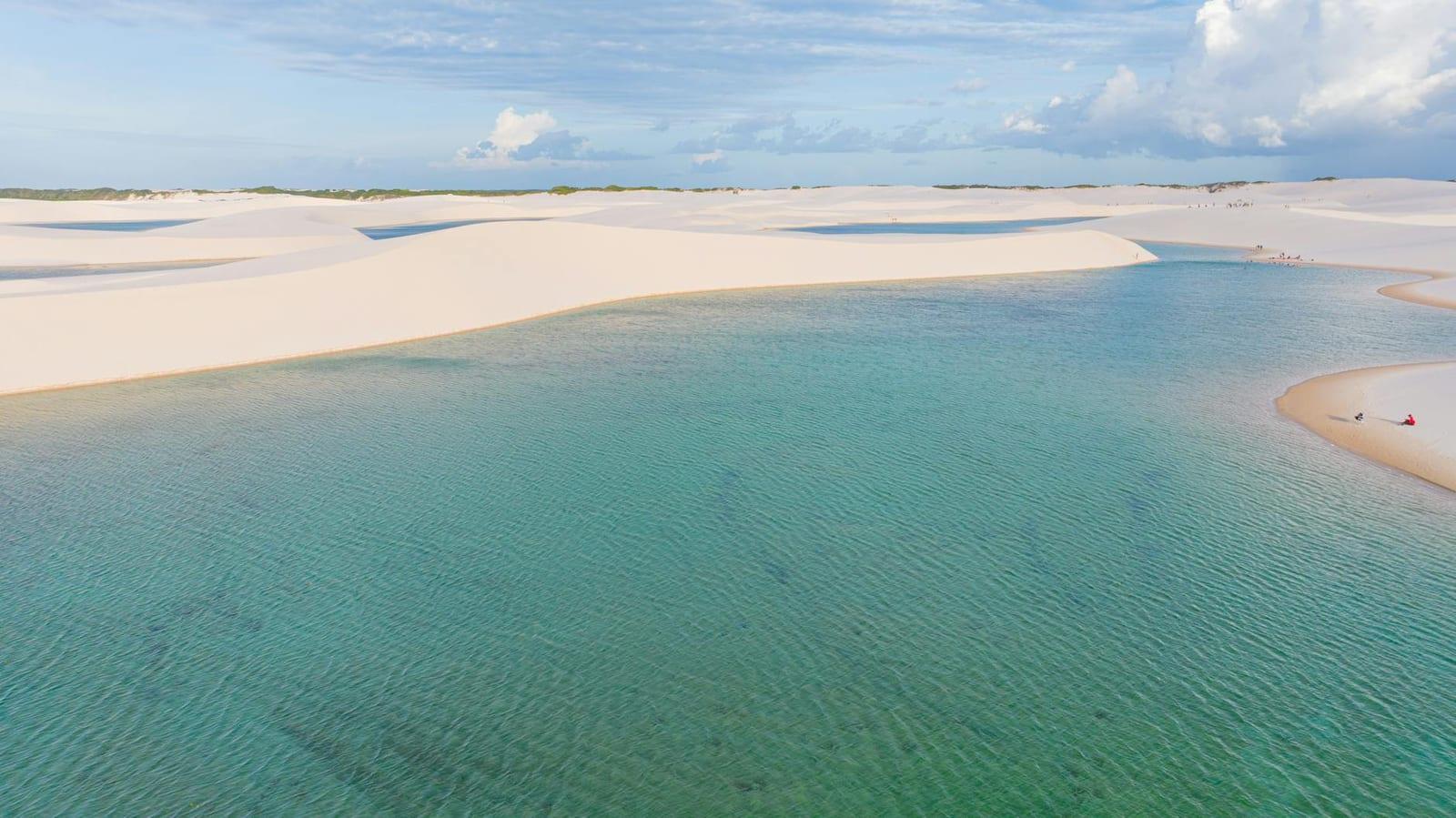
- Lencois Maranhenses National ParkPearly white sand dunes scattered with freshwater pools makes for an utterly otherworldly landscape.
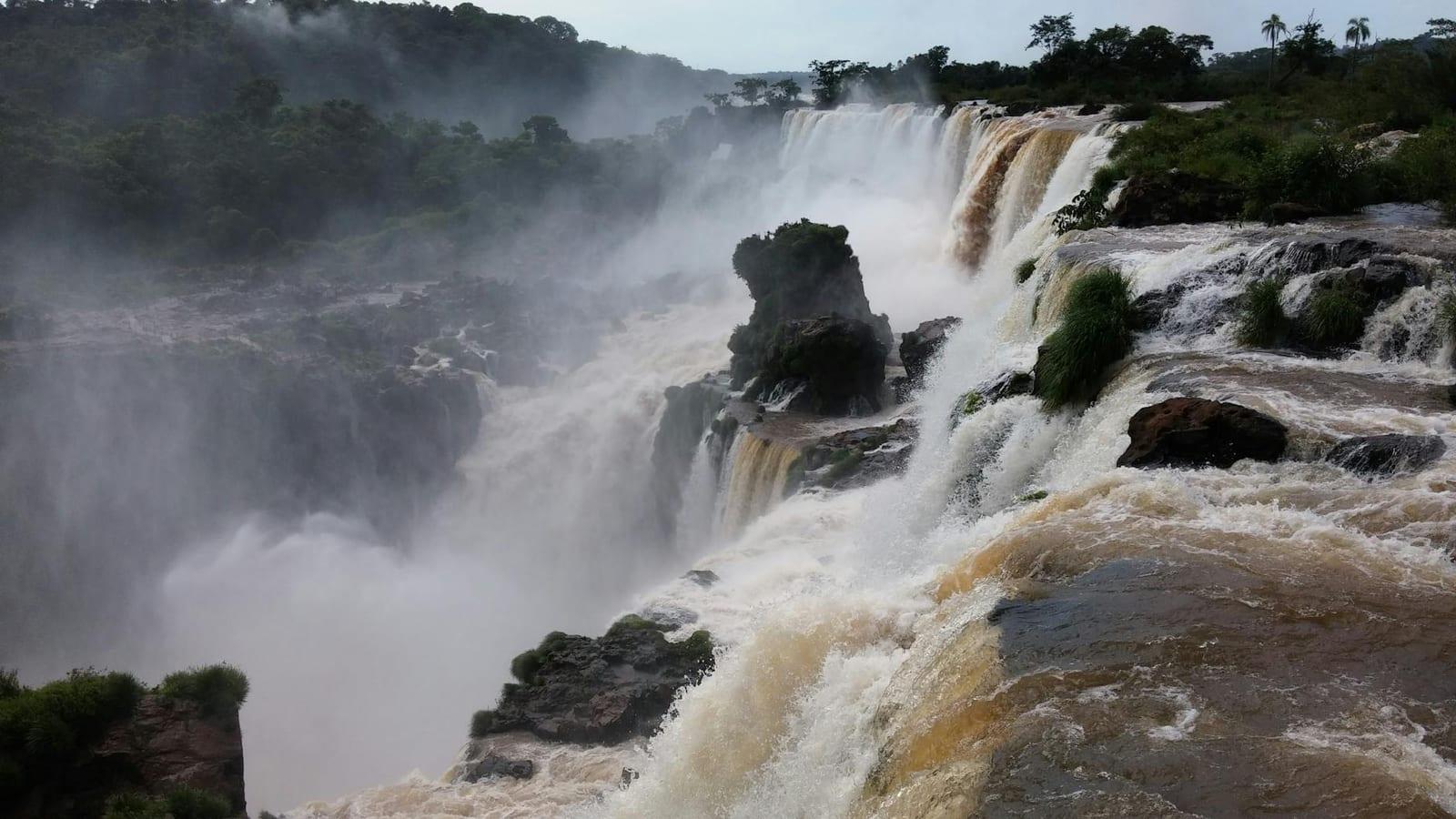
- Iguazu FallsThe Iguazu River’s leap off the Parana Plateau makes this wonderland of multiple whitewater cataracts, shared with Argentina.
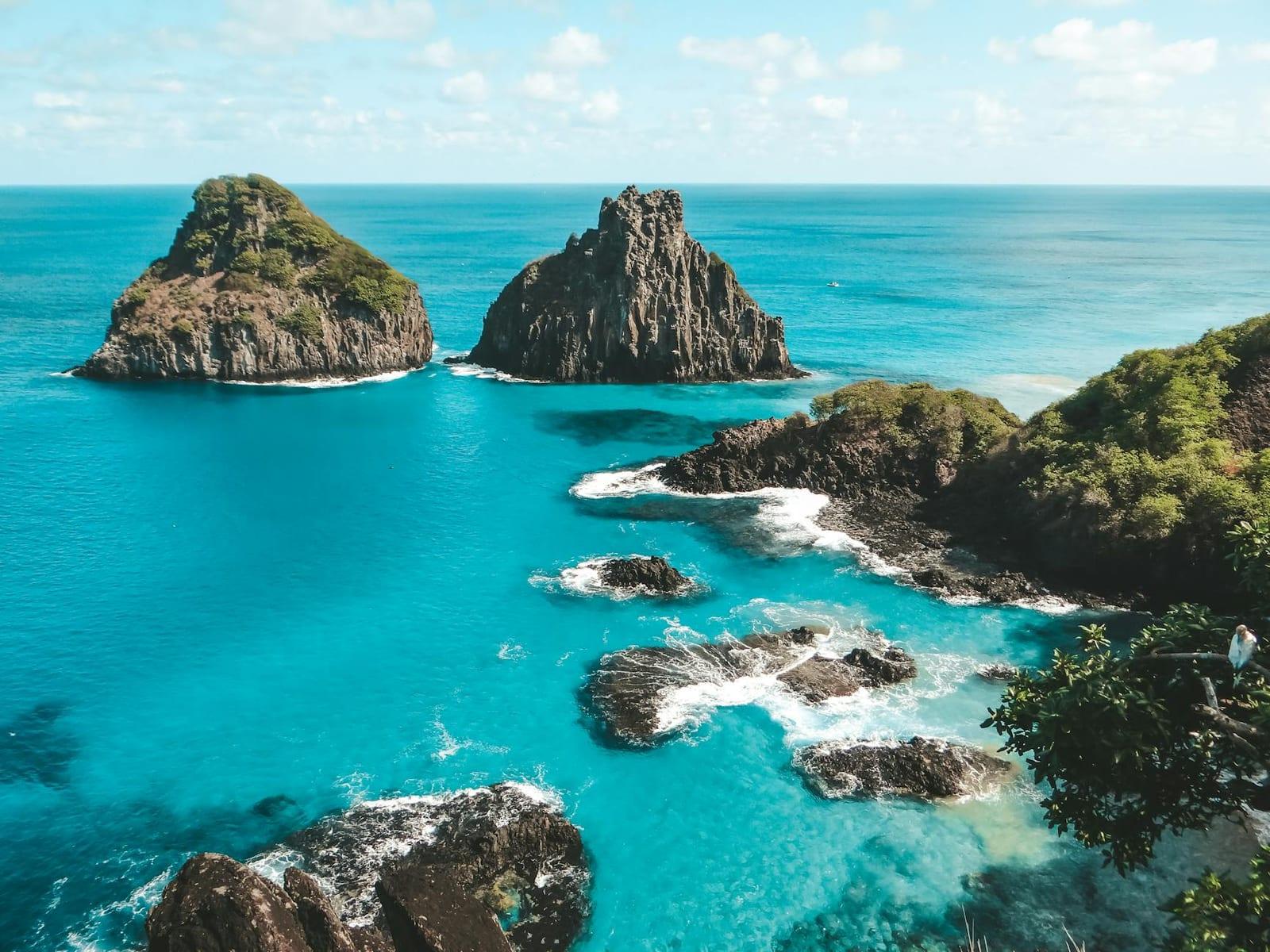
- Fernando de NoronhaMore than 200 miles off Brazil’s northeastern coast, this archipelago brings visions of a tropical island paradise to life.
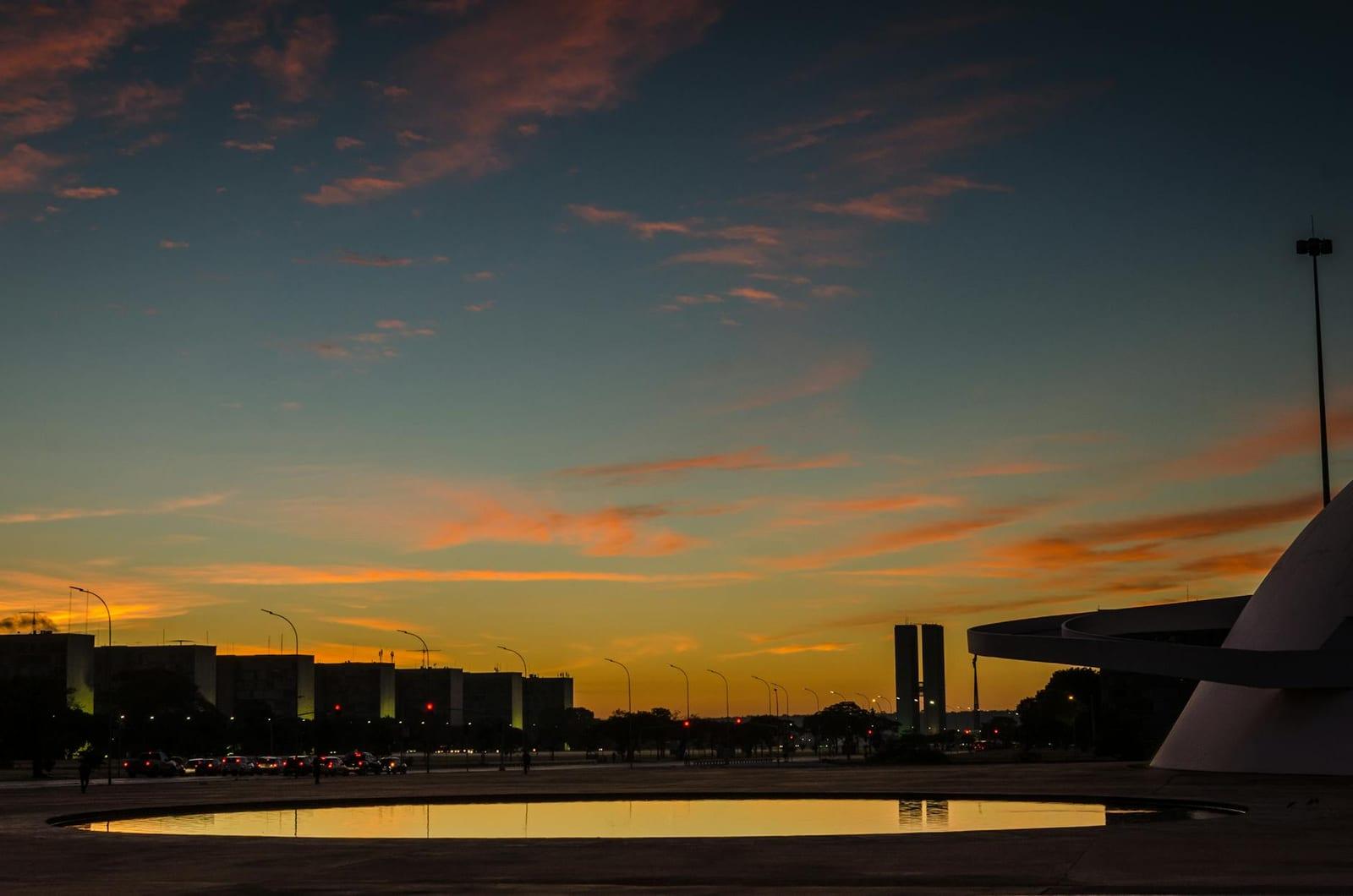
- BrasiliaBrazil’s capital, platted out on raw jungle in the 1950s, boasts a utopian design and arresting modernist architecture.