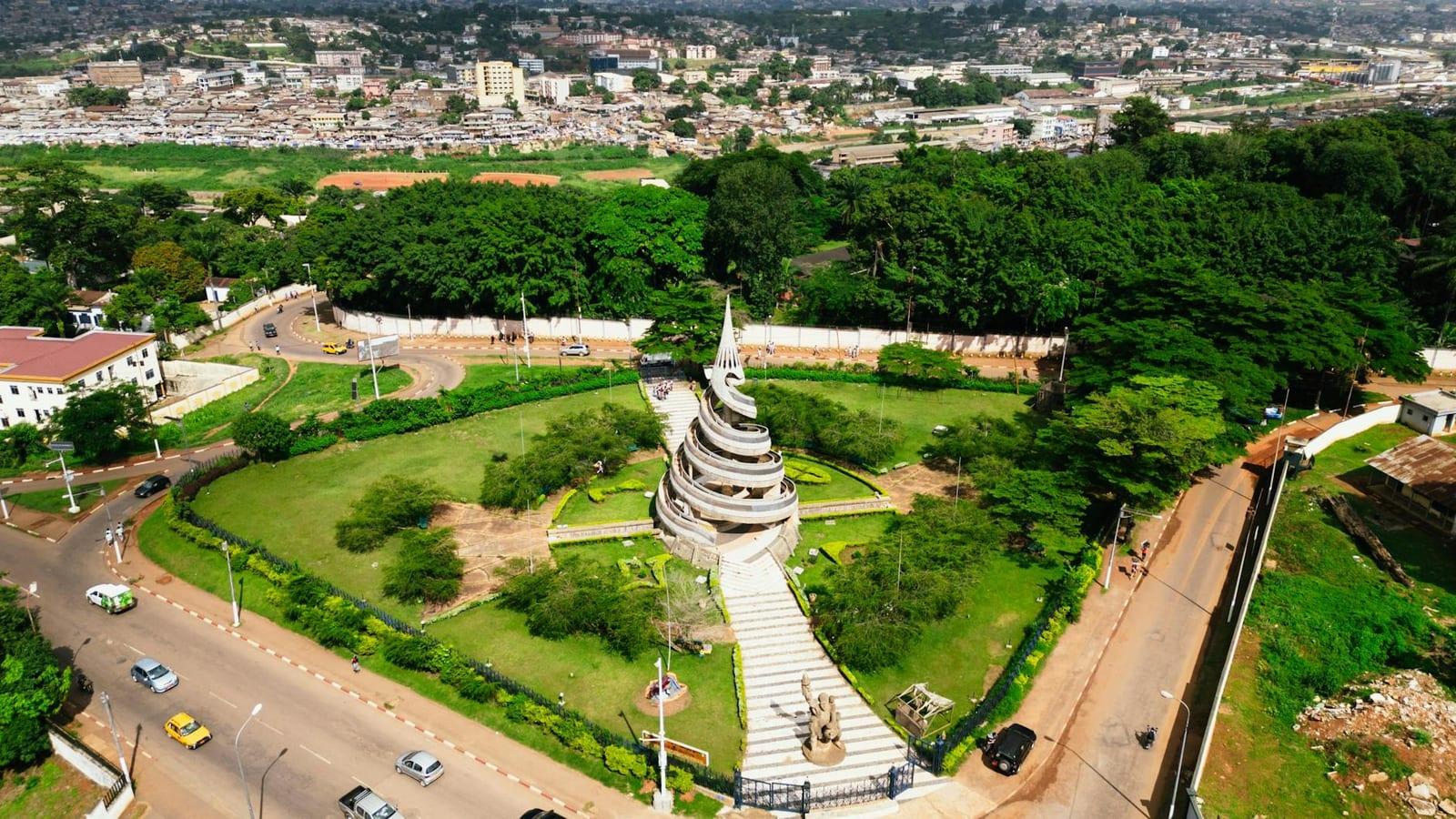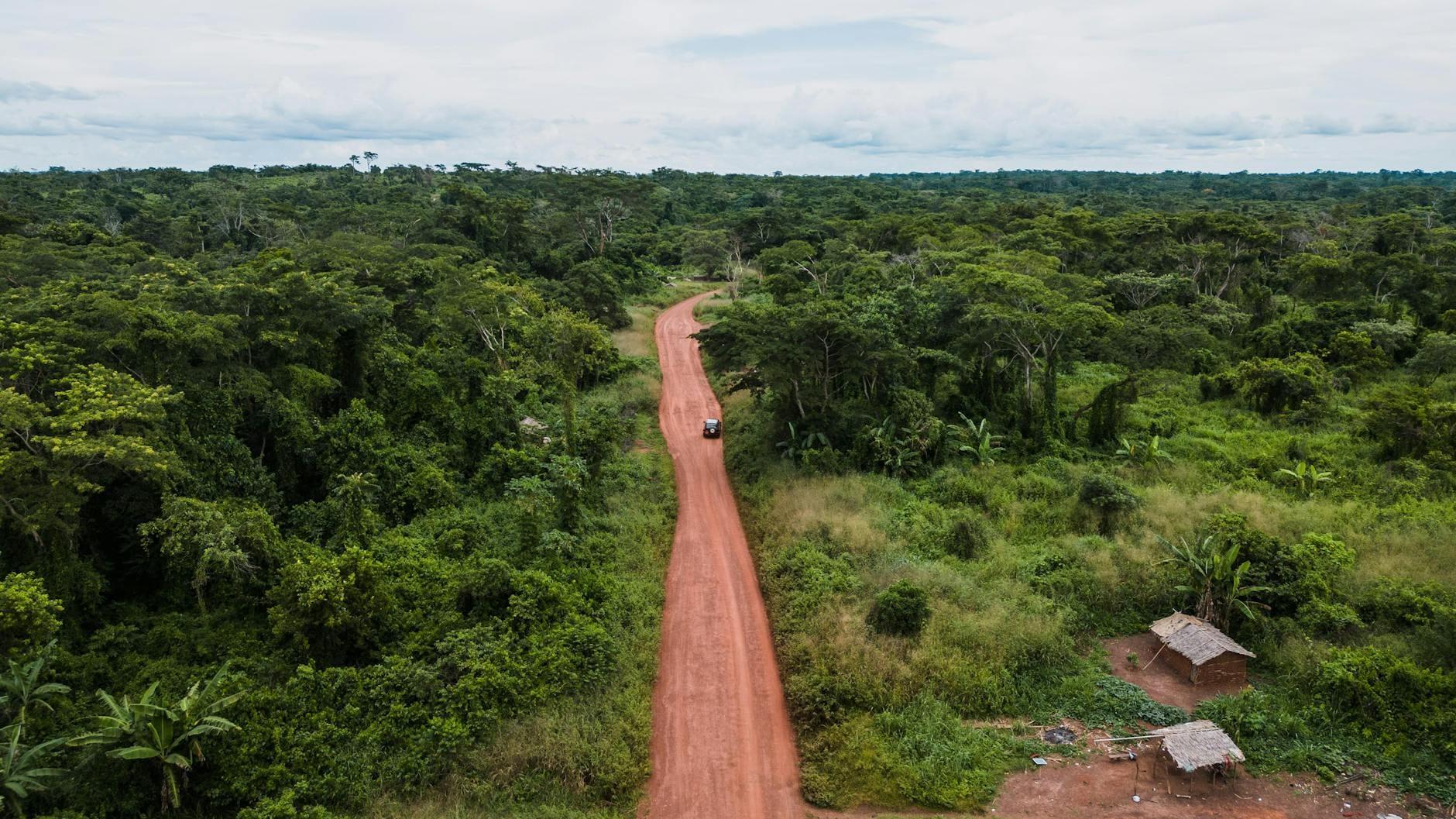
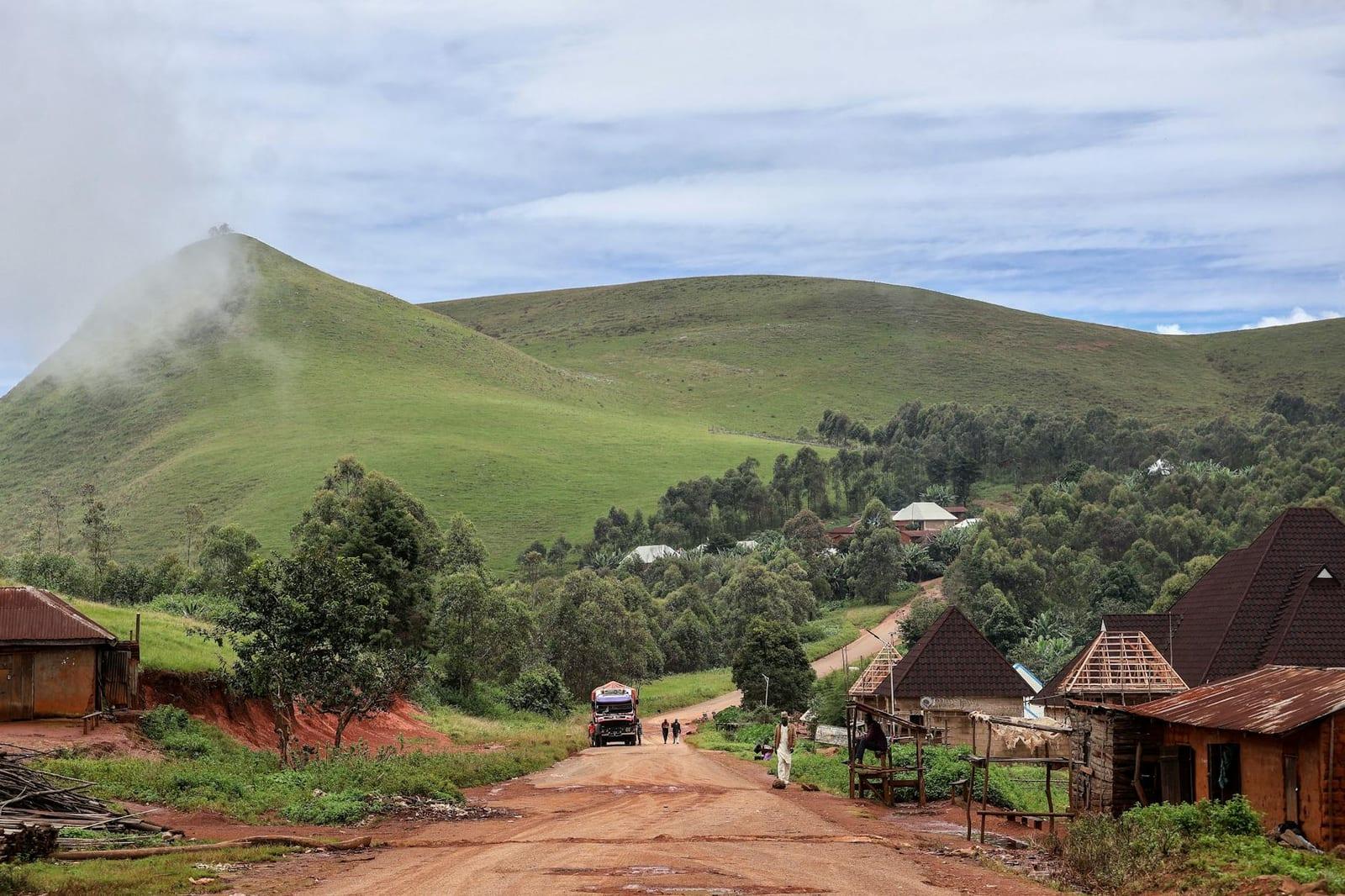
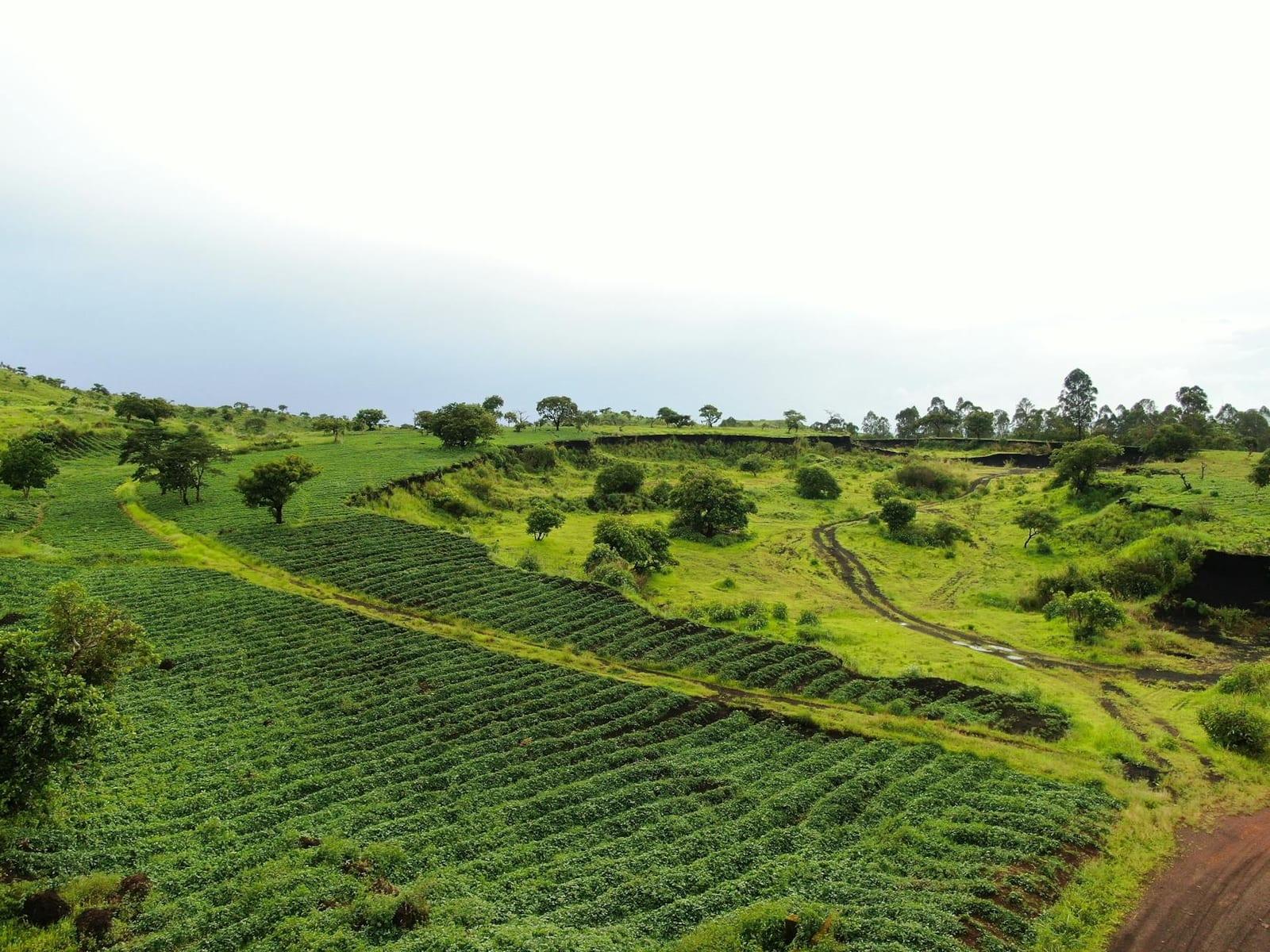
Bridging West and Central Africa, Cameroon is an enthralling nation with a landscape that transforms from semiarid savannas and hardscrabble hills to steaming coastal forests, mighty volcanoes, and palm-lined beaches; and encompassing some 250 different ethnic groups. It’s hard to argue with the promotional claims that a visit to Cameroon, roughly the size of France, serves as a sampler package for the entire African continent.
Given its demographic breadth, it’s impossible to sum up Cameroonian culture in a few descriptive phrases: Suffice it to say that the country lays claim to an incredible spectrum of artistic styles, musical genres, and cuisine. Whether it’s a traditional talking-drum performance or a joyous makossa concert, Cameroon’s a thoroughly danceable place. Cookery-wise, ingredients and styles introduced during colonialism intergrade with time-honored culinary traditions and Cameroon’s native agricultural and seafood bounty, making for some truly delicious dishes—many heavy on the plantains, cassava, and peanuts.
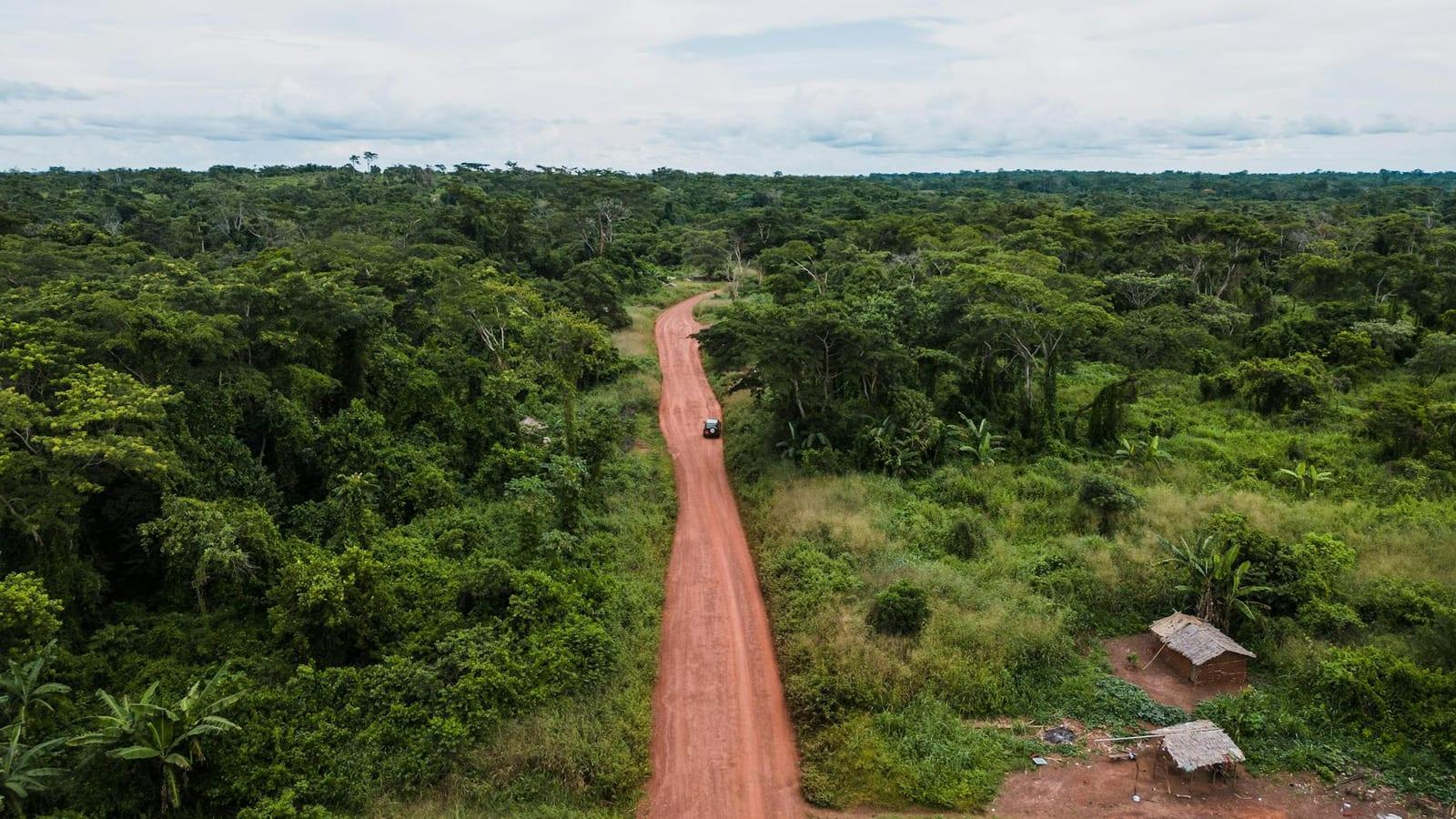
Meanwhile, if you have even the slightest inclination towards Mother Nature, you’ll have a heyday in Cameroon, given the jampacked diversity of ecosystems and a network of parks and preserves that rank among Africa’s most critical. Pristine (if threatened) Congo Basin rainforest—complete with forest elephants, buffalo, western lowland gorillas, chimpanzees, and birds of all kind—is the showcase of Lobéké and Nki national parks in the southeast and the Dja Faunal Reserve in the south. Northern national parks such as Waza, Bénoué, Faro, and Bouba Njida accommodate safaris in quest of classic open-country African wildlife, from bush elephants to painted hunting dogs (one of the rarest—and flashiest—carnivores on the continent).
Mount Cameroon, the country's signal landform, is a beacon for hikers: This 13,350-foot volcano, notable for rising so close to the ocean, has a rainforest base and a barren, windswept crown, reachable via guided (but non-technical) treks.
Coastal R&R more your style? It’s hard to beat Limbe, situated in the shadow of Mount Cameroon on the shores of the Bight of Bonny. You’ve got a slew of handsome beaches here from which to appreciate Cameroonian sunshine and sea breezes, while the city's world-class botanical garden, founded back in the 1890s, immerses you in a lush tropical oasis.
Compared to many of its neighbors, Cameroon has a pretty decent road and transportation network as well as a notably stable political situation; unsurprisingly, the best-developed tourist facilities are along the well-populated coastal plain and associated with the more accessible national parks. As a one-stop-shop of African culture and ecology, Cameroon delivers.
11 things not to miss.
- Mount Cameroon to the summitClimb Mount Cameroon to the summit
- Limbe's black volcanic beachesWalk Limbe's black volcanic beaches
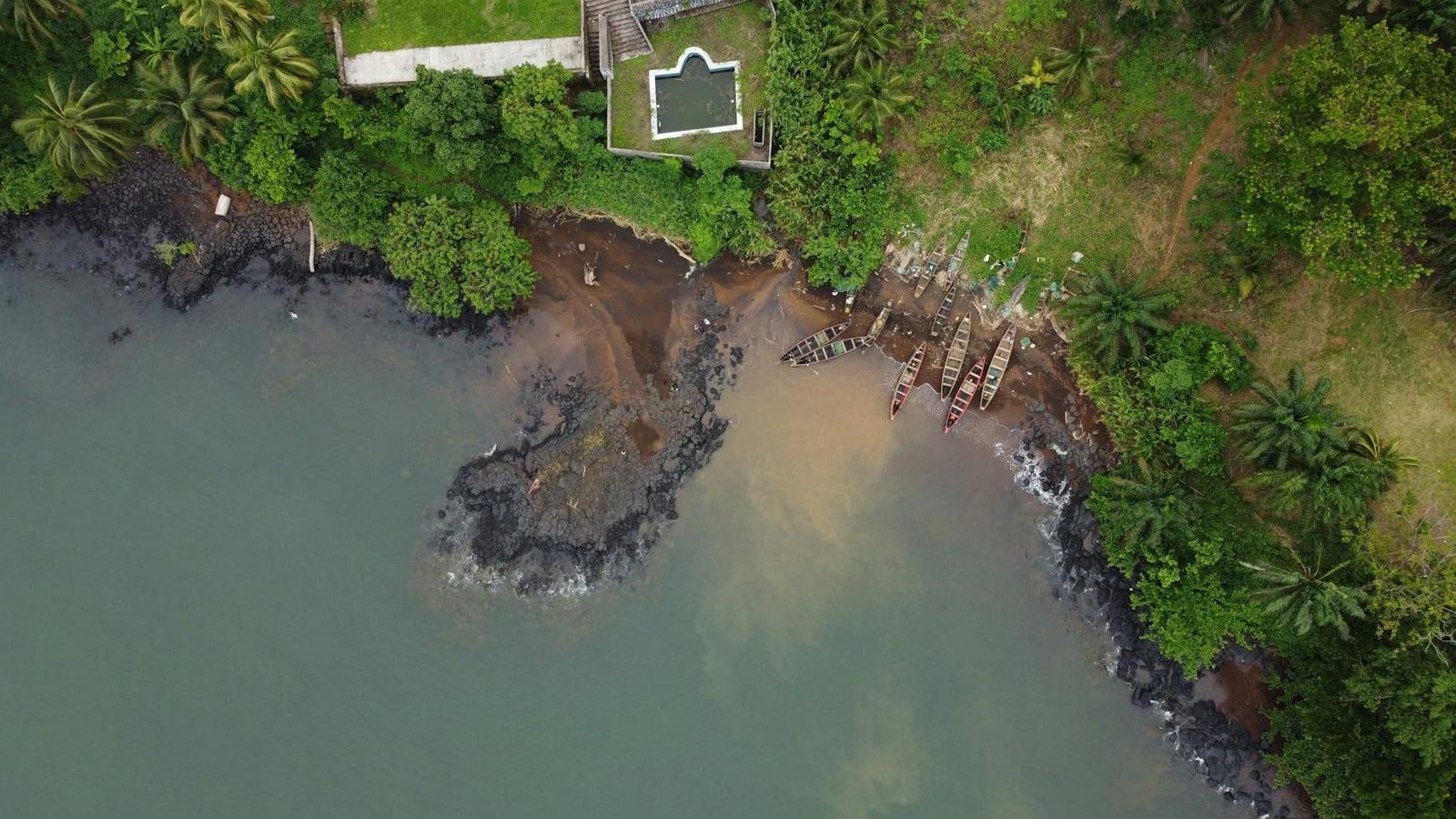
- Bafut palace and museumVisit the Bafut palace and museum
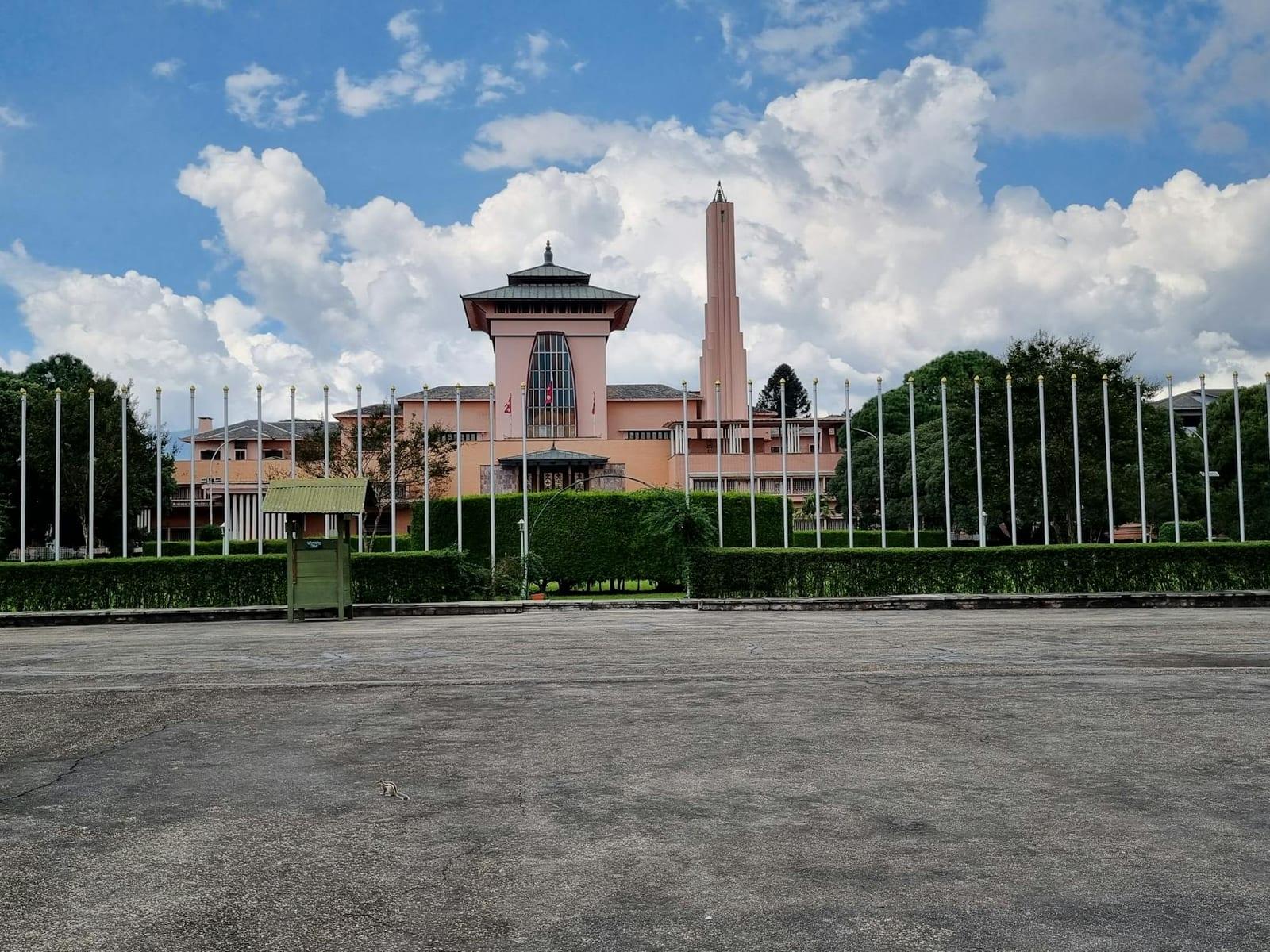
- Dja Faunal ReserveNearly all of this wilderness preserve, a UNESCO World Heritage Site, is old-growth Congo Basin rainforest—home to chimps, gorillas, forest elephants, and bongos.
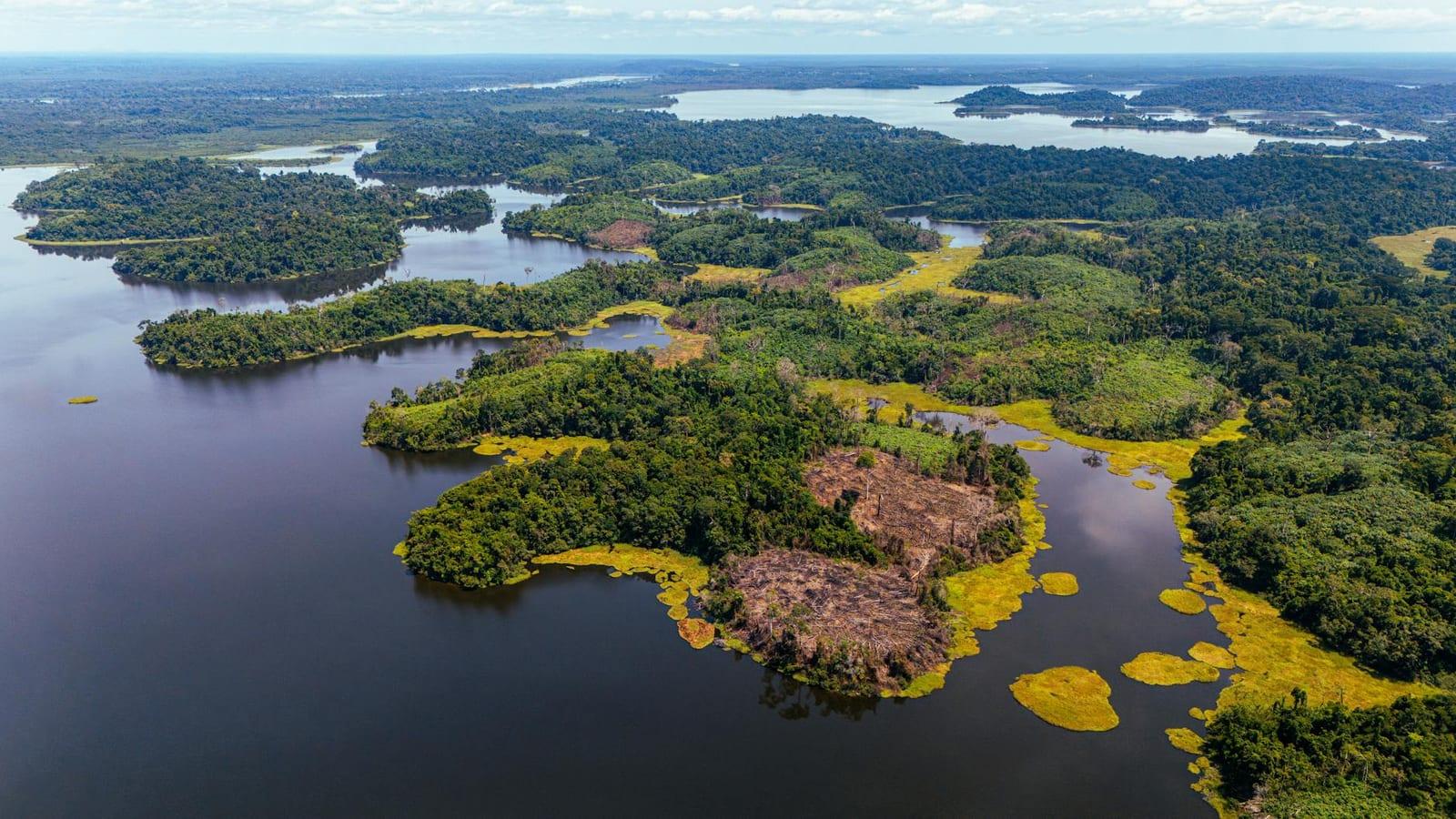
- Korup National ParkA more accessible rainforest experience awaits in Korup on the Nigerian line, well known for its primate and avian diversity.
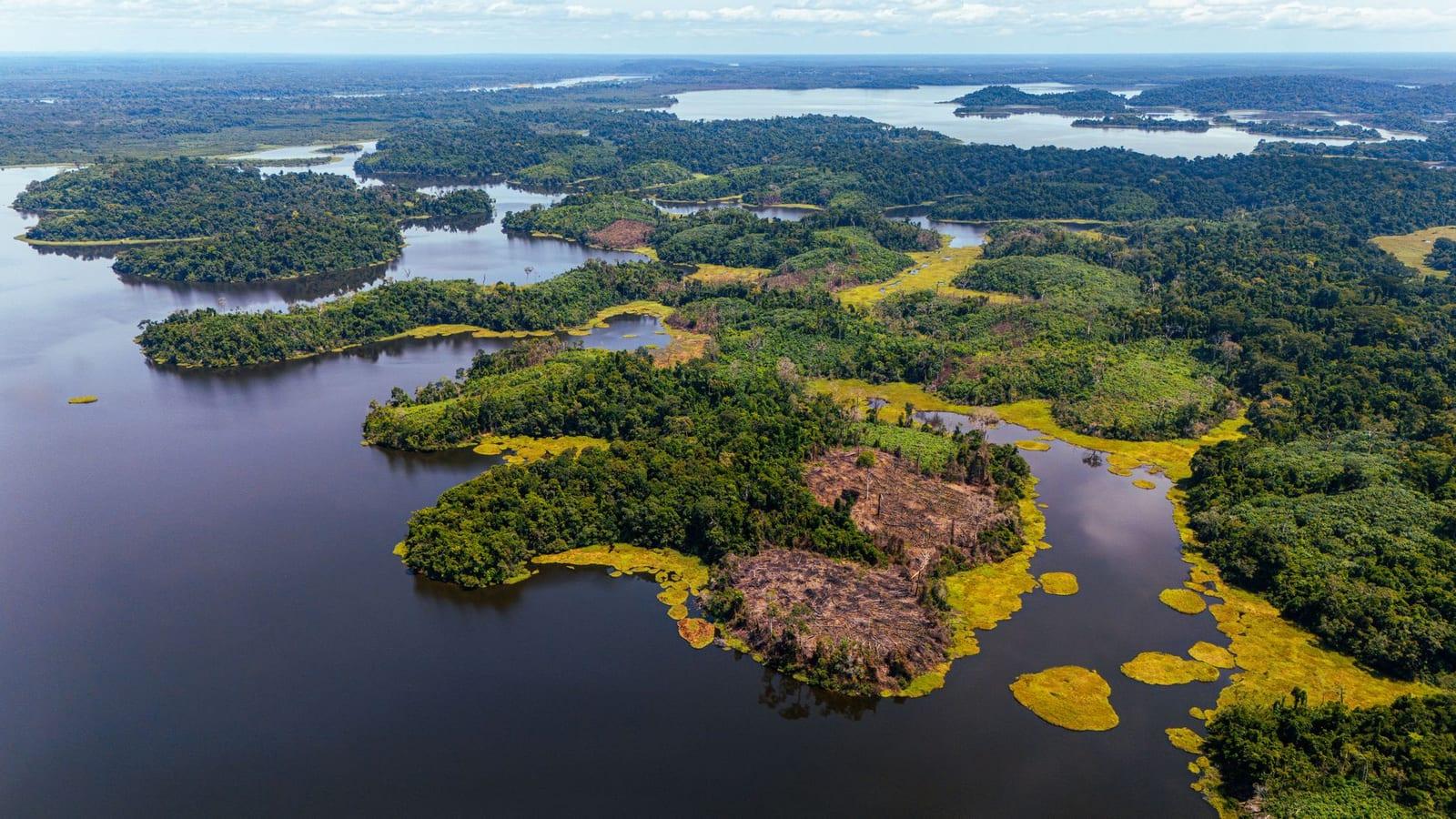
- Mount CameroonRising past 13,000 feet close to the Gulf of Guinea, this regal (and vigorous) volcano, one of Africa's elite summits, makes for a topnotch trekking destination.
- LimbeSet along the Bight of Bonny, this coastal city tempts with resort-edged beaches and the excellent Limbe Botanical Garden.
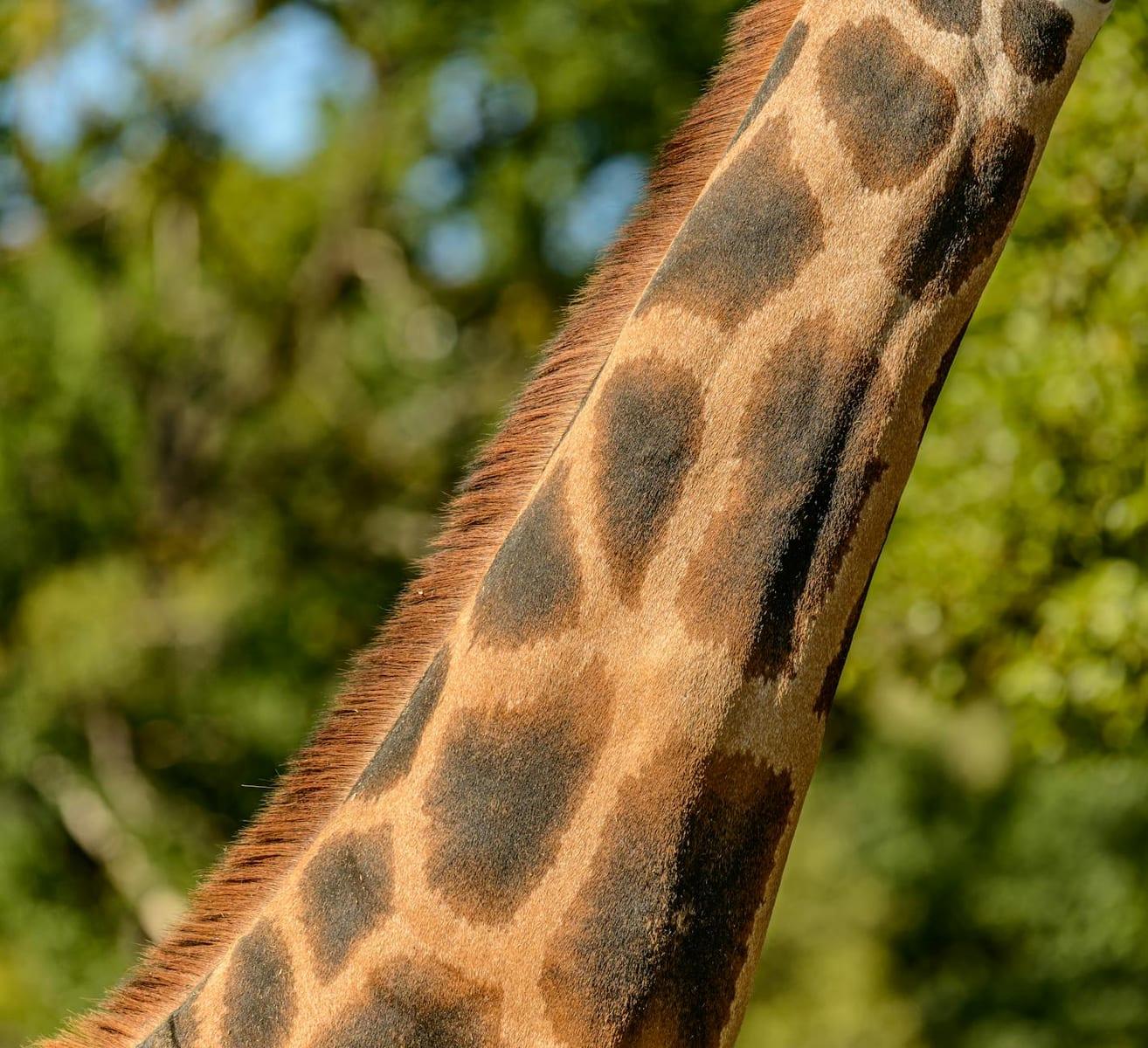
- Waza National ParkGiraffes, elephants, ostriches, cheetahs—Waza’s seasonally flooded grasslands and savannas support some of Cameroon’s most visible and diverse wildlife populations.
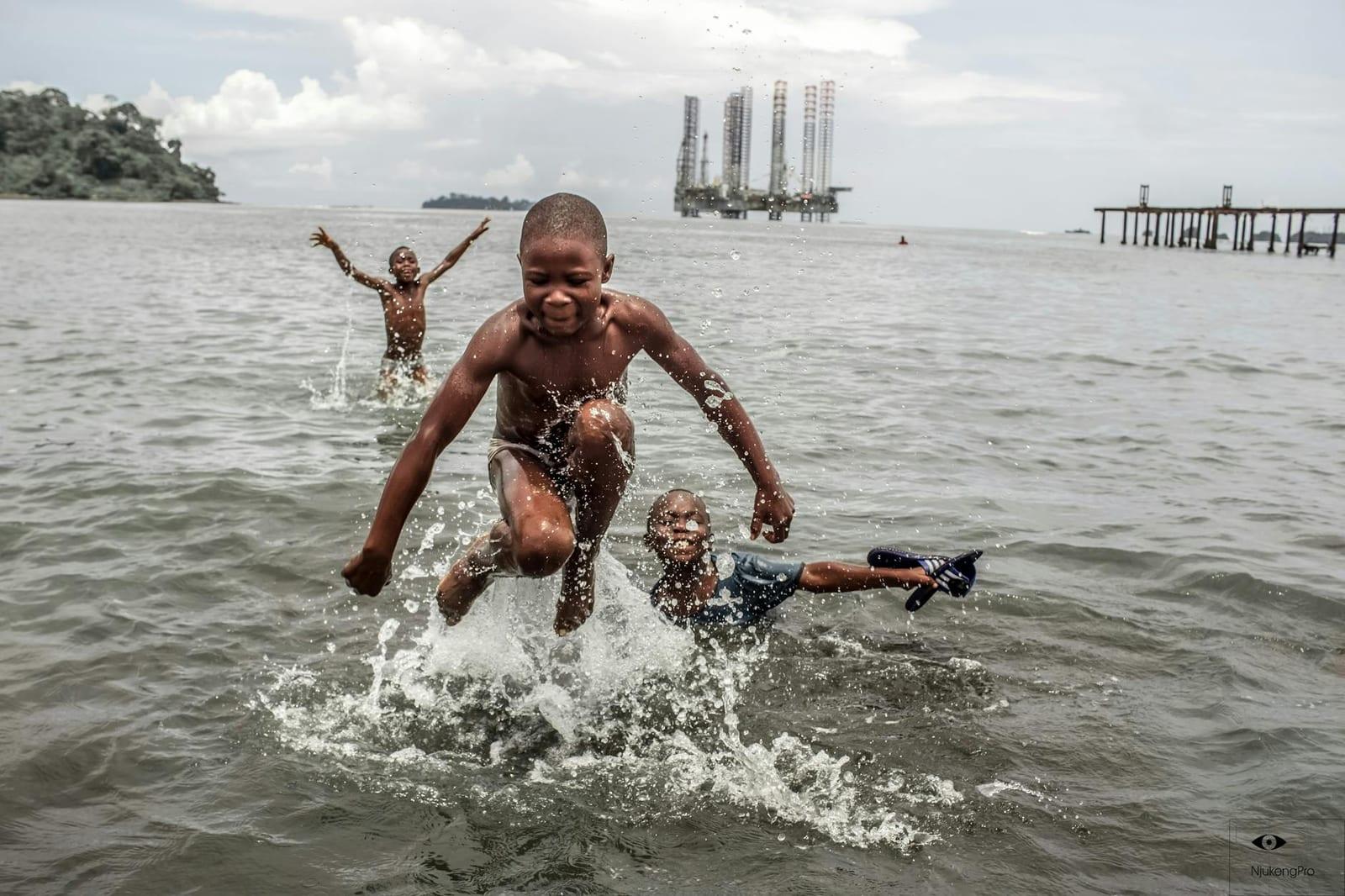
- KribiIt’s hard to think of a more across-the-board satisfying beach destination in Cameroon than this seaside town.
- Musée d’Art Camerounais (Museum of Cameroonian Art)It’s not just the outstanding collection of masks and other homegrown handicrafts that distinguishes this museum; it’s also its setting in a hilltop Benedictine monastery.
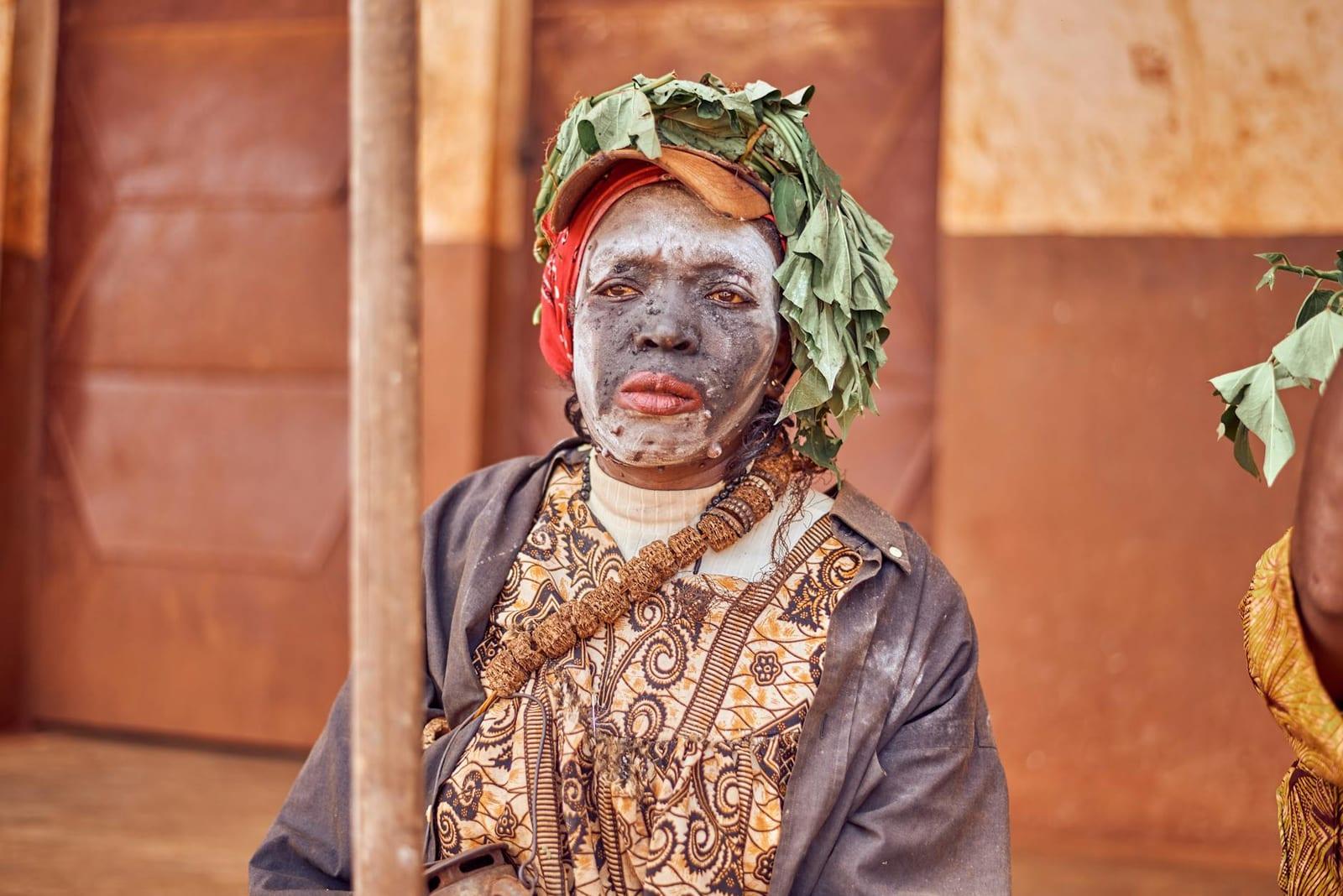
- FoumbanOne of Cameroon’s great cultural hubs, Foumban is renowned for its stunning Sultan’s Palace (built in 1917) and several museums.