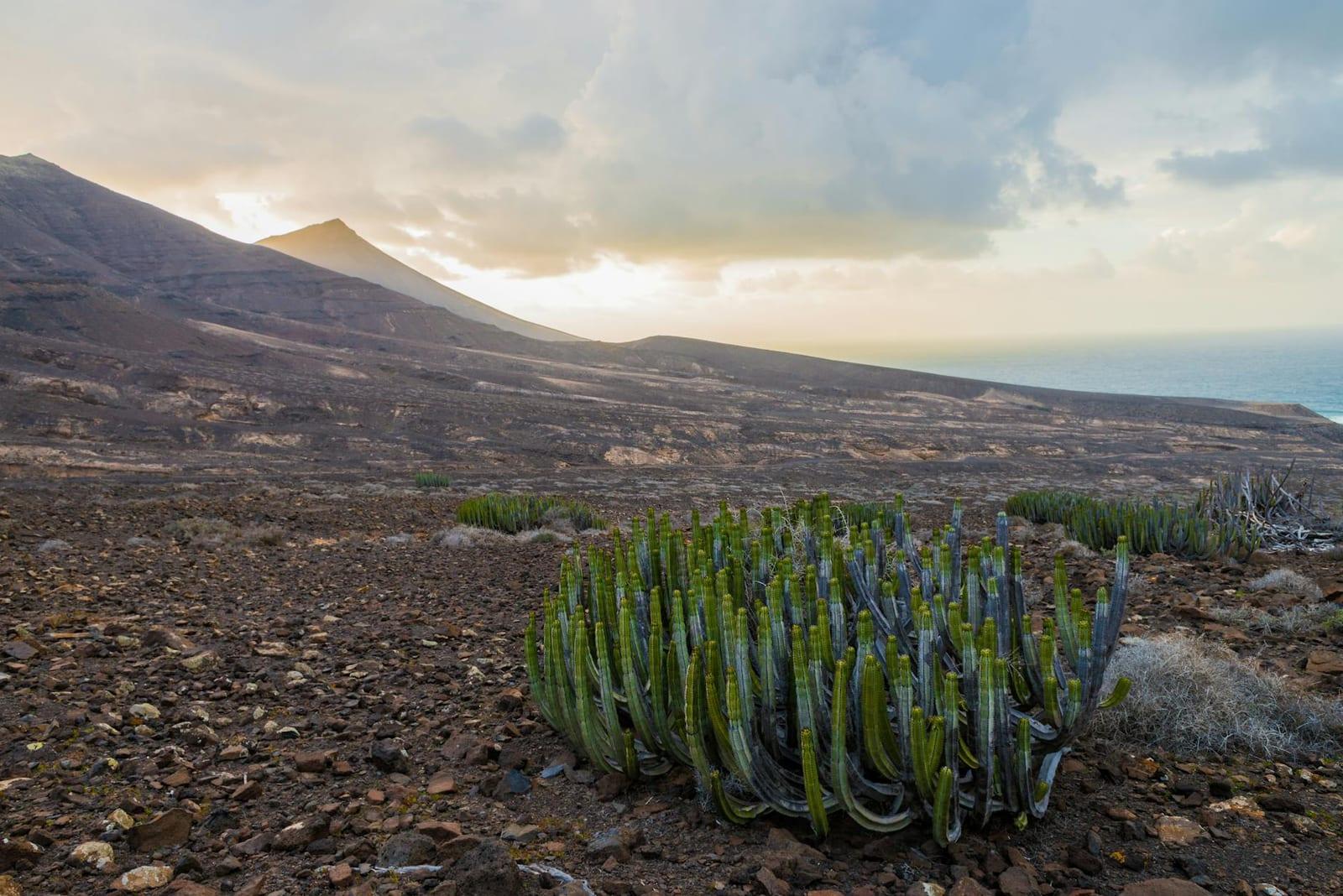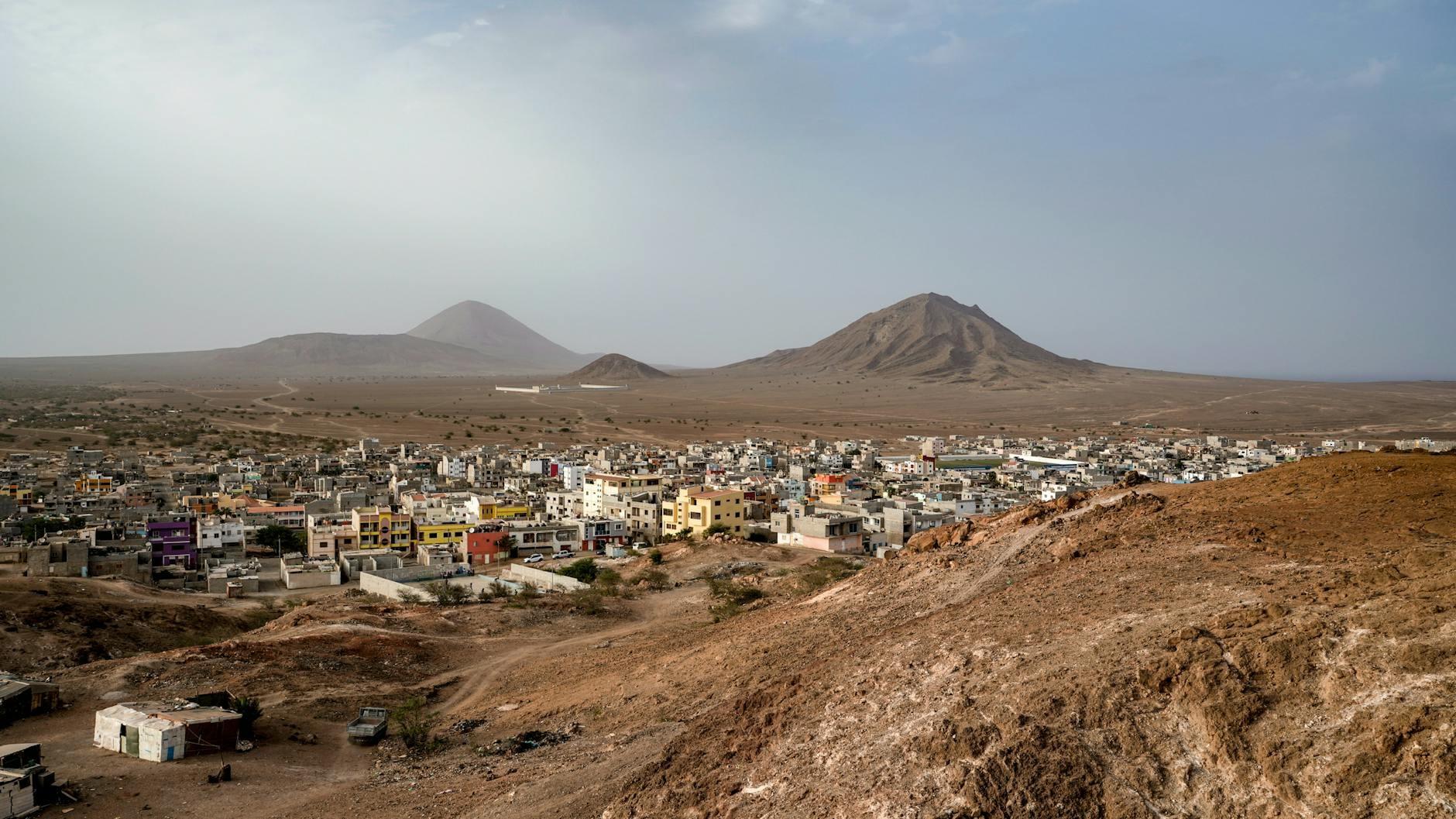

In the mood for exquisite music, heavenly weather, and tropical scenery of almost surreal caliber? Then head to this far flung archipelago, which lies some 350 miles off the West African coast, and likely had its origin in magma boiling up from a volcanic hotspot—the sort of infernal birth shared by Hawaii and the Galapagos.
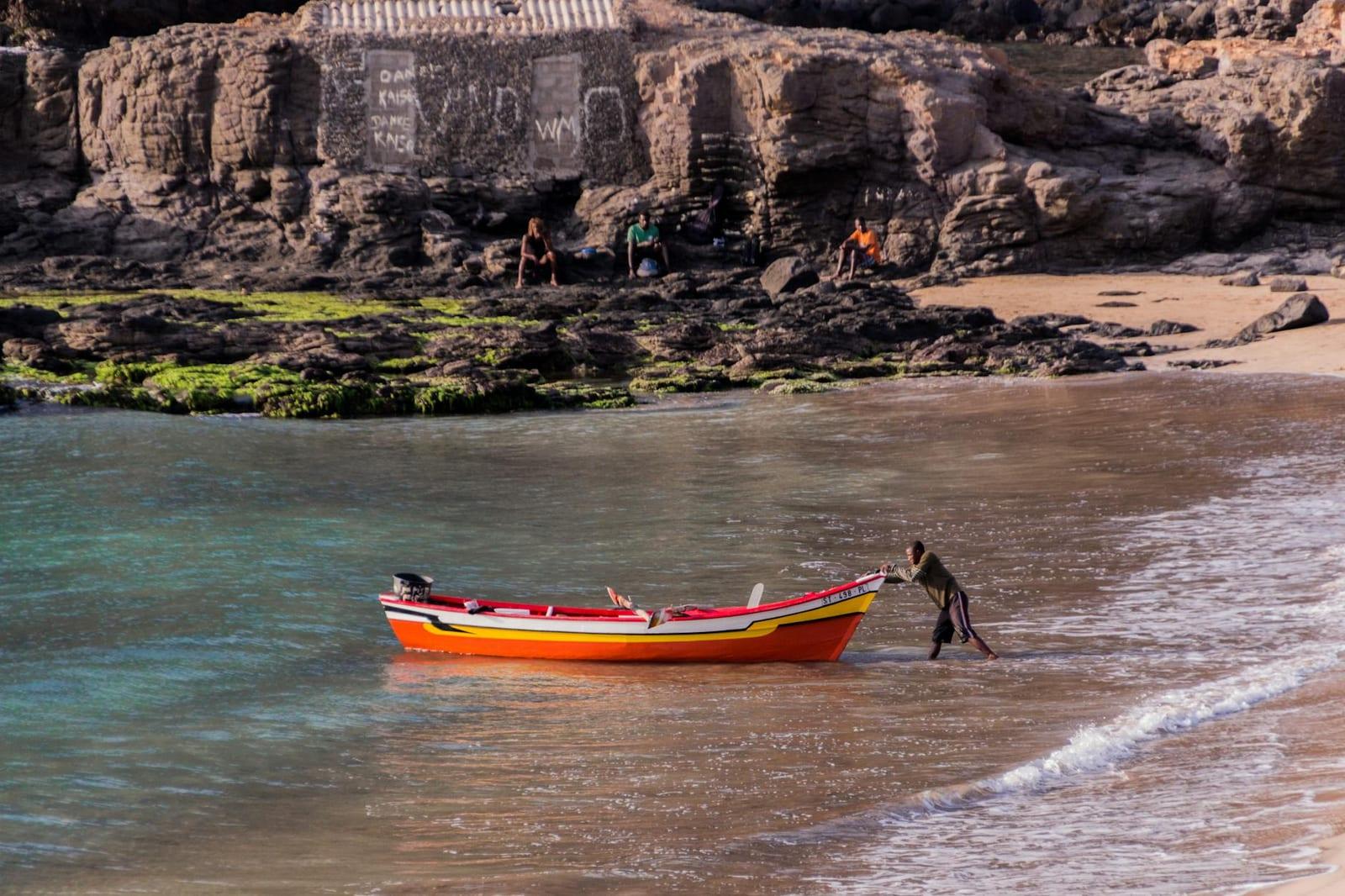
The western islands of the wishbone-shaped chain—divided into northern and southern arcs (the Barlavento, or windward, and Sotavento, or leeward, islands, respectively)—are the youngest and most rugged. The geologically restless island of Fogo (“Fire”) rises to the country’s high point in 9,281-foot Pico de Fogo, an awe-inspiring stratovolcano that lures many a hiker. Equally spectacular are the soaring peaks, precipitous cliffs, and high-walled valleys of Santo Antao, another excellent destination for outdoor enthusiasts. And such dramatic scenery backdrops many a Cape Verde beach. Even the more topographically subdued islands have their own allure: Boa Vista, for example, offers utterly surreal rolling dunes.
The draw of premier sand-and-surf and mountains rearing from the ocean is enhanced by the Cape Verdean people themselves. Cape Verde culture is proudly distinctive, though humans have only occupied the islands since the 1400s (when they were chanced upon by European mariners). Most inhabitants are mesticos, claiming both European and African ancestry and speaking the Portuguese-tinted Cape Verdean Creole tongue. The potent cultural stew evidences itself perhaps most strikingly in the impressively varied and complex musical styles such as morna and coladeira—genres that have seen Cape Verdean musicians tour the world. The seafood and vegetable heavy cuisine, too, reflects wide-ranging influences.
Whether you’re a night-clubber, a sunbather, or a trekker setting your sights on a tropical volcano’s summit caldera, Cape Verde obliges. With its laid back tempo, vivacious people, and blissful vistas, it’s a place that, more likely than not, will keep calling you back.
8 things not to miss.
- Pico de Fogo volcanoClimb Pico de Fogo volcano
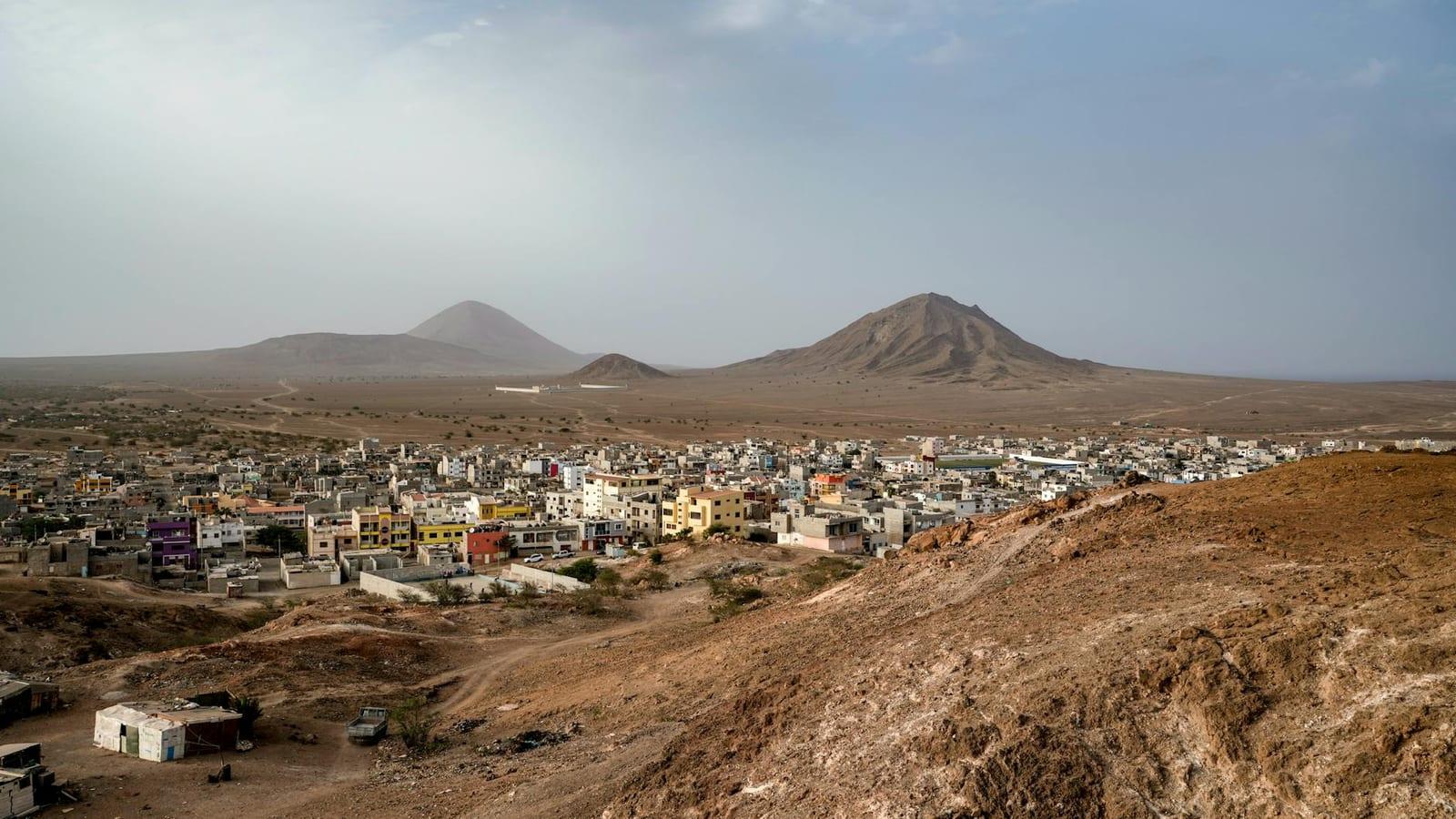
- Stay on Sal Island's salt-pan beachesStay on Sal Island's salt-pan beaches
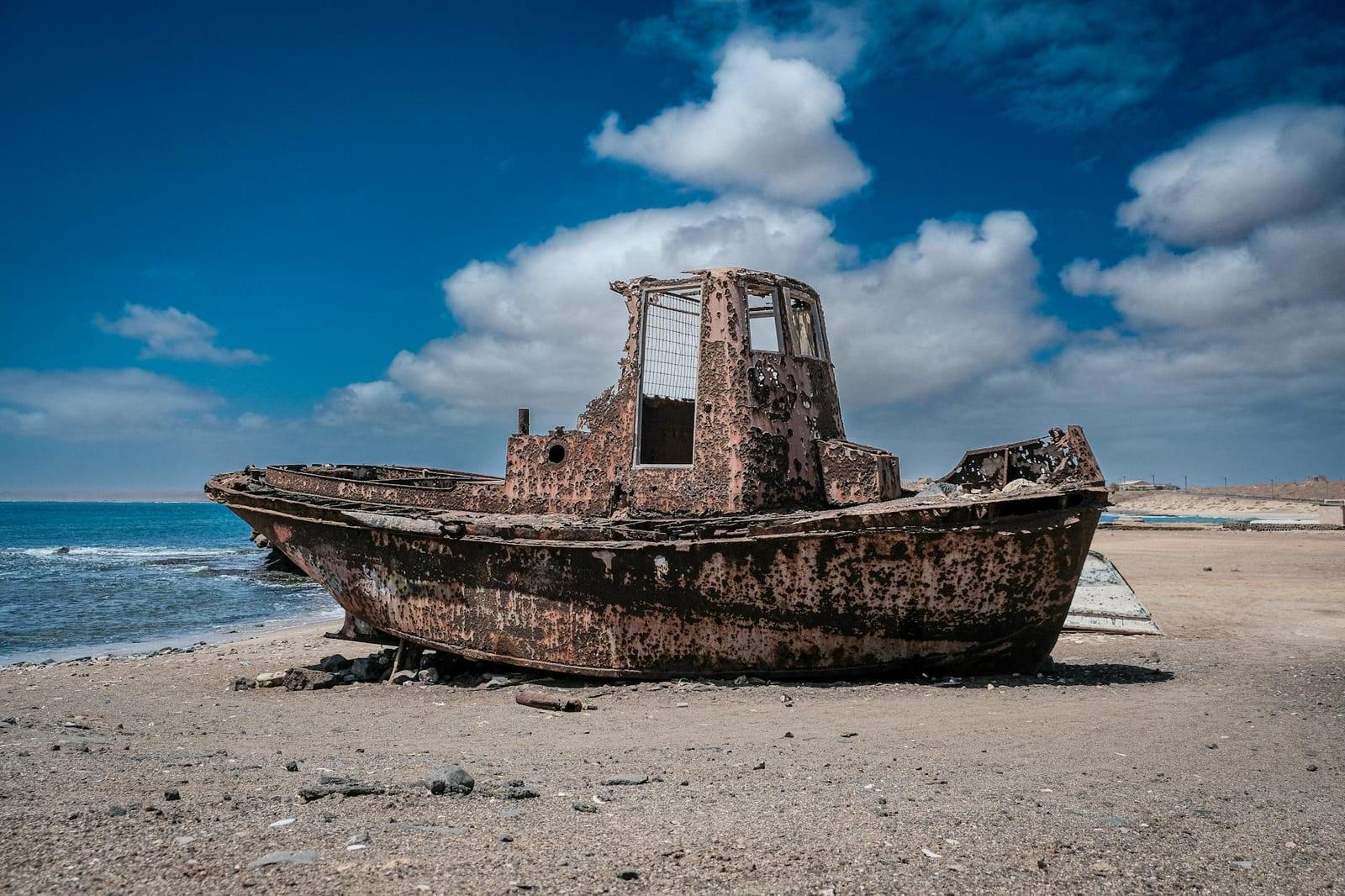
- Pico do FogoThe 9,281-foot high point of the Cape Verde archipelago is a captivatingly beautiful and restless volcano—and a magnet for hikers.
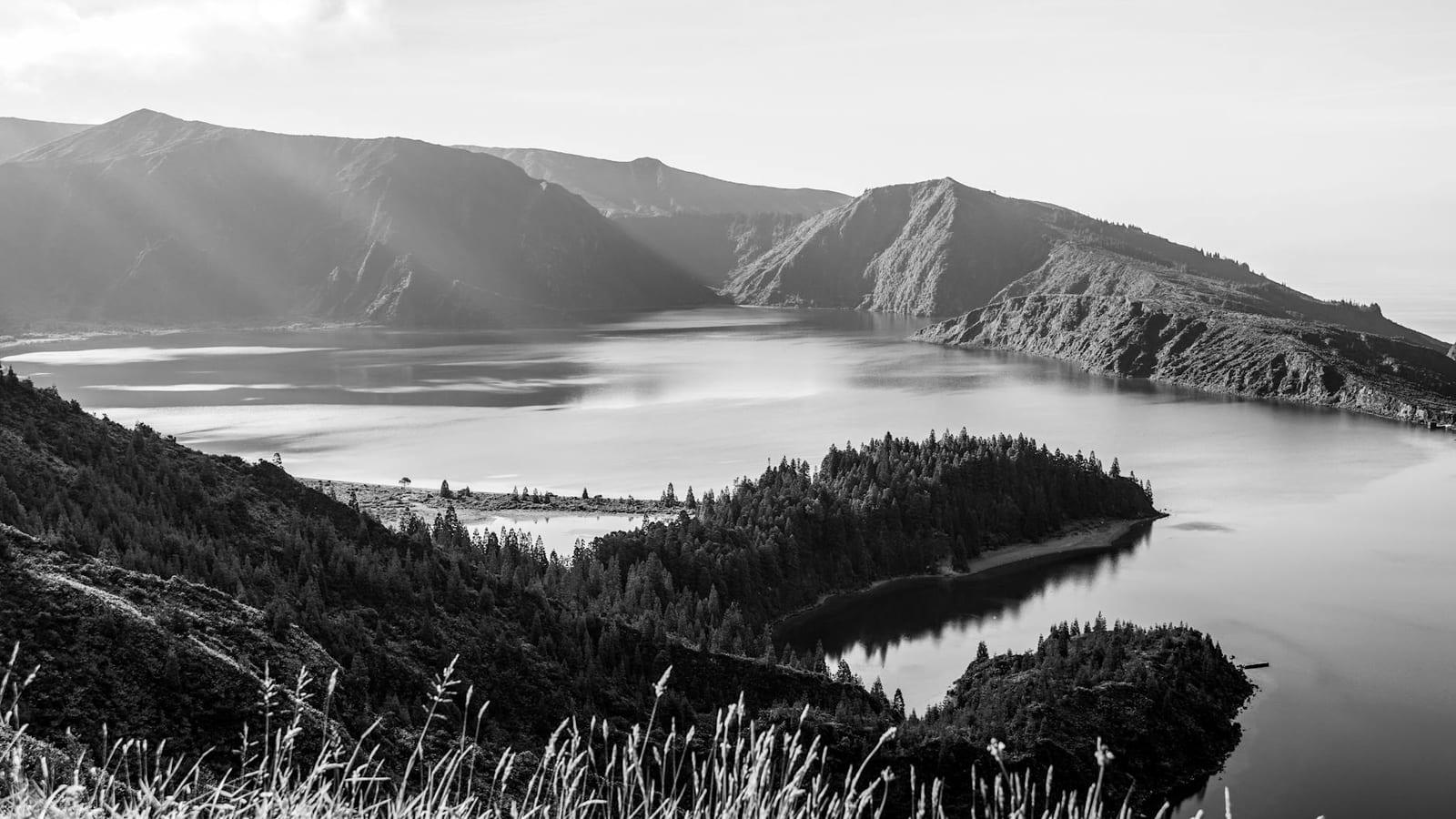
- Cidade VelhaThis town on the southern coast of Santiago was the first outpost in Cape Verde and boasts vintage Portuguese architecture, including a commanding 16th-century fort.
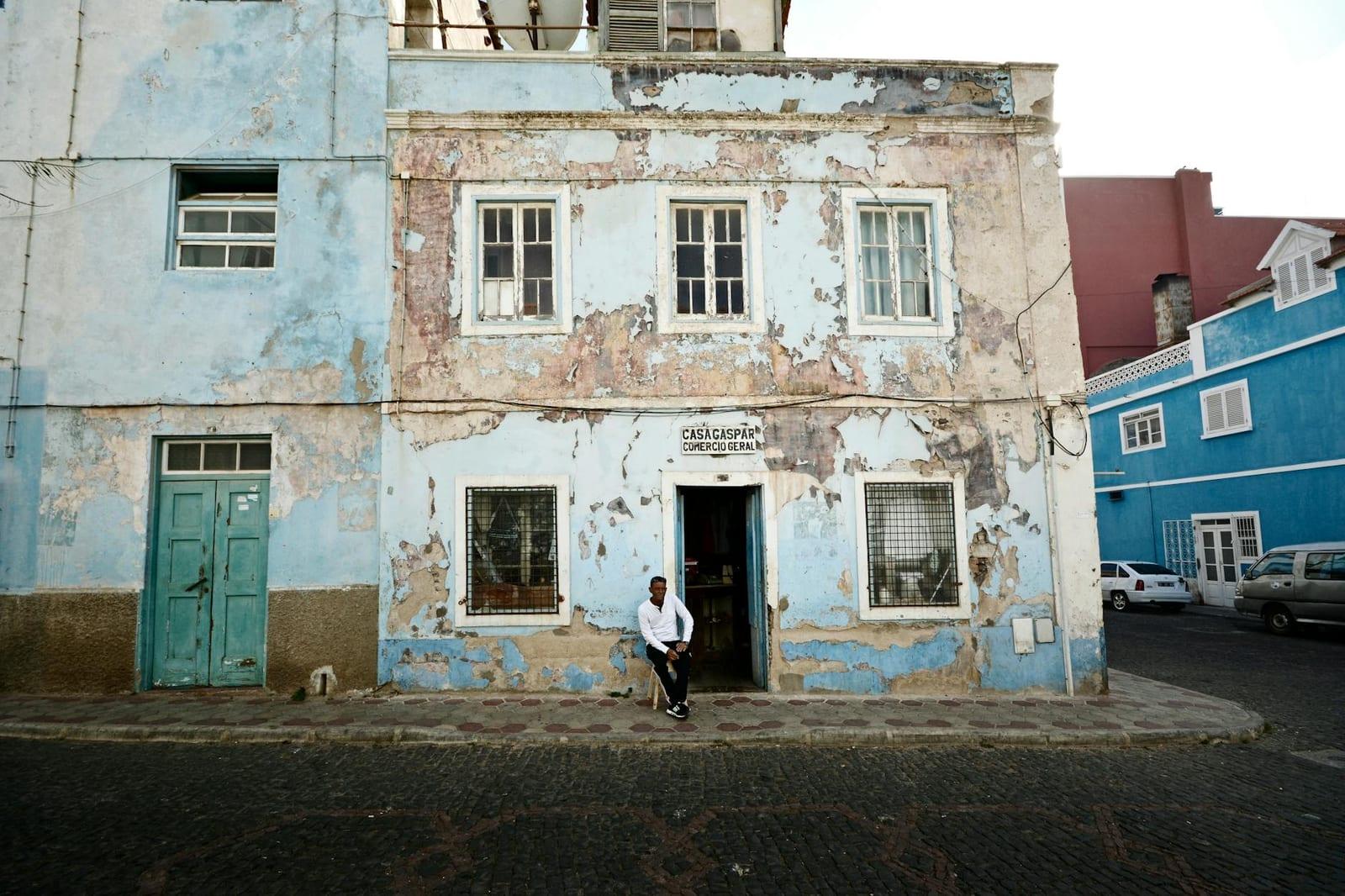
- MindeloThe main hub on Sao Vicente, Mindelo’s also one of the most energetic Cape Verdean cities and the perfect place to explore local cuisine and nightlife.
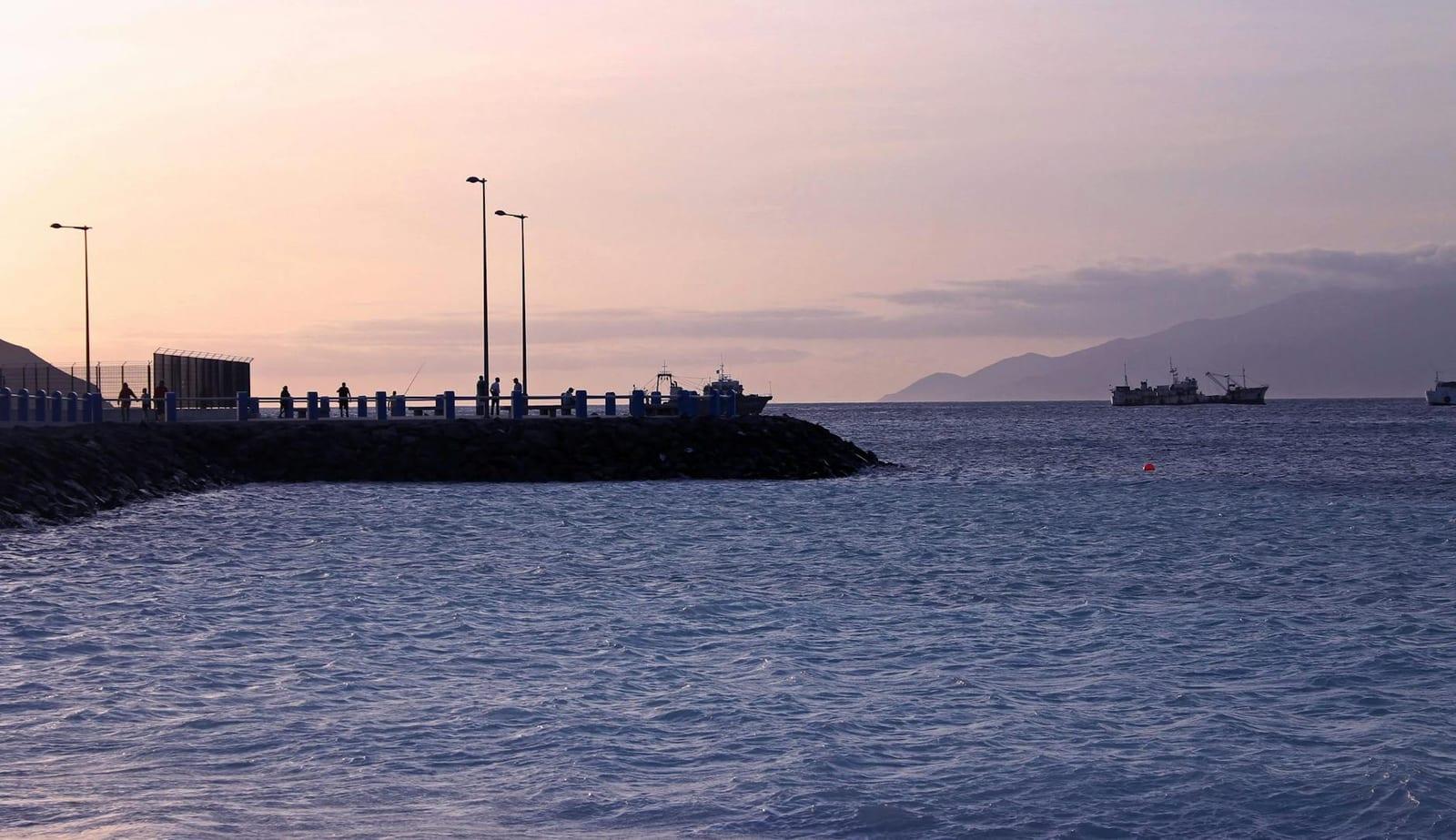
- Sal Salt MinesOne of the windward islands of Cape Verde, Sal’s famous for its moonscape salt mines, set within a volcanic caldera.
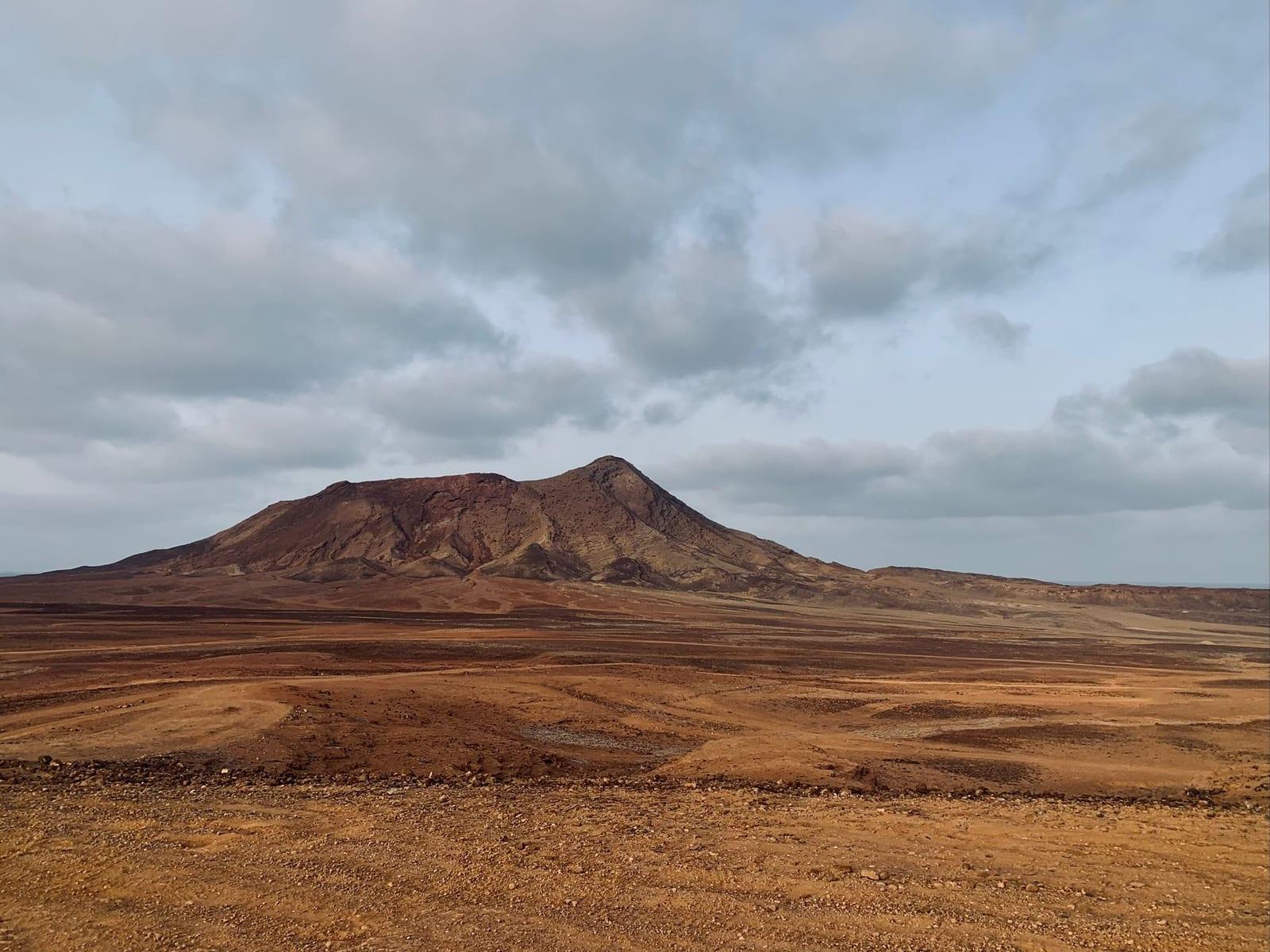
- Santo AntaoThis second-largest Cape Verdean island may be the country’s most stunning overall: With its raw peaks and luxuriant gorges, it’s truly a hiker’s playground.
- Boa VistaThe farthest east of the Cape Verde archipelago, this island also has some of the country’s most distinctive vistas—including vast sand dunes.