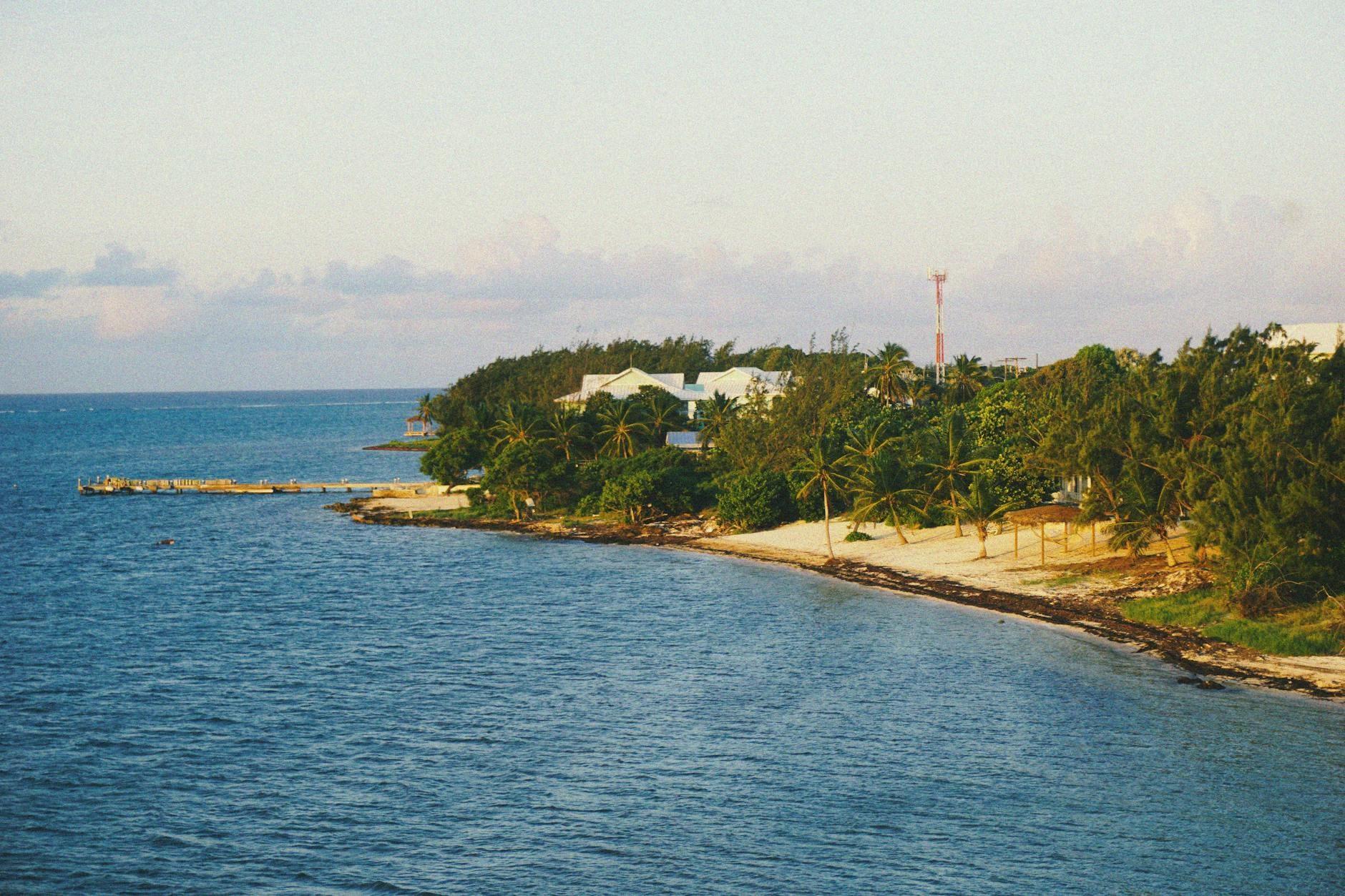
Geographically and historically among the more isolated corners of the Caribbean, the Cayman Islands are remote no longer: A legendary financial haven and a jetsetter’s playground, this little archipelago also has plenty to offer travelers of more modest means and innocent ambitions.
Almost equidistant from Cuba (to the north) and Jamaica (to the southeast), the Caymans comprise Grand Cayman, the largest and most populous island, and the “Sister Isles” of Little Cayman and Cayman Brac to the east. They’re fairly subdued terrain-wise (excepting the limestone scarp called the Bluff that backbones Cayman Brac), but the islands are actually the coralline crown of a significant submarine mountain range—the Cayman Ridge (or Rise), contiguous with the Sierra Maestra of Cuba.
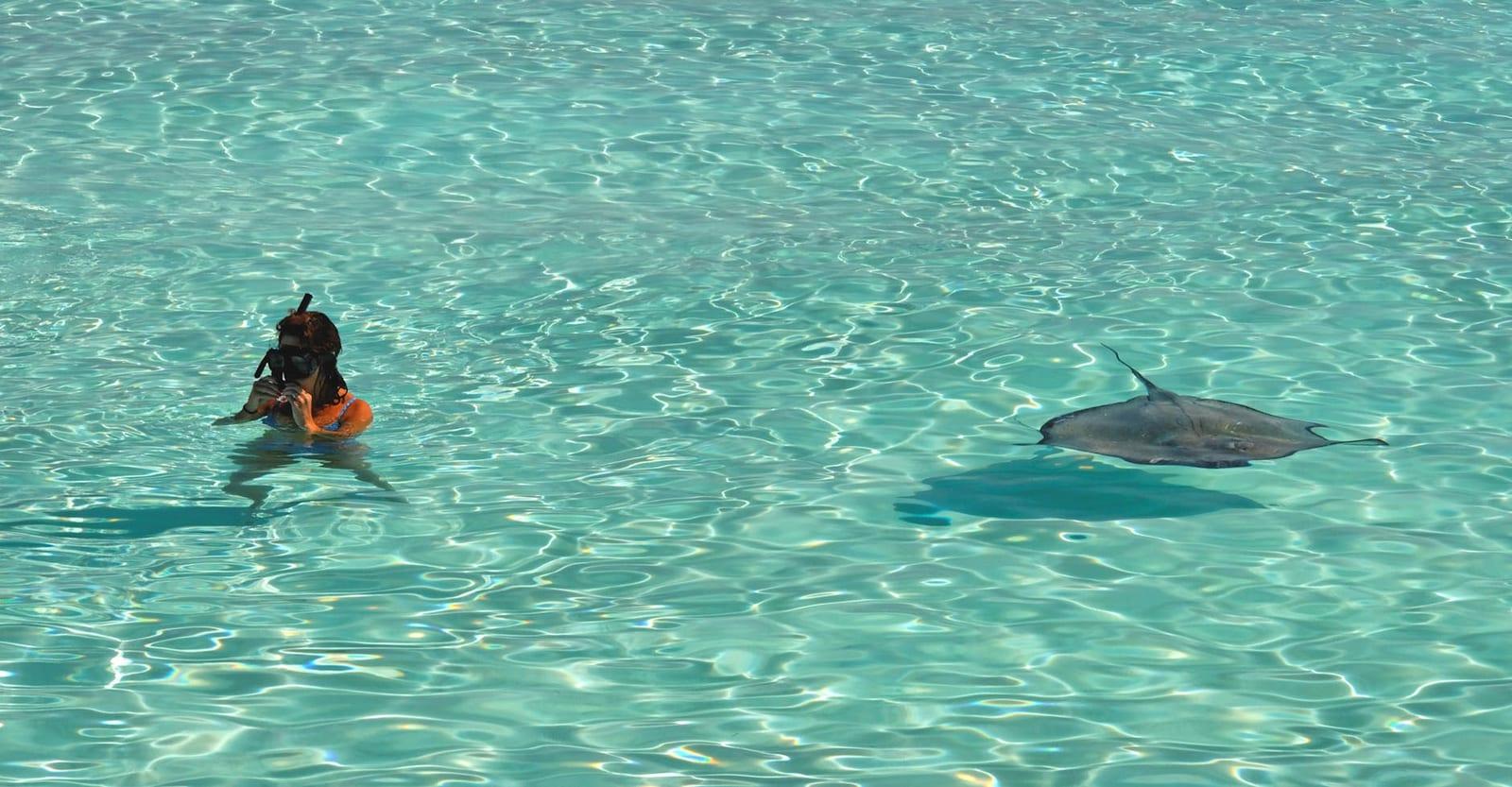
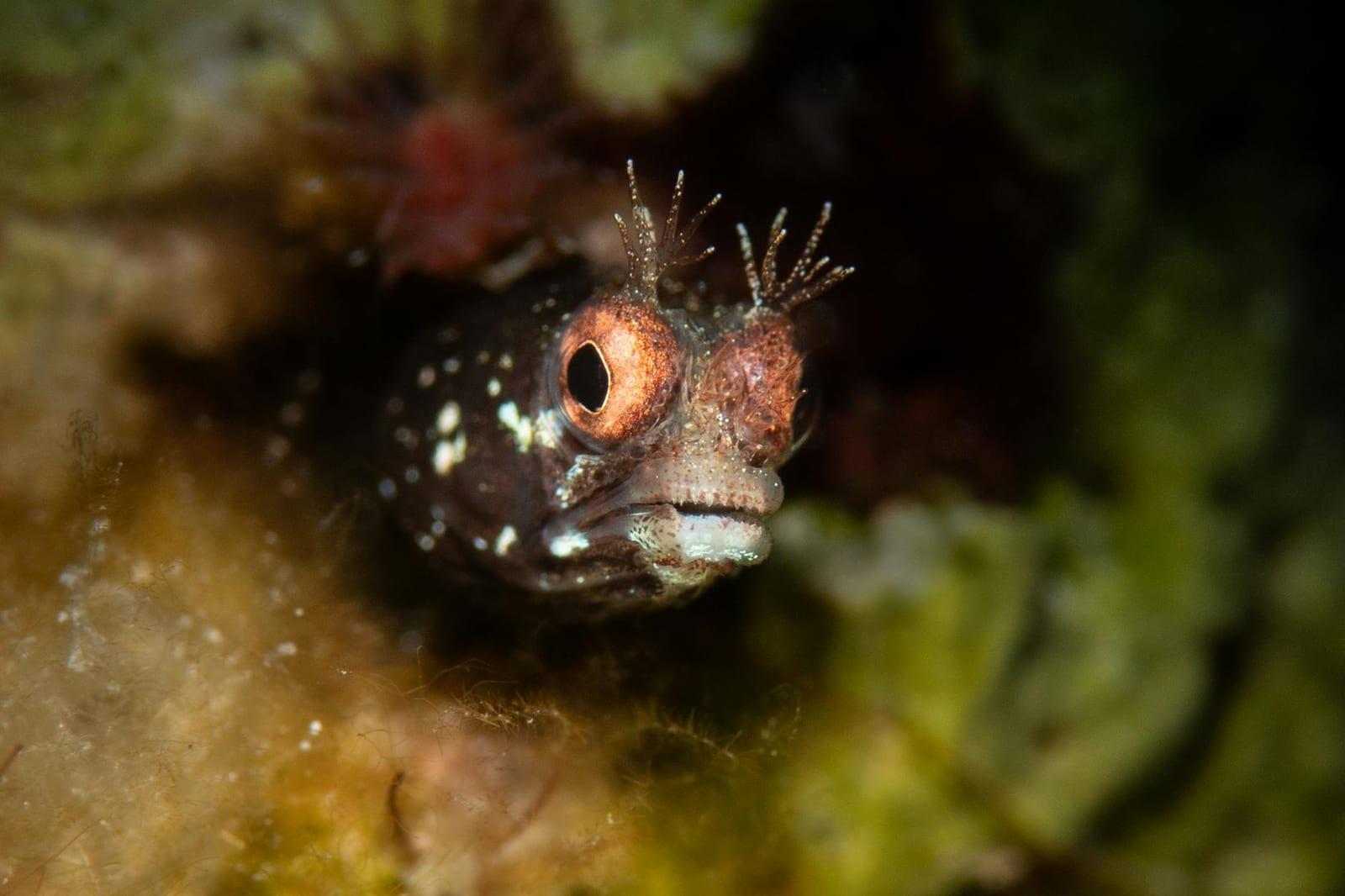
The attractions of the Cayman Islands are pretty well split between dry land and the nearshore depths. The archipelago constitutes one of the world’s most popular diving sites: Major attractions include Little Cayman’s Bloody Bay Wall, the sunken Soviet frigate of Cayman Brac, and the world-famous Stingray City of Grand Cayman, where hordes of southern stingrays peacefully congregate.
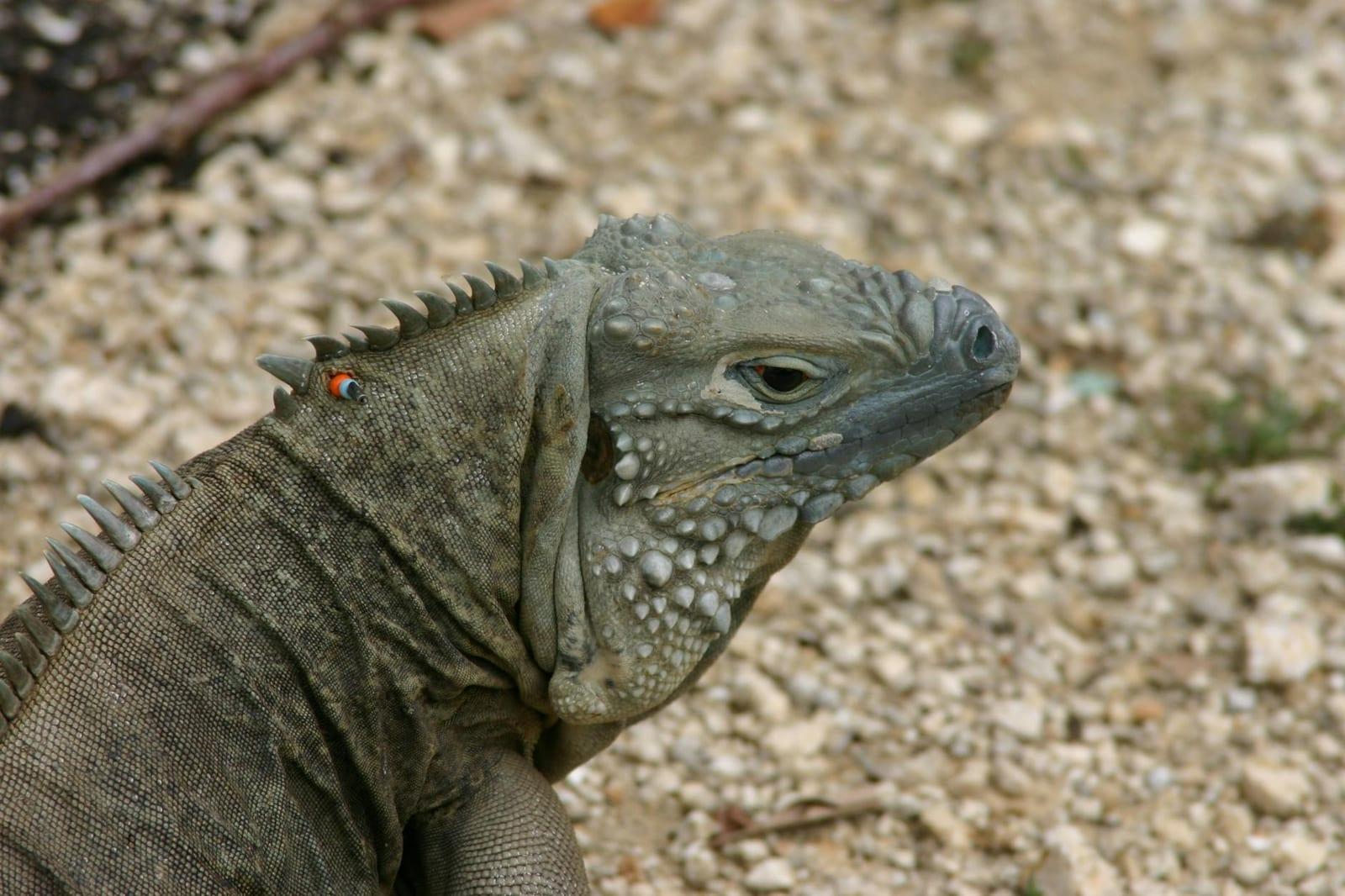
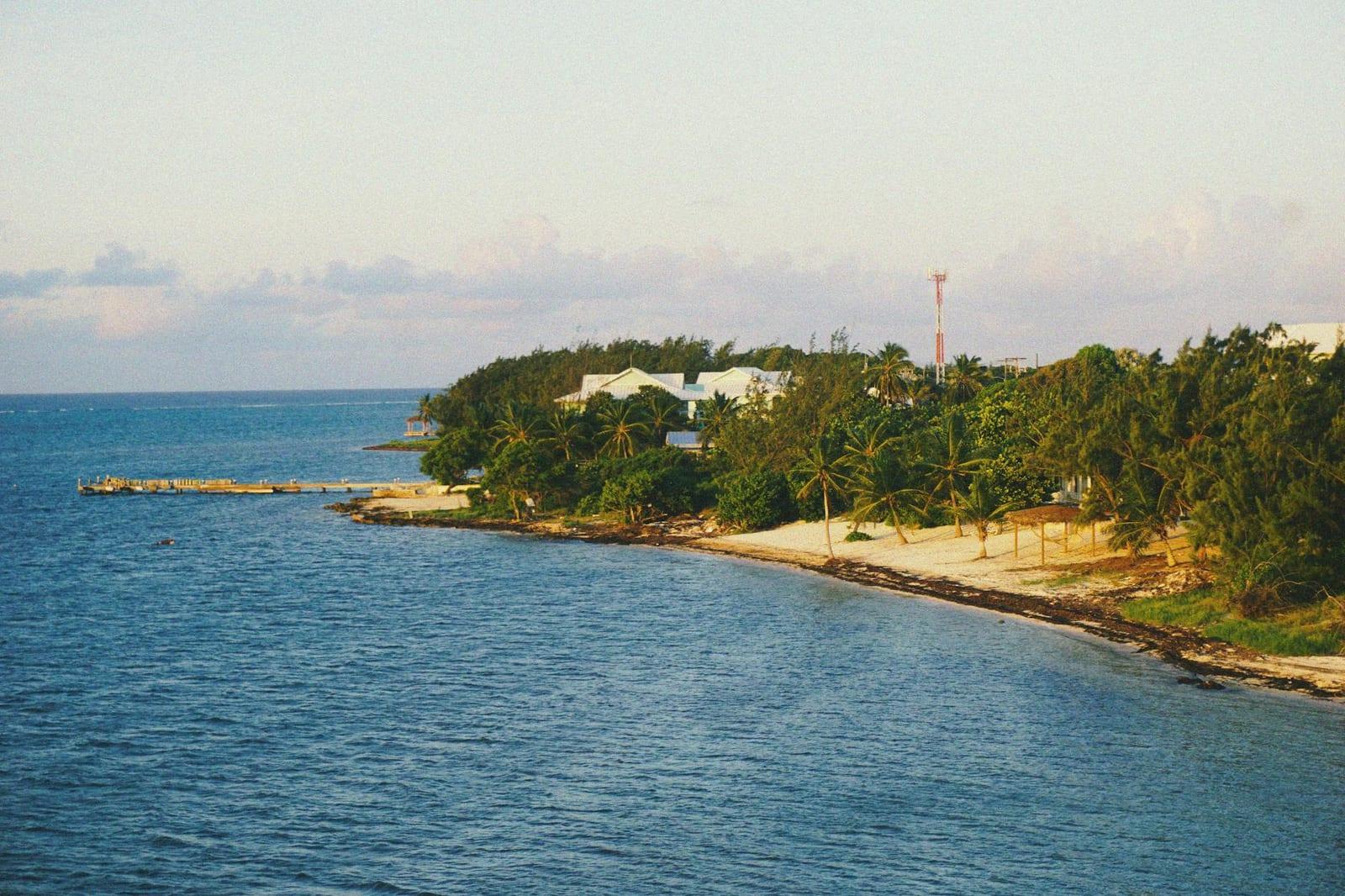
You can also appreciate Cayman Islands nature without reaching for a snorkel or a scuba tank. The Mastic Trail explores the parrot-rich tropical dry forest of eastern Grand Cayman, for instance, while Little Cayman, the least populated of the islands, has rich opportunities for viewing seabird rookeries and the flashy Lesser Caymans iguana.
There’s an absurd wealth of postcard-perfect beaches in the Cayman Islands, none better-known than Grand Cayman’s Seven Mile Beach. Despite the density of high-end resorts flanking this fabled corridor of pale sand, it’s entirely open to the public (as all Caymanian beaches are) and worth strolling at least once given its status as a Caribbean landmark. If more farflung littoral is your game, you’ll find plenty of options on the eastern coast of Grand Cayman as well as the quieter shores of Cayman Brac and Little Cayman.
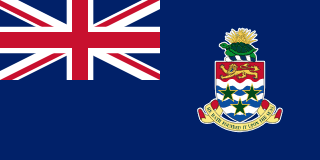
Authentic Cayman Islands culture, of course, cuts a lot deeper than glamorous spa hotels and offshore bank accounts; from old tales of pirate hideouts and turtle fishermen to a feast of traditional seafood stew, you’ll find much to explore within Caymanian heritage. Since the archipelago was too isolated to support an aboriginal population; the English took possession in the mid-17th century, and it remains a British overseas territory. Though today’s Caymanians are predominantly of African, European, and Afro-European ancestry. Some of the best avenues for cultural exploration—and a good time—are the islands’ numerous annual festivals, from Pirates Week (a lighthearted sendup of the Caymans’ colorful buccaneer legacy) and Batabano (the Caymanian Carnival) to the culinary showcases of the Cayman Cookout and Taste of Cayman.
Whether you spend most of your time above or below the water, the Cayman Islands have plenty of genuine Caribbean appeal—more, perhaps, than their glitzy reputation might suggest.
11 things not to miss.
- Seven Mile Beach at sunsetWalk Seven Mile Beach at sunset
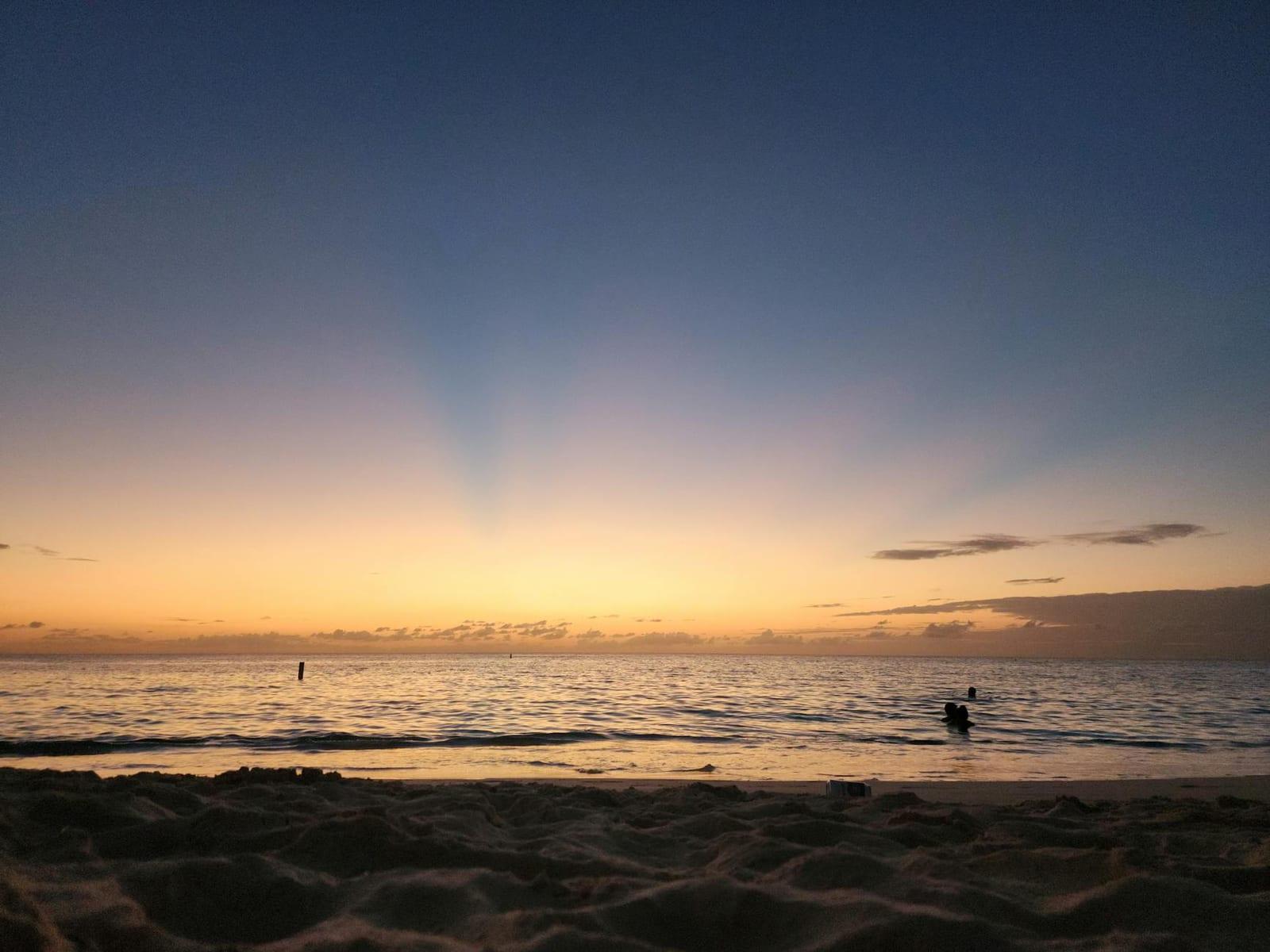
- Seven Mile BeachThere aren’t many more celebrated avenues of sand than this reliable stunner on Grand Cayman.
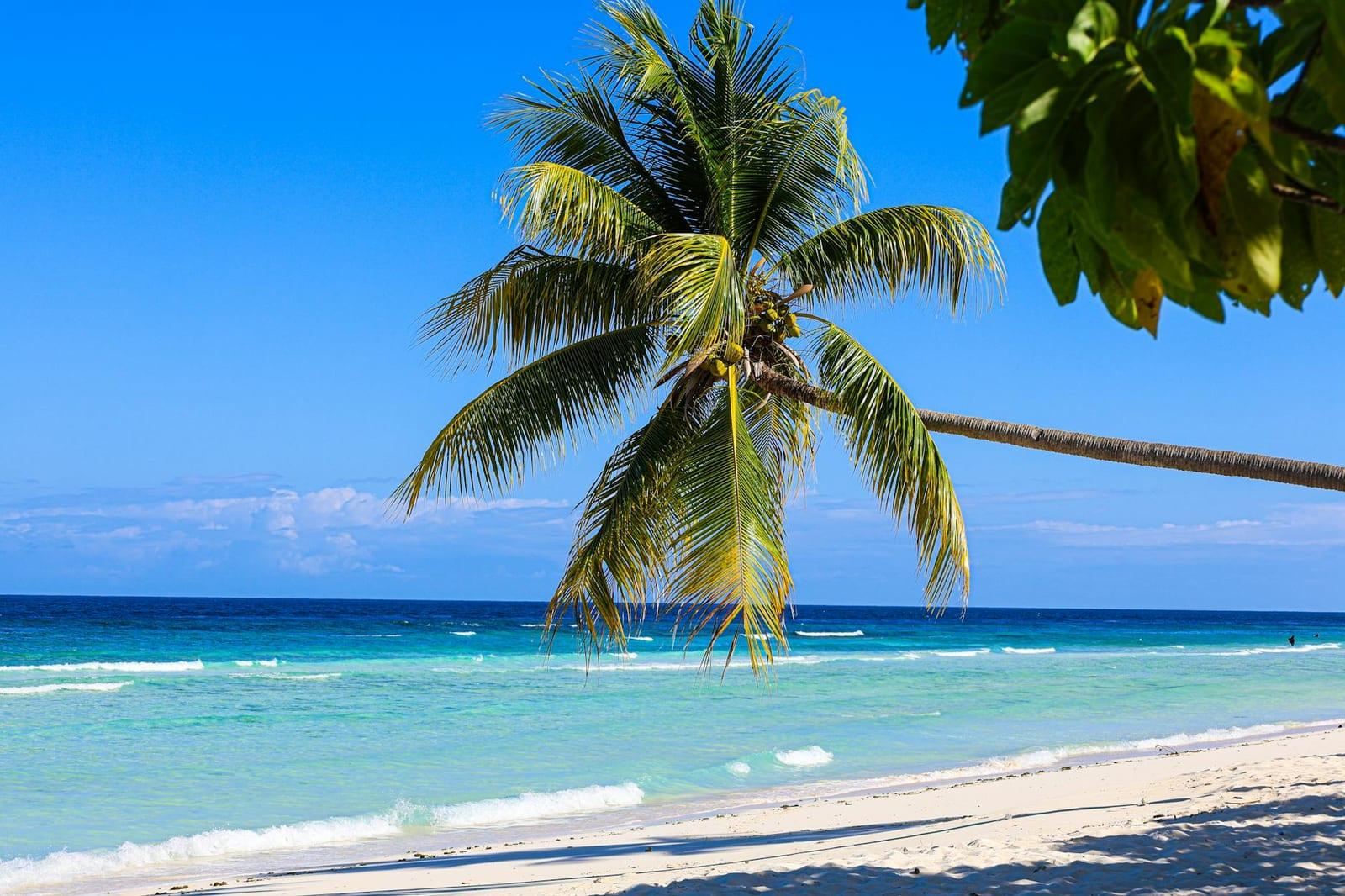
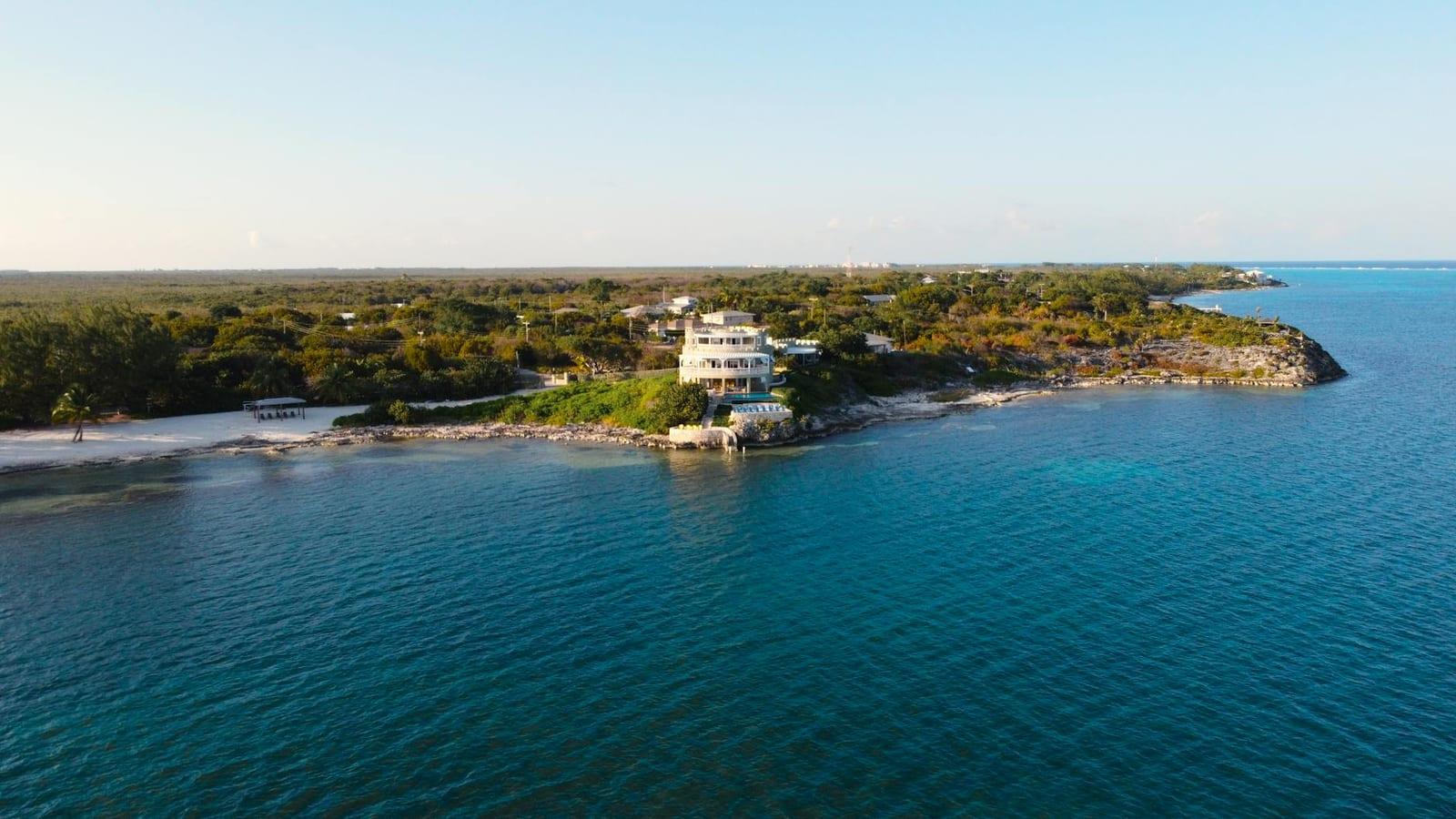
- Point of SandYou’ll often have Little Cayman’s glorious little beach mostly to yourself.
- Stingray CityChill out with whole squadrons of friendly, placid stingrays in one of the Caribbean’s best-known ecotourism destinations.
- Bloody Bay WallGiant groupers, sea turtles, and other marine life populate this outstanding dive site, a deep-plunging reef, along Little Cayman’s northern shore.
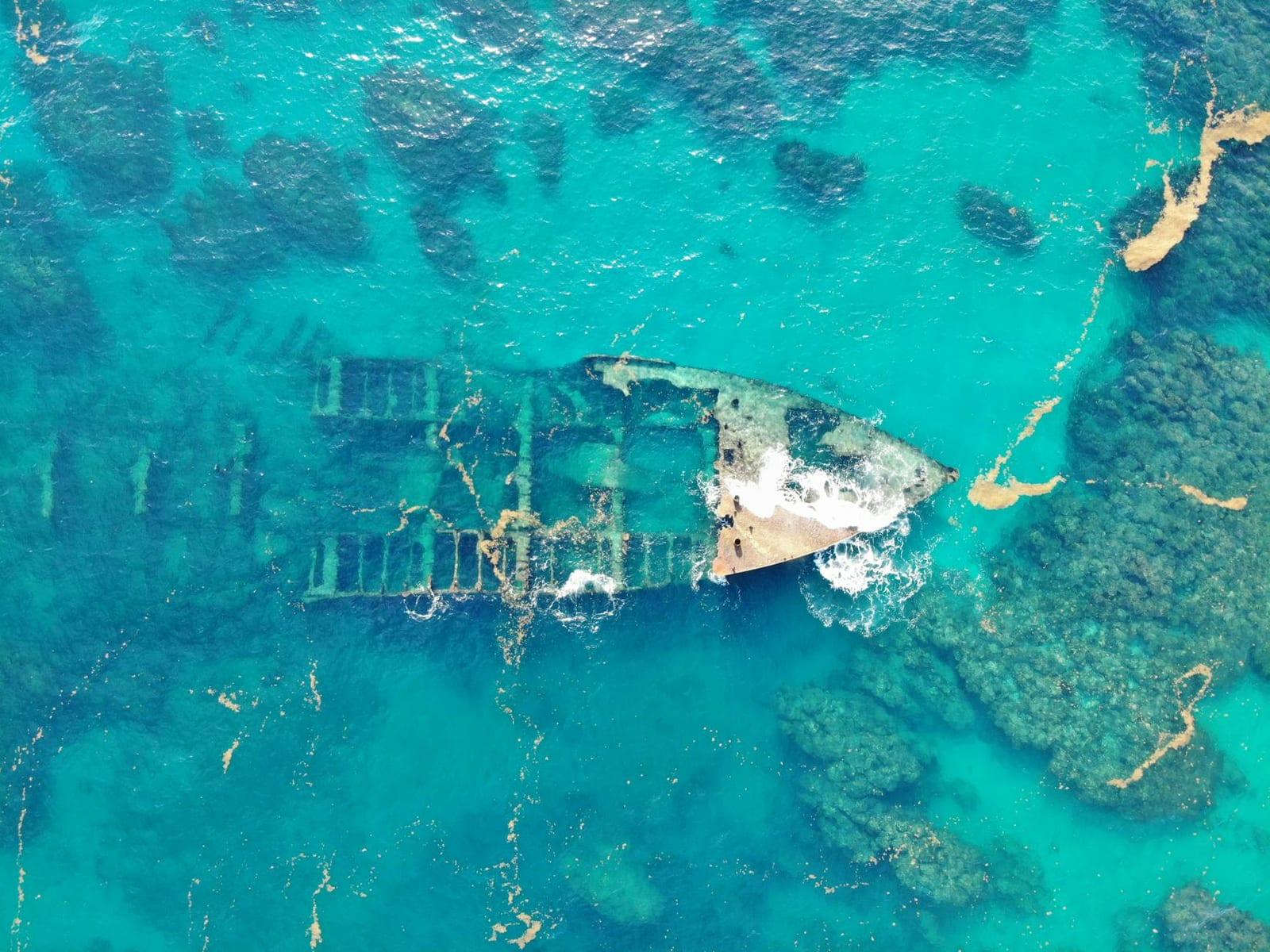
- USS Kittiwake WreckThis intentionally sunk U.S. Navy vessel off Grand Cayman can be intricately explored by divers and even snorkelers.
- Booby PondA globally significant colony of red-footed boobies is the main attraction at this Little Cayman nature reserve, a top birding site.
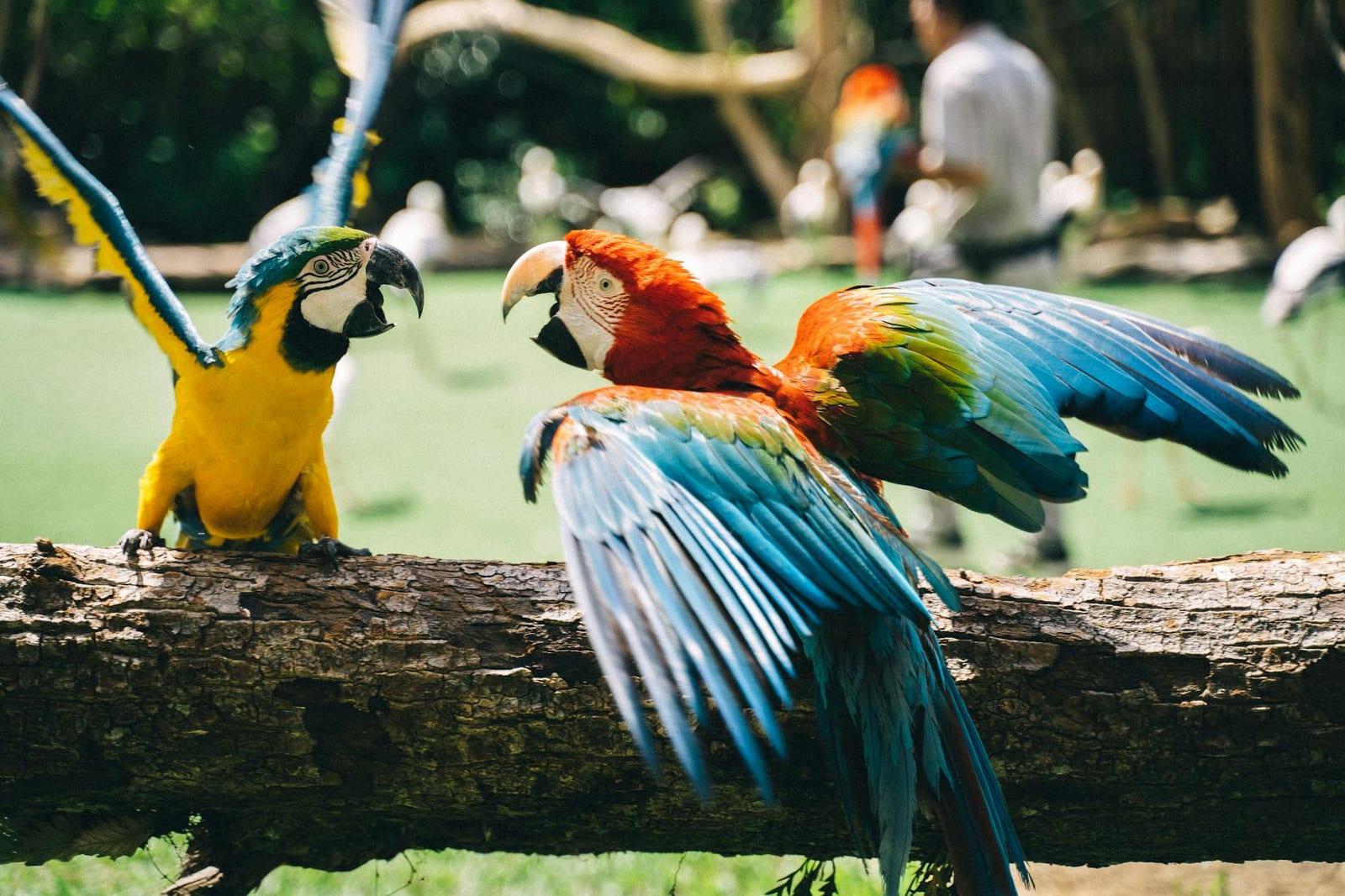
- Parrot ReserveHike into the tropical dry forest of Cayman Brac’s limestone spine, the Bluff, and tease out glimpses of native amazon parrots.
- Mastic TrailTake a break from sand and surf with a few hours’ hike on this Grand Cayman footpath, linking mangrove swamp, palm groves, and dry forest.
- Mission HouseThis 19th-century residence, now a museum, makes for an informative destination in the onetime capital of the Cayman Islands, Bodden Town.
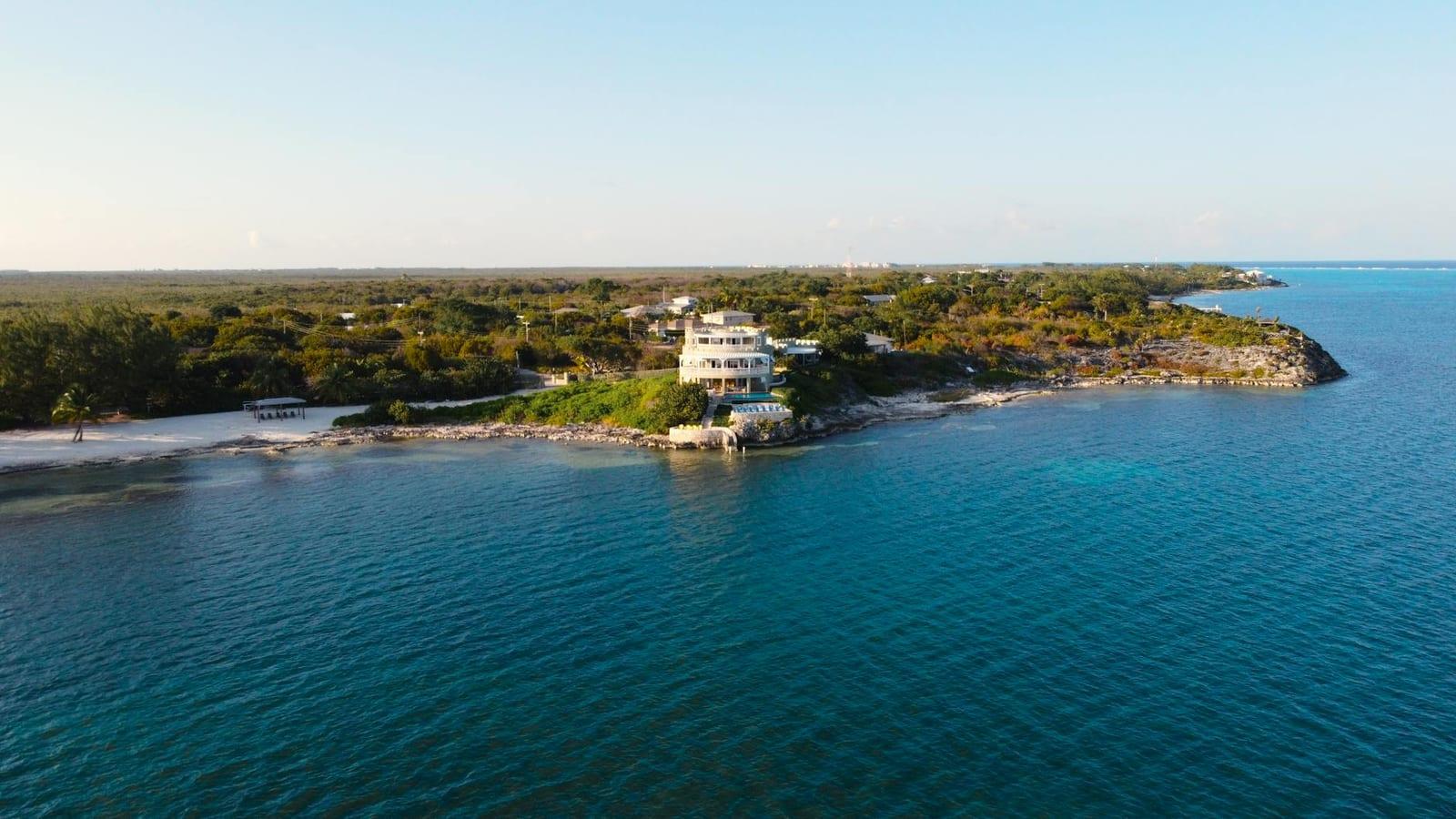
- Cayman Islands National MuseumThis well-done museum’s exhibits provide some context for the Caymanian heritage you’ll soak up on any visit.