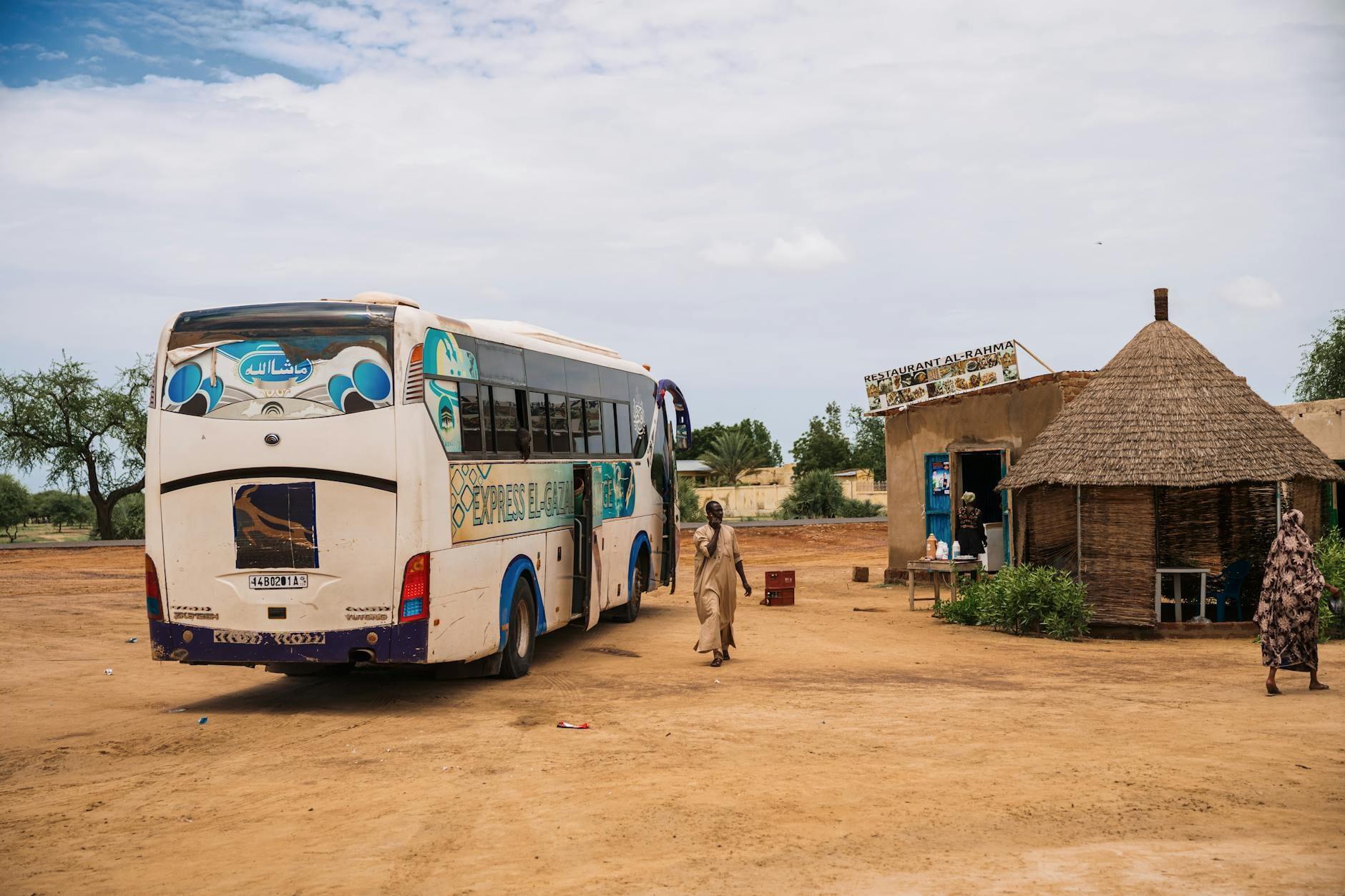

This is one of those African countries blessed with marvelous scenery, fascinating ethnic diversity, and dramatic wildlife—that’s essentially off-limits to travelers due to political turmoil and widespread violence. Even without such instability—significant enough that the U.S. and the U.K. both discourage travel to the country—Chad is tough to navigate given rough (or nonexistent) roads, challenging terrain, and an often-brutal climate.
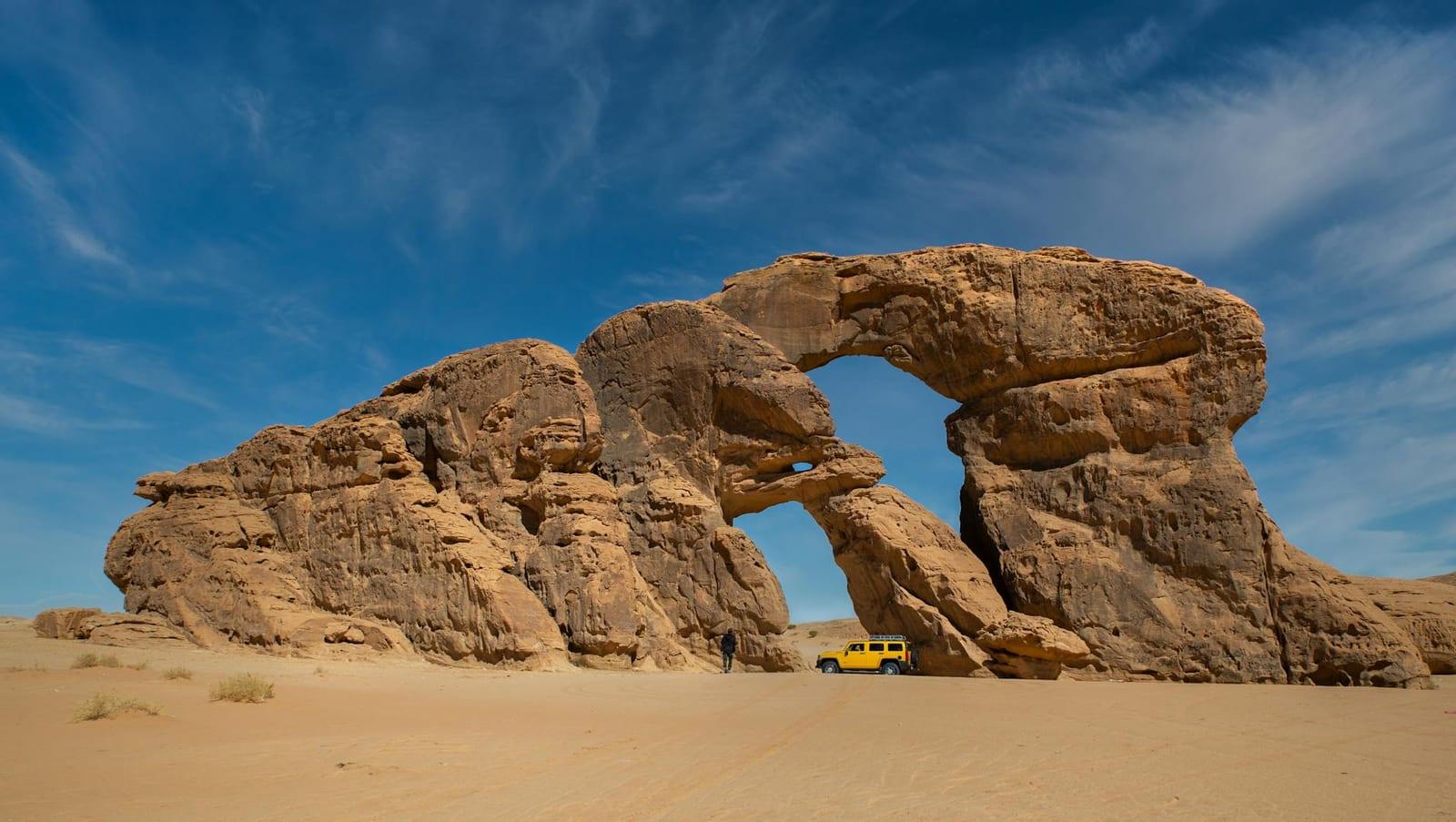
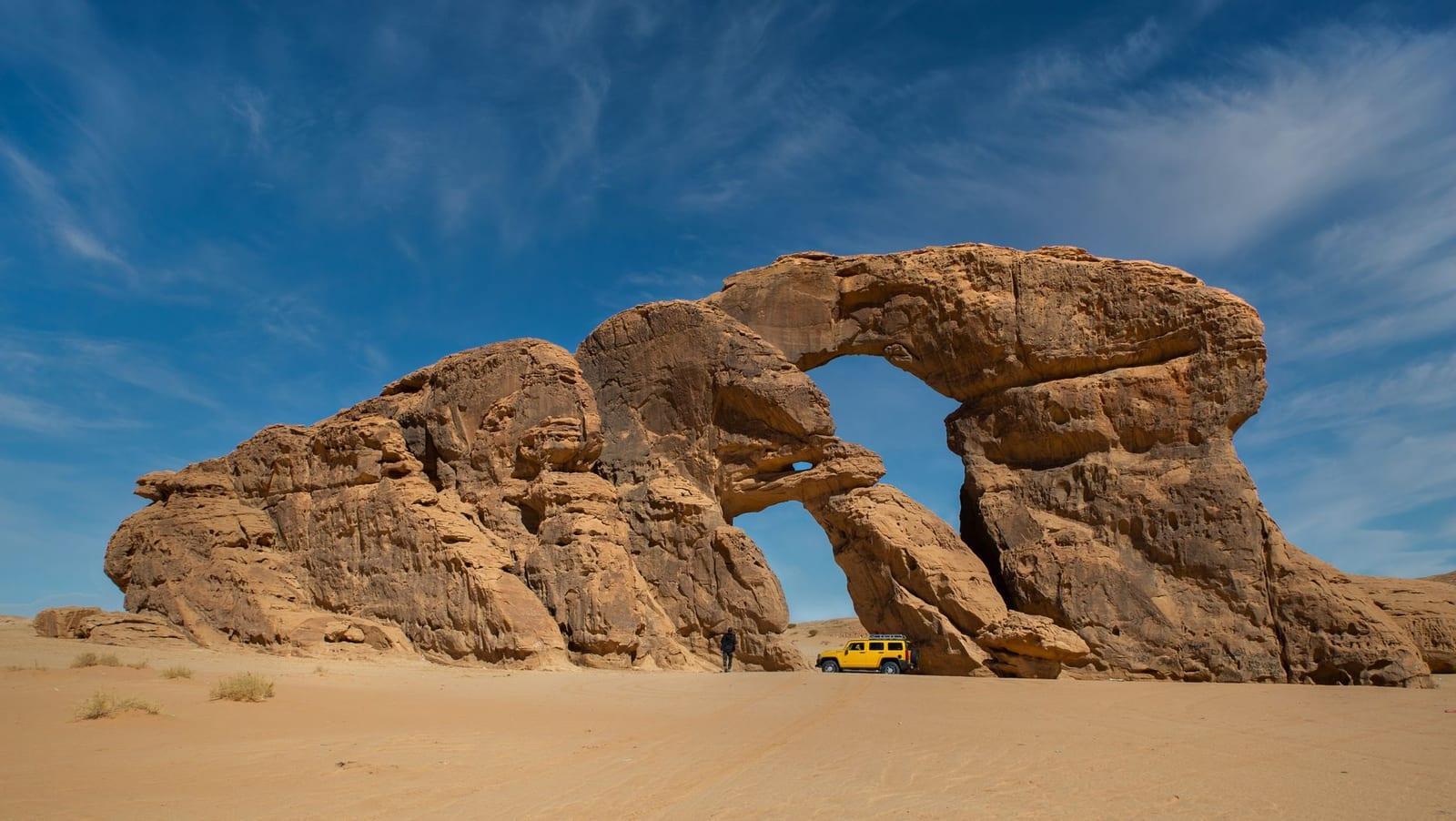
It’s a shame, too, because Chad (about half the size of Mexico) has some truly striking destinations. Some of the Sahara Desert’s culminating landmarks lie within its bounds, such as the Tibesti Mountains (at better than 11,000 feet, the Sahara’s loftiest range) and the remote, canyon-gouged sandstone tract of the Ennedi Plateau. The country also boasts one of the planet’s biggest wetlands, Lake Chad, which is an ecological jewel.
Chad includes national parks and wildlife reserves that—formerly, anyway—harbored significant populations of native North African animals. These include the so-called desert crocodile, which persists in scanty pools in Saharan gorges, and the scimitar-horned oryx, which is likely extinct in the wild but—just decades ago—flourished in the enormous, and verbose, Ouadi Rimé-Ouadie Achim Faunal Reserve. Poaching, livestock grazing, and other human activities have had a major impact in Chad’s wildlife parks, though it’s difficult to gauge the full impact given the country’s tumultuous state.
And there’s an incredible spread of culture indigenous to Chad, home to several hundred different ethnic groups—from sedentary Sahelian farmers and fishermen to nomadic Berbers and Toubou of the Saharan dunes and mountains. This is a truly fascinating cross-section of North African heritage and history.
Despite its prodigious attractions, Chad must remain, for now, a frontier for the daredevil trekker—not, by any means, the everyday tourist. Though those stout hearted and street-smart enough to navigate its immense challenges can reap some fantastic rewards.
9 things not to miss.
- rock arches of the Ennedi PlateauSee the rock arches of the Ennedi Plateau
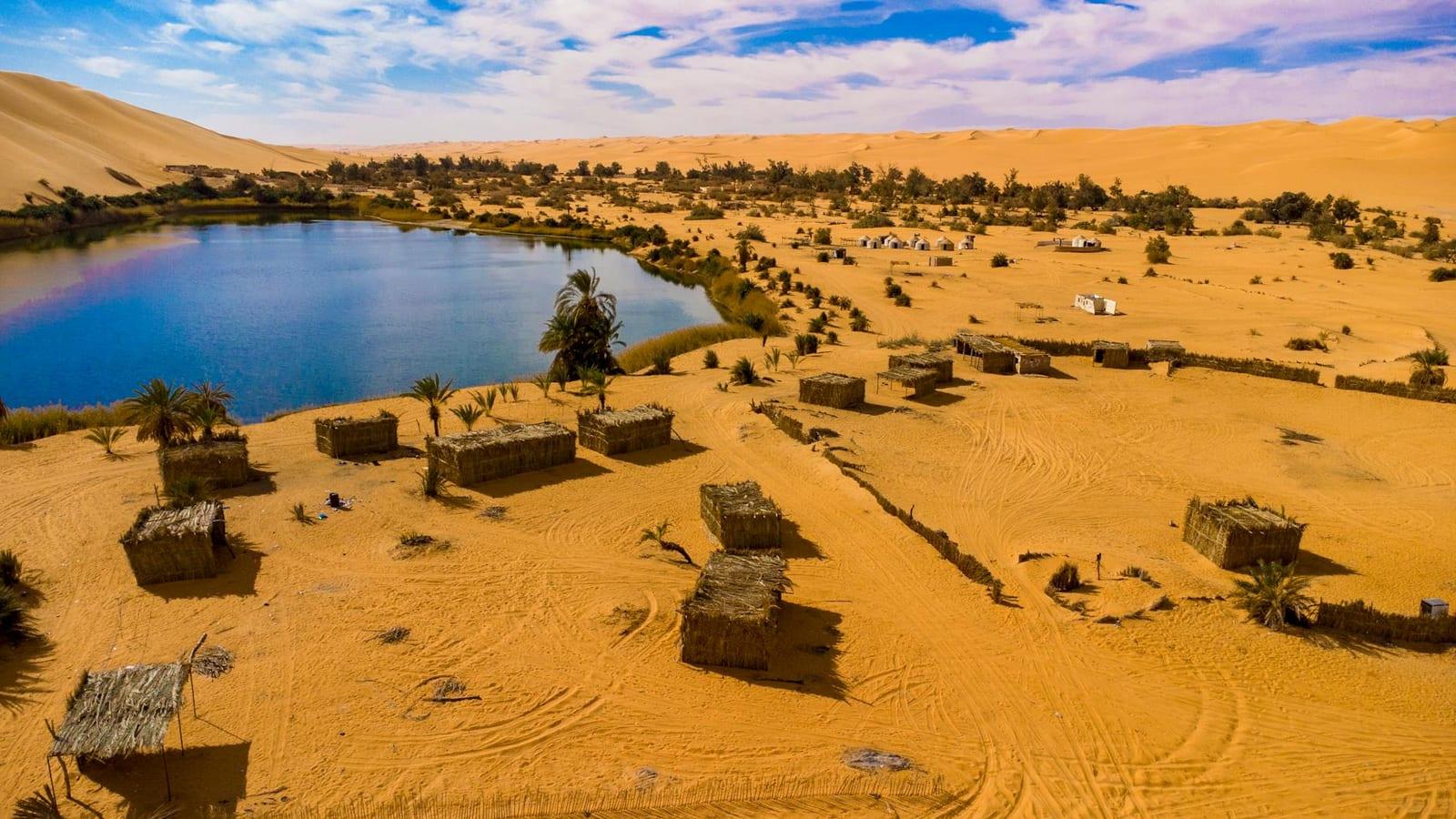
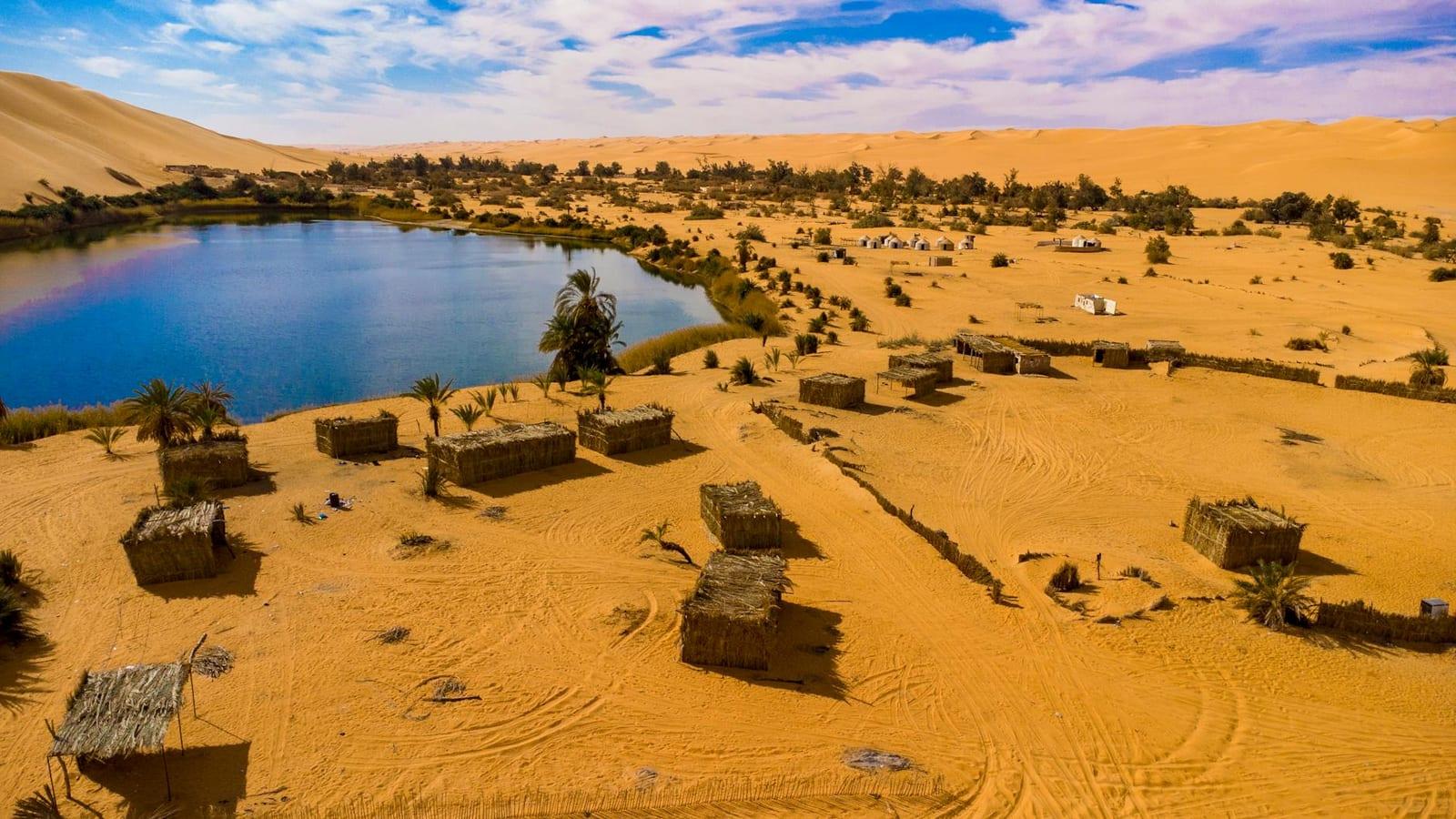
- Lakes of OuniangaBoat the Lakes of Ounianga
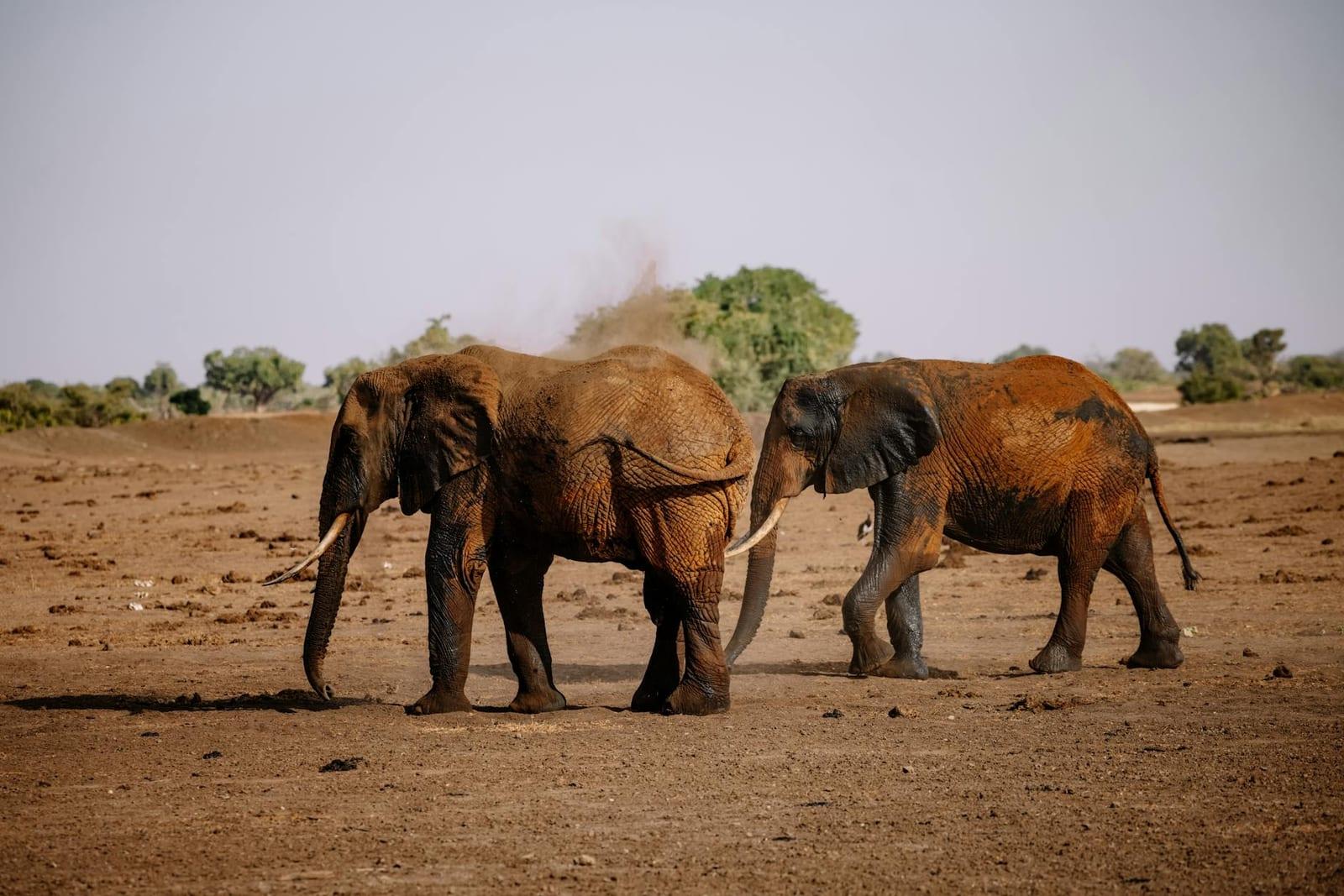
- elephants return to ZakoumaWatch elephants return to Zakouma
- Tibesti MountainsChad claims the rooftop of the Sahara Desert in the stunning Tibesti Mountains, which soar past 11,000 feet and conceal rare wildlife and semi nomadic Toubou.
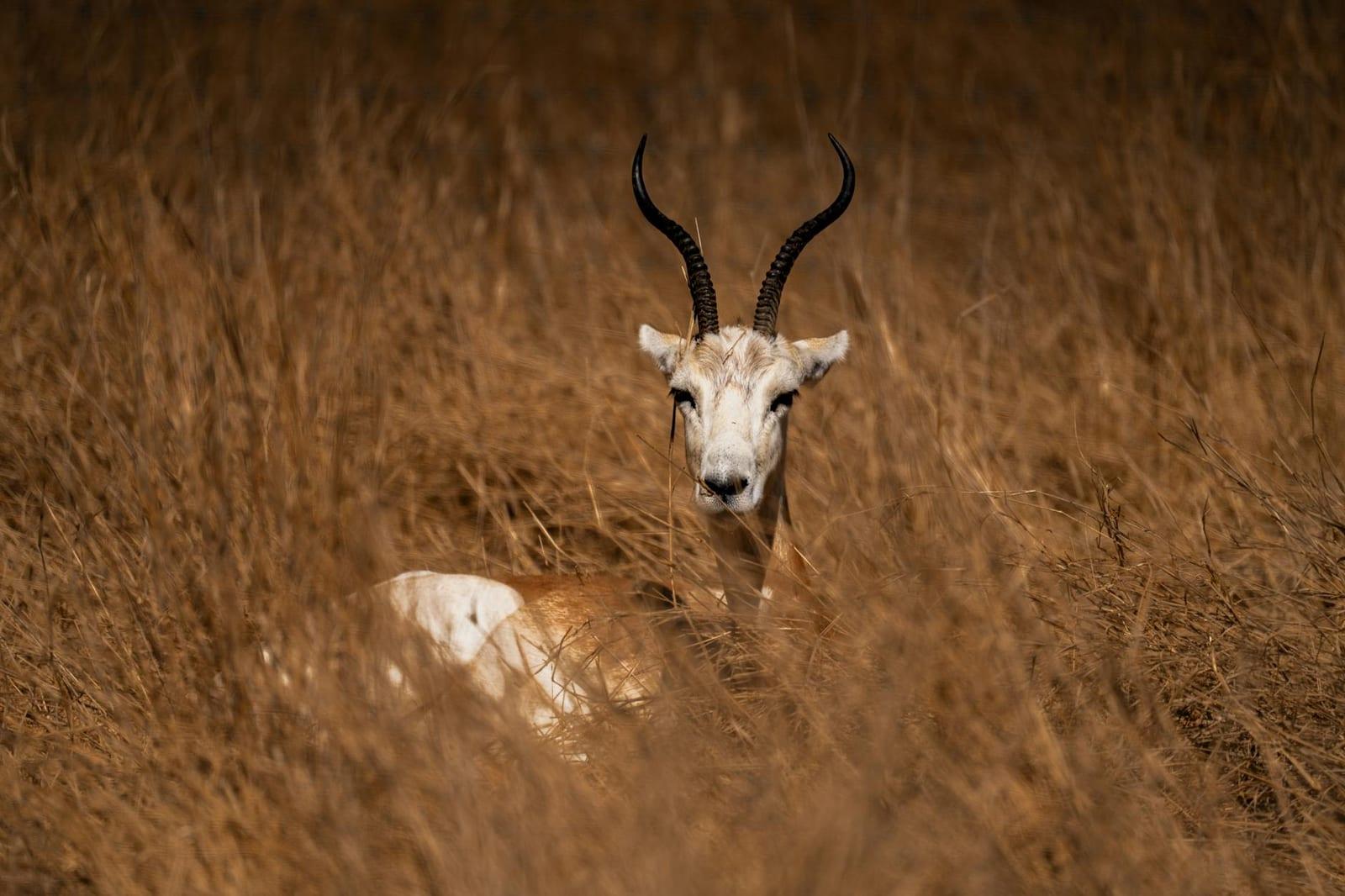
- Ouadi-Rime-Ouadi Achim Faunal ReserveThis gigantic reserve in Chad’s heart has suffered from overgrazing and poaching, but still provides essential refuge for Sahelian animals like dorcas and dama gazelles.
- Zakouma National Park/Bahr Salamat Faunal ReserveRangers and conservationists struggle against poachers to safeguard this protected complex’s elephants, lions, and other megafauna.
- Lake ChadAmong the world’s biggest wetland complexes, Lake Chad is ecologically and economically vital; given it’s shrinking with climate change, now’s the time to experience it.
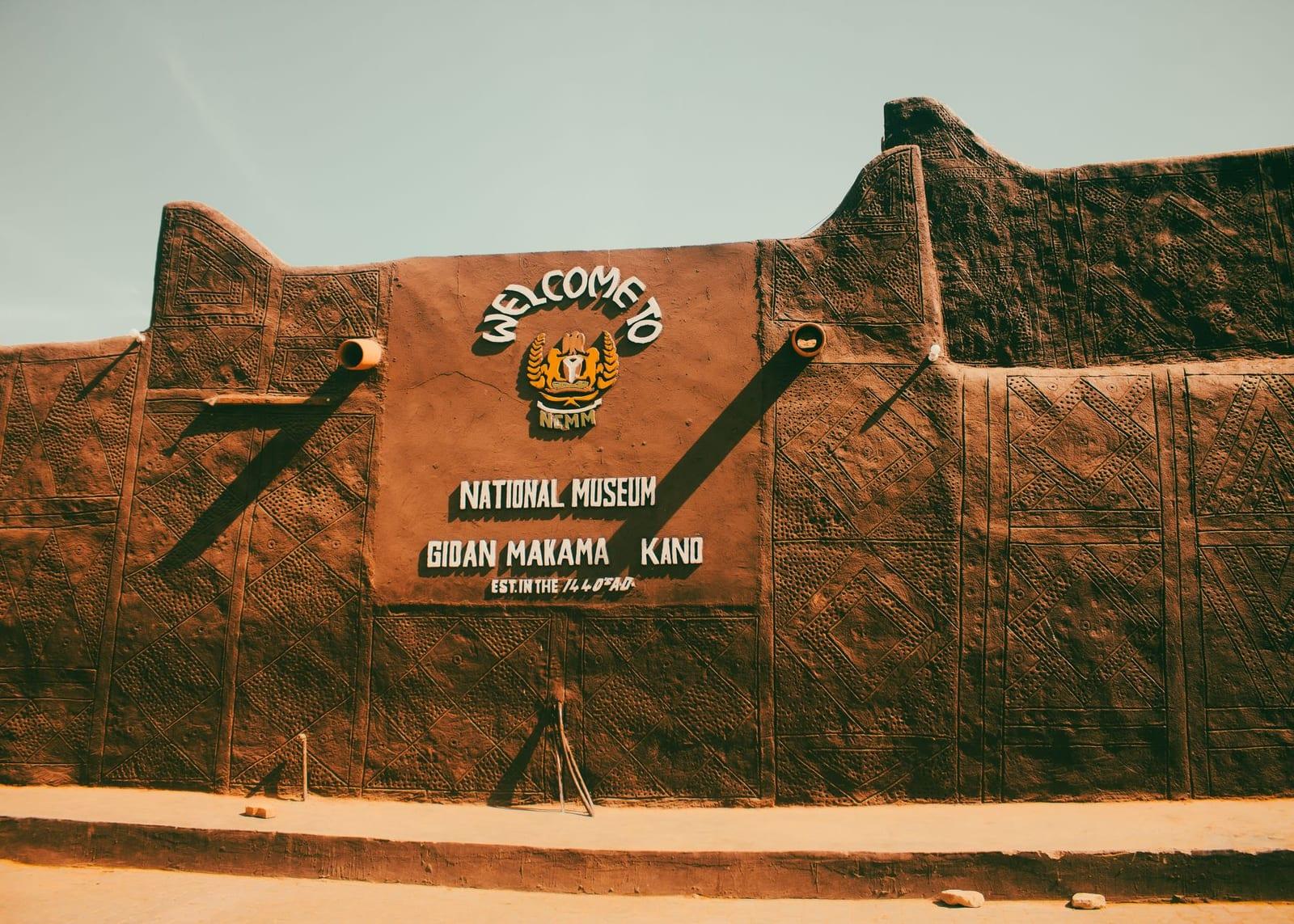
- Musee National N’DjamenaChad’s national museum, founded back in 1962, provides an engrossing overview of the country’s millennia-spanning backstory, stretching into prehistory.
- AbecheThe historic core of this regional Quaddai capital includes venerable palaces, mosques, and other eye-catching monuments.