
China’s a place of superlatives: It’s the most populous country on Earth and one of the biggest; it also lays claim to some of the very largest cities on the planet, the oldest continuous civilization, and an astonishing array of ethnicities and languages. Its physical geography includes Earth's greatest mountains, sandstorm-blasted deserts, high-elevation steppes, vast fertile lowlands, and otherworldly tracts of karst pinnacles and caves. Want to see all of China’s standout sights, taste all the intricacies of its cuisine, and touch base with the major chapters of its deep history? Well, set aside a lifetime and maybe you’ll start making headway.
Hyperbole aside, the savvy traveler in China understands the impossibility of packing a fulfilling cross-country tour into a single trip. China’s so big on so many dimensions that it makes sense to structure a visit around a particular region—the powerhouse cities of the Pearl River Delta, the biologically diverse nature preserves and tea plantations of subtropical Yunnan Province, a cruise of the Yangtze River—or a particular theme, whether it’s history, food, nature, or anything else.
Surveying even just a partial list of China’s great landmarks boggles the mind. There are historical wonders: the Terracotta Army of Qin Shi Huang’s tomb, the ornate Forbidden City of Beijing, the meandering Great Wall. There are engineering icons symbolizing the country’s world-stage ambitions: the Three Gorges Dam, the Shanghai World Financial Center. And there are striking geological features: the toothy granite spires of Huangshan, the Stone Forest of Shilin, the Tiger Leaping Gorge, the Roof-of-the-World Tibetan Plateau, the incomparable Mount Everest. And no matter where you go or what you do in China, you’ll weave along fascinating intersections of time and culture.
There are many ways to expose yourself to Chinese culture, but few are so exciting as food. Chinese cuisine—from Szechuan and Cantonese to Zhejiang and Hunan—is one of the world’s richest and most diverse, and exploring culinary traditions from street-food vendors to five-star restaurants can form the backbone of an unforgetable getaway.
China’s headlong surge into industrialized superpower-dom is coming at enormous social and environmental costs, and nobody should turn a blind eye to that. But the radical upheaval of its modern-day transformation is only the latest chapter in a colossal history, and watching it play out firsthand stimulates some profound reflections on our global village.
29 things not to miss.
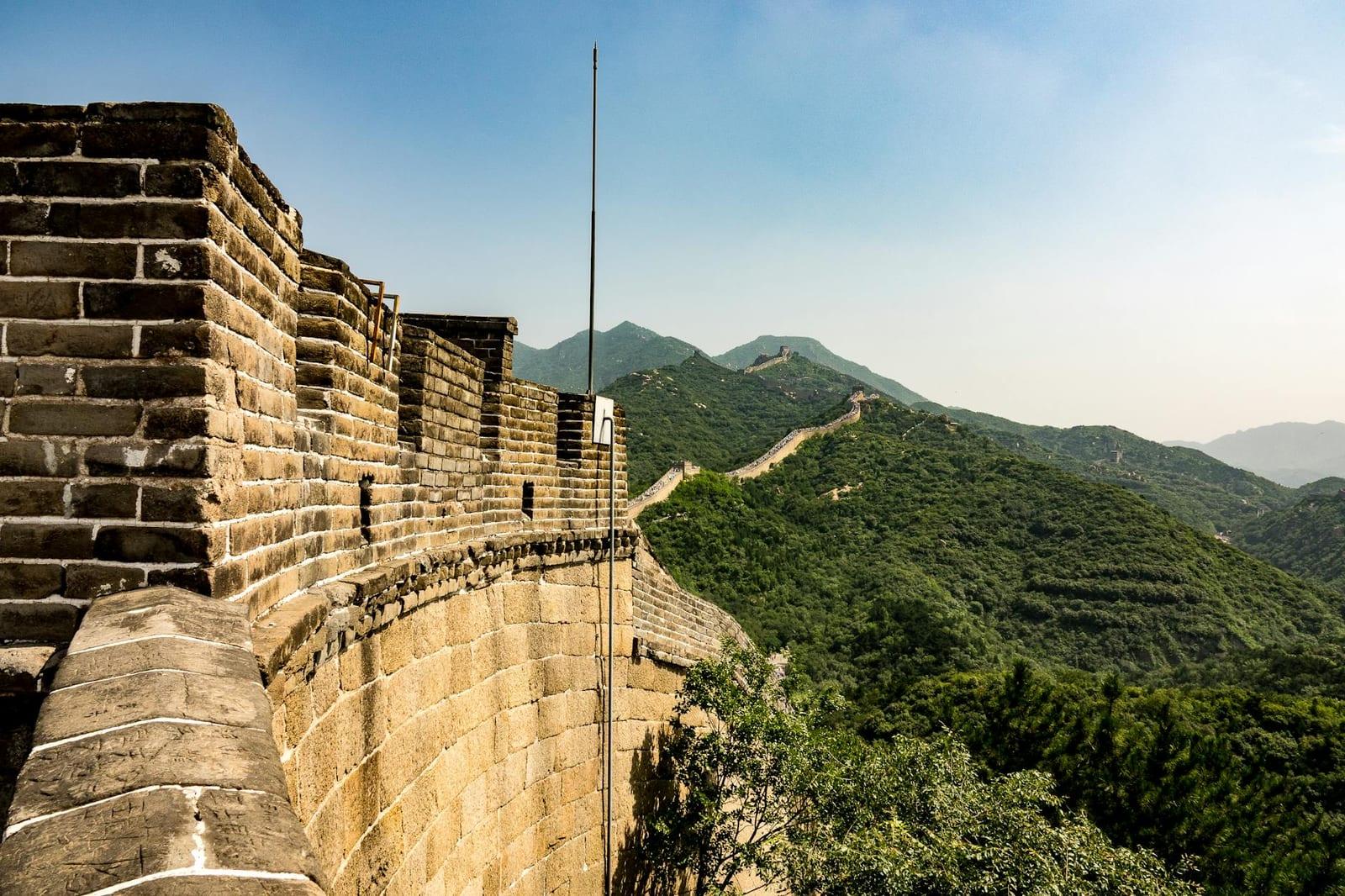
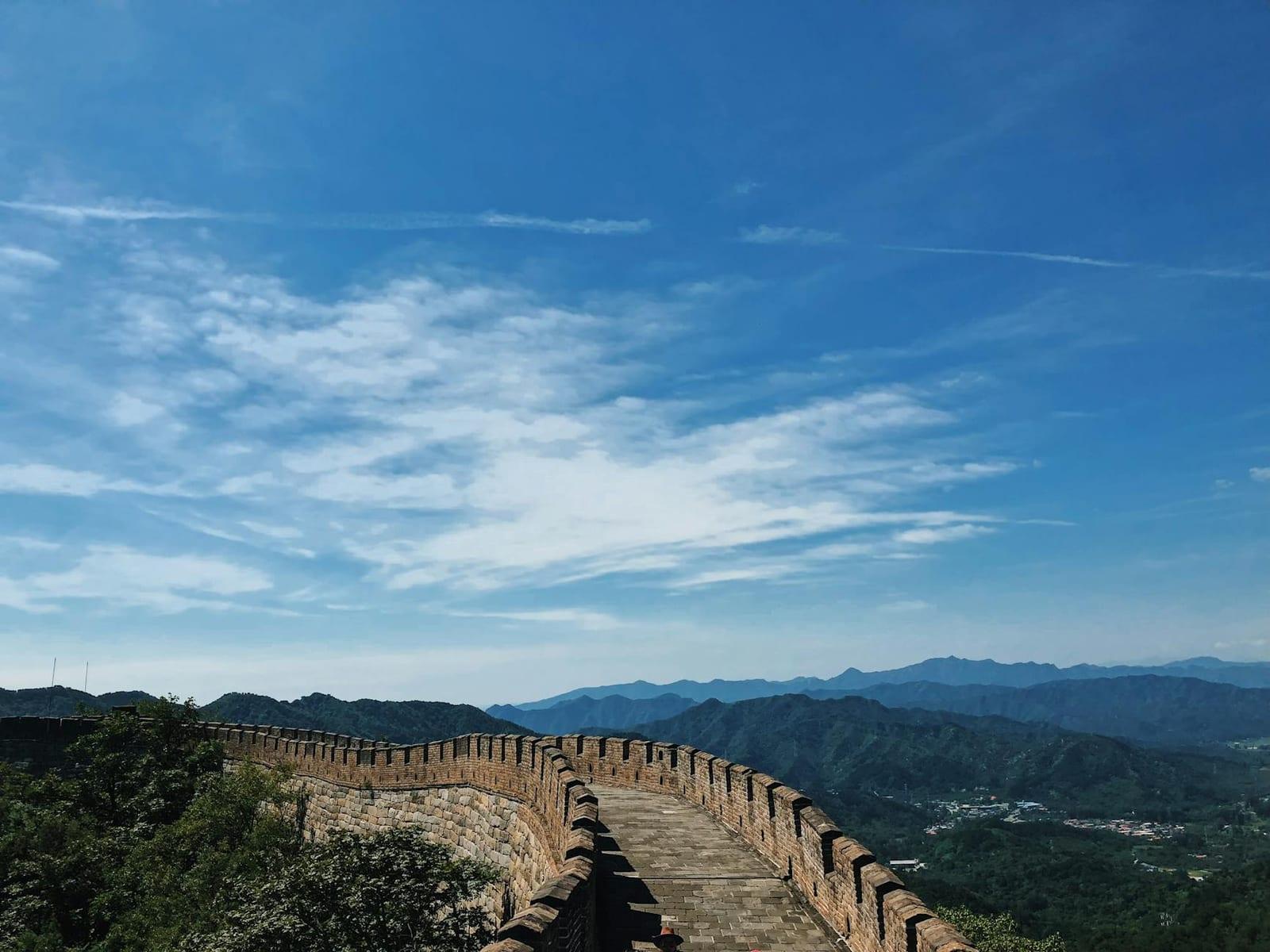
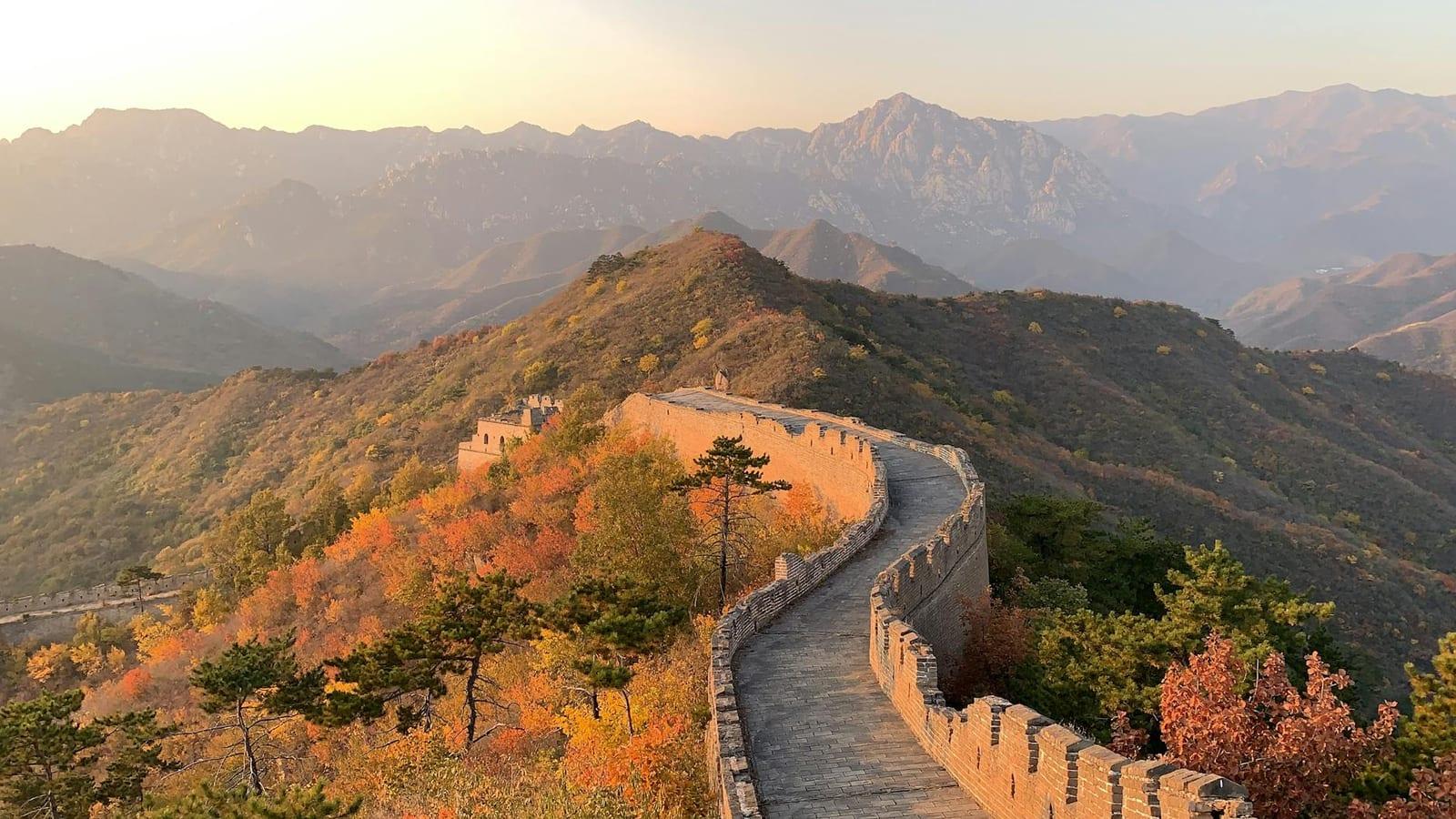
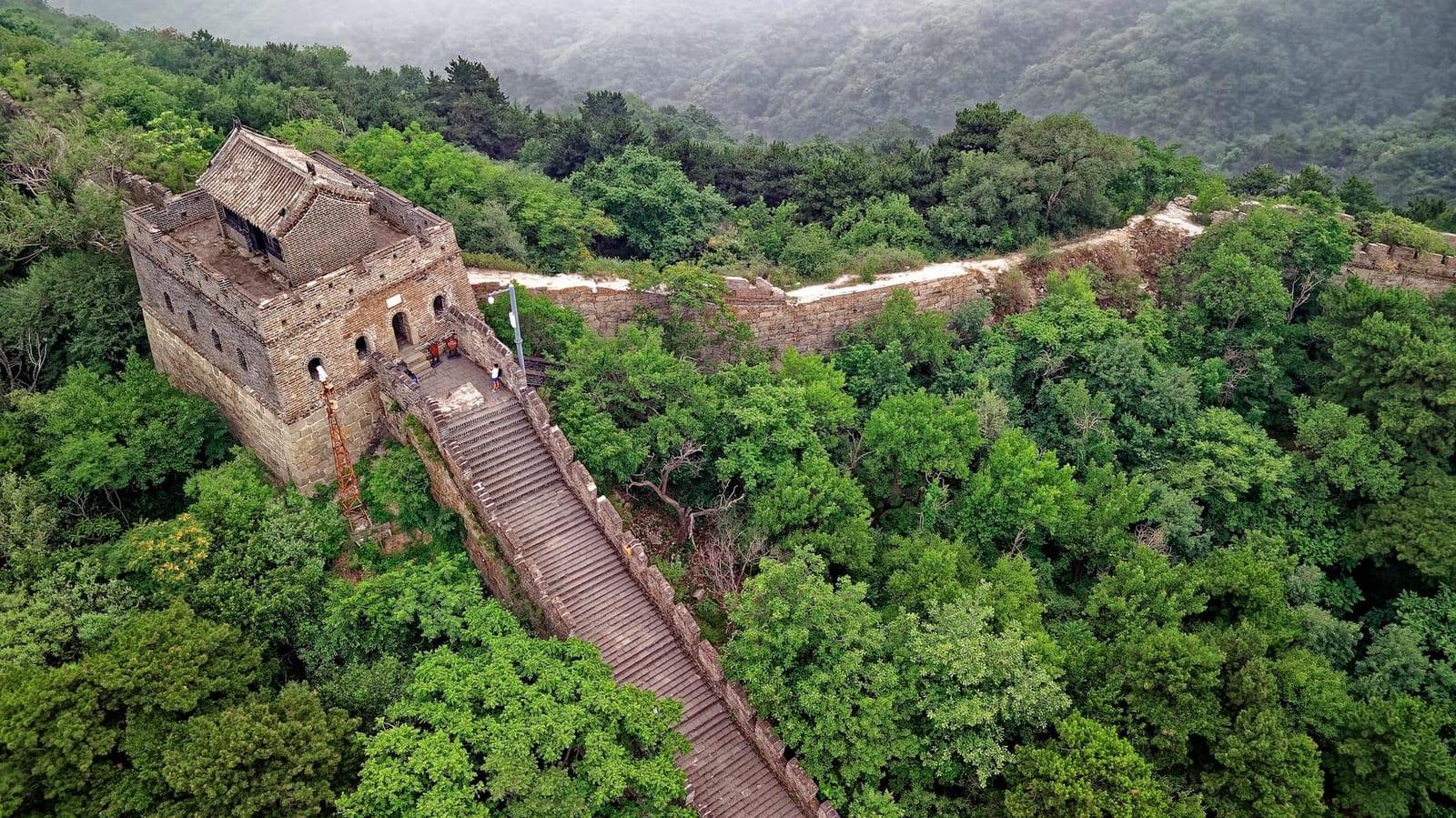
- a section of the Great WallHike a section of the Great Wall
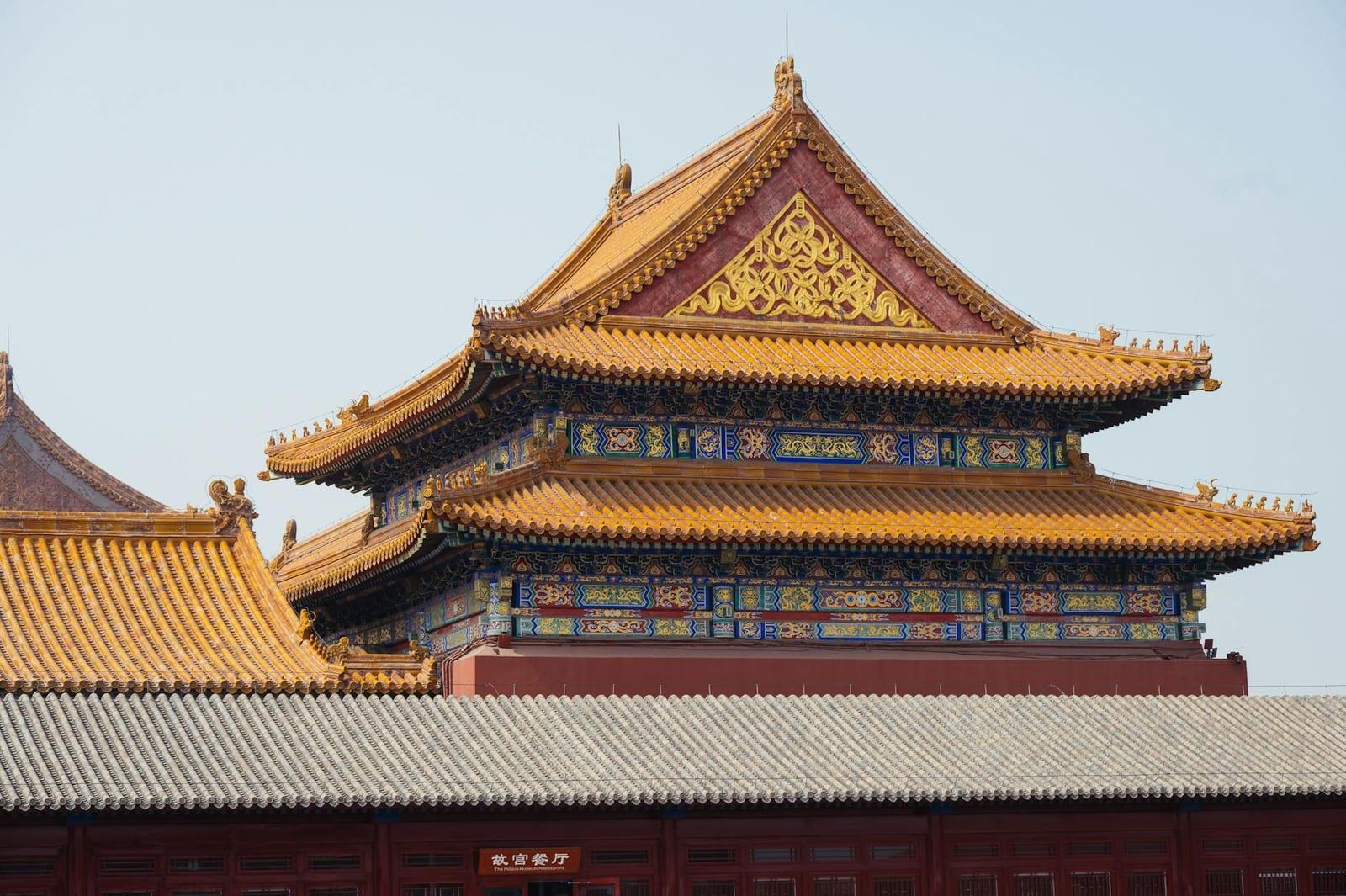
- the Forbidden CityWander the Forbidden City
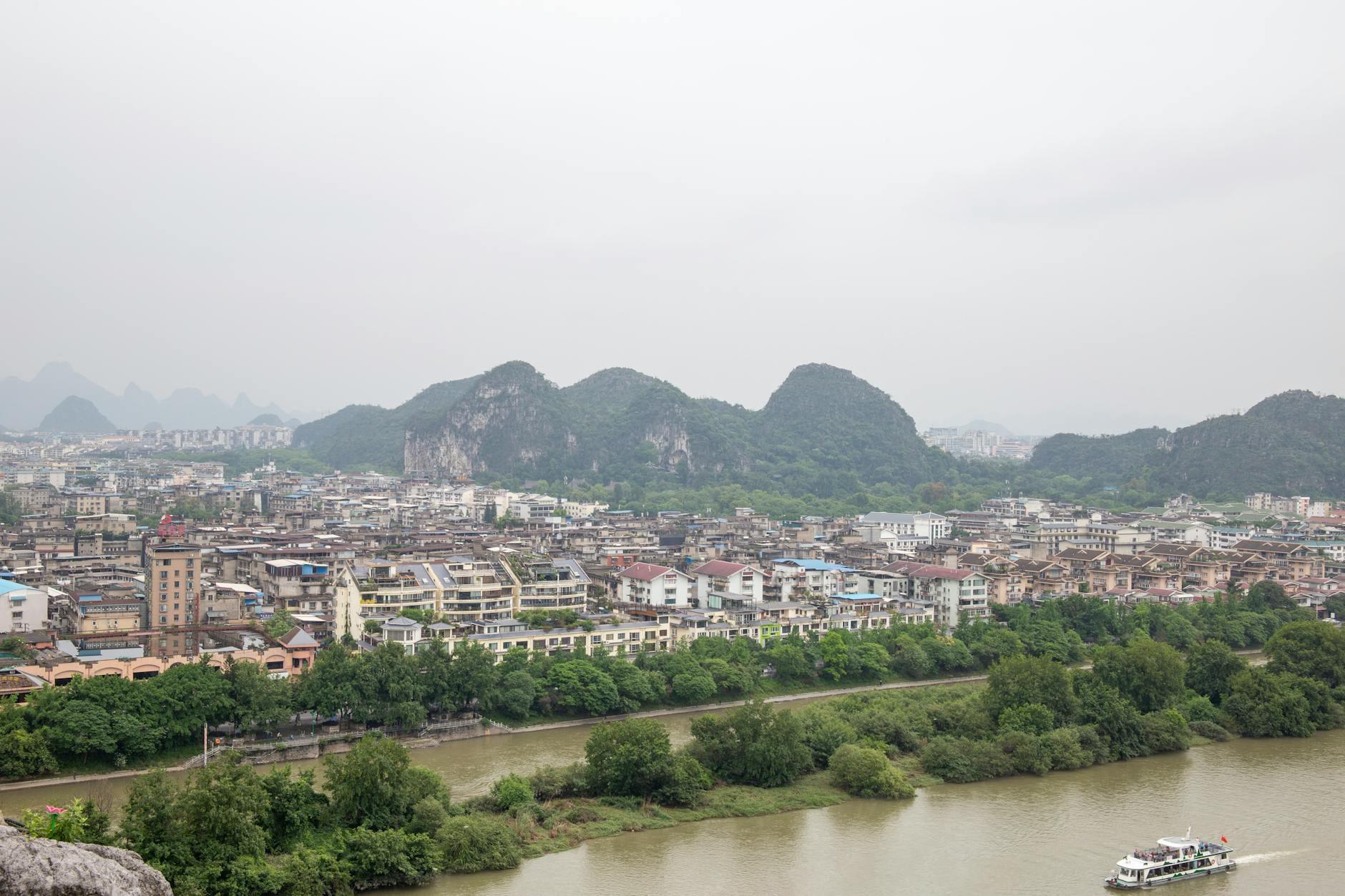
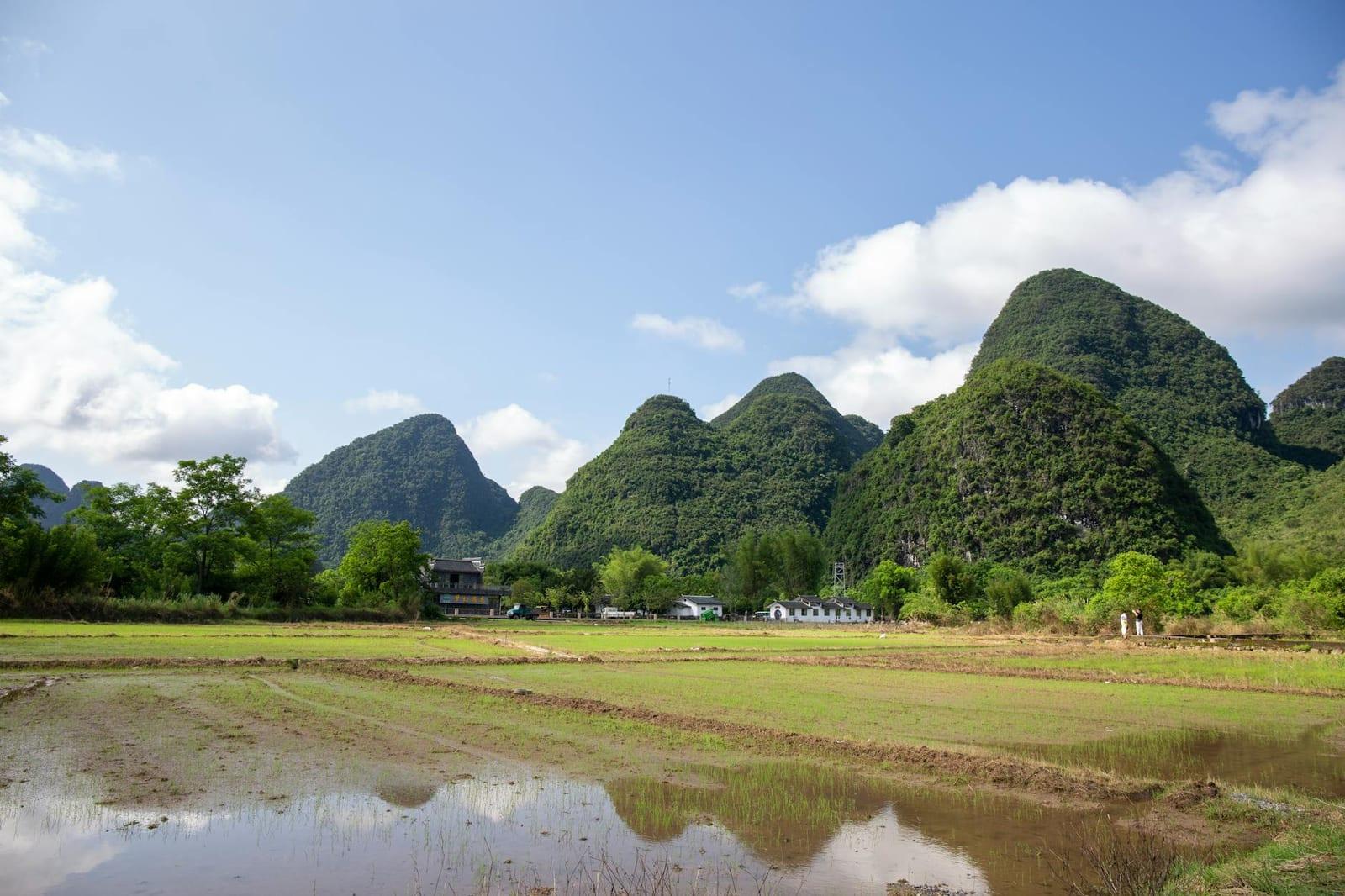
- Bike Yangshuo's karst countrysideBike Yangshuo's karst countryside
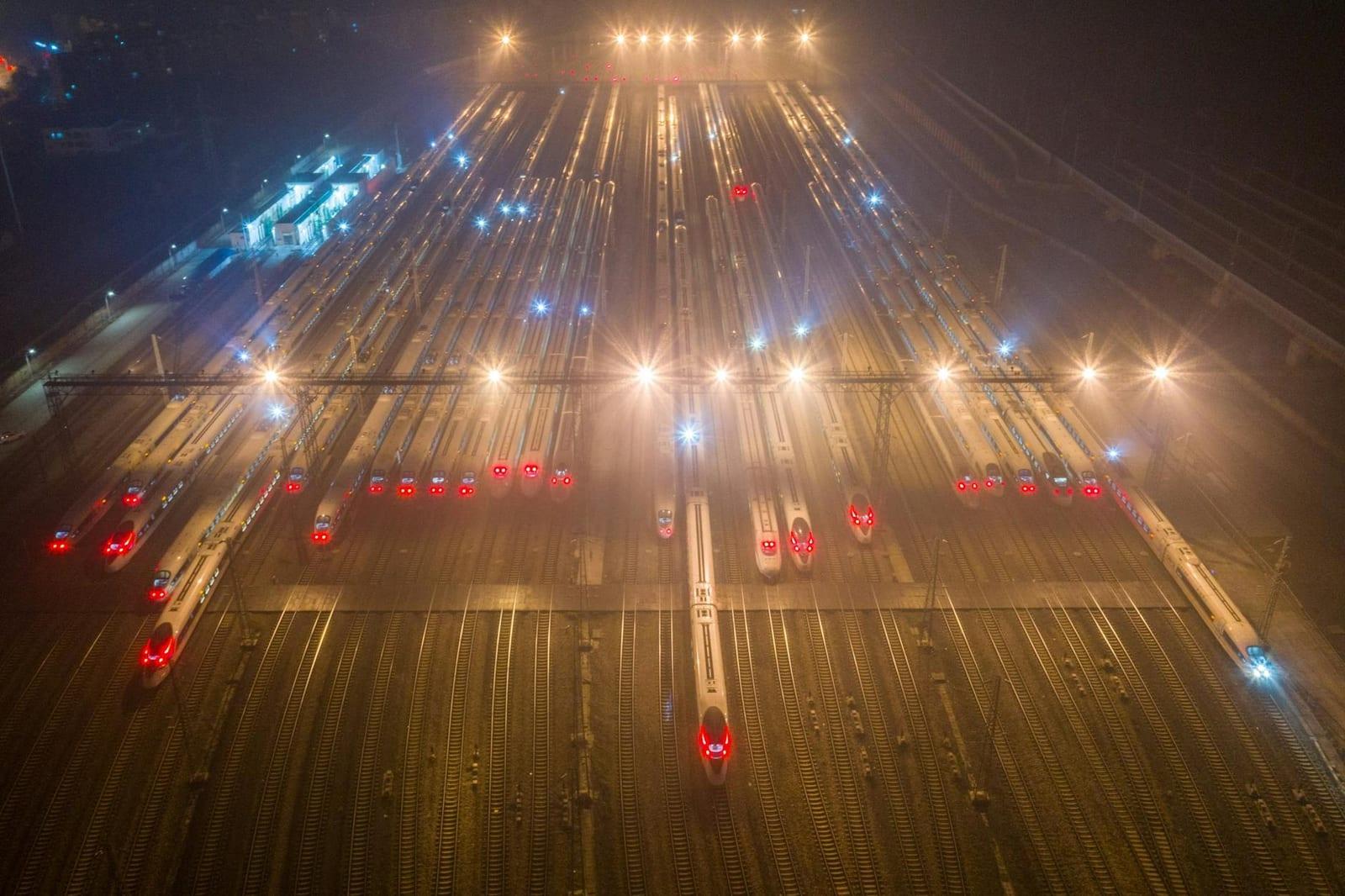
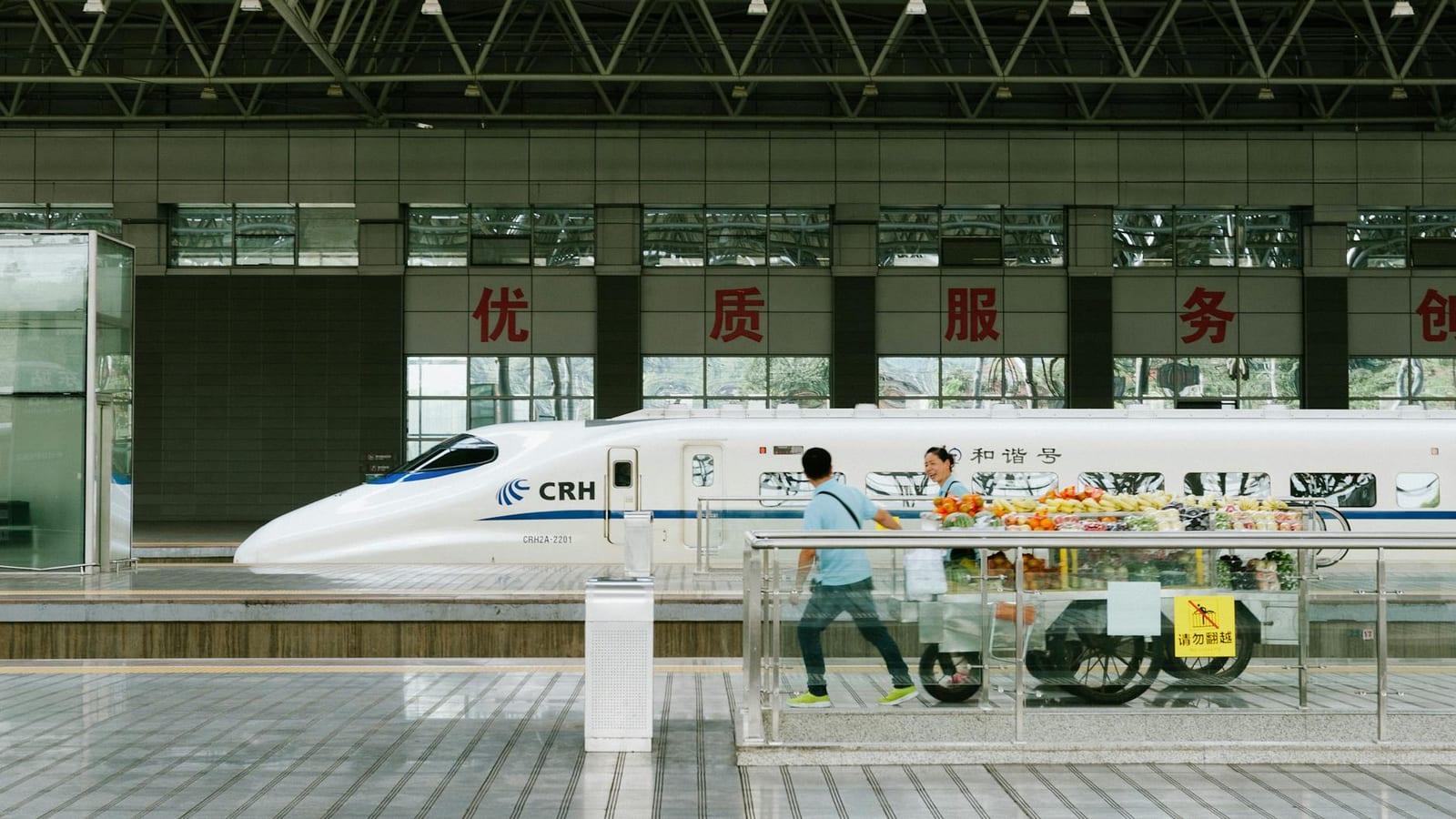
- high-speed train across the countryTake a high-speed train across the country
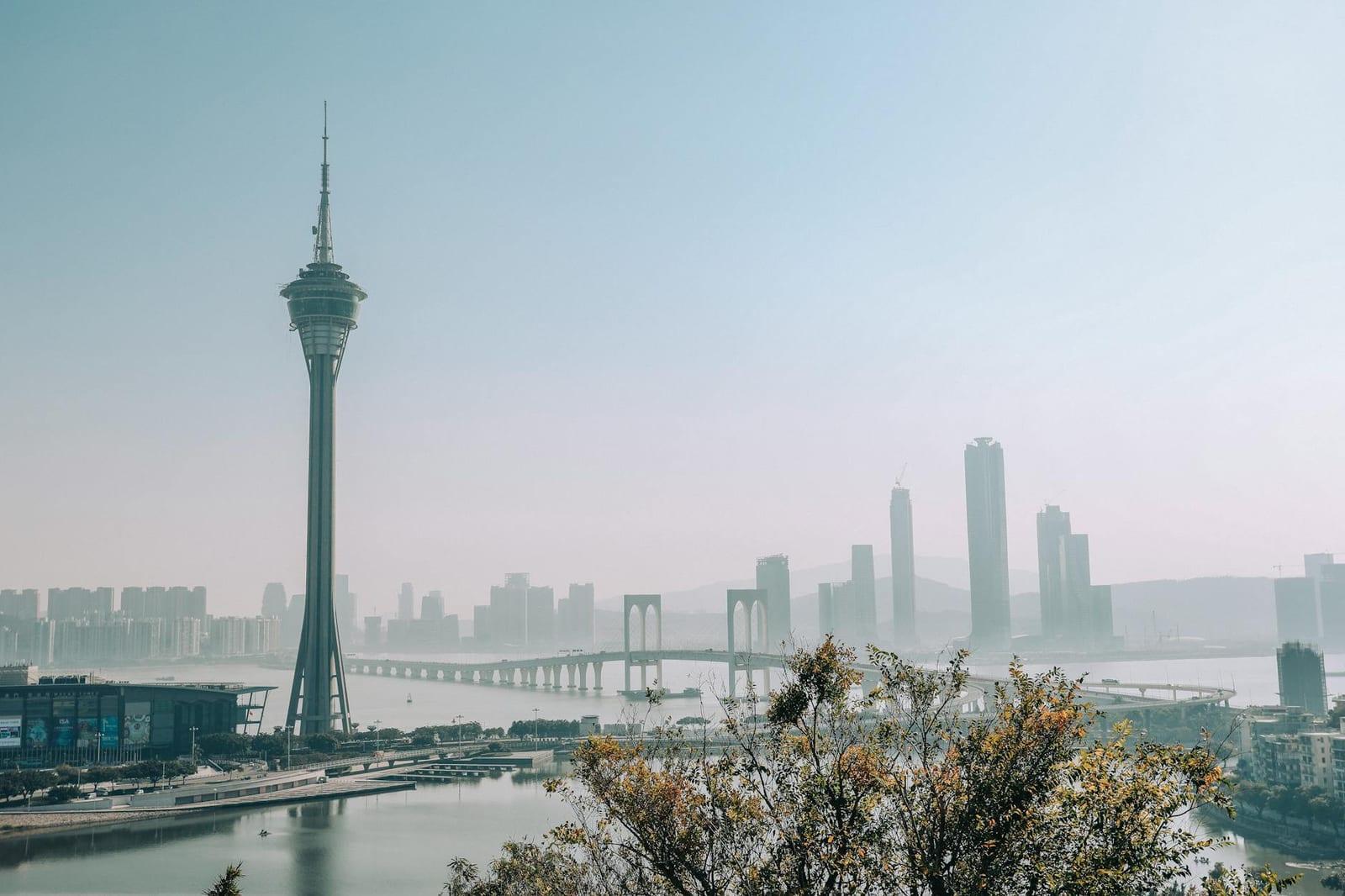
- Macau Tower
- Great Wall Marathon
- Simatai Great Wall
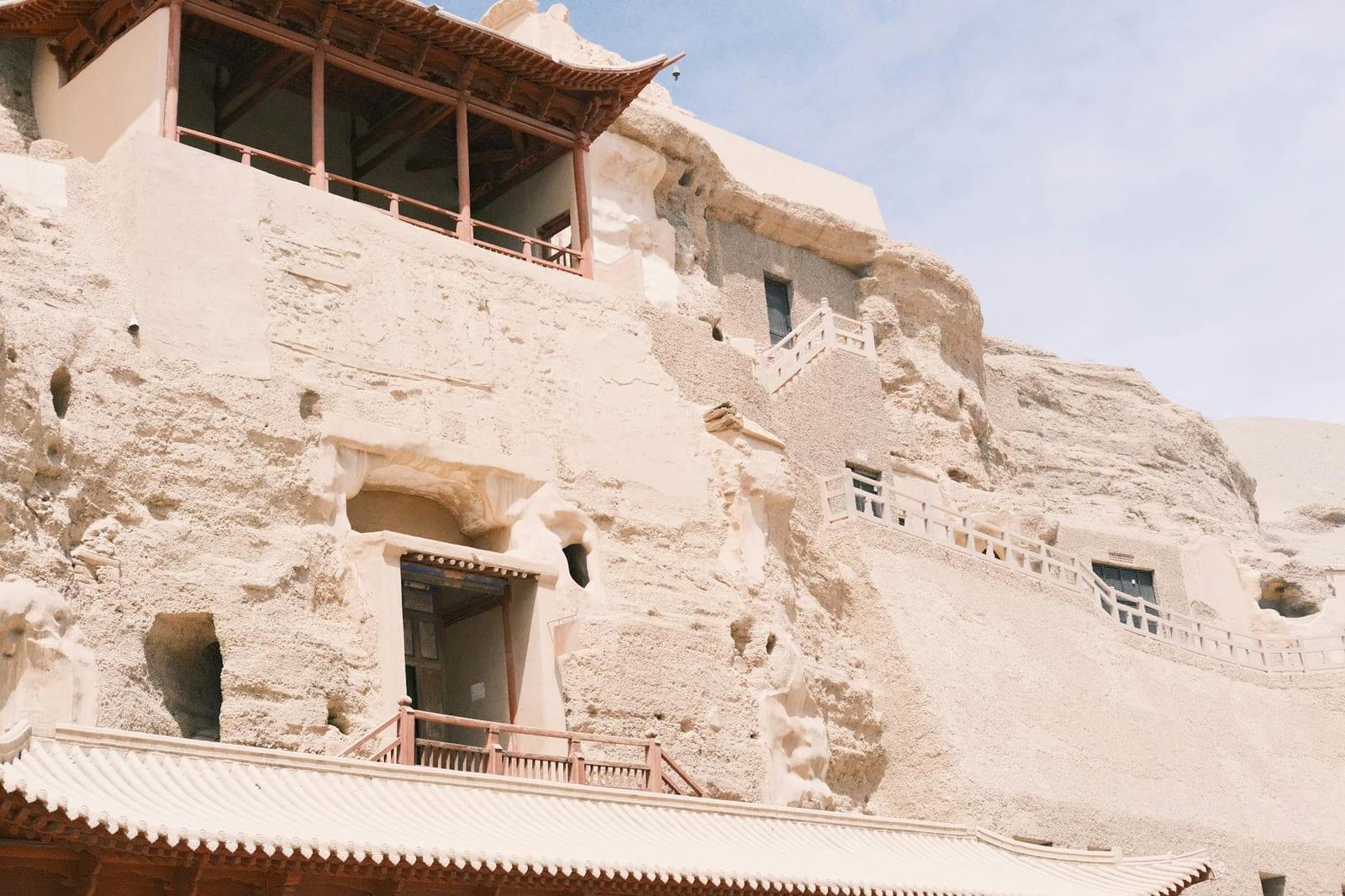
- Mogao Grottoes
- CRH380A
- Wolong Nature Reserve

- Chengdu Panda Base

- Bifengxia Panda Base

- Beijing/Shanghai
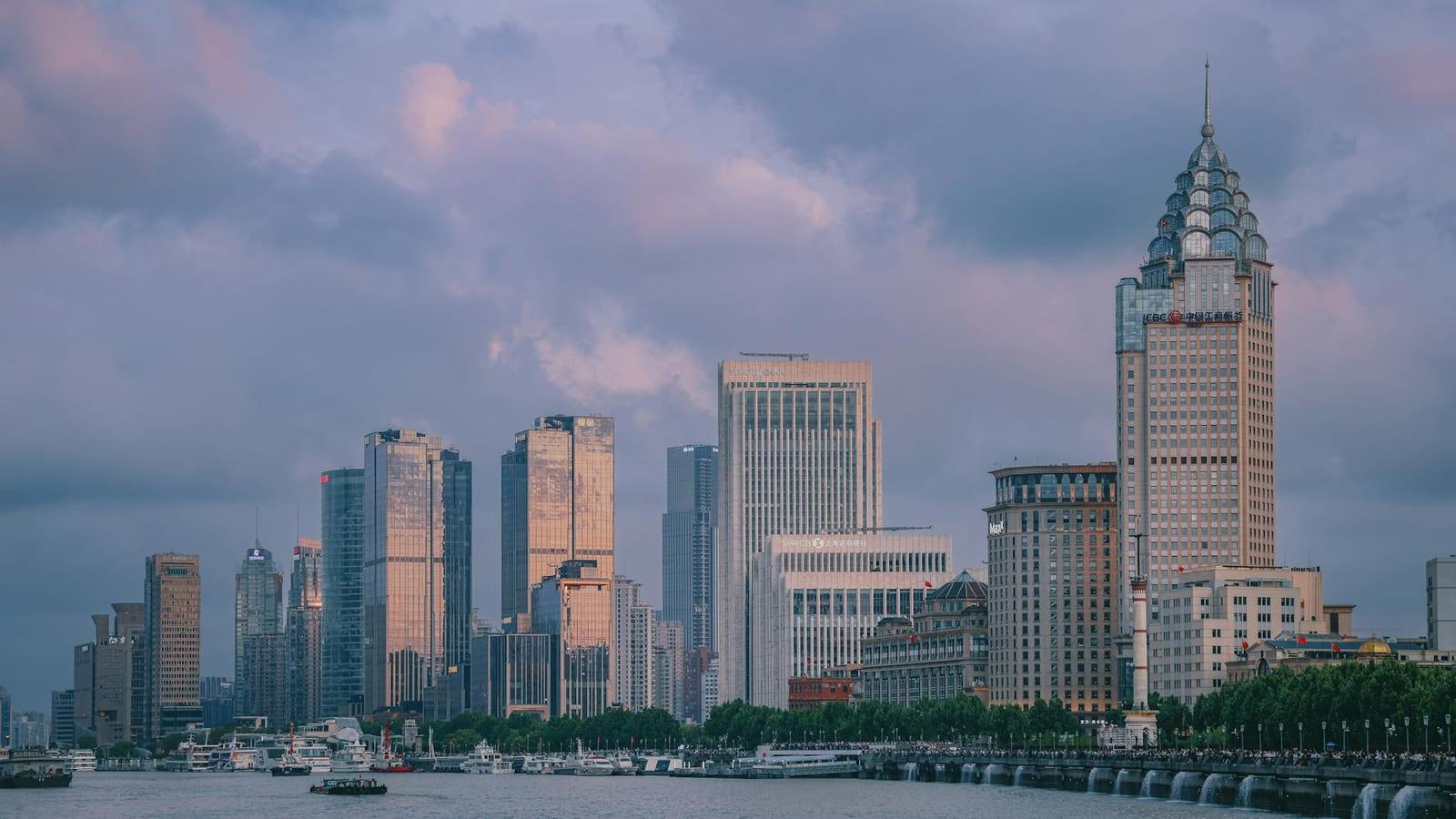
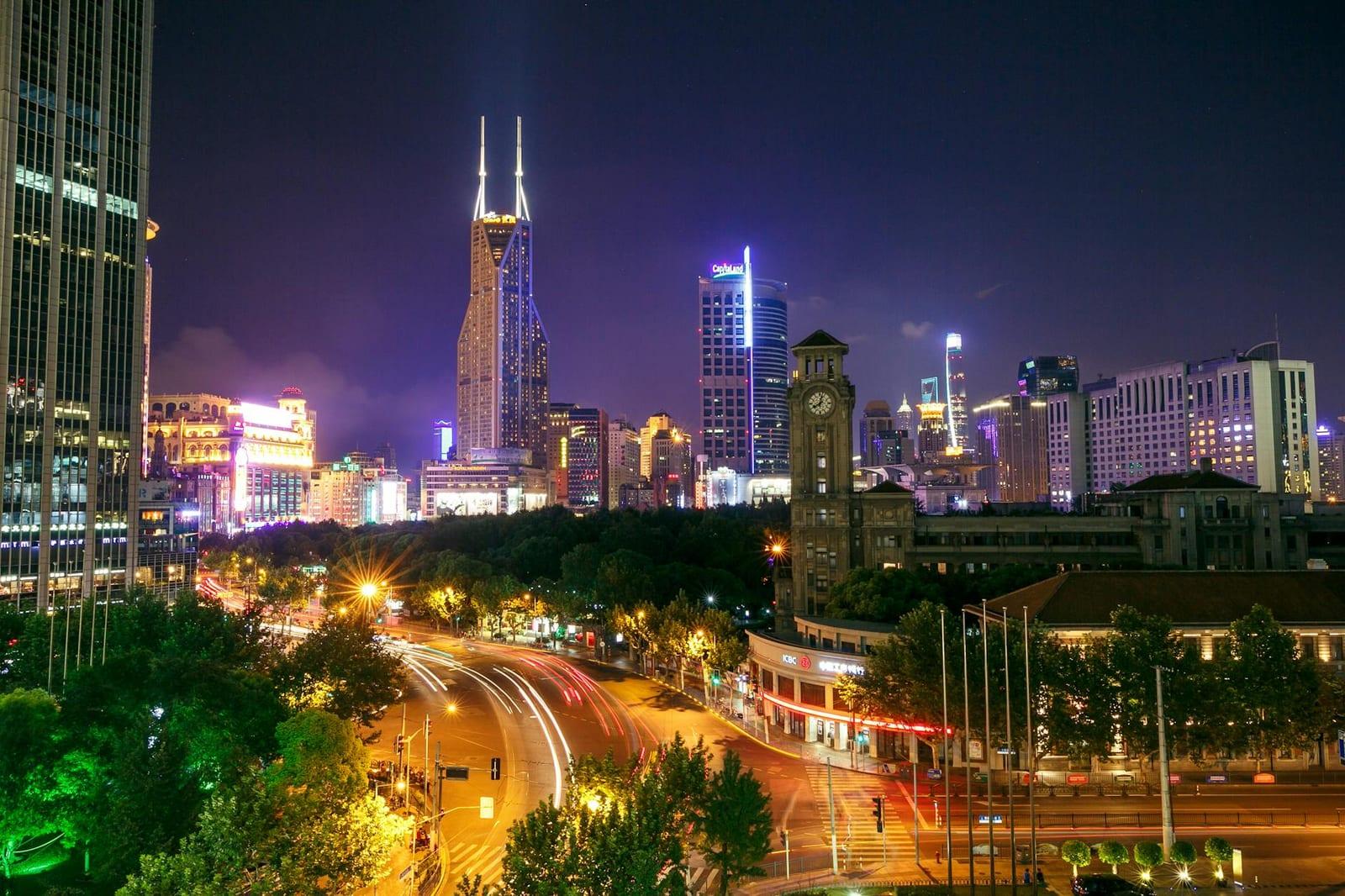
- Shanghai
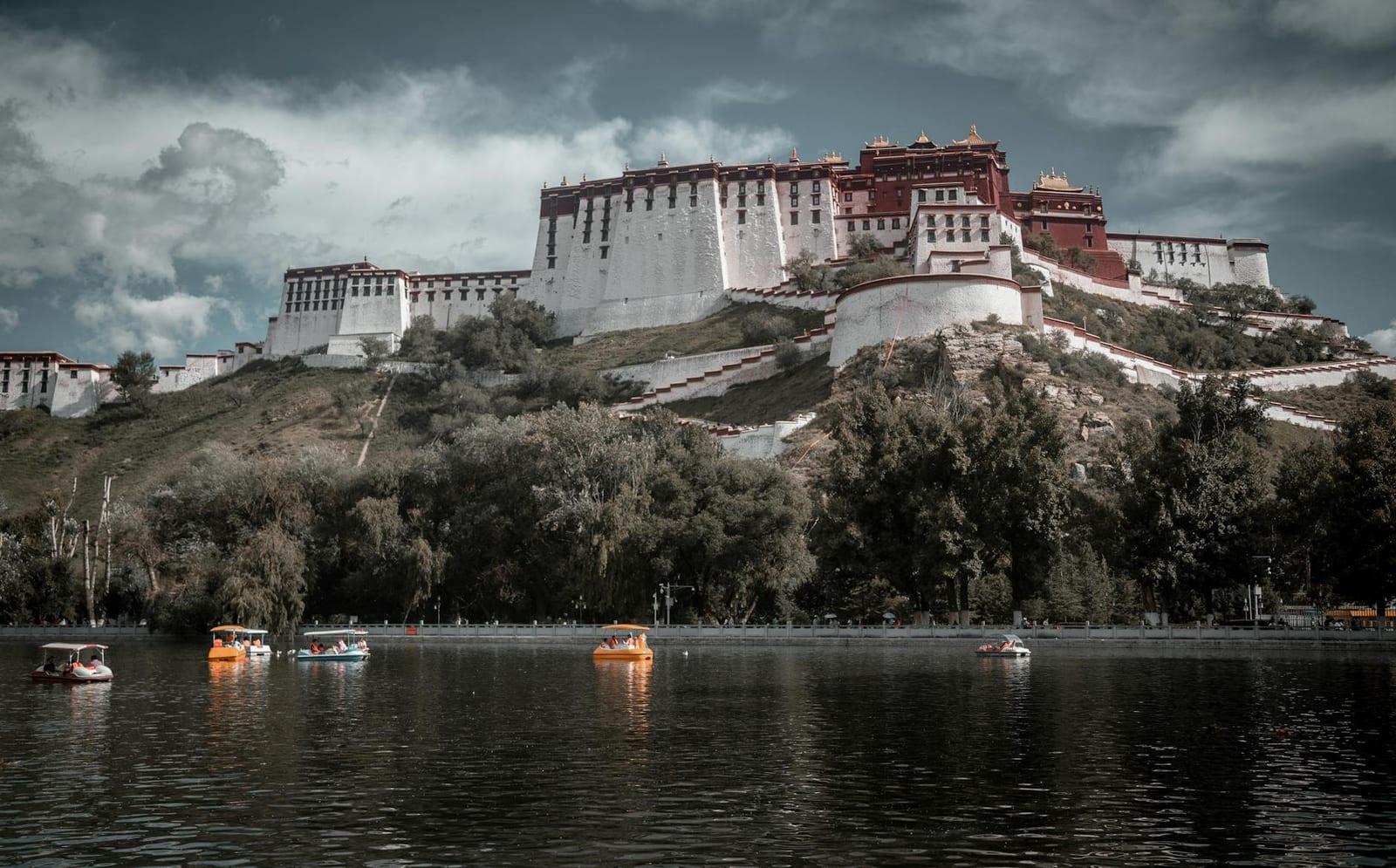
- Potala Palace
- Pandas

- Beijing
- Great Wall of China
- Chinese New Year
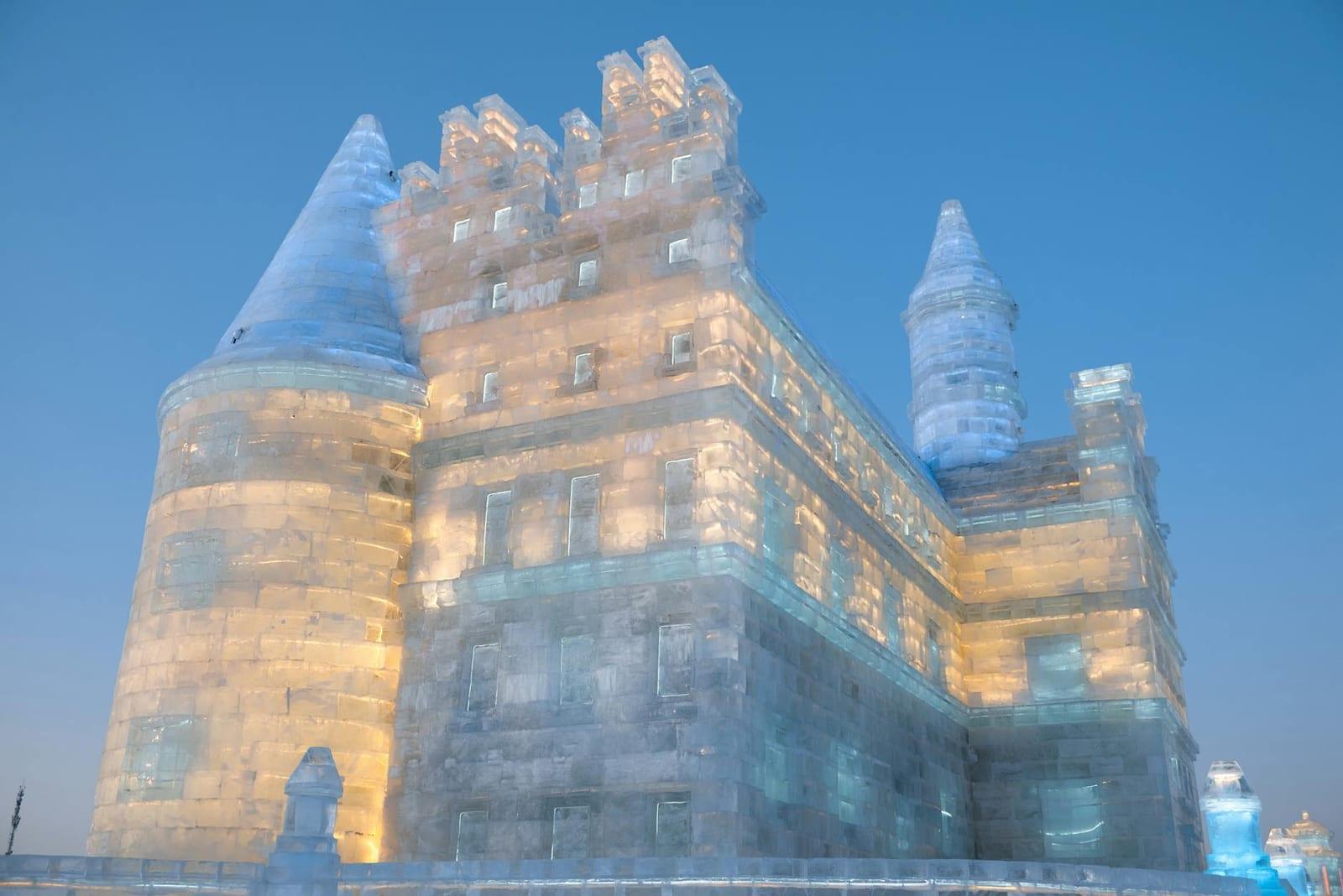
- Harbin Ice and Snow Festival
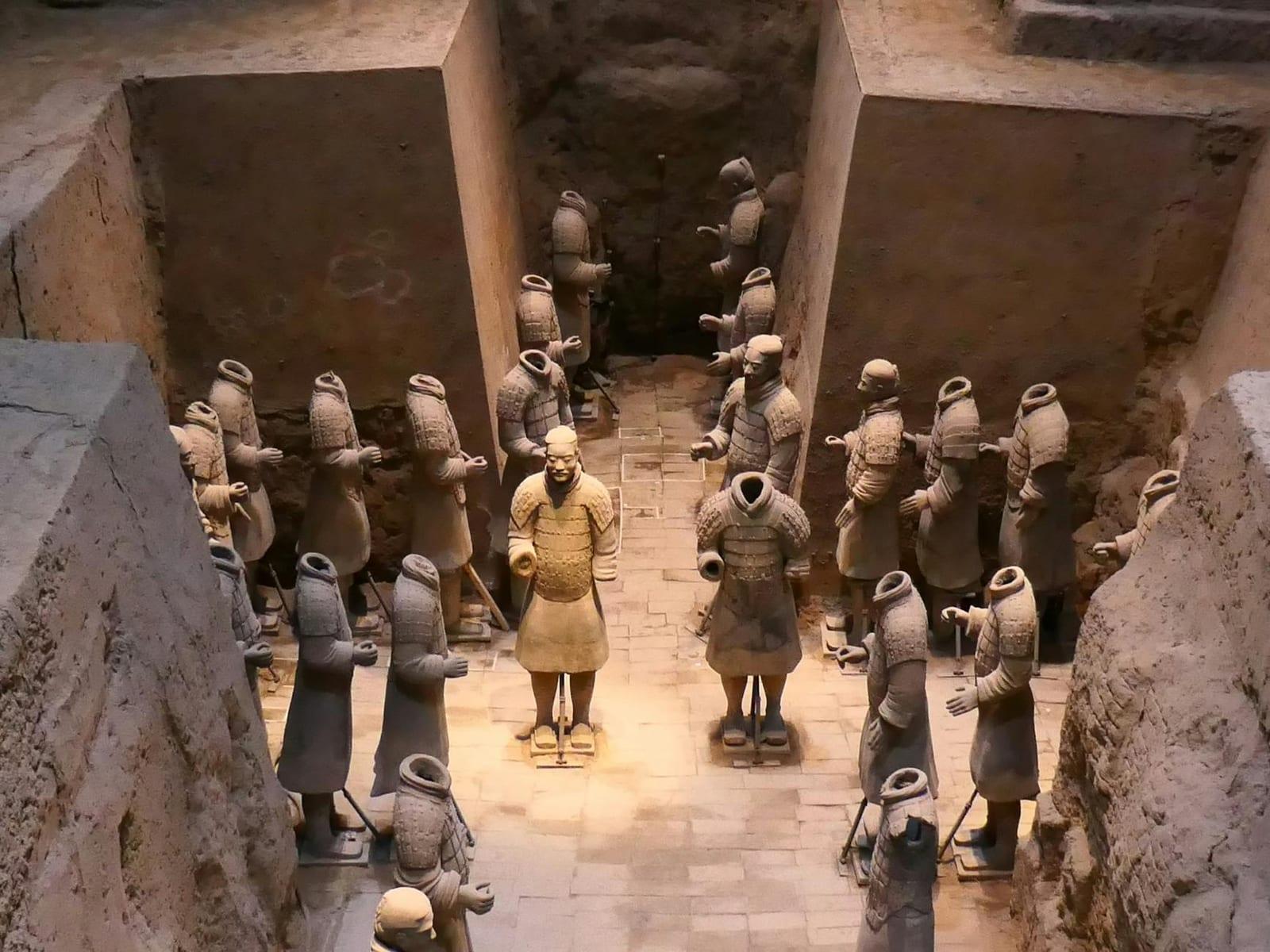
- The Terracotta ArmyIn funerary grandeur of epic scale, thousands of life-size terracotta soldiers and horses guard Emperor Qin’s 3rd-century-BCE tomb in Xi’an.
- Leshan Giant BuddhaOne of China’s most impressive Tang Dynasty relics, this behemoth stone Buddha nestles within a riverside cliff in southern Sichuan.
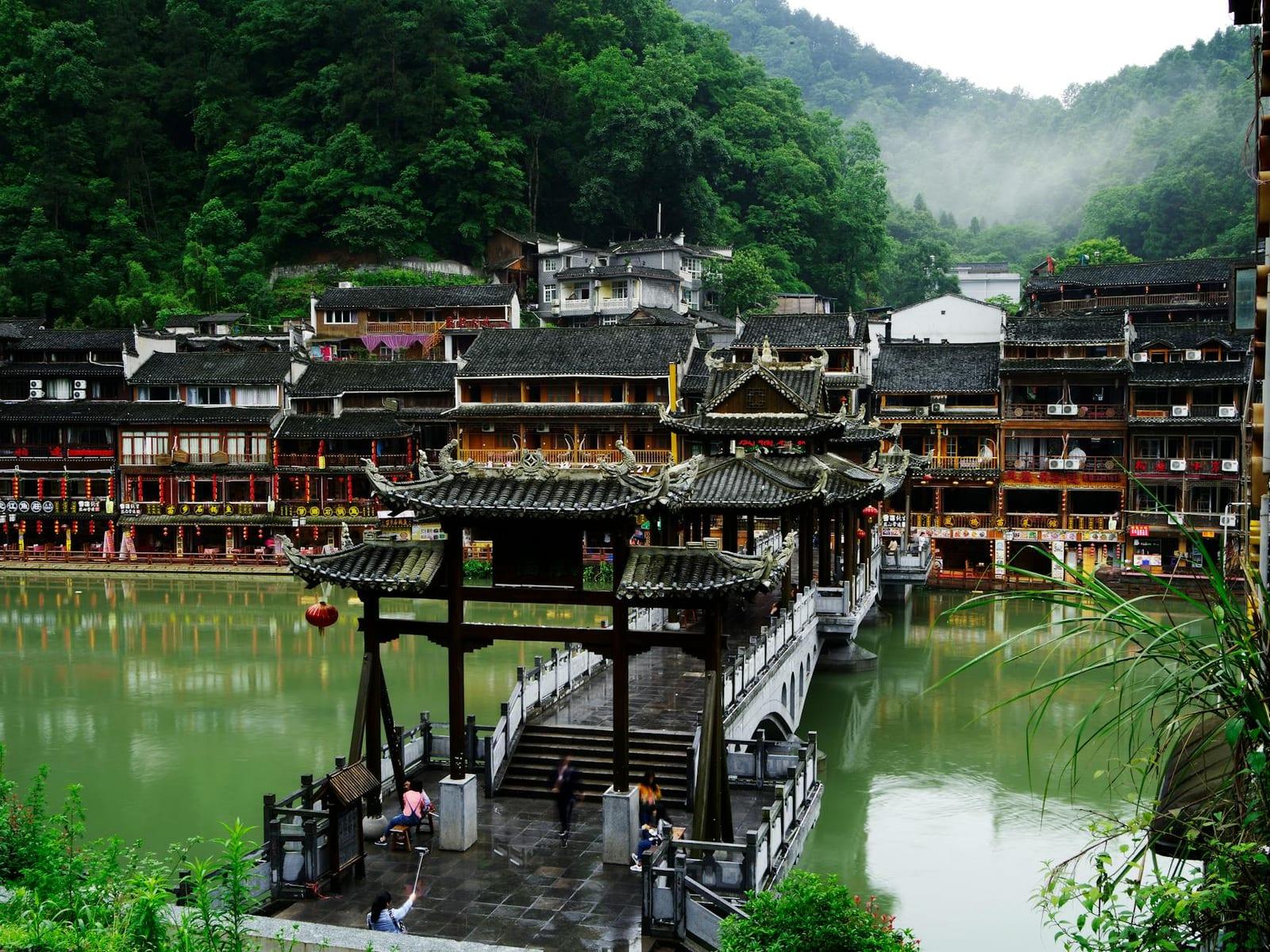
- Fenghuang (Phoenix) Ancient TownBacked by forested mountains and strung with waterways, this bastion of traditional architecture ranks among China’s prettiest villages.
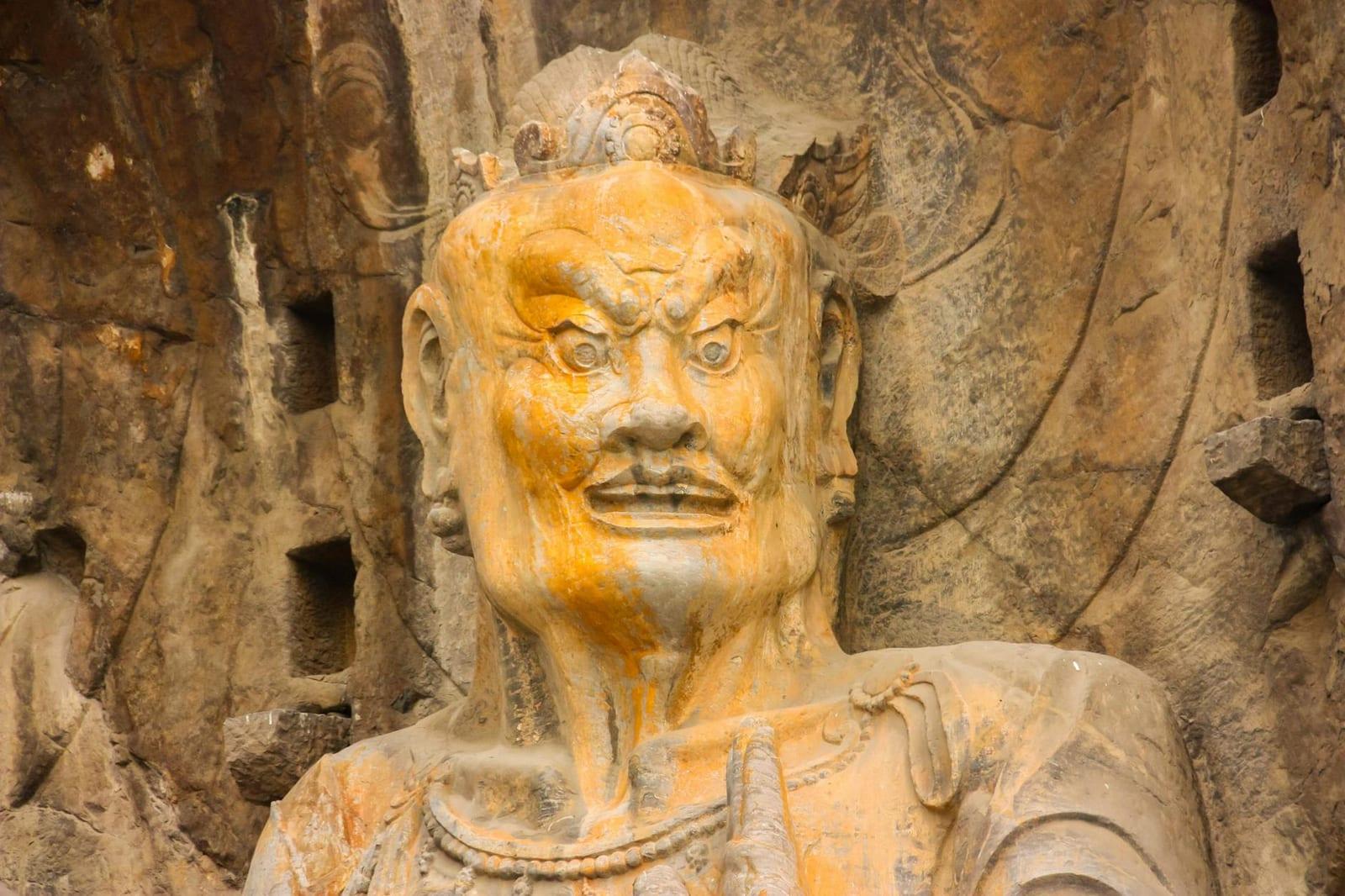
- Longmen GrottoesAstonishing rock-cut Buddhas and other sculptures mark these limestone alcoves, a global masterpiece of Buddhist art.
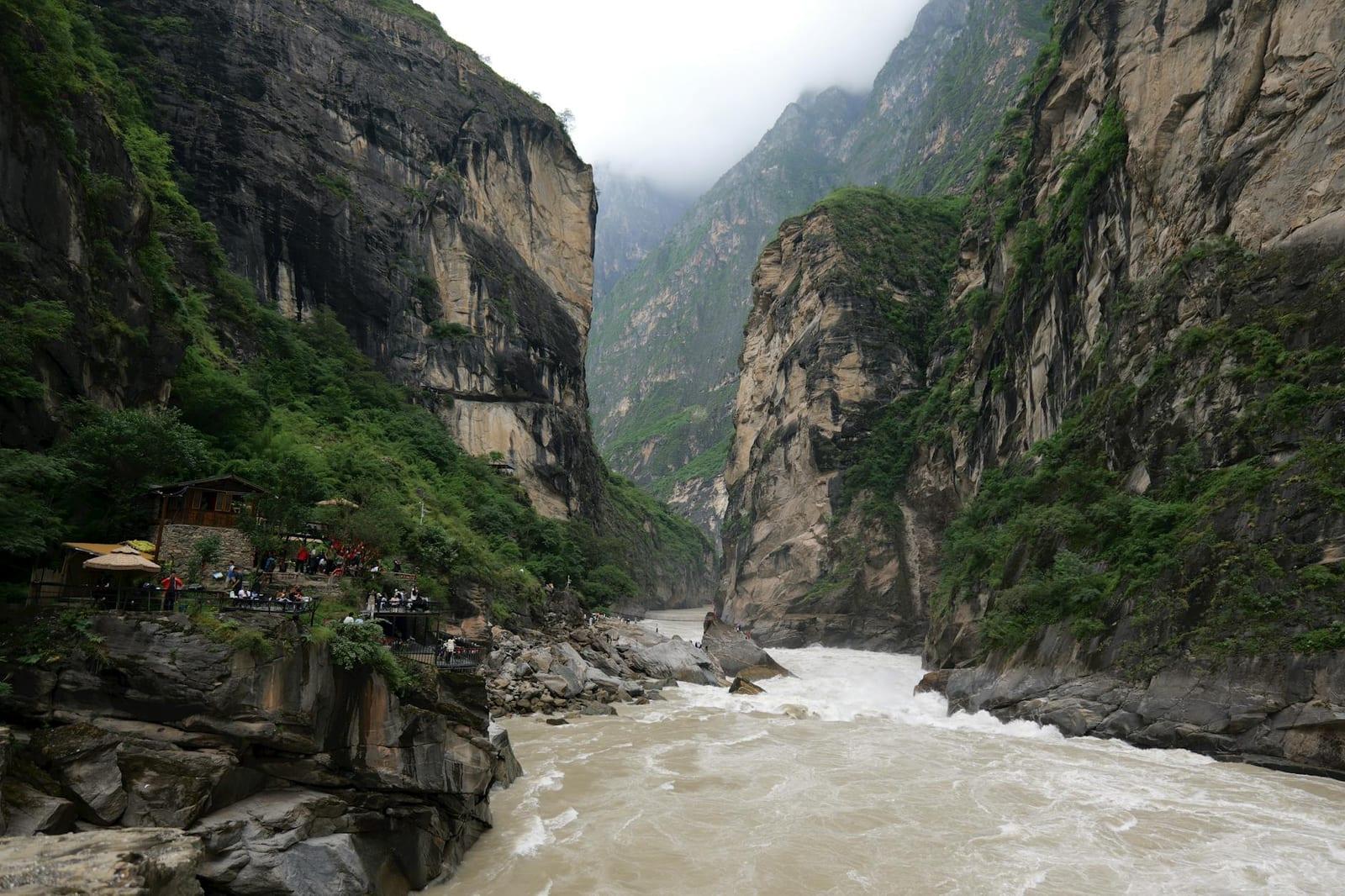
- Tiger Leaping GorgePeaks above 17,000 feet soar over the Jinsha River’s whitewater torrent in one of the world’s greatest canyons.
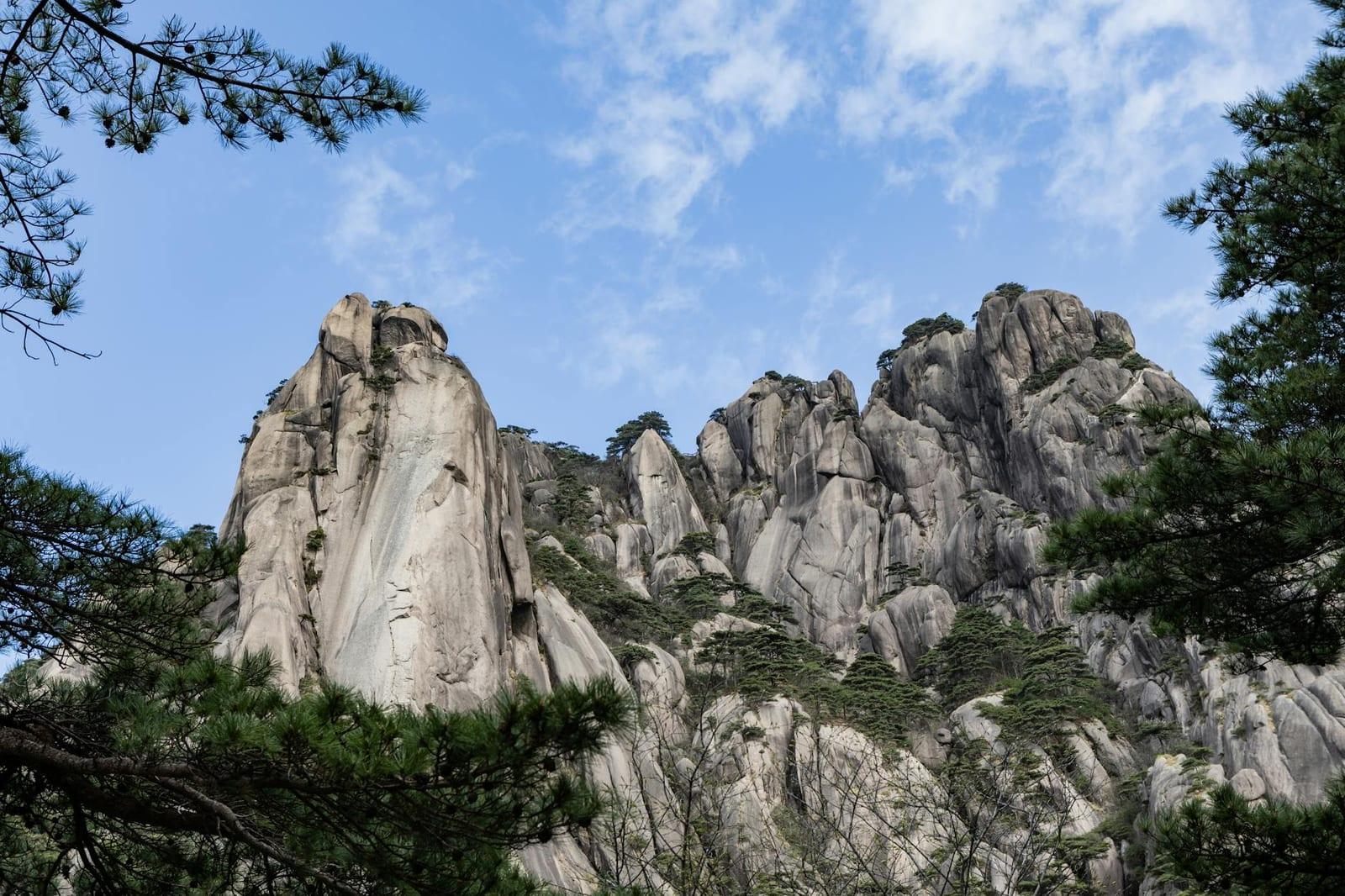
- HuangshanWith their sheer granite towers and gnarled pines, the Yellow Mountains form one of China’s most celebrated landscapes.
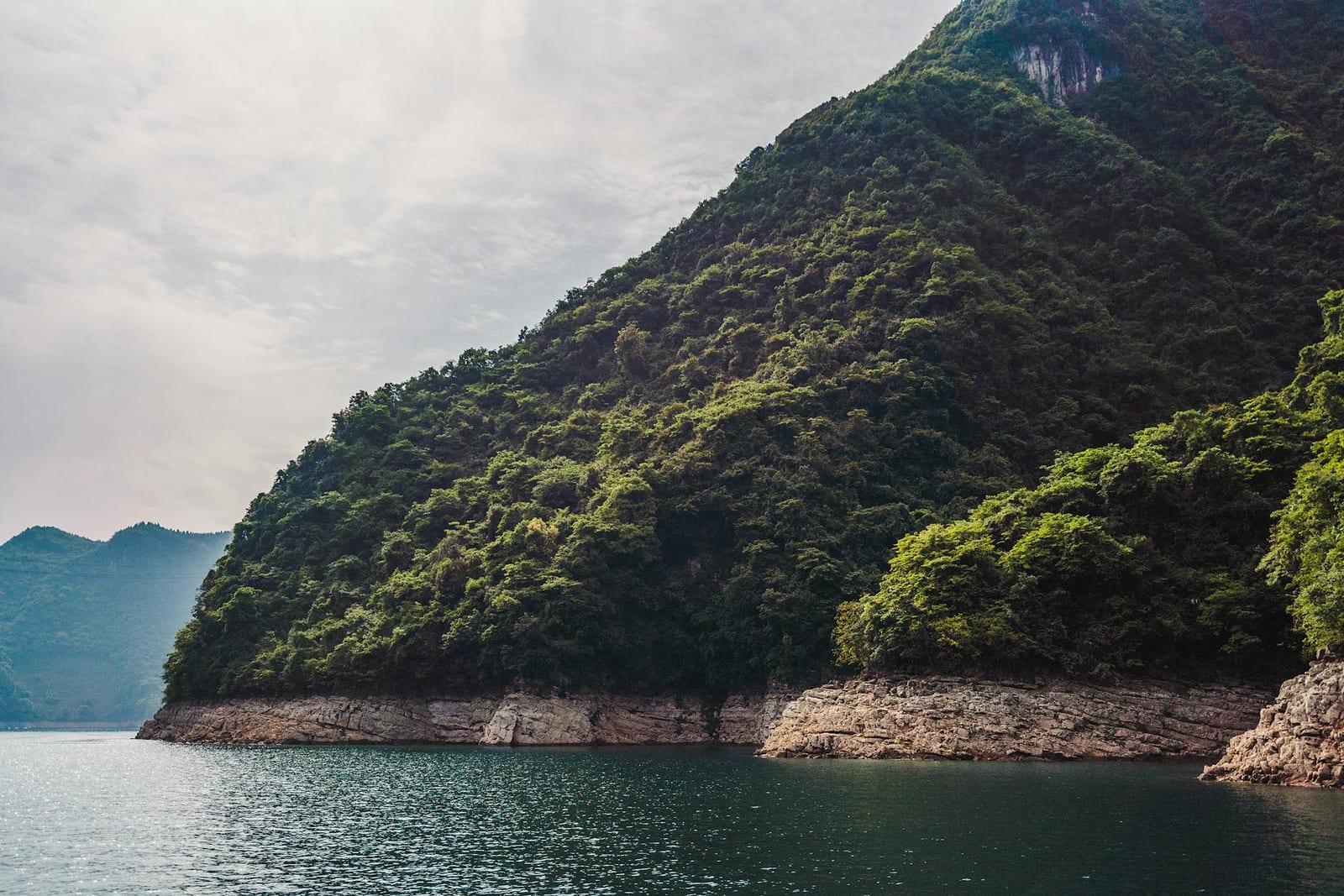
- The Three GorgesThis fabled stretch of the Yangtze features soaring riverside cliffs and one of the world’s biggest (and most controversial) dams.
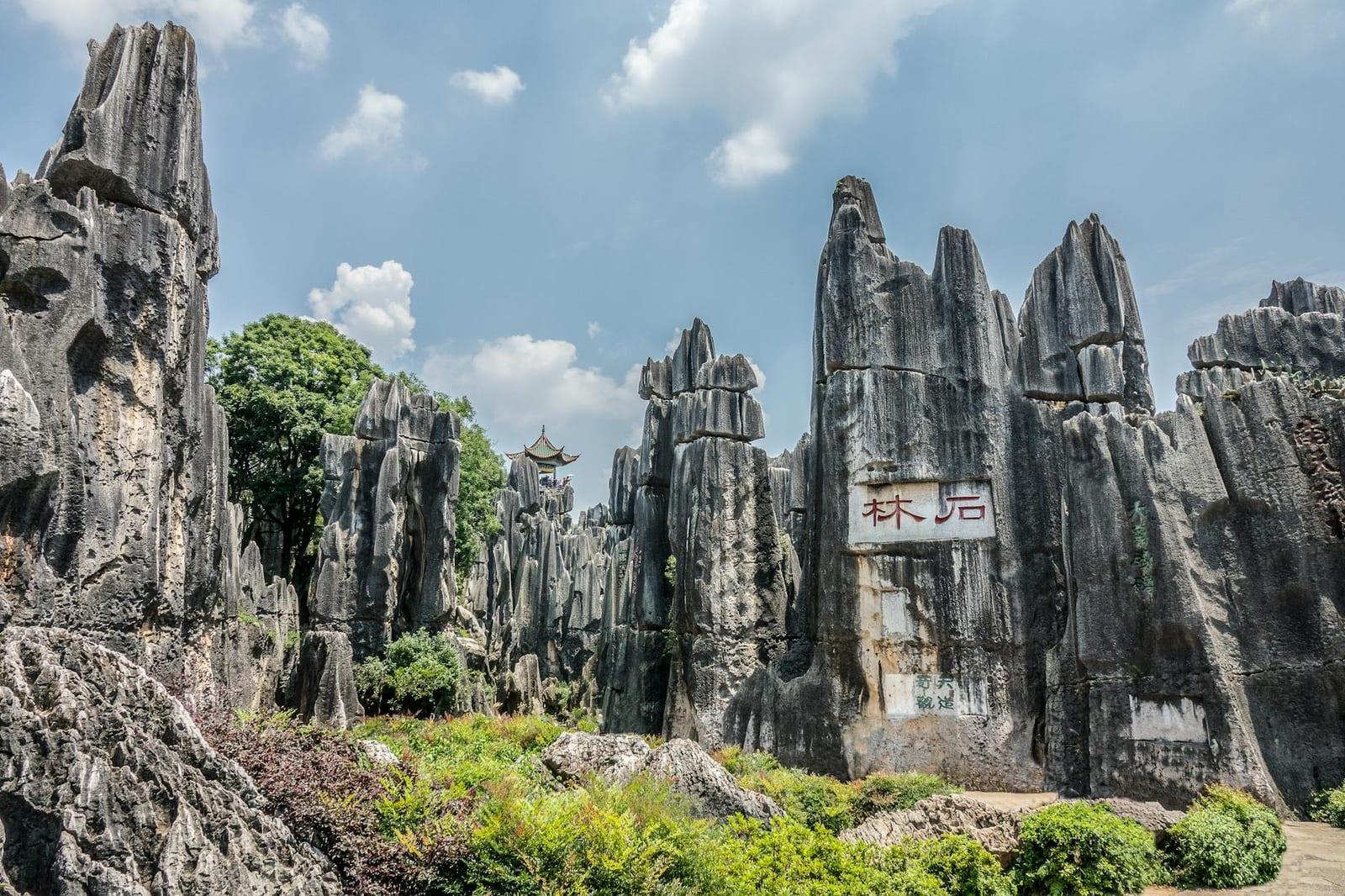
- Shilin Stone ForestSurveying this dense nest of limestone pinnacles—a textbook “karst” landscape—it’s hard to believe they’re real.
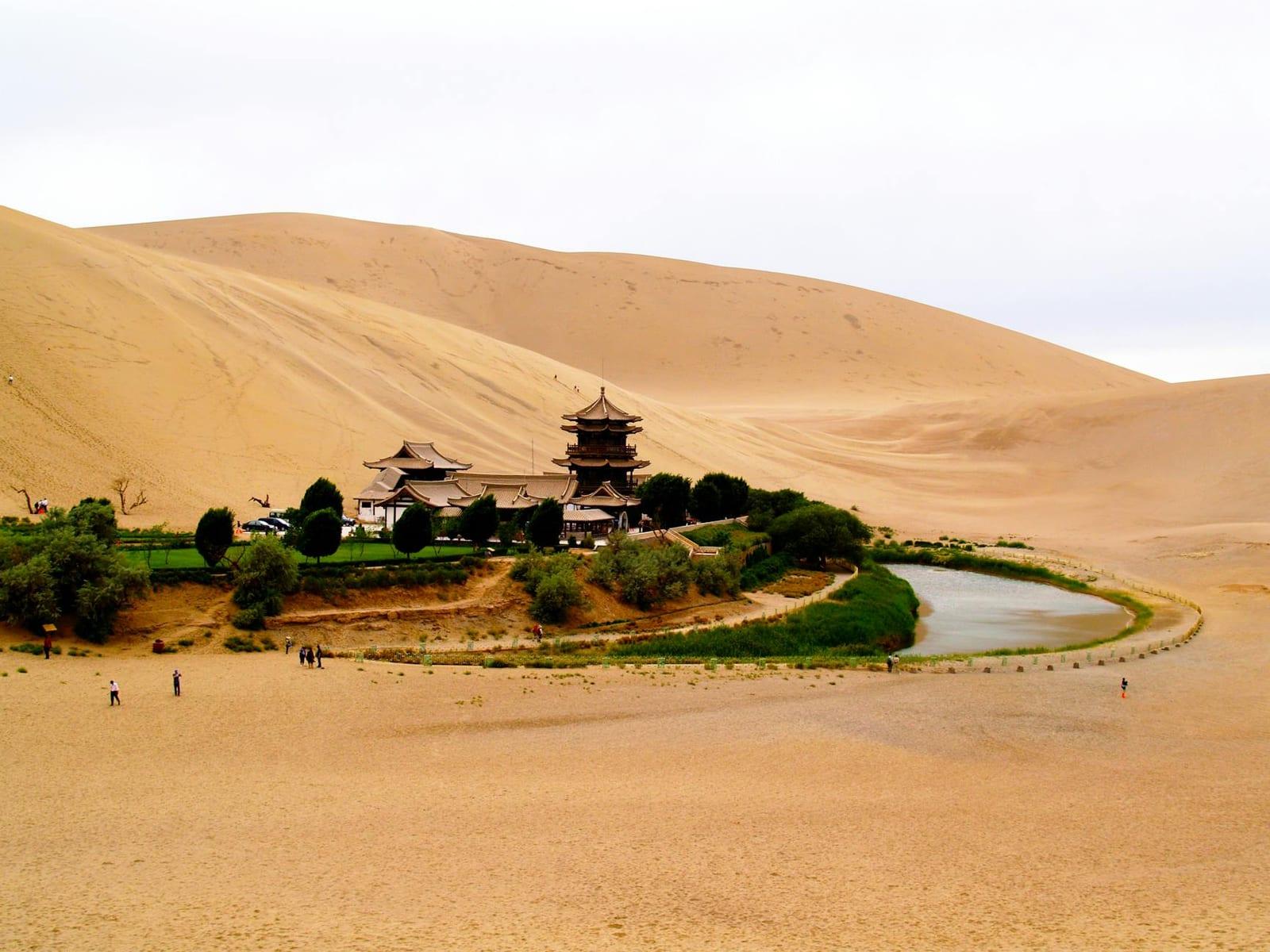
- Crescent LakeThis ethereal, pagoda-edged lake lies cradled by desert dunes near the ancient Silk Road oasis town of Dunhuang.