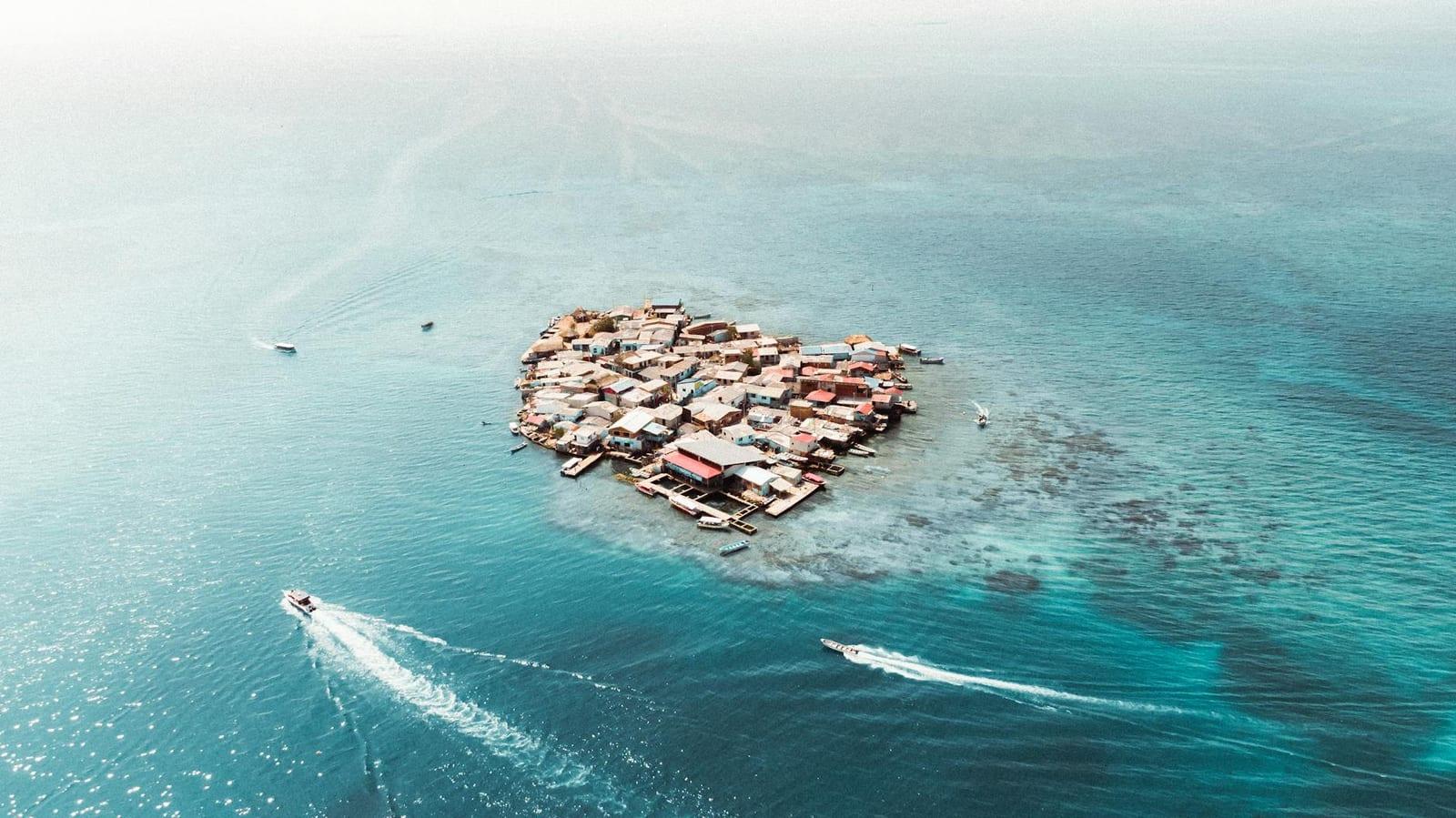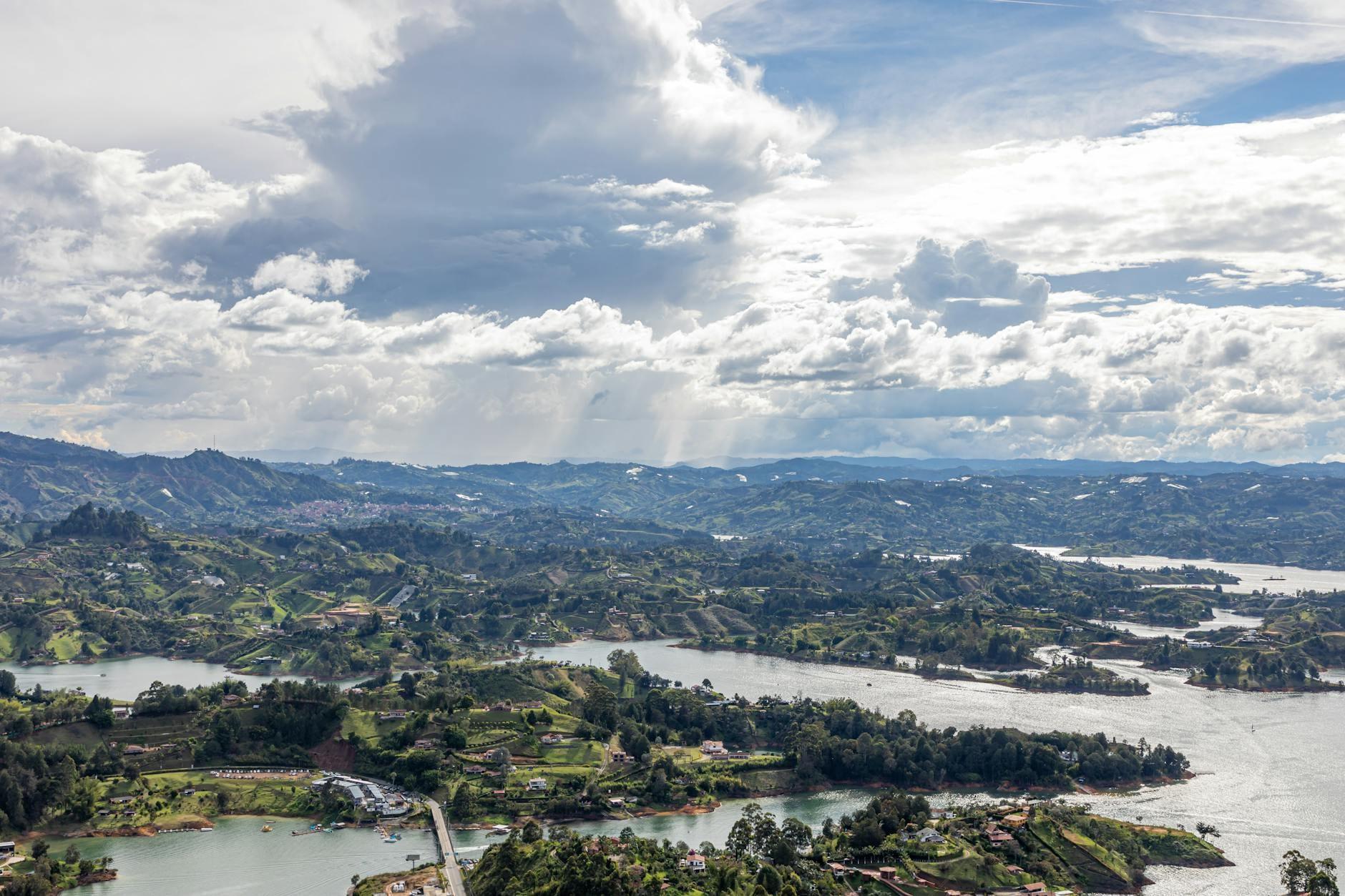
Colombia crams many of South America’s defining landscapes into one shapeshifter of a country: Caribbean beaches, Andean peaks, Amazonian rainforest, Llanos parklands—plus enough pre-Colombian and colonial-era relics to fire the inner archaeologist/historian in anyone. Yes, the country still suffers from crime associated with drug-trafficking—remote borderland regions especially aren’t advisedly on the tourist route, and some urban areas can be dangerous for the uninformed—but the security situation for foreign visitors has improved markedly; so if narcotics and guerrilla warfare are the only things that come to mind when you think of Colombia, you’re in for a monumental surprise.
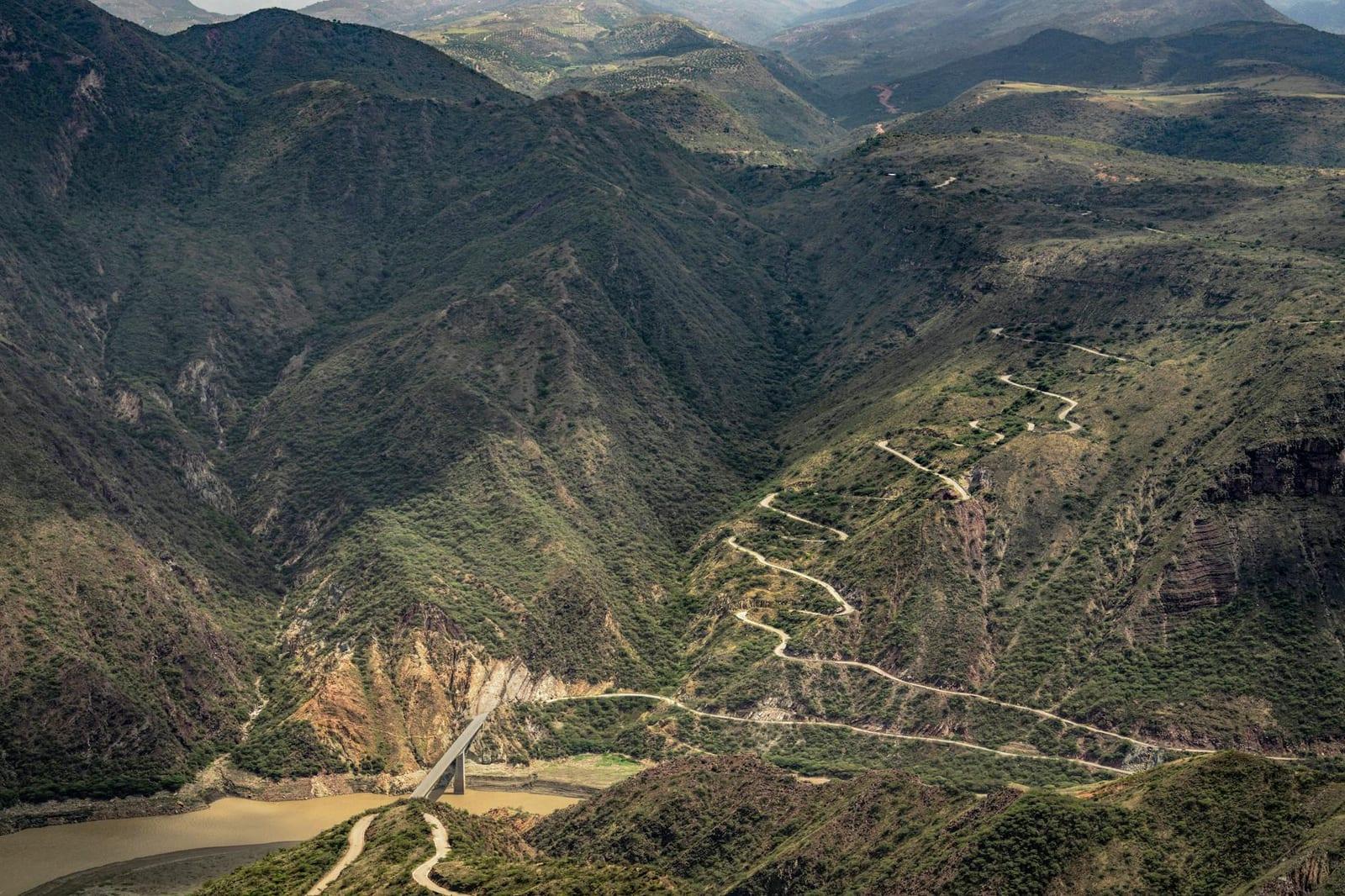
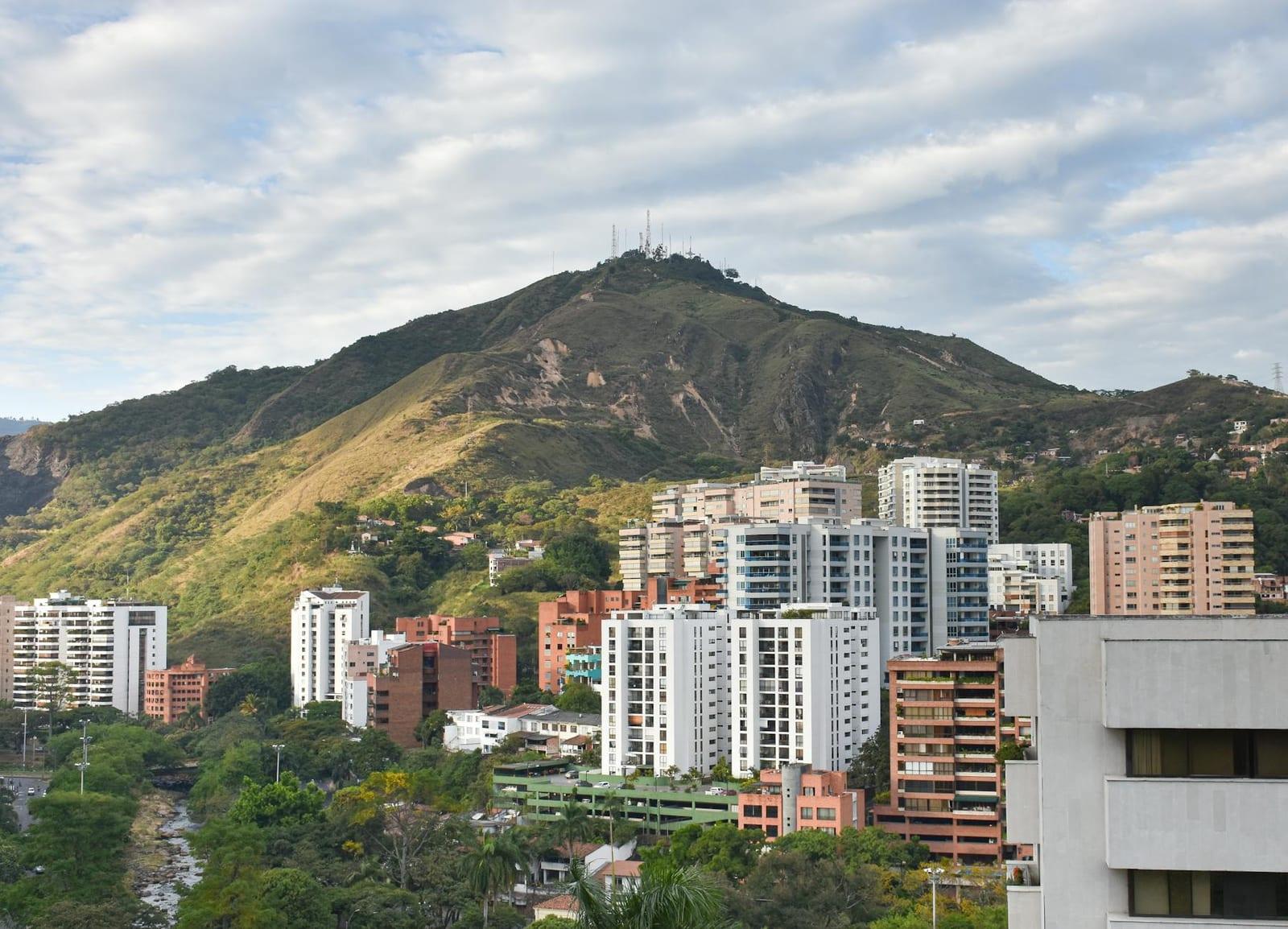
For one thing, there’s the splendidly diverse terrain. You can choose between Caribbean and Pacific beaches here—the only South American country with that option, in fact. From coastal lowlands the topography mounts dramatically to the ranges of the Colombian Andes, which reach their zenith in the Cordillera Central, where numerous peaks exceed 15,000 feet. (On a clear day from Santiago de Cali, Colombia’s greatest peak—the 17,600-foot Nevado del Huila volcano—looms forebodingly.) In the northeast, the well-watered savannas of the Llanos unfurl into Venezuela; while in the east and south, a green wall of rainforest marks the northwesterly reaches of the Amazon.
Colombia’s many national parks showcase some of its chameleonic geography: There are the Caribbean sands and coastal forest of Tayrona, the tepui mesas and Amazonian rainforest of Chiribiquete, the thin-air high country of Sierra Nevada del Cocuy, and the Llanos glades and gallery forests of Tuparro, among scores of other preserves.
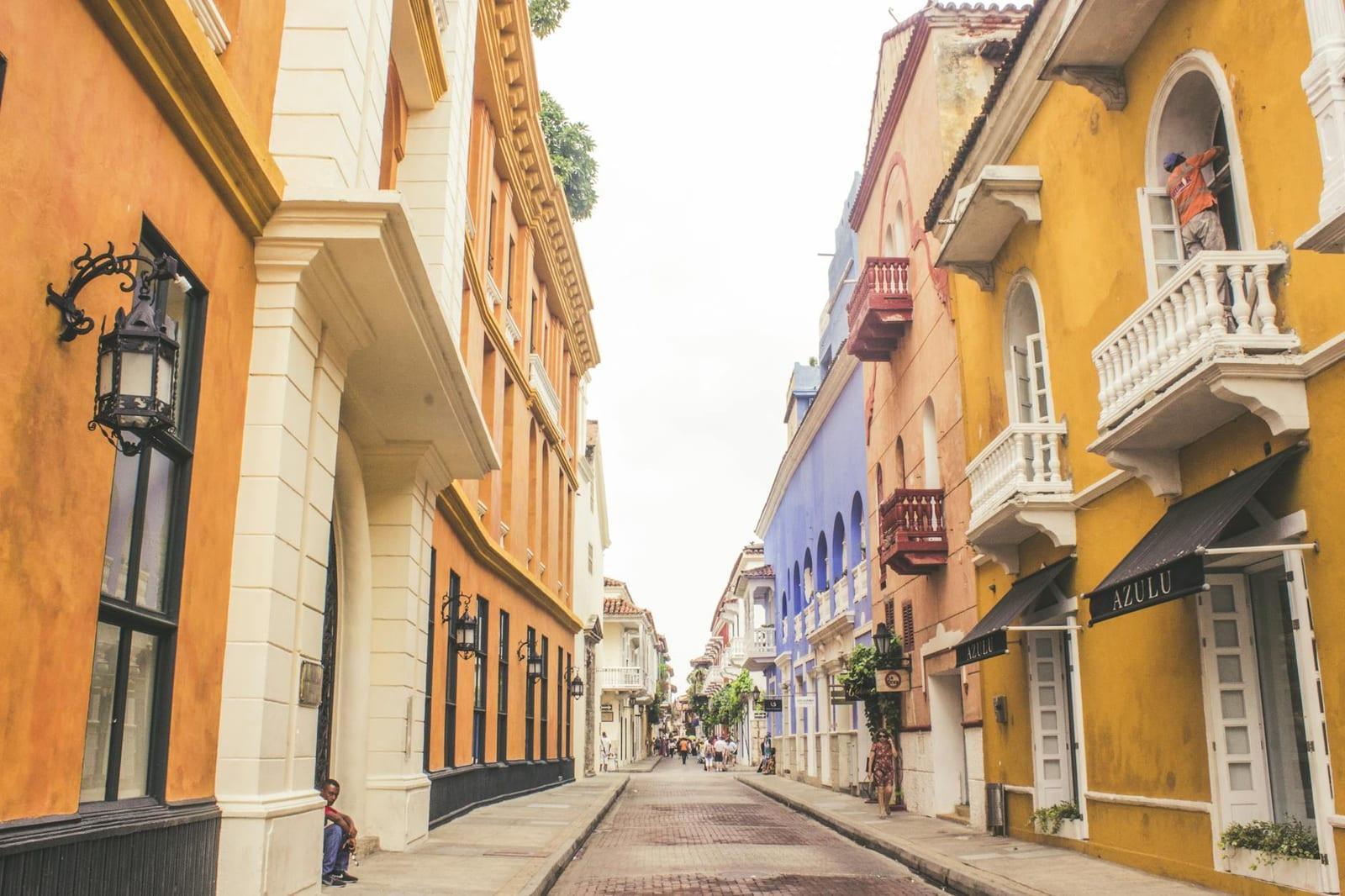
Cultural showcases in Colombia are just as mesmerizing. Some of South America’s most magnificent archaeological sites lie in its jungles, such as the ancient terraced Tairona city of Ciudad Perdida—only discovered by the outside world in the early 1970s. The long chapter of Spanish colonialism—the advent of which was devastating to the region’s rich and varied indigenous civilizations—echoes in many cities and towns: Not least the old walled city of Cartagena on the Caribbean coast.
Colombia’s Amerindian, Spanish-, and African-rooted demographics make for a fabulously cross-pollinated population both from ethnic and cultural standpoints. The cuisine vibrantly mixes Latin American, African, and European traditions while drawing upon tropical foodstuffs, from seafood to pineapple; arepas, bandeja paisa, sancocho, and fried empanadas are only a few of the beloved dishes. There are few better spots for exploring Colombian food than Popayán, which UNESCO honored as its first City of Gastronomy for its preservation of traditional cookery. Cali, meanwhile, is widely known as the “World Capital of Salsa.” And whatever time of year you’re visiting, there’s a good chance some festival or another is getting people dancing, singing, and celebrating in Bogota, Barranquilla, Medellin, or elsewhere.
Tourism to Colombia’s beaches, ruins, colonial districts, and natural wonders has resurged with the ebb of narcotics-related violence. The country’s still a place to be cautious and mindful, but it’s now rightfully considered among South America’s great destinations.
11 things not to miss.
- coffee finca in the Eje CafeteroTour a coffee finca in the Eje Cafetero
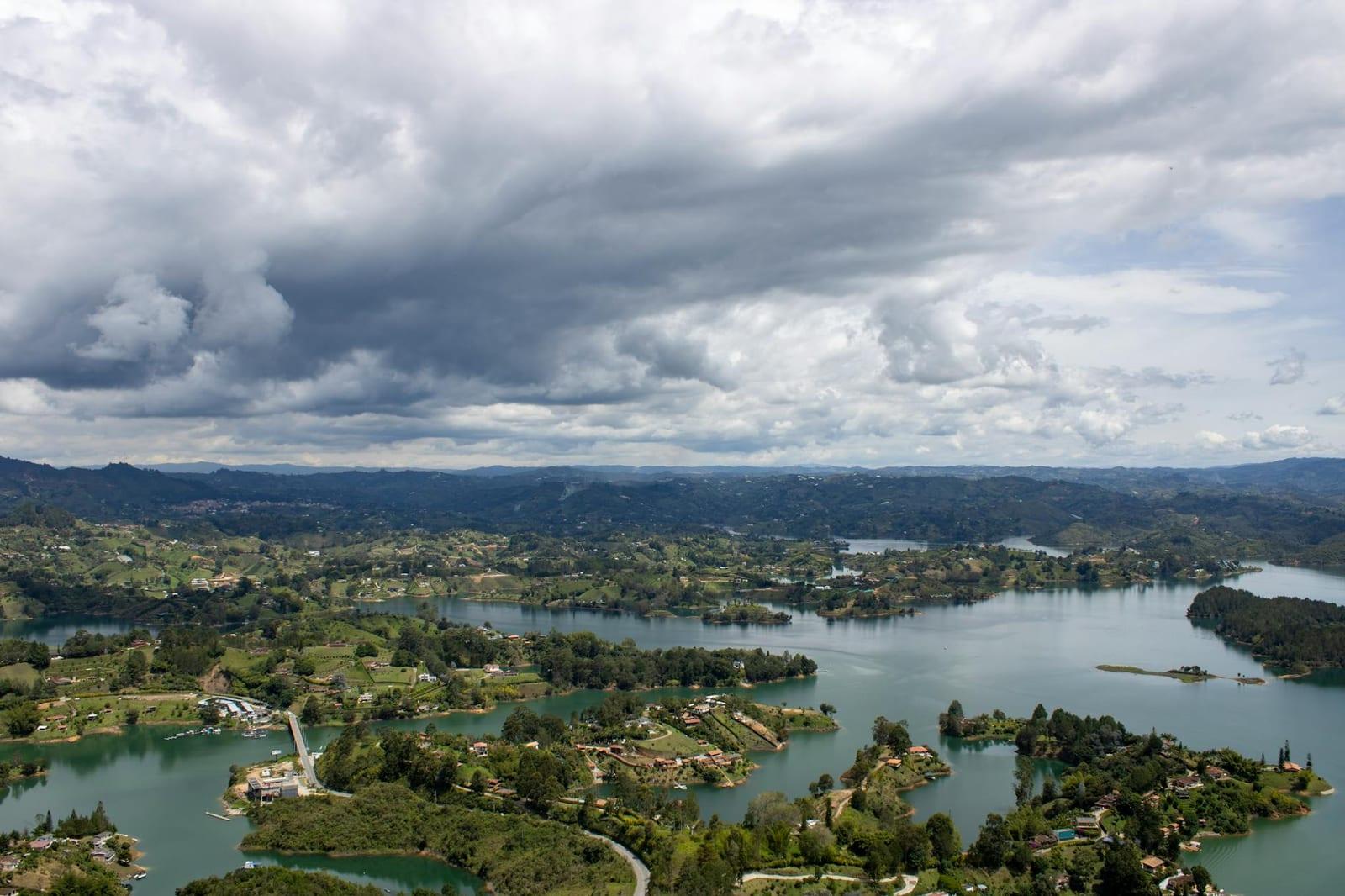
- Cartagena's old walled cityWalk Cartagena's old walled city
- Ciudad PerdidaTrek to Ciudad Perdida
- TierradentroPre-Columbian tombs festooned with striking paintings define Tierradentro, a UNESCO World Heritage Site.
- CartagenaAmong colonial-era South America’s most important Caribbean ports, this World Heritage Site city shows off Spanish architecture from the 16th through 18th centuries.
- PopayanIf you’re looking to appreciate Colombian cuisine firsthand, it’s hard to beat the Cauca capital: UNESCO’s first declared “Gastronomic City.”
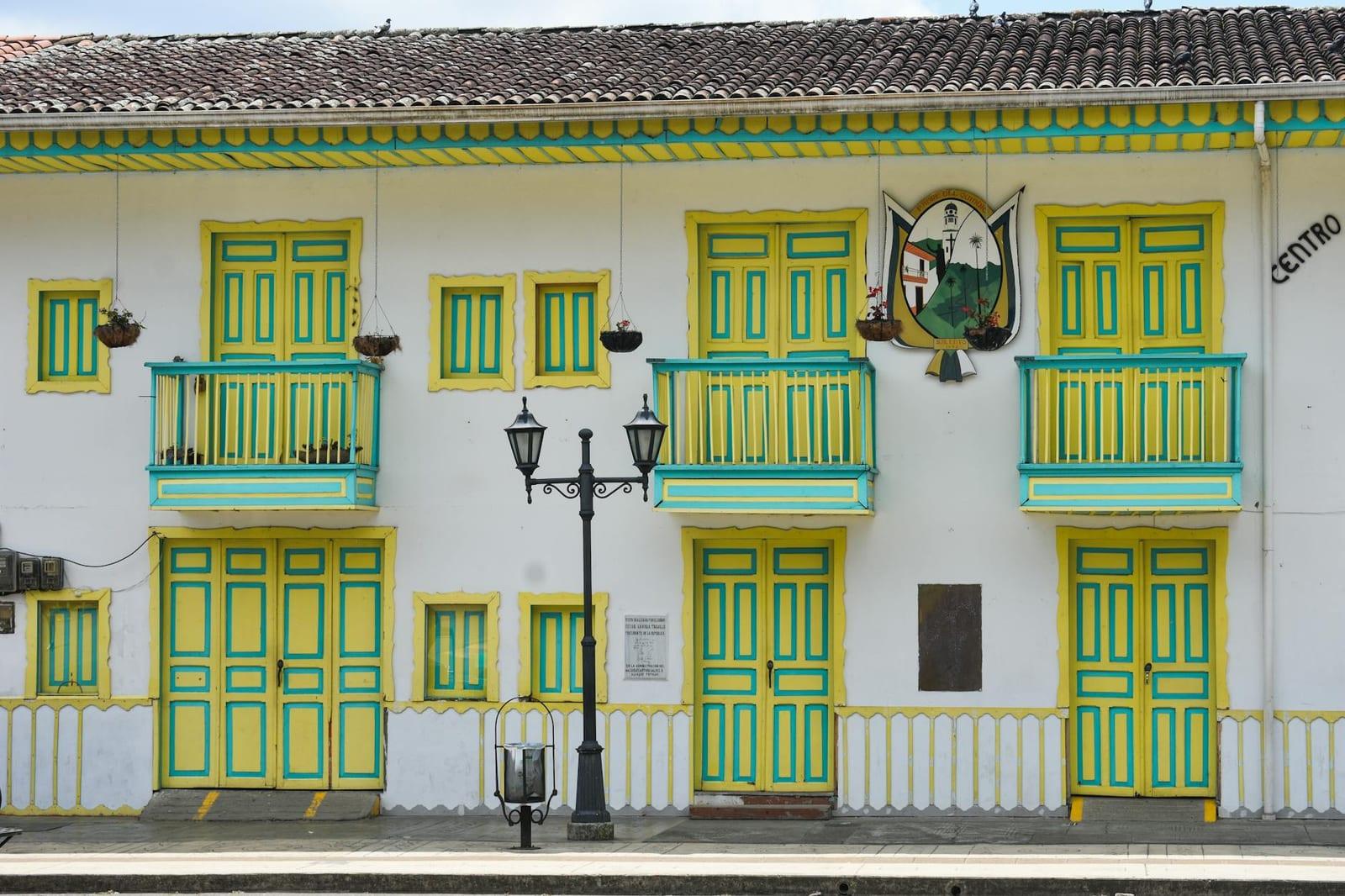
- CaliHonestly, how can you resist a visit to the “World Capital of Salsa?”
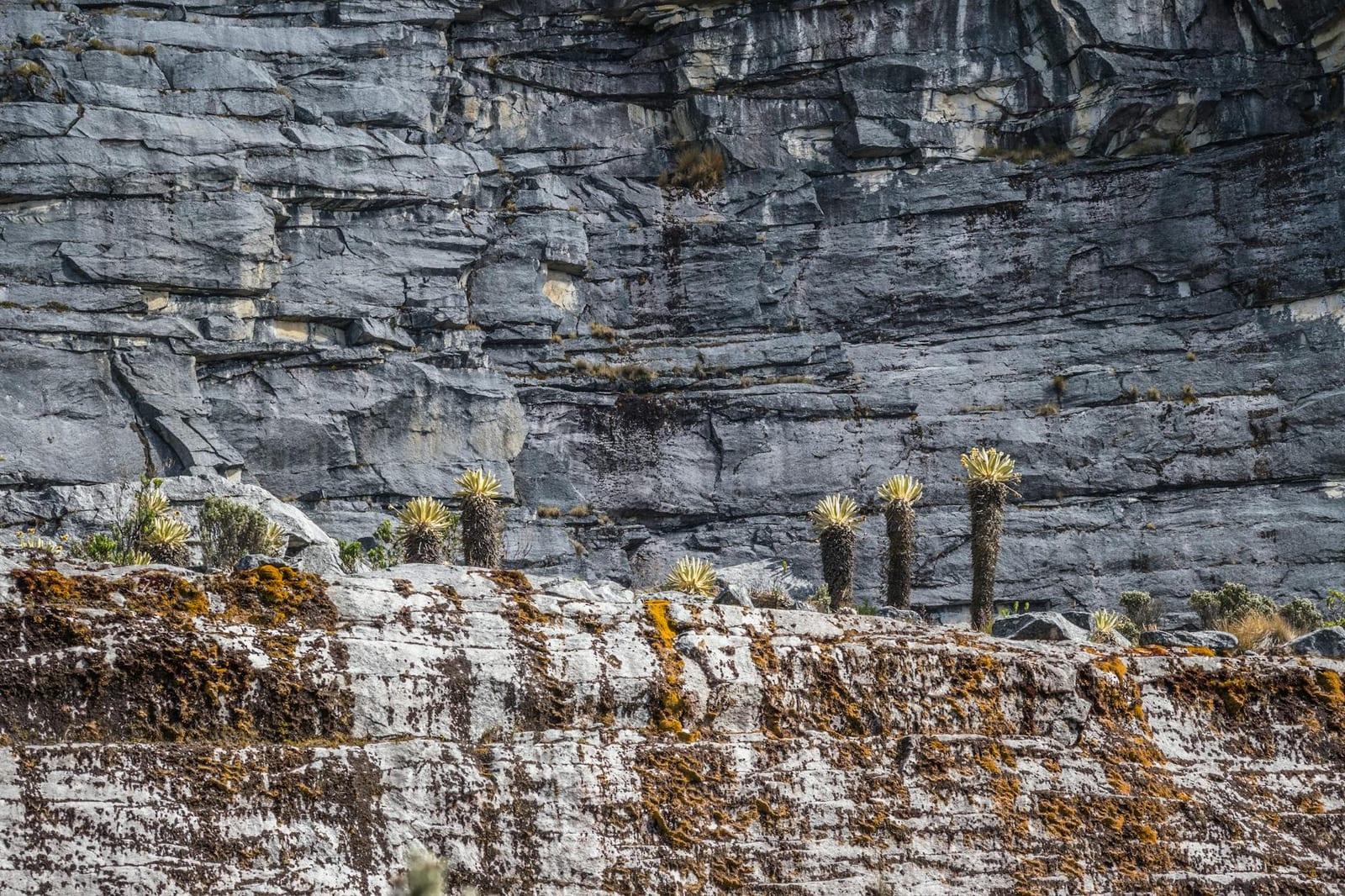
- Chiribiquete National ParkFrom sky-island mesas (tepuis) to lowland tropical forest, this Guiana Shield park—the biggest in Colombia—boasts incredible diversity.
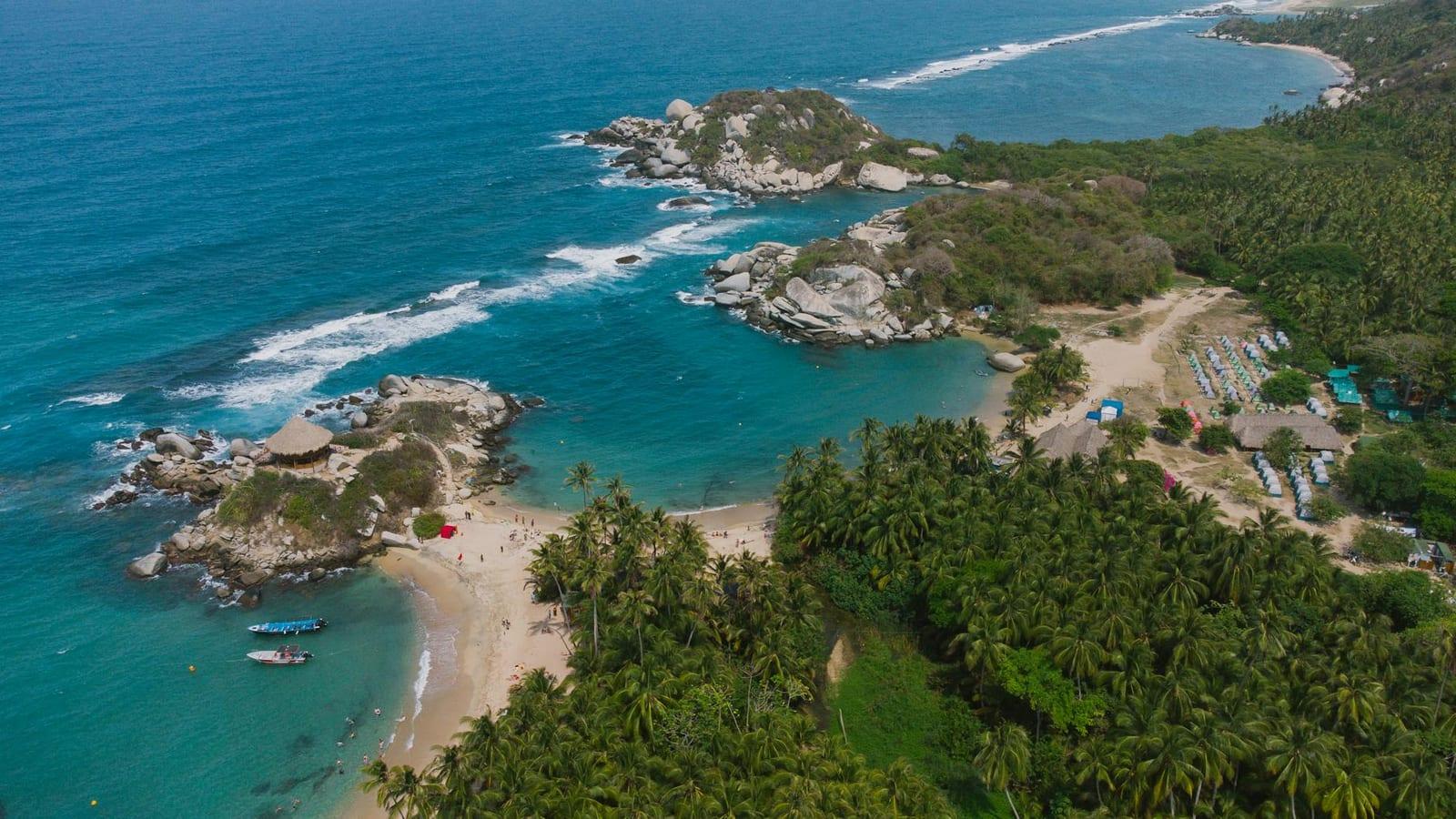
- Tayrona National Natural ParkThis fabulous park protects pristine Caribbean seacoast, including seaside rainforest rich in monkeys and tropical birds.
- Los Nevados National Natural ParkHere in the Colombian Andes, commune with giant ice-clad volcanoes and high forests home to spectacled bears and mountain tapirs.
- Gorgona IslandThis coral-encircled island off Colombia’s Pacific coast is an ecological jewel, home to a plethora of unique reptiles and rich marine life.