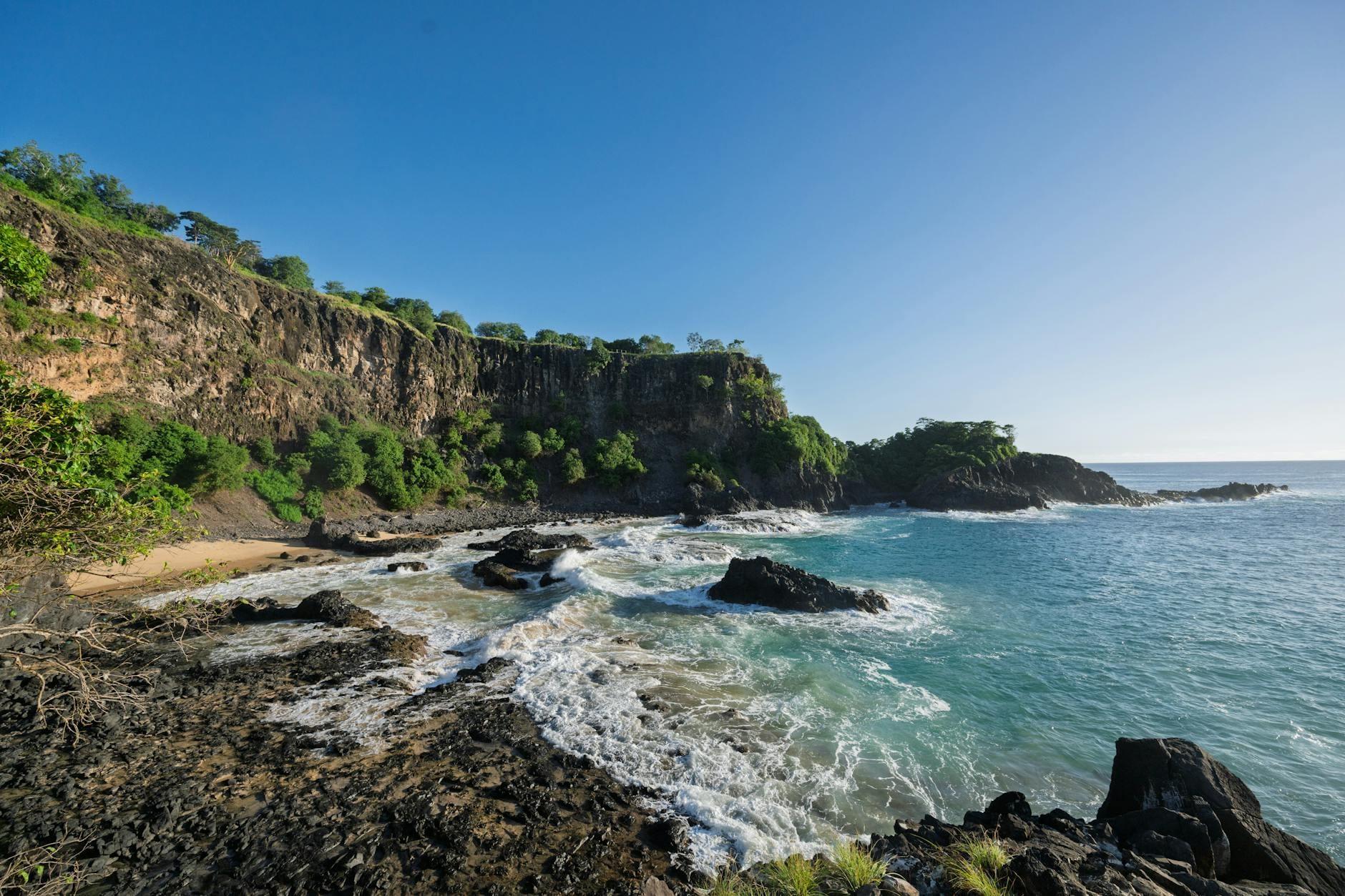
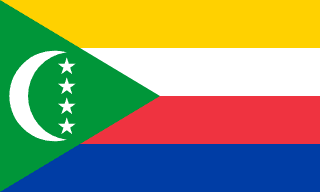
“Paradise in the raw”—that might be the perfect descriptor for the volcanic archipelago of Comoros, strung across the channel between the East African mainland (Mozambique, to be exact) and Madagascar. Regularly coup-ridden and deeply Muslim, this is, for the most part, not a place to kick back with an umbrella drink under a coconut palm: Public boozing and skimpy clothing are offensive breaches of cultural etiquette and religious code in most places. But the climate is spectacular, the Indian Ocean sand-and-surf comparable with any other tropical seacoast, and the unique island culture and ecology is thoroughly captivating.
Comoros ranks among the world’s most impoverished countries—a fact no visitor should ignore. But a history of invasion by all sorts of outsiders (Europeans and Arabs, notably) have contributed to the dynamic melting-pot of Comoran society, and you can detect multiple influences—from the African mainland, from the Arab world, from Southeast Asia, and from Europe—in the striking music, dance, and cuisine. The architecture, too, distinguishes Comoros within East Africa: Noted examples include the centuries-old Swahili villages of Anjouan and the Old Friday Mosque (dating from the 15th century) on Moroni.
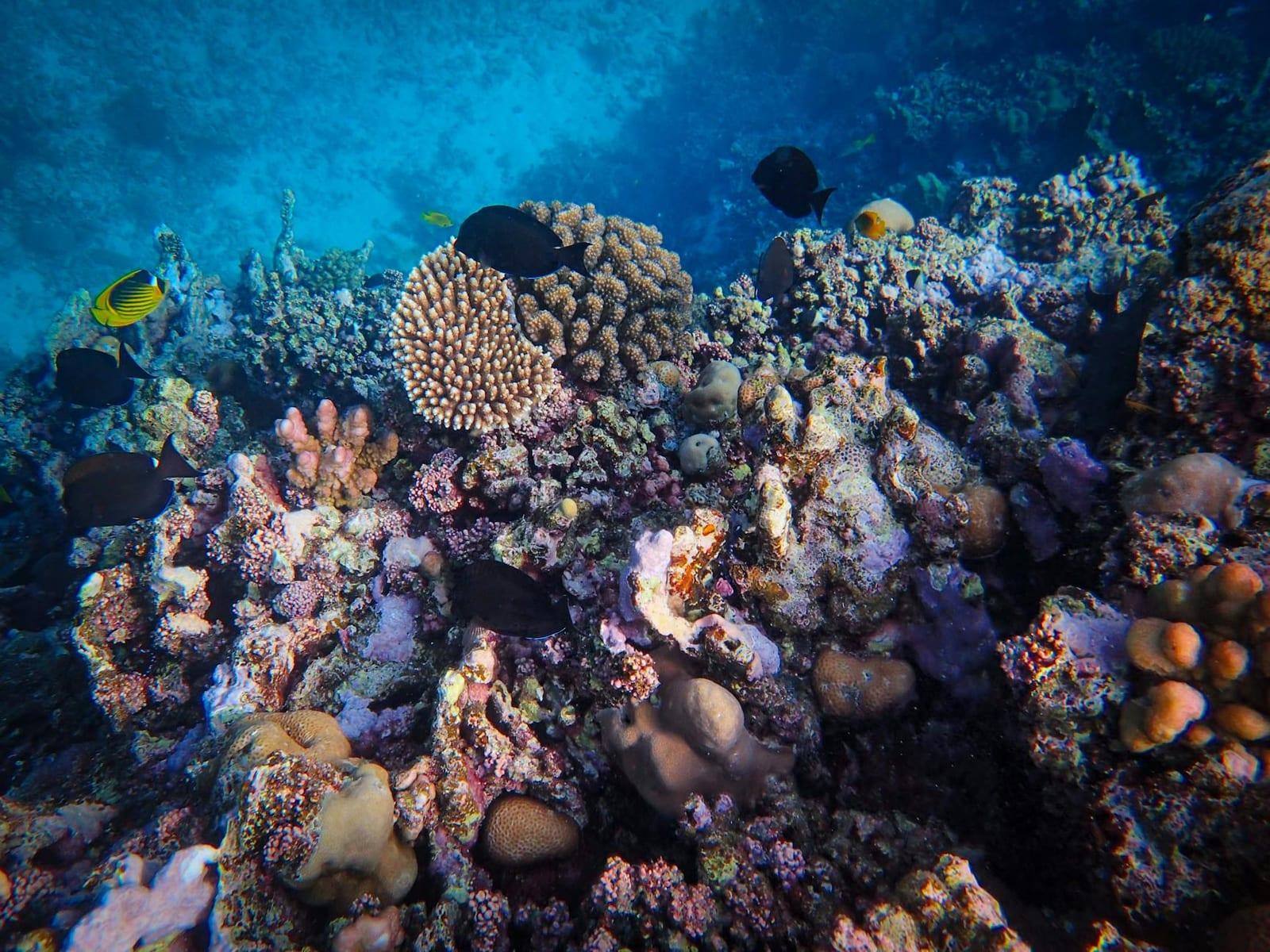
Like other volcanic island chains, the scenery in Comoros tends toward the spectacular. The crater of Mount Karthala, the archipelago’s high point is a rather unruly fire mountain, and makes for an outstanding hiking destination. The snorkeling and diving conditions are also outstanding, given the rich coral reefs coloring the fringing depths.
The islands provide well-known habitat for sea turtles, which nest here. And though you won’t see a coelacanth, you might thrill at beach-lounging or snorkeling within the territory of this “living fossil” of a fish, as most recorded specimens of which have been hauled out of Comoran waters. Birdwatchers can seek out rare members of the avifauna roster—the Comoro blue-pigeon, the Mayotte scops owl, and Grand Comoro drongo among them—while keeping an eye out for big-winged mammalian flyers: As the islands harbor several species of fruit bat, including the hefty Comoro flying fox.
From a nighttime twarab concert to a serene dive through fish and turtle cruised waters, Comoros—though not as comprehensively set up for tourists as many East African locales—can show you a mighty good time, even in the context of its fairly rigid society.
11 things not to miss.
- Mount Karthala on Grande ComoreHike Mount Karthala on Grande Comore
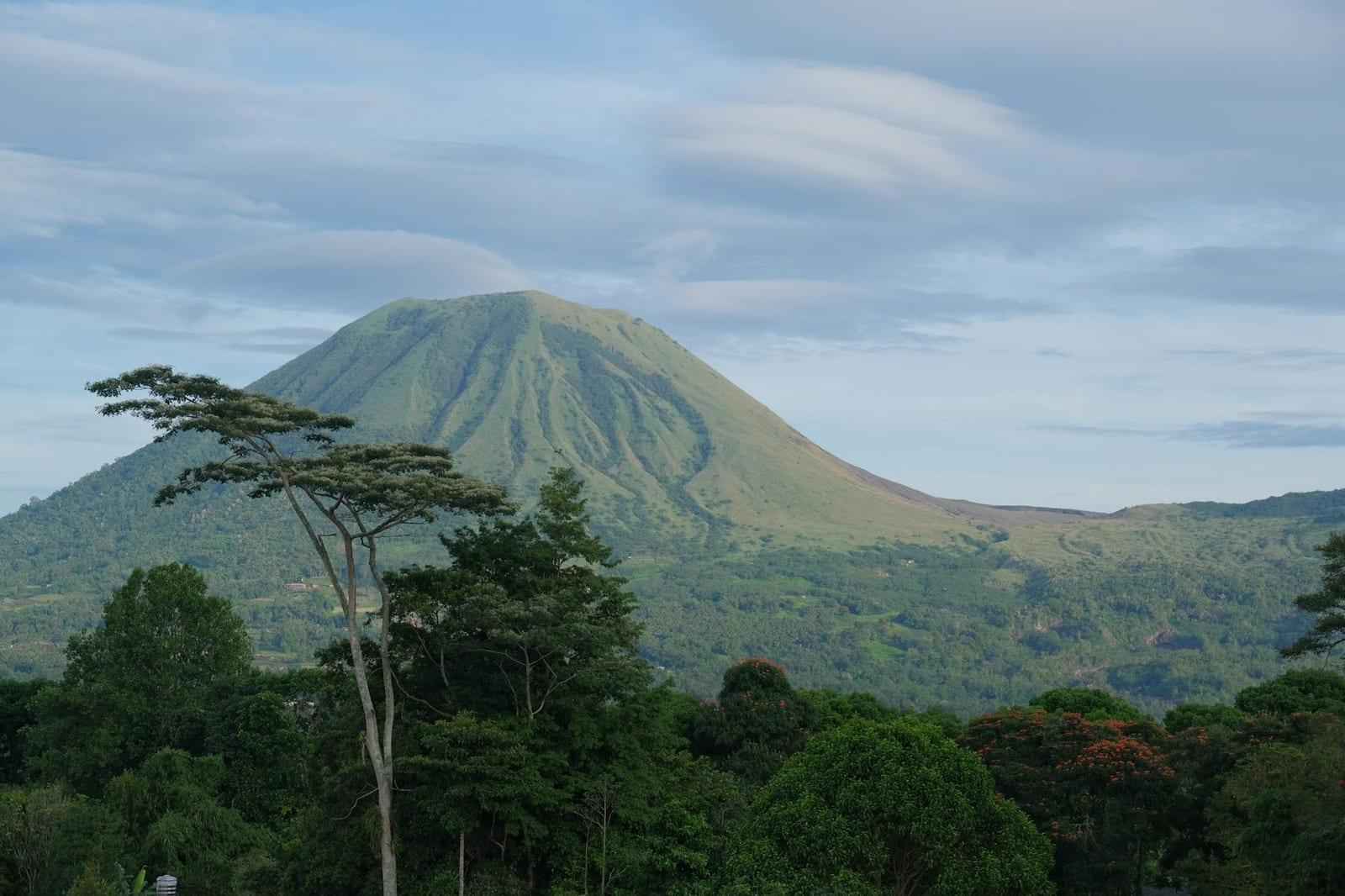
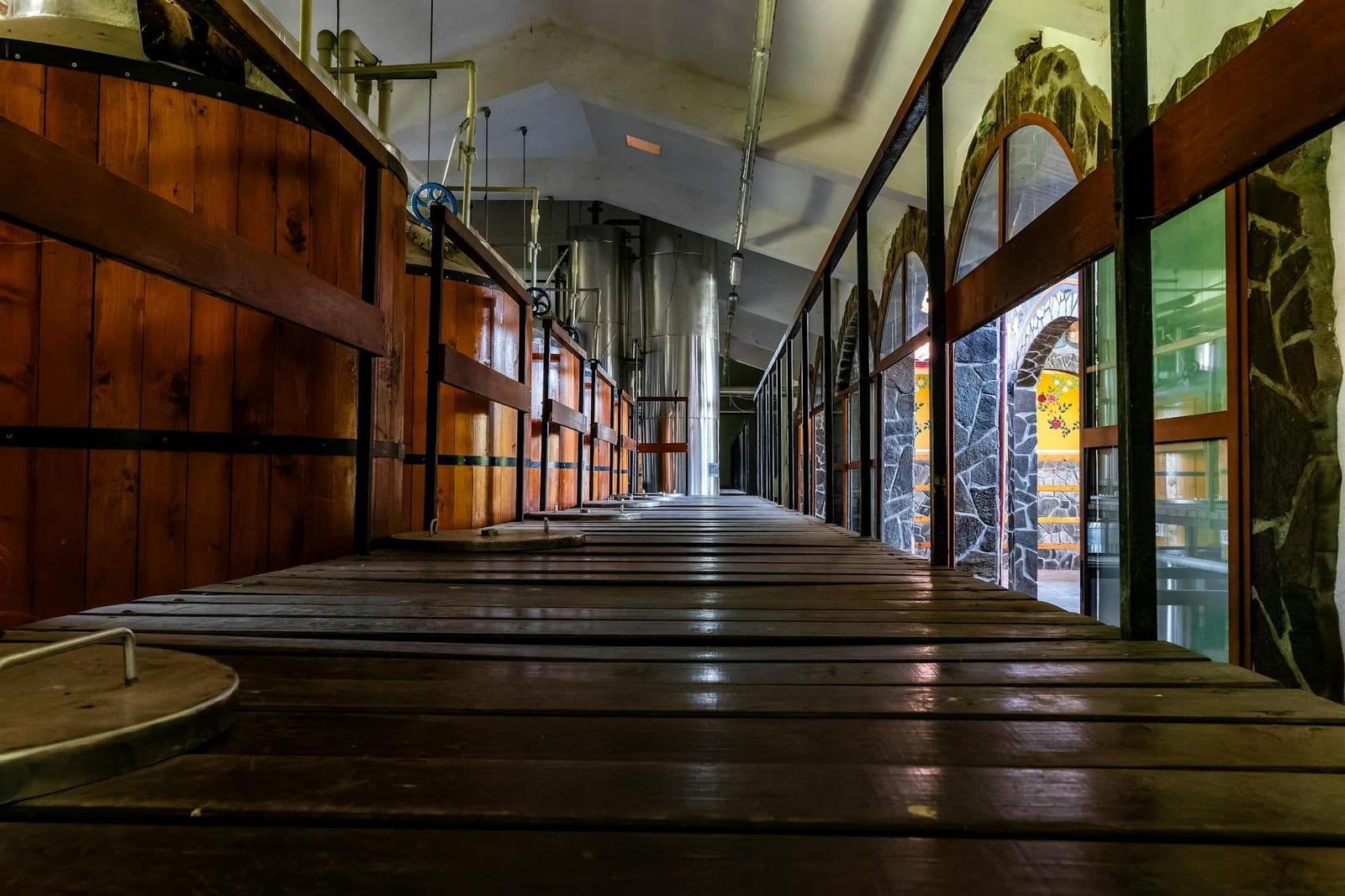
- an ylang-ylang distilleryTour an ylang-ylang distillery
- Snorkel the Mohéli marine parkSnorkel the Mohéli marine park
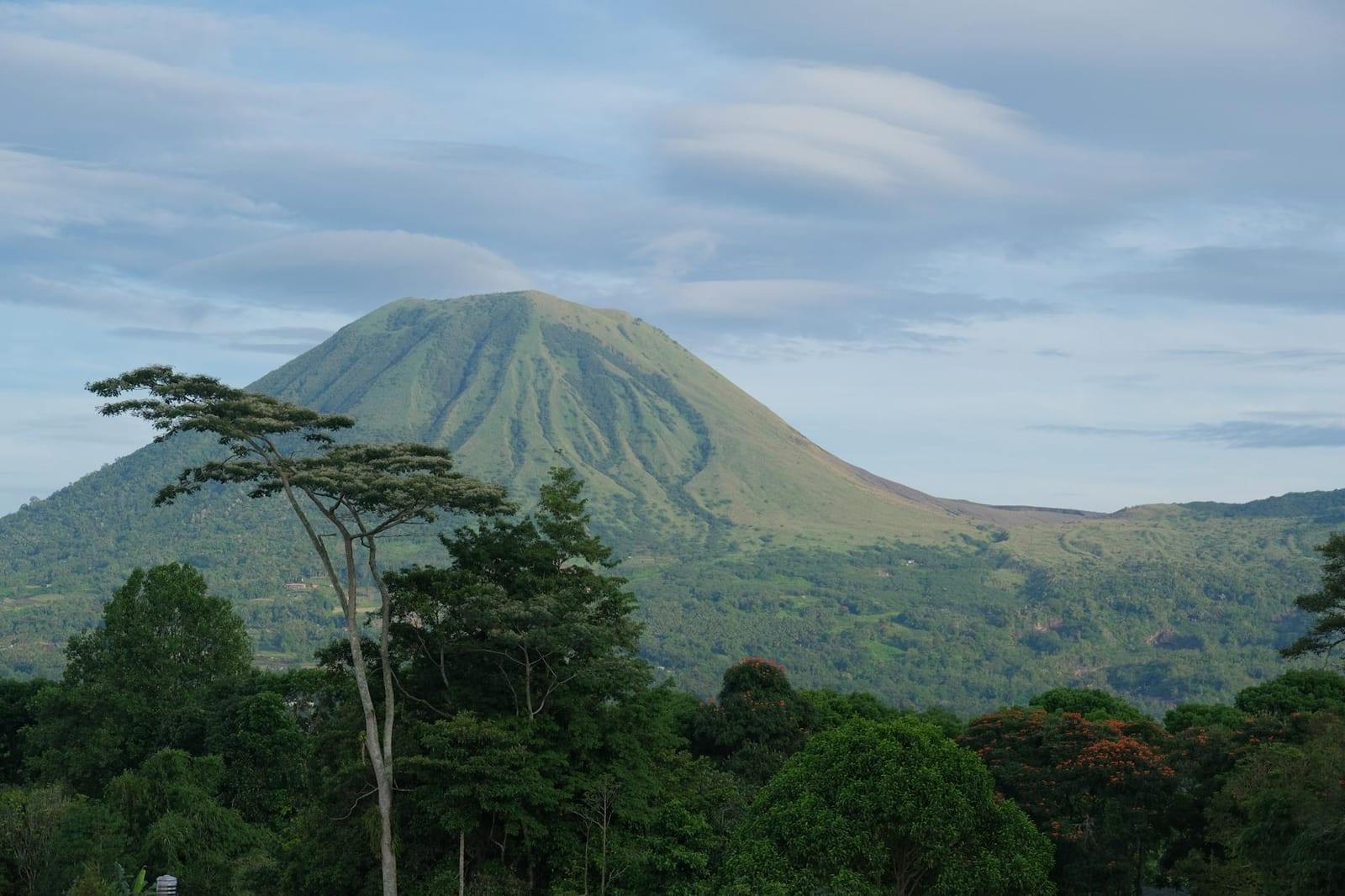
- Mount KarthalaYou’ll pass from rich tropical forest to evocative heathland when summiting this 7,746-foot Grande Comore volcano, the country’s high point.
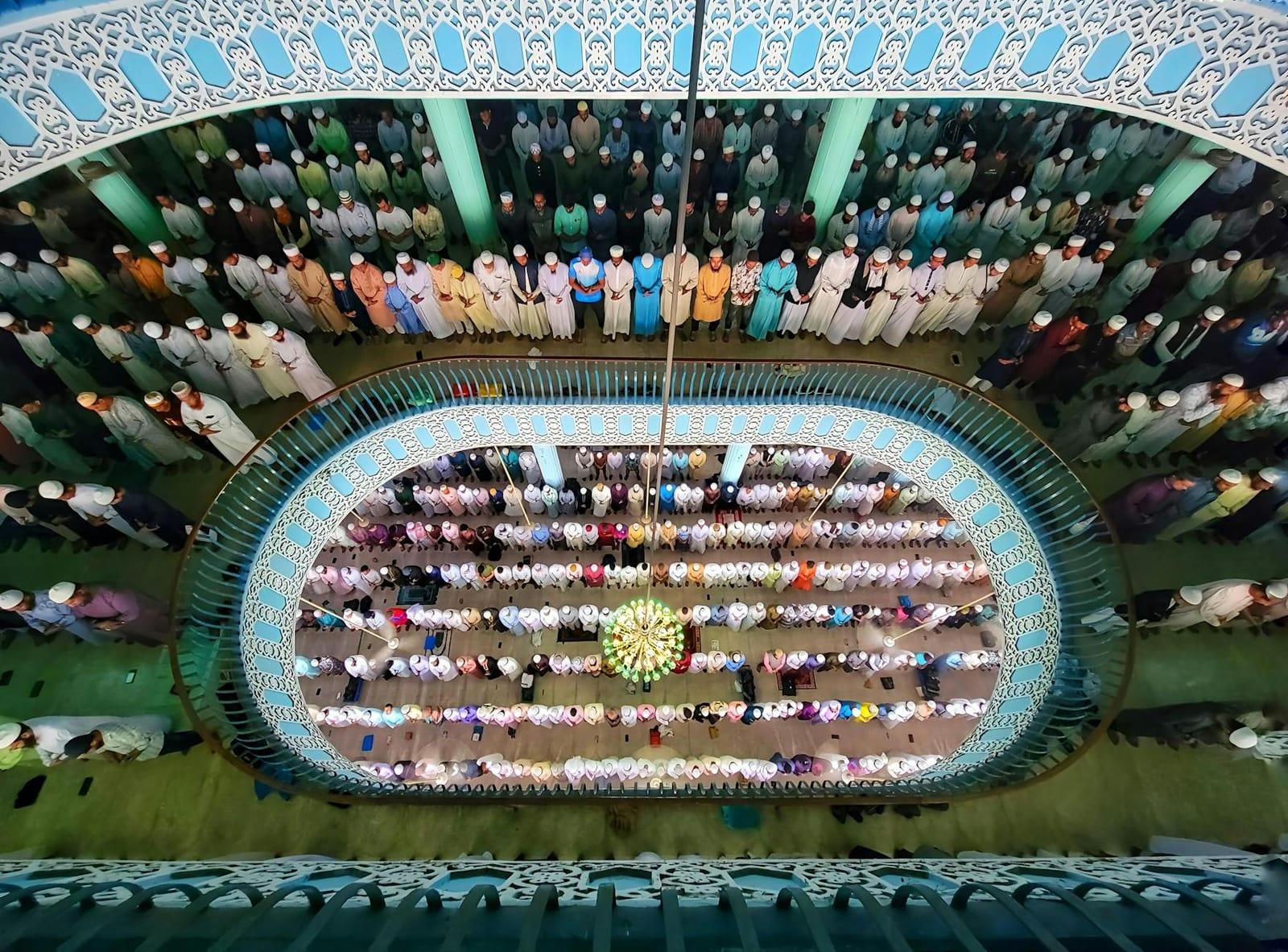
- Old Friday MosqueAlso called the Badjanani Mosque, this well-known Moroni landmark dates from 1427.
- Dziani BoundouniThis crater lake in the heart of the island of Mohéli makes a popular hiking destination.
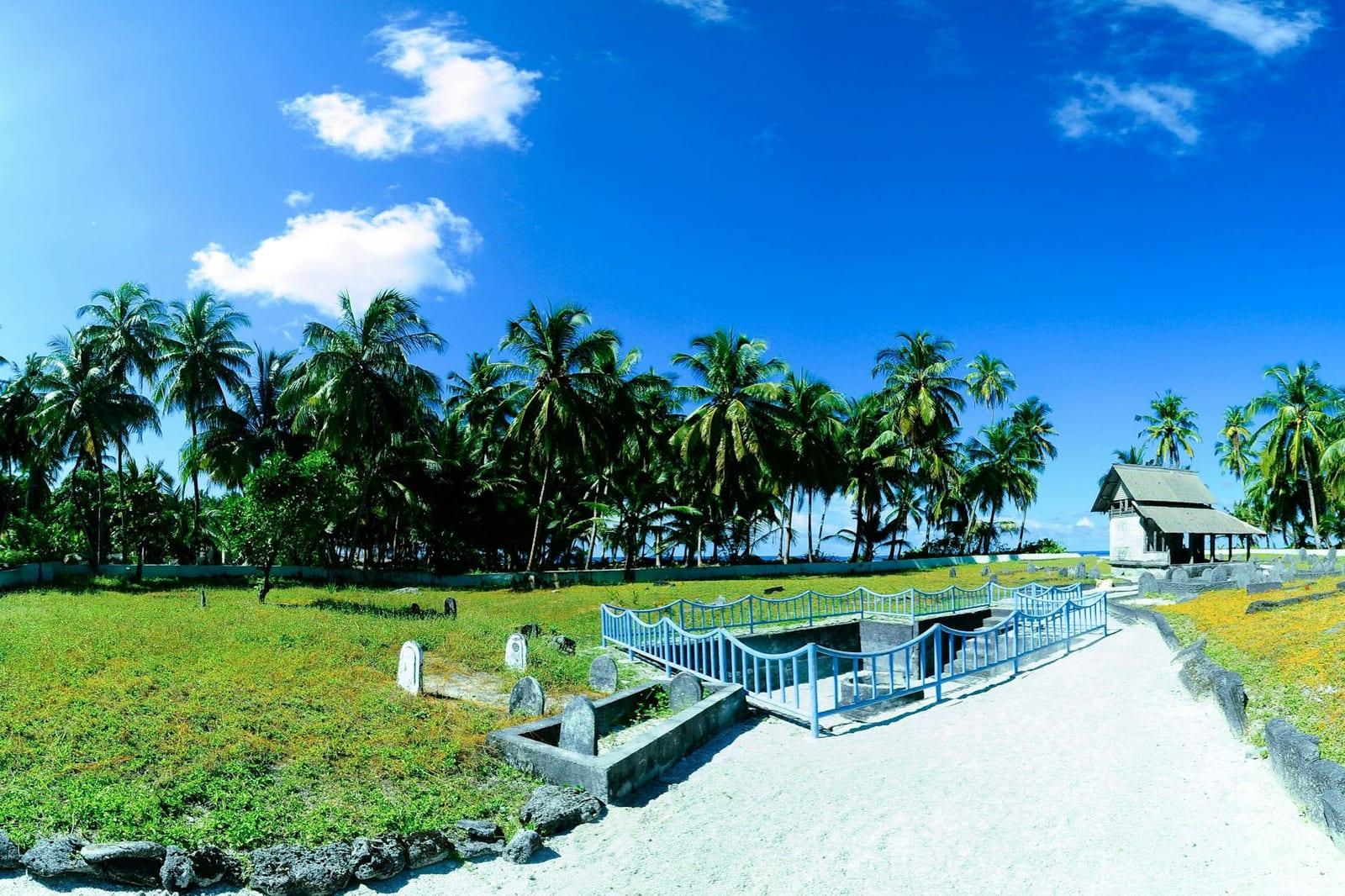
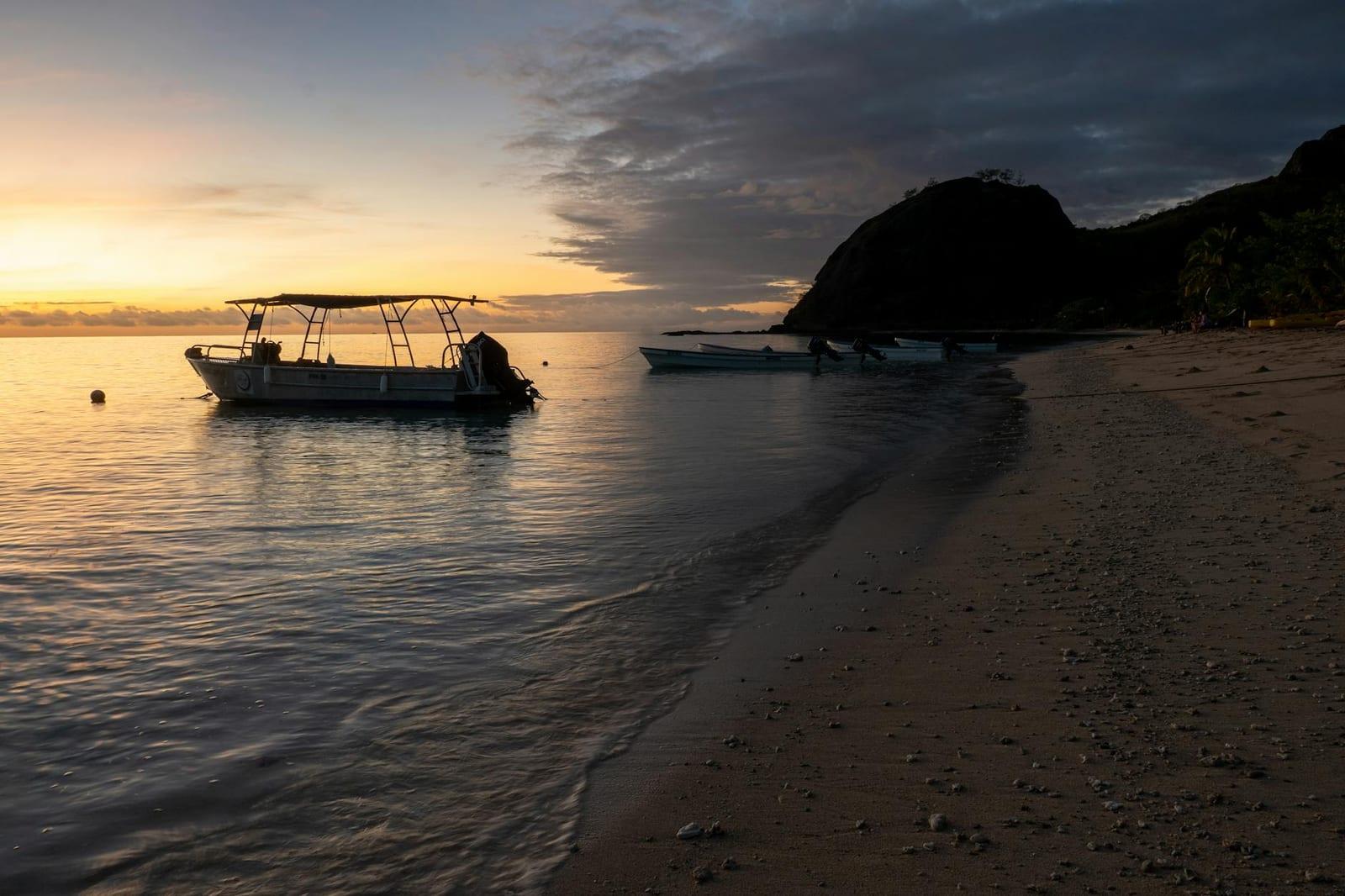
- Galawa BeachPostcard-perfect beaches are plentiful in Comoros, but not all of them have a diving school accentuating the scenery like Galawa.
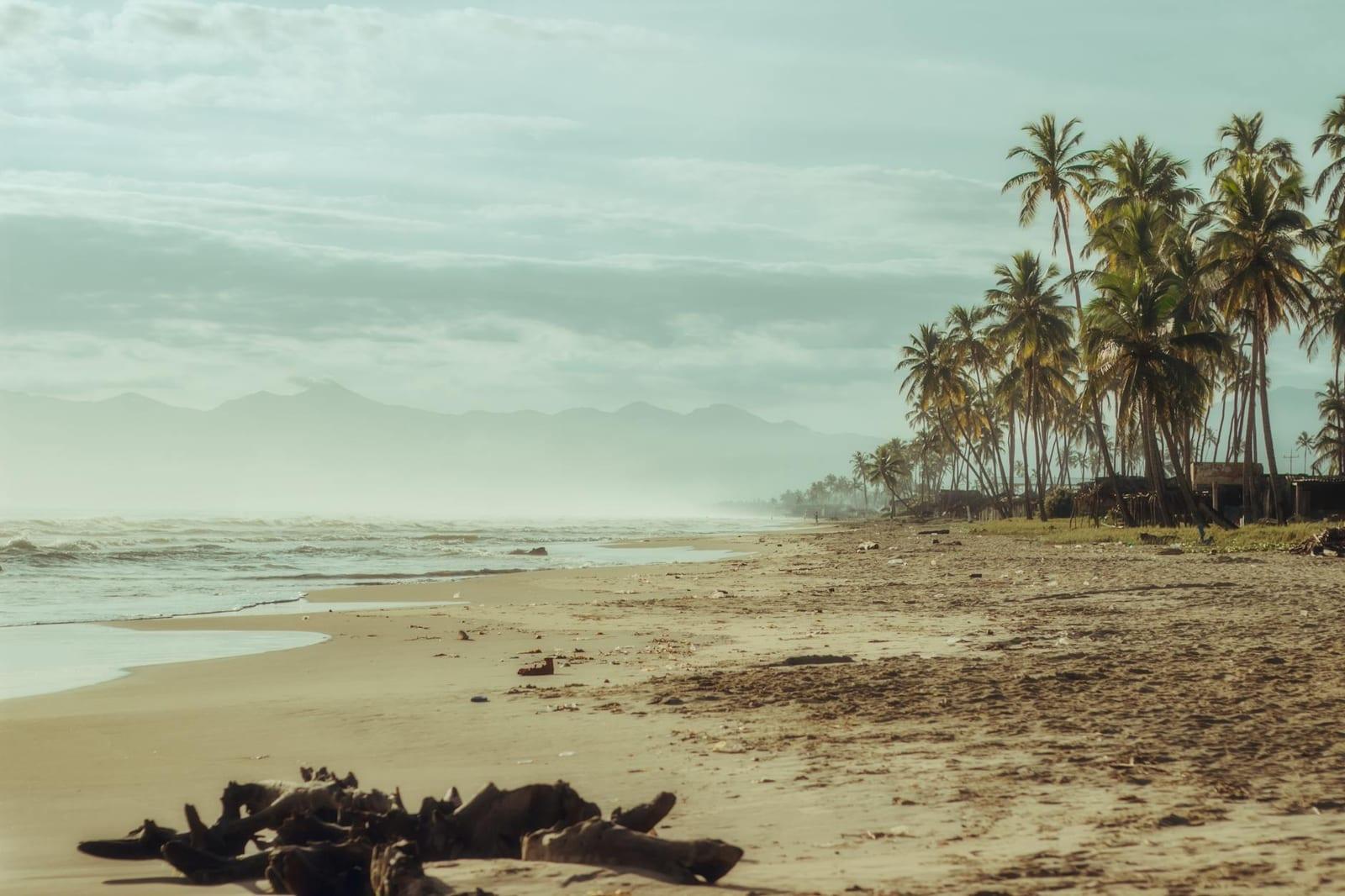
- MutsamuduAdmire gorgeous 17th-century architecture emblematic of Indian Ocean Swahili culture in Anjouan’s capital.
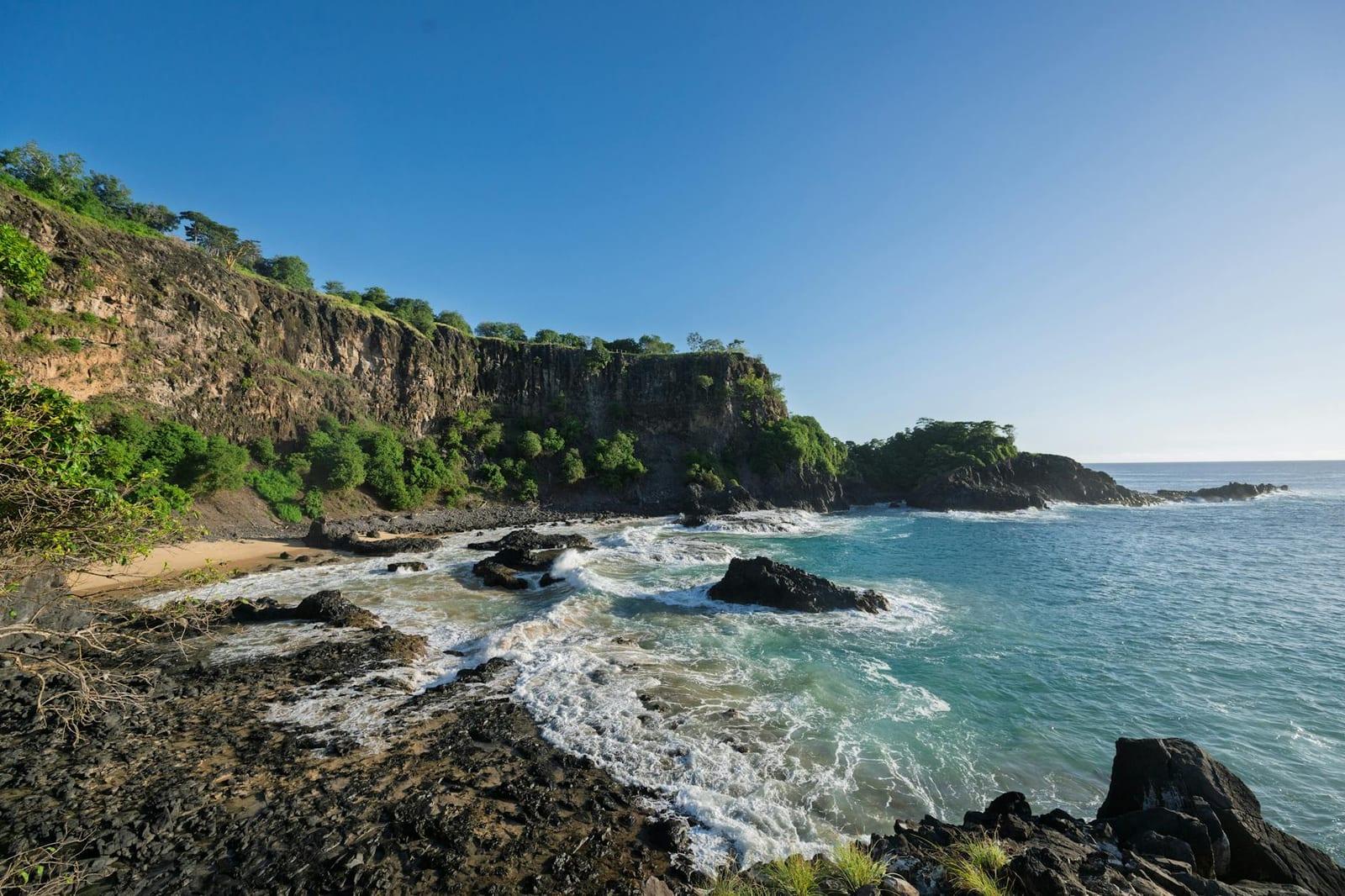
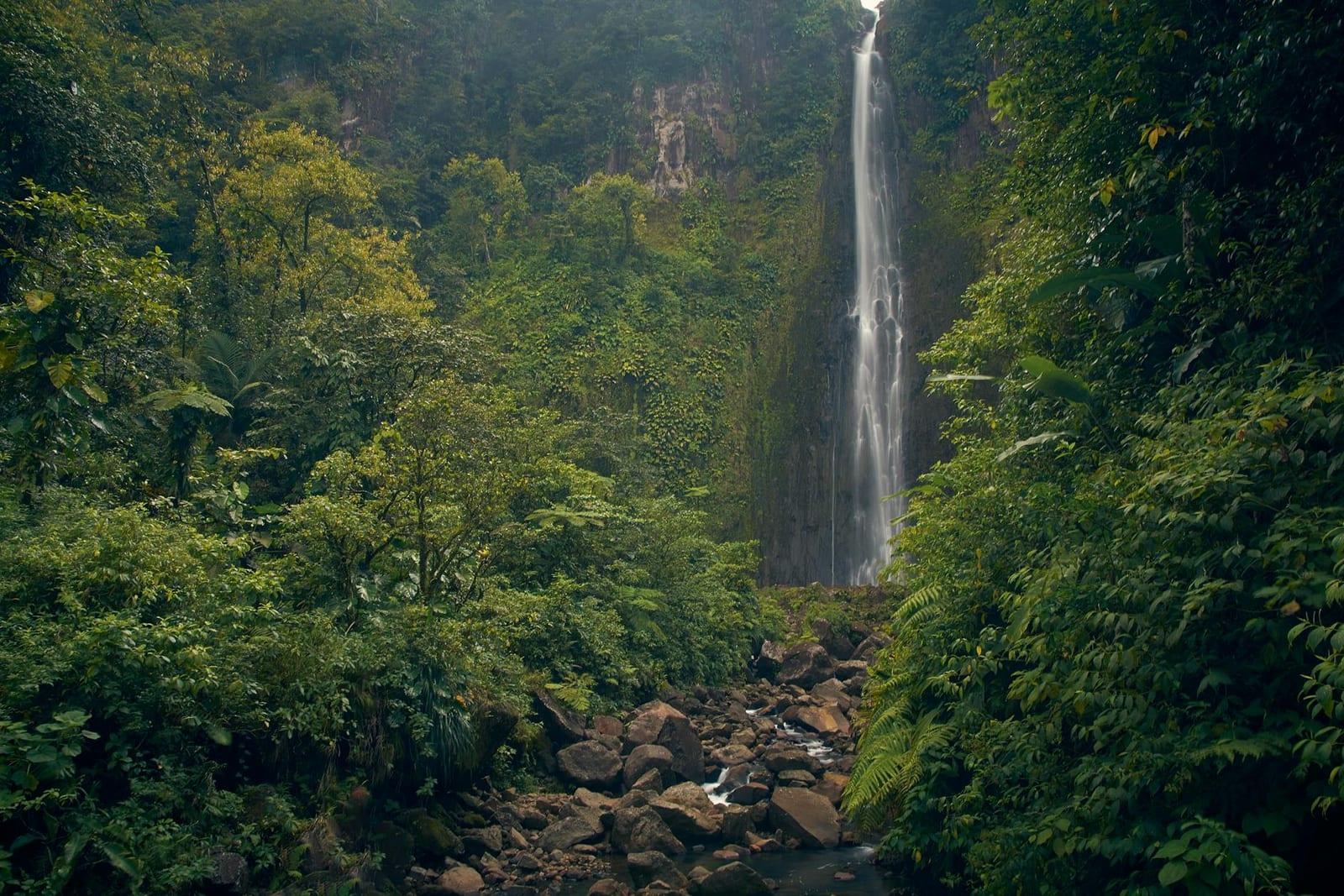
- Dziancoundre WaterfallAnjouan’s also renowned for its sheer scenic spectacle, and this verdure-cloaked cataracs’ certainly a high point.
- Moheli BeachesMoheli’s seashores constitute some of the most idyllic beaches in the Comoros—magnets not just for romantics but also thousands of nesting sea turtles.
- Vailheu BankComoros is an outstanding scuba-diving destination, and this deepwater coral-clad seamount off Grande Comore, a shark haunt, is one of the best sites.