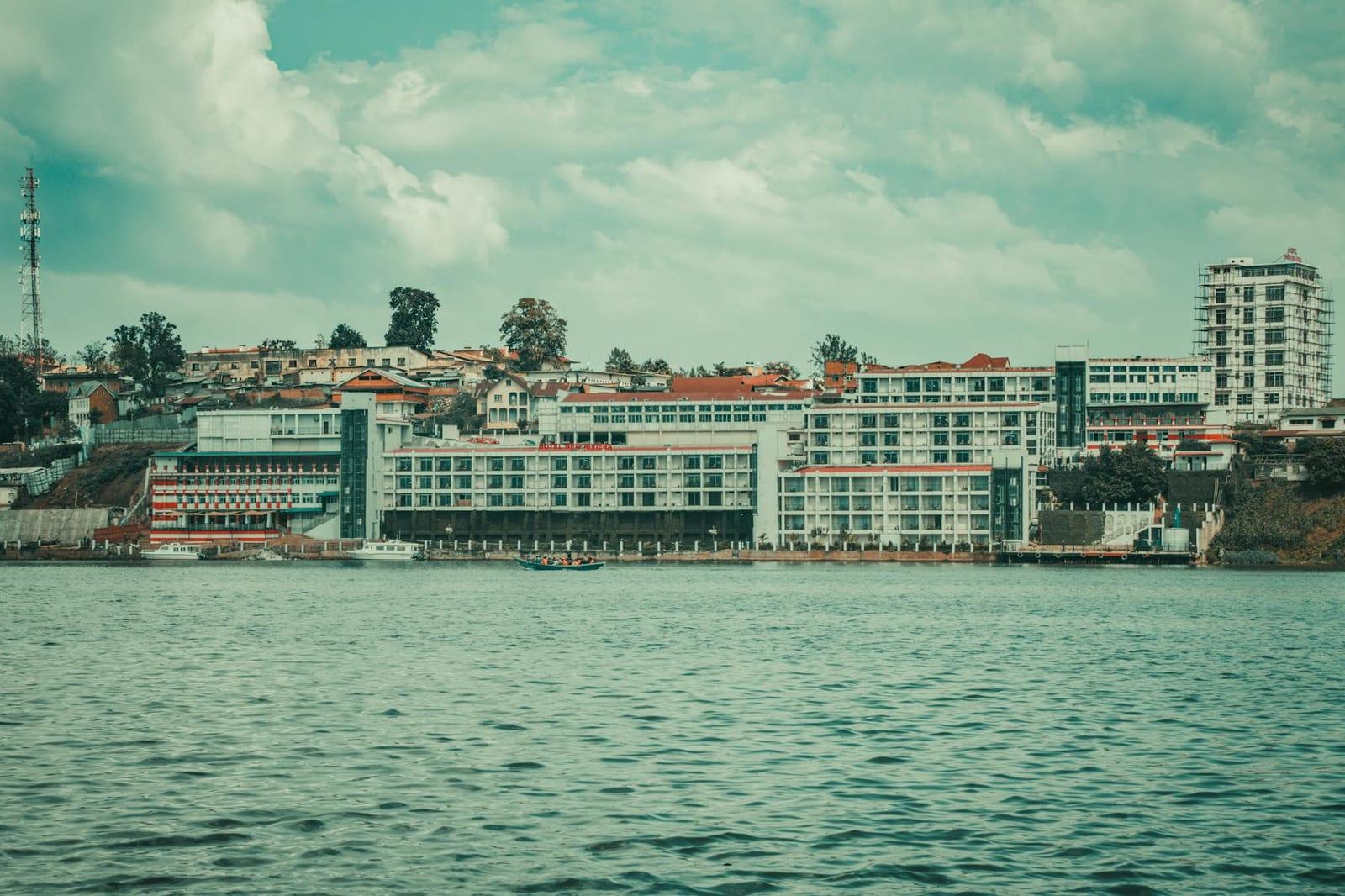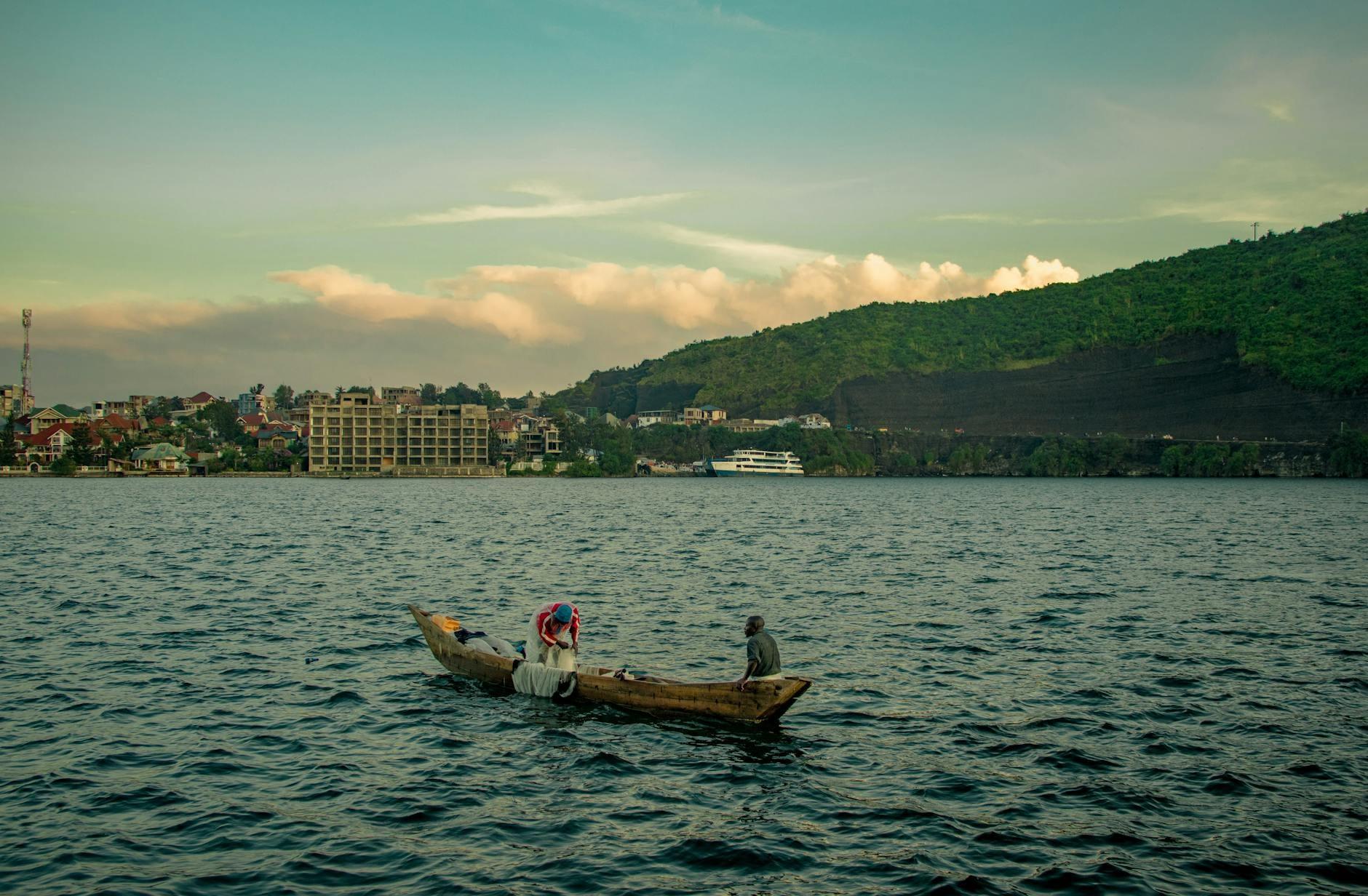
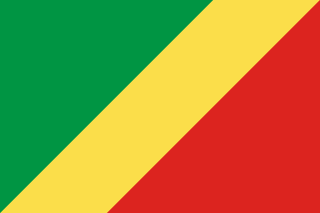
Country and regional names get confusing in the great Congo Basin of central Africa. The Republic of the Congo—which is (ideally) not to be confused with the Democratic Republic of Congo (DRC)—is often simply called Congo-Brazzaville. Though only a few decades ago embroiled in civil war, the Republic of the Congo is an easier place to visit than its neighbors, the Central African Republic (CAR) and Congo-Kinshasa (DRC)—from the standpoints of both transportation/tourism infrastructure and security.
Brazzaville, the capital, sits on the Congo River, and there’s no better place to get a sense for day-to-day life and culture in the Republic of the Congo: From the local artwork, crafts, and clothing available at the bustling markets, to the numerous mosques positioned around the city, to the wide selection of restaurants, Brazzaville is a pretty navigable and safe city to explore, particularly if you’re comfortable with French. And it’s the main jumping-off point for destinations farther afield.
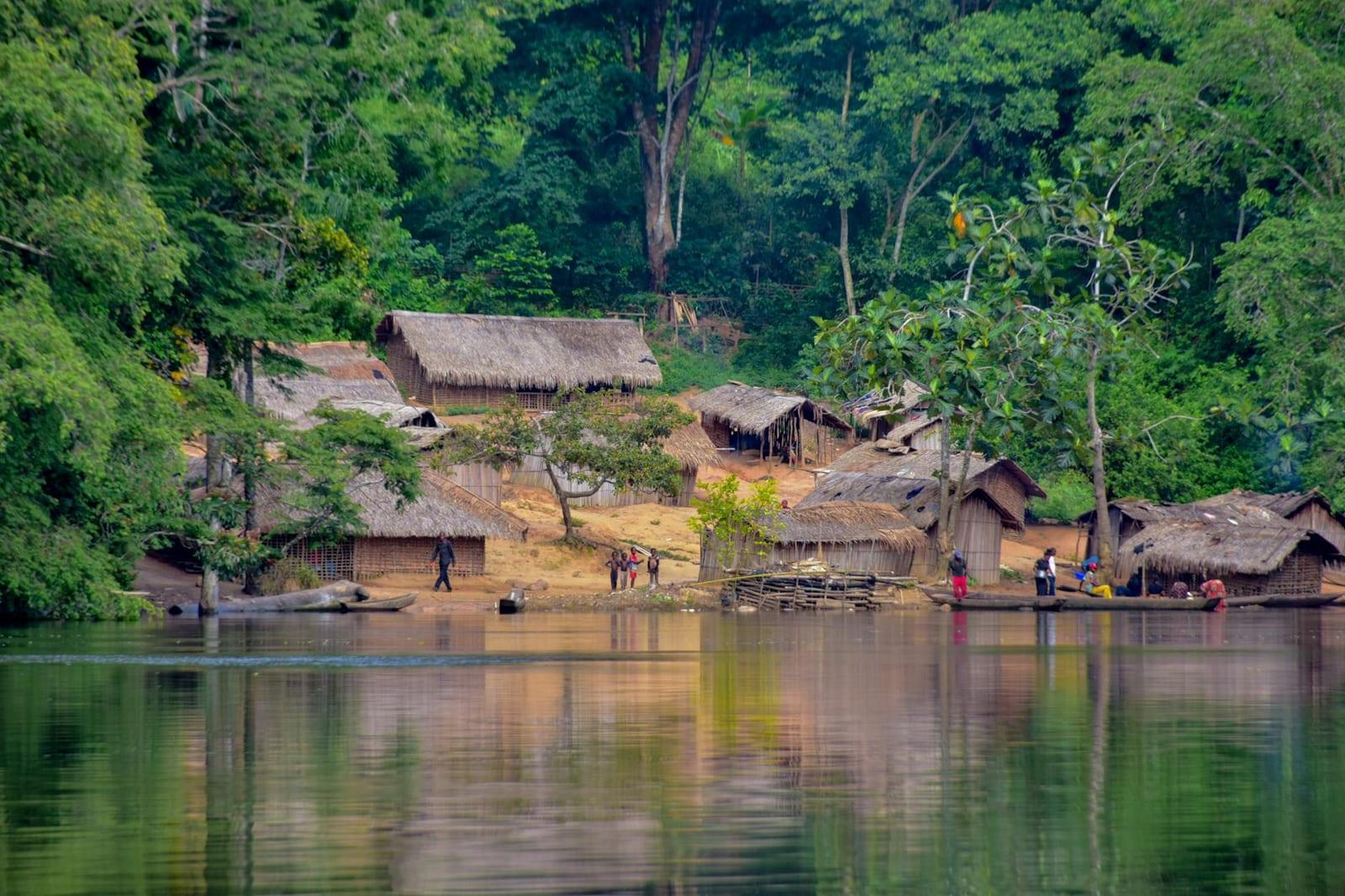
Speaking of farther afield, vast swaths of this country are virtually uninhabited: And some of the world’s most pristine rainforest and tropical swampland are found in the Republic of the Congo, sheltering among the very last big populations of western lowland gorillas, chimpanzees, and forest elephants.
Wildlife-rich rainforest preserves include Odzala National Park near the Gabon border, and Nouabalé-Ndoki National Park farther north, a gorilla- and elephant-rich wilderness that belongs to the trans-border Sangha Tri-National conservation complex. (And if you’re the intrepid sort and you find yourself exploring remote backwaters around Lake Tele—recently discovered to harbor tens of thousands of gorillas in a previously undocumented reservoir for the ape—you may be privy to a glimpse of the Congo’s own version of the Loch Ness Monster: the Mokele-mbembe, a semiaquatic reptile of global legend.)
On the Atlantic coast, meanwhile, Conkouati-Douli National Park showcases impressive diversity, ranging as it does from deep rain forest to mangrove swamps. And it’s not terribly far north from Pointe-Noire, Congo-Brazzaville’s second-biggest city and primary port, which includes some beach resorts of modest scale. Ecotourism facilities and tours continue to expand in the Republic of the Congo, though many protected regions are still effectively inaccessible (which is probably good news for the gorillas and chimps).
The Congo Basin has been a legendary draw for explorers and adventurers for centuries—and an ethnically diverse region that’s been frequently wracked by wars, corruption, and the ravages of colonialism and resource extraction by multinational corporations. More stable, at the moment, than some of its neighbors, the Republic of the Congo provides one of the best venues for exploring the considerable cultural and ecological virtues of the region, though "roughing it" will still be the name of the game in many places.
Congo, Democratic Republic of
One of Africa’s biggest countries—both in terms of geographic extent and population—the Democratic Republic of Congo (DRC) is, at present, not realistically on the tourism map. Home to globally outstanding biodiversity and sublime scenery, the DRC could be one of Africa’s leading travel destinations—but such a situation, for now, must remain wholly hypothetical.
Much of its history has been downright tragic: This was the site of the infamous Belgian Congo colony, the atrocities of which still haunt the countryside; and the Second Congo War of the late ‘90s and early ‘00s, the after-effects of which are still killing and displacing Congolese. (As such, the U.S. and U.K. governments both advise against travel in the country, particularly in the north and east.)
Some seven times larger than Germany, the DRC—once called Zaire and often abbreviated to Congo-Kinshasa—is something of a universe unto itself. Several hundred different ethnic groups make up the 70-million or so citizens, mostly Bantu folk but also hundreds of thousands of various Pygmy peoples such as the Twa. Kinshasa, the capital, is one of Africa’s very biggest urban areas, and more than nine million call its sprawling cityscape on the banks of the Congo River home.
The landscape, too, presents a dizzying diversity, from the giant Virunga volcanoes and the snowcapped Rwenzoris (the “Mountains of the Moon”) to the vast shores of three African Great Lakes: Albert, Edward, and Tanganyika. Arcing through the heart of the country is the Congo River, the second-most voluminous on Earth, which includes in its huge basin the vastest tropical rainforest on the planet after the Amazon.
From the mountain gorillas of Virunga National Park on the Rwanda and Uganda lines to the eastern lowland gorillas of Kahuzi-Biega to the south; from the nearly vanished white rhinos of Garamba National Park in the northeast to the coastal crocodiles of Mangroves National Park—the DRC is blessed with one of Africa’s most impressive rosters of native wildlife. The bushmeat trade and general poaching, though, have put most of its large mammals in mortal jeopardy, and its parks and preserves are anything but secure in the face of rampant unrest.
Only time will tell whether the DRC will become one of the globe’s top ecotourism destinations, as it could be—and, far more importantly, whether its people will emerge from the chronic cycles of violence and poverty that have plagued them for decades.
10 things not to miss.
- the rainforest of Odzala-KokouaTrek the rainforest of Odzala-Kokoua
- a rumba night in BrazzavilleCatch a rumba night in Brazzaville
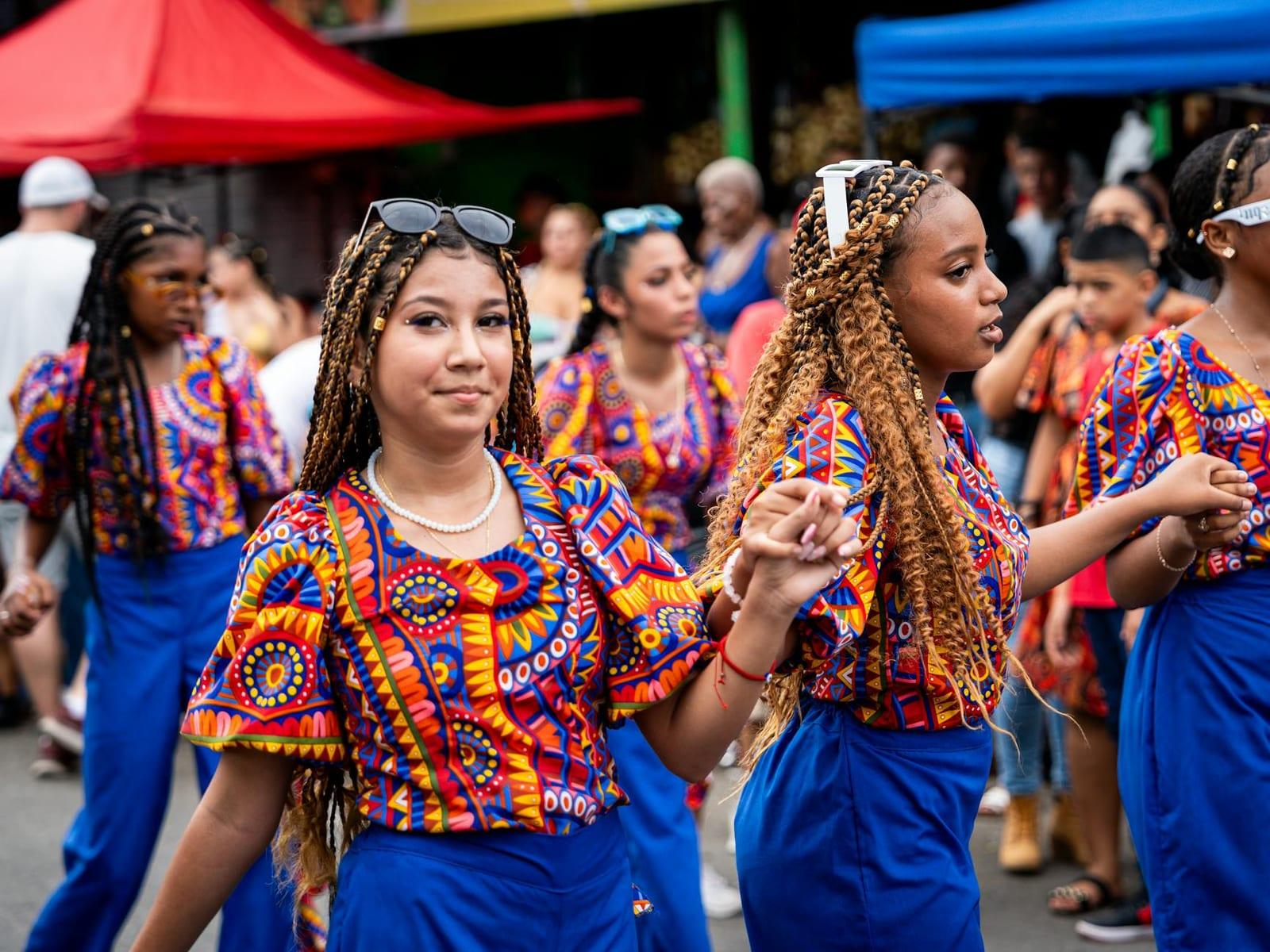
- Odzala National ParkAmong the more pristine corners of the immense Congo Basin rainforest, this venerable park is particularly known for forest elephants and gorillas.
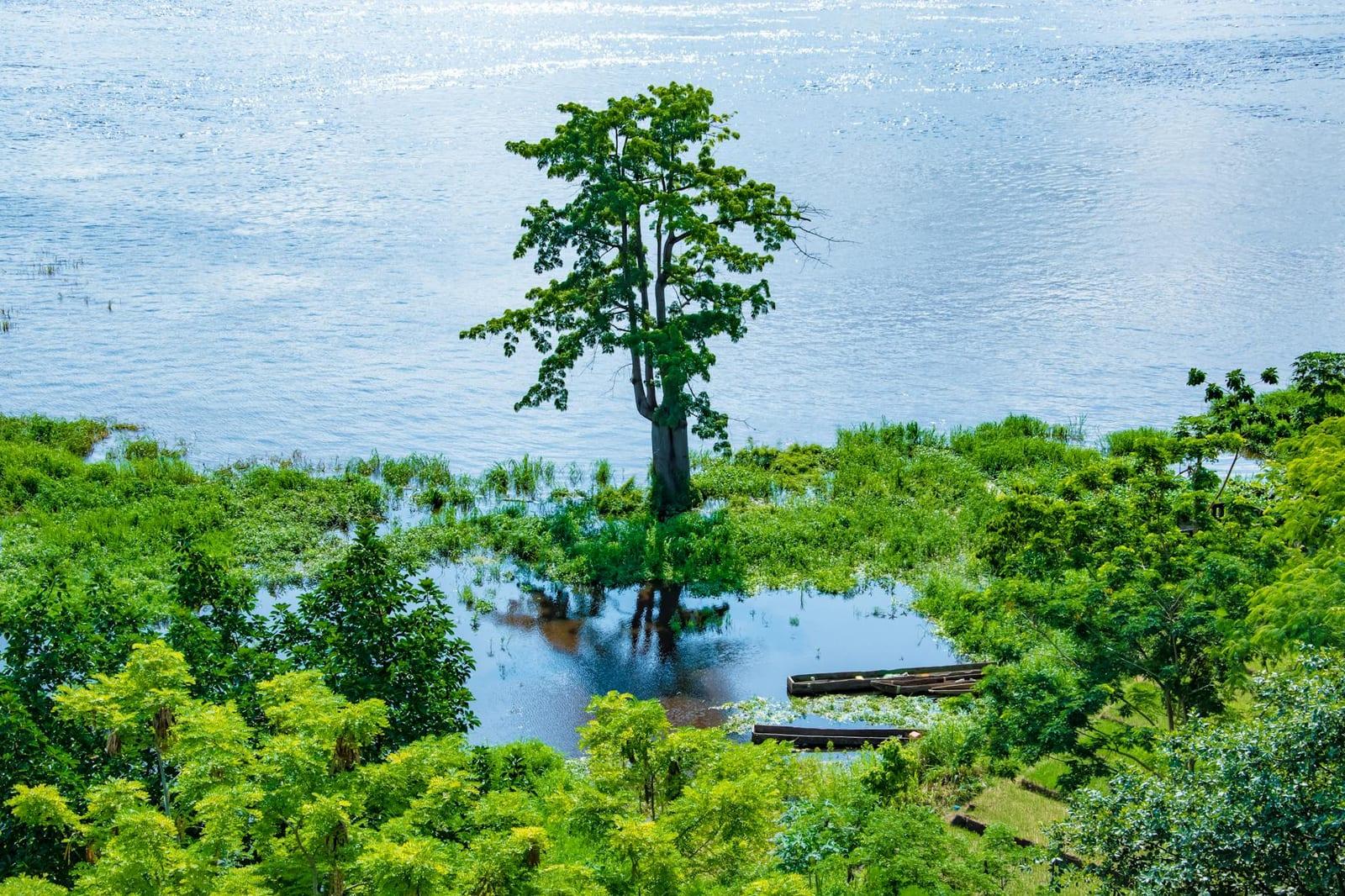
- Nouabale-Ndoki National ParkPart of the globally significant Sangha River Tri-National Protected Area, this is the place to go for virgin rainforest in the raw.
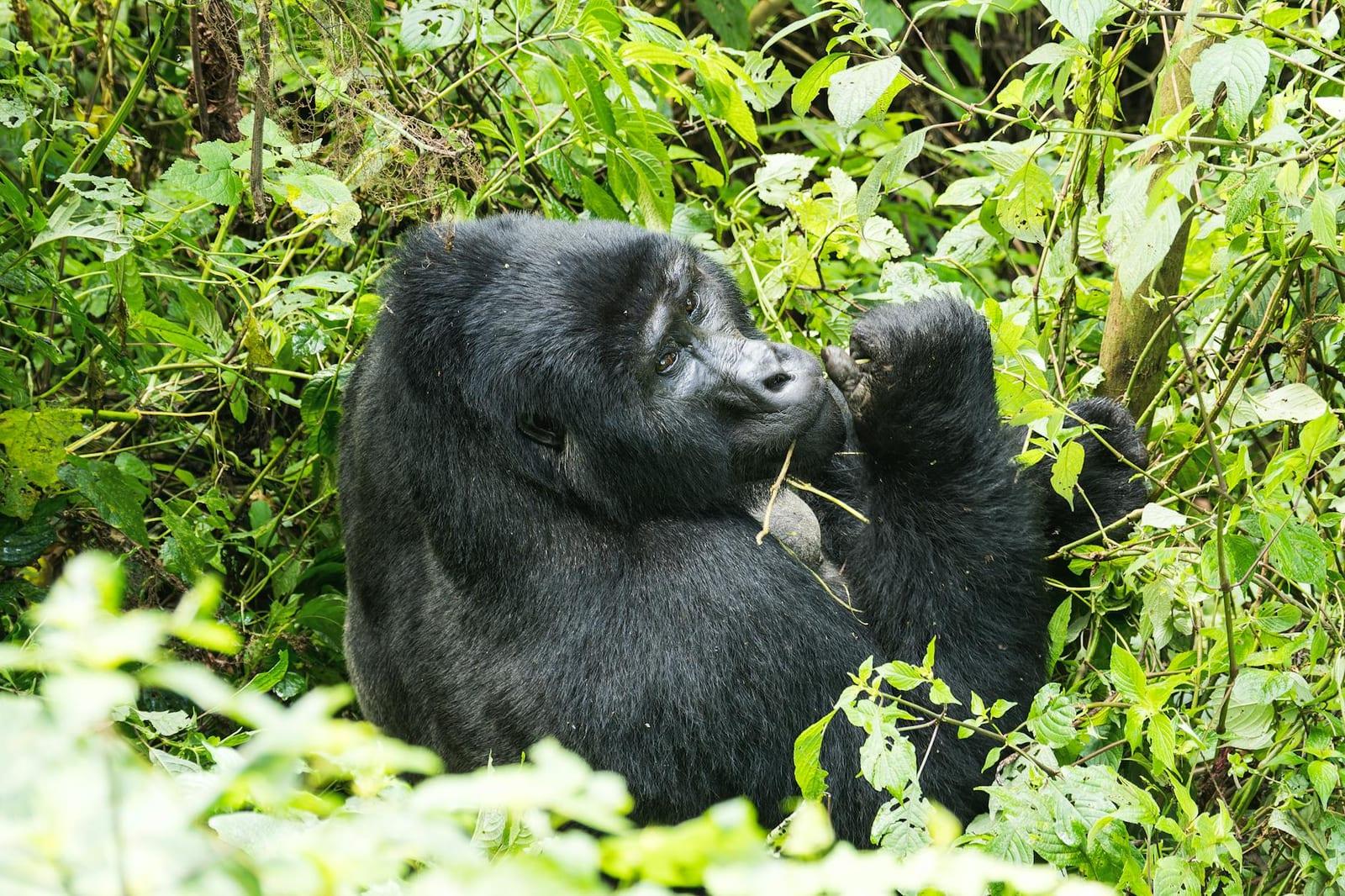
- Conkouati-Douli National ParkThis ridiculously diverse park, spanning Atlantic mangal and highland forest, shelters everything from manatees to mandrills.
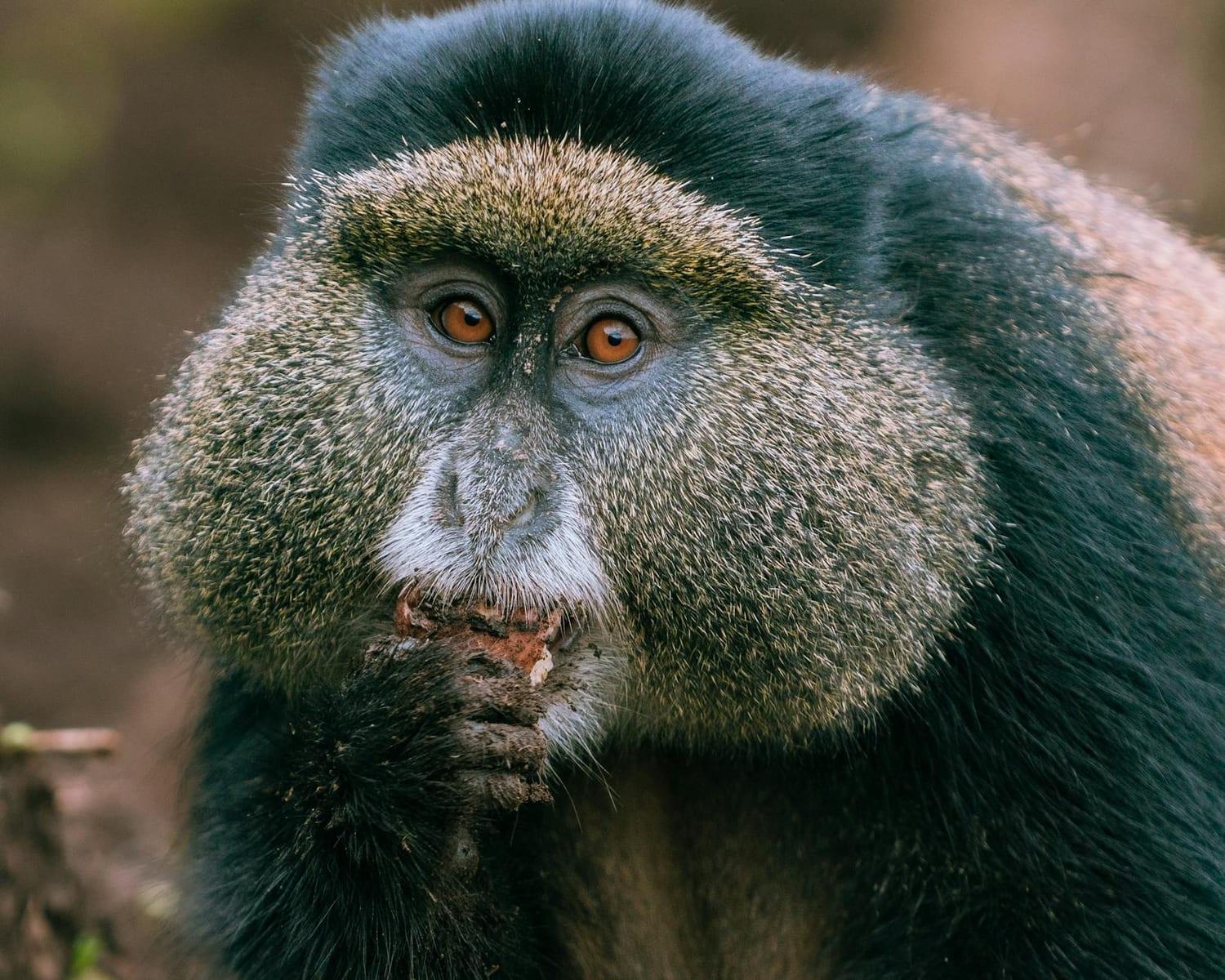
- Marché TotalThis everything-but-the-kitchen-sink bazaar should anchor any visit to the Republic of Congo's capital of Brazzaville.
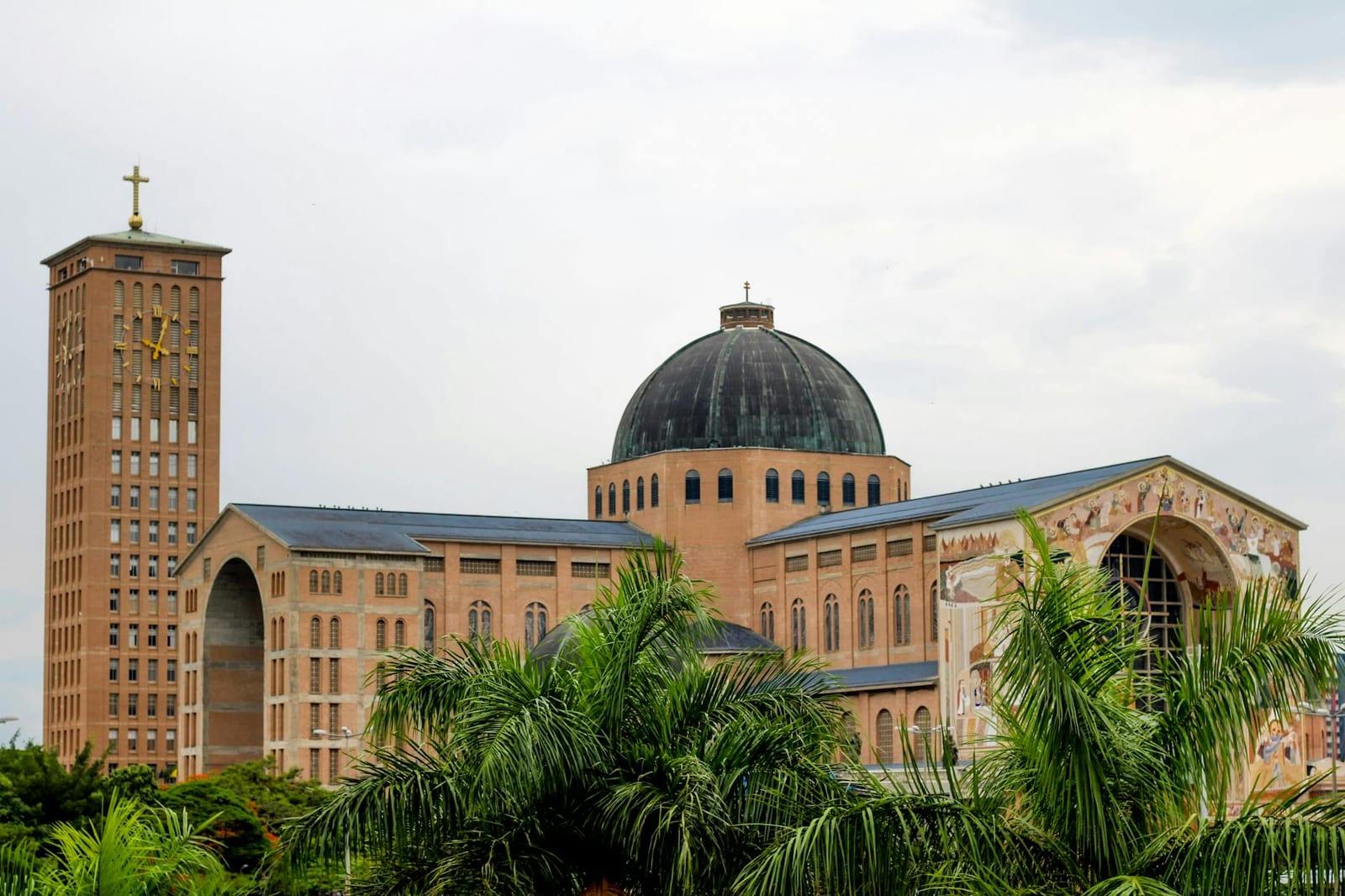
- Basilique Sainte-AnneAmong the more remarkable architecture in Brazzaville, this green-roofed Catholic basilica, built in 1949, fuses European and African design.
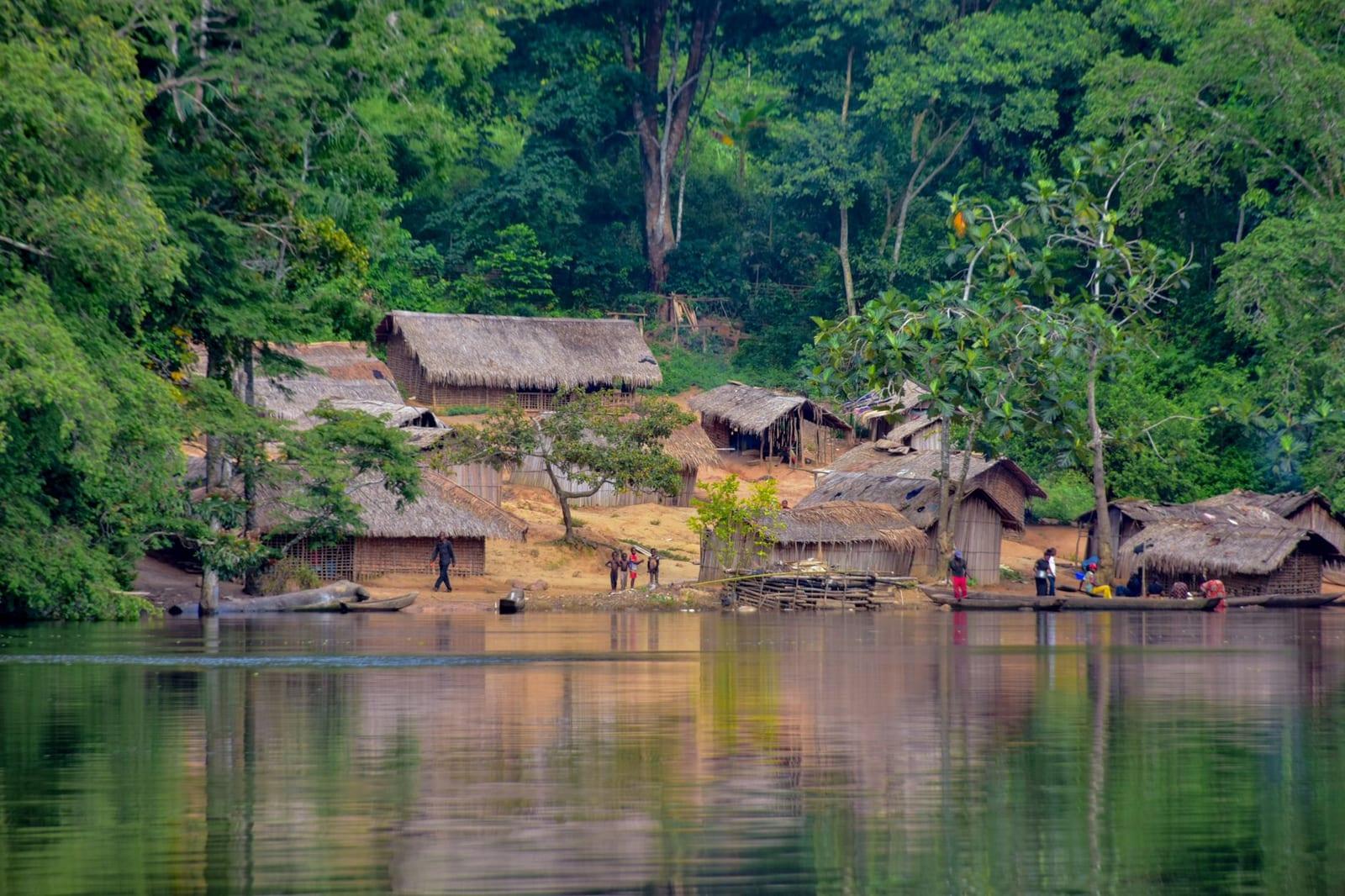
- Loufoulakari FallsThis epic cataract—surprisingly accessible from Brazzaville—marks the junction of the Congo and the Loufoulakari rivers.
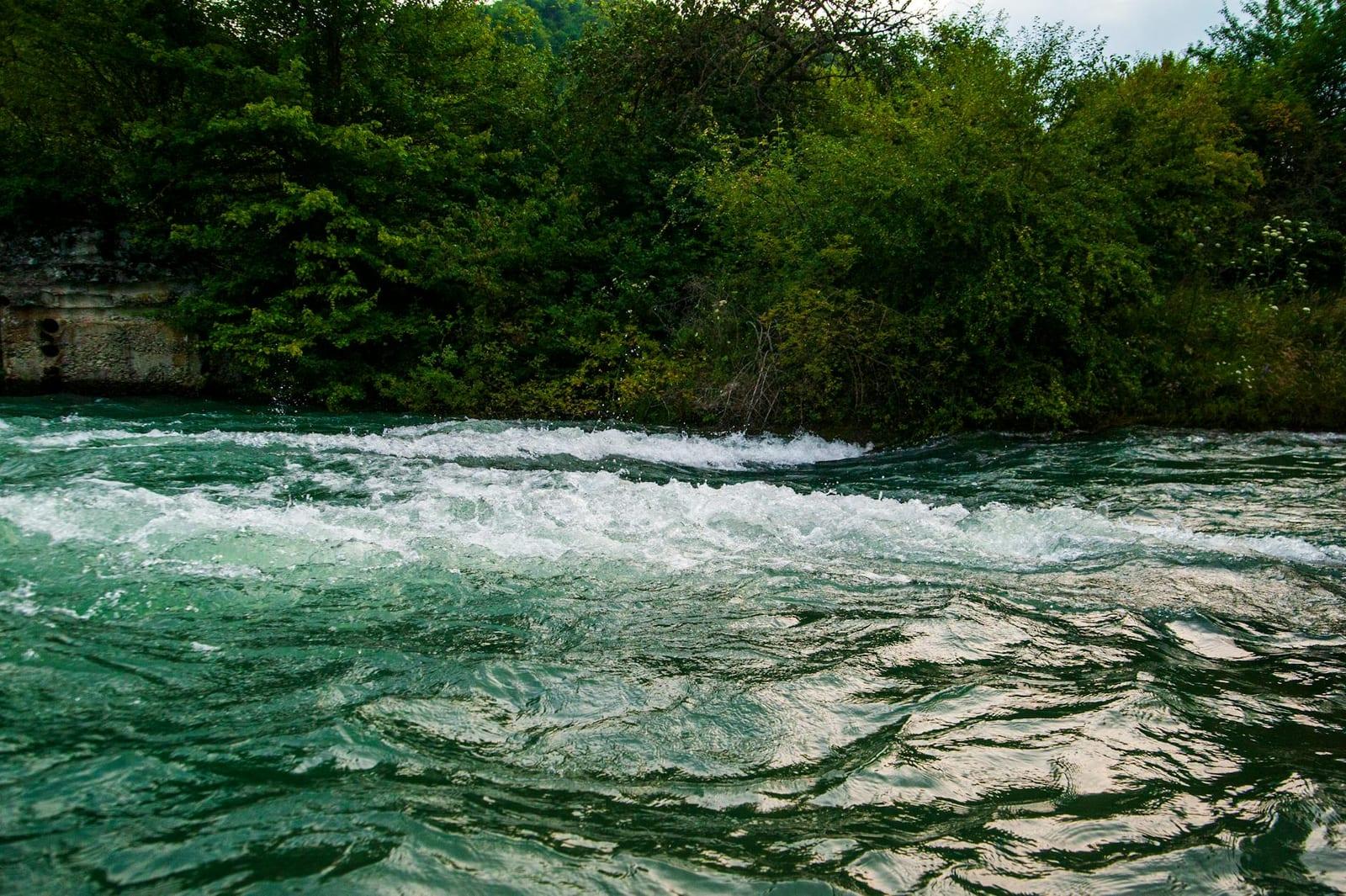
- Congo RapidsTake in an impressive lineup of leaping whitewater along the Congo River between Brazzaville and Kinshasa.
- Pointe-NoireCongo-Brazzaville’s seacoast metropolis, Pointe-Noire serves as jumping-off point for the country’s most popular beaches.