Part of the great cultural and geographic bridge of the Balkans, Croatia is the sort of place that fires the senses and the imagination. Here you can waltz between centuries within the space of a few city blocks; here you can eat your way around the Mediterranean and the Adriatic without leaving Zagreb. Here you can roam knee-buckling limestone ridges, or stretch out on beaches that rival any in Europe.
In terms of its modern boundaries and political makeup, Croatia’s a young country—it was established as an independent state only in the early 1990s, following the dismantling of Yugoslavia—but its cultural identity claims a vast history complicated by long eras of foreign domination. The Croats compose most of the population, but Serbs, Bosnians, and other minorities add much to the societal fabric.
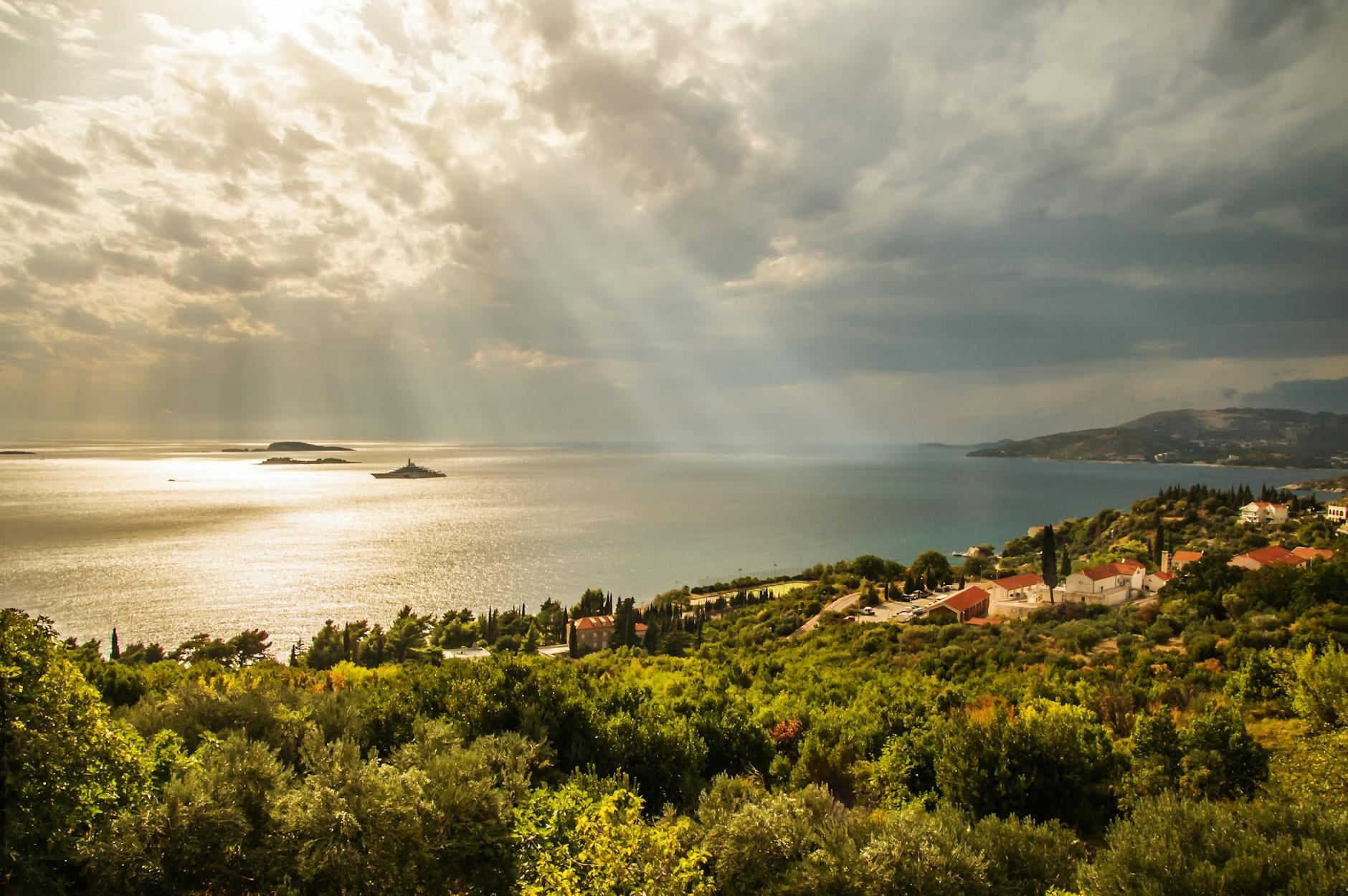
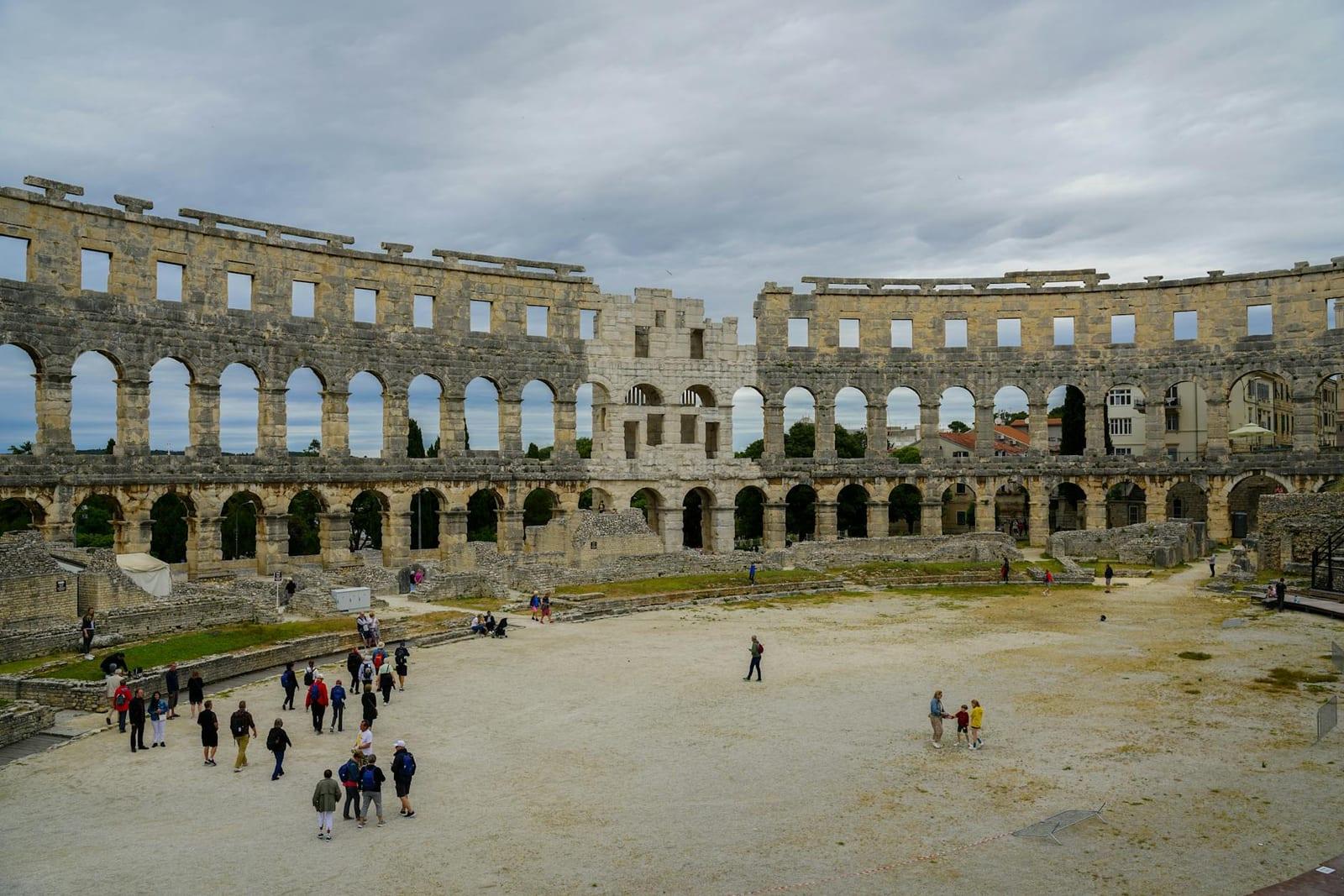
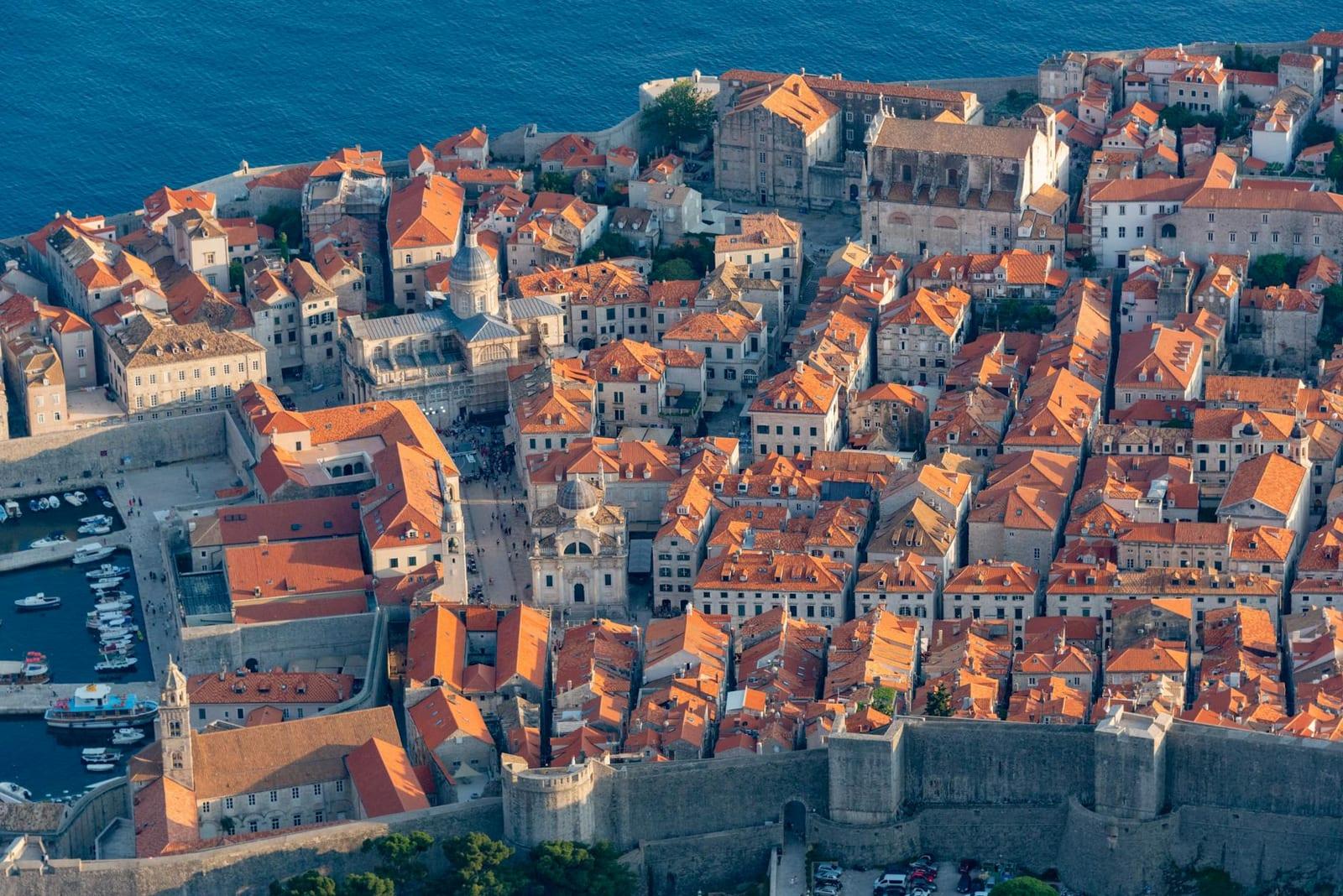
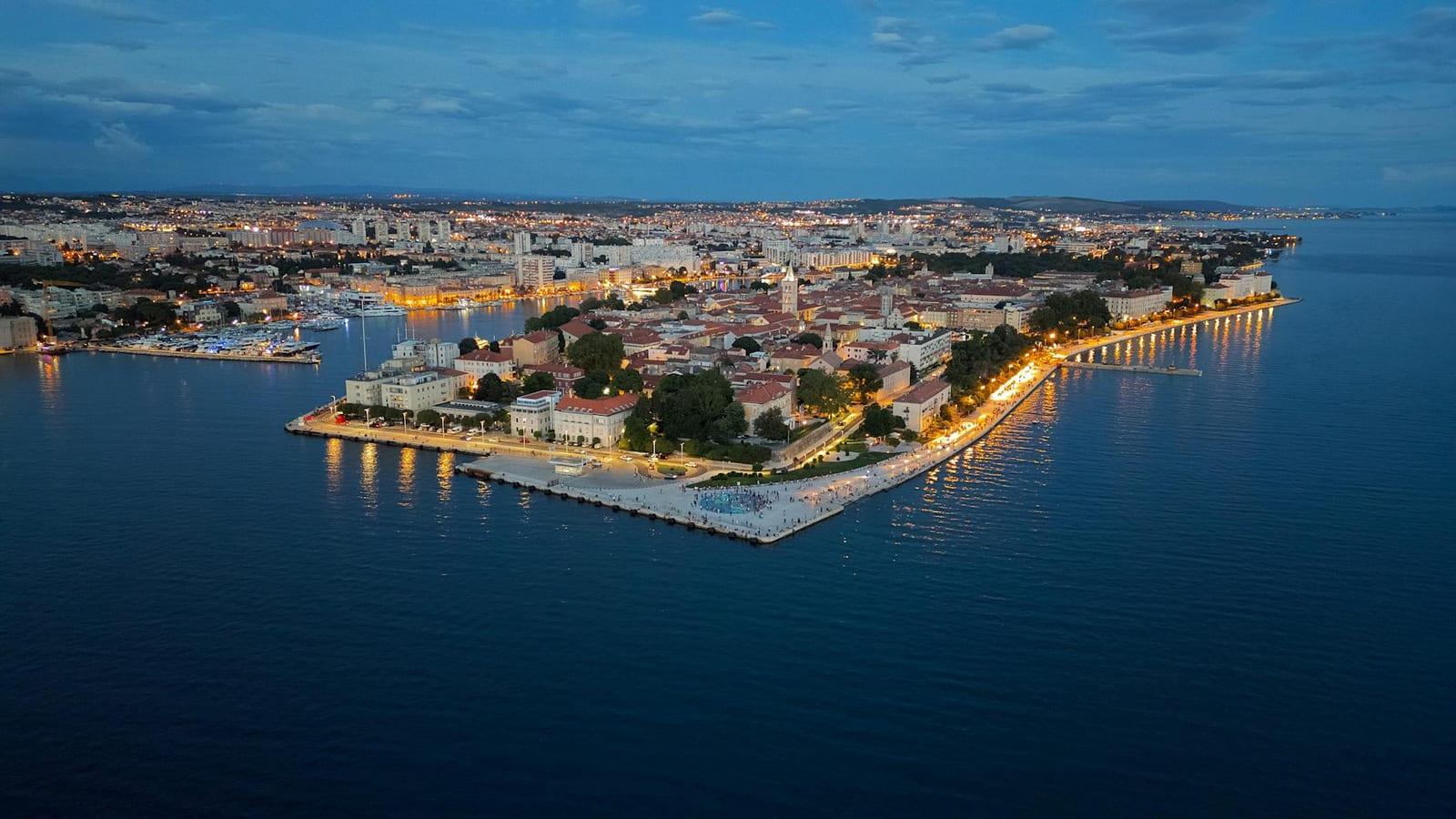
From a tourism perspective, Croatia’s central and southern coast—Dalmatia—is perhaps its highest-profile destination: a sunny stretch of Adriatic beaches and resorts accented by numerous historical sites. Major hubs include the small city of Dubrovnik, the “Pearl of the Adriatic”; Zadar, with its many Roman- and medieval-era monuments; the old walled town of Korcula; the “Mediterranean flower” of Split, famed for the Roman-vintage Diocletian’s Palace; and the stunning isle of Hvar, draped in vineyards and lavender fields, ringed with glorious beaches, and home to full-tilt nightlife. Up north, meanwhile, outside of the Dalmatian coast proper, the Adriatic city of Pula easily compares with that fabled riviera, blessed as it is with a spectacularly preserved Roman amphitheater, eye-catching churches, and premier waterfront.
But neglect the inland capital of Zagreb at your own risk: Besides its many historical sites, museums, art galleries, and clubs, it’s an unbeatable place to nibble your way through multifaceted Croatian cuisine—and sip through its well-regarded wines.
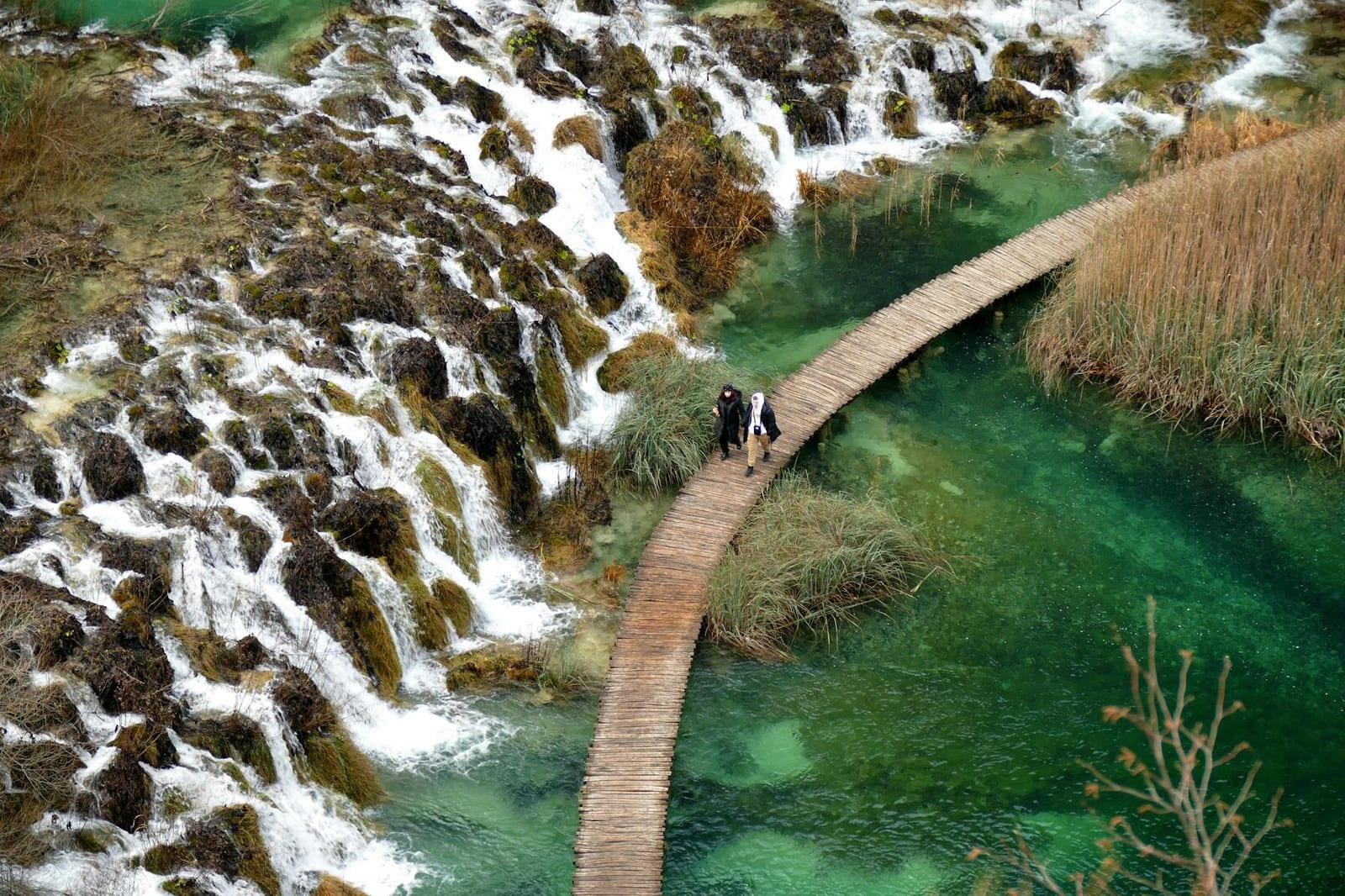
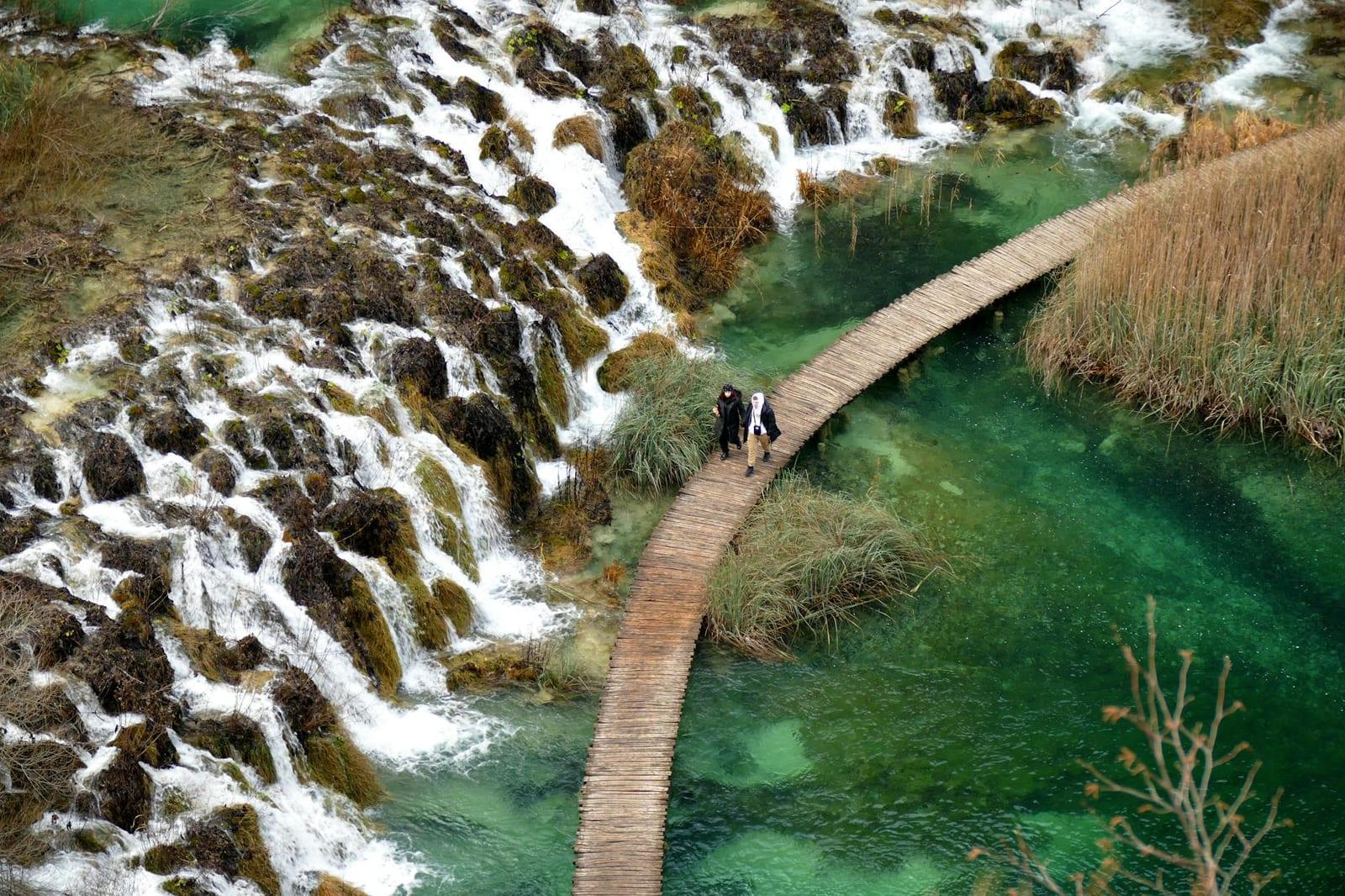
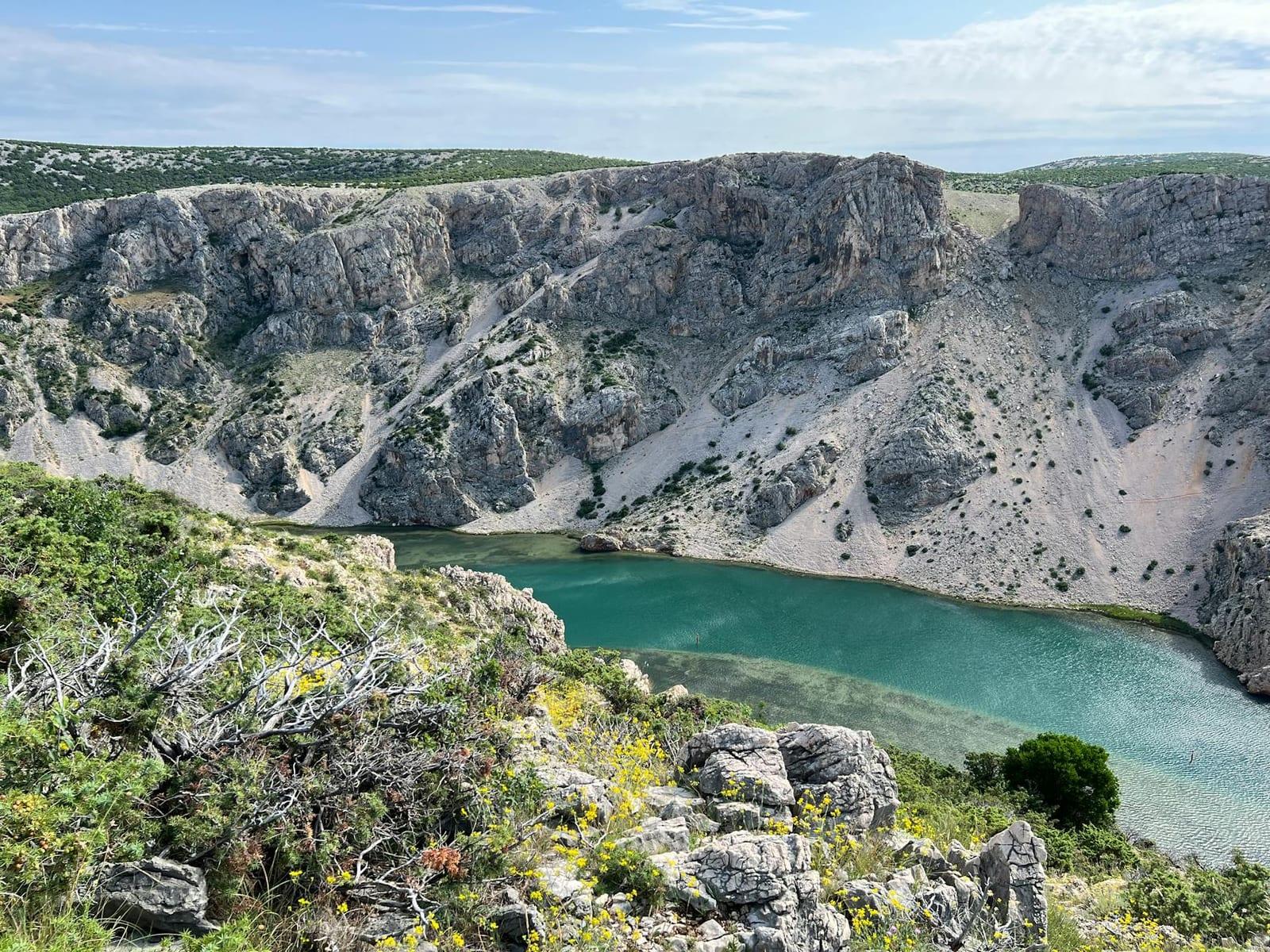
On the wilder side, Croatia claims a fine string of national parks, a network well representing the country’s remarkable landscape diversity. Plitvice Lakes is probably the most famous: a string of karst lakes, waterfalls, and underground rivers—plus bear- and wolf-prowled forests. Kornati National Park, meantime, offers scores of unpeopled islets in the namesake Dalmatian archipelago.
From mainland to farflung isle, from mountain peak to stunning beach, from late-night club to sleepy pastoral hamlet, Croatia has many layers—enough to engage nearly any traveler, whether it’s antiquities, natural beauty, cross-fertilized cookery, or simply all-night parties you’re seeking.
11 things not to miss.
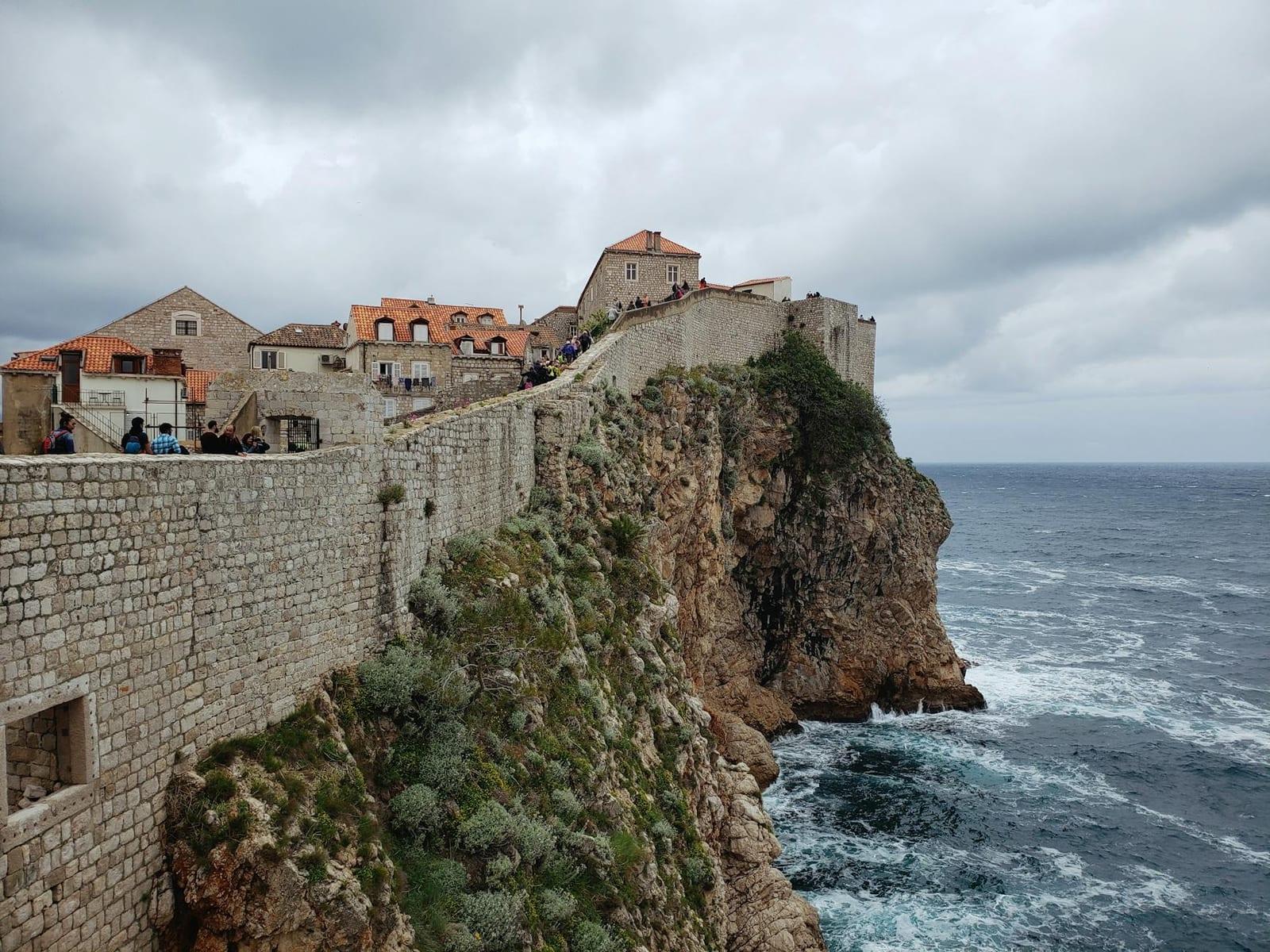
- Dubrovnik's city wallsWalk Dubrovnik's city walls
- the Plitvice LakesBoat through the Plitvice Lakes
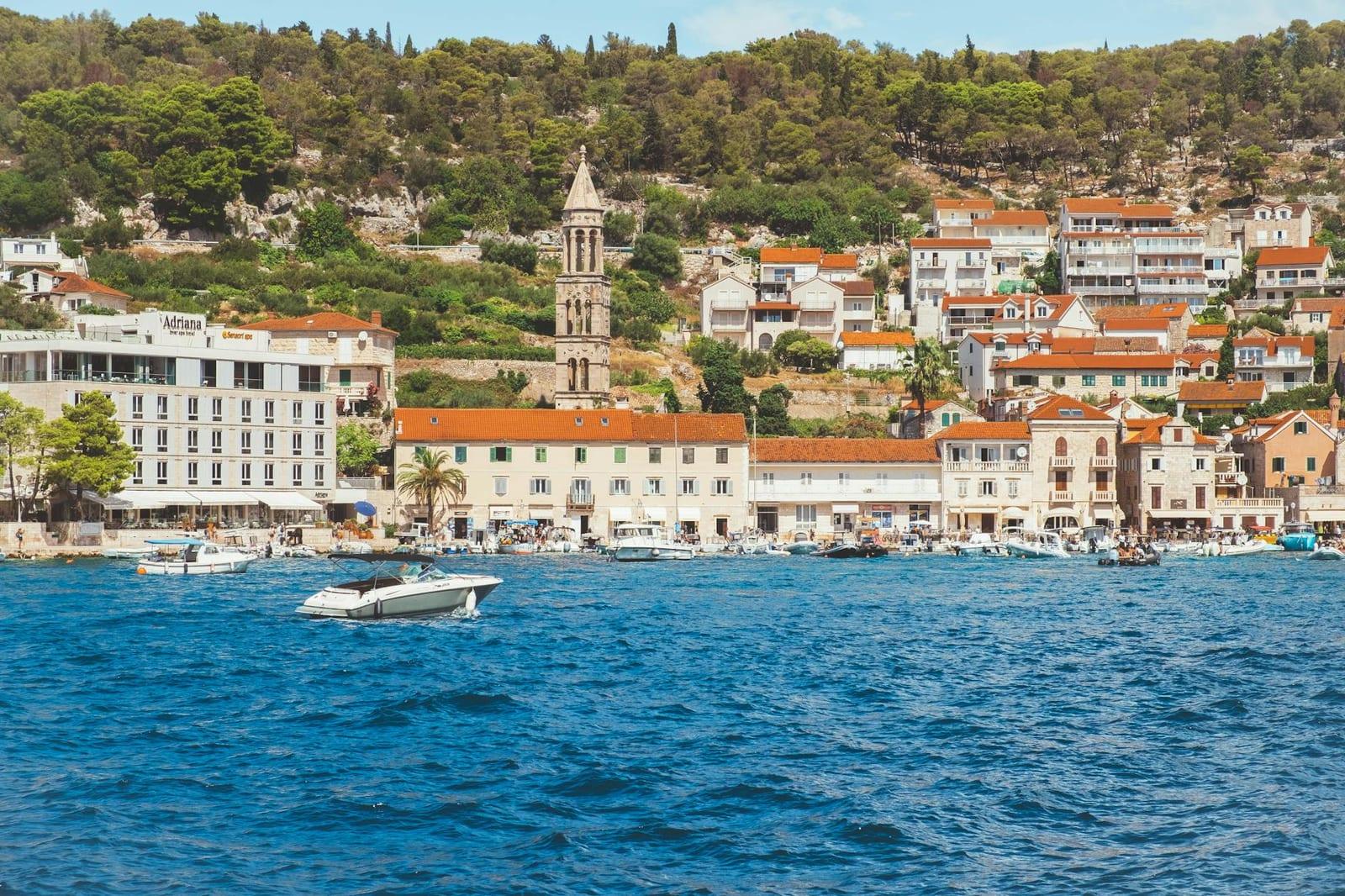
- the Hvar archipelagoSail the Hvar archipelago
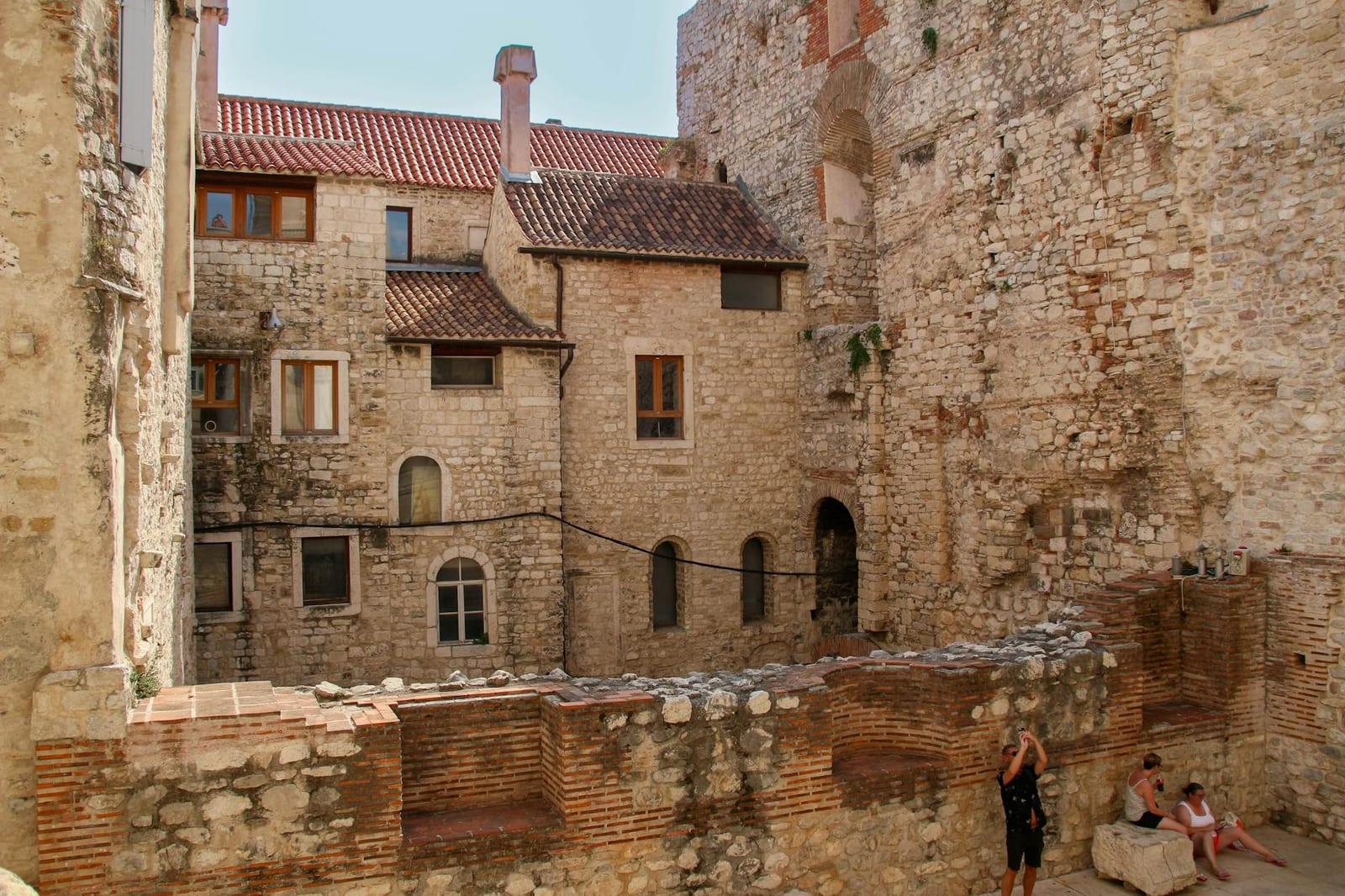
- Diocletian’s PalaceAmong Europe’s great Roman ruins, this 4th-century fortified palace—a landmark of Split along the Dalmatian Coast—was Emperor Diocletian’s brainchild.
- Pula ArenaBuilt some 2,000 years ago, this mighty monument is one of the best-preserved Roman amphitheaters in the world.
- DubrovnikChock full of historical architecture, the “Pearl of the Adriatic” is also one of the main launchpads for Dalmation Coast idylls.
- ZadarGet a lot of bang for your buck with a visit to this Dalmation seaport: Roman ruins, medieval cathedrals, fine museums, and more.
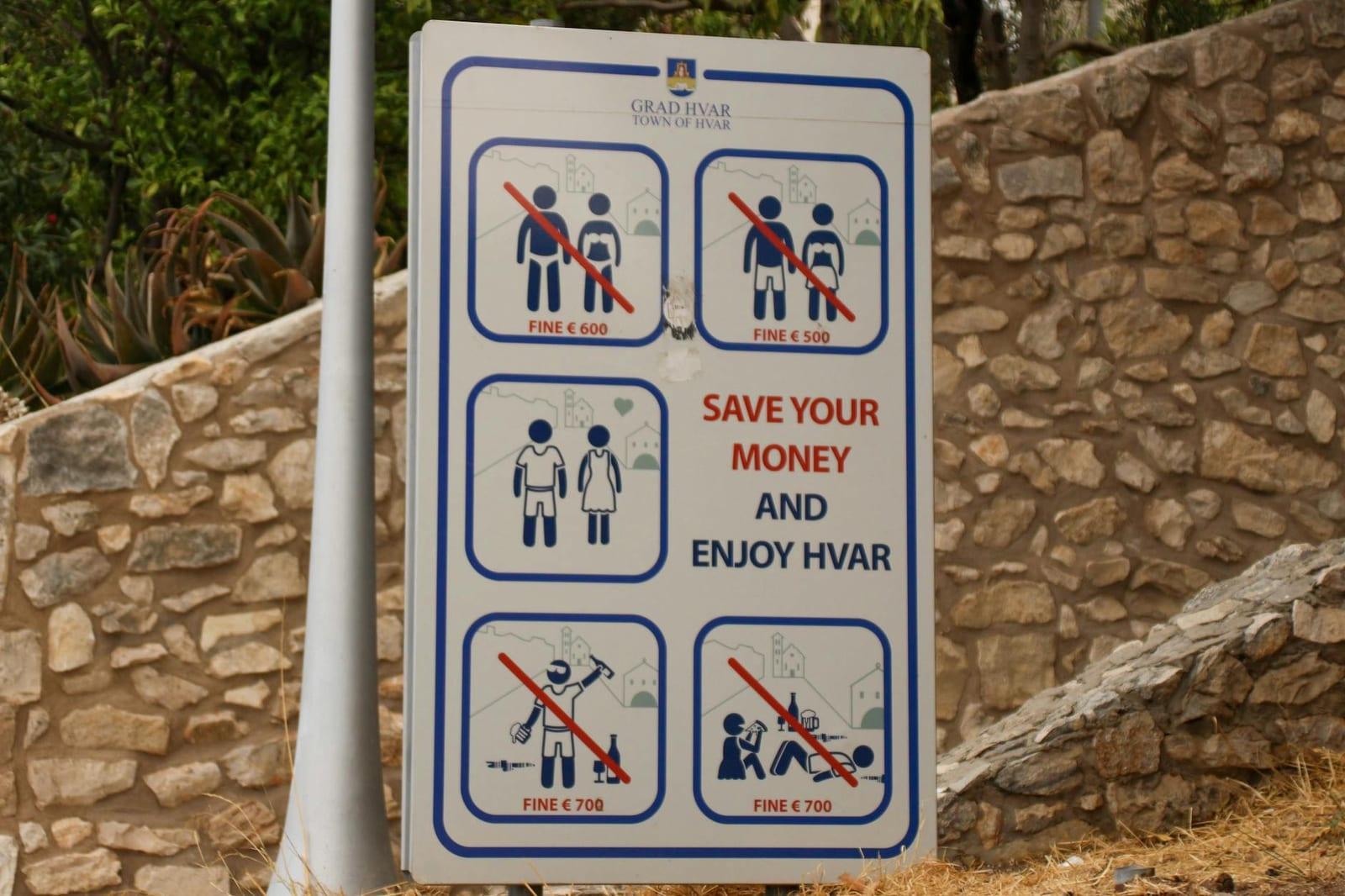
- HvarSprawl out on the beach or stroll inland through lavender fields, orchards, vineyards, and pine groves on this heavenly Adriatic isle.
- Kornati National ParkSail, sunbathe, and snorkel your way through nearly 90 protected isles in the postcard-perfect Kornati Archipelago.
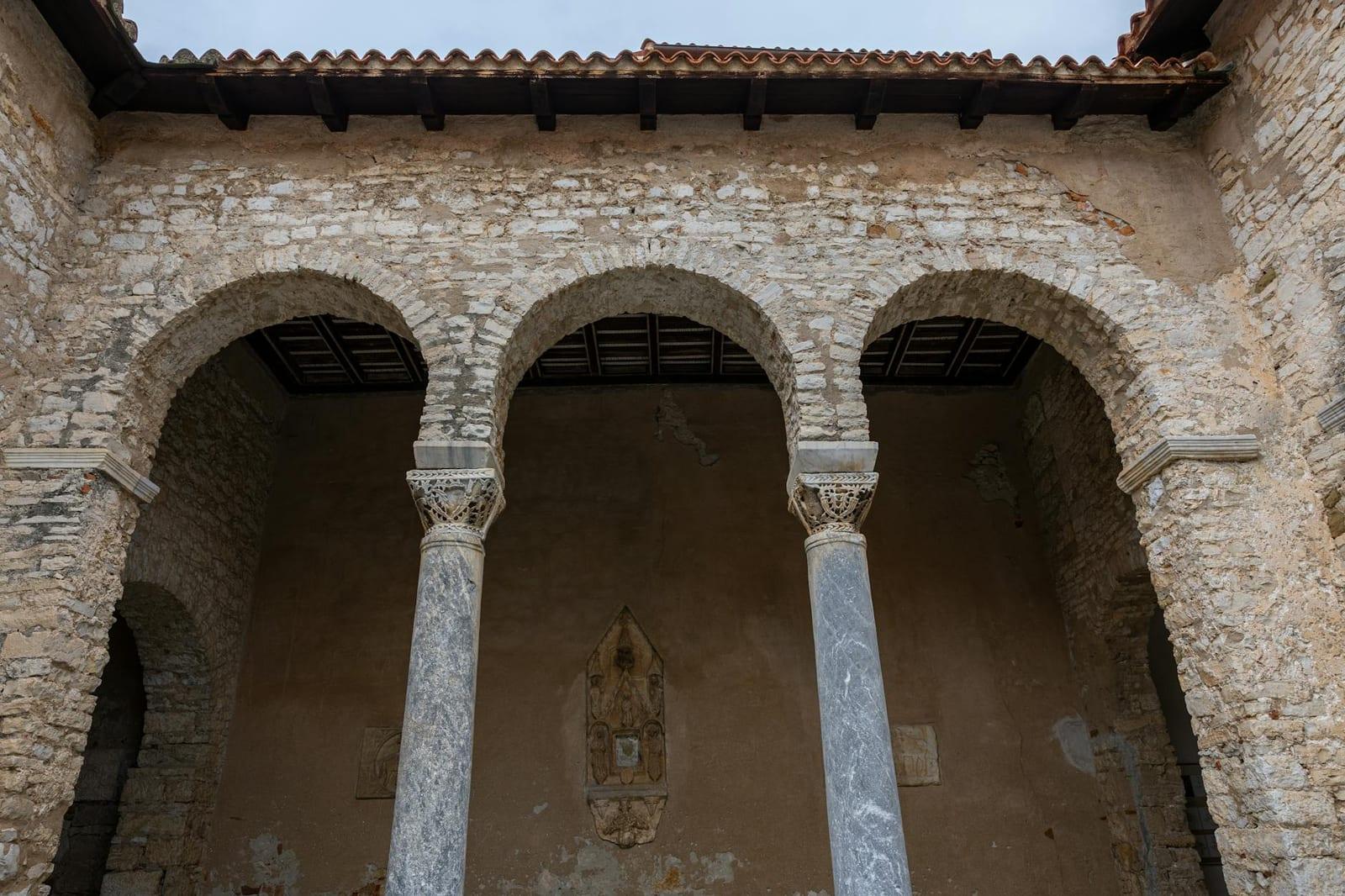
- Euphrasian BasilicaMarvel at elegant Byzantine architecture at this Porec basilica, parts of which date to the 6th century.
- Plitvice Lakes National ParkGet a firsthand glimpse at the wilder beauty of the Balkans at this famed park, home to brown bears, wolves, and waterfalls.