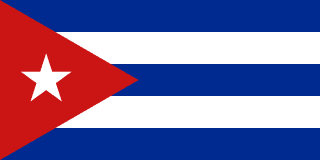
By far the biggest country in the Caribbean, Cuba’s also perhaps its most singular destination. A dramatic and complicated history, which is impossible to ignore, colors any appreciation of its many cultural and natural virtues.
As of mid-2015, Cuba appears to be at a real turning point, and it’s worth taking a century-hopping tour of its history to understand the context.
Cuba's Deep Past
The story begins thousands of years ago with the settling of the archipelago by Amerindian hunter-gatherers. Eventually, the agricultural Taino had included central and eastern Cuba in a huge Caribbean domain that stretched from the Bahamas to the Leeward Islands.
But a new era for indigenous Cubans dawned with Christopher Columbus’s discovery of the island in 1492. European diseases devastated the Taino and other Amerindians; in addition, natives were forced into hard labor, as in gold mines.
From an initial outpost at Baracoa, Spanish settlement spread quickly across the main island of Cuba and its islets, which served as a jumping-off point for North American expeditions. Slavery intensified dramatically in the late 1700s into the 1800s, when African slave labor made possible the burgeoning sugarcane industry (which wasn’t outlawed in Cuba until 1886.
By this time many Cubans were agitating for independence; and uprisings such as the 1868 revolt led by Carlos Manuel de Céspedes had already weakened the colonial system. The Spanish crackdown following the 1895 revolution (orchestrated by José Marti and Máximo Gómez) was severe. The U.S. eventually became involved in the Cuban struggle for sovereignty, which culminated, after the sinking of the USS Maine in Havana Harbor, in the Spanish-American War of 1898. The conclusion of the war resulted in Cuba’s independence from Spain and its unofficial status as a U.S. protectorate.
The first half of the 20th century was defined by a series of corrupt administrations, heavy U.S. involvement in Cuban politics, and droves of Americans vacationing, living, and investing in the country. Fulgencio Batista, who’d served as president in the 1940s, reassumed the seat via a 1952 coup; and sharpening social disparities under his administration fomented the Cuban Revolution. Fidel Castro spearheaded the overthrow of the Batista government—much of it carried out as guerilla warfare in the rugged Sierra Maestra of southeastern Cuba. Batista fled the country, and Cuba was reborn under Castro and Communism.
Castro’s Cuba
As Castro established the Western Hemisphere’s first socialist country—allied with the Soviet Union—he brought extensive U.S. land and business holdings under national ownership; causing relations between Cuba and the U.S. to nosedive. The early years of the 1960s saw the Bay of Pigs Invasion—a failed attempt at an overthrow of Castro by a U.S.-backed paramilitary brigade—and the Cuban Missile Crisis, one of the defining Cold War standoffs.
Castro implemented many social reforms as Cuba’s economy, hampered by U.S. sanctions and increasingly dependent on Soviet subsidies, floundered. Many Cubans fled the country for the U.S., dramatically so during the 1980 Mariel boatlift. The country struggled following the dissolution of the Soviet Union, when what the government called a “Special Period in Peacetime” involved heavy food and energy rationing. Though some loosening of the regime’s socialist strictures, in the 1990s and early 2000s, coupled with Castro’s alliances with oil- and gas-rich Venezuela and Bolivia, began easing some of the severe hardships.
Cuba Today and Beyond
Beginning in 2006, Fidel transferred leadership to his brother, Raúl, which signaled the beginning of a transformation. From their much-discussed handshake during Nelson Mandela’s memorial service in 2013 to the announcement, in late 2014, of a return to normalized diplomatic relations, Raúl Castro and U.S. President Barack Obama have overseen a significant thaw between their two countries. It’s unclear what the effect will be—many predict a flood of American tourists and commercial development—but there’s no question a new era seems to be dawning for Cuba.
Tourist Attractions
Politics may hog a lot of international attention when it comes to Cuba, but, as many a traveler can attest, the country has much to offer from a tourism standpoint: the exuberance of the Cuban people, the depth of the Afro-European culture, and the sheer beauty of the island.
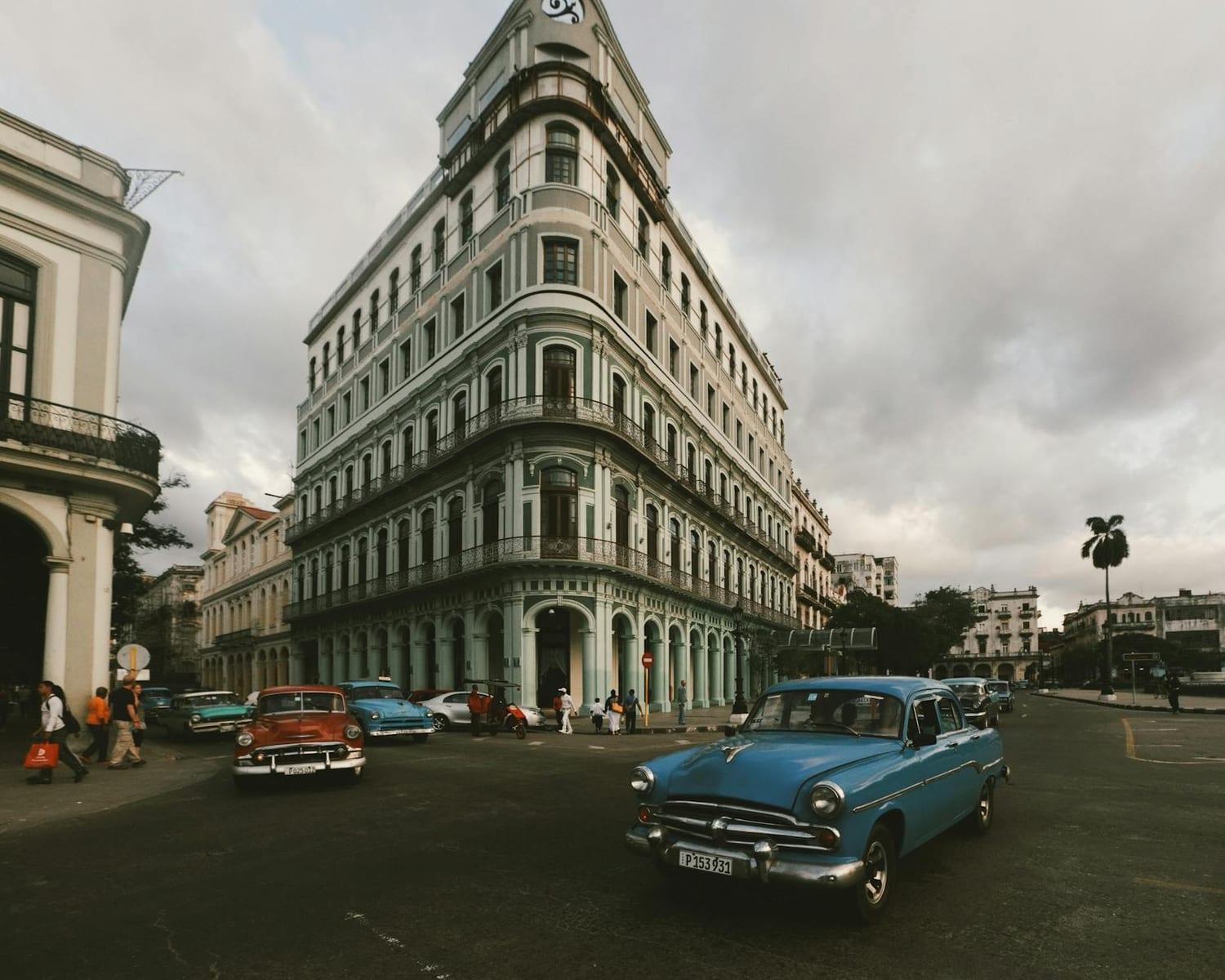
This is the Caribbean after all, and there are many blissful stretches of sand: Varadero, the Jardines del Rey archipelago, and others. And you don’t have to look hard to find striking landmarks of Cuba’s epic history, from the colonial Spanish architecture of Havana and Trinidad to the Che Guevara statue and tomb at Santa Clara, the site of his momentous rout of government forces during the Cuban Revolution. And Havana’s vintage American cars (“Yank Tanks”) are their own symbol of the city. And then there’s the impossibly rich culinary, musical, and dance traditions.
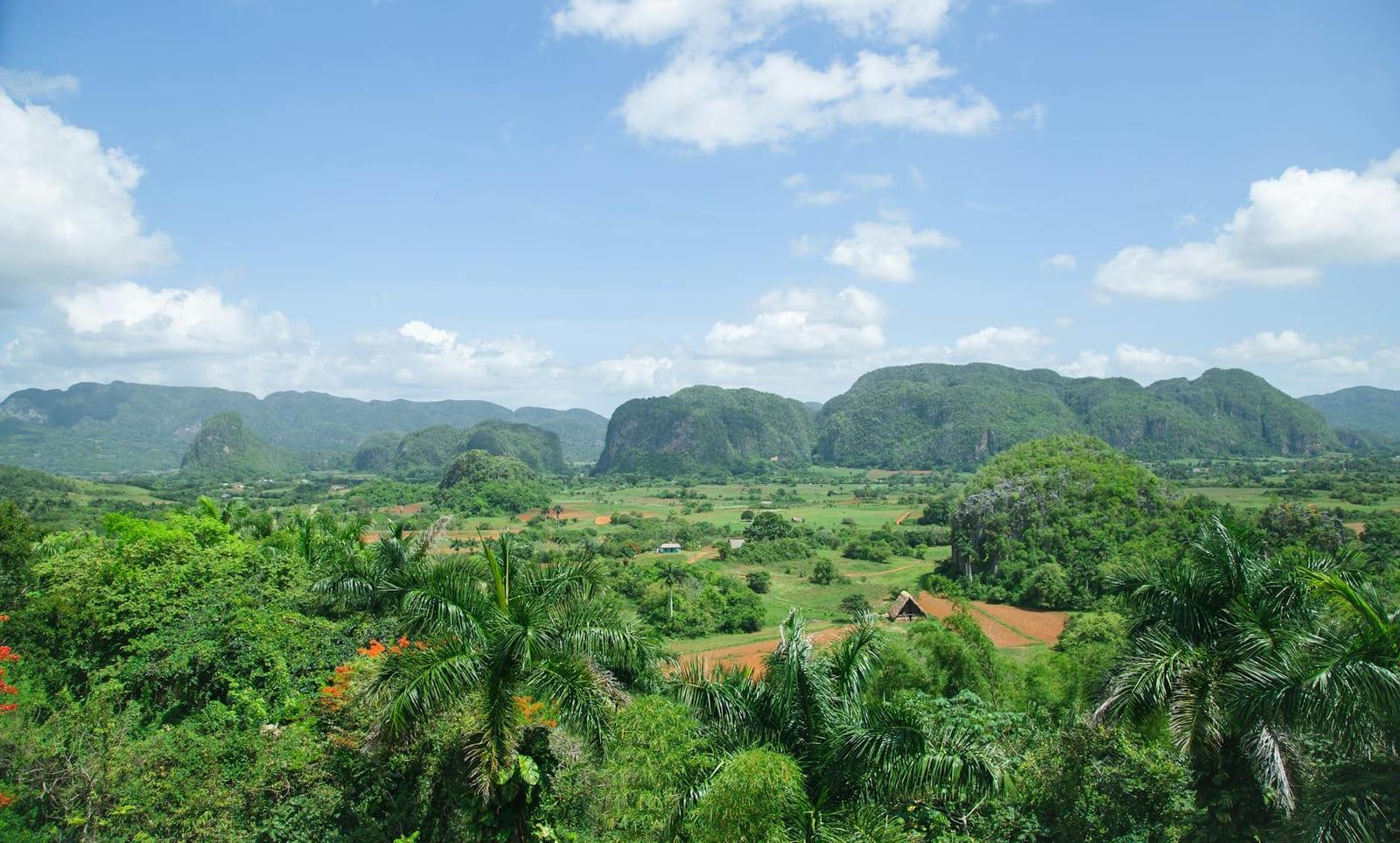
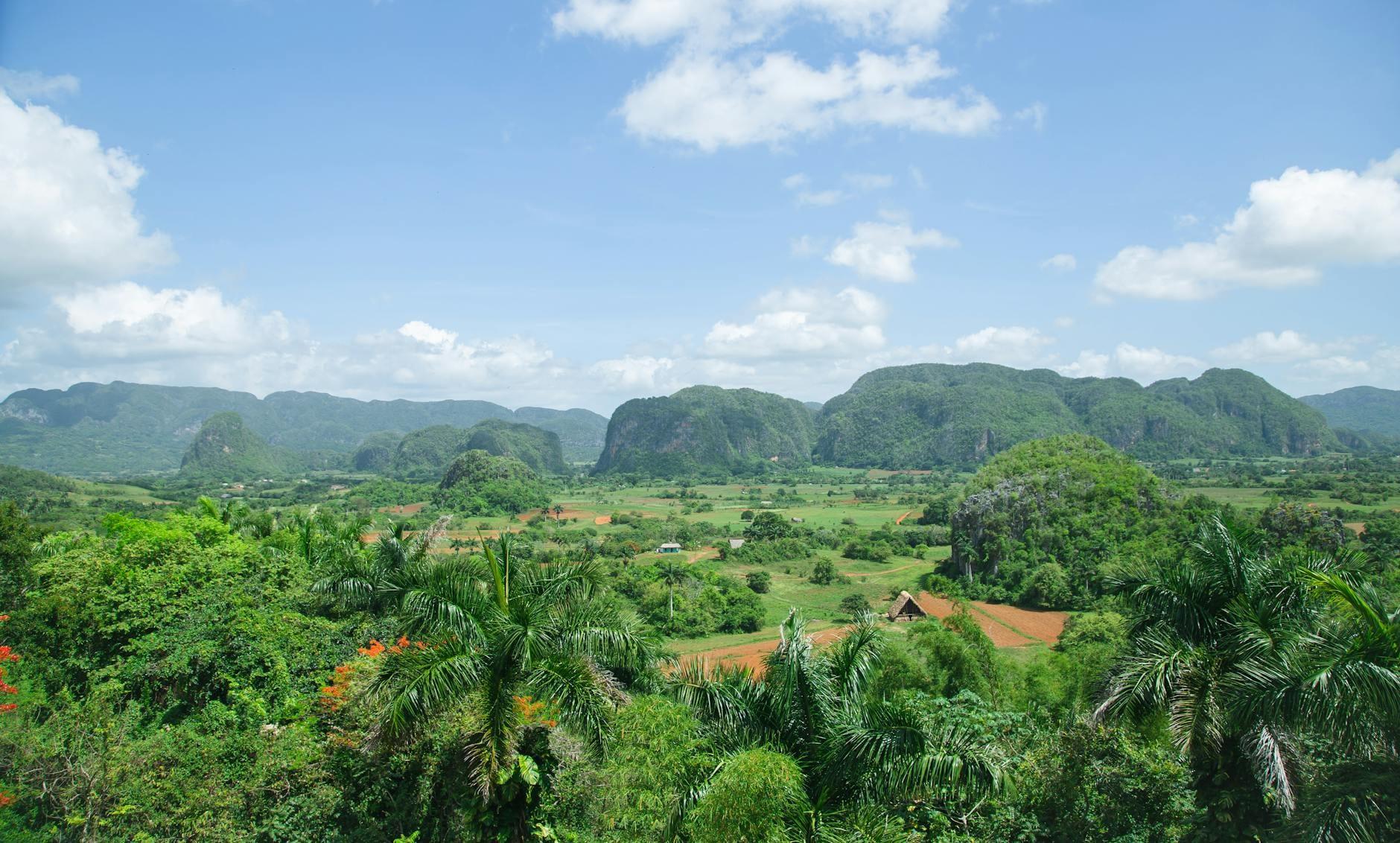
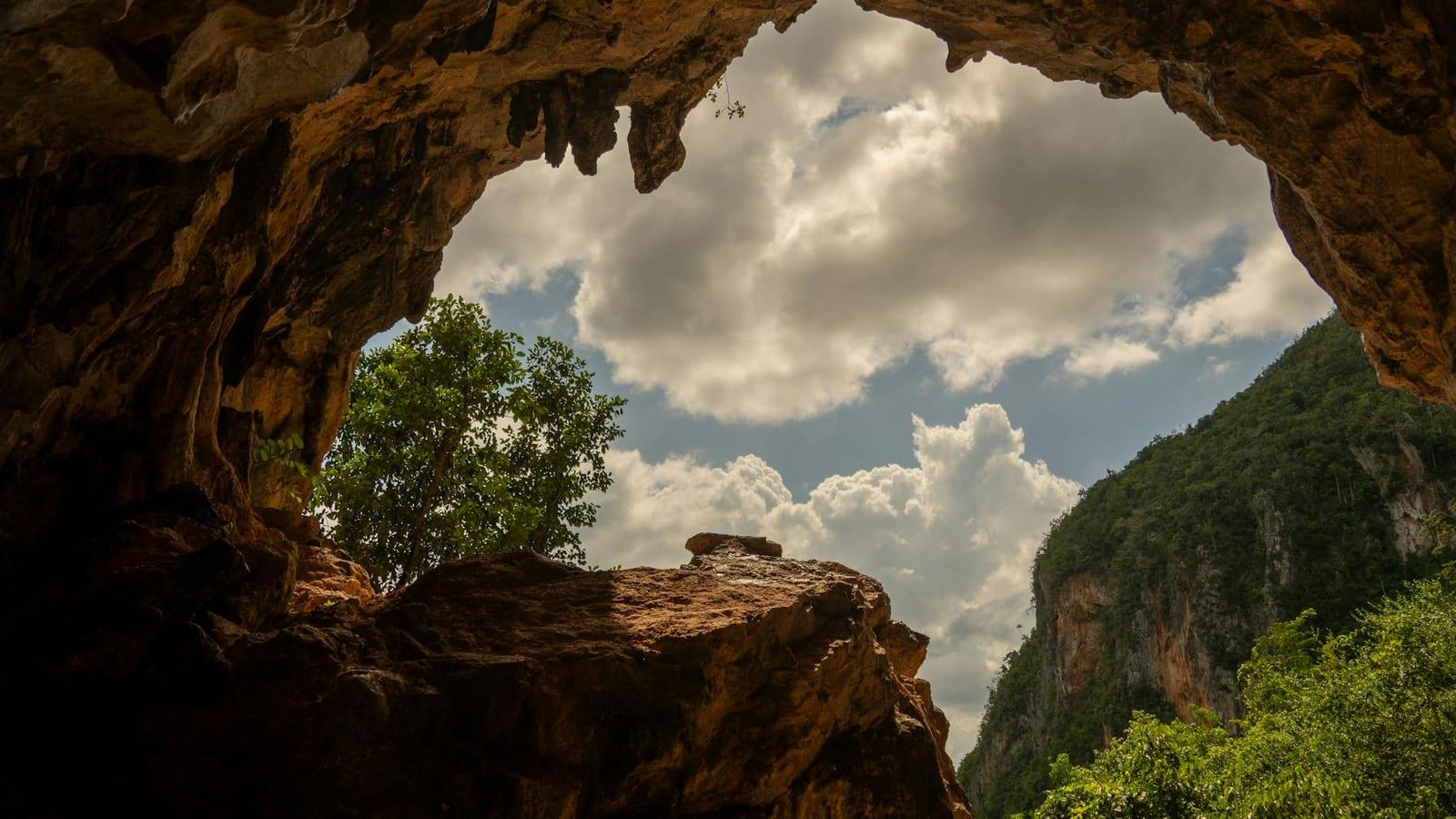
Furthermore, the great variety of Cuba’s landscapes makes it one of the prime destinations for ecotourism in the West Indies. Among its superlative ecosystems are the wet mountain forests of Alejandro de Humboldt National Park in the northeast, and the million-acre-plus coastal mosaic of the Zapata Swamp in the southwest. Meanwhile, the productive flats and karst hills (mogotes) of the Vinales Valley of central Cuba combine stunning natural scenery with cultural heritage: Another World Heritage Site, the valley’s well known for its traditional tobacco-growing, and farm visits are a popular form of tourism.
It’s hard to say what the next decade or so holds for Cuba, but there’s no question that now’s an exciting time to visit. You're bound to still see plenty of echoes of the past—and a whole lot of harbingers of the future.
11 things not to miss.
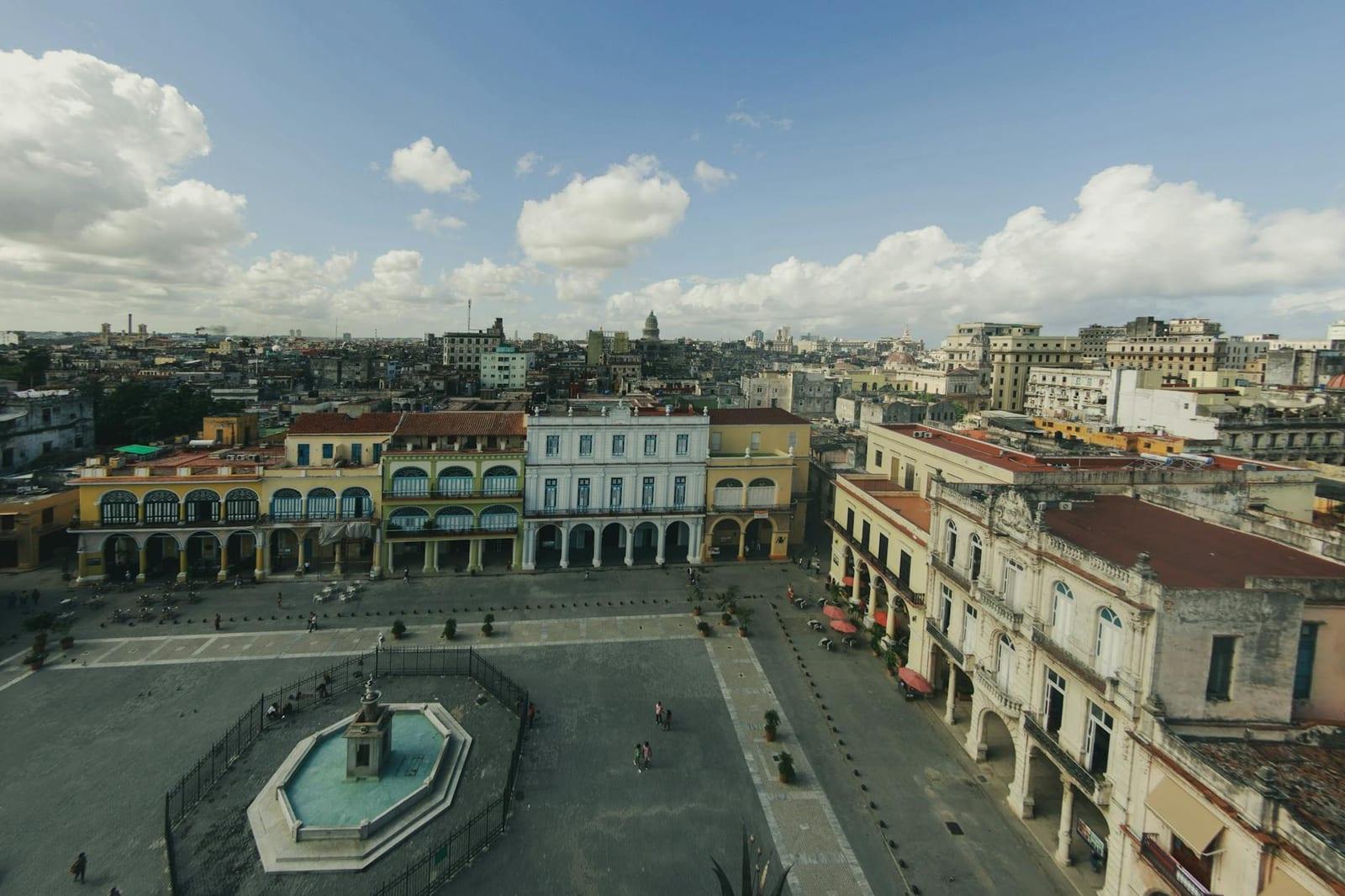
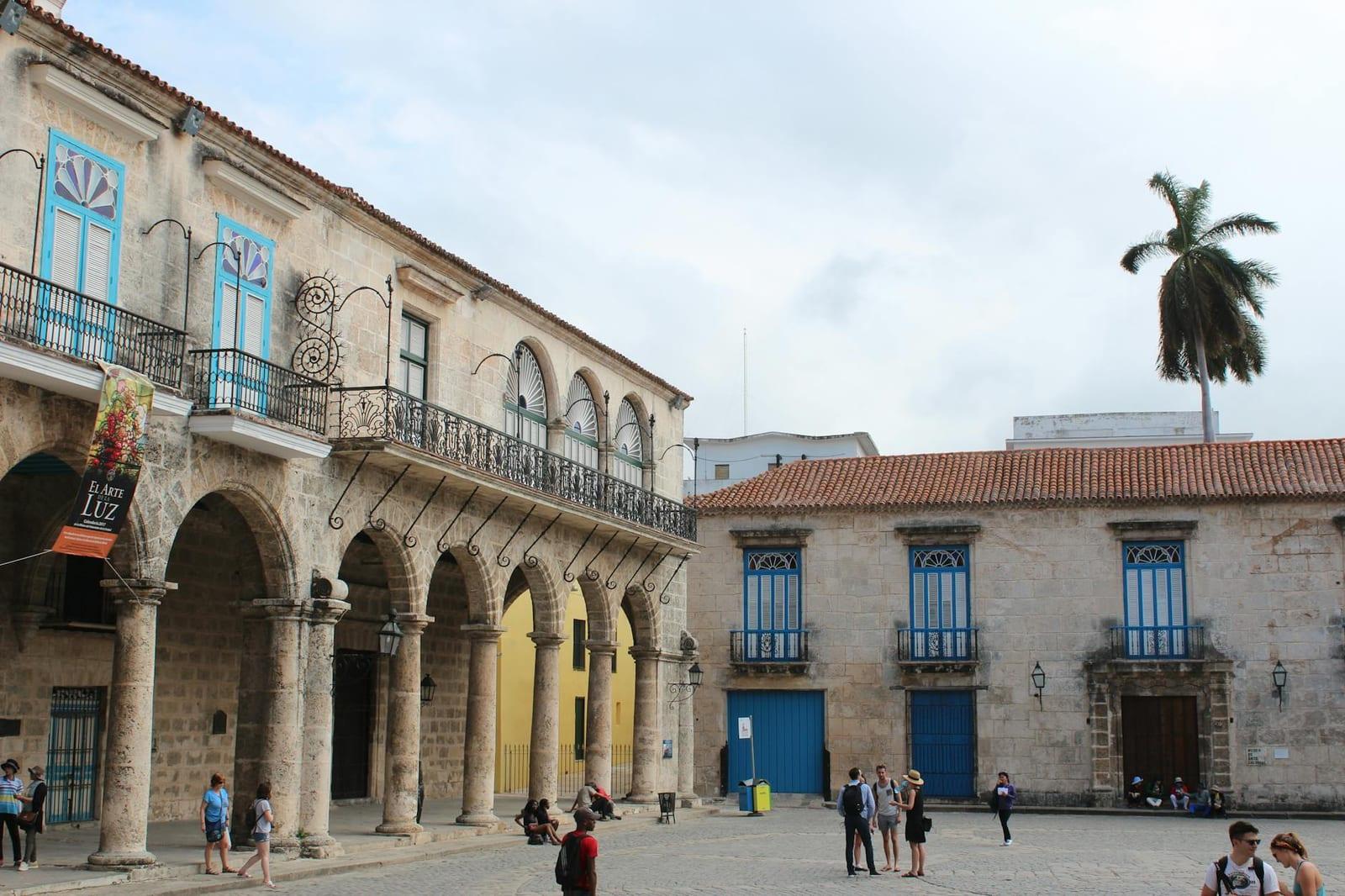
- Old Havana's plazasWalk Old Havana's plazas
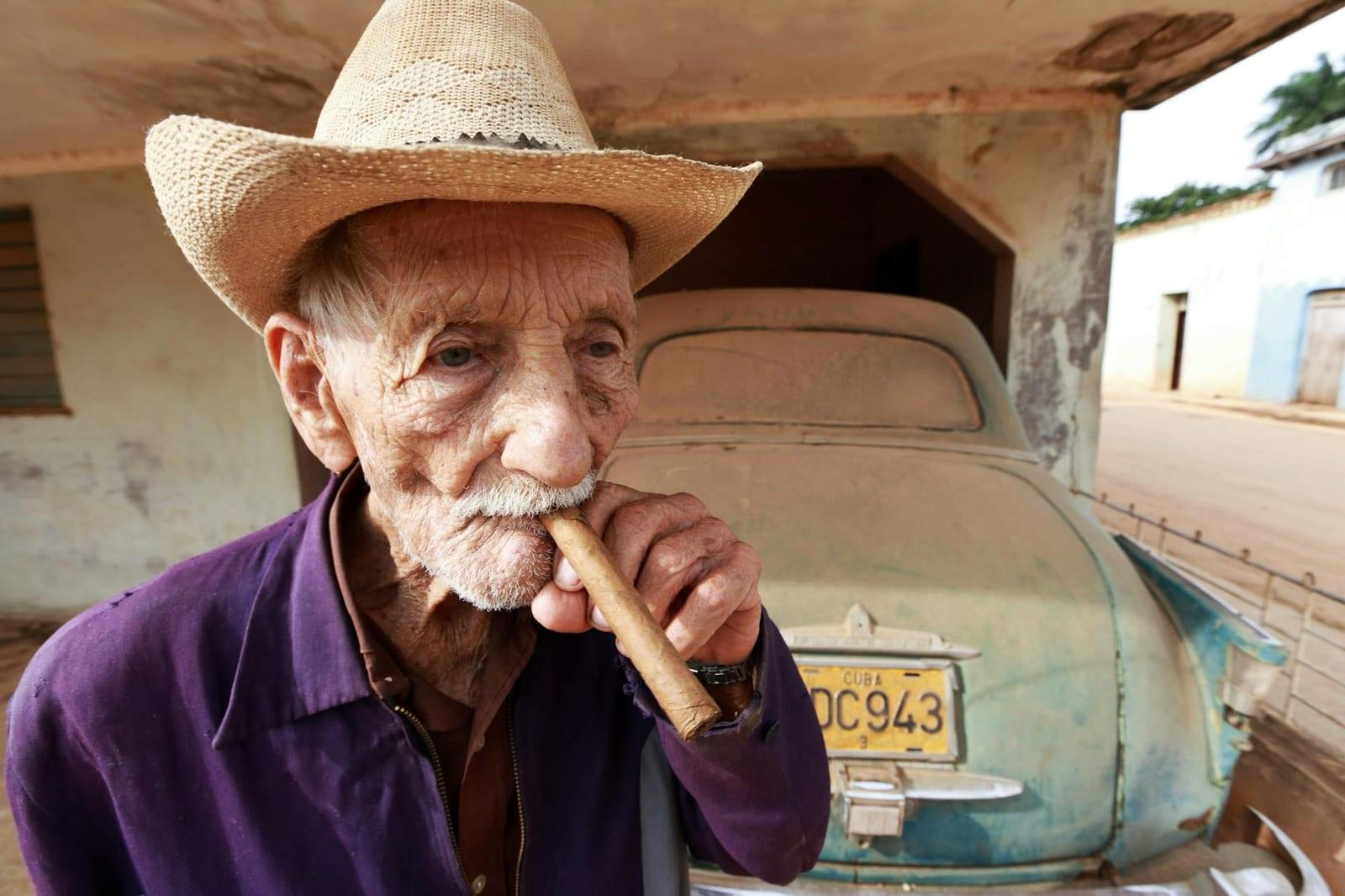
- Smoke a Cuban cigar at the sourceSmoke a Cuban cigar at the source
- classic American car along the MalecónDrive a classic American car along the Malecón
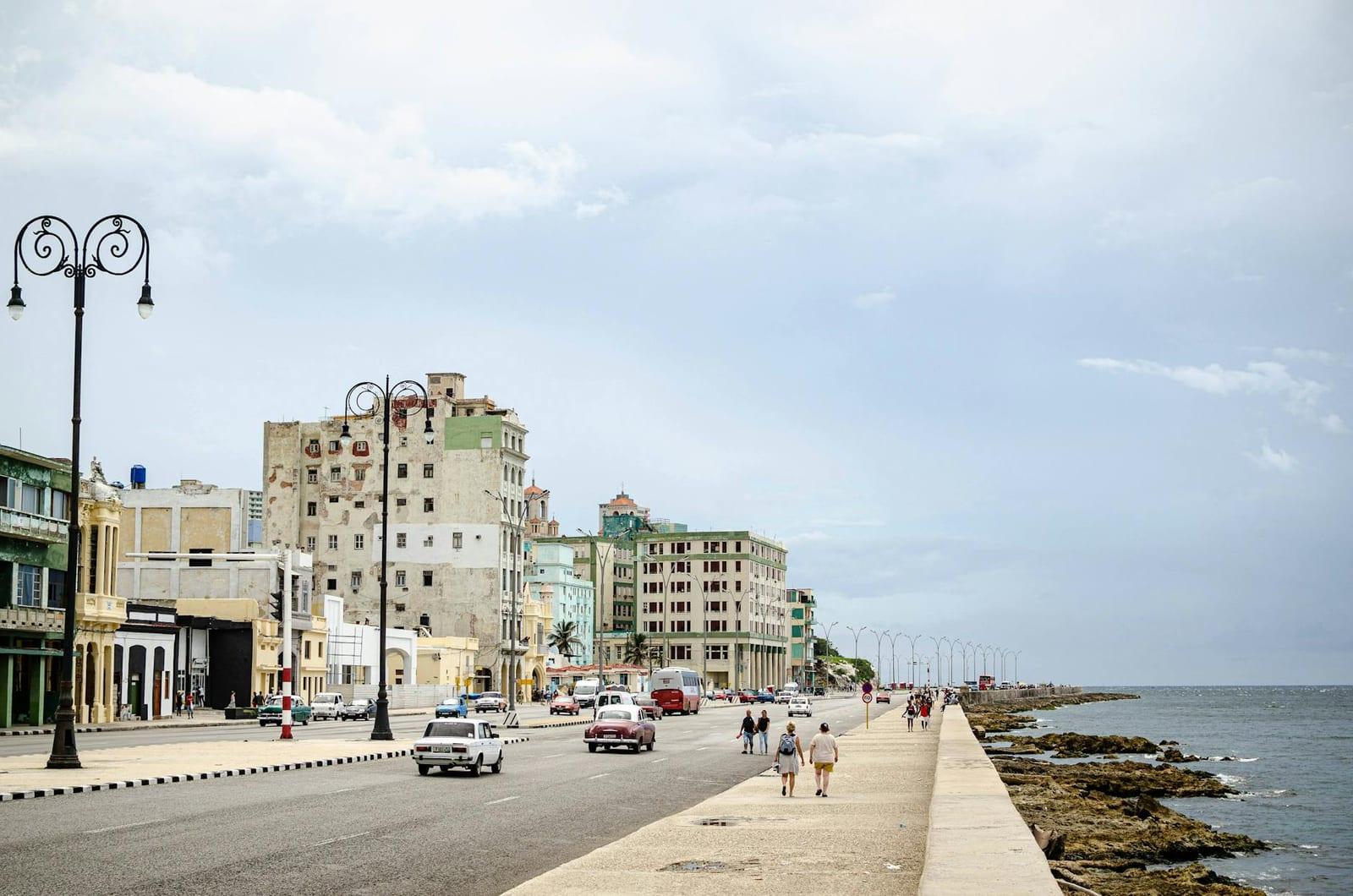
- MaleconHavana’s happening esplanade and wave-sloshed seawall make one of the world’s iconic urban waterfronts.
- Plaza de la CatedralOne of the anchors of Old Havana, this gorgeous square is dominated by the Cathedral of Havana, erected in the mid-1700s.
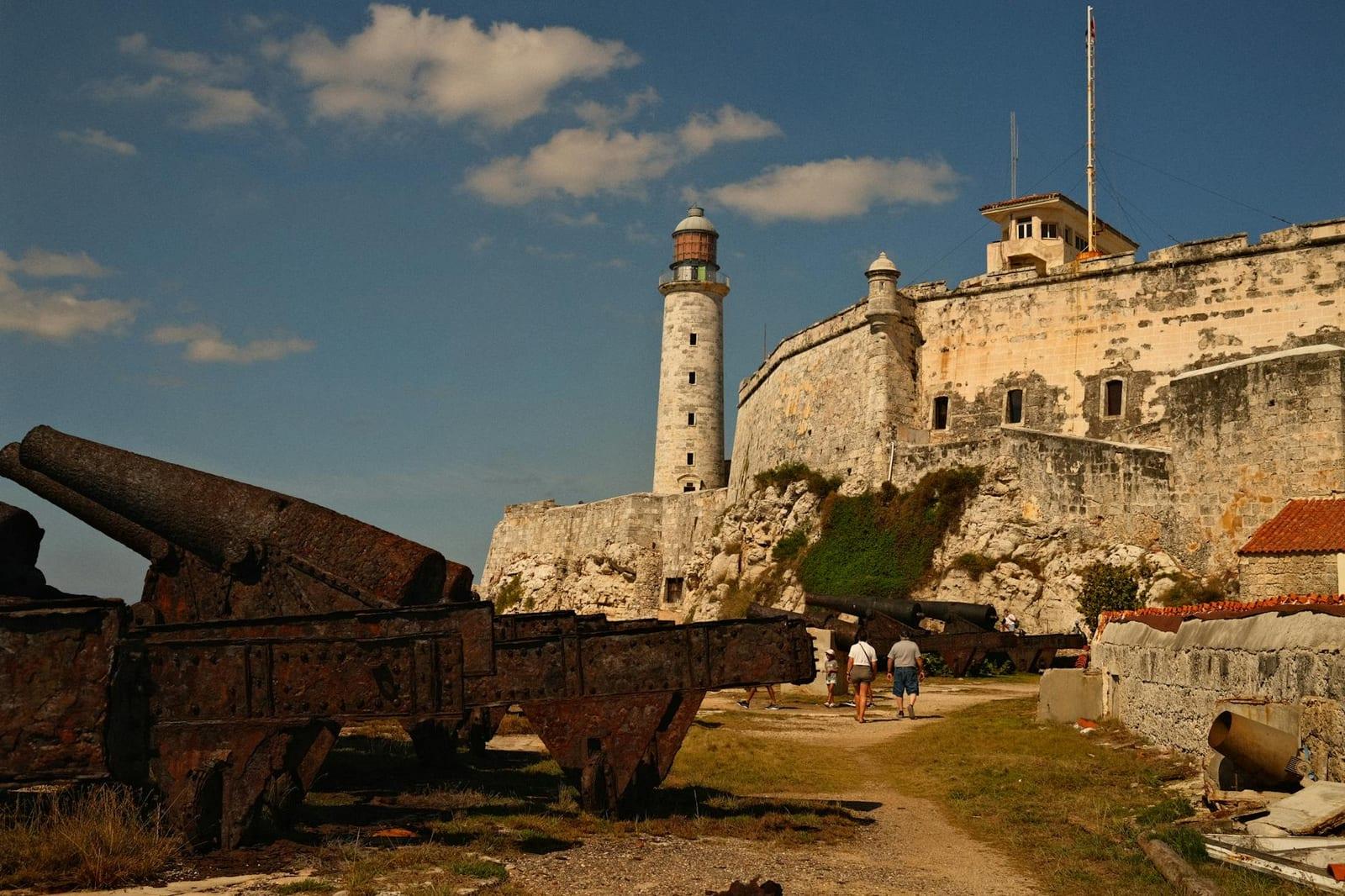
- Morro CastleThis Spanish-built fortress has guarded Havana’s harbor since the 16th century.
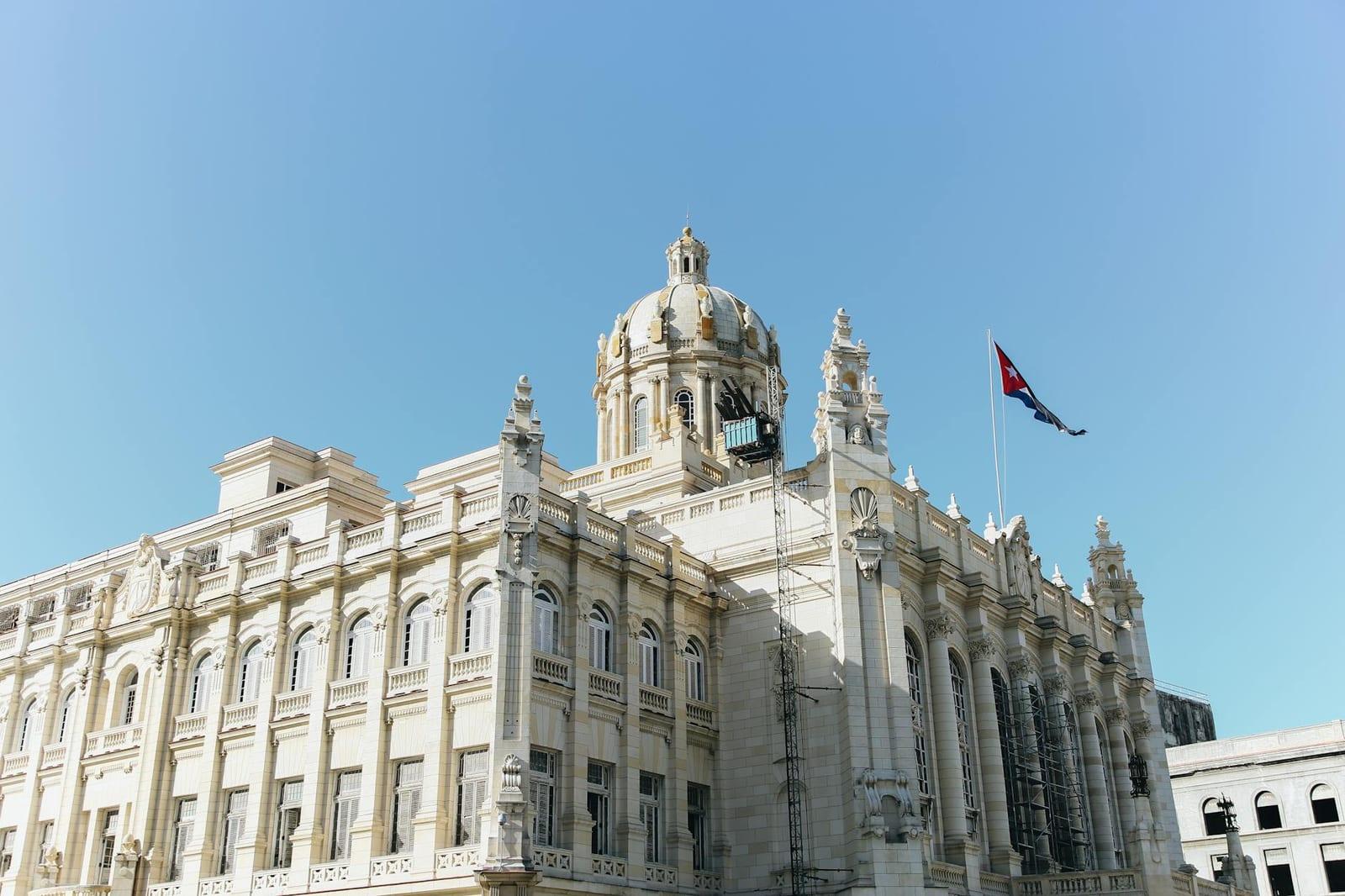
- Museum of the RevolutionVerse yourself in the formative years of modern Cuba at this Old Havana institution, packed with artifacts of the Cuban Revolution (and more).
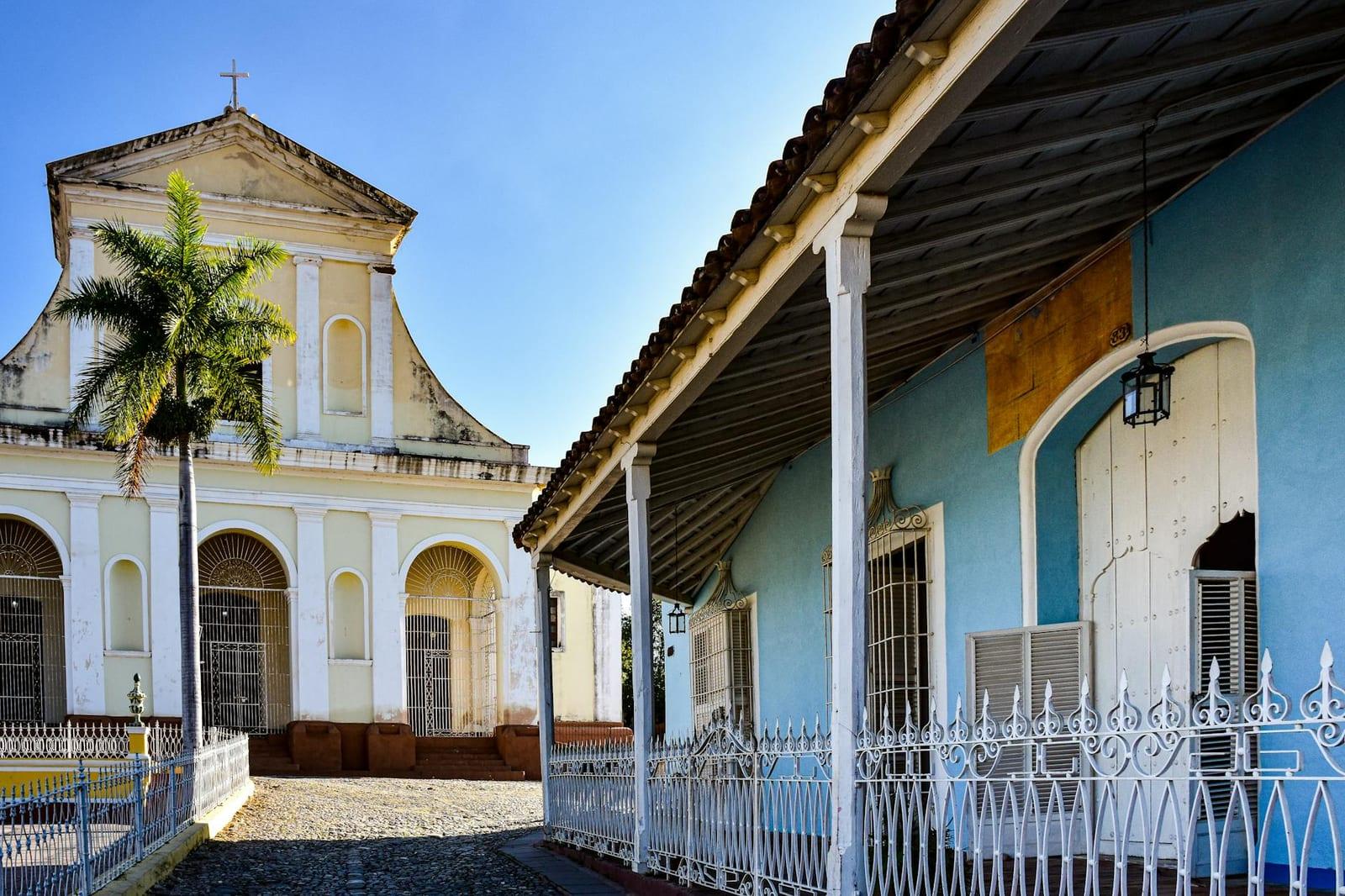
- Plaza MayorVintage Spanish architecture—including the Church and Monastery of St. Francis and the Brunet Palace—makes Trinidad’s one of Cuba’s most eye-catching cityscapes.
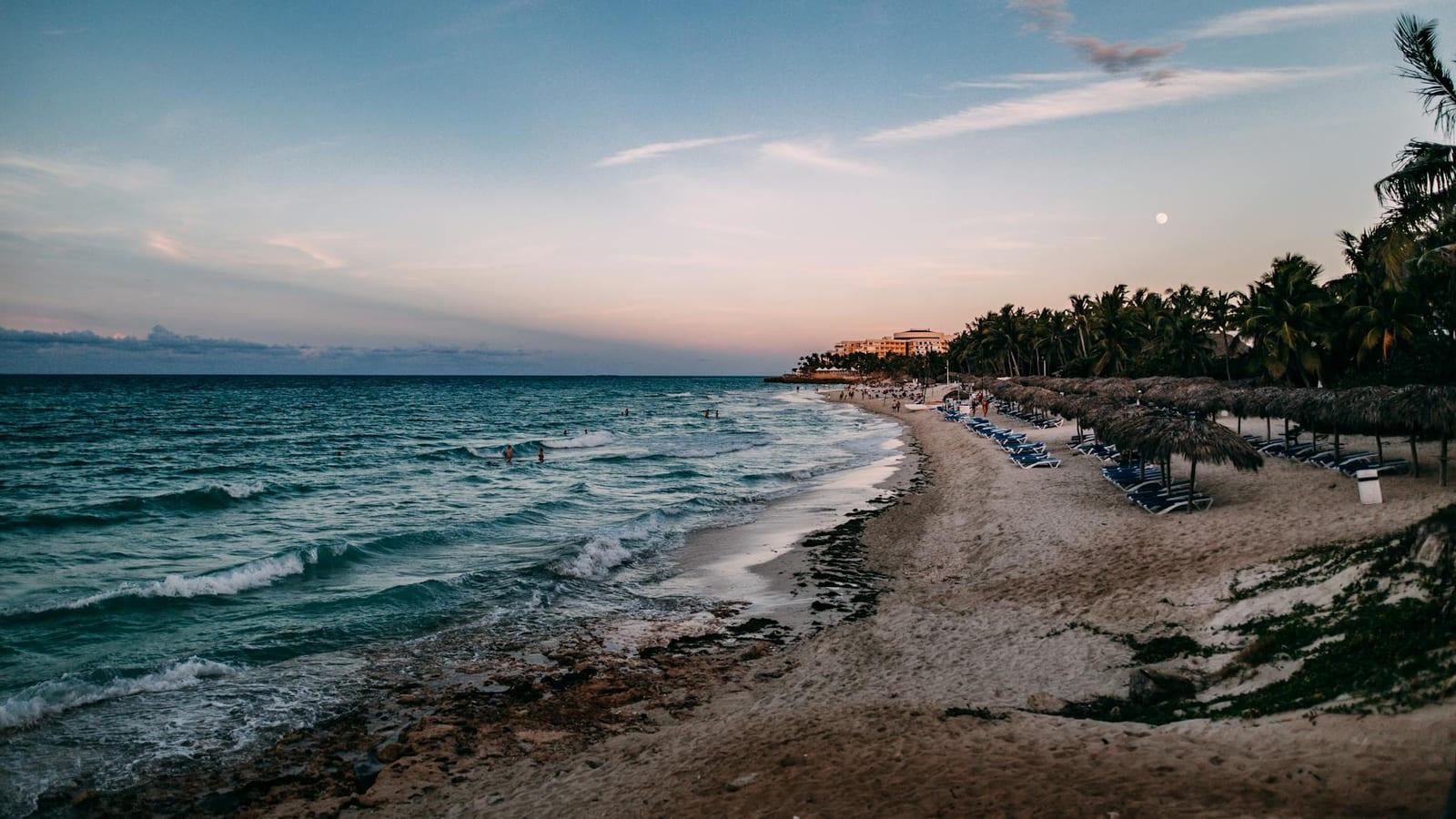
- Varadero BeachKick back along the Straits of Florida in one of Cuba’s premier beach-resort destinations.
- Bellamar CavesThis vast cave network includes fantastical subterranean formations and indigenous rock art.
- Jardines del ReyPristine beaches, coral reefs, and coastal forests draw sun lovers and ecotourists to this archipelago off the northern coast.