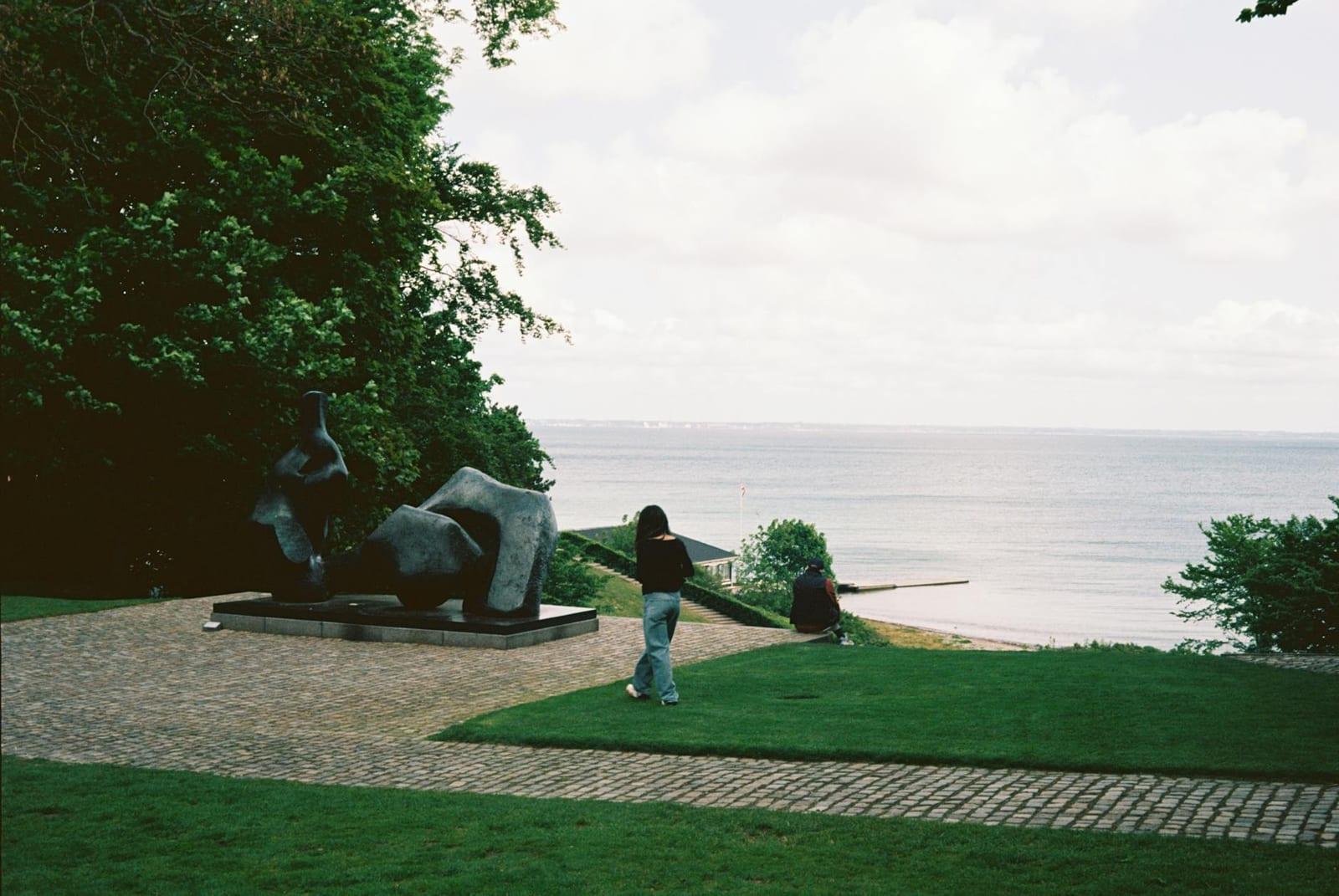
Denmark’s worn a lot of different masks over the millennia, from wide-ranging Viking raids back in the 11th century to a now shining pinnacle of high culture and progressive society. This eminently livable corner of Scandinavia is the kind of place where it’s fun to simply sample, for a week or two, the day-to-day rhythms of an almost unbelievably content and harmonious populace.
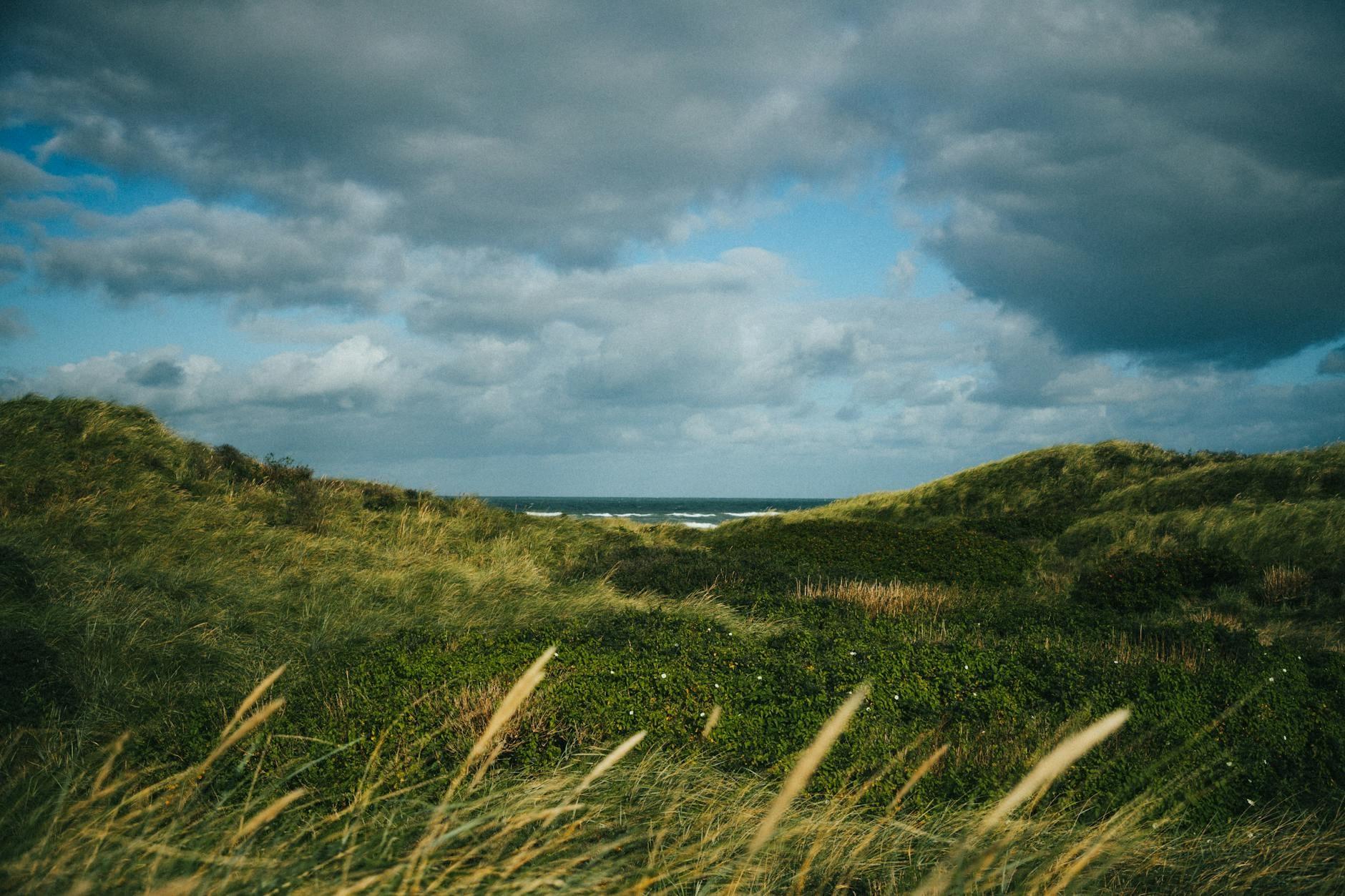
Denmark’s a low-lying country marking the southern fringe of Scandinavia. Most of its landmass occupies the Jutland peninsula of northern Europe, with a cluster of islands—the largest being Zealand—making up the rest of the real estate to the east. It’s a landscape of wheat and barley fields, of wind farms and cow pastures and neatly edged woodlots, of smartly laid-out towns and homely fishing villages.
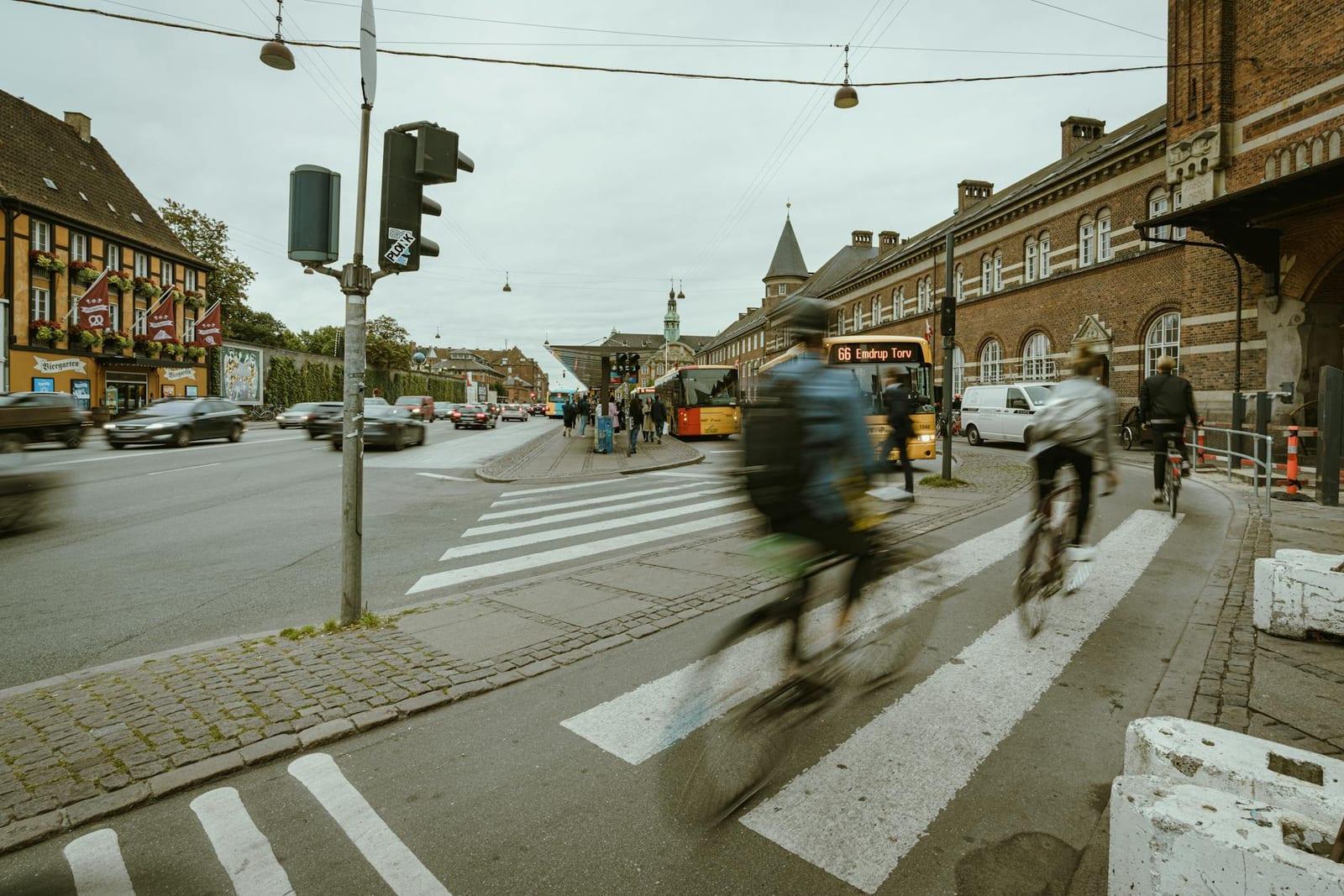
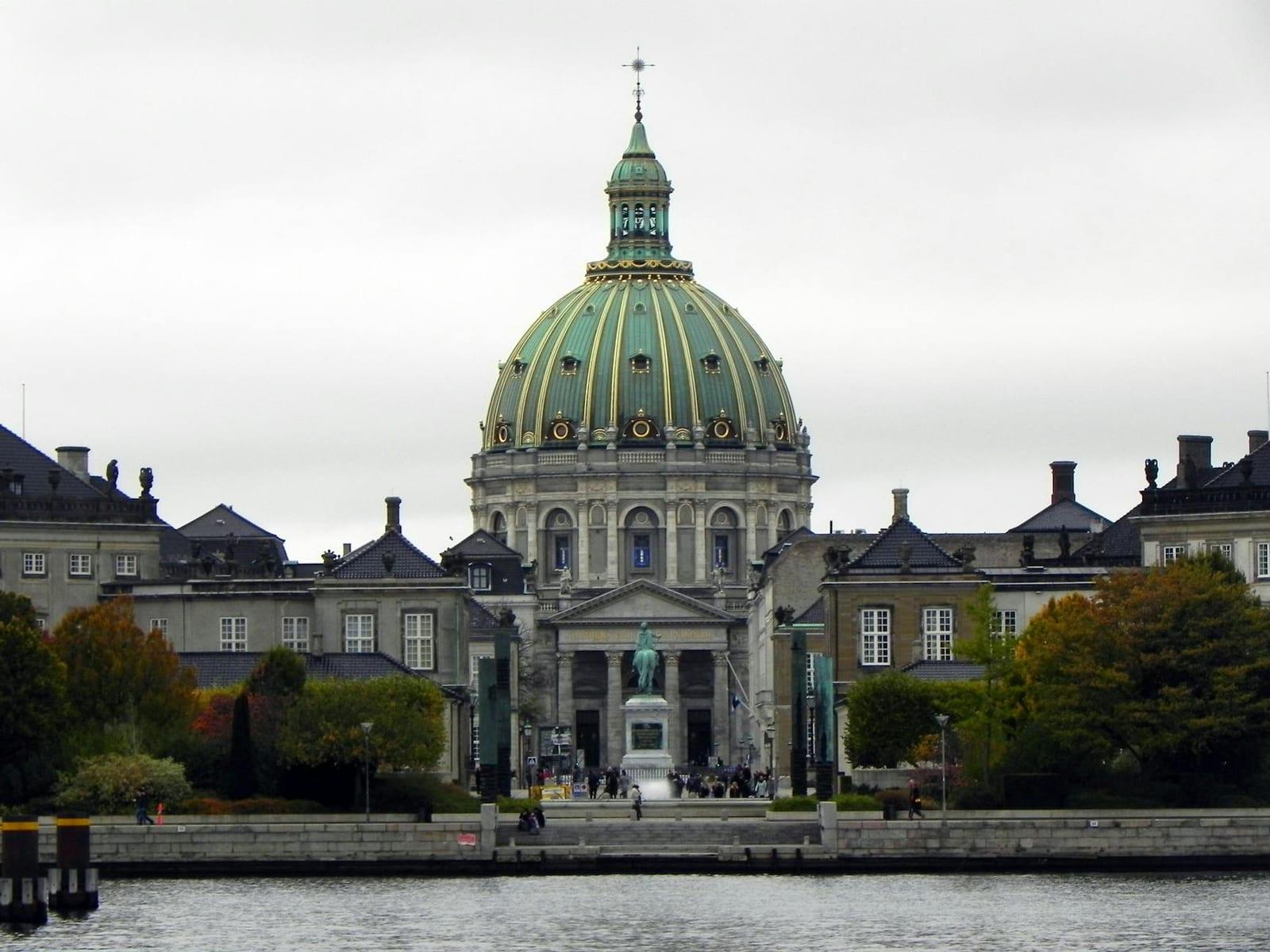
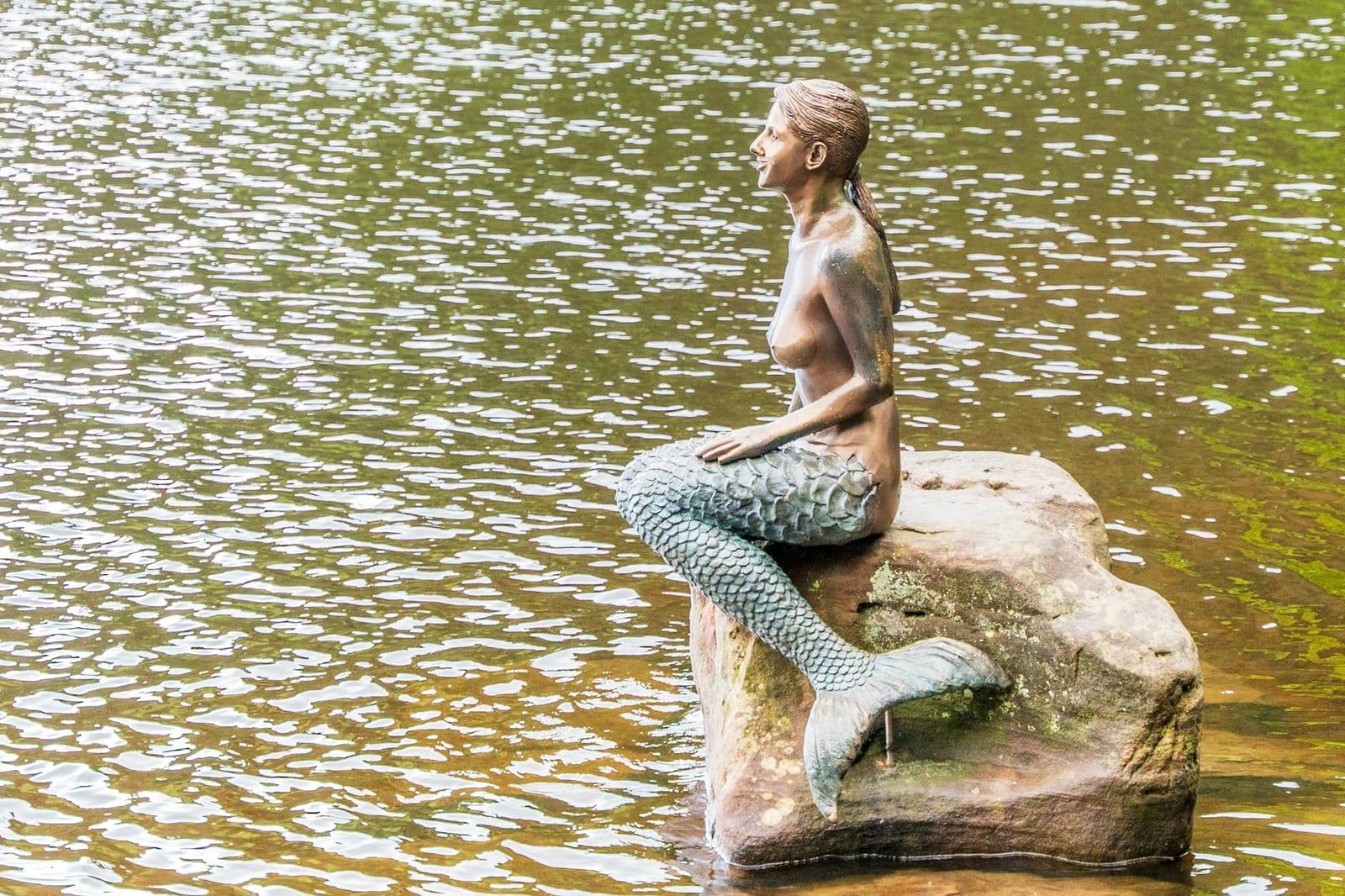
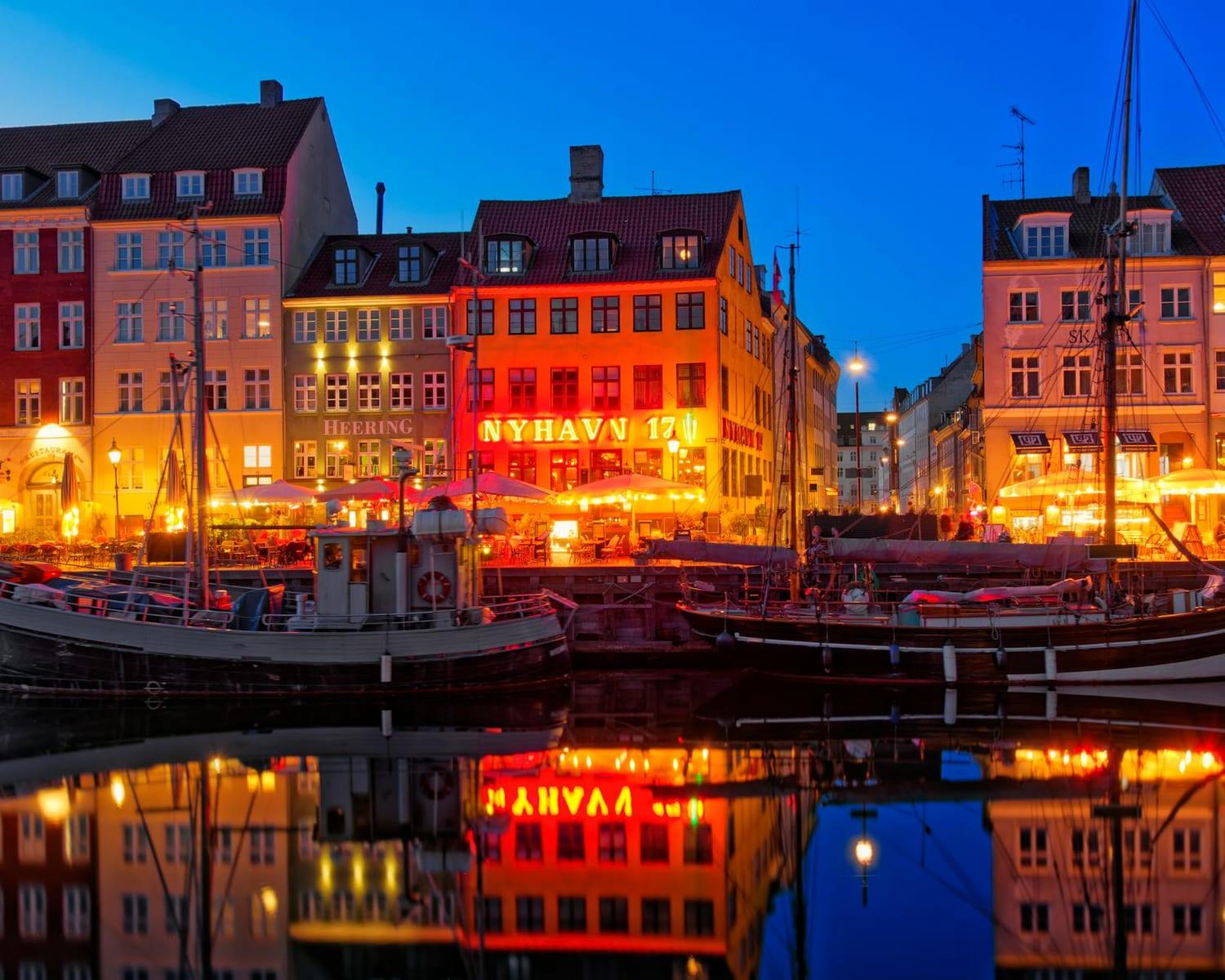
Then there's the urban heart of the country. The capital of Copenhagen, perched on Zealand’s eastern seacoast, is easily one of the most culturally dynamic cities in Europe. There are historical sights, to be sure—the Amalienborg Palace and Frederik’s Church of Frederiksstaden, for example, and the famously multicolored waterfront buildings of the 17th-century Nyhavn district, and the Little Mermaid statue along Langelinie Pier—but Copenhagen, at heart, is a modern, forward-thinking metropolis with an eye toward the cutting-edge. It’s one of the great bicycling cities in the world, for one thing. And your evening’s entertainment here can draw upon avant-garde art openings, basement music venues, packed-to-the-gills clubs, or any of the numerous high-end restaurants showcasing that New Nordic aesthetic the culinary world’s been raving about lately.
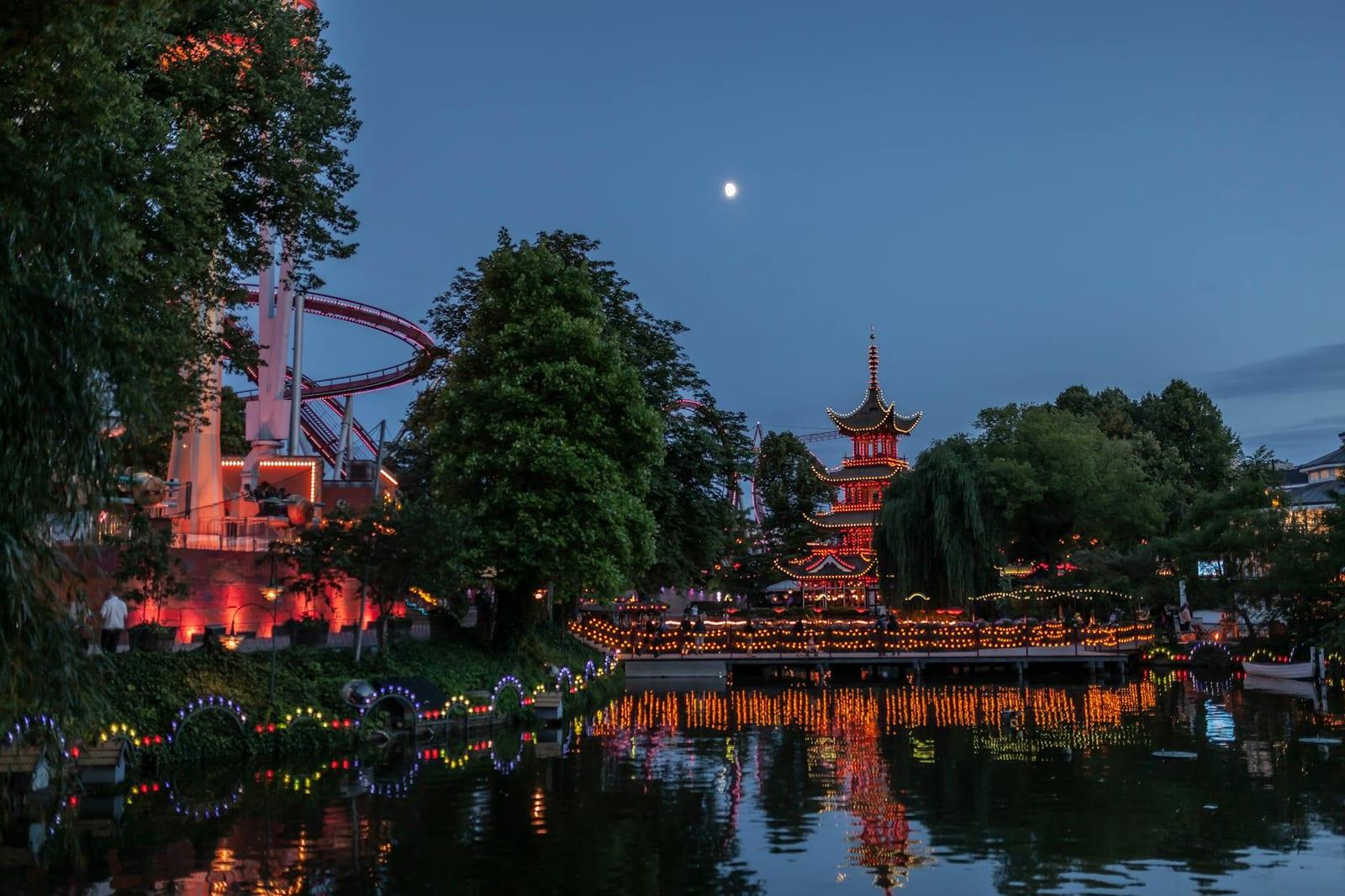
There’s also Roskilde, famed for its UNESCO-listed Gothic cathedral and the one-of-a-kind Viking Ship Museum, which shows off a quintet of restored 11th-century Viking vessels. And scattered throughout the Danish archipelago and Jutland are plenty of landmarks associated with the Danish Royal Family, from Egeskov Castle to Marselisborg Palace. The Danes, meanwhile, also fancy their amusement parks, the two best-known being Copenhagen’s Tivoli Gardens (established back in the 1840s) and Billund’s Legoland.
On any visit to Denmark, keep your eyes and ears open to the national spirit of hygge, a bit tough to translate succinctly into English but which touches on a sense of community and pleasure-in-the-moment. As Denmark’s official tourism website boldly conjectures: “Perhaps hygge explains why the Danes are the happiest people in the world?” Well, you be the judge.
13 things not to miss.
- Cycle Copenhagen at rush hourCycle Copenhagen at rush hour
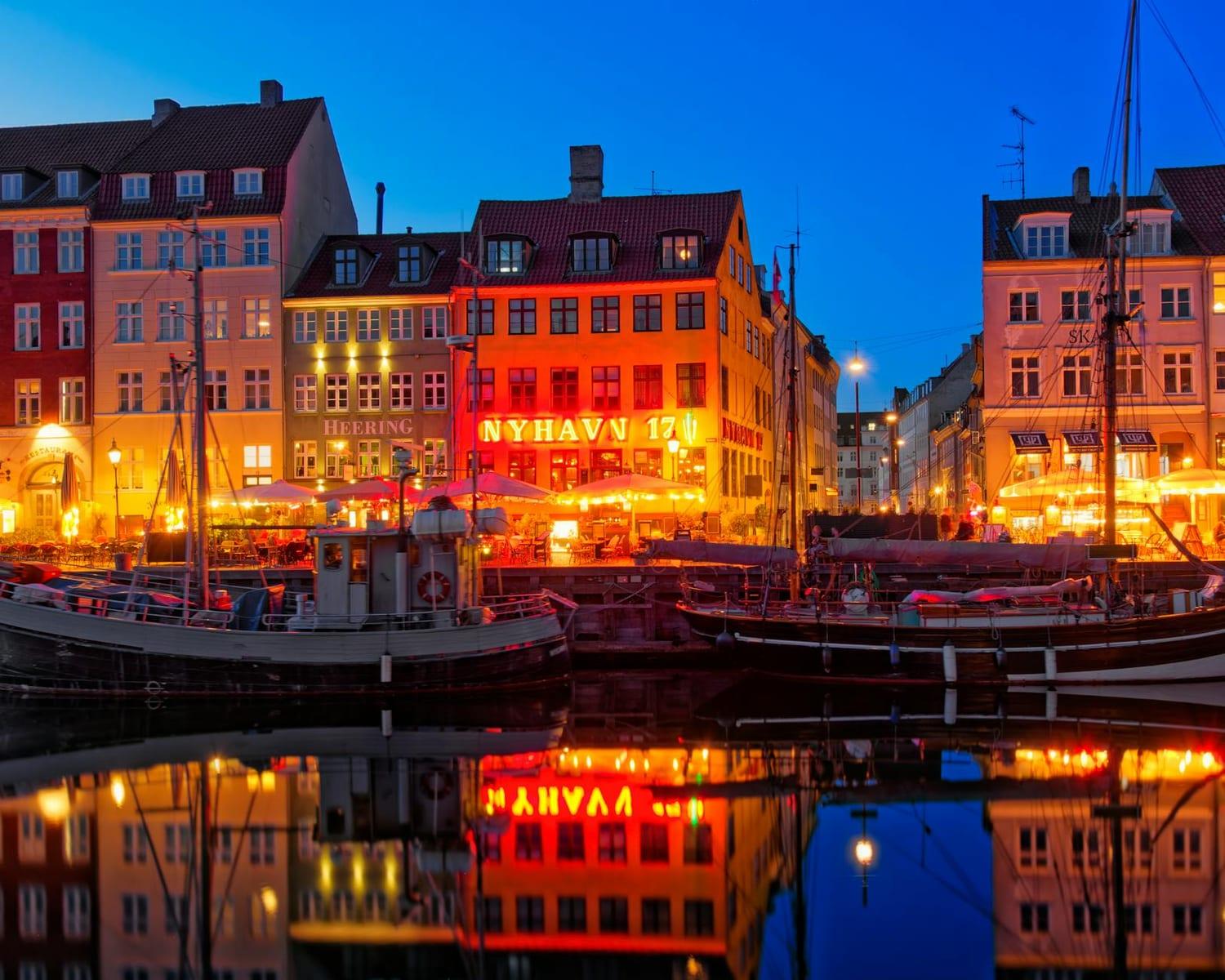
- Nyhavn at duskWalk Nyhavn at dusk
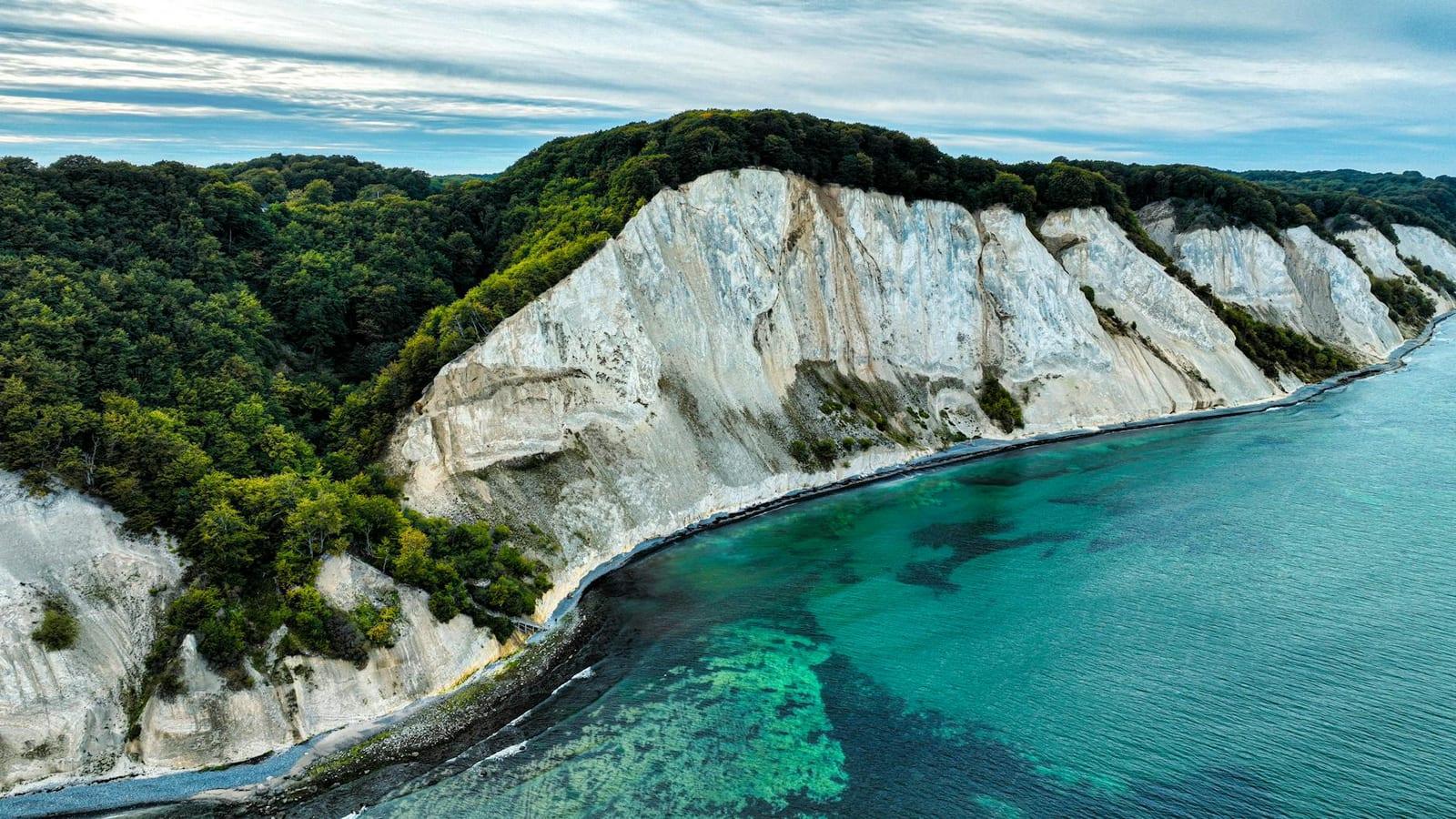
- Stand atop Møns Klint chalk cliffsStand atop Møns Klint chalk cliffs
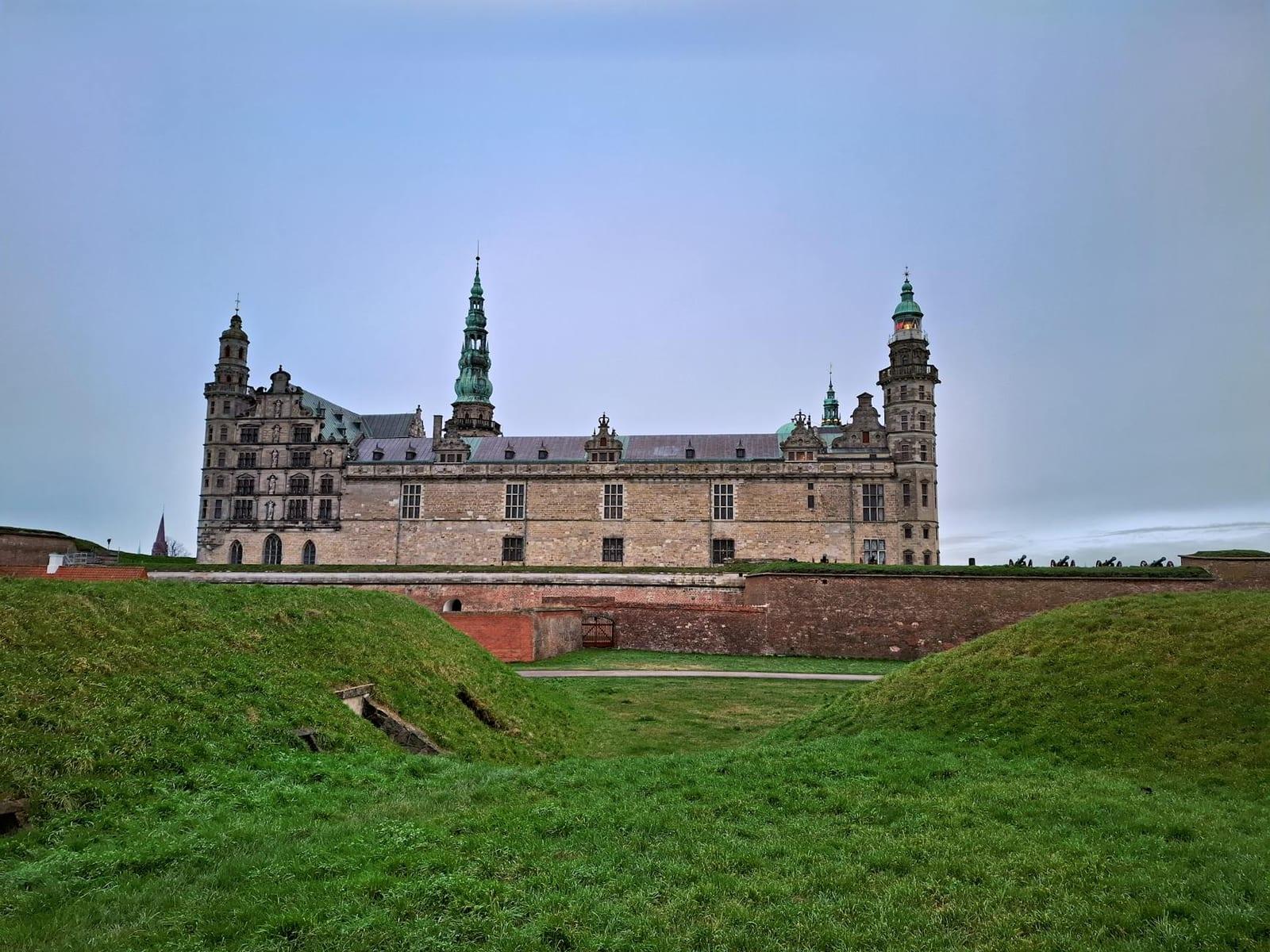
- Kronborg CastleFortressing the northern tip of Zealand, this centuries-old castle became Elsinore in Shakespeare’s Hamlet.
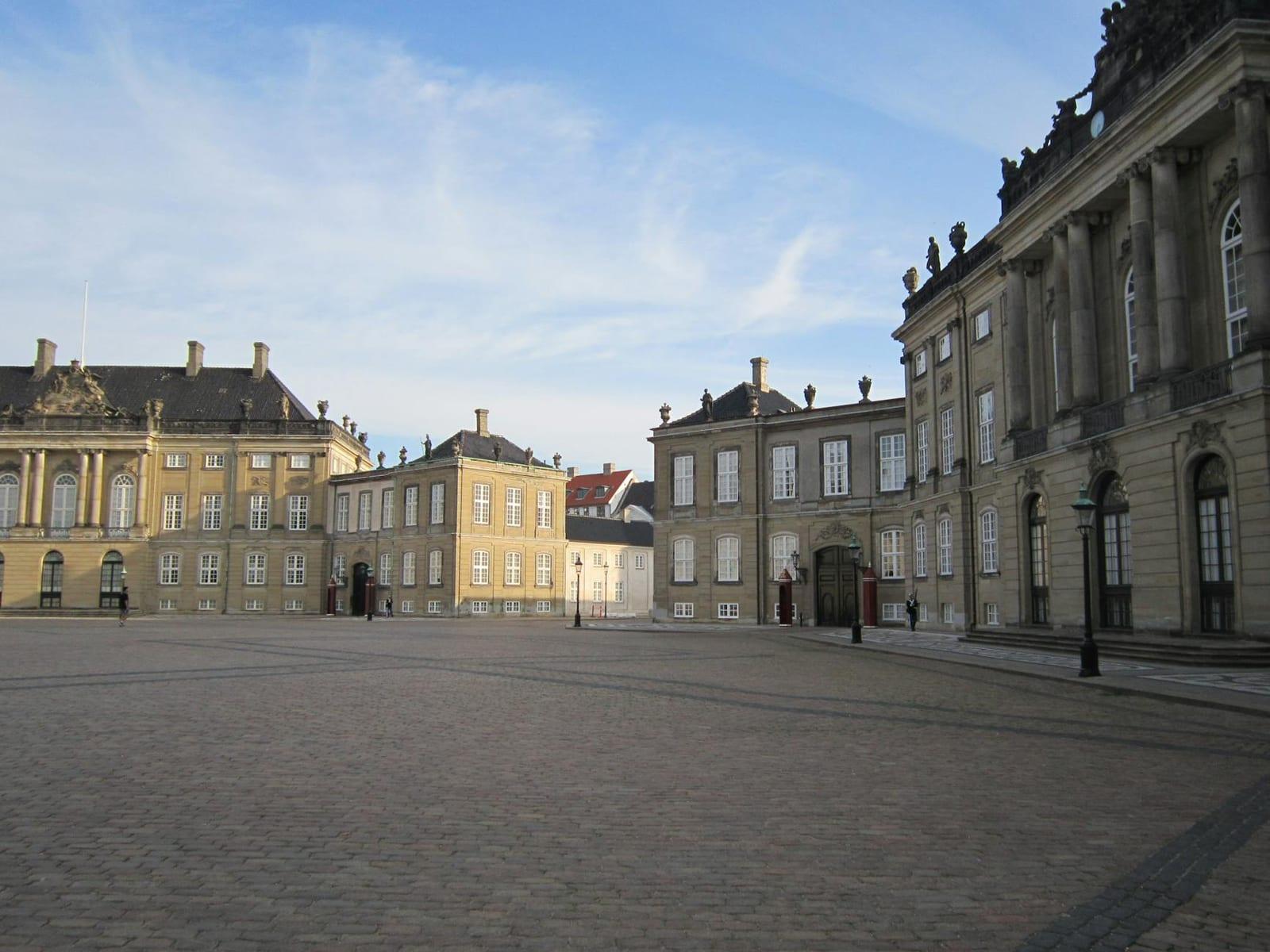
- Amalienborg PalaceA pinnacle of rococo design, the Danish royal family’s winter residence helps anchor Copenhagen’s cityscape.
- Frederik’s ChurchThis 18th-century church’s mighty dome is one of Copenhagen’s stateliest architectural features.
- The Little MermaidIt may pale in size compared to many of Copenhagen’s landmarks, but this mermaid statue, installed in 1913, is one of the most famous.
- Tivoli GardensOne of the globe’s oldest amusement parks, this Copenhagen playground remains popular among locals and tourists alike.
- NyhavnThe oldest of the photogenic, multicolored buildings of Copenhagen’s celebrated waterfront date to the 17th century.
- Roskilde CathedralFrom its soaring spires to the royal tombs of its chapels, this Gothic-Romanesque cathedral evokes awe in any visitor.
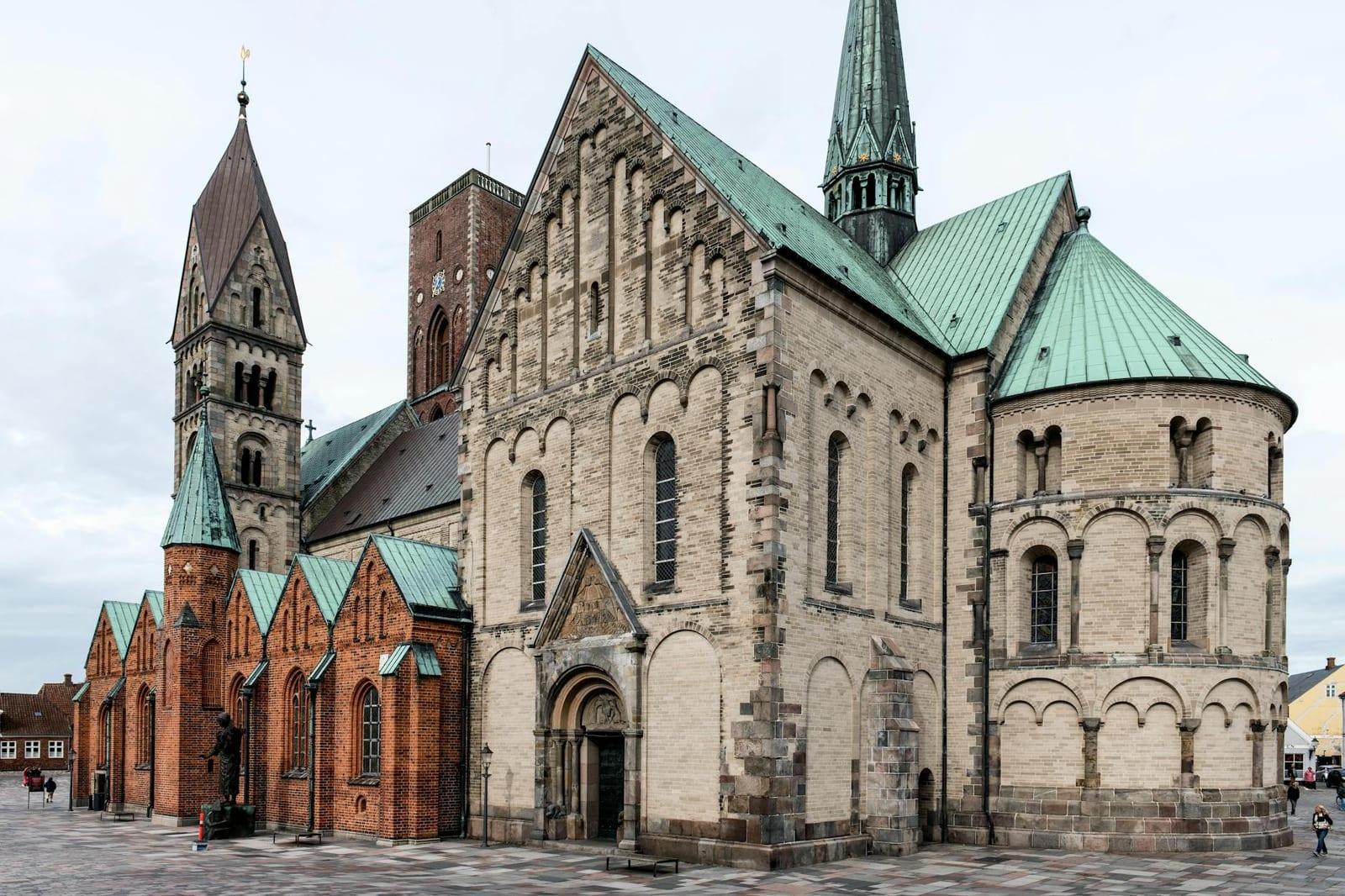
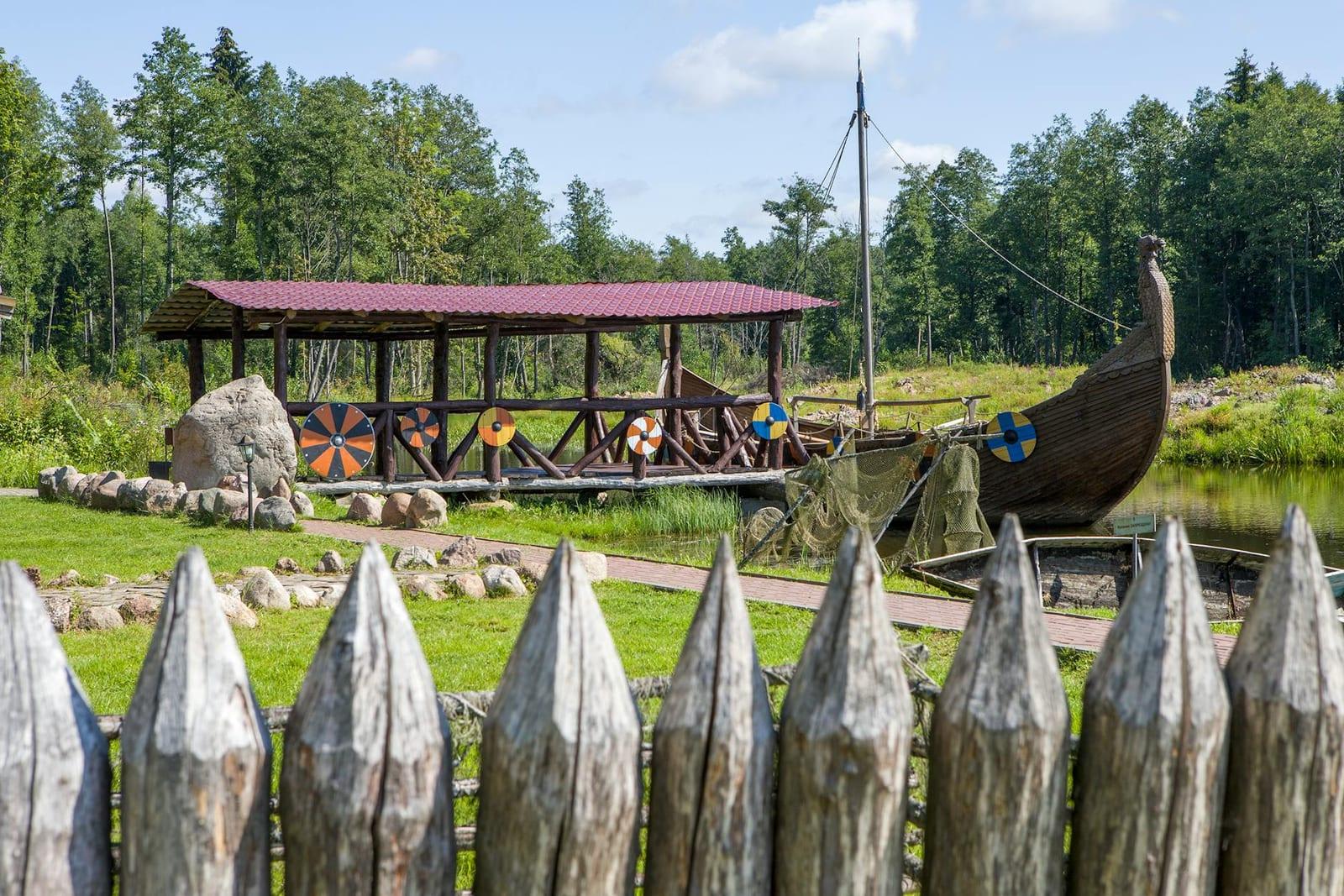
- Viking Ship MuseumAs the name suggests, vintage Viking vessels are the centerpiece of this Roskilde museum.
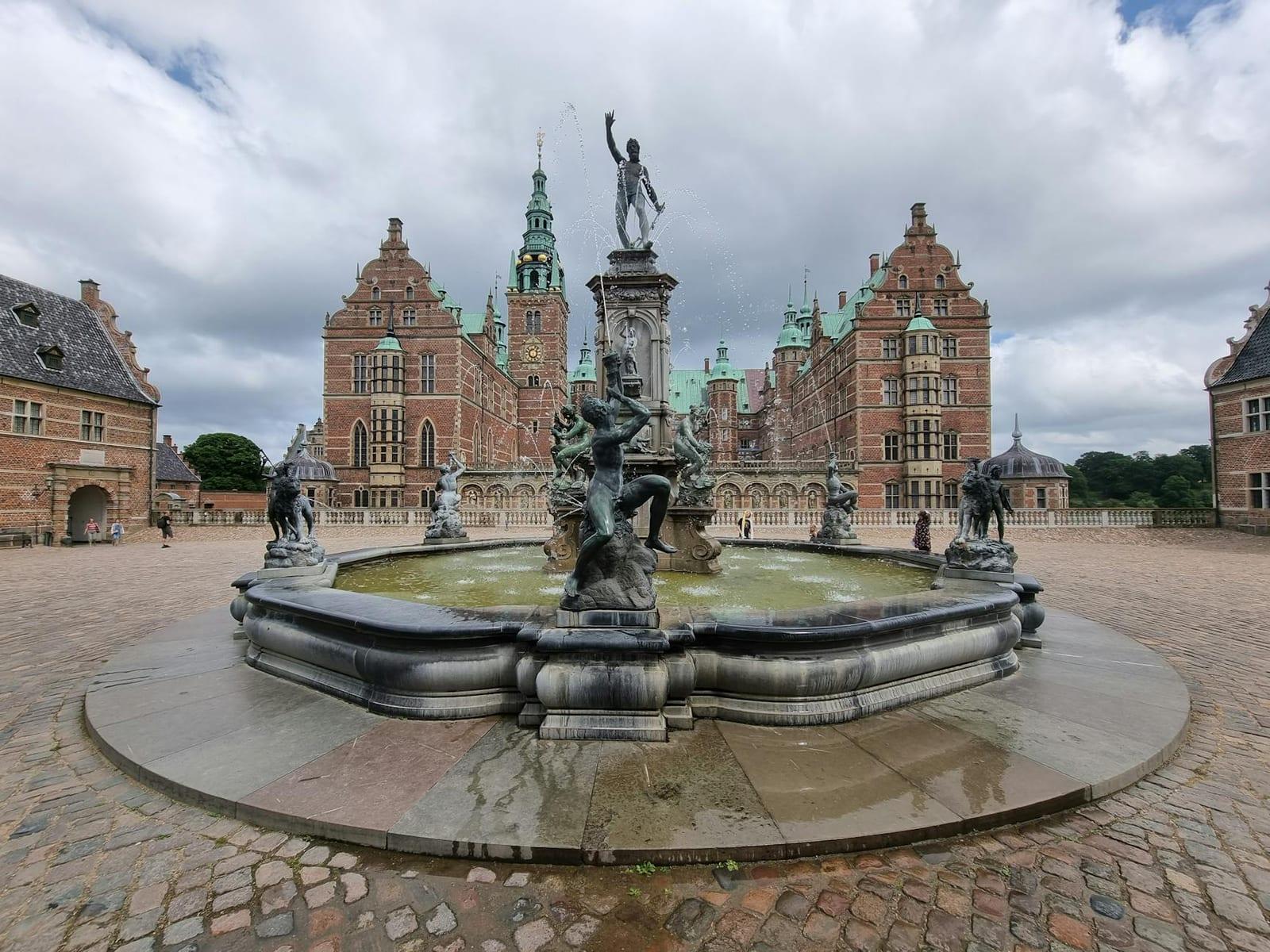
- Frederiksborg CastleThis Hillerod palace impresses with its Dutch Renaissance architecture, kingly fountain topped with a bronze Neptune, and portrait gallery.
- Hans Christian Andersen MuseumOccupying his Odense birthplace, this museum tells the story of the legendary Danish wordsmith and fairytale-weaver.