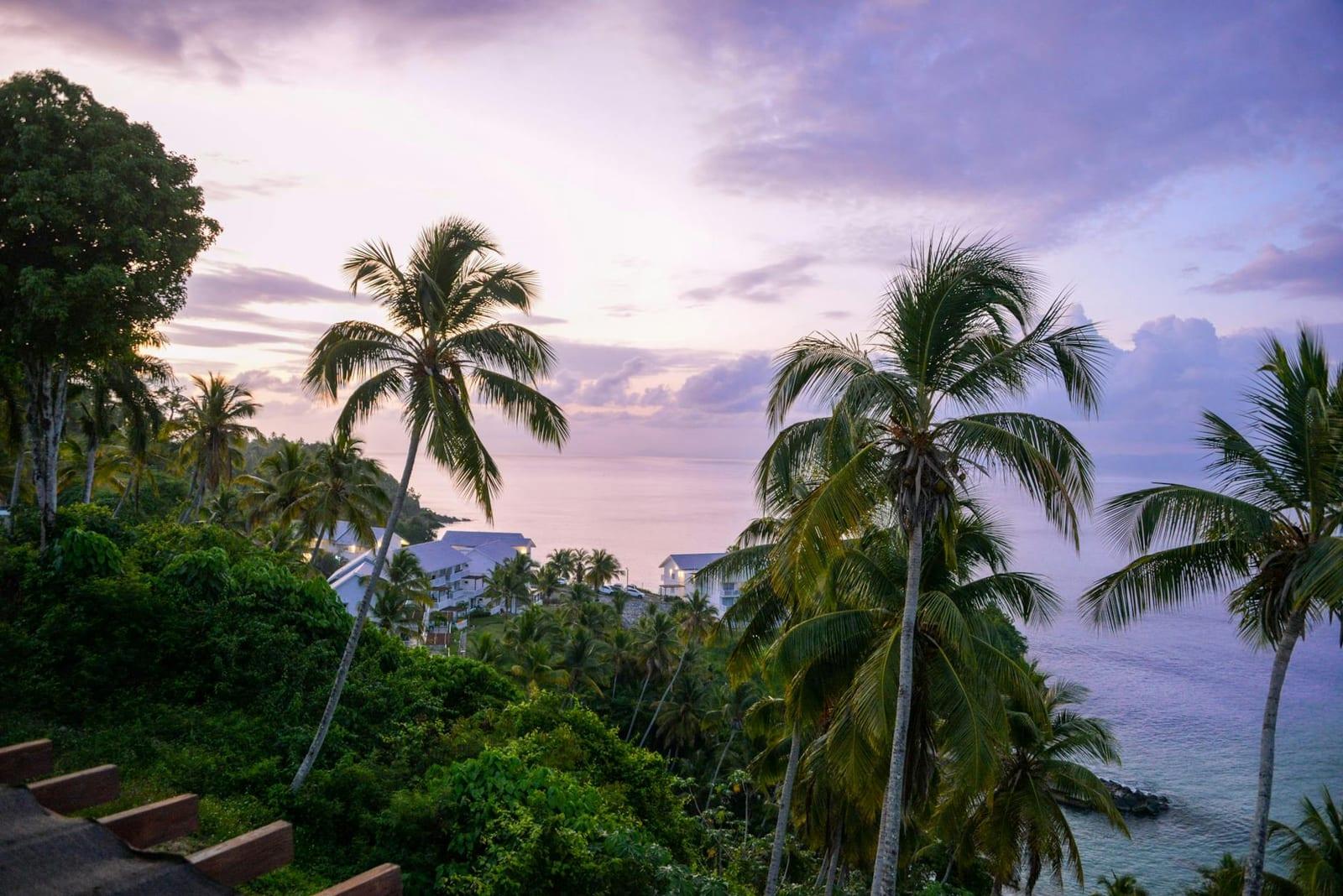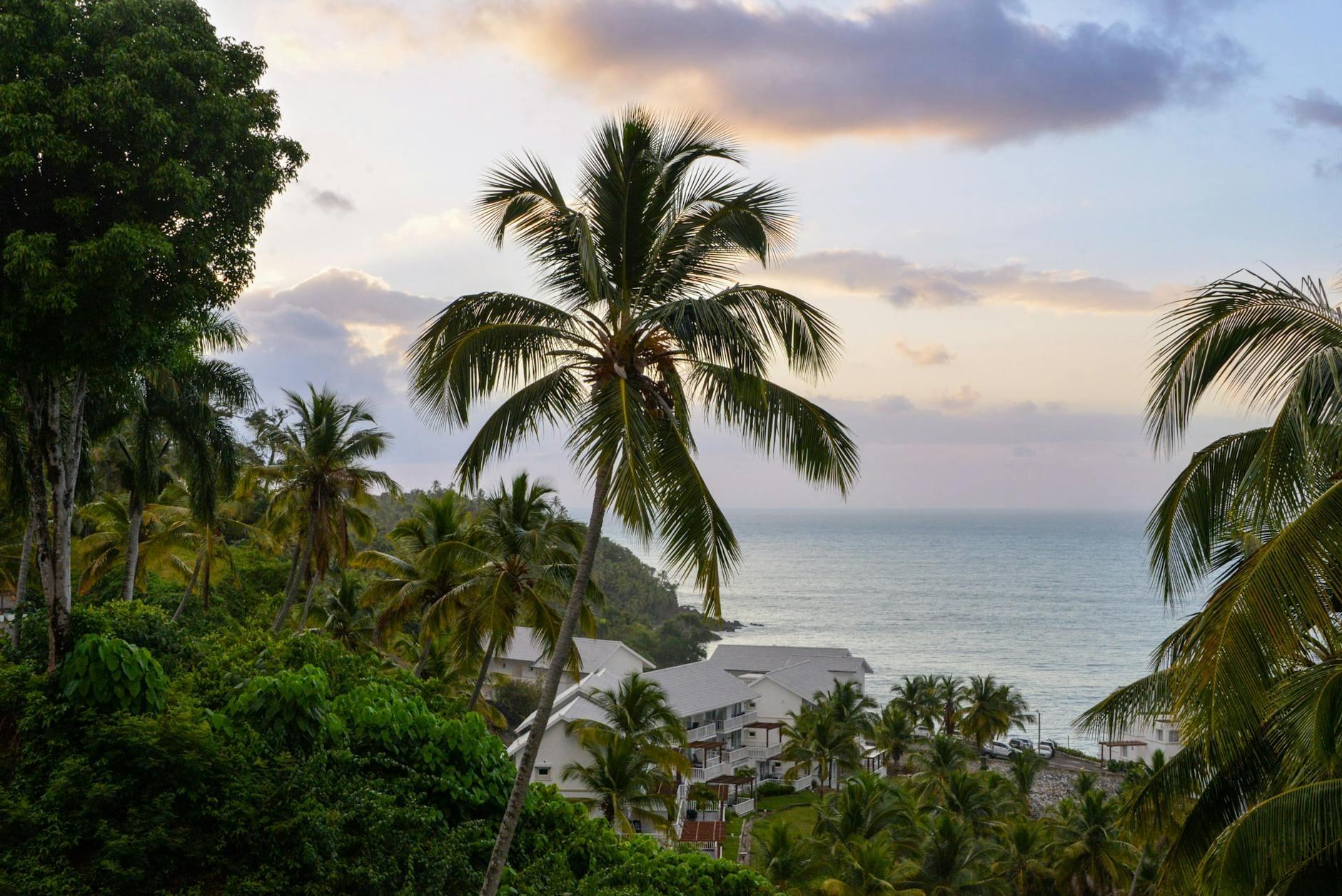
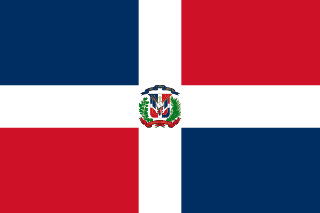
The Dominican Republic is the reigning champ of the Caribbean in terms of tourist numbers. People flock here to lounge, party, and gamble at an epic collection of beach resorts; people come to surf and snorkel and dive and golf, to drink homegrown rum, and to groove along to merengue music in its cradle. But those in the know travel to the eastern half of Hispaniola for its remarkable diversity: for every all-night club, there’s a quiet mountain trail; for every dream-caliber beach, there’s an intimidating (but ecologically precious) mangrove swamp; and for every sunburned tourist there’s a multiethnic Dominican proud of his or her African, European, and/or Amerindian roots.
First things first: Yes, the Dominican Republic, with about 800 miles of seacoast, is one of the preeminent destinations for a classic beach-focused Caribbean escape—the kind with hammocks, umbrella drinks, thatch-roof spas, and that sort of thing. Indeed, few corners of the West Indies are so celebrated for tropical R&R as the Punta Cana area at the country’s far eastern tip. Add scuba diving, snorkeling, windsurfing, sport-fishing, and some of the most coveted golf courses anywhere, and it’s no surprise the seaside resorts of the Dominican Republic do brisk business year-round.
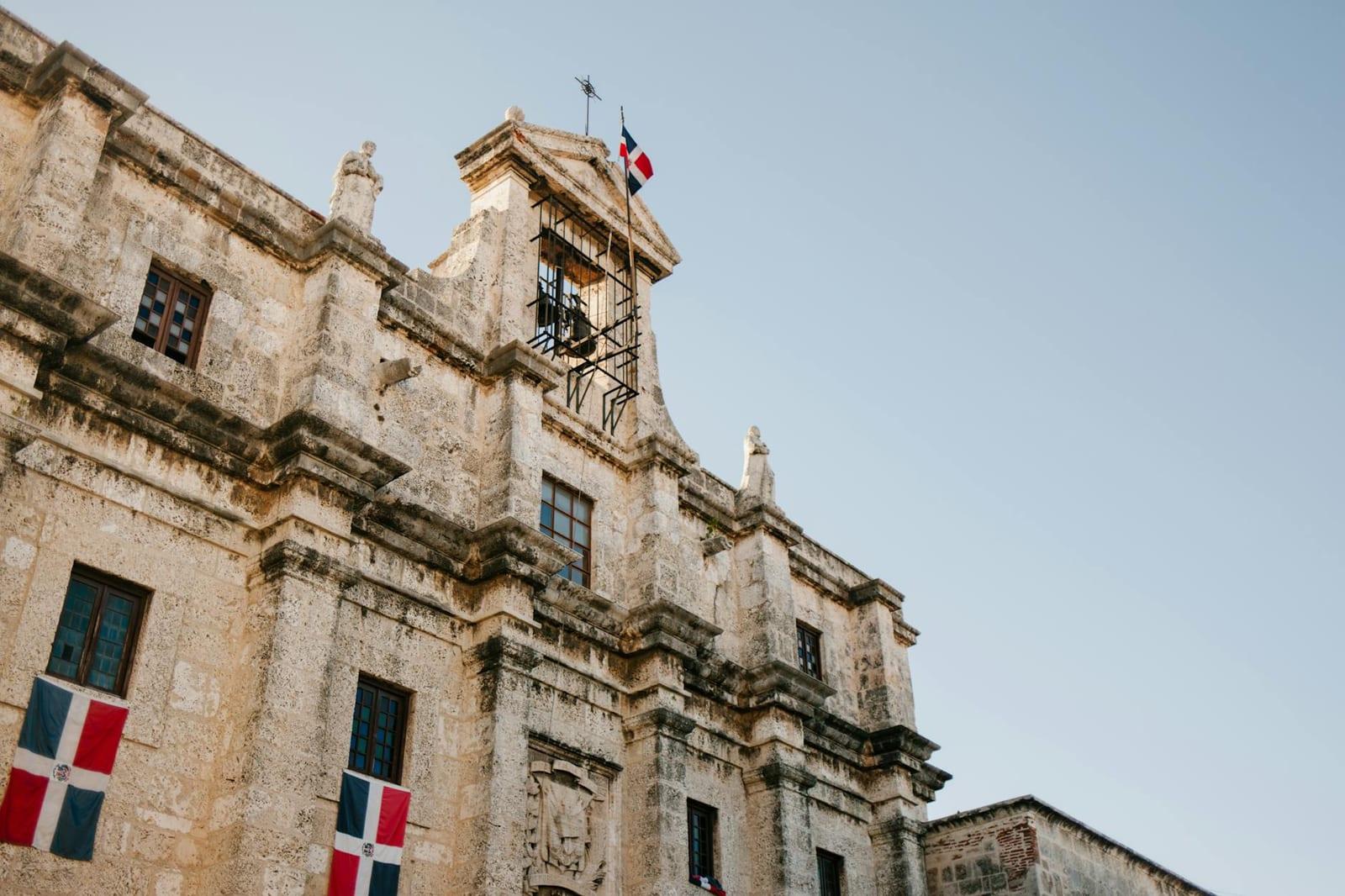
The beachfront revelry and leisure is all well and good, but there’s so much more to the Dominican Republic, including Santo Domingo, established in 1498 as the first colonial settlement in the Americas. Its historic core—the Ciudad Colonial, or “Colonial City,” a UNESCO World Heritage Site—is amazingly well preserved. And there’s an even older side to Dominican Republic heritage, of course: There’s a veritable archaeological and cultural treasure in the limestone caves of El Pomier, which contain thousands of petroglyphs and pictographs (rendered with charcoal and manatee fat) created by Taino, Igneri (another Arawak tribe), and Carib peoples, some perhaps 2,000 years old. Some call it the “Prehistoric Capital of the Antilles,” and it’s certainly well worth a visit for anybody interested in the human saga of the West Indies.
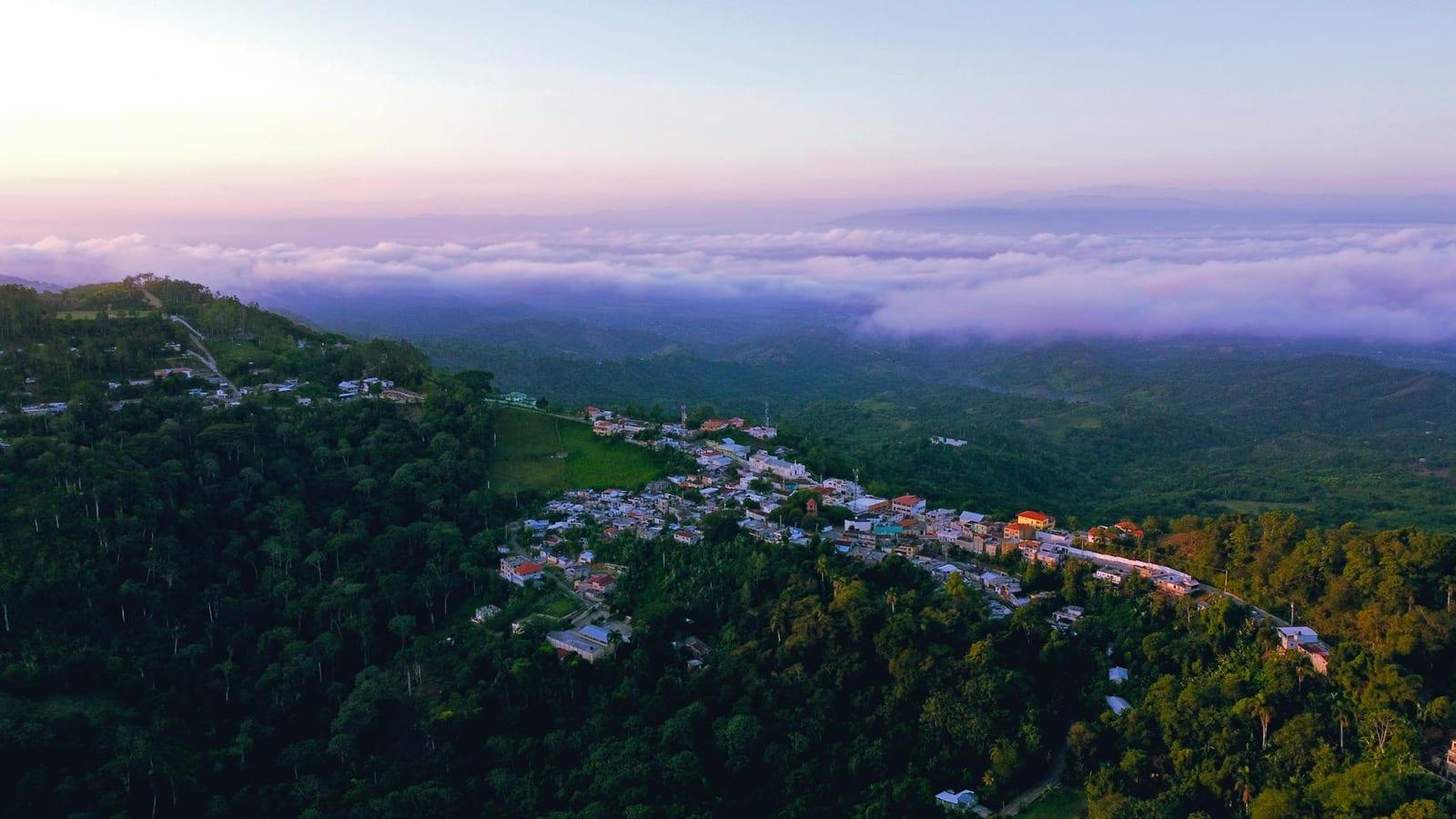
Another highlight: The tallest mountains in the West Indies lie in the Dominican Republic’s Cordillera Central, which rises through cool Hispaniolan pine forest to a crest crowned by 10,164-foot Pico Duarte. The summit, which has seen dustings of snow, is a popular hiking destination, offering the chance to stand on the roof of the Caribbean, as it were.
The Dominican Republic’s not all smiles and good times: Many Dominicans live in poverty, and there are urban corners far less friendly to visitors than the main tourist drag. But there’s no question that the country is a linchpin of the West Indies: the Caribbean’s economic powerhouse and, for many international visitors, its gateway.
11 things not to miss.
- colonial Santo DomingoWalk colonial Santo Domingo
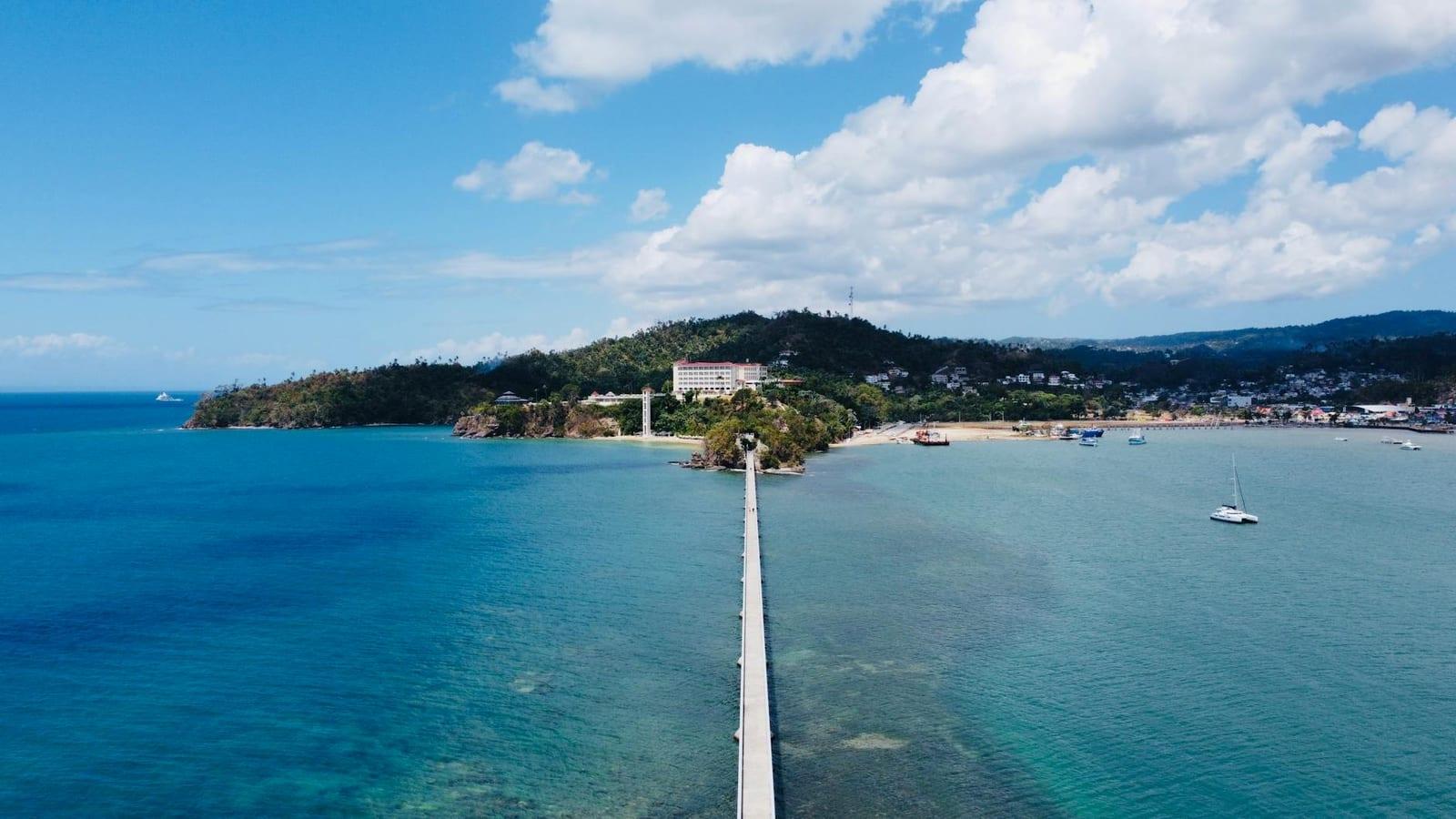
- Whale-watch in Samaná BayWhale-watch in Samaná Bay
- Pico DuarteClimb Pico Duarte
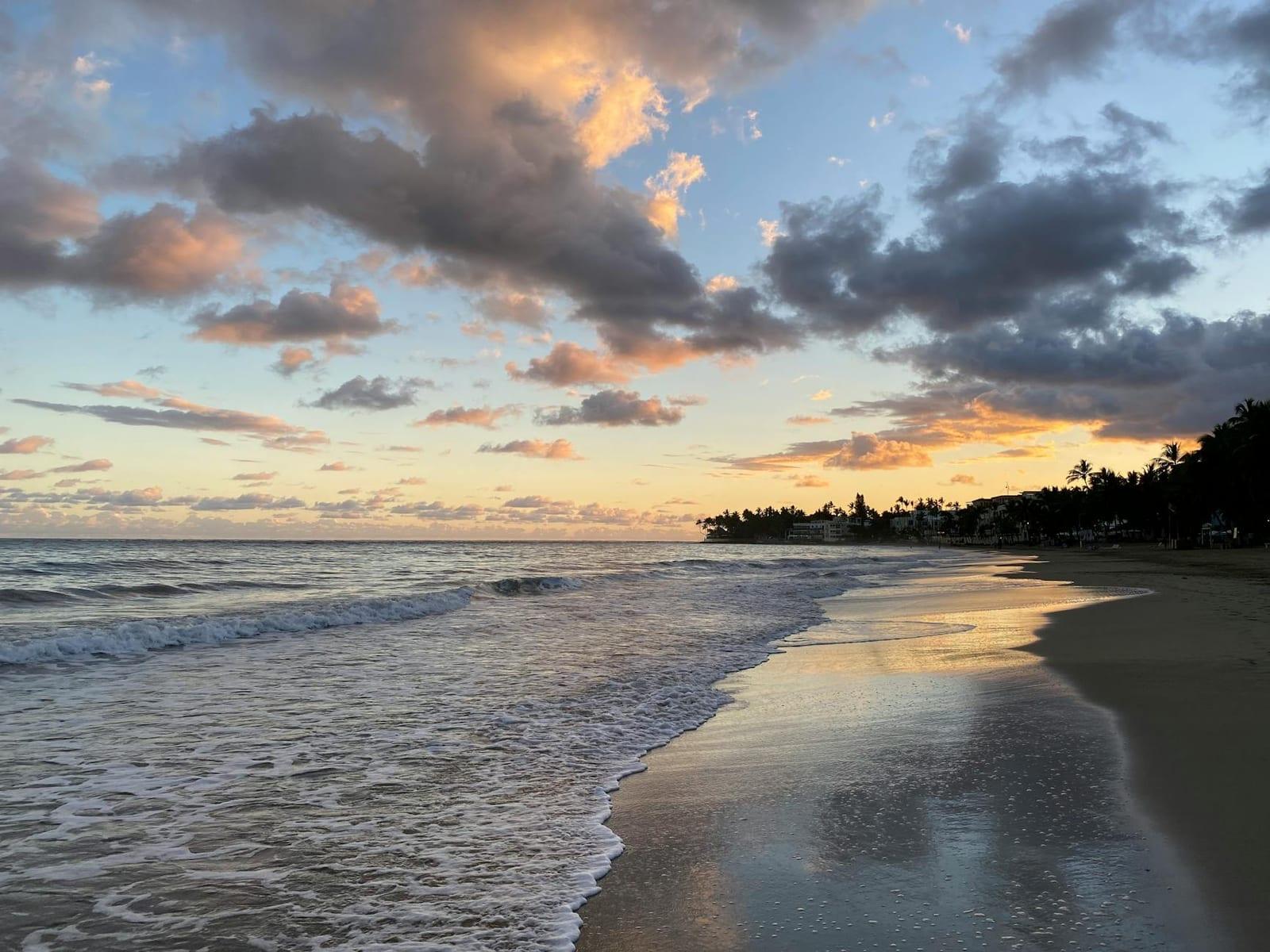
- Cabarete
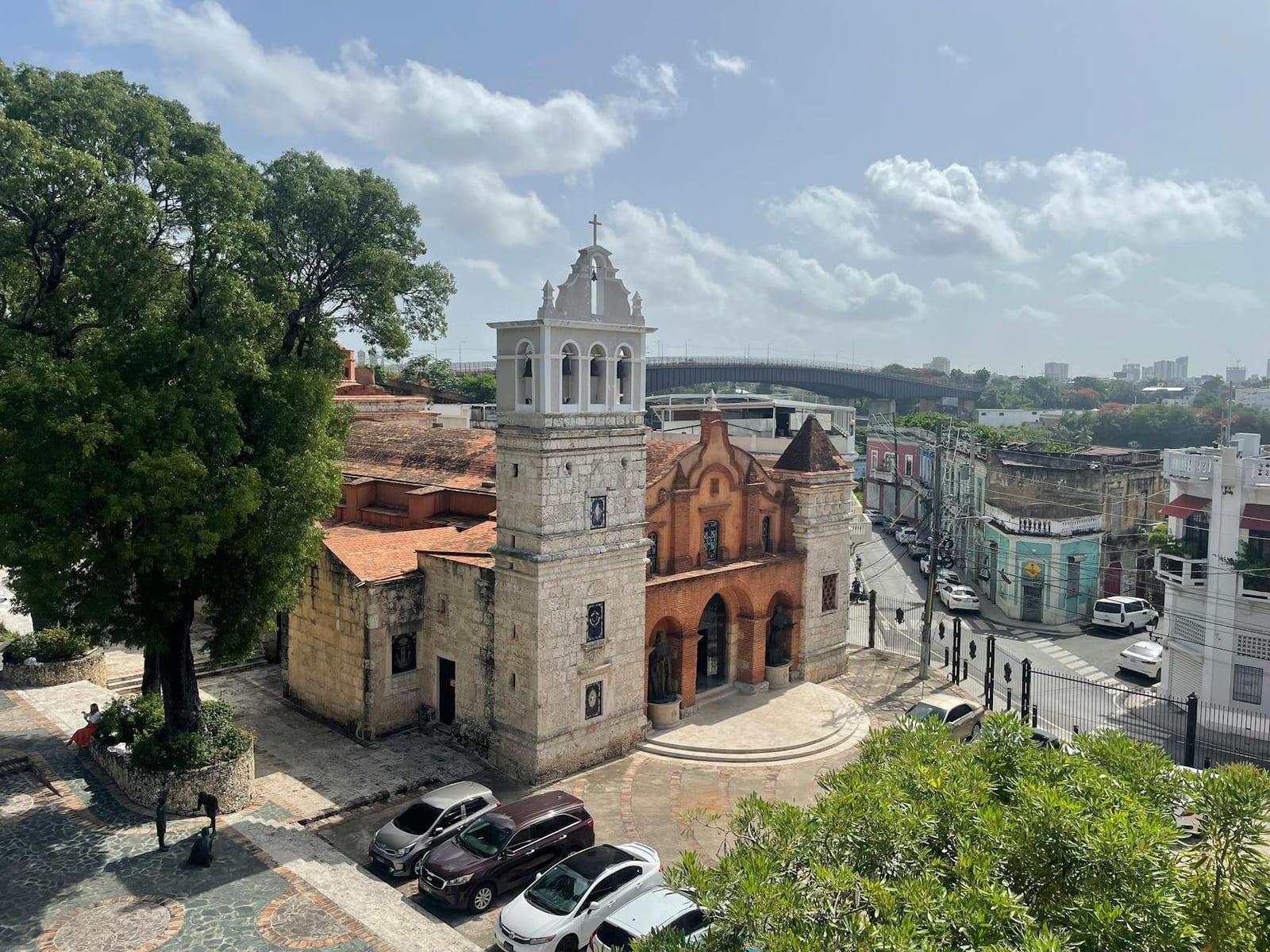
- Ciudad ColonialThe UNESCO World Heritage Site “Colonial City” core of Santo Domingo is one of the Caribbean’s historical jewels.
- Museo del Hombre DominicanoThis excellent Santo Domingo museum presents the Amerindian heritage of Hispaniola with precious artifacts.
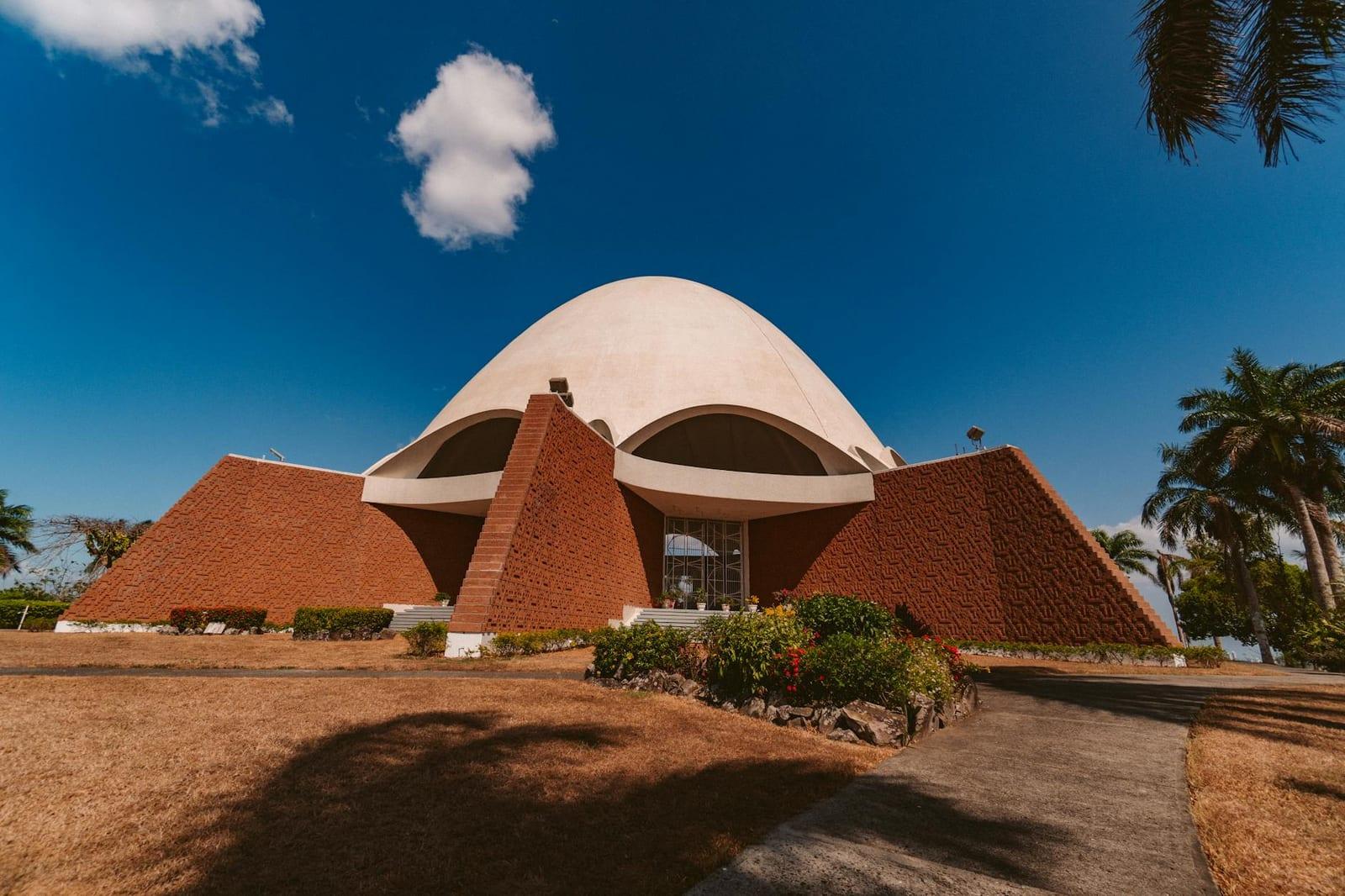
- Punta CanaNot many beach resort hubs anywhere offer the lavishness and splendor of the Dominican Republic’s eastern tip, where the Atlantic and Caribbean meet.
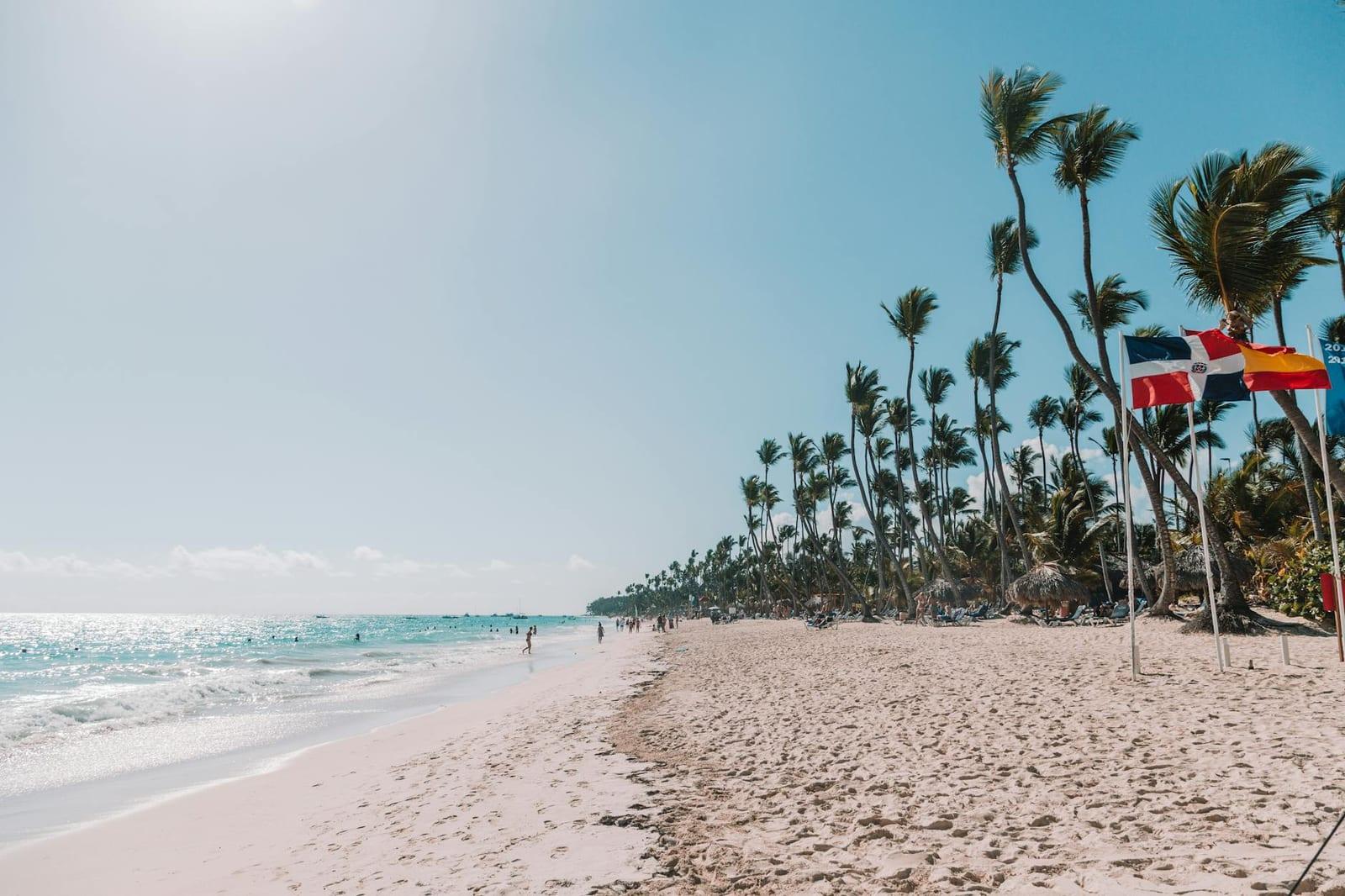
- Columbus LighthouseChristopher Columbus has a complicated legacy to say the least, but this monument to the explorer, which allegedly entombs him, is worth visiting.
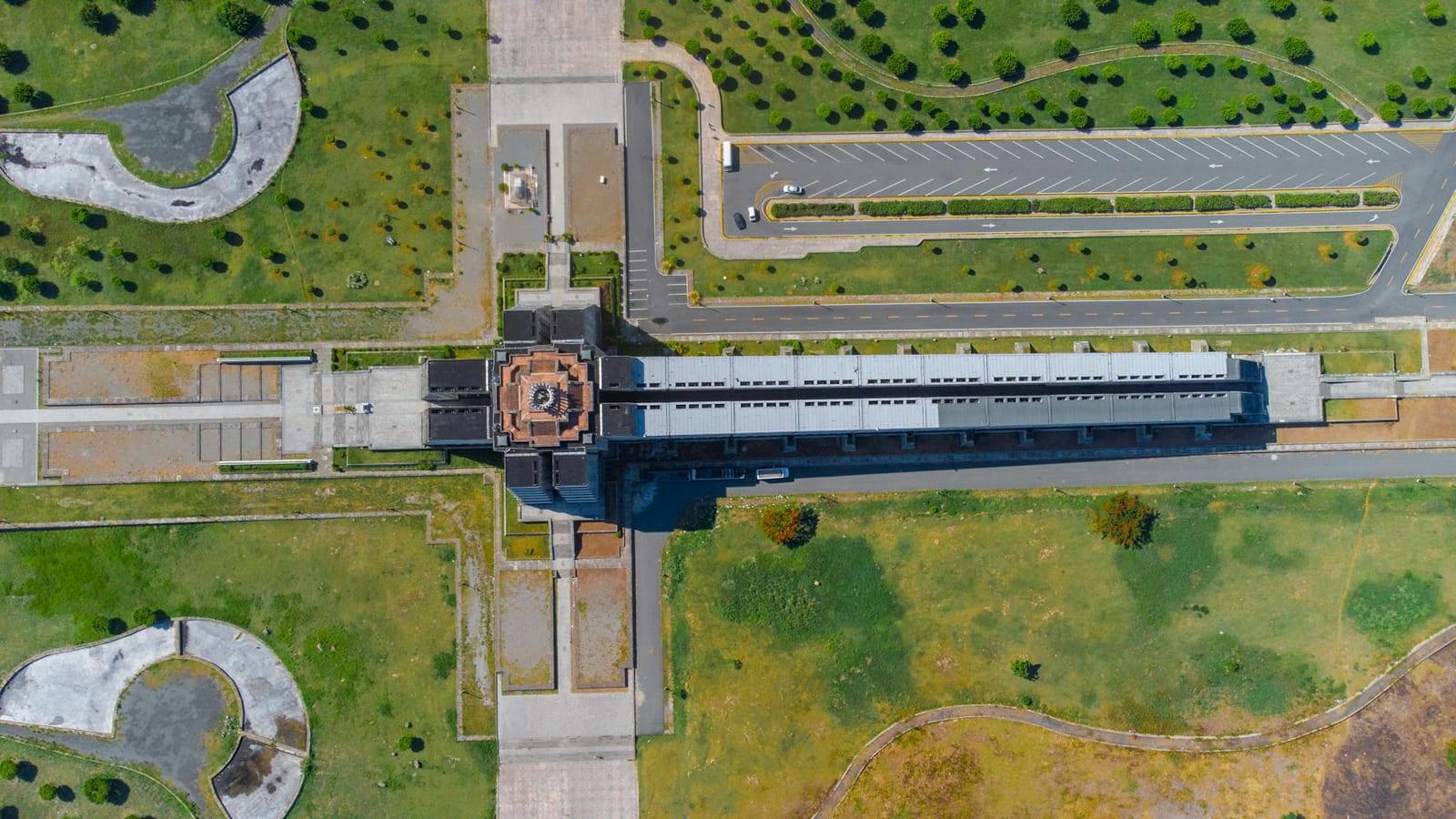
- Pomier CavesThe “Prehistoric Capital of the Antilles” harbors thousands of outstanding pre-Columbian pictographs and petroglyphs within intricate limestone caves.
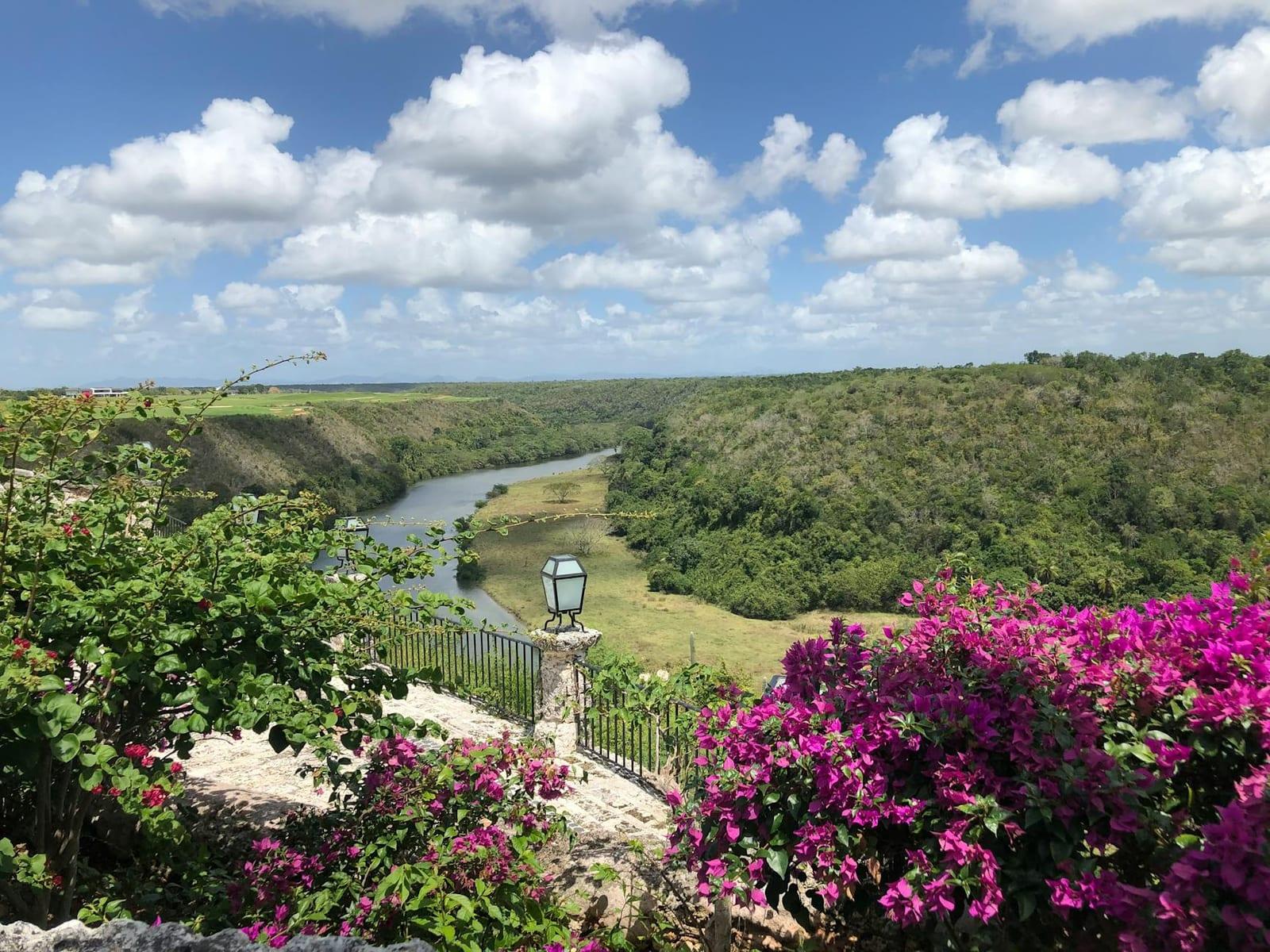
- Jaragua-Bahoruco-Enriquillo Biosphere ReserveCenterpiece of this diverse ecological park is the salt lake Lago Enriquillo, home to flamingos and American crocodiles.
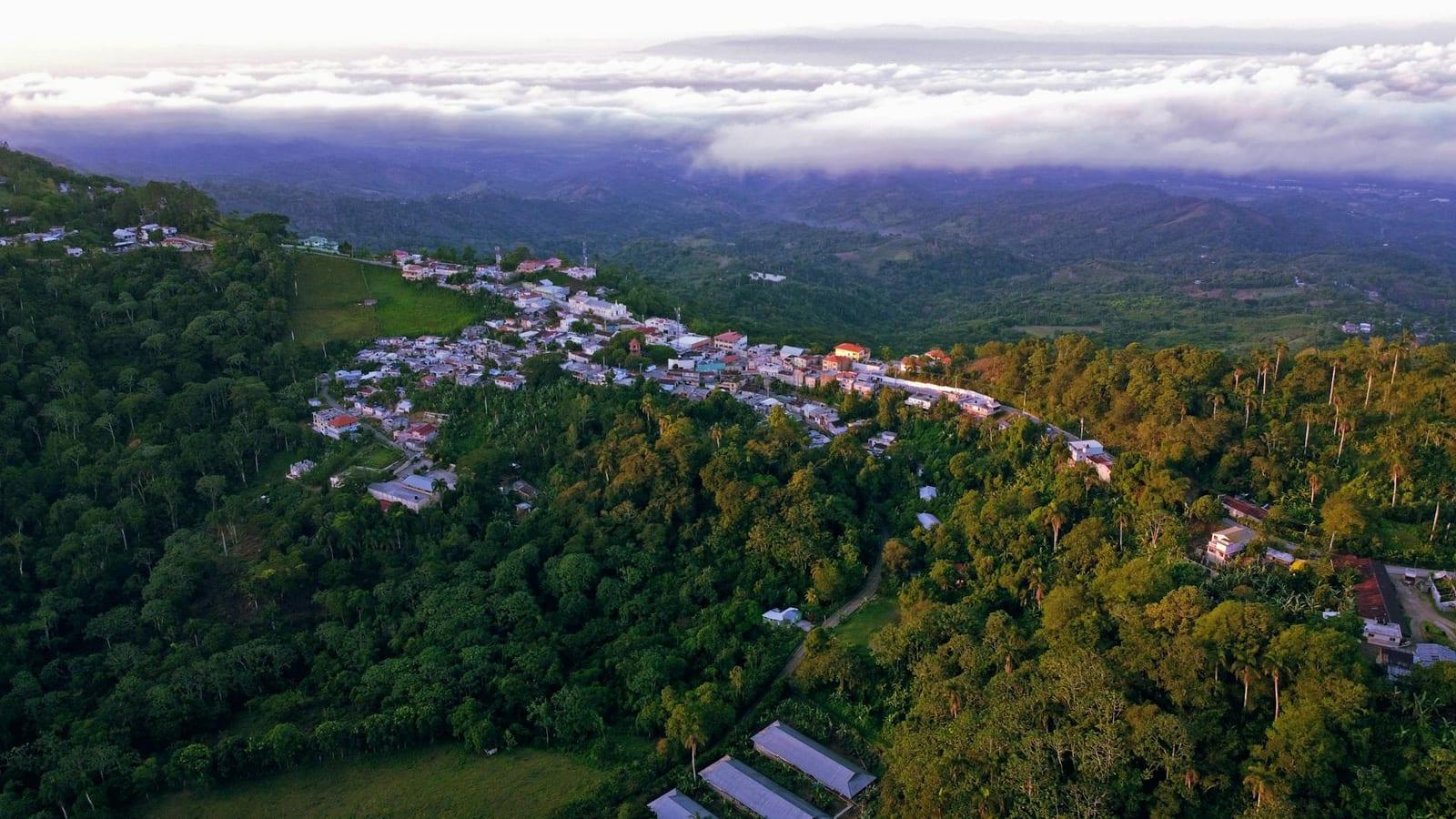
- Samana PeninsulaThis peninsula offers blue-ribbon beaches such as Playa Rincon and great views of migrating humpbacks during winter.