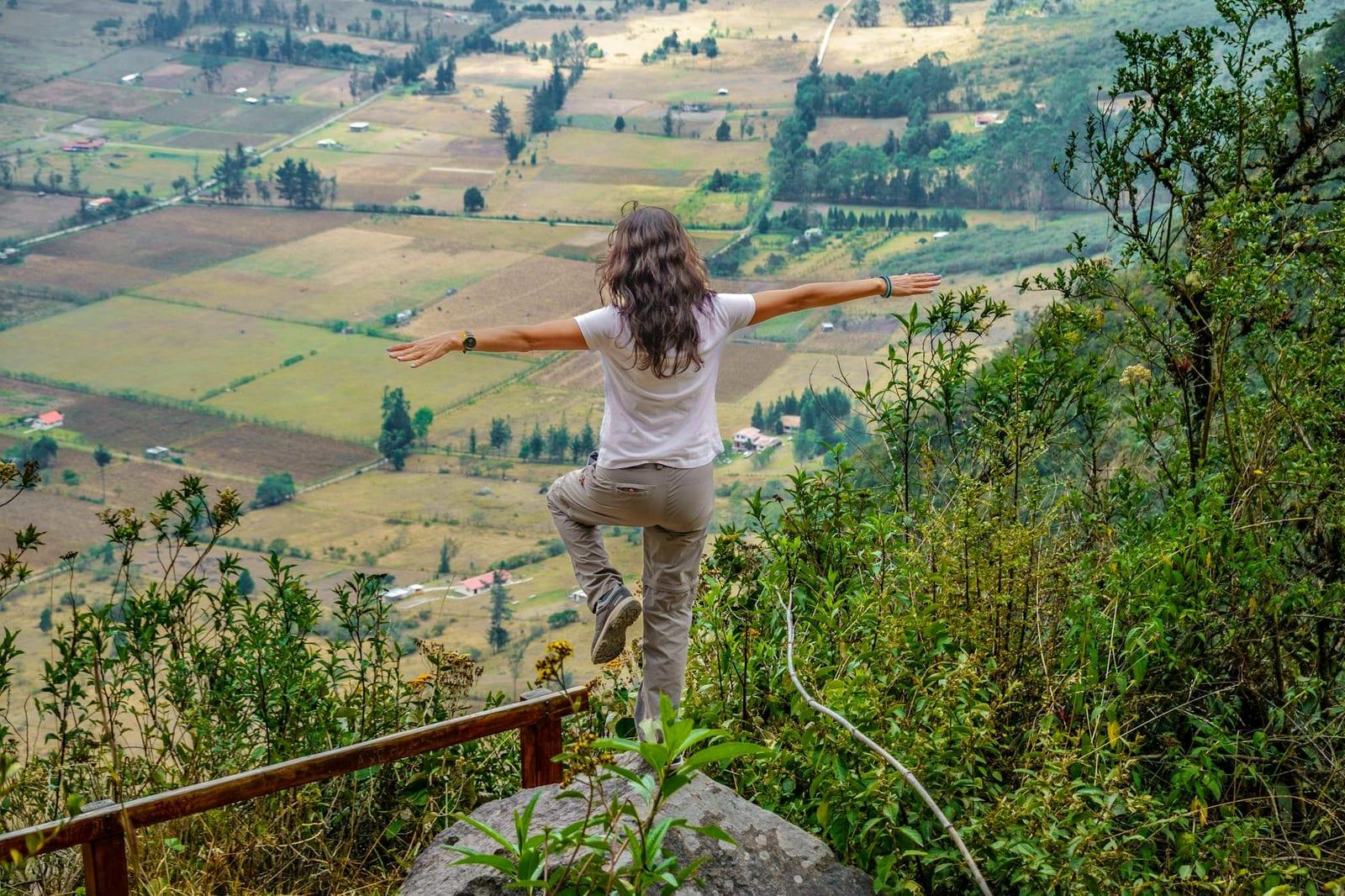
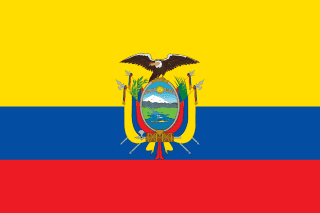
Ecuador’s among South America’s smaller countries, but such is the wealth of its cultural and ecological heritage that, inside, it feels nothing less than expansive.
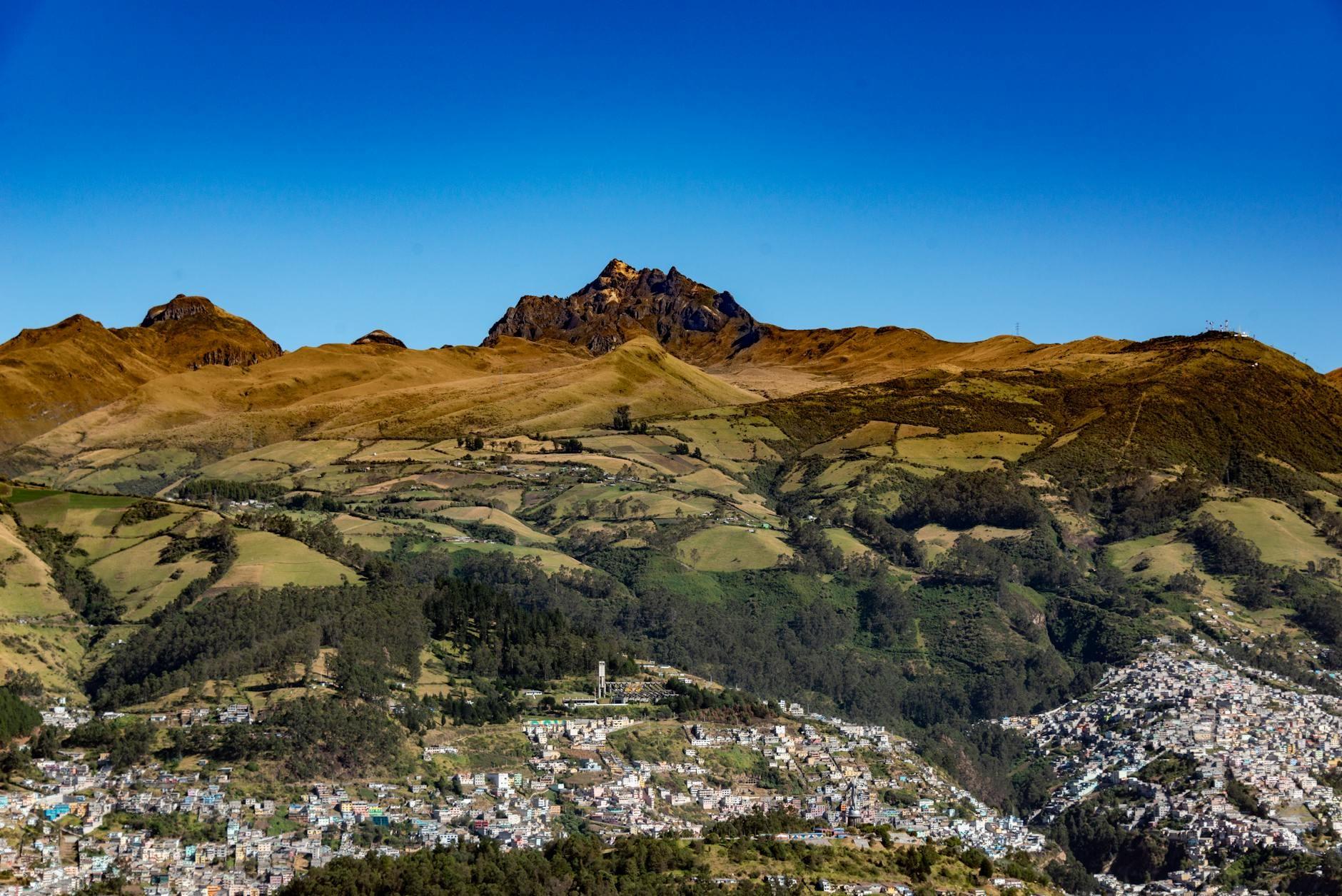
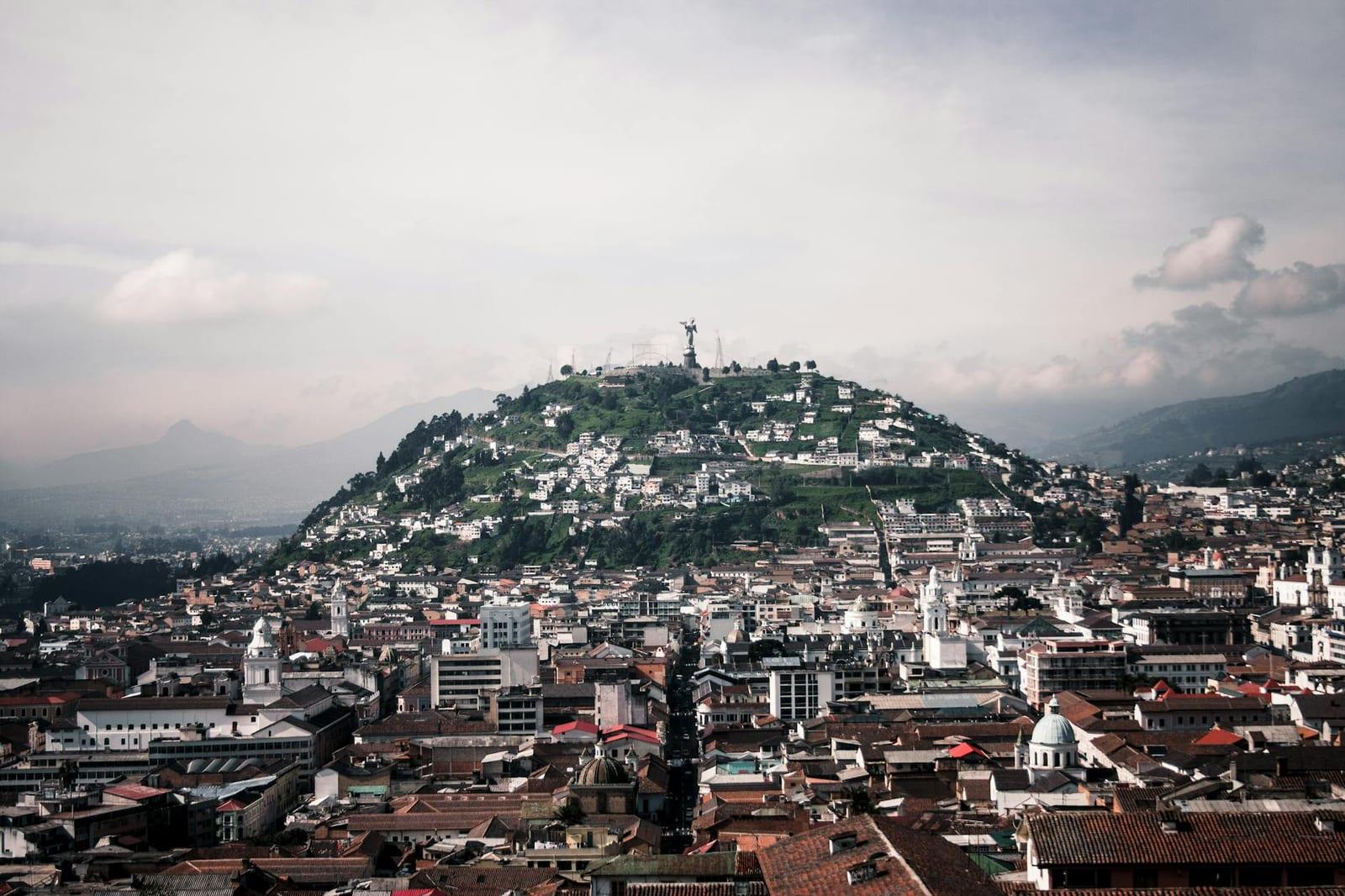
As UNESCO notes, Quito—at better than 9,000 feet up the slopes of the Andean volcano Pichincha, the loftiest world capital—boasts “the best-preserved, least altered historic centre in Latin America”. The city’s colonial-era cathedrals, monasteries, and homes—which showcase Spanish, Moorish, and other Old World styles—transport you back in time, as does the (literally) multilayered city of Cuenca, where the Spaniards built atop the Canari and Inca ruins of Tomebamba. The Incan site of Ingapirca in the Southern Sierra also rests upon yet older Canari foundations, a reminder of the venerable legacy of South America’s pre-Columbian civilizations.
From the seafood blast of ceviche to roasted guinea pig (cuy), tasting your way around Ecuador’s native fertility and multicultural history is all about variety. The same goes for Ecuadorian art, music, dress, dance, and language: Indigenous traditions, including the widely used Incan tongue of Quechua, are interwoven with the legacy of Spanish colonialism and the slave trade, which introduced strong and distinct elements of African culture.
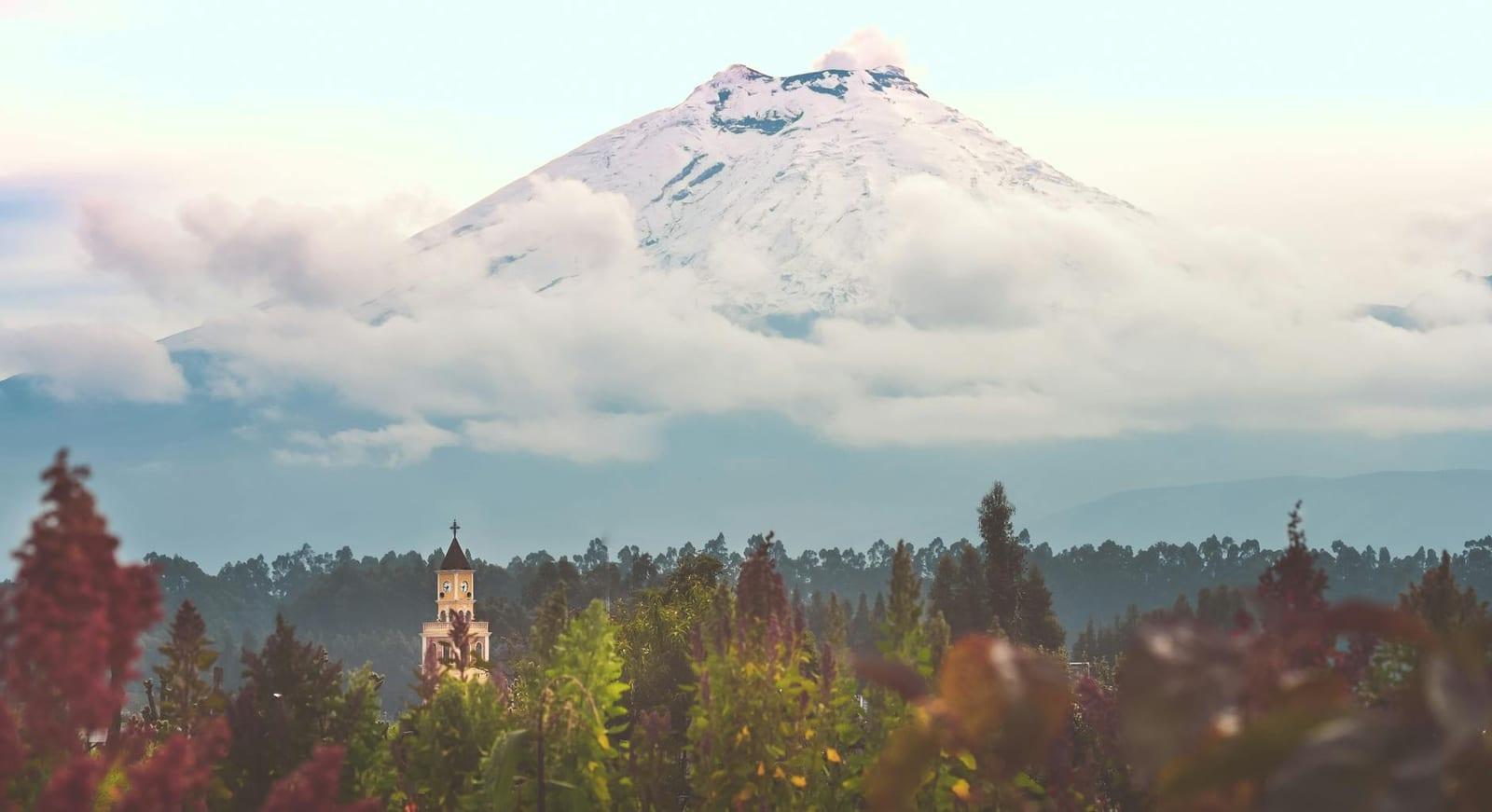
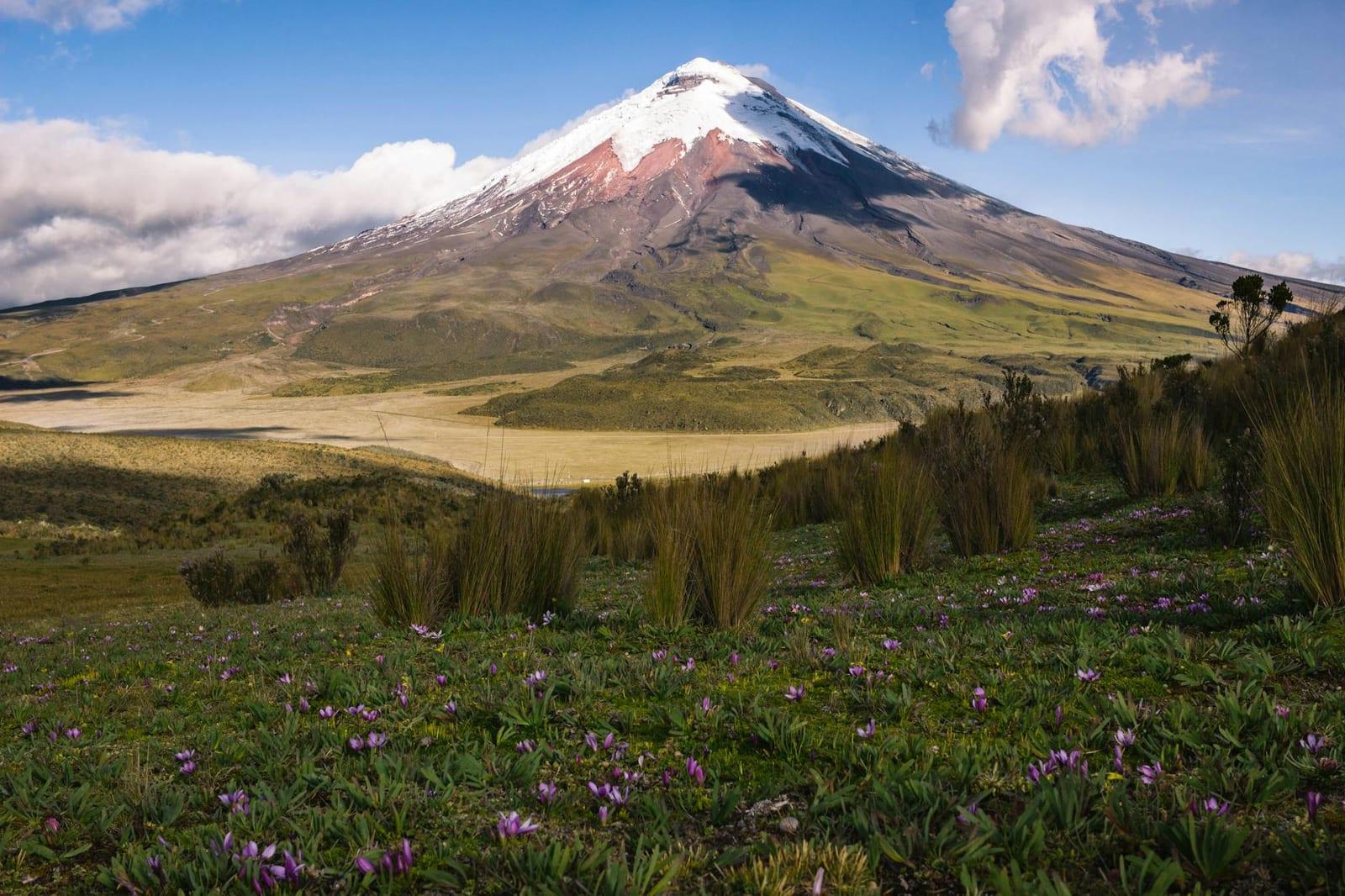
Ecuador ranks among the world’s most biologically diverse countries, encompassing such superlative landscapes as the upper fringes of the Amazon Basin rainforest, 20,000-foot Andean summits, and the globally precious islands of the Galapagos. Ecuadorian parks and preserves provide rich opportunities for experiencing this spectacular natural heritage firsthand. Bow in respect to one of the globe’s tallest and most postcard-perfect volcanoes in Cotopaxi National Park, or take in the Amazon in its full glory in the crown jewel of Ecuador’s national parks, Yasuni: a lowland rainforest made all the richer by the close proximity of the Andes and the lifeways of traditional Waorani and Kichwa peoples. National Geographic called Yasuni, lately threatened by the specter of oil extraction, “the most biodiverse spot on Earth.”
Whether it’s hiking, mountain biking, whitewater rafting, or peak-bagging, Ecuador’s jungles and mountains are as charged with opportunities for adventure as with ecological variety. Surfers, whale-watchers, and beach bums, meanwhile, gravitate toward the Pacific coast.
Ecuador’s well set up for tourism, which makes surveying its variety—Andean Baroque churches to Amazonian thatch huts, volcanic snowfields to tropical surf, Guayaquil nightlife to Galapagos wilderness—all the easier.
14 things not to miss.
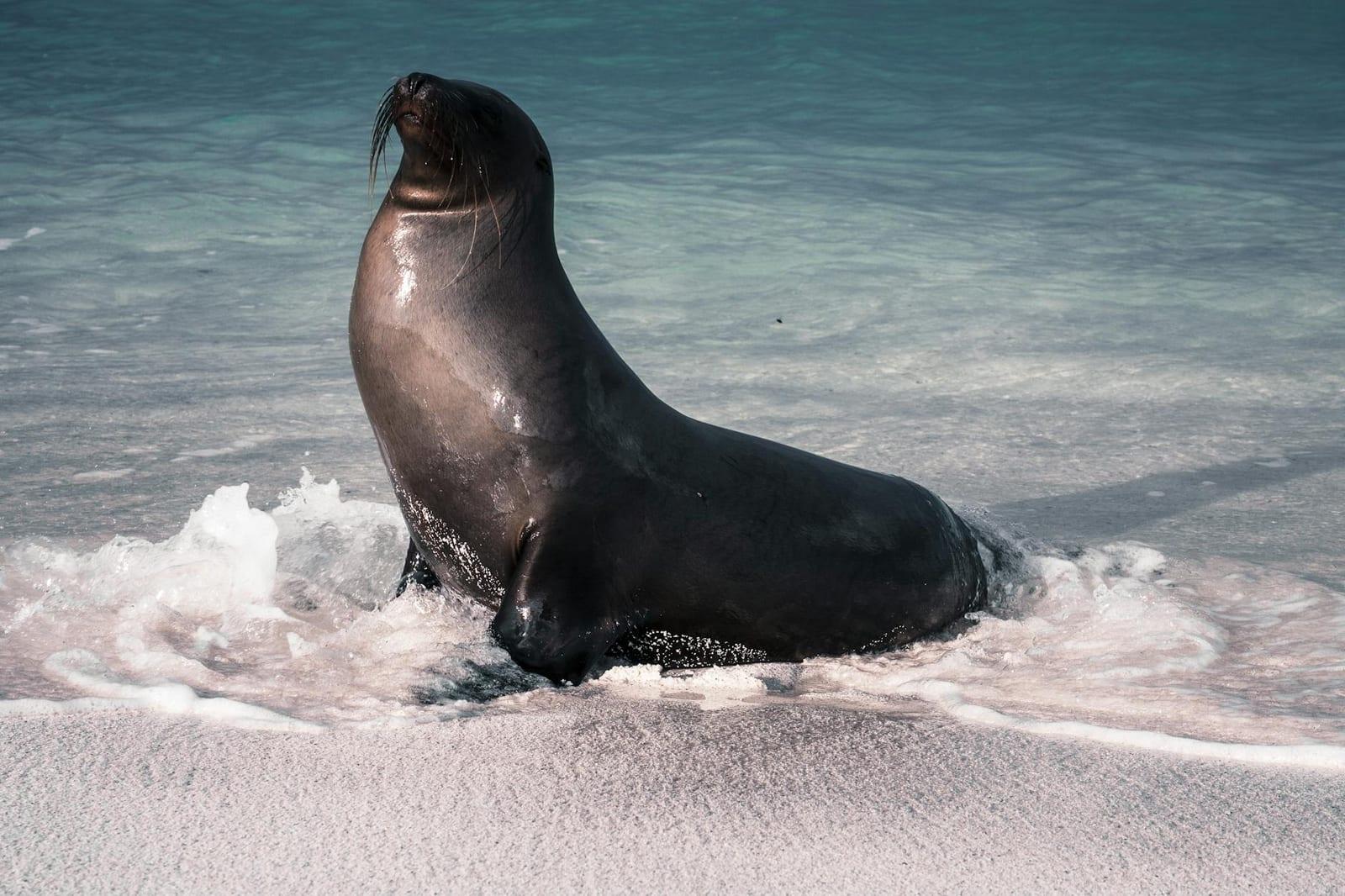
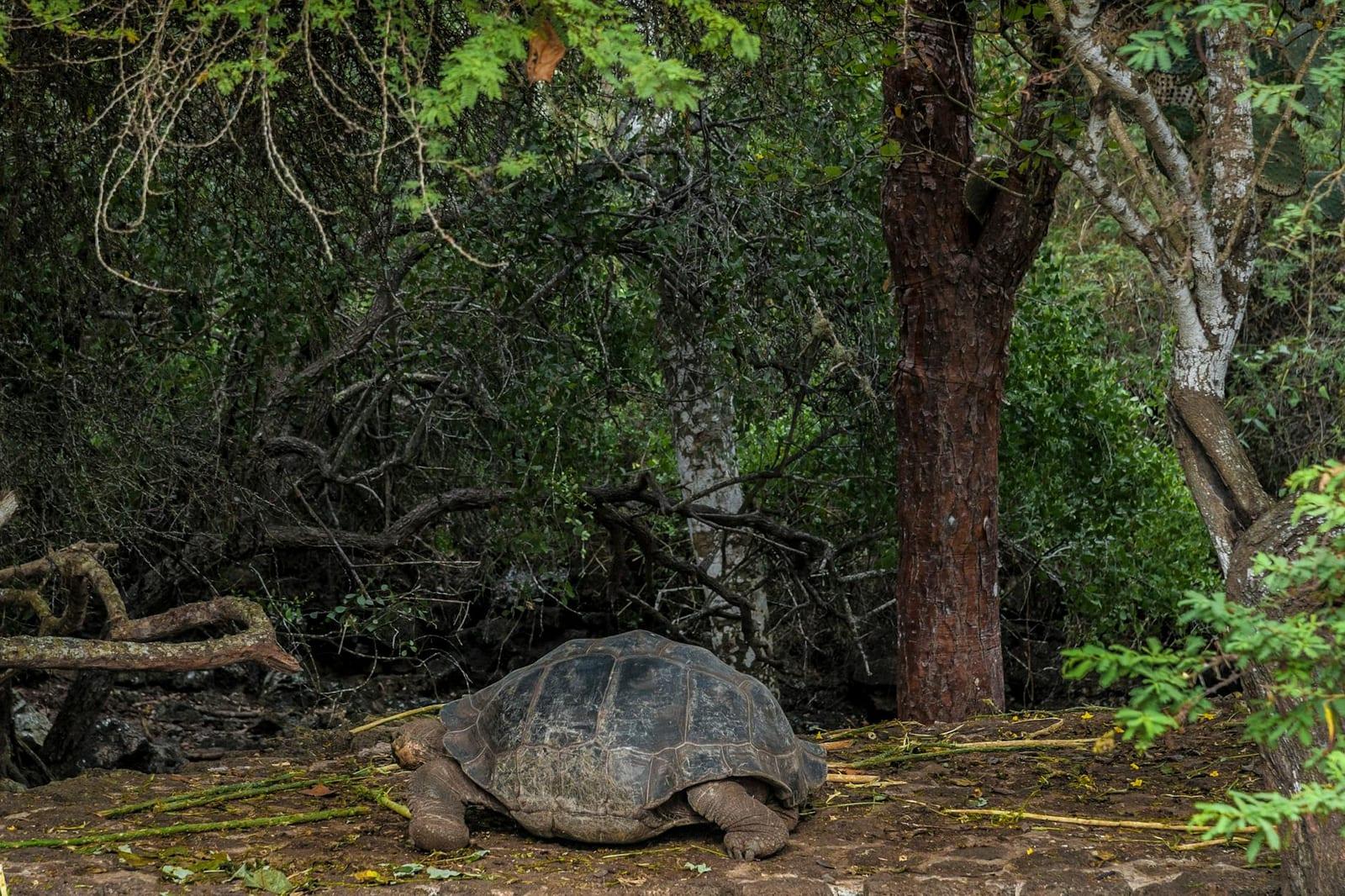
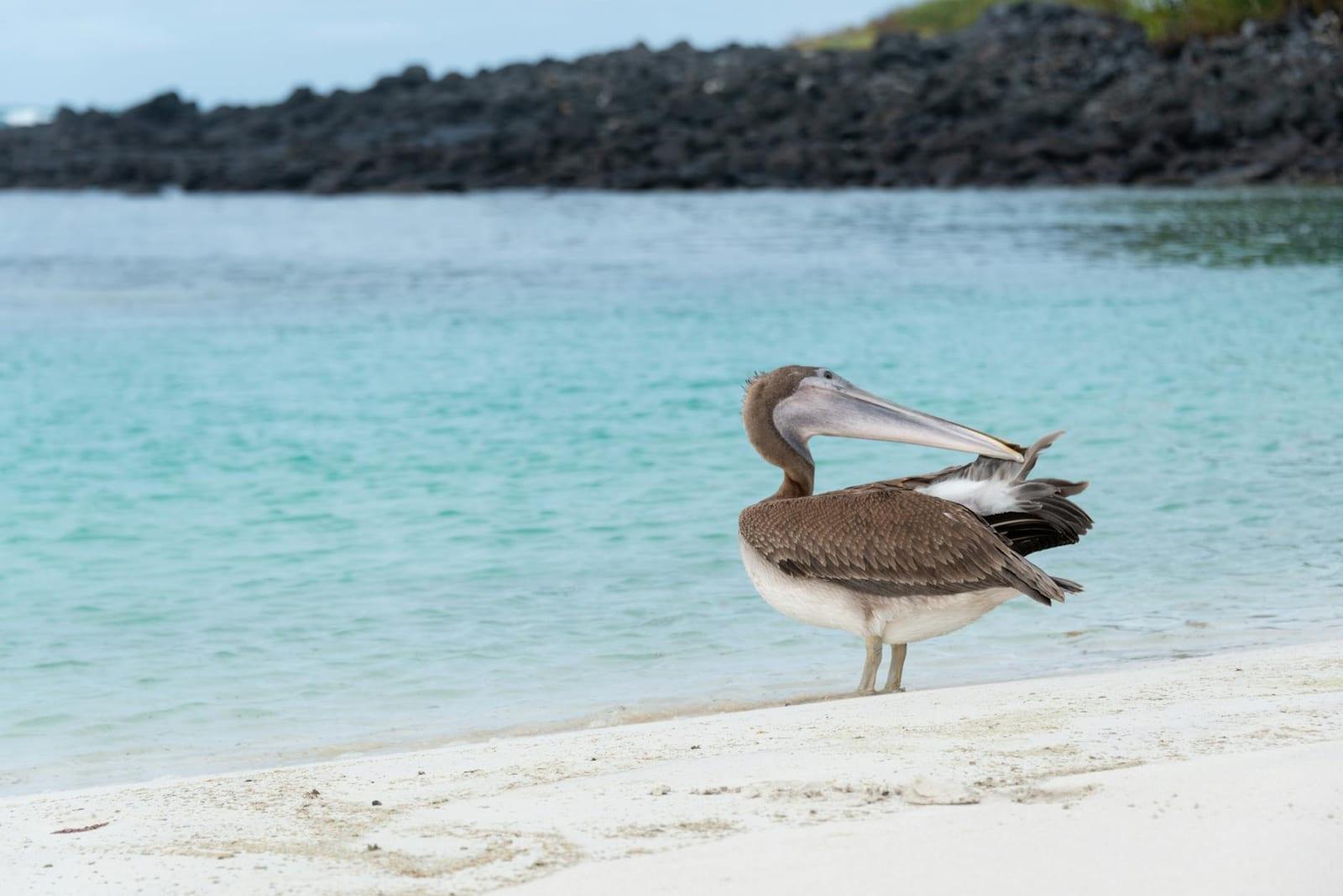
- the GalápagosBoat trip across the Galápagos
- Cotopaxi or ChimborazoClimb Cotopaxi or Chimborazo
- Darwin's Arch, Galapagos
- Quito
- Galapagos Islands
- Yasuni National ParkThis Biosphere Reserve protects superbly fertile Amazon Basin rainforest—one of its most diverse corners, in fact—and indigenous peoples.
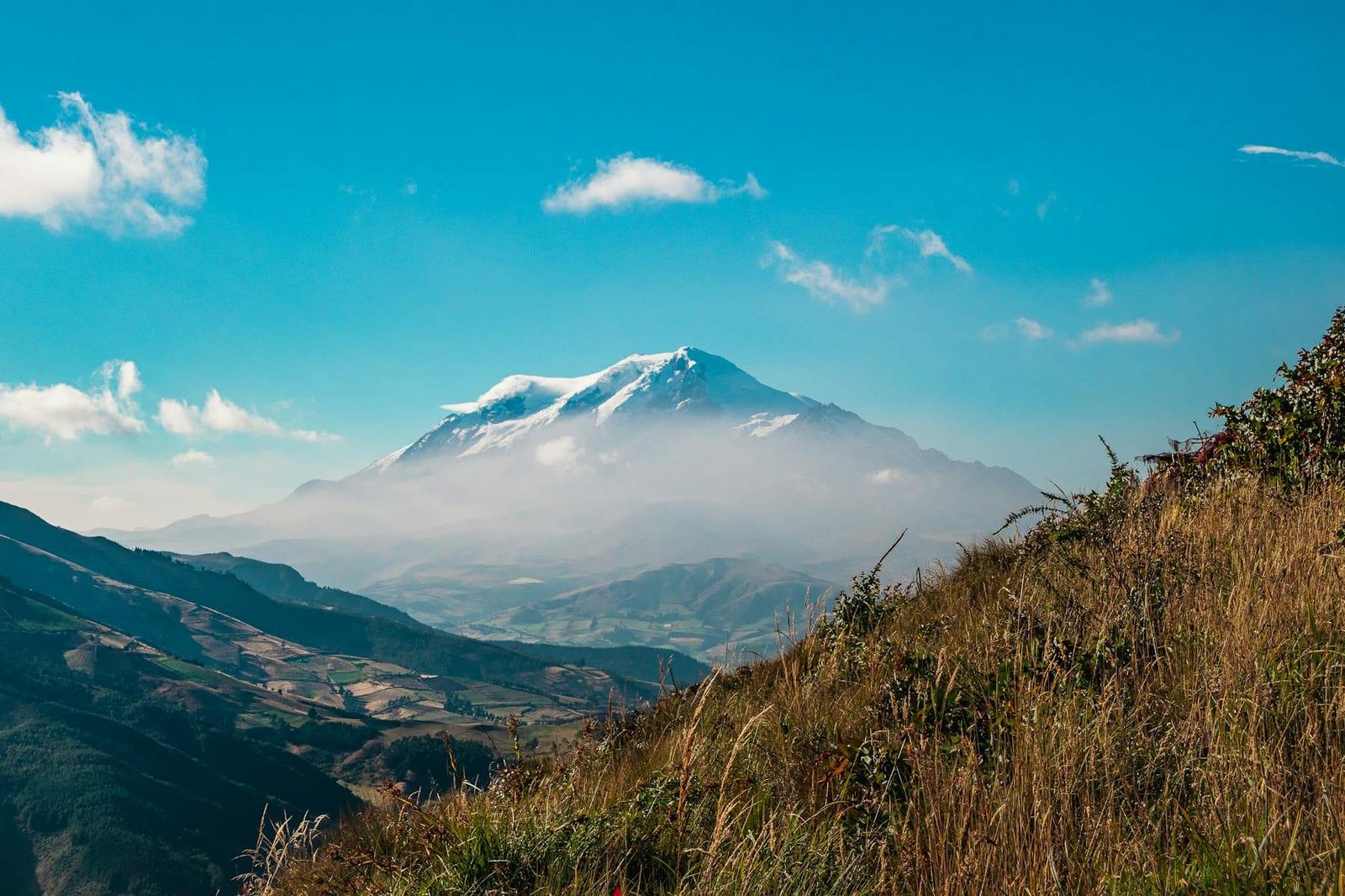
- Mount ChimborazoLoftiest peak in Ecuador (and in the close vicinity of the equator), this burly Andean volcano rears 20,564 feet up.
- Cotopaxi National ParkThis park protects one of the tallest (and prettiest) active volcanoes on Earth, 19,347-foot Cotopaxi, along with other cones.
- Machalilla National ParkFrom tropical forests and achingly beautiful beaches to whale-rich Pacific waters, this park shows off coastal Ecuador at its wildest.
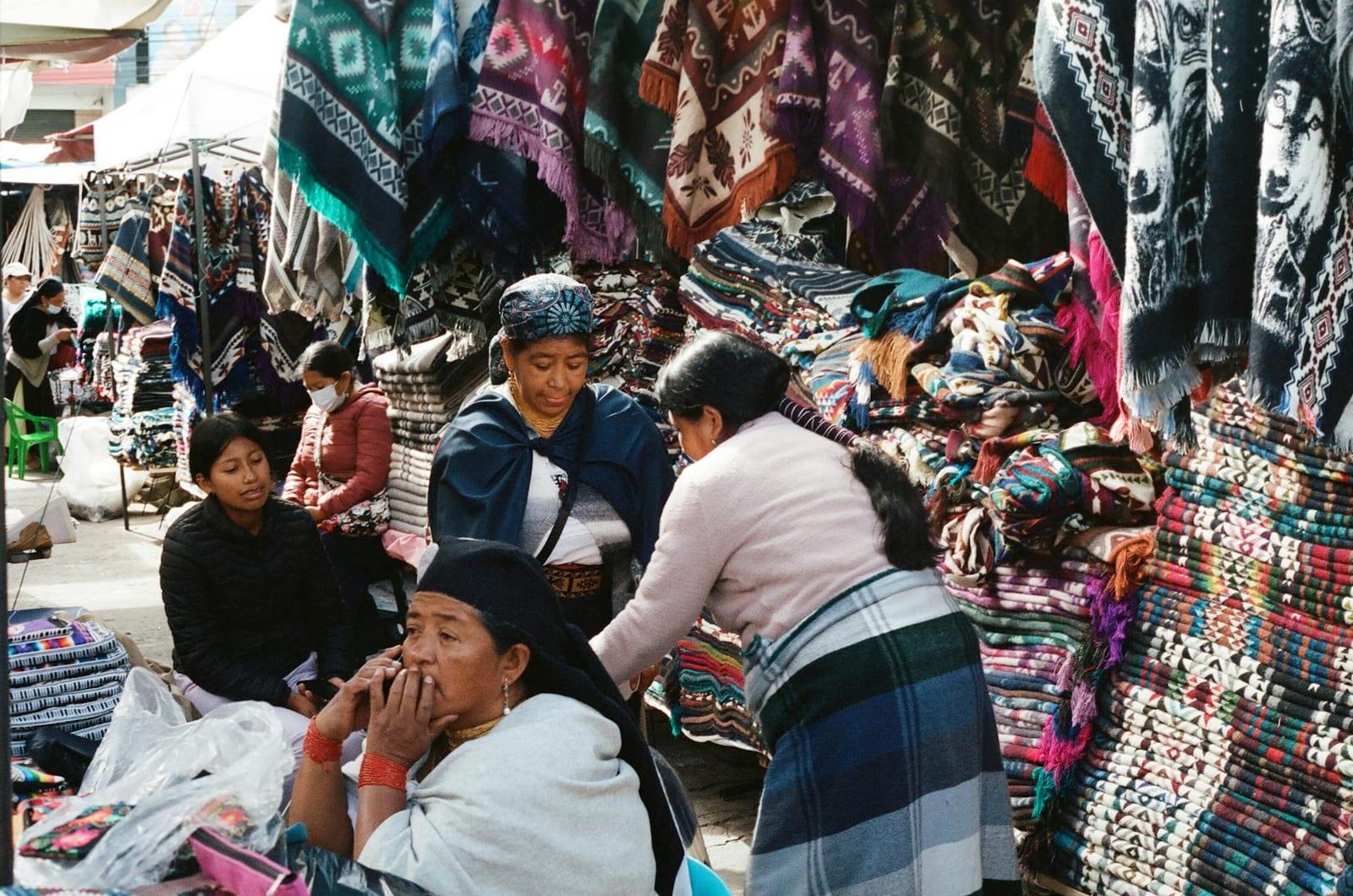
- OtavaloOtavalo’s weekly market is one of the best showcases of indigenous craft and culture anywhere in the country.
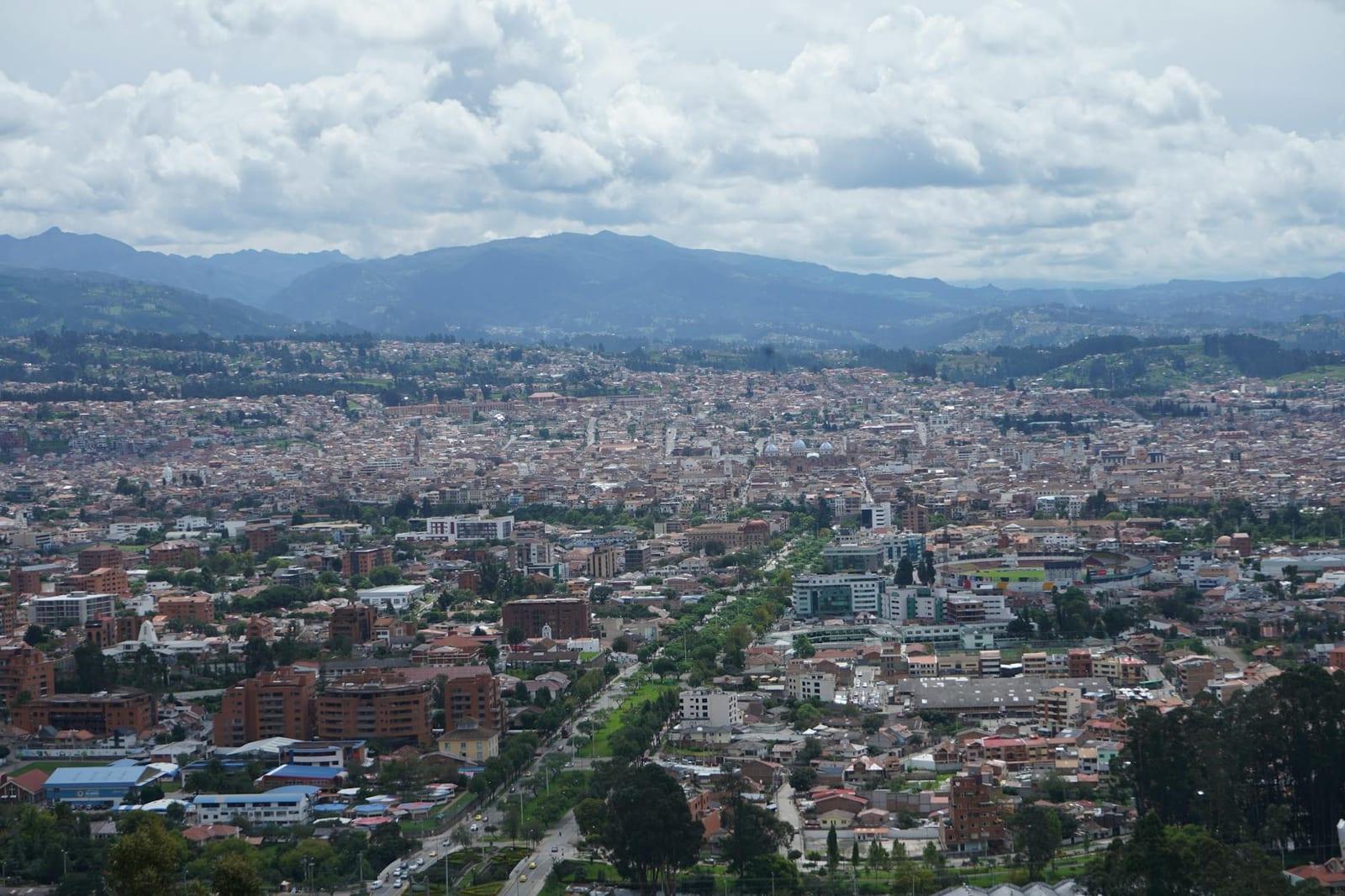
- CuencaAndes-cupped Cuenca remains anchored by its 400-year-old Spanish colonial layout—and occupies the site of one of the Incan Empire’s greatest cities.
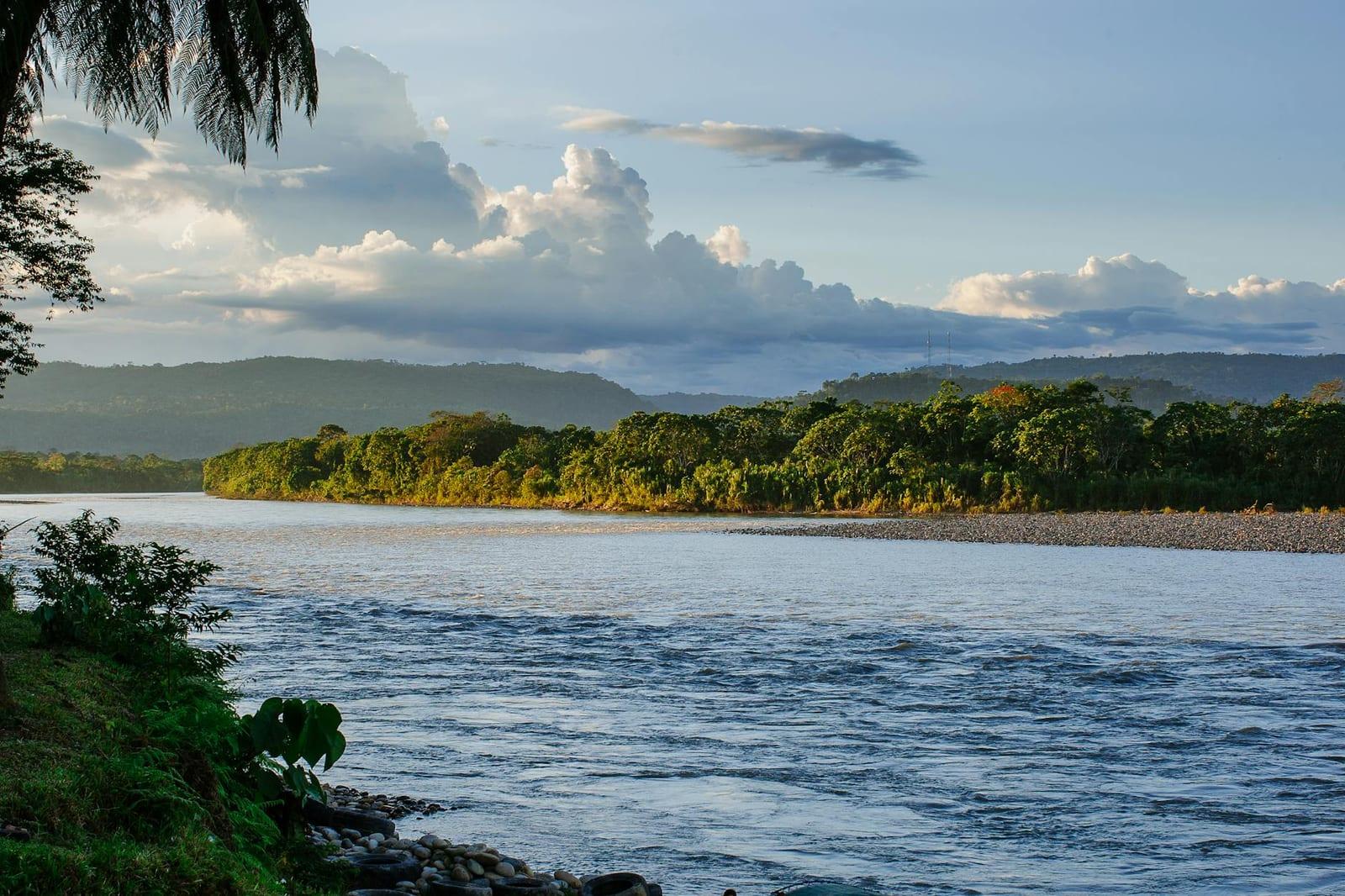
- TenaOne of Ecuador’s adventure capitals, this Amazonian town has world-class rainforest whitewater at its doorstep.
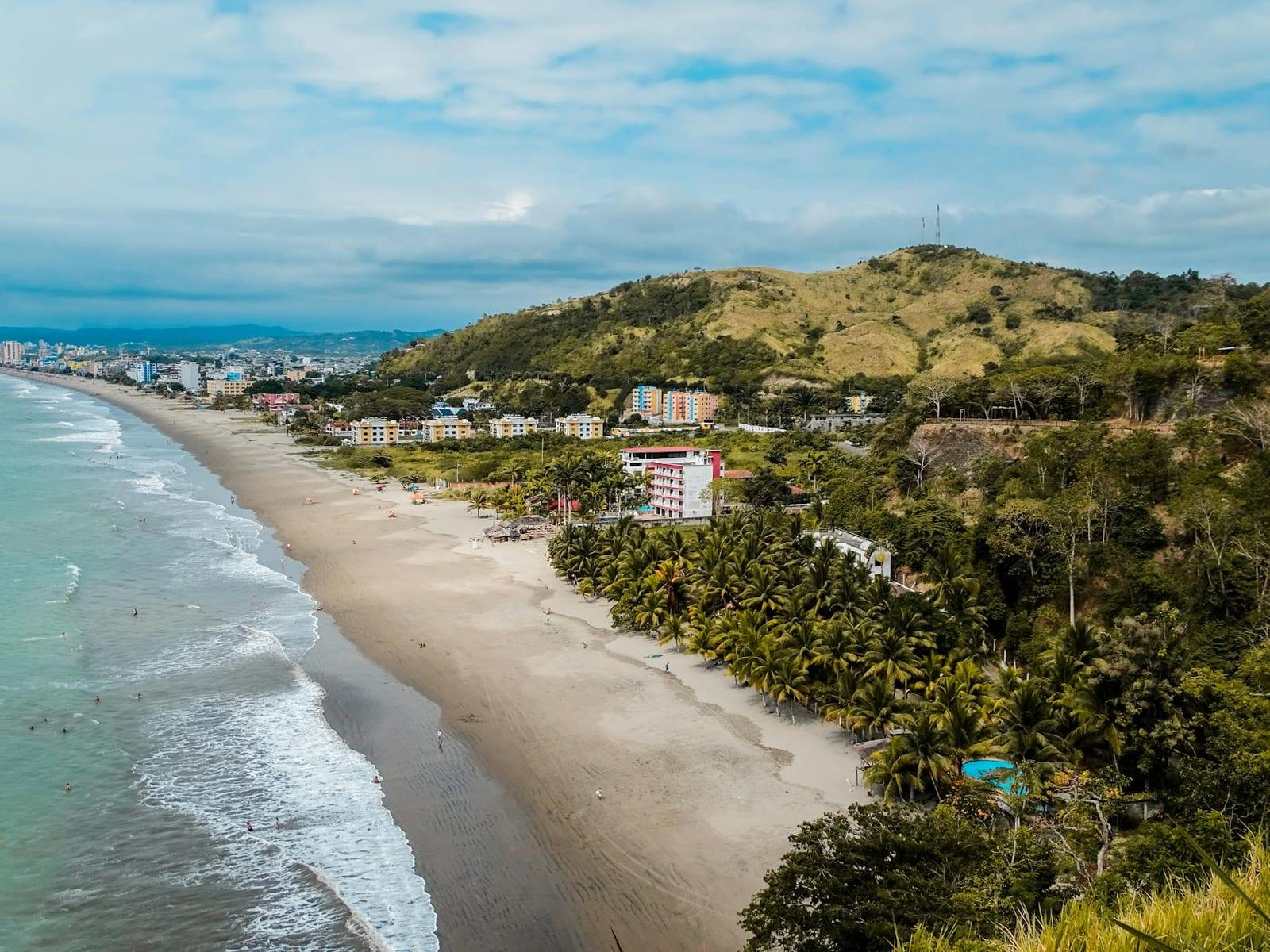
- MontanitaSurfers speak in hushed tones about this hippie-flavored Pacific town’s waves and its beach culture.
- IngapircaEcuador’s greatest Incan ruins, which overlie an older settlement of the Canari people, include the striking Temple of the Sun.