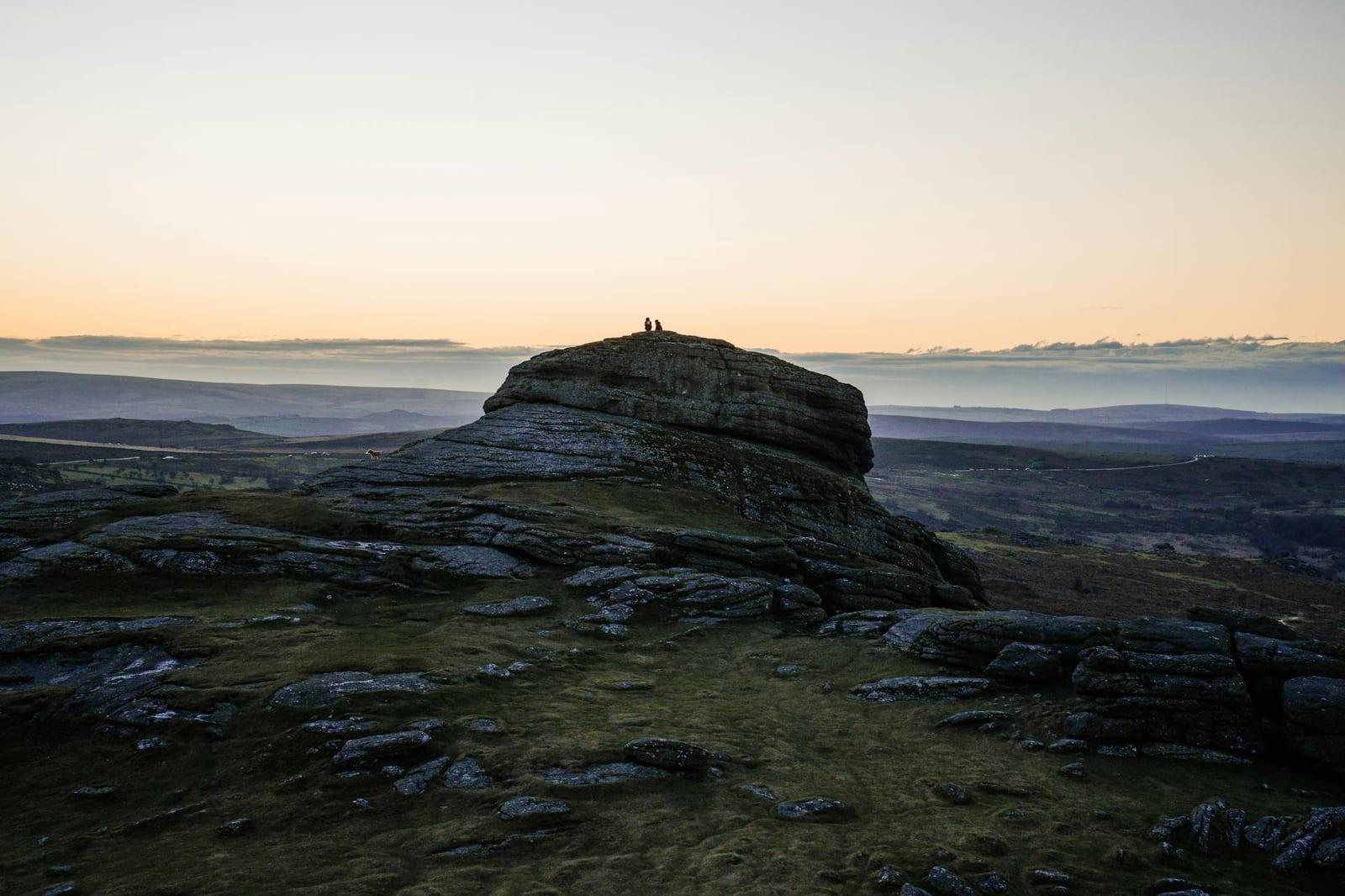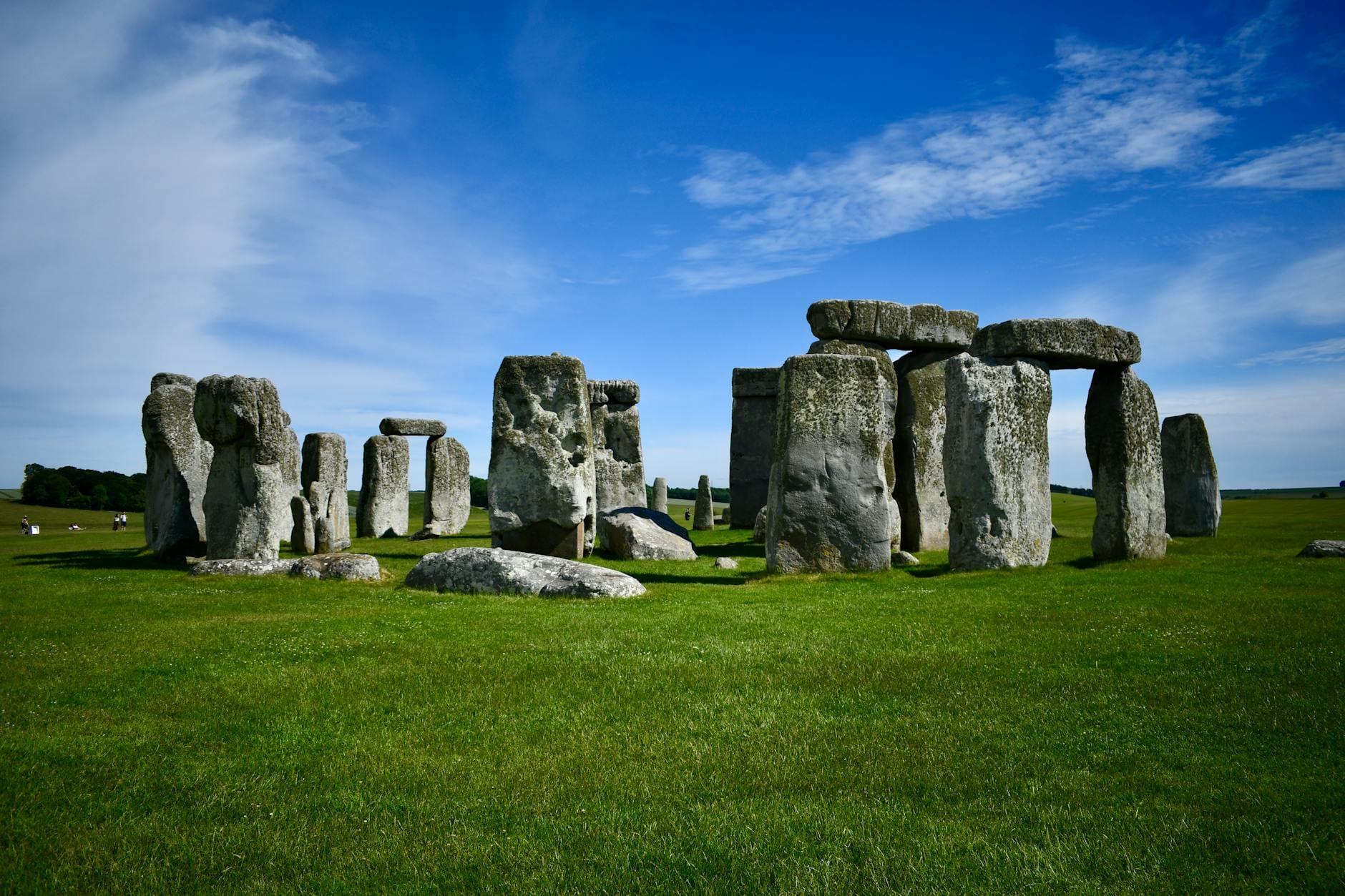

A world map suggests that England is a mere fraction of the minor archipelago of the British Isles; but a history book says otherwise. Here’s a country that, while removed from the center of European action and muffled under a gray, rainy, maritime climate, has helped shape that very world map and that very history text like few others. In the days of the British Empire, England came to the rest of the world—sometimes violently, sometimes sneakily, usually authoritatively. Nowadays, people flock to this island country.
Walk the moors and dales and cobblestone streets of England, and feel the past vibrating beneath your feet: the Neolithic societies and their stark megaliths, the deep-rooted Celtic legacy, the Roman era, the spread of Anglo-Saxon kingdoms, the Norman conquest, the Tudor Dynasty, the English Civil War, the globe-spanning reach of the British Empire—then headlong through the Industrial Revolution, the trial of the Second World War, and the rejiggering of English identity over the past half-century or so. English landscape and culture have both sometimes been called subdued, but they’re so freighted with monumental history that the label seems almost comical.
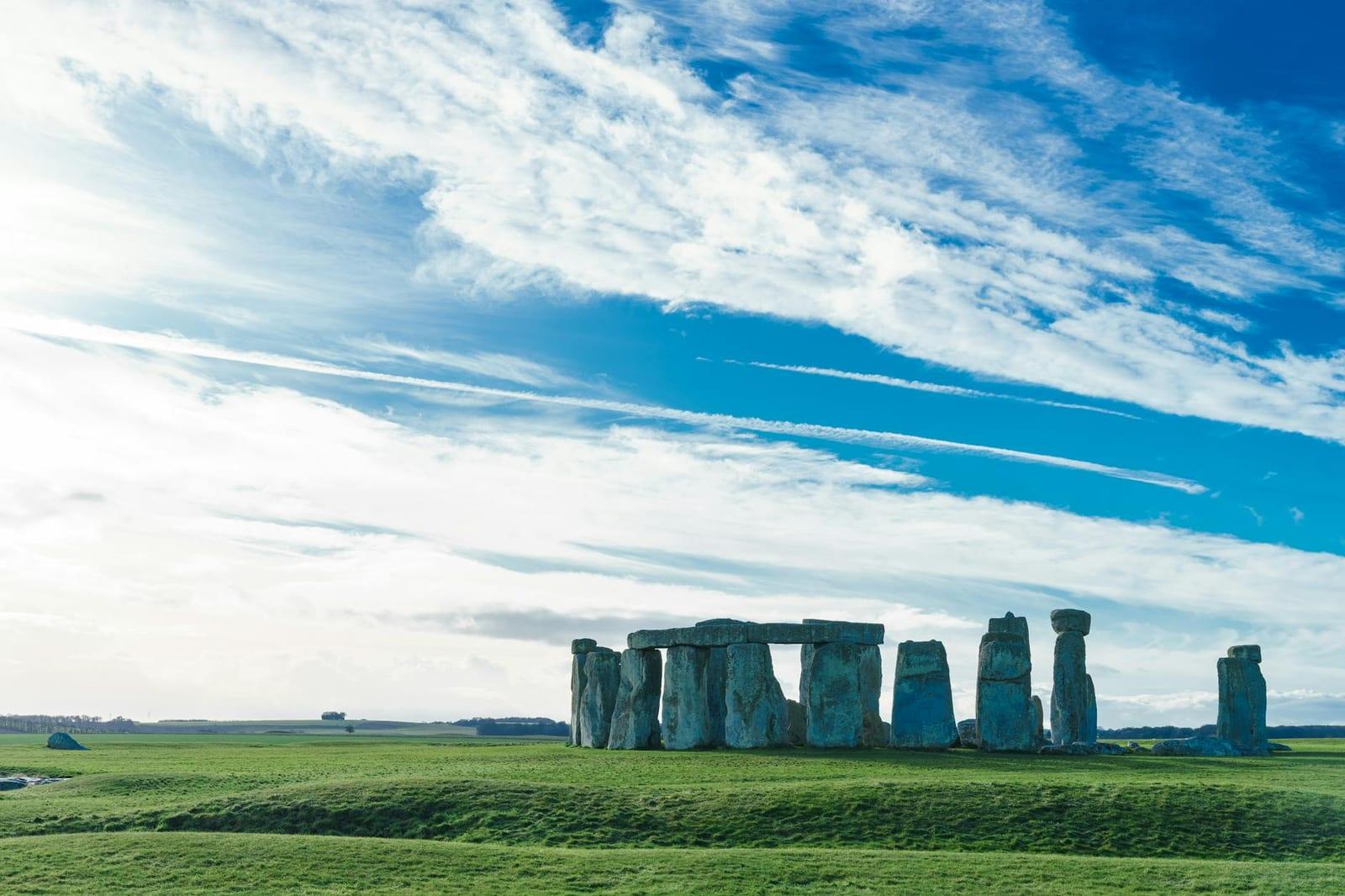
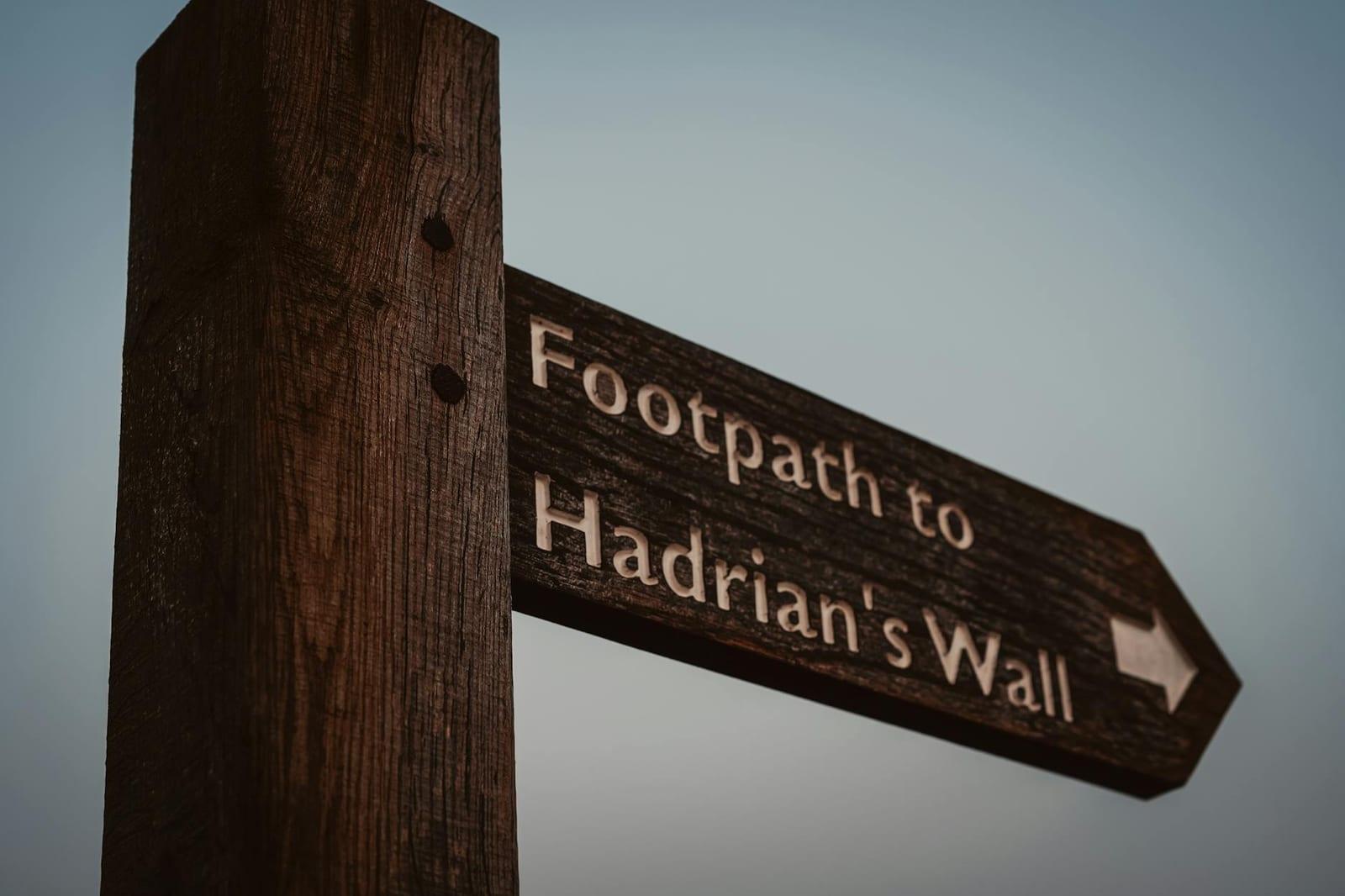
Stand in the shadow of Stonehenge or Avebury and ponder prehistoric England; hike along Hadrian’s Wall, marking the serpentine northern border of Roman Britannia; gape at Canterbury Cathedral, Fountains Abbey, the Palace of Westminster, the Tower of London (and its ravens), the Royal Crescent of Bath—from Northumberland to Cornwall, a multitude of historical landmarks help tell the country’s epic story.
Besides the royal staterooms and shipyards and ports that drove the British Empire, England’s full of edifices of global culture. You can structure an entire trip tracking William Shakespeare’s geography, from the Bard’s birthplace and grave in Stratford-upon-Avon to the reconstructed Globe Theatre in London. Same goes for the Fab Four, another English export that’s shaped the world’s collective psyche: From the rough-and-tumble streets of Liverpool to Abbey Road Studios and the rooftop of Apple Corps, Beatles fans can see firsthand where John, Paul, George, and Ringo forged their musical identity and thereby changed the course of popular culture.
England still means quaint villages, high tea, lush green hills, the brooding moors of the chalk uplands, and the old-fashioned glamor of the Royal Family. It also means an amazingly multicultural population, major nerve centers of the global economy, and a government that, while no longer in charge of half the world, still takes the lead in many an international affair. The BBC’s idiosyncratic comedies and period dramas aside, England in the era of globalization is an exciting, dynamic, colorful, and fast-changing place.
Journey to England and discover just how much is packed within its briny borders: from cathedrals to curry stalls, from the Druids to the Stones, from Hound Tor to the White Cliffs of Dover.
30 things not to miss.
- North Coast 500Drive the North Coast 500
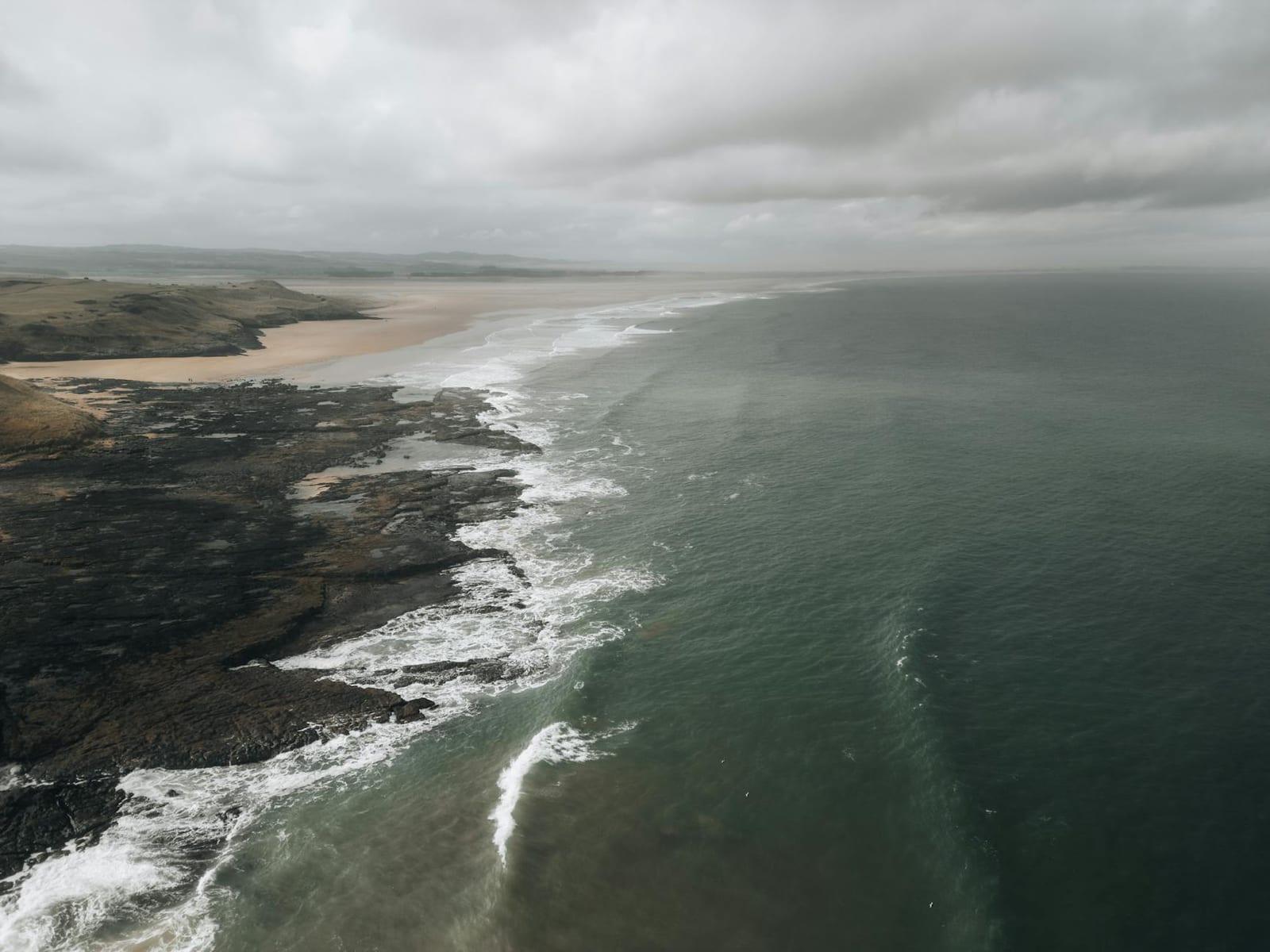
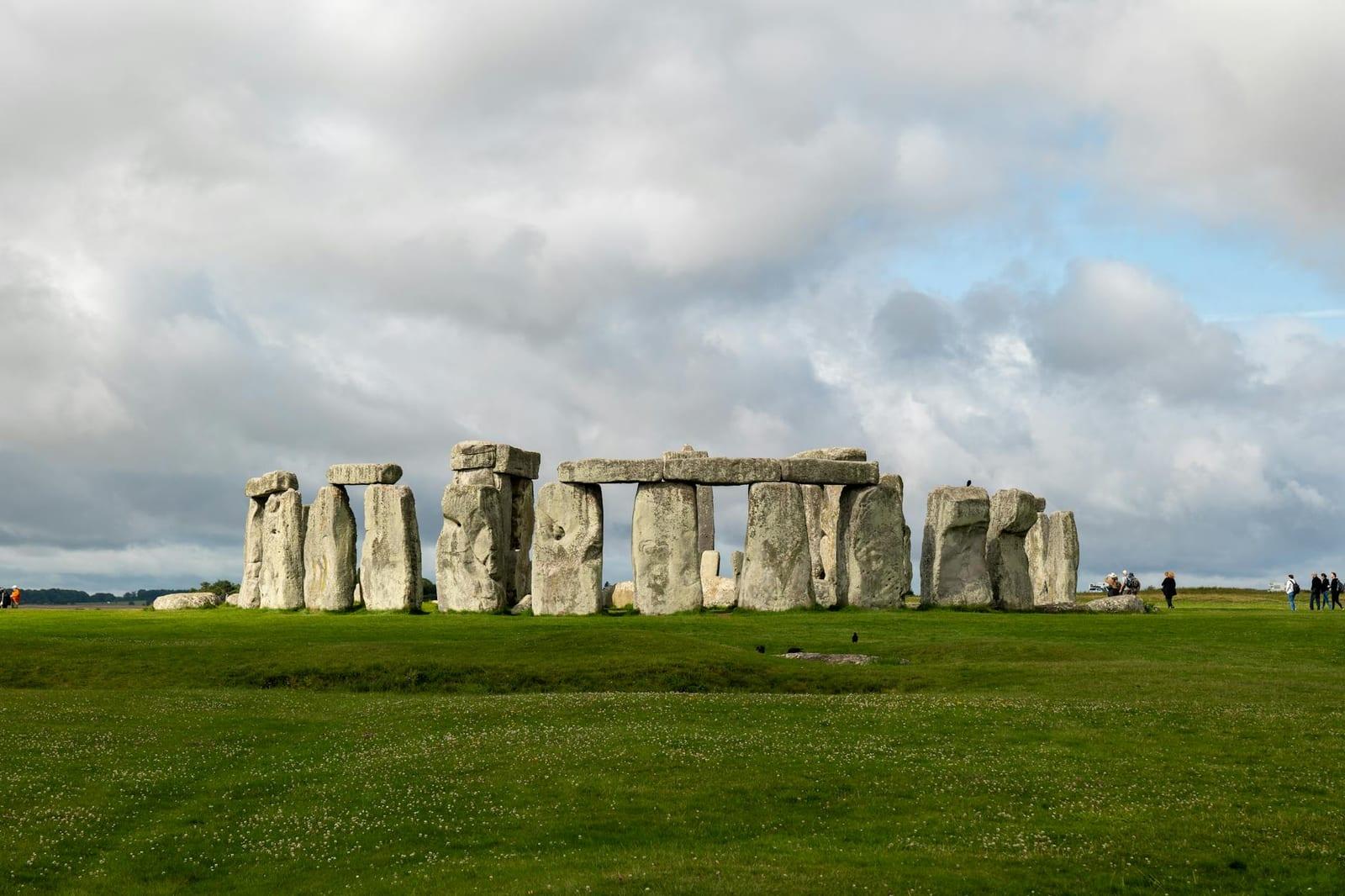
- StonehengeWatch sunrise over Stonehenge
- Ben Nevis
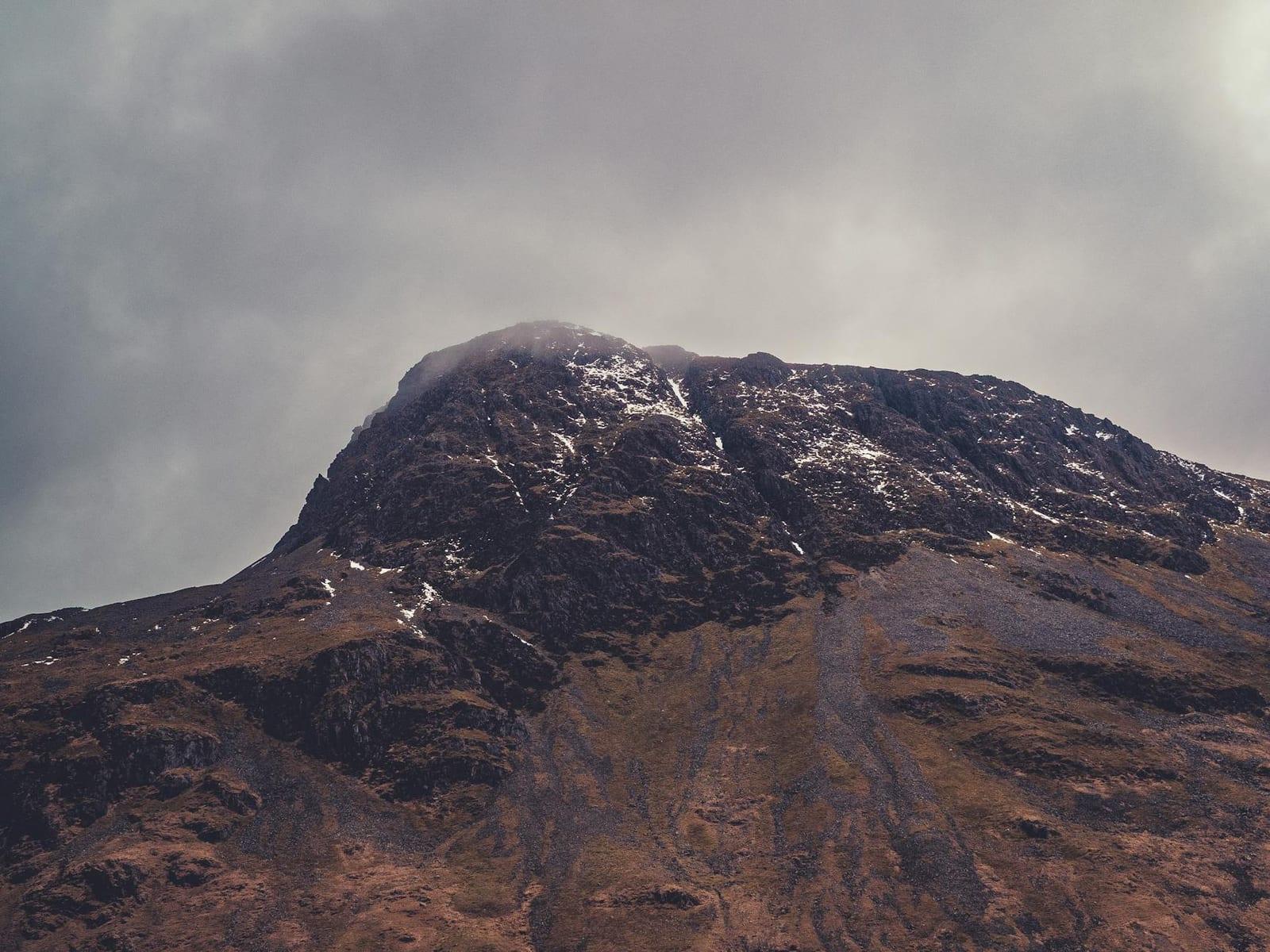
- Aston Martin Driving Experience

- London Marathon

- Eurostar

- Cardigan Bay
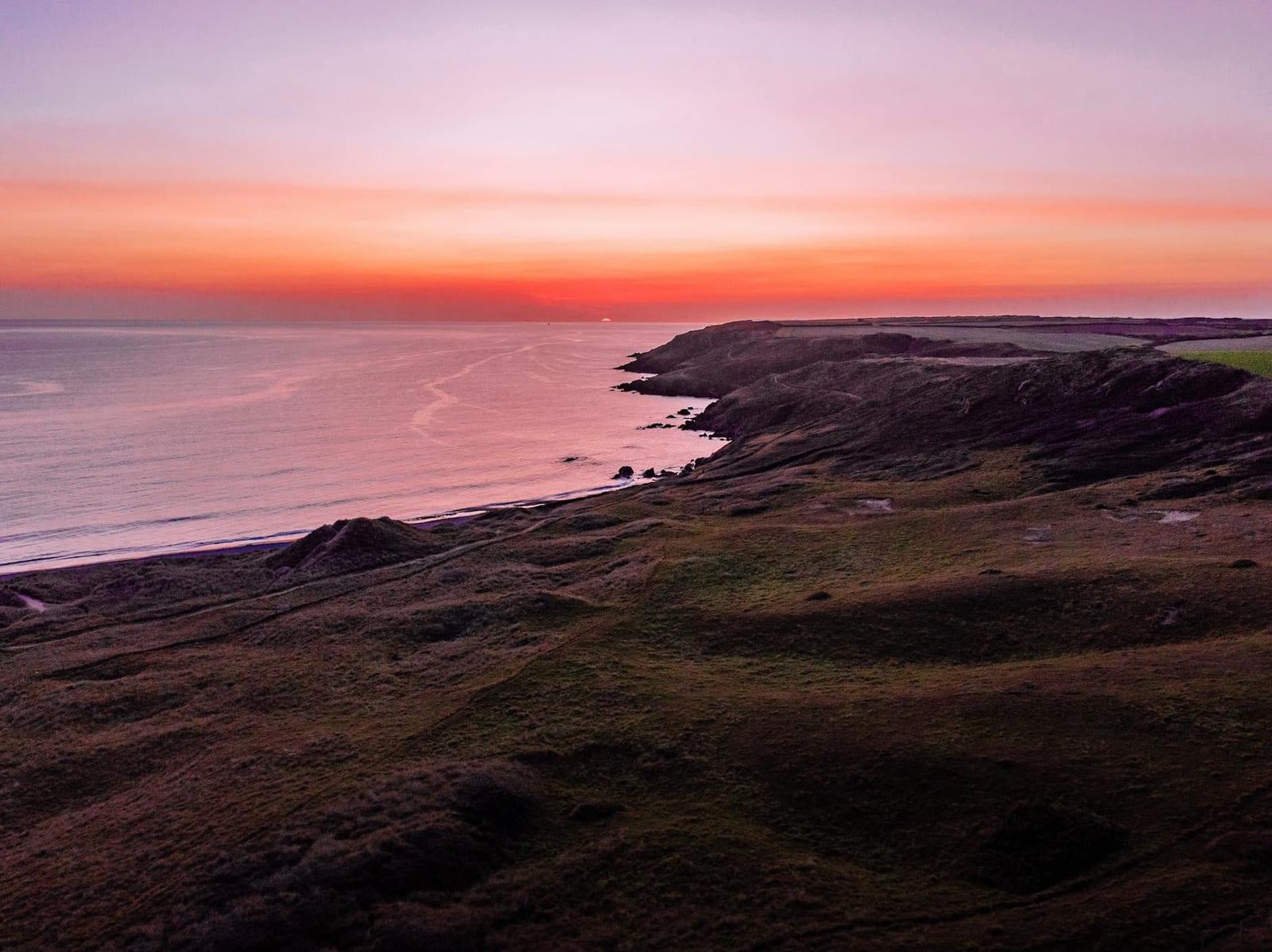
- Various UK (The Open)
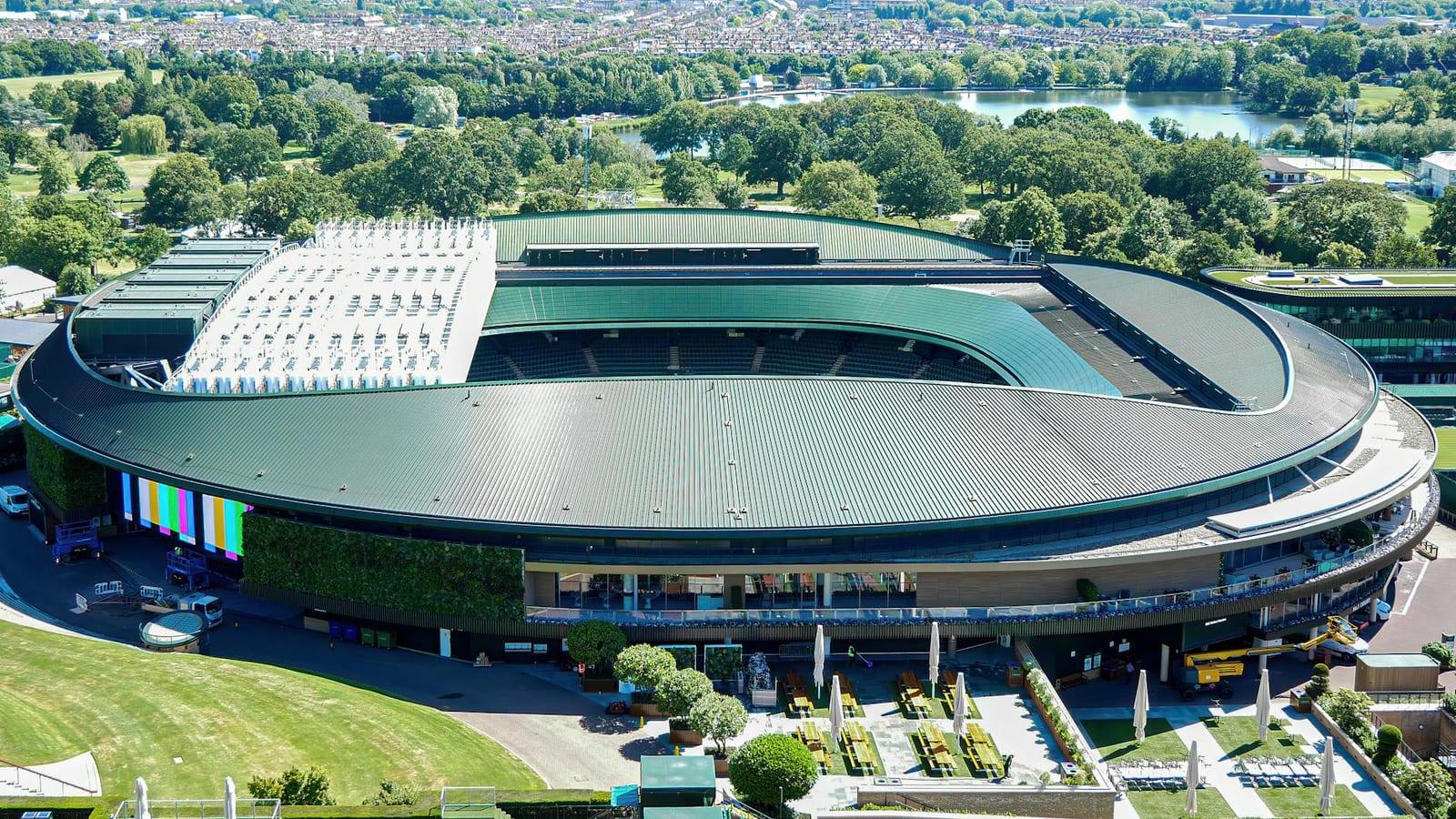
- London, Wimbledon
- Silverstone

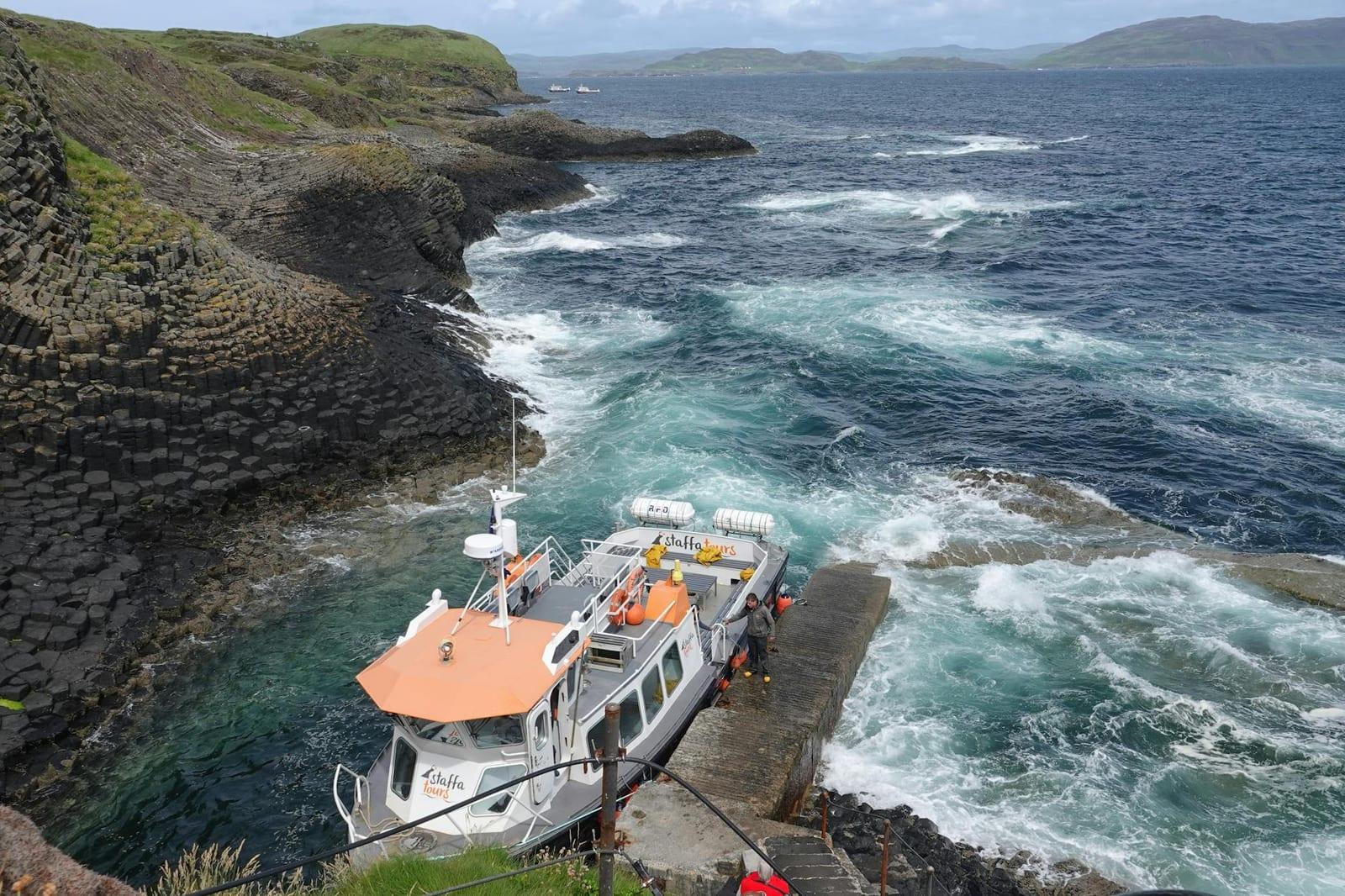
- Fingal's Cave
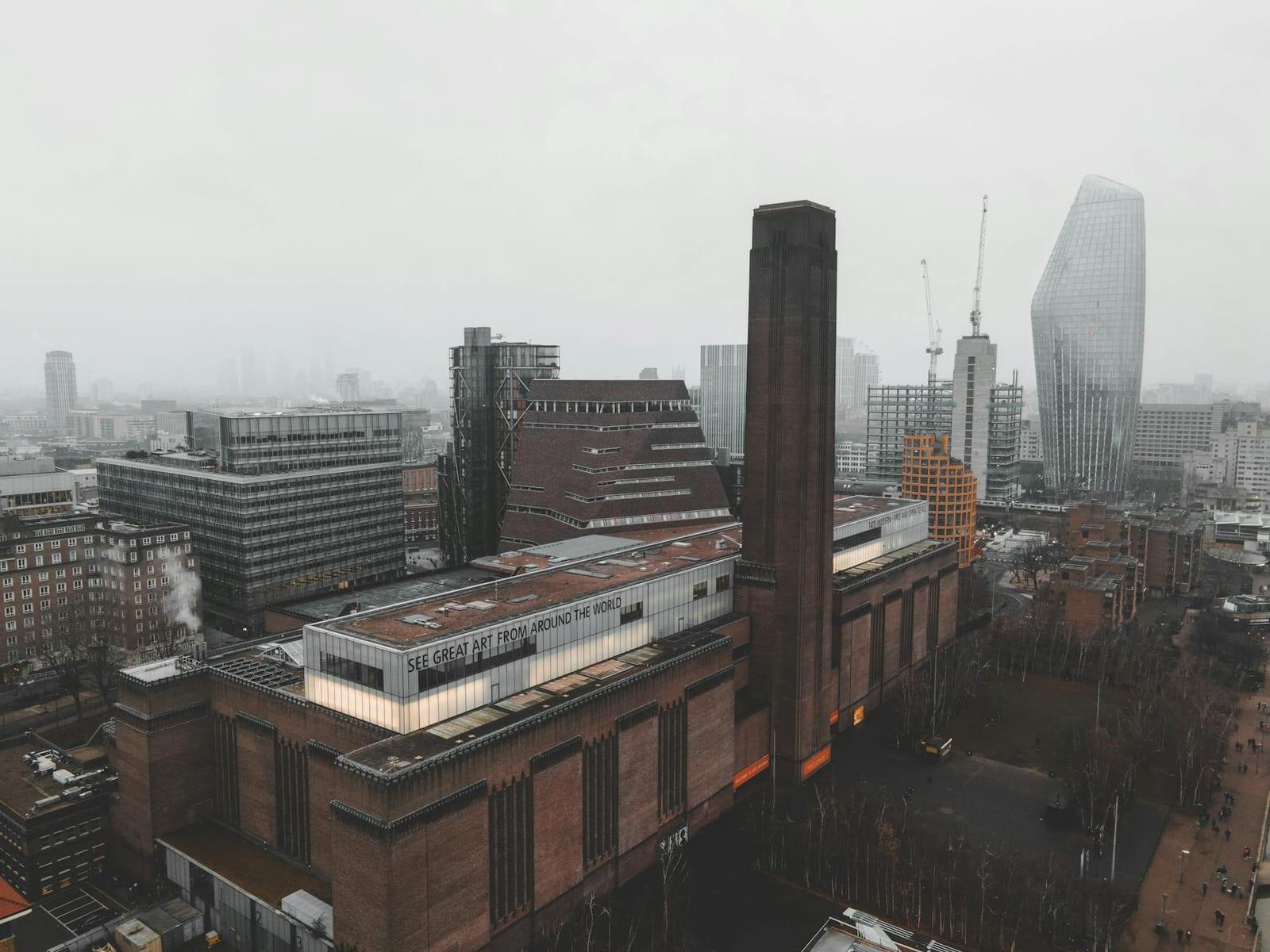
- Tate Modern
- Download
- British Museum
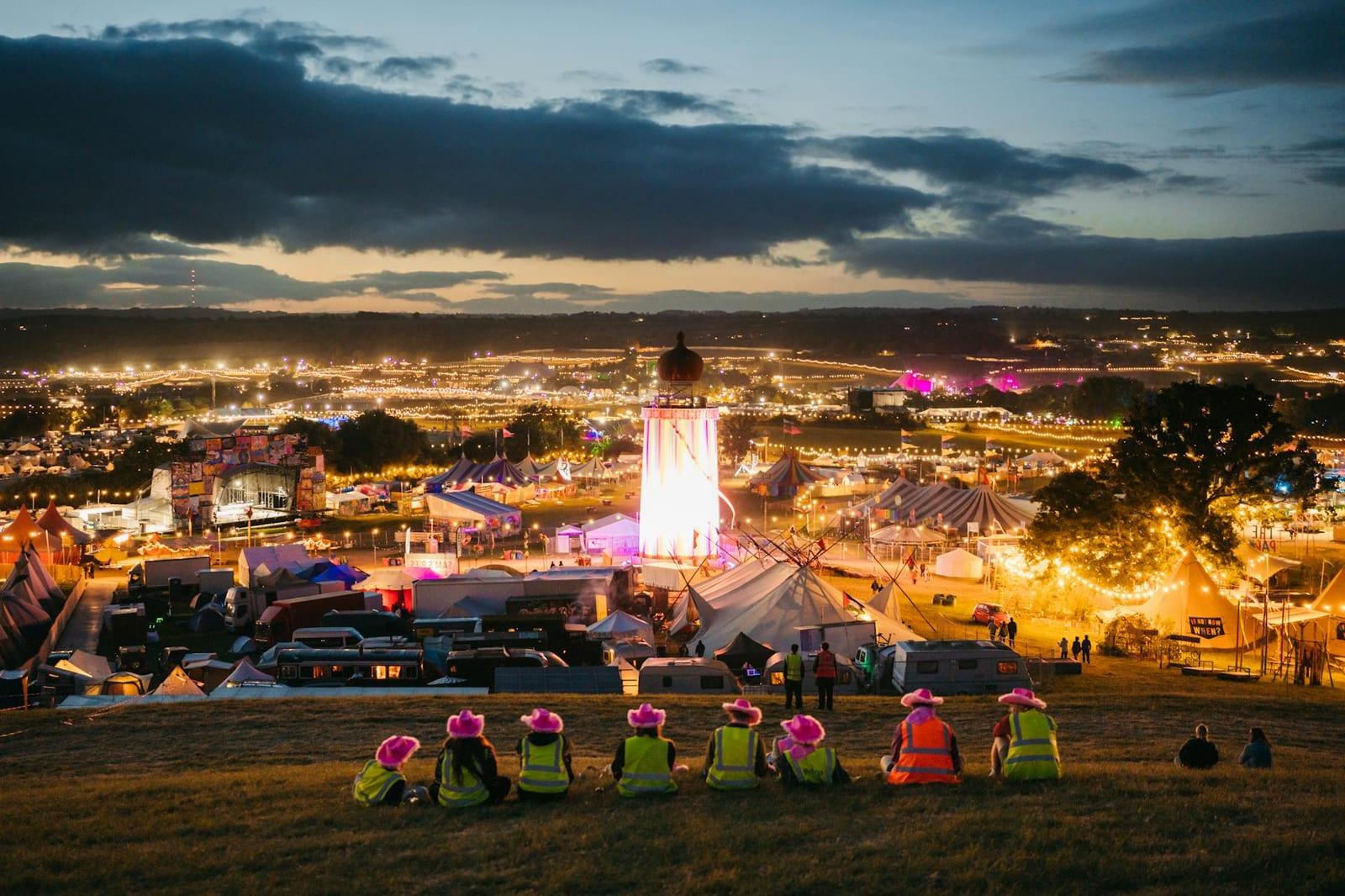
- Glastonbury
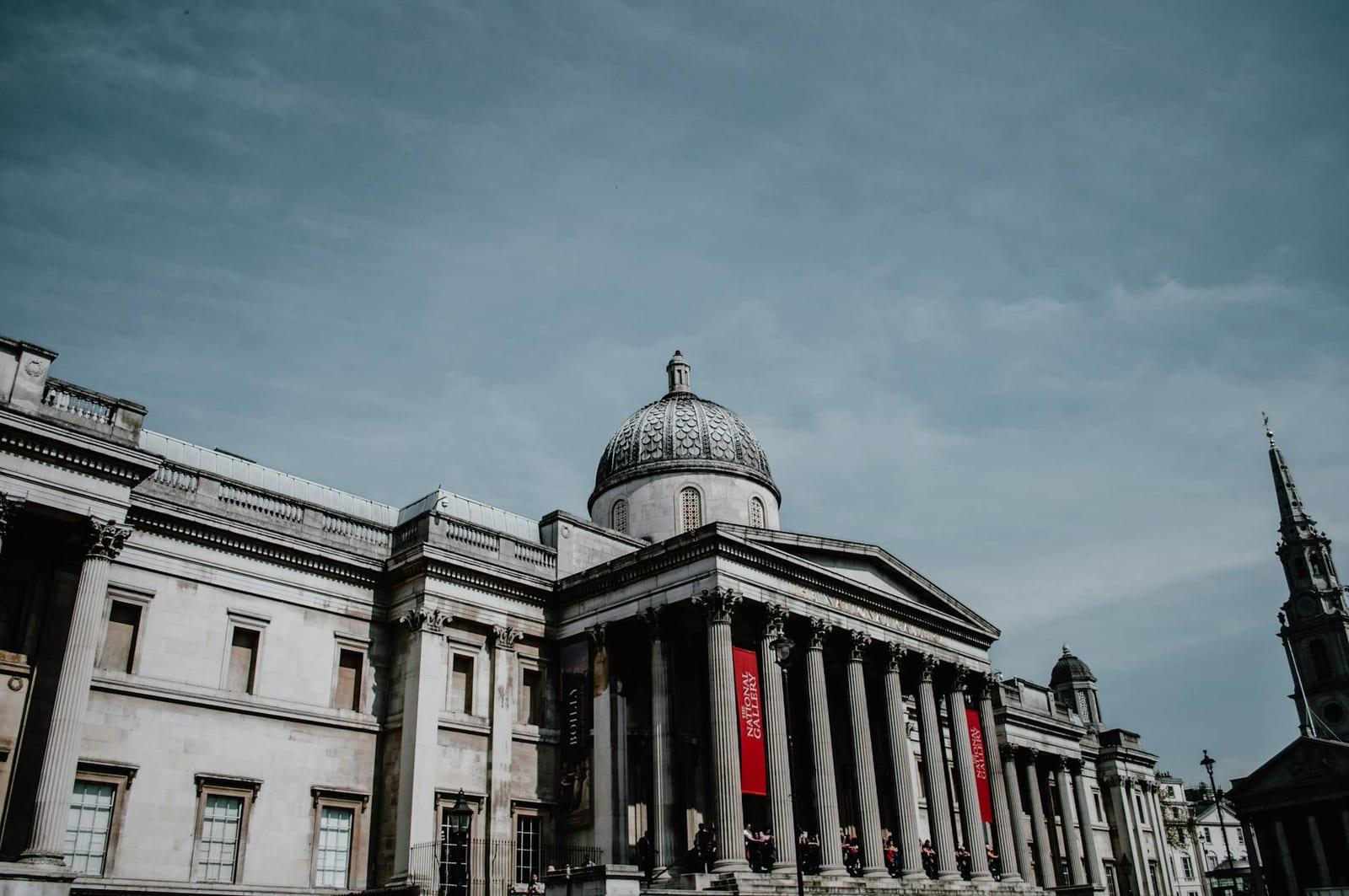
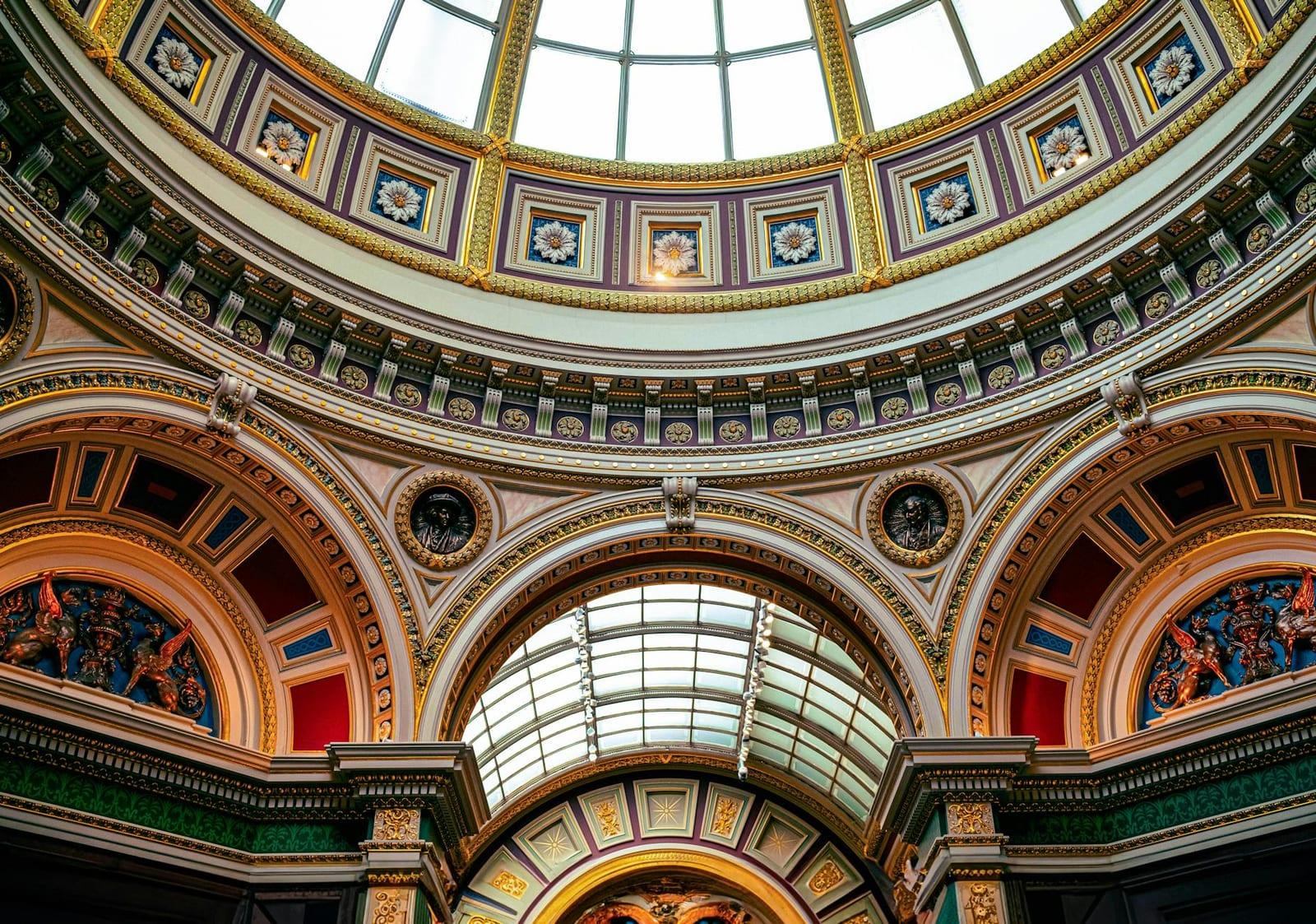
- National Gallery London
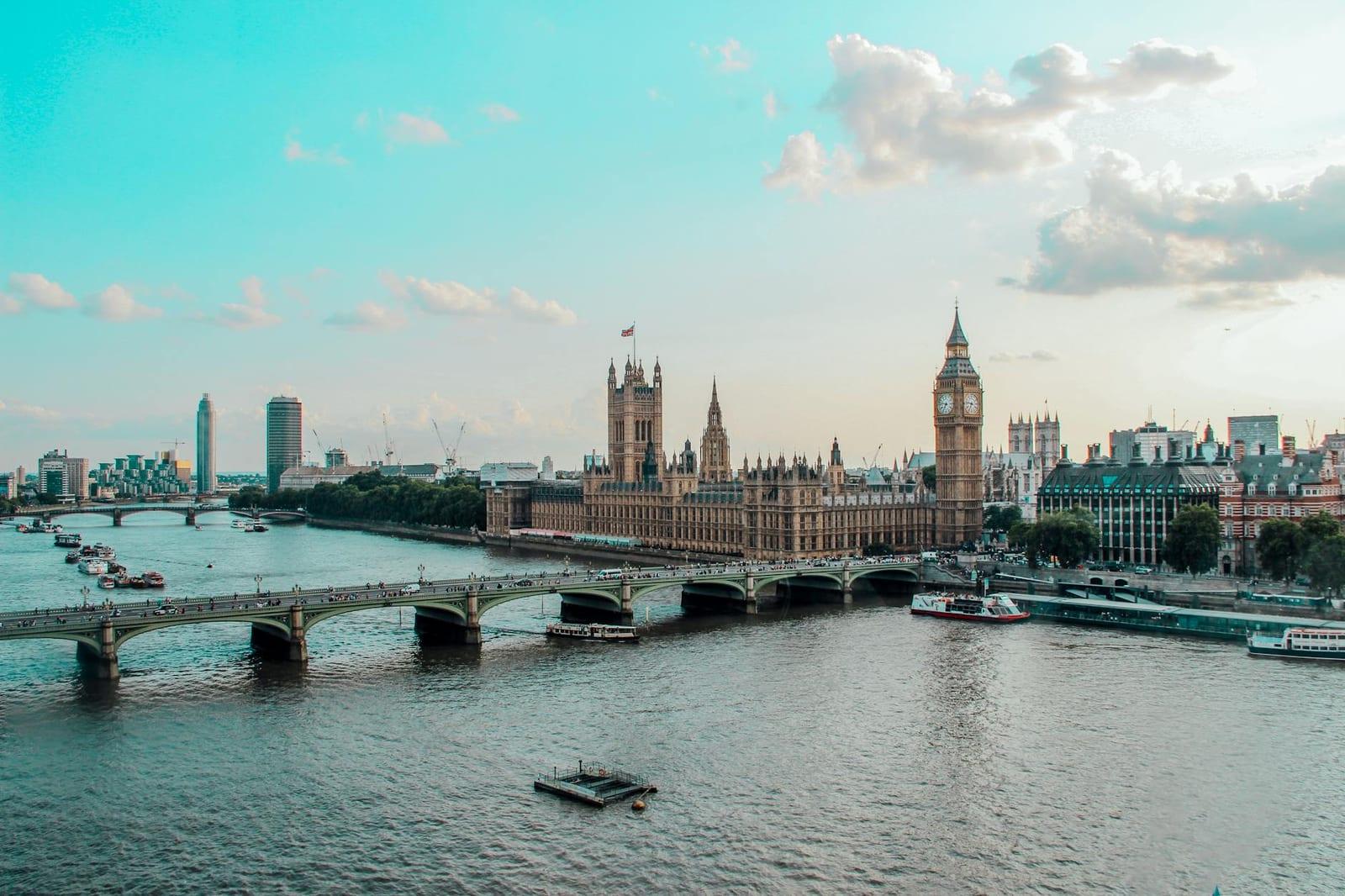
- London
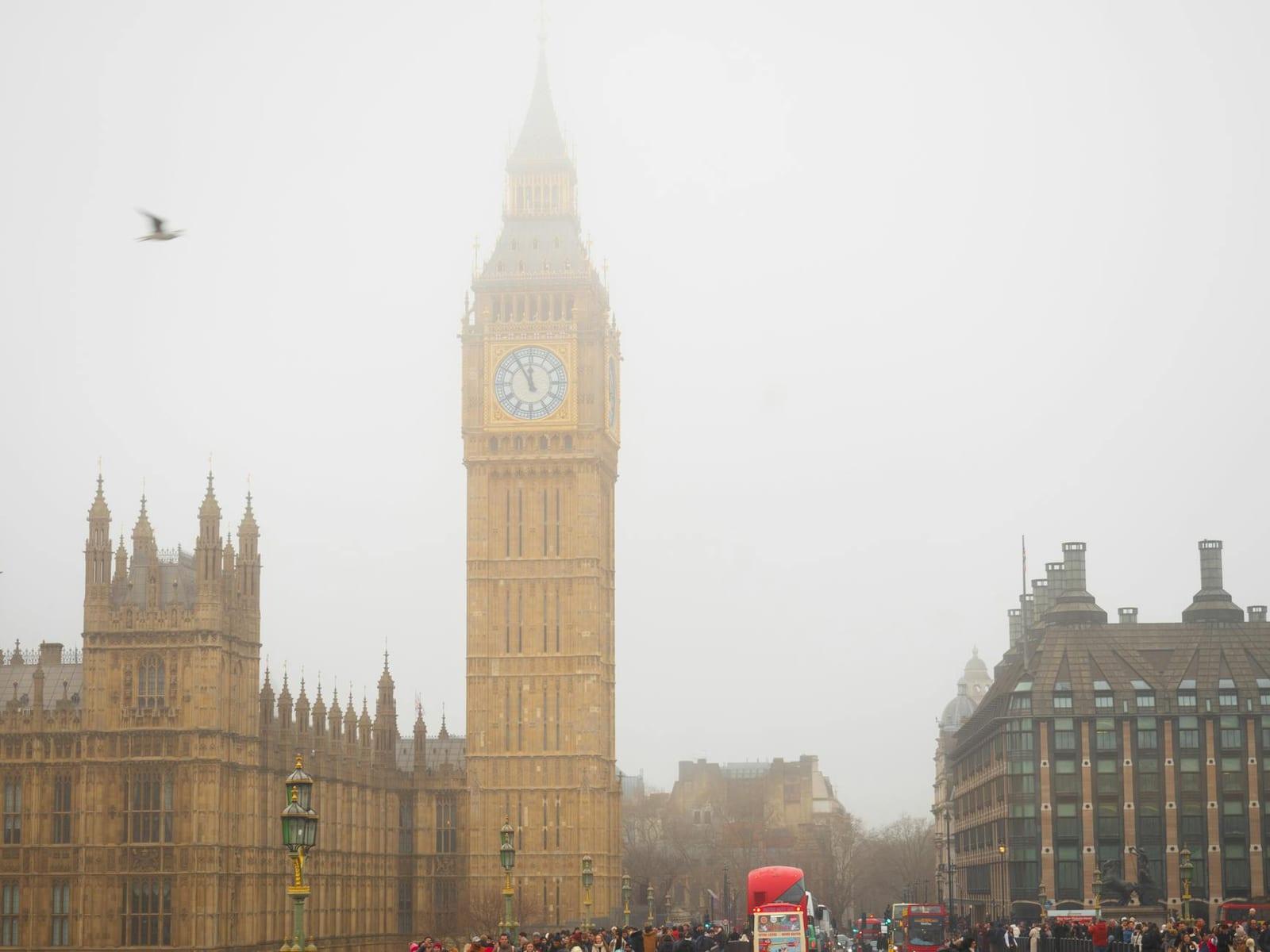
- Big Ben
- Grand Slam Tennis

- Cricket World Cup
- Hadrian’s WallHike along this millennia-old bulwark, which once walled Roman Britannia’s northern frontier.
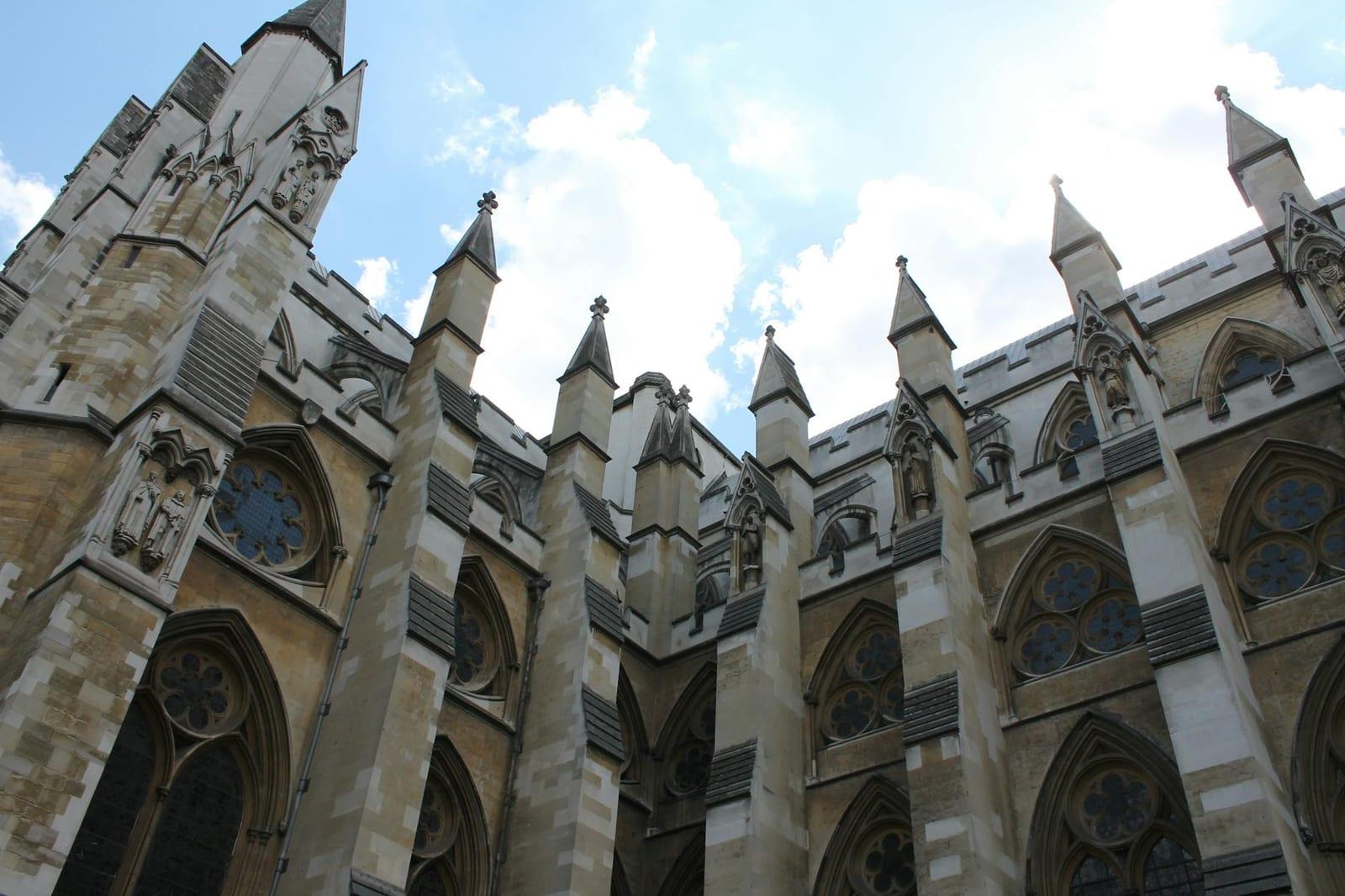
- Westminster AbbeyThis skyscraping London church contains King Edward’s Chair, coronation seat for English monarchs, and a slew of famous burials.
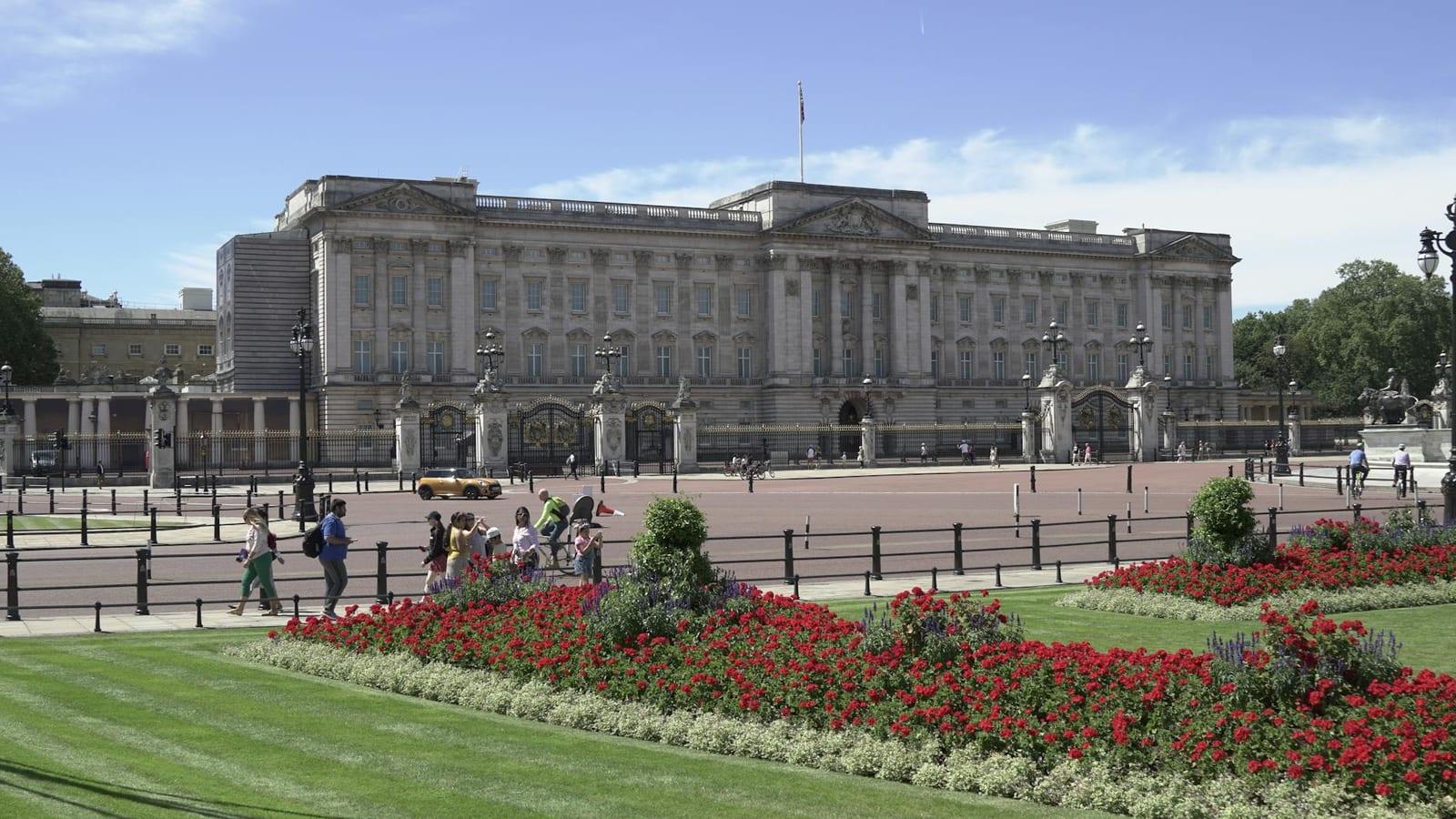
- Buckingham PalaceThe resplendent home of the British monarch is watched over by the equally resplendent Queen’s Guard.
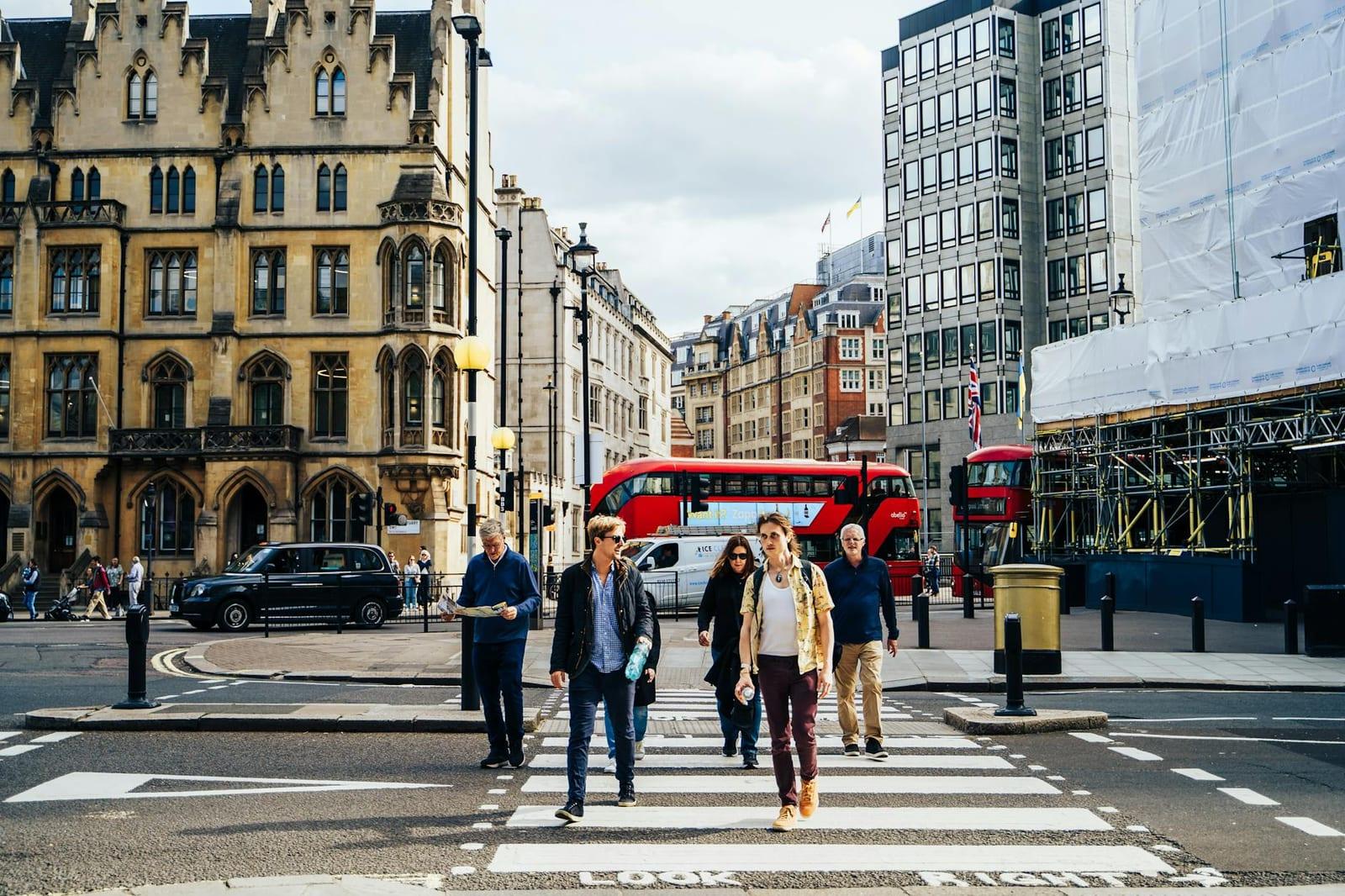
- Abbey Road Zebra CrossingThe fact that the Beatles strode across it for their final album cover makes this otherwise unremarkable zebra crossing a major pilgrimage site.
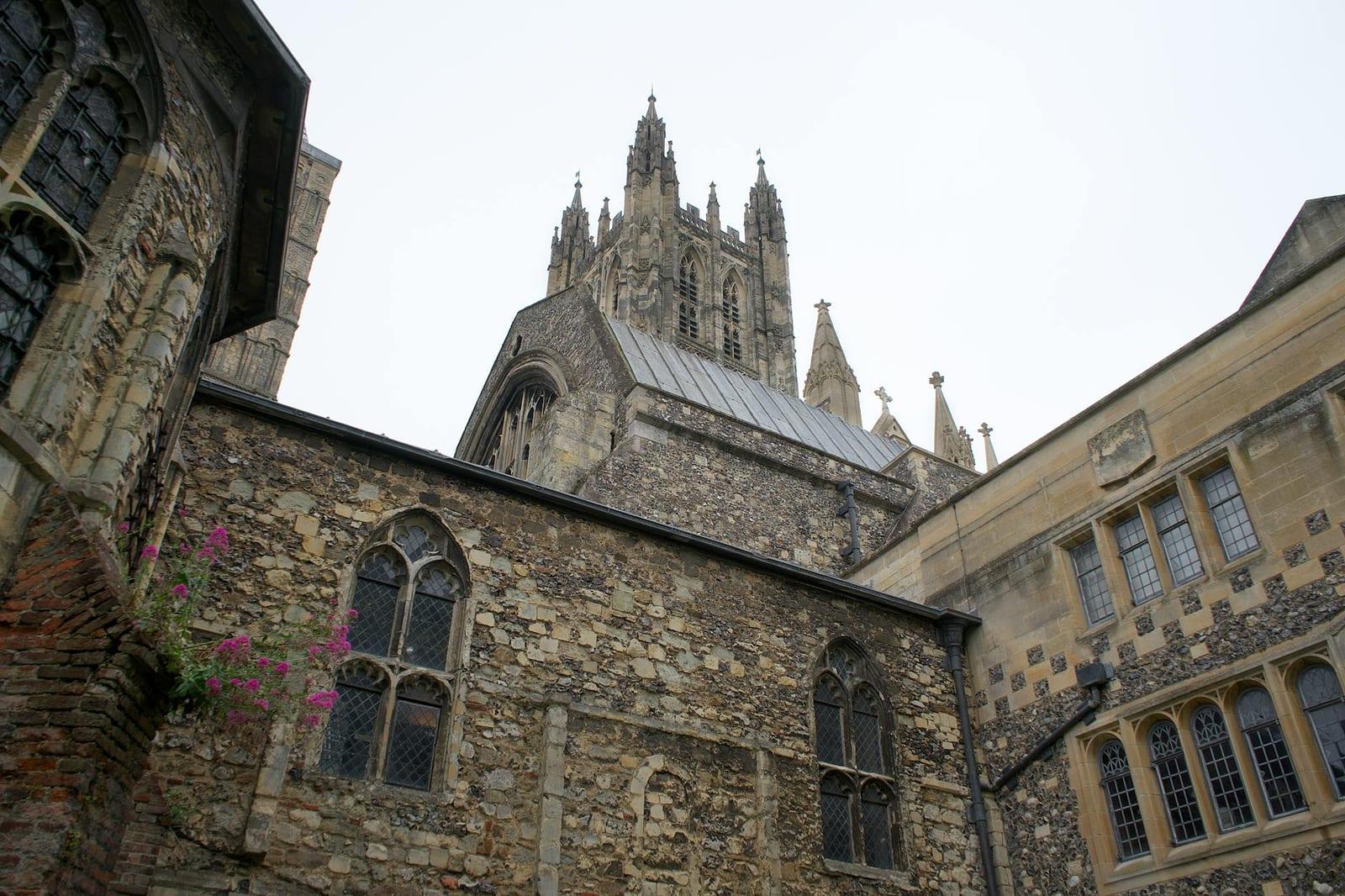
- Canterbury CathedralVisit the hallowed headquarters of the Church of England’s overseer, the Archbishop of Canterbury.
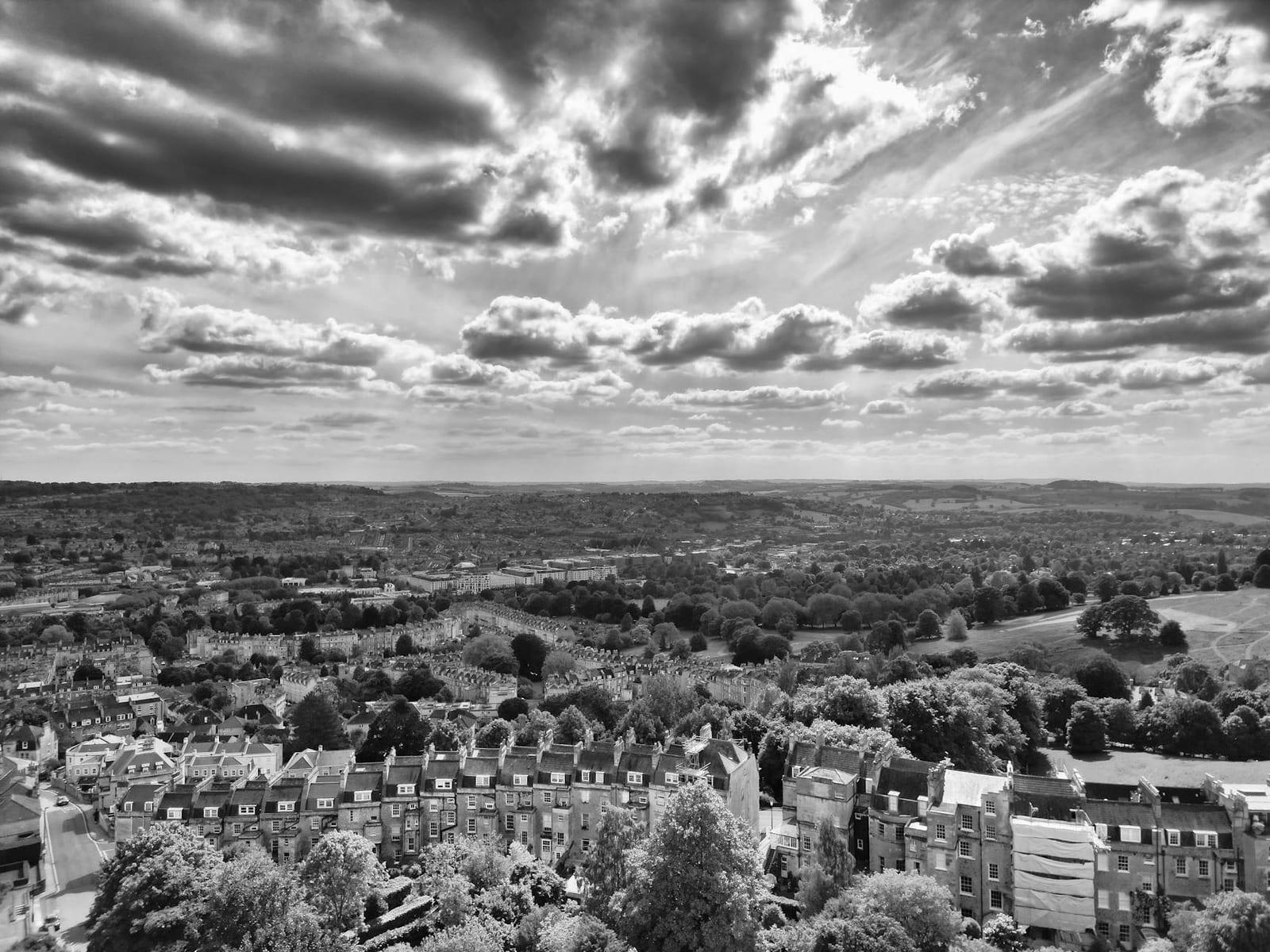
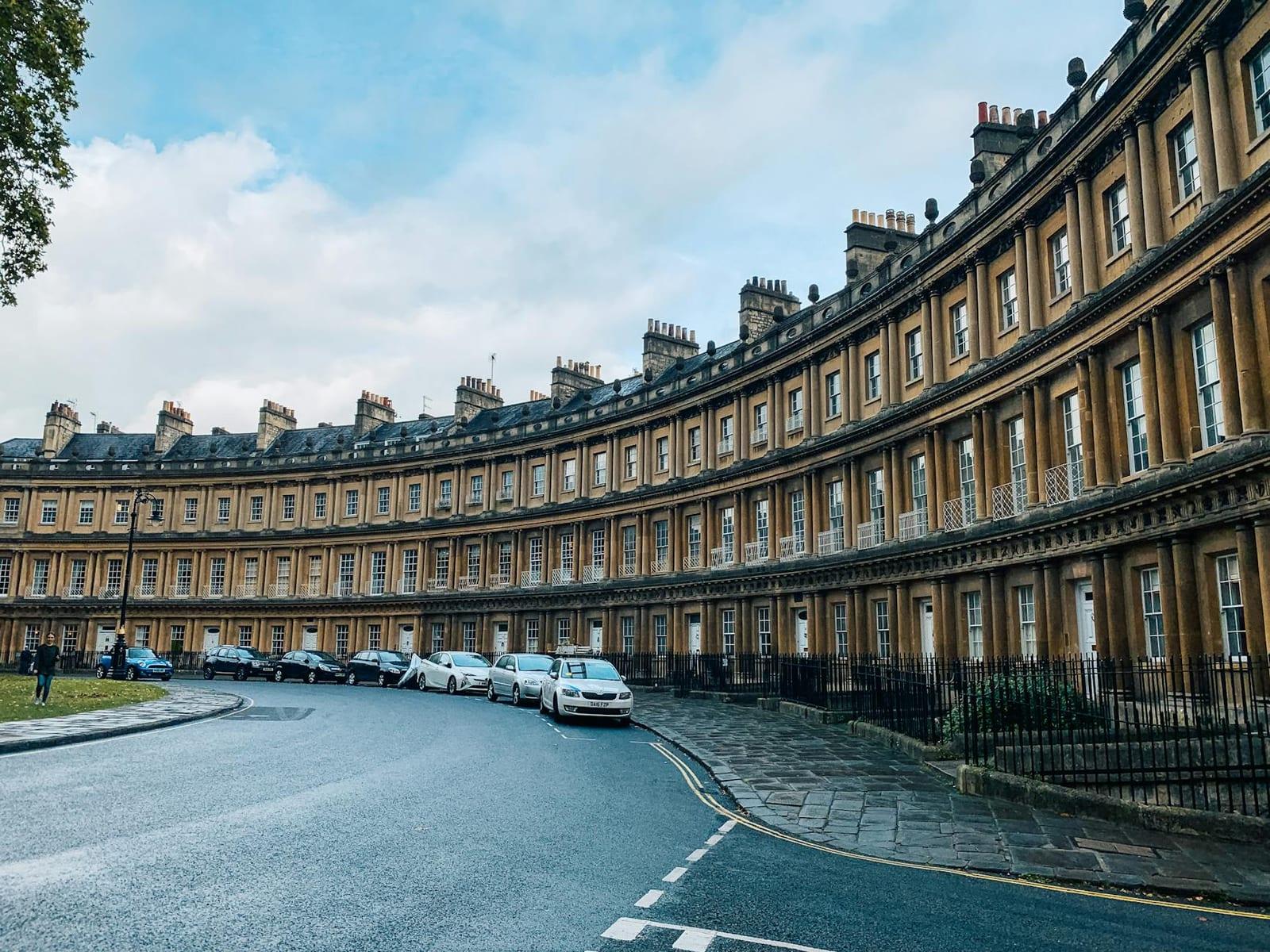
- The Royal CrescentBath’s serpentine rampart of Georgian townhouses sprang from the vision of the great 18th-century architect John Wood, the Younger.
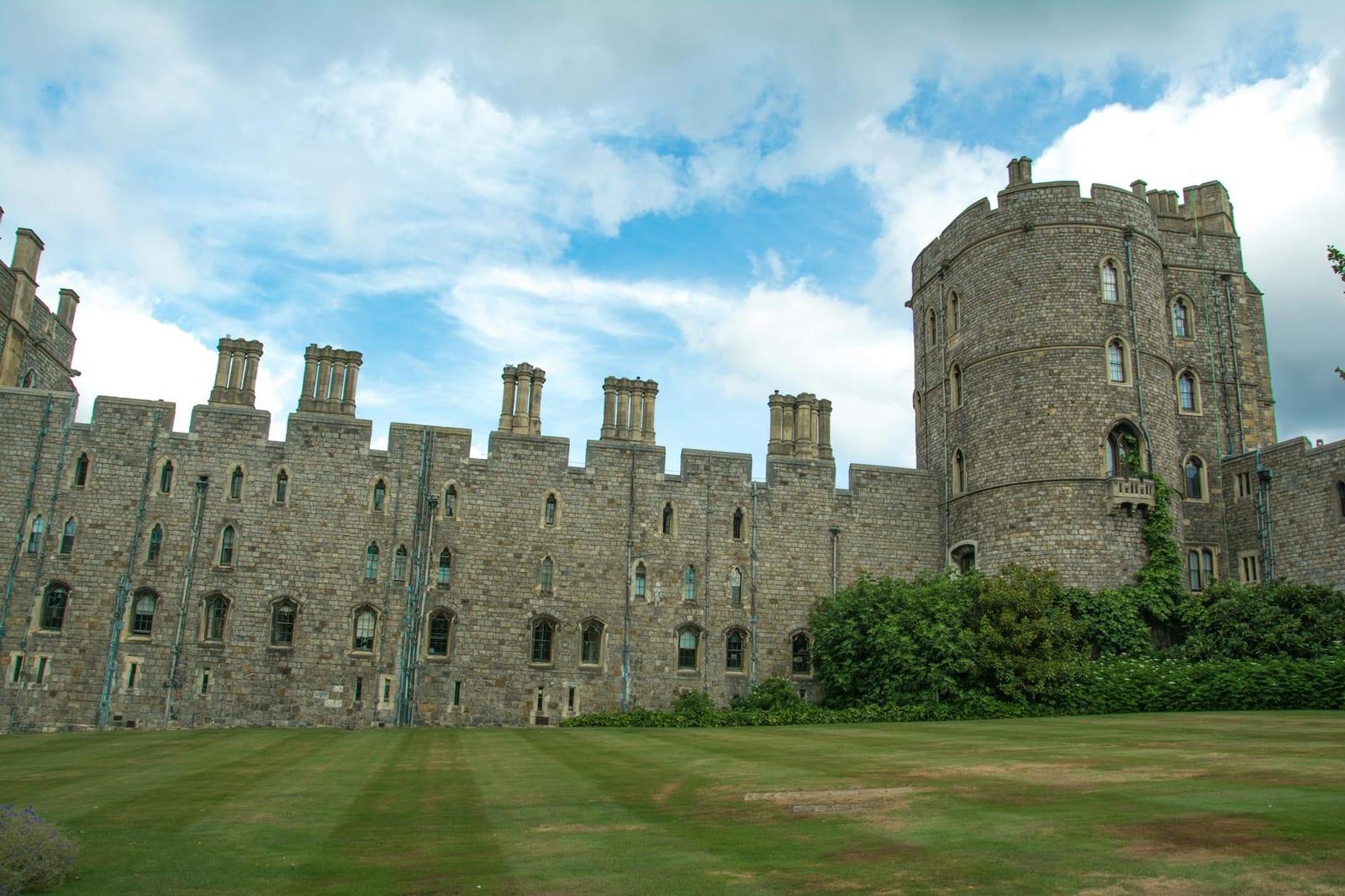
- Warwick CastleWilliam the Conqueror built the original wooden version of this Warwick fortress, one of the best-known castles in the Britain.
- White Cliffs of DoverThis chalk escarpment along the narrowest span of the English Channel forms one of the most mythic seacoasts anywhere.
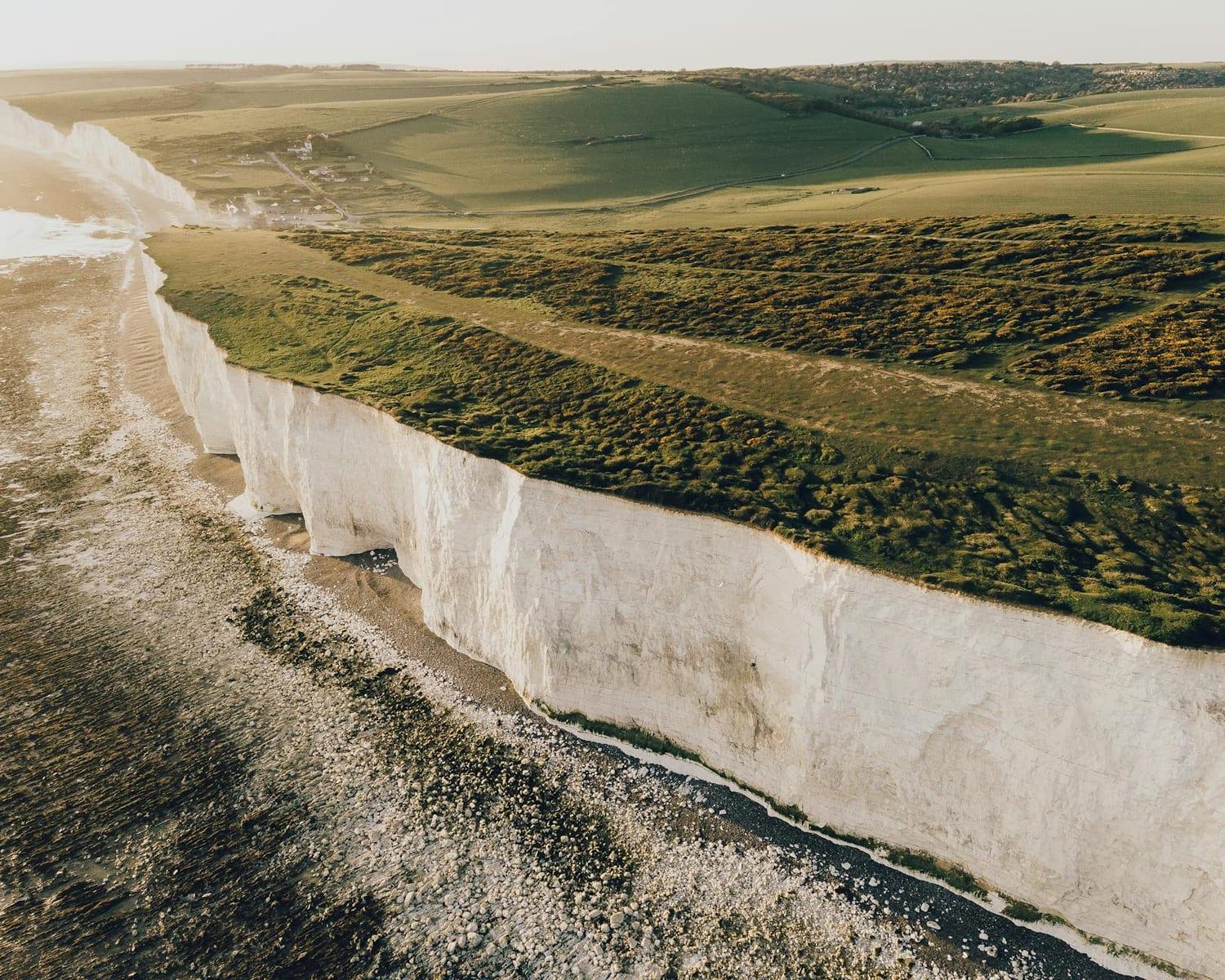
- Lake DistrictThe burly Cumbrian Mountains (including 3,209-foot Scafell Pike, England’s highest summit) and numerous lakes create England’s most celebrated countryside.
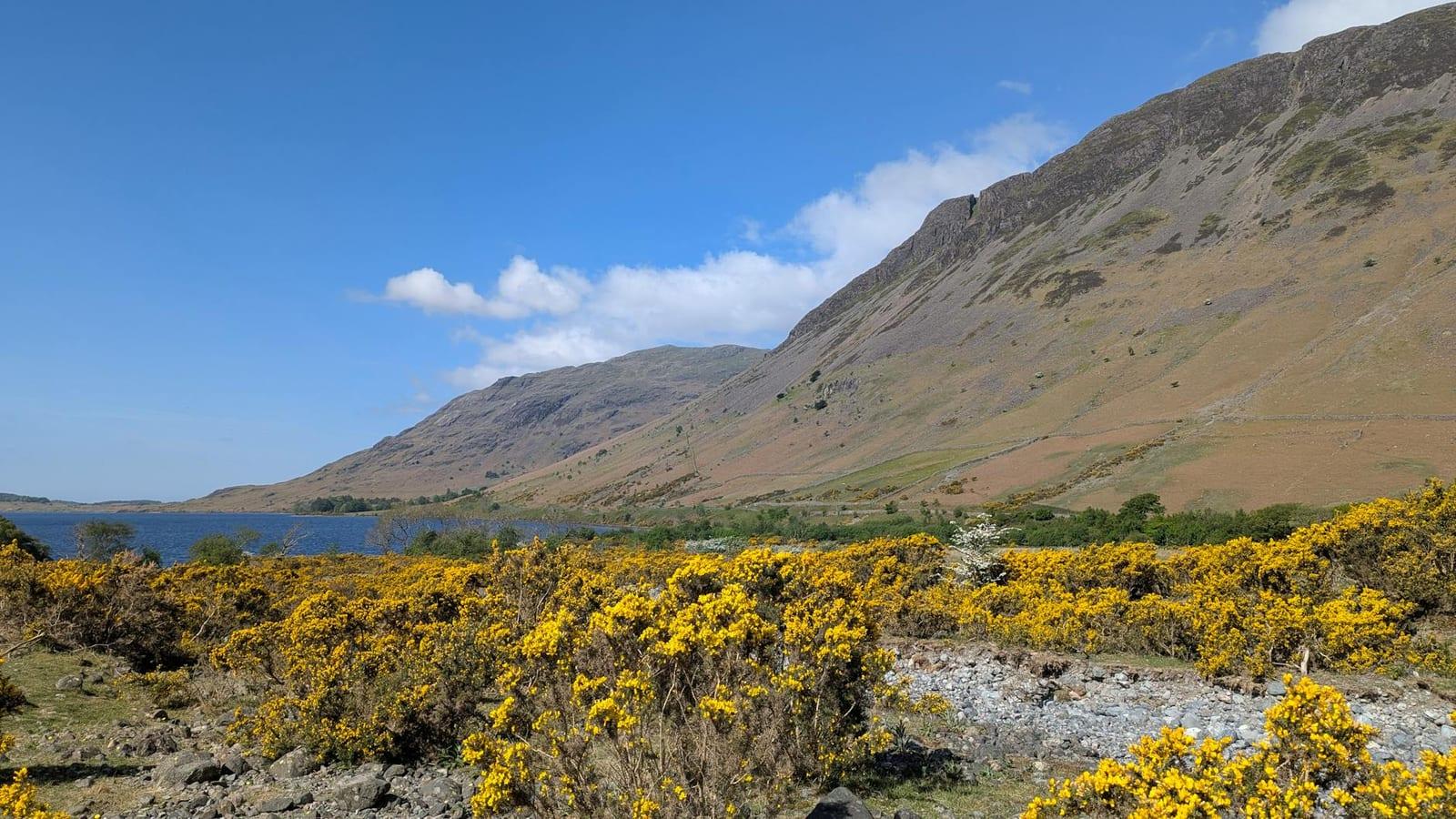
- DartmoorLong-populated and well-peopled as it is, England can still be a place of gorgeous, near-supernatural desolation—as this crag-broken moorland demonstrates.