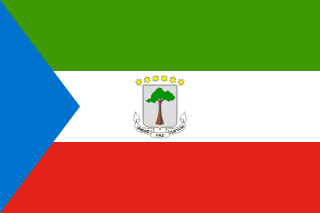
You can’t go to Equatorial Guinea and not be aware of this little Central African country’s contradictions and complexities. The Spanish-speaking nation’s pumped with oil money, yet amid the gleaming new architecture and fancy suits most of its people live in utter poverty. Natural splendor—lush volcanoes, dreamy beaches, deep rainforest—abounds alongside rampant human-rights abuses. Travel here (as everywhere, really) must be clear-eyed and compassionate, but it’s a corner of the continent nonetheless well-deserving of exploration.
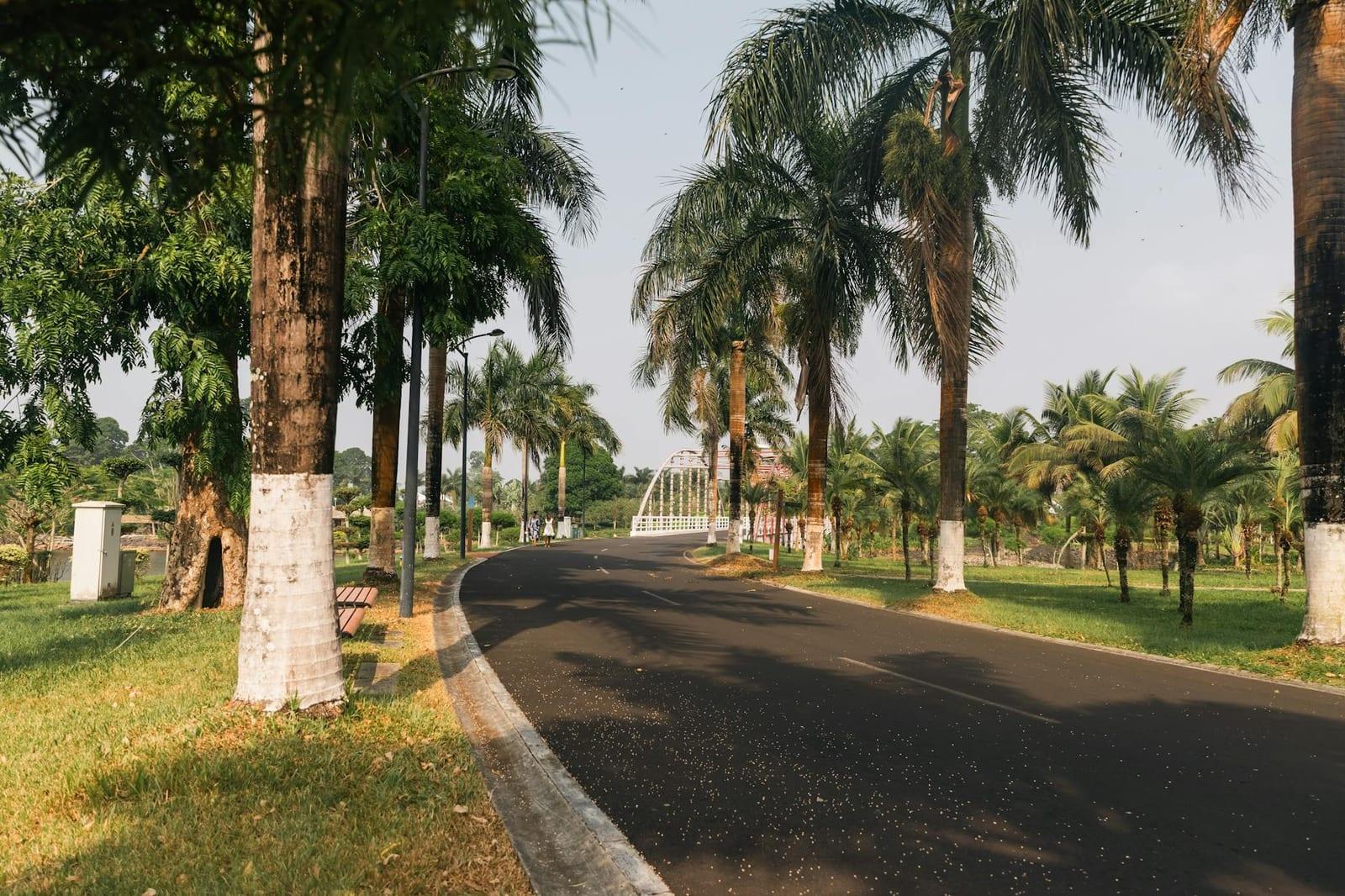
Equatorial Guinea is divided between a mainland portion—Rio Muni, set between Cameroon to the north and Gabon to the south—and a pair of main islands: Bioko in the Gulf of Guinea and Annobón in the Atlantic, though the two are separated by Sao Tomé and Príncipe. You’ll see a lot of Western wealth on display in Bata, the country’s biggest city, situated on the coast of Rio Muni; it’s also a decent place to seek out more traditional strains of Equatorial Guinea cultural life as well as nighttime clubbing, and also serves as a jumping-off point for nearby Atlantic beaches.
The societal distribution of capital and power in Equatorial Guinea can be disorienting and depressing, but there’s no denying that there are some gorgeous ecological destinations here. Foremost among them may be Monte Alén National Park in the rainforest highlands east of the mainland’s coastal plain. Some of Central Africa’s most notable megafauna call this wilderness home—elephants, gorillas, chimpanzees, mandrills—along with an equally impressive slew of birds, reptiles, and amphibians.
Lush forests, sea-turtle nesting beaches, and volcanic peaks, meanwhile, are among the scenic highlights of the islands: Bioko and Annobón. There are also some glorious swaths of sand to explore, including a wealth of beaches within reach of Equatorial Guinea’s Bioko-based capital of Malabo. The white-sand beach of Arena Blanca is especially renowned, not least because of the sublime summer swarms of nesting butterflies.
Mull the troubling aspects of Equatorial Guinea, for sure—its jumble of dictatorship, multinational oil industry, and crushingly poor and exploited populace. But with the right perspective, you can also give the delightful street markets, the gorilla-haunted jungle, and the untrammeled beaches the attention they deserve.
10 things not to miss.
- Track Bioko's drill monkeysTrack Bioko's drill monkeys
- Malabo's old townWalk Malabo's old town
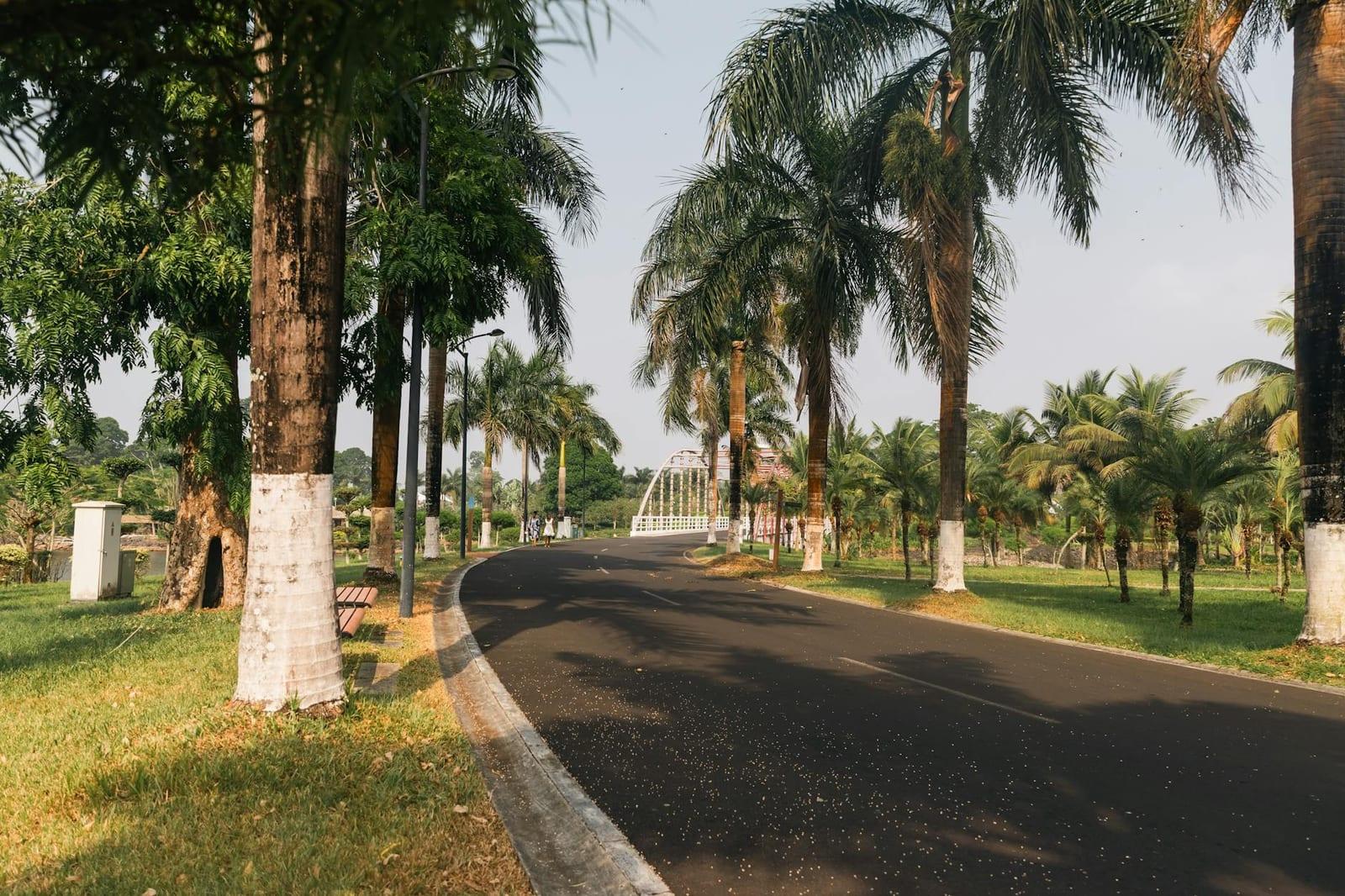
- Monte Alén forestTrek Monte Alén forest
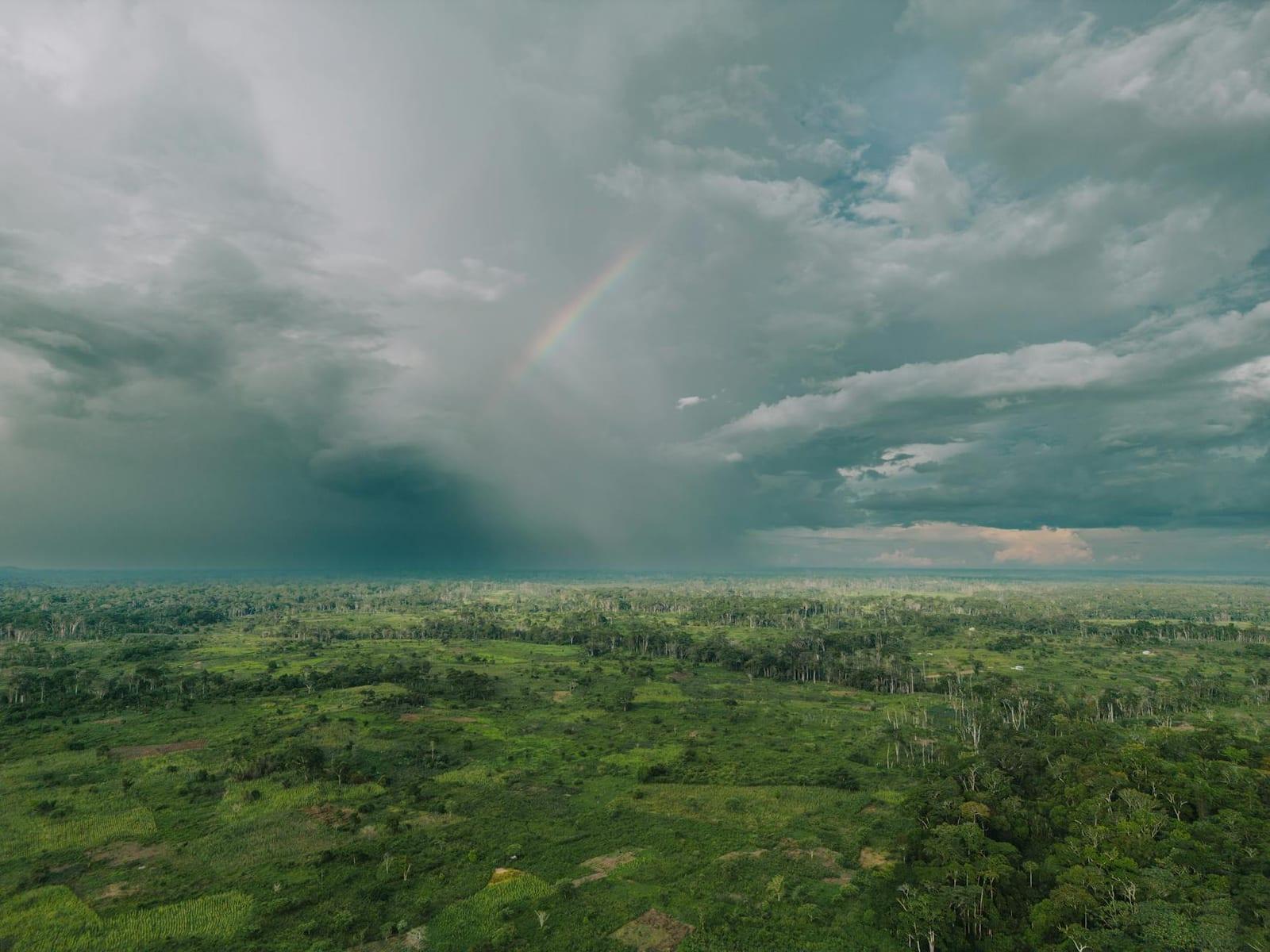
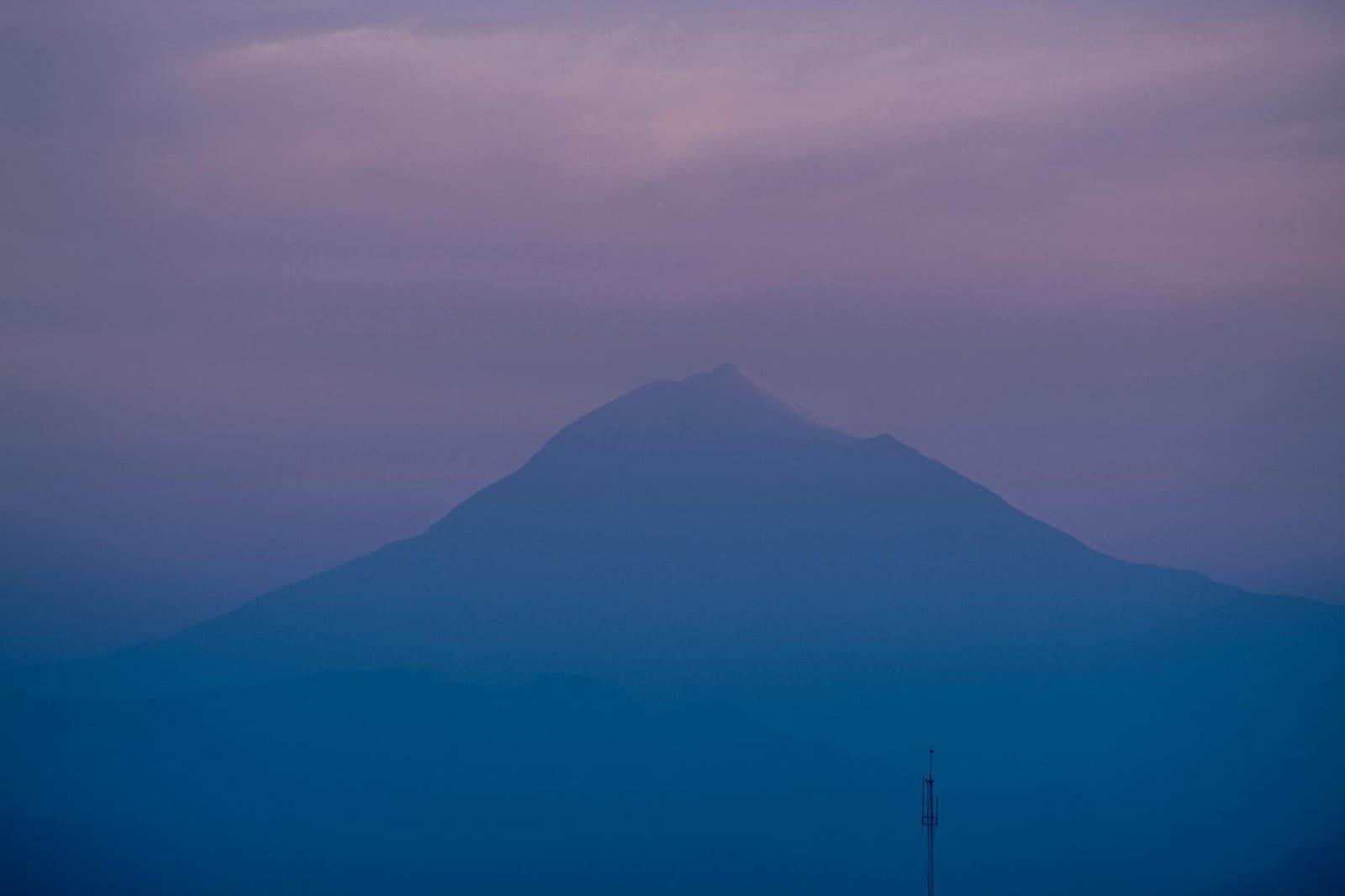
- Pico BasileFrom the 9,878-foot summit of Bioko’s highest volcano, clear-day views extend as far as Mount Cameroon, one of Central Africa’s great landmarks.
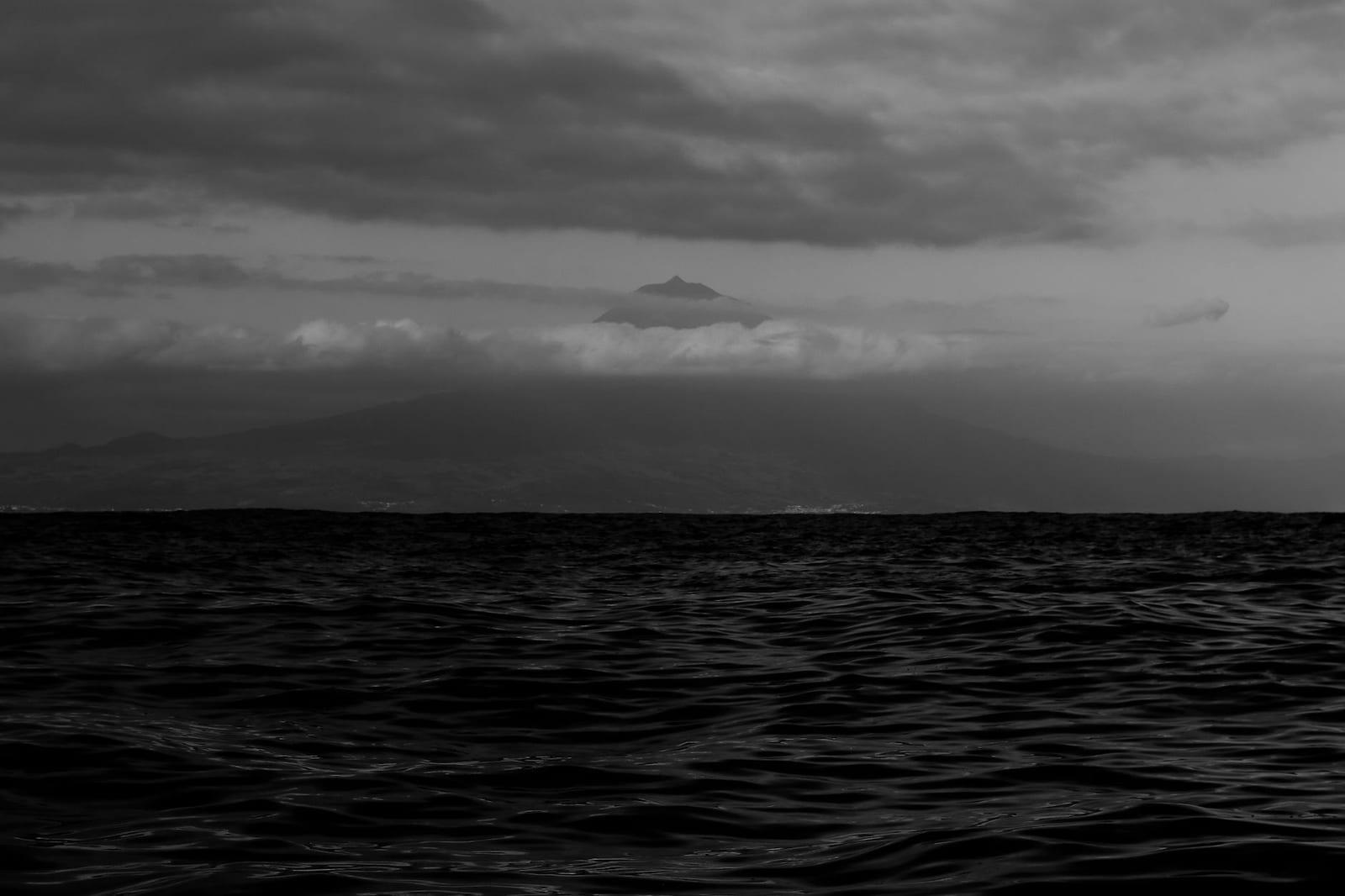
- Monte Alen National ParkThe rugged rainforests of this sanctuary near Gabon conceal gorillas, chimpanzees, and forest elephants—not to mention more than 2,000 bird species.
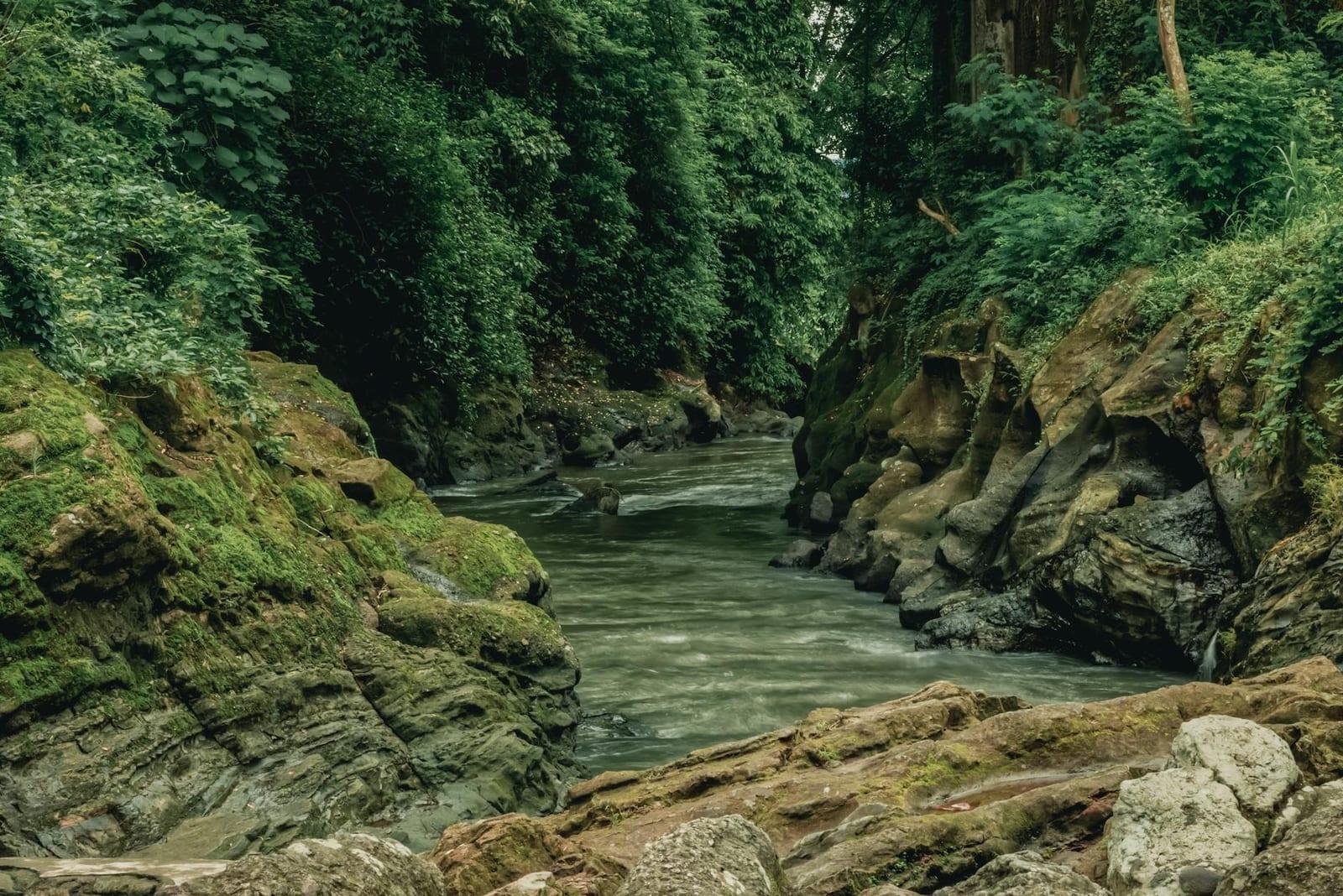
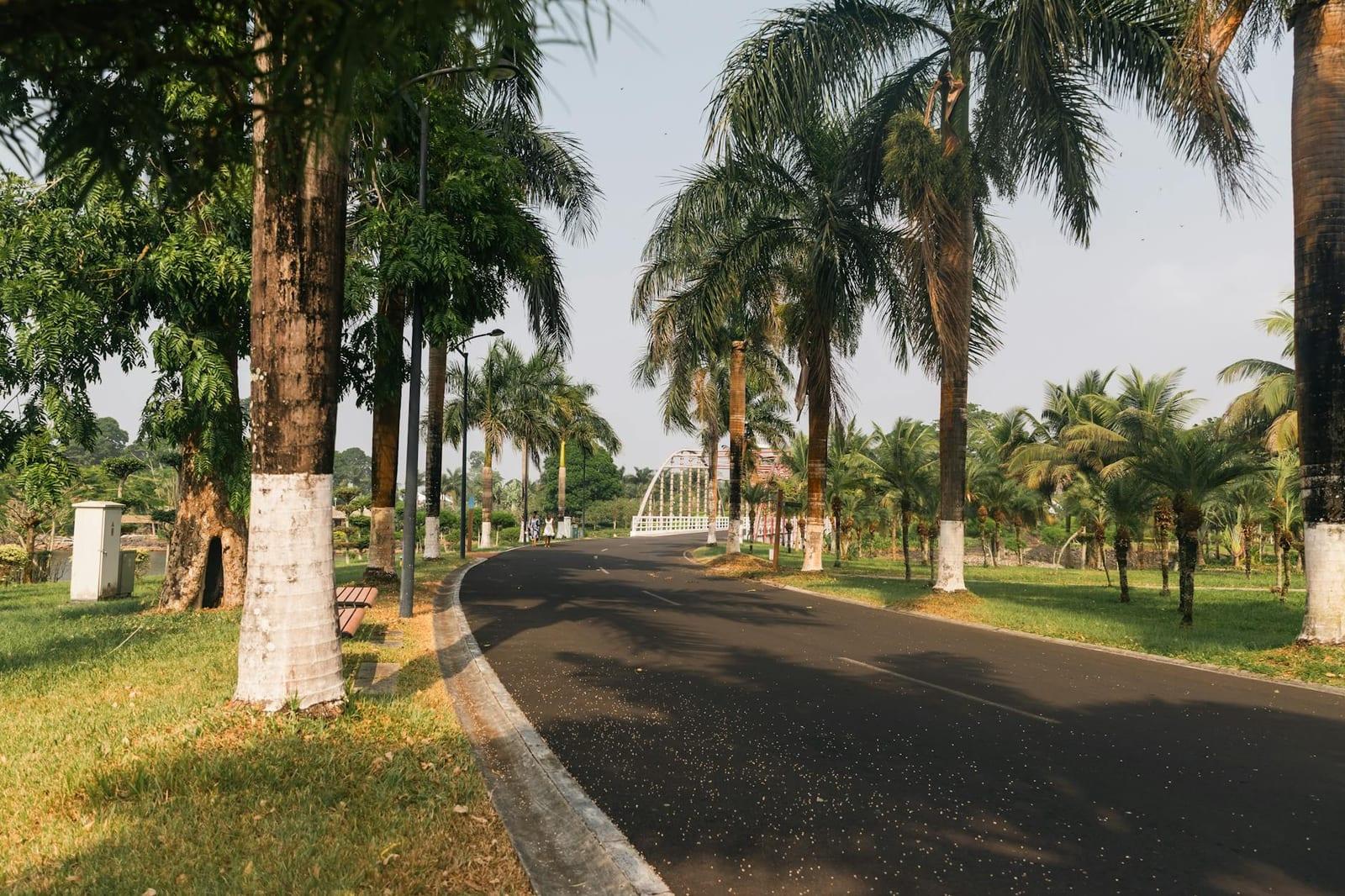
- MalaboEquatorial Guinea’s capital, set on Bioko’s northern seacoast, is scattered with colonial-era landmarks such as the Presidential Palace and the Cathedral of Santa Isabel.
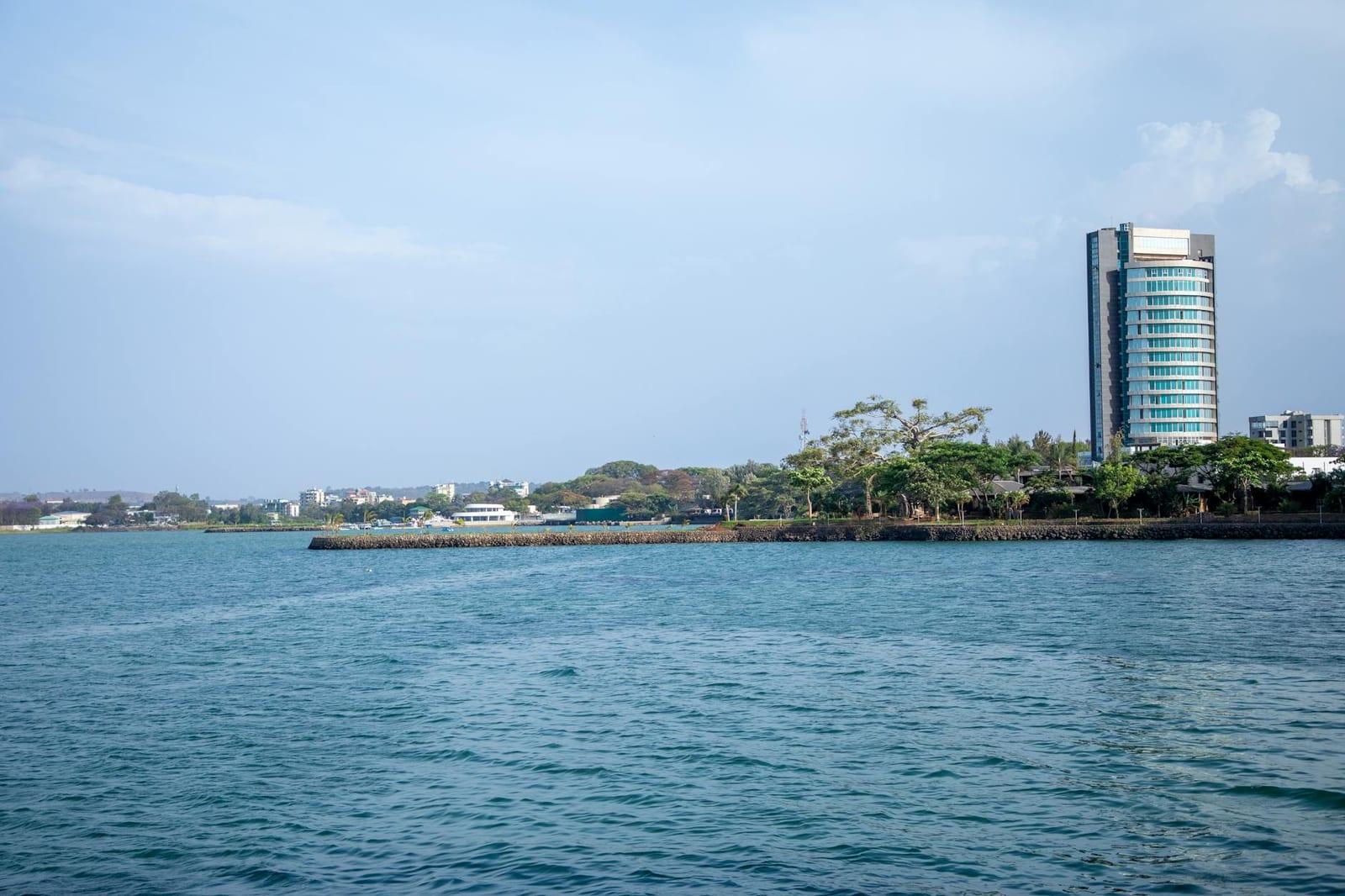
- BataThe hub of Equatorial Guinea’s mainland province of Rio Muni, Bata’s a major regional beach and nightlife destination.
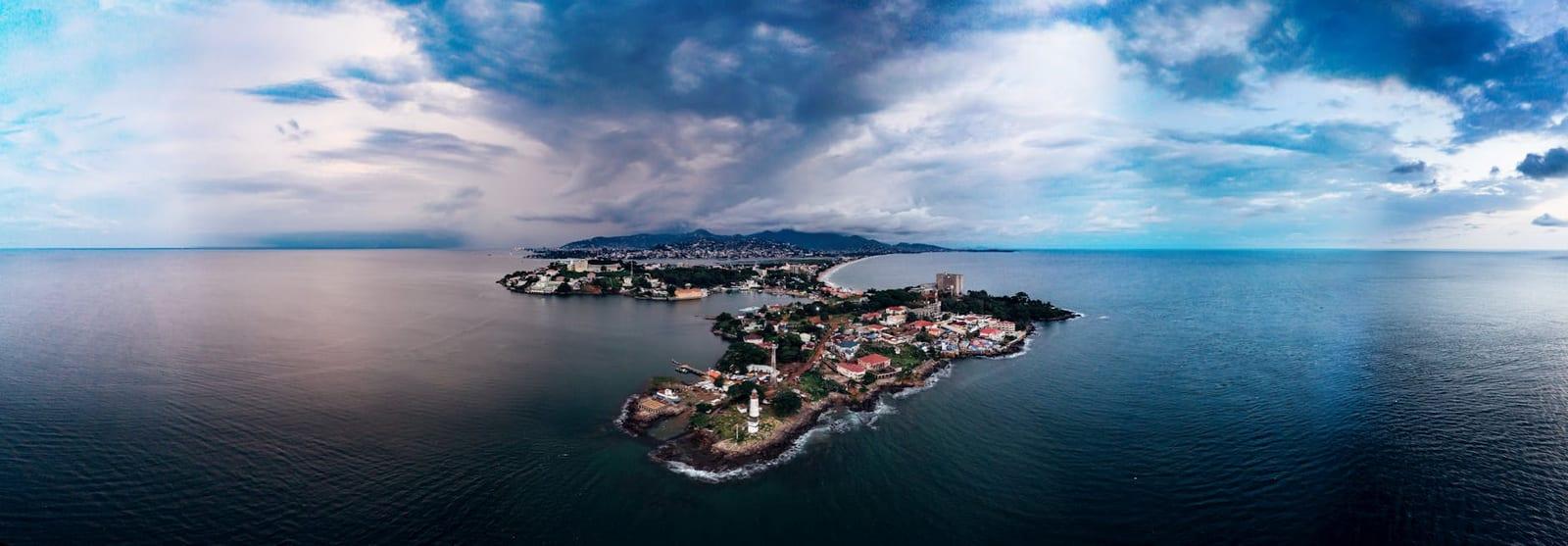
- Arena BlancaThe white sands of this Bioko seashore are beautiful enough, but they become thoroughly enchanting in the dry season when swarms of butterflies congregate.
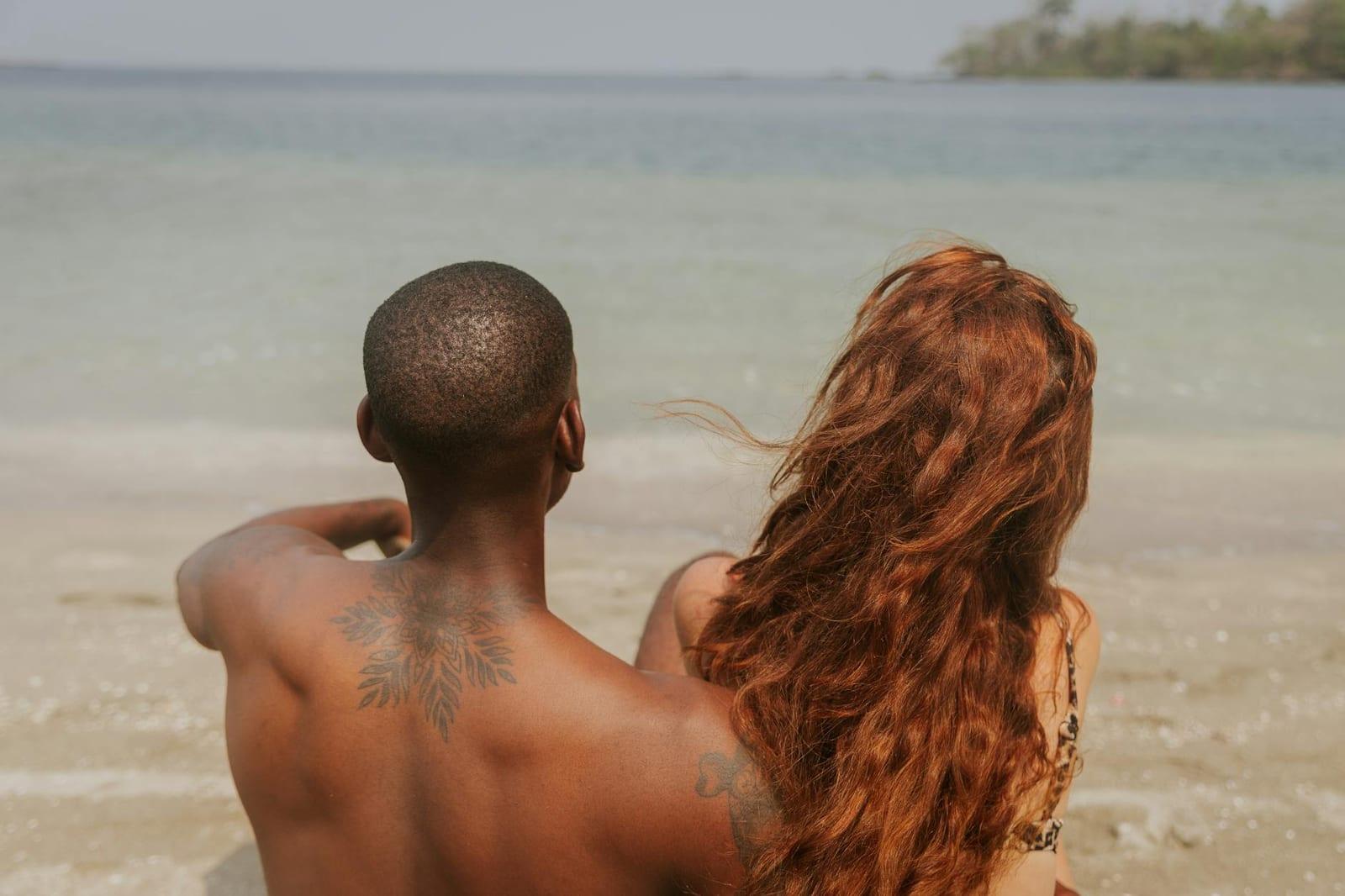
- Moca ValleyThis lush highland in southern Bioko serves up some beautiful scenery, not least the streaming froth of the Moca Cascades on the Iladyi River.
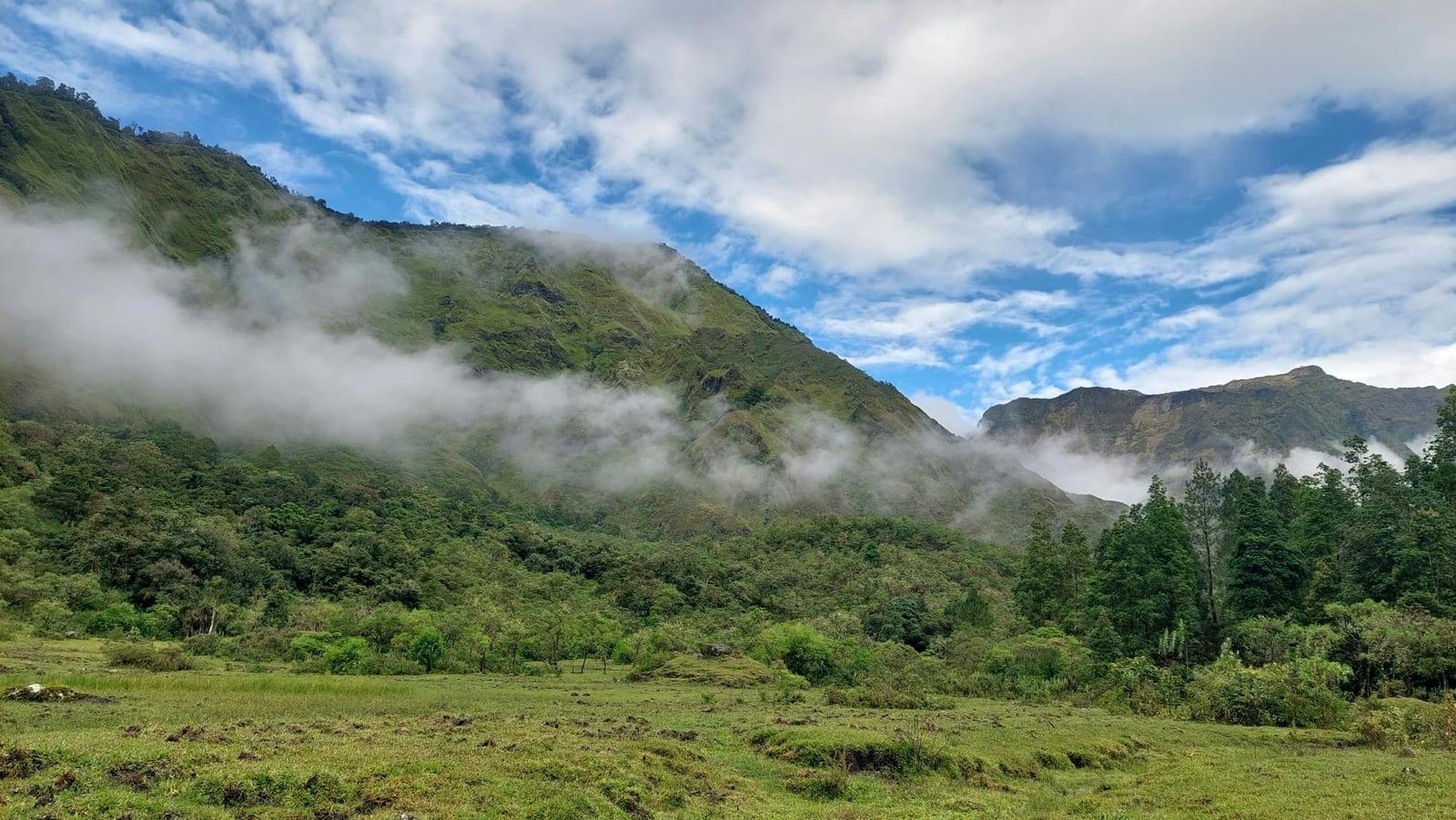
- Pico SurtadoOne of the scenic highlights of the rugged island of Annobon, the crown of this extinct volcano in the south contains a crater lake, Lago a Pot.