
A geographically obscure little country on the Baltic seam of northern Europe, Estonia nonetheless has a rising profile on the tourism scene. A former Soviet state now firmly in the fold of NATO and the European Union, this pretty and unassuming nation has a remarkably energetic and cross-fertilized culture.
Bordered by Russia to the east, Latvia to the south, and the Baltic Sea’s Gulf of Finland and Gulf of Riga to the north and west, Estonia’s long been at the mercy of more powerful neighbors. Pillaged by Vikings and fought over across the centuries by Danes, Germans, Swedes, Russians, and other powers, the country first gained independence in 1920. But sovereignty was short-lived: World War II saw Soviet and German occupation of the country, and on its heels Estonia became part of the Soviet Union. “Re-independence” didn’t come until 1991, when the so-called Singing Revolution unburdened Estonia, Latvia, and Lithuania from the Soviet yoke.
Given its geography and that tossed-around history, it's no surprise that Estonia reveals a blend of cultural influences from Scandinavia, Germany, and Russia. As ever, gastronomy is one of the best ways to experience this mishmash. Estonian cuisine is marvelously many-flavored, where fruits of the garden, the field, the pasture, the forest, and the sea all come together on the plate: black rye bread, alder-smoked pork, salted fish, minced-meat sauces, jams and chocolates, cabbage stew, foraged mushrooms and wild game.
The mix of regional and international influences, the blend of cultivated and wild morsels—this heterogenous theme extends more broadly to Estonian culture. On the streets of the capital, Tallinn, you can hop between the centuries in a single day: catching traditional folk-dance and singing performances in concert halls while shopping for the latest gadgets alongside a highly technologized populace.
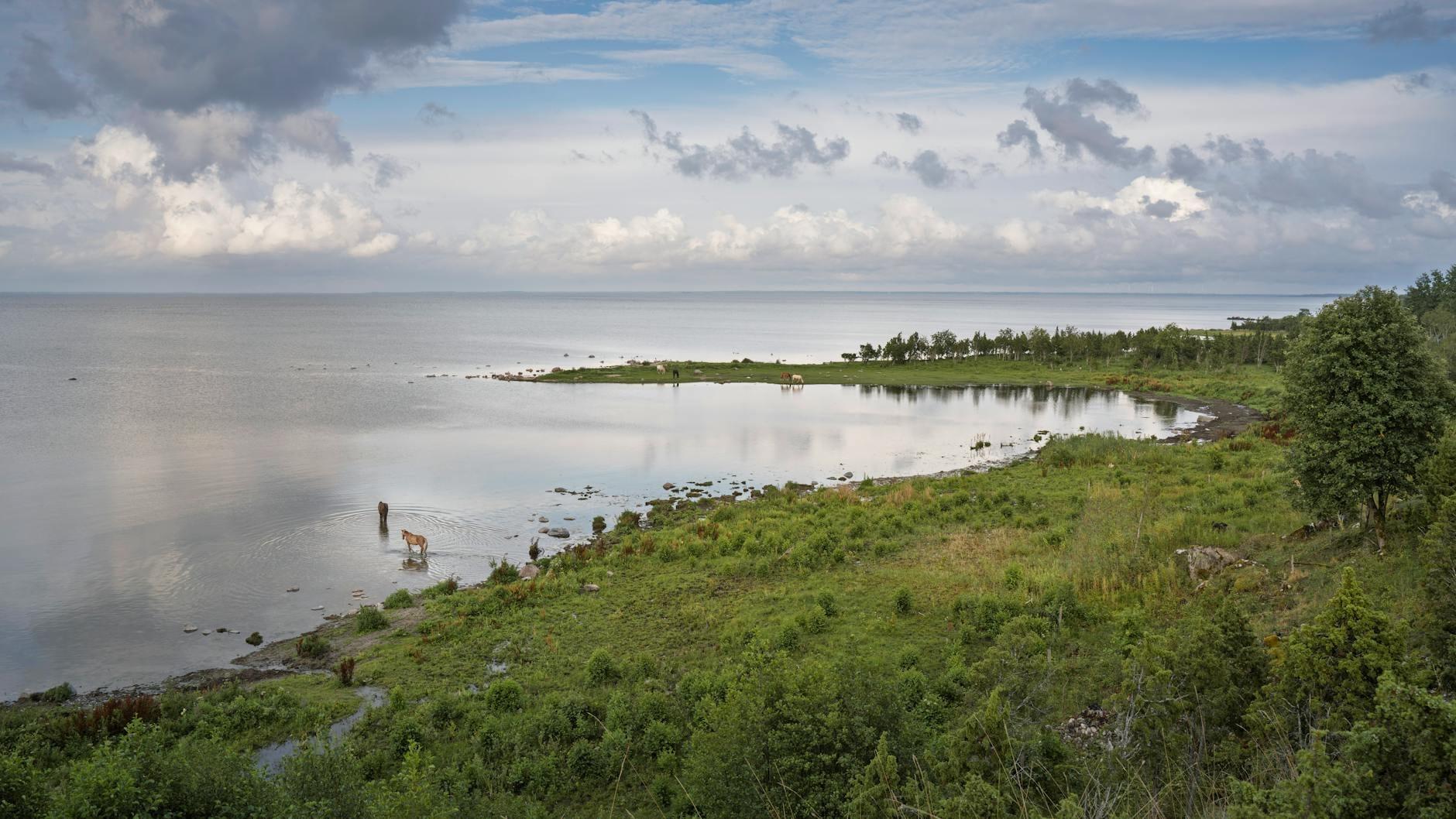
And then there’s the undomesticated side of the Estonian landscape, from the myriad of Baltic islands to the pine, spruce, and hardwood forests that blanket roughly half the country. Hordes of migratory waterfowl feed and nest in the coastal wetlands of Matsalu National Park, while bristle-maned wild boar and soft-footed lynx haunt the lake-laced woods of Karula.
From wild Baltic forests and farmland feasts to the art galleries and symphony halls of Tallinn, Estonia has much to offer the visitor.
11 things not to miss.
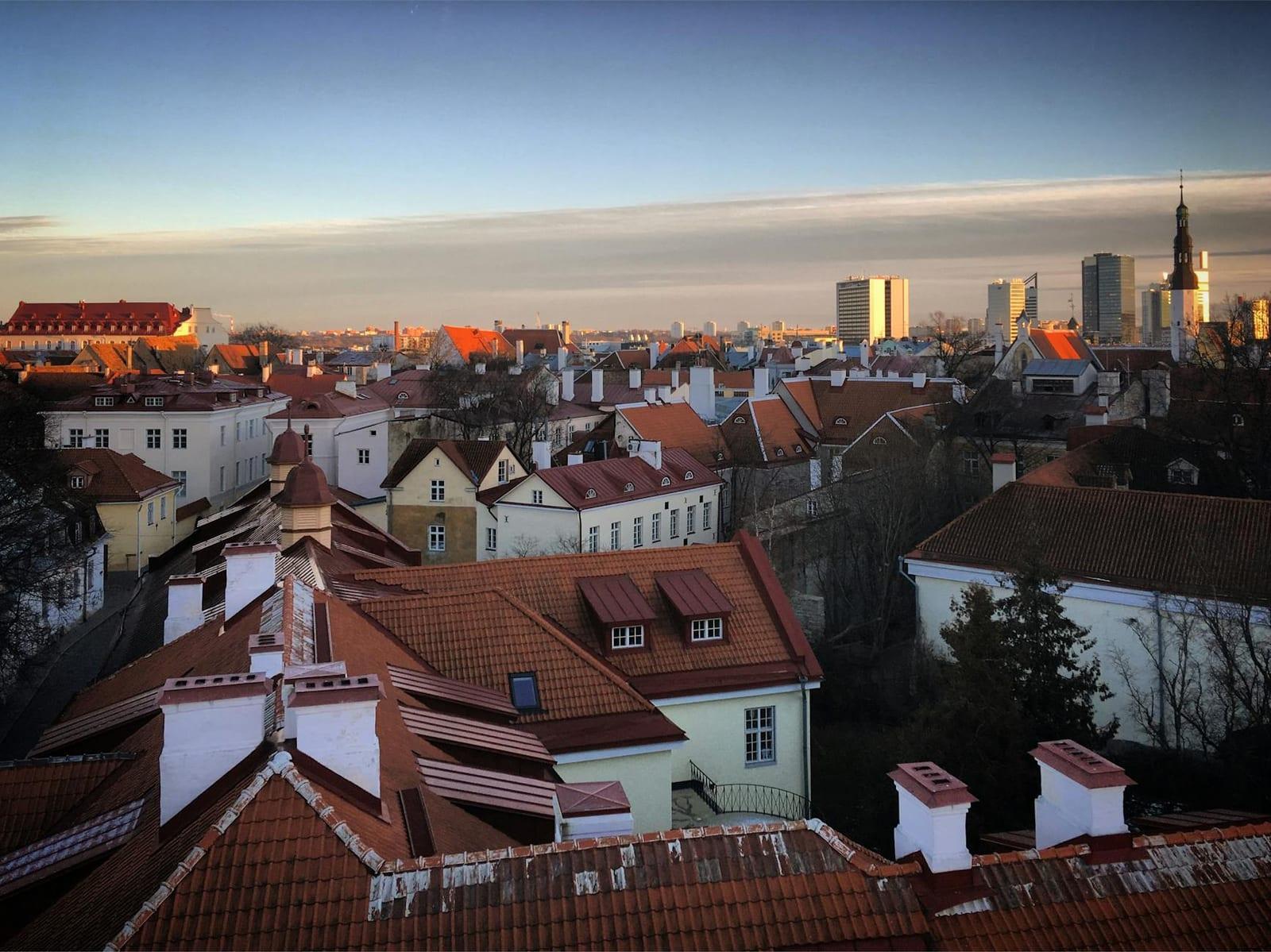
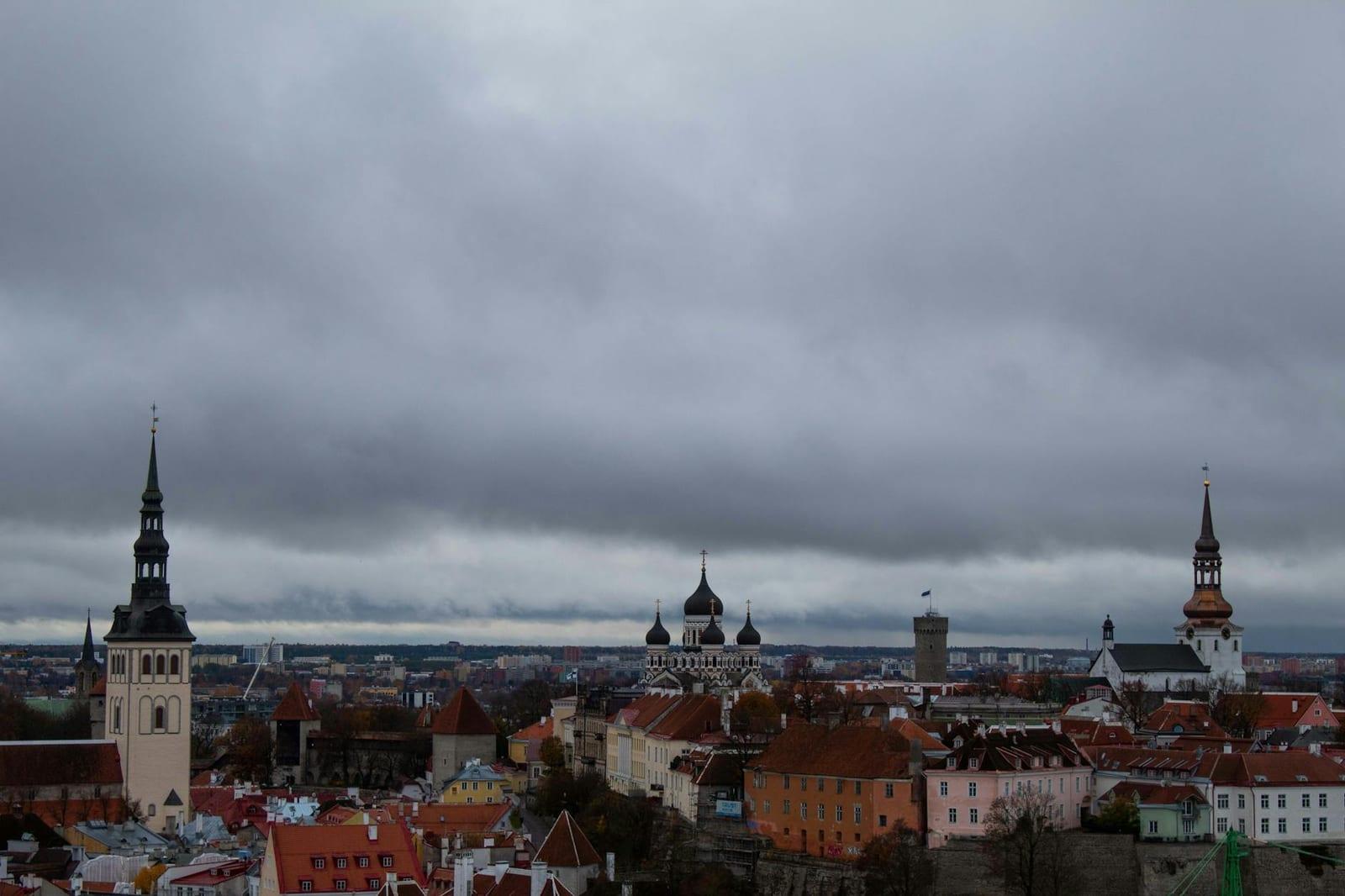
- Tallinn's medieval old townWalk Tallinn's medieval old town
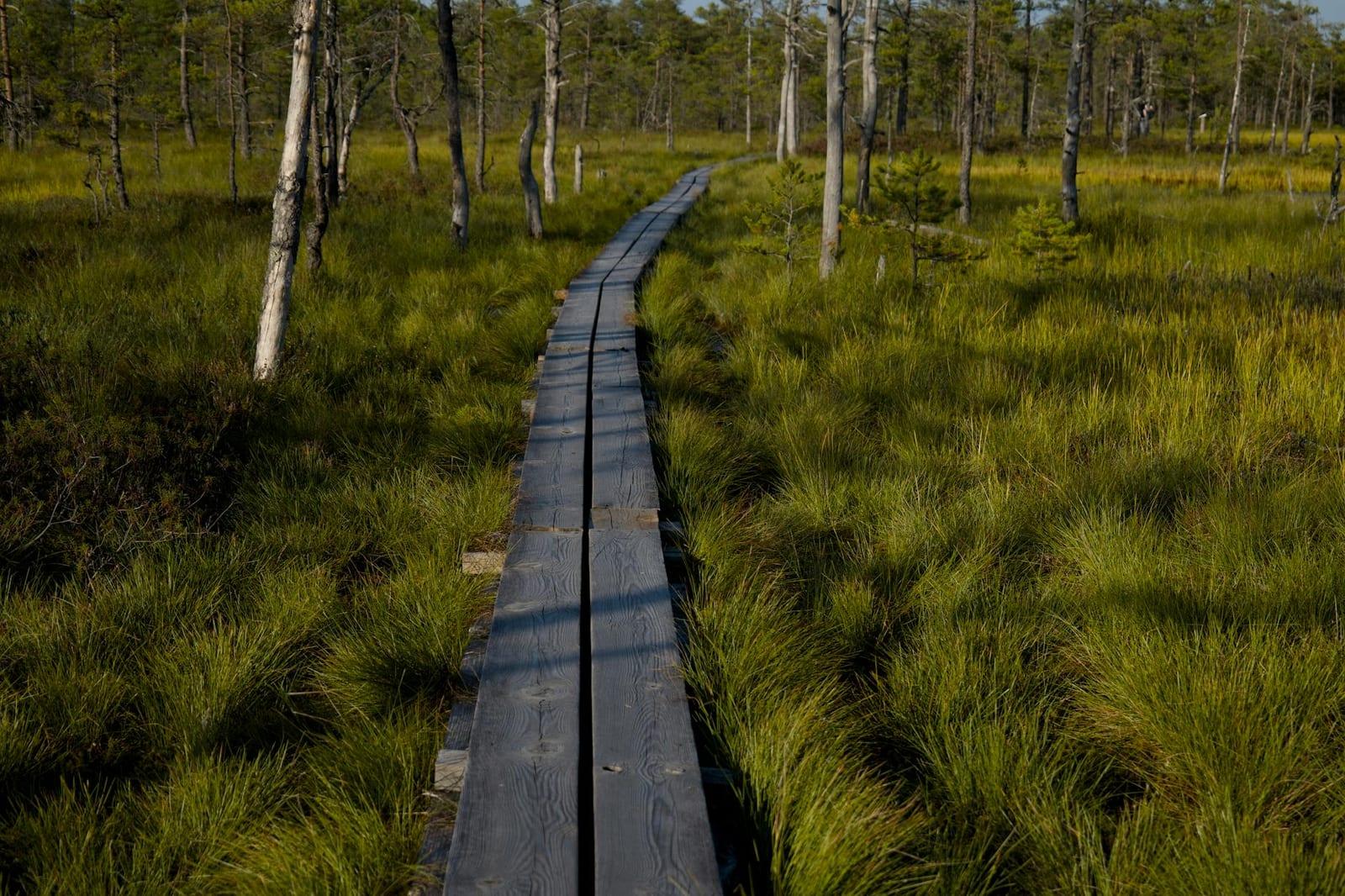
- Boardwalk Lahemaa's bogsBoardwalk Lahemaa's bogs
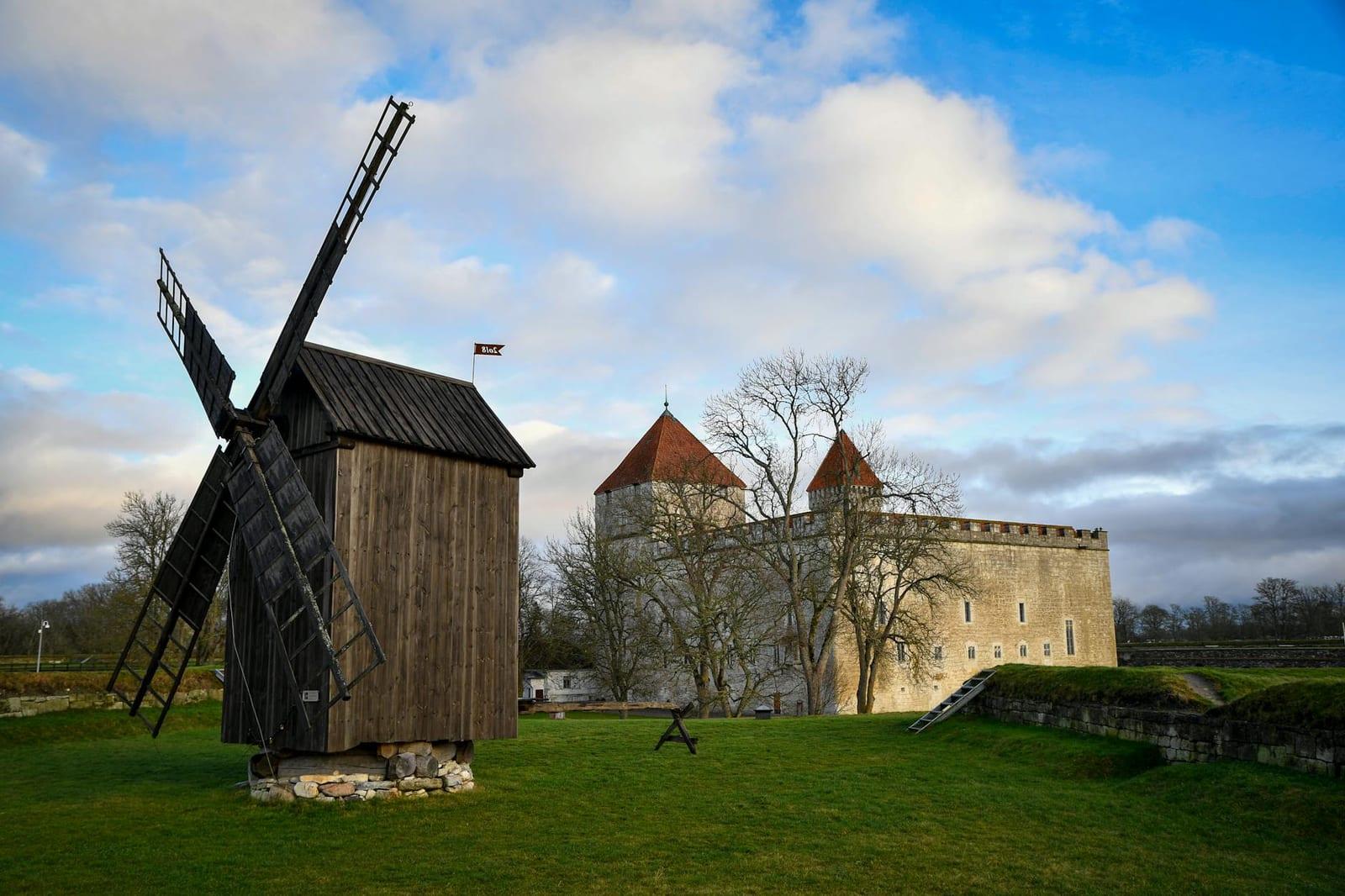
- Saaremaa's windmillsVisit Saaremaa's windmills
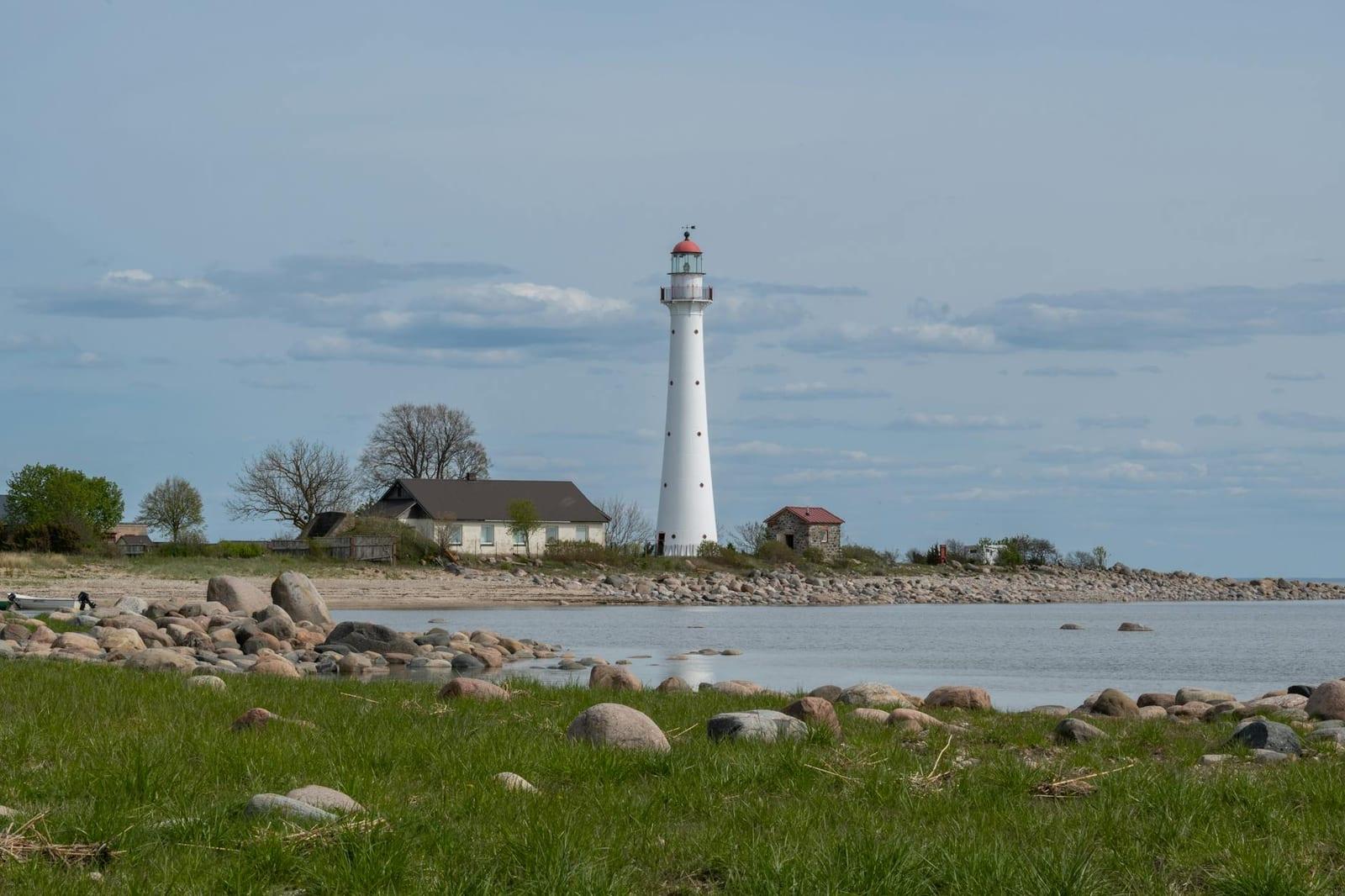
- Kopu LighthouseUsed for nearly 500 years, this beacon is one of the top sights on the Baltic Sea island of Hiiumaa.
- Hermann CastleNarva’s riverside castle glares across at Russia’s equally imposing Ivangorod Fortress.
- Tallinn Town HallAmong Northern Europe’s most venerable town halls, this 600-year-old structure edges the former market square in Tallinn’s Old Town.
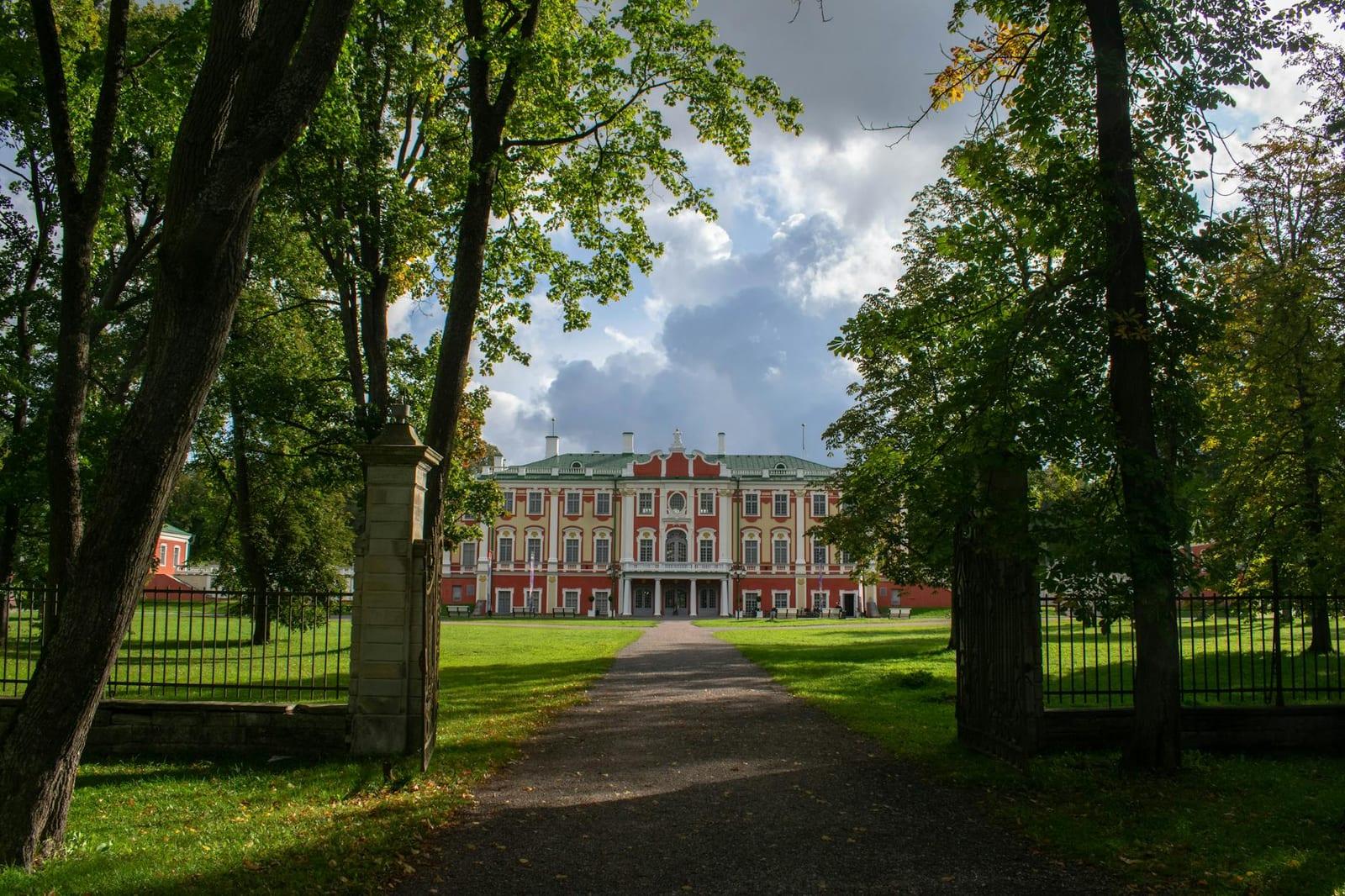
- Kadriorg PalaceRussia’s Peter the Great originally built this Baroque palace in Tallinn for Catherine I in the early 18th century.
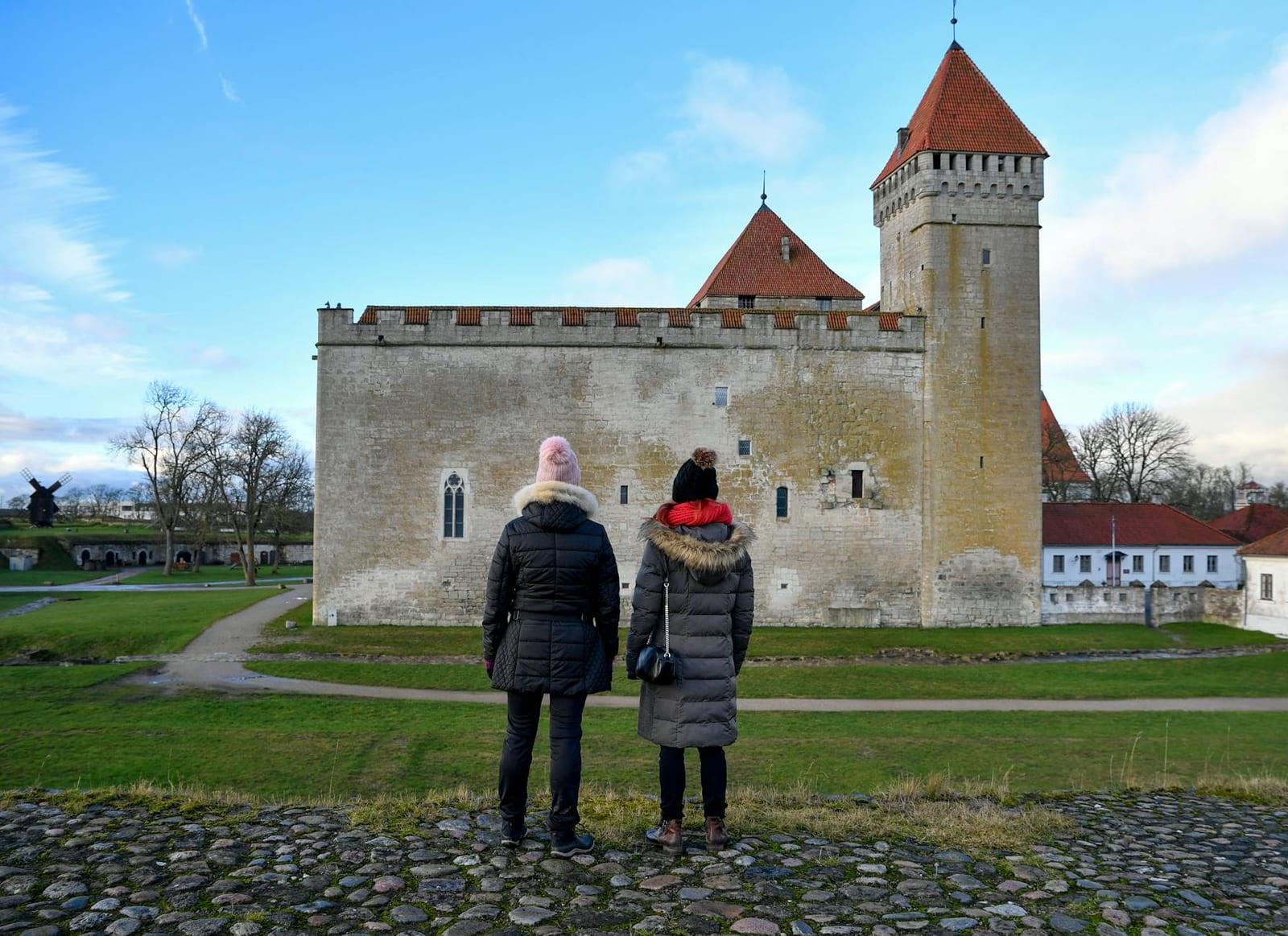
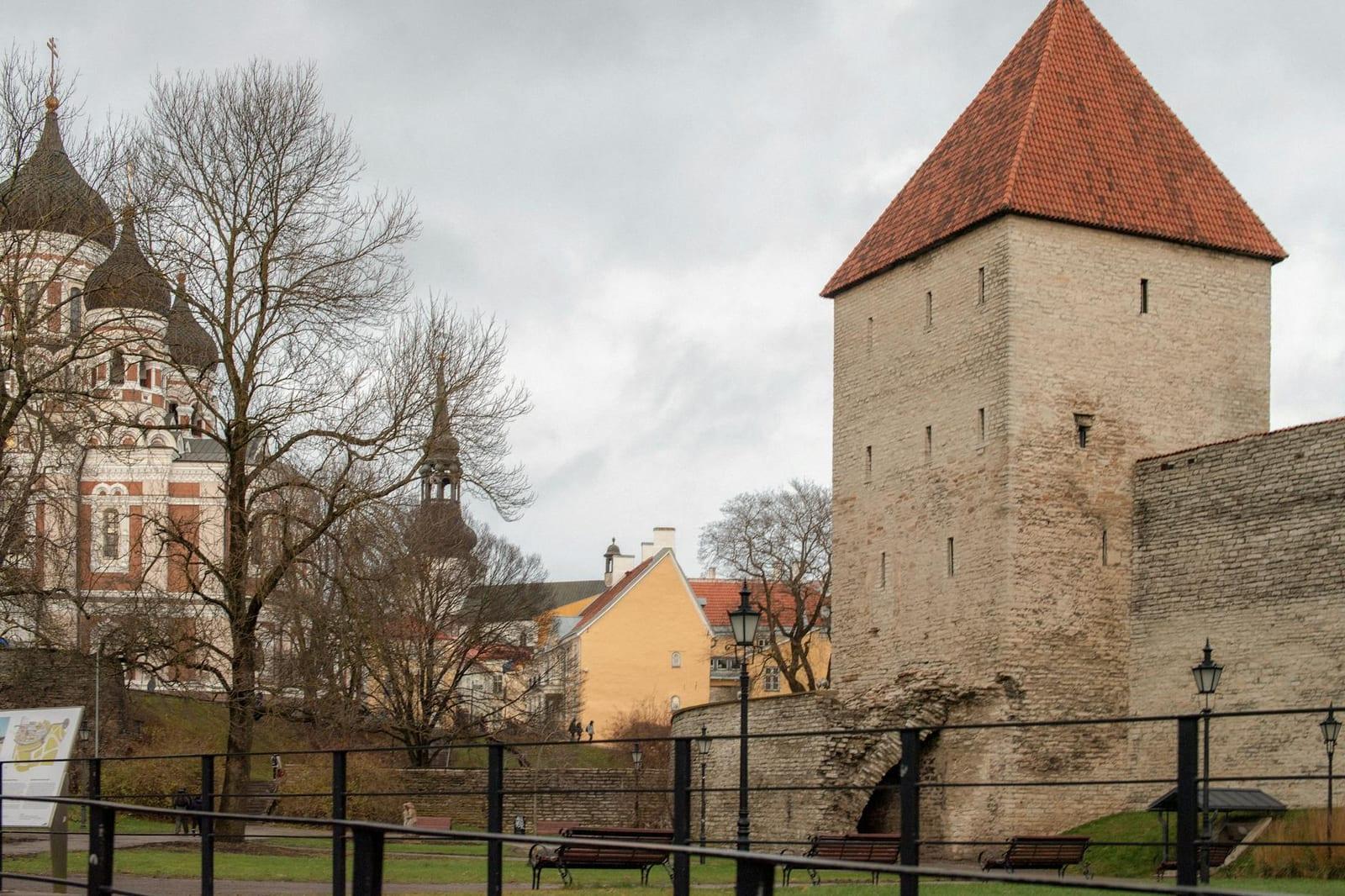
- Toompea CastleThis citadel has overlooked Tallinn for centuries and remains central to its identity, not least because the Estonian parliament convenes here.
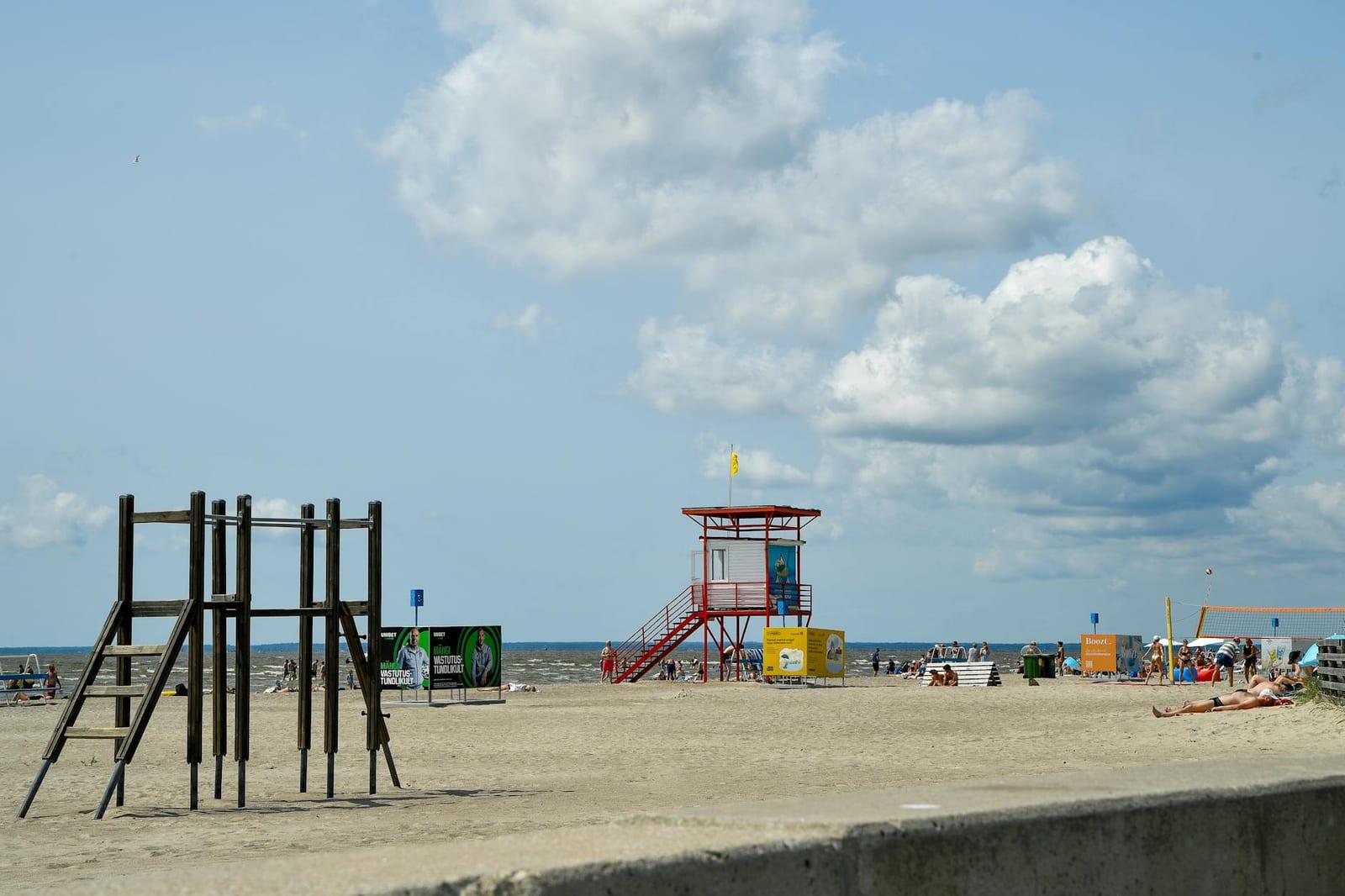
- ParnuSoak up the Baltic sunshine at this beloved seaside resort town.
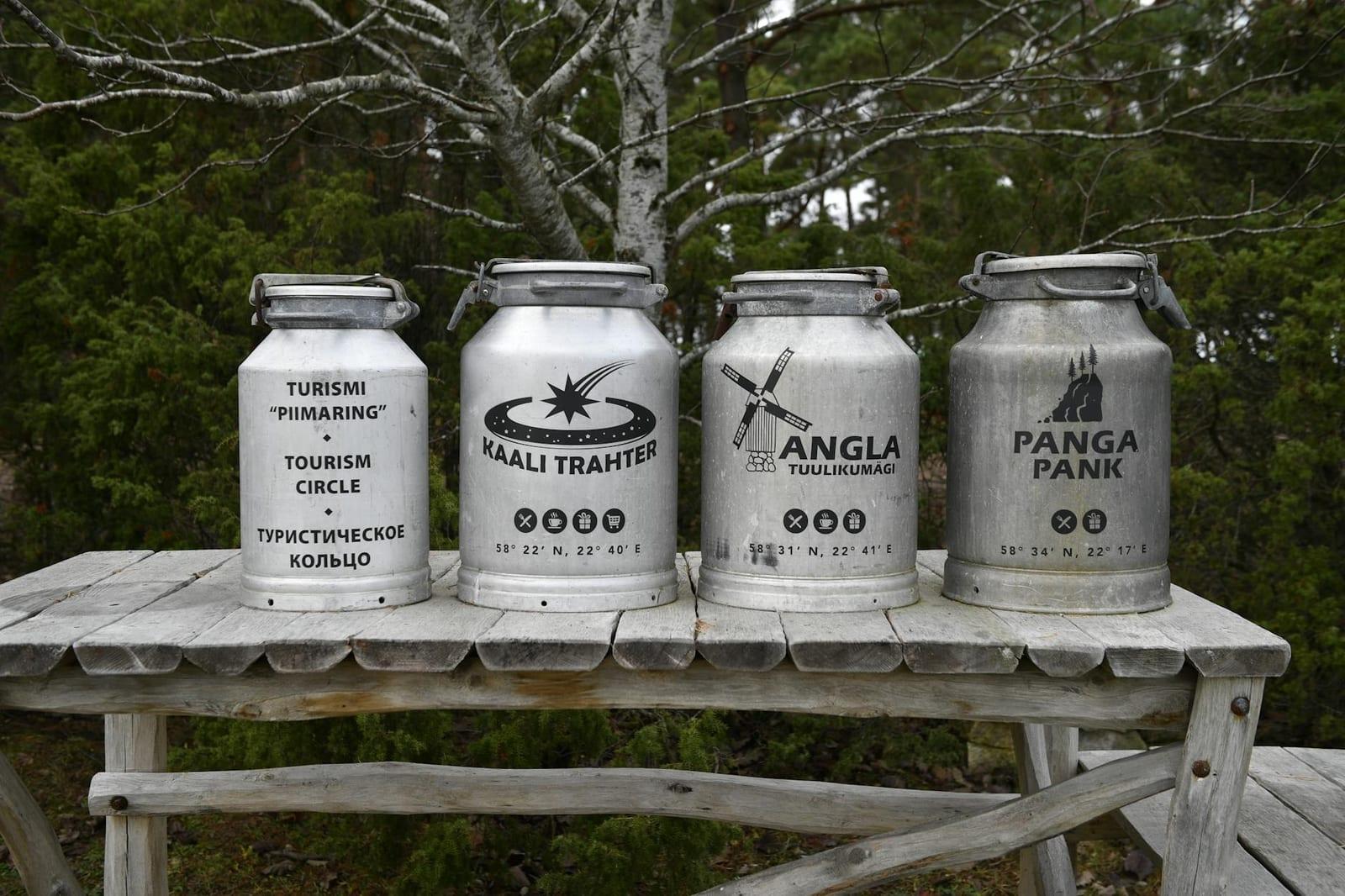
- Kaali Crater SiteThis cluster of craters on Saaremaa, Estonia’s biggest island, stem from a meteorite impact only a few thousand years old.
- Matsalu National ParkThis large park’s coastal wetlands and meadows draw in an amazing variety of waterfowl, waders, and many other birds.