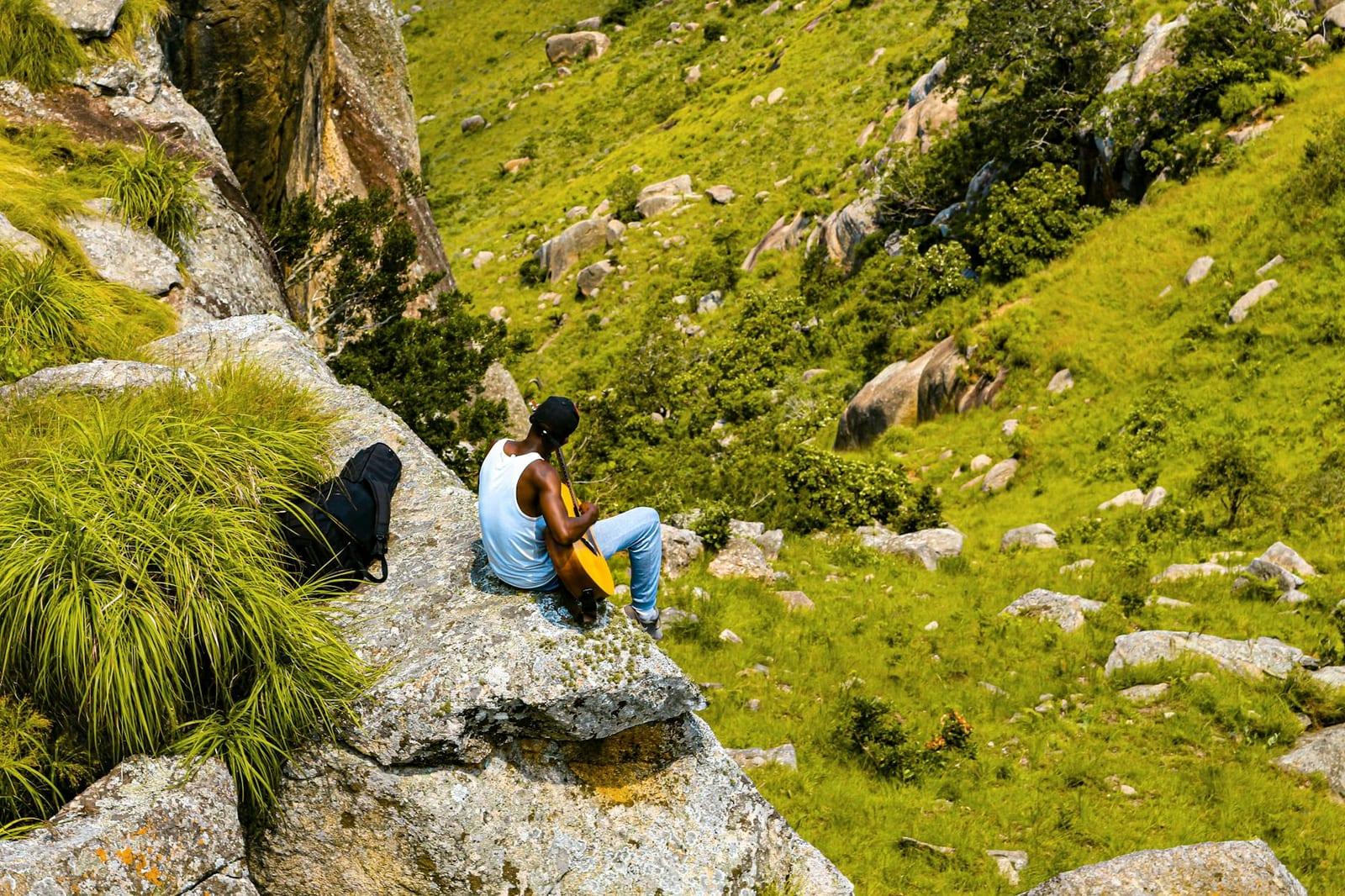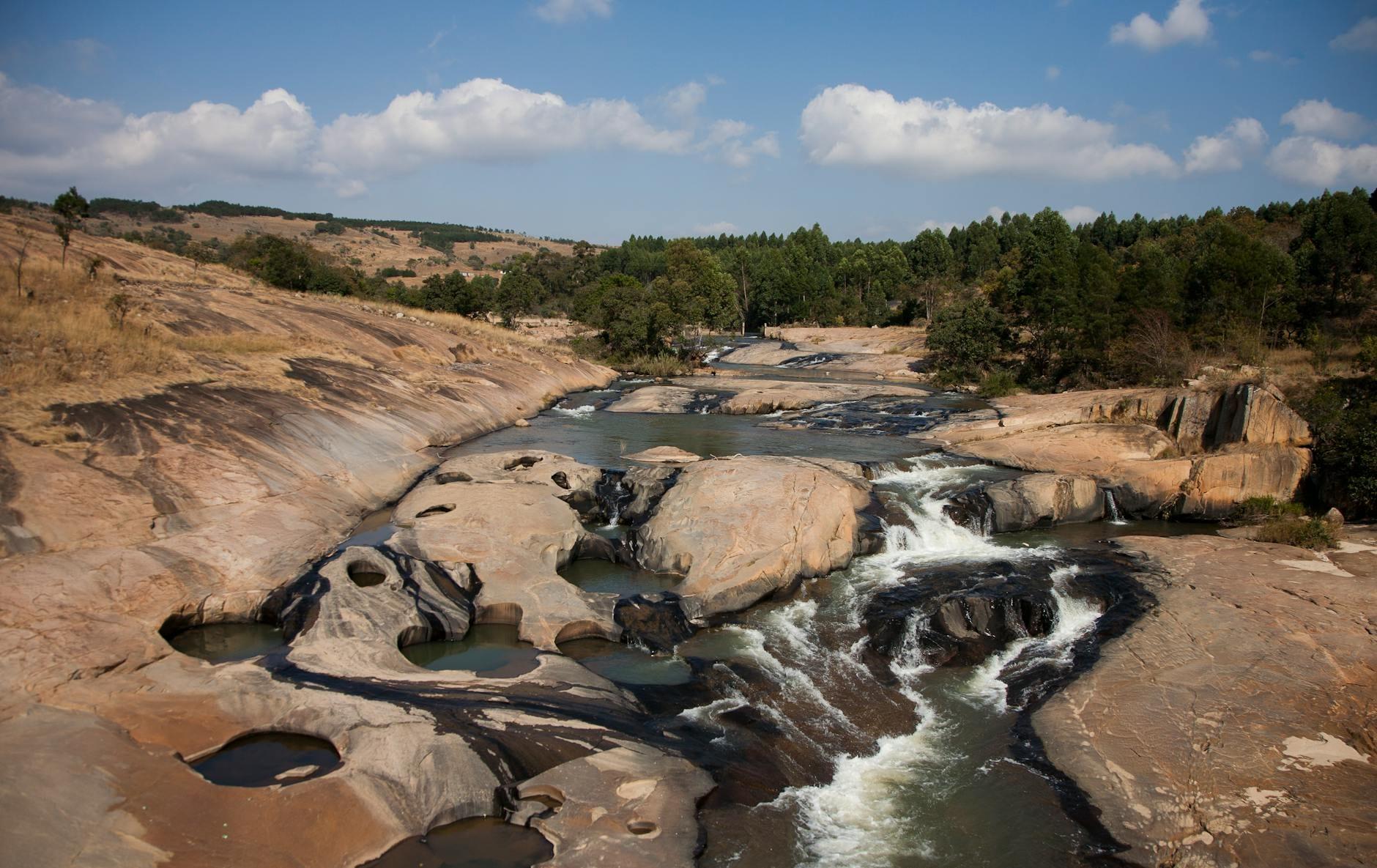

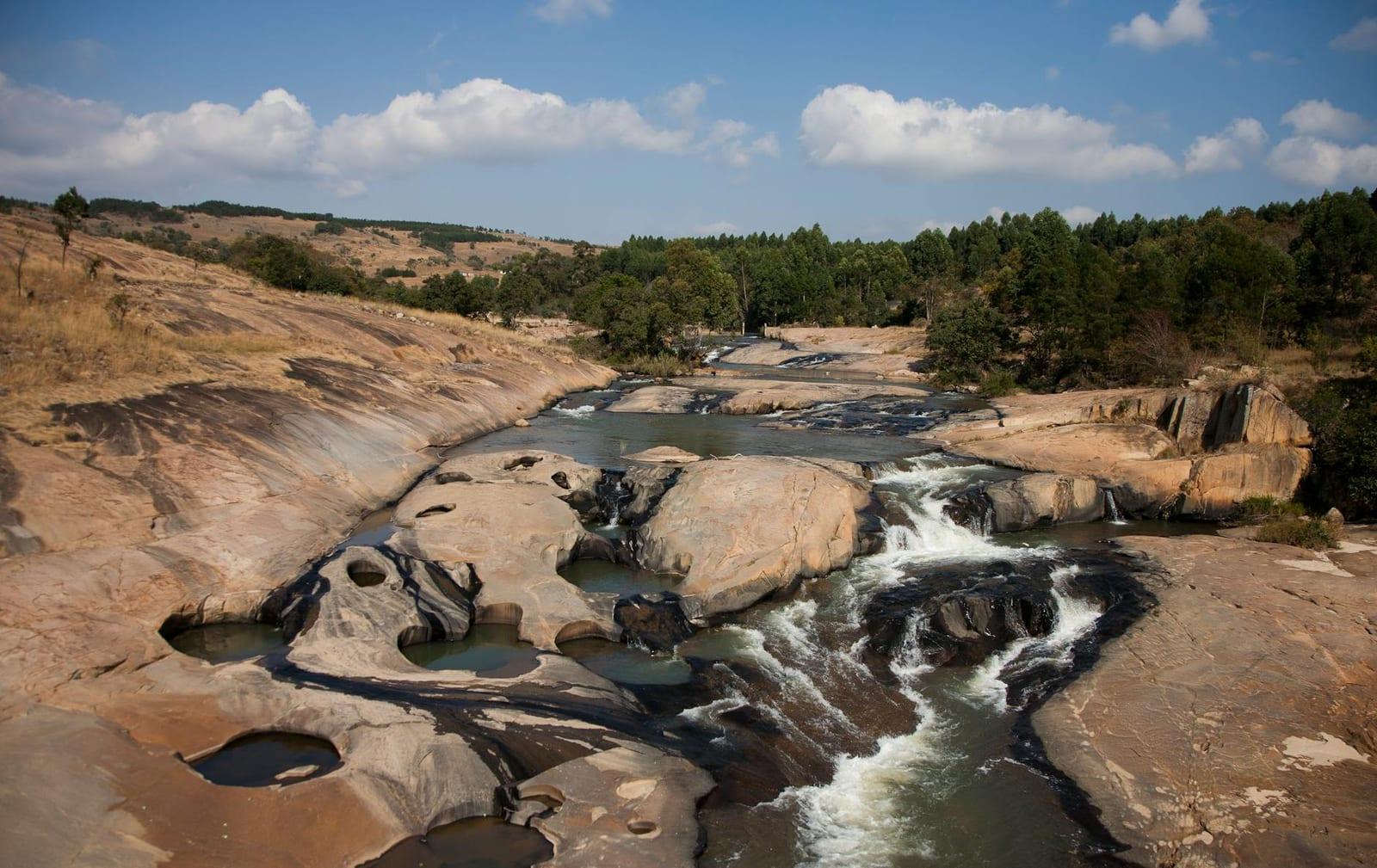
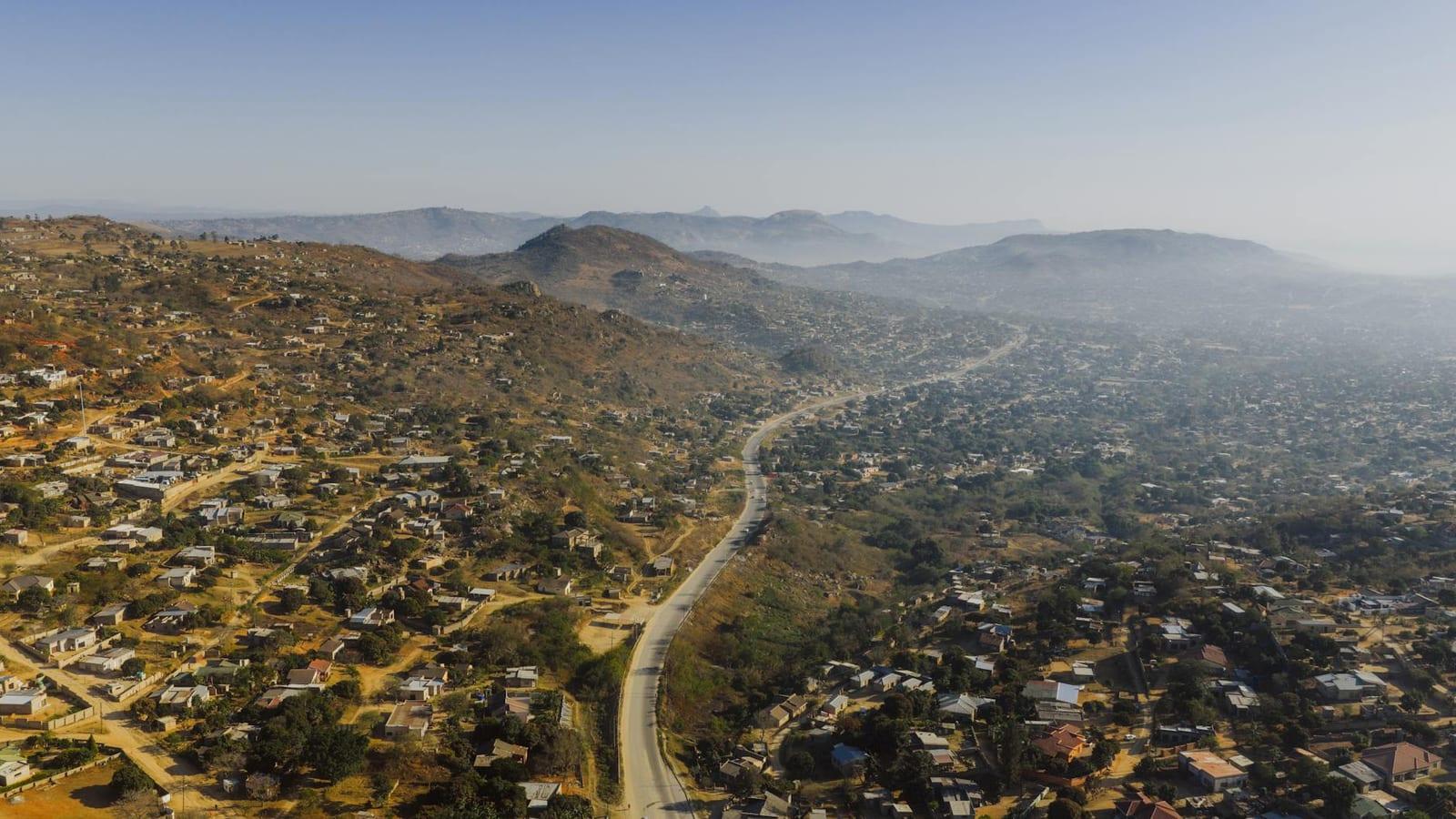
Small and often overlooked, the landlocked monarchy of Swaziland—jammed between South Africa and Mozambique—is a superb destination for ecotourists. From the tawny crests of the Drakensberg to low scrubland wandered by rhinos and elephants, the diversity of landscape makes up for the limited area, providing visitors a conveniently compact overview of southern Africa's topography.
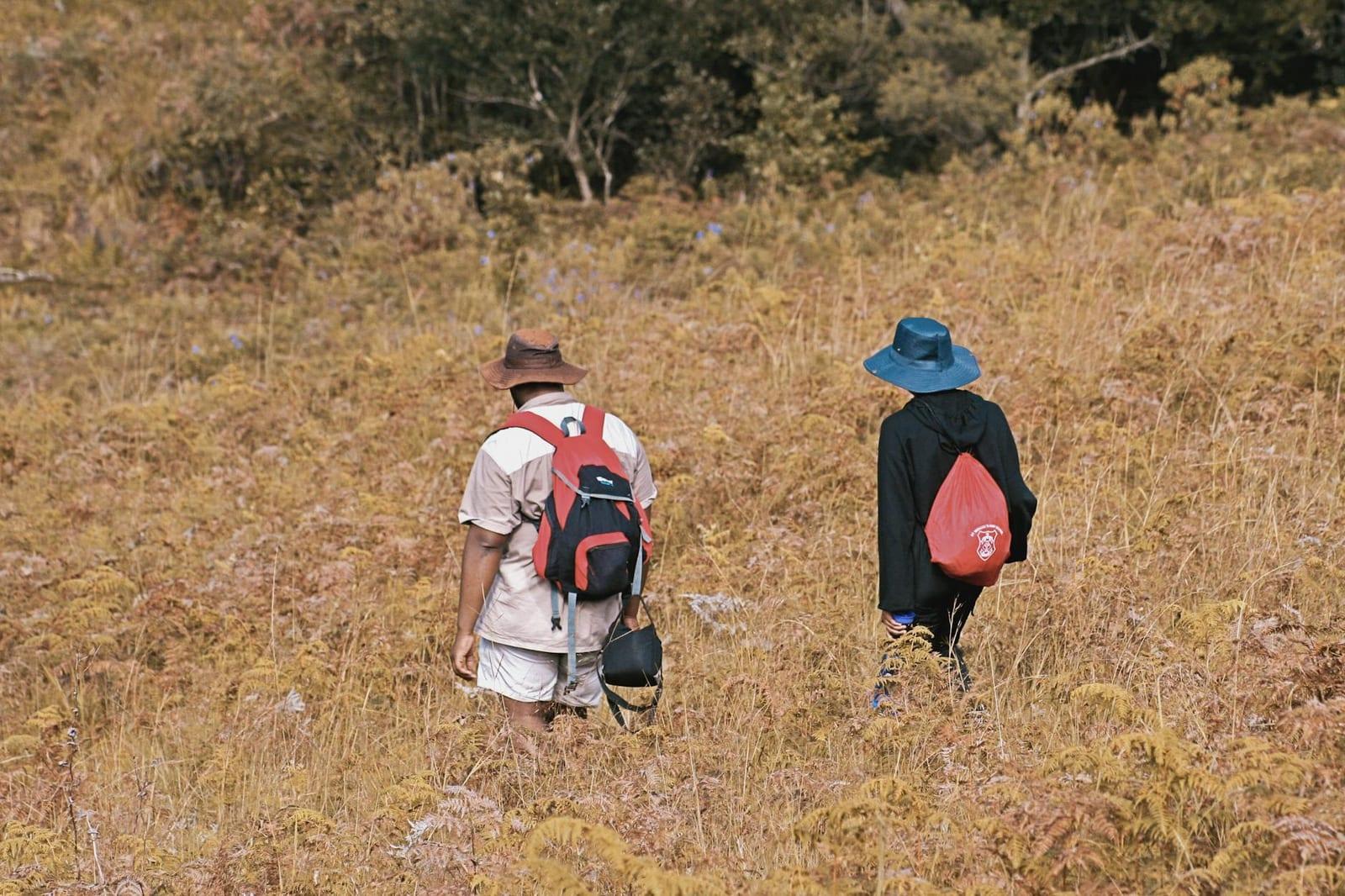
Nature is the standout draw in Swaziland. There’s a stellar, if little, network of national parks and reserves. You can take yourself on a self-guided safari in Hlane Royal National Park in the northeast, cruising the bushveld for sightings of white rhinos, giraffes, elephants, lions, impala, and other big mammals. Swaziland’s wilderness also facilitates one of the most thrilling experiences of any kind in Africa: the opportunity to see free-roaming wildlife on foot. Mkhaya Game Reserve south of Hlane Royal is a choice spot, offering guided walking safaris through lowveld populated by both African rhinos (black and white), Cape buffalo, tsessebe, and a fabulous variety of birdlife. Hiking and overnight trekking are also wonderful ways to check out the gorgeous and rather secluded highland park of Malolotja Nature Reserve in the northwest, which includes yawning grasslands roamed by zebra and eland as well as the 330-foot Malolotja Falls.
Easy to access from the capital city of Mbabane, the Ezulwini Valley is Swaziland’s true tourism hub: a one-stop-shop vacationland with plentiful resorts, craft marketplaces, and outdoor-recreation opportunities. At the Mantenga Cultural Village in the valley, you can get a sense for the traditional ways of the Swazi people, who’ve proudly maintained many of their longtime customs even in the face of modernization.
Petite yet full of variety, Swaziland is one of Africa’s lesser-known jewels. Given its plentiful attractions and well-developed tourism industry, it’s reputation as a traveler’s paradise is well deserved.
9 things not to miss.
- Mlilwane Wildlife Sanctuary at dawnWalk Mlilwane Wildlife Sanctuary at dawn
- the Umhlanga Reed DanceWitness the Umhlanga Reed Dance
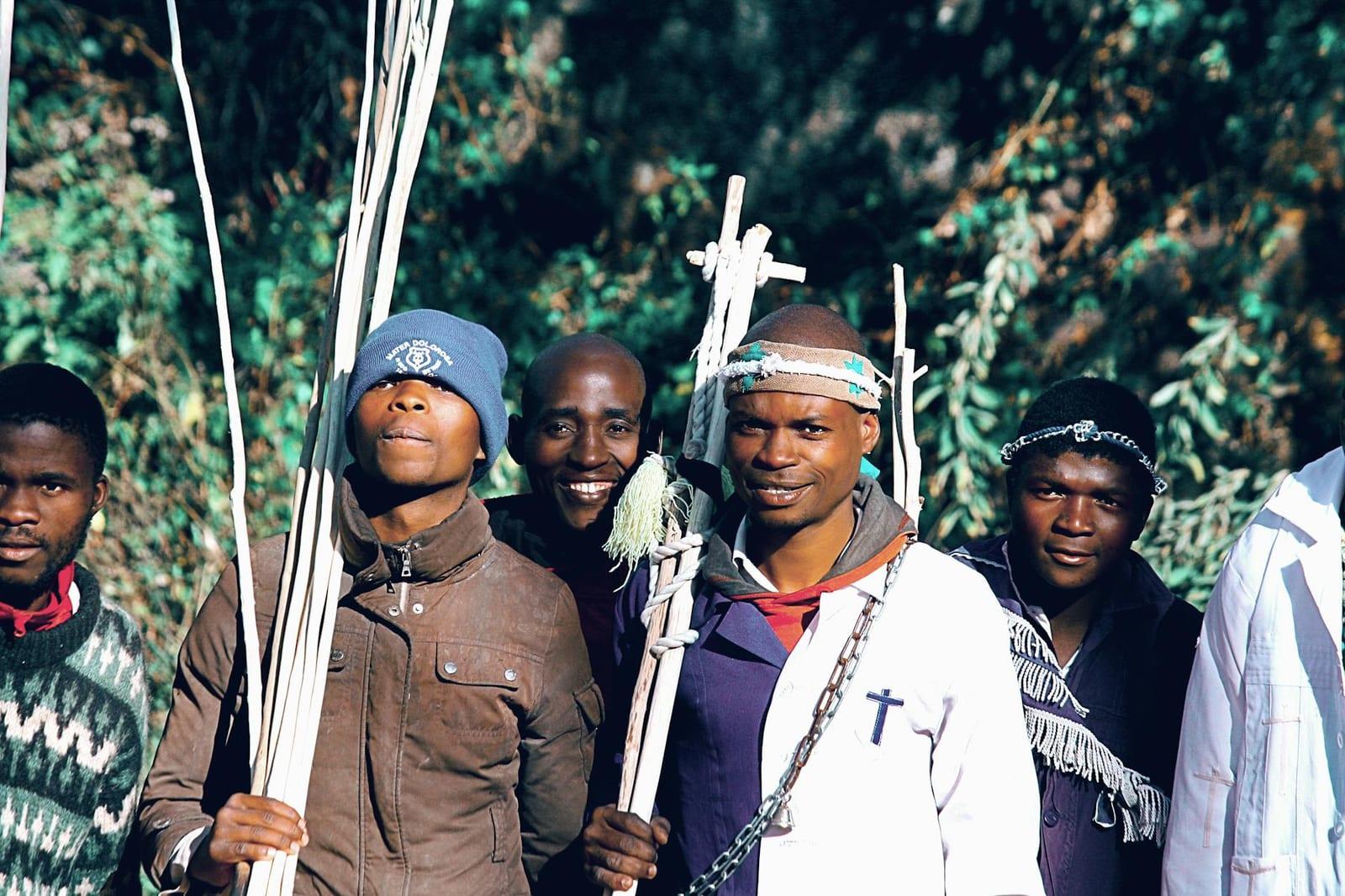
- Sibebe RockClimb Sibebe Rock
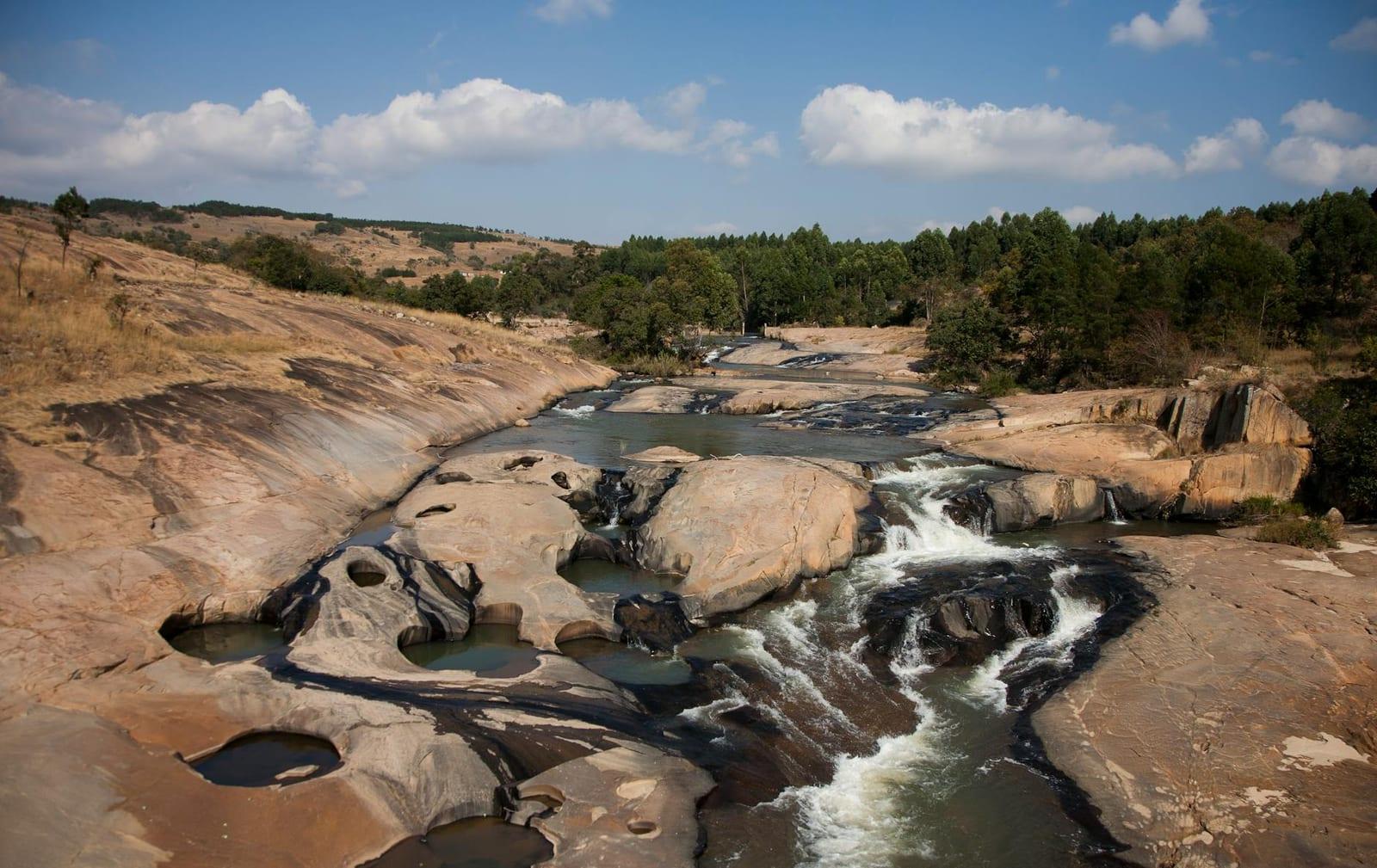
- Malolotja Nature ReserveMesmerizing high grasslands of the Great Escarpment define this park, home to zebra and eland; it’s an excellent destination for backpackers.
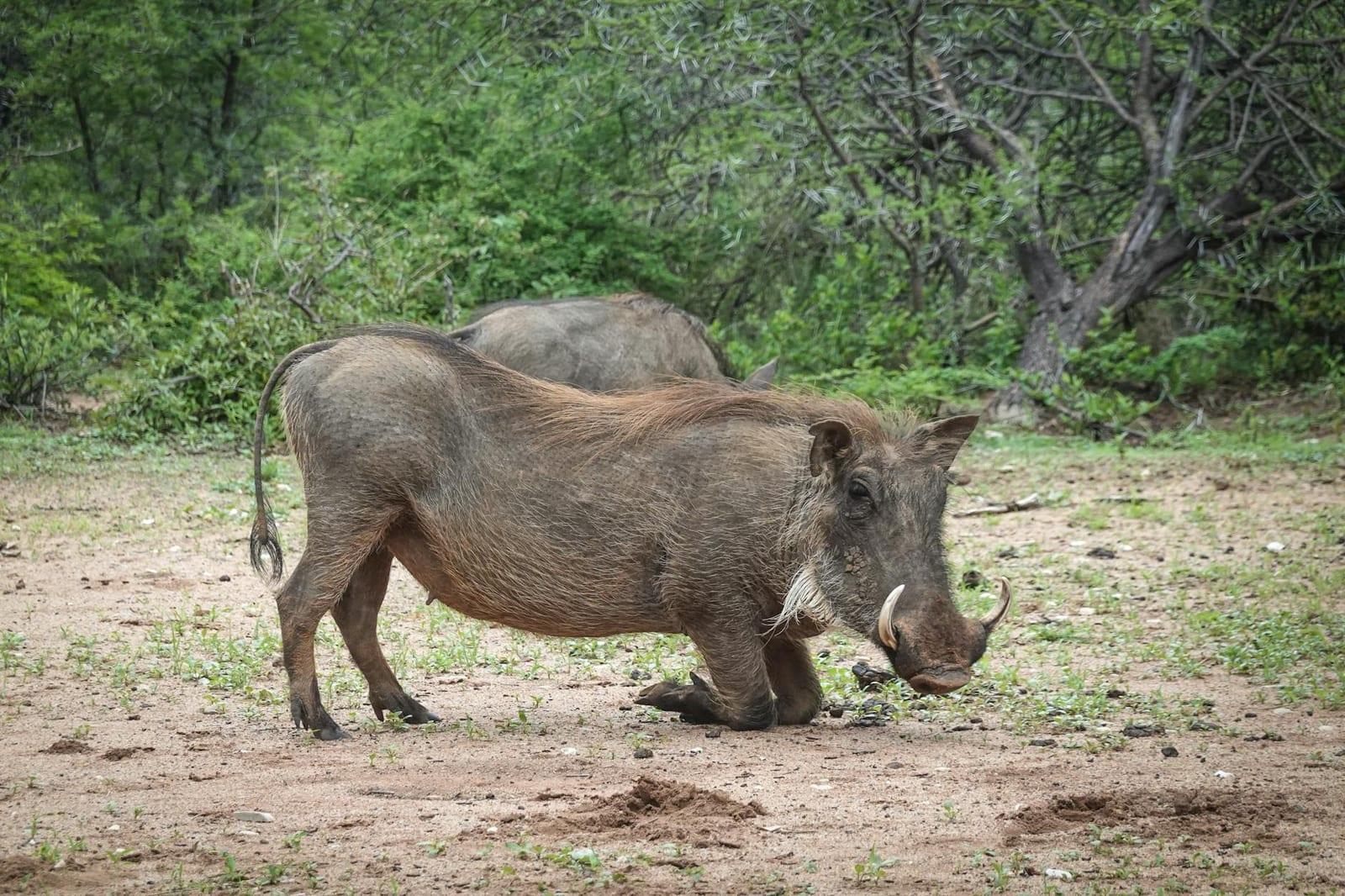
- Hlane Royal National ParkOne of Swaziland’s finest wildlife-watching destinations, this park’s vast bushveld harbors white rhinos, lions, elephants, and diverse avifauna.
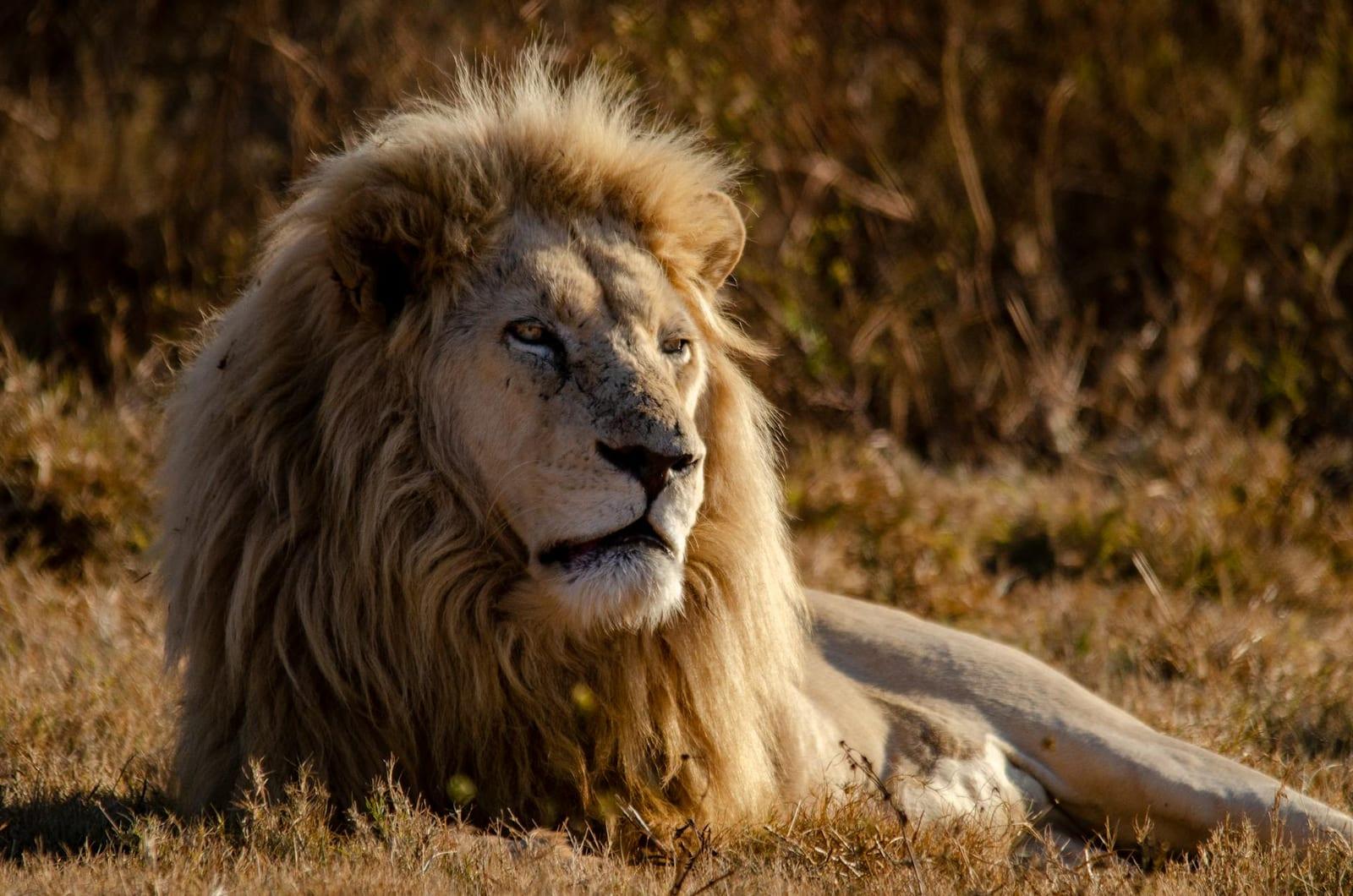
- Mkhaya Game ReserveYou can seek out glimpses of both black and white rhinos at this private lowveld preserve, also home to the indigenous Nguni cattle.
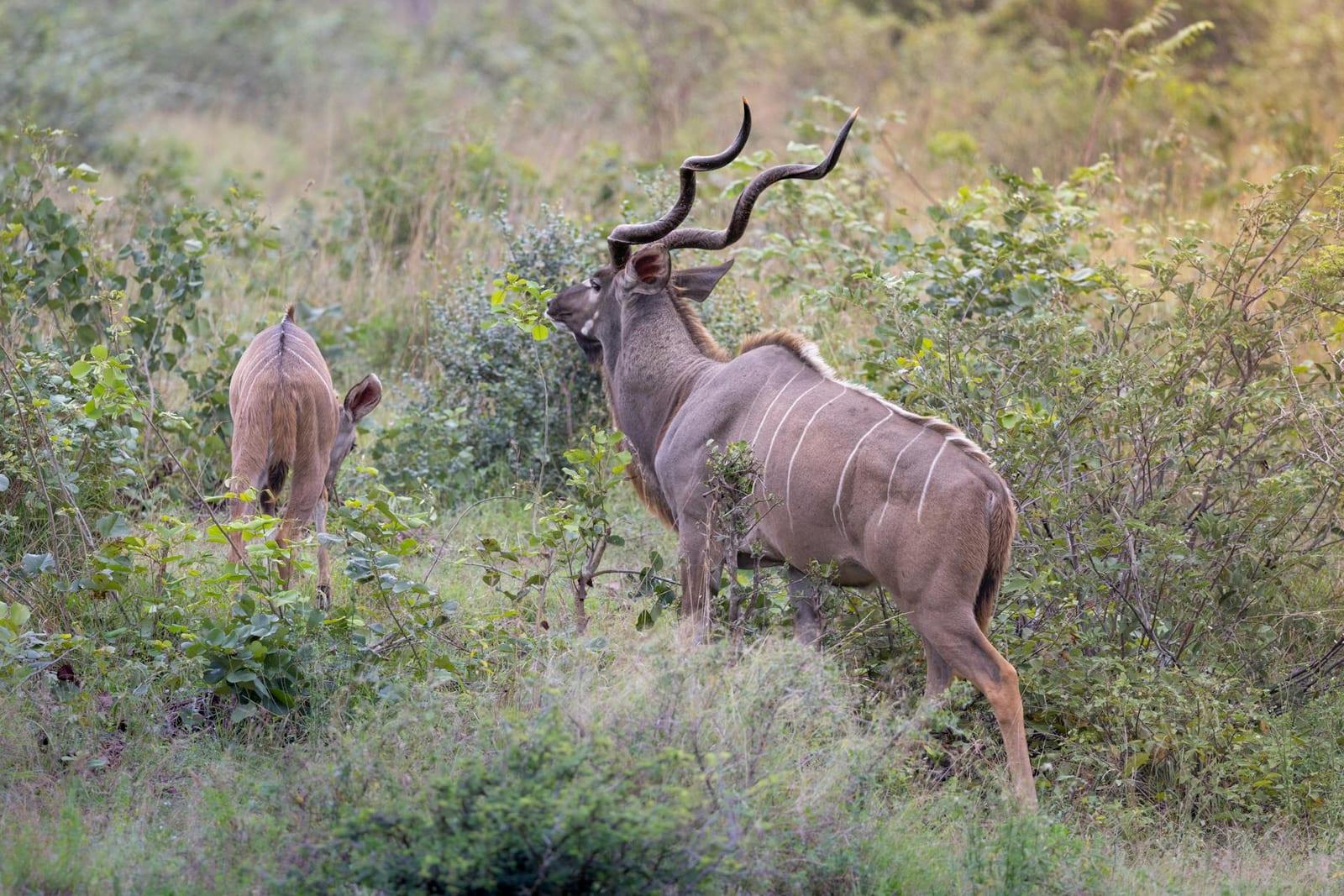
- Mantenga Cultural VillageOne of the highlights of the Ezulwini Valley, Swaziland’s great resort hub, this village shows off beehive huts and traditional dance performances.
- Mlilwane Wildlife SanctuaryWith its safari lodges and rich opportunities for self-guided hiking and game drives, this Ezulwini Valley preserve is ideal for outdoorspeople.
- LobambaSwaziland’s legislative center, also in the Ezulwini Valley, hosts the fine National Museum and the Embo State Palace.