A patch of grassy uplands in the frigid South Atlantic 300 miles off the coast of Patagonia, you may know this little archipelago as a British territory also claimed by Argentina, but the charm of the Falklands lies in its wildlife, its raw scenery, and its pastoral atmosphere.
These farflung islands—comprised of West and East Falkland as well as numerous islets—were first chanced upon by Europeans at the dawn of the 17th century, when they were entirely uninhabited. Significant British settlement commenced in the 1830s—at a time when there were still some Argentinian gauchos present in the archipelago—and most Falkland Islanders claim British (especially Welsh and Scottish) ancestry. Argentina, however, remains steadfast in their desire to claim the area, most dramatically realized during the Falkland War of 1982.
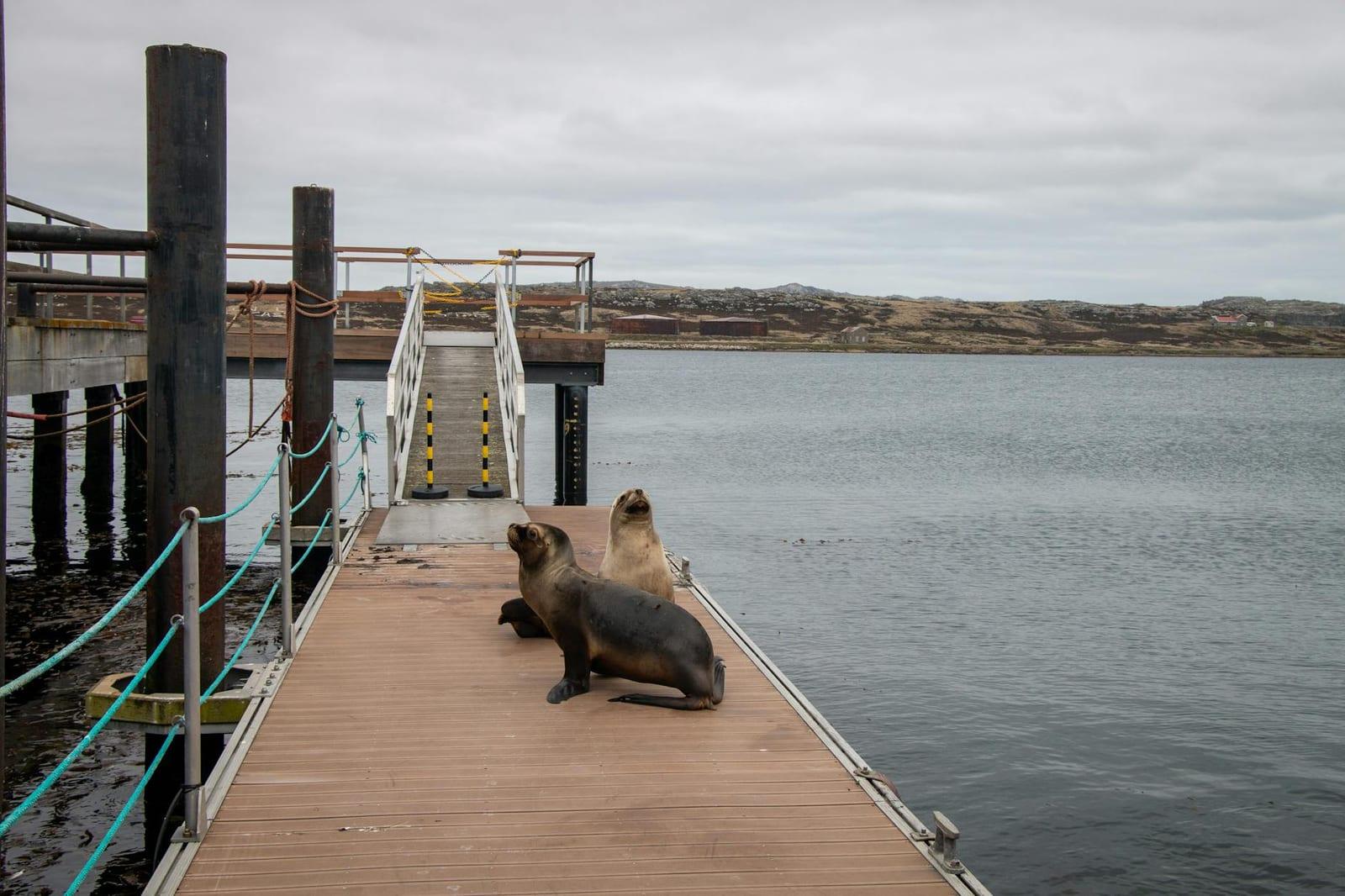
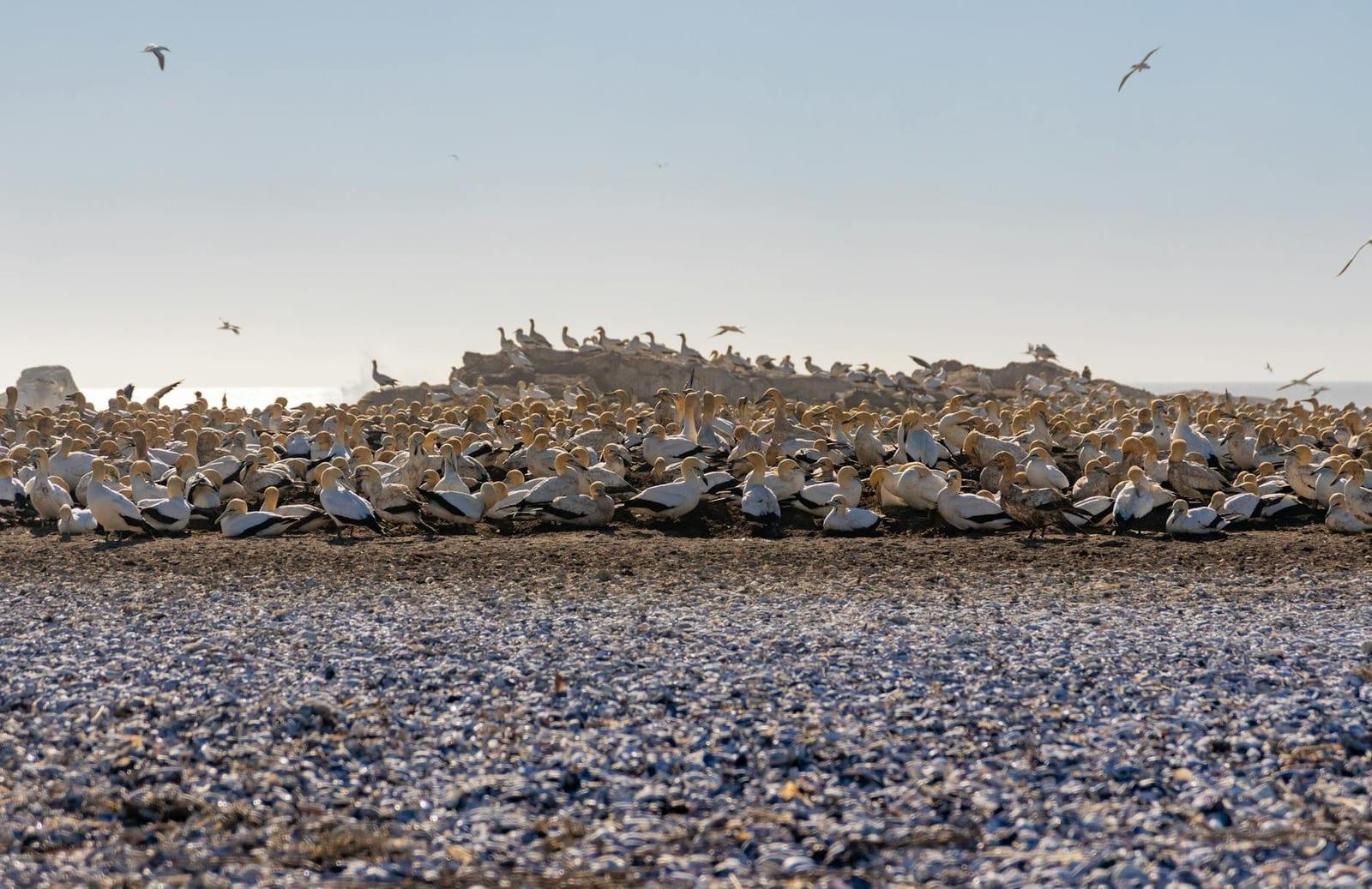
Ecologically, the Falklands are more Antarctic than South American, though they have some biological parallels with Patagonia. Wildlife enthusiasts—and birdwatchers in particular—will go gaga here: The Falklands are a fantastic place to view breeding seabirds, including no fewer than five different kinds of penguins and globally significant albatross populations. Toothed and baleen whales forage here, and some striking pinnipeds haul ashore: from southern sea lions and South American fur seals to formidably carnivorous leopard seals and enormous southern elephant seals (the bulls of which may be 20 feet long and weigh better than four tons).
In short, this is a fantastic place to glimpse typically polar wildlife in a somewhat balmier and more accessible setting than Antarctica.
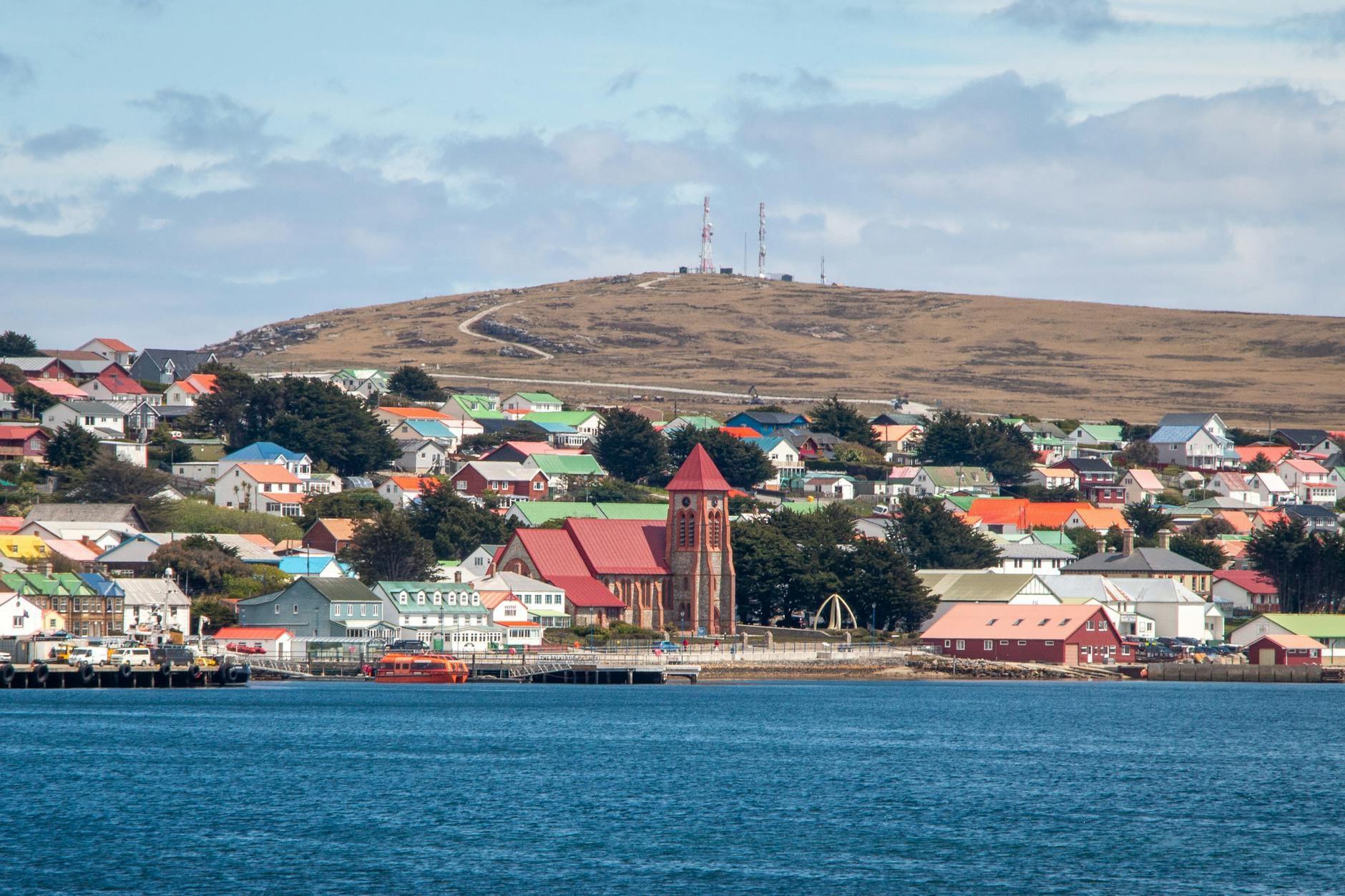
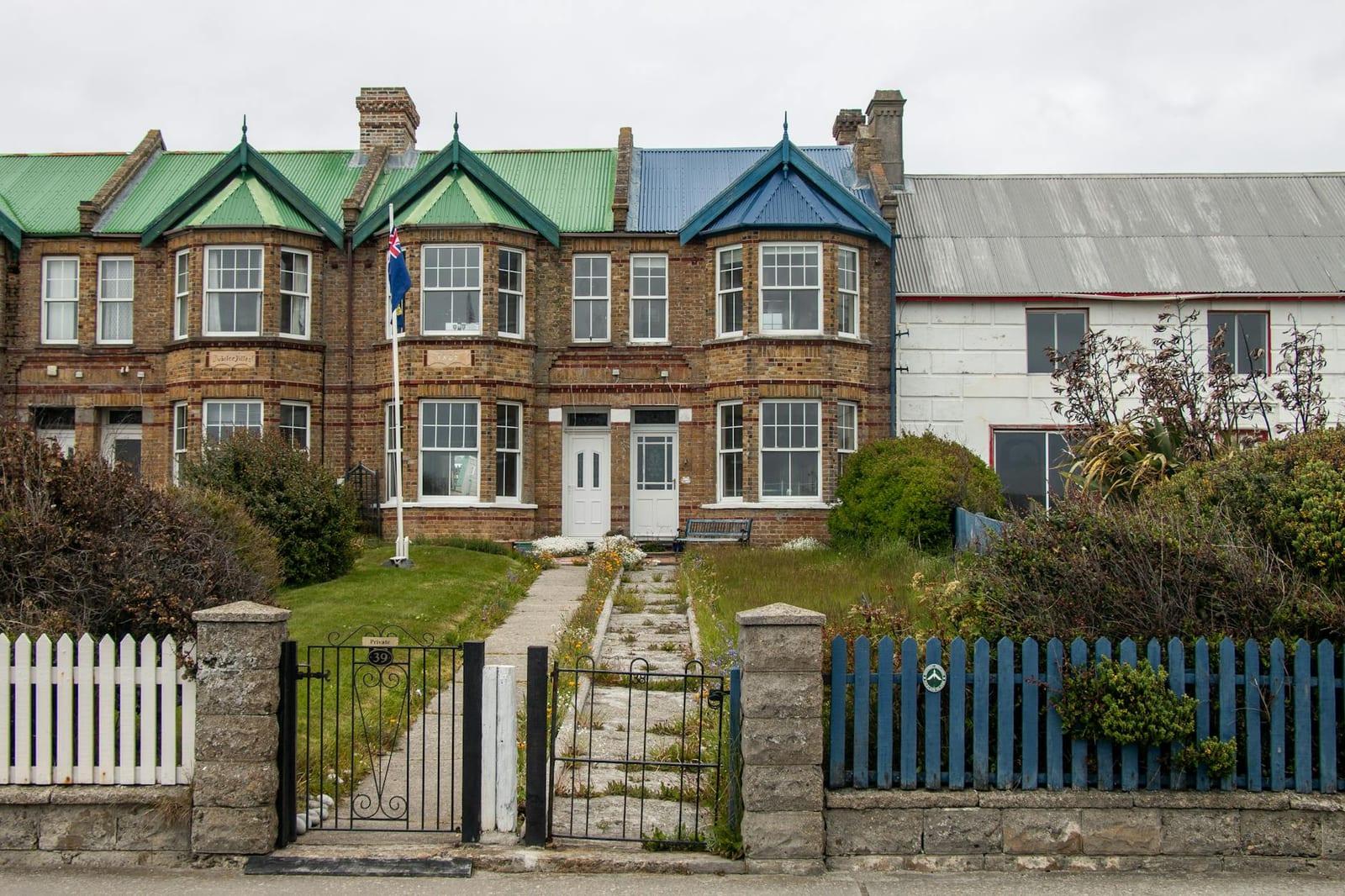
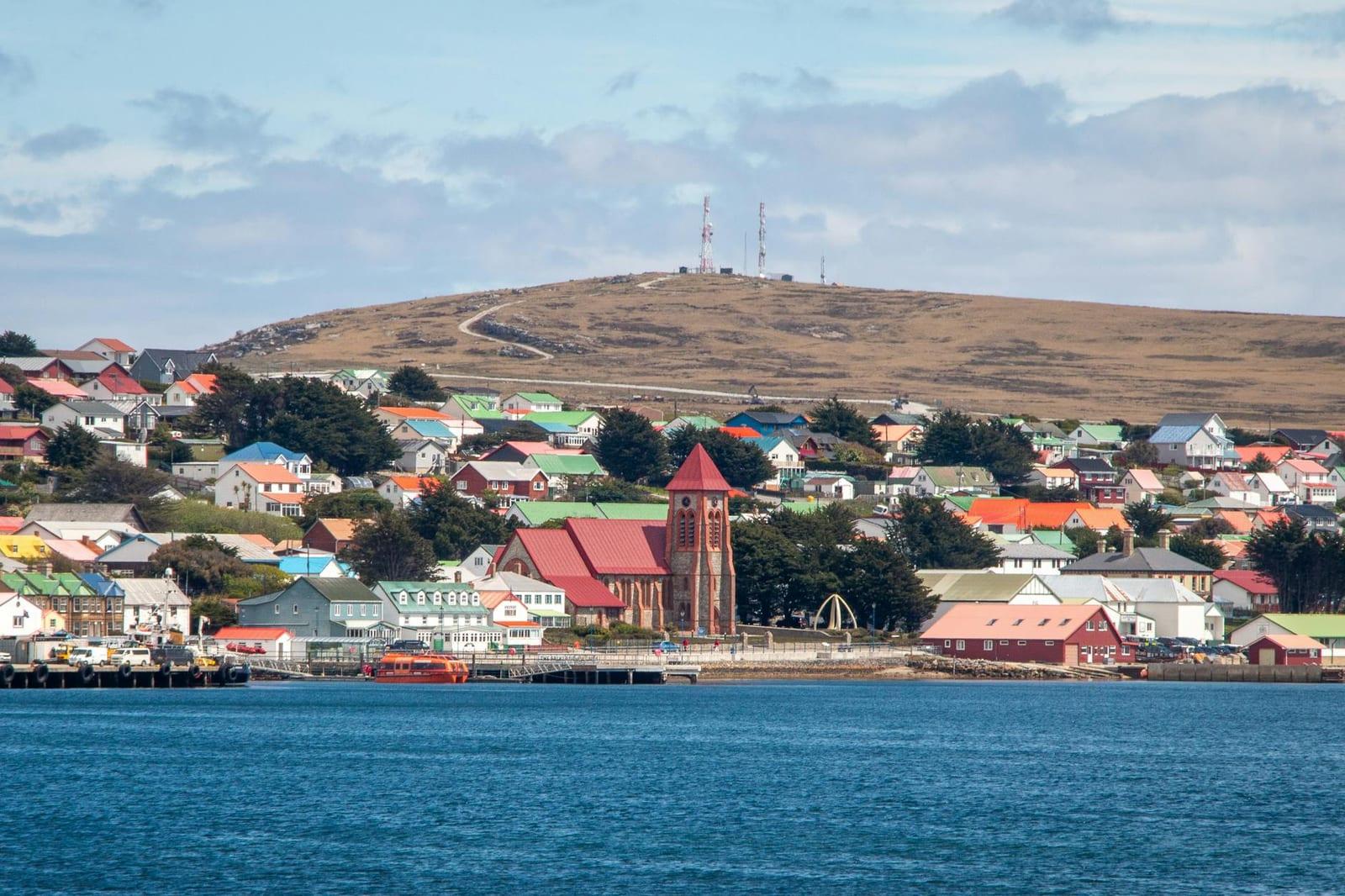
When you’re not watching bull elephant seals batter each other over harem rights, or enjoying the pleasant cacophony of a penguin rookery, sample the cultural life of the Falklands. East Falkland, the biggest landmass in the archipelago, harbors most of the population in the capital town of Stanley and the Royal Air Force base of Mount Pleasant. Stanley’s a pleasant place to stroll (if it’s not inclement), what with its colorful wooden homes, cheery pubs, and landmarks such as the Government House and the Museum of the Falkland Islands.
Whether you’re briefly stopping at the Falklands on a cruise to Antarctica or popping over during a South American odyssey, these remote, bird- and sheep-thronged islands have a remarkably captivating air about them. Crest a moorland hill in the Falkland countryside and gaze past the hardy flocks toward the South Atlantic, and you'll feel you're at the edge of the world—or least at its doorstep.
7 things not to miss.
- Sea Lion IslandThis southernmost of the inhabited Falklands is famous for penguins, seabirds, elephant seals, sea lions, and whales—an ecotourist’s garden of delights.
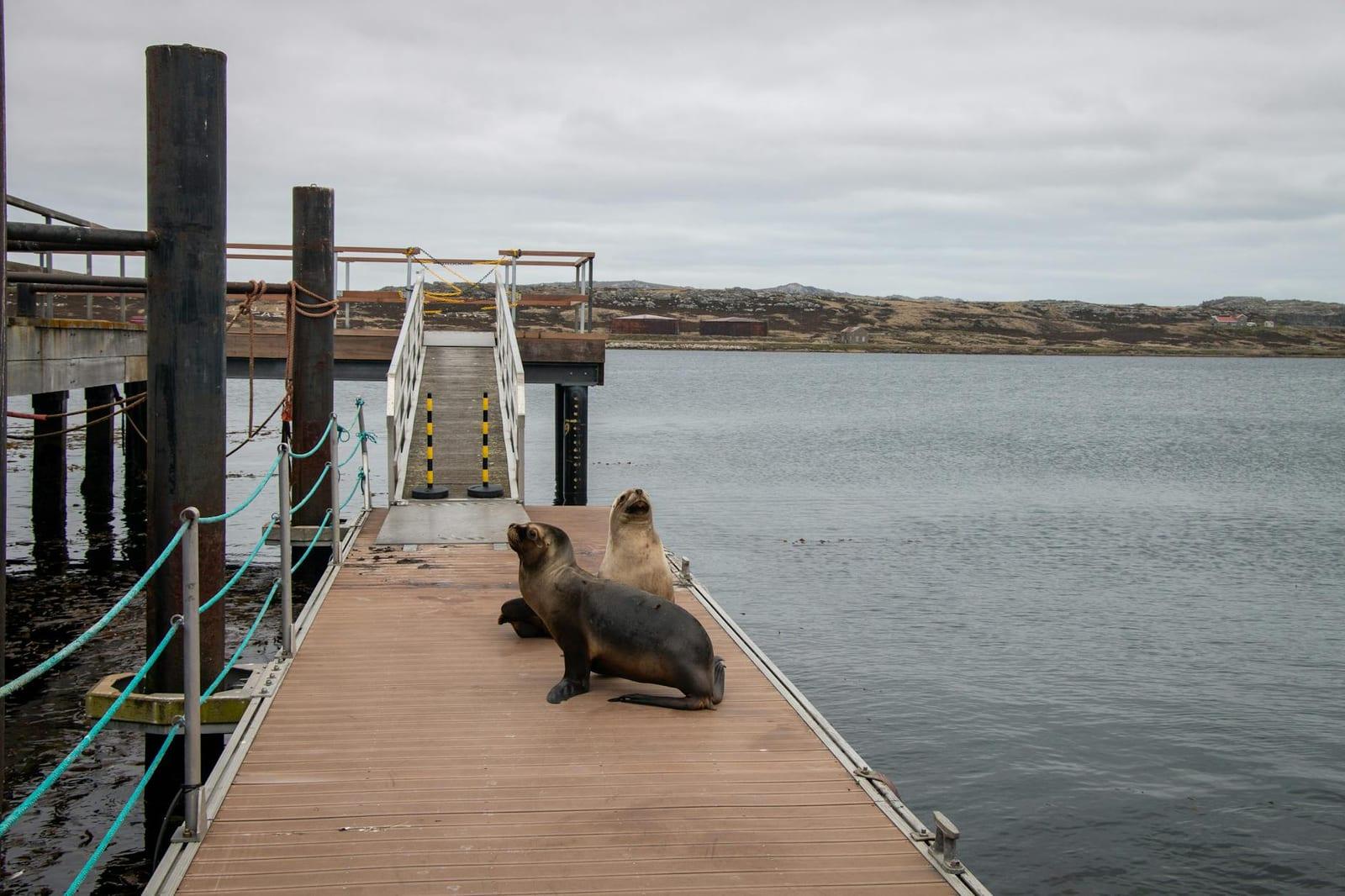
- Weddell IslandEmbark from the Gull Harbour village and explore the wildlife riches—from penguins and caracaras to Patagonian foxes and dolphins—of this biggest offshore isle.
- Government HouseHome to the archipelago’s British governor since the mid-1800s, this subdued but handsome building is one of Stanley’s best-known attractions.
- Falkland Islands Museum & National Trust (Stanley)From native fauna to the saga of the 1982 war, here’s a one-stop-shop Falkland Islands primer.
- Christ Church CathedralThis southernmost Anglican church, built in 1892, is striking enough on its own, but equally memorable is the whale-jawbone arch in front.
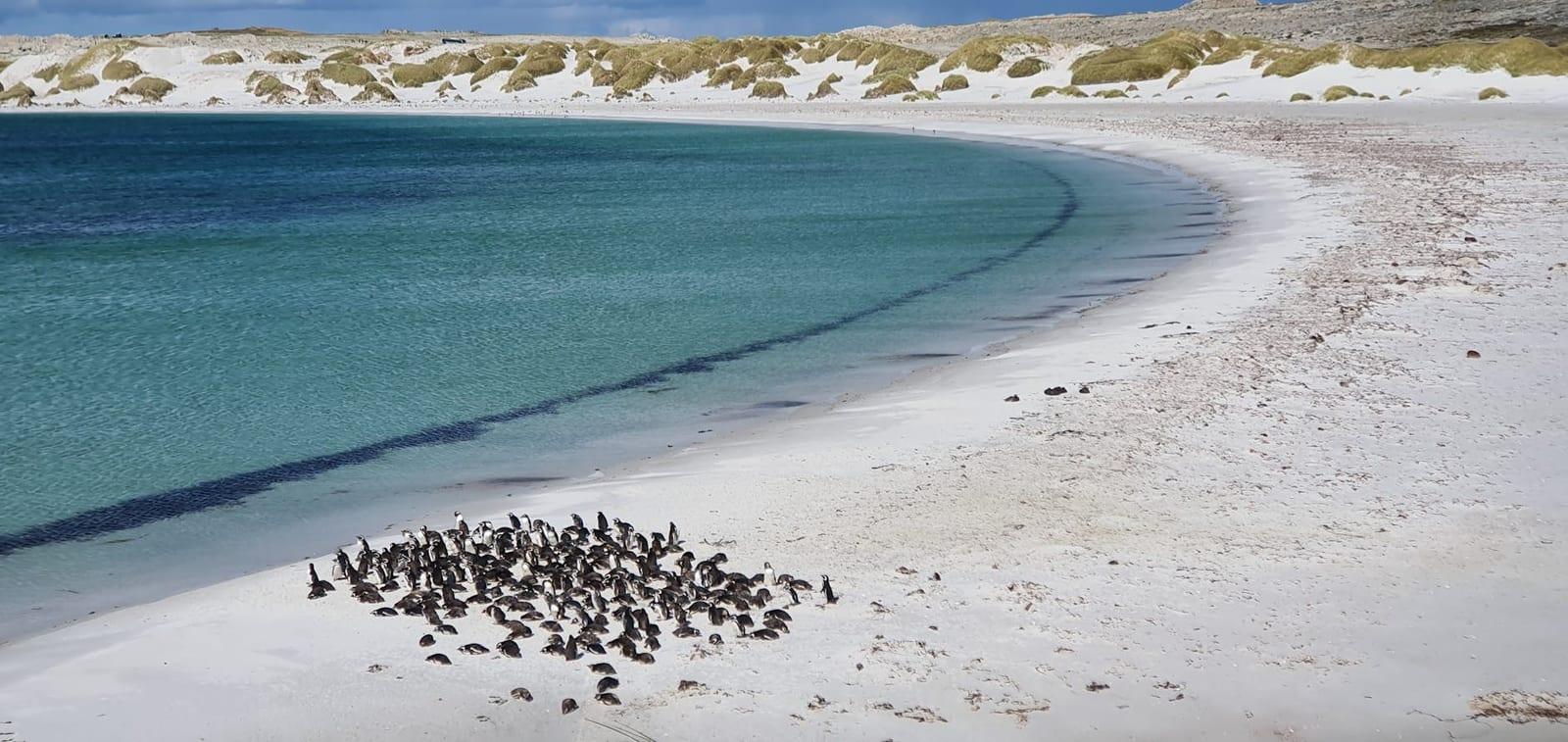
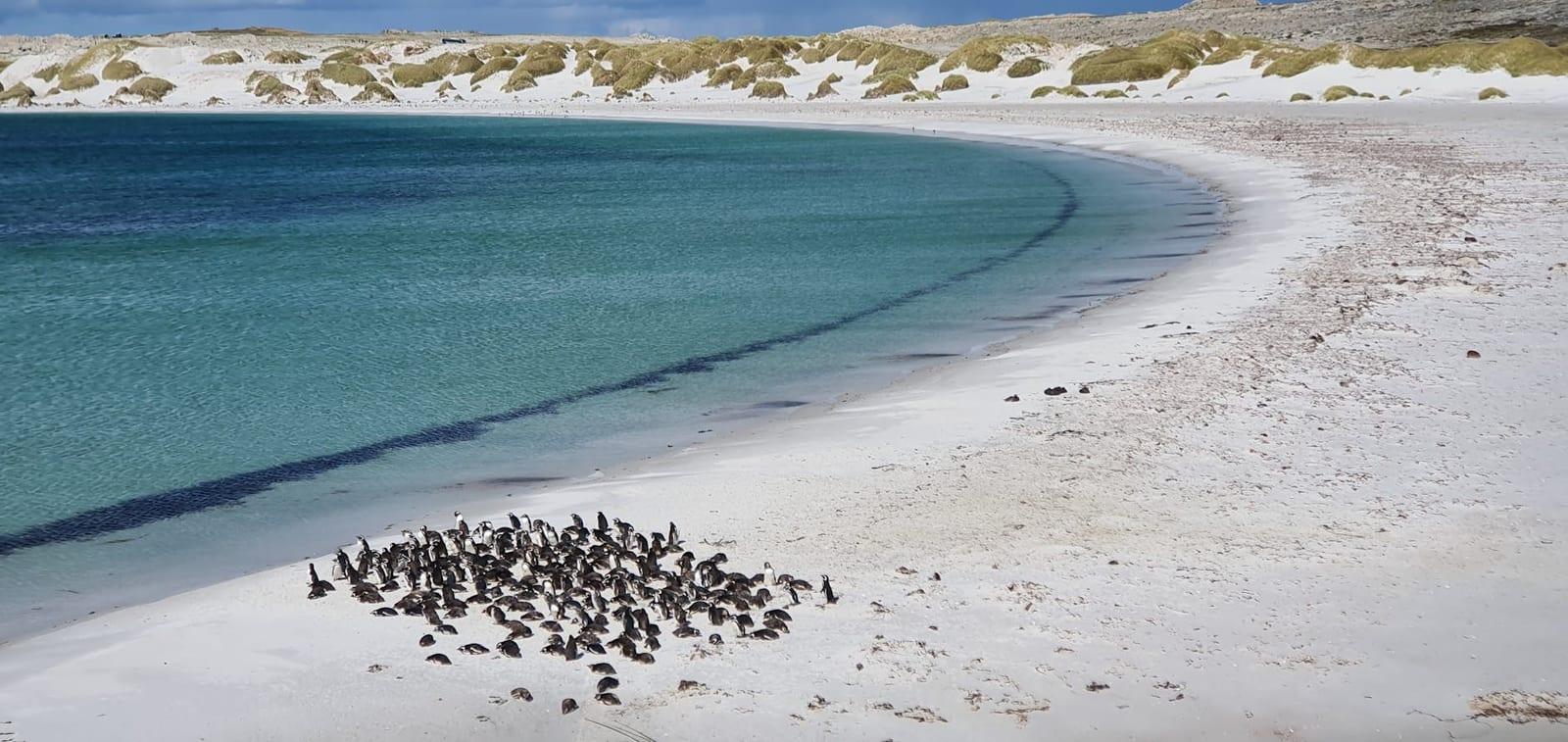
- Bertha’s BeachThis pretty East Falkland seashore hosts critical breeding colonies of gentoo penguins, ruddy-headed geese and many other bird species.
- Gypsy CoveA mere 10 minutes from Stanley, this heath- and beach-fronted bay—home to a Magellanic penguin colony—is one of the Falklands’ most accessible wildlife-watching sites.