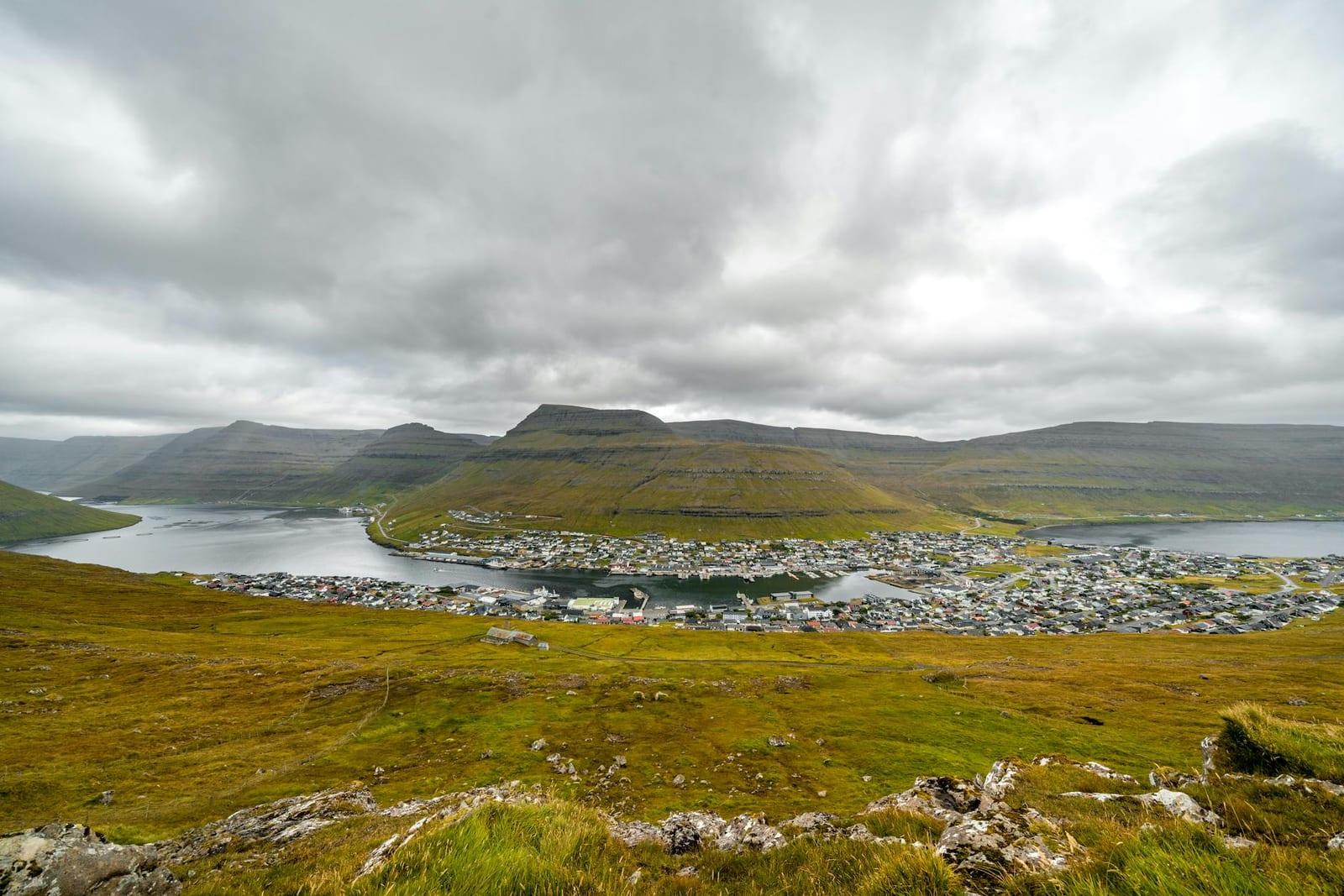
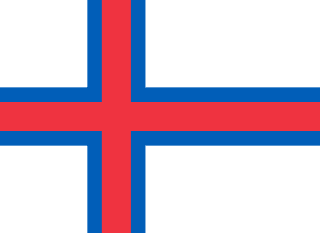
Strike poleward off the far northern reaches of Scotland, and you might think you’re headed straight for the polar ice. But there’s a magical little scattering of jagged islets plopped between Norway and Iceland you’ll bump into first: the Faroe Islands. Here’s a place to escape from it all without really roughing it, and to wander mosaics of tiny hamlets, seaside sheep pasture, and lava-rock battlements to the soundtrack of North Atlantic breakers.
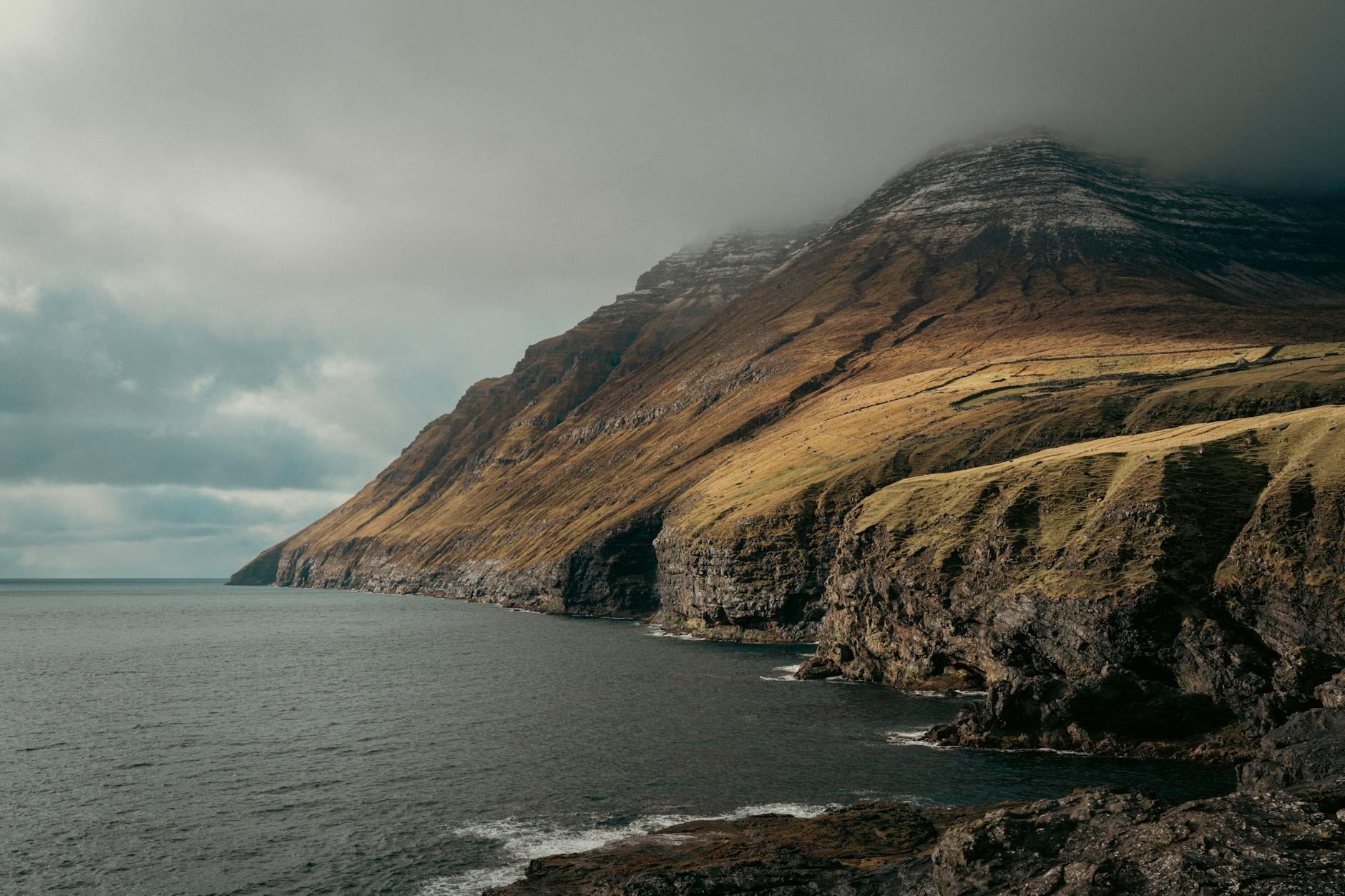
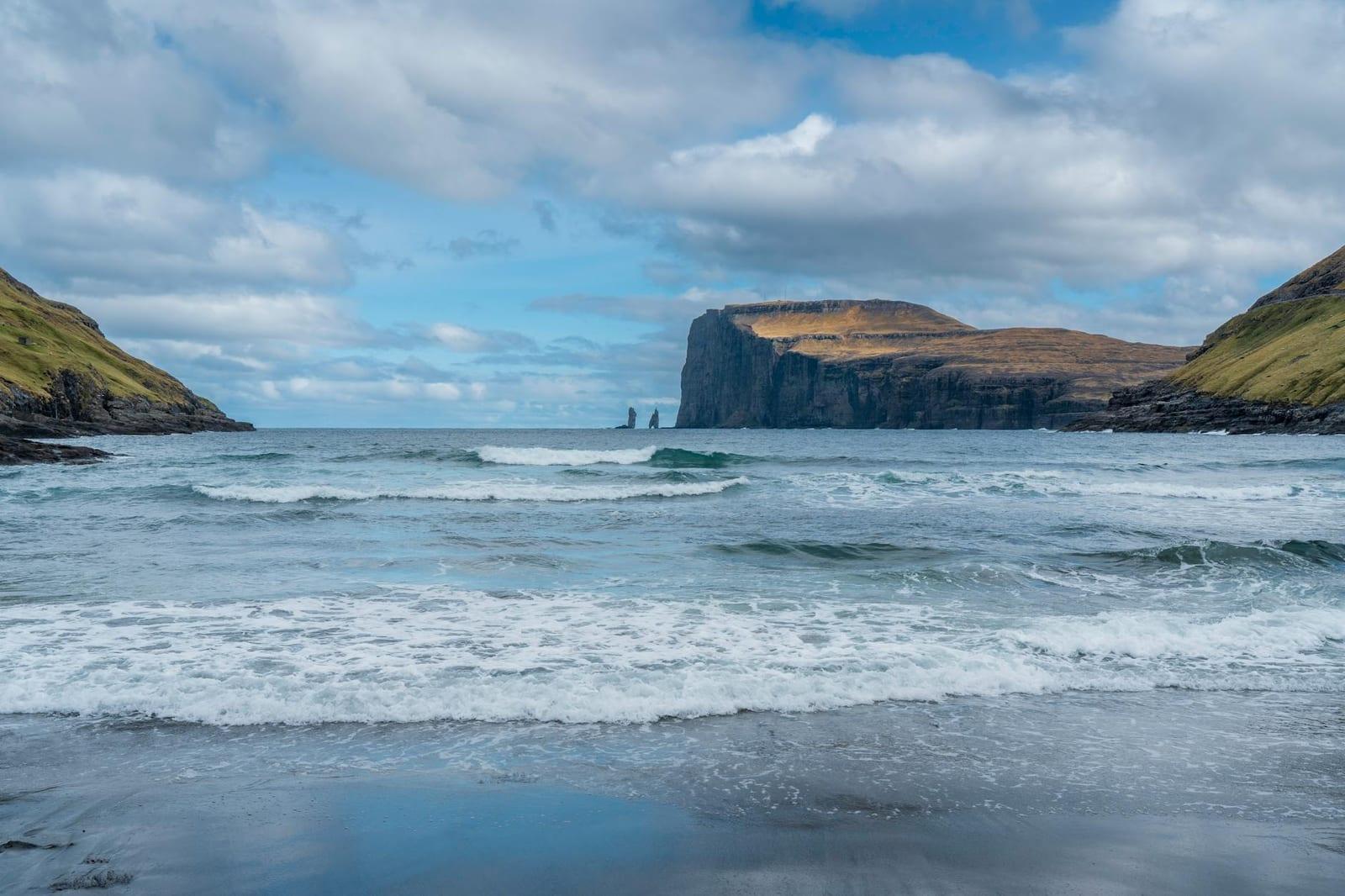
The 18 islands of the Faroes are forged from layered and slanted basalt, and the landscape is sweepingly beautiful: wave-pounded cliffs, vibrant green slopes rising to serrated ridges, foggy crags and lush valleys. The geological backstory—successive lava flows unleashed as Greenland and Europe rifted apart, the more recent bulldozing of Pleistocene glaciers—is one thing, but these rugged islands are also infused with myth. On Eysturoy, a pair of iconic sea stacks lie just offshore the island’s sheer northern cliffs: They are, according to mythology, the Giant and the Witch—Risin og Kellingin—who were petrified long ago while trying to claim the Faroe Islands for Iceland.
Fauna-wise, you’ll see plenty of sheep and seabirds on a Faroe Islands ramble. The woolly grazers famously outnumber the human Faroese by two to one, and add the complimentary white to the shamrock grass, black rock, and smoky sea-fog of the archipelago’s patchwork. And the seabirds nest here in profusion, making well-protected rookeries on the oceanfront precipices. Some of the most famous colonies utilize the breathtaking Vestmanna cliffs of Streymoy’s western coastline—home to puffins, kittiwakes, guillemots, and other handsomely plumaged species.
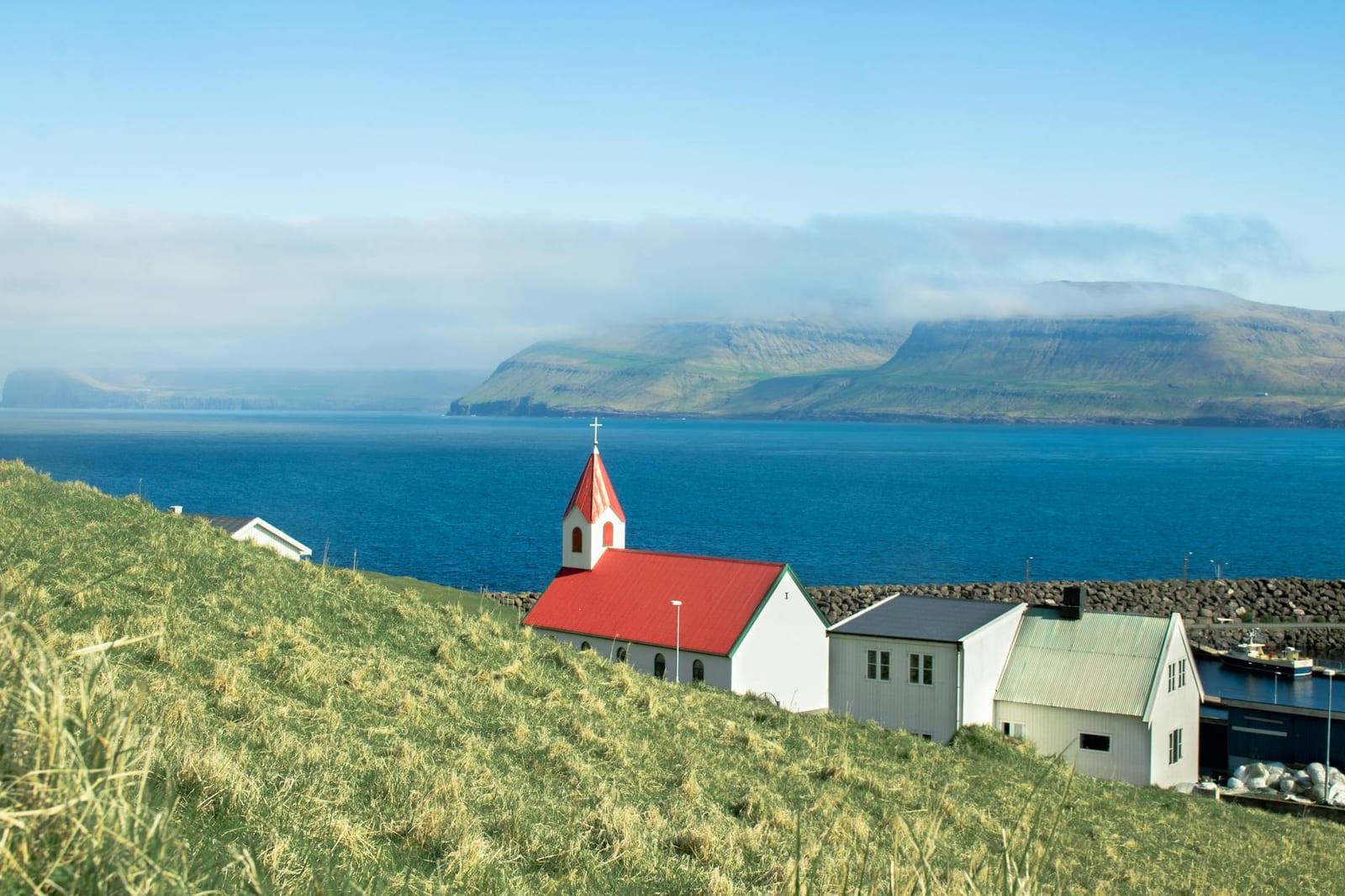
Tucked and folded into the raw scenery is the human footprint of the Faroe Islands, from the friendly hubbub of the Streymoy-based capital of Torshavn to remote villages showcasing the classic wooden, turf-roofed homes. Though some say Irish monks reached the islands earlier, the Faroese story mainly begins with Norse settlement in the 9th century; the Viking-established parliament (Lagting) remains part of the political fabric. Norway controlled the Faroe Islands until 1814, when it became part of Danish territory; today, the country’s a self-governing member of the Kingdom of Denmark.
Very much their own faroff North Atlantic world despite the strong Scandinavian connections, the Faroe Islands are nonetheless easy to reach from Great Britain or mainland Europe, and the coziness of their scattered villages adds real warmth to the roughhewn (but undeniably picturesque) terrain and unsettled ocean weather.
8 things not to miss.
- Cape EnnibergThe archipelago’s suitably dramatic northern extreme, this magnificent headland on Viooz boasts some of the world’s tallest cliffs—nearly 2,500 feet high.
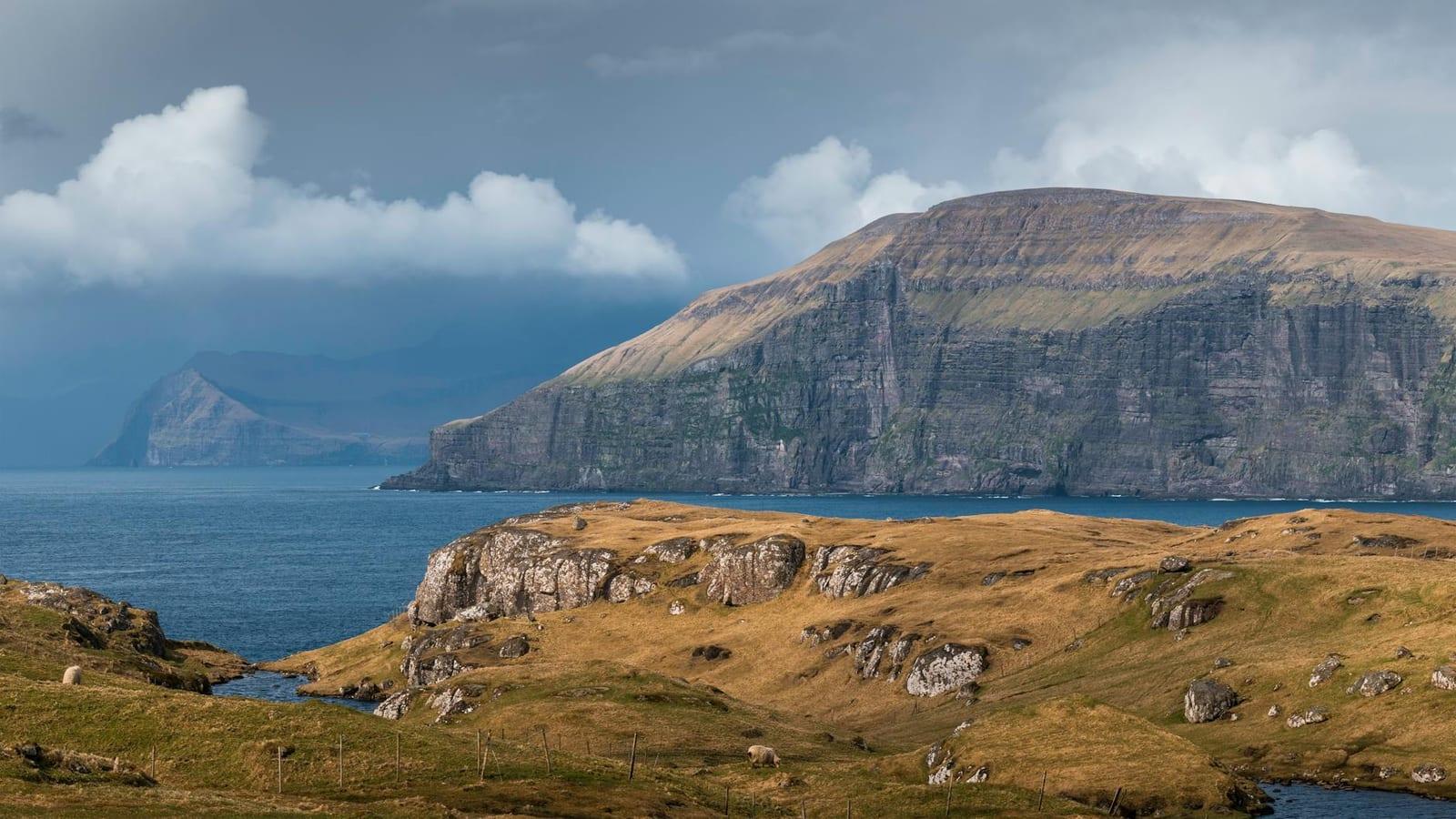
- Vestmanna Bird CliffsPuffins, fulmars, and a whole menagerie of other seabirds nest on Streymoy’s western sea cliffs, a top ecotourism destination.
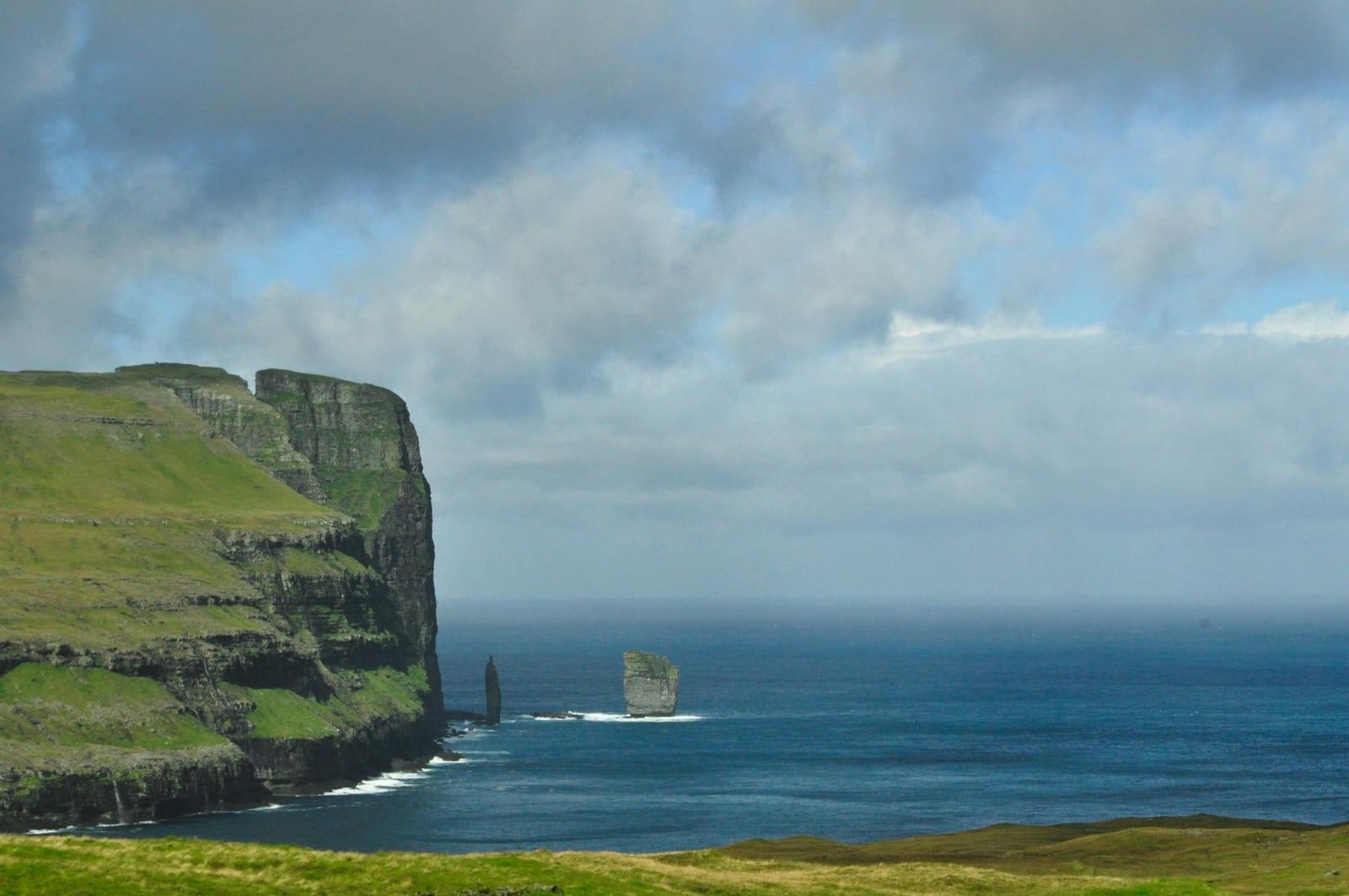
- Risin og KellinginThis famous seastack pair off Eysturoy includes “the Giant” and “the Witch,” Icelanders petrified (legend says) while trying to claim the Faroes.
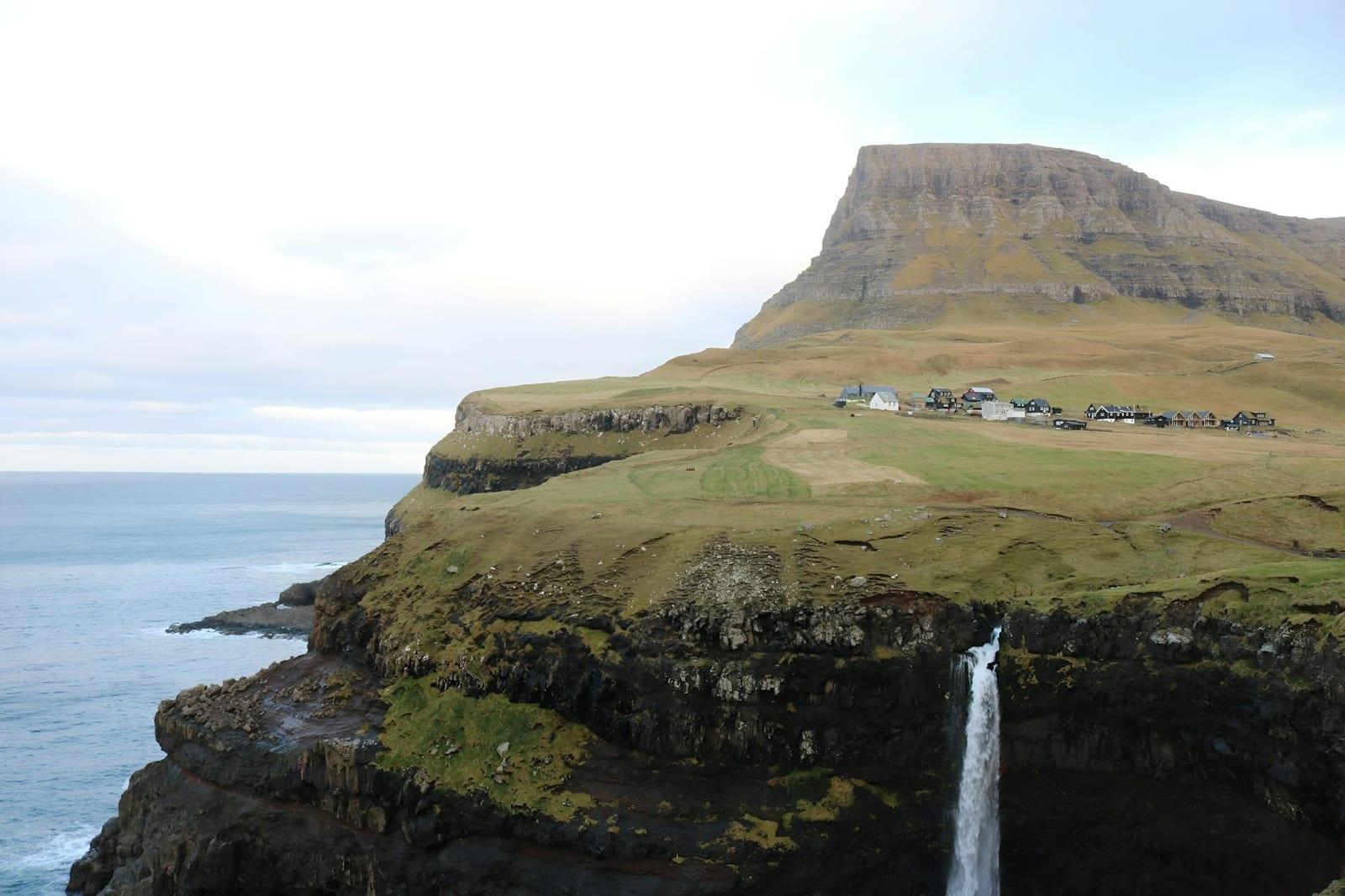
- GasadalurThis seaside Vagar village enjoys a ridiculously picturesque setting—cupped by mountains and offering vistas of waterfalls and the isle of Mykines.
- Magnus CathedralA chief landmark of the history-packed Streymoy village of Kirkjubour, this unfinished cathedral ruin dates to the 14th century.
- Kirkjubour GarourBuilt in the 1000s, this enduring farmhouse in Kirkjubour ranks among the oldest continually inhabited wooden homes anywhere.
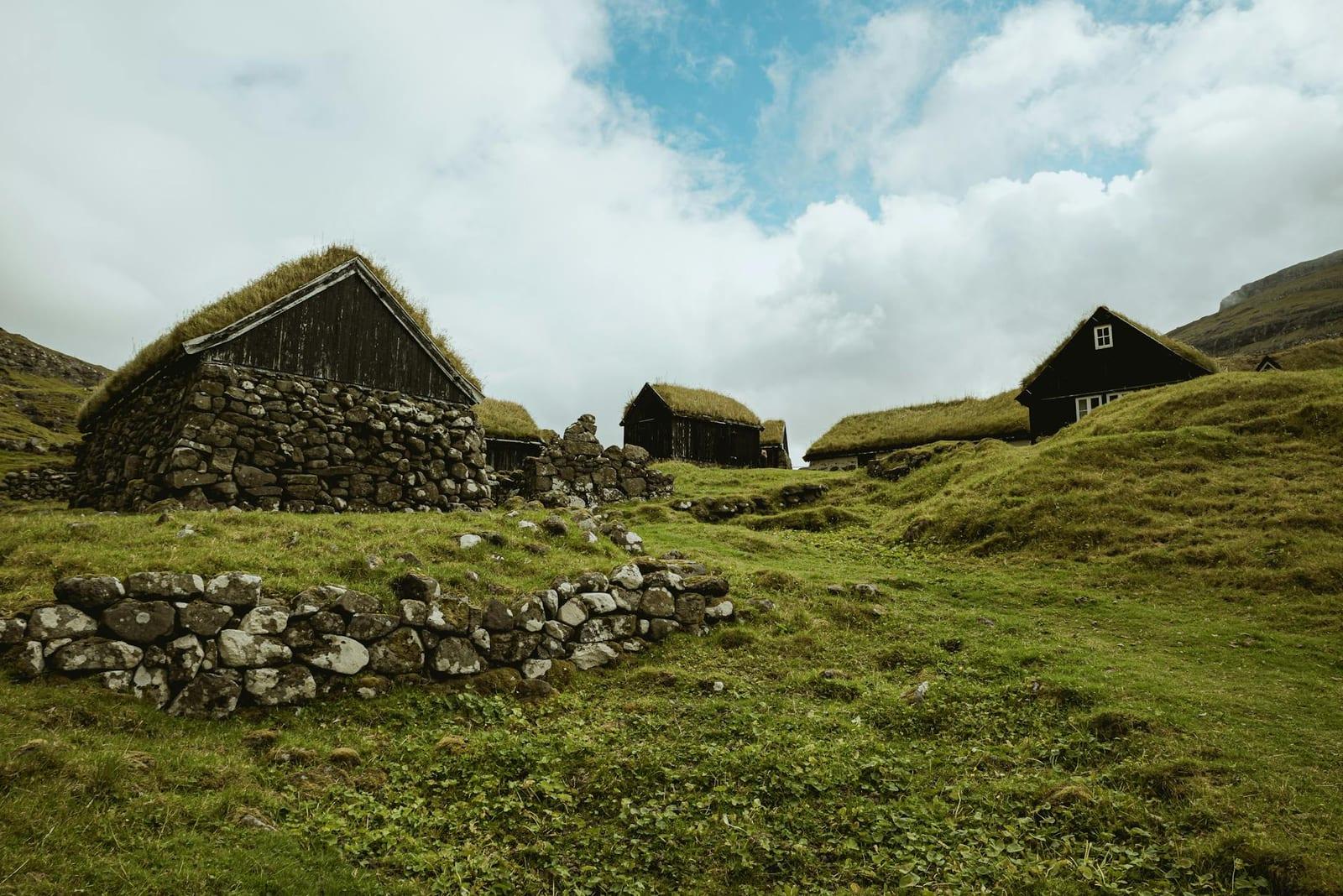
- SkansinBuilt in the 16th century to repel pirates, this Torshavn fortress also served as the British Royal Navy command center during World War II.
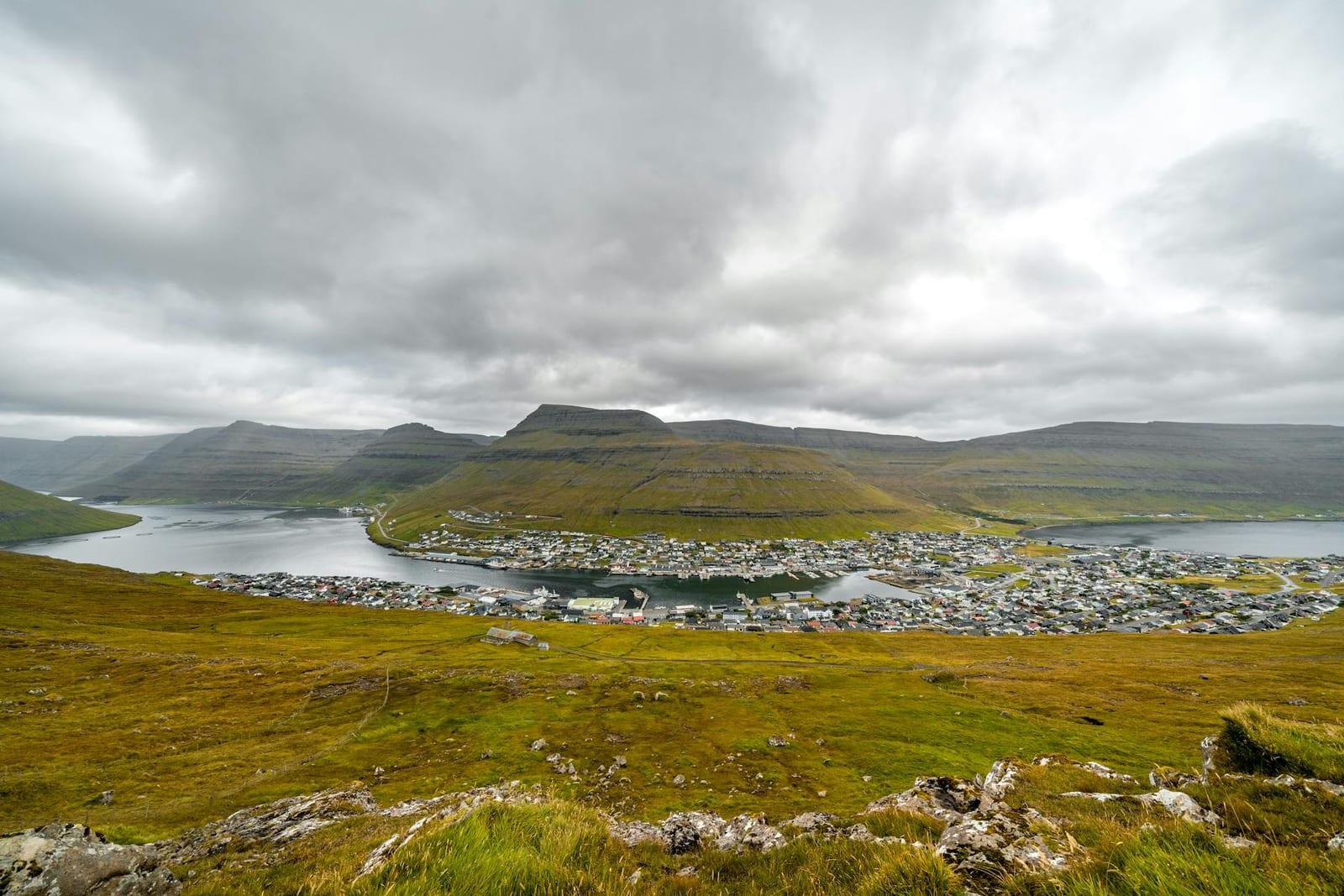
- TinganesTorshavn’s old quarter includes 16th- and 17th-century buildings and the yet-older site of the Faroes’ early Norse parliament, the Logting.