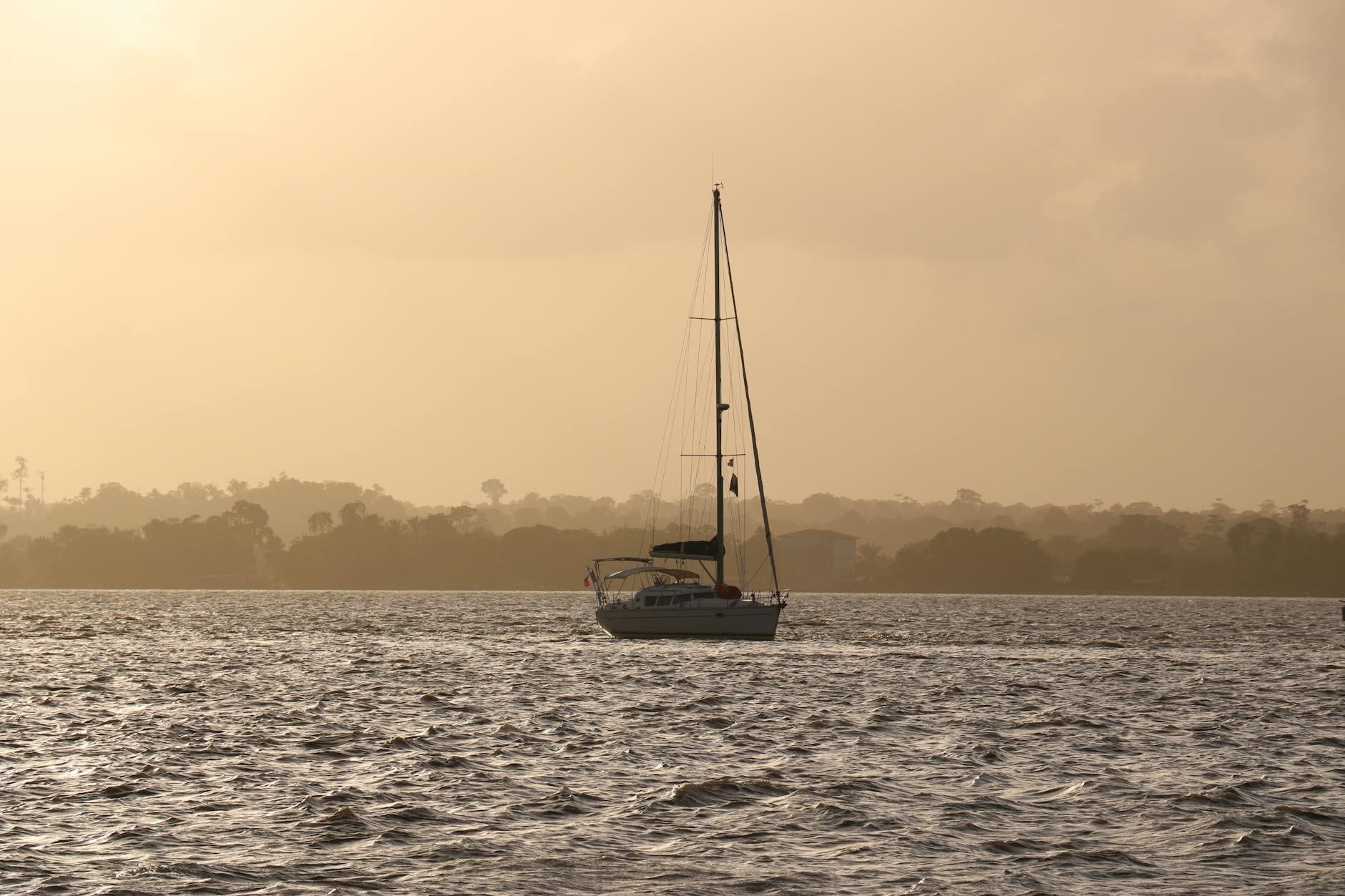
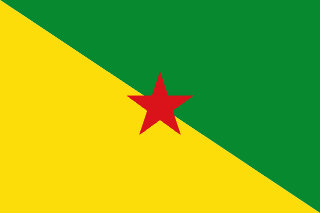
A small enclave nestled between Suriname and Brazil, French Guiana is the only part of South America still controlled by a foreign power. A territory of France, the country is comparatively prosperous and supports one of the European Space Agency’s major spaceports, the Guiana Space Centre. To the traveler, though, the most intriguing aspects of the country are its strikingly multicultural population and its pristine, little-known rainforest.
Once purely the domain of indigenous peoples such as the Arawak, the Wayana, and the Wayampi, the region fell under French control in the 1700s. Among the more notorious chapters of French Guiana history were the long-running Devil’s Island penal colonies the French maintained on several coastal islets. (The 1973 Steve McQueen and Dustin Hoffman classic Papillon is based on a book by a former prisoner, Henri Charriere.)
More stimulating, perhaps, than the remains of the old prison camps is French Guiana’s rich ethnic diversity, which includes Maroons (descended from escaped African slaves), Amerindians, and citizens of European, Asian, Caribbean, and Brazilian ancestry. Most people live along the coast, which has Caribbean undertones and plenty of French-style architecture. Check out Cayenne’s Central Market for a wonderful survey of French Guiana’s cultural spread, or tour the neighborhoods of Saint-Laurent-du-Maroni, situated across the Maroni River from Suriname in French Guiana’s northwest, which also shows off 19th-century buildings (including some of the infamous penitentiaries).
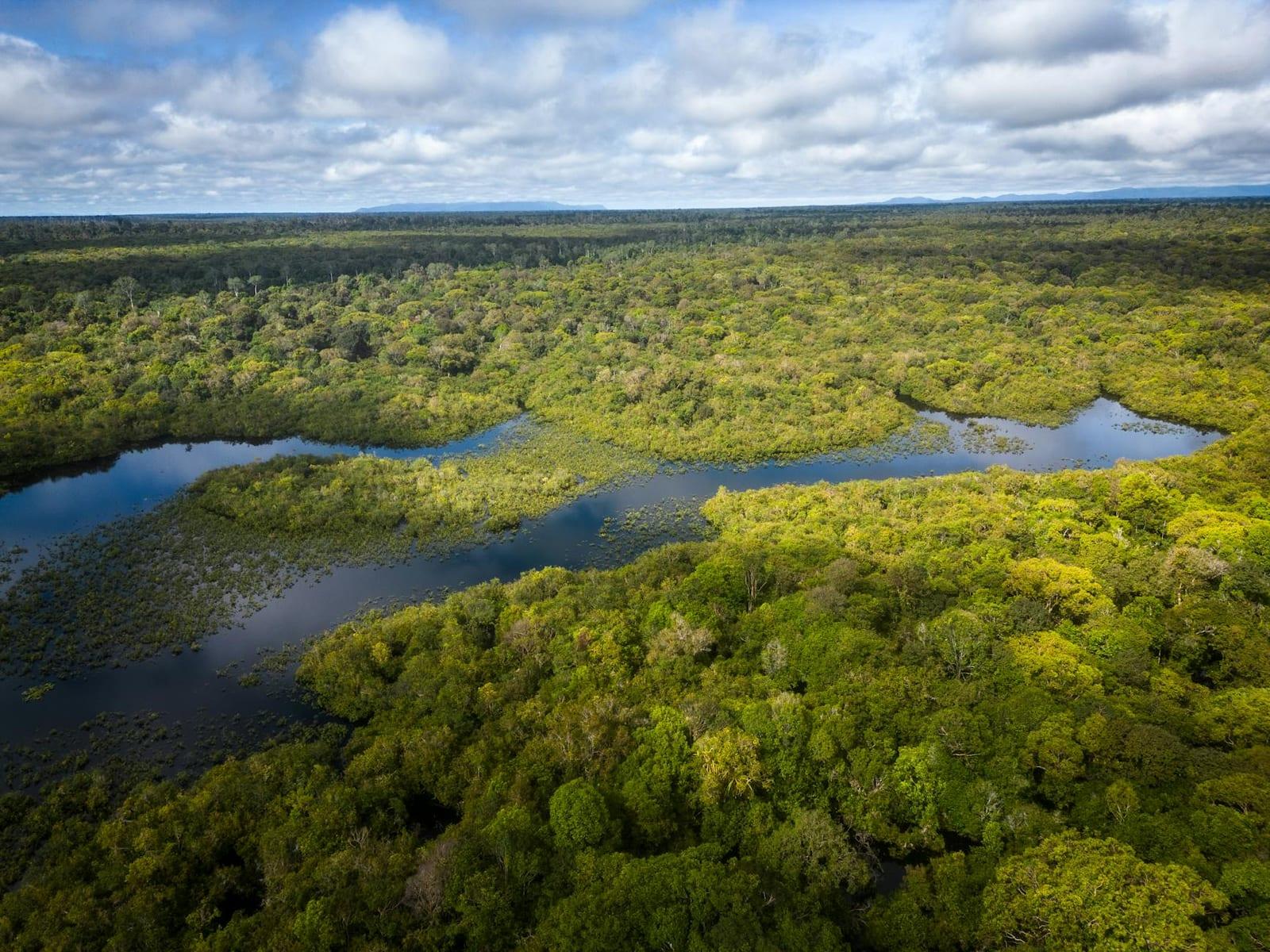
Head upriver from the coast—Saint-Laurent-du-Maroni is a good jumping-off point—and the population thins out dramatically. According to Mongabay, rainforest swaths better than 90 percent of French Guiana—and most of it is virgin old-growth, lightly inhabited and explored. Such statistics alone should be enough to draw the ambitious eco-trekker, who’ll need to charter a plane or a boat to reach Guiana Amazonian Park. This 13,000-square-mile wilderness lies contiguous with Brazil’s even-larger Tumucumaque National Park, forming a protected transborder rainforest reserve with few analogues in the tropics.
Whether gaping at mist-wreathed tropical hardwoods along a backwoods tributary or practicing your French (or Creole) in a coastal market, you’ll discover some of South America’s most exotic quarters in French Guiana. If you have only have limited time or a predilection for creature comforts, stick to the historical sights and cultural experiences of the littoral; but if adventure’s your thing, steer your way inland and savor a trek into the primordial.
9 things not to miss.
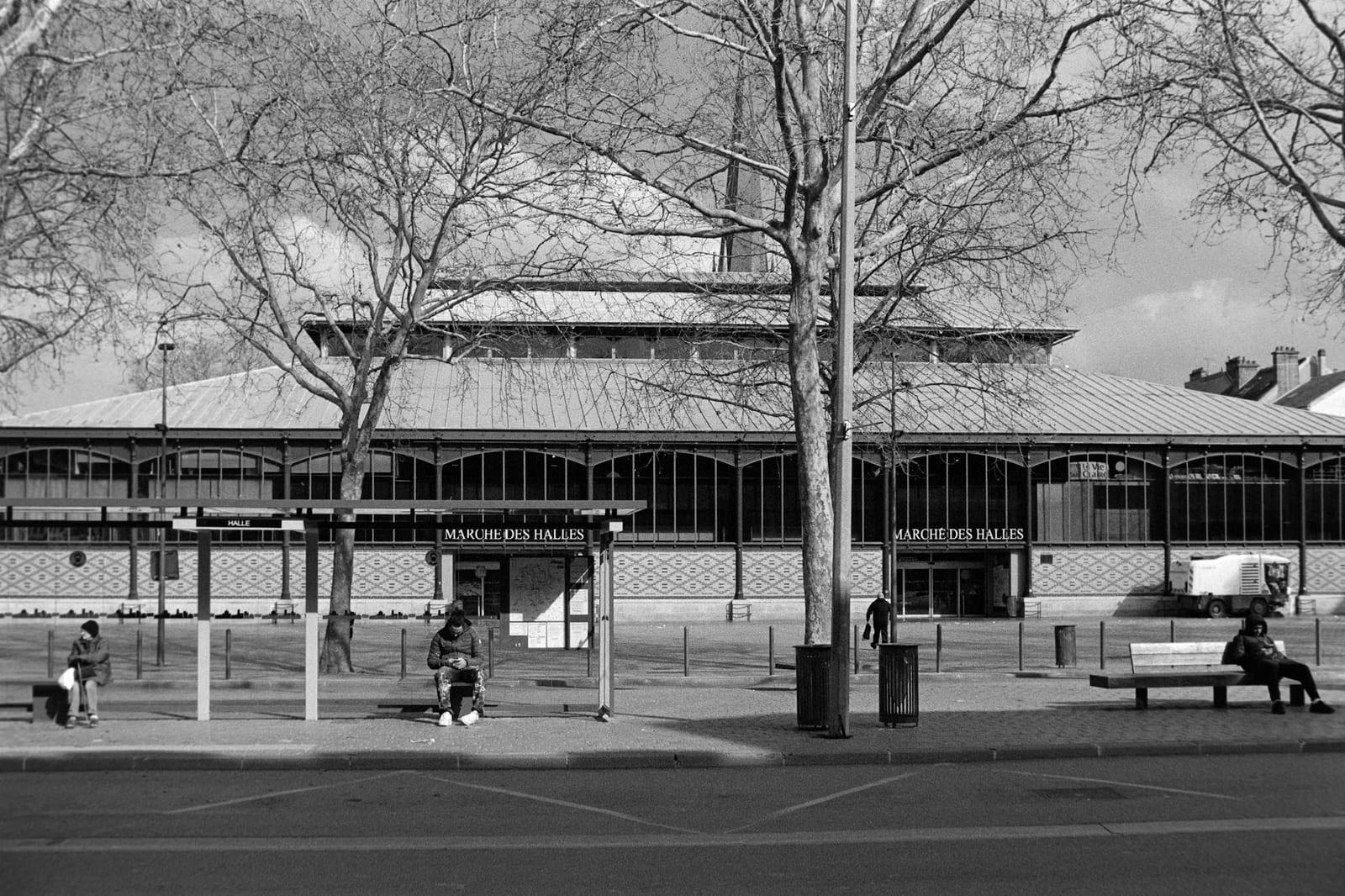
- Central MarketConduct a tasting tour of tropical fruits and exotic spices and browse a wealth of wares at Cayenne’s famous market.
- Botanical GardensThe lush grounds of this Cayenne landmark, first opened in 1879, spotlight a plethora of tropical plants.
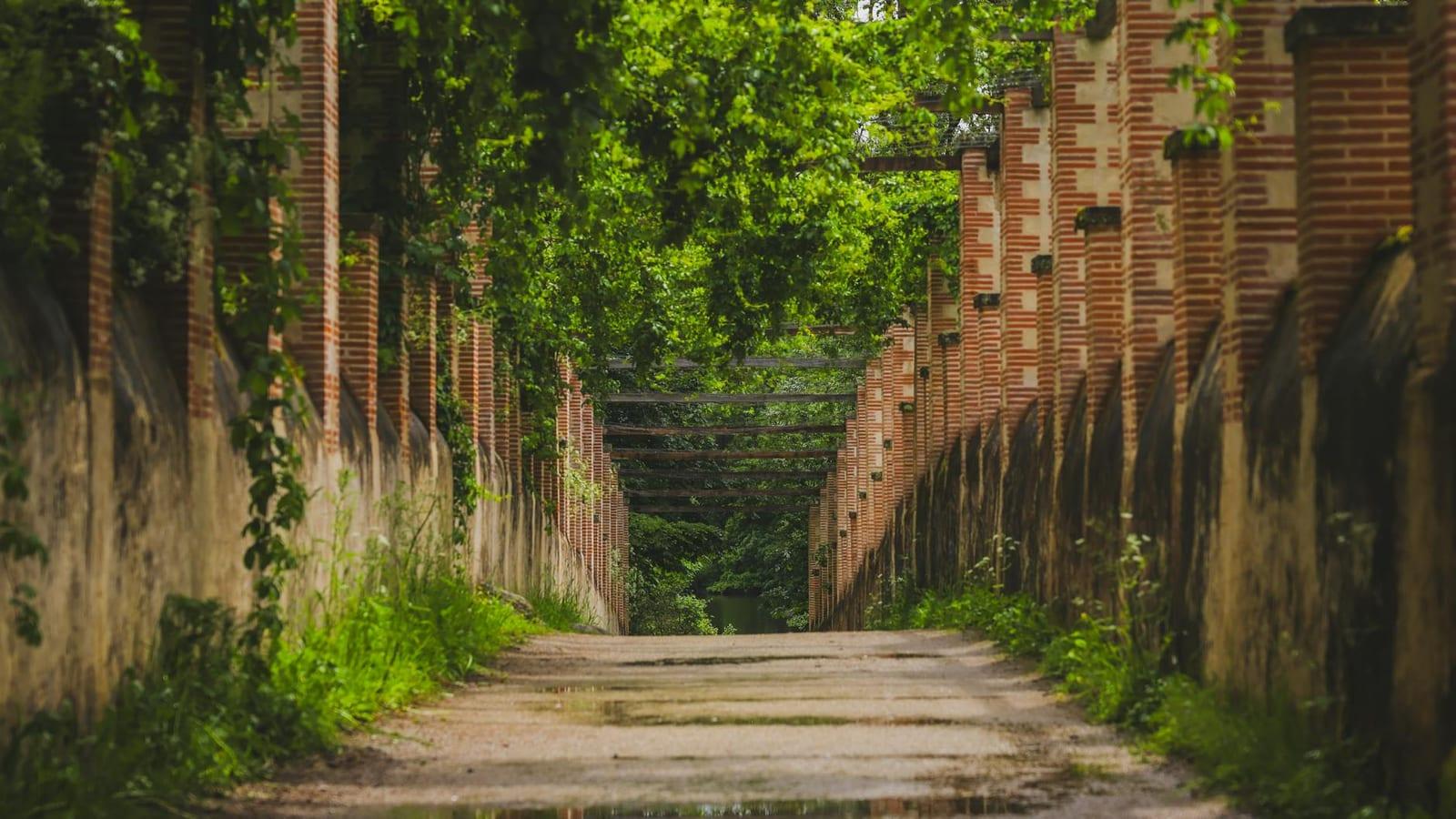
- Guiana Space CentreThis half-century-old coastal spaceport near Kourou serves the European Space Agency.
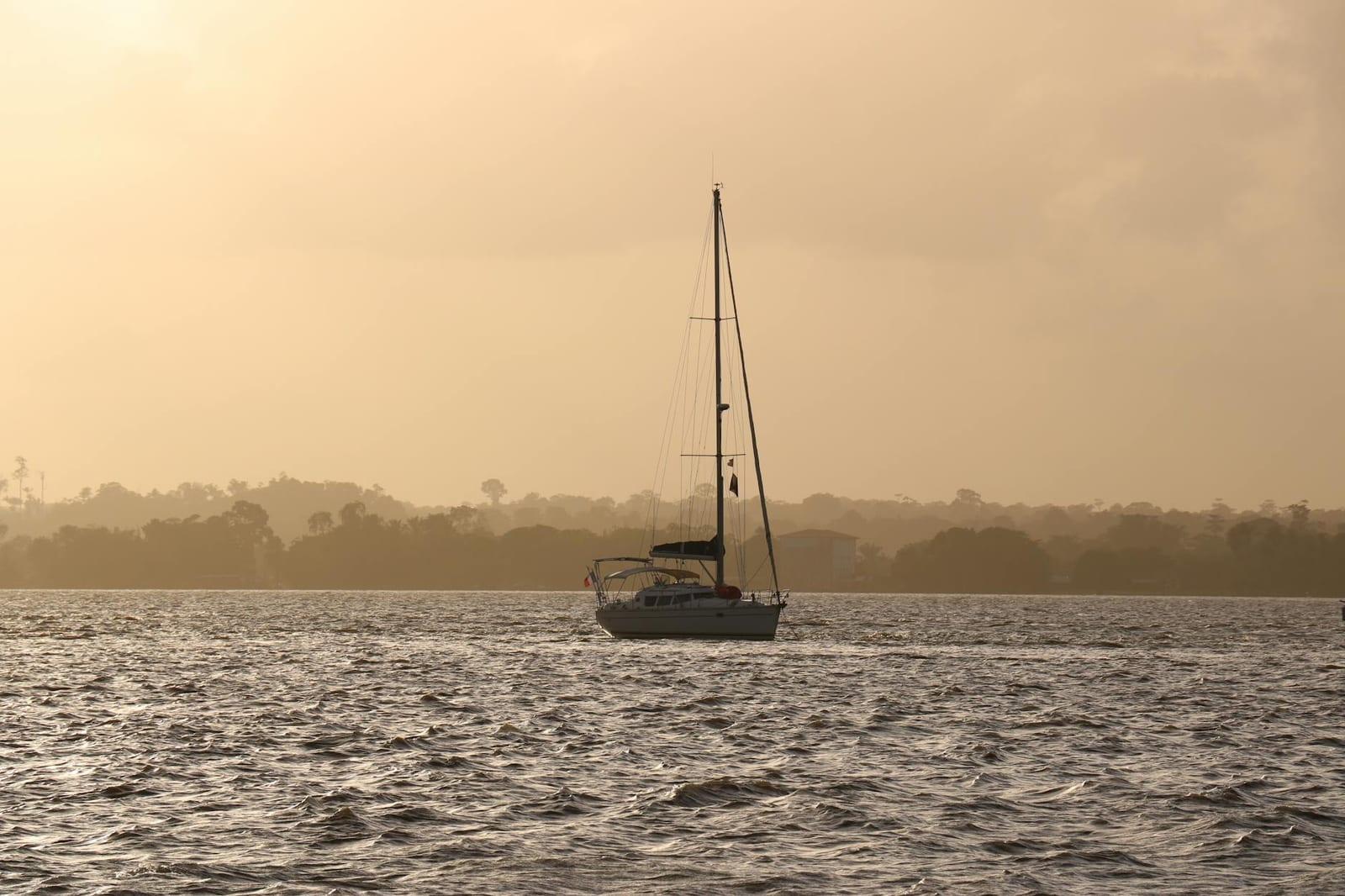
- Saint-Laurent-du-MaroniThis commune is celebrated for its rich share of colonial-era architecture.
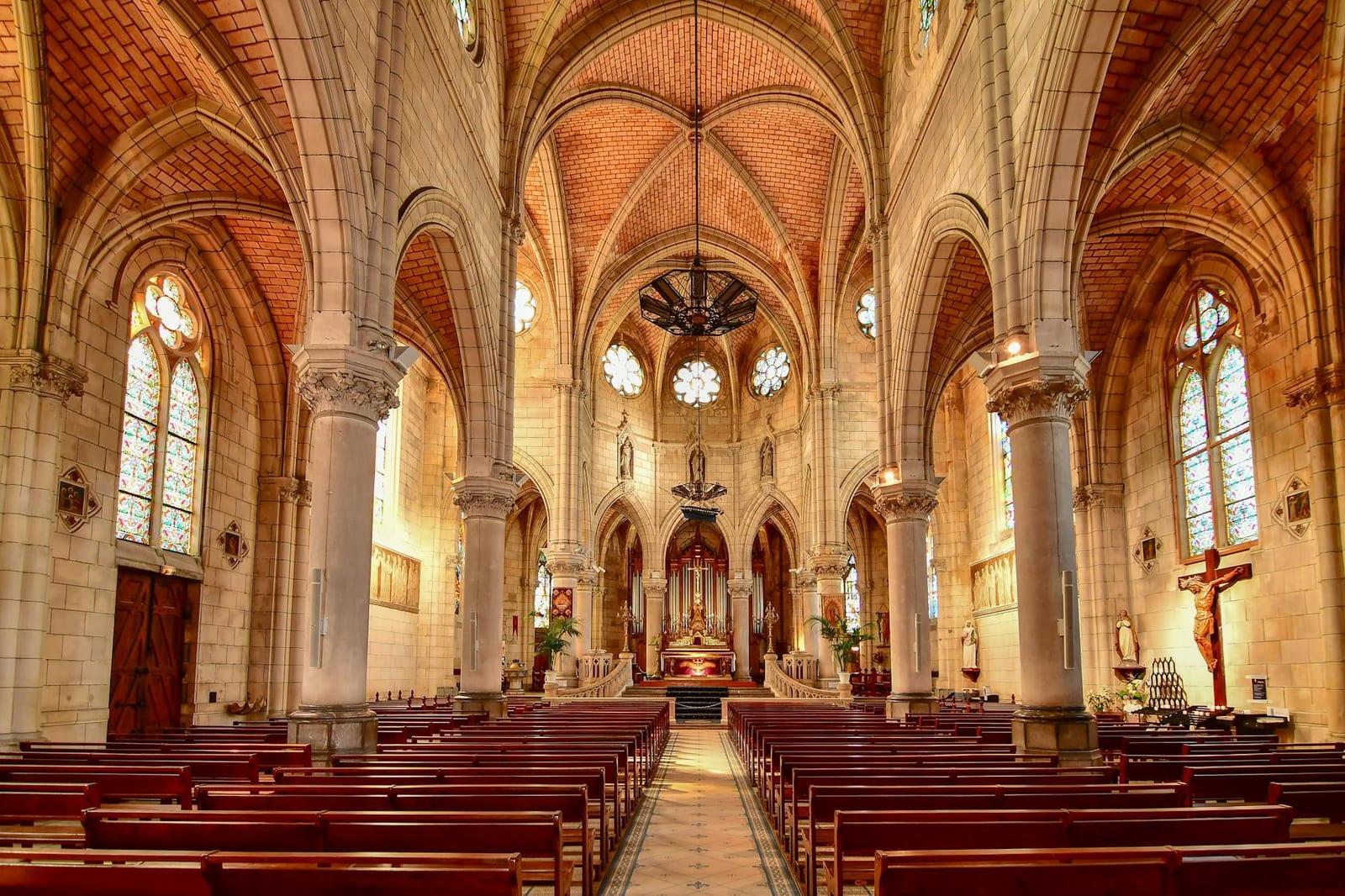
- Iles du SalutThis archipelago long harbored infamous French penal colonies, subject of the novel and film Papillon.
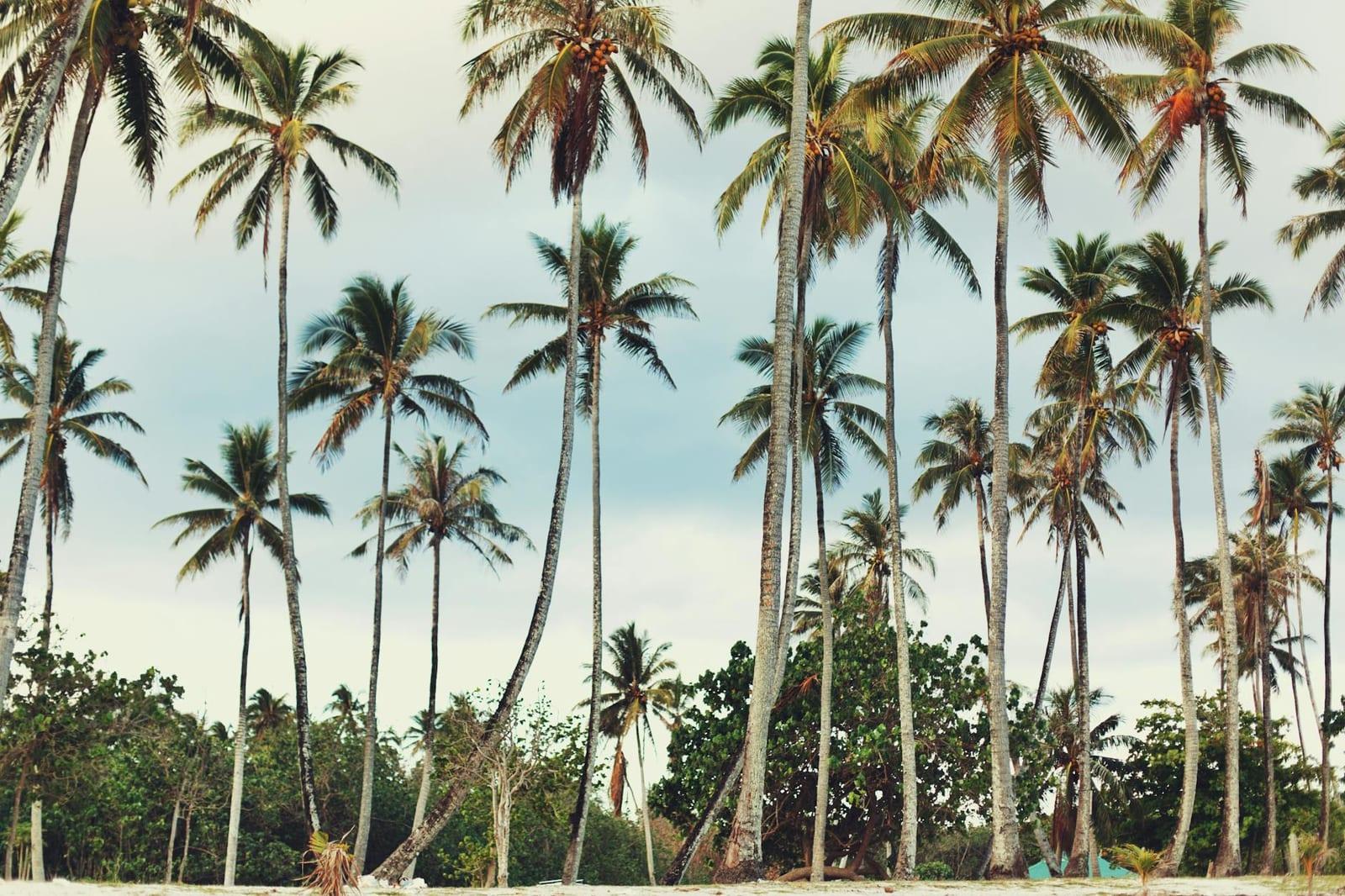
- Plage Des HattesThis Atlantic beach is a superlative one: It’s the site of the world’s largest nesting congregations of enormous leatherback turtles.
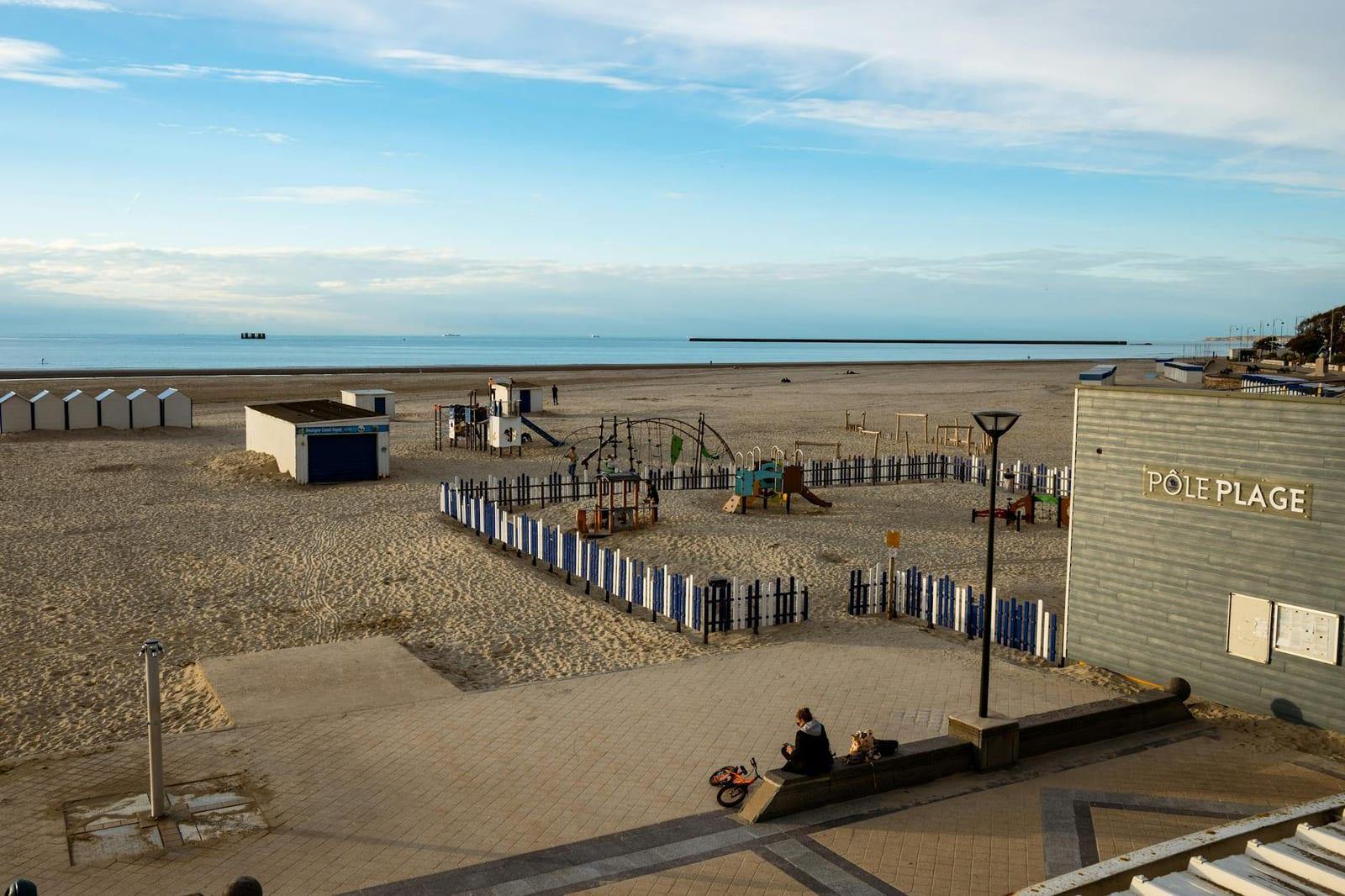
- Awala-YalimapoAdjacent to Hattes Beach, this commune harbors a number of indigenous Kalina villages, making it one of the great cultural destinations in the country.
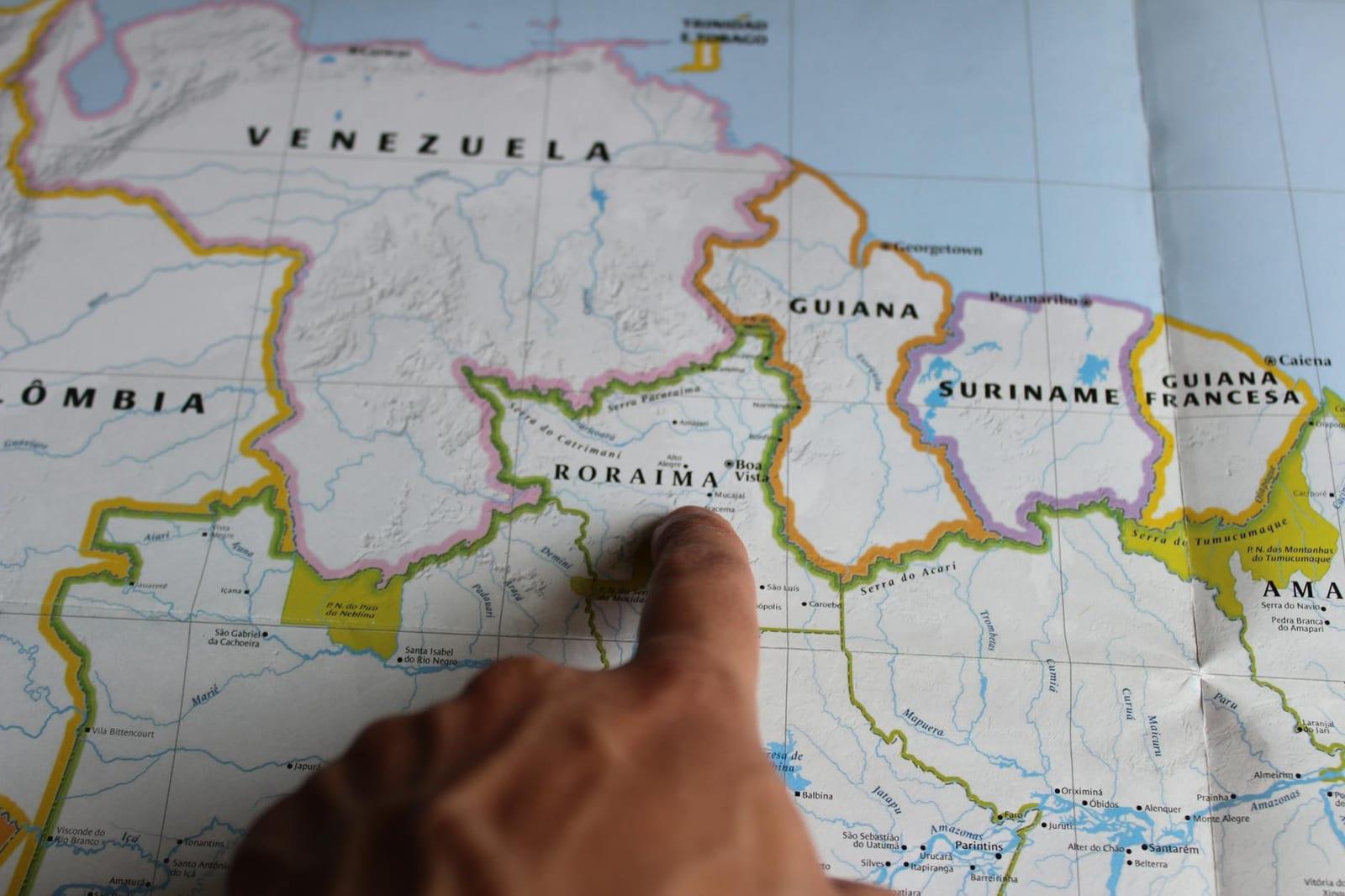
- Guiana Amazonian ParkImmerse yourself in French Guiana’s pristine rainforest in this grand sanctuary, contiguous with Brazil’s gigantic Tumucumaque National Park.
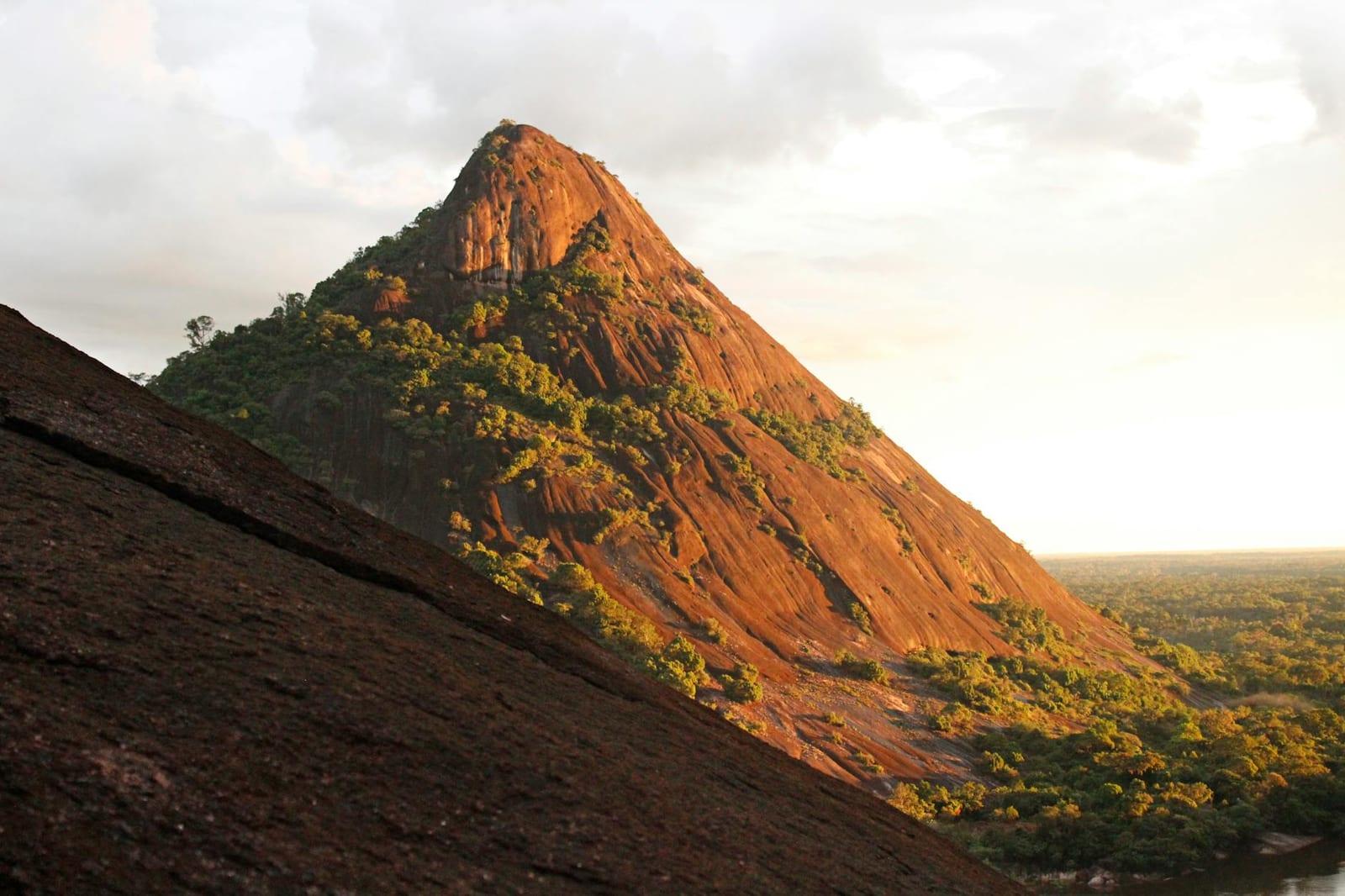
- Kaw SwampsThe mangrove jungle and palm forests of the Kaw River’s estuary provide wild sanctuary for a myriad of animals, including the mighty black caiman.