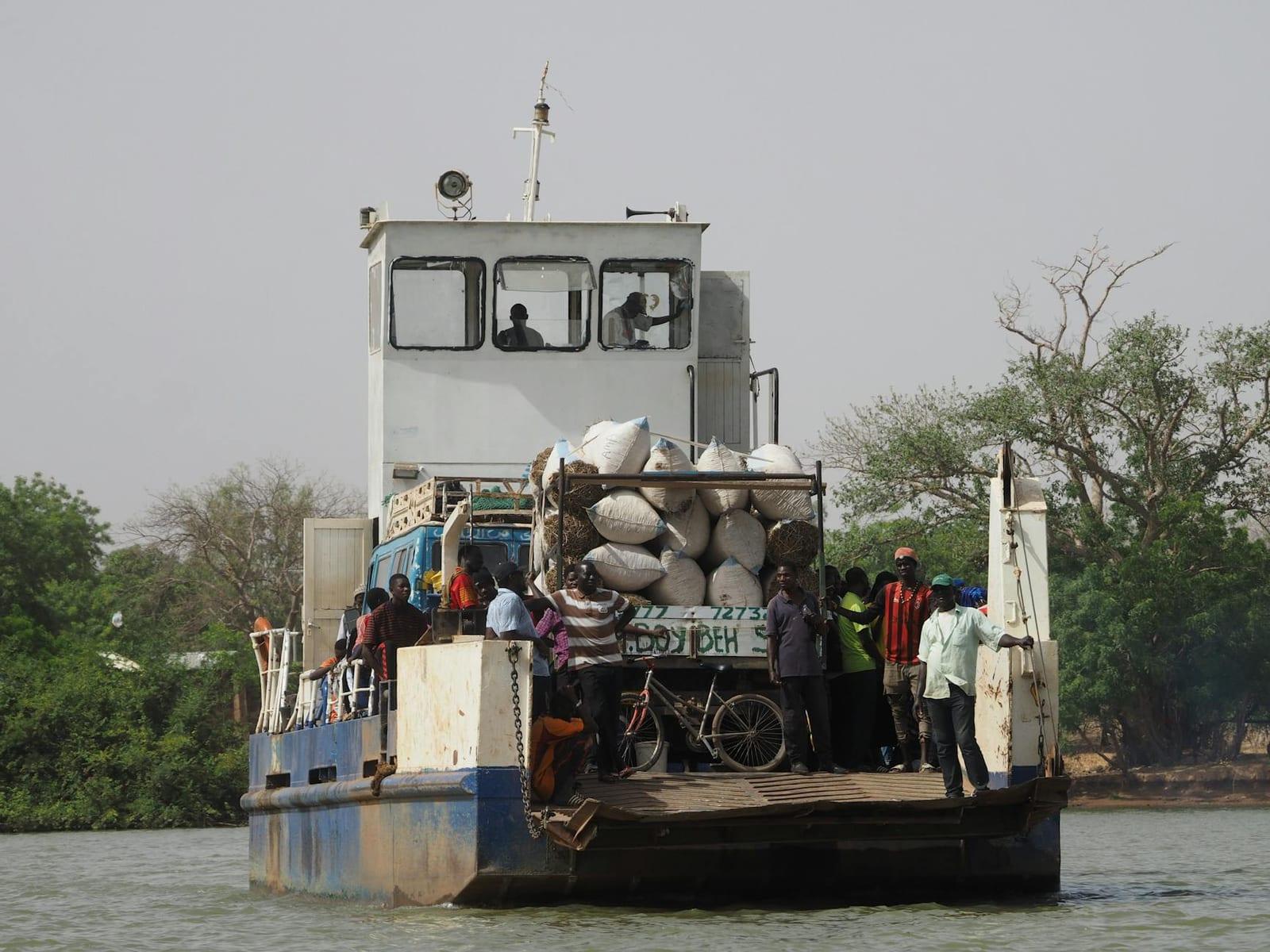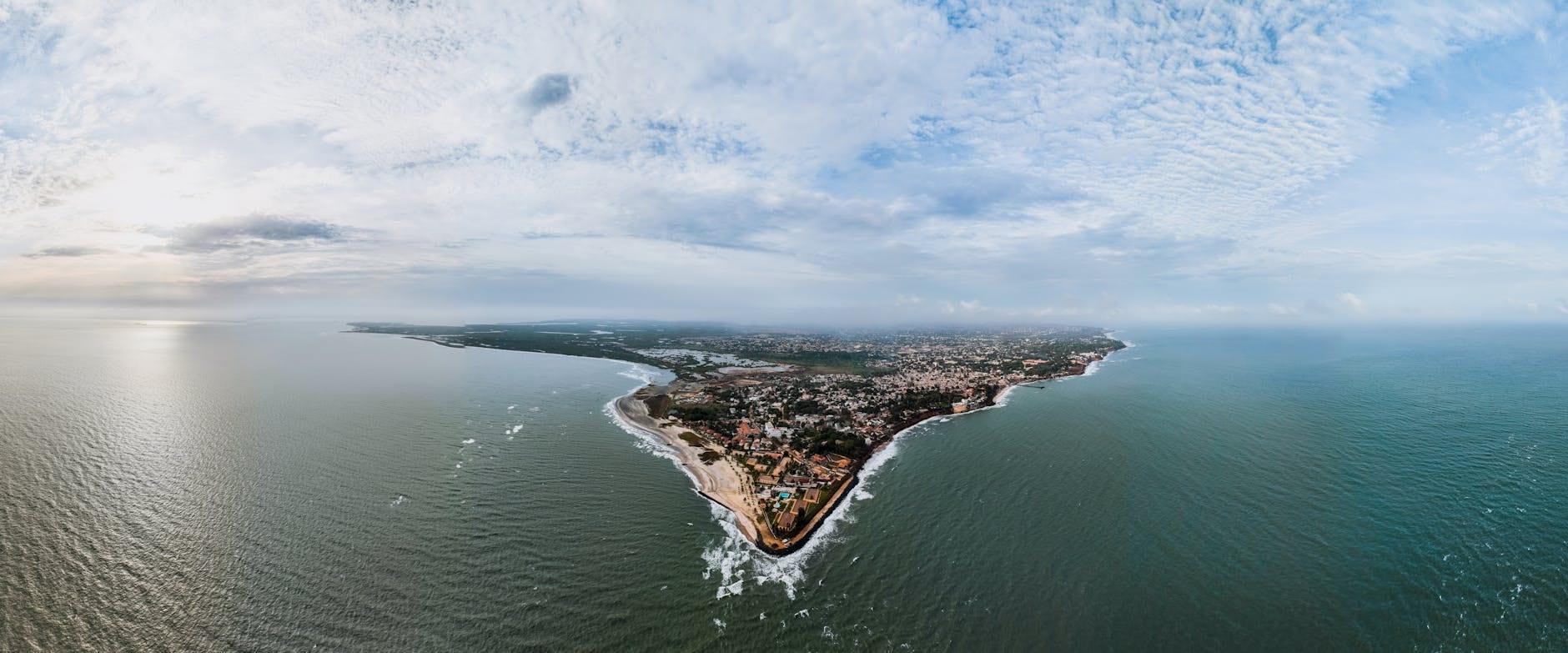
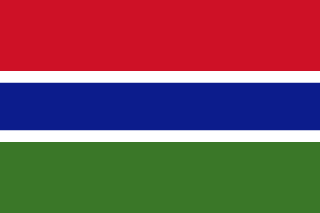
Many African states are intimidatingly big and tough to navigate, but that’s not the case with Gambia, the smallest country on the continent’s mainland. Comparatively minute though it might be, this West African republic—technically ‘the’ Gambia—concentrates an impressive share of ethnic diversity (and the dynamic music and cookery that comes with it.)
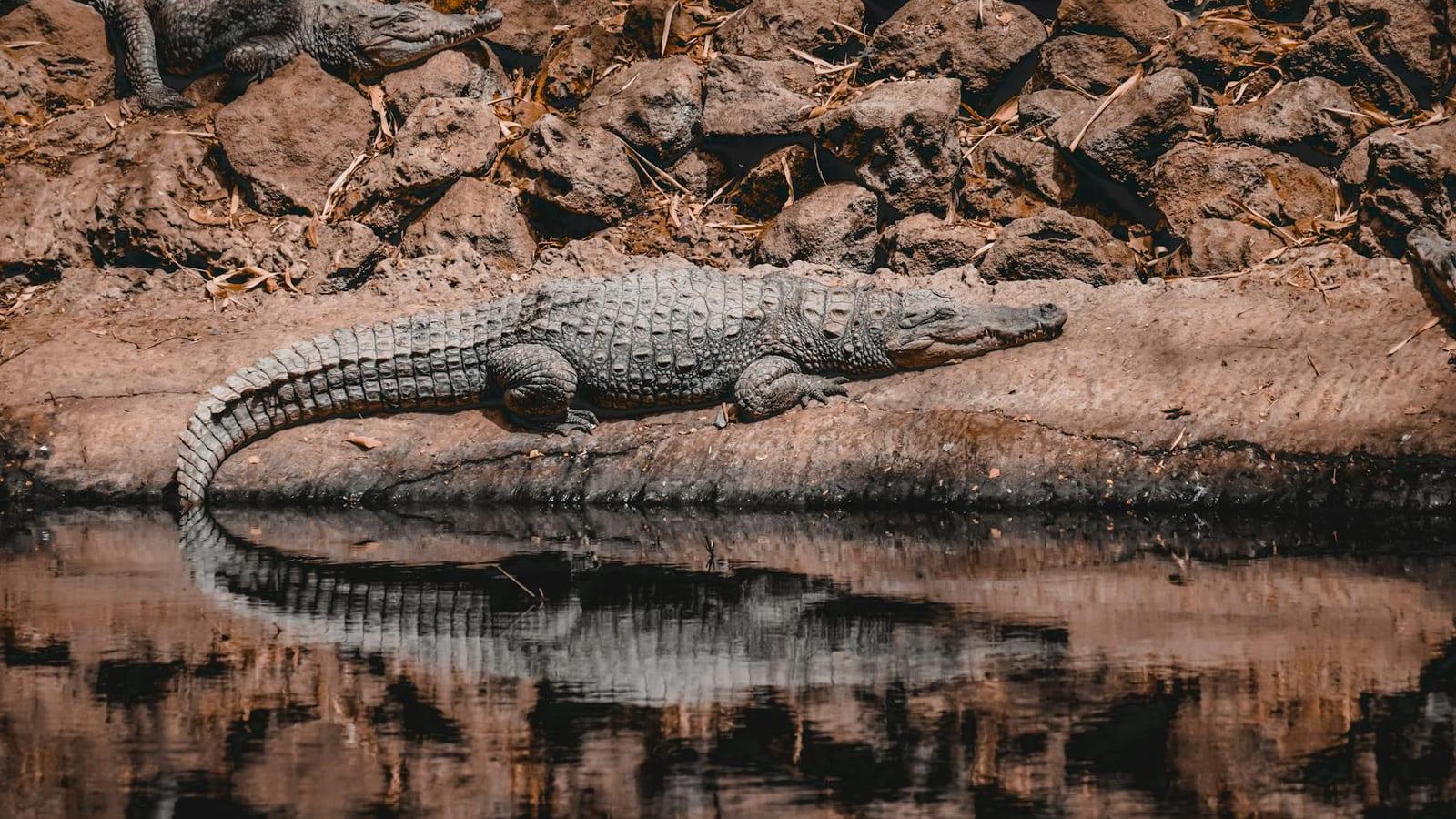
Many of the tourists who trek to Gambia—a serpentine nation that pierces southwestern Senegal along the Gambia River—do so for world-class beaches. Some well-equipped and thrumming resorts mark the seacoast, including Bakau, a town also renowned for the Kachikally Crocodile Pool. This and other beachfront destinations are easily reached from Banjul, the small capital city at the mouth of the Gambia, or lively Serekunda, by far the country’s biggest urban area.
As anywhere, though, you’ll get more out of your Gambian journey if you dig a little into the history and authentic culture of the country, rather than just ensconce yourself in a beachfront tourist hovel. There are many different ethnic groups composing the demographic fabric, most notably the Mandinka. Like the rest of the West African coast, Gambia suffered enormously during the slave trade; Alex Haley opened Roots in Gambia, the homeland of some of his ancestors. And the everyday routines of most Gambians, many of whom are farmers and fishermen, are worlds away from the insulated micro-universes of the seaside resorts.
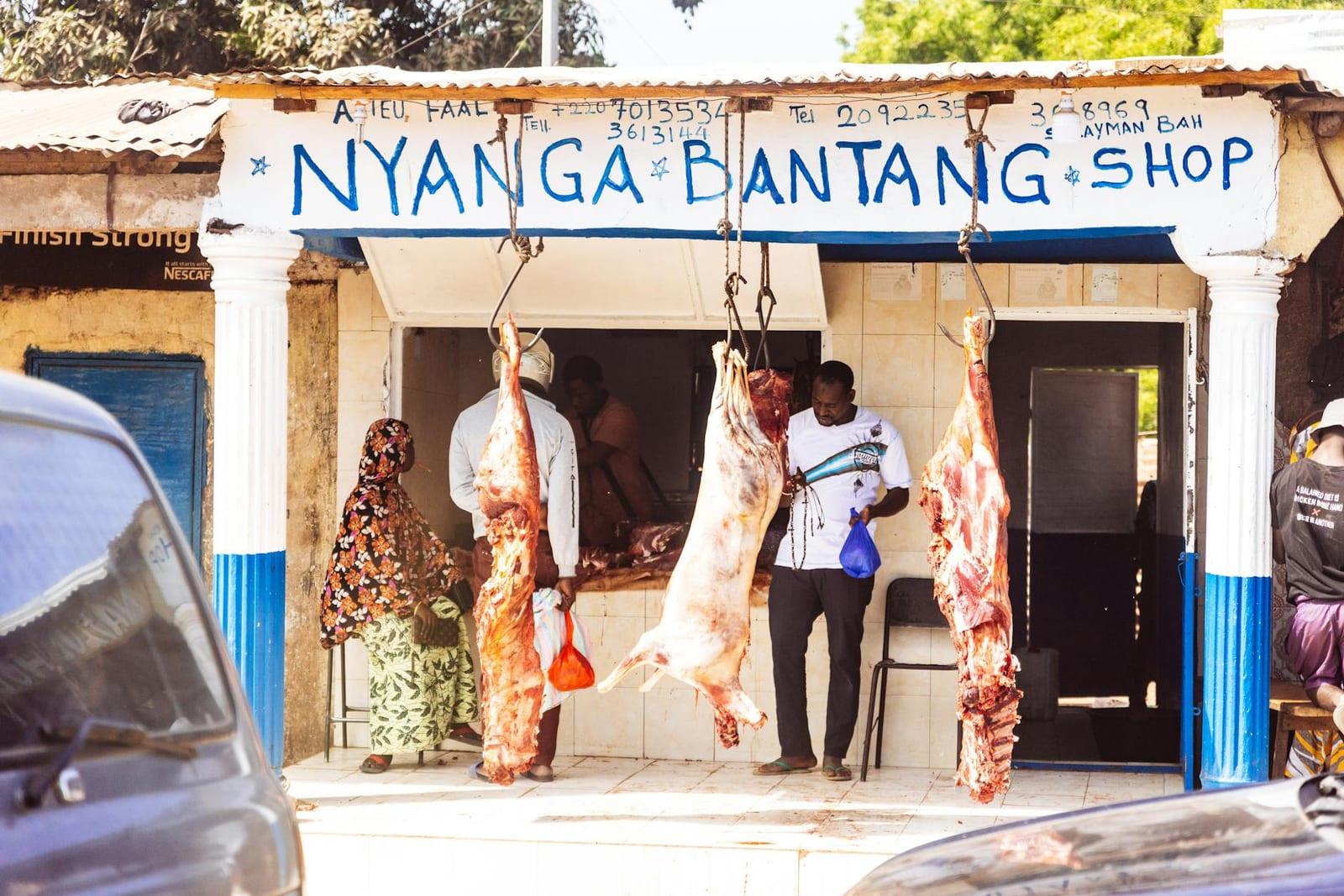
Raucous and colorful Serekunda is a good place, if you’re up for a little rough-and-tumble energy, to watch the daily bouts of traditional wrestling and to sample Gambian nightlife. As in Senegal and Mali, music in Gambia is fabulously dynamic and varied: Within the space of a few hours you might hear the ethereal harp-like tones of a kora—perhaps played by a traditional Gambian griot, a troubadour and praise-singer—and the muscular street beats of homegrown hip-hop. The gastronomically inclined are similarly rewarded: Gambian dishes such as domoda and benachin highlight the produce riches of the country’s farmland as well as freshly harvested fish and oysters from the Gambia River and the coastal waters.
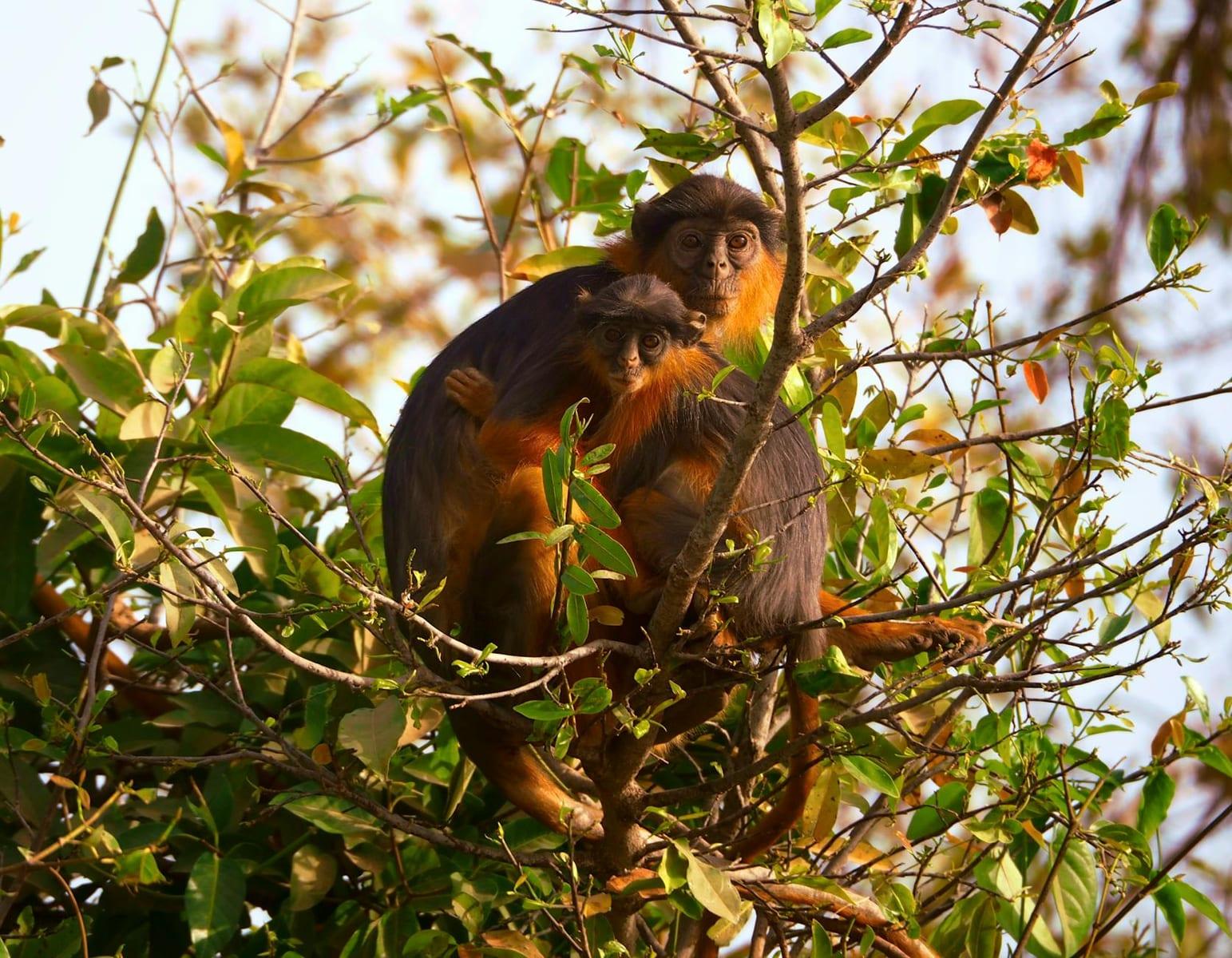
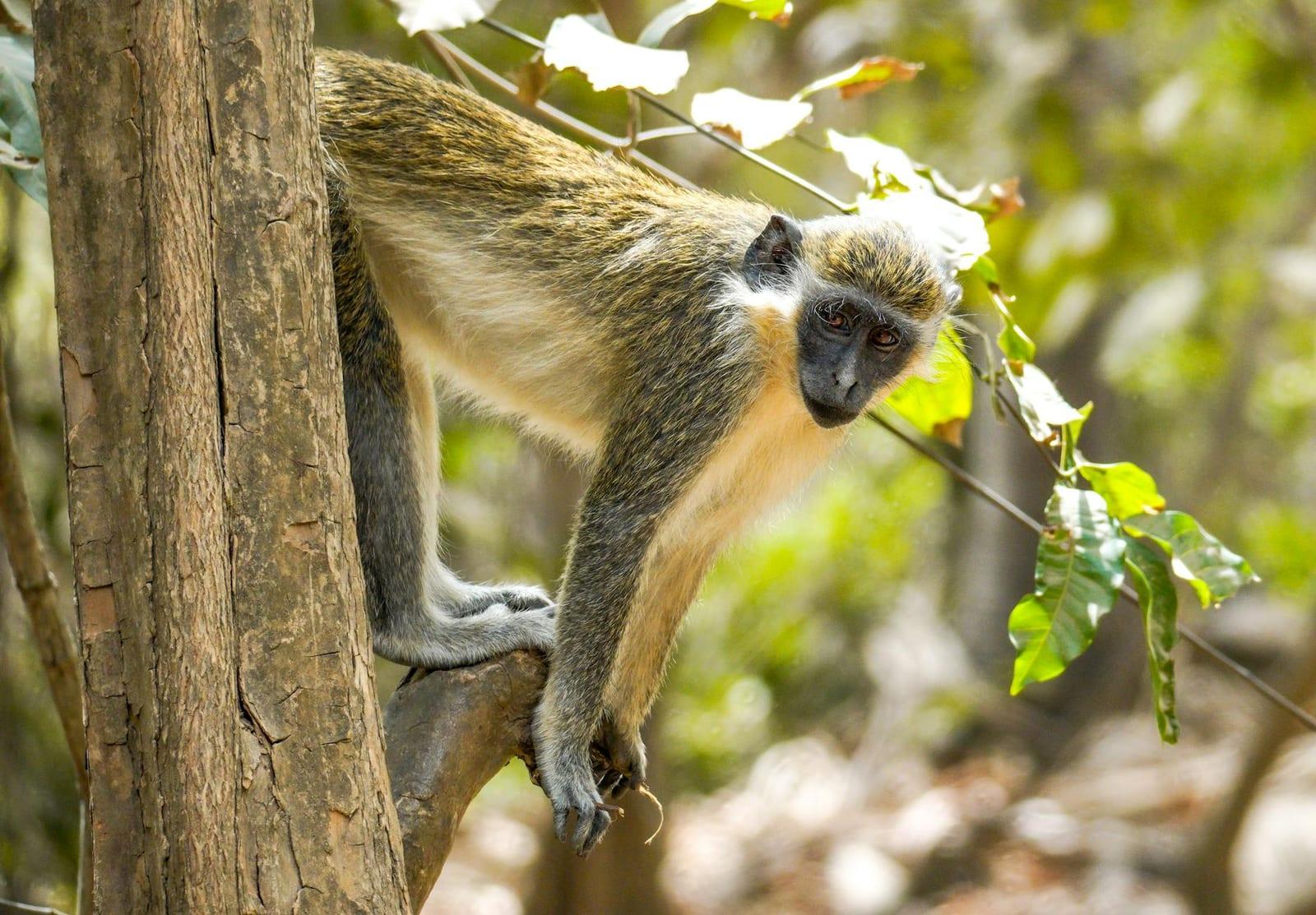
There are some fine nature preserves in Gambia as well, from the monkey-filled coastal forest of Abuko Nature Reserve near the capital to the mangrove swamps, savannas, and woodlands of Kiang West National Park upriver.
There’s a good chance that if Gambia’s on your travel radar, it’s for the sun, sand, and surf. And there’s an equally good chance that the zest of its multicultural people and the beauty of its countryside, both pastoral and wild, will be the things that really stay with you after you’ve headed home.
10 things not to miss.
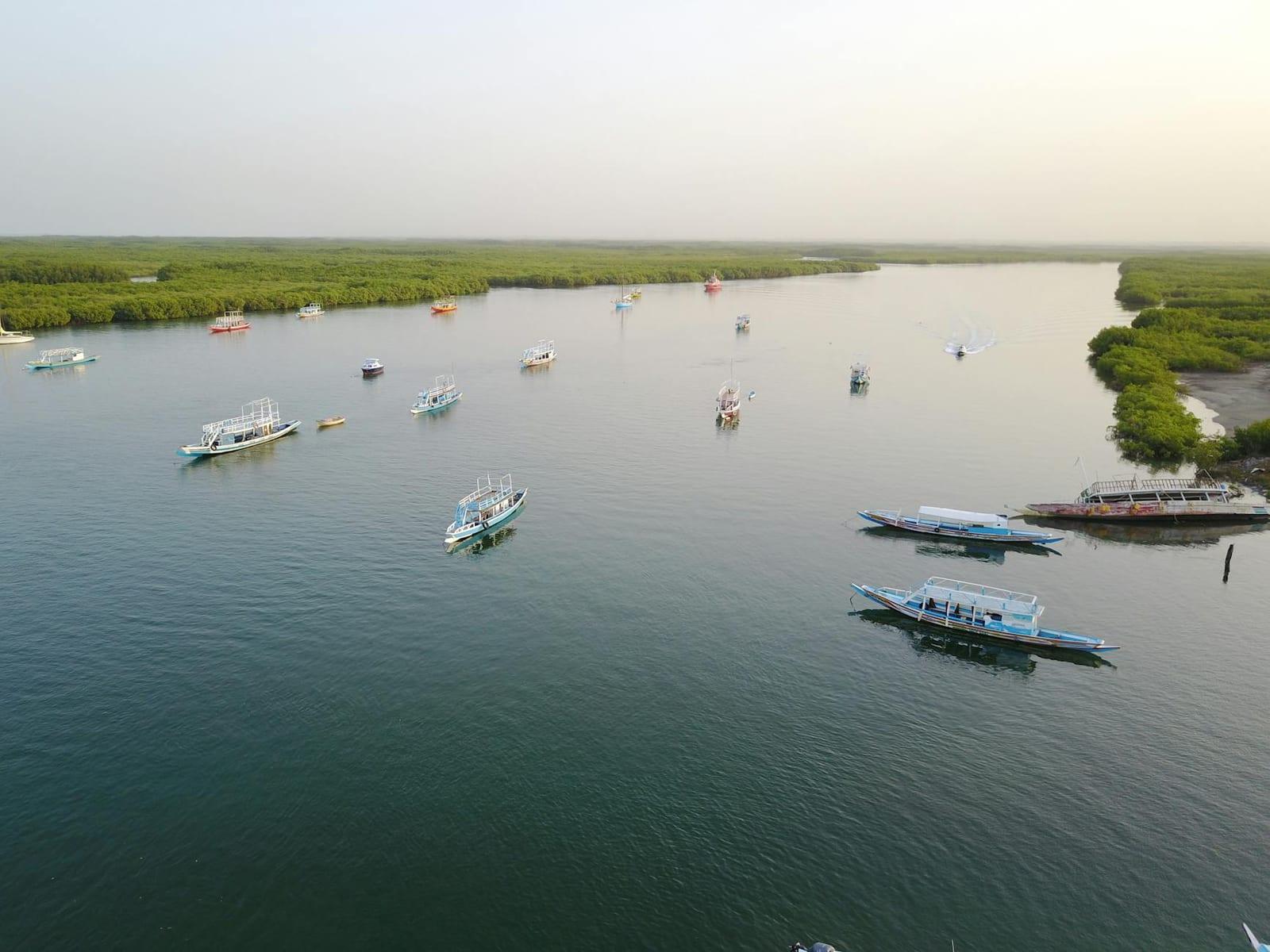
- Birdwatch the River GambiaBirdwatch the River Gambia
- Banjul's Albert MarketWander Banjul's Albert Market
- Kachikally crocodile poolVisit Kachikally crocodile pool
- Abuko Nature ReserveFrom red colobus monkeys to the water-loving antelope called sitatunga, this forested sanctuary, easy accessed from Banjul, is wonderfully wildlife-rich.
- Bijilo Forest ParkAlso within easy reach of Banjul, this refuge has seaside jungle crawling with monkeys and birds, plus a beautiful beachfront.
- Kiang West National ParkSeek out glimpses of bushbucks, servals, bateleur eagles, and other Guinea-savanna critters at this park along the Gambia River.
- SerekundaFar bigger than the Gambian capital, this sprawling city is a great place to catch stellar homegrown music, sample cuisine, or watch traditional wrestling.
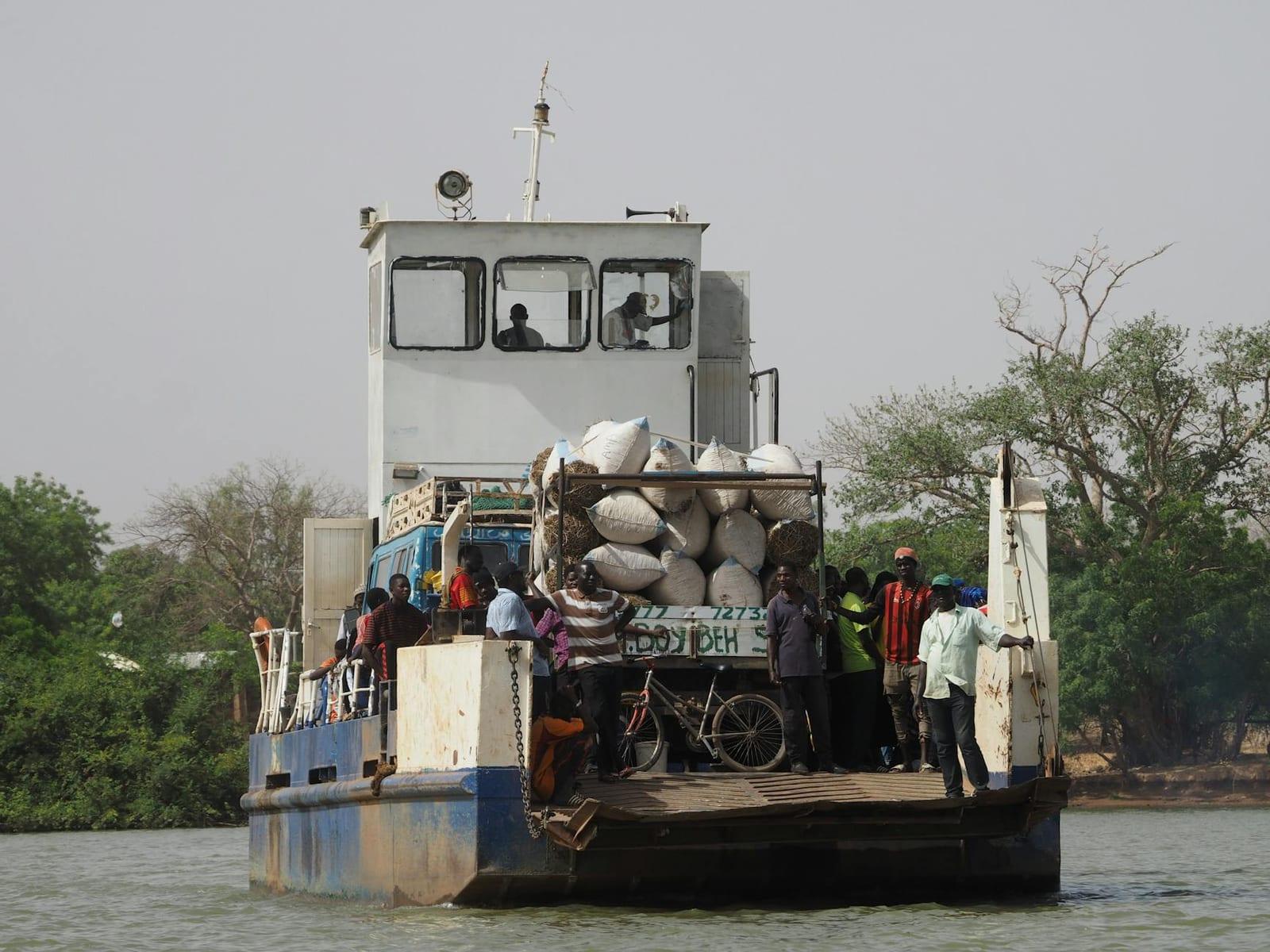
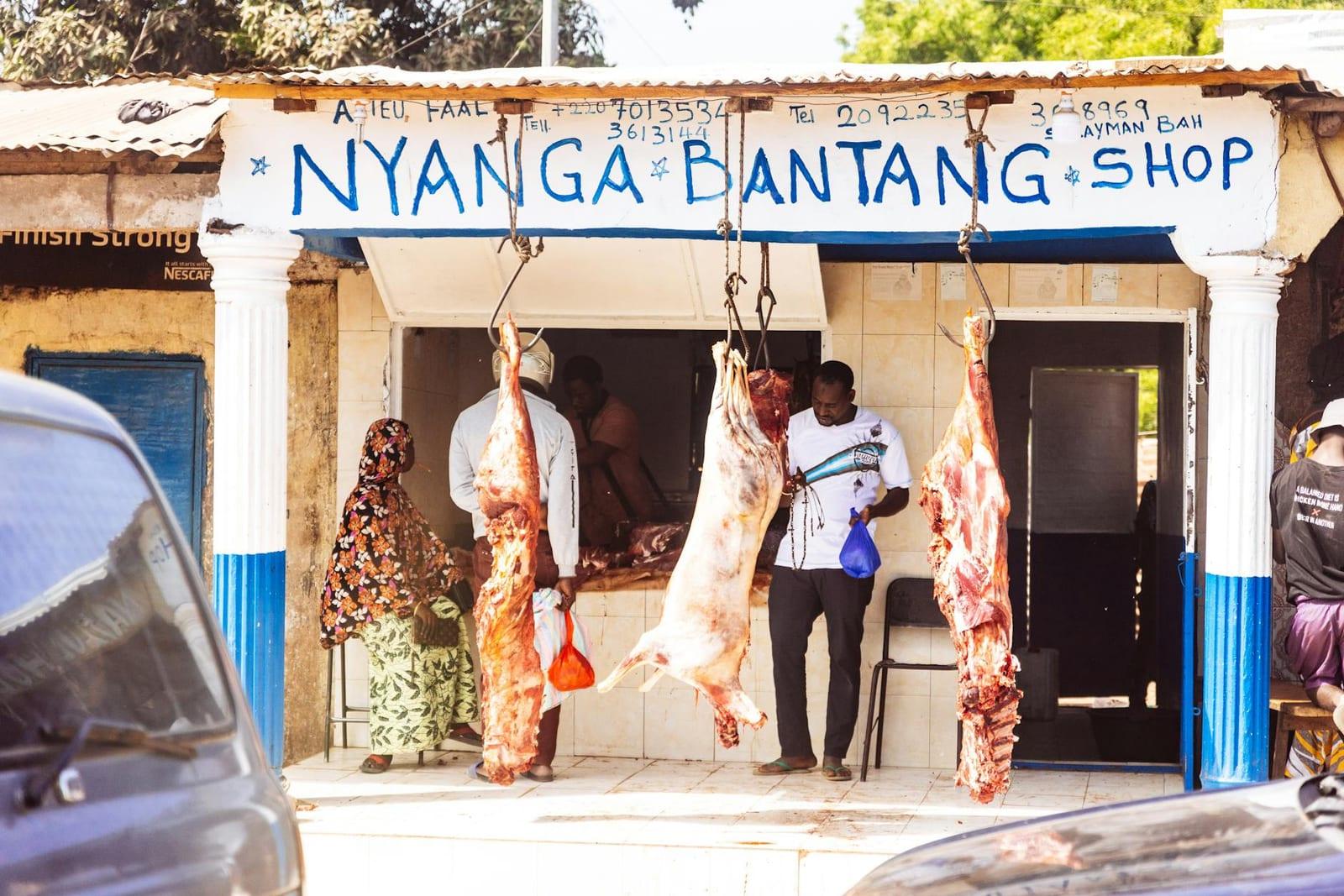
- Albert MarketWhether you come for souvenirs or spectacle, Banjul’s spunky and crowded market delivers.
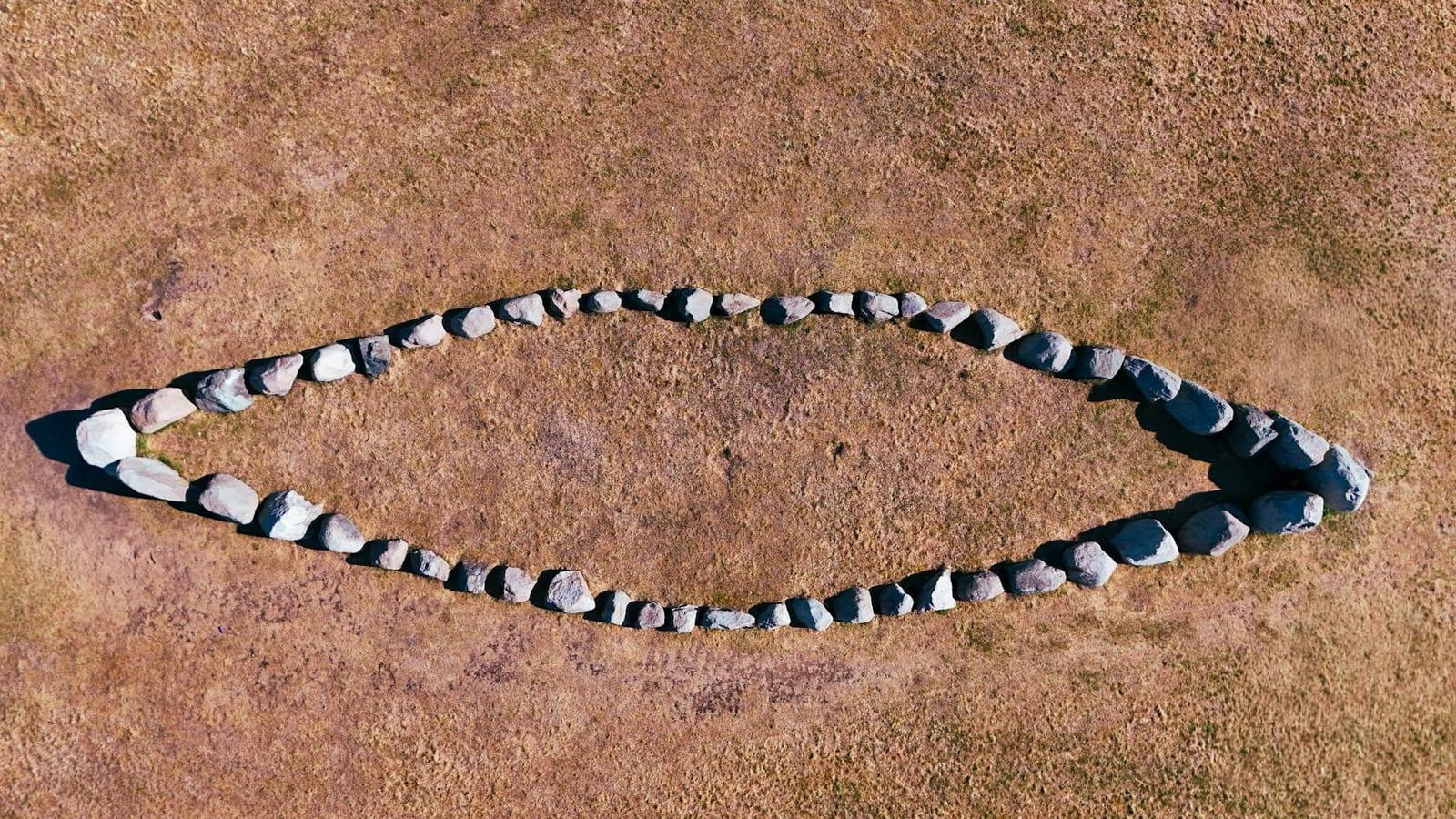
- Wassu Stone CirclesWassu claims the tallest standing stones in a fascinating Gambian-Senegalese UNESCO World Heritage Site complex of centuries-old megalith circles.
- TanjiThis small fishing town includes an enlightening cultural museum and lies within shouting distance of a topnotch bird reserve.