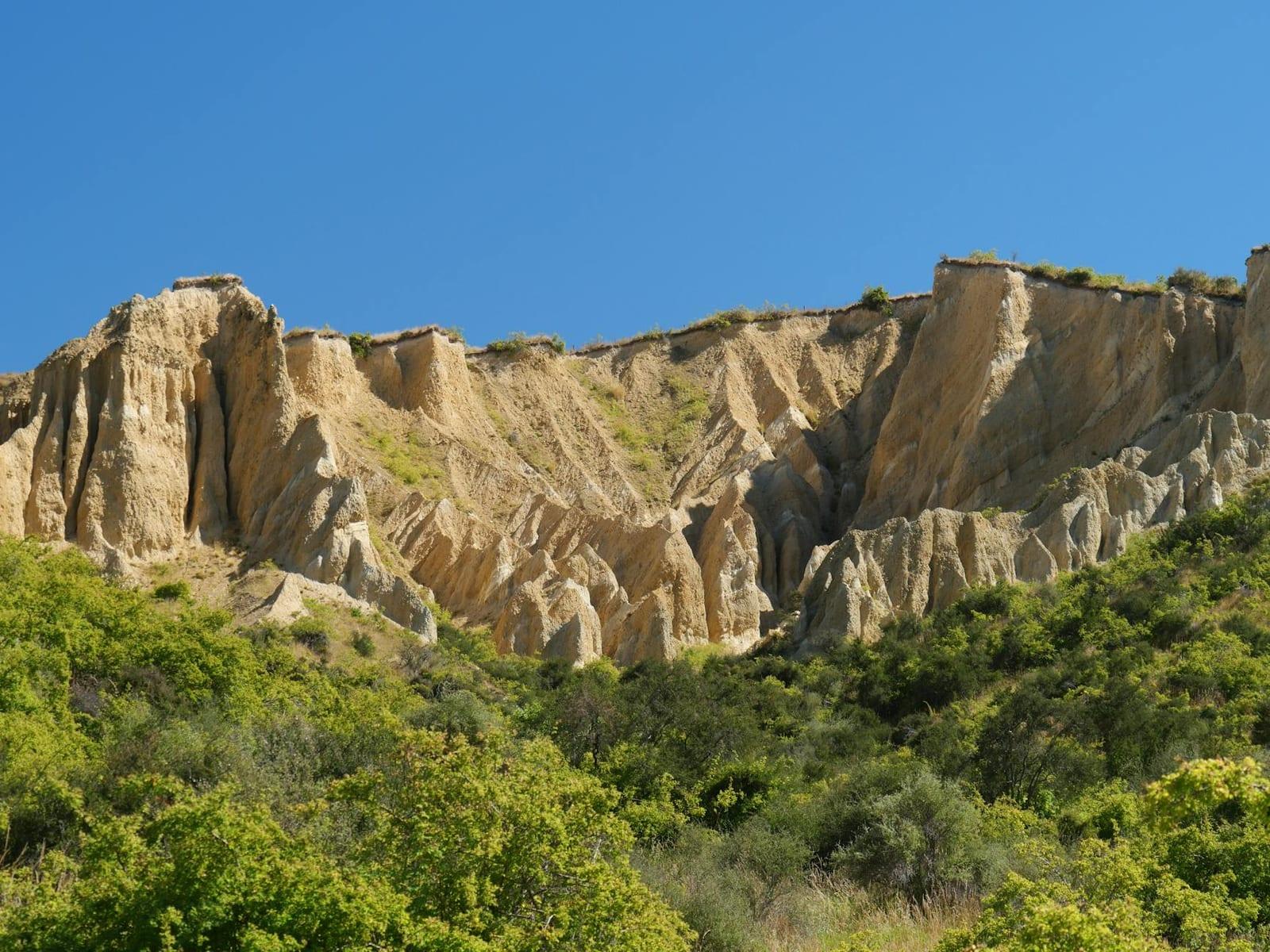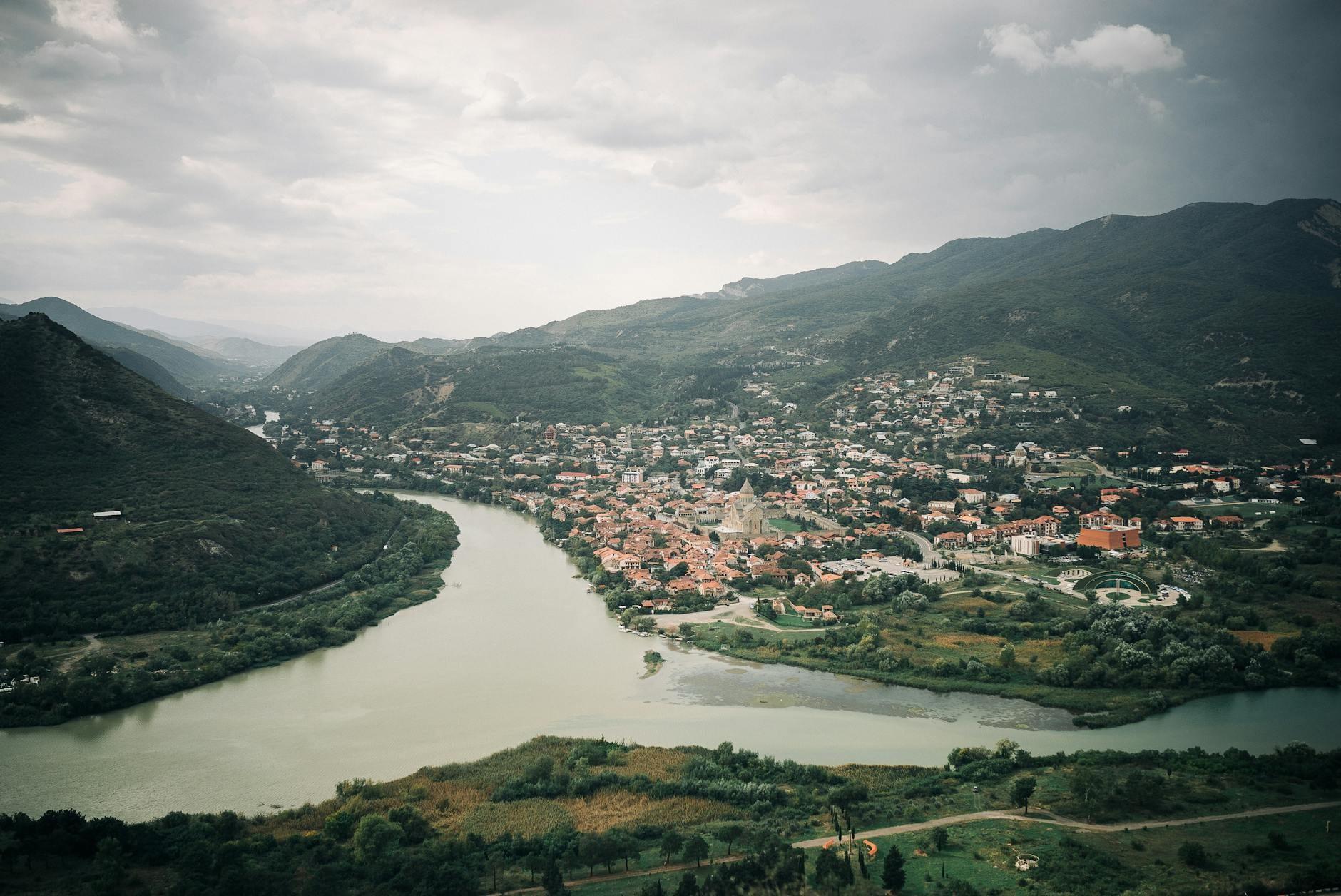
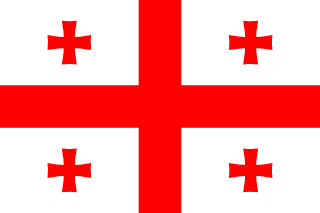
Bridging Eastern Europe and Asia on the eastern shores of the Black Sea, Georgia’s one of Europe’s remarkable hidden beauties: The landscapes here are mind boggling, all the more so given the country’s relatively small size. The Greater and Lesser Caucasus fortress the north and south, respectively, bridged by uplands and low mountains in central Georgia. The western plains and hills, bathed in moist Black Sea balminess and protected from frigid northern air by the Greater Caucasus, are subtropical, supporting lush forests and citrus orchards. Whether it’s beach scenes or mountain-climbing that draw you, you won’t easily run out of outdoor opportunities here.
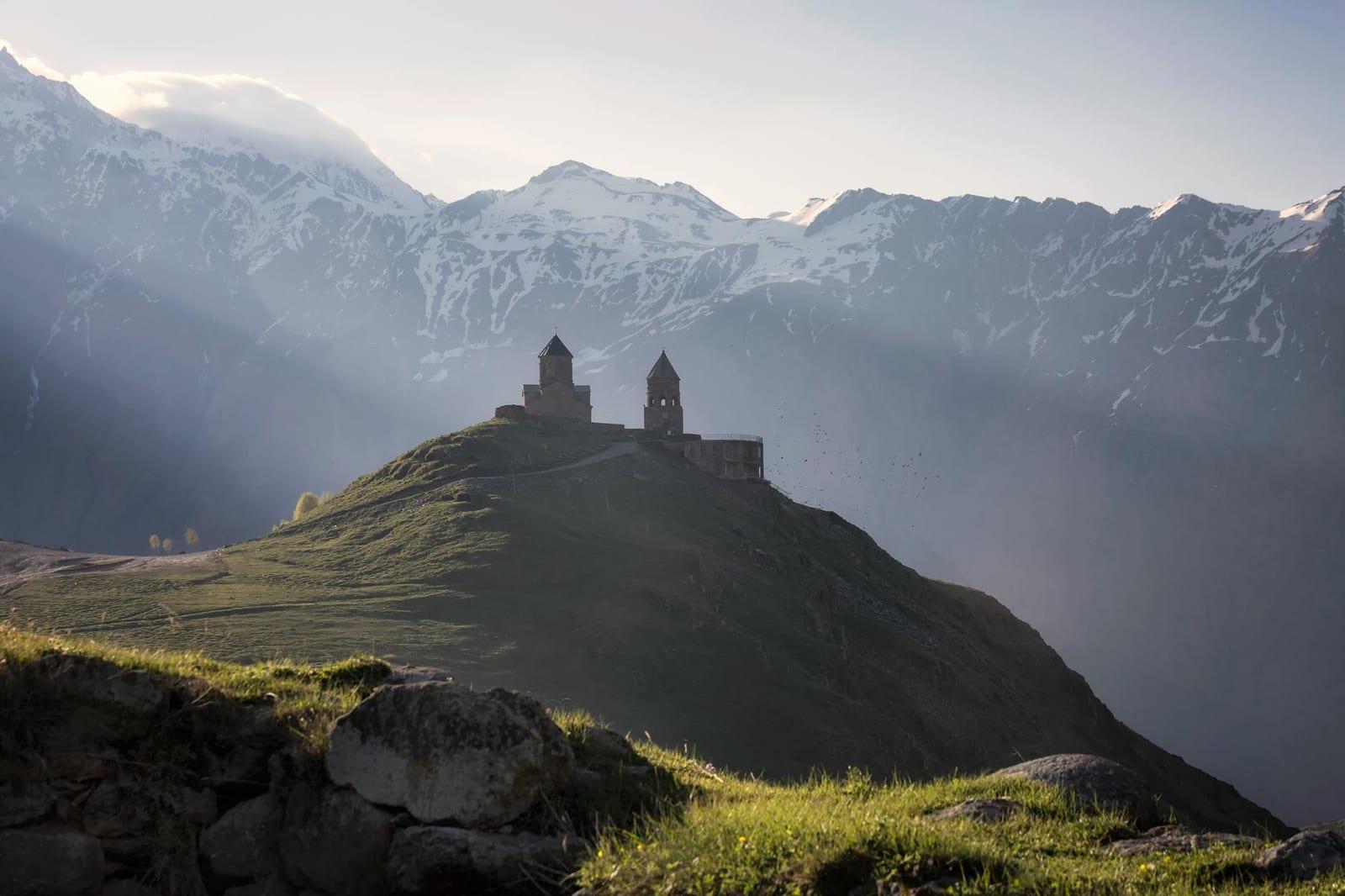
And that shape-shifting countryside has seen more than its fair share of history—which, like the culture itself, weaves back and forth between Europe and Asia. That Georgian heritage showcases thousands of years of tradition is quite something, given how frequently the land has been invaded and conquered by empires—from the Greeks, Romans, and Mongols to the Ottomans and Russians. As the Georgian National Tourism Administration puts it: “Georgia has the dubious distinction of being one of the most invaded nations on Earth.” It was also one of the first of the world’s countries to declare Christianity as its official religion, and centuries-old churches—including the cave monasteries of Vardzia and the dramatically positioned Holy Trinity Church (Tsminda Sameba), cast in the shadow of 16,558-foot Mount Kazbek—are plentifully represented among Georgia’s many historical monuments.
Within its rich cuisine, Georgia claims what is arguably the world’s most venerable wine-making tradition—one that appears to date back to the eighth millennium B.C.E. Just look at the left hand of Kartlis Deda, the “Mother of Georgia” statue smiling over the capital of Tbilisi: It holds a welcoming vessel of wine. (Just keep an eye on the opposite hand, brandishing a sword.) It’s not hard to track down one of the massive earthen jugs, qvevri, traditionally used to ferment and age wine; the practice of which boasts UNESCO’s “Intangible Cultural Heritage of Humanity” recognition.
And it’s not just time-tested viticulture distinguishing Georgian traditions. Take in the polyphonic singing or half-aerial dancing the country’s well-known for, and you’ll come away with some indelible memories.
From festive, wine-buoyed feasts and exquisite ballet in Tbilisi or Kutaisi to cliff-tucked monasteries, Black Sea sunshine, and snow-blanketed mountains, experiencing Georgia in all its facets is nothing short of remarkable.
13 things not to miss.
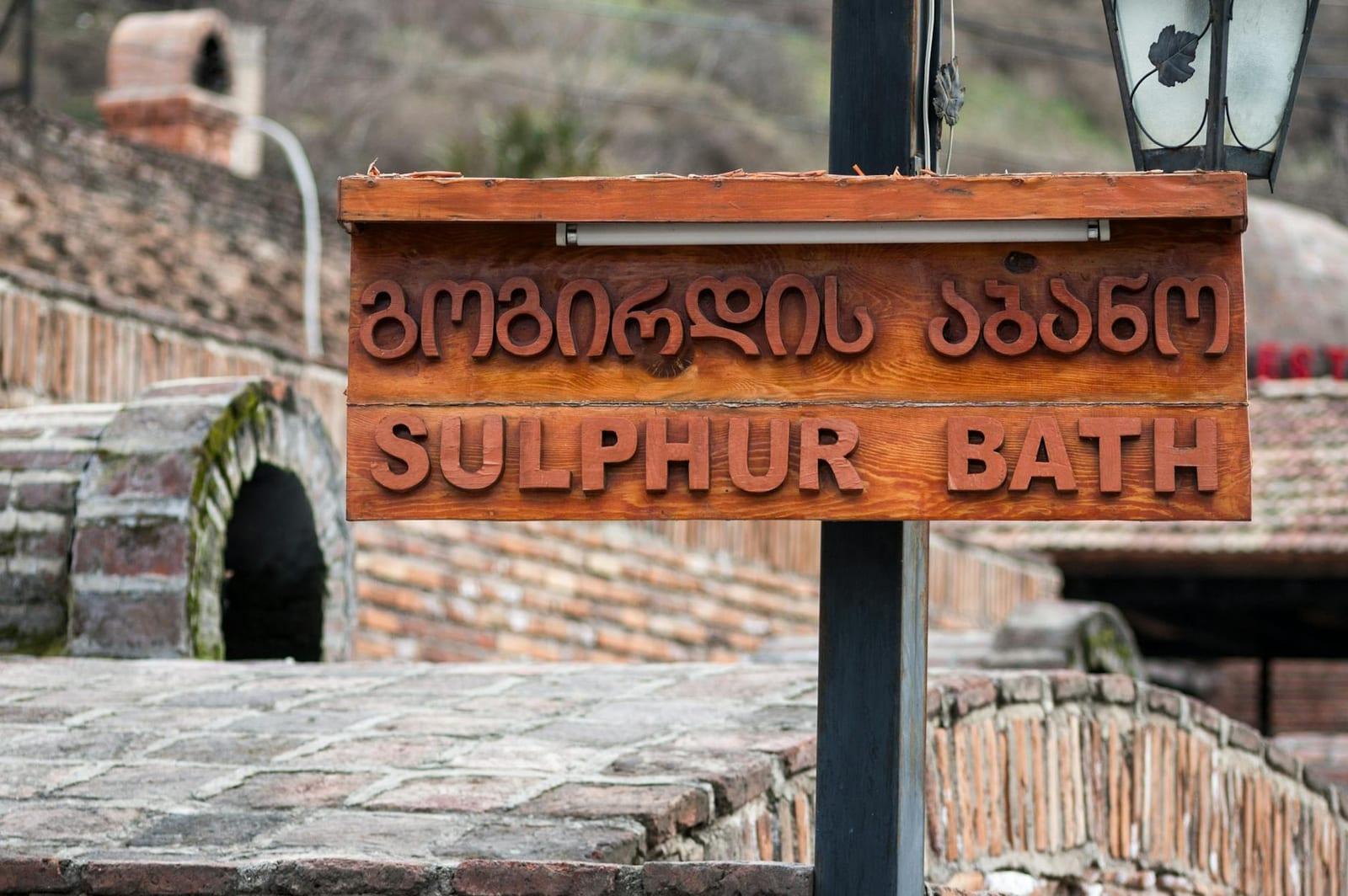
- Tbilisi's old town and sulfur bathsWalk Tbilisi's old town and sulfur baths
- Mtskheta's cathedralVisit Mtskheta's cathedral
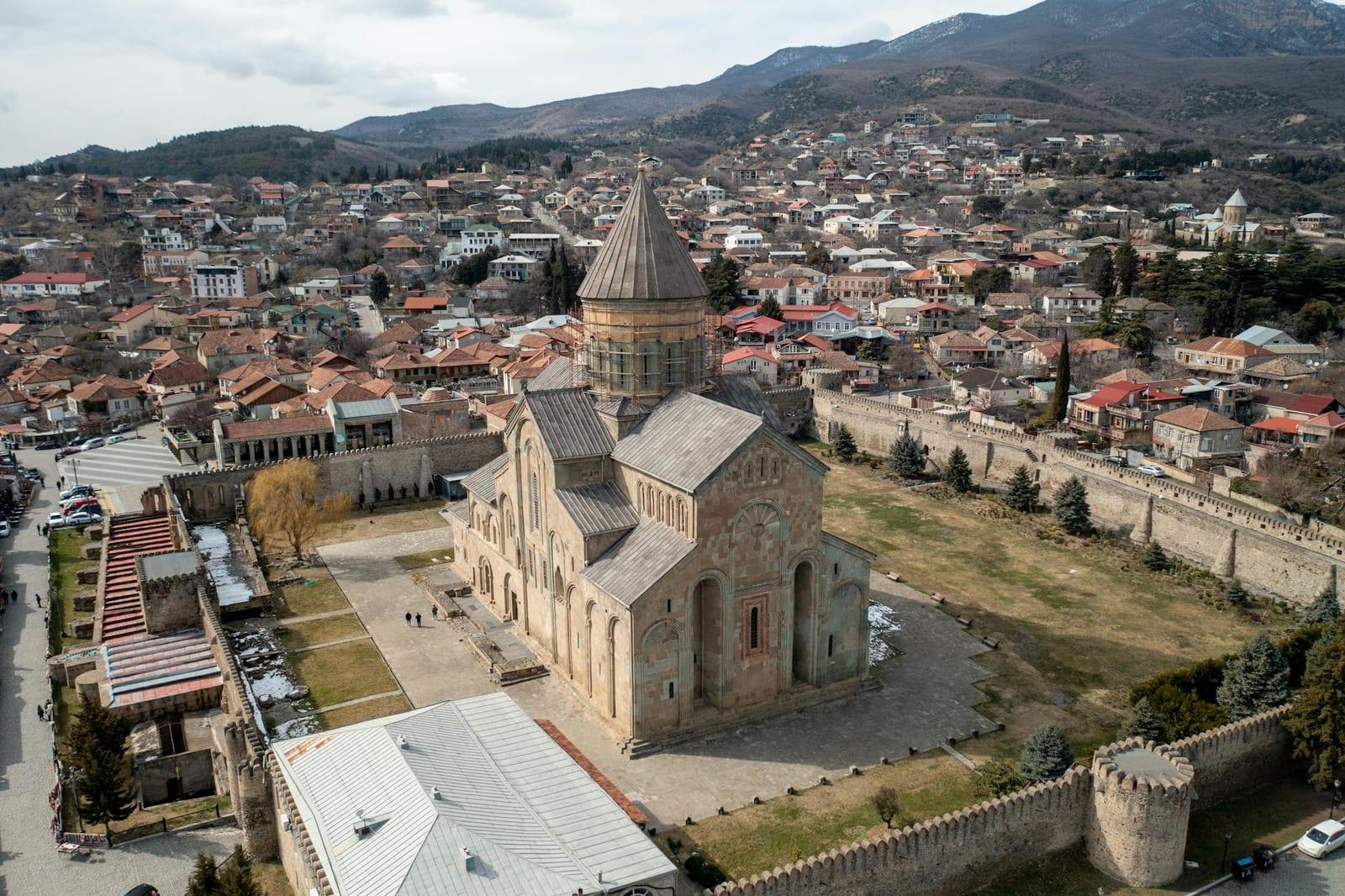
- Ushguli in SvanetiHike to Ushguli in Svaneti
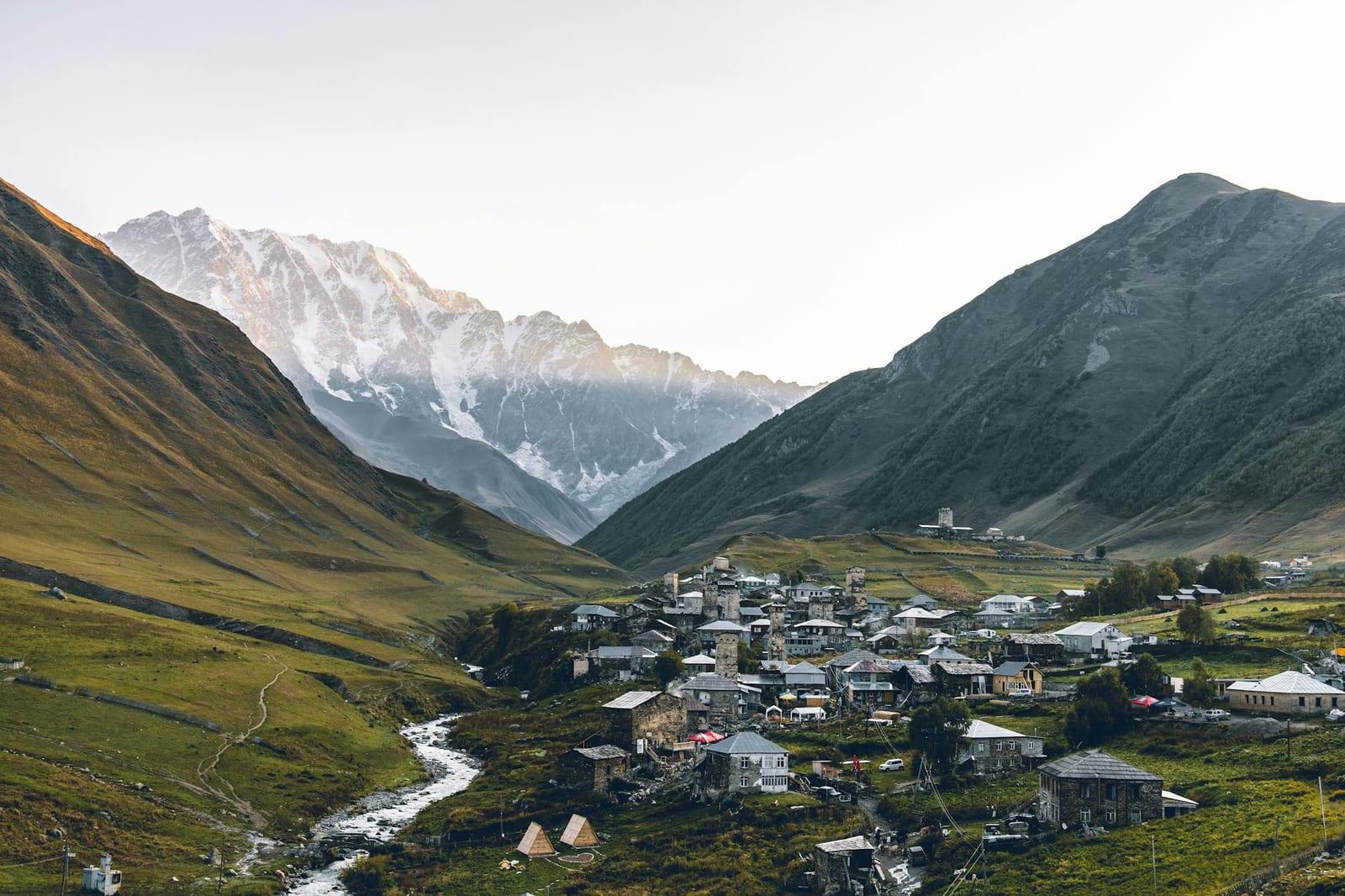
- Krubera Cave
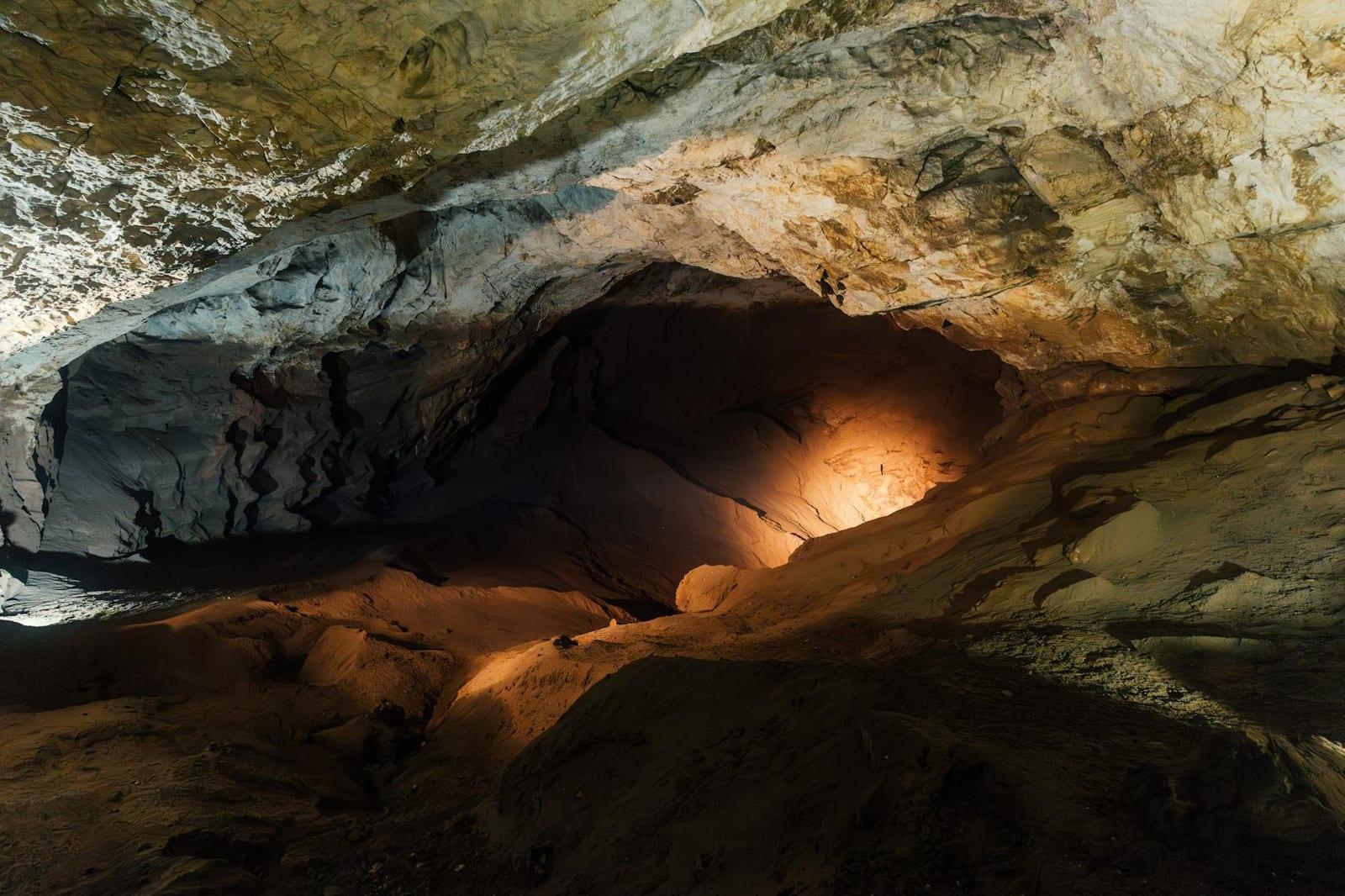
- VardziaA mountainside above the Mtkvari River opens in surreal cave monasteries constructed mostly in the 12th and 13th centuries.
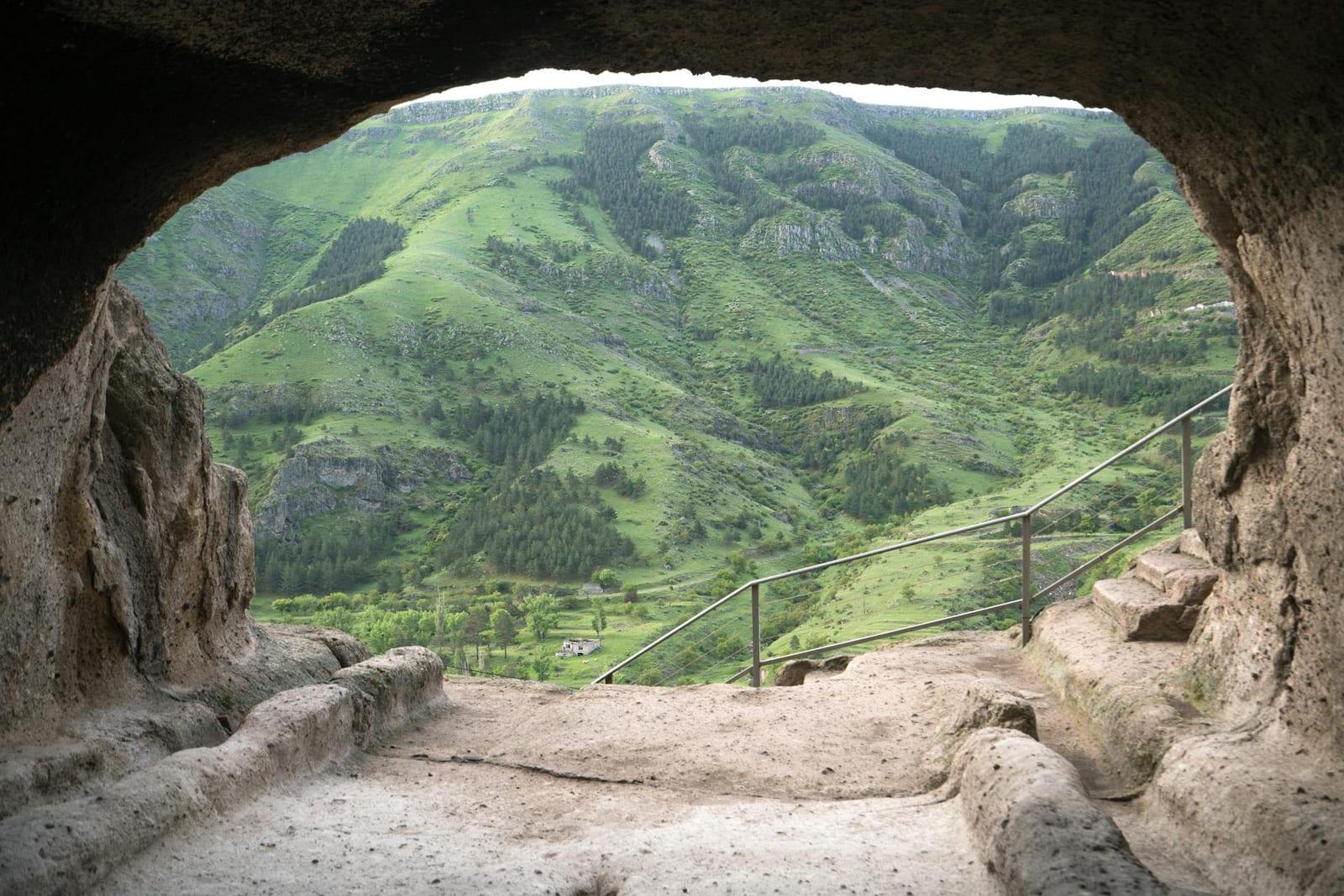
- Gergeti Trinity ChurchThis high-elevation 14th-century Orthodox church has a truly jaw-dropping vantage of the towering Caucasus Mountains.
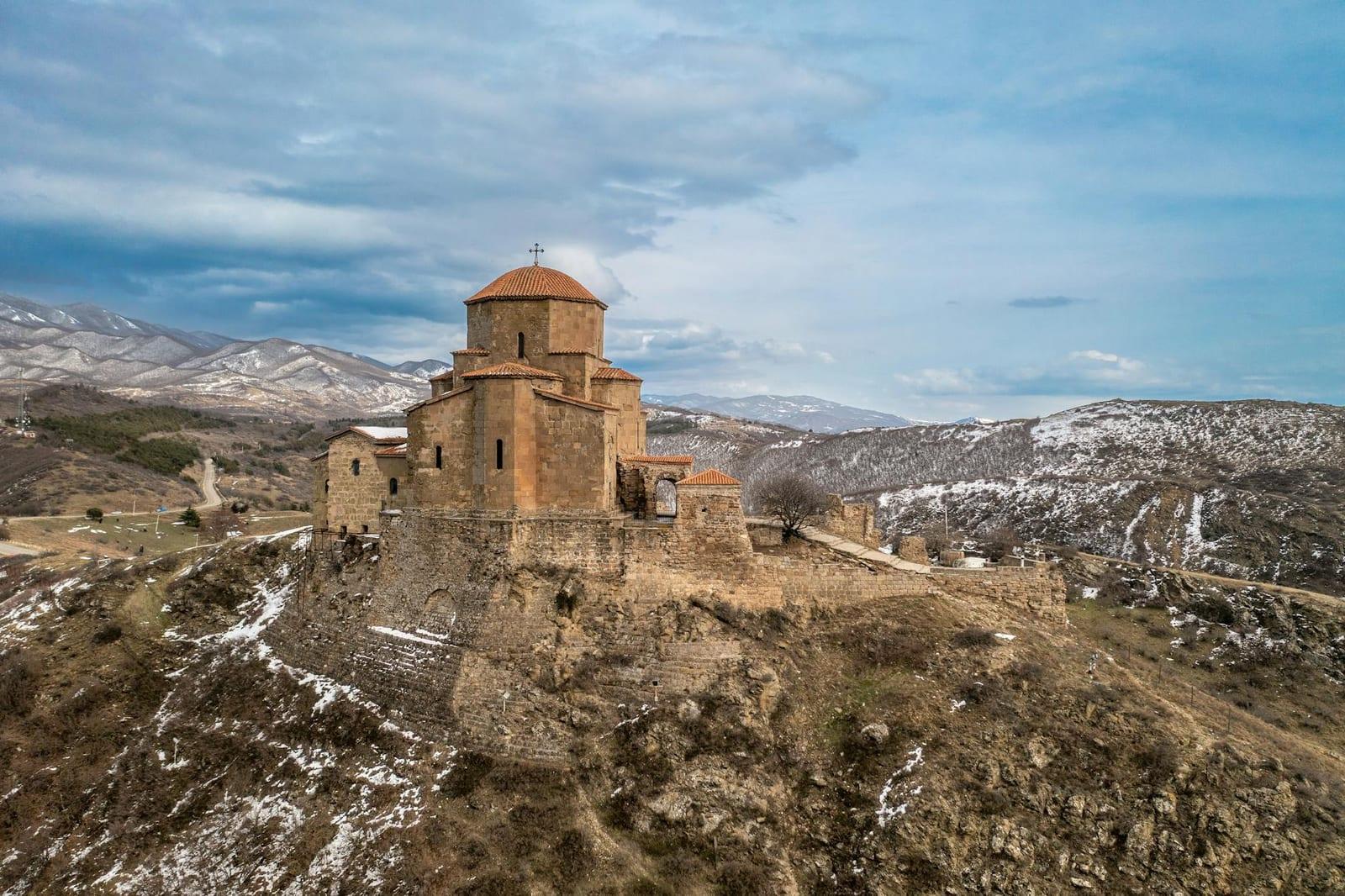
- Jvari MonasteryPart of a UNESCO World Heritage Site complex centered on Mtskheta, this 1,400-year-old monastery overlooks the confluence of the Mtkvari and Aragvi.
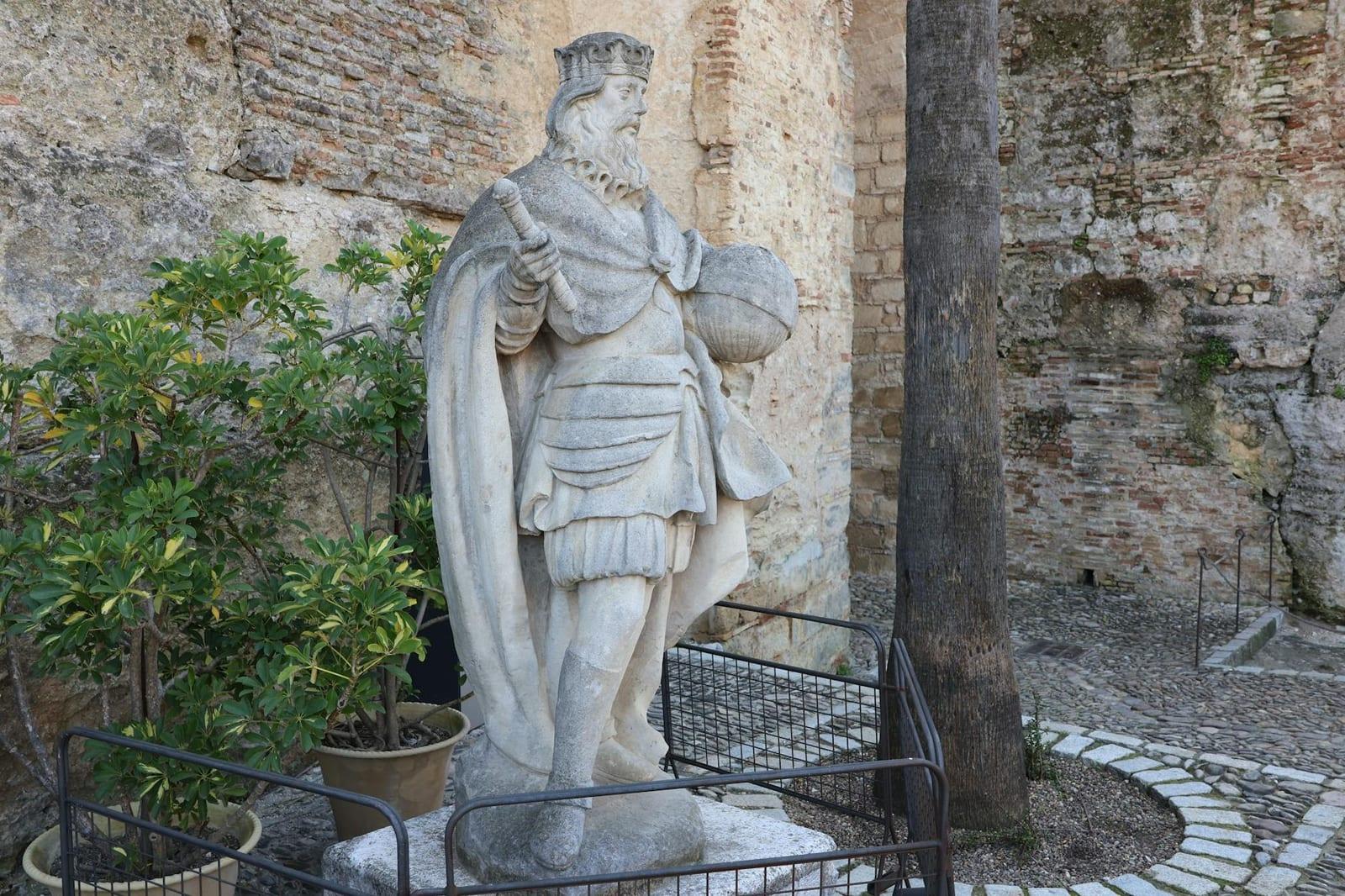
- Karvelis De La StatueTbilisi’s “Mother of Georgia” offers visitors wine—an appropriate gift in this ancient winemaking country—and enemies a brandished sword.
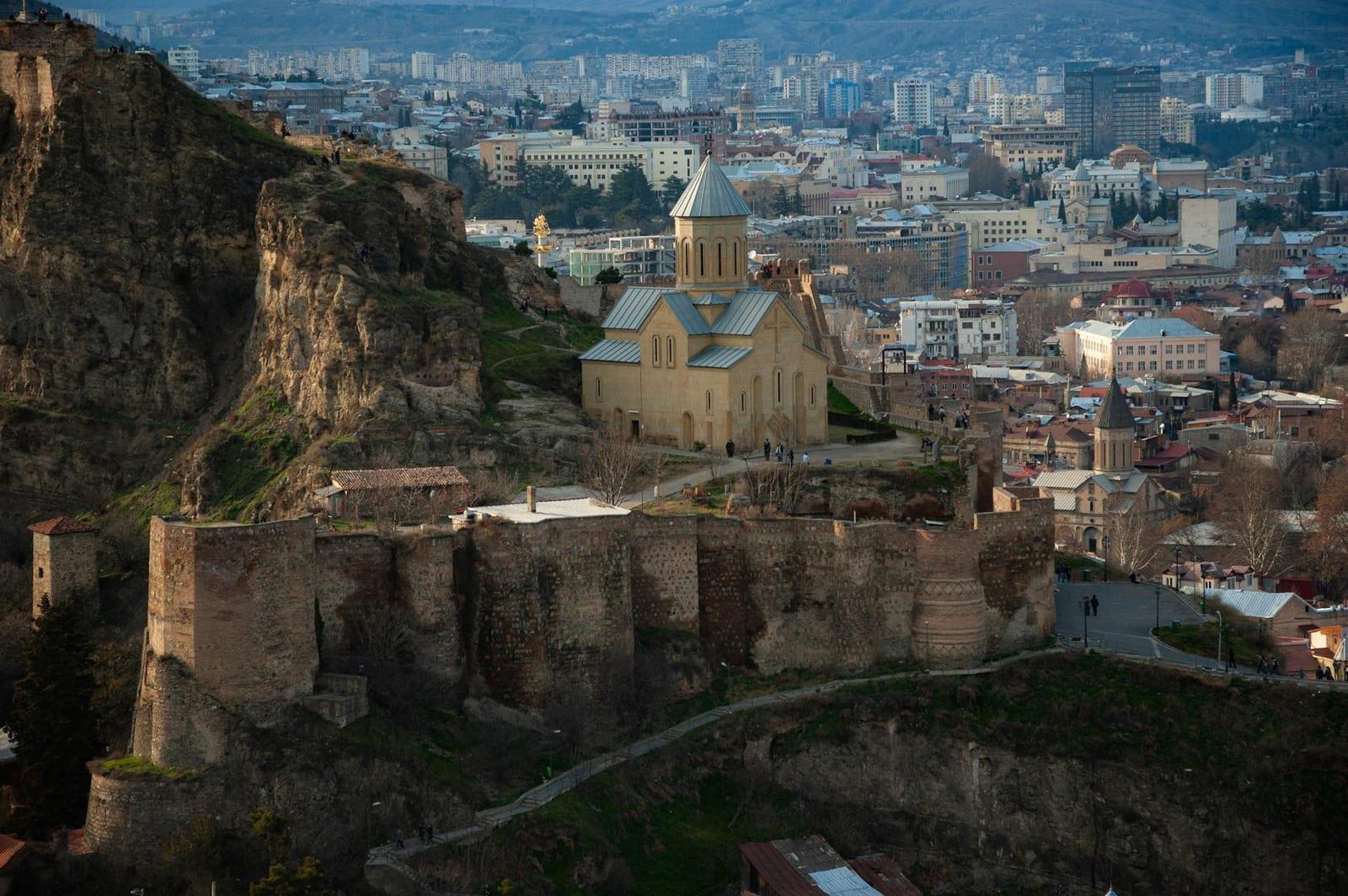
- Narikala FortressThis stronghold overlooking Tbilisi was originally installed by the Persians in the 4th century.
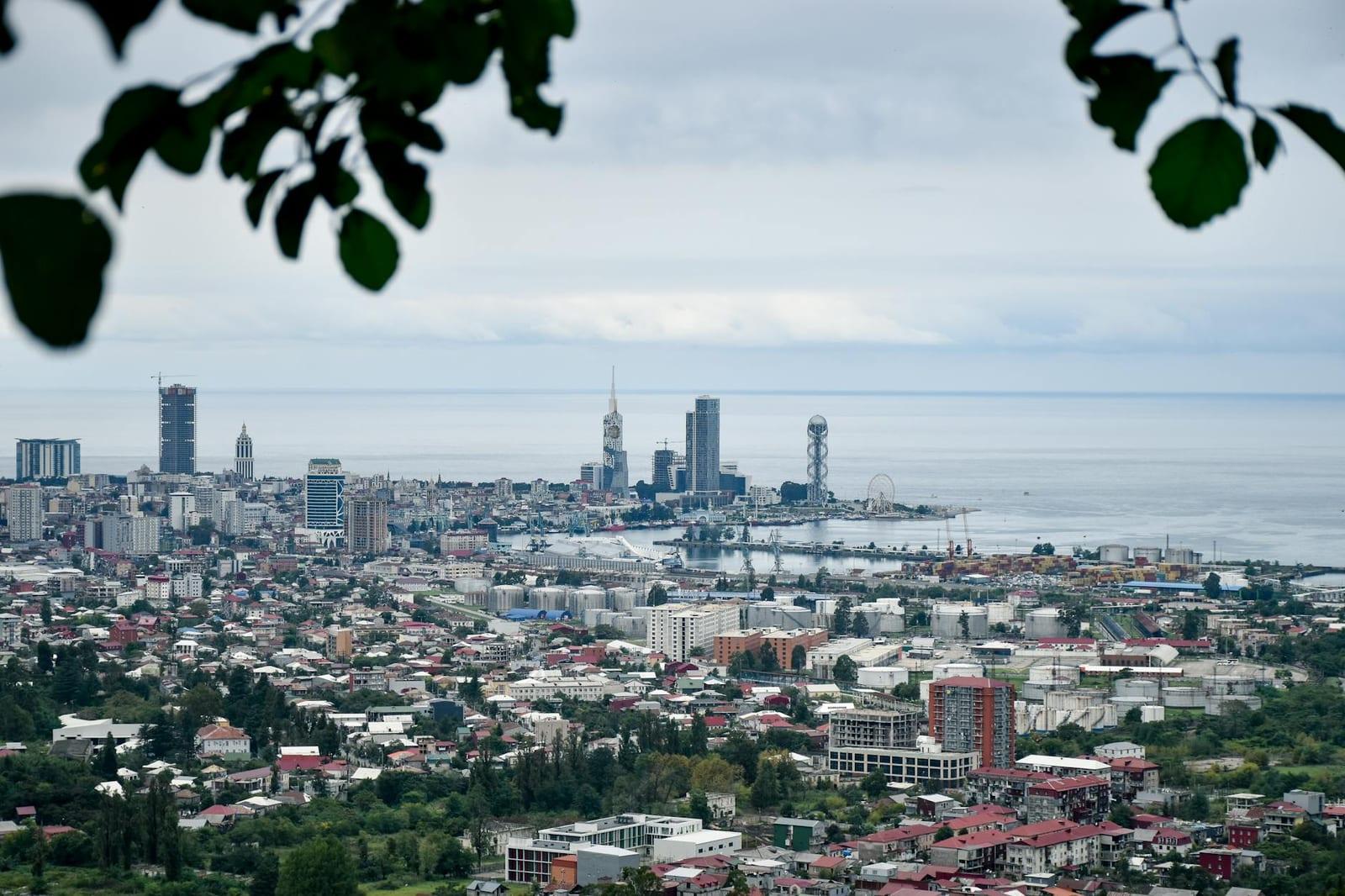
- BatumiEnjoy subtropical beaches and friendly surf at Georgia’s Black Sea hub.
- Lagodekhi National ParkOne of Georgia’s greatest nature reserves, this park arcs from beechwood foothills to Caucasus heights and harbors wolves, lynx, chamois, and eagles.
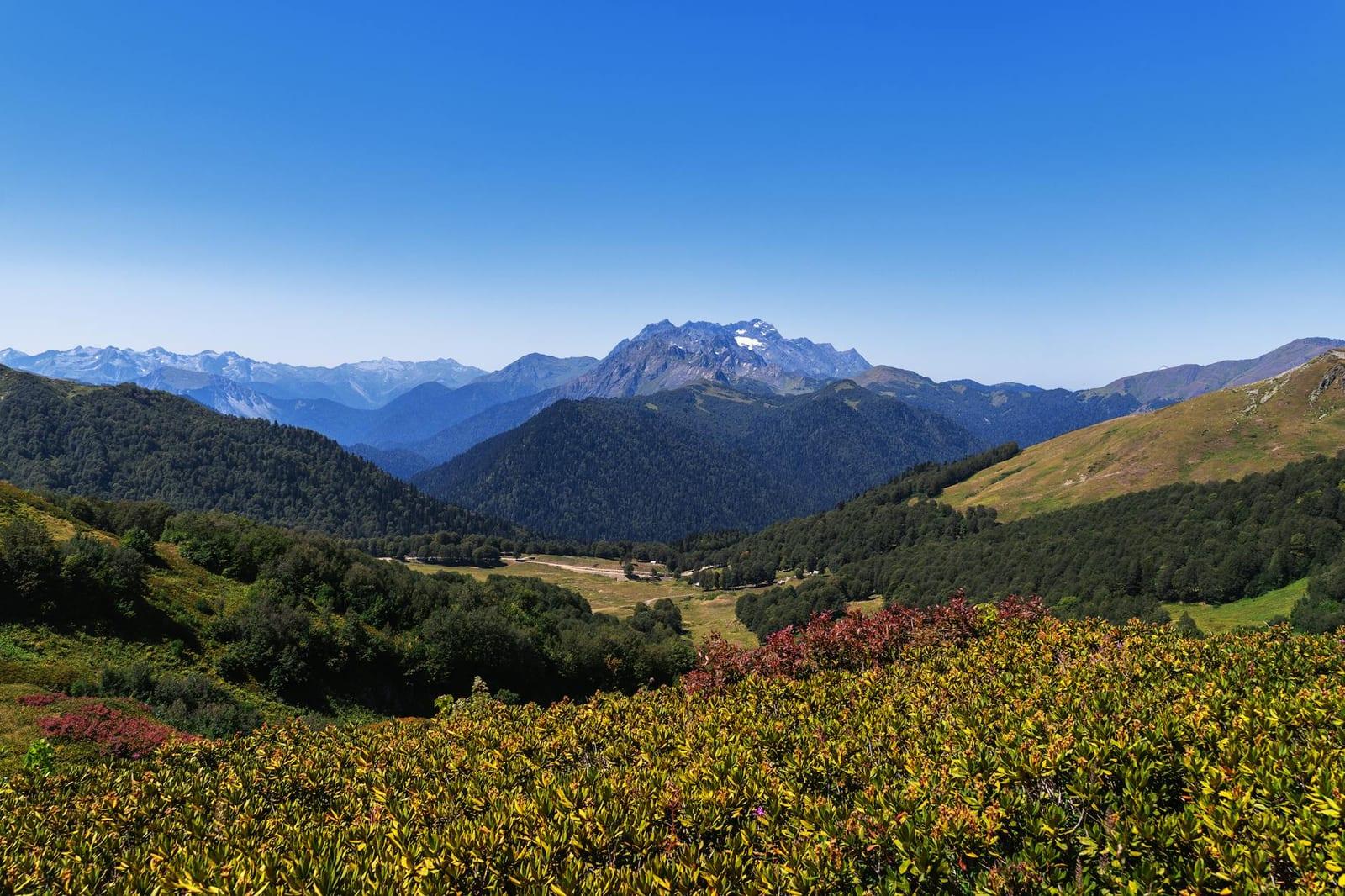
- Tusheti National ParkThis sublime mountain wilderness in the Caucasus hosts such rare Georgian beasts as the Persian leopard and the bearded vulture.
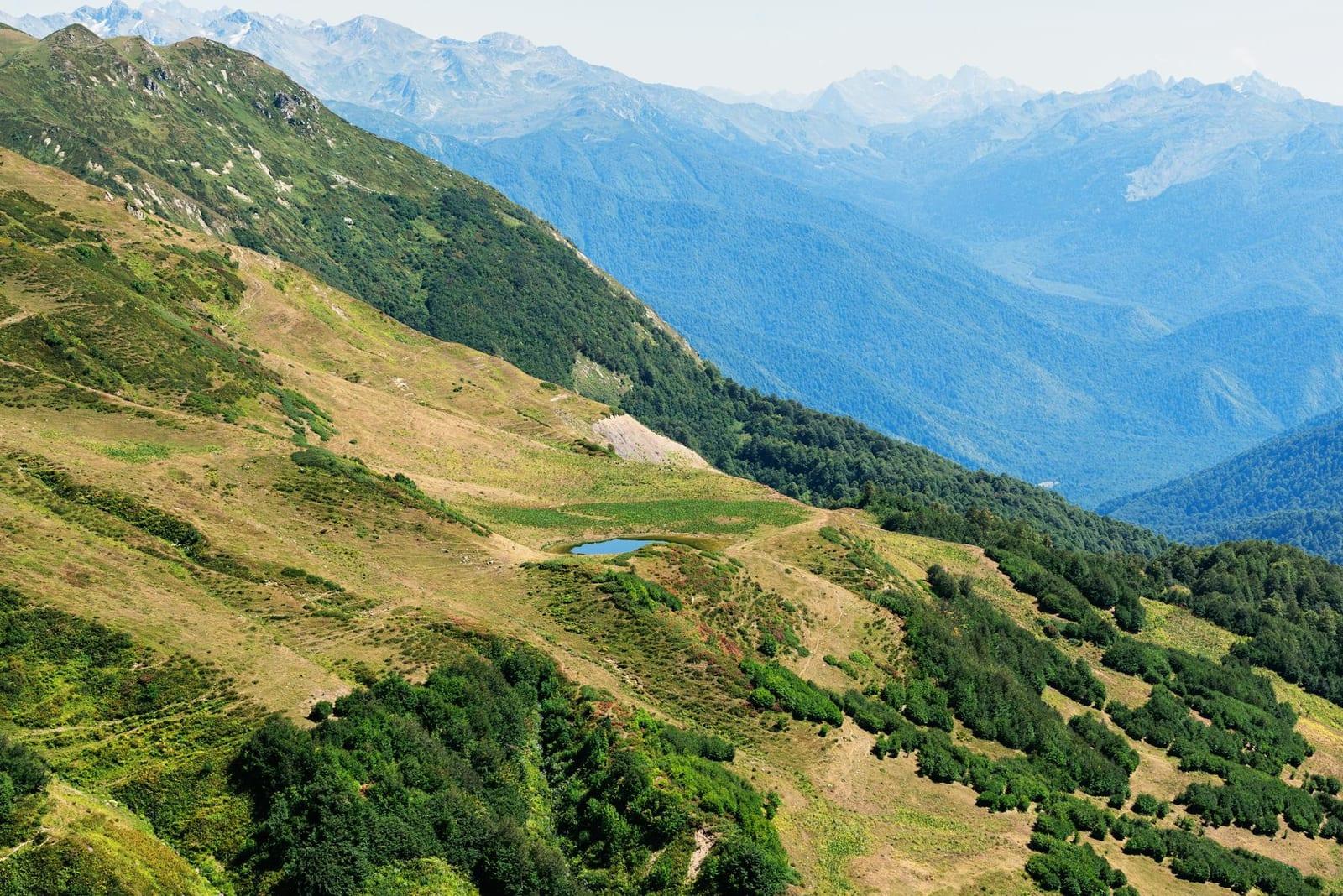
- Vashlovani National ParkA striking mix of wildlife, including Persian leopards, striped hyenas, and brown bears, coexists in Vashlovani’s semiarid scrub and badlands.