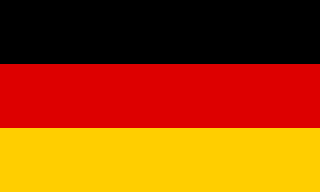
The brooding woods and Alpine foothills begging for a Beethoven soundtrack; the club-hopping circuits of late-night Berlin; the sites of Nazi rallies and war tribunals in Nuremberg; the happy clamor of a Bavarian biergarten, the chorusing of cranes roosted in a Baltic marsh, the clank of cowbells in an Alpine valley—Germany is all over the map in an exhilarating sense. Claiming Europe's largest population and biggest economy as well as a phenomenal share of its history, Deutschland as a travel destination delivers on all counts.
Germany’s about as modernized as Europe gets, but that doesn’t mean there’s not an incredible span of history on display in its cities and countryside. Germany of Upper Paleolithic time served as the homeland of the Aurignacians, who left behind such striking artifacts as the “Lion Man” and the Venus figurines. Fast forward to the fierce resistance Germanic tribes offered Roman conquest; in the notorious Battle of the Teutoburg Forest in 9 C.E., for instance, where the Germanic chief Arminius clobbered three Roman legions. For close to 200 years, a fortification called the Limes Germanicus marked the frontier between Ancient Rome and Magna Germania; the ruins of which you can see in many places in modern-day Germany. By the late 1800s, Germanic kingdoms had united under the German Empire; this dismantled following World War I, after which the Weimar Republic made a doomed stab at a democratic society before the Nazi movement capitalized on the social and economic malaise to usher in the Third Reich.
Hitler and World War II are obviously fundamental parts of modern Germany’s history, and the country hasn’t shied away from confronting this ugly era—from battlefields and concentration camps to museums and memorials, the story’s here to reflect upon. The Cold War chapter of a divided Germany, meanwhile, comes starkly to life with a visit to the cobbles of the Berlin Wall. Partly by boldly and conspicuously reckoning with the tragic elements of its evolution, modern-day Germany is notably progressive and open-minded: The vibrant and prosperous society has shaken off the dark geographies of its past and now sits at the cultural and economic forefront of Western Europe.
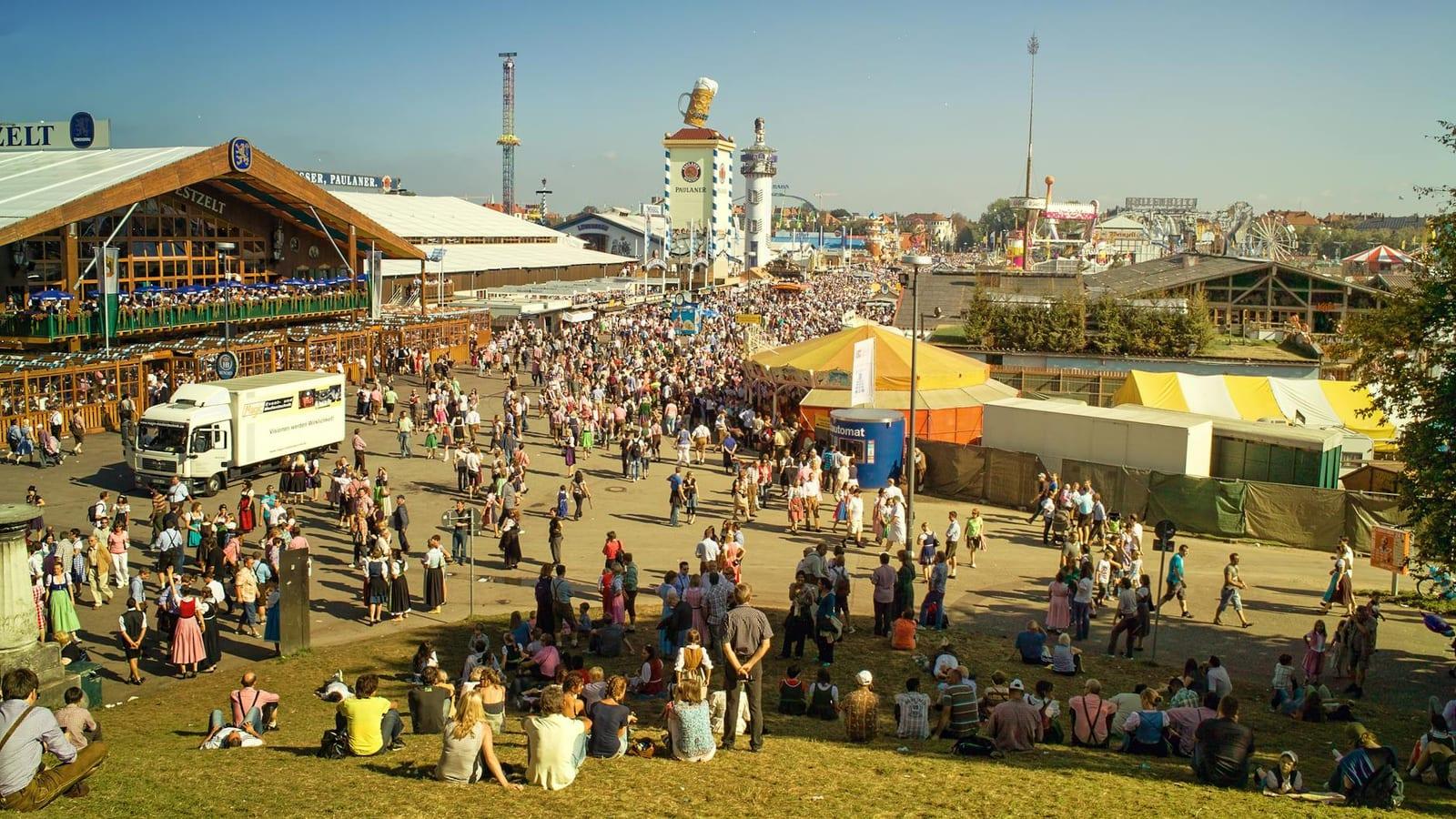
Some of the most distinctive and lively cities in Europe await in Germany, not to mention heaps and heaps of culture and history. Hip, happening Berlin’s famous for its creative scene and its nightlife; hard-working Frankfurt brandishes a skyscraping skyline worthy of its “Mainhattan” nickname; Munich throws one of the world’s most epic annual parties through Oktoberfest; Cologne, with its cathedrals and churches, is a feast for the eye. Beer gardens and gasthauses combine irresistible German cuisine with irresistible atmosphere: Get to know the wurst family by sampling as many native sausages as you can, wolf down some comfort-food spätzle, indulge your sweet tooth with stollen and lebkuchen, and clink glasses through a merry survey of German bier.
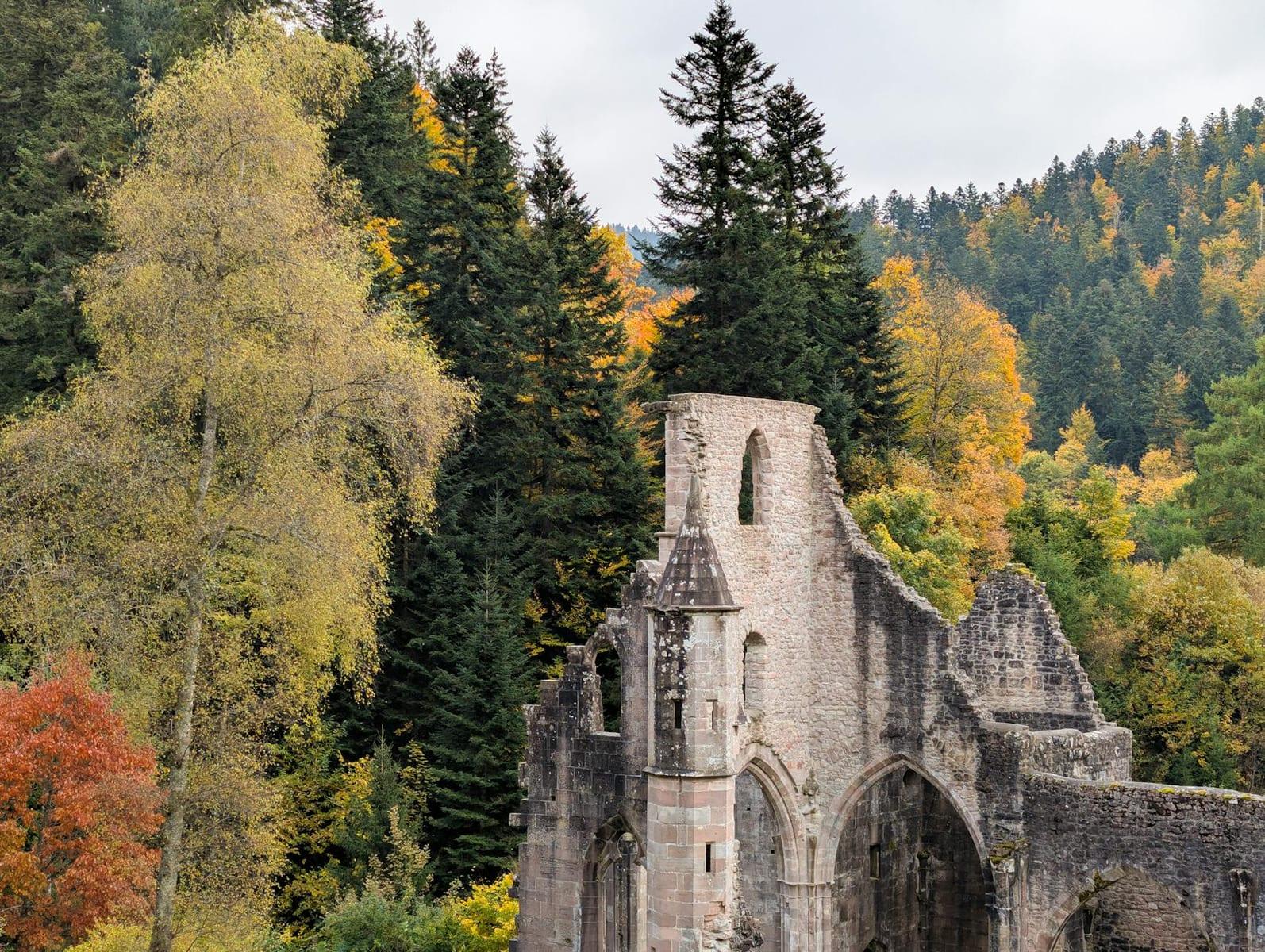
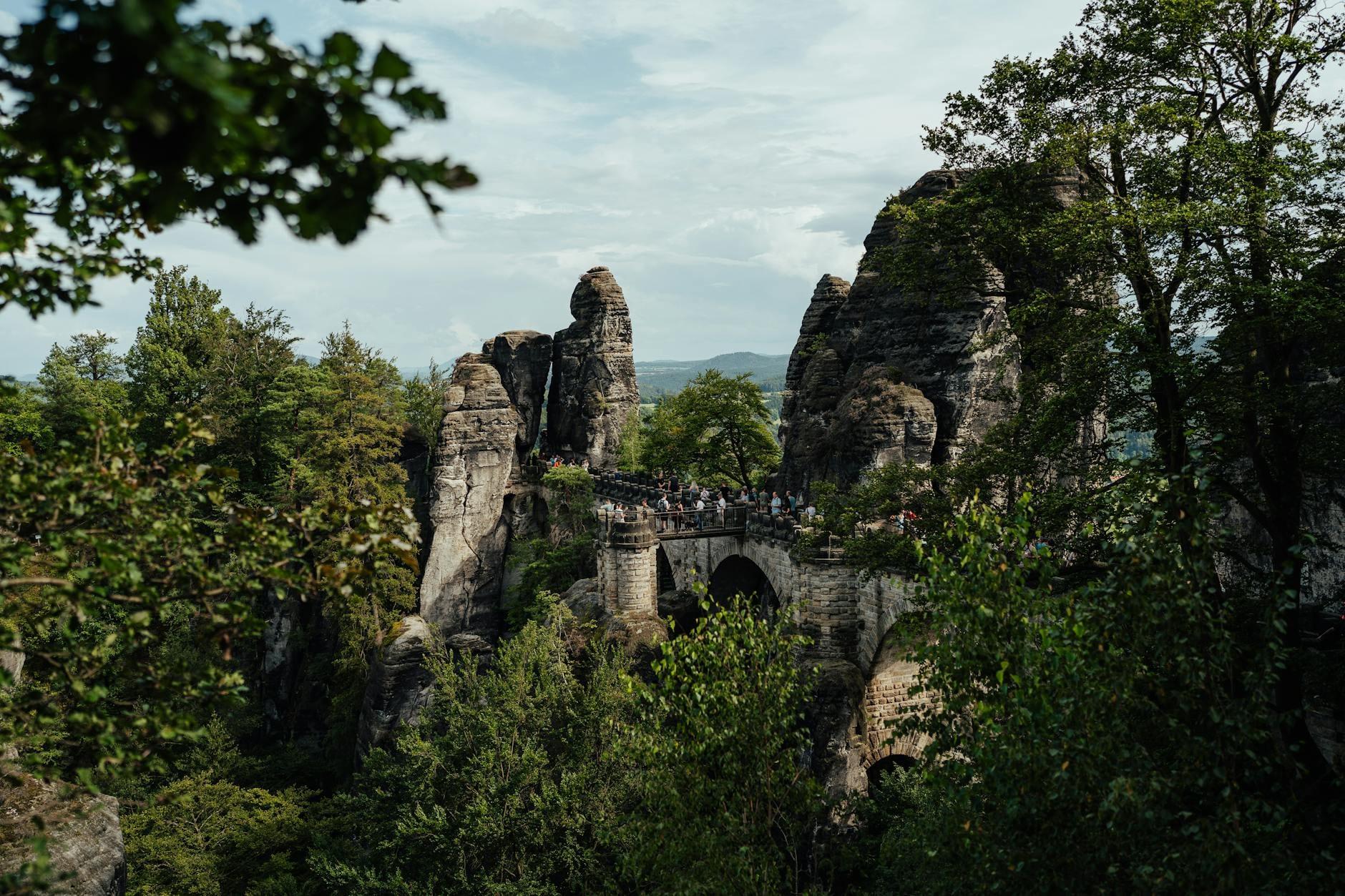
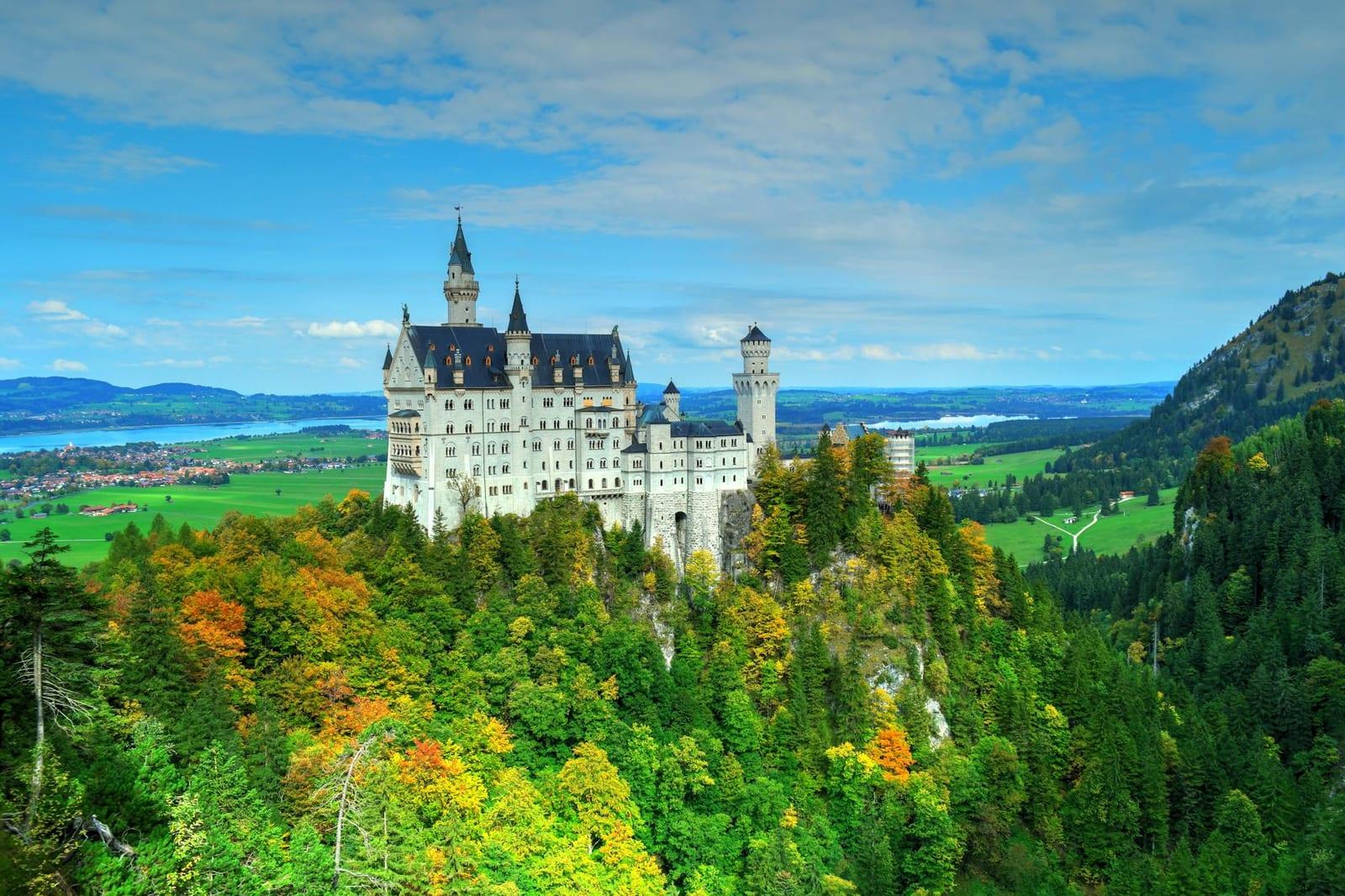
Because of its great size and position, Germany offers a sampler-pack of European topography. Painted in broad strokes, its terrain drops from the gnarled Alps in the south down through the rolling hills and plateaus of the Central German Uplands to the flats and seacoast of the North German Plain. This makes for some remarkable variety in scenery: North and Baltic Sea beaches and cliffs; the rumpled highlands of the Black, Bavarian, Bohemian, and Thuringian forests, whose fairytale woods are the remnants of the great Hercynian Forest respected by the Romans; glacier-sprinkled mountains, including the country high point of the Zugspitze, the 9,718-foot crown of the North Limestone Alps. Whether you’re racing down a Tyrolian ski slope, strolling sublime Lake Constance, or admiring a hilltop castle from a cow-lumbered meadow, you’ll find the splendor of rural Germany the perfect counterpoint to the country’s cosmopolitan spectacle.
Splendor and spectacle, yes, and an overdose of intellectual stimulation: Germany demands long and absorbed exploration.
15 things not to miss.
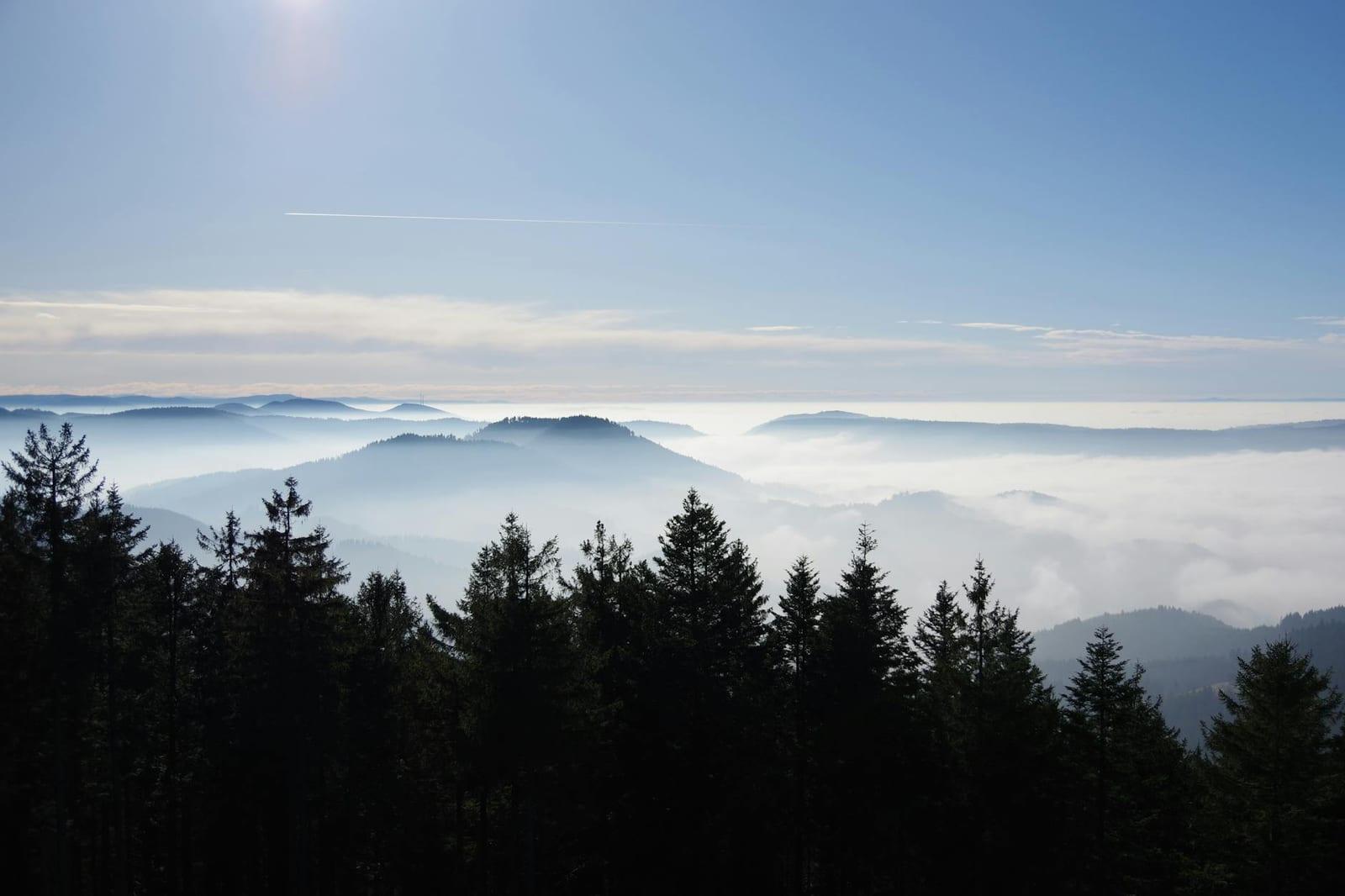
- the Black ForestHike the Black Forest
- Neuschwanstein Castle
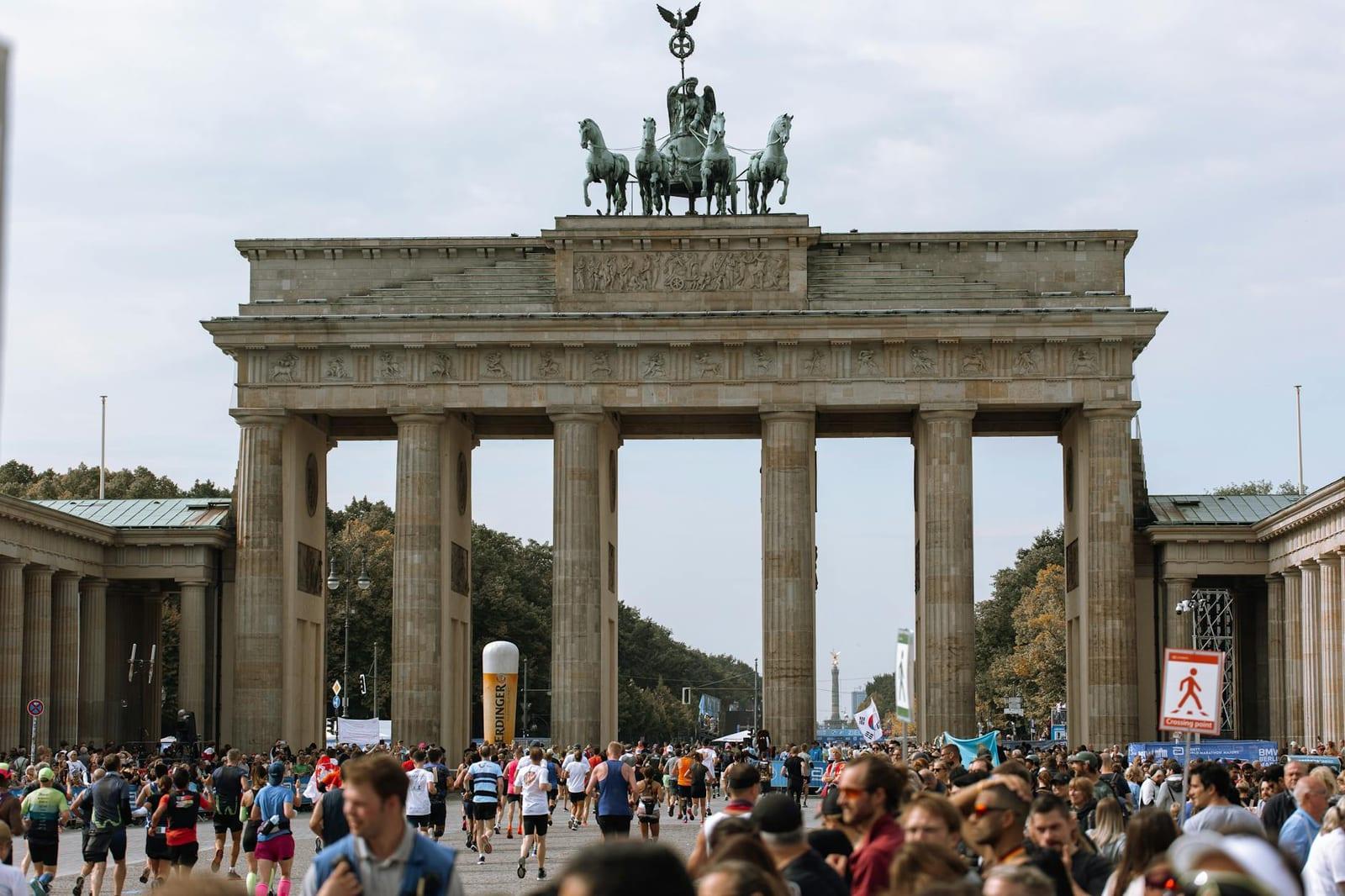
- Berlin Marathon
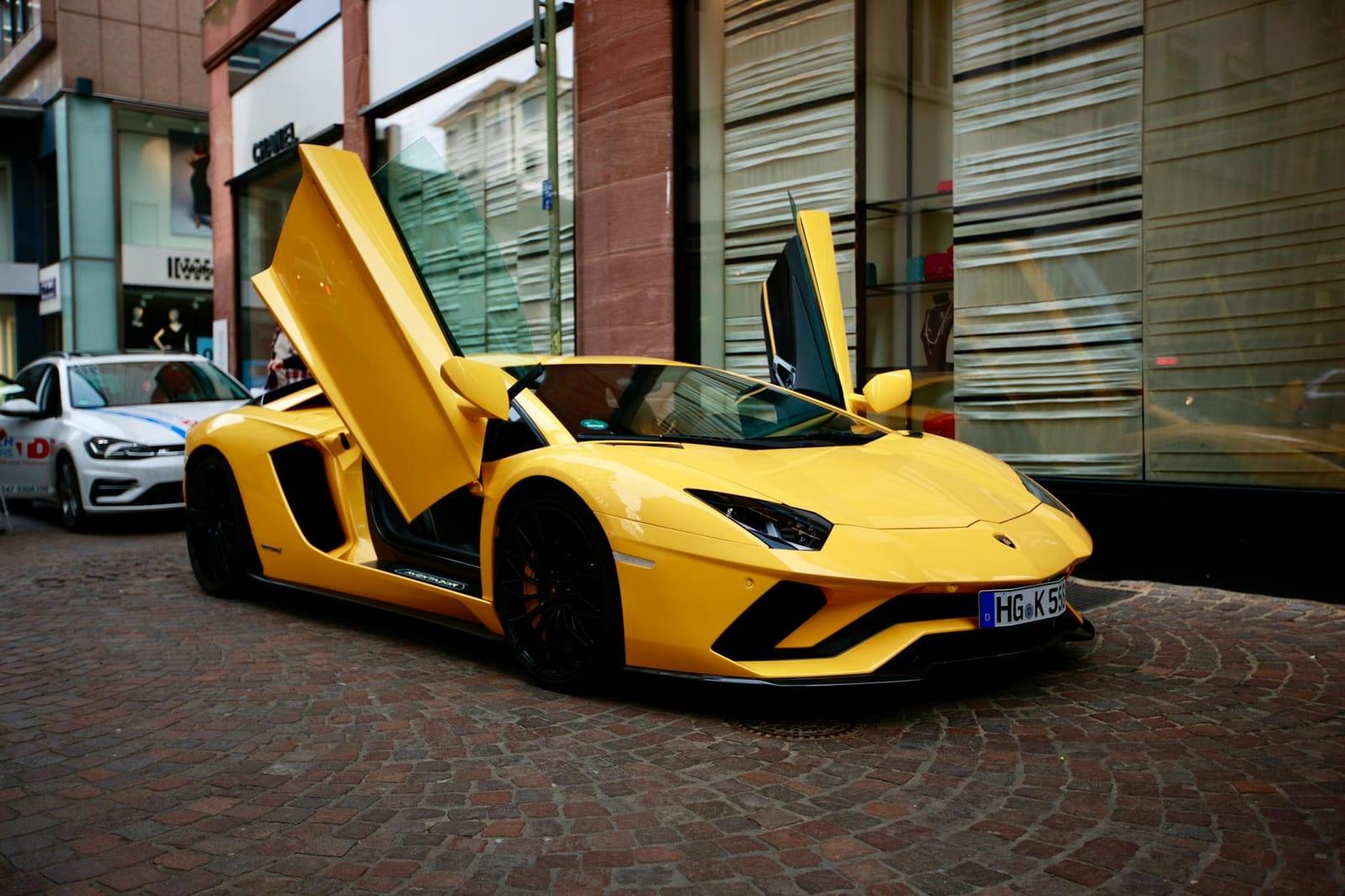
- Drive an Exotic Car
- Oktoberfest
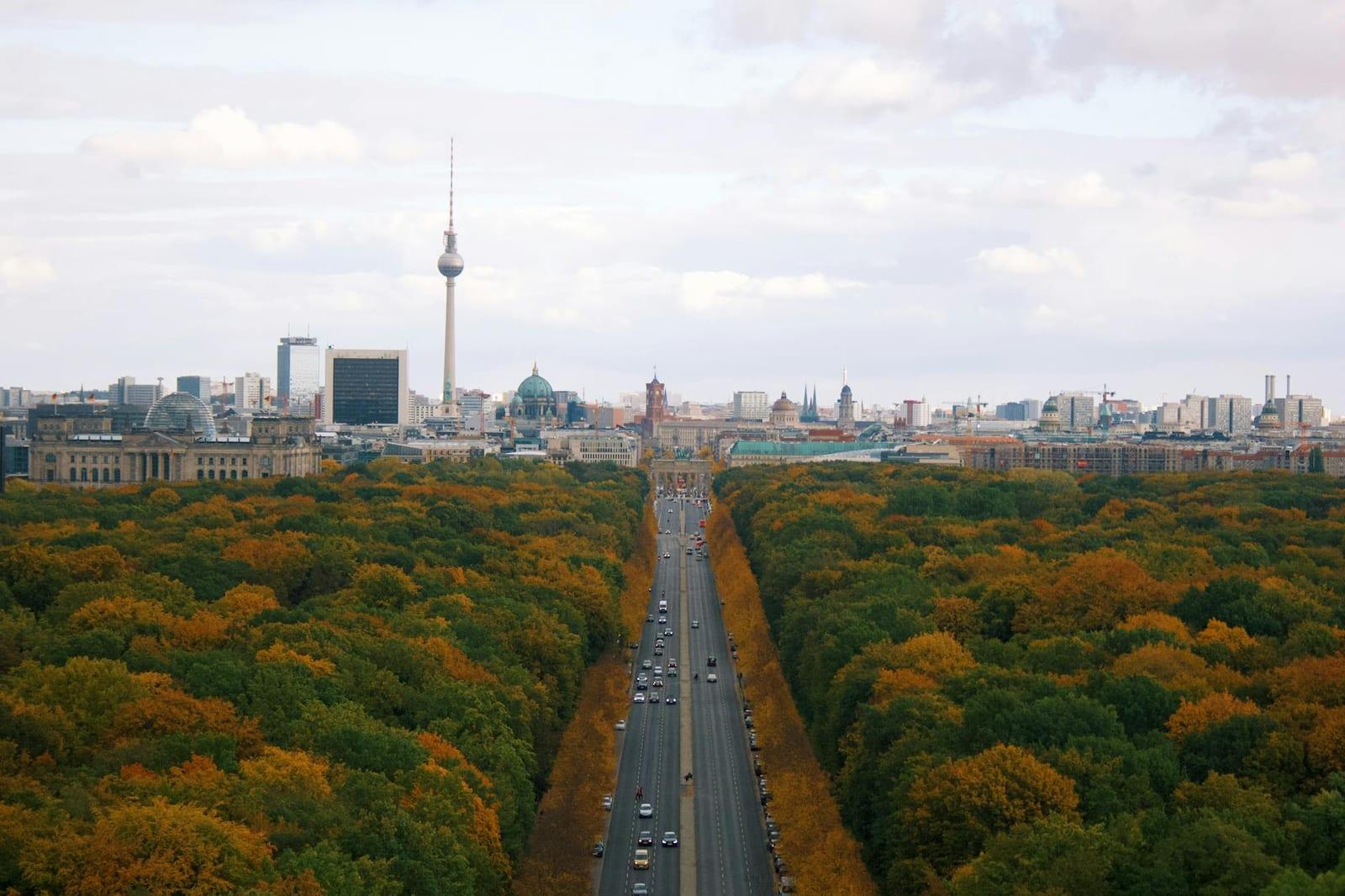
- Berlin
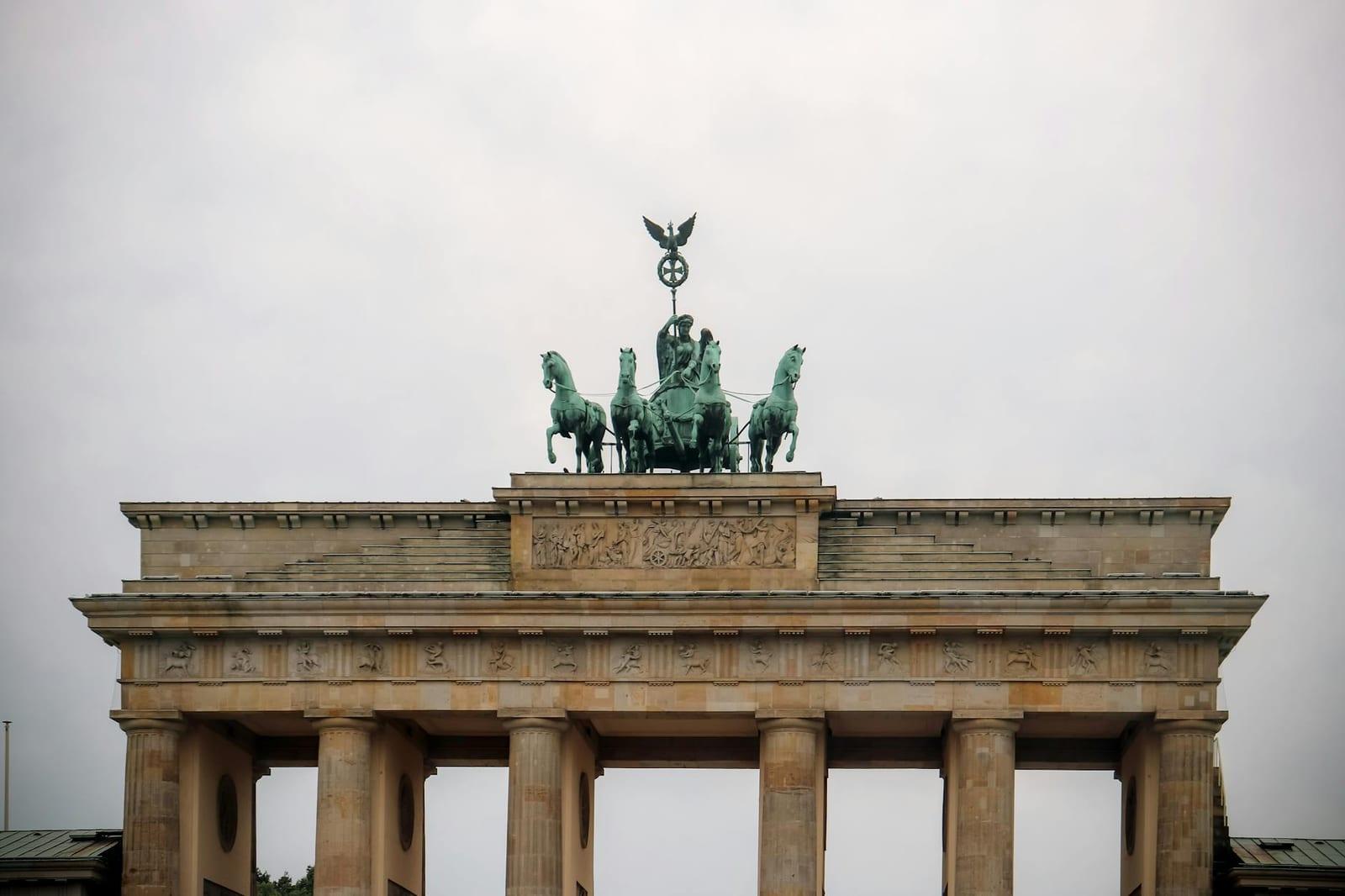
- Brandenburg Gate
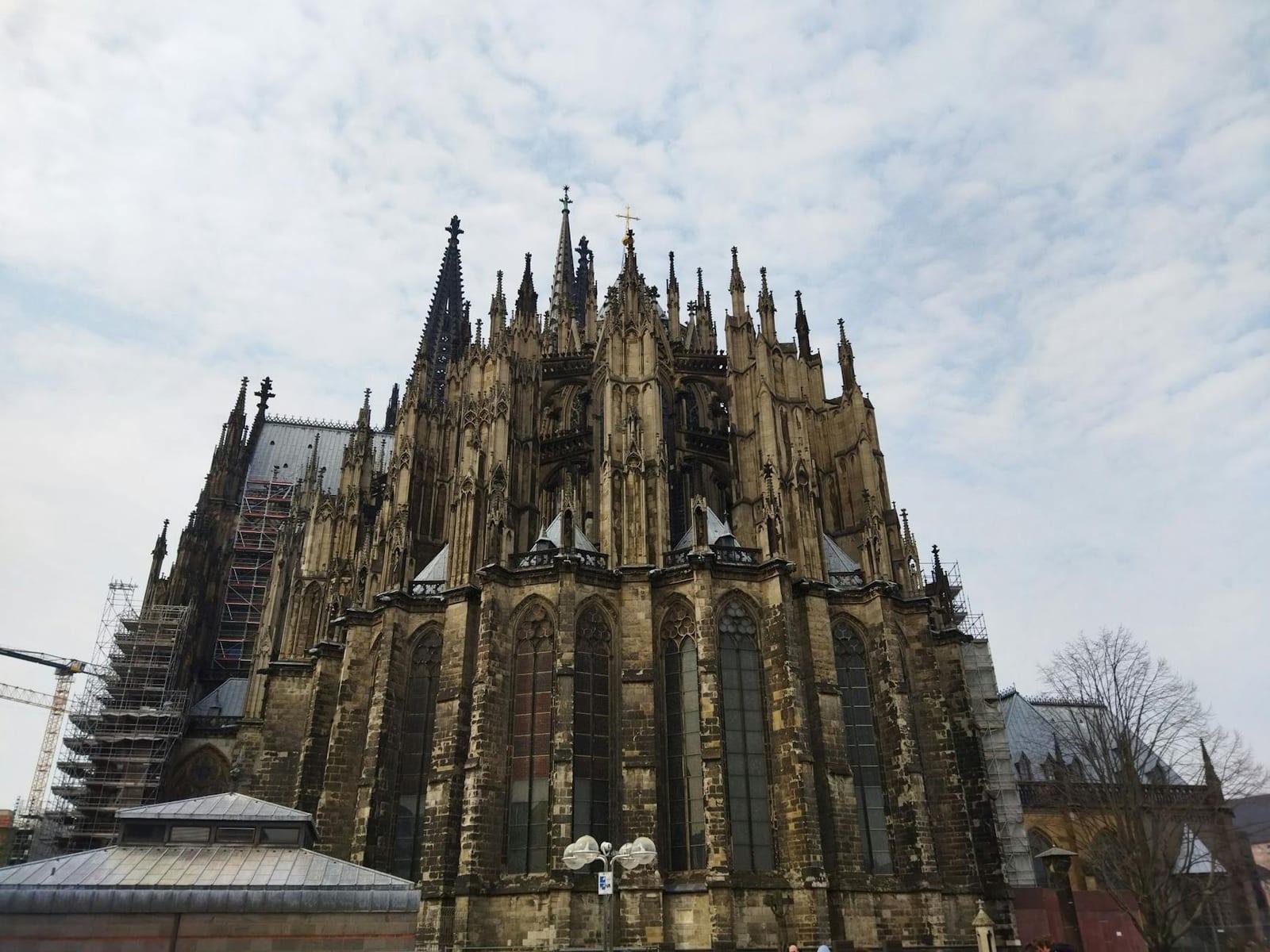
- Cologne CathedralAmong the most magnificent Gothic churches on the planet, this UNESCO World Heritage Site is Germany’s most popular landmark.
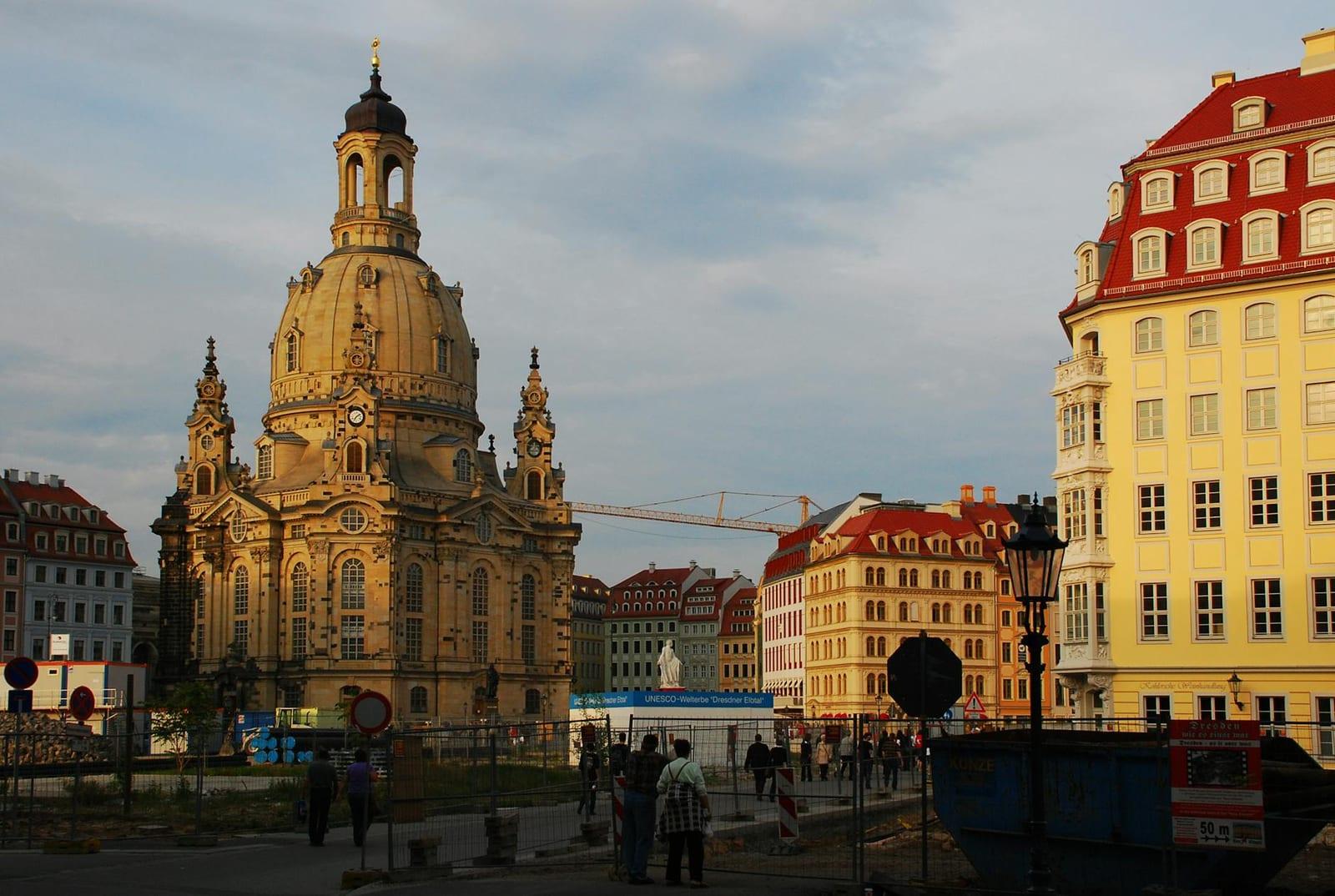
- Dresden FrauenkircheThe resurrection of this glorious domed church, wrecked during the bombing of Dresden, symbolizes the city’s post-WWII rebirth.
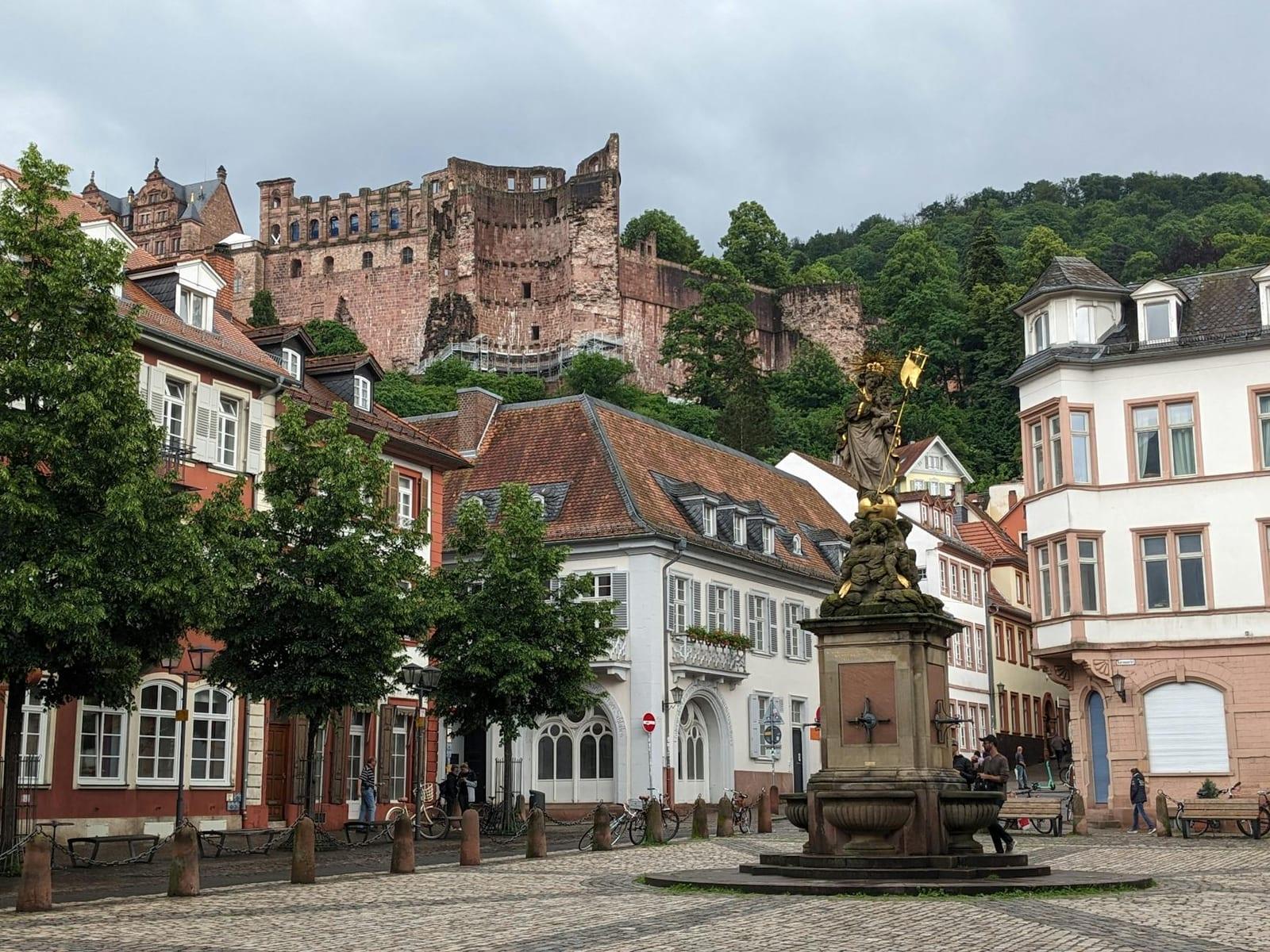
- Heidelberg CastleThe ruins of this Renaissance castle, partly destroyed in the Thirty Years War and after, remain breathtakingly beautiful.
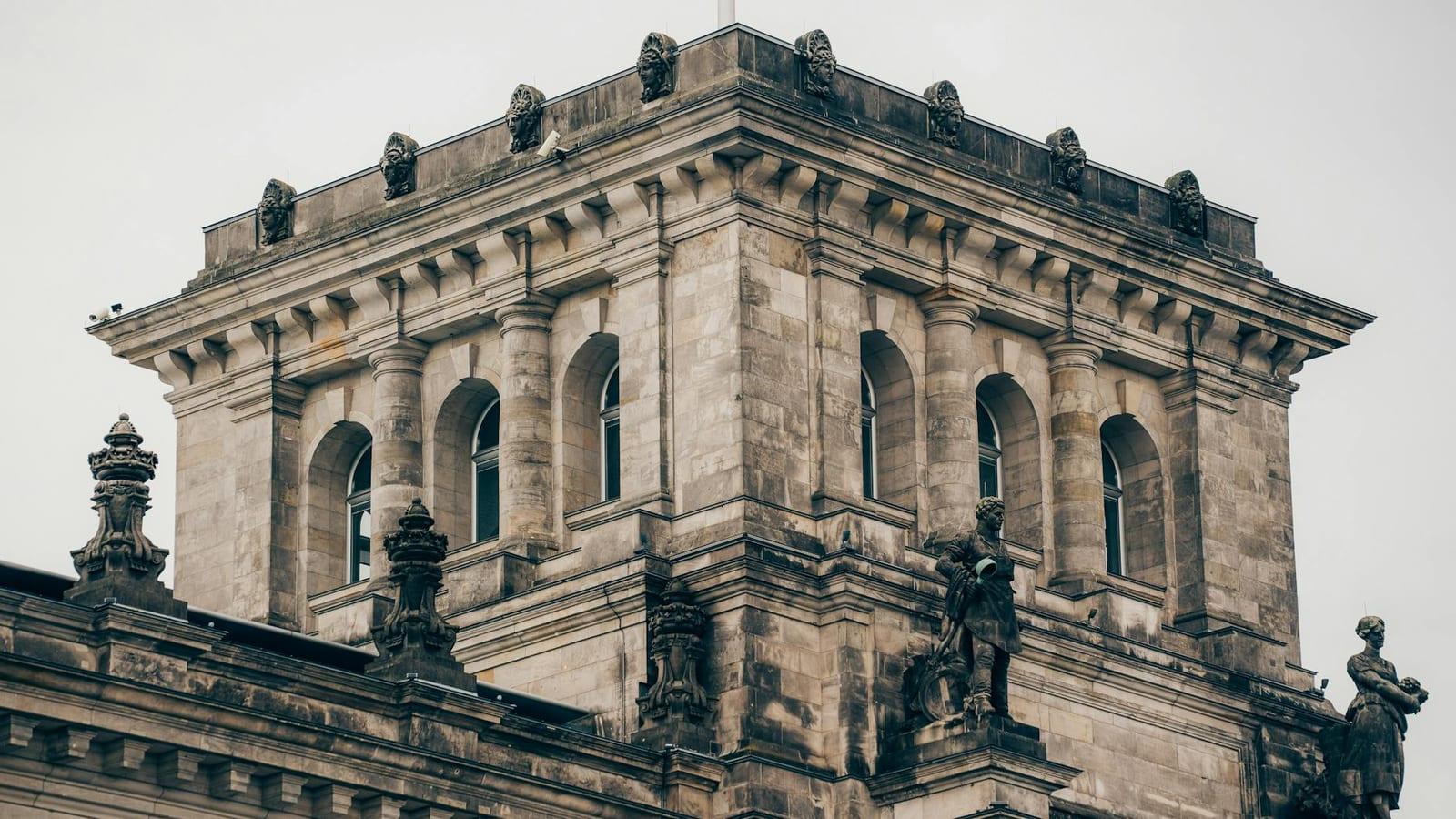
- Berlin ReichstagThis imposing building, completed in the 1890s, housed the German parliament until the Nazis took control.
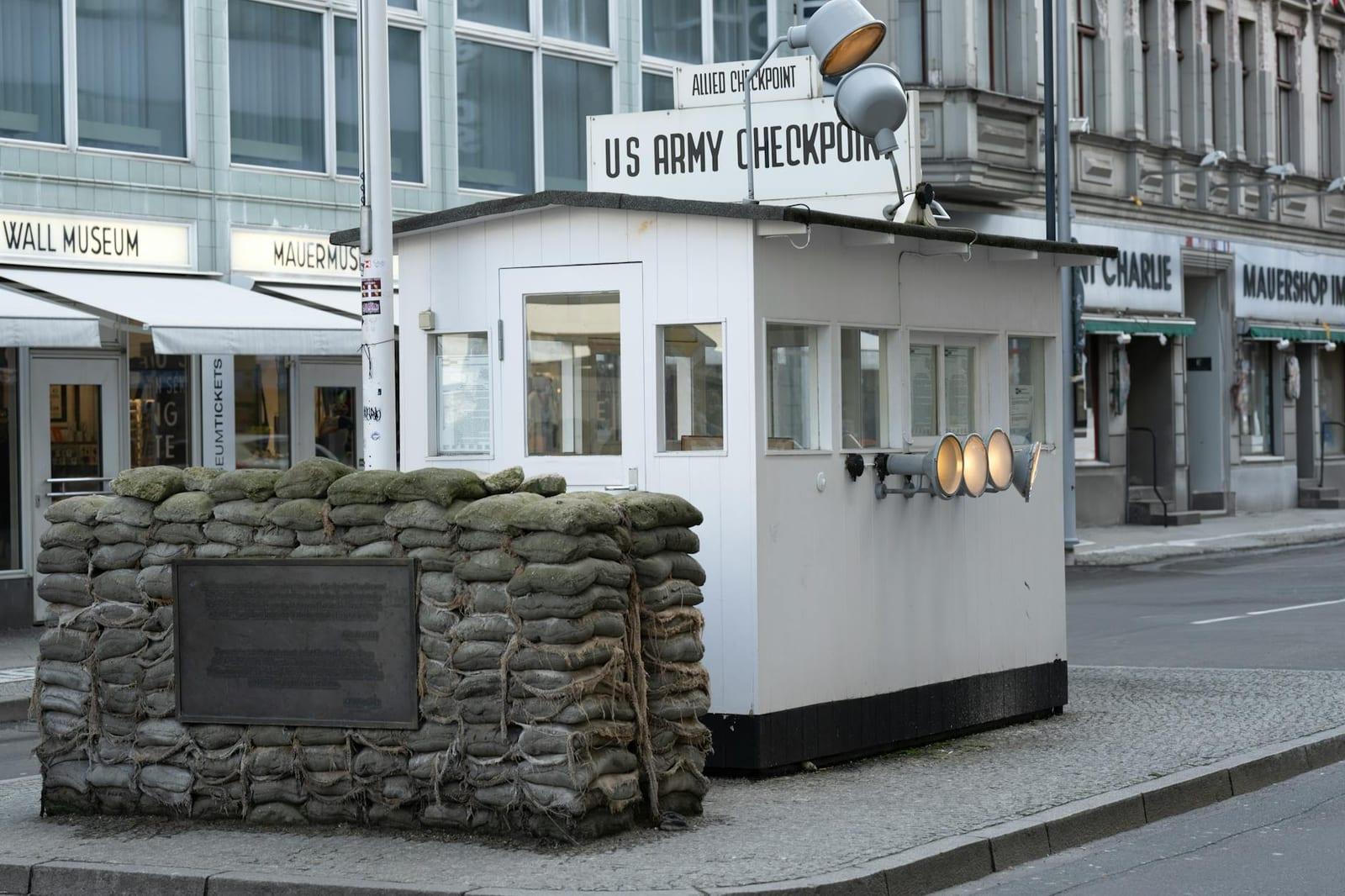
- Allied MuseumDelve into Germany’s Cold War history at this excellent Berlin museum; its open-air exhibits include the famous Checkpoint Charlie guardhouse.
- HofbräuhausMunich’s famous state-owned beer hall epitomizes one archetypal German experience: quaffing epic mugs of lager and downing equally epic pretzels.

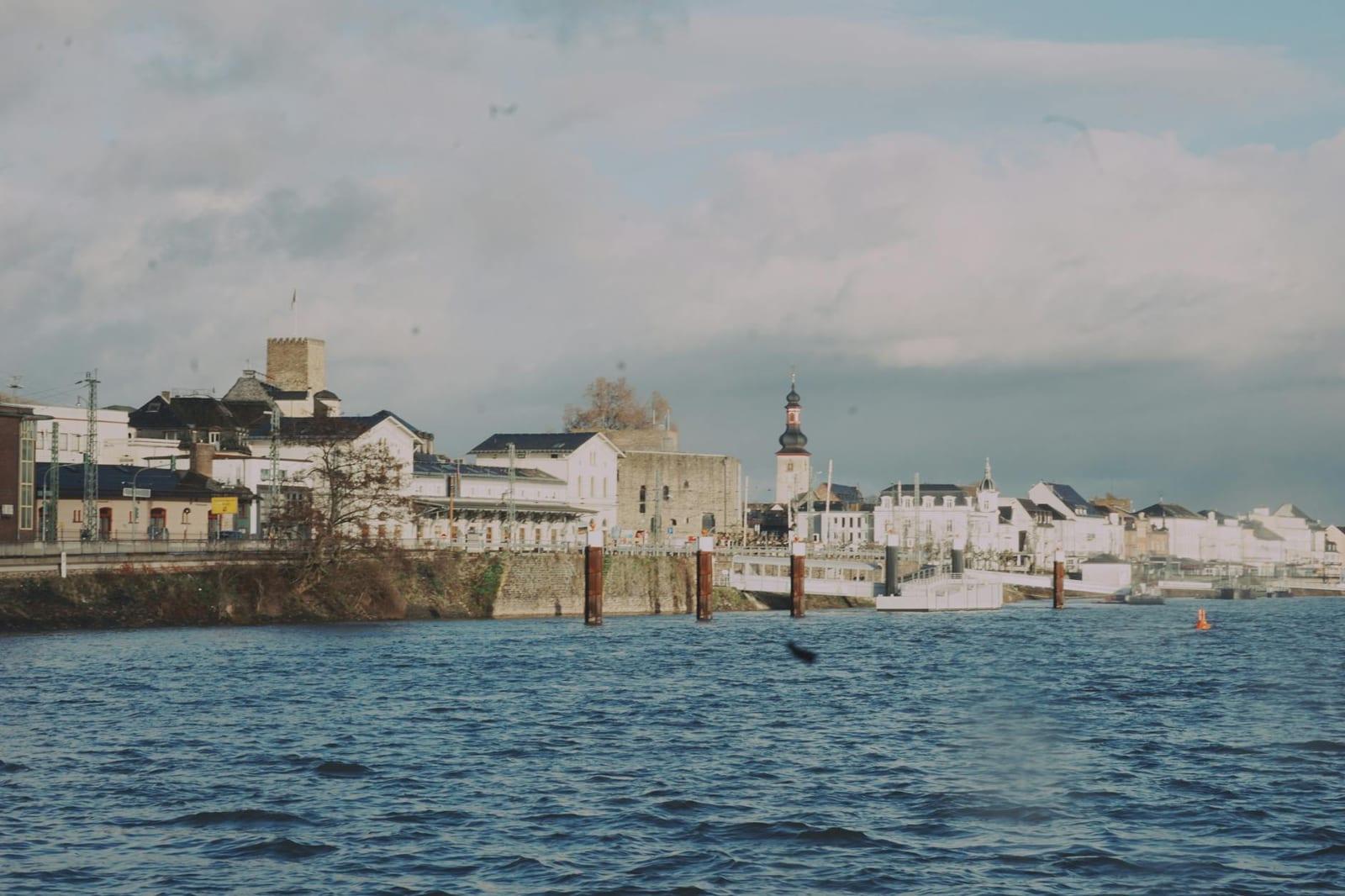
- The Middle RhineThe gorge-nested “Romantic Rhine” stretch—Germany at its prettiest—comes scattered with castles and vineyards.
- SchwarzwaldWith its ski slopes, hiking trails, plentiful lakes, and traditional rural architecture, the rolling Black Forest always conjures some magic.