Greece means many different things to many different people. The young (and young at heart) flock here to party on the beaches of the Greek Islands. The historically minded come here to pay due respect to the altar of Western civilization. Gastronomes seek out one of the great cuisines of the world in all its variety. Lately the country’s been reeling with economic turmoil (a debt crisis that’s reverberated throughout Europe), but its innate charm—the history, the culture, the food, the summit-to-beach scenery—remains irresistible.
Greece has been an active center of human civilization since the Neolithic. The Minoans cultivated their high Aegean culture on the island of Crete in the Bronze Age, as the Mycenaeans—who ultimately outmuscled the Minoans—established themselves on the mainland. The glory days of Ancient Greece, beginning by the close of the 8th century B.C.E., saw world-shaking advancements in science, philosophy, drama, literature, and democratic government forged in Athens and other city-states. Homer, Plato, Aristotle, Sophocles, Thucydides, Herodotus, Pericles—the great thinkers and orators and statesmen of the time—still influence the Western psyche. And in the waning centuries before the Common Era, Greek thought and ideals began spreading far beyond their native land—to western Asia, to northern Africa, to mainland Europe—via the conquests of Alexander the Great and, ultimately, the Romans, who showed much affection for their Hellenic predecessors.
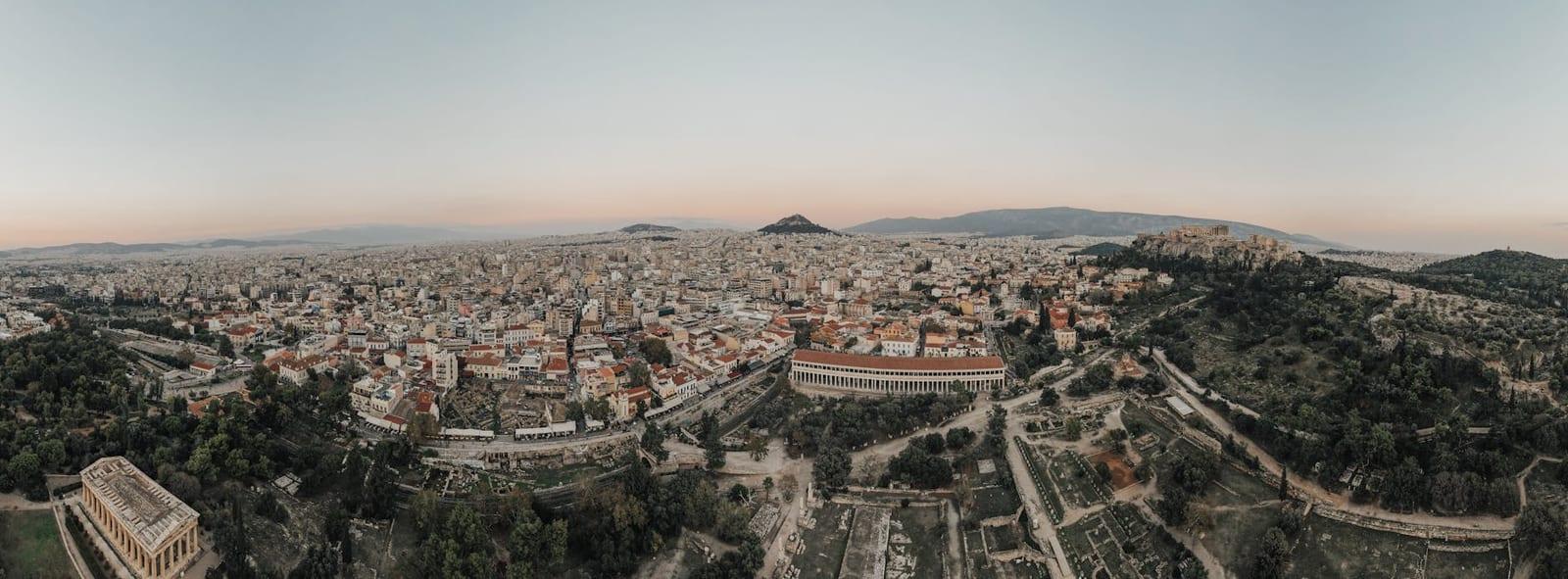
Greek history obviously continued to unspool on the heels of the Roman and Byzantine eras but it’s the country’s Classical heritage that draws the most attention. The labyrinthine Minoan ruins of Crete, the Lion Gate of Mycenae, the Athenian acropolis, the Oracle of Delphi, the ancient stadium and Sanctuary of Zeus at Olympia: Such stirring monuments will awaken an appreciation for world history in nearly anyone.
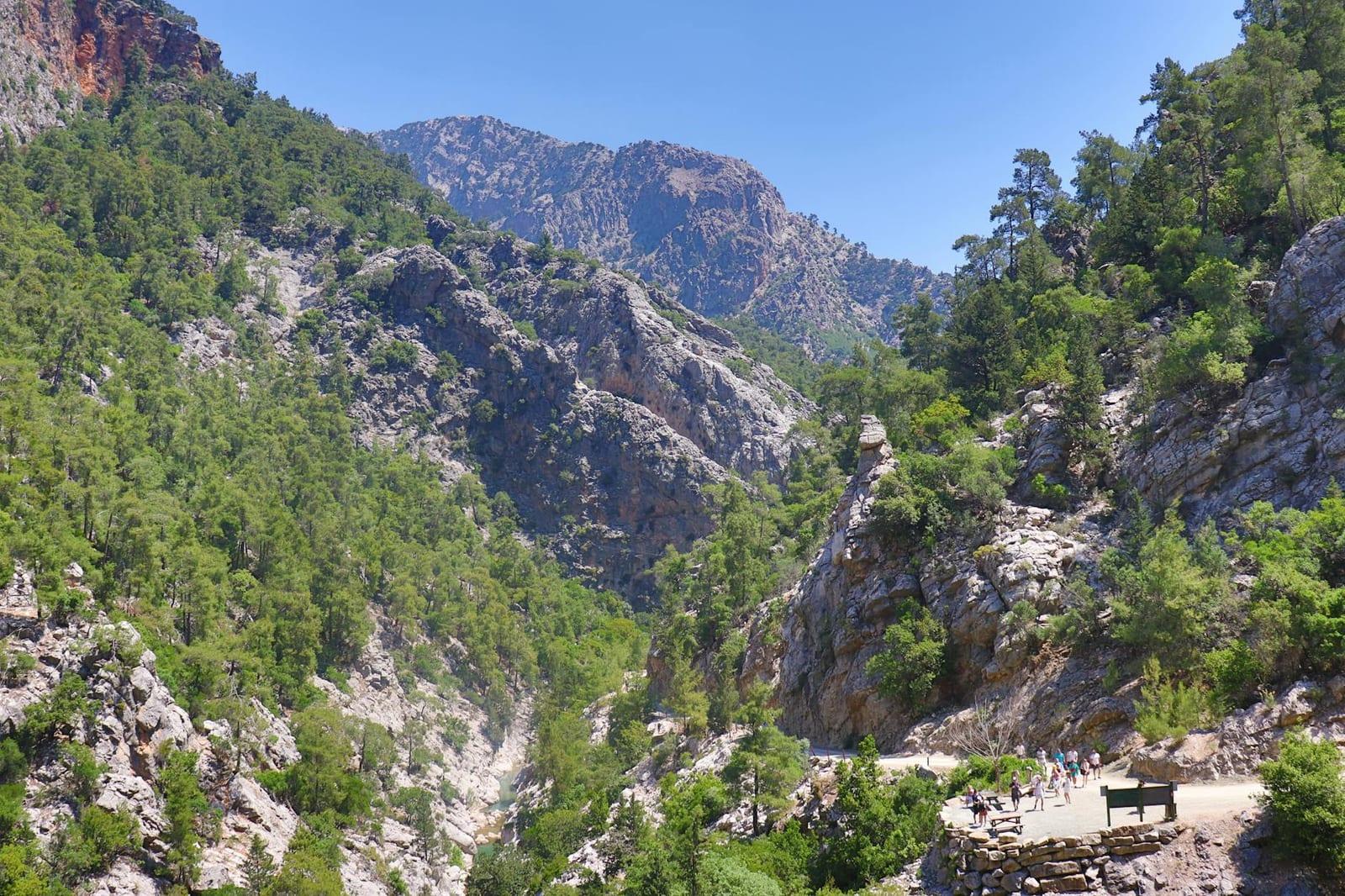
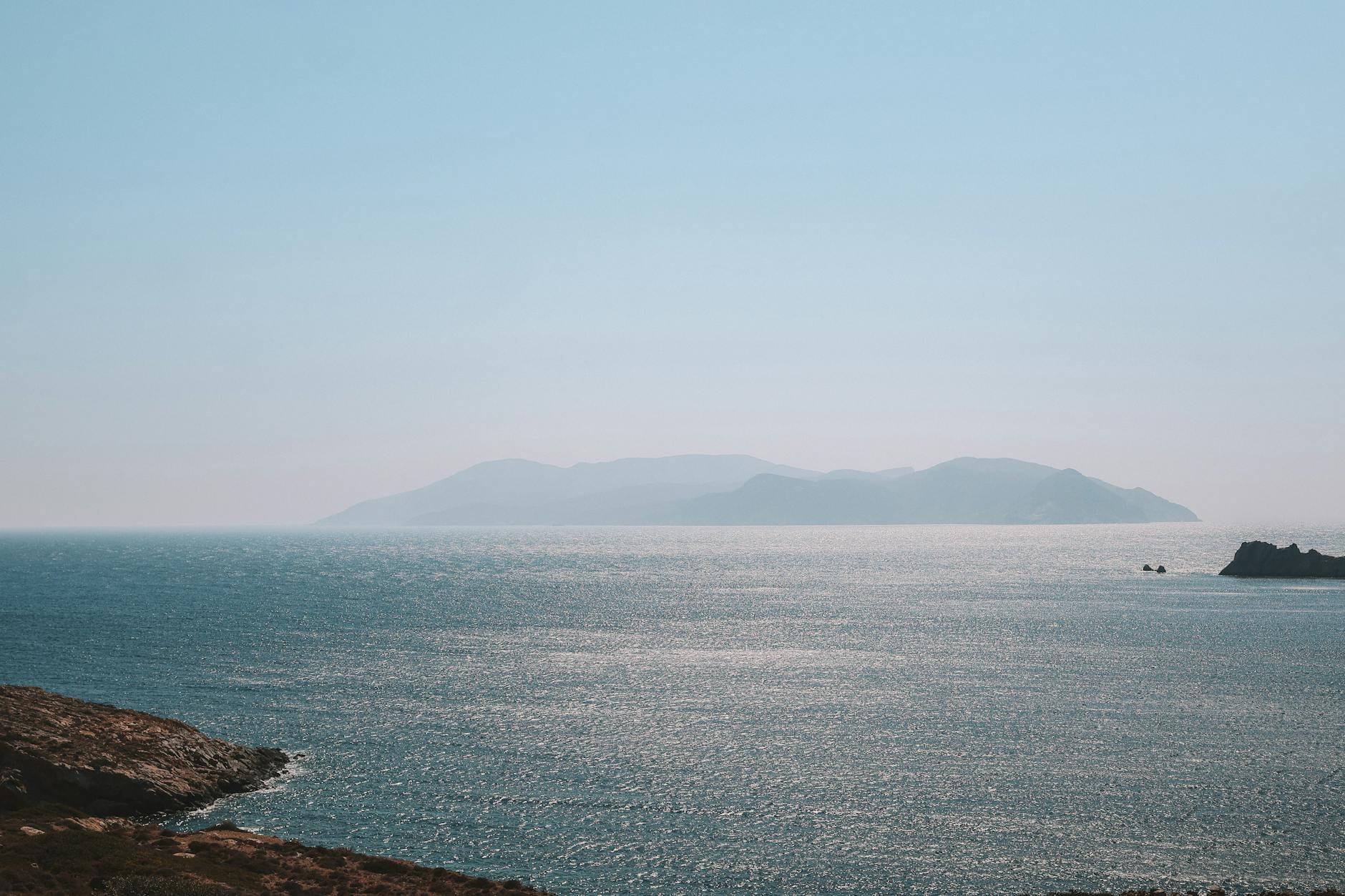
You may come for the ruins, but you’re liable to be just as impressed by the scenery and modern culture that enfold them. Some 80 percent of Greece is mountainous, and the rugged grandeur of the Pindos, the Rhodope, and other ranges remains as breathtaking as during Homer’s time. From the little town of Litochoro, you can hike to the crest of 9,570-foot Mount Olympus, mythic seat of the gods and one of Europe's loftiest peaks outside the Alps. The defining realm of the mountains has an antipode in saltwater: With the 6,000-odd isles of the Ionian and Aegean, Greece claims nearly 10,000 miles of coastline. Its sun-drunk archipelagos—the Ionian, the Argo-Saronic, the Cyclades, the North Aegean, the Dodecanese, and the Sporades, plus the standalone islands of Crete and Evia—hold their own extremes, from thronged nightclubs to remote inlets.
From Thrace to Rhodes, from Mount Olympus to Myrtos Beach, Greece will flood your senses and your imagination.
18 things not to miss.
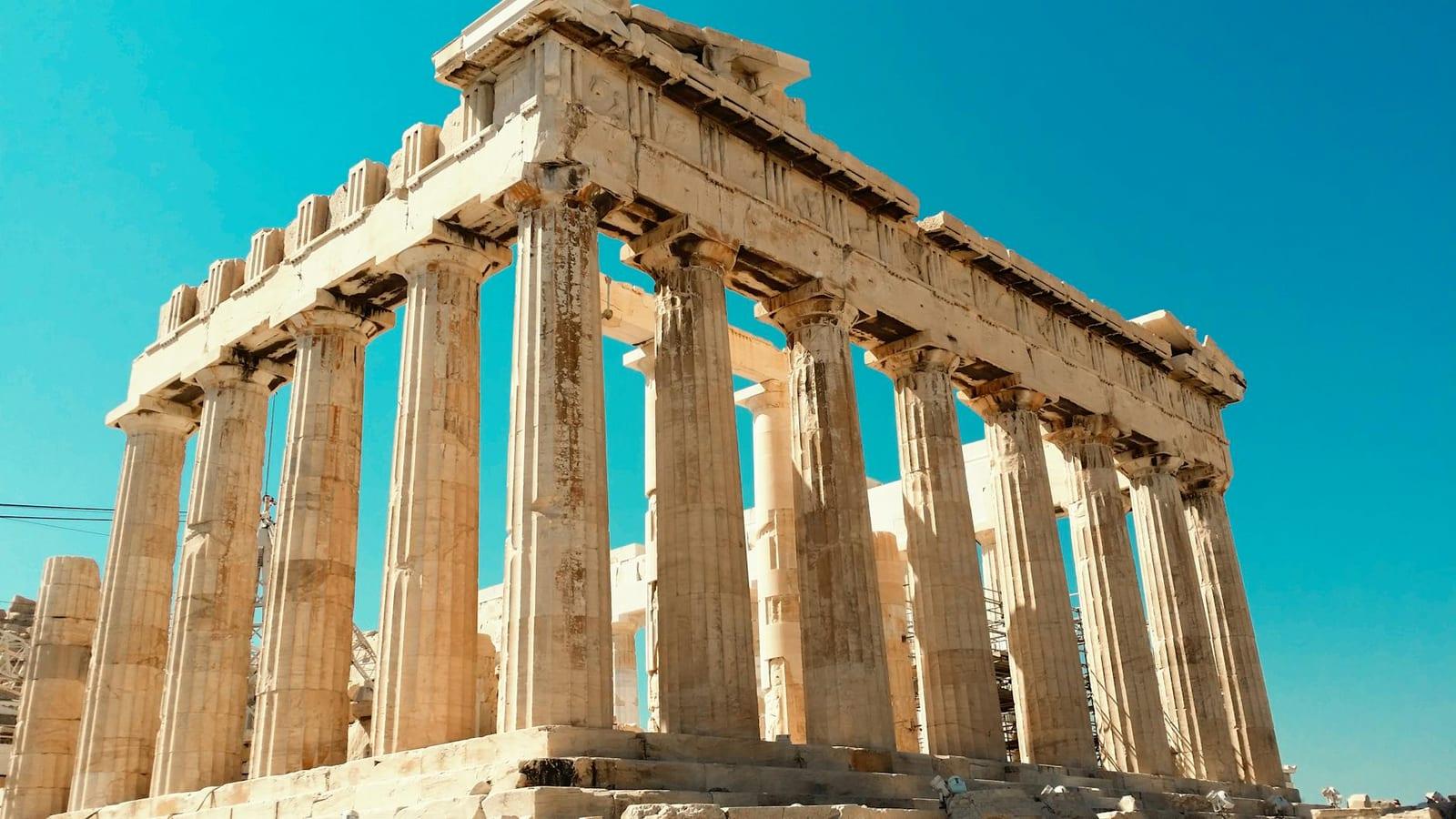
- the Athens Acropolis at sunriseStand on the Athens Acropolis at sunrise
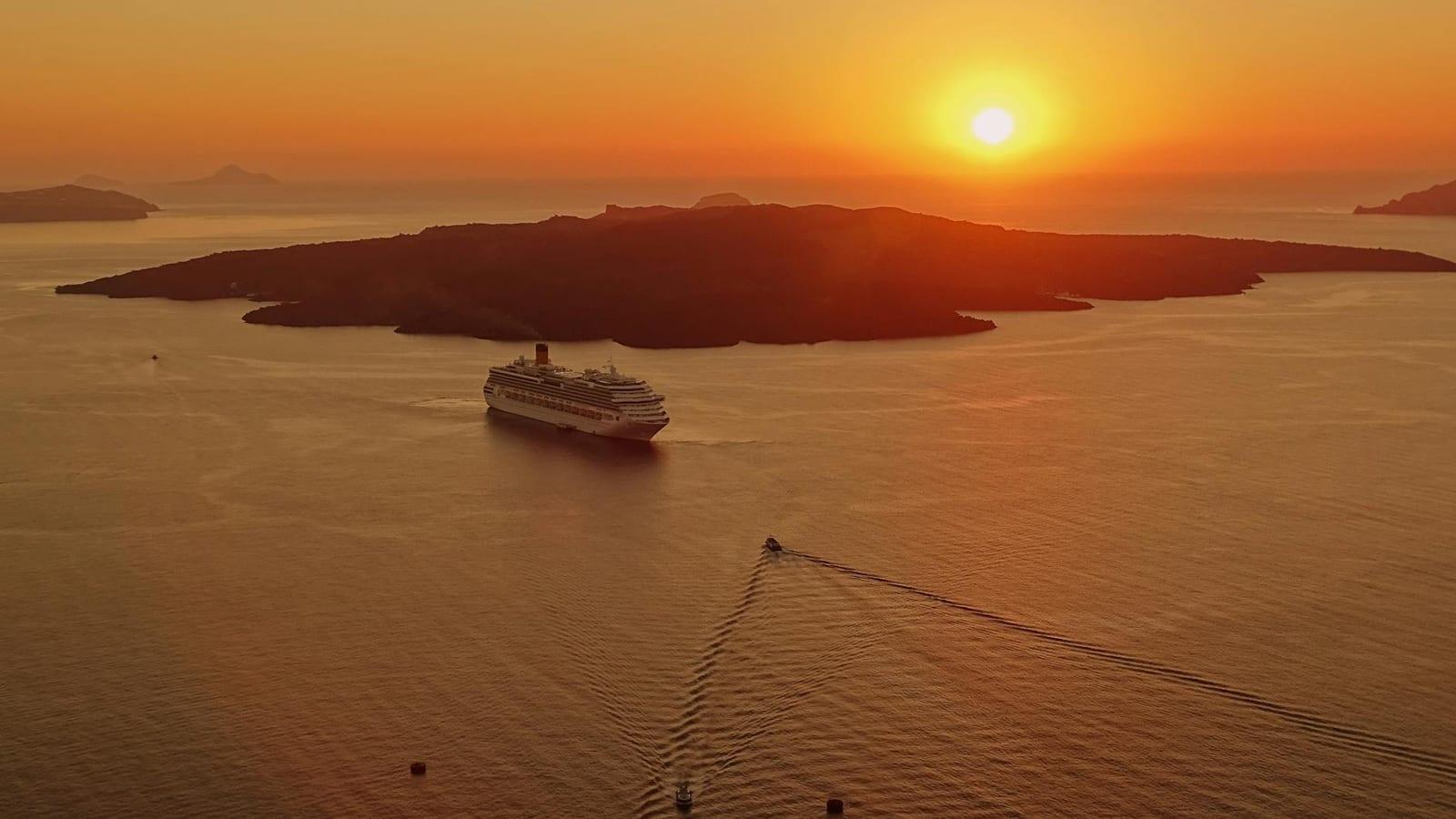
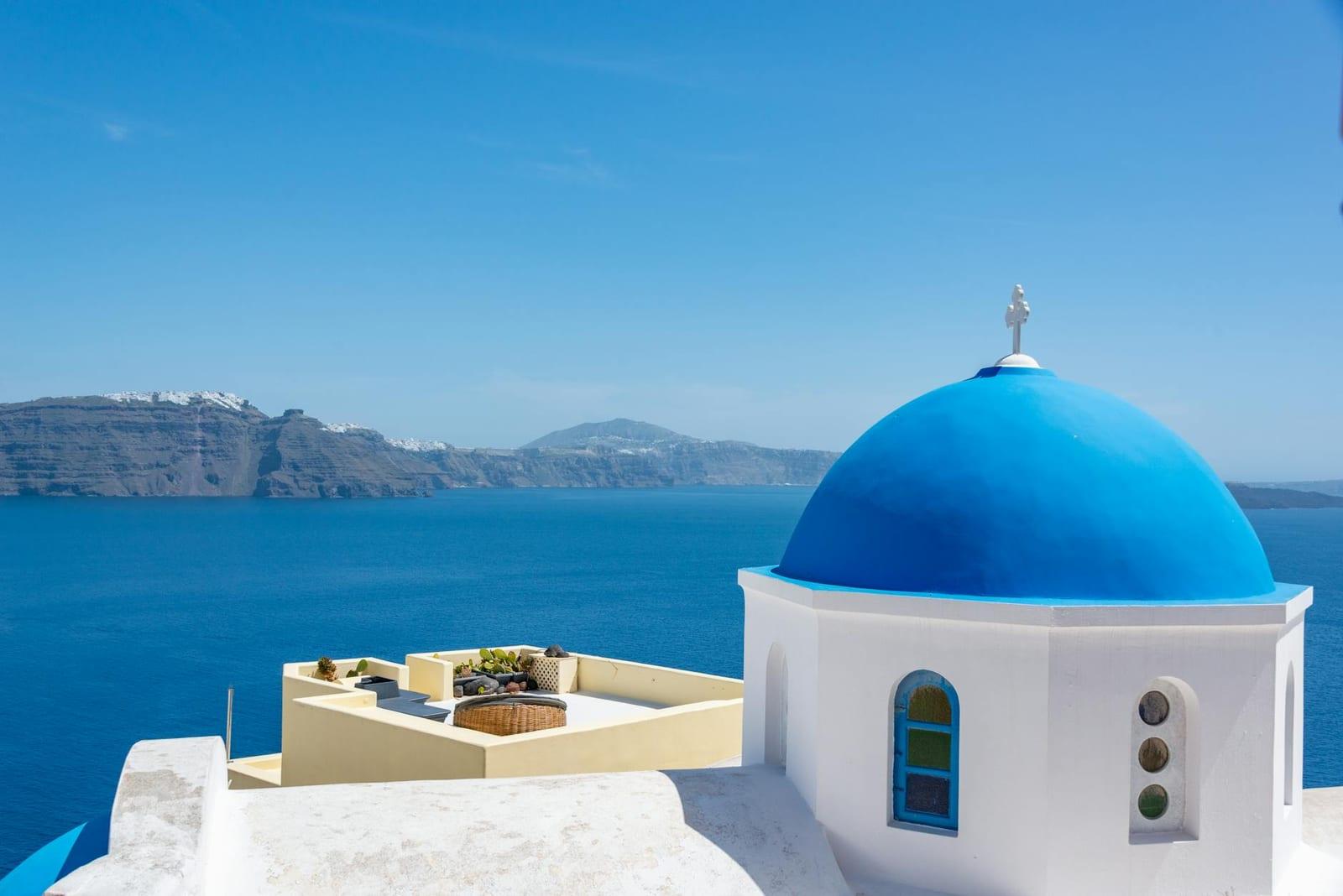
- Santorini's calderaWatch sunset over Santorini's caldera
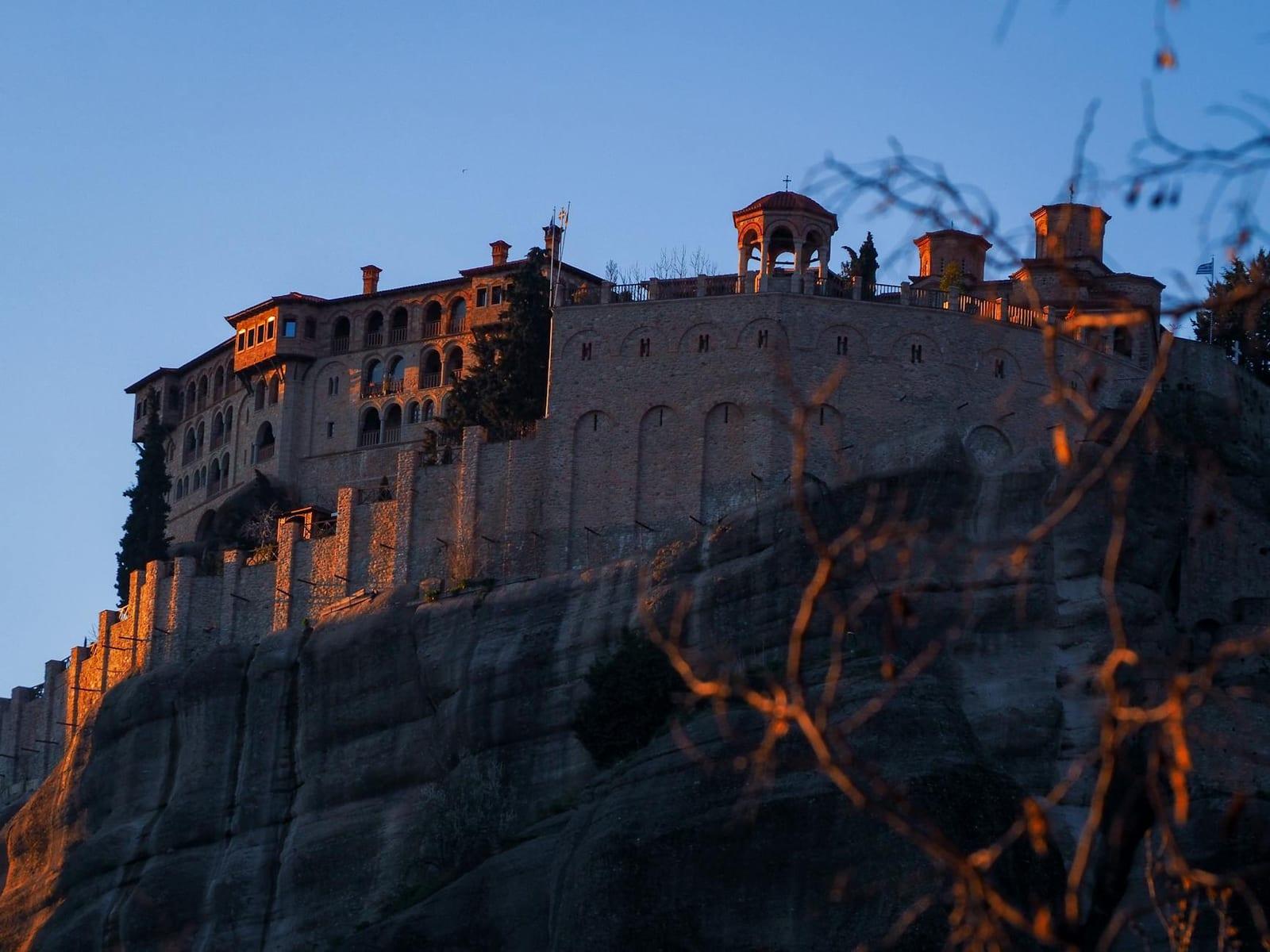
- Meteora's clifftop monasteriesClimb to Meteora's clifftop monasteries
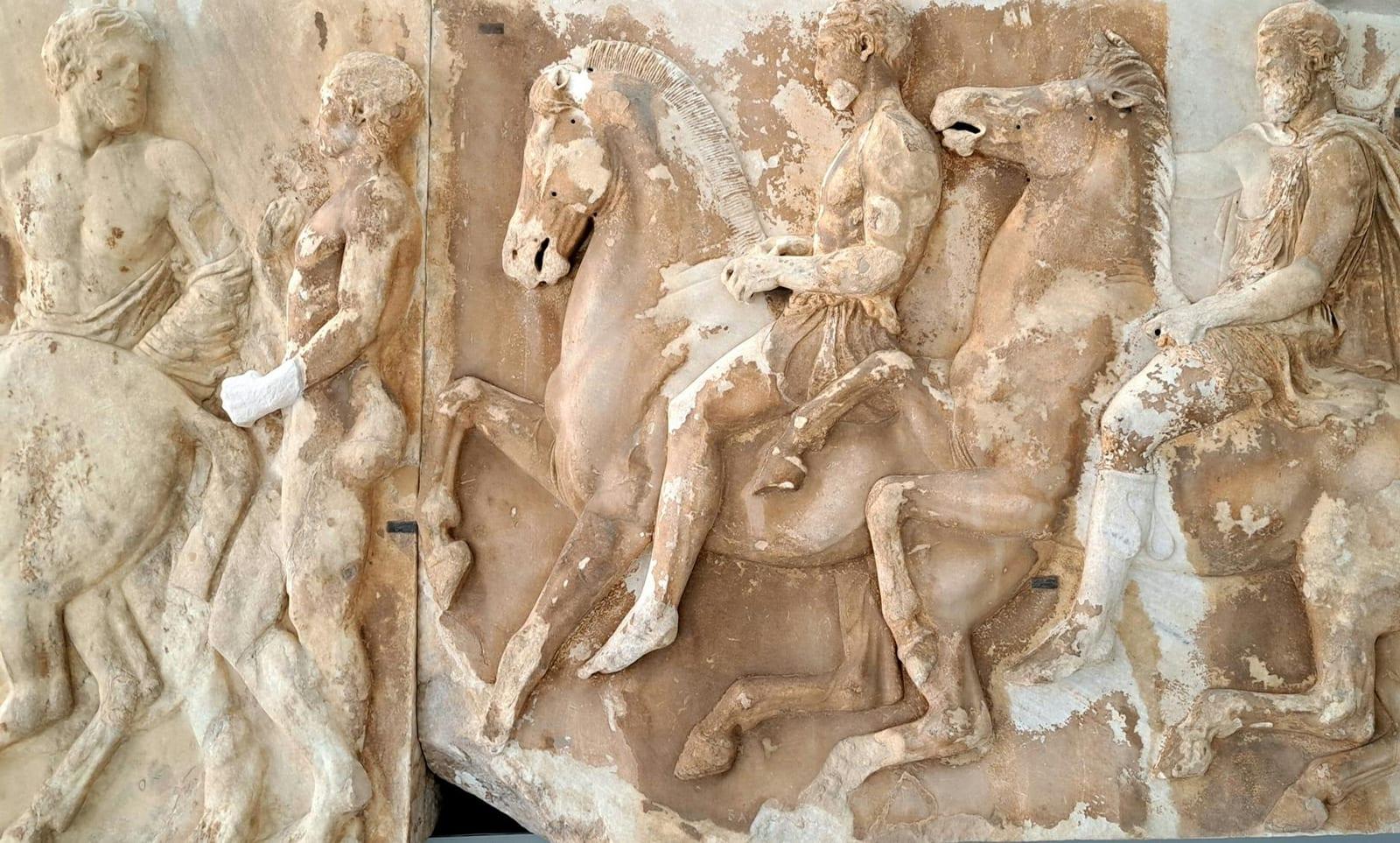
- Archaeology Museum Athens
- Acropolis
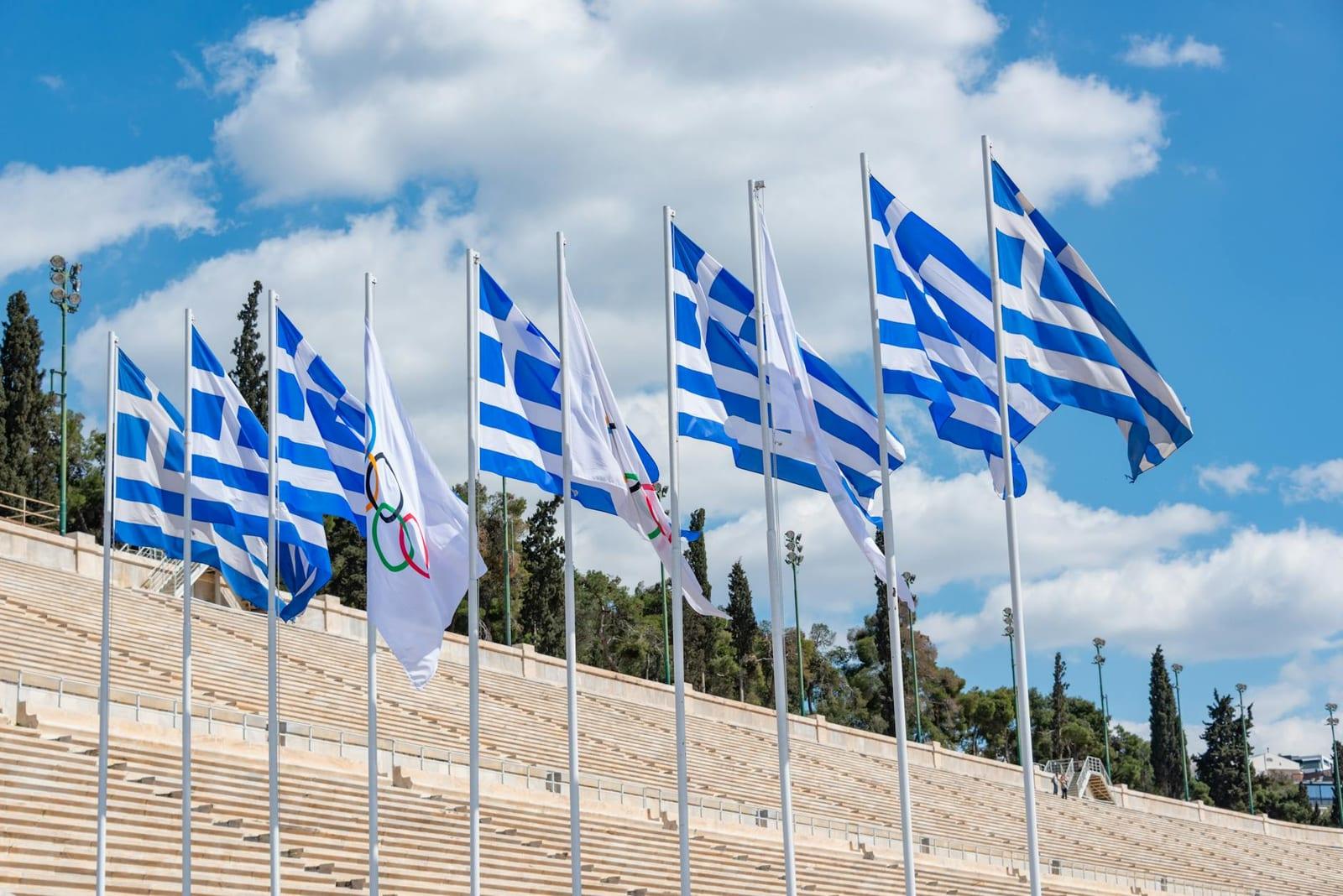
- Olympics
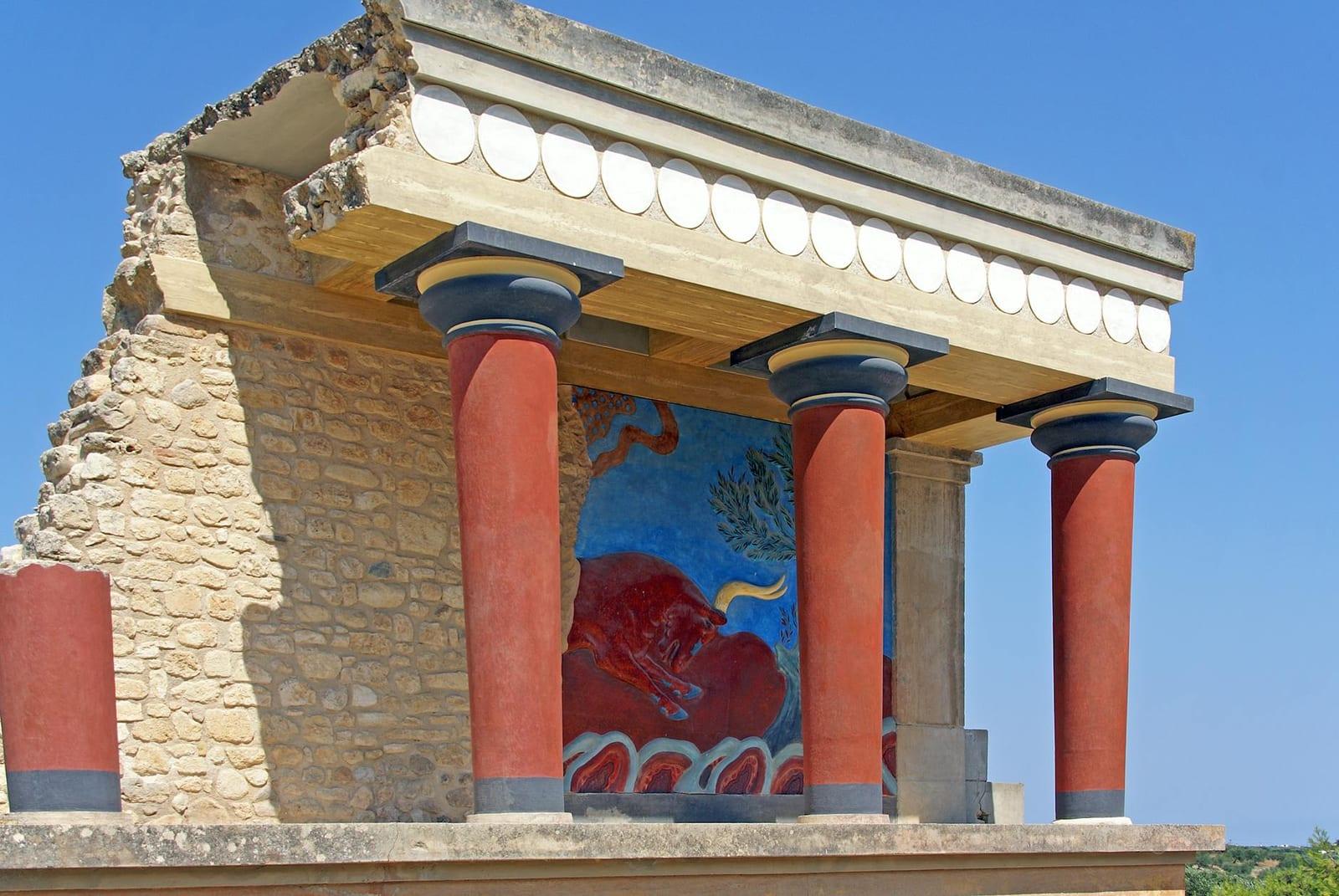
- KnossosExplore the ruins of Crete’s great Bronze Age Minoan civilization in Knossos, mythological home to King Minos and the Minotaur-guarded labyrinth.
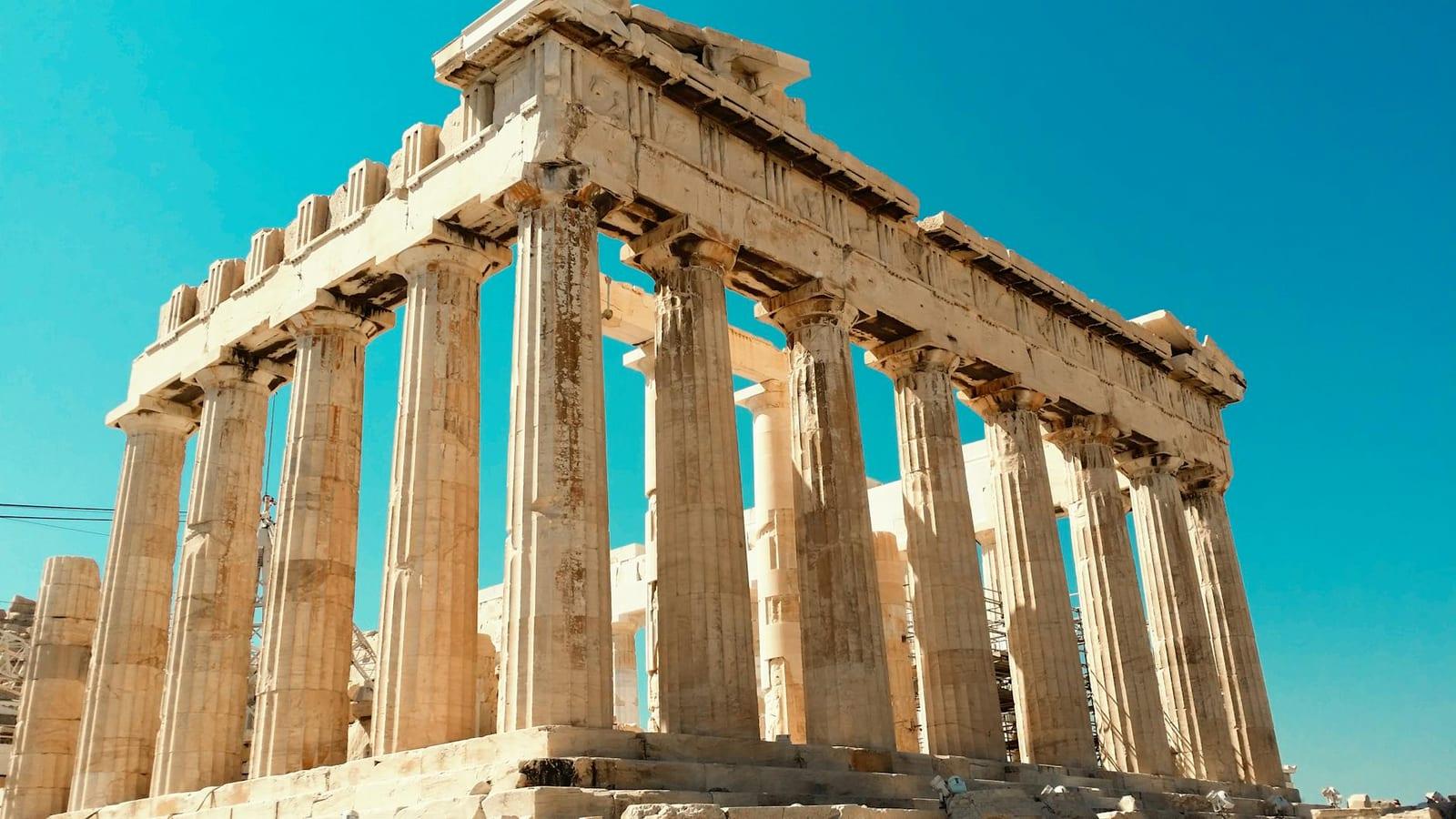
- The ParthenonCrown jewel of the Athenian Acropolis, this many-columned temple symbolizes the glory of Athens in its Classical prime.
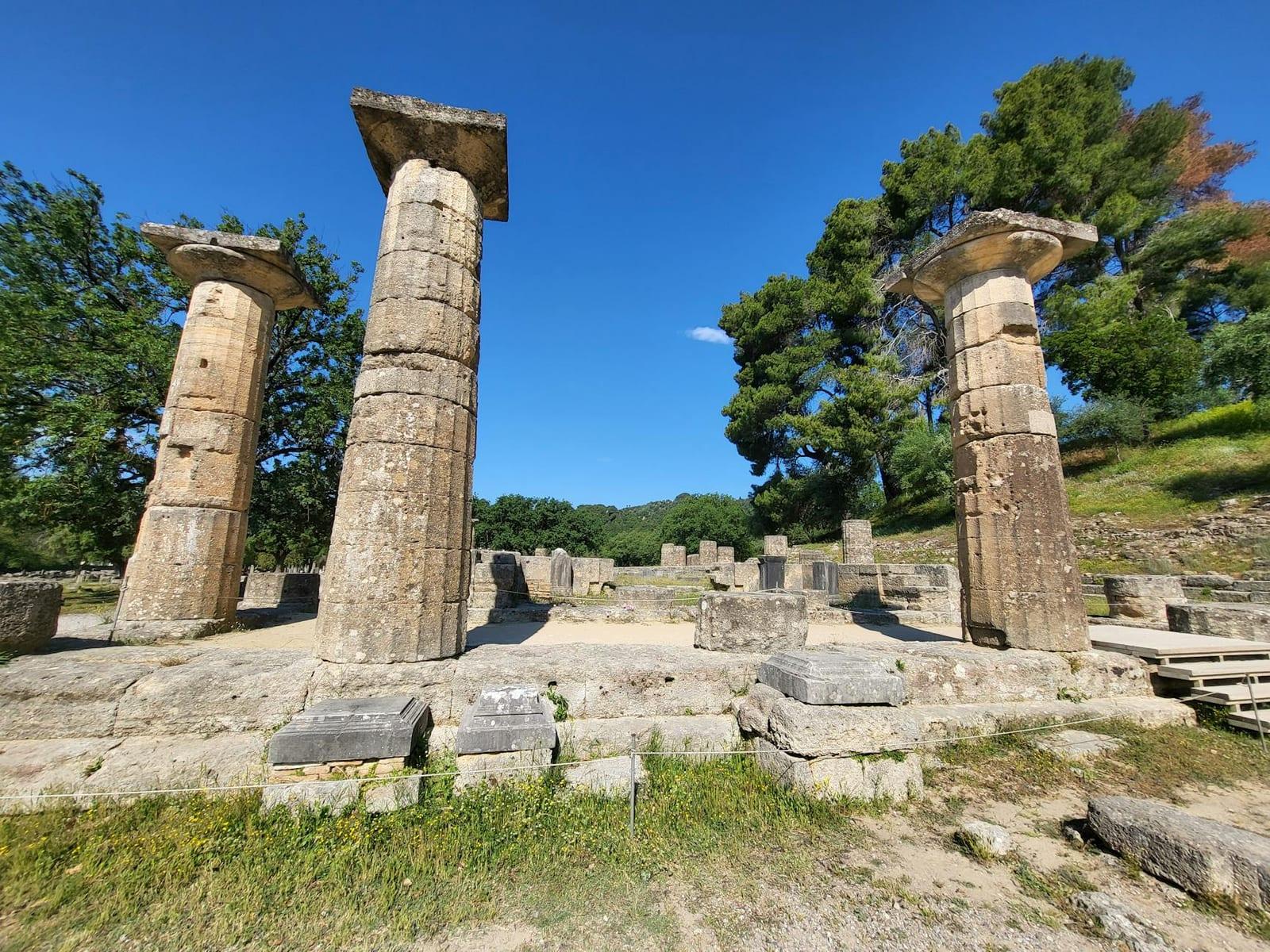
- OlympiaVisit the birthplace of the original Olympic Games of Ancient Greece as well as temples of Zeus and Hera.
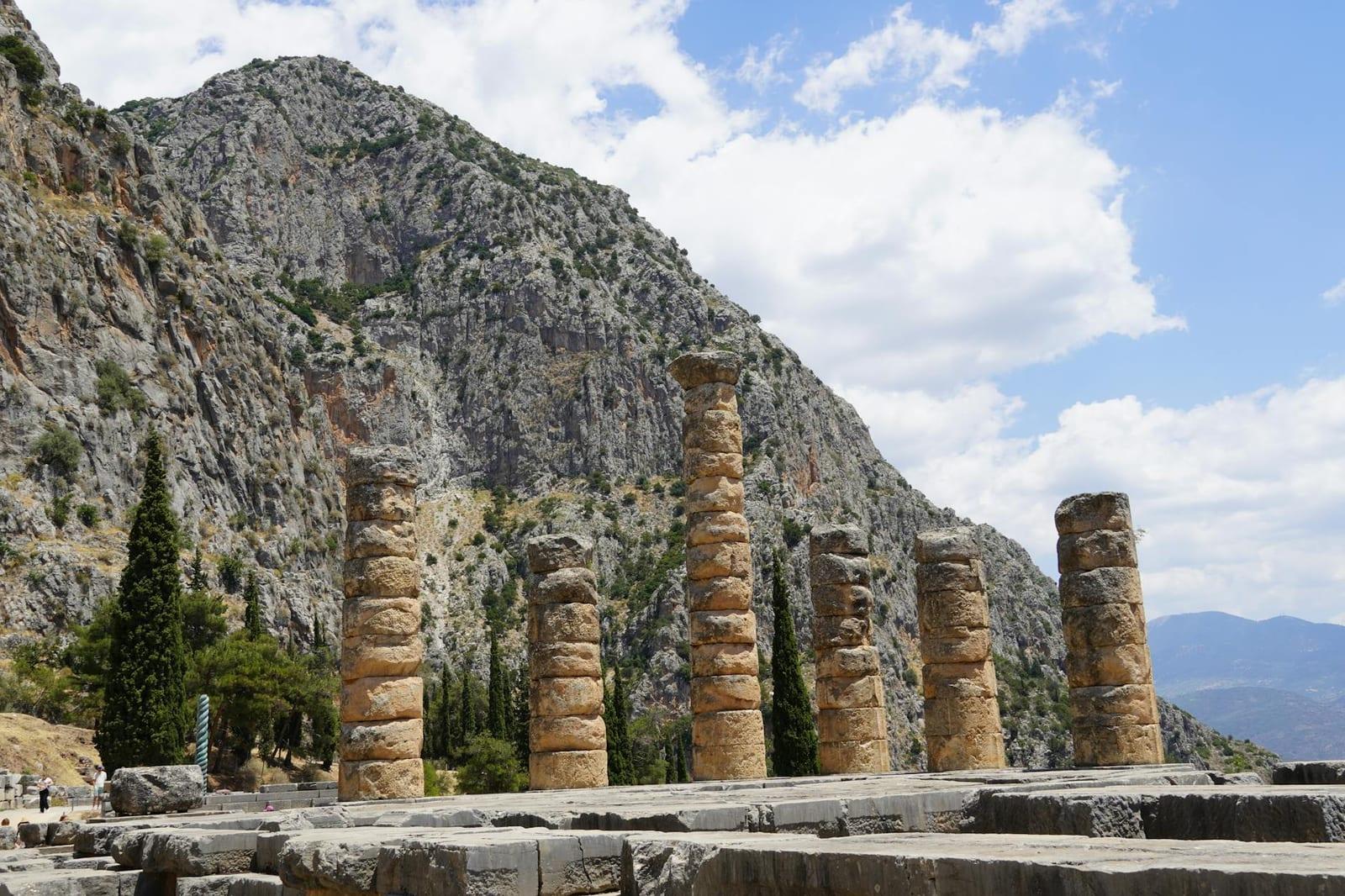
- DelphiFrom the Temple of Apollo to the magnificently sited theatre, this ancient city on Mount Parnassus is a treasure trove of Grecian ruins.
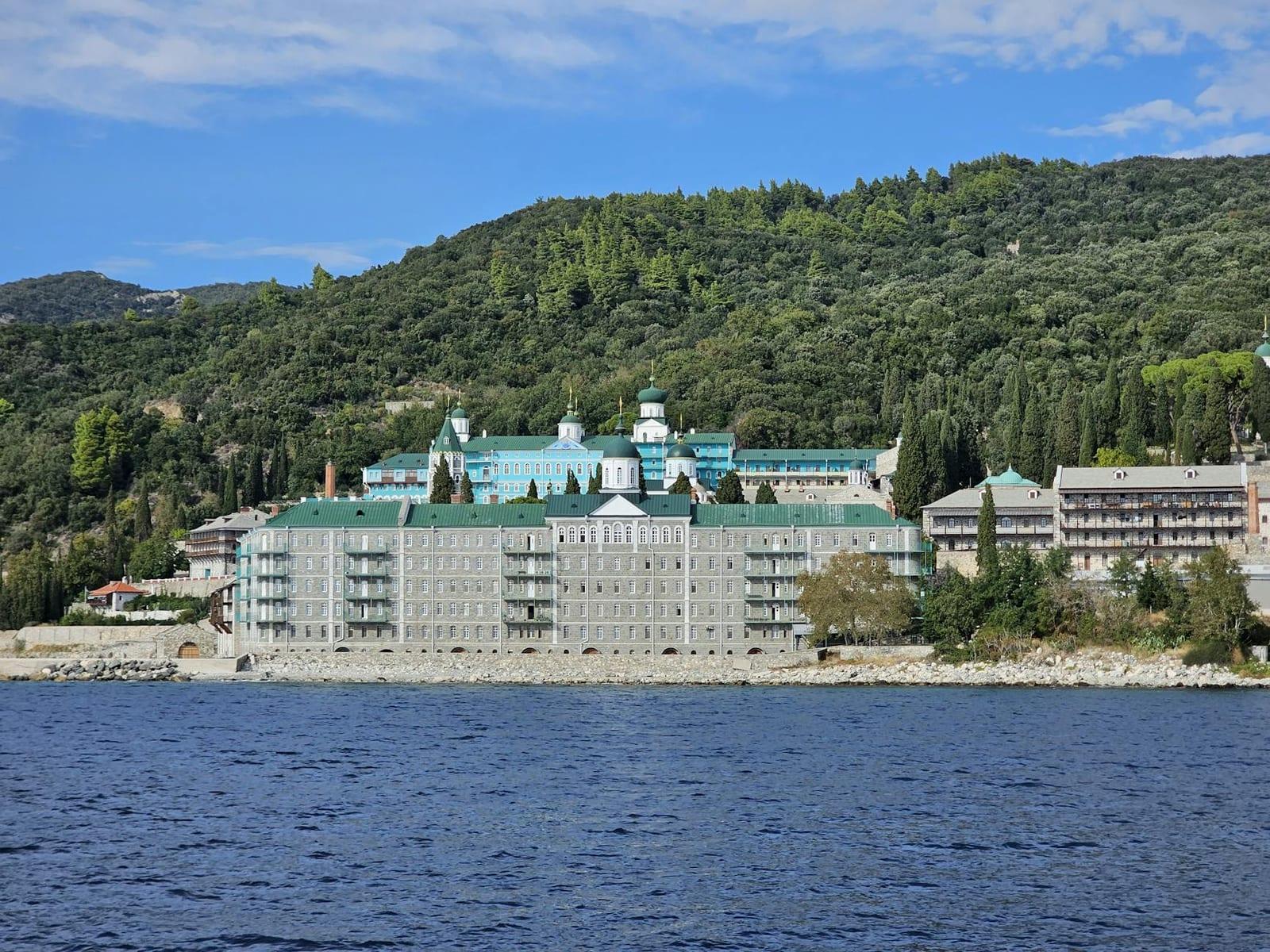
- Mount AthosNearly two dozen Eastern Orthodox monasteries function much as they have for more than 1,000 years.
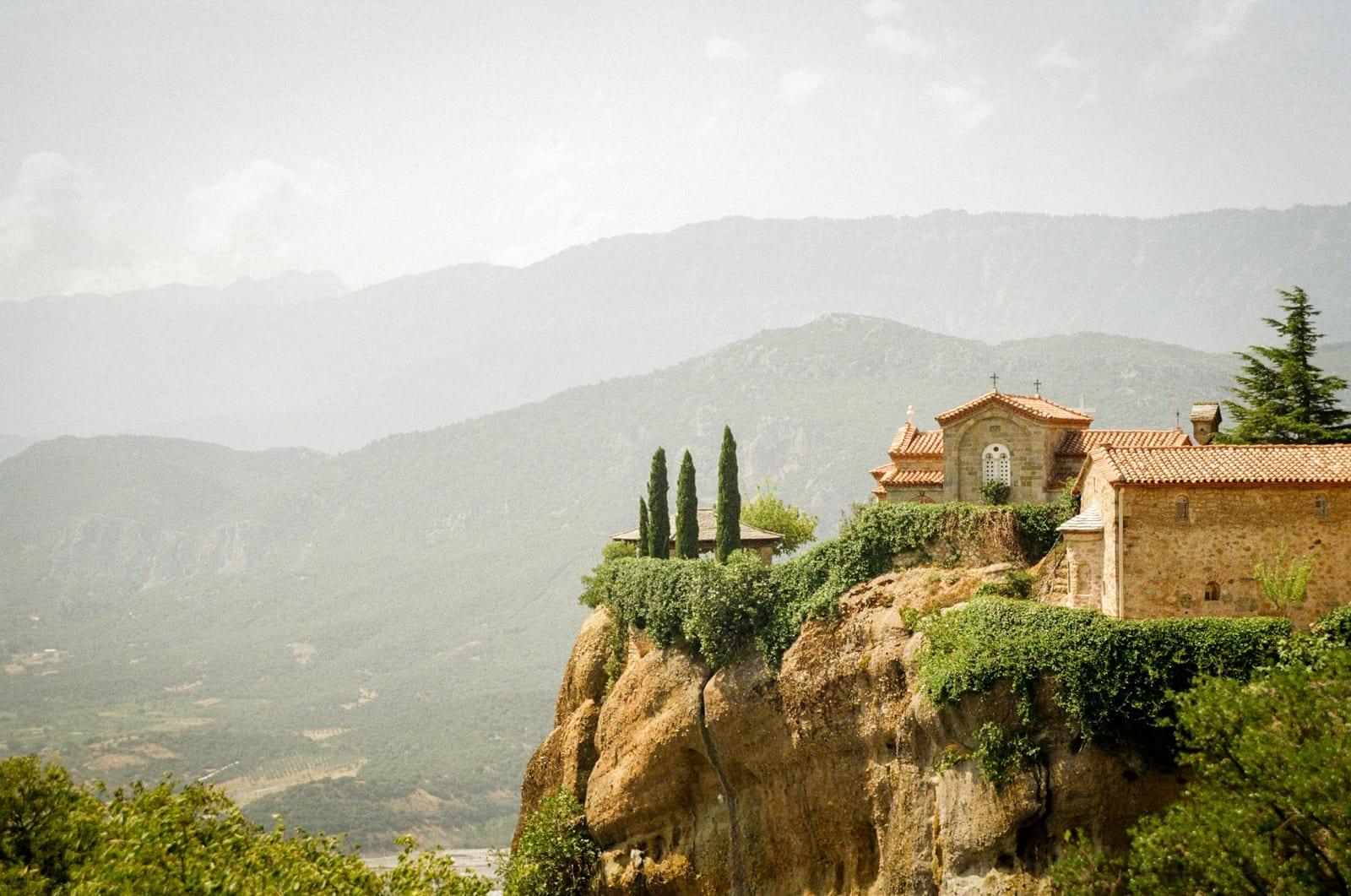
- MeteoraAn unparalleled fusion of architecture and landscape, this site features an array of monasteries perched atop sandstone towers.
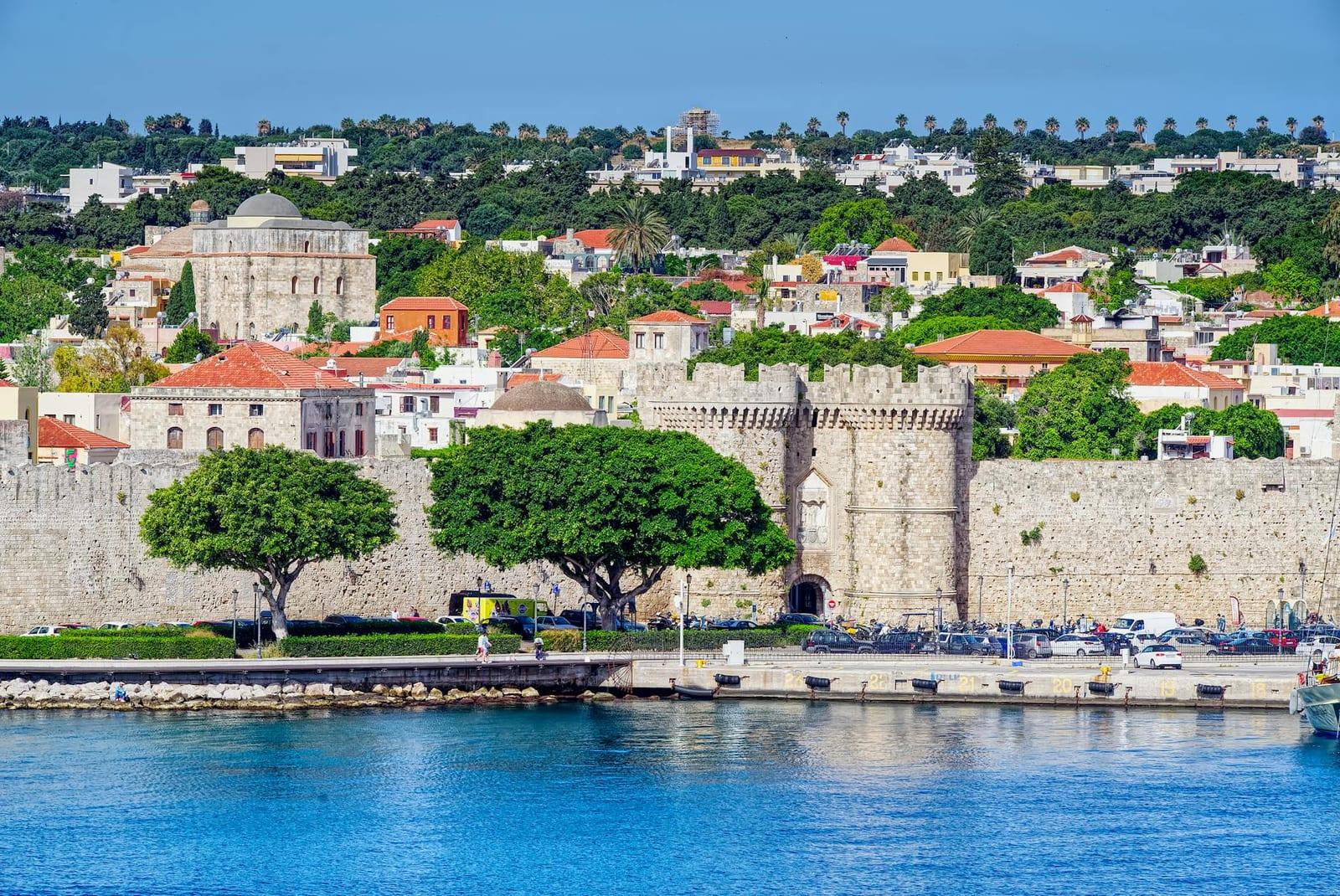
- City of RhodesIts Colossus may have bitten the dust, but the hub of the eponymous Dodecanese island still has acropolis ruins and a marvelous medieval quarter.
- SantoriniOne of the world’s most head-spinning islands comes in the form of a massive sea-flooded caldera in the Cyclades, its rim dotted with whitewashed homes.
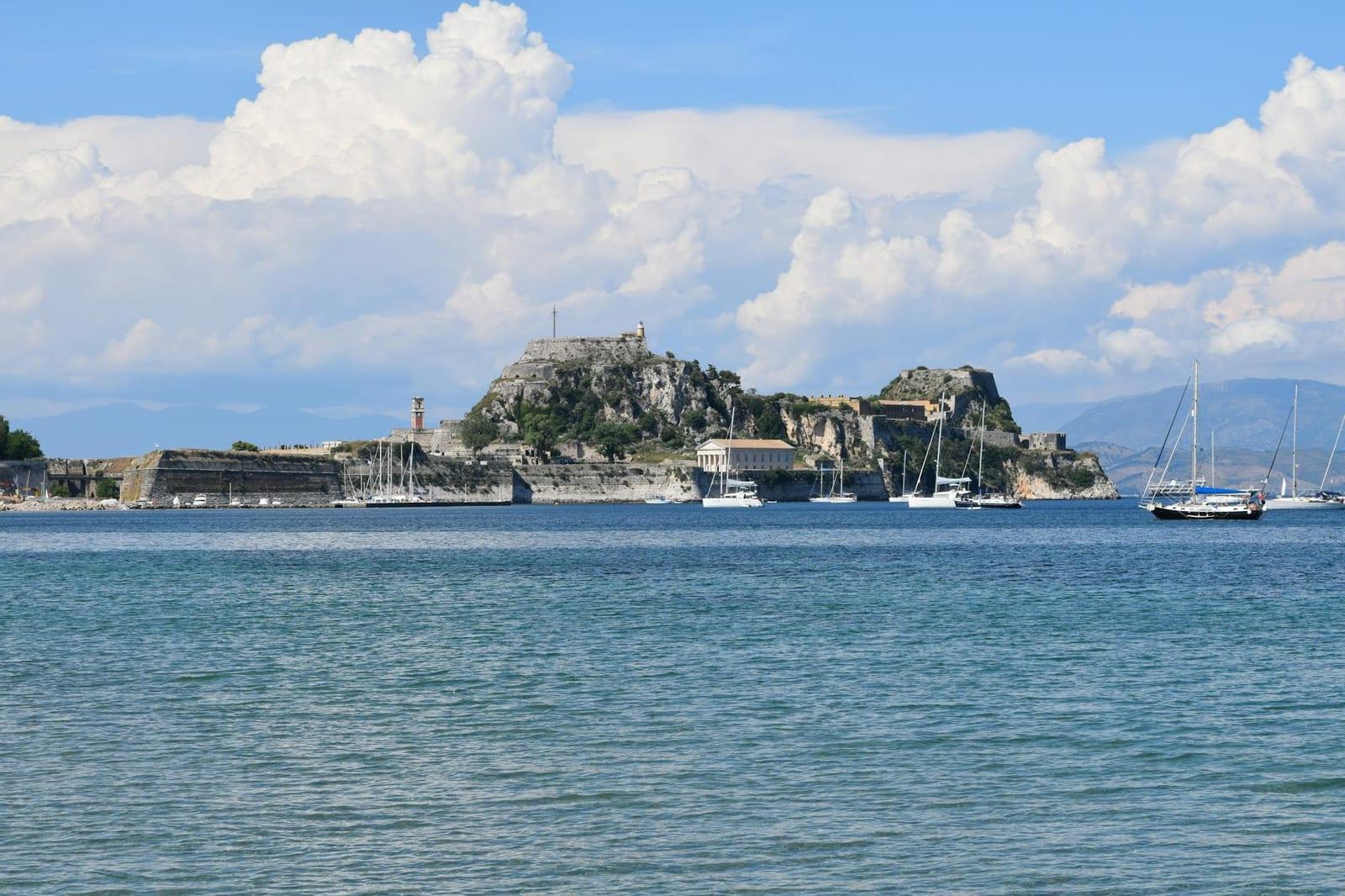
- CorfuThis beloved Ionian island has Classical ruins, Venetian architecture, top-quality museums, and lovely beaches.
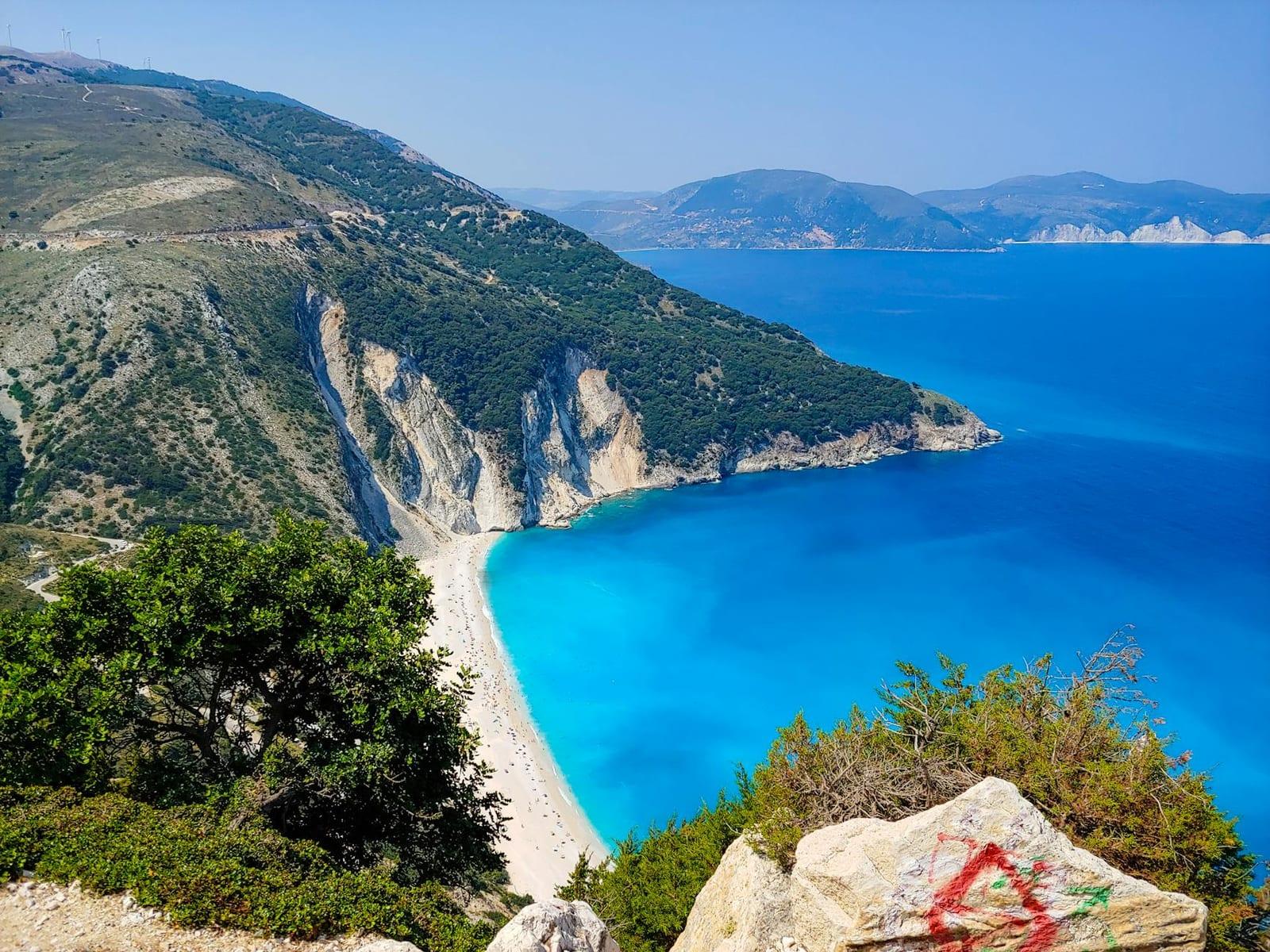
- Myrtos BeachThis mountain-edged curve of Ionian seashore, situated on Cephalonia’s northwestern coast, rates among the world’s finest beaches.
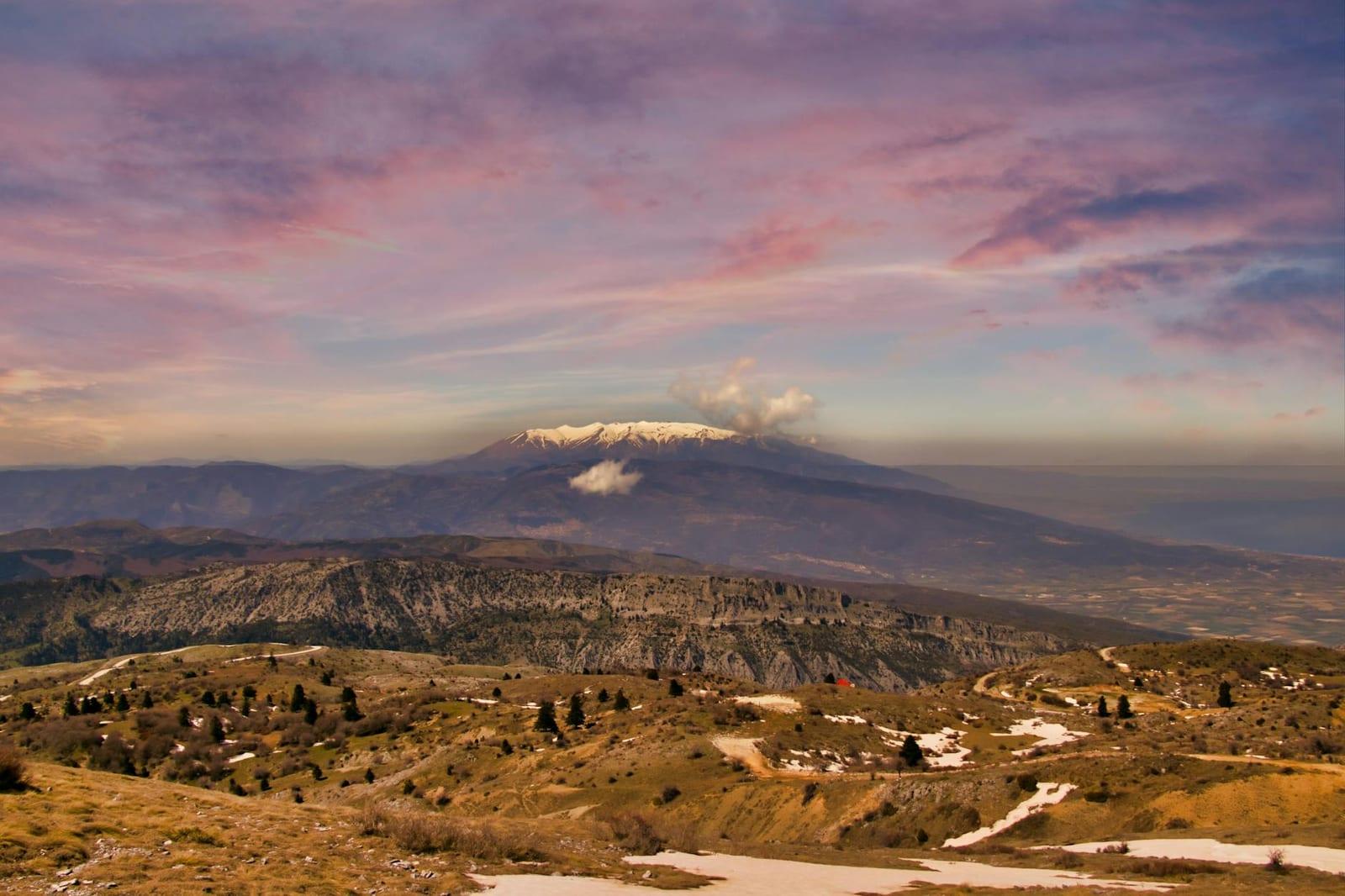
- Mount OlympusGiven its awesome presence, it’s little surprise this 9,573-foot massif—a rewarding trekking destination—served as the Twelve Olympians’ mythic throne.
- Samaria GorgeThis deep-cleft Cretan defile, popular among hikers, is one of Greece’s most impressive gorges and redoubt of the kri-kri goat.