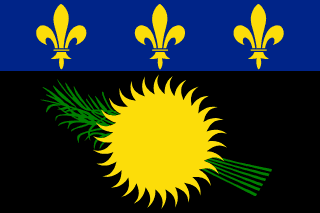
Guadeloupe’s part of the heartland of the French West Indies, obvious at the first warm greeting you’ll receive in Antillean Creole. This overseas department of France lies in the Leeward Islands of the Lesser Antilles, south of Antigua and Barbuda and north of Dominica. The two main islands, Basse-Terre and Grande-Terre, are linked by a bridge; to the east and south of these, the country also encompasses the flanking belt of Marie-Galante, La Desirade, and the little Iles les Saintes archipelago.
Once the territory of the Taino Arawaks and the Island Caribs, Guadeloupe fell under European control at the close of the 15th century. And Christopher Columbus swung by on his second voyage to the Americas; it was his discovery of the pineapple on Guadeloupe, in 1493, which introduced the fruit—long cultivated by Amerindians—to the Old World. After the early Spanish era, Guadeloupe swapped between the British and the French (and even Sweden, briefly) before the 1815 Treaty of Vienna assured French administration for good.
The Franco-Caribbean culture is mostly a mixture of French and African influences. (The Iles des Saintes archipelago, notably, is primarily populated by people of French descent.) Amid the seafood- and fruit-heavy creole cuisine, you can delve deep into the spirit of the Caribbean by sampling local rum; there’s even a rum museum (Musee du Rhum) in Sainte-Rose on Basse-Terre.
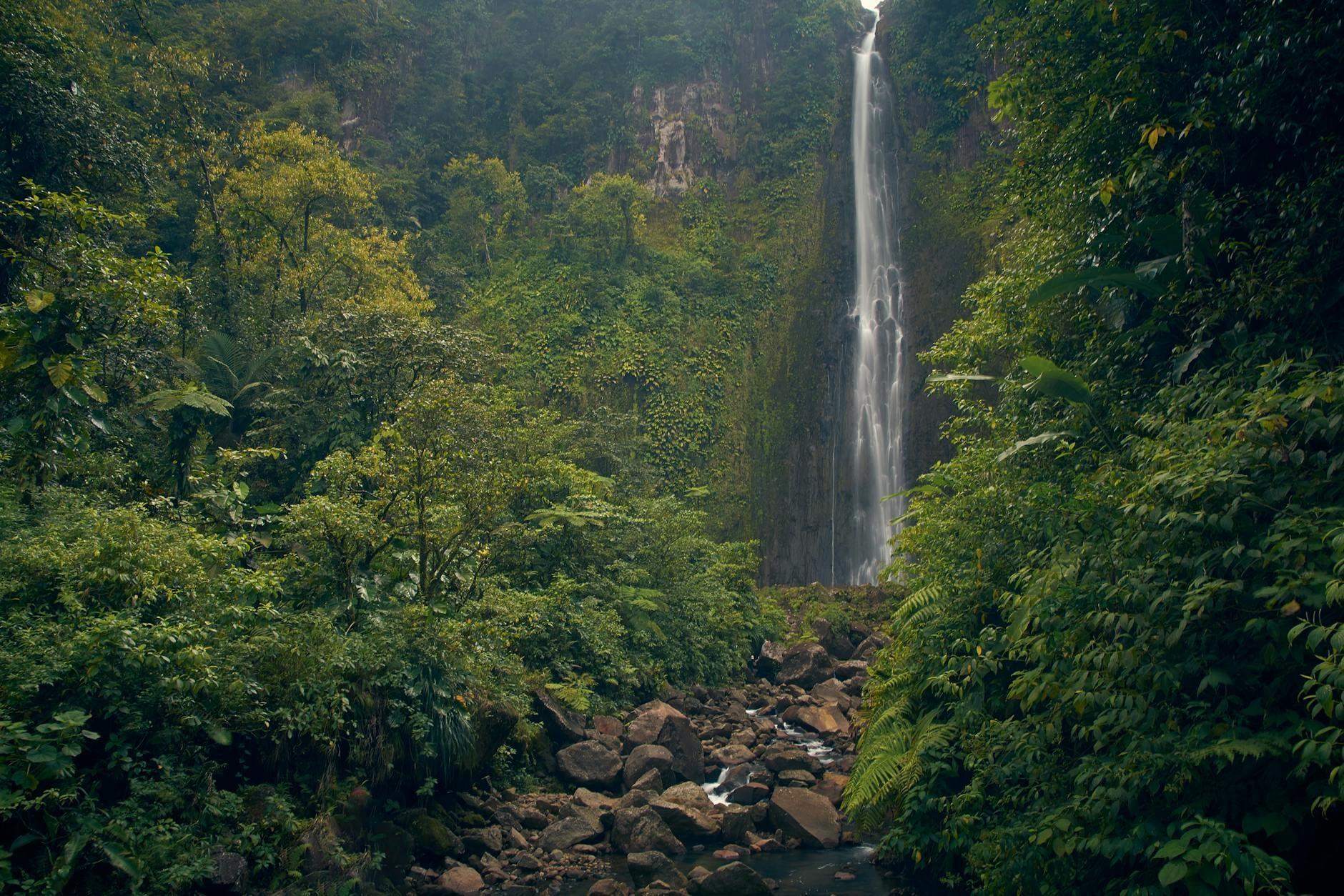
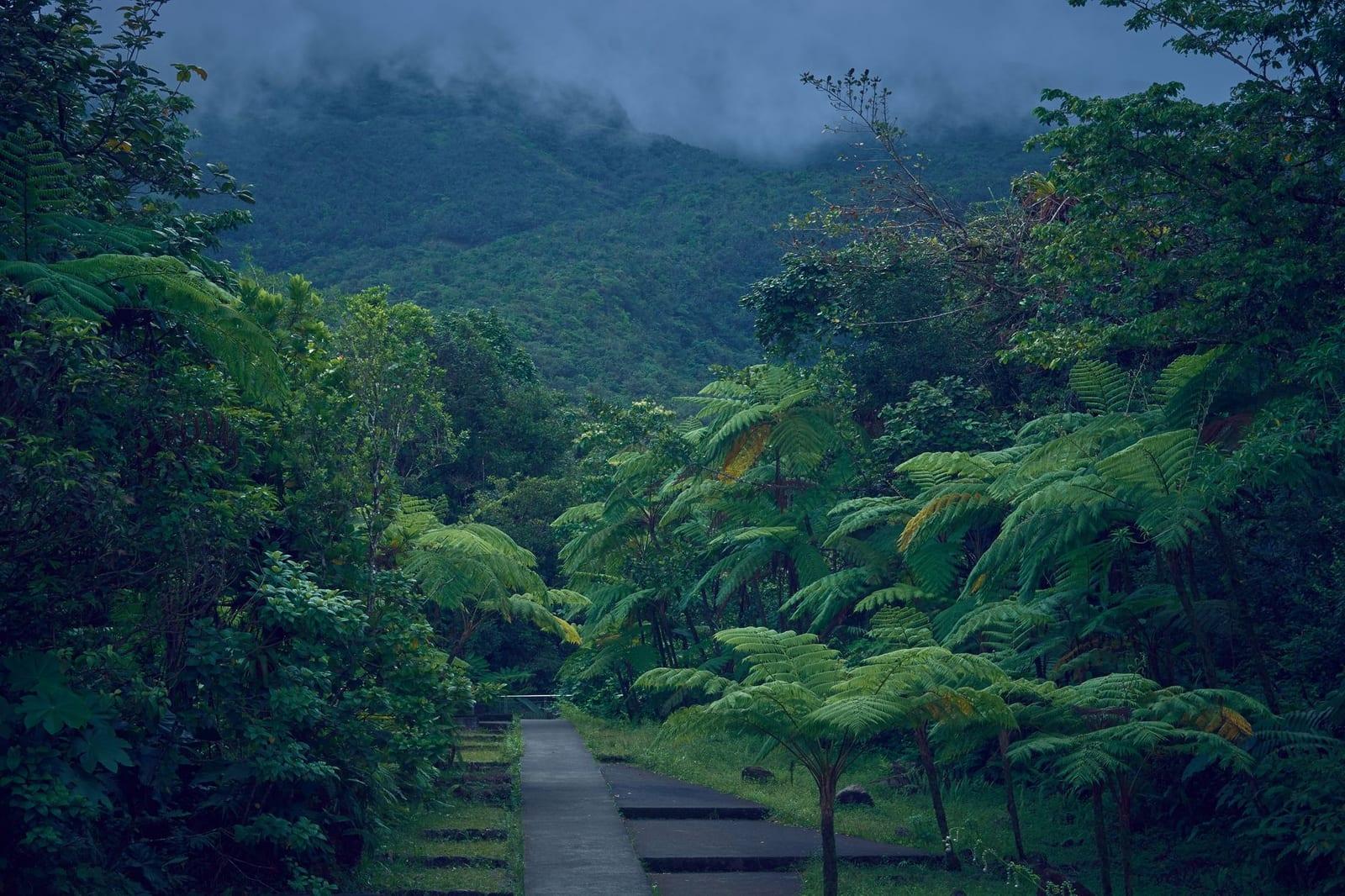
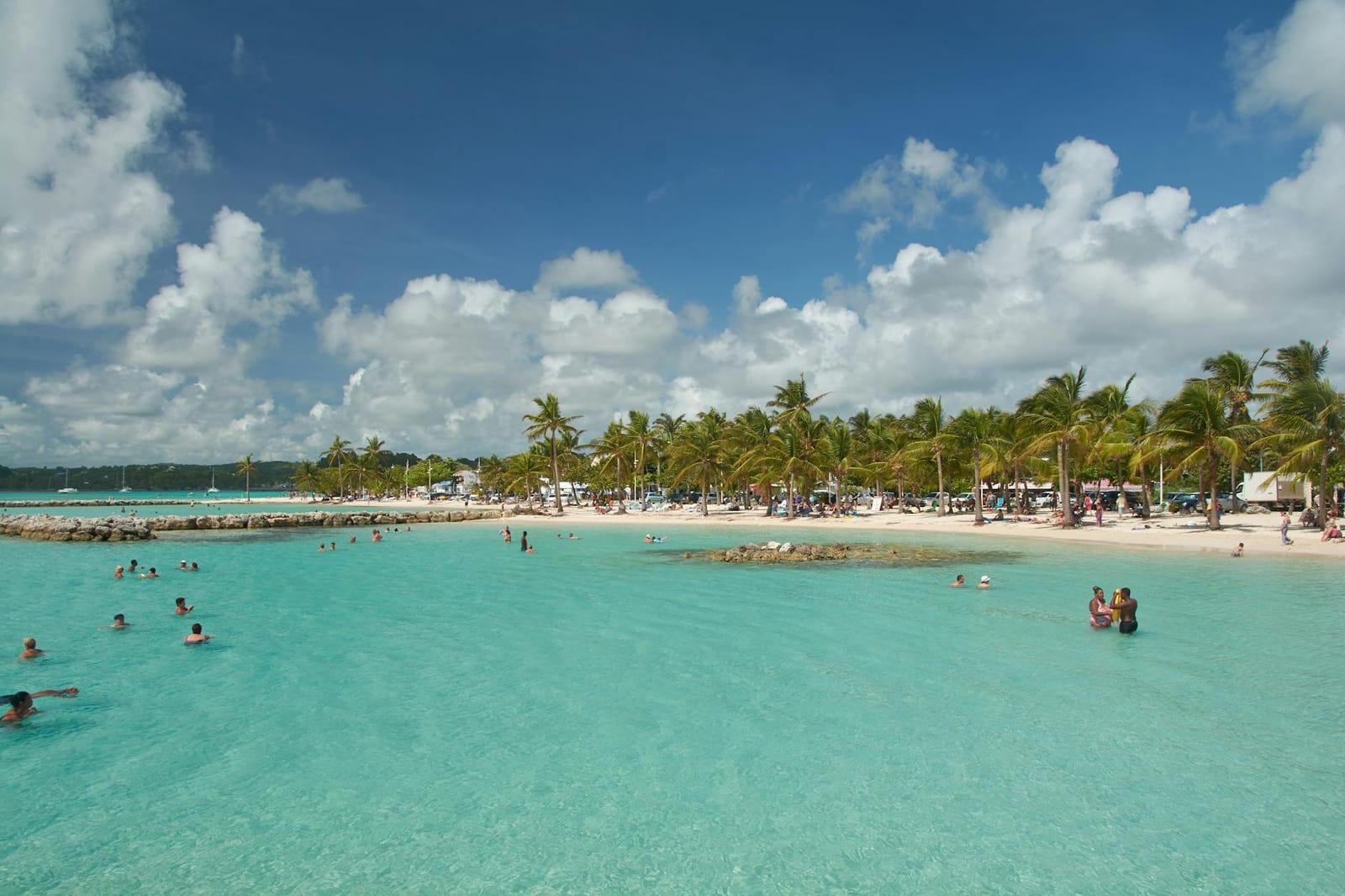
From a topographic perspective, Guadeloupe provides a grab-bag of Caribbean landscapes: rugged mountains, lush lowlands, rocky limestone shores, and radiant beaches. The most show-stopping countryside lies in the mountainous west of Basse-Terre, where Guadeloupe National Park—one of the archipelago’s greatest destinations—sweeps from volcanic massifs to mangrove swamp. The park includes the king peak of the Lesser Antilles, the very-much-alive volcano La Soufriere (4,813 feet), whose rainforest-cloaked slopes include the multi-tiered cataract of Carbet Falls. Over on Grande-Terre, meanwhile, hubs such as Pointe-a-Pitre and Sainte-Anne can springboard you to the mighty fine Caribbean beaches of this gentle island.
In the tropical forests and beach-edge thickets, keep an eye out for such native critters as the agouti (an attractive rodent found widely in the Neotropics), the Guadeloupe raccoon, and the Lesser Antillean iguana. And sea turtles beeline for Guadeloupe beaches during nesting season, while all manner of tropical marine life throngs coral reefs popular among snorkelers and divers. (Jacques Cousteau was a vocal fan of these waters, incidentally.)
Combine those getaways to France and the Caribbean you’ve been dreaming about for years: Take in the friendly people, sun-toasted sand, and verdant rainforest of Guadeloupe.
12 things not to miss.
- La Soufrière (Guadeloupe)Hike La Soufrière (Guadeloupe)
- Snorkel the Cousteau ReserveSnorkel the Cousteau Reserve
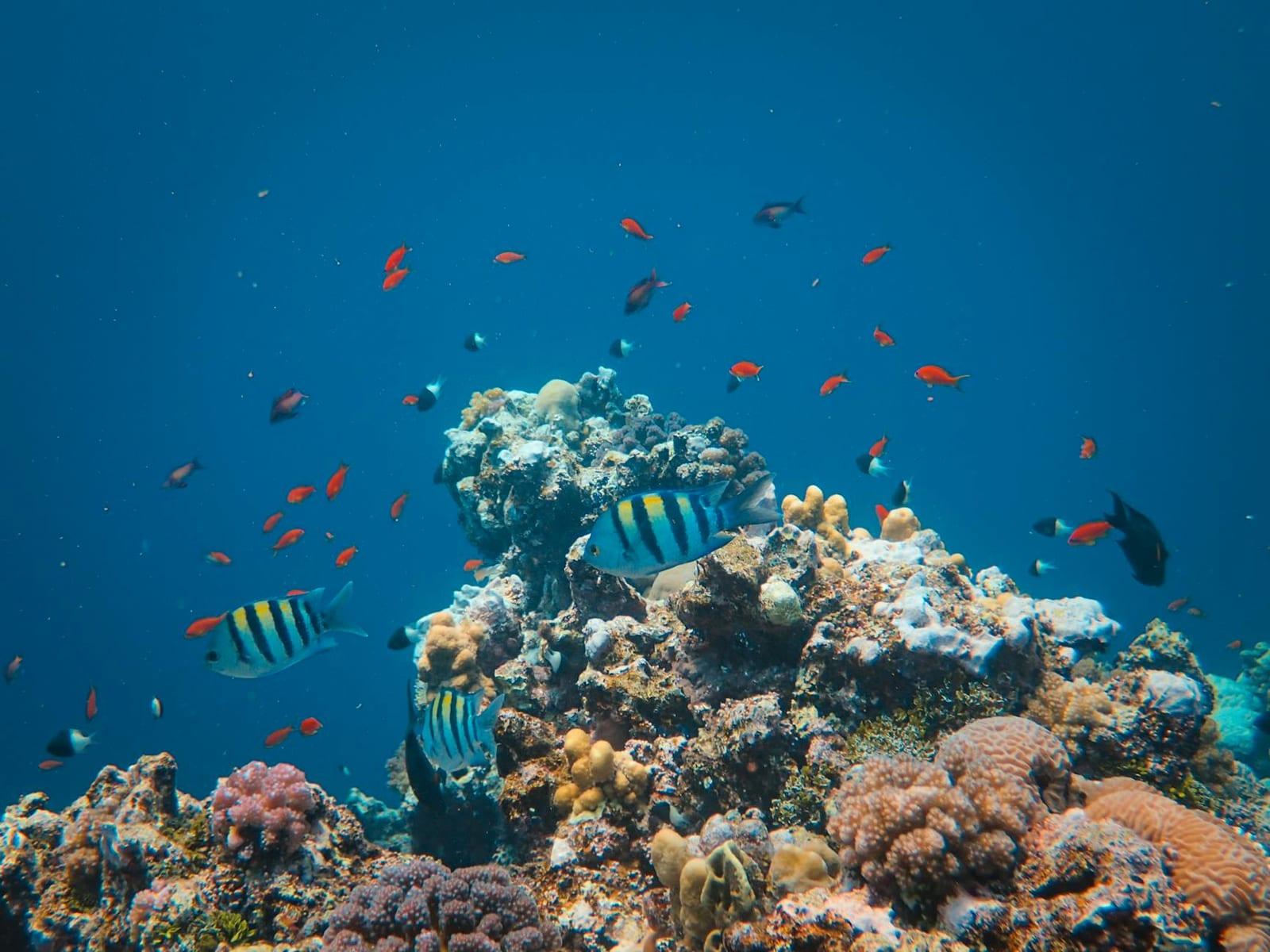
- route de la TraverséeDrive the route de la Traversée
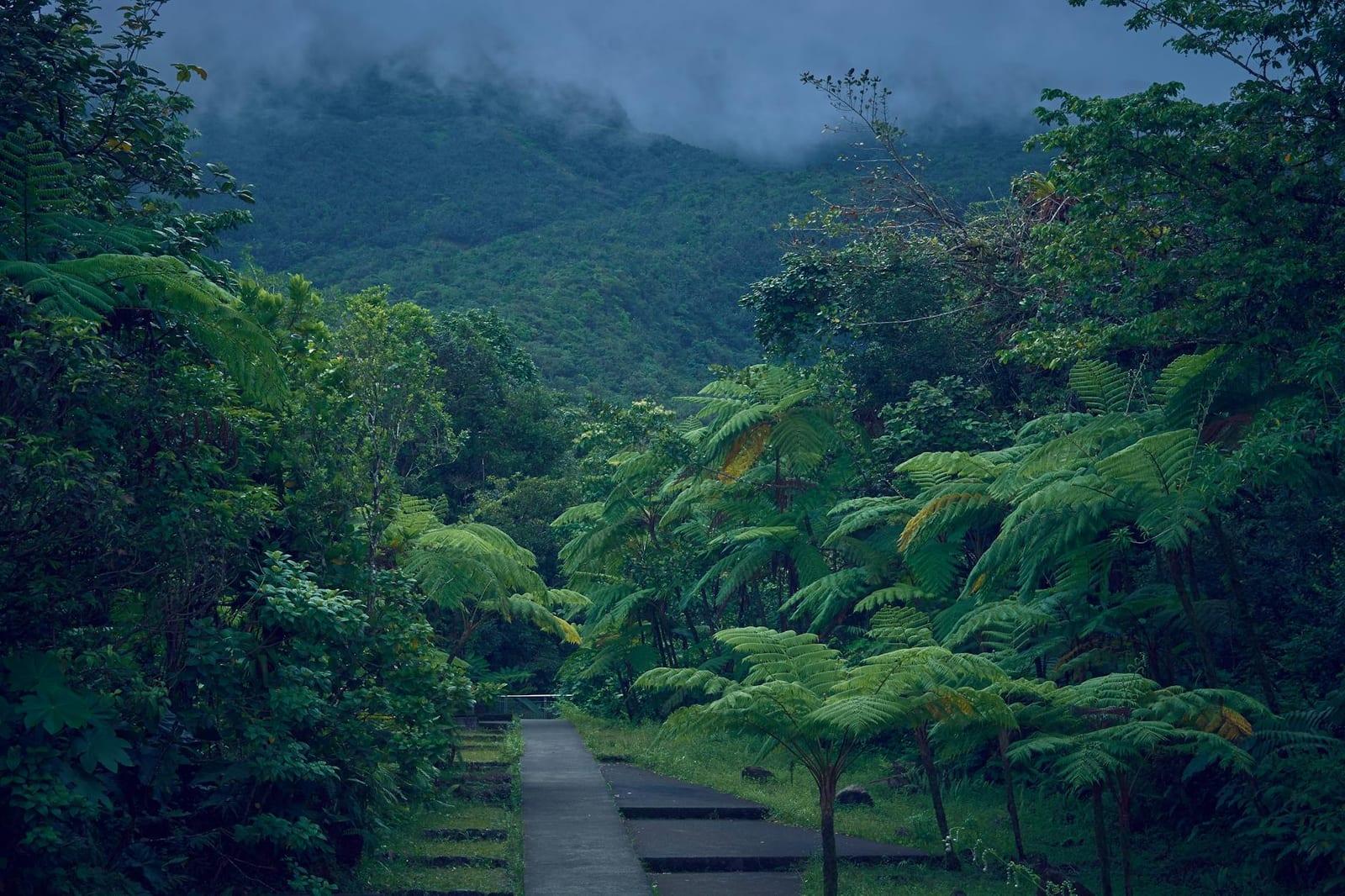
- La SoufriereThis 4,813-foot volcano, Guadeloupe’s highest point, falls within Guadeloupe National Park and supports rainforest and cloud forest.
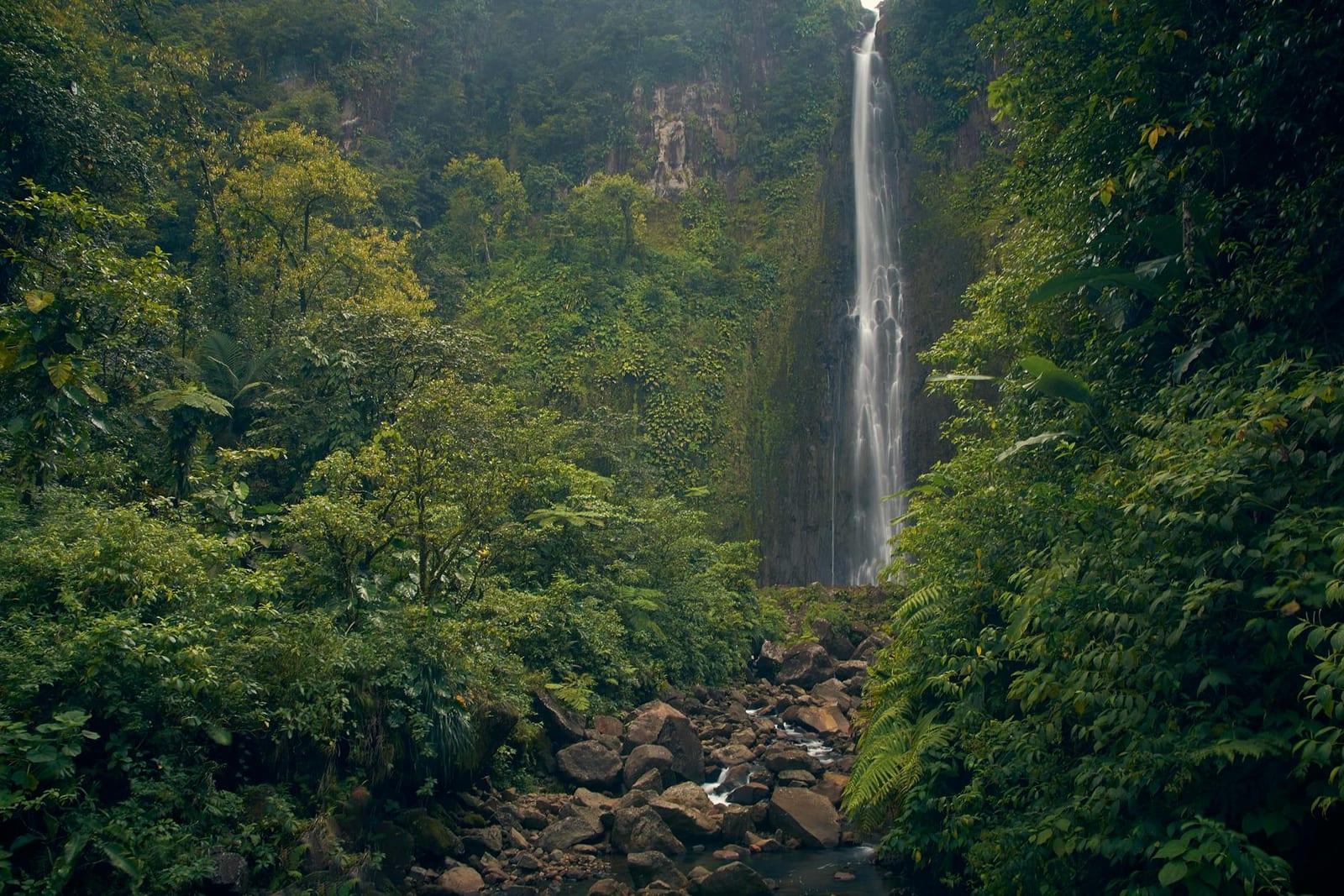
- Carbet FallsThese cataracts plummet hundreds of feet in a staggered series off La Soufriere’s lush slopes.
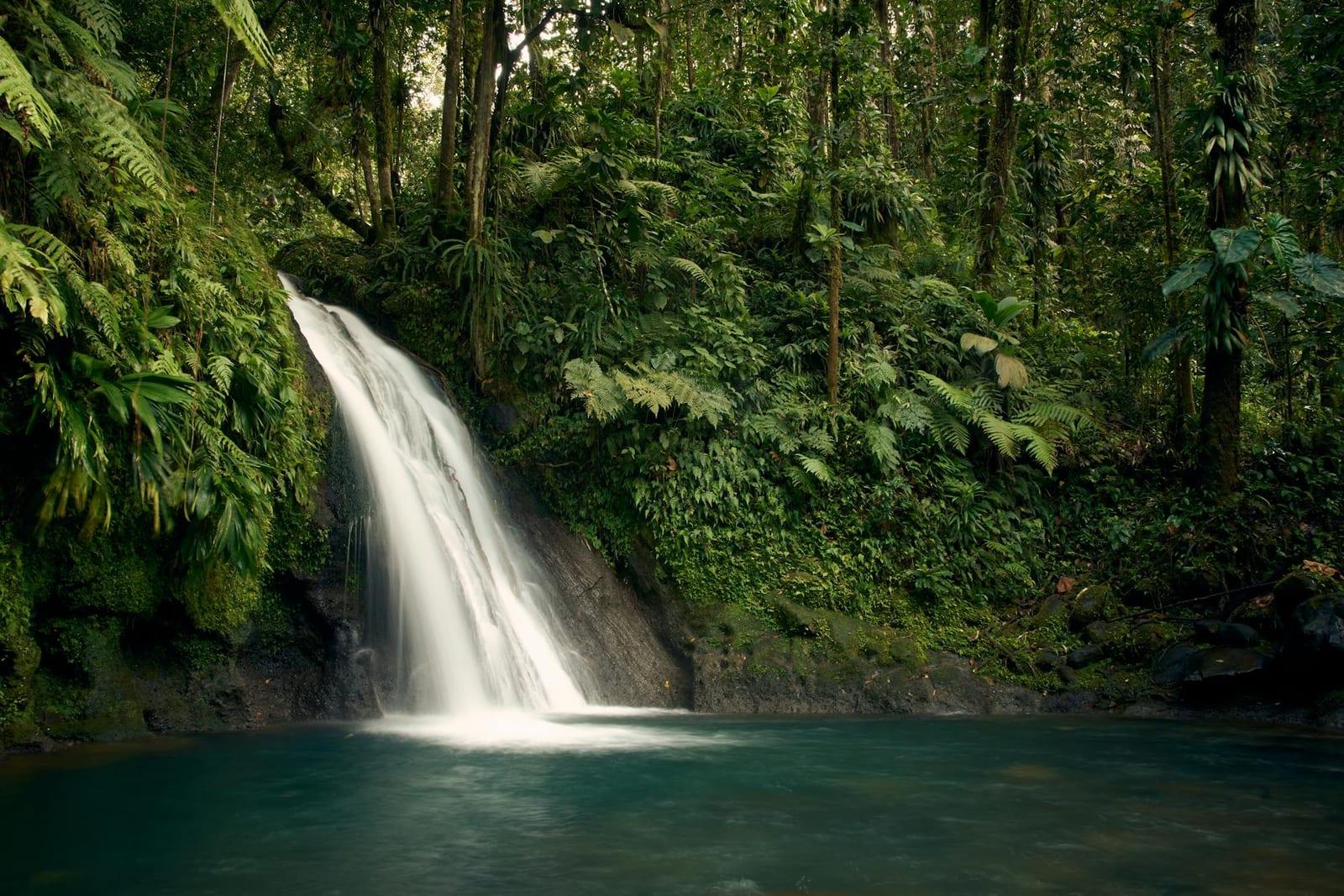
- Grand Cul-de-Sac Nature ReserveFrom mangrove swamps to coral reefs, this marine sanctuary bordering Guadeloupe National Park shows off the biodiversity of this corner of the Leewards.
- Iles les SaintesExcellent beaches and diving await in this lovely archipelago, mainly populated by Guadeloupeans of French descent.
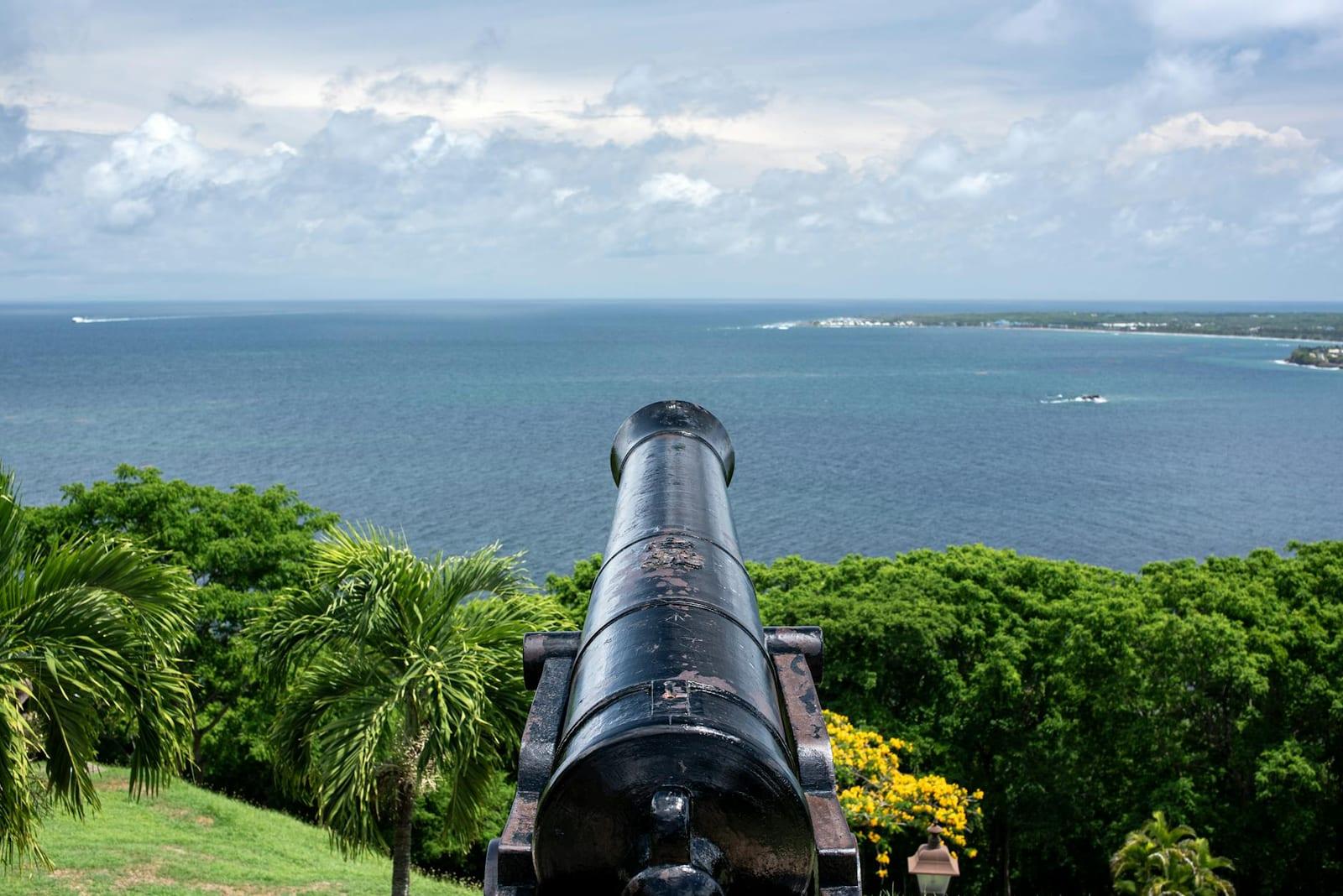
- Fort Louis DelgresBuilt in the mid-17th century, this grand fort overlooks Basse-Terre.
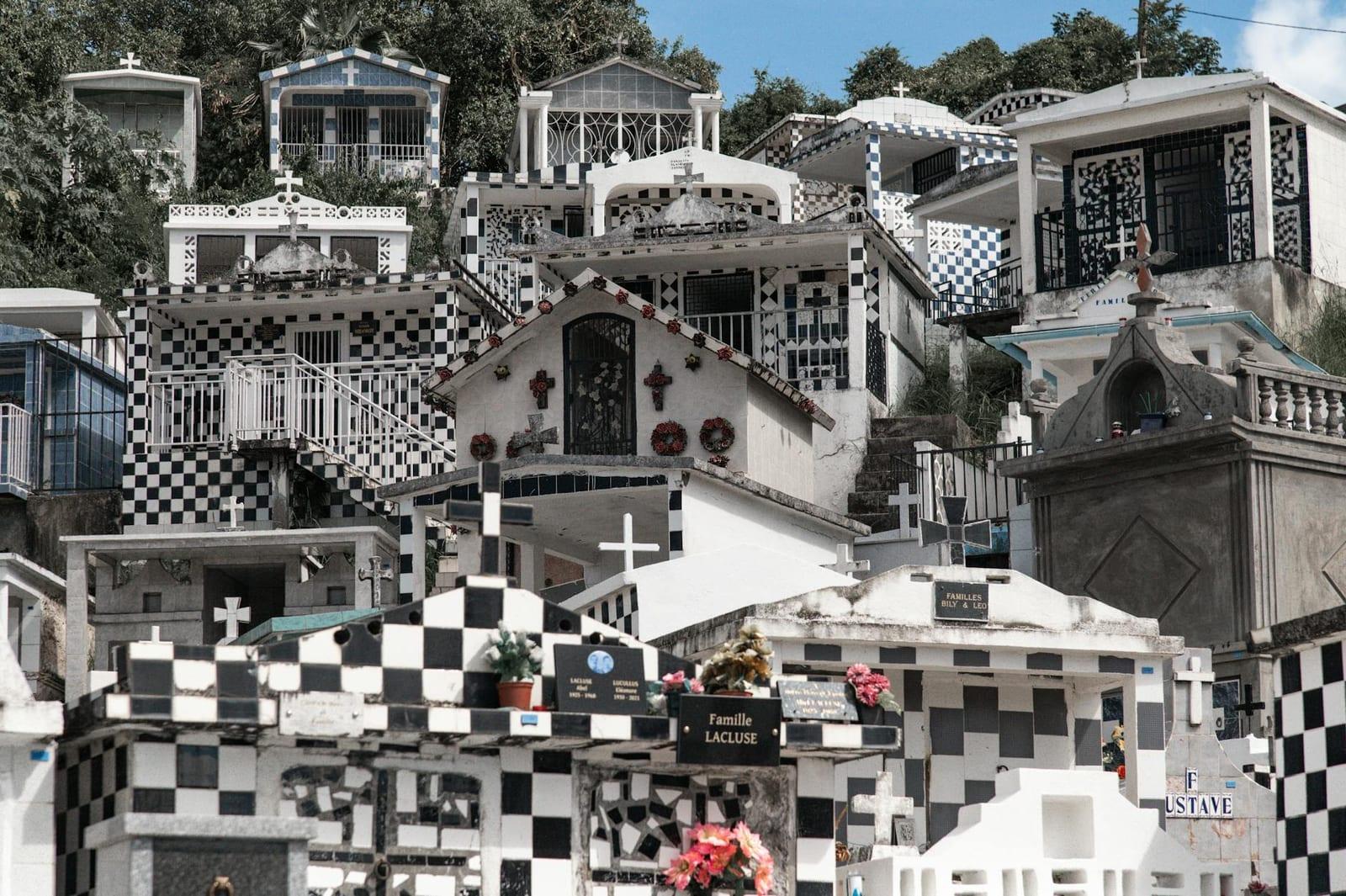
- Morne-a-l’EauColorful crypts distinguish this singular Grande-Terre cemetery, a historical monument.
- Petite Anse du Pain de SucreA dramatic basalt “sugarloaf” knob overlooks this secluded little Terre-de-Haut beach.
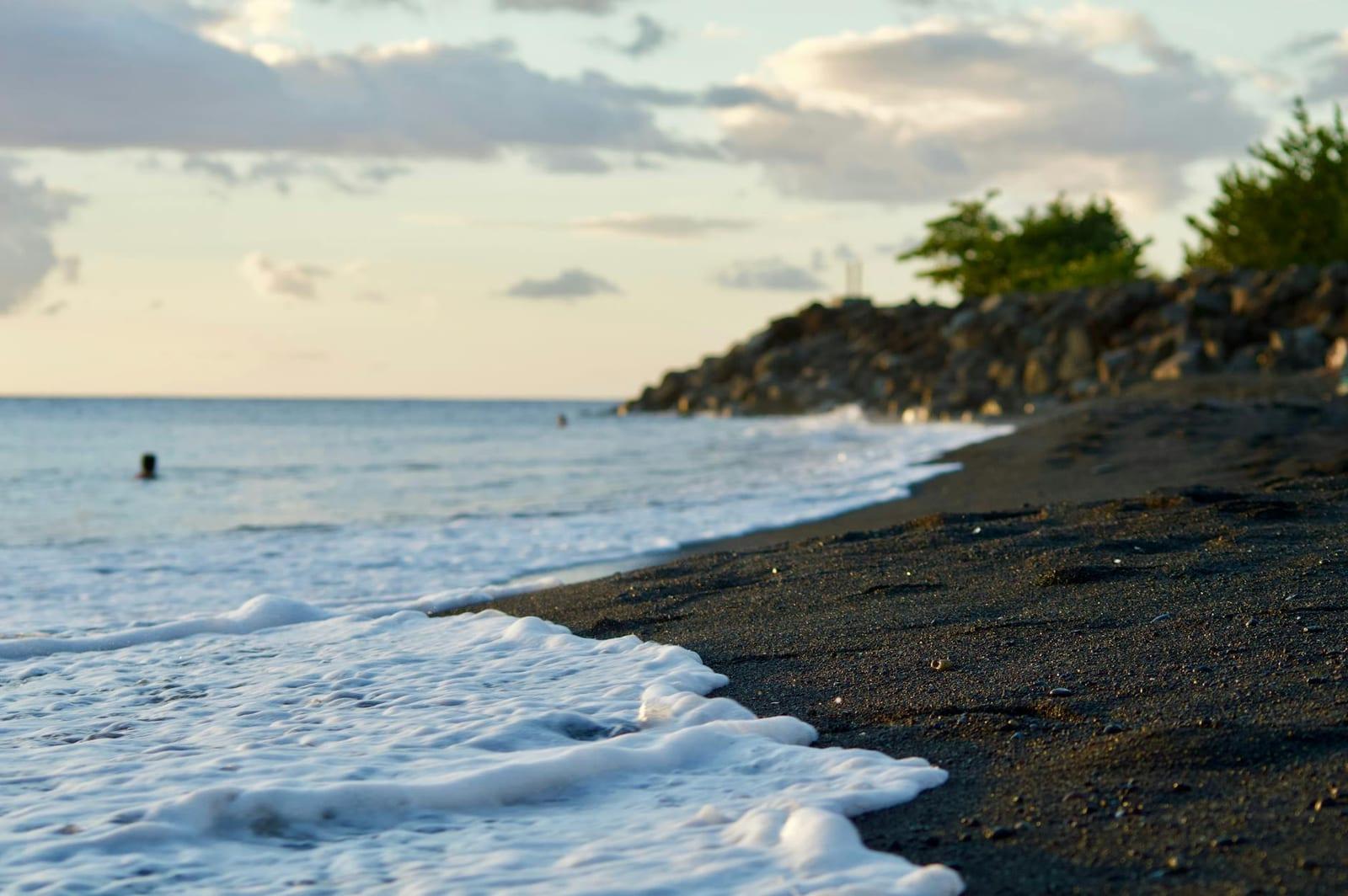
- Plage de la PerleThe “Pearl Beach” of Basse-Terre boasts expansive cream-colored sands and verdant highlands as backdrop.
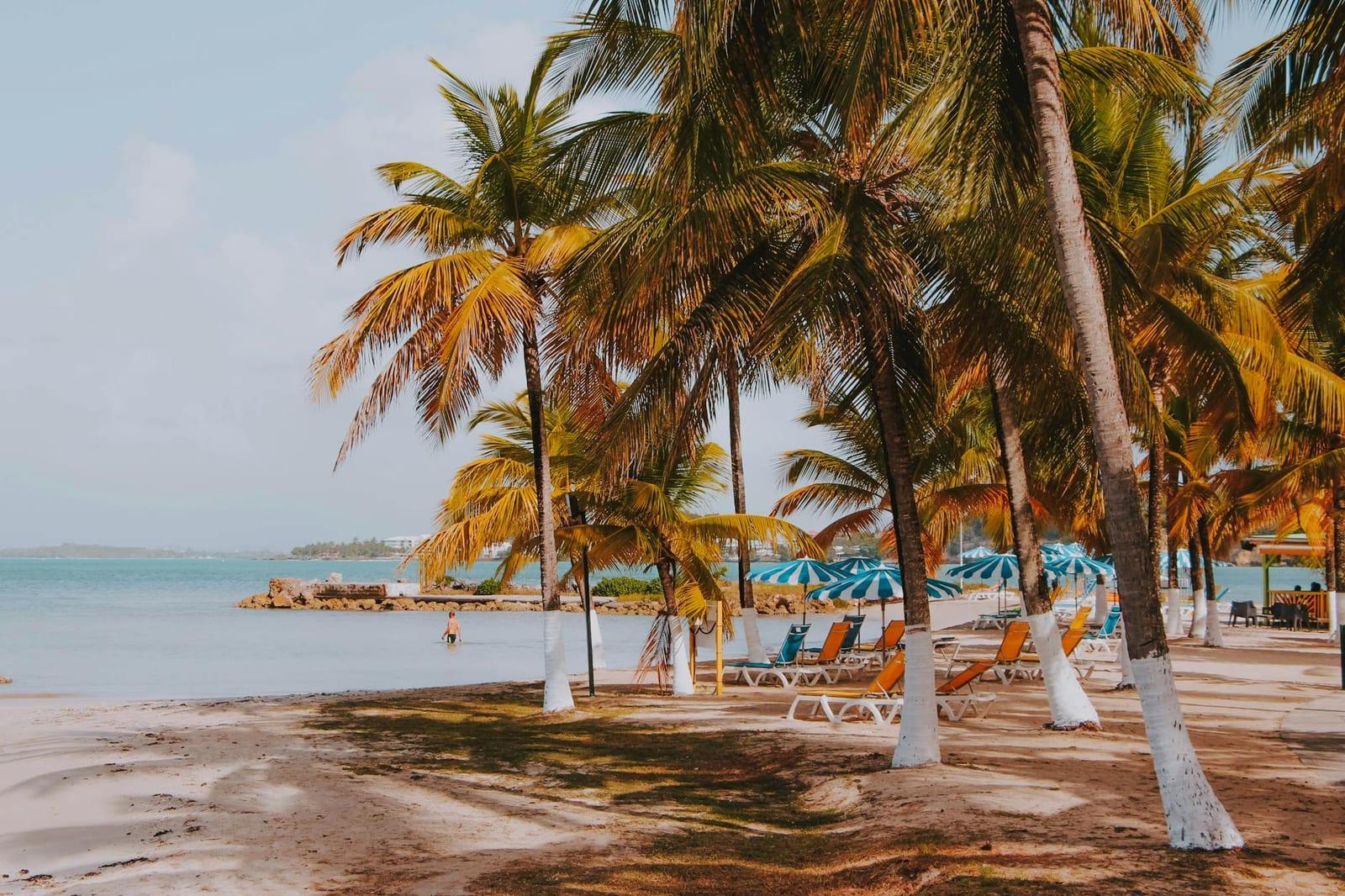
- Museum of RumExplore the heritage of the Caribbean’s most famous libation and sample various rums fermented in the distillery next door.