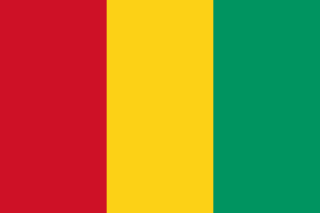
Guinea is a strikingly beautiful West African country that has struggled with postcolonial poverty and coups—as well as the devastation of the 2014 Ebola outbreak. But adventurous types will find much to savor in this out-of-the-way destination—wonderfully dynamic music, heavenly vistas, and plenty of smiles to usher them through it all.
Guinea encompasses an impressively diverse spectrum of landscapes. The highland plateau of the Fouta Djallon region, gouged as it is by waterfall-roiled gorges, showcases some of West Africa’s most stunning scenery. It’s also significant as the headwaters for the Senegal, Niger, and Gambia rivers. Along the Guinean coast, meanwhile, are picturesque archipelagos well endowed with beaches; the Iles de Los islands, not far offshore the capital city of Conakry, are especially easy to reach.
Compared with many other African countries, Guinea has but a modest network of national parks and wildlife reserves, but those it does claim are excellent destinations for ecotourism. Badiar National Park in the north forms a savanna and woodland UNESCO Biosphere Reserve with the adjacent Niokolo-Koba National Park in Senegal; bush safaris here might turn up antelope, elephants, or spotted hyenas. Another natural gem is Mount Nimba Strict Nature Reserve, which protects a splendidly rugged and exceptionally bio-diverse mosaic of forest and savanna along the Guinea-Cote d’Ivoire-Liberia borderland. Not to be missed is the Mount Nimba village of Bossou, where a trek offers the opportunity to look for the resident chimps.
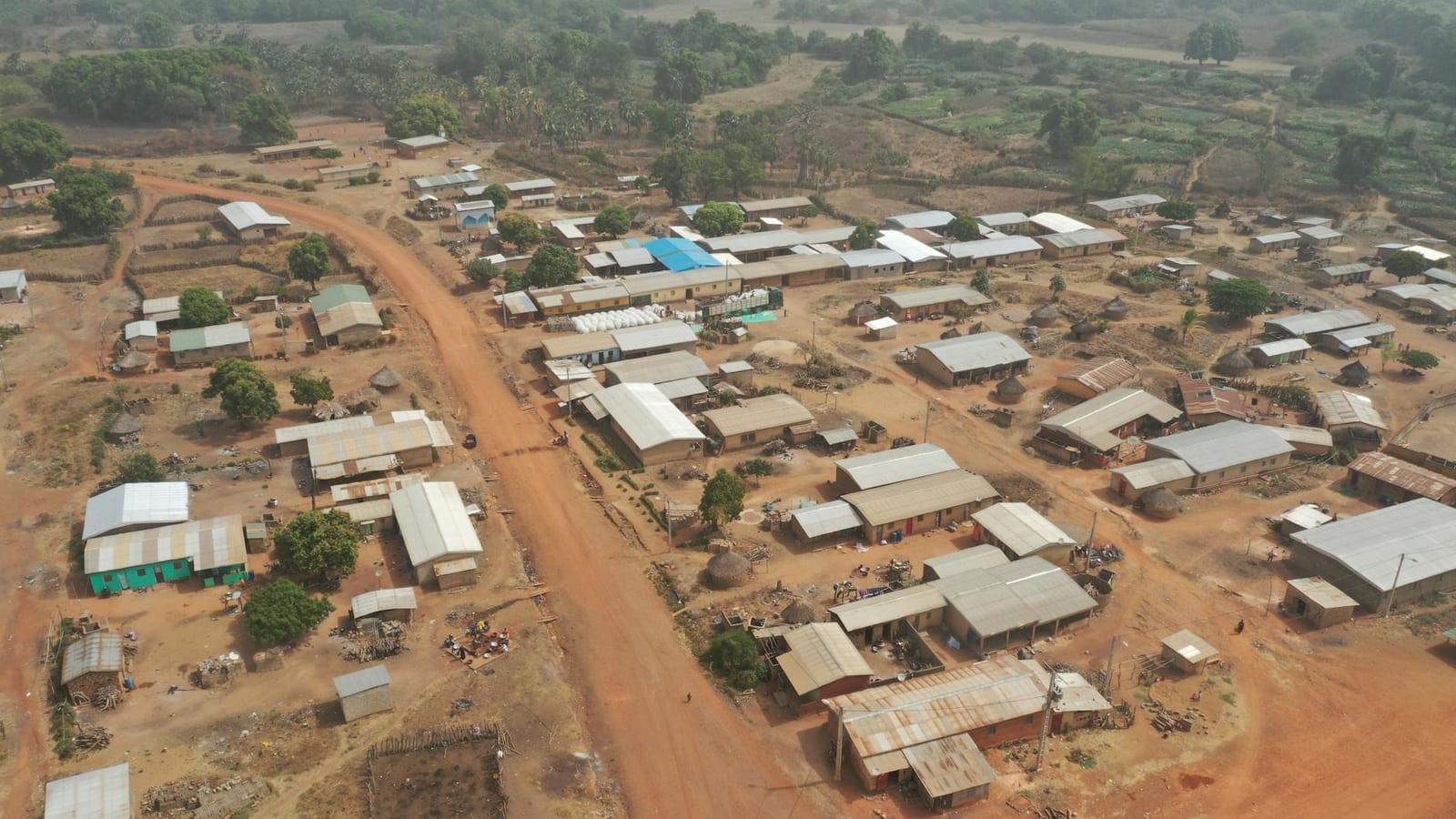
West Africa is a global hotbed for music, and Guinea, in turn, is one of its richest stages. Conakry offers many opportunities for catching a performance, whether it’s a centuries-old ngoni or an electric guitar being plucked; you’re likely to see plenty of dancing going on, day and night. Guinea’s sprawling (and often rough-around-the-edges) capital also richly displays other homegrown cultural traditions, with the national museum especially notable for its collection of carved masks. Those who trek to the small city of Gueckedou—shaken in the past by civil war and unrest, and hit hard by Ebola in 2014—discover one of West Africa’s liveliest markets.
Visiting Guinea means going with the flow and traveling lean, as plush tourist accommodations are rare. But from the spontaneous street-corner concerts to the roaring waterfalls, it’s the sort of place that draws you in deep.
11 things not to miss.
- around Mount NimbaHike around Mount Nimba
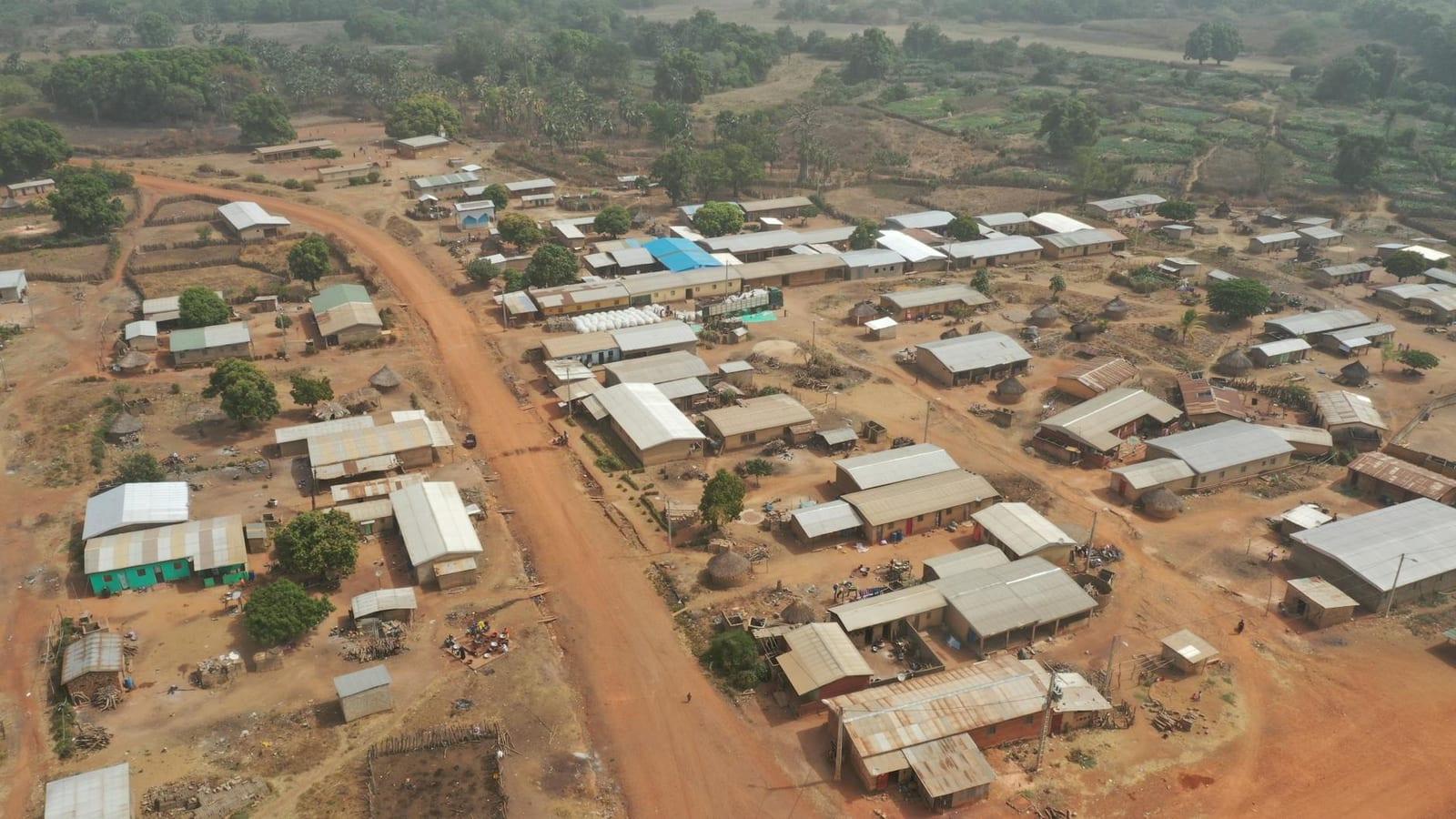
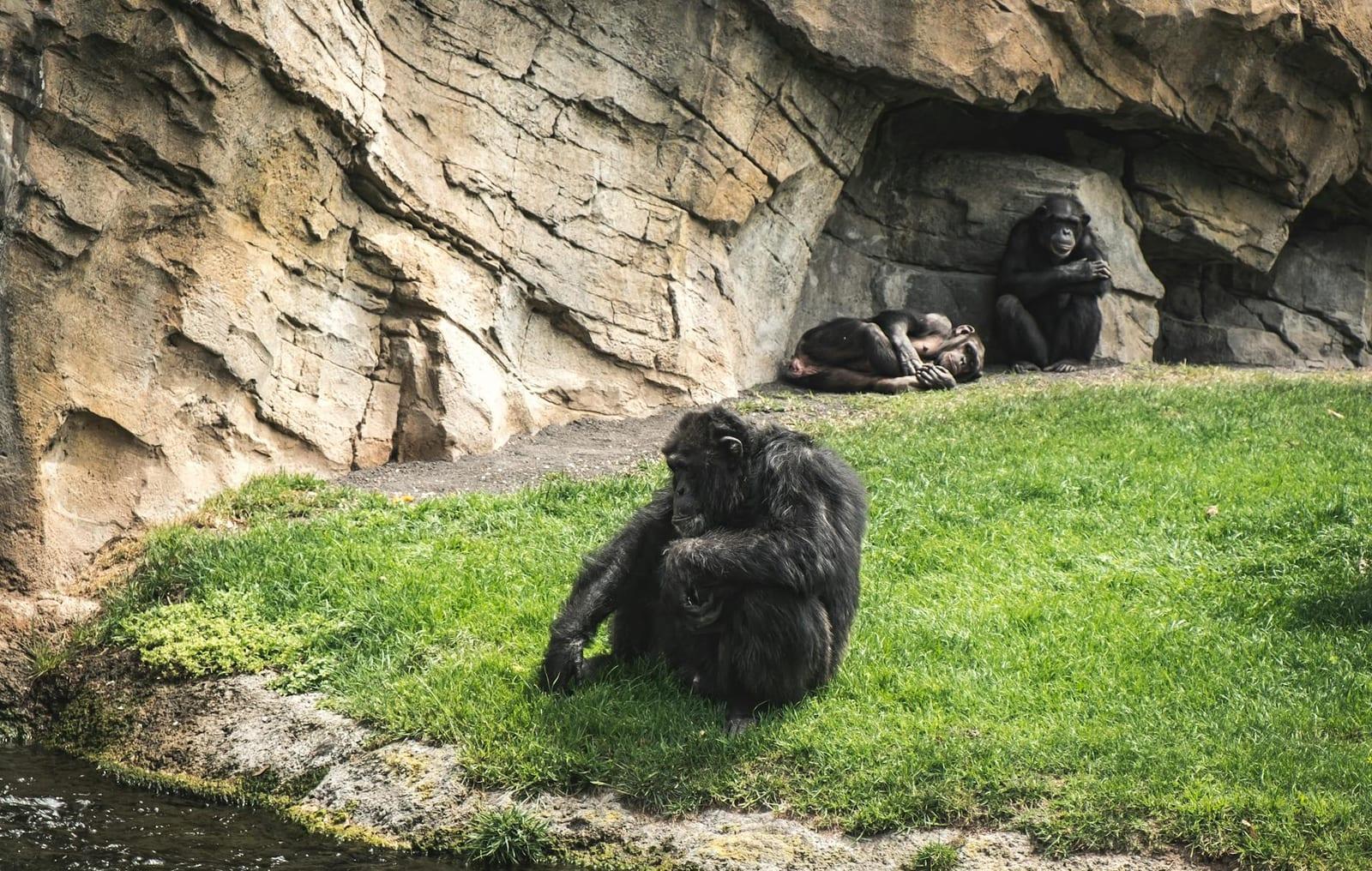
- chimps at BossouVisit the chimps at Bossou
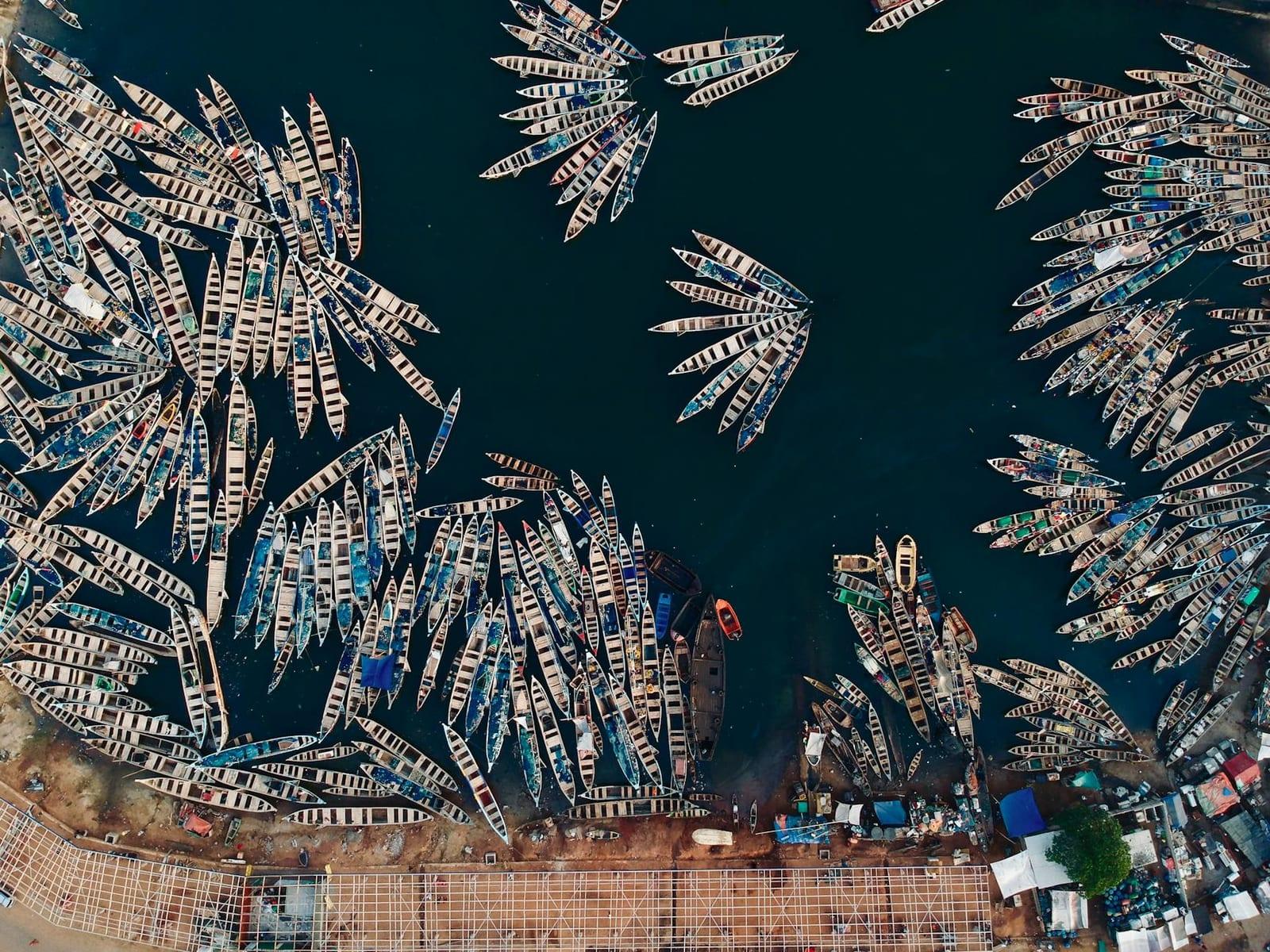
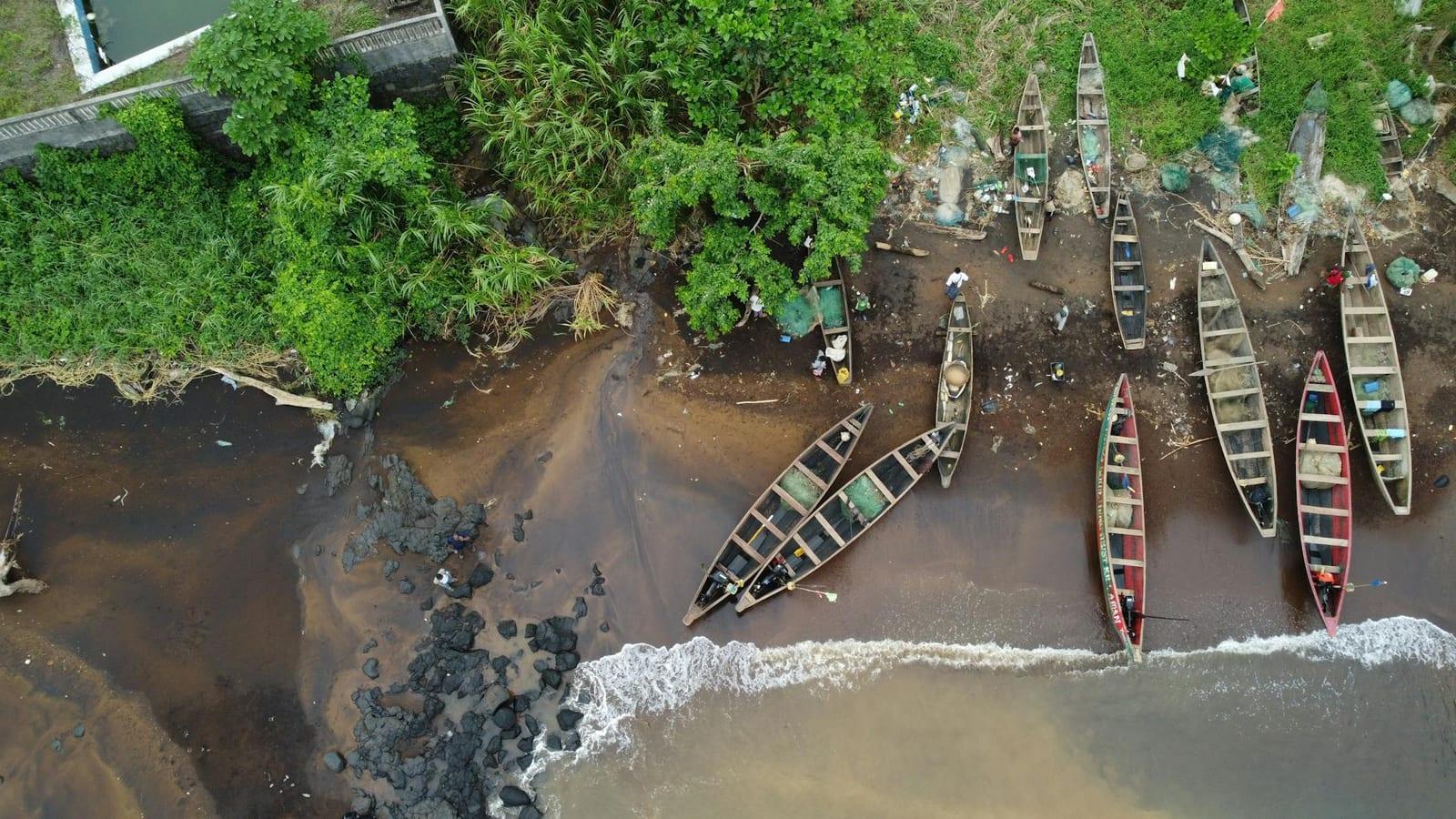
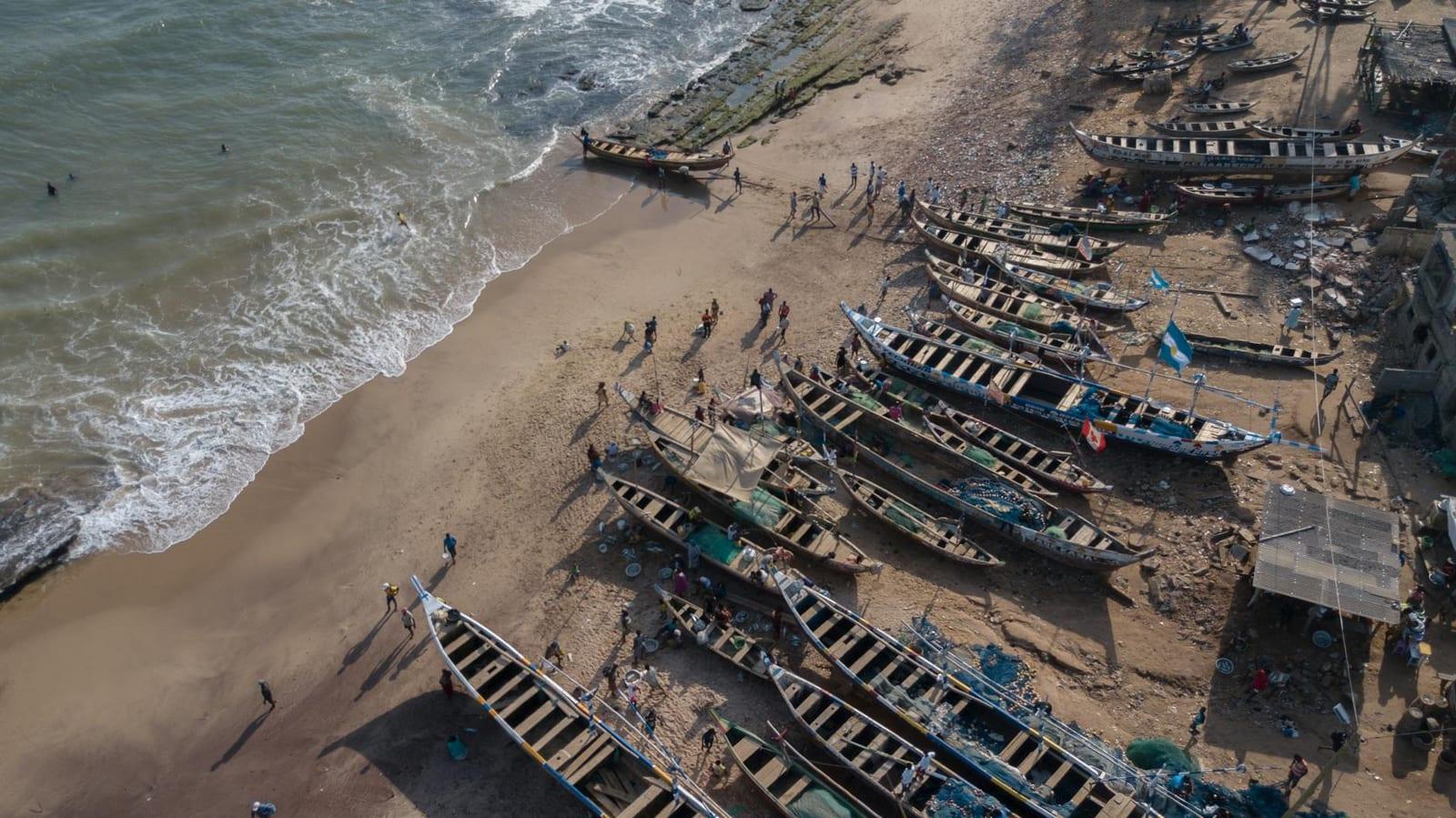
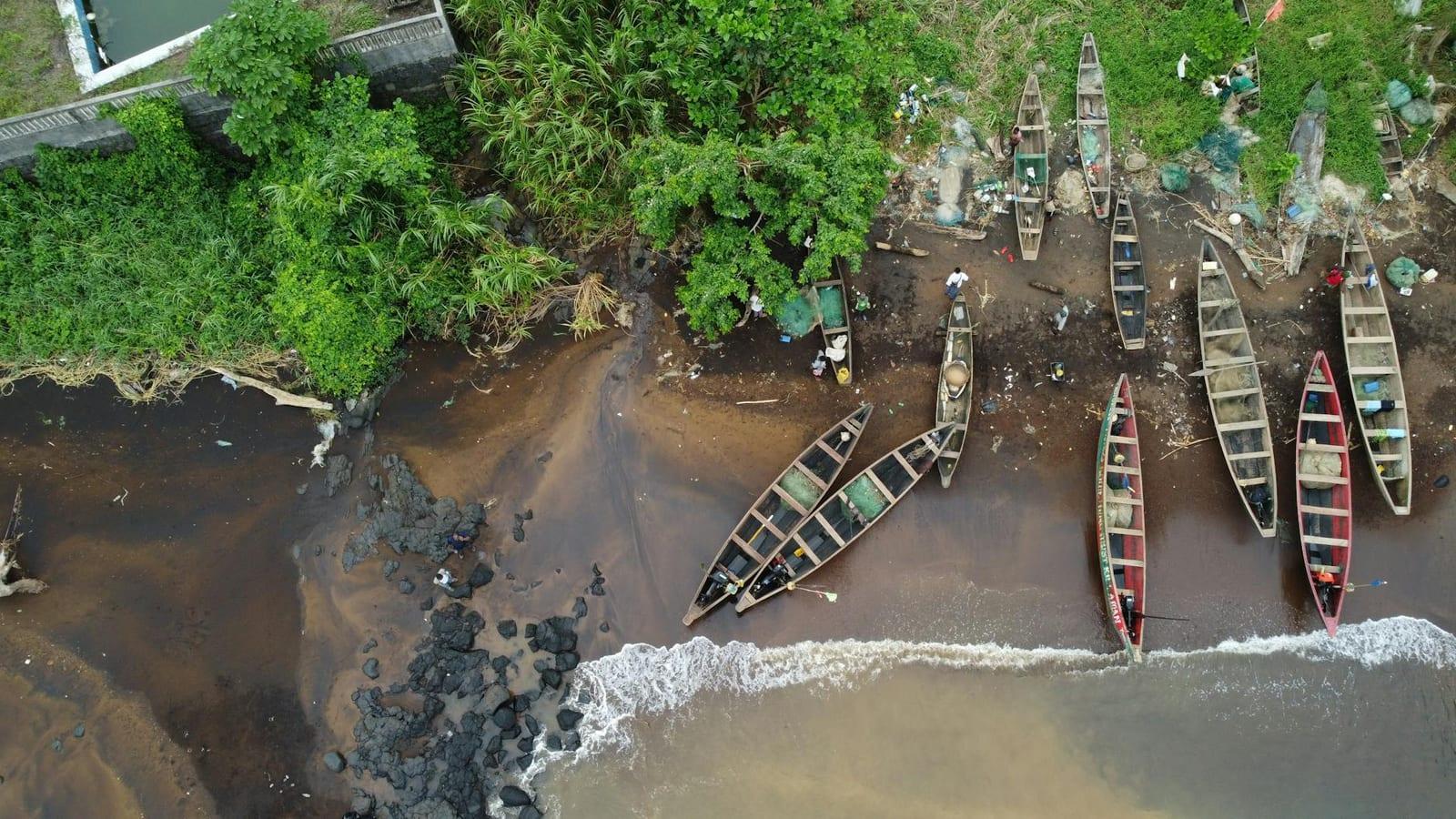
- pirogue to the Loos IslandsTake a pirogue to the Loos Islands
- Fouta DjallonThis mountainous region serves as fountainhead for several of West Africa’s greatest rivers—the Gambia, Niger, and Senegal—and roars with waterfalls.
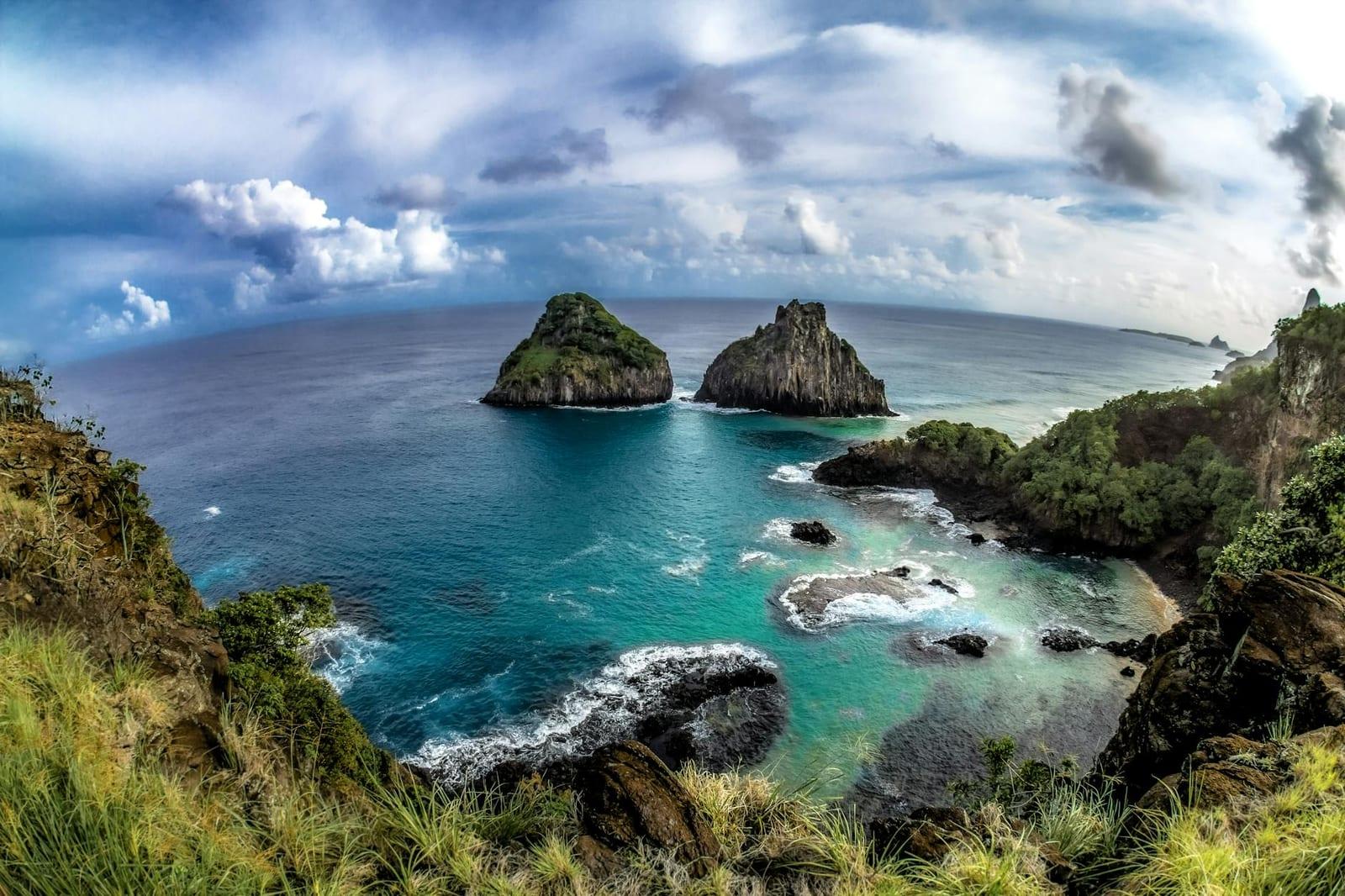
- Iles de Los ArchipelagoNourish your appetite for tropical paradise in this sprinkling of beach-drunk islands conveniently close to Conakry.
- Badiar National ParkGuinea claims its own safari hotspot in this woodland, savanna, and riverine-forest mosaic, home to lions, chimps, and elephants.
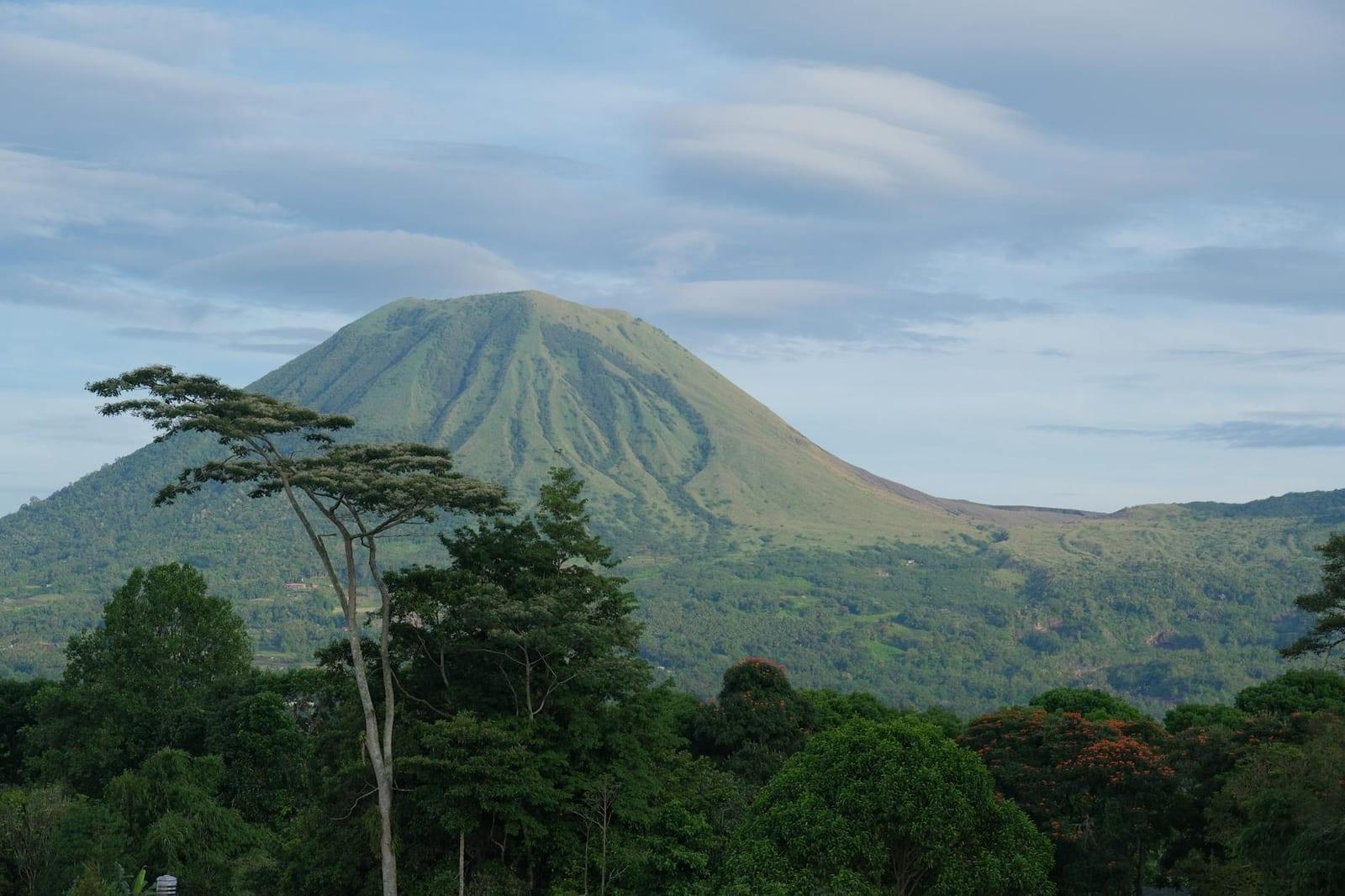
- Mount NimbaA nature reserve highlights this region’s biologically diverse montane forests and grasslands, with Bossou village being a hub for chimpanzee ecotourism.
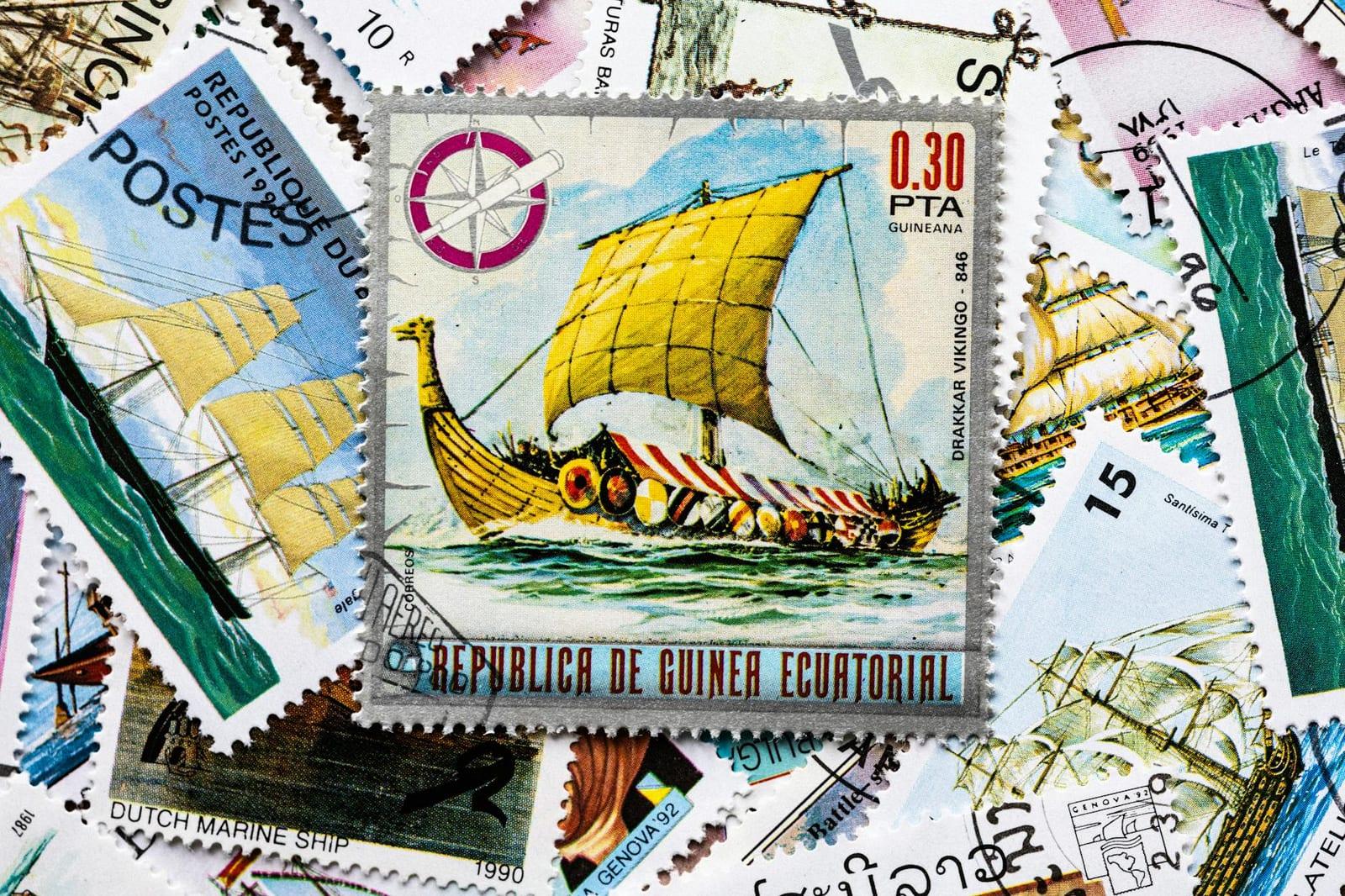
- Musée National (National Museum)Acquaint yourself with Guinean handicrafts and musical instruments at this nicely arranged museum in Conakry.
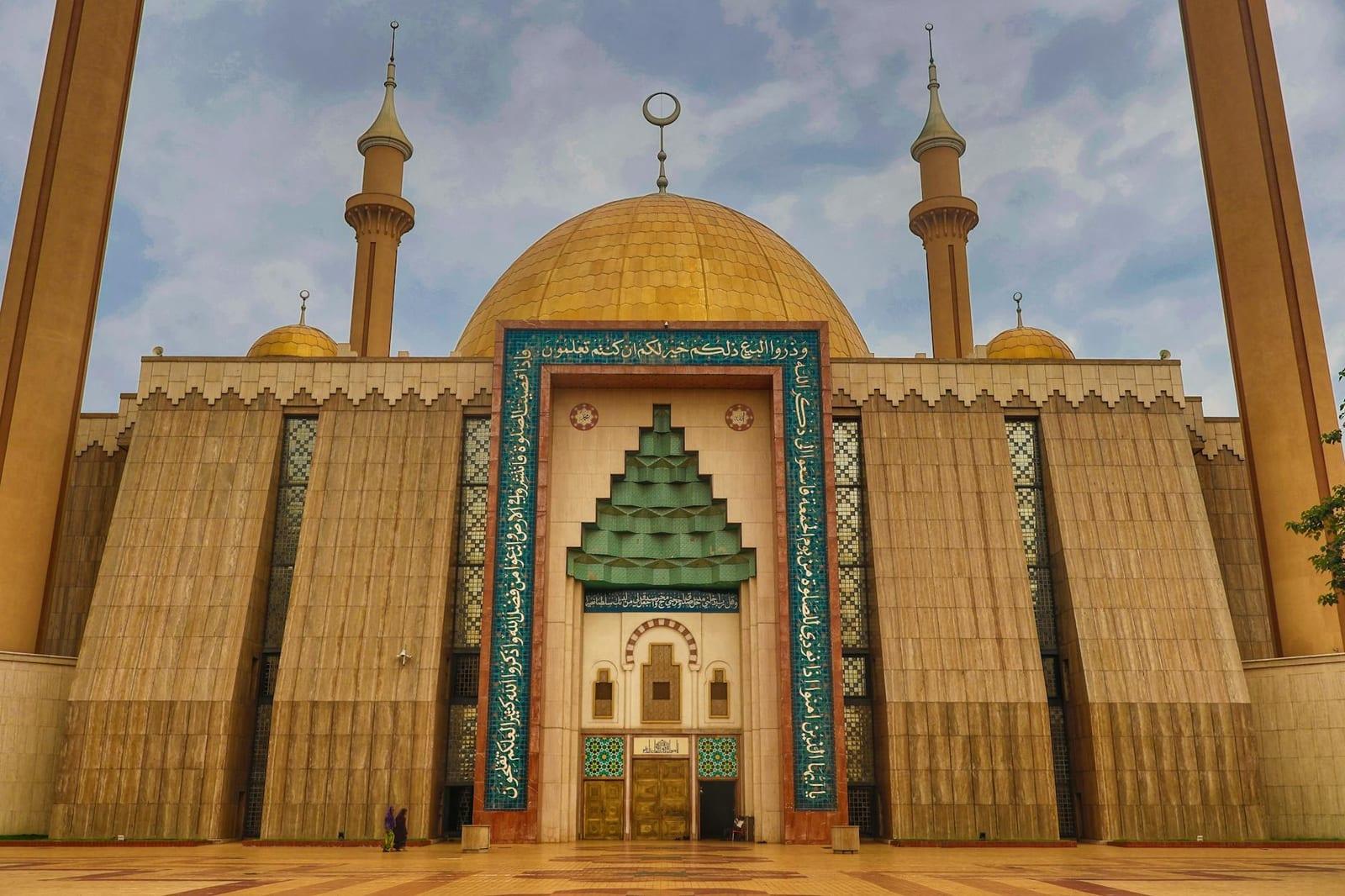
- Conakry Grand MosqueThis magnificent structure ranks among the very biggest mosques in West Africa.
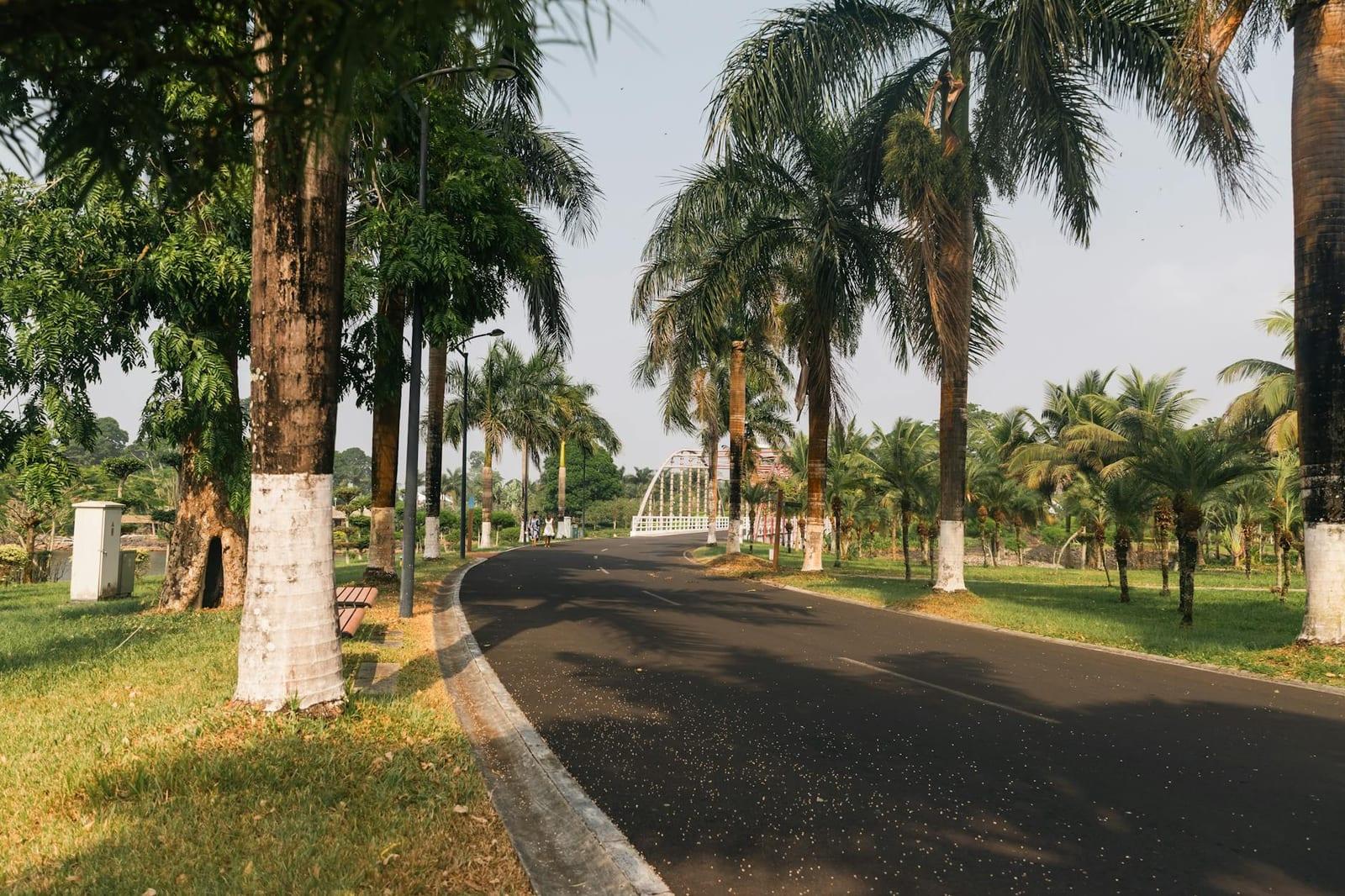
- Conakry Botanical GardenAdjacent to the Grand Mosque (and affording fine views of it), this greenspace offers a respite from the urban thrum under noble tropical hardwoods.
- Gueckedou MarketThe central market in this large southern town draws merchants from across the region and as such is a fascinating destination for cultural tourists.