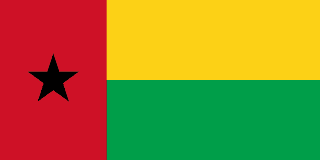
A sultry, low-lying coastal country, Guinea-Bissau is, from the standpoint of many travelers, a rather obscure piece of West Africa; but it certainly has many rewards for those that give it a chance.
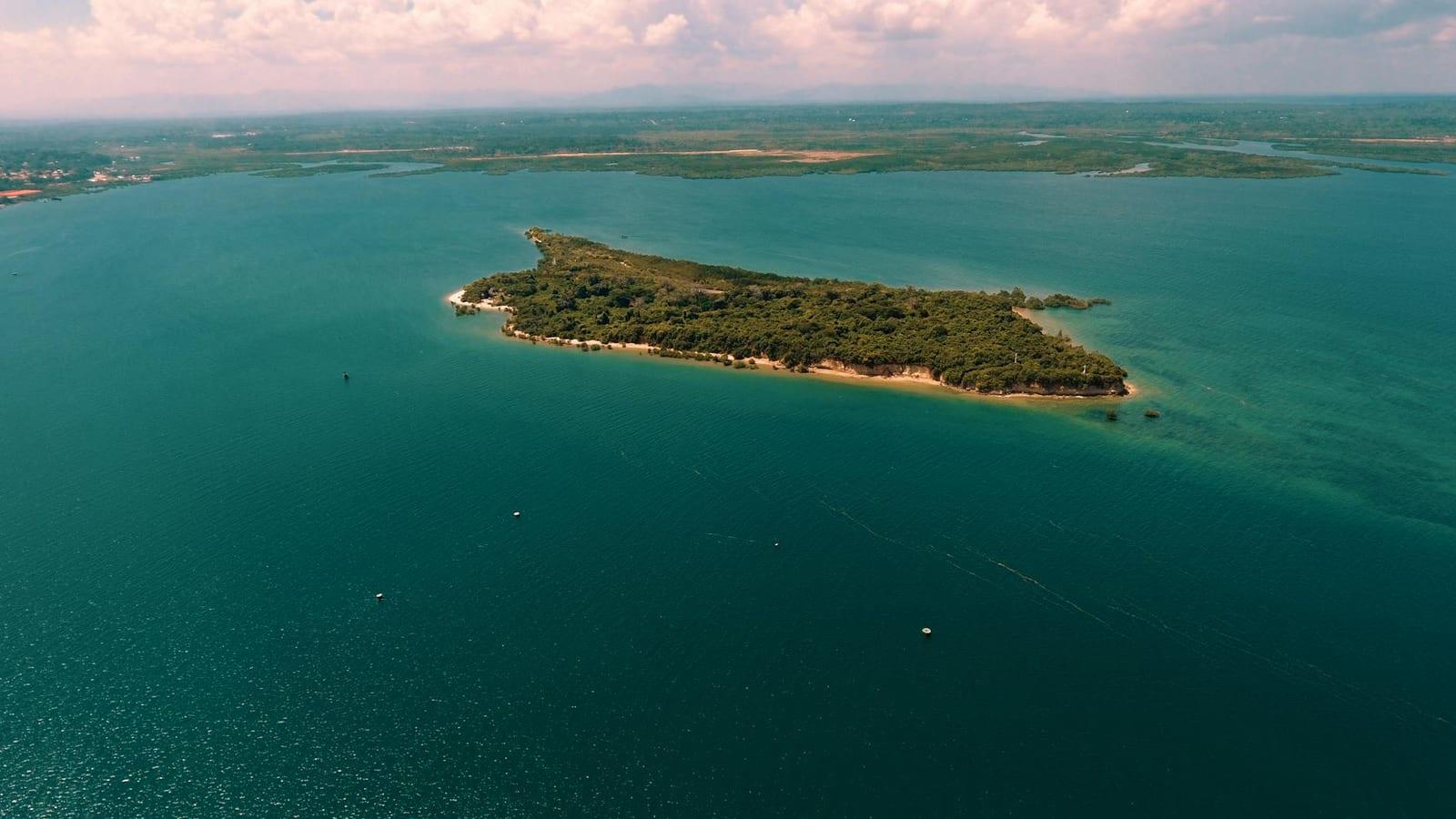
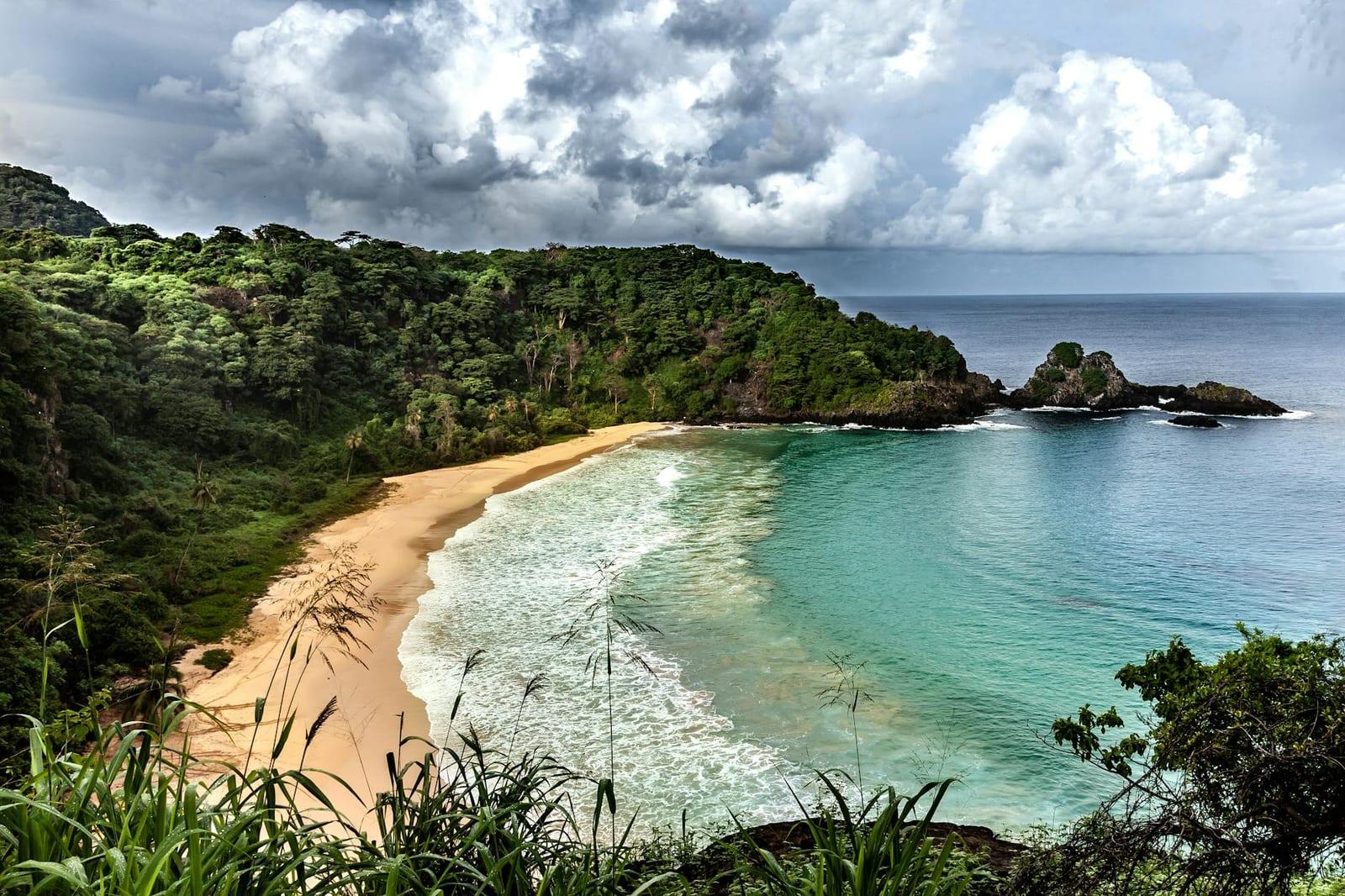
For one thing, Guinea-Bissau claims some of the most gorgeous islands in Africa: the Bijagos Archipelago. Nearly 90 islands—most uninhabited—compose this magical place, which retains a distinctive culture and vibe compared with the mainland. The palm groves, untracked beaches, and cashew orchards are alluring enough, but the Bijagos are also an ecologically precious haven. Hippos, dolphins, crocodiles, and an abundance of sea turtles—which have been utilizing Bijagos nesting beaches since time immemorial—call the archipelago’s wilder quarters home.
While economically poor, Guinea-Bissau is culturally rich. Historically the domain of the Gabu Empire (an offshoot of the long-lived Mali Empire), the country fell under Portuguese control by the 15th century and long endured the travesties of the slave trade. Portuguese remains the official language, but the more prevalent tongue is the homegrown Upper Guinea Creole.
From drug trafficking, frequent political upheaval, and the unavoidable poverty to a dearth of tourist amenities in many locales, Guinea-Bissau has some stark realities any traveler must consider when planning a visit. But there’s an awful lot of spirit here—seafood feasts, gumbe performances, and visions of tropical splendor—as yet unblemished by commercialization.
Ivory Coast
For more than a decade now, Cote d’Ivoire has been unsettled by civil unrest, outright war, and a once-vigorous economy reeling from the struggles. But the many virtues that had nourished a healthy tourism industry prior to the turn of this century remain: spectacular beaches, one of Africa’s most happening big cities, and globally important national parks.
Travelers in Cote d’Ivoire have a rather magnificent tapestry of natural landscapes to frame their stay—an ecological spectrum well representative of West Africa as a whole. In the west are ravishing highlands cloaked in misty forest and high grassland; the town of Man is the main jumping-off point for this country, which includes the Mount Nimba Strict Nature Reserve (shared with Guinea and Liberia). Here granite domes loom from lush, whitewater-laced woods and open glades. The sprawling dry savannas of northern Cote d’Ivoire, meanwhile, cut here and there by lushly forested river corridors, include another fantastic ecotourism destination: Comoé National Park. This huge preserve has a wide range of habitats reflected in some remarkable biodiversity; one claim to fame is the presence here of the full trio of African crocodile species—the Nile, slender-snouted, and dwarf—which should whet the appetite of any herpetologically geared globe-trotter.
Southern Cote d’Ivoire is a green mosaic of coastal forests, mangroves, lagoons, and some mighty fine beaches. Here you’ll find two standout destinations describing opposite extremes of the Ivory Coast experience: Tai National Park and the big city of Abidjan. The former is one of Africa’s most important parks, a UNESCO World Heritage Site and Biosphere Reserve distinguished by its towering virgin rainforest—perhaps the finest expression of the Upper Guinean forest left in West Africa. The dizzying wildlife roster includes better than two hundred bird species and extremely rare mammals such as West African chimpanzees and pygmy hippos.
Abidjan, meanwhile—the Manhattan or the Paris of Africa, depending on who you talk to—is a feast for the senses: a huge, grandly arrayed city with a slew of high-quality cultural institutions (including national history and art museums) and architectural landmarks (such as the arresting St. Paul’s Cathedral). Markets, eateries, nightclubs, and nearby beaches are constantly buzzing centers of local activity.
When Cote d’Ivoire manages to stabilize, the prospects for tourism in this spectacle of a country are sure to expand dramatically.
17 things not to miss.
- through the Bijagós archipelagoSail through the Bijagós archipelago
- old colonial BissauWalk old colonial Bissau
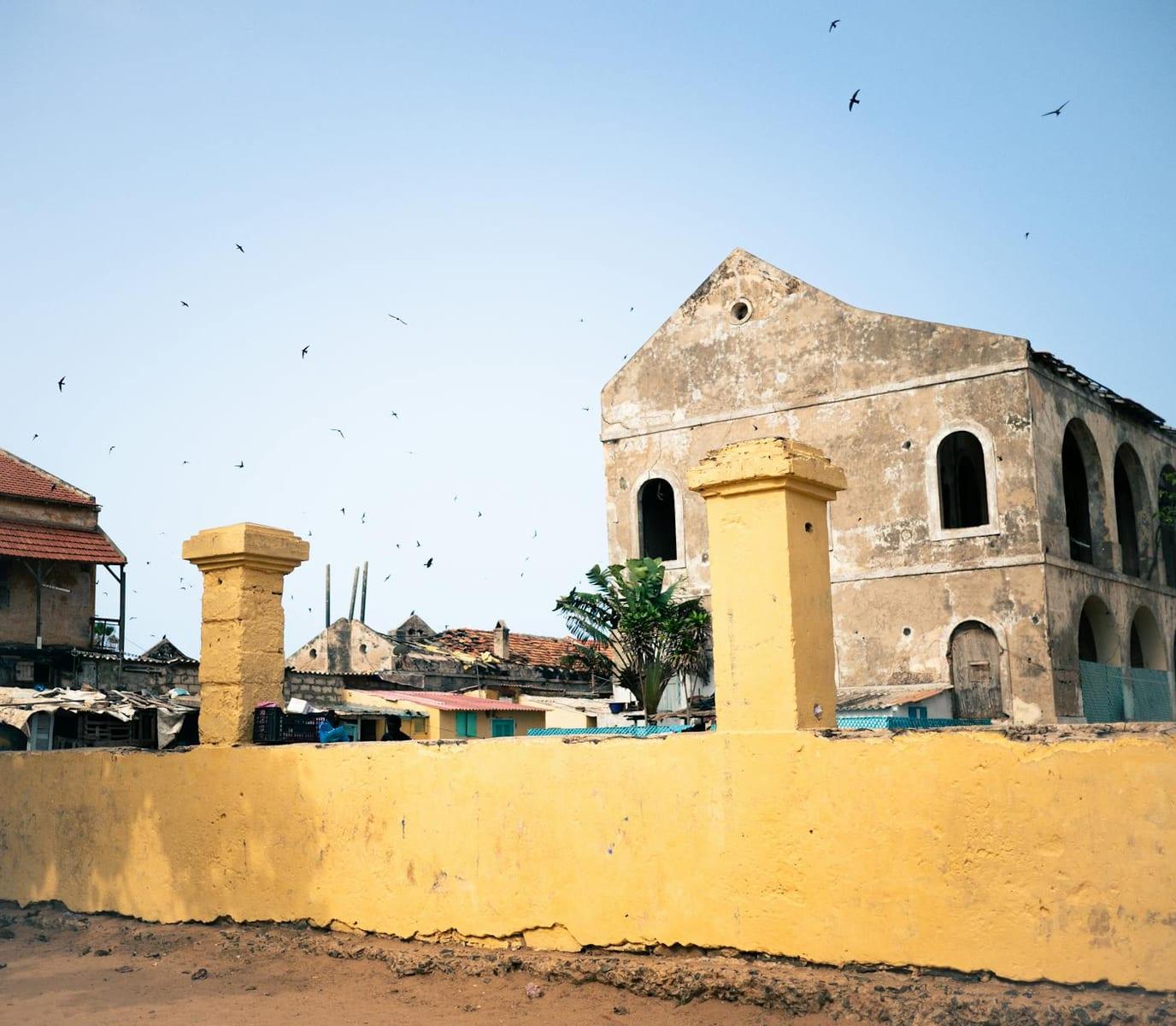
- Spot saltwater hippos at OrangoSpot saltwater hippos at Orango
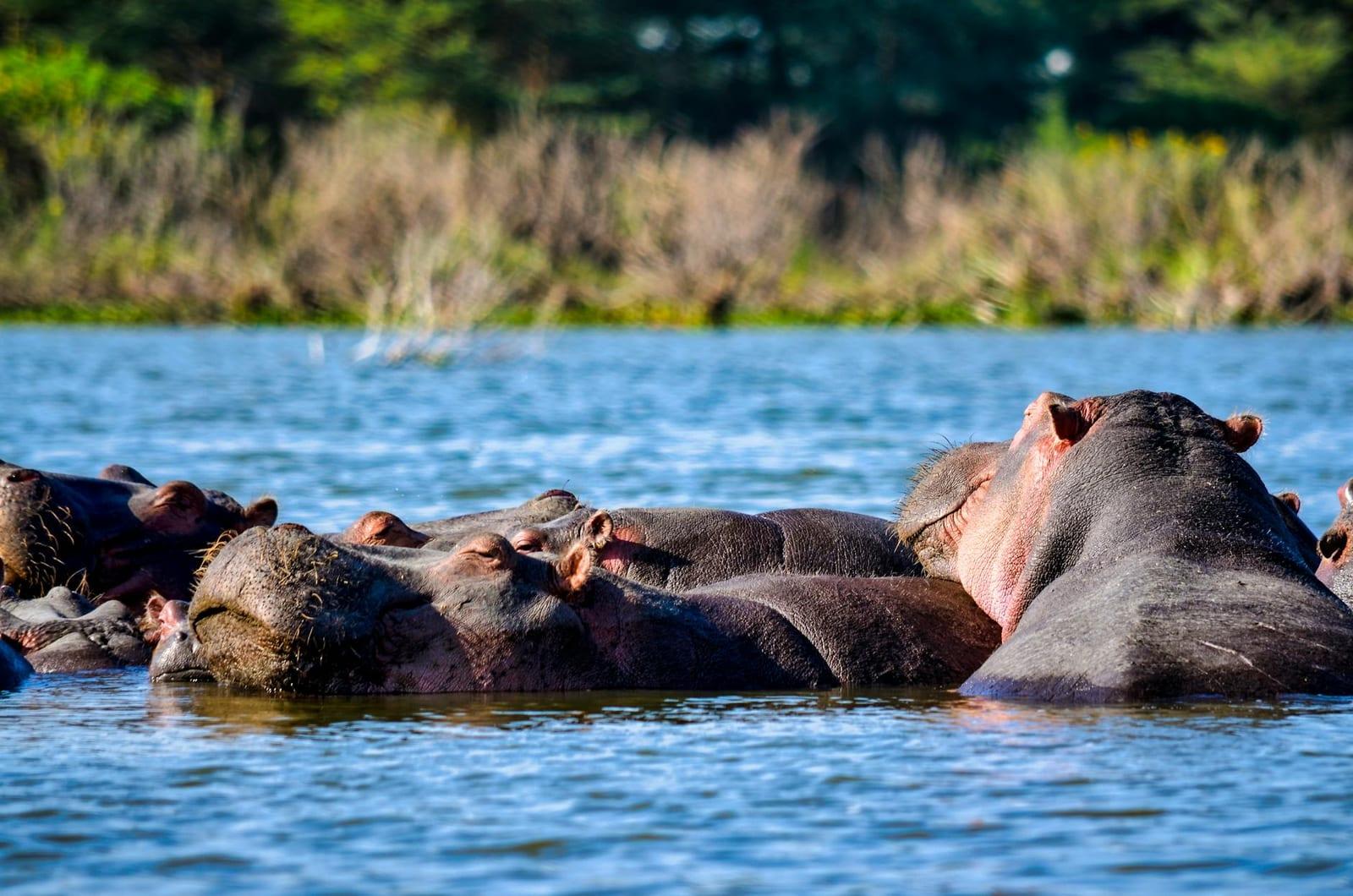
- Bijagos ArchipelagoThis farflung island chain, overflowing with heart-stirring beaches, pristine coastal/marine ecosystems, and unique local culture, is a West African wonderland.
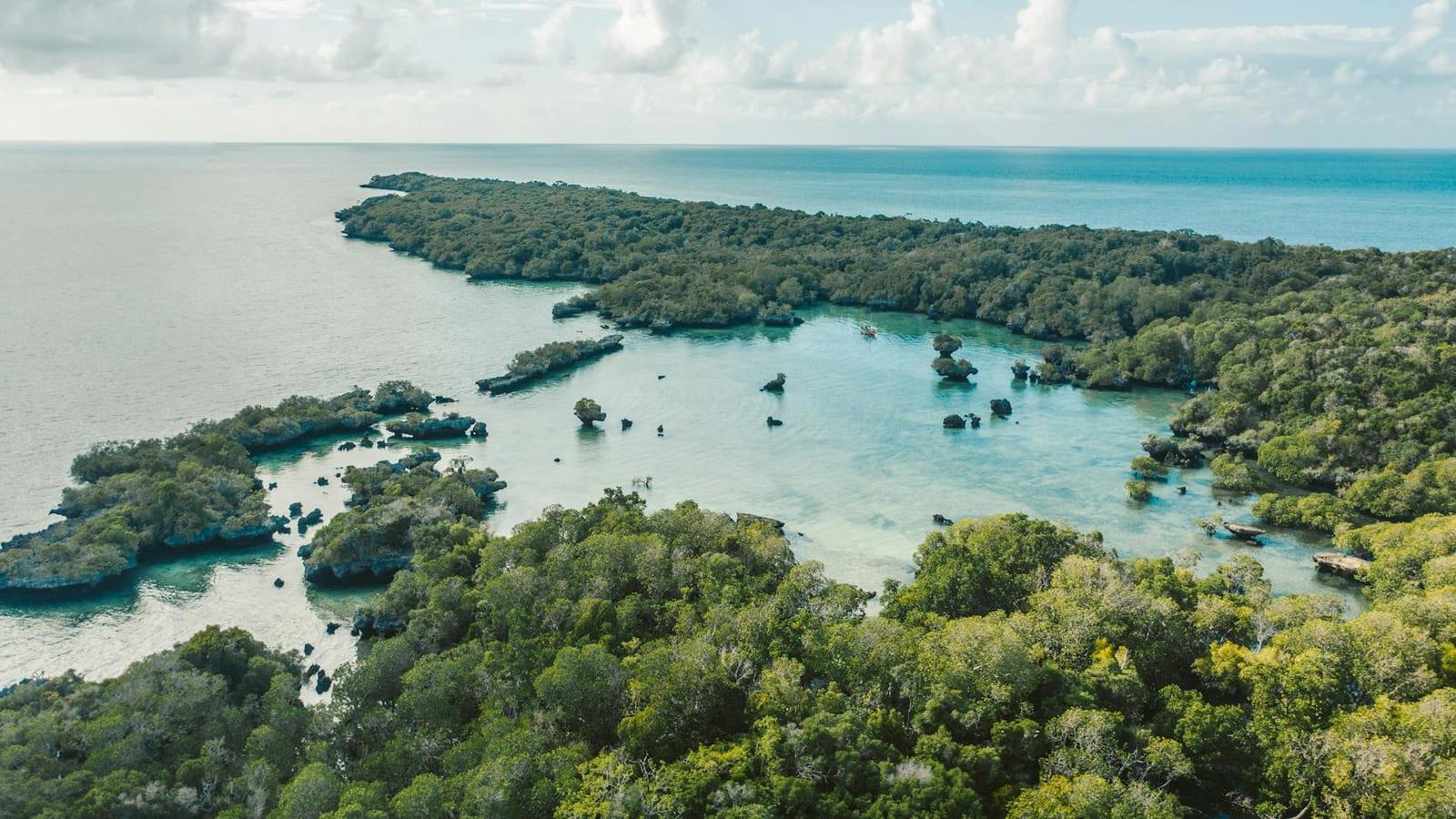
- Cantanhez Forests National ParkSprawling from mangrove swamp to upland savannas and rainforest, this refuge may harbor Africa’s westernmost chimpanzees.
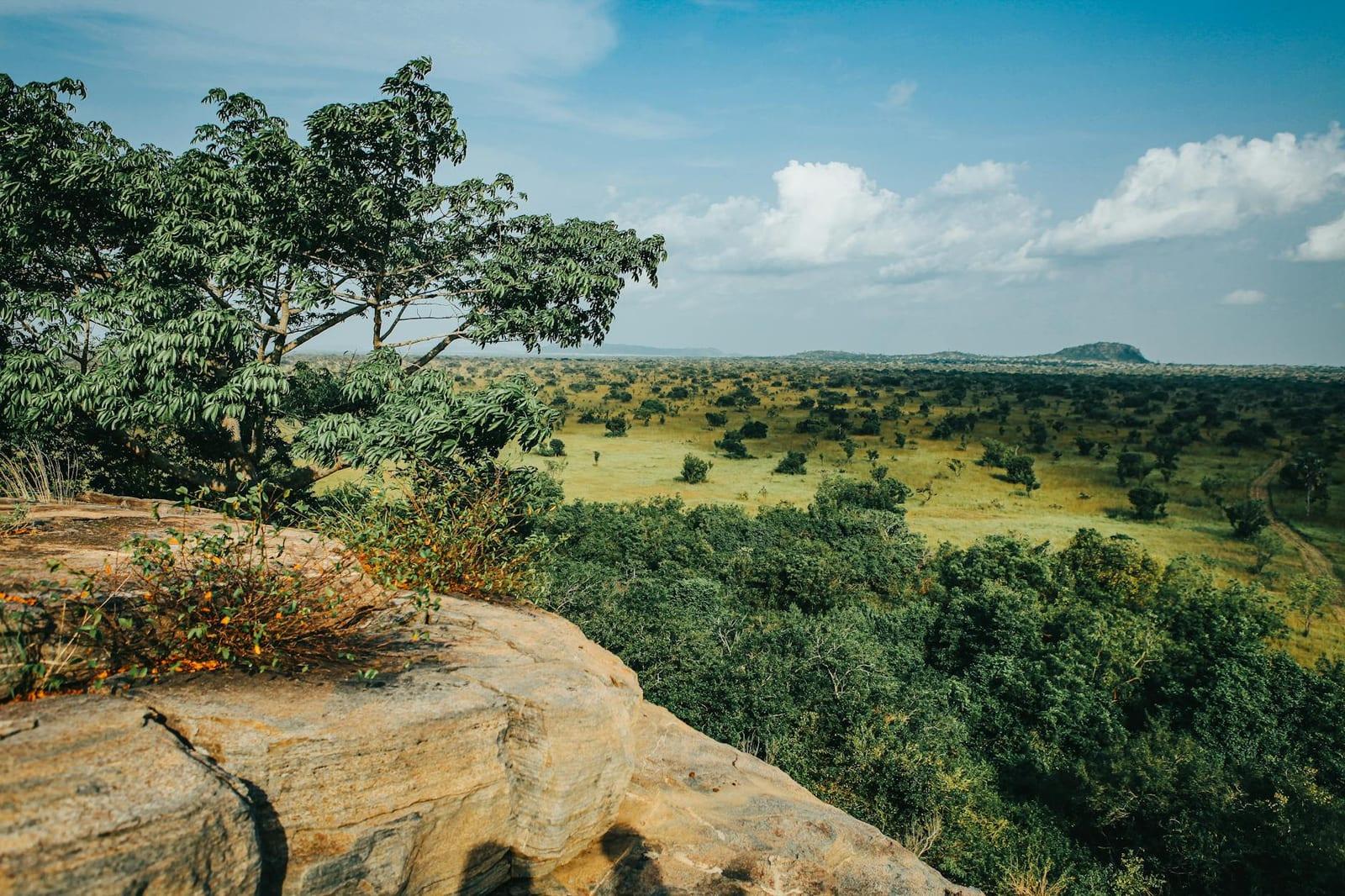
- Orango Islands National ParkPart of the Bijagos biosphere reserve, this park’s a good place to scout for coastal hippos.
- Bissau CathedralThis Neo-Romanesque church, dating from the mid-20th century, serves as an iconic landmark of Bissau’s downtown.
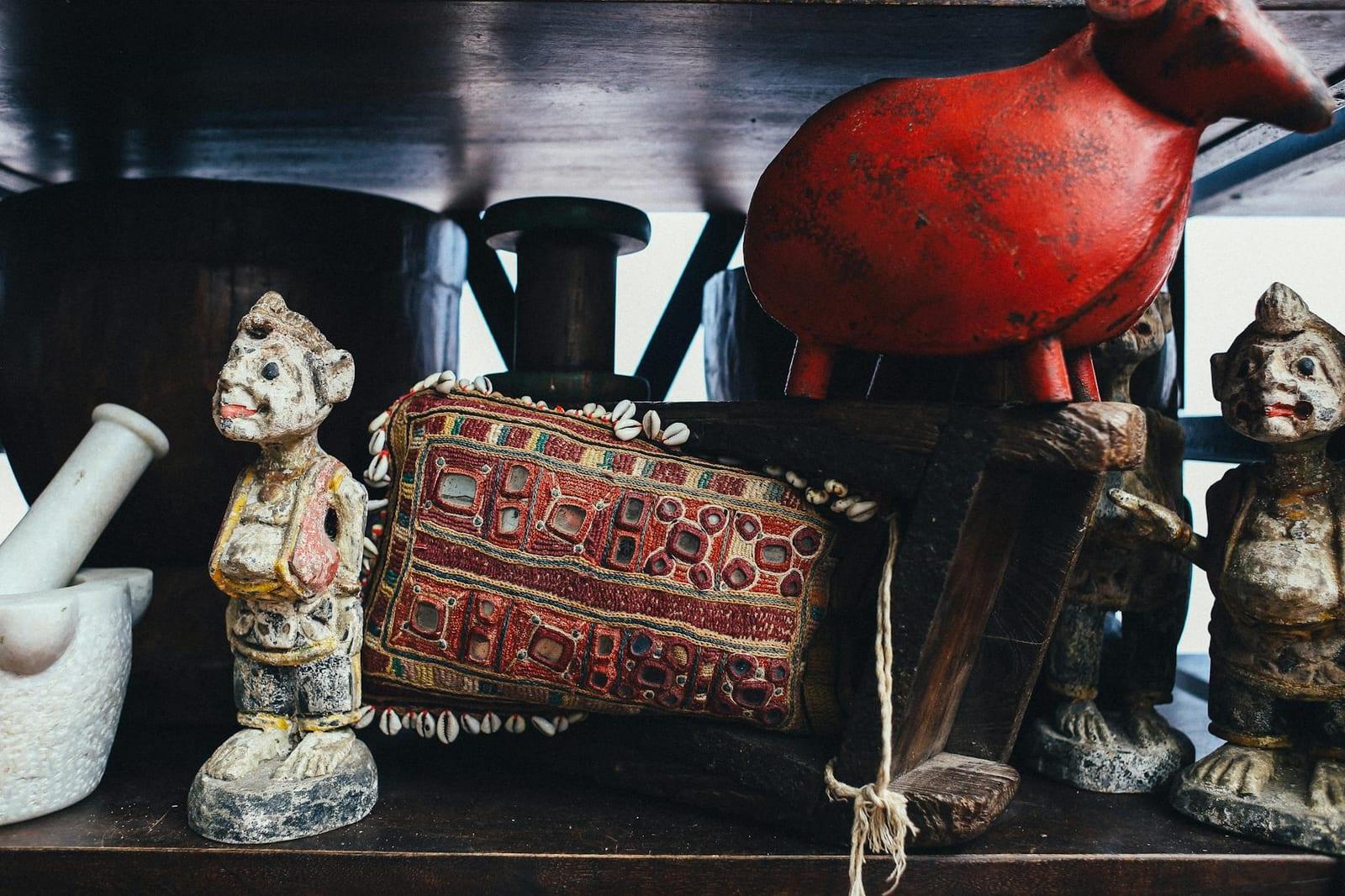
- National Ethnographic MuseumOne of Bissau’s chief tourist attractions, this museum fleshes out Guinea-Bissau’s cultural context.
- Bissau VelhoThe Guinea-Bissauan capital’s historic quarter includes a host of colonial buildings bringing the country’s Portuguese era to life.
- Tai National ParkThis huge tract of swamp and rainforest—domain of chimps, leopards, and elephants—is one of West Africa’s biggest remaining tracts of virgin forest.
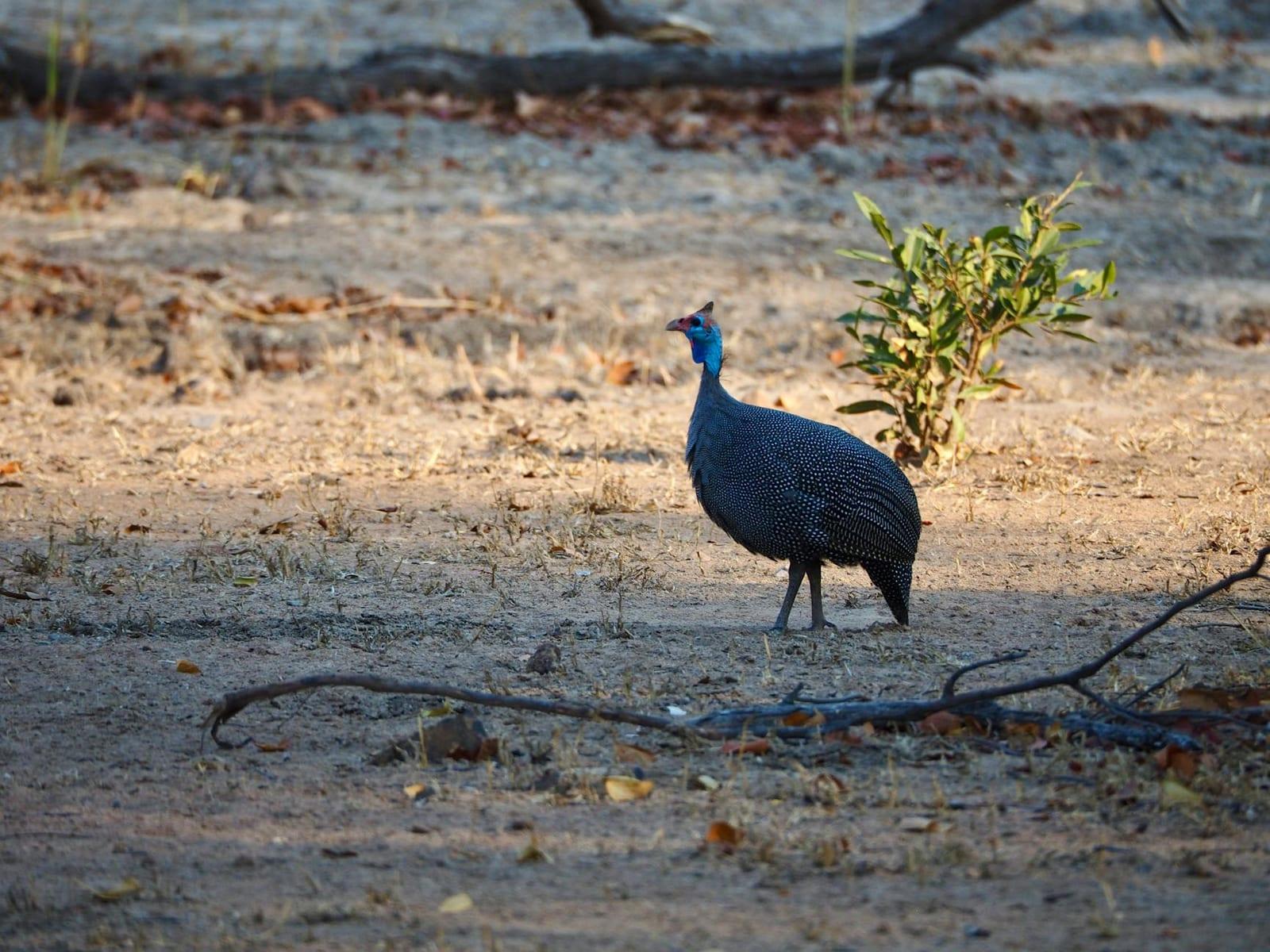
- Comoe National ParkAmong the largest and most ecologically diverse parks in West Africa, Comoe harbors painted hunting dogs and all three African crocodiles.
- Azagny National ParkThis coastal preserve west of Abidjan provides habitat for everything from West African manatees to elephants.
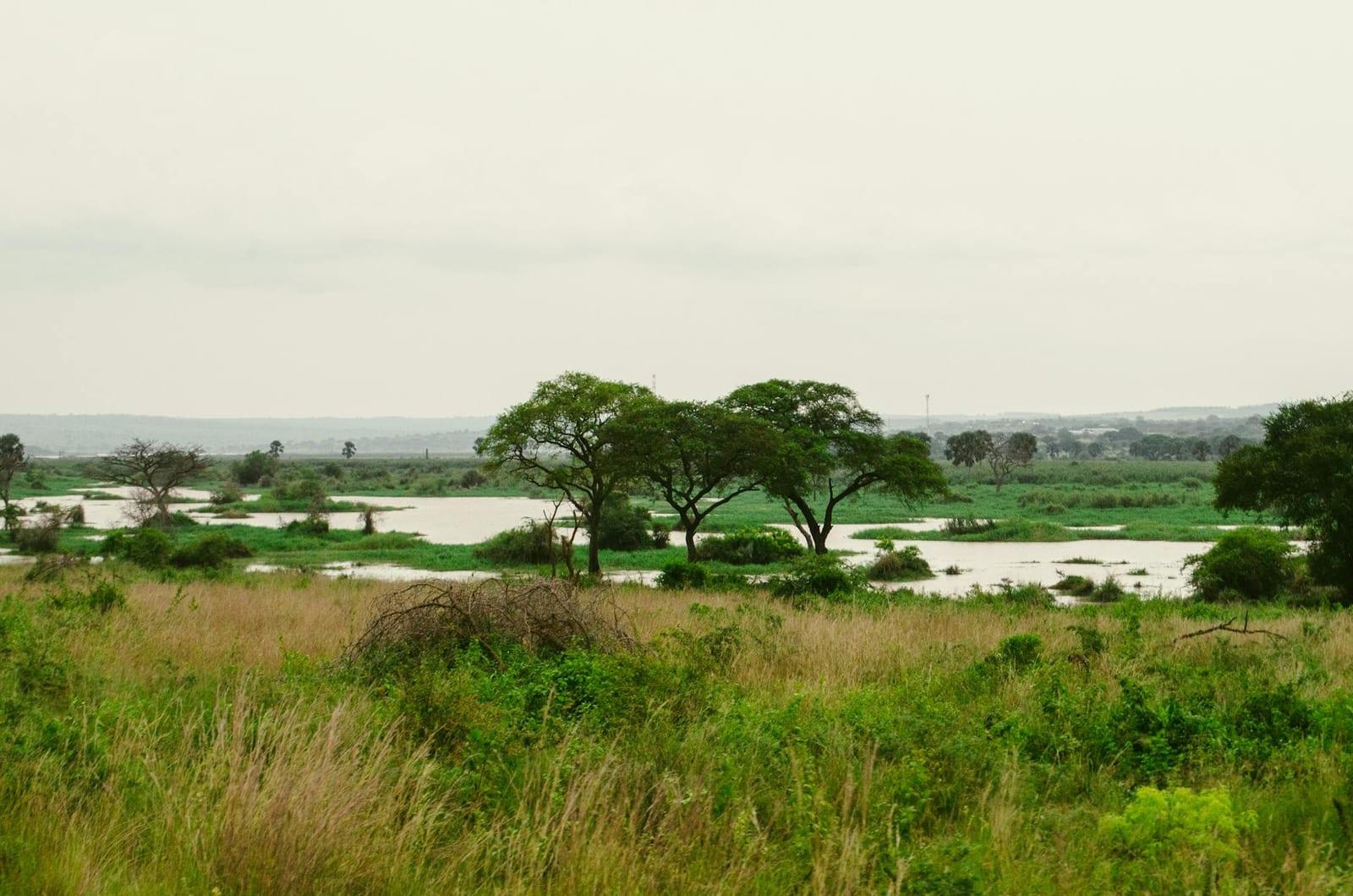
- Mount Nimba Strict Nature ReserveShared with Guinea, this scenic blend of mountaintop grasslands and high forests is a biologically diverse headwaters.
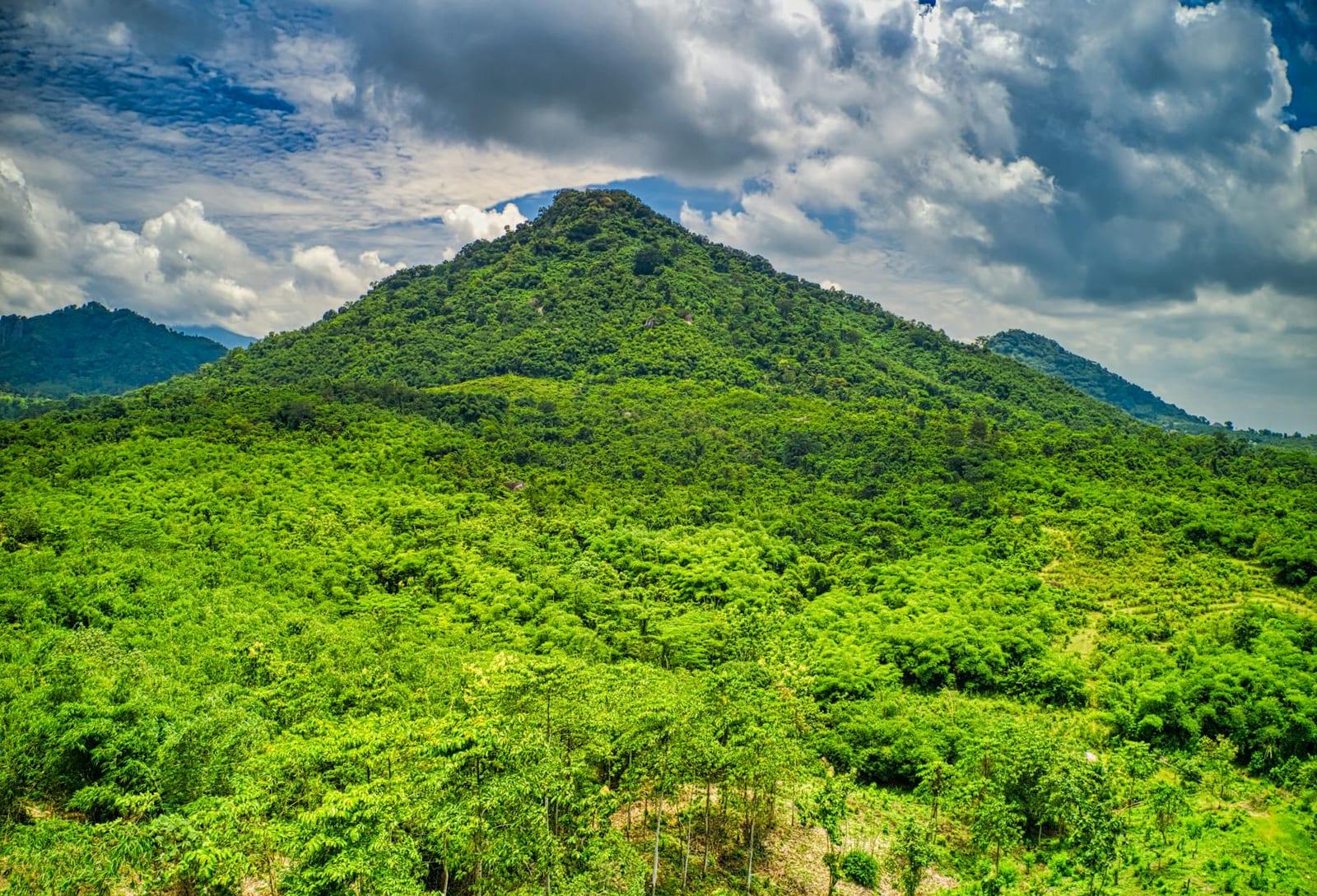
- ManThis highland town is a premier trekking launchpad—especially with dramatic waterfalls within easy reach—and also a centerpiece of Dan culture.
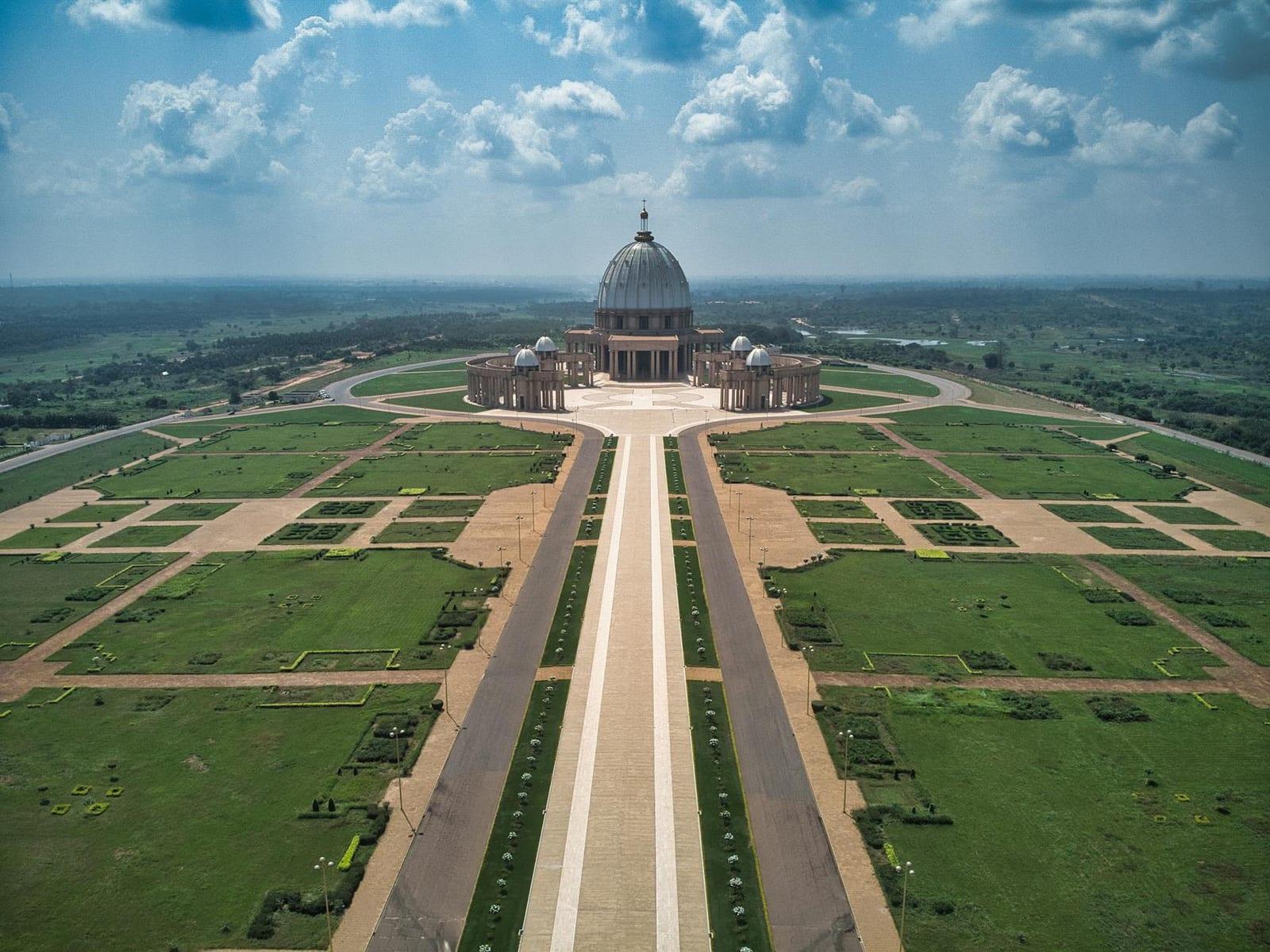
- Basilica of Our Lady of PeaceThis Yamoussoukro house of worship—among the biggest churches on the planet—is a clear architectural echo of the Vatican City’s St. Peter’s Basilica.
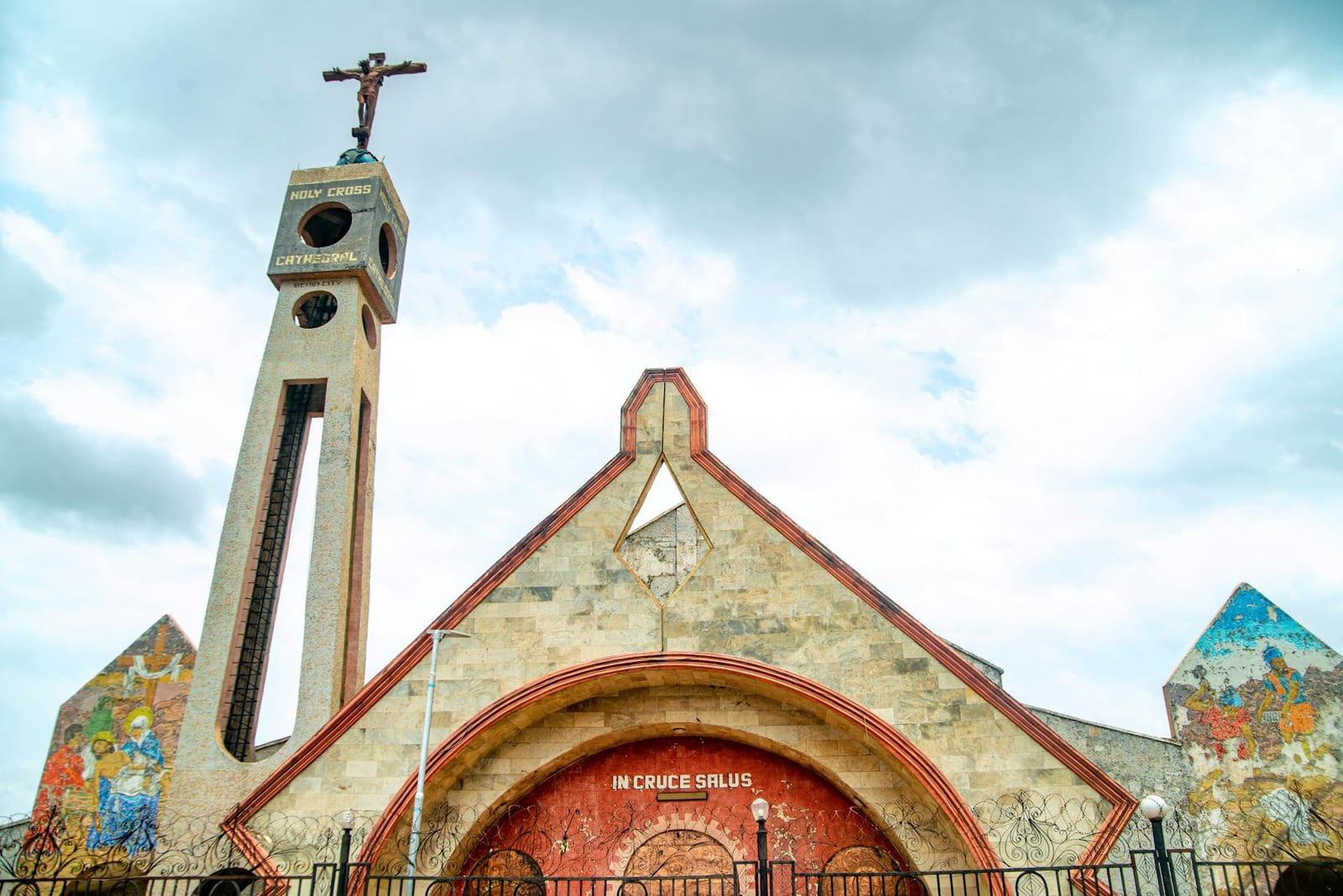
- St. Paul’s CathedralAs strikingly modern as Yamoussoukro’s basilica is traditional, Abidjan’s concrete cathedral is massive in its own right.
- Musée NationalAbidjan’s National Museum presents a wide array of indigenous masks, pottery, carvings, and other cultural artifacts.