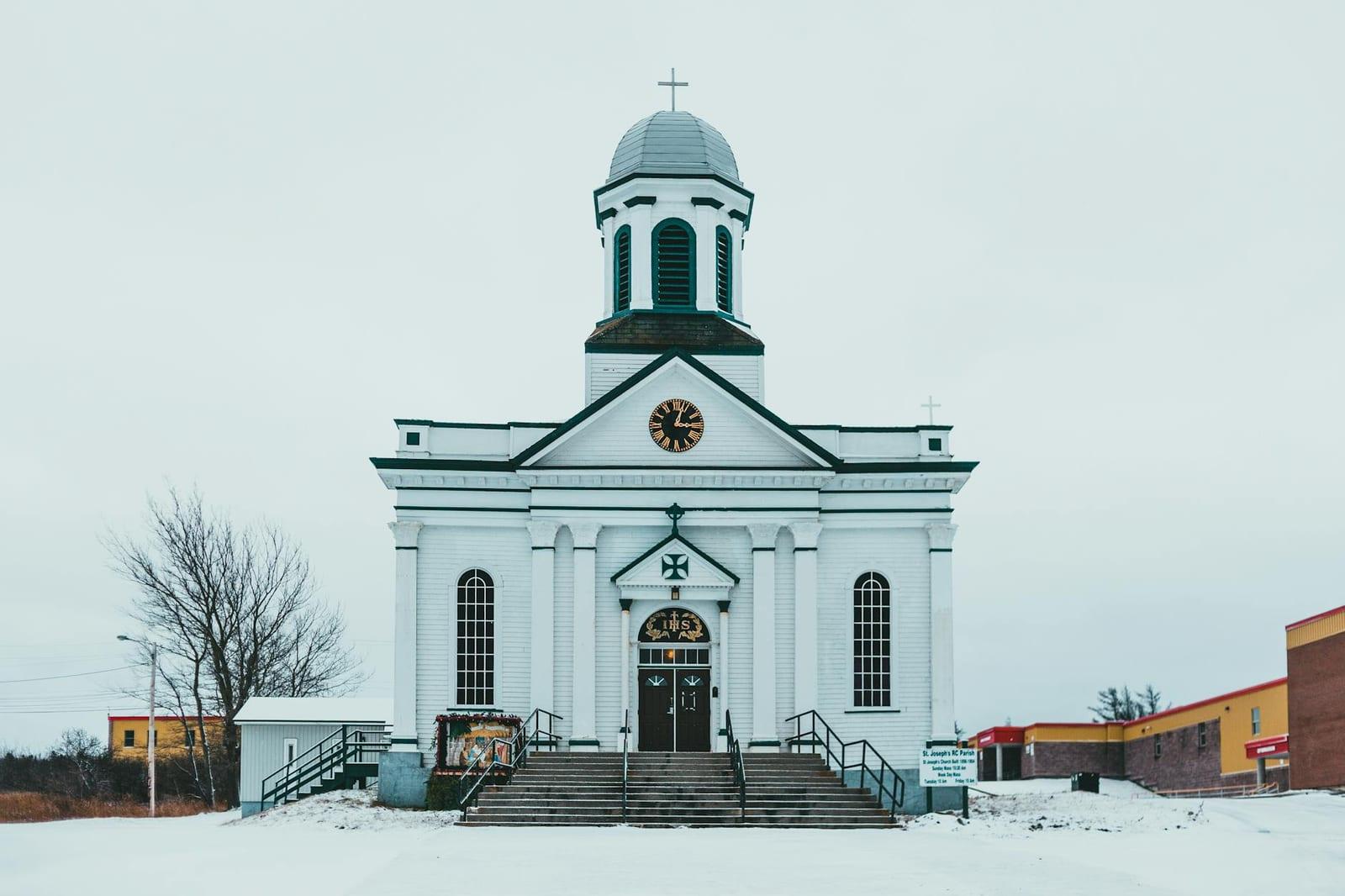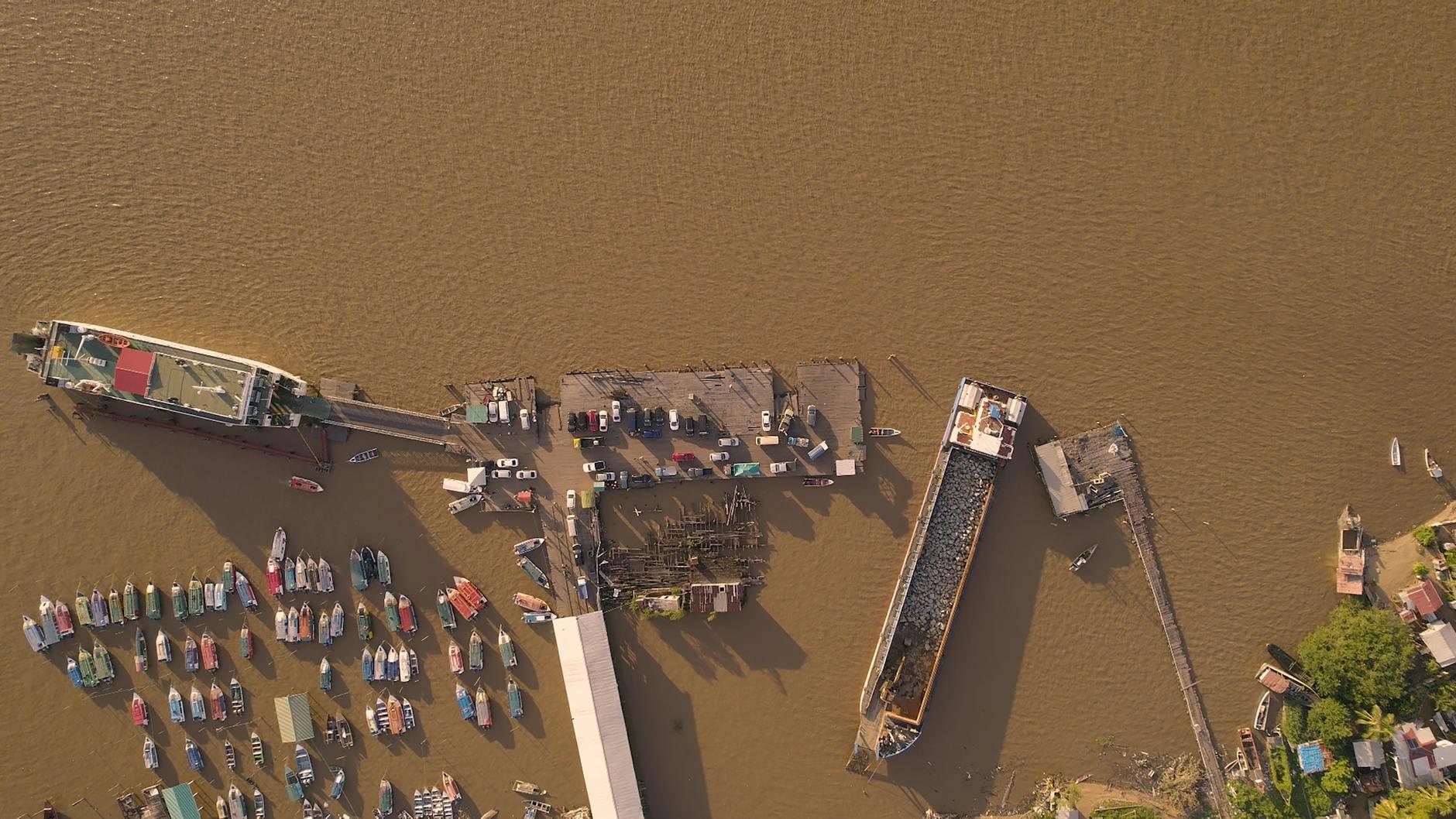

If South American wilds and indigenous culture intrigue you in the least, Guyana should be near the top of your travel itinerary. With most of its modest population concentrated on the Atlantic coast, the country has an extraordinary share of unspoilt tropical wilderness—and a fine ecotourism industry for parsing out its richness.
One of South America’s great rivers, the Essequibo, traces the bloodstream of Guyana, dropping as it does from the Acarai Mountains near the Brazil line and flowing north through the middle of the country to its Atlantic estuary near the capital city of Georgetown. Several Essequibo tributaries mark some of Guyana’s most significant natural wonders: The mighty Rupununi River in the southwest, for instance, anchors the biologically rich landscape of the Rupununi Savanna and the Kanuku Mountains, while the Potaro River in central Guyana tumbles over one of the planet’s greatest single-drop cataracts, Kaieteur Falls.
That splendid waterfall careens off one of the ethereal mesas called tepuis, which form the Pacaraima Mountains of Guyana's southwest. The Pacaraima, which belong to the Guiana Highlands and mark the Orinoco-Amazon divide, includes Mount Roraima, the cliff-fortressed, 9,220-foot high tabletop summit that helped inspire Sir Arthur Conan Doyle’s Lost World.
From the cloud-hidden tepui plateaus to tropical savannas and rainforests, the Guyanan landscape most richly comes alive in the form of its amazingly varied plant and animal life. The Rupununi River depths are a great stronghold of South America’s mightiest reptile, the black caiman, best admired from a safe distance. And other great beasts sweep the rivers: giant otters, 15-foot-long arapaima fish, green anacondas, pink river dolphins. Meanwhile, Guyana’s rainforest harbors tapirs, jaguars, pumas, tayras, and a dizzying variety of birds, reptiles, amphibians, and insects. Out on the Rupununi Savanna, you might spot the bizarre, shambling giant anteater or—cruising between blocks of forest—a monkey- and sloth-hunting harpy eagle, one of the most formidable birds of prey on Earth.
Wild Guyana steals the show, but you’d do well to explore the human side of things as well—from the deliciously multicultural cuisine (showcasing flavors from South Asia, China, and Africa within a New World foundation) to the colonial architecture of Georgetown, the “Garden City of the Caribbean.” South Asians and Afro-Guyanese account for much of the population, but Amerindian peoples have held on in places—including the Rupununi Savanna, home to the Makushi, Wapishana, and Wai-Wai. The country’s also notable as the only South American country with English as its official language (a legacy of British colonialism), though a creole tongue is widely spoken.
Much of Guyana truly feels like an untouched, untrammeled world. A world where modern-day explorers can fulfill their passion for adventure, and revel in near-pristine tropical ecosystems.
11 things not to miss.
- Stay at the Iwokrama rainforest lodgeStay at the Iwokrama rainforest lodge
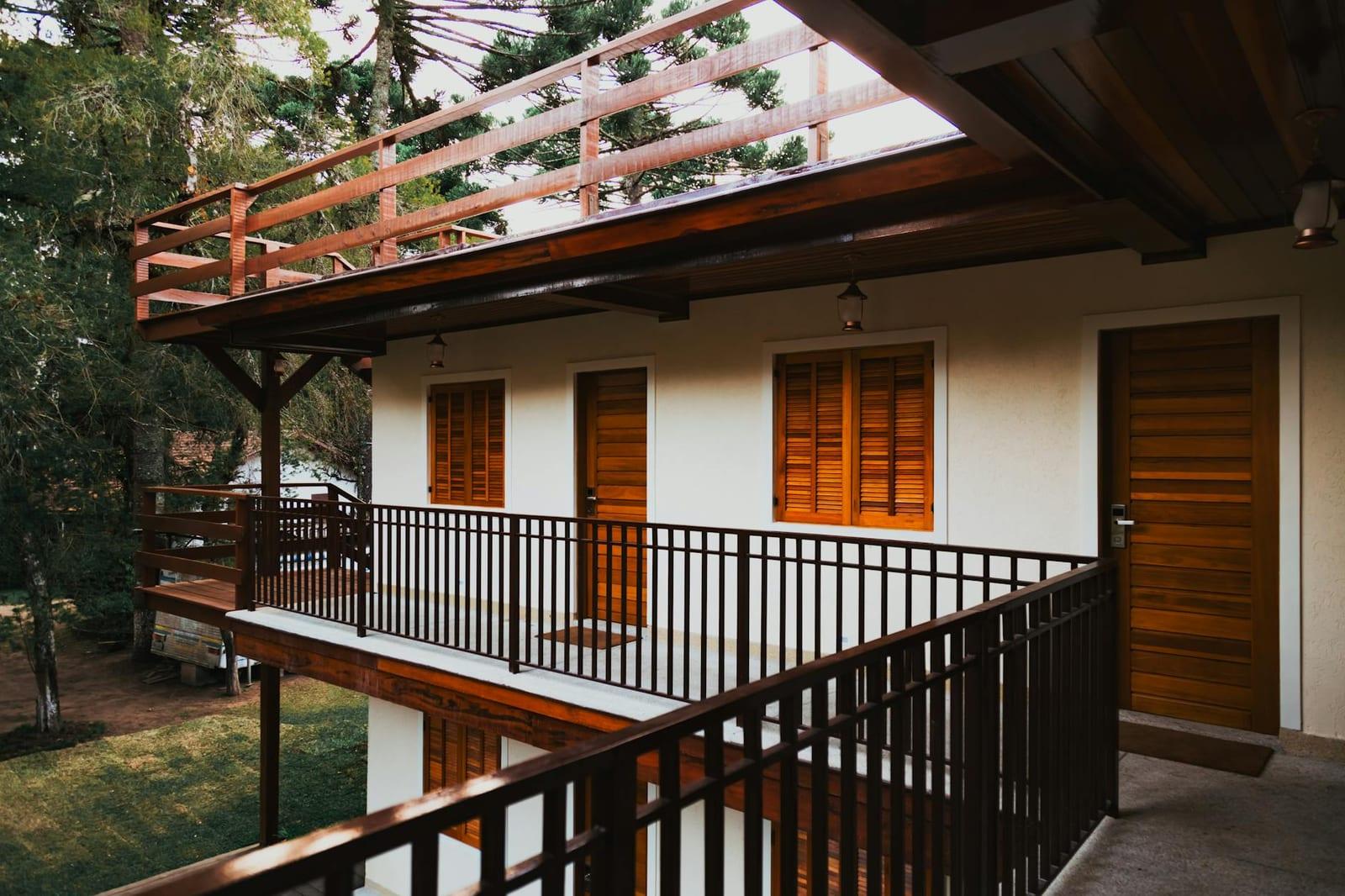
- Kaieteur FallsStand at Kaieteur Falls
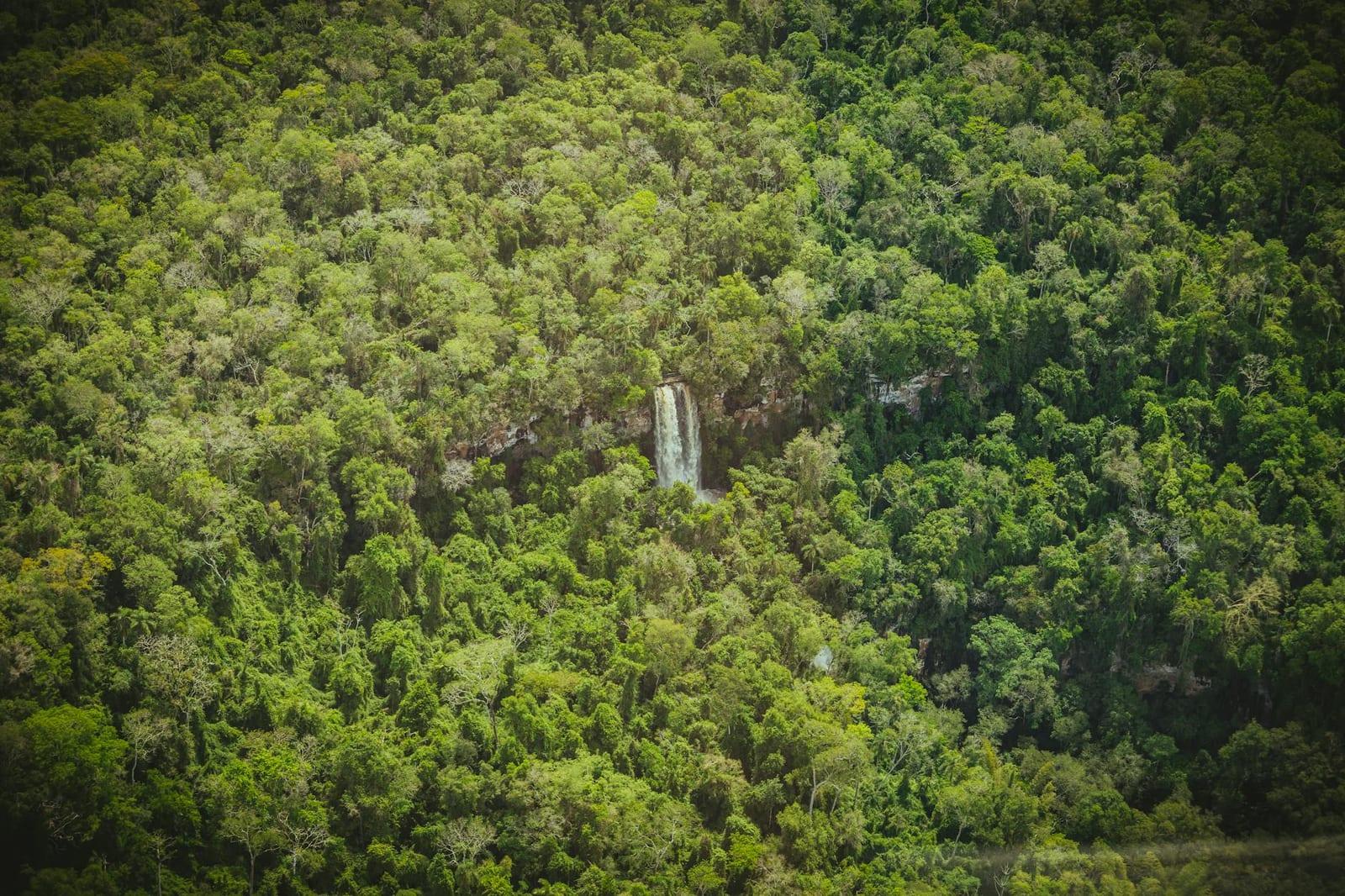
- Georgetown's wooden cathedralWalk Georgetown's wooden cathedral
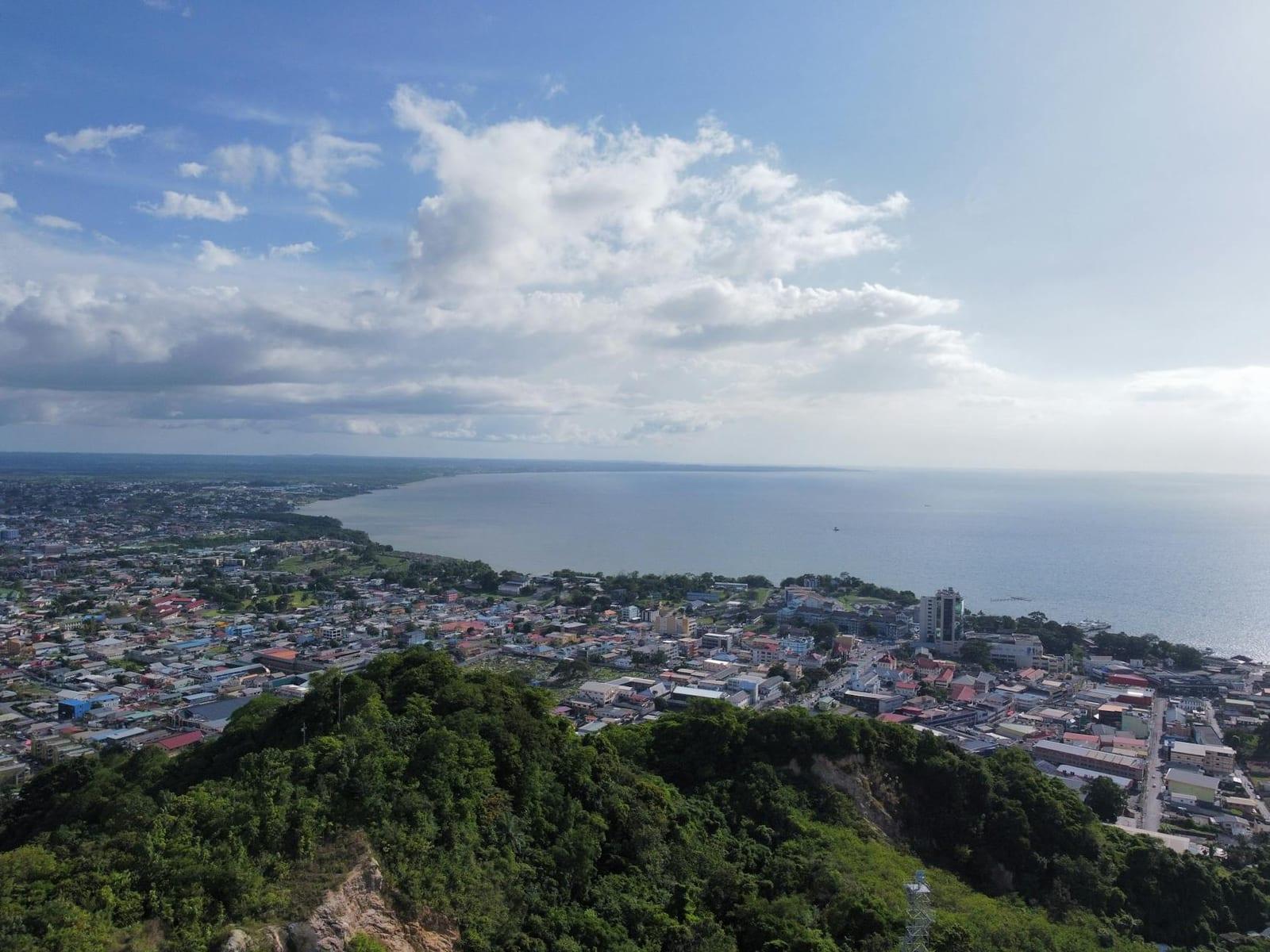
- Mount RoraimaThis magnificent 9,220-foot table mountain (tepui) on the Guyana-Venezuela-Brazil junction forms the crown of the Guiana Shield.
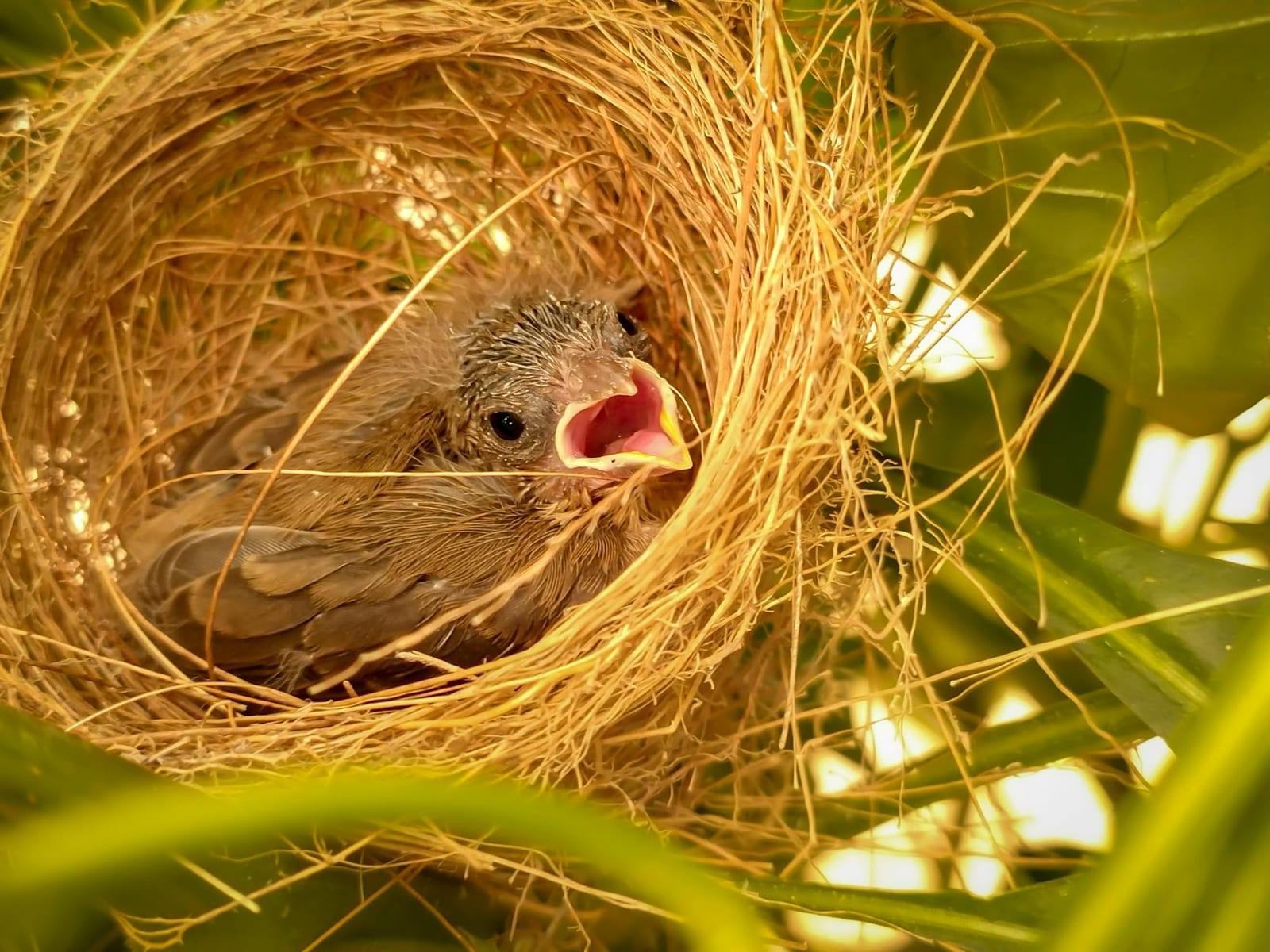
- Iwokrama ForestReservoir of biological diversity and homeland of the Makushi, this enormous reserve protects some of the most pristine tropical rainforest left on the planet.
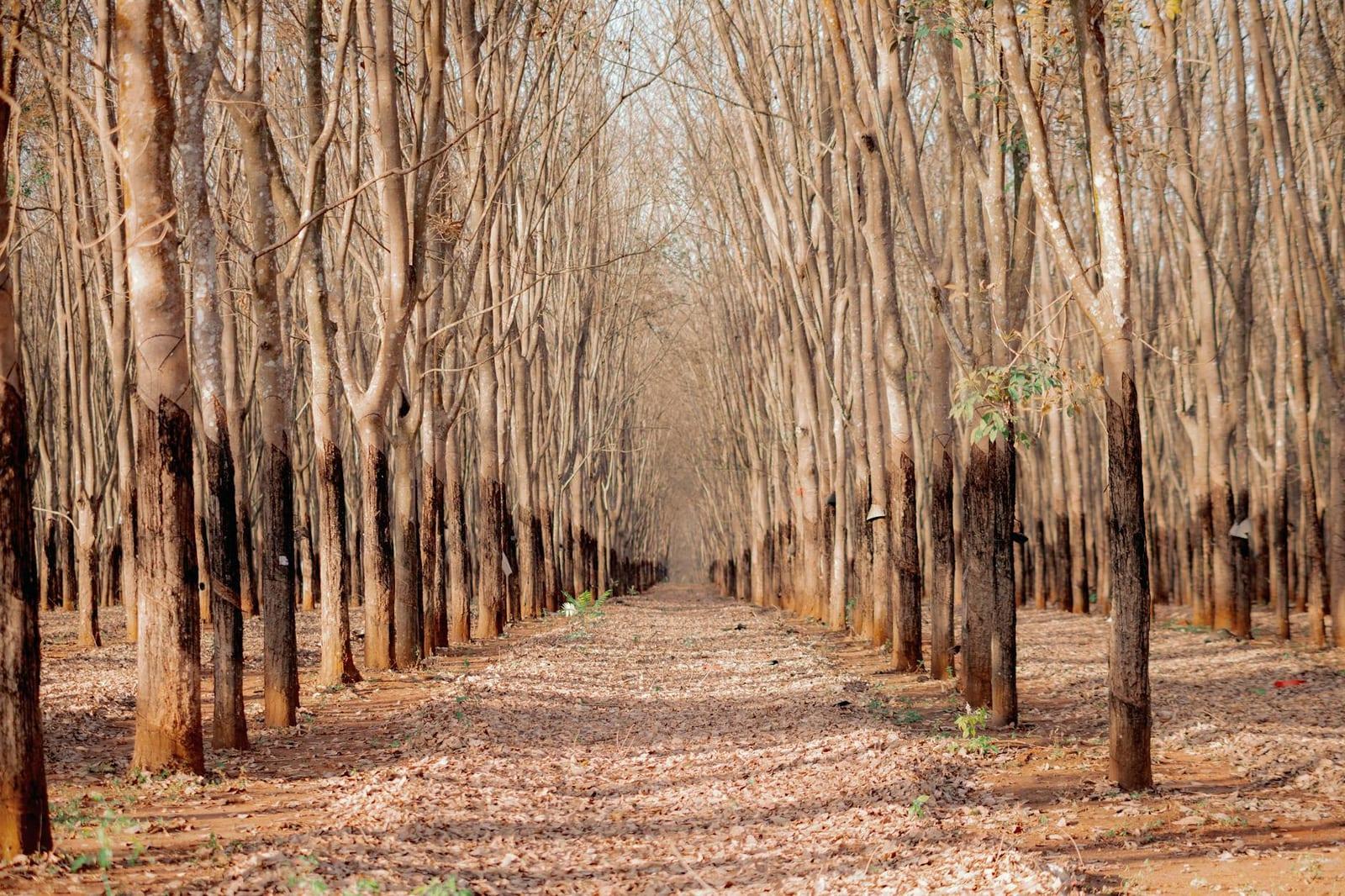
- Rupununi SavannaBroken by the Kanuku Mountains, the savannas and wetlands of the Rupununi are a wildlife jewel, home to jaguars, giant anteaters, and other megafauna.
- Georgetown City HallUnder consideration for World Heritage Site status, this splendid Gothic Revival monument has been a Georgetown landmark since 1889.
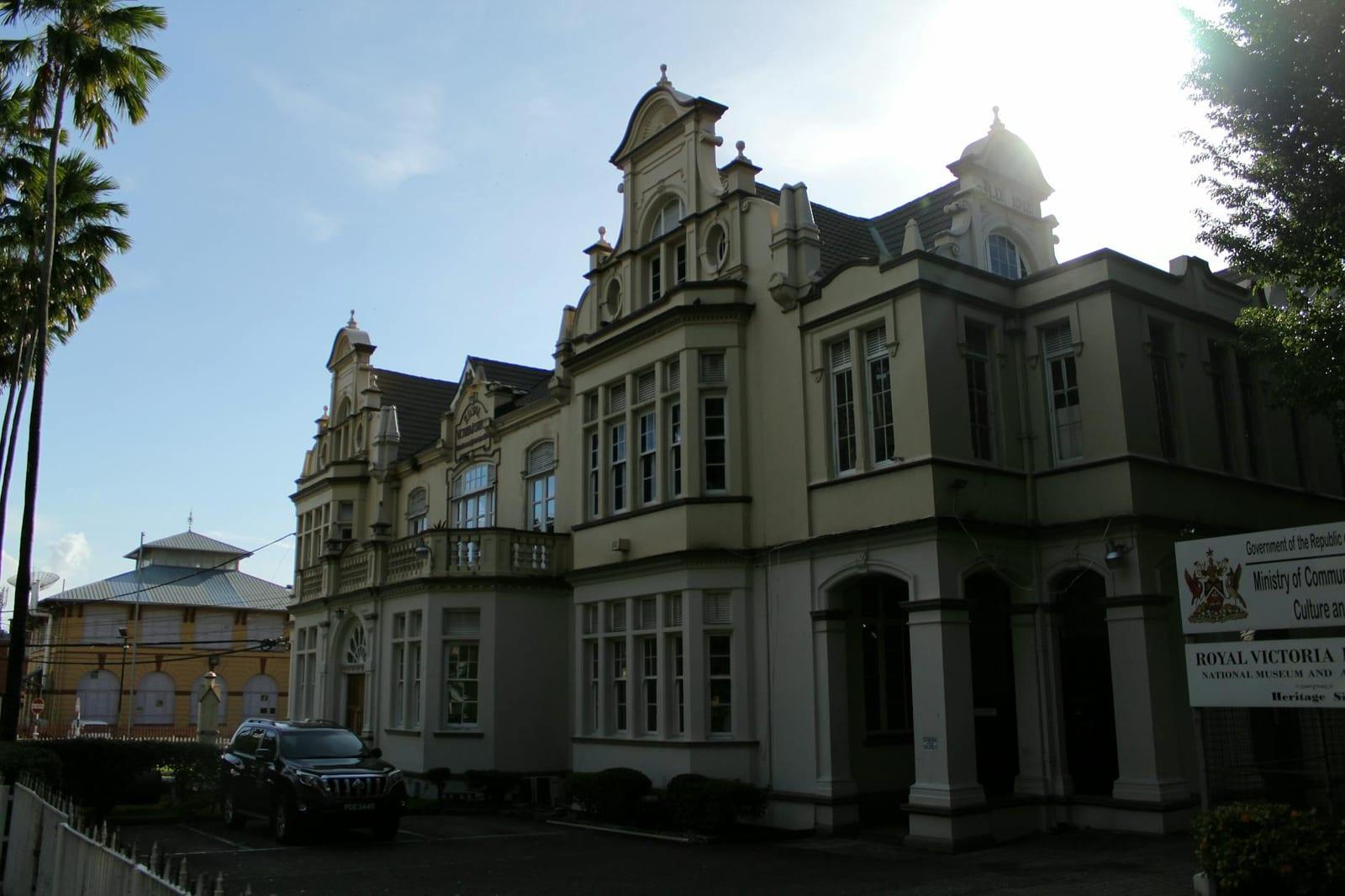
- Stabroek MarketGuyana’s busiest market, situated in central Georgetown, is invariably a lively affair.
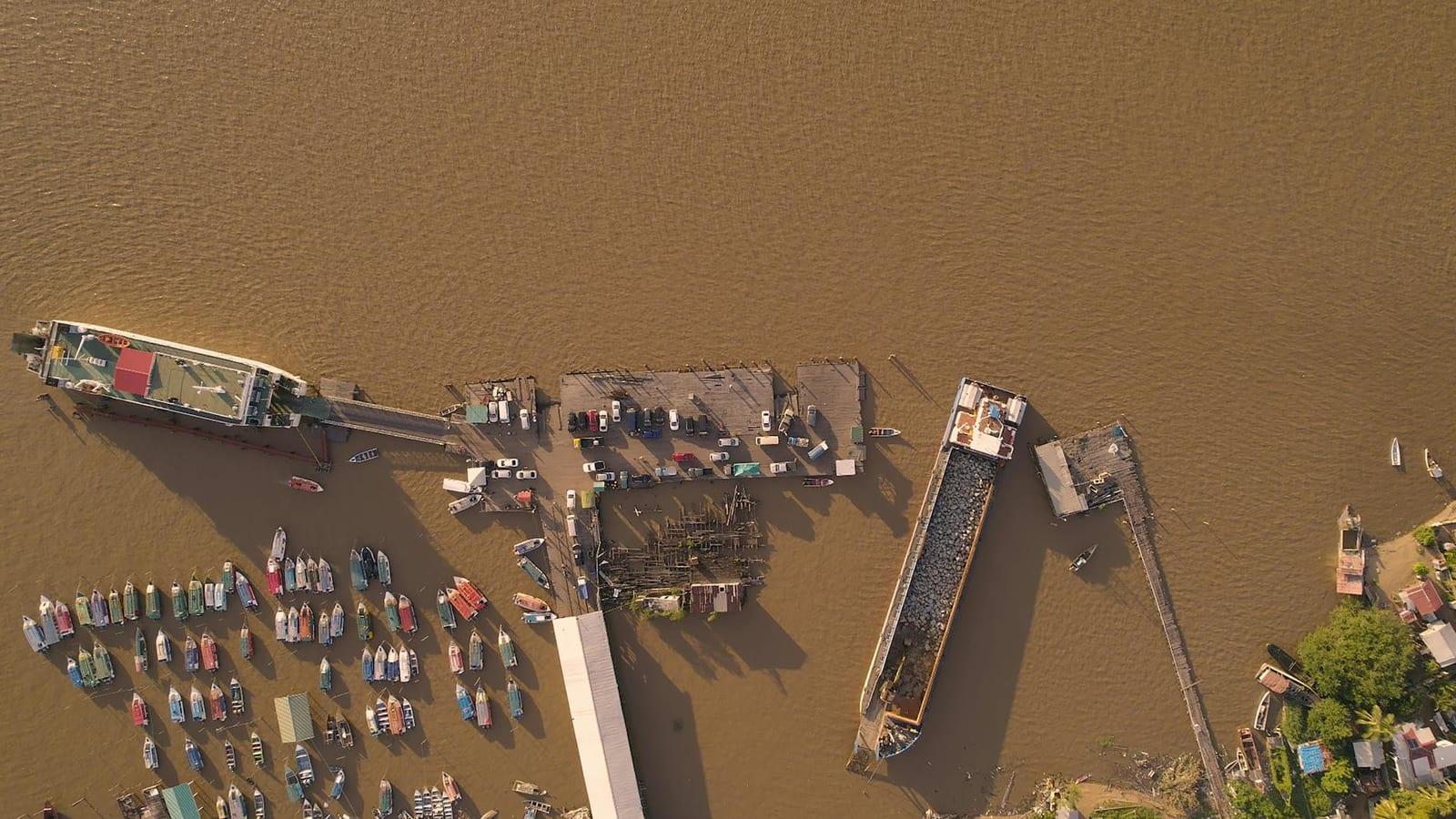
- Roy Geddes Steel Pan MuseumExplore the heritage of one of the Caribbean’s many homegrown musical traditions at this Georgetown museum, named for Guyana’s steel-pan legend.

- National Museum of GuyanaThis Georgetown museum has been showcasing Guyanese history and heritage since the 1860s.
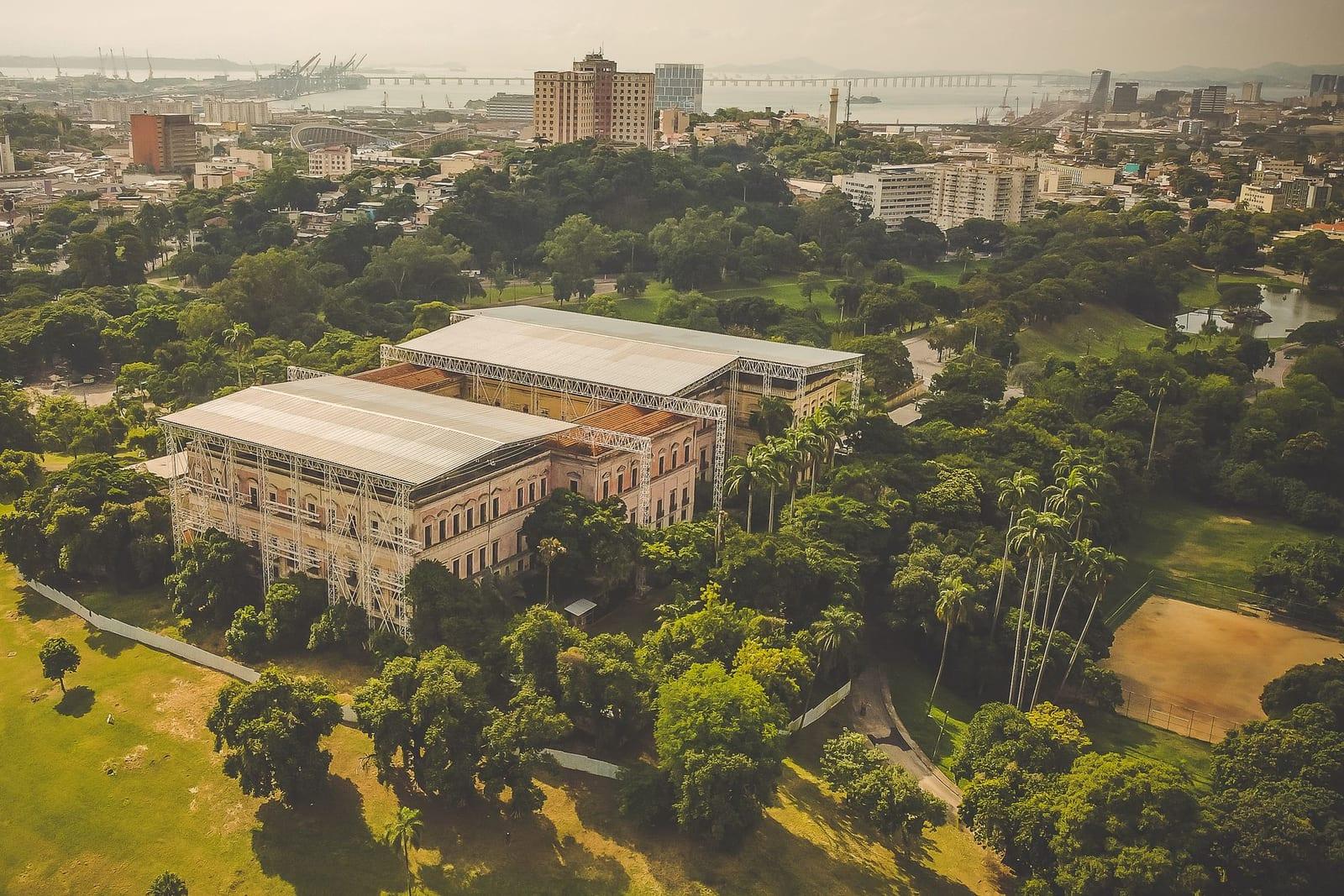
- St. George's CathedralThis 143-foot-tall Gothic cathedral, erected in the late 19th century, is one of the loftiest wooden churches in the world.