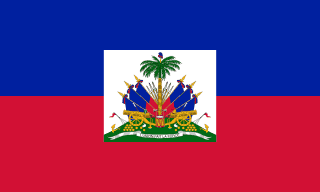
As of mid-2015, the country of Haiti remains a fraught and difficult place to visit: The effects of the calamitous 2010 earthquake on infrastructure and public health are still severe, while crime (particularly around the capital of Port-au-Prince) and civil unrest remain serious issues; as such, the U.S. and U.K. governments both have standing travel advisories regarding Haiti. But this unique country, the only one in the world to have been successfully established by a slave rebellion, is a genuinely stirring place, and hopefully in the coming years increasing numbers of tourists—bringing much-needed revenue into the suffering economy—can discover it for themselves.
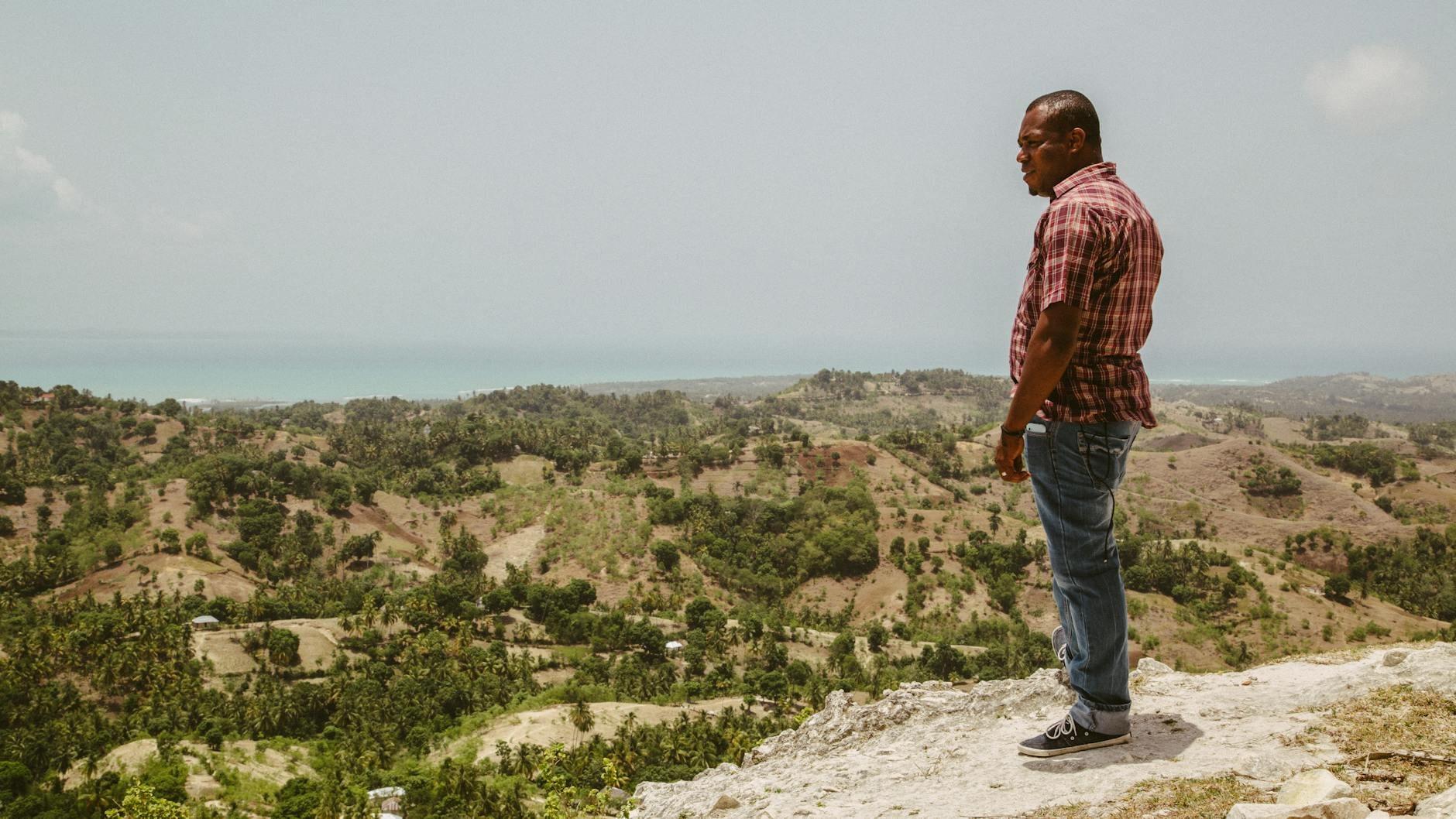
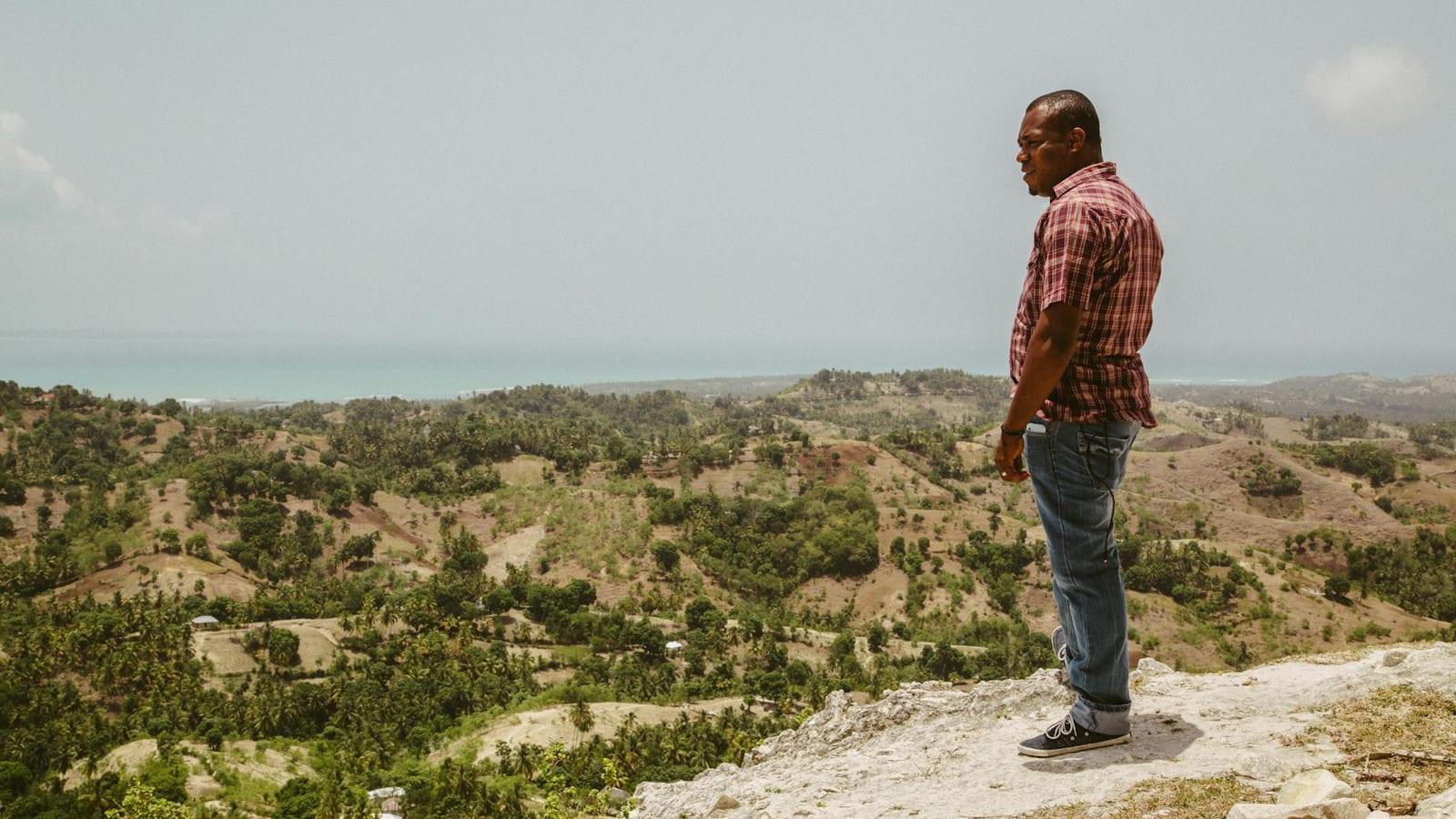
Haiti occupies the western corner of the island of Hispaniola, bordering the larger and more prosperous Dominican Republic. It’s a rugged country, its mountain ranges linking with the more extensive highlands of the Dominican Republic. The highest peak is 8,905-foot Pic la Selle in the south. The second-loftiest mountain, 7,700-foot Pic Macaya, anchors Pic Macaya National Park far out on Haiti’s southern peninsula. The park includes invaluable remnants, in a mostly logged-over country, of native cloud forest. Other notable natural landmarks are the lofty waterfall of Saut-d’Eau in central Haiti; the cataract-linked pools of the Bassins Bleu near Jacmel, said to be the haunt of water nymphs; and the broad saline lake of Etang Saumatre, a hotspot for waterfowl and American crocodiles.
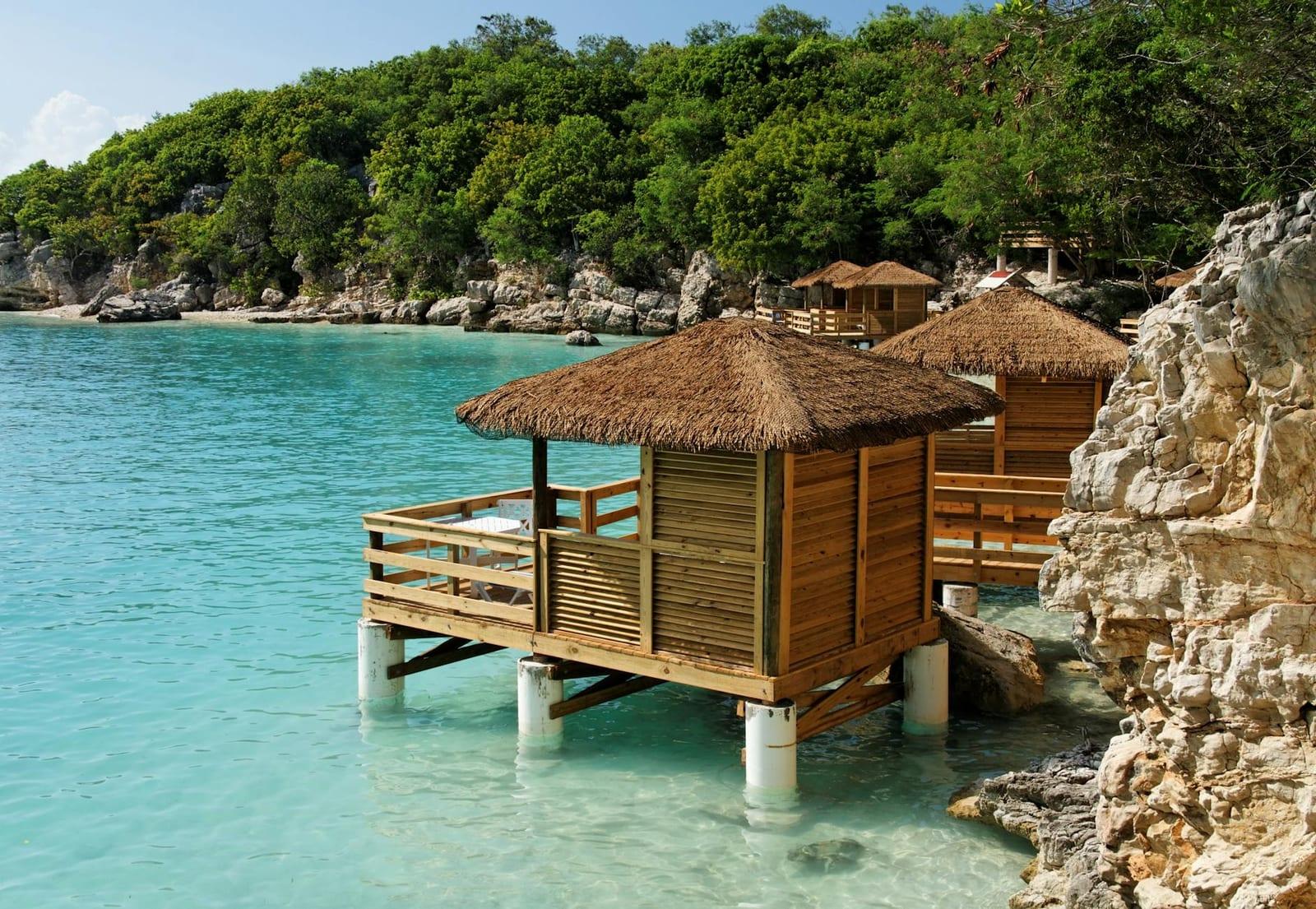
On its mainland and fringing islands, Haiti has its fair share of high-caliber beaches. That said, the political and economic realities of this country mean the sand-and-surf vacations typical of other corners of the West Indies aren’t much of a reality here—though optimistic development plans are in the works to change that.
What you can do in Haiti is soak up an amazing human experience. The early inhabitants of Hispaniola, the Taino, created beautiful petroglyphs still visible in some caves and river gorges; though Spanish colonization destroyed this Amerindian culture through the spread of epidemics, outright warfare, and enslavement. By the 1620s, Haiti had shifted from Spanish to French rule, and thousands of West African slaves were brought in to tend the Saint-Domingue (as the colony was known) sugarcane fields. Attacks on colonial settlements and plantations by escaped slaves presaged the Haitian Revolution of 1791 to 1804. Orchestrated by Toussaint Louverture, this slave rebellion successfully expelled the French and established Haiti as an independent nation. And the Citadelle La Ferriere, a hilltop fortification constructed in the early decades of the 19th century to secure the freshly born country, is one of the Caribbean’s most awe-inspiring historical monuments.
Because of its singular roots, Haitian society is more strongly African-flavored than anywhere else in the West Indies. From the much-misunderstood Vodou religious traditions to the Afro-European stylings of meringue music, there’s a stunning depth of proud and resilient culture here.
It appears that Haiti will remain off the radar of international tourism for some time, but we can all hope that improvements in quality-of-life and infrastructure make it a more accessible destination in the future. Haitian heritage is simply too precious and inspiring to go unappreciated in the flesh.
11 things not to miss.
- the Citadelle LaferrièreHike the Citadelle Laferrière
- Jacmel's art studiosVisit Jacmel's art studios
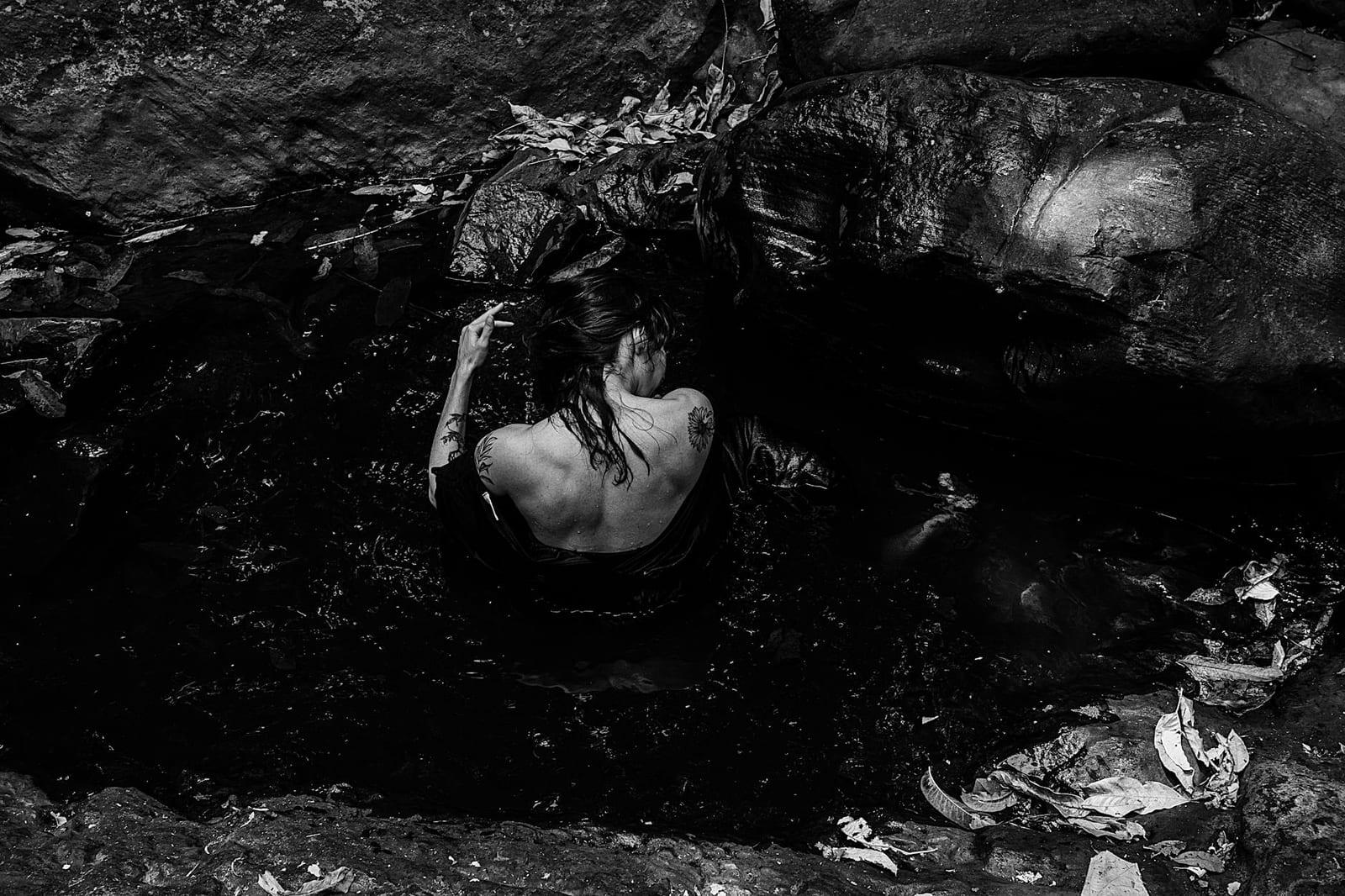
- Bathe at Bassin Bleu's natural poolsBathe at Bassin Bleu's natural pools
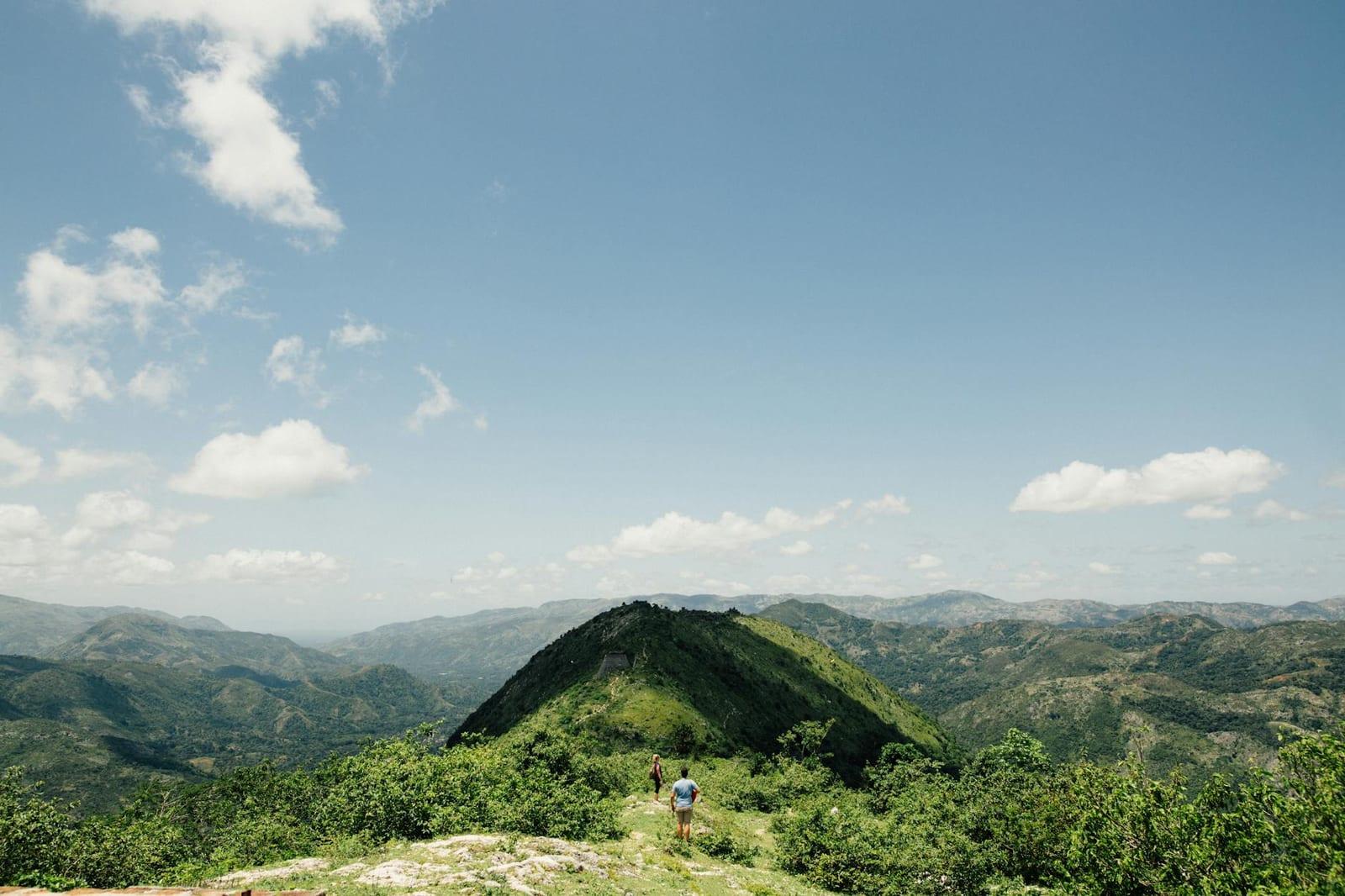
- Pic Macaya National ParkThe lofty namesake peak and now-rare patches of virgin cloud forest define this special sanctuary.
- Saut d’EauThis serene waterfall, one of Haiti’s scenic high point, is also a major destination for Catholic and Vodou pilgrims.
- Citadelle La FerriereOne of the orchestrators of the Haitian Revolution, Henri Christophe, built this grand fortress in the early 1800s to protect the brand-new country.
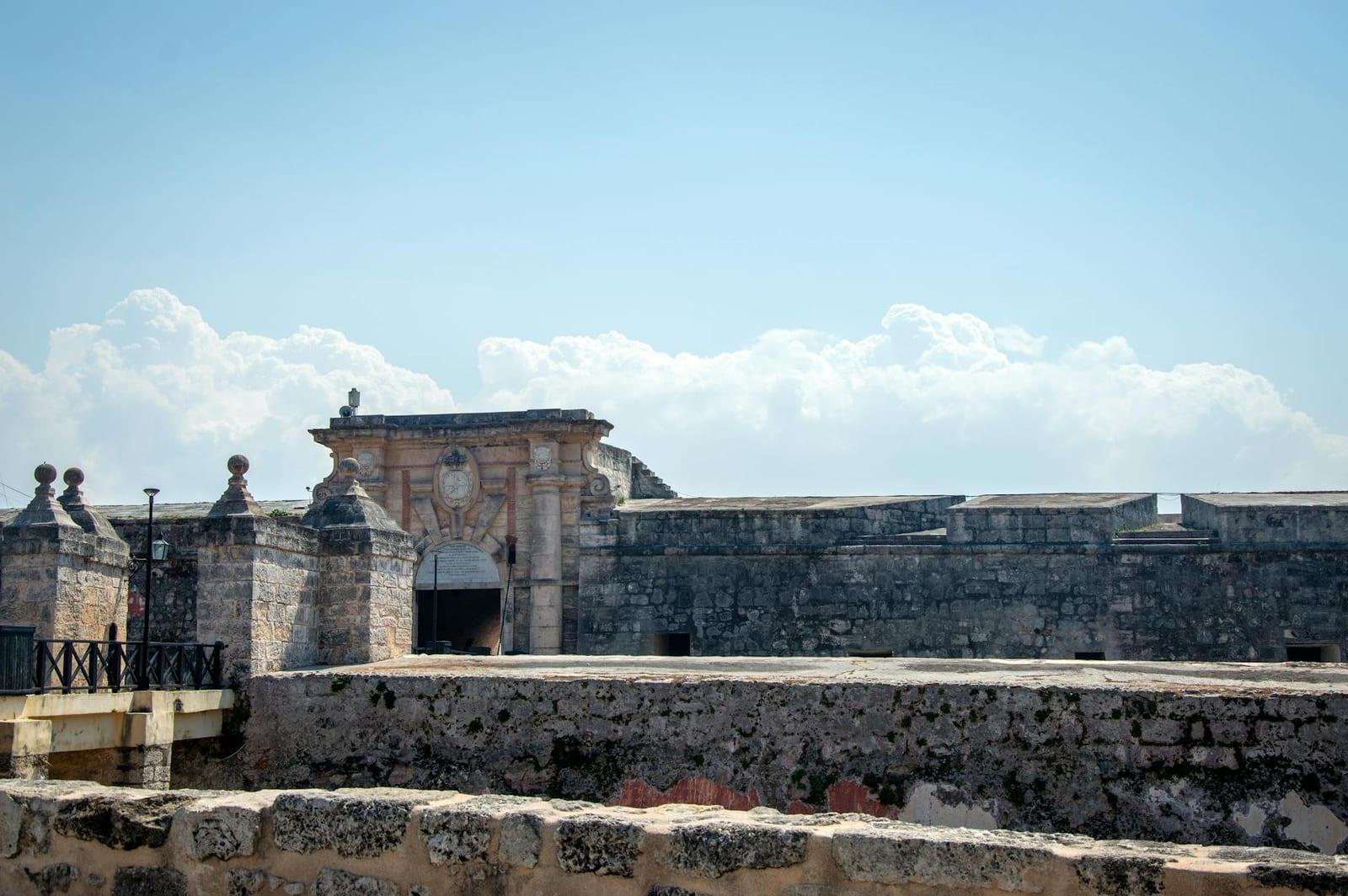
- Bassins BleuThese cataract-threaded pools, said to be the hideaway of water nymphs, present an earthly vision of paradise.
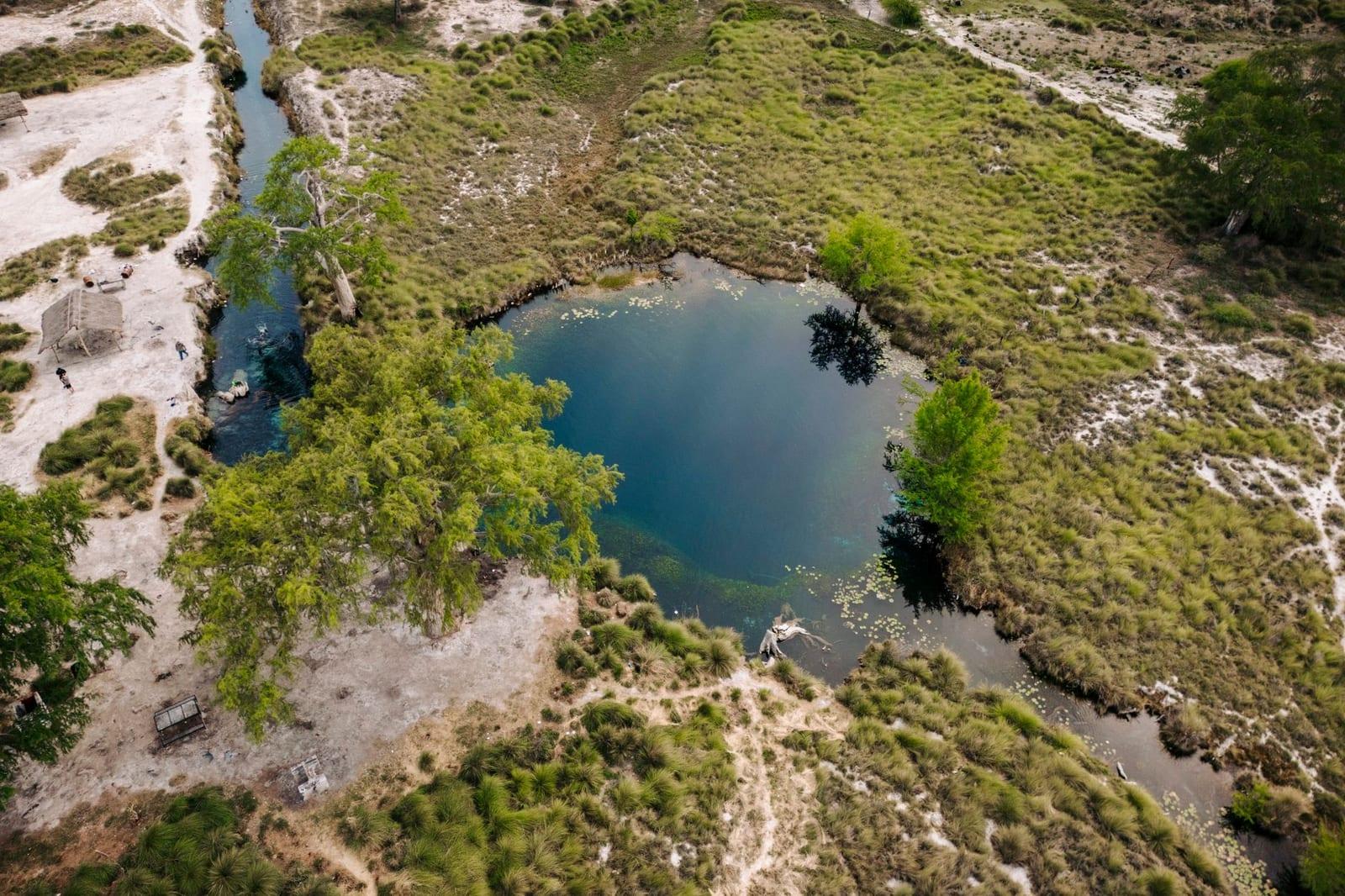
- Etang SaumatreMany waterfowl and wading birds call this sprawling salt lake home, as does a regionally significant population of American crocodiles.
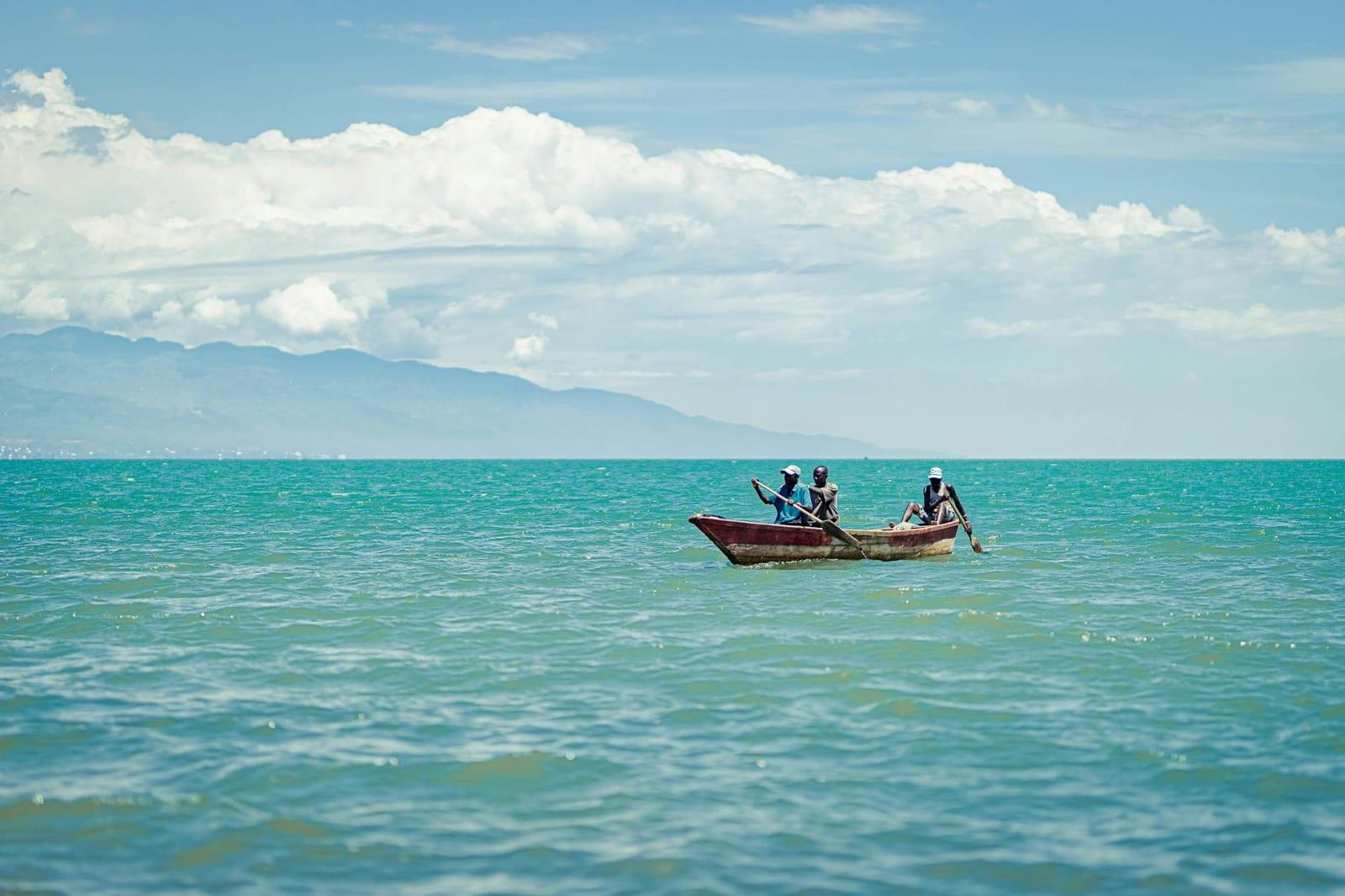
- Cap HaitienA stone’s throw from the Citadel, this north-coast city draws many to its extensive beaches and colonial-era architecture.
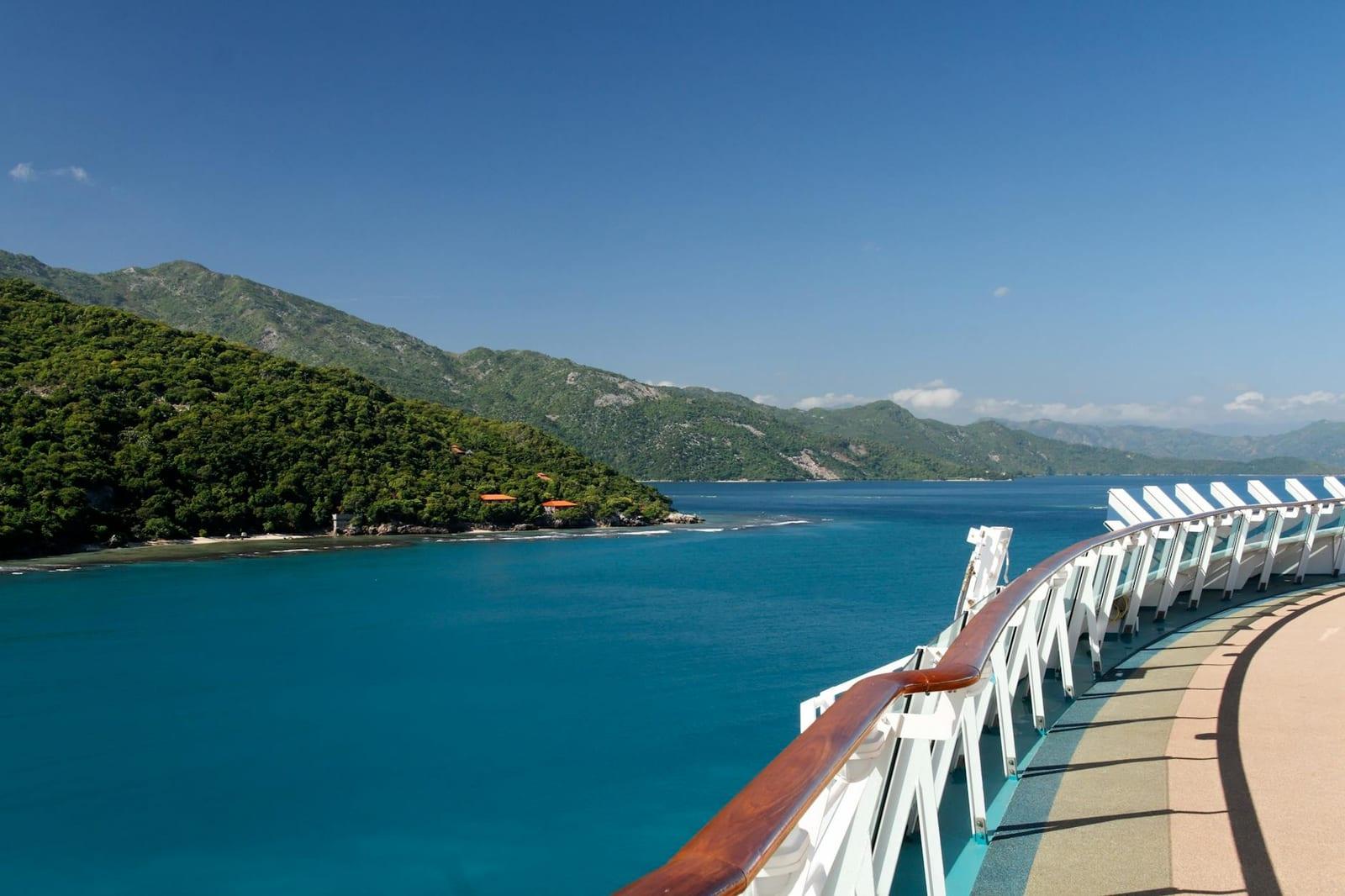
- Port-SalutThis tucked-away seashore boasts some of Haiti’s most laidback and breathtaking beaches.
- Iron MarketPort-au-Prince’s famous bazaar, better than 100 years old, has been rebuilt on the heels of the disastrous 2010 earthquake.