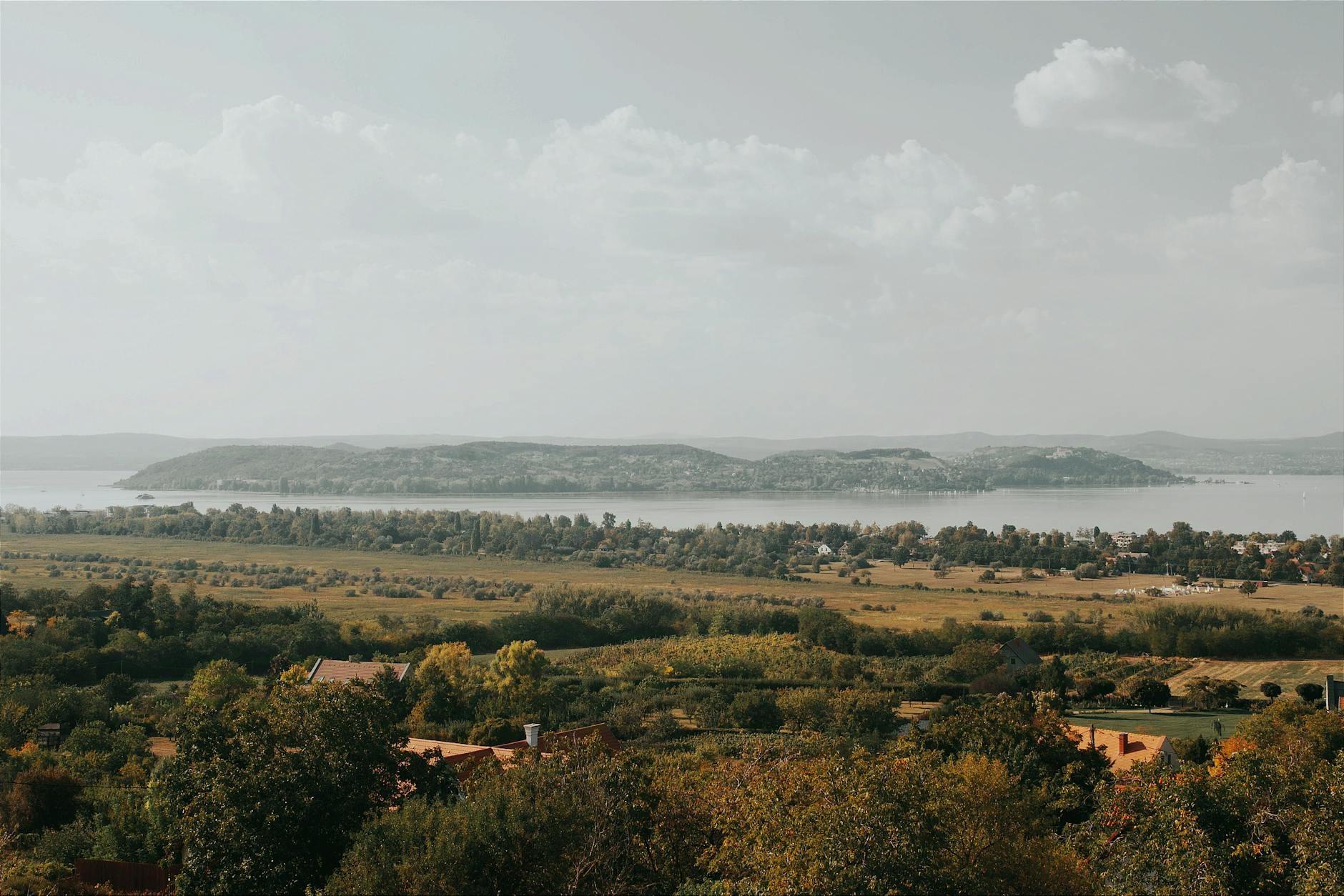

The story of the Hungarian people is standing firm in the face of regular invasions, occupations, shifting alliances, and all-around convulsions of political geography. The Mongols and Turks rolled over the country; Habsburg control eventually evolved into the Austro-Hungarian Empire, one of the mighty powers of the 19th century. The Treaty of Trianon, at the close of World War I, dramatically redrew Hungary’s borders and in the process turned 71 percent of its historic dominion over to neighboring states; in an instant, the population plunged from 20 million to less than 8 million.
The social, cultural, and economic effects of this had a huge impact on Hungarian identity—the Trianon Syndrome, as it’s sometimes called—as did the nightmare of World War II and subsequent decades under Communist rule. In other words, Hungary’s road to modern, democratic nationhood—achieved in 1989—was a long, tumultuous, and trying one. Yet the visitor here discovers a fabulously rich culture on full display—right down to the Hungarian tongue, Magyar, linguistically unique in the region.
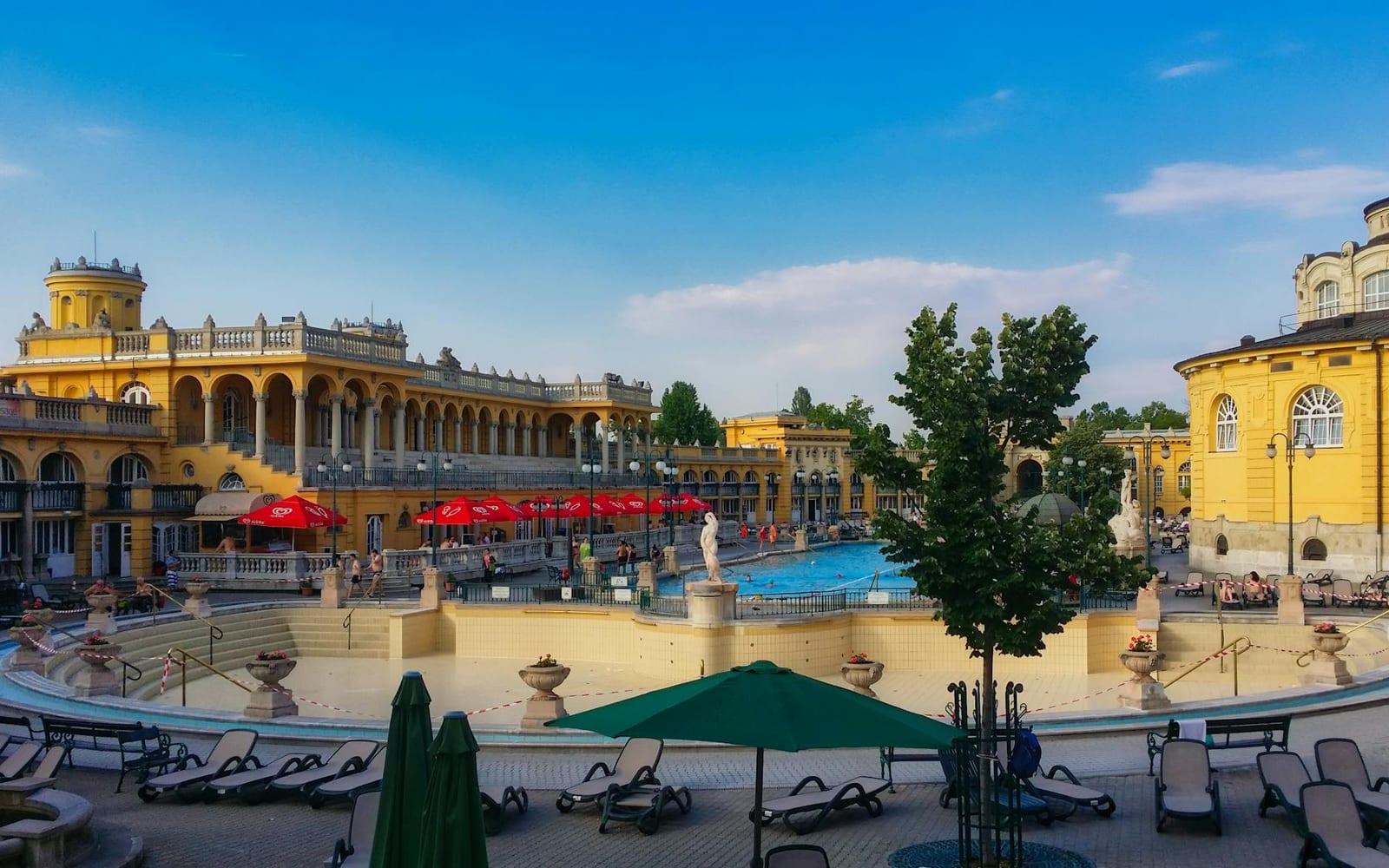
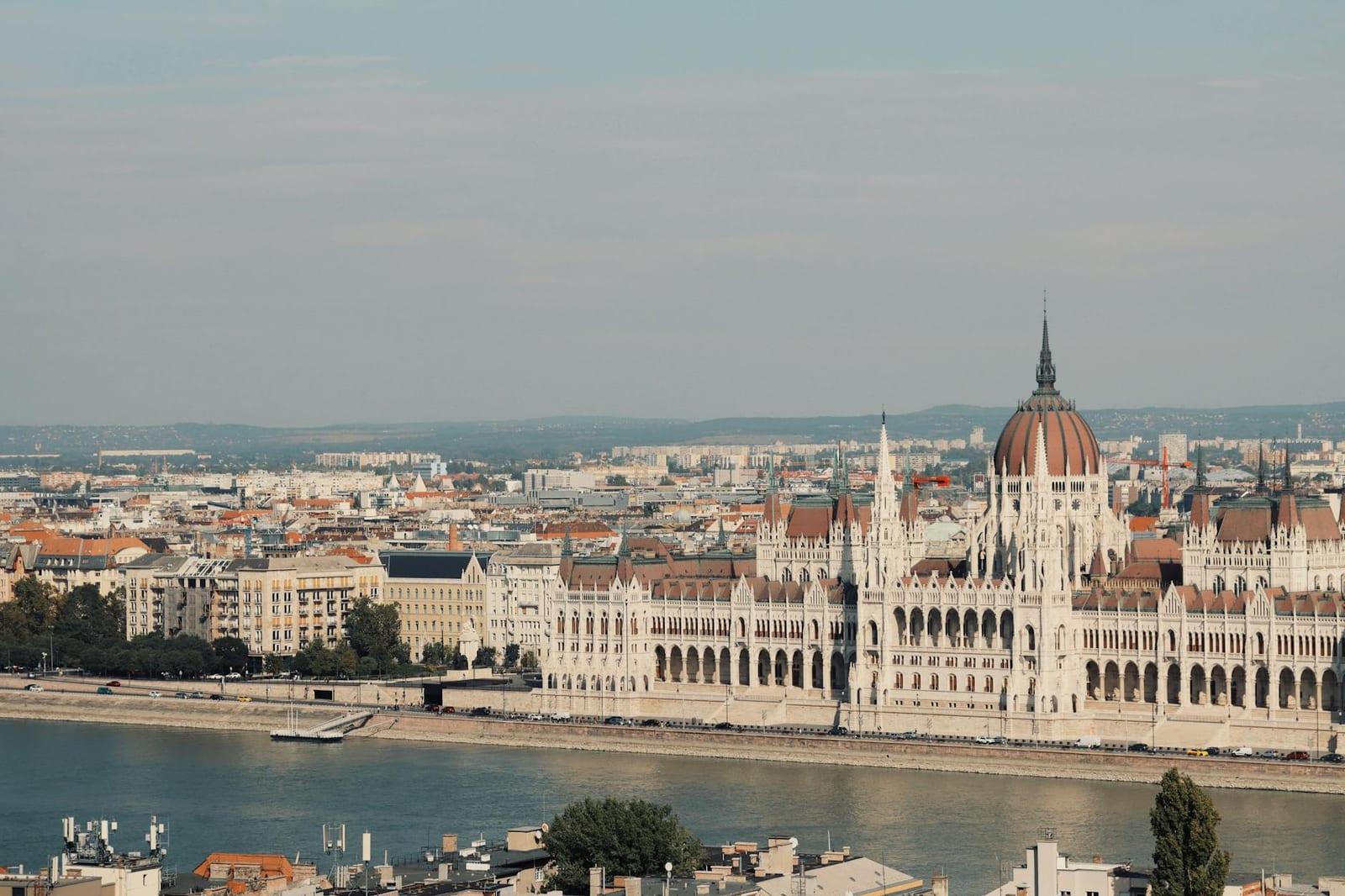
Nowhere is the Hungarian spirit so magnificently arrayed than in the country’s 2,000-year-old capital of Budapest, split by the Danube into Buda on the west and Pest on the east. This is one of the most glorious cities in Europe, spectacularly garbed in eye-catching architecture spanning Gothic to Bauhaus. Here are the ruins of the Roman metropolis of Aquincum, the hilltop Buda Castle, the magisterial Parliament Building, the Grand Synagogue, and many other breathtaking landmarks—not to mention scores and scores of thermal baths, renowned since the days of Ancient Rome. This is a truly living city, too, thrumming with artists, nightclubbers, theater-goers, students, and loads of bedazzled sightseers from around the world.
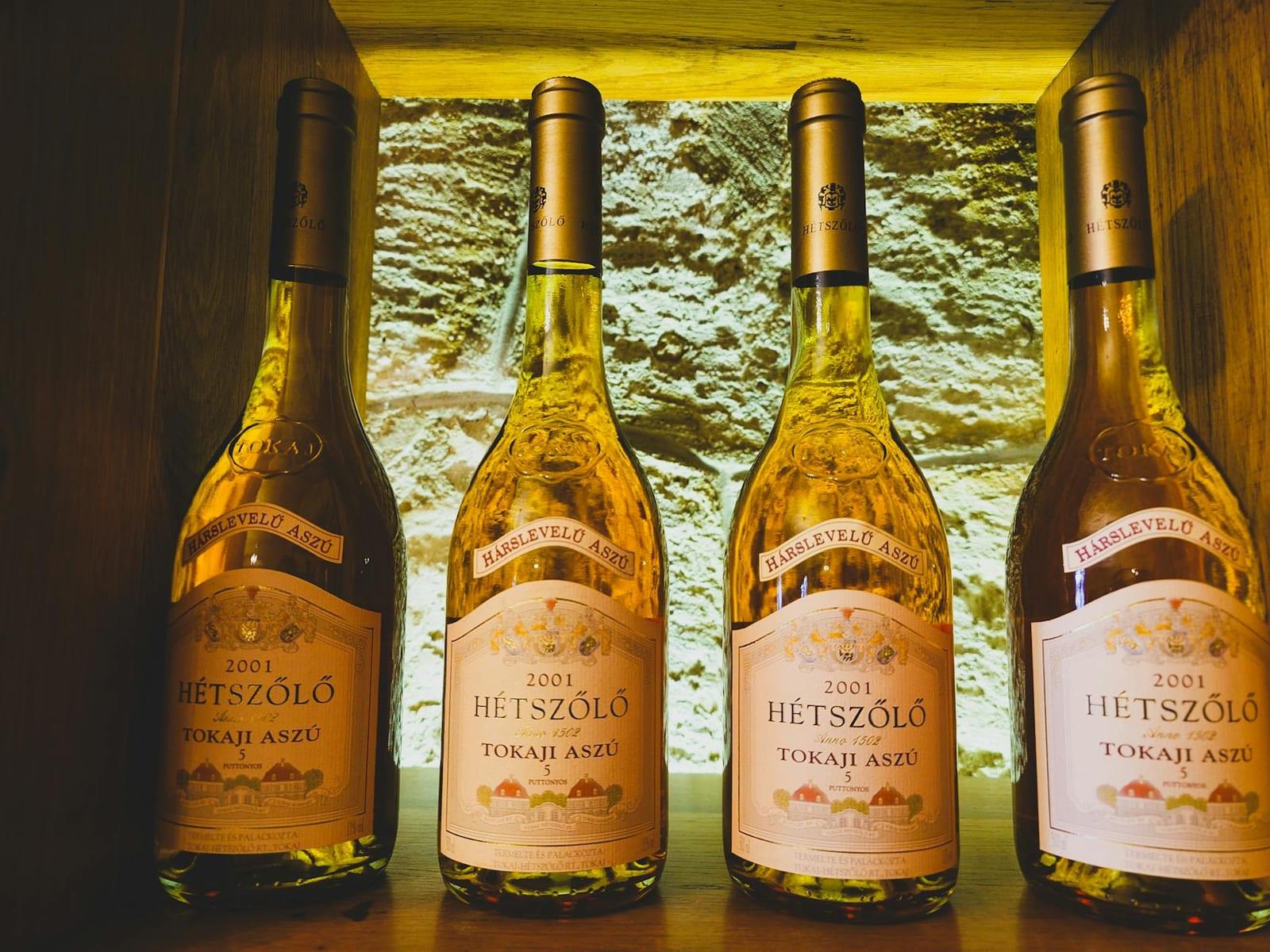
Whether in Budapest or one of the much smaller cities or towns, Hungarian cuisine is something to truly sink your teeth into (so to speak). Goulash is the standard-bearer of national cookery, but it’s just the doorstep to a marvelously refined and regionally diverse world of flavors—reflecting indigenous foodways and the culinary imprints of Turkey, Austria, the Balkans, and other geographies intrinsically linked to the Hungarian story. Wine-making here goes back an awfully long time, with sweet Tokaj grapes producing the booze of choice (the “Wine of Kings, King of Wines”) for many illustrious characters in European history—from Beethoven and Voltaire to Louis XIV.
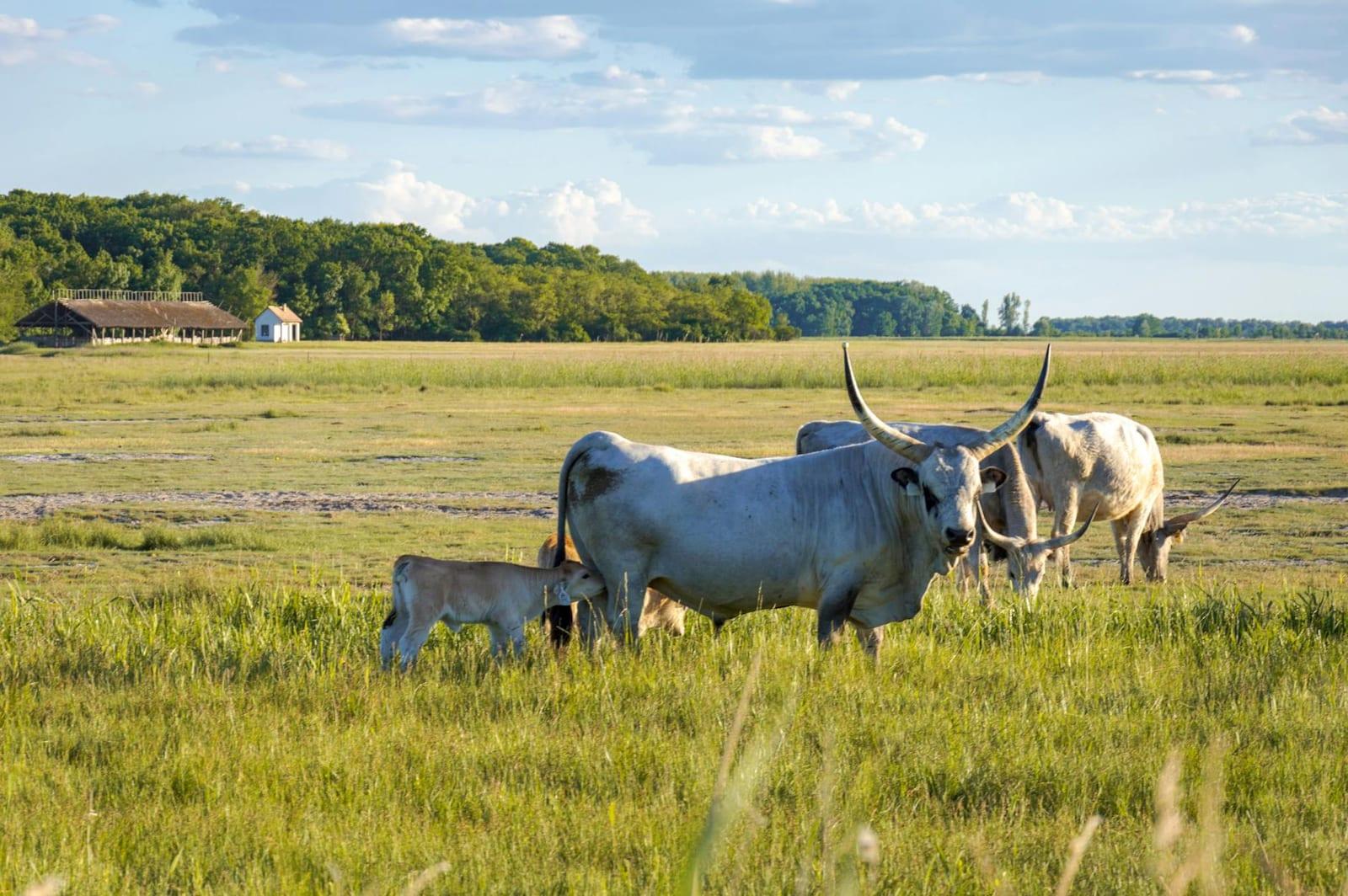
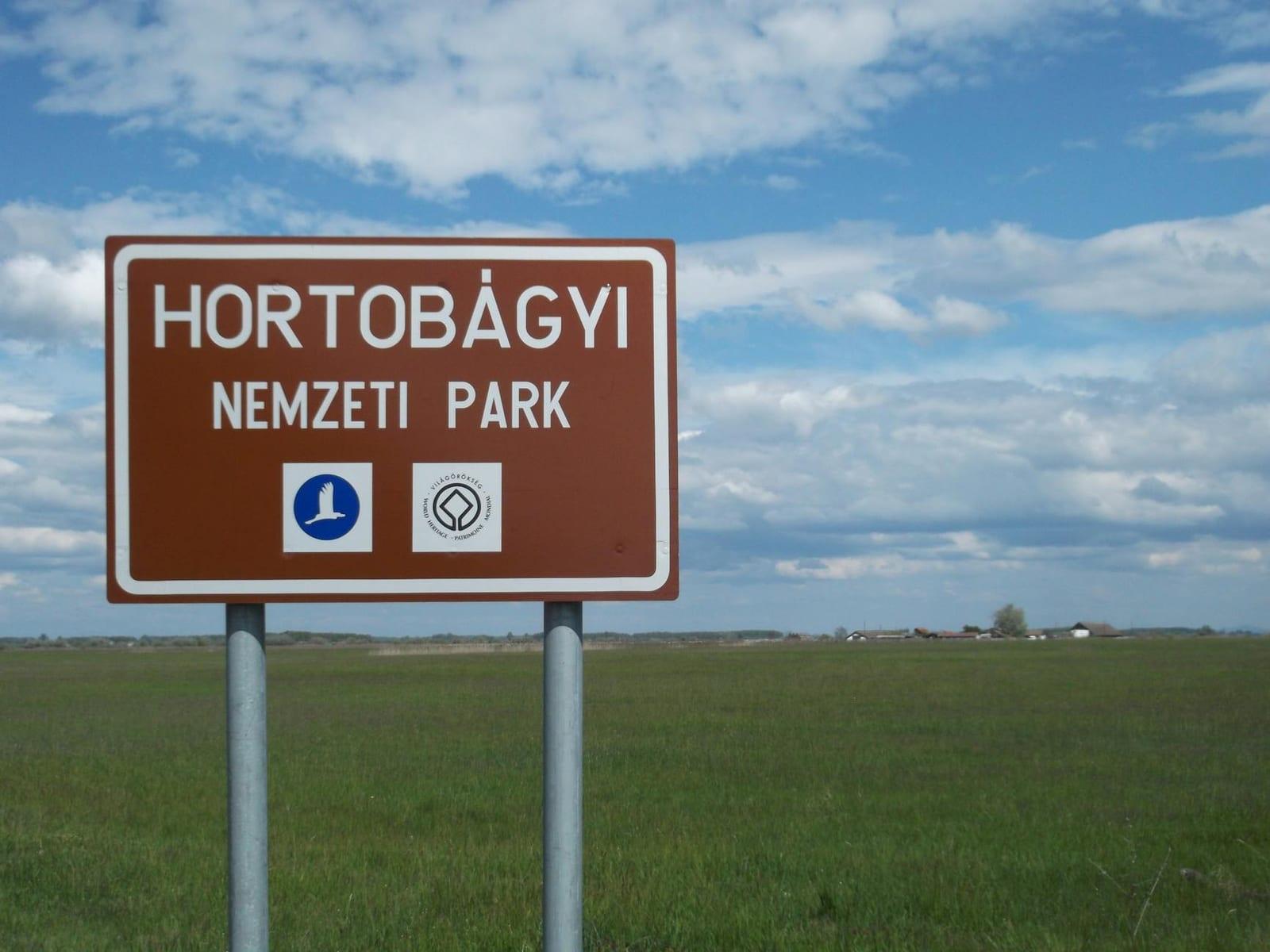
And then there’s the natural heritage, which includes, along with handsome hardwood forests and fertile wetlands, some of Europe’s great native grasslands, showcased in Hortobágy National Park.
Hungary has been sliced and diced throughout its long coming-of-age, but recent decades have seen its sturdy and artistically fecund heritage glow all the stronger. A full appreciation of Europe isn’t complete without a long, happy sojourn in the Land of Magyars.
15 things not to miss.
- Budapest's Széchenyi bathsSoak in Budapest's Széchenyi baths
- Drink Tokaji at the sourceDrink Tokaji at the source
- Hortobágy's puszta skyWatch Hortobágy's puszta sky
- Budapest
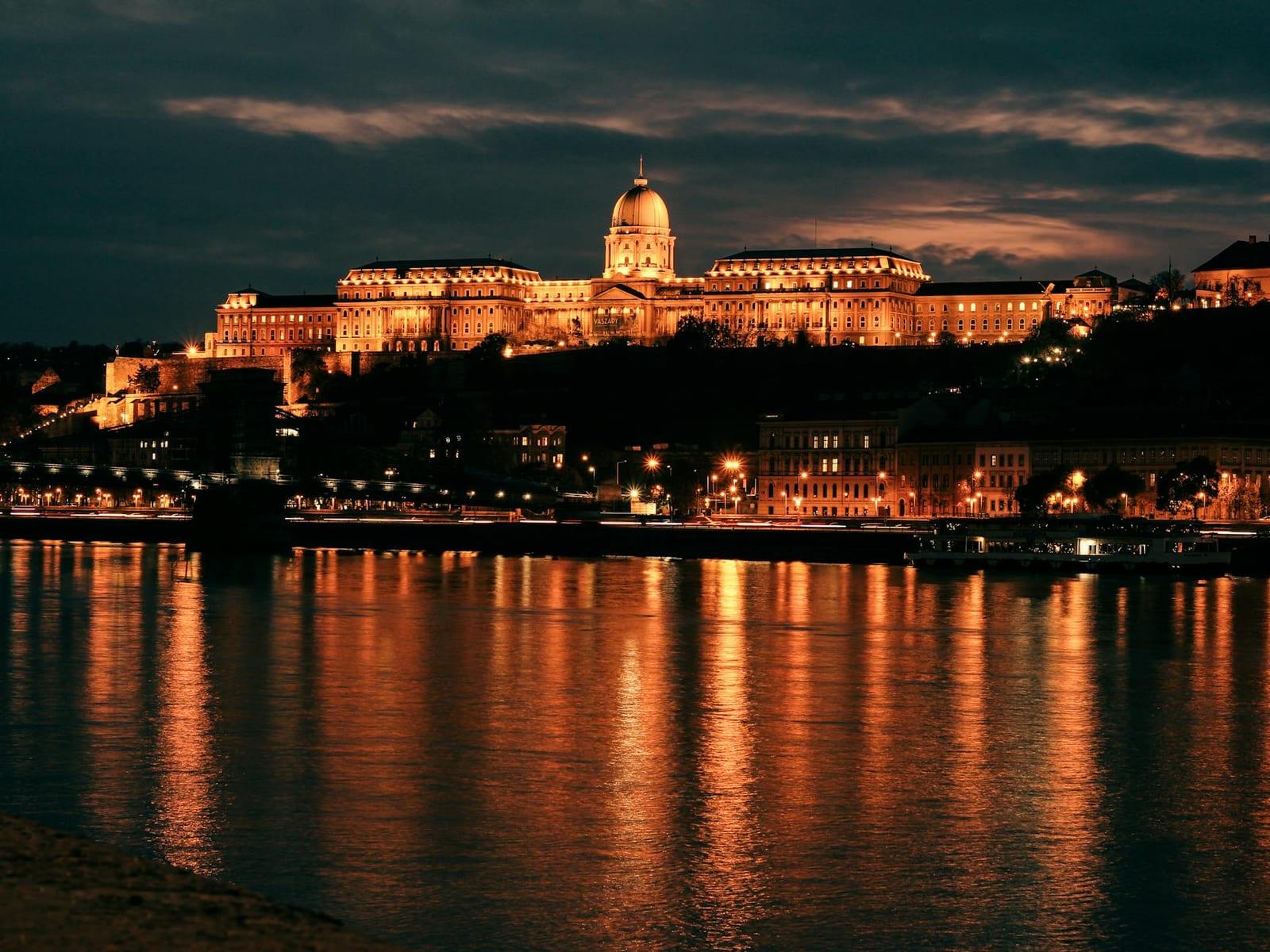
- Buda CastleThis medieval castle and its huge palatial complex, Budapest’s most celebrated landmark, house the Budapest History Museum and Hungarian National Gallery.
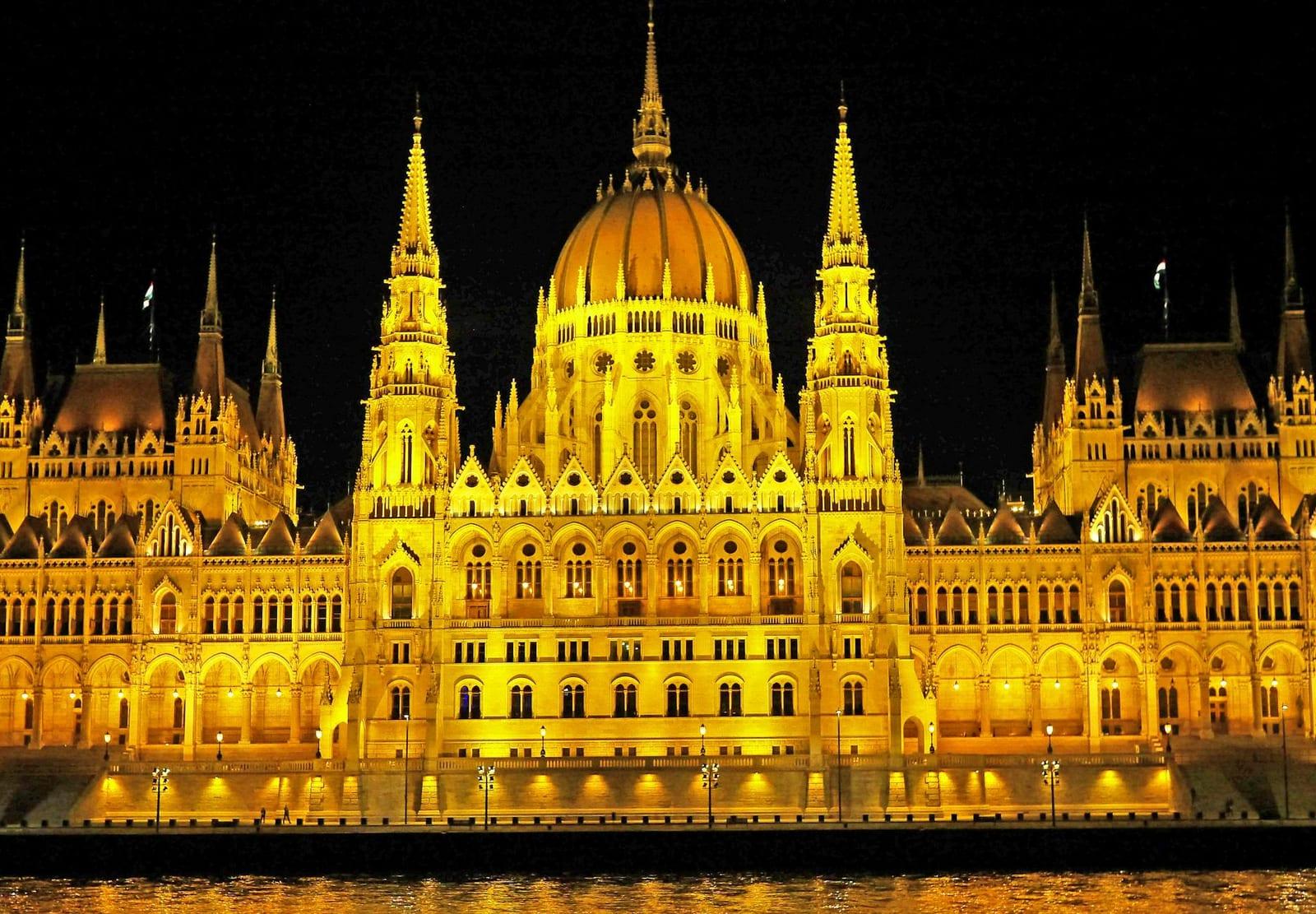
- Hungarian Parliament BuildingBuilt at the dawn of the 20th century, this giant Gothic Revival capitol building is Budapest’s loftiest structure.
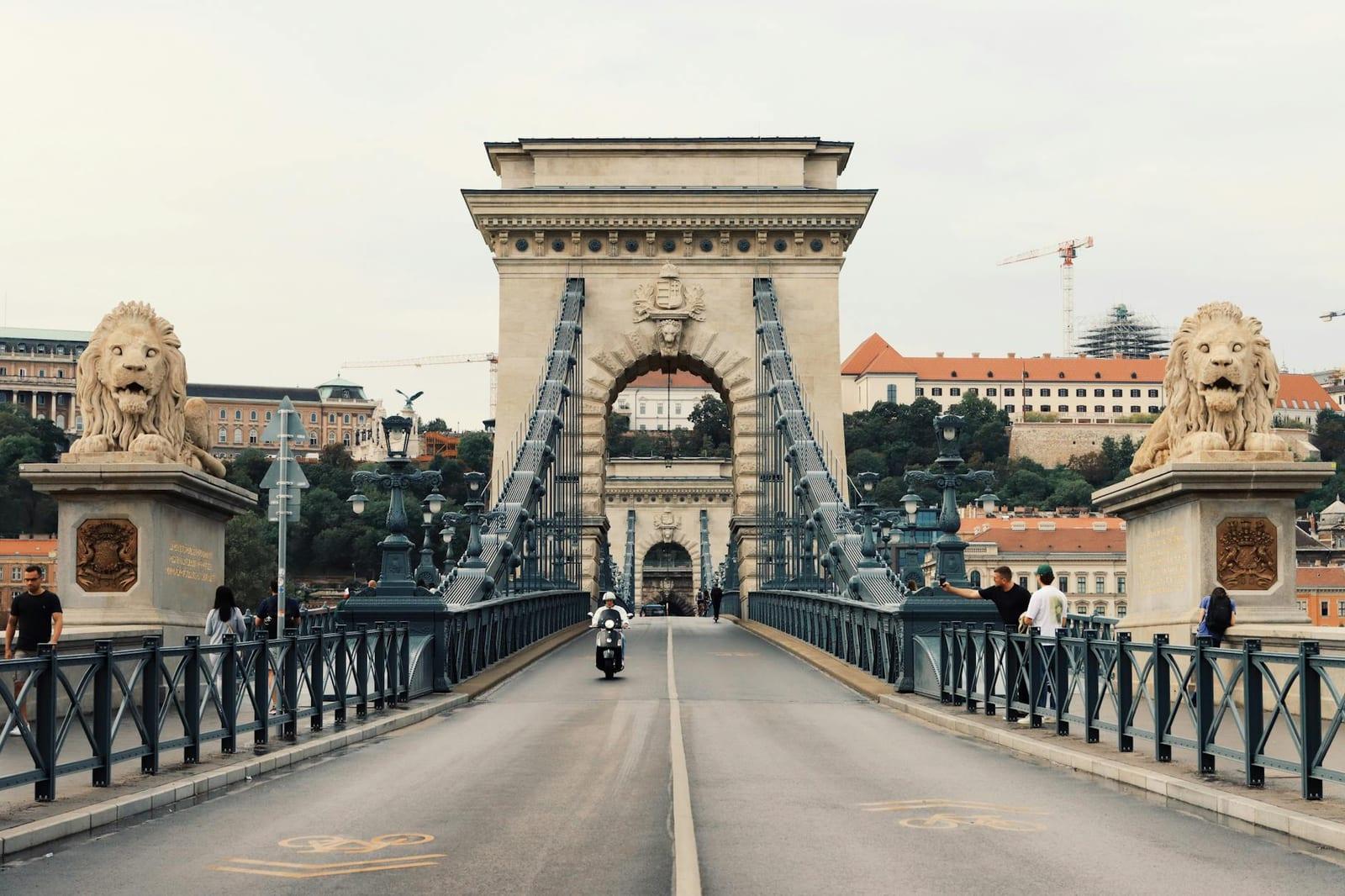
- The Chain BridgeThe magnificent 19th-century span between Buda and Pest is an architectural marvel and a great symbolic landmark on the Danube.
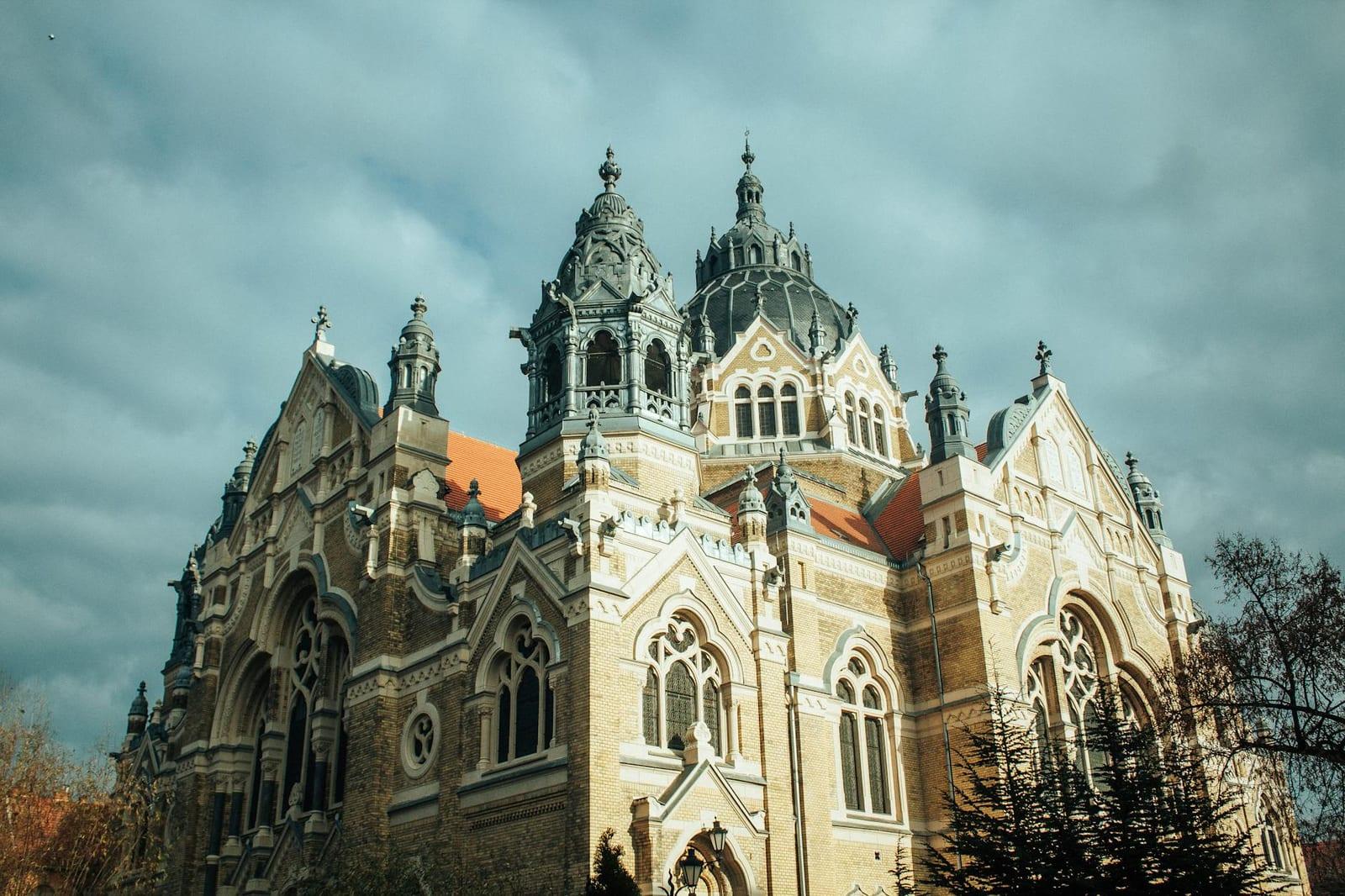
- The Grand Synagogue (Budapest)There’s no bigger synagogue in Europe than this Moorish Revival masterpiece, built in the mid-19th century.
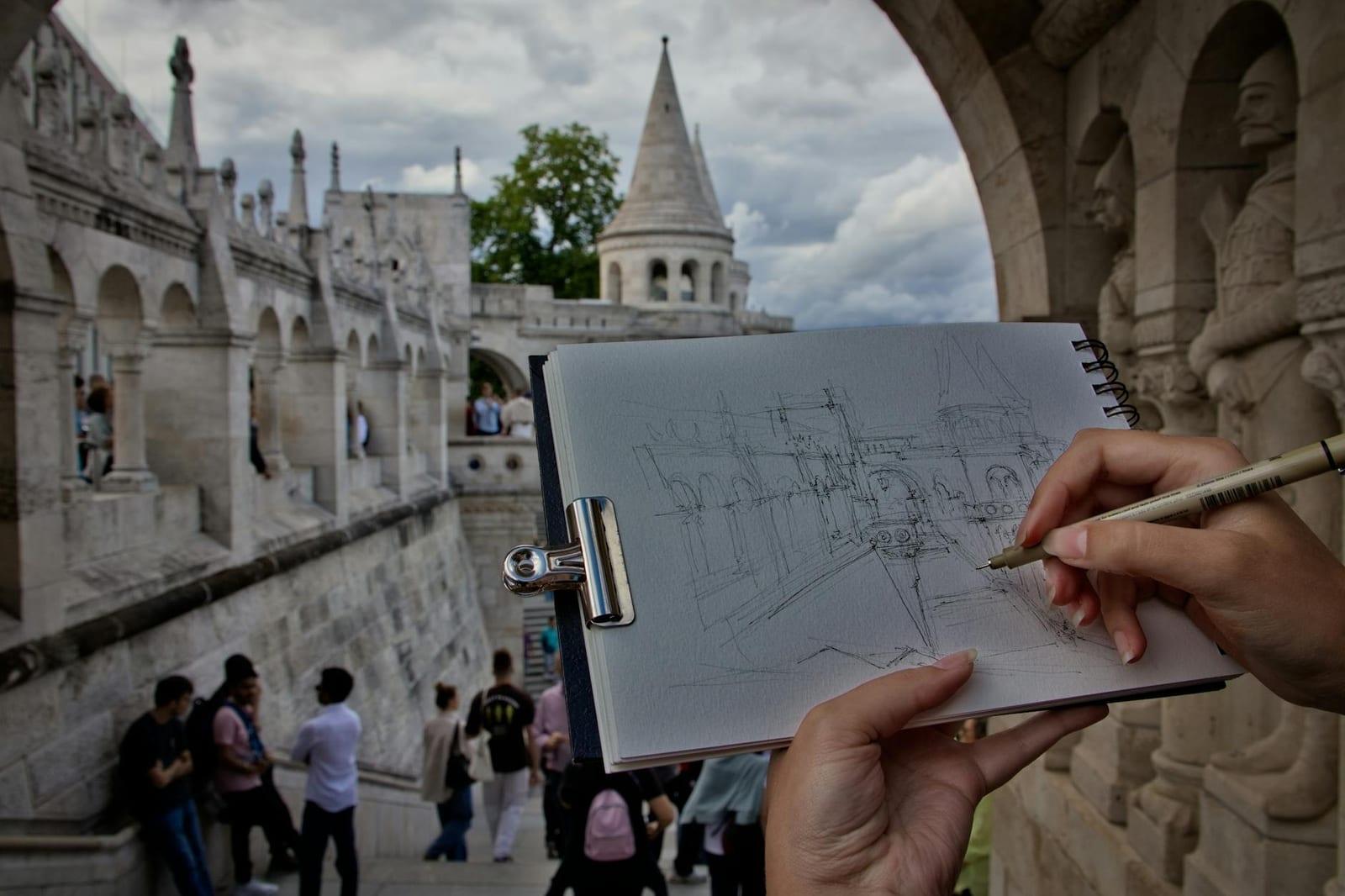
- The Fisherman’s BastionThis lovely battlement on Castle Hill affords some of the very best views over Budapest.
- AquincumRelics of this Roman city now subsumed by Budapest include the ruins of amphitheaters and temples, plus the Aquincum Museum’s dazzling artifacts.
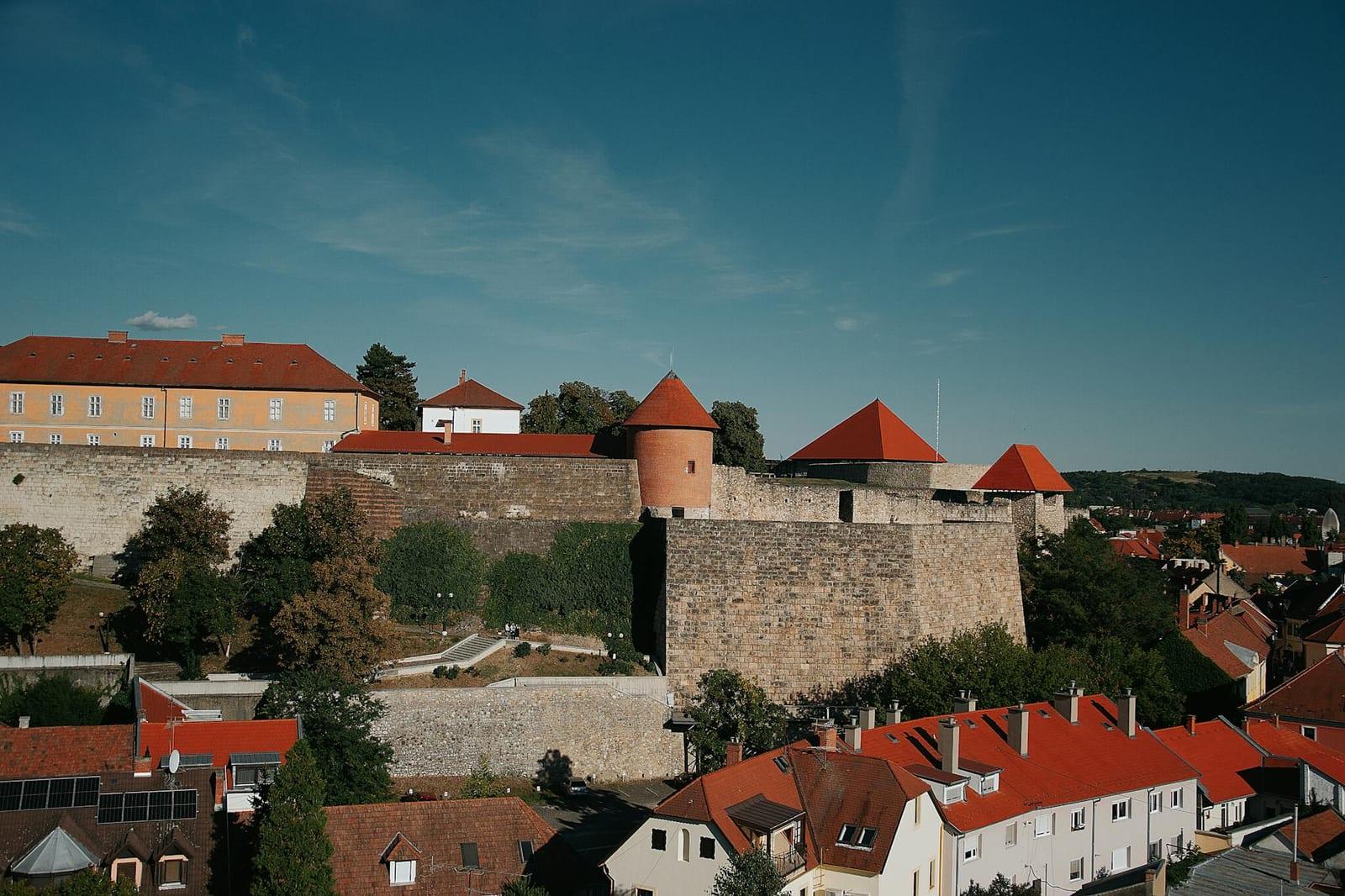
- Castle of EgerVastly outnumbered defenders held off the Ottomans from this fortress in 1552, in one of the defining events of Hungarian history.
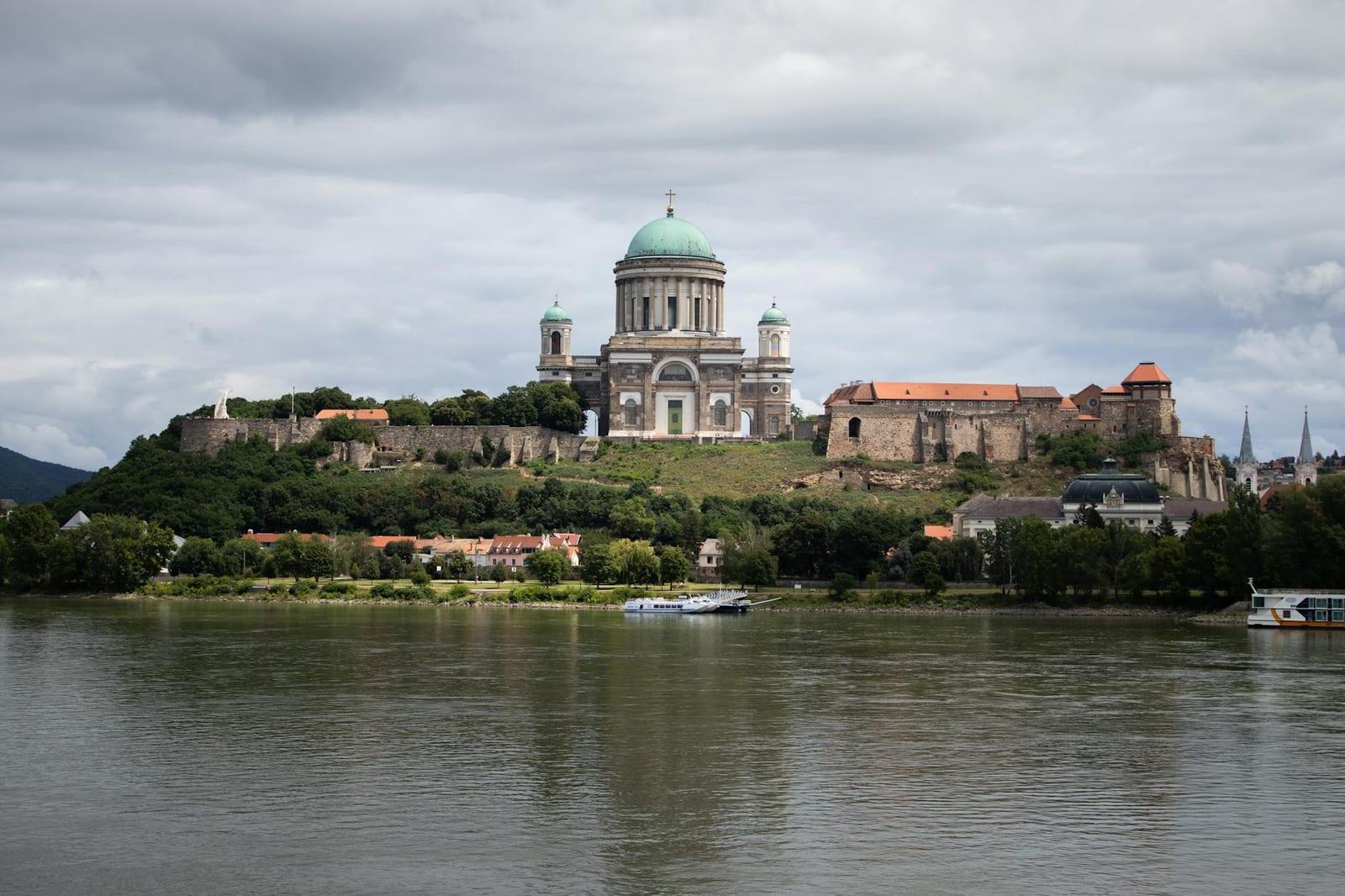
- Esztergom BasilicaEsztergom’s enormous basilica, one of Hungary’s grandest buildings, includes a wealth of Renaissance artwork.
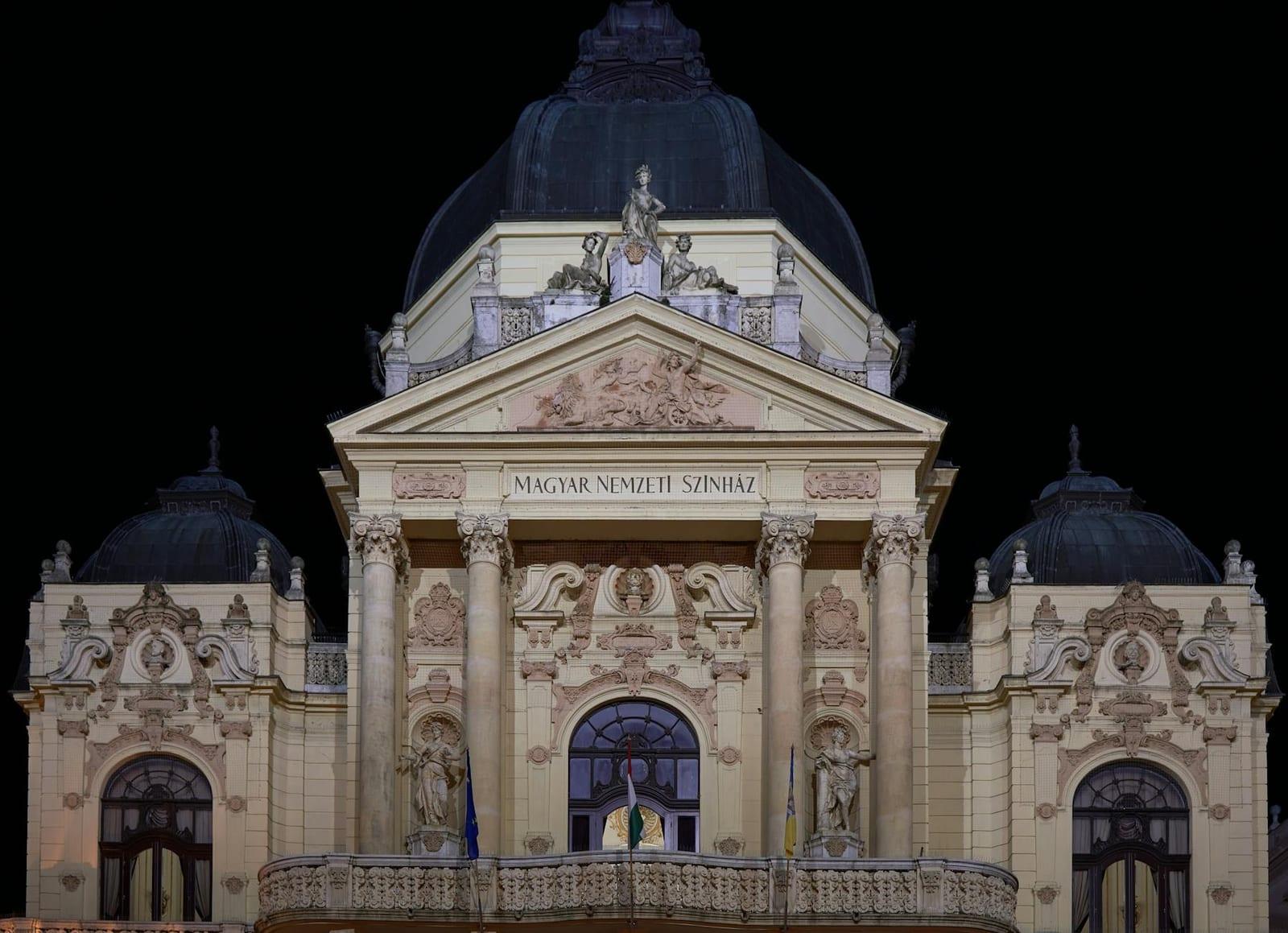
- PécsThis southern city harbors some of Hungary’s richest historical monuments, including Ottoman mosques, an ancient Christian necropolis, and a 14th-century university.
- HollokoEffectively an open-air museum, this village—a UNESCO World Heritage Site—evokes traditional Hungarian rural society with centuries-old architecture.
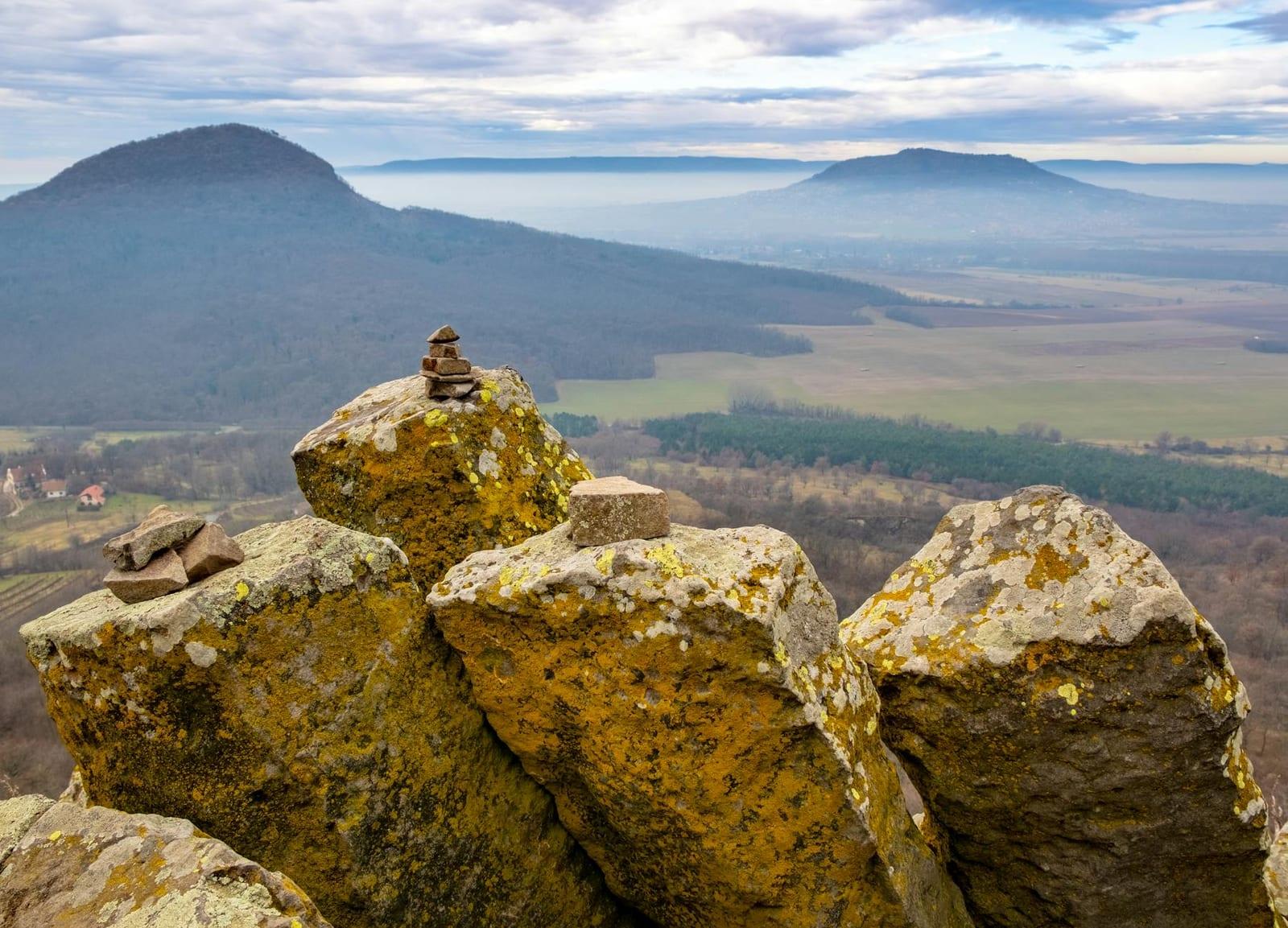
- Hortobagy National ParkOne of Europe’s greatest tracts of native grassland define this large national park, home to seasonal crane flocks and heritage livestock.