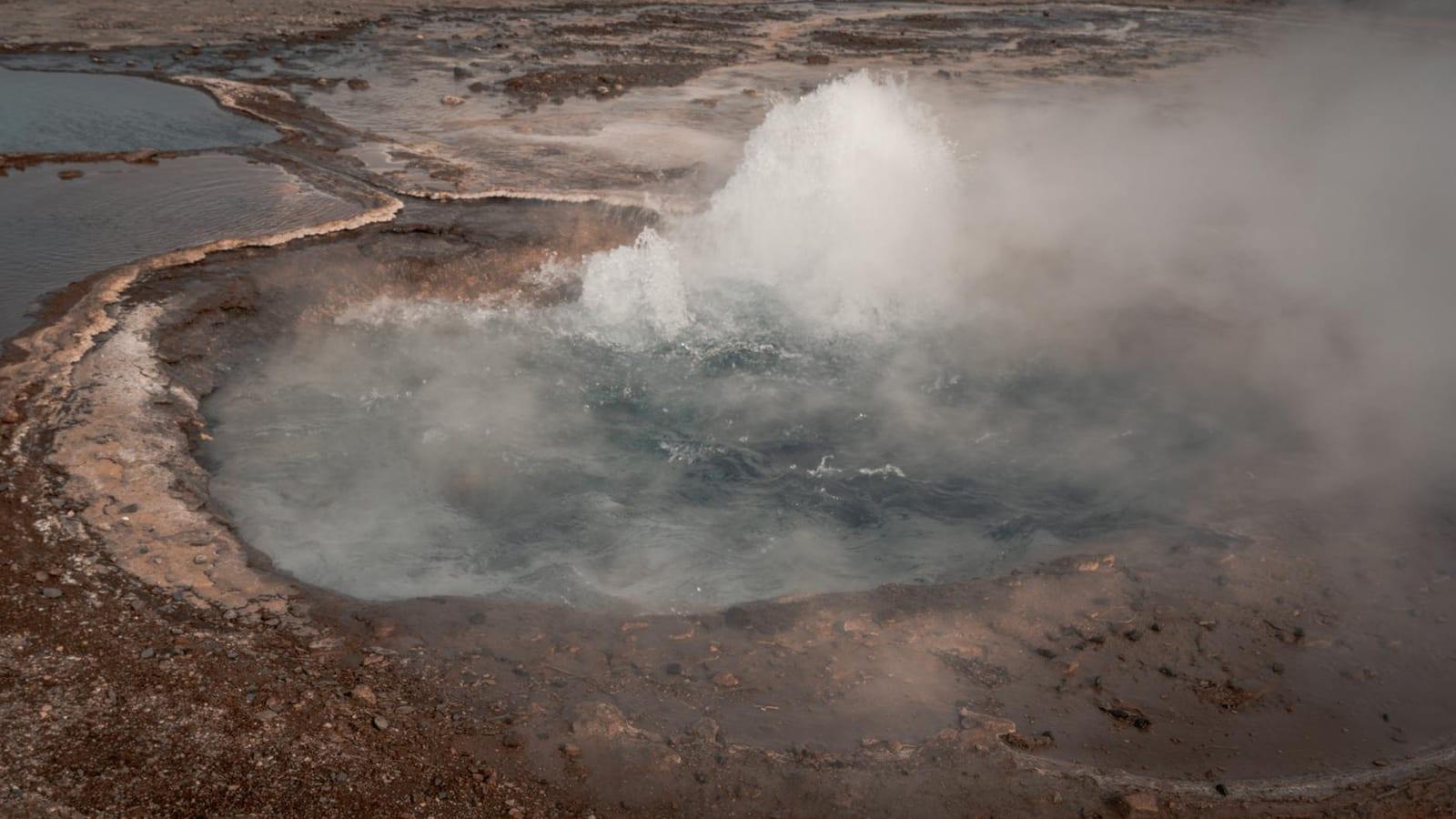
Iceland’s often touted as the land of fire and ice, and that’s an apt, elemental description of its geological heritage. A collection of geysers, hot springs, and glaciers mark this volcanically tempestuous outcrop of the Mid-Atlantic Ridge—just the place to stand in awe at the indomitable power of Mother Nature.
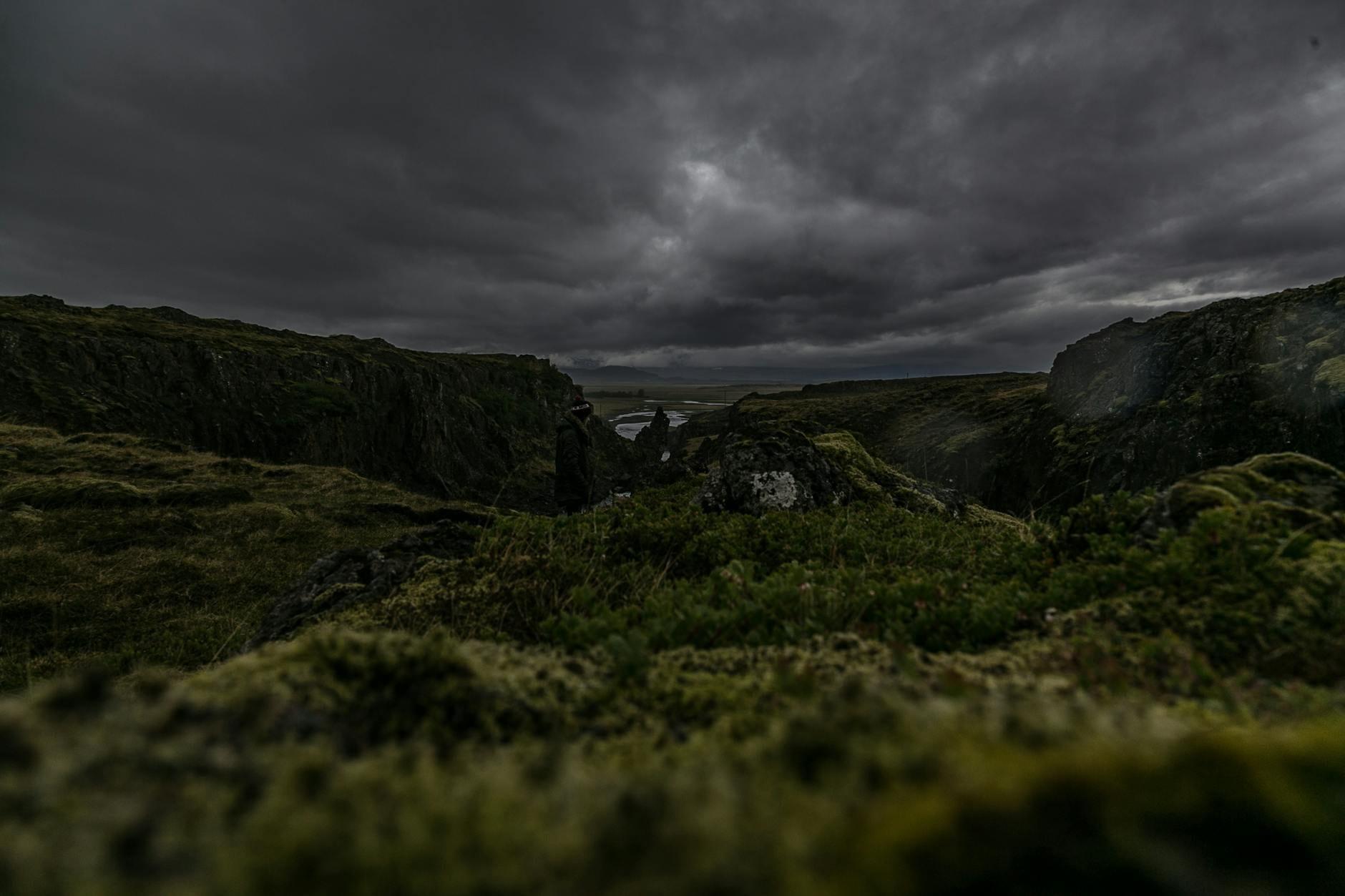
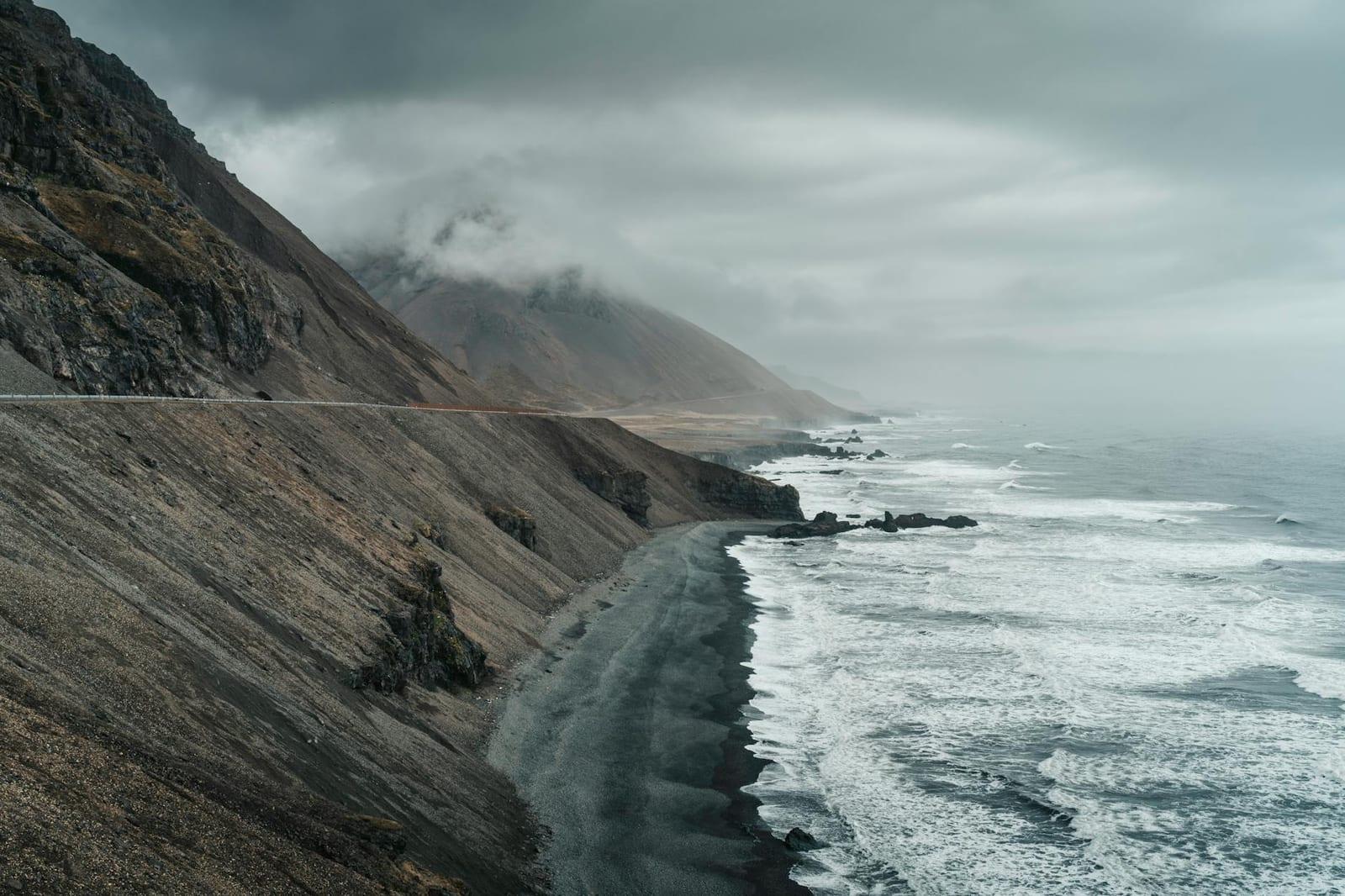
The country’s somewhat misnamed, like its distant neighbor Greenland; whereas that giant island is sepulchered in icecap, Iceland—just below the Arctic Circle and warmed by the north Atlantic Current—is mostly tundra, stunted birch, and bare basalt, with glaciers covering less than a tenth of its surface. But that share includes grand ice bodies like the Vatnajökull, within whose clutches are active volcanoes, such as Grimsvötn, that can spew molten rock under their frigid cap in so-called subglacial eruptions. The interior highlands of Iceland, meanwhile, are starkly beautiful wilderness, and out of it roll ice-fed rivers that tumble—commonly via mighty waterfalls such as the famous Gullfoss (“Golden Falls”)—out to the North Atlantic.
Iceland was likely uninhabited until the 9th century CE, when the Norse—and specifically, according to the Book of Settlements, the Norwegian Ingólfr Arnarson—settled at the site of Reykjavik. (The site of the earliest incarnation of the Icelandic parliament, the Althing, first convened in 930 CE, lies in Thingvellir National Park.) Norway and then Denmark controlled the farflung island until it achieved effective independence in 1918.
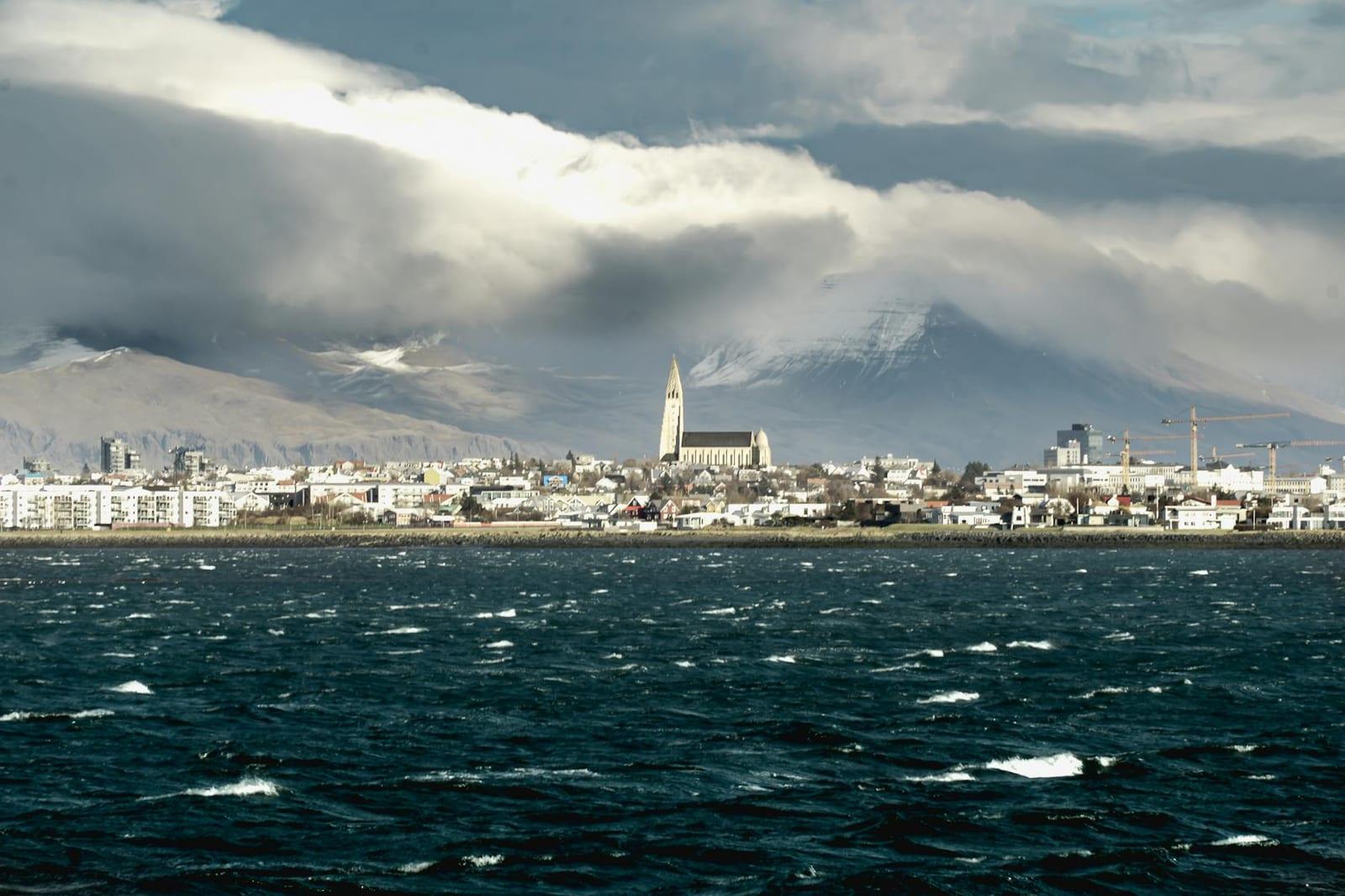
If most of Iceland beckons with outdoor adventure and wilderness scenery, the modest-sized capital of Reykjavik delivers an utterly cosmopolitan, utterly vibrant experience. Magnificently situated on the southern coast, this feisty and fun-loving city has more year-round nightlife than many a balmier counterpart—and some high-class museums to orient you to Icelandic geology, history, and culture.
And a Reykjavik bar, surrounded by new-forged friends, is the perfect place to reflect upon an Icelandic journey: the green, river-laced valleys, the pluming hot springs, the snowy mountains, the ice plateaus, the churning cascades. It’s an outpost of adventure—and an awful lot of fun.
20 things not to miss.
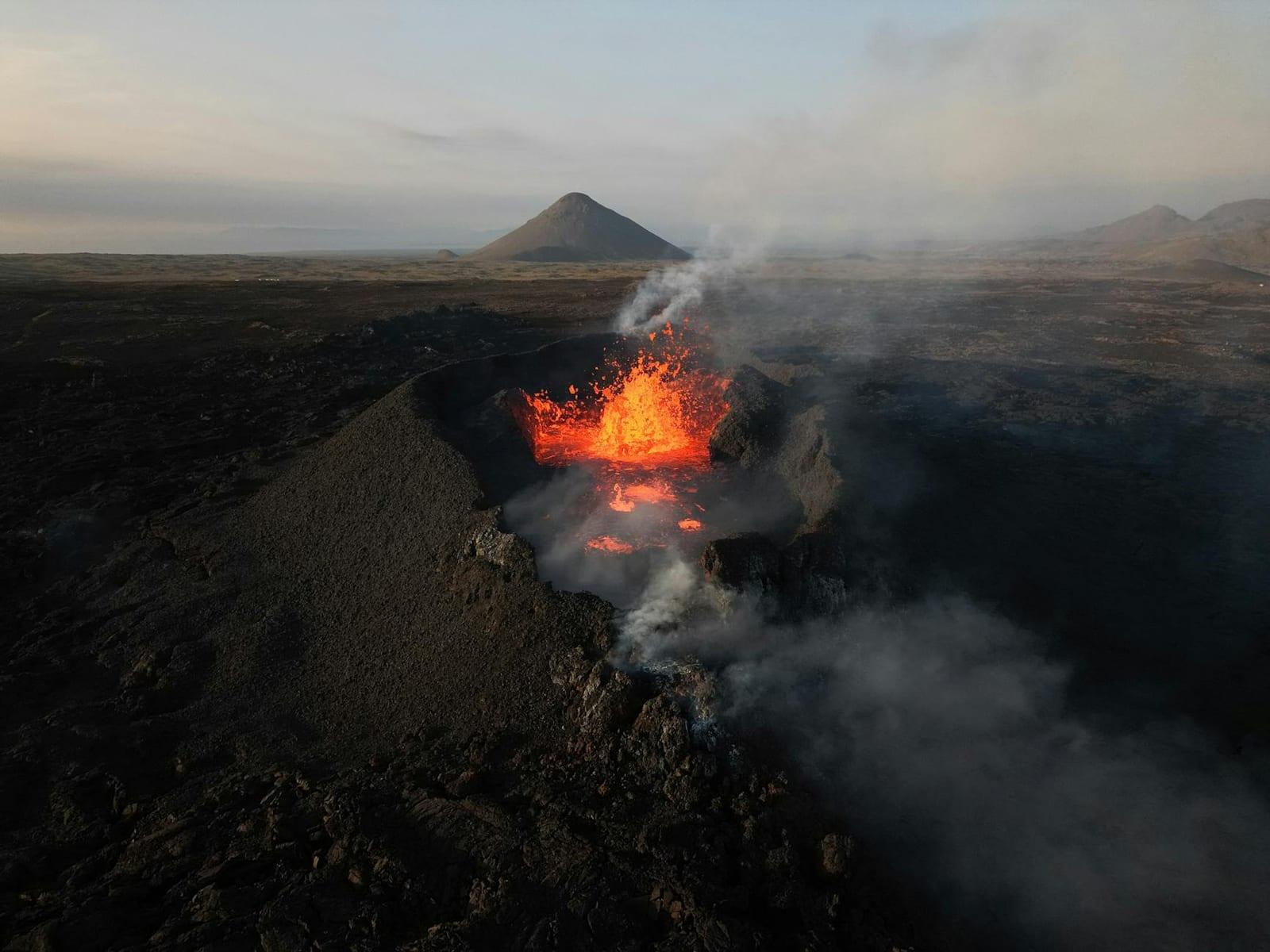
- Witness Volcanic Activity
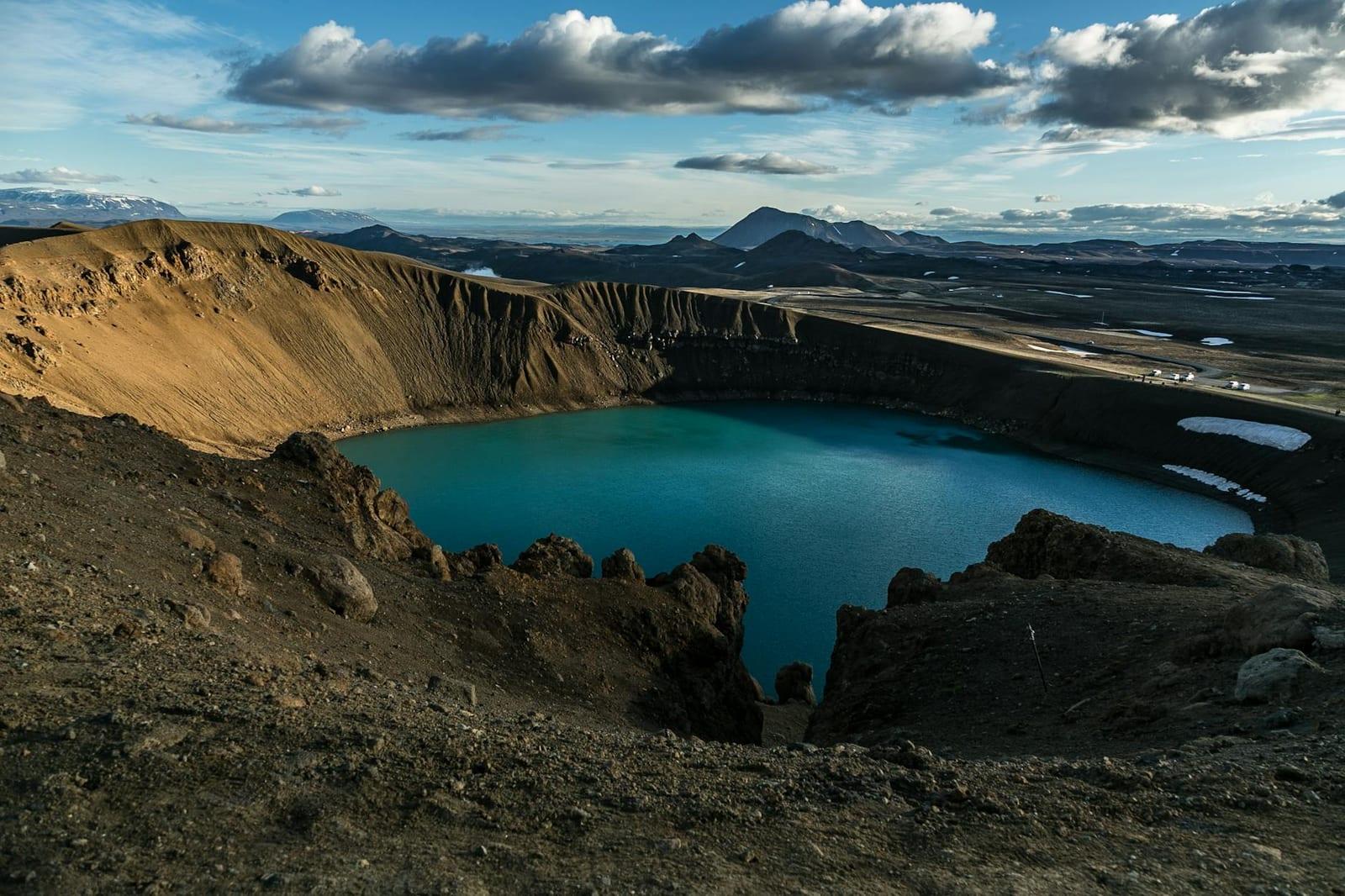
- Myvatn Lake
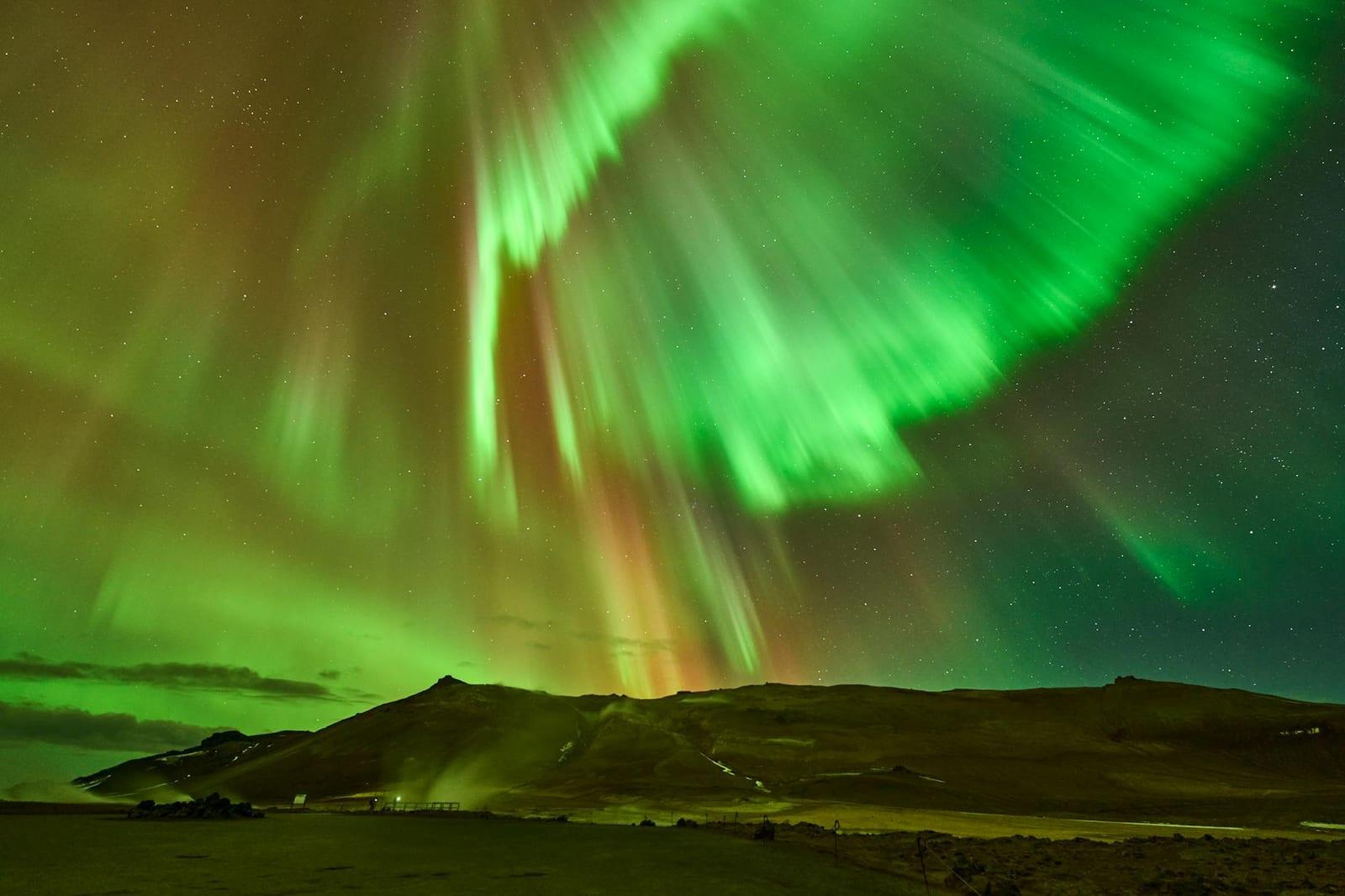
- Witness the Aurora
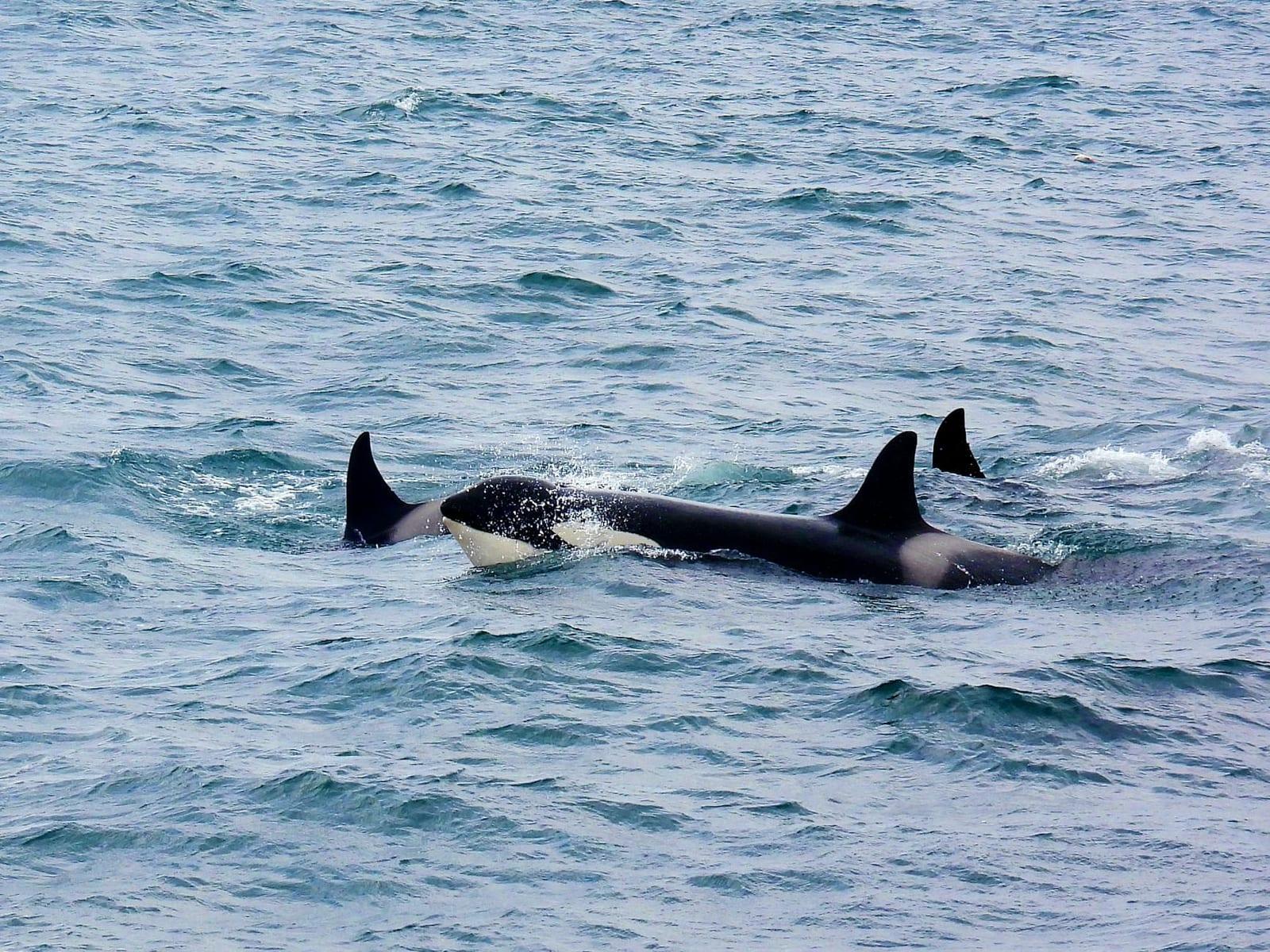
- Whales
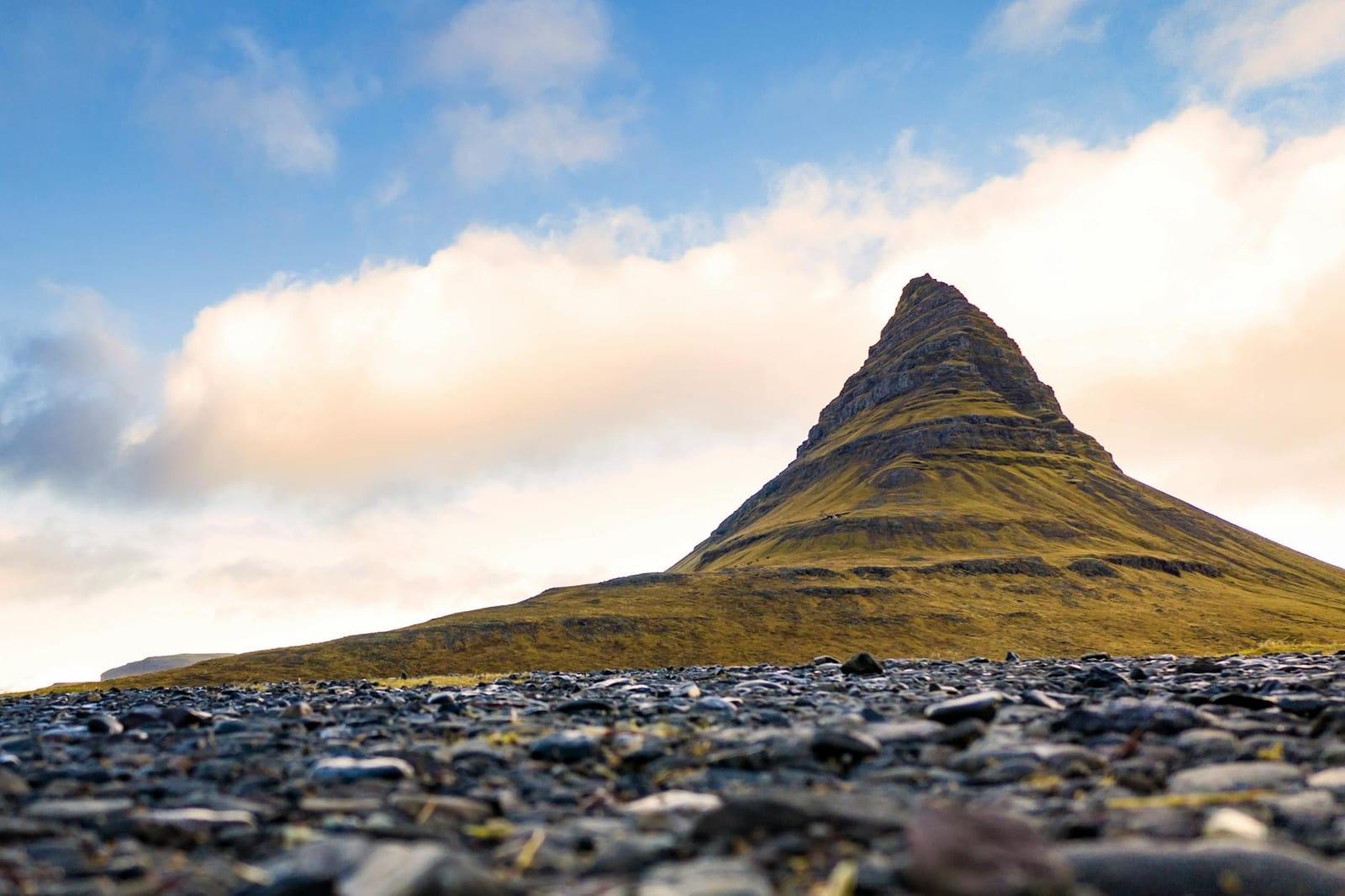
- Kirkjufell
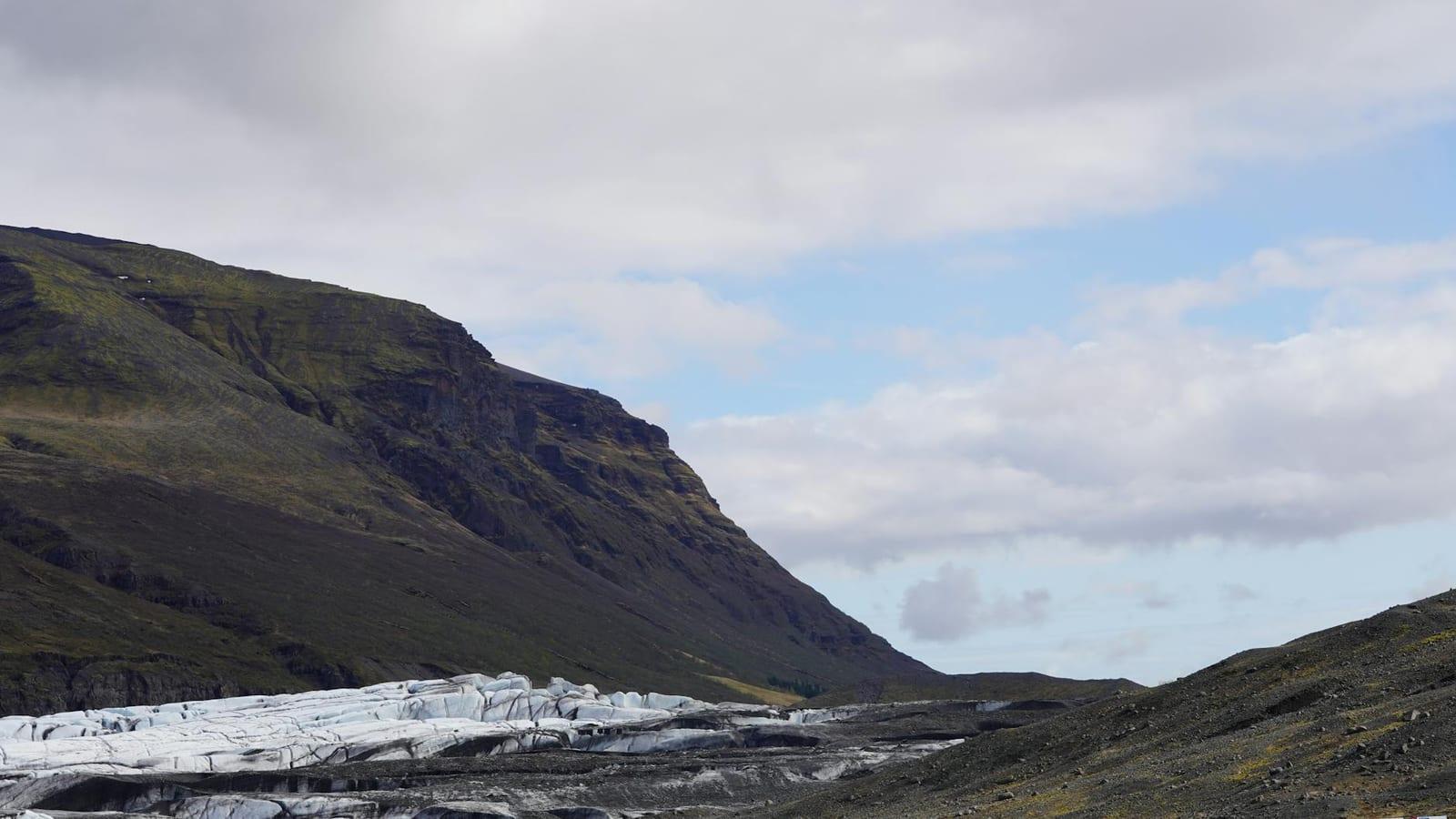
- Walk on a glacier
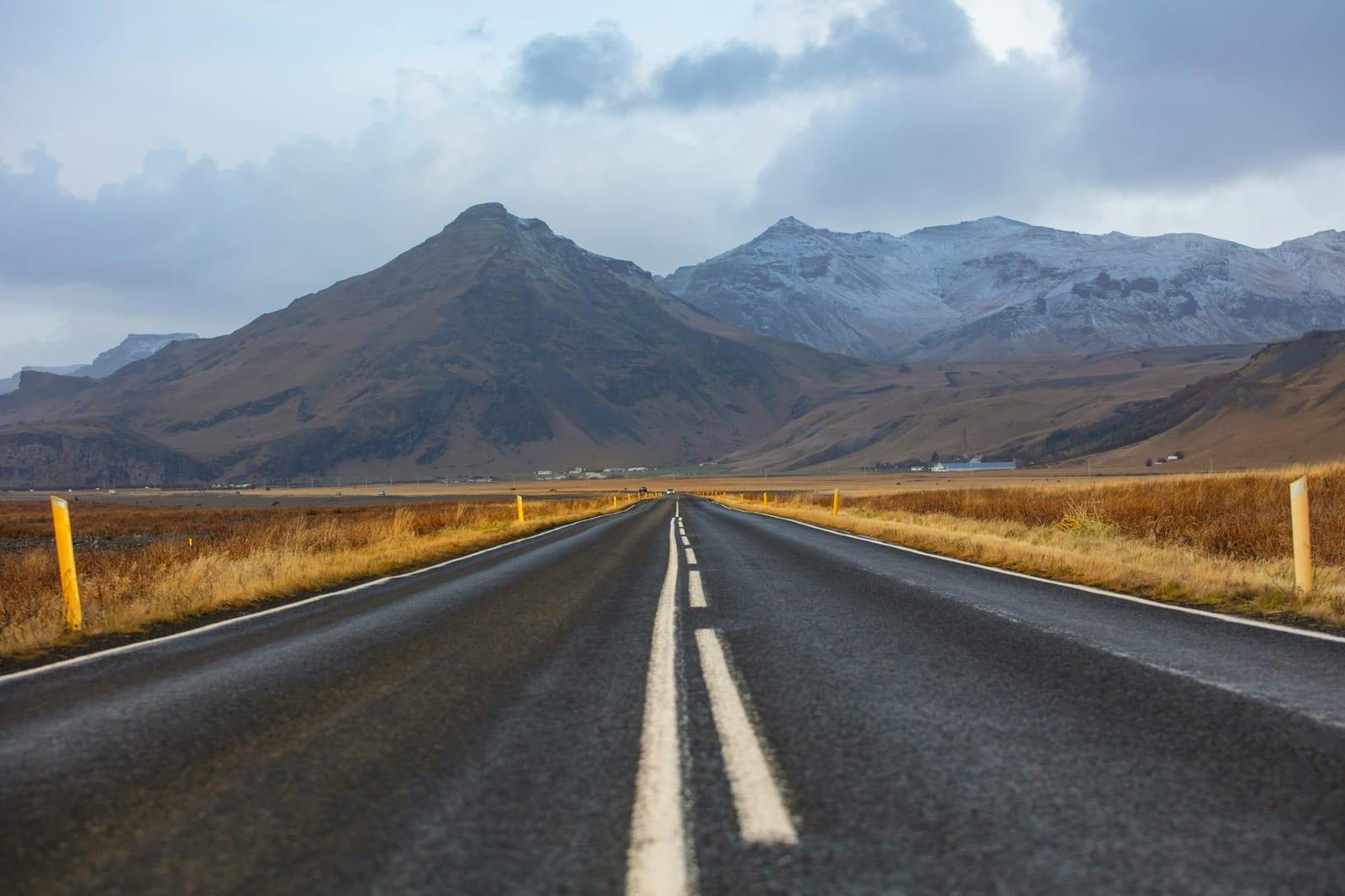
- Drive the full Ring Road
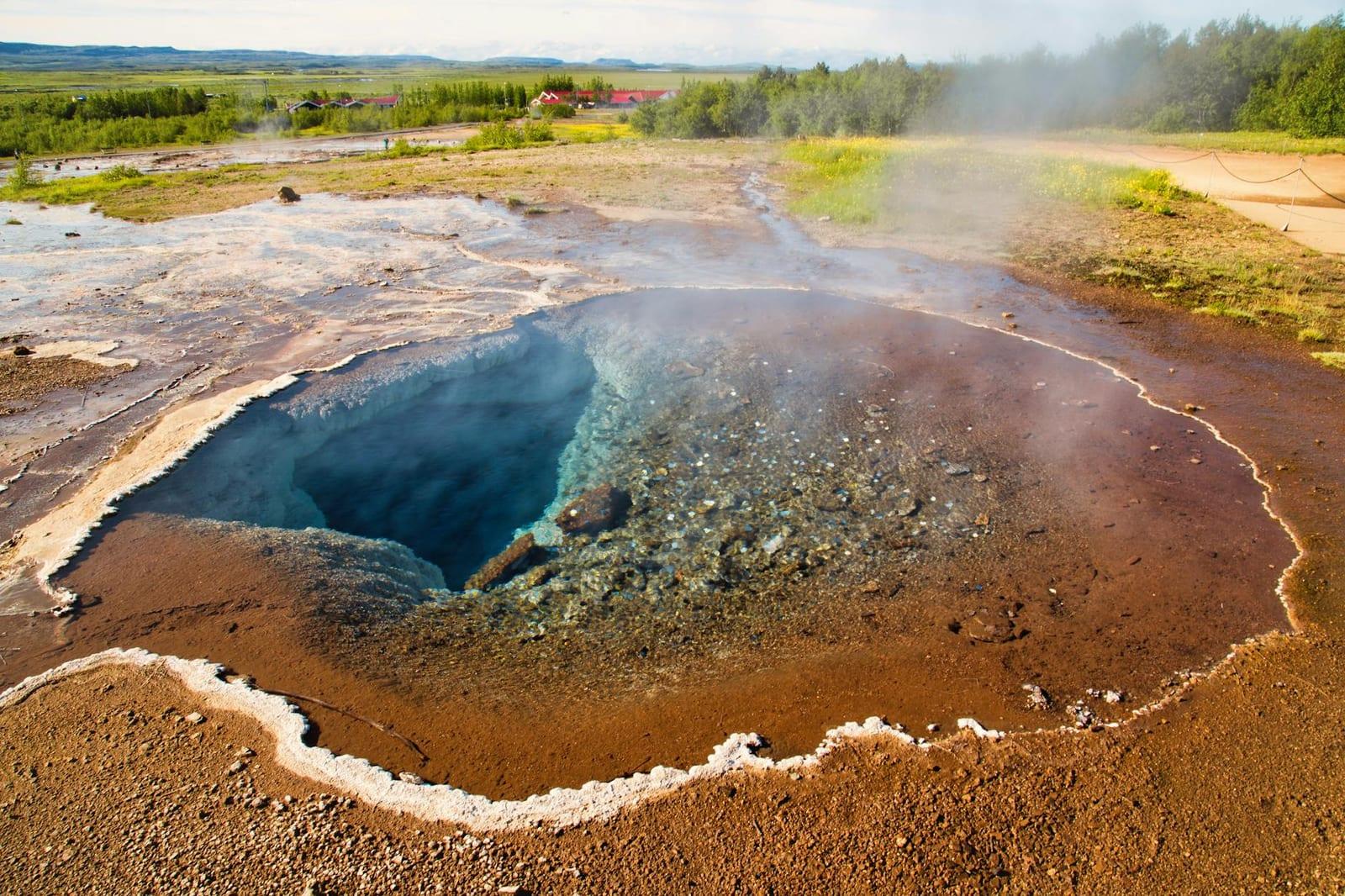
- Soak in a wild geothermal pool
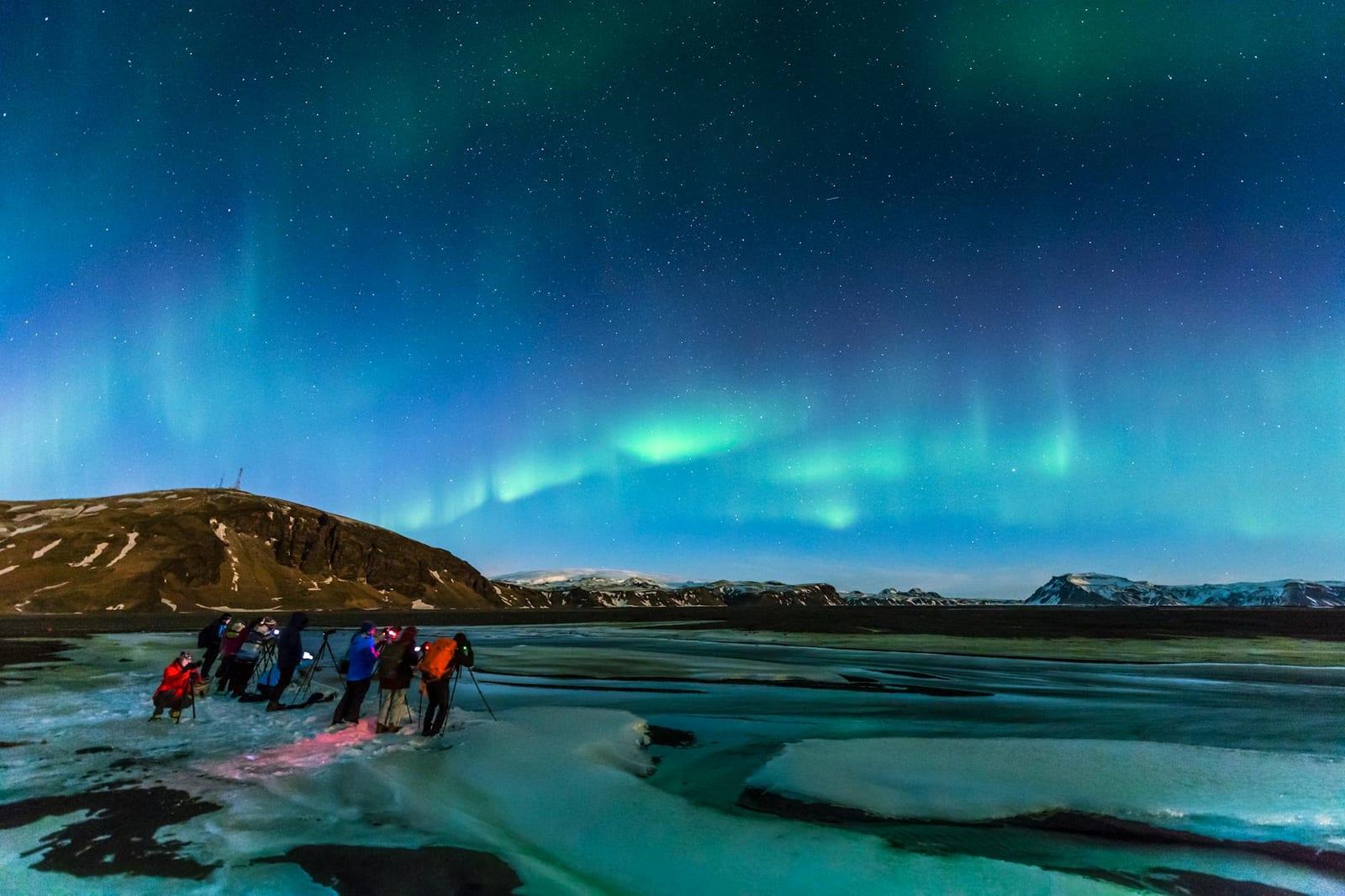
- Photograph the Aurora
- Silfra
- Reykjavik
- Iceland
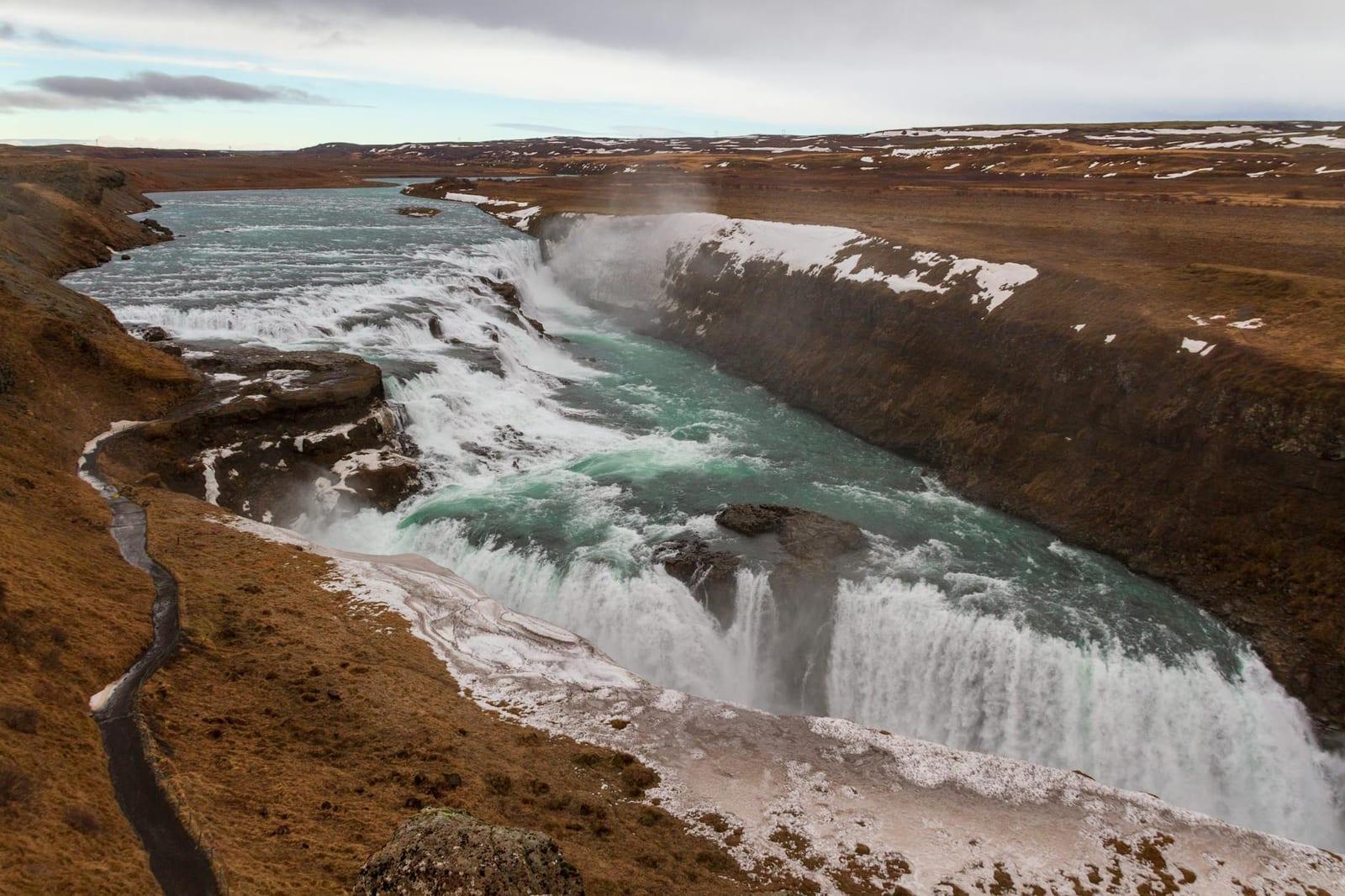
- GullfossAt the “Golden Falls,” the Hvita River barrels into a crosswise cleft to create one of Iceland’s most mesmerizing natural wonders.
- GlymurIn one of Iceland’s tallest waterfalls, the Bonsa River foams and feathers more than 600 feet down a ledged cliff.
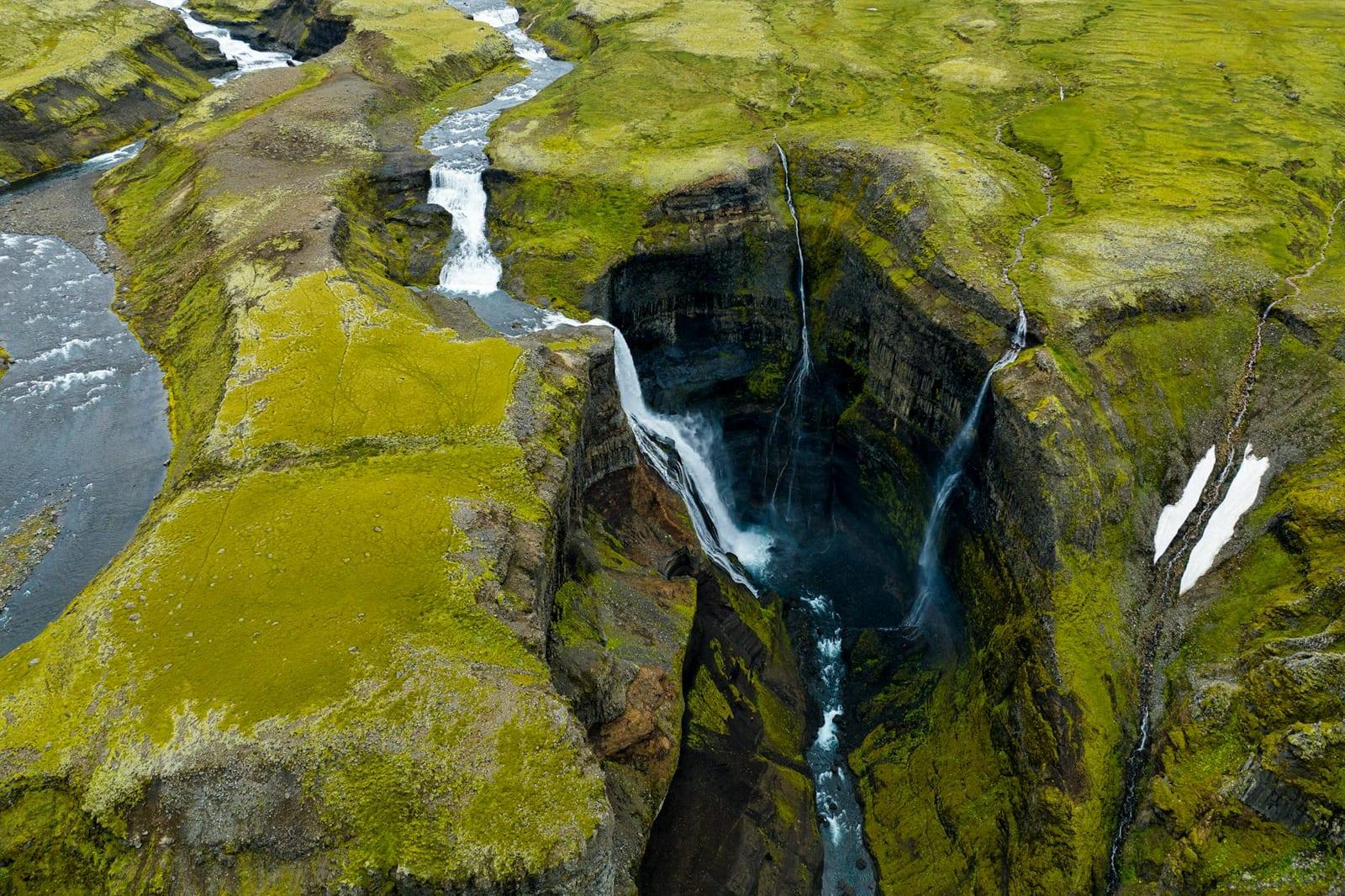
- DettifossThis thunderous wall of water, situated in Vatnajökull National Park, is the most voluminous cataract in Iceland.
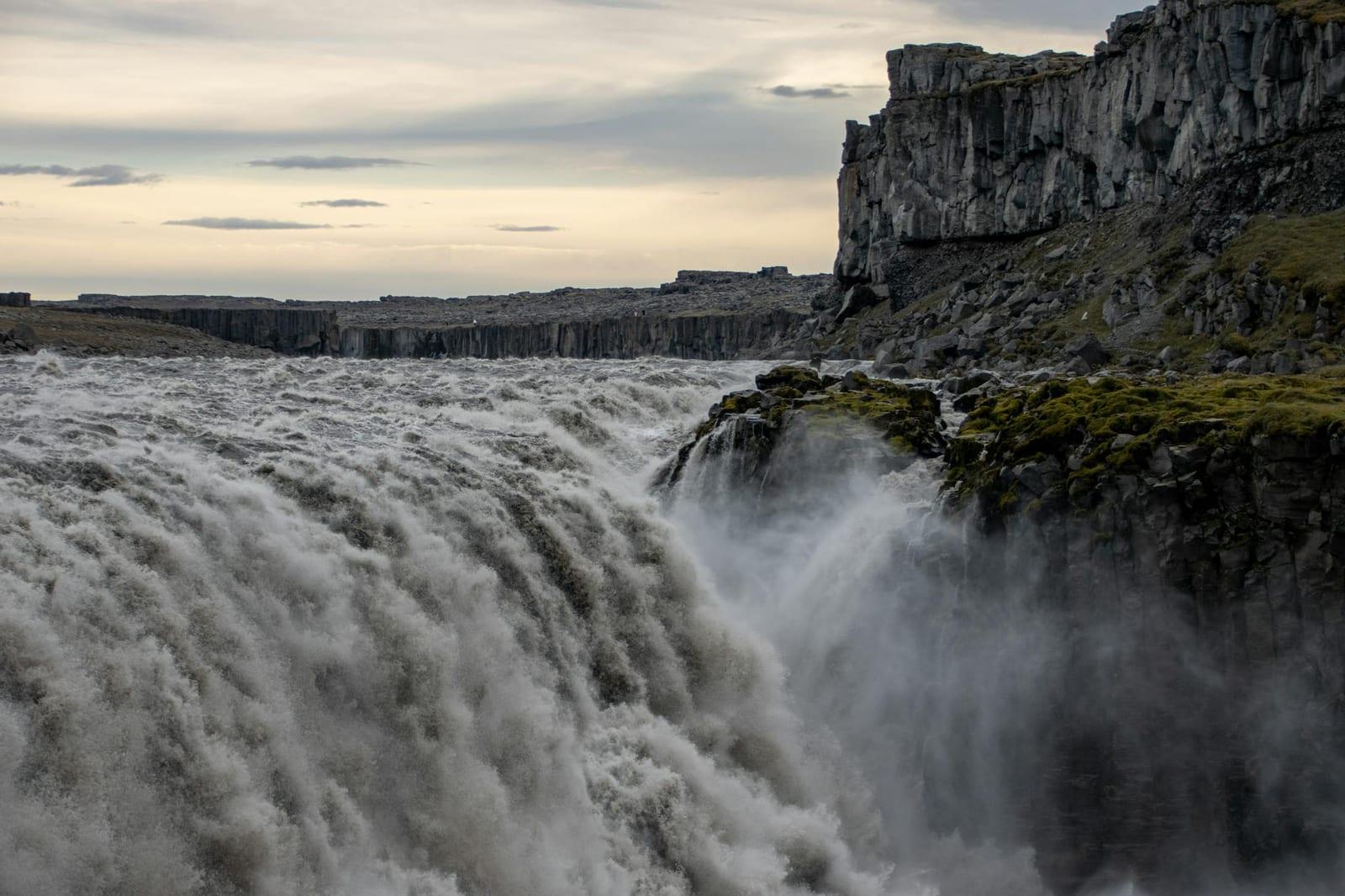
- VatnajökullThis huge icecap, the centerpiece of Vatnajökull National Park, is one of Europe’s mightiest glaciers.
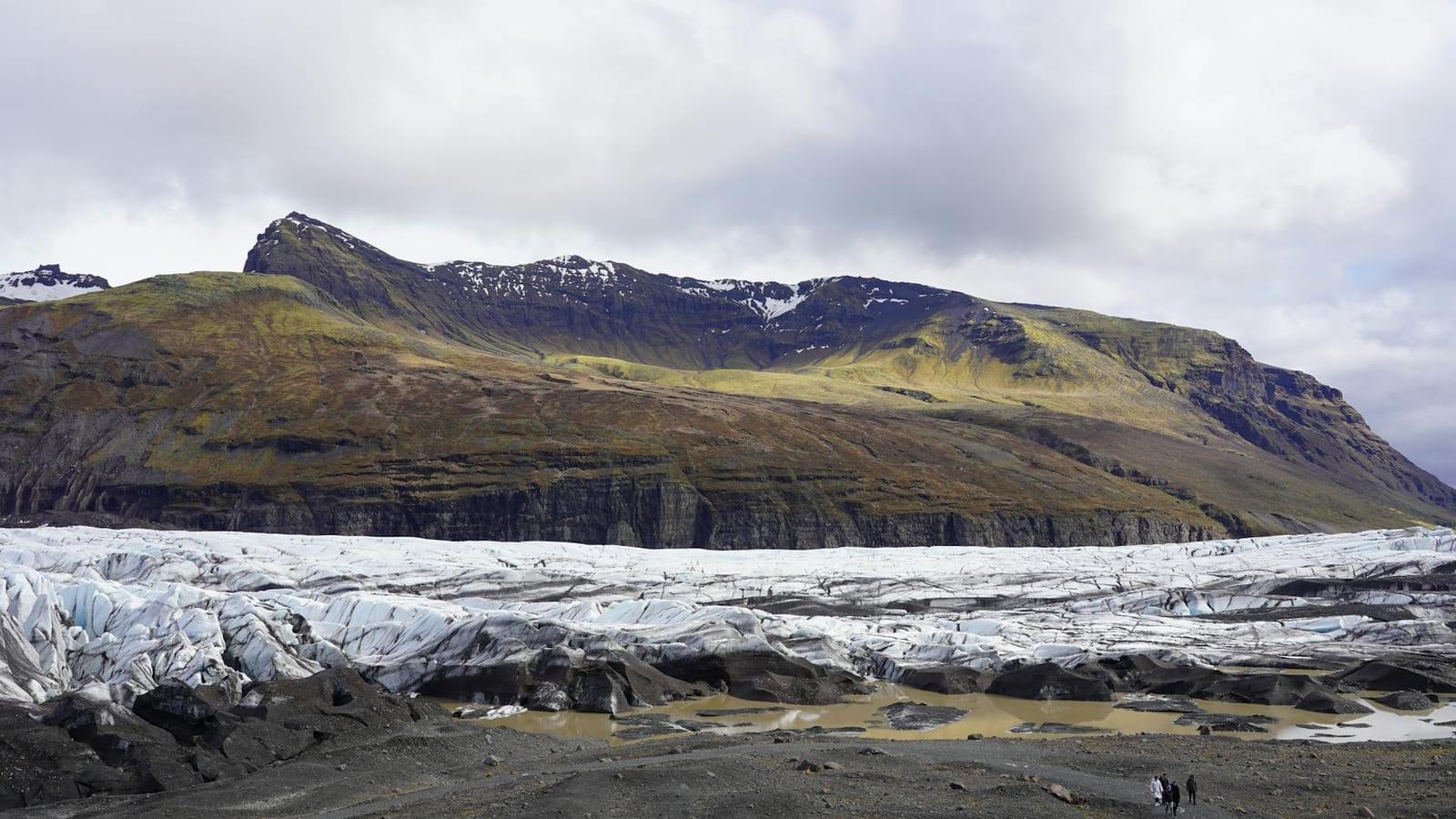
- JökulsárlónPooled at the tongue of one of the Vatnajökull’s outlet glaciers, this frigid lake—one of the country’s most popular sights—floats whole rafts of icebergs.
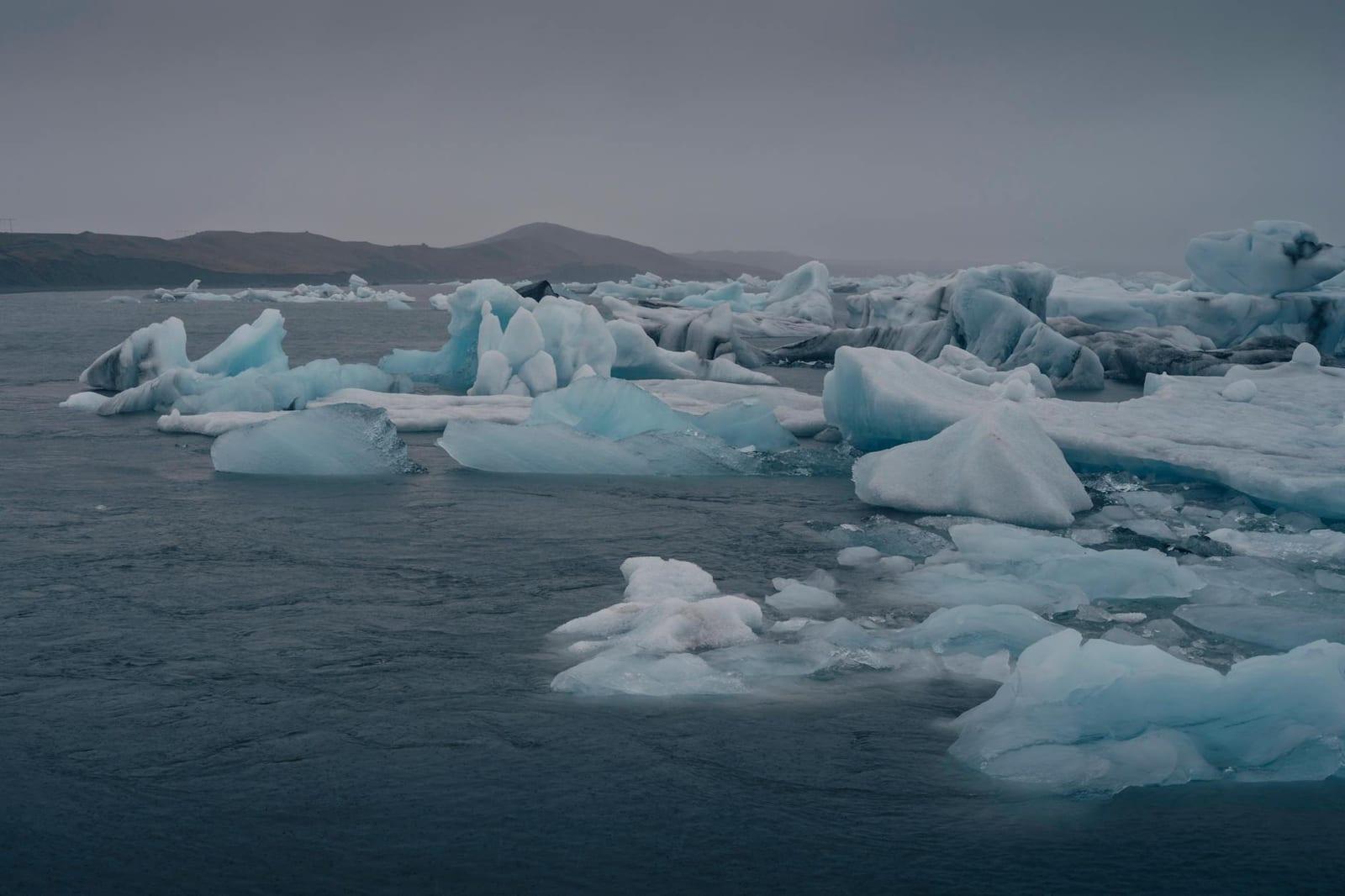
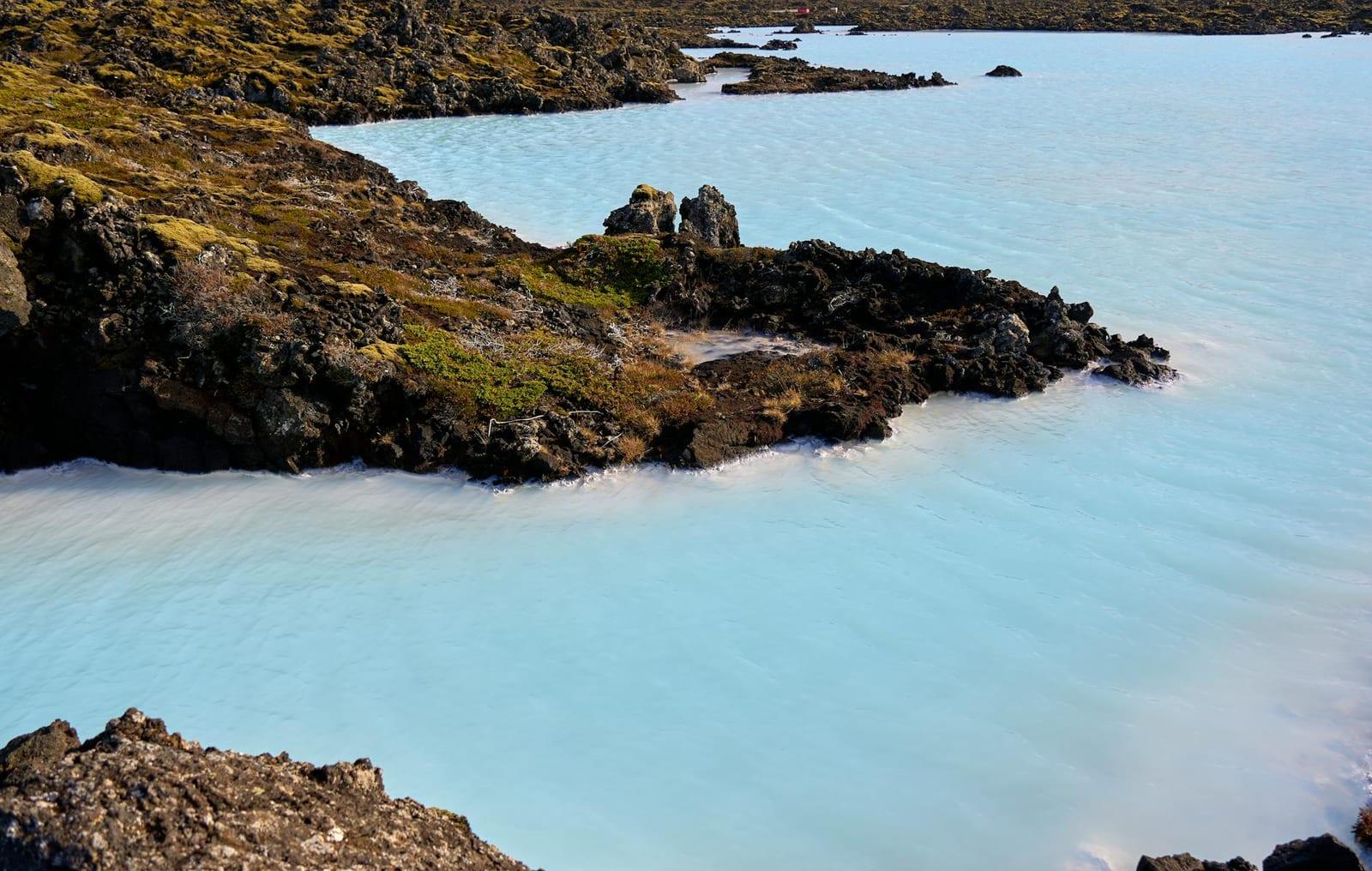
- Blue LagoonThis artificial geothermal pool near Reykjavik ranks among the most celebrated outdoor spas in the world.
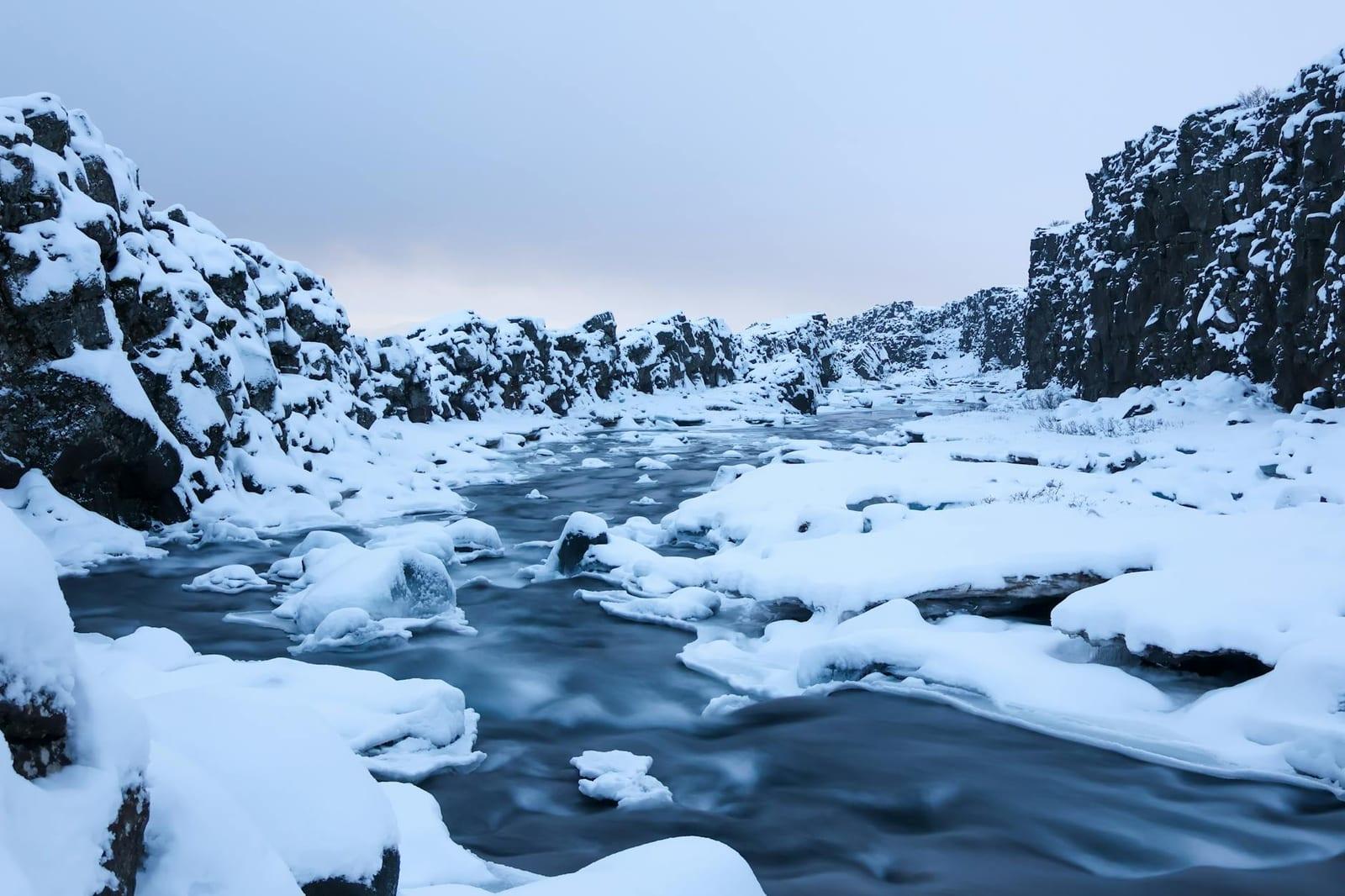
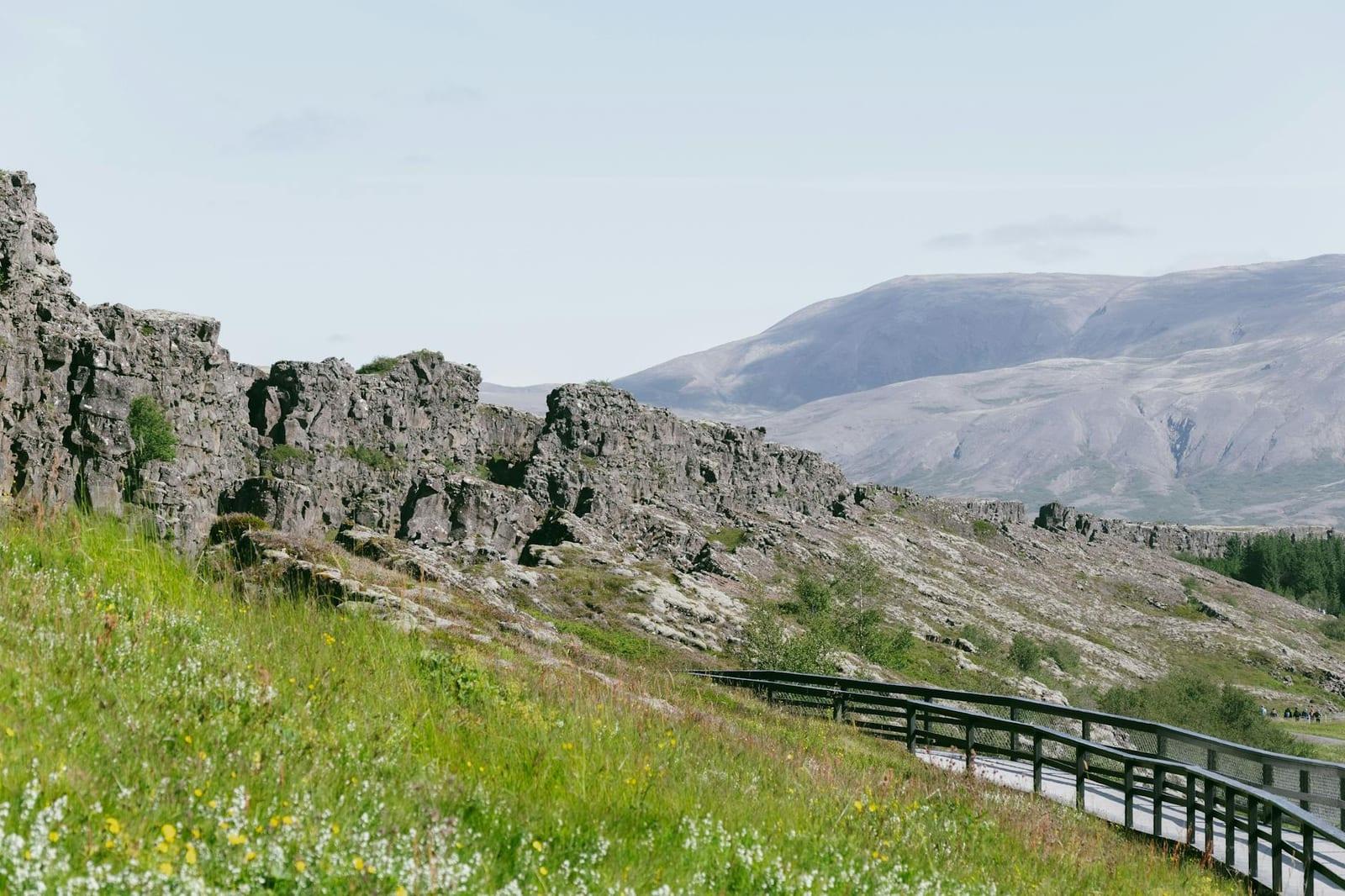
- Thingvellir National ParkA serene valley includes the site of the very first Icelandic parliament, convened back in the 10th century C.E.
- HaukadalurThis valley steams with some of the best-known geysers in Iceland, including Geysir (from which the general term derived) and Strokkur.