There aren’t many countries that stimulate the senses, the intellect, and the emotions like India. Here, 2,000-year-old customs vie for your attention with pulsating expressions of modernity. Here, try to wrap your head around an incredible cross-section of humanity in the form of better than two thousand different ethnic groups. Here, you’ll struggle to reconcile systemic poverty of disturbing scale with royal glamor and 21st-century wealth. And here, you’ll marvel at unforgettable glimpses of primal wildness—a tiger’s hiss, a langur’s treetop leap, the glint of sunrise on a Himalayan glacier—holding on amid a human population of incredible size (more than 1.2 billion!) and density.
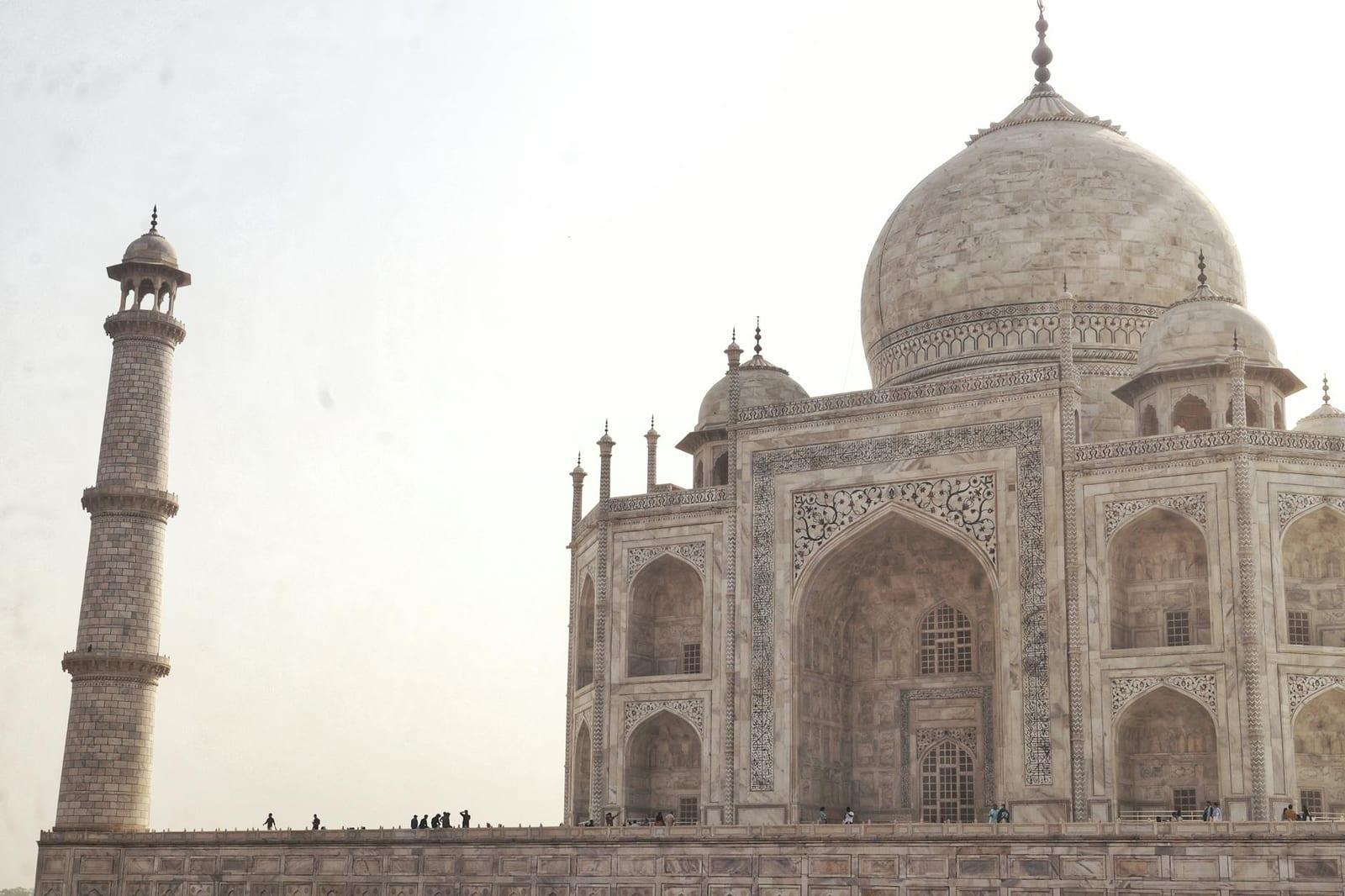
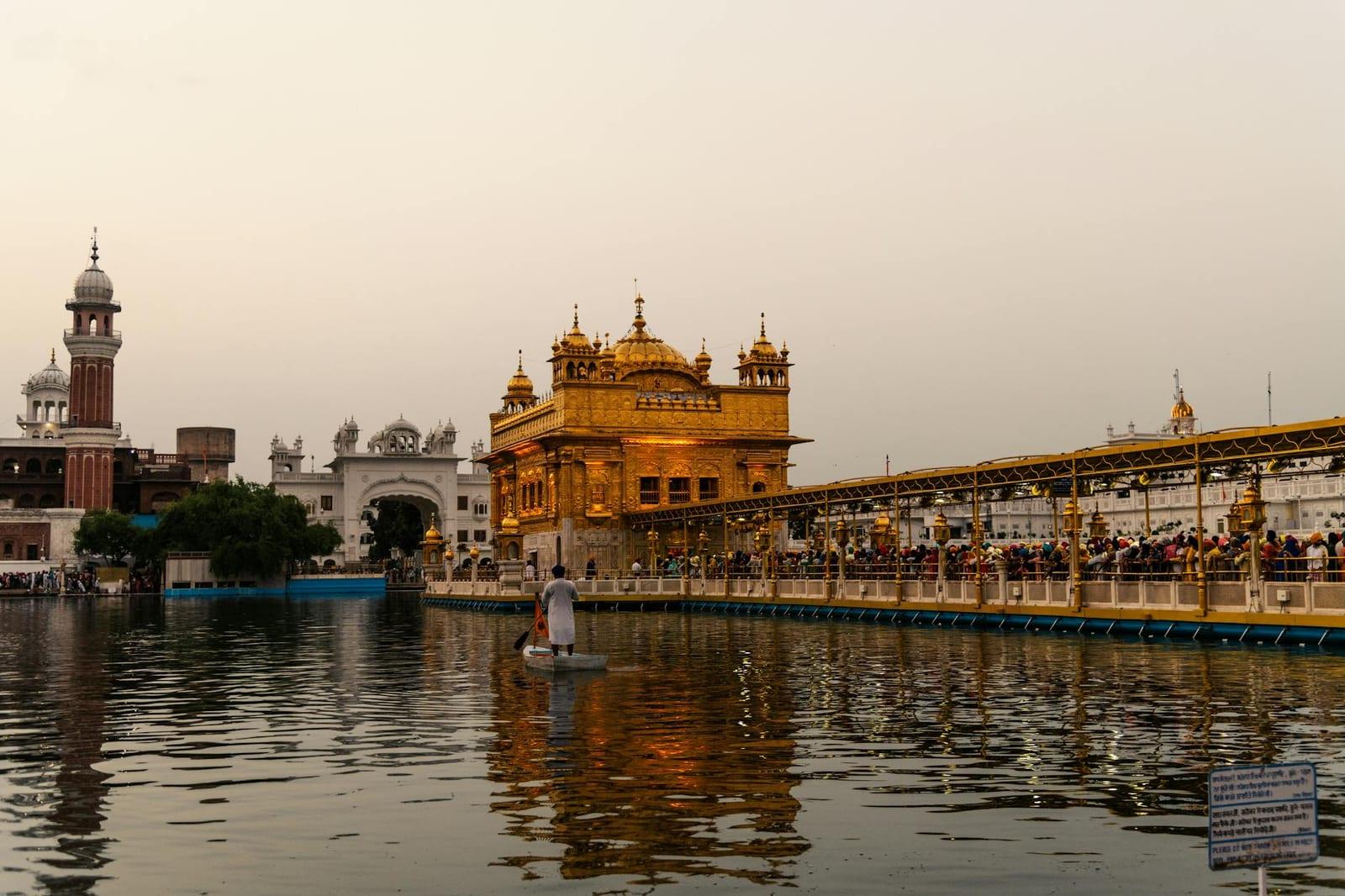
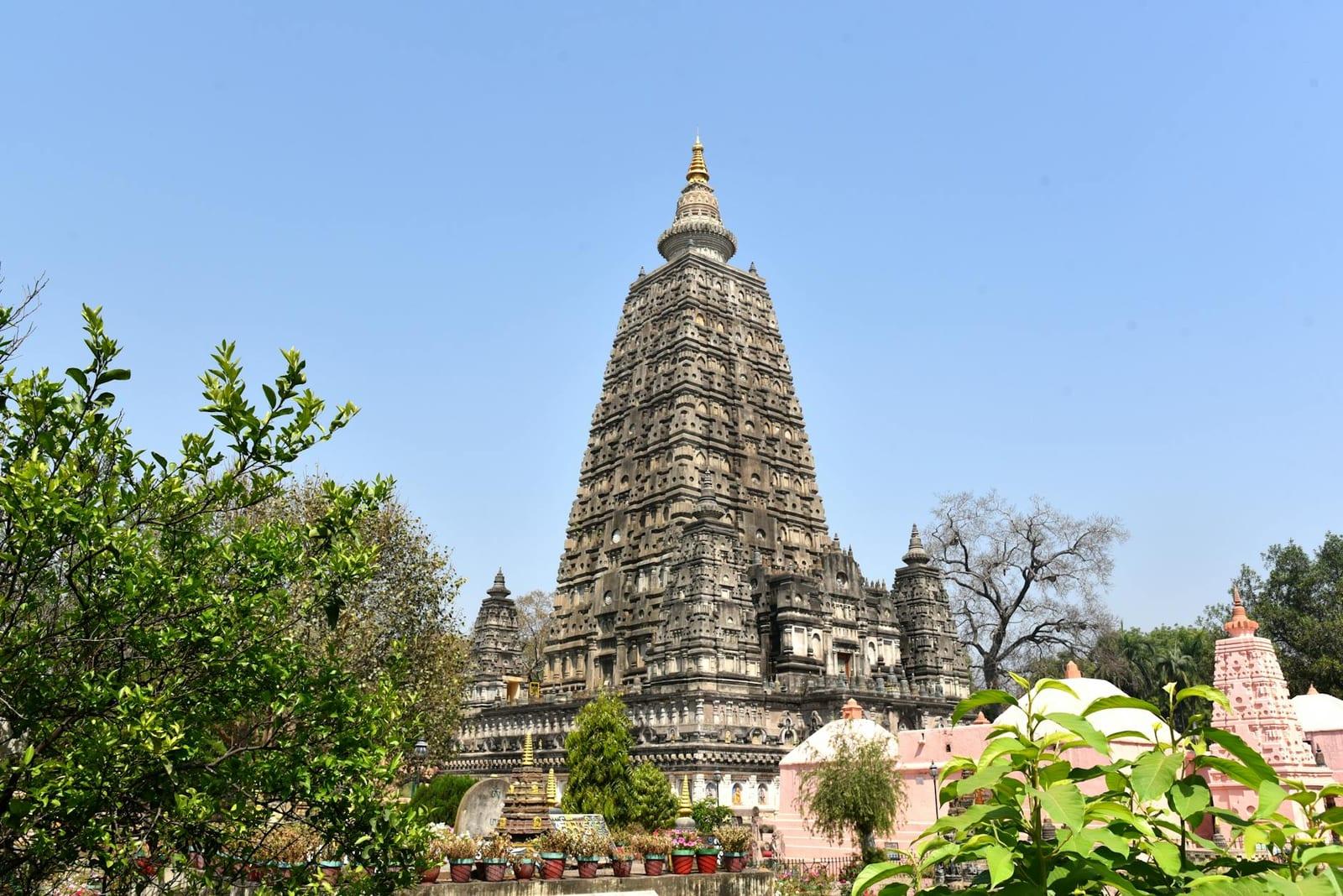
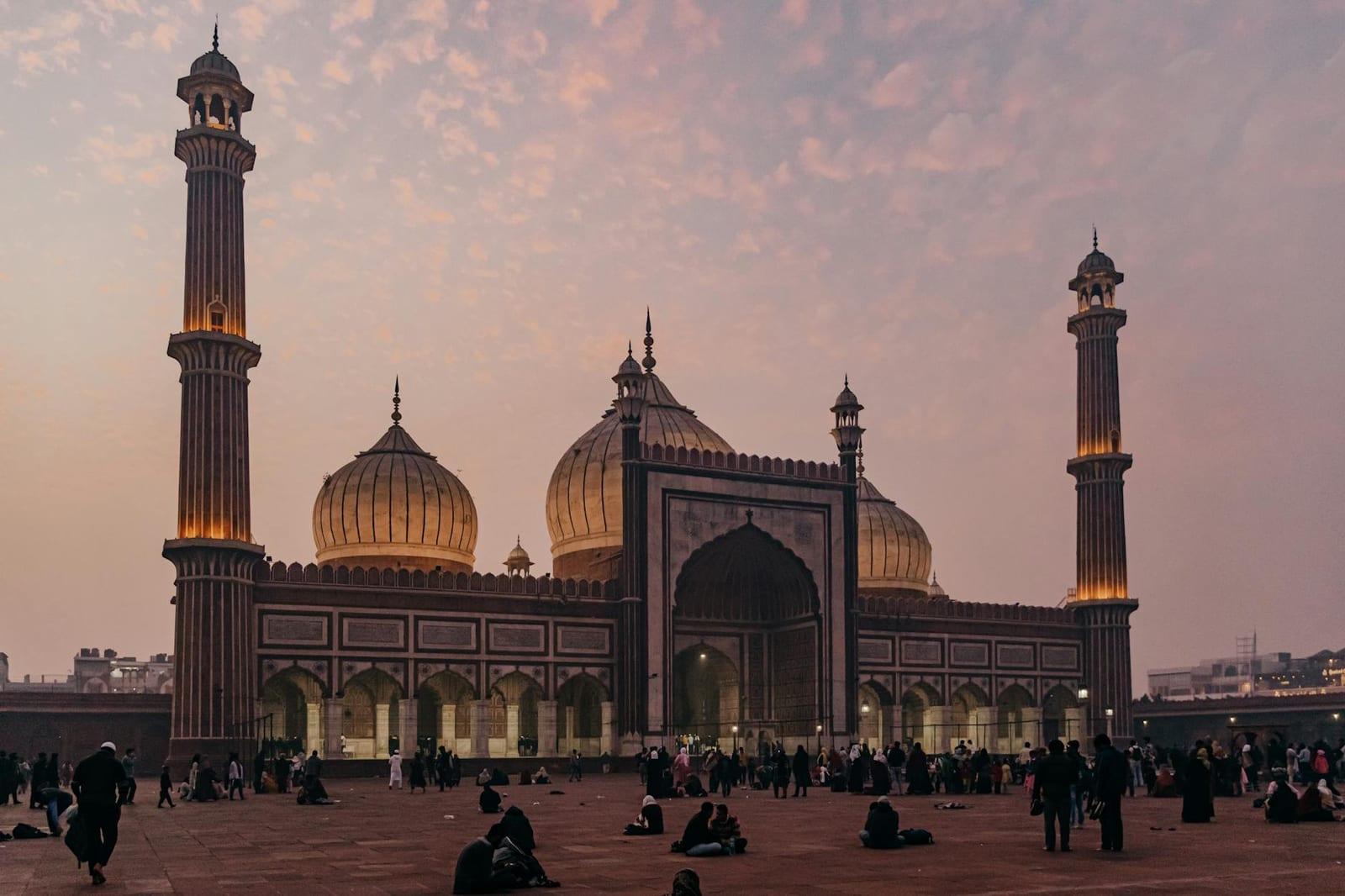
Sure, the Taj Mahal is one of the great architectural masterpieces of the world, but some of India’s most stirring monuments are houses of worship. Given the country’s religious diversity and intense spirituality, it’s an incomparable destination for surveying the beautifully varied traditions with which humanity perceives and celebrates the divine. The Harmandir Sahib in Amritsar, holiest of all Sikh gurdwaras; the Mahabodhi Temple in Bodh Gaya, marking the tree of the Buddha’s enlightenment; the Ganges temples of the holy city of Varanasi; the mighty Delhi mosque of Jama Masjid—these are only some of the most prominent sites.
And speaking of the sacred, Indian cuisine—much of it vegetarian—is revered the world over. Like the country’s spiritual character, native cookery is anything but homogenous: From the Tandoori chicken of Punjab to the banana-leaf-wrapped Sadhya meals of Kerala celebrations, India has an enormous share of culinary traditions.
Whether you’re touring shrines and sanctuaries or seeking out flatbreads and lentils, India’s urban-to-rural spectrum is astonishing. The great cities—Mumbai, Delhi, Bangalore, Kolkata, and many others beyond a million people—can be completely overwhelming, from their labyrinthine slums to their seemingly lawless traffic. Ultimately, surrendering yourself to the chaos—and going with the flow—is the best way to navigate their immersive experience. Worlds away, the deep countryside of India—increasingly laced with high-speed roads and rails—includes farmers, pastoralists, nomads, storytellers, craftspeople, ascetics, and others engaged in traditional livelihoods that, on the surface anyhow, seem little changed across the centuries.
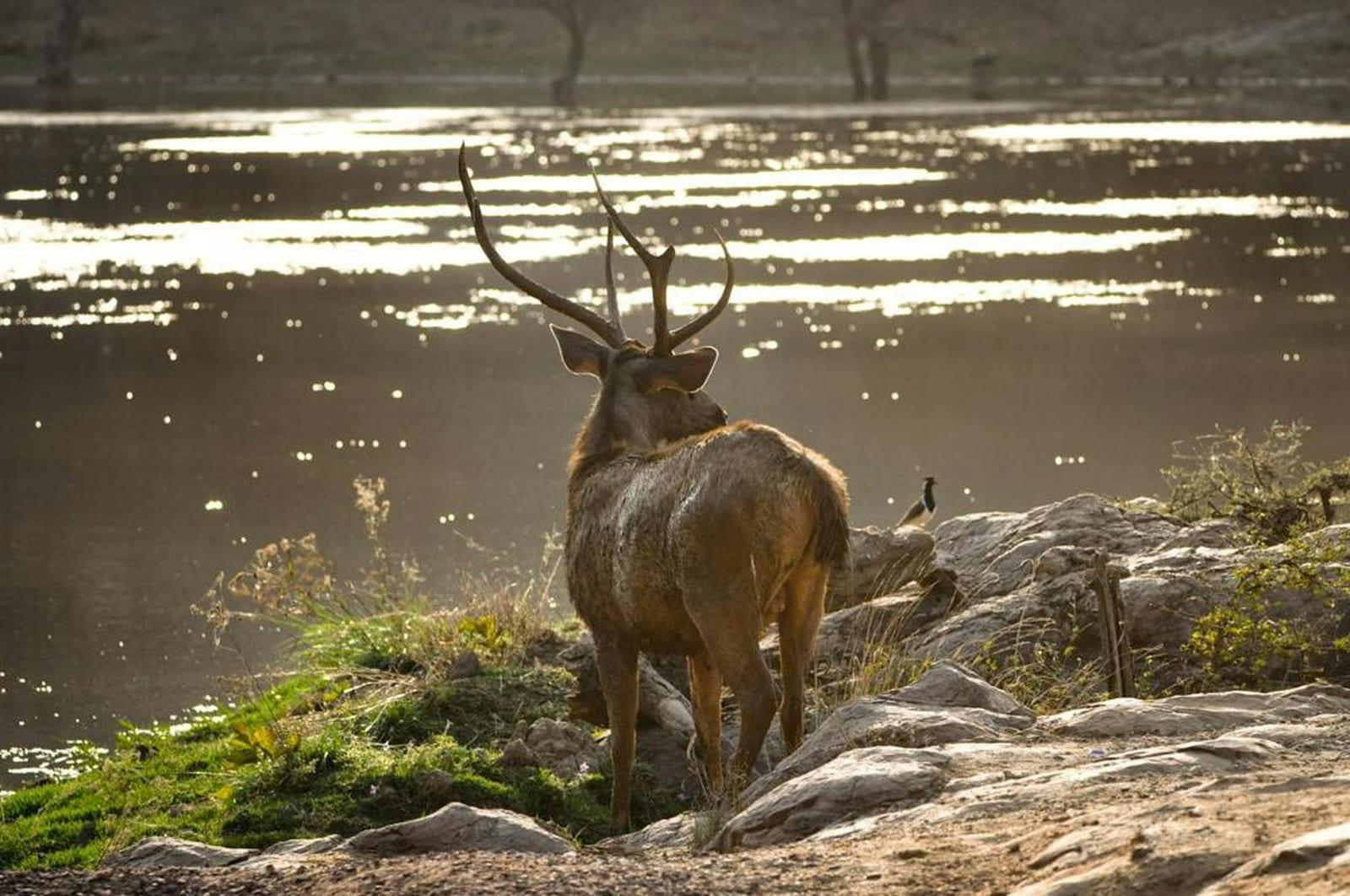
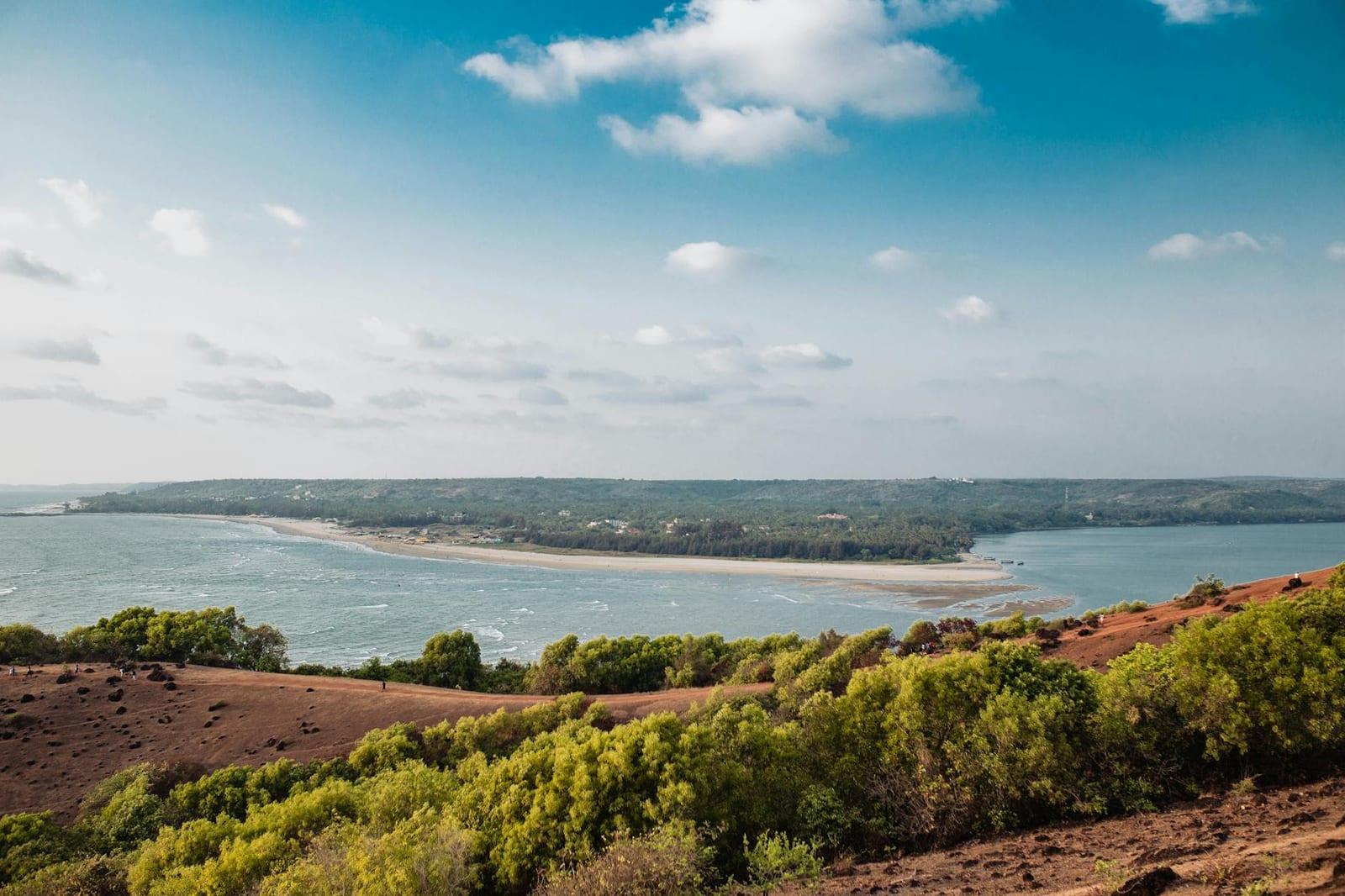
And for the ecologically inclined, the subcontinent comes rich in treasures: snow leopards and mountain sheep in the Himalayas, rhinos and elephants in the Indo-Gangetic Plain grasslands, Asia’s last lions in the Gir Forest, the Bengal tigers of Ranthambore, the wolves and blackbuck of Velavadar, and the Arabian Sea coral reefs off Goa (a place also legendary for its beaches).
There’s no point in generalizing much about such a populous and diverse nation, aside from marveling at the depths of experience any traveler can be privy to here in the heart of South Asia.
24 things not to miss.
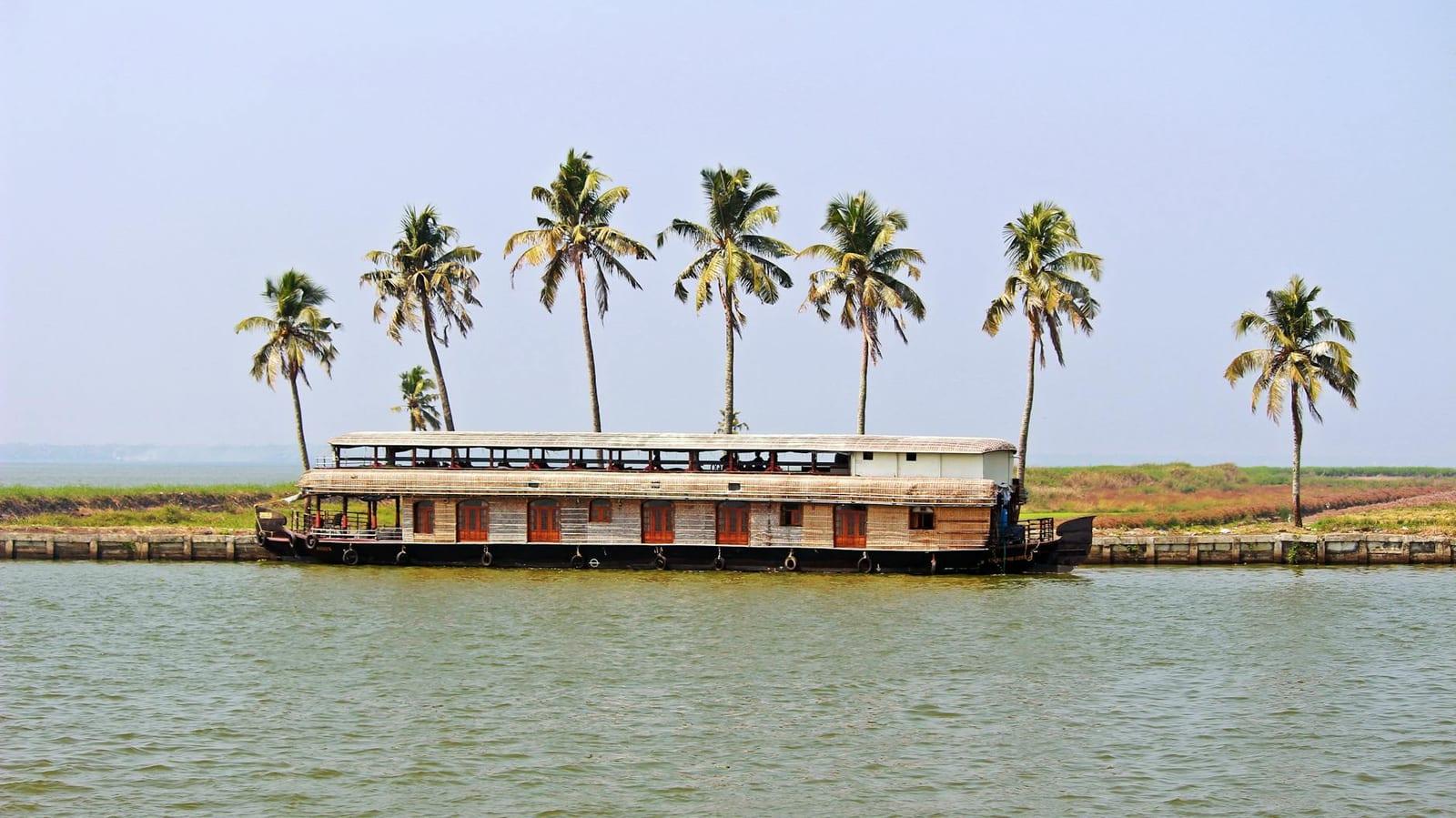
- Houseboat the Kerala backwatersHouseboat the Kerala backwaters
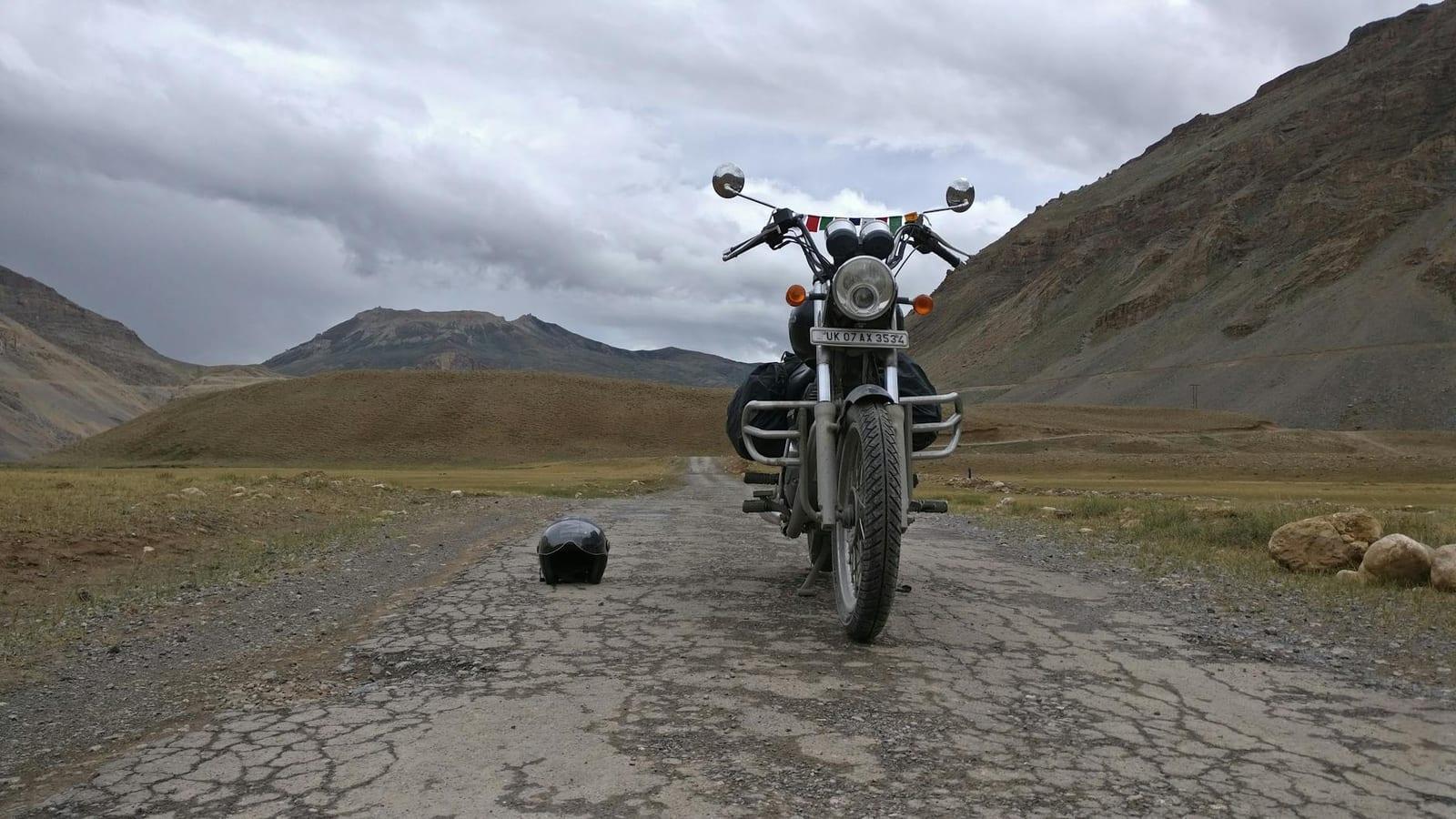
- Ride a Royal Enfield through the HimalayasRide a Royal Enfield through the Himalayas
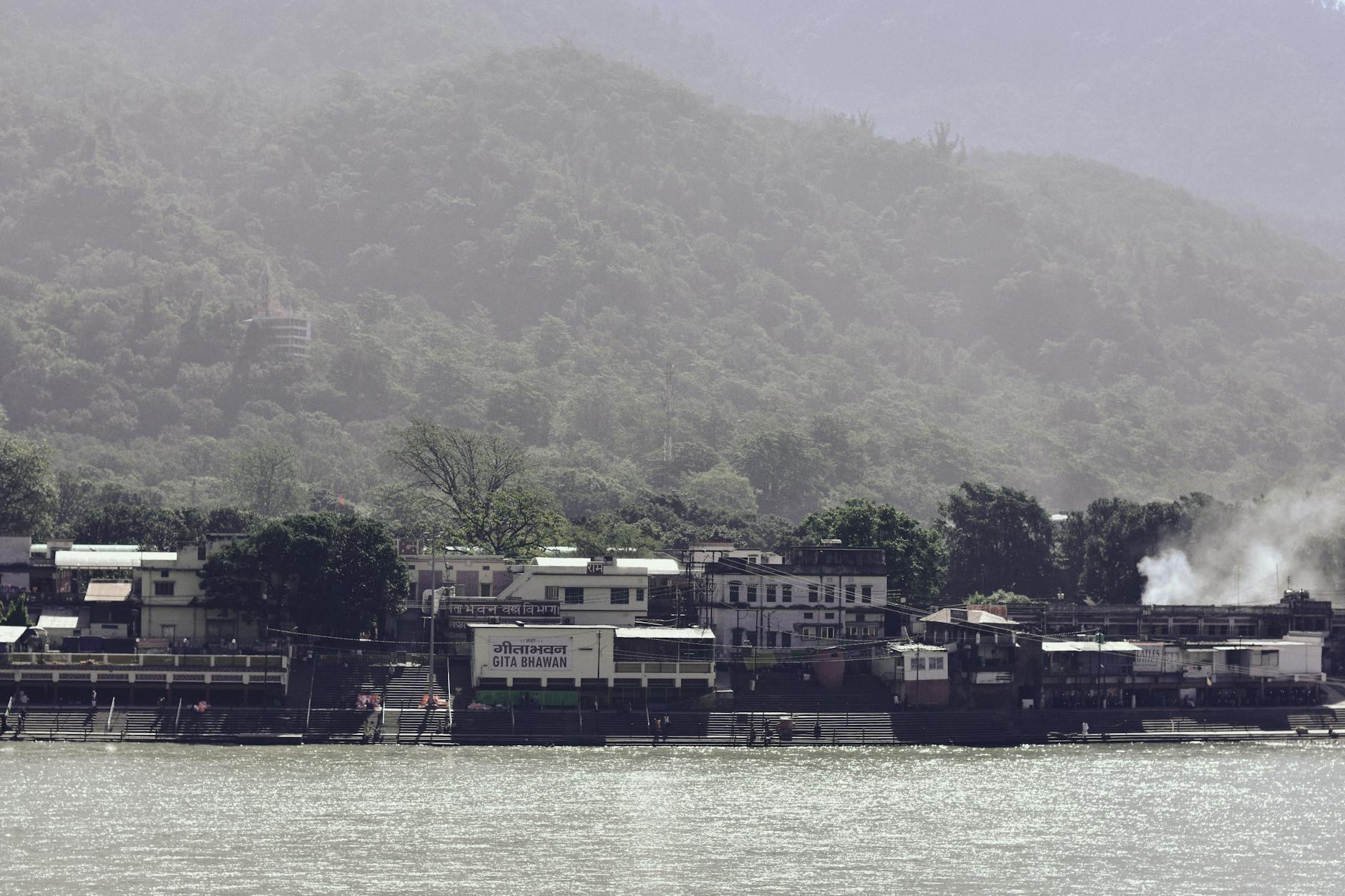
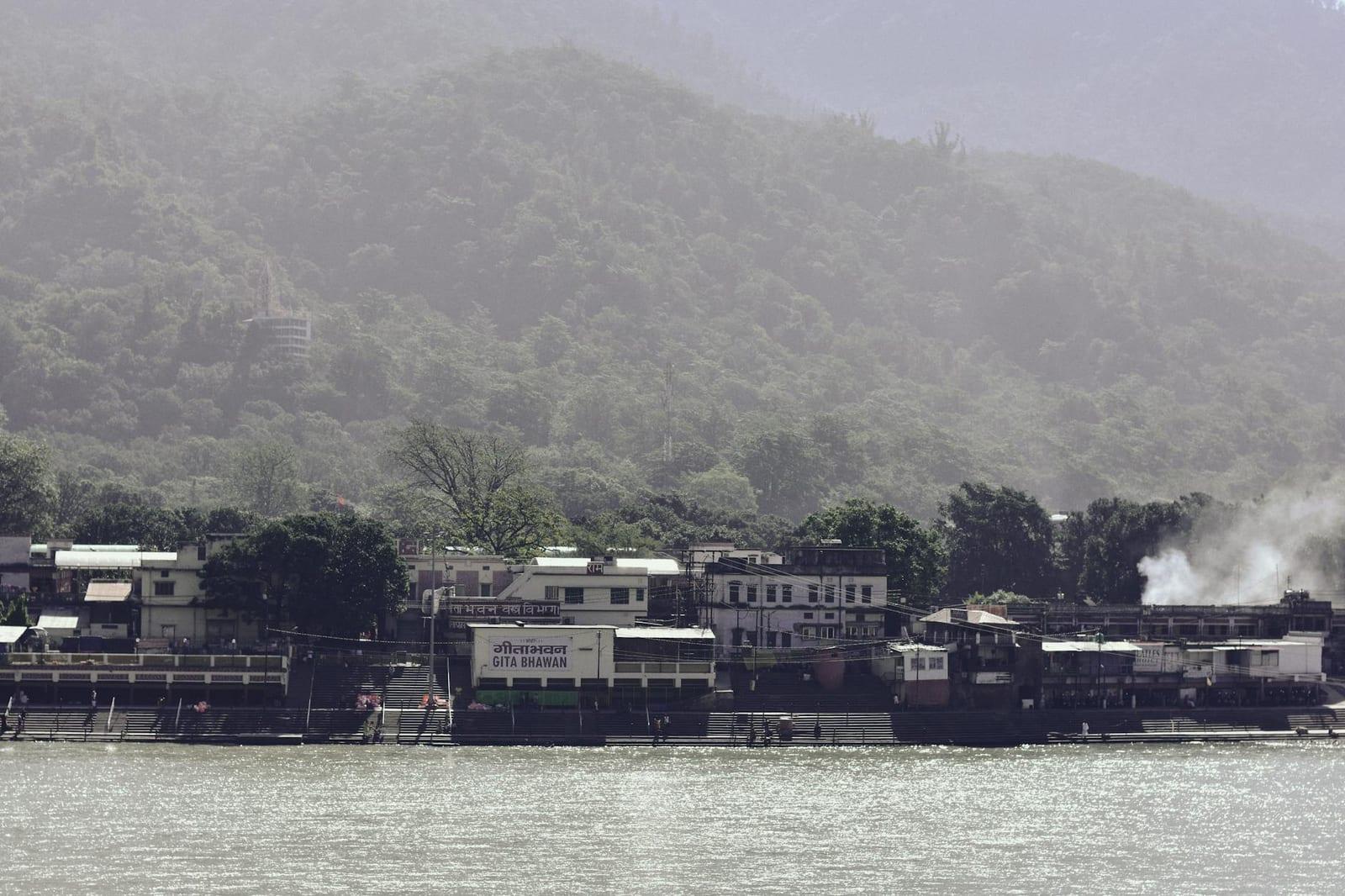
- Rishikesh
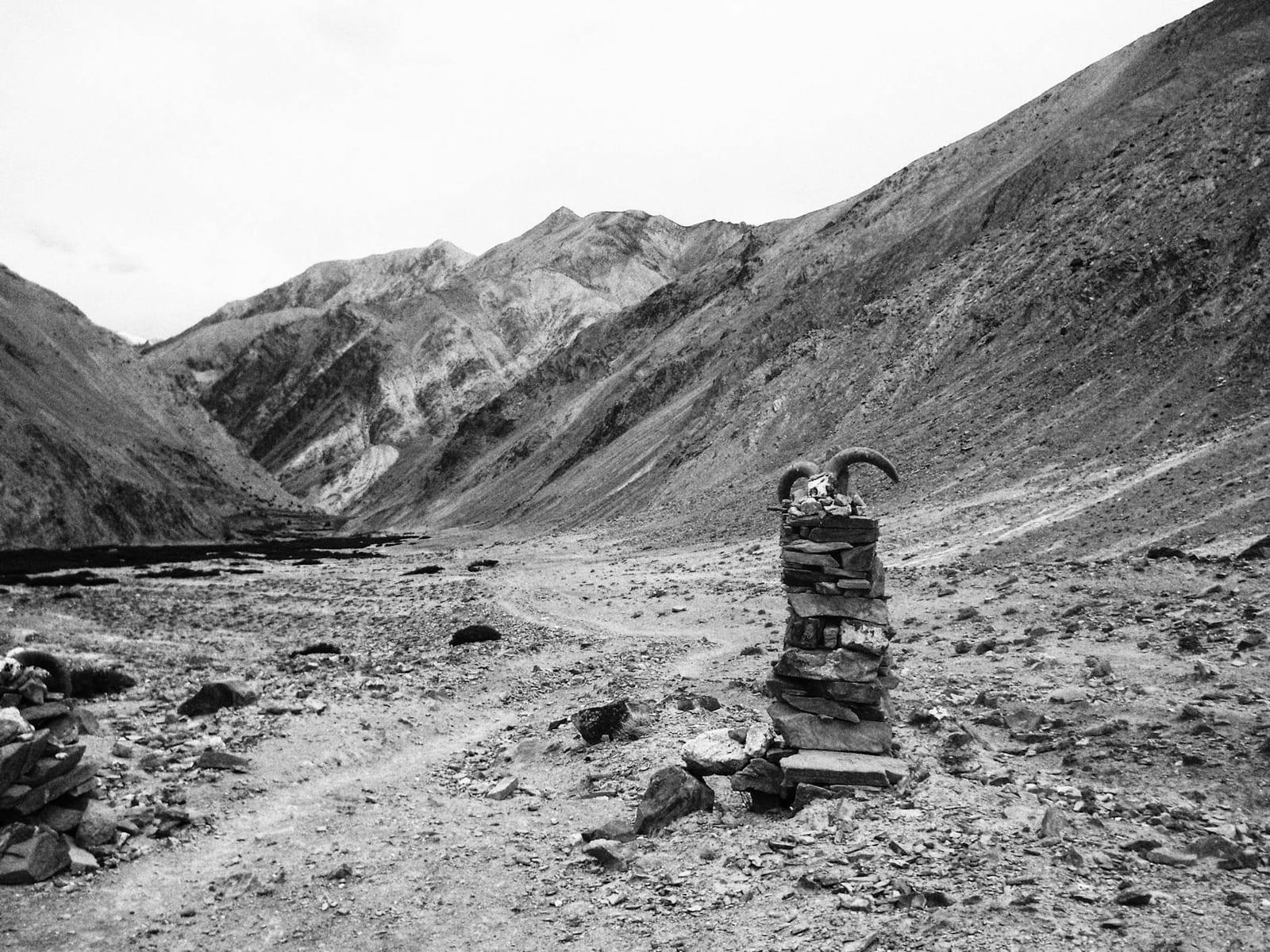
- Stok Kangri
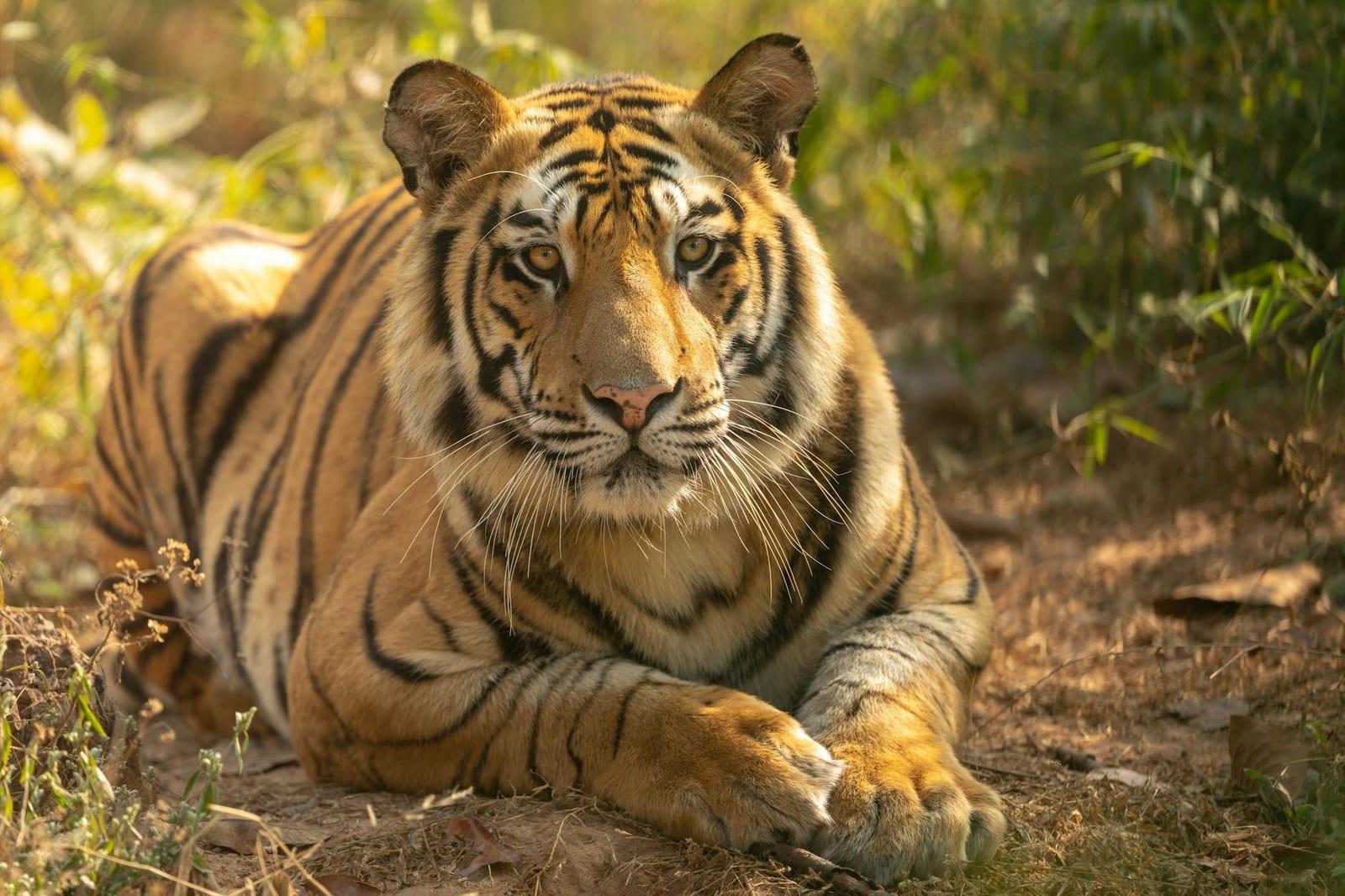
- Bandhavgarh
- Sundarbans
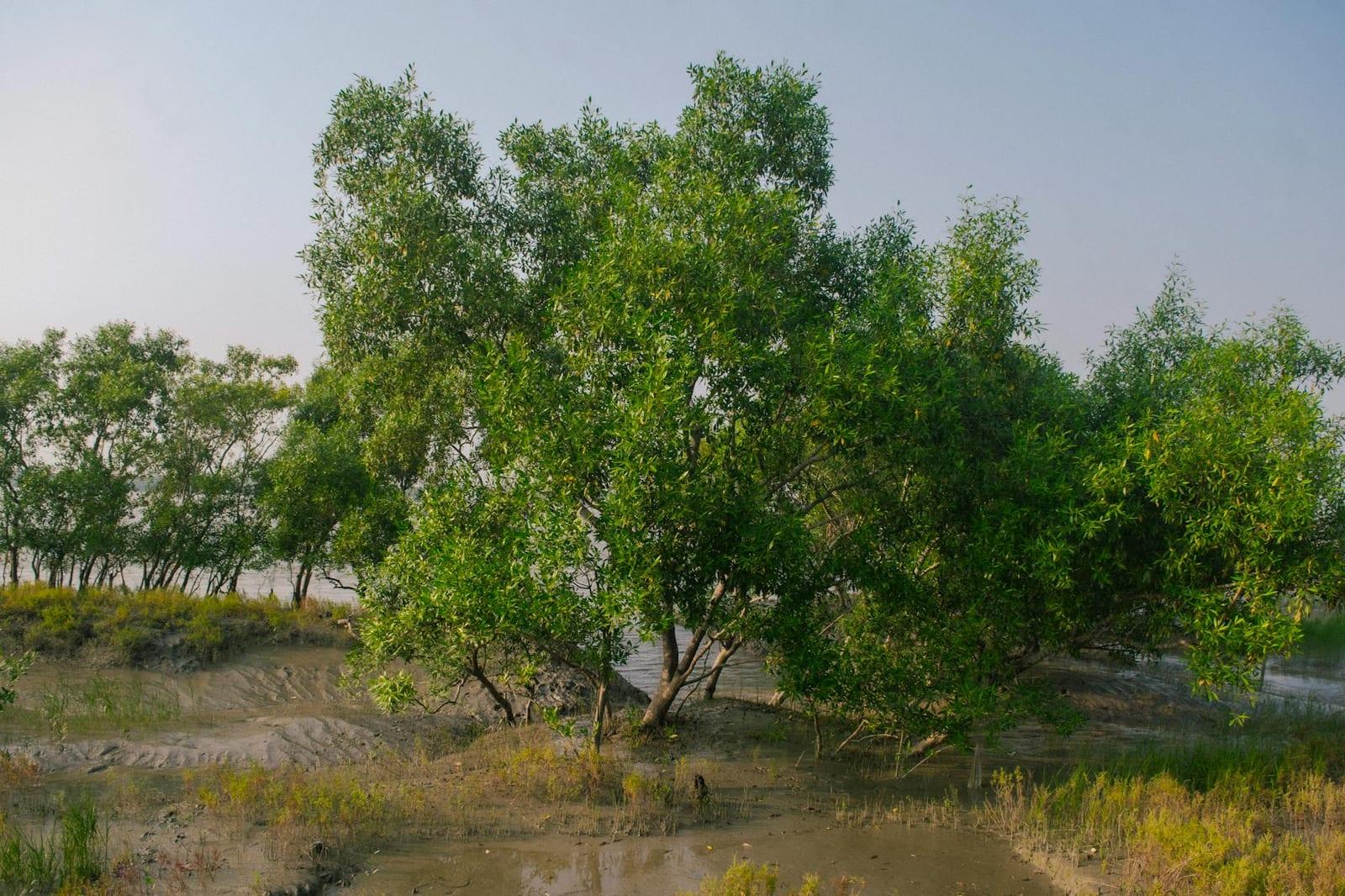
- Vrindavan
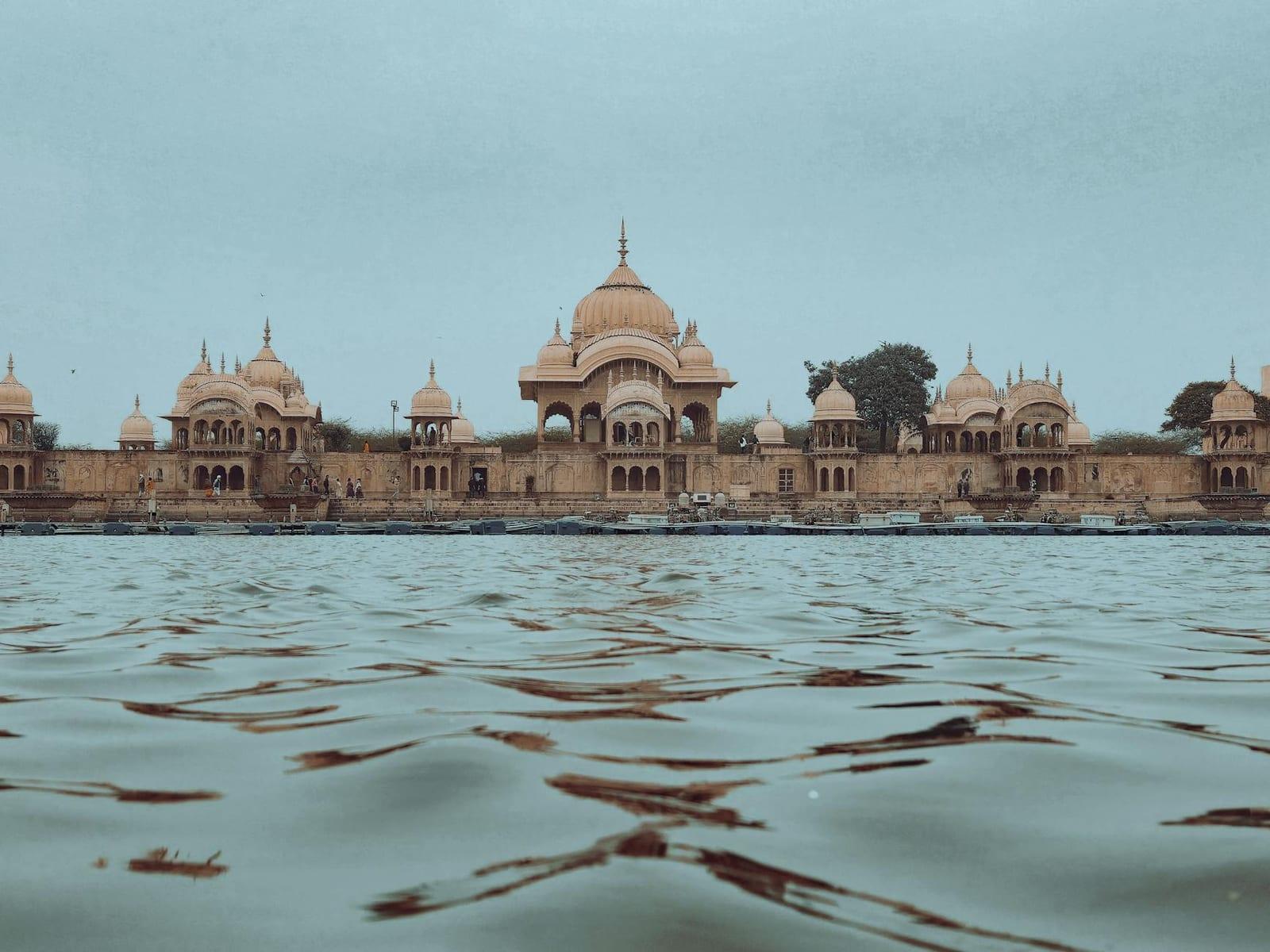
- New Delhi
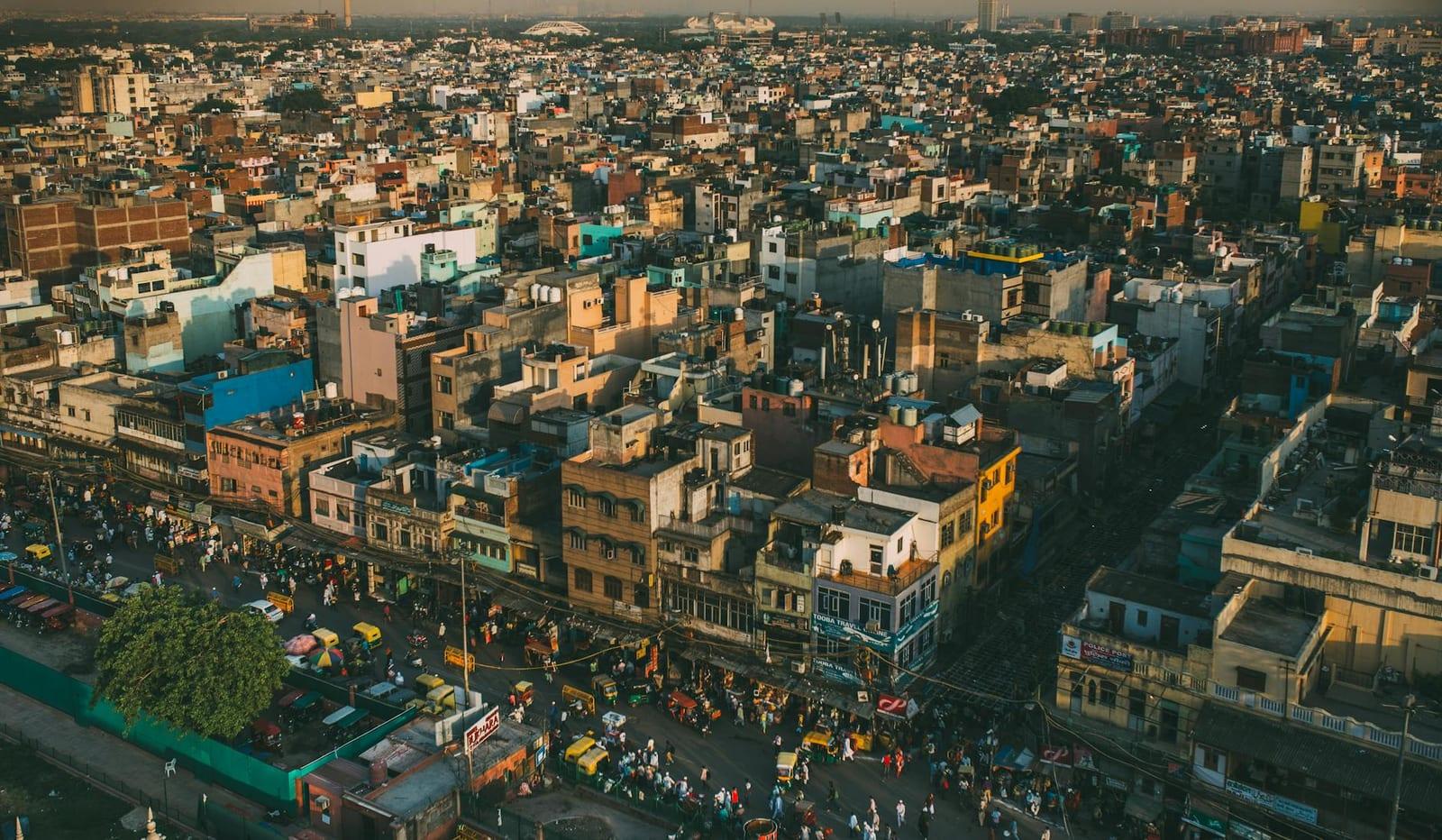
- Jaipur
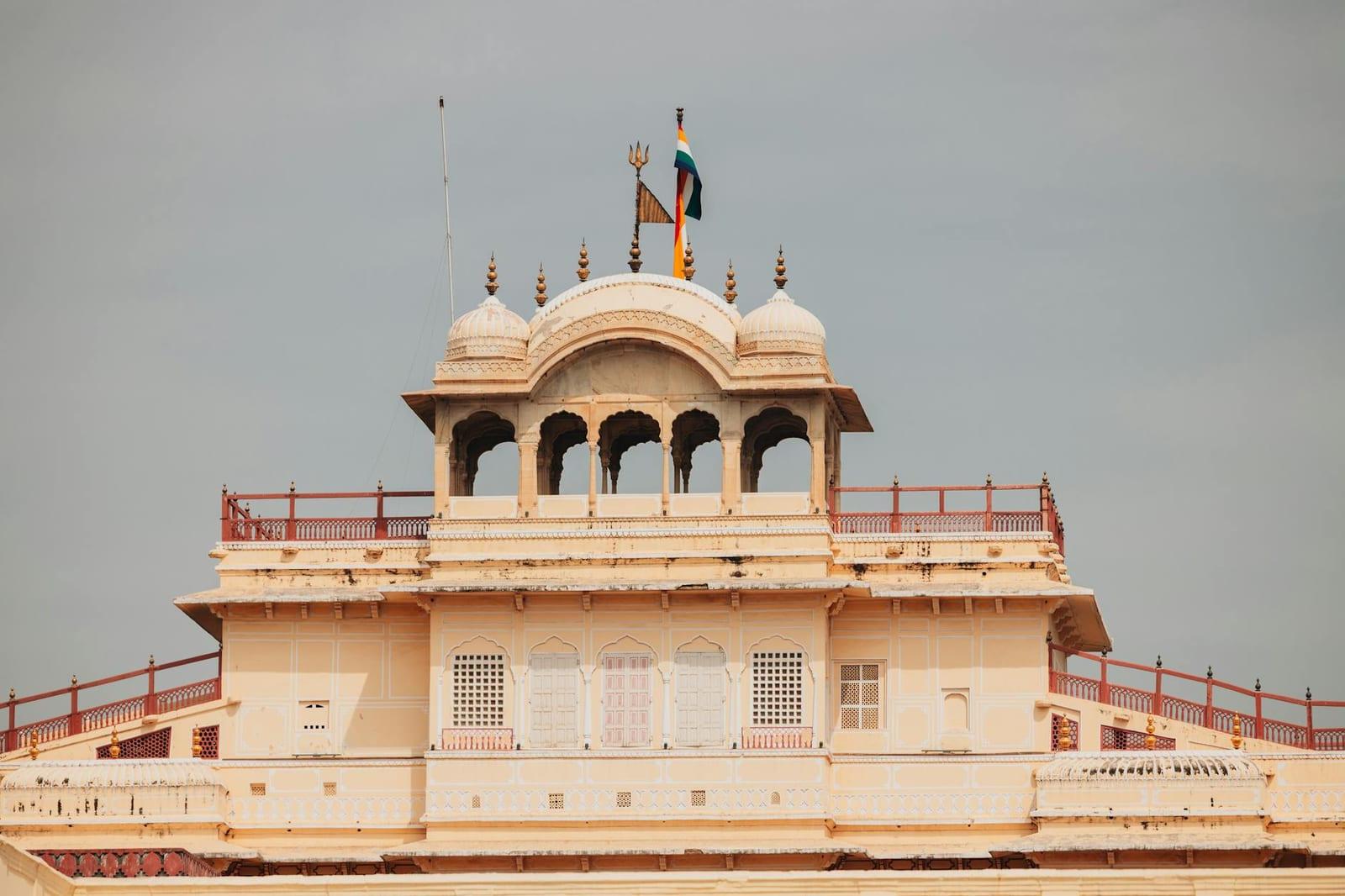
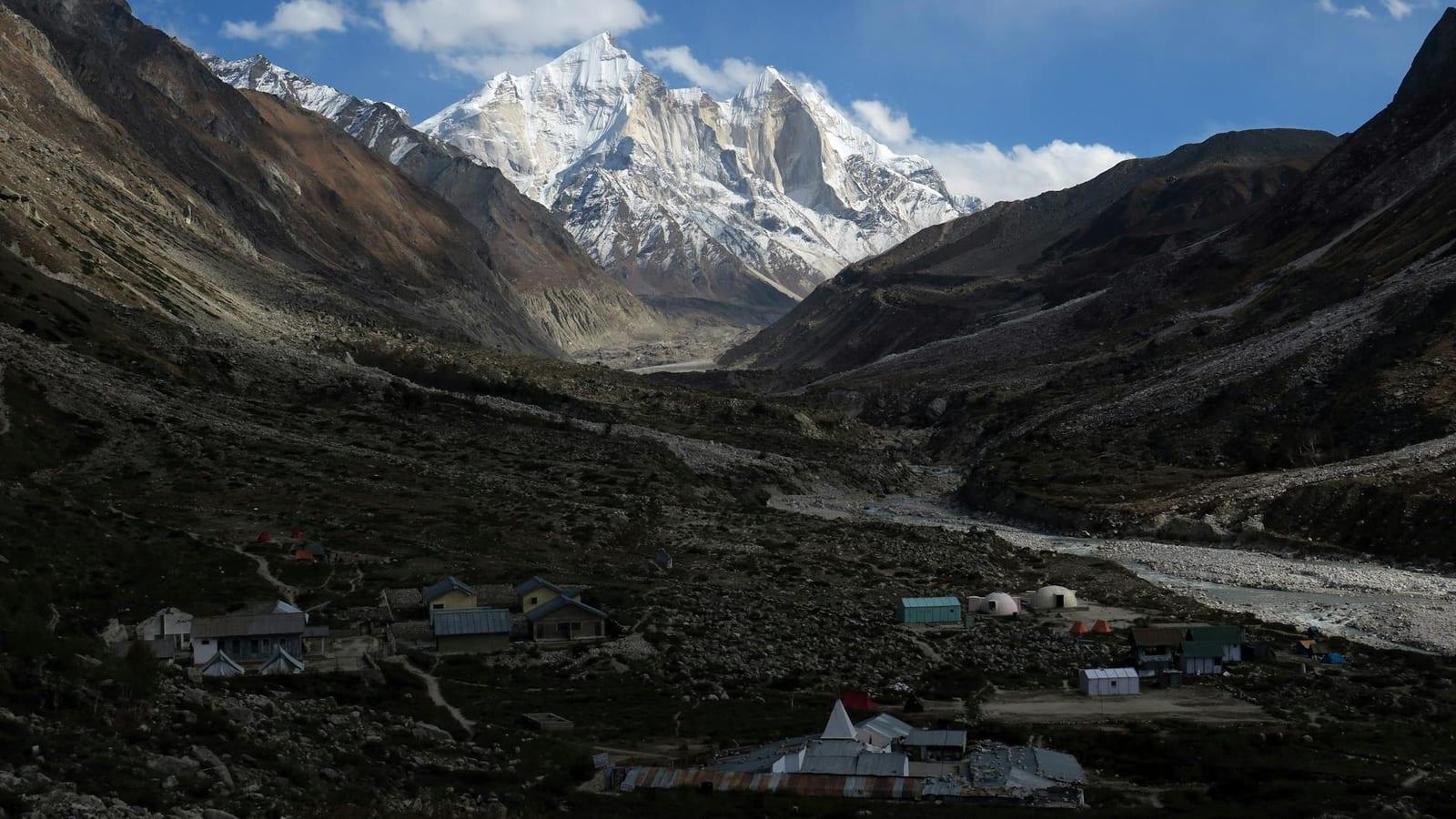
- Gangotri Glacier
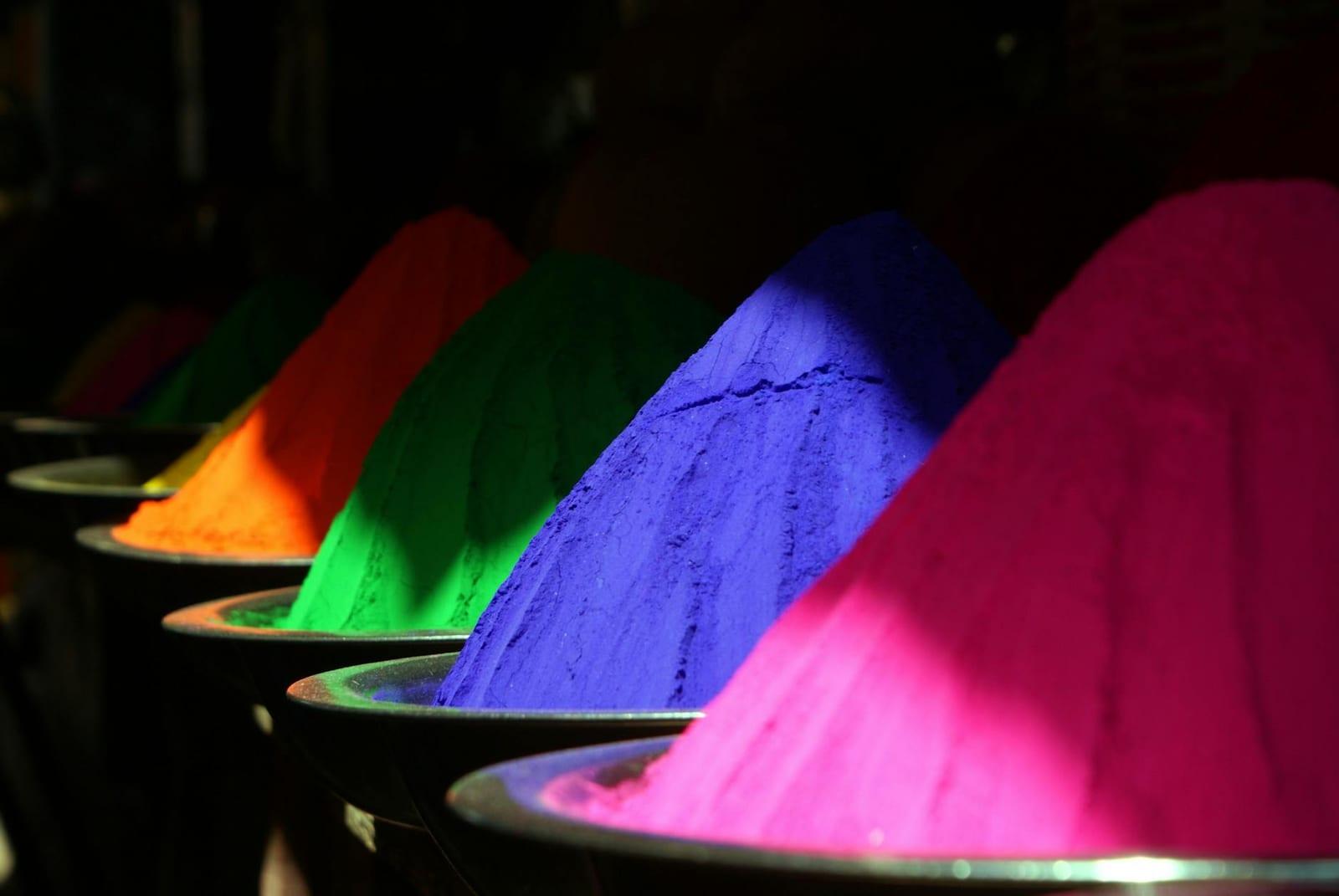
- Holi Color Festival
- Taj Mahal
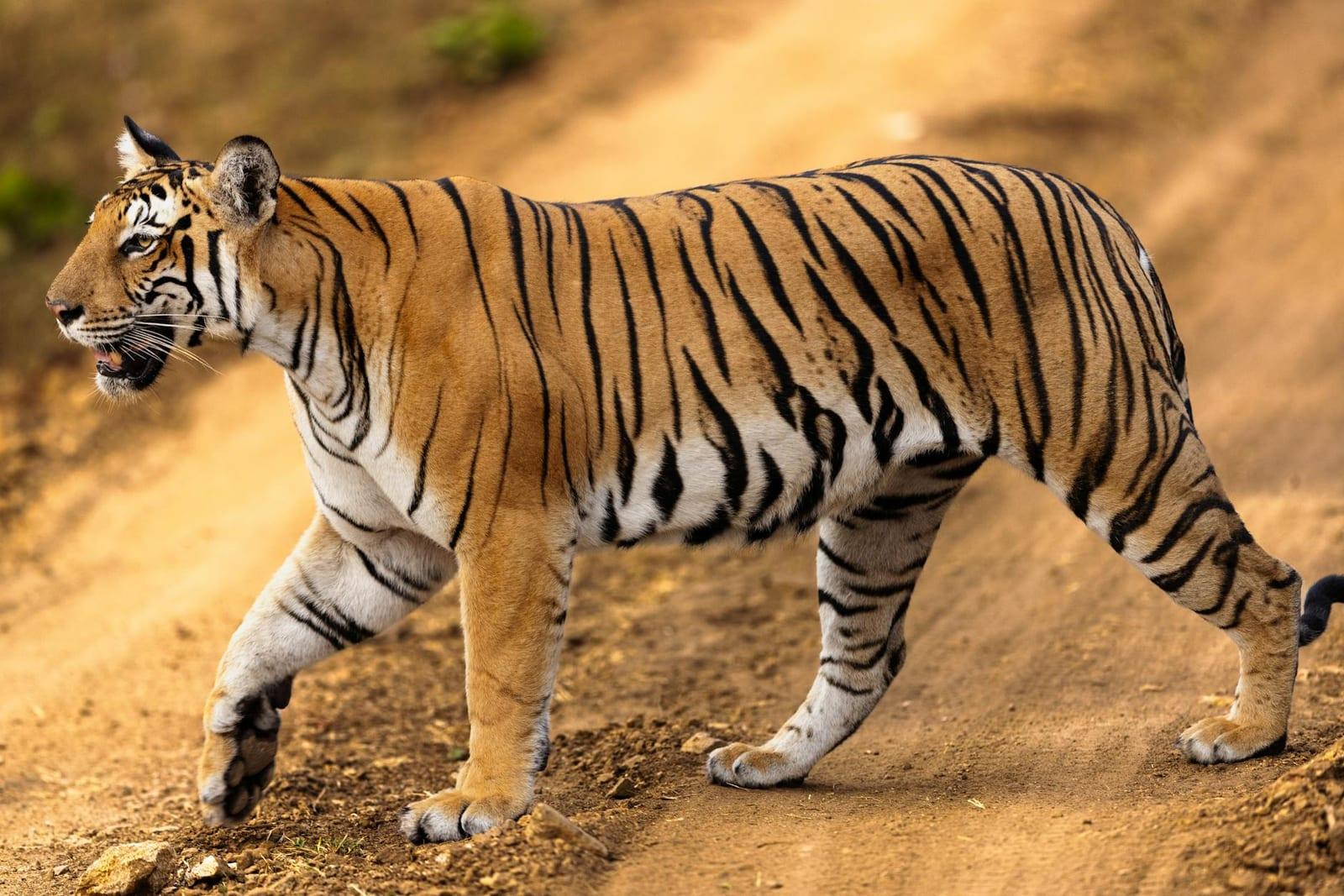
- Tiger
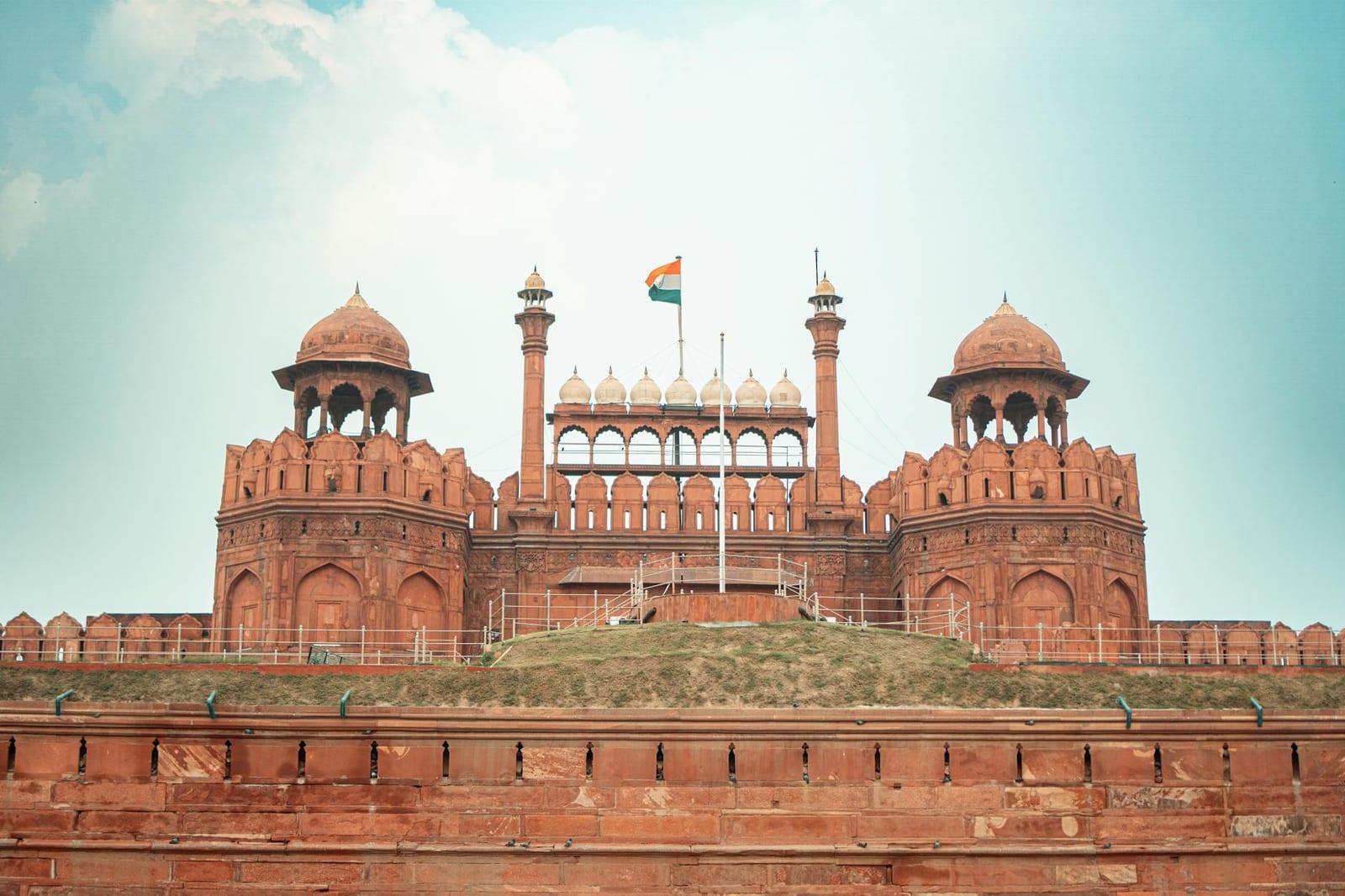
- Red FortIn the heart of Delhi, this red-walled palace housed the Mughal emperors from the mid-17th through 19th centuries.
- Harmandir SahibLike all Sikh houses of worship (or gurdwaras), the “Golden Temple” of Amritsar is open to practitioners of all faiths.
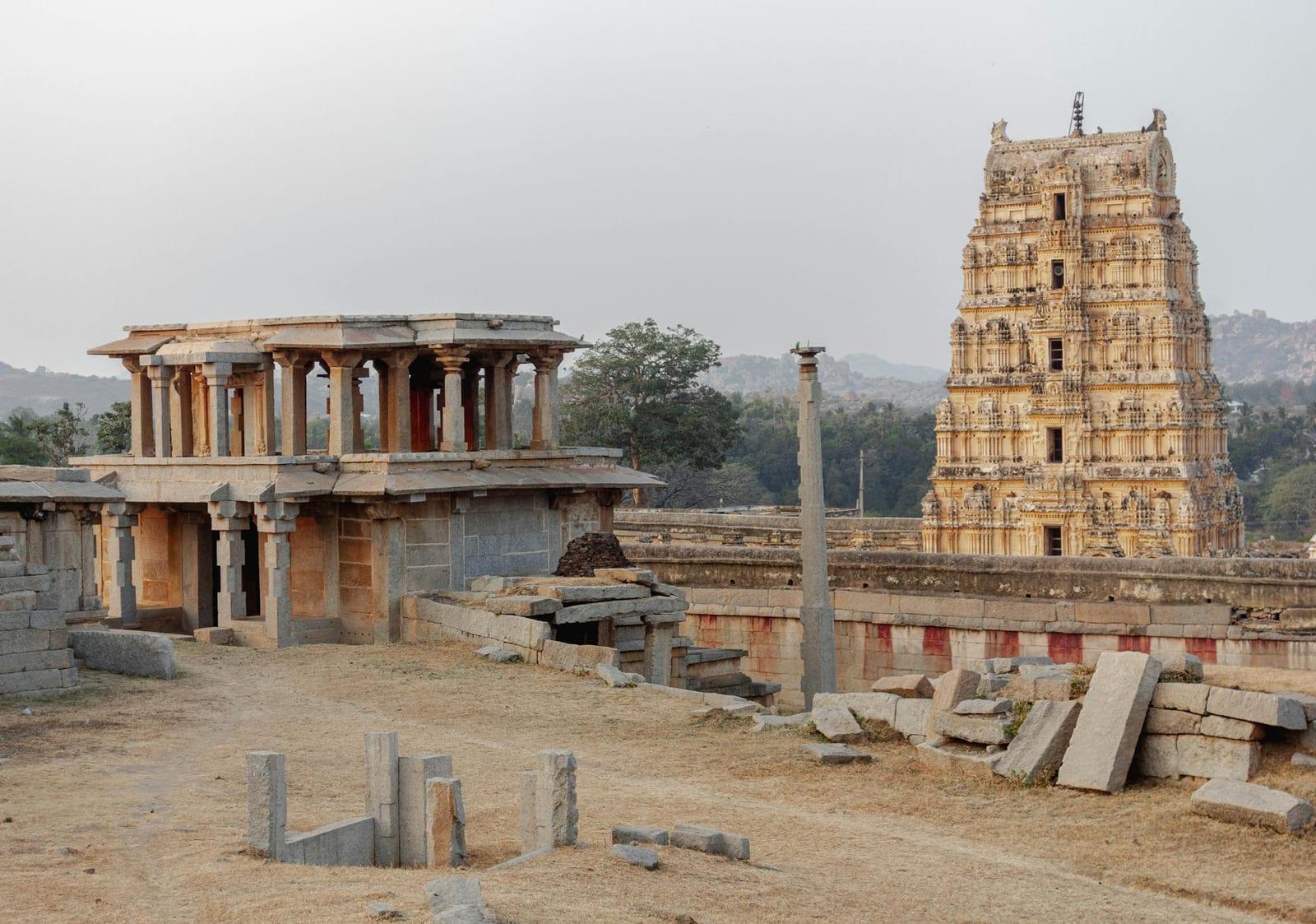
- Virupaksha TempleThis Hindu temple dedicated to Shiva, located in historically rich Hampi, has been in continuous use since the 7th century CE.
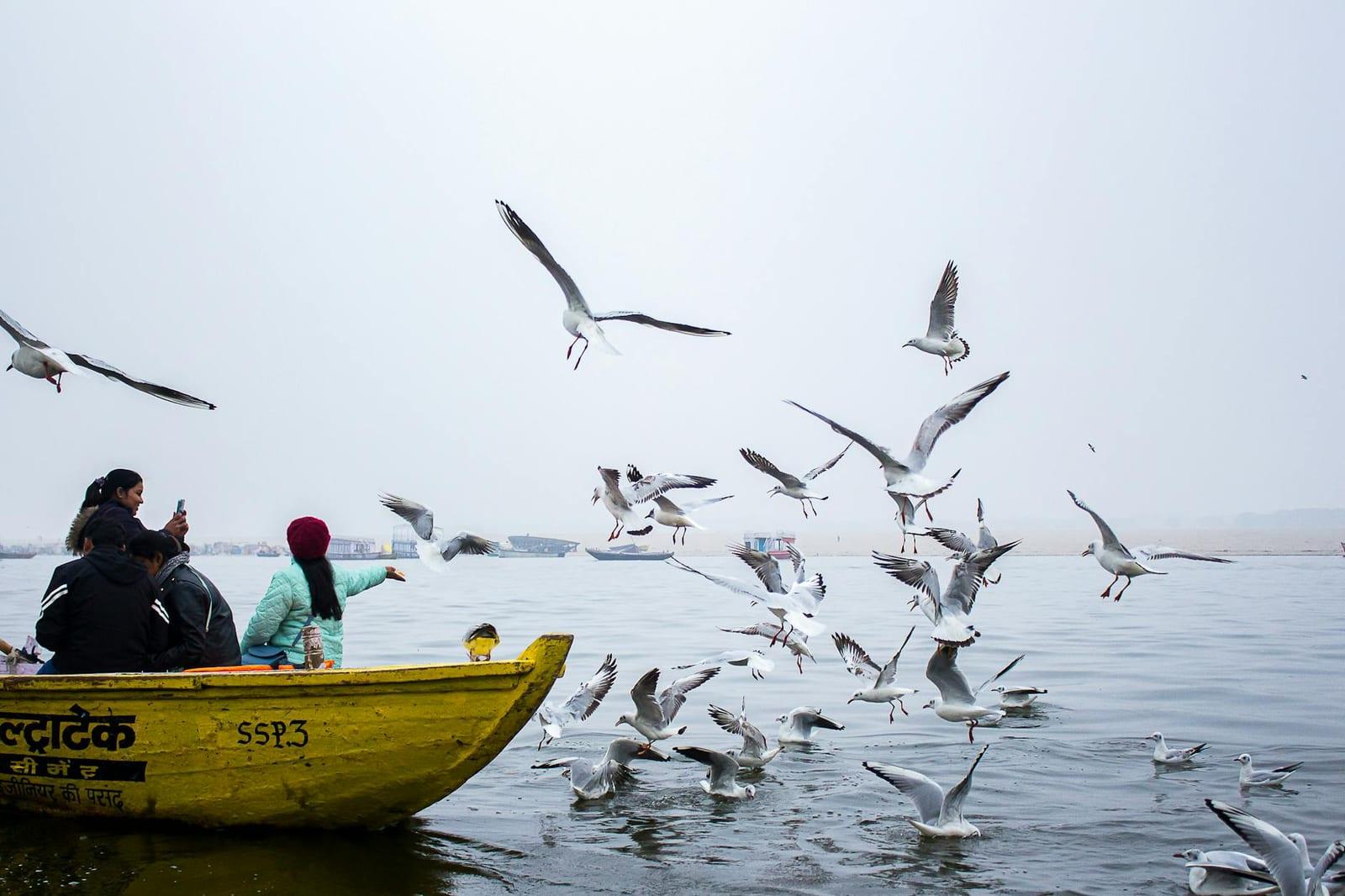
- VaranasiRevered in multiple religions, this ancient city harbors world-famous ghats along the sacred waters of the Ganges.
- Mahabodhi TempleThe Buddha is said to have attained enlightenment at this spot, under a Bodhi tree whose descendent still grows here.
- Jama MasjidBuilt in the mid-17th century by the Mughals, this Delhi landmark is one of India’s biggest mosques.
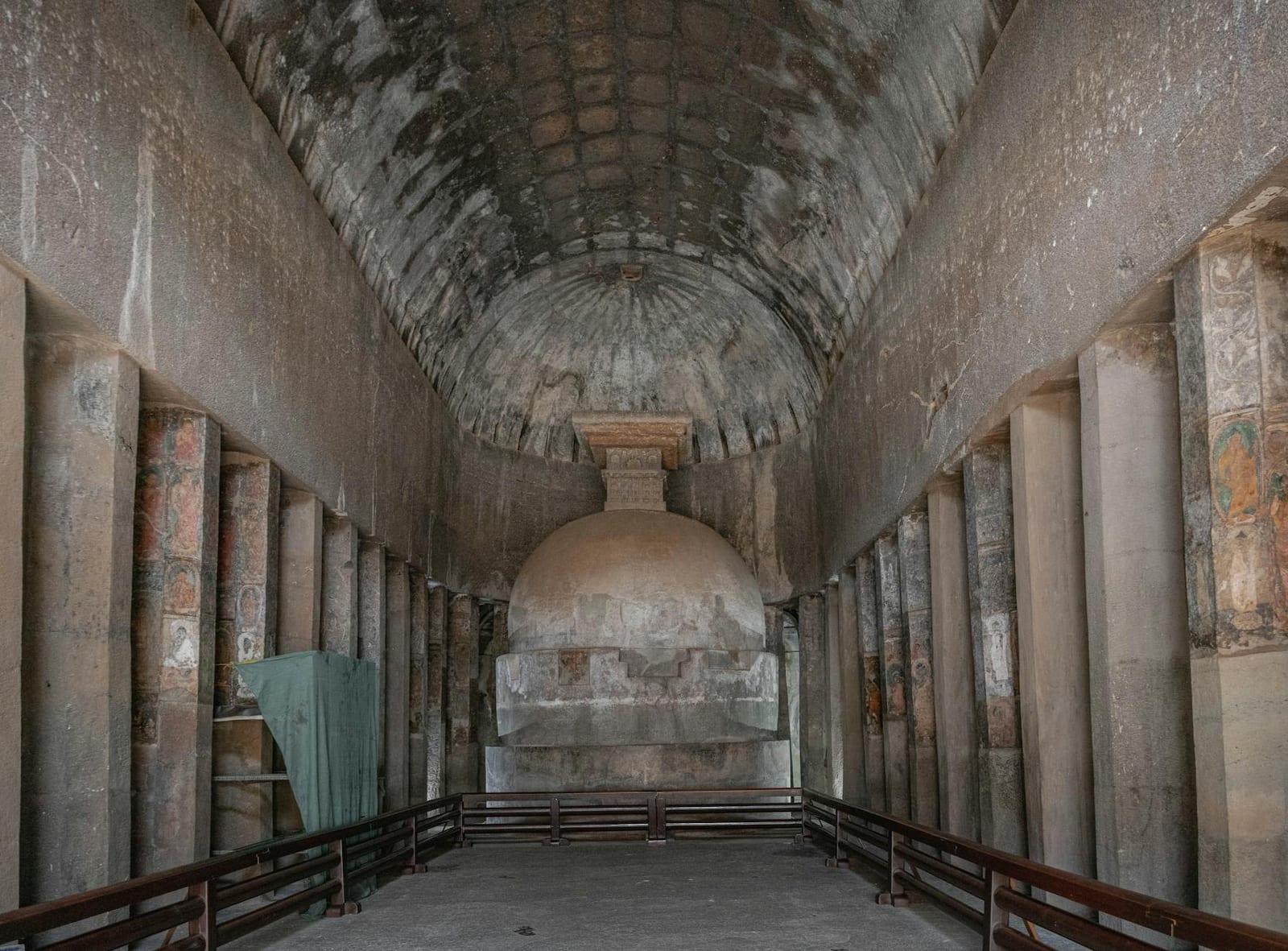
- Ajanta CavesAstonishing Buddhist murals and rock-cut architecture decorate these Maharashtra caves, the oldest art dating back more than 2,000 years.
- GoaThis tiny state is nonetheless one of India’s most popular, given its tropical lushness and celebrated Arabian Sea beaches.
- Thar DesertTake a camel safari into sunset-fired dunes, admire nomads’ hardy herds, and look for aristocratic blackbuck in India’s biggest desert.
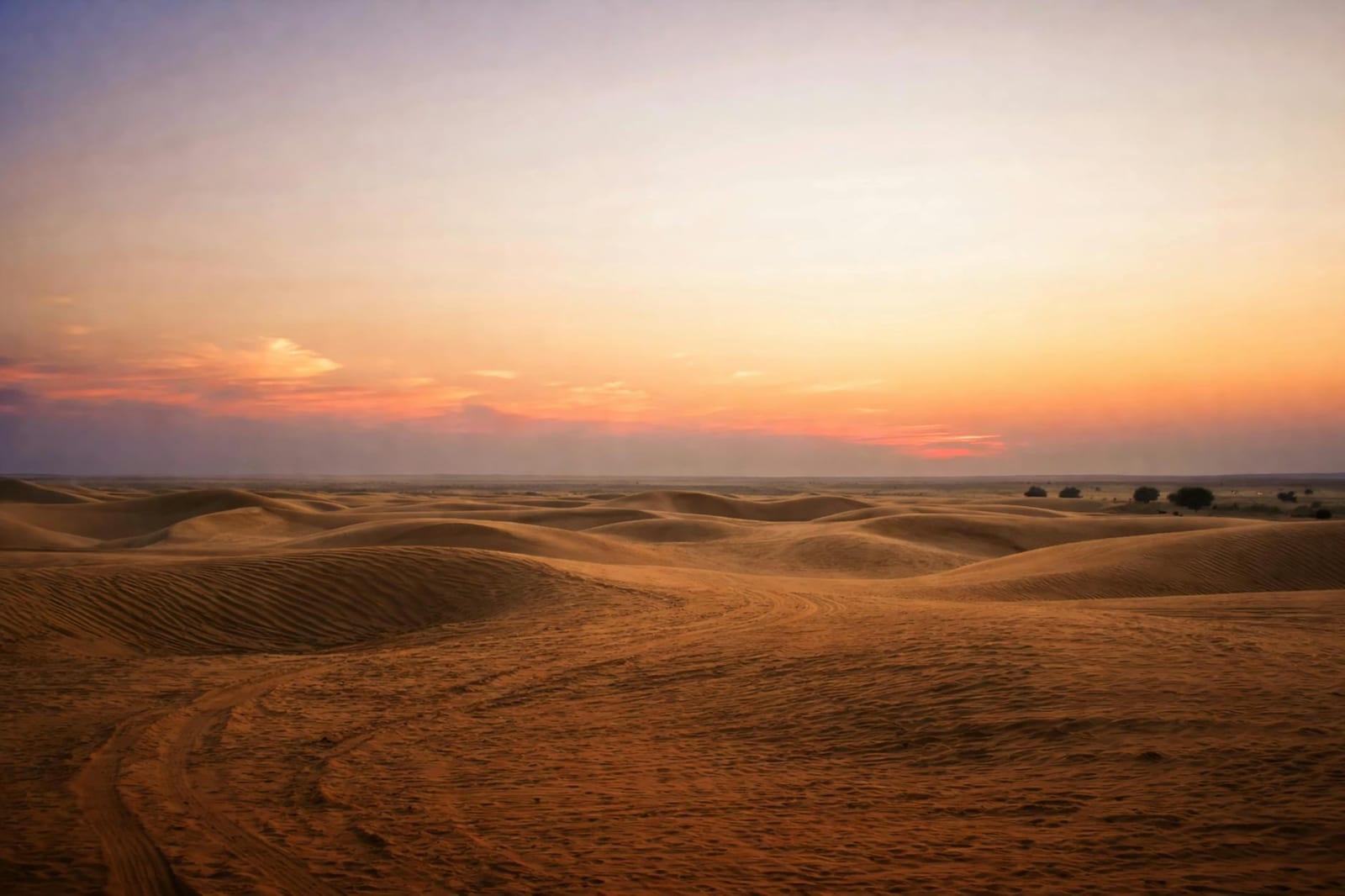
- Kaziranga National ParkKaziranga’s verdant grasslands and forests are India’s Serengeti, home to one-horned rhinos, elephants, water buffalo, and the world’s densest tiger population.
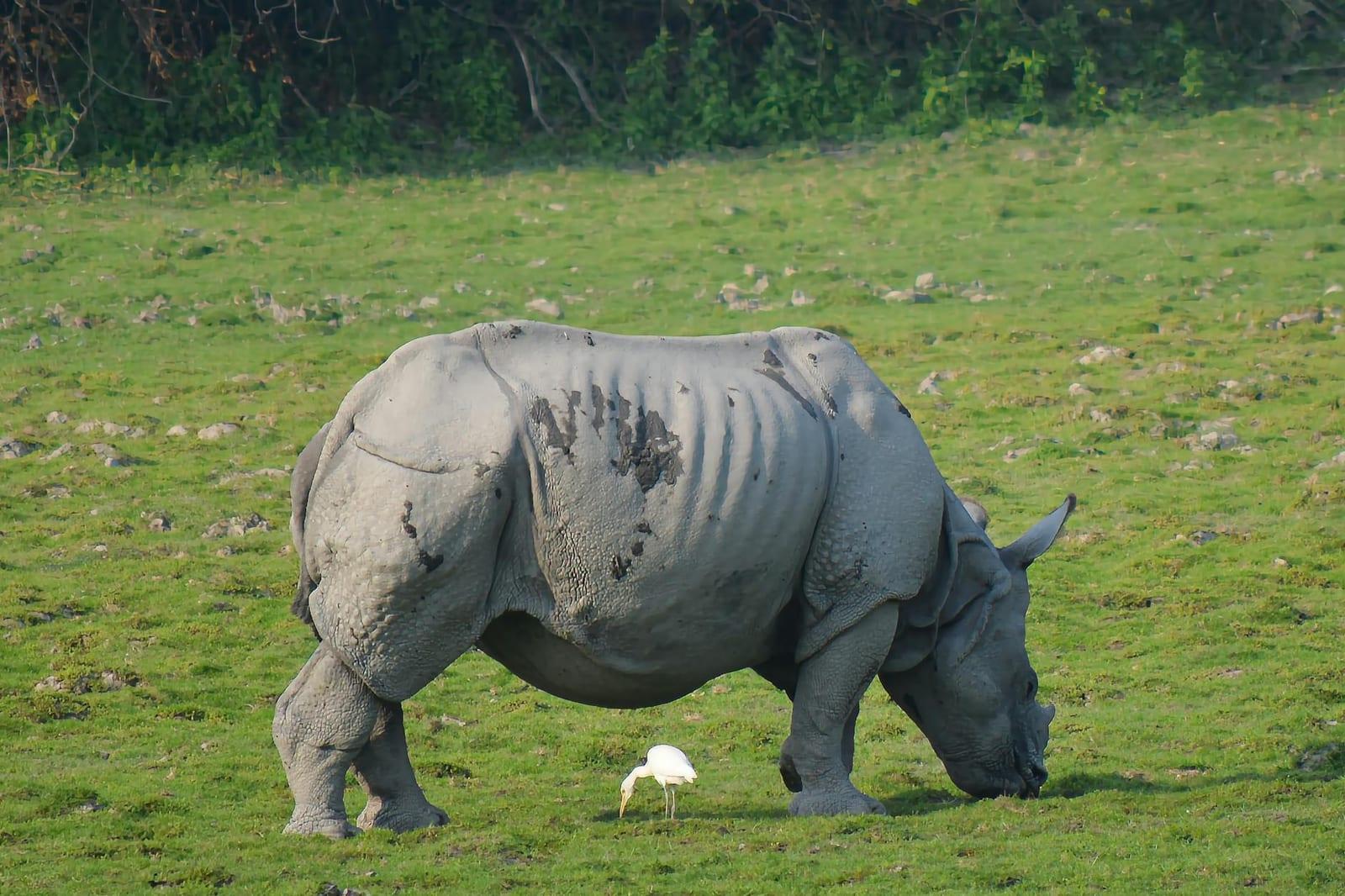
- Ranthambore National ParkWorld-famous Ranthambore, with its hilly woods and 10th-century fortress ruins, is among the best places anywhere to view wild Bengal tigers.