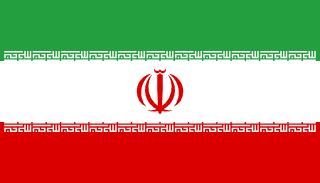
Rich in history, natural beauty, and cultural energy, Iran also suffers from a bad reputation depending on what part of the world you call home. This enormous country—which geographically, culturally, and politically straddles Western Asia and the Middle East—can be a very tough place for Westerners—particularly Americans—to visit. As of mid-2015 there are both glimmers of hope for American-Iranian relations and massive uncertainty associated with regional tumult.
Everyday Iranians don’t necessarily conform to the zealously anti-Western stereotype, and many foreign travelers are welcomed with genuine warmth and pride by people on the street, even when their visits are complicated at the governmental level. That said, most Westerners should heed the advice of the U.K. and U.S. embassies and steer clear of Iran, not least because of the chaos across its borders (in Afghanistan, Iraq, etc.).
But anyone bitten by the history bug will find the Iranian backstory utterly captivating. The country, after all, encompasses the ancient frontier of Mesopotamia and territory ruled and fought over in mighty fashion for thousands of years. Successions of great Persian and then Islamic empires contributed to multiple Golden Ages for the region. Given the astonishing breadth of Iran’s cultural heritage, it’s no surprise UNESCO has designated an impressive 17 different World Heritage Sites here: from the imperial Achaemenid ruins of Persepolis and the Silk Road citadel of Arg-e Bam to the 11th-century tower of Gonbad-e Qabus. One of the truly standout destinations from an architectural and historical perspective is the city of Kashan, which has a wealth of vintage mosques and Persian-style homes.
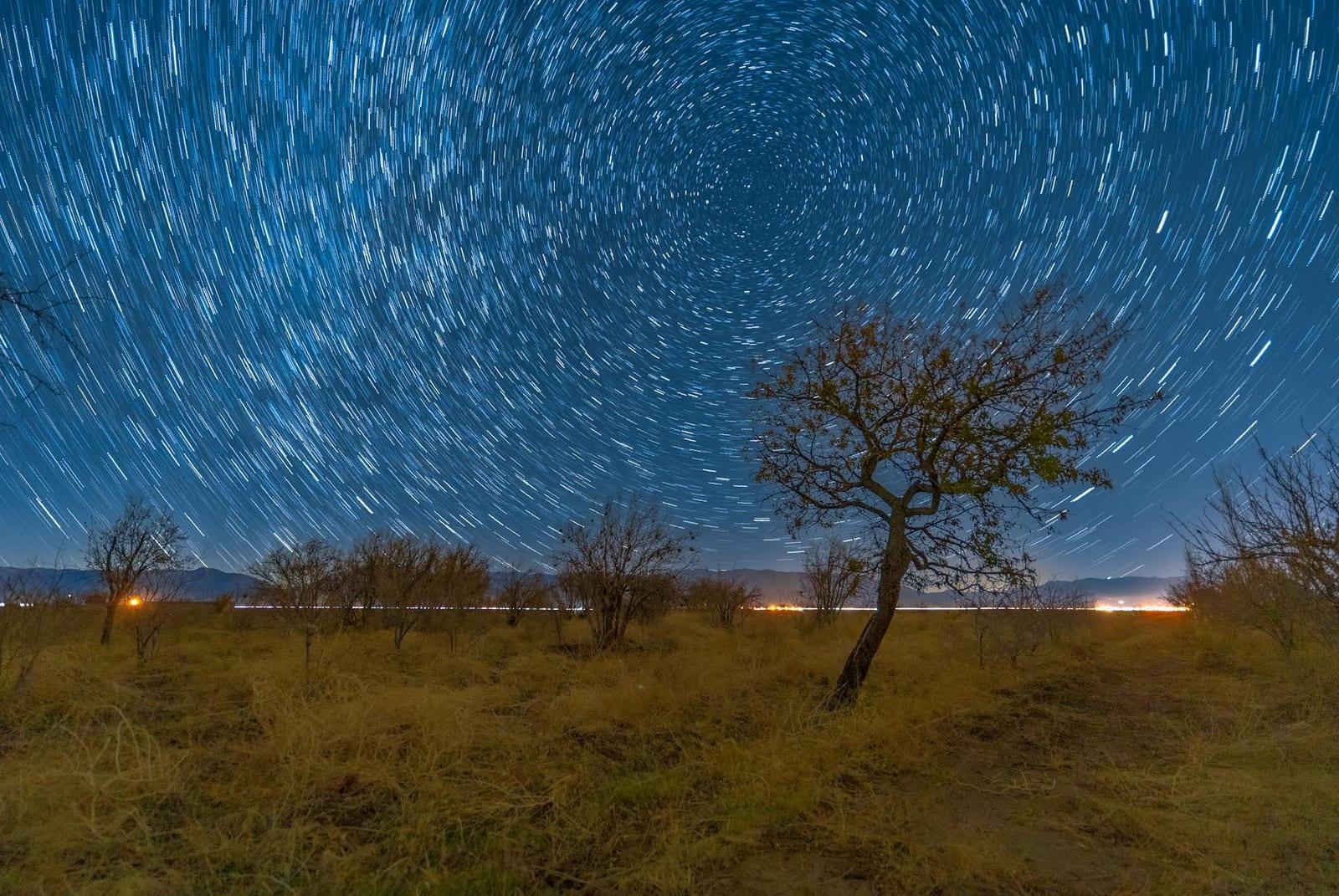
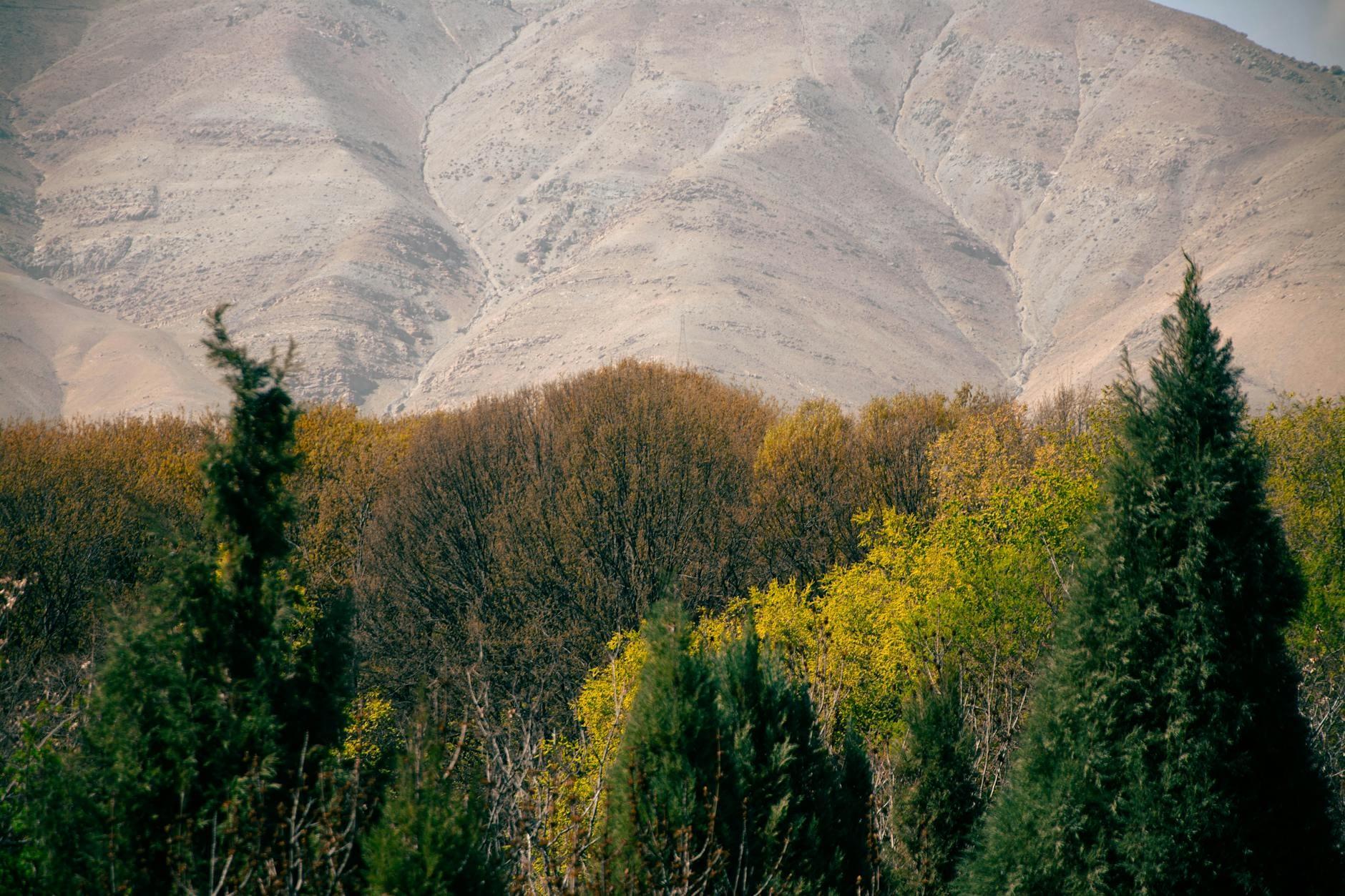
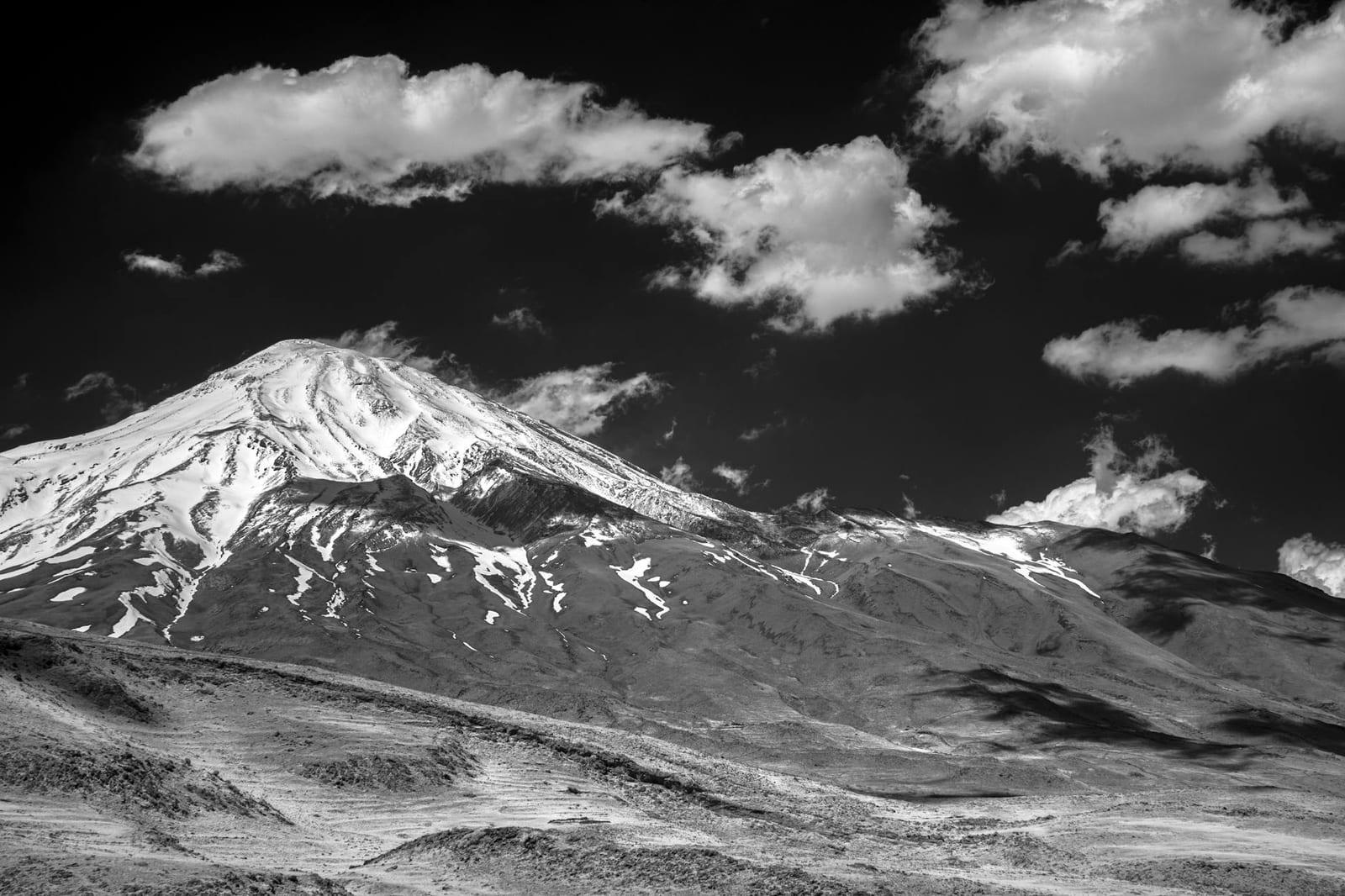
Iran also claims a spectacular diversity of natural landscapes, from the Dasht-e Lut and Dasht-e Kavir deserts to the lush broadleaf forests of the Caspian basin in the north. One of the great mountains of Eurasia—the 18,600-foot volcano Mount Damavand—rises in near-conical majesty northeast of Tehran. Meanwhile, Iran’s wilderness conceals the last populations of its rarest animals, which include Asiatic cheetahs, Persian leopards, and Indian wolves.
Given its mix of cultures and position as a major regional crossroads, Iran’s also a wonderful place to sit down to a meal. Persian cuisine, which draws from Turkish, Middle Eastern, Greek, Central Asian, and other influences, offers a mouthwatering lesson in geography and history—whether you’re digging into a Tah-Chin rice patty, a gloriously fluffy pilaf, or a richly spiced kebab.
Iran is a hard place to enter and a harder place to navigate, but the payoffs can be huge. Use your own judgment (and consult the pertinent embassy) when weighing the feasibility of a visit, but—especially if diplomatic relations with the U.S. and Europe improve—it’s worth giving Iran some consideration: It’s one of the best places in the world to have your preconceived notions turned completely on their head.
12 things not to miss.
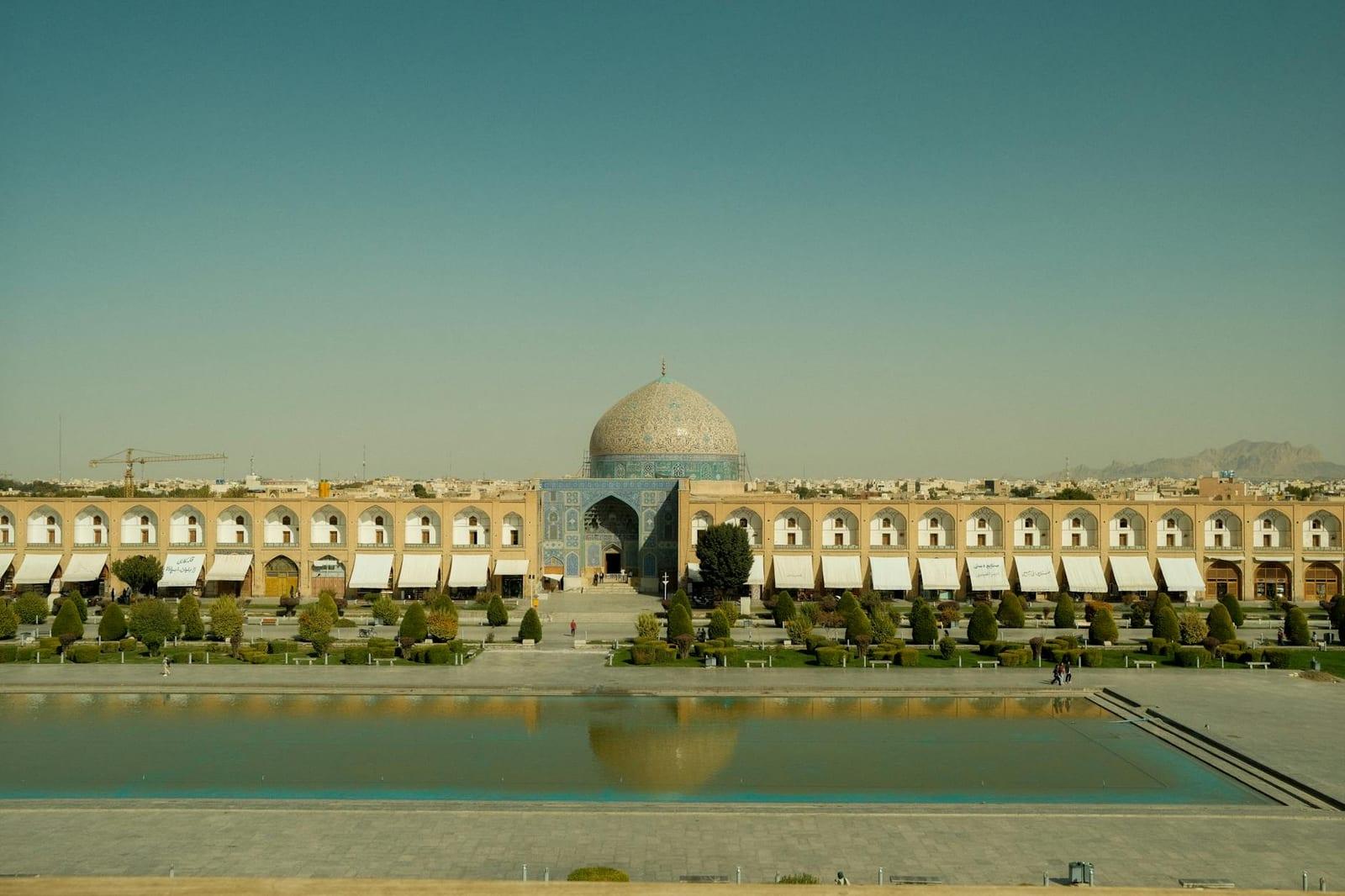
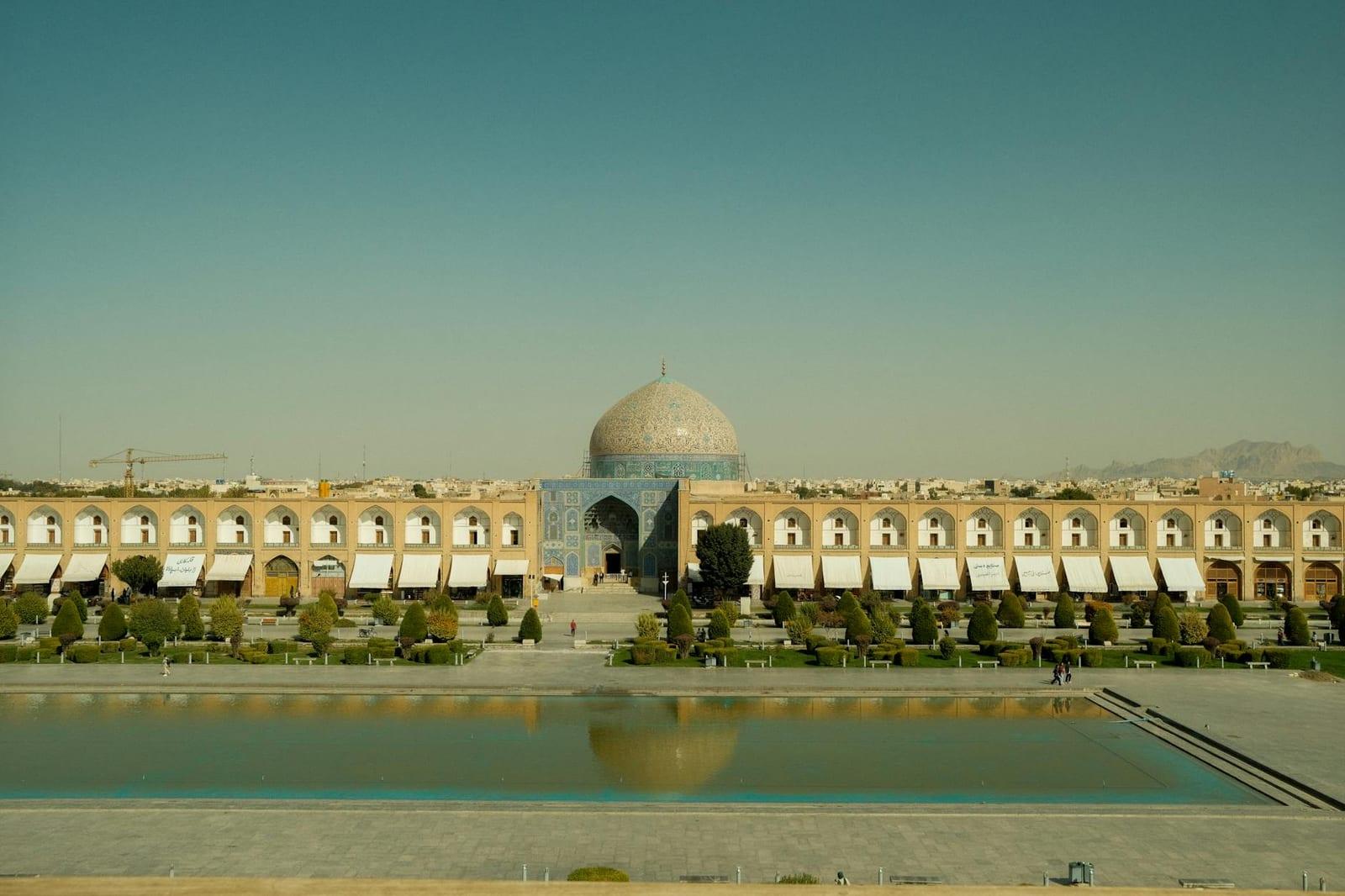
- Naqsh-e Jahan square in IsfahanWalk Naqsh-e Jahan square in Isfahan
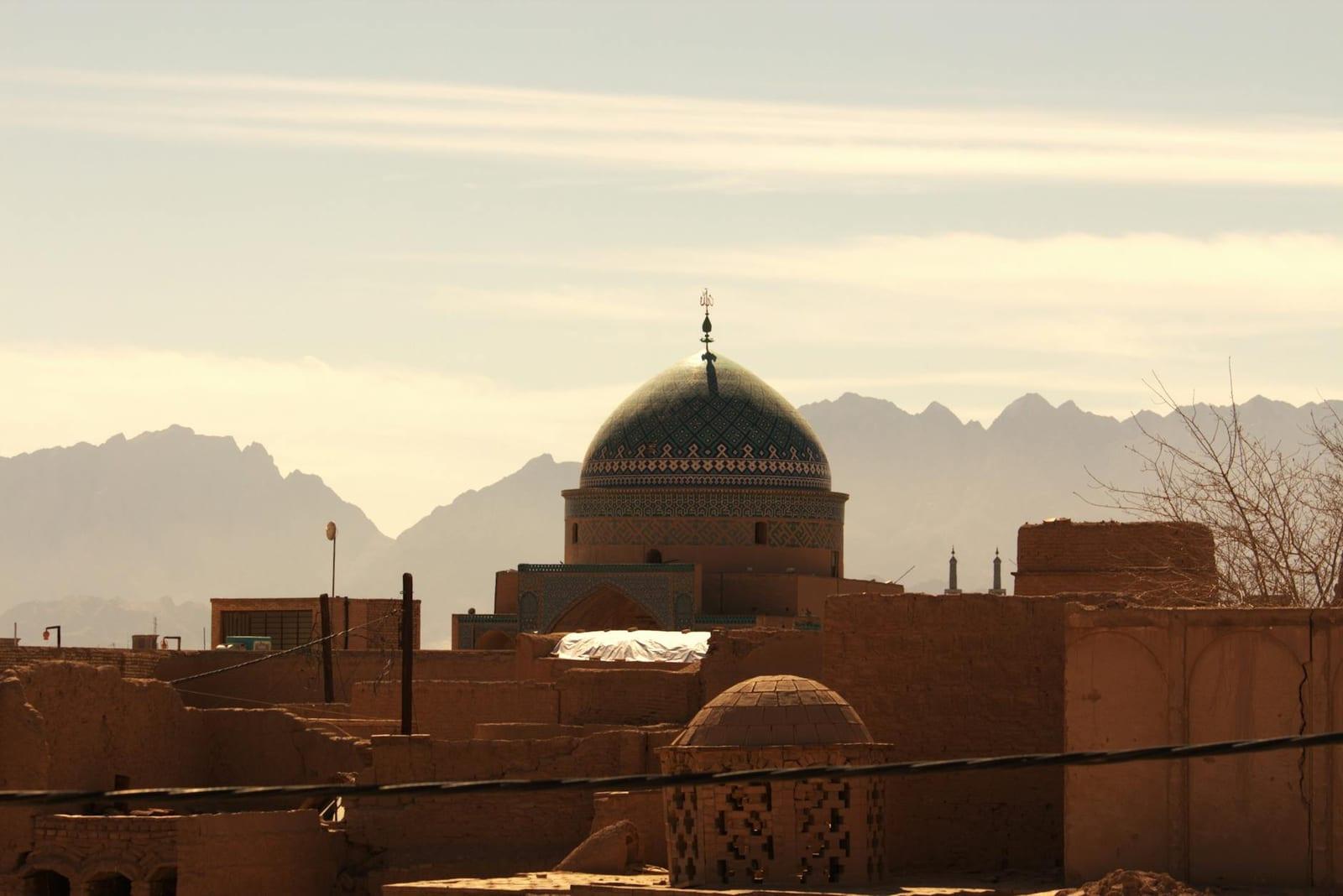
- Yazd's rooftopsWatch sunset from Yazd's rooftops
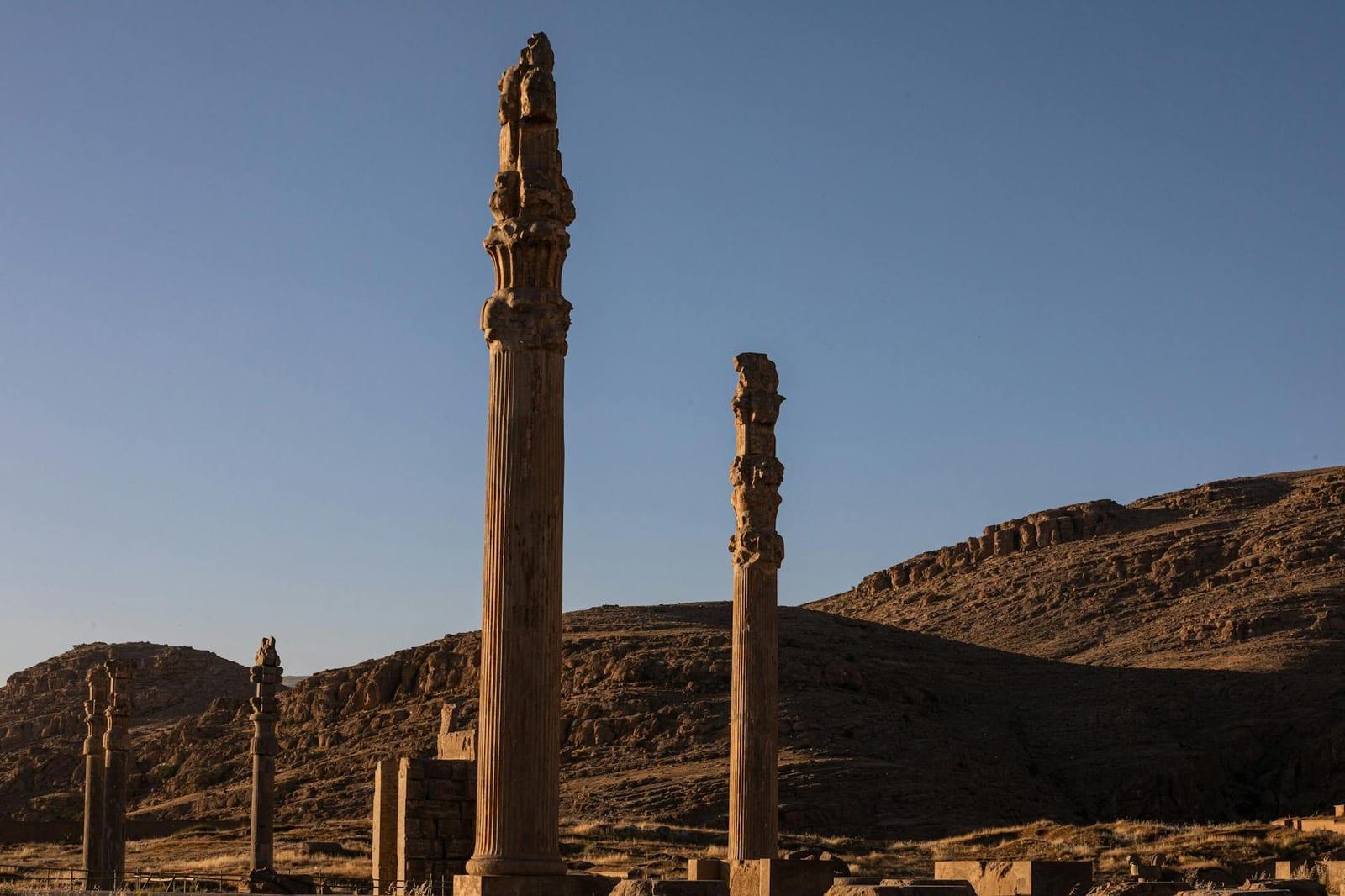
- PersepolisWith its columned palaces and Persian bas-reliefs, this ancient capital of the Achaemenid Empire is among Eurasia’s outstanding Classical ruins.
- Naqsh-e Jahan Square (Isfahan)Popularly called Imam Square, this gaping plaza fronts masterpieces of Persian architecture, including the Shah Mosque and Ali Qapu Palace.
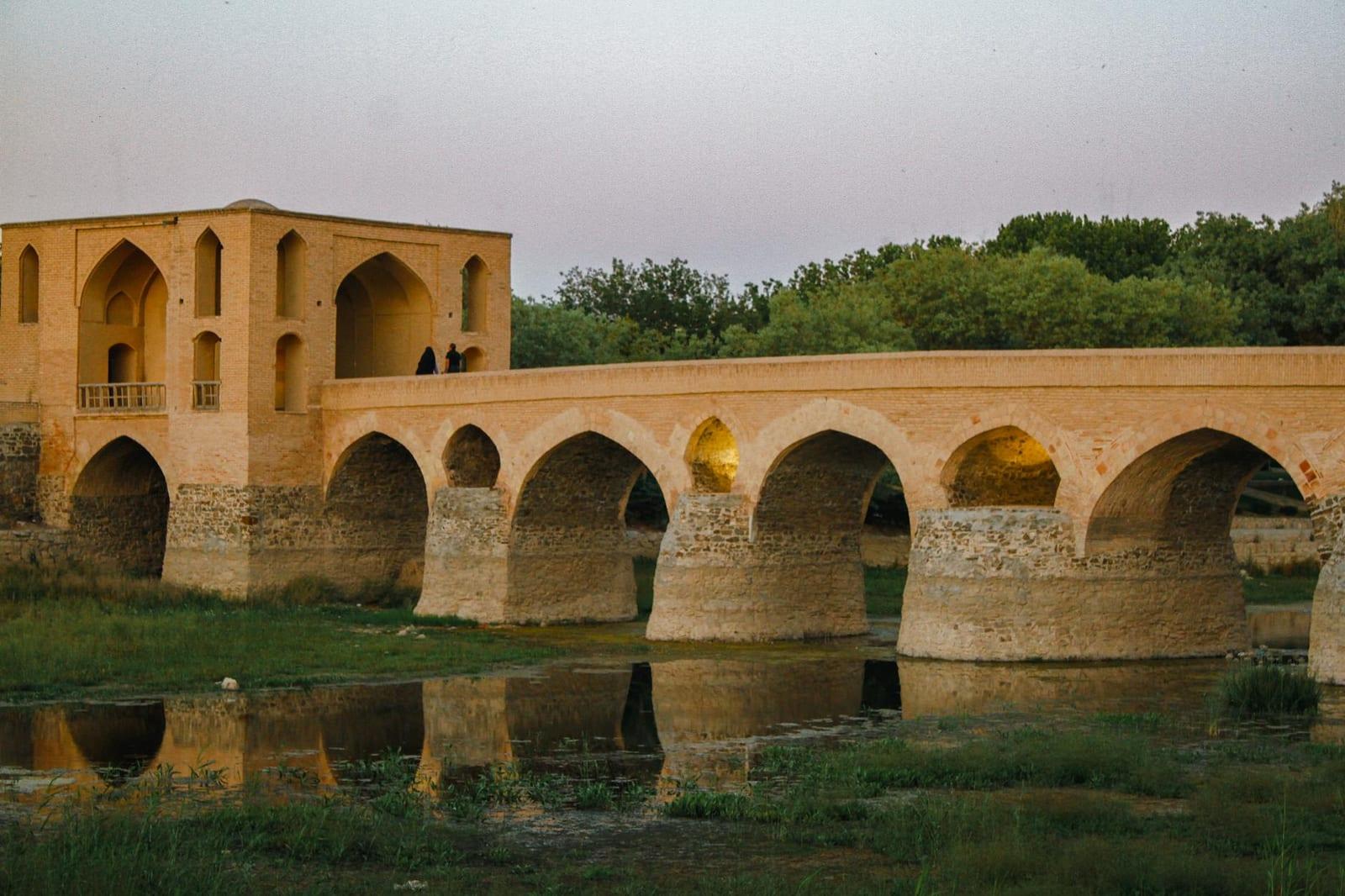
- Khaju BridgeBoasting more than 20 arches and a royal pavilion, this 17th-century span may be the most celebrated of Isfahan’s Safavid bridges.
- Golestan PalaceIn 2013, UNESCO declared this most venerable of Tehran landmarks—royal seat of the Qajar Dynasty—a World Heritage Site.
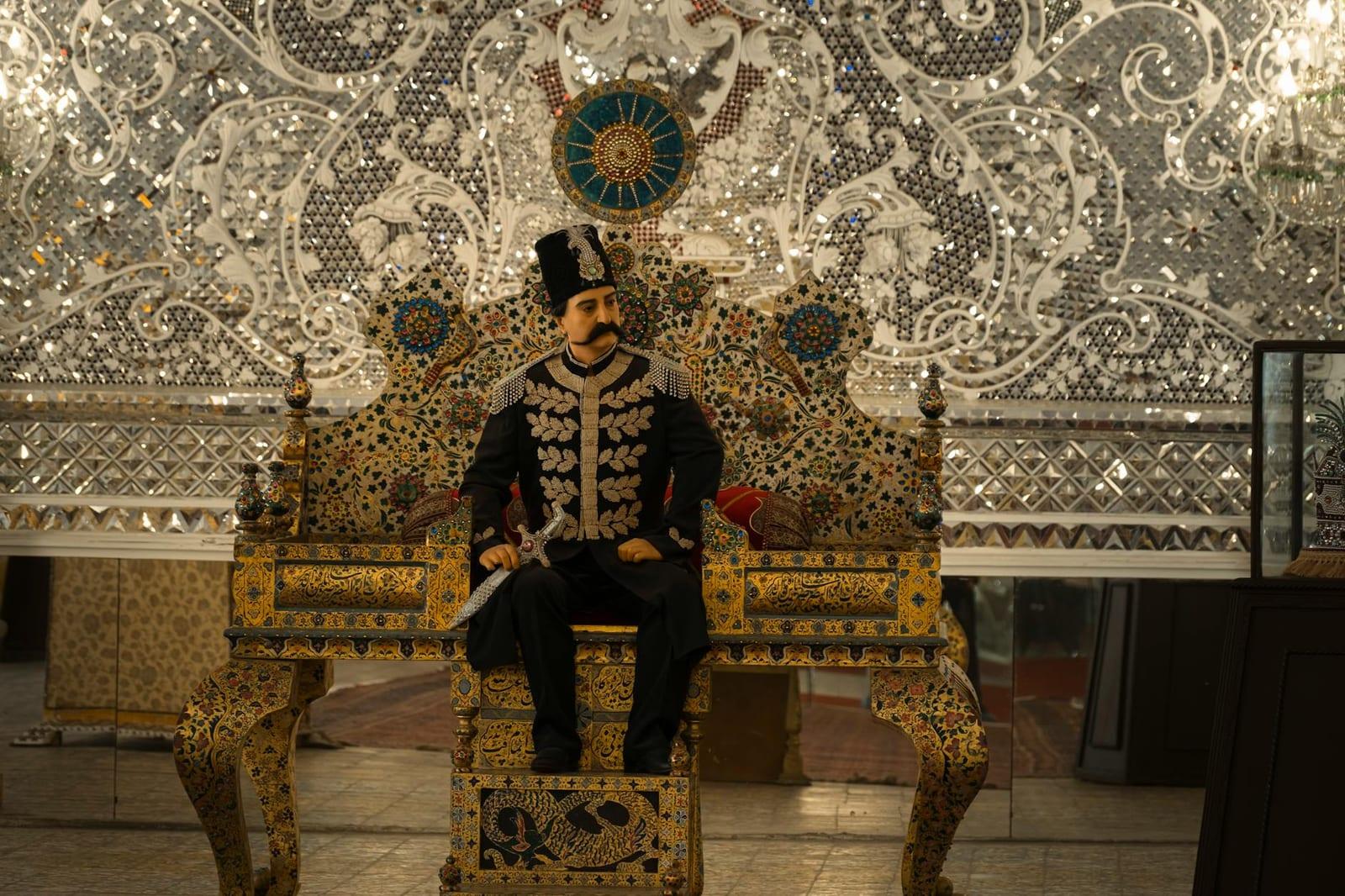
- National Museum of IranAdmire sculptures, paintings, artifacts, and other glories from across Iran’s vast history at this Tehran museum.
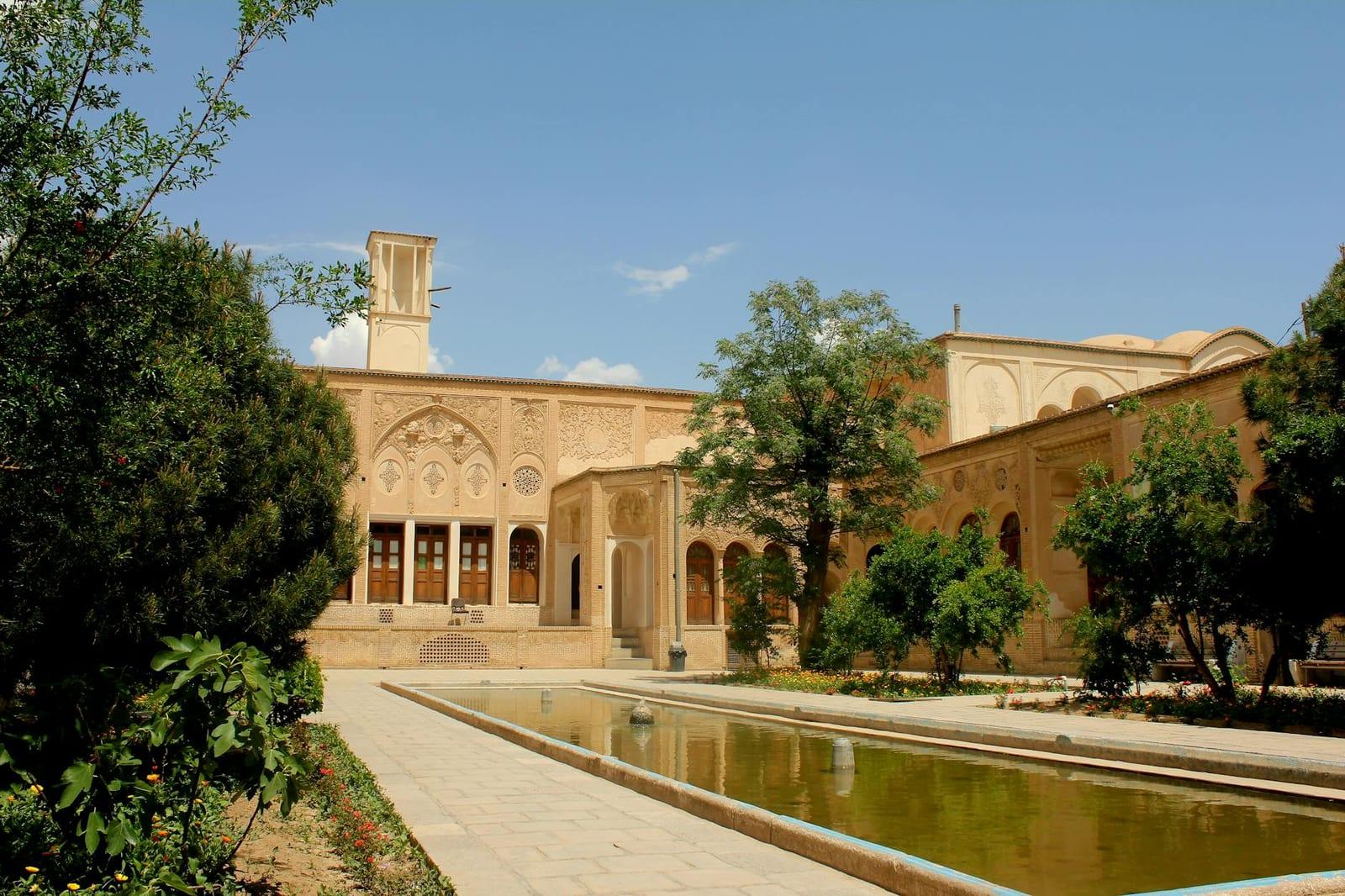
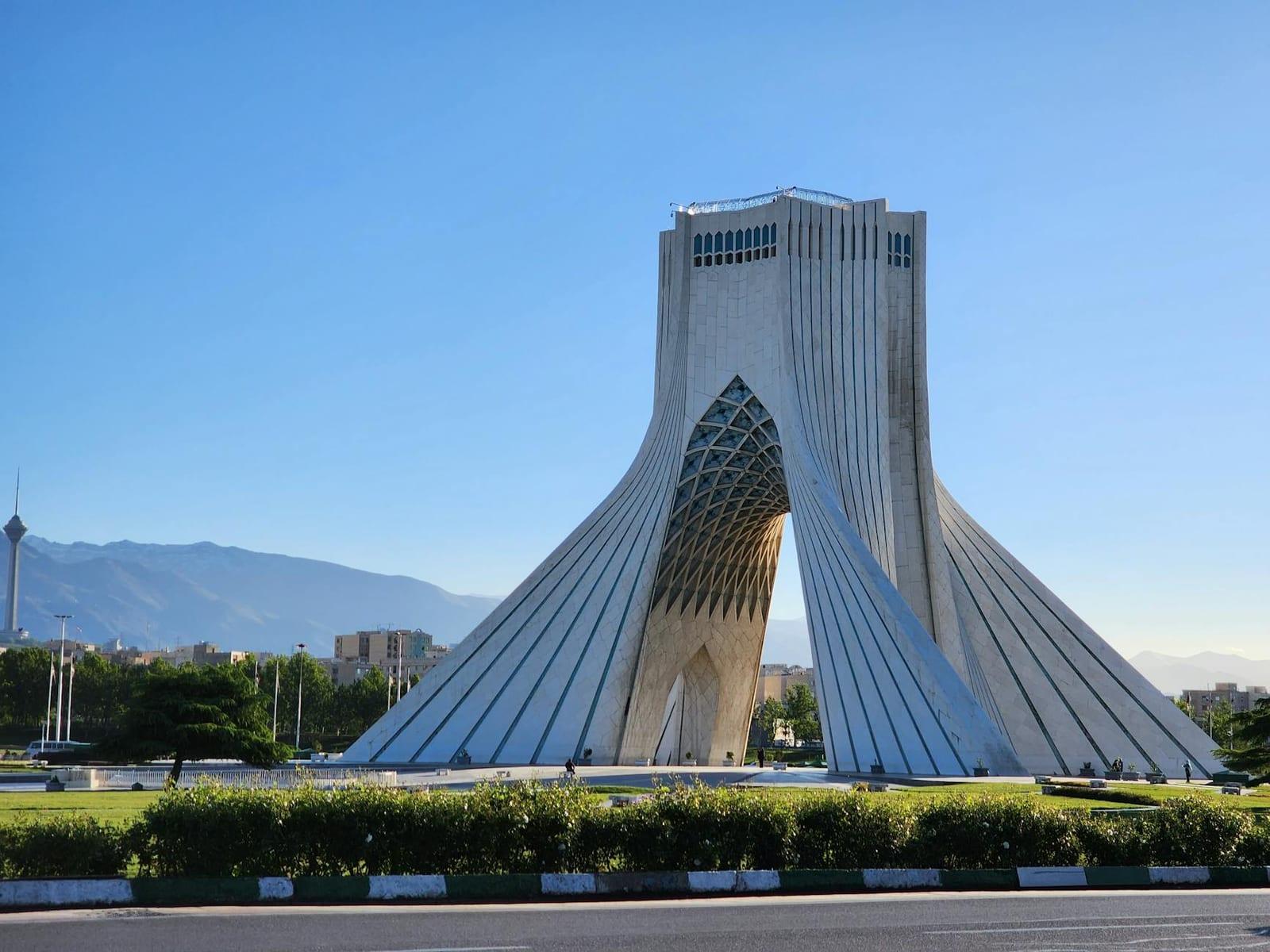
- Azadi TowerA blend of traditional and modern design, Tehran’s white-marble gateway is one of the capital city’s unmistakable symbols.
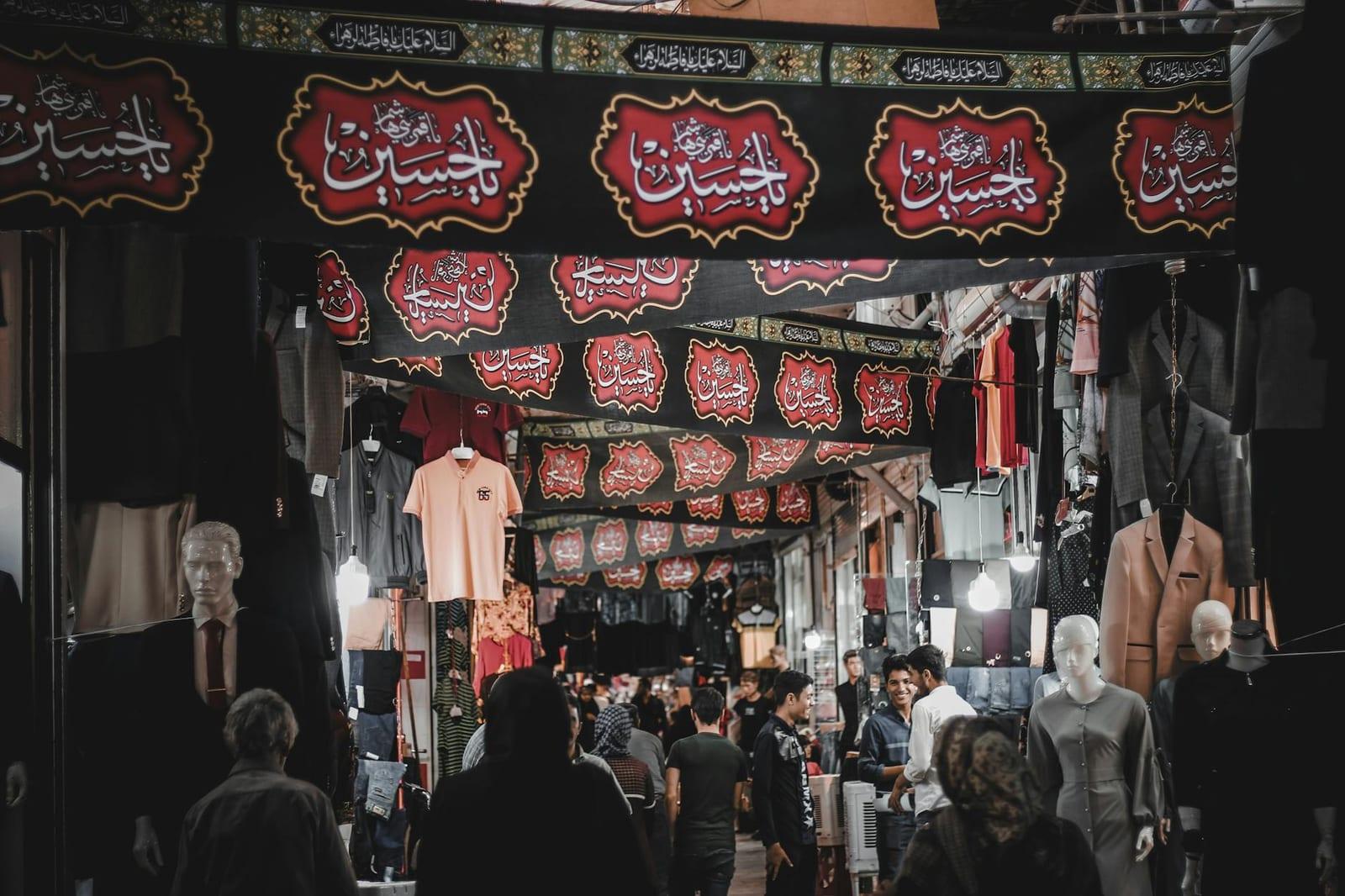
- Grand BazaarYou’ll marvel all the Persian carpets being haggled over at Tehran’s Arg Square marketplace.
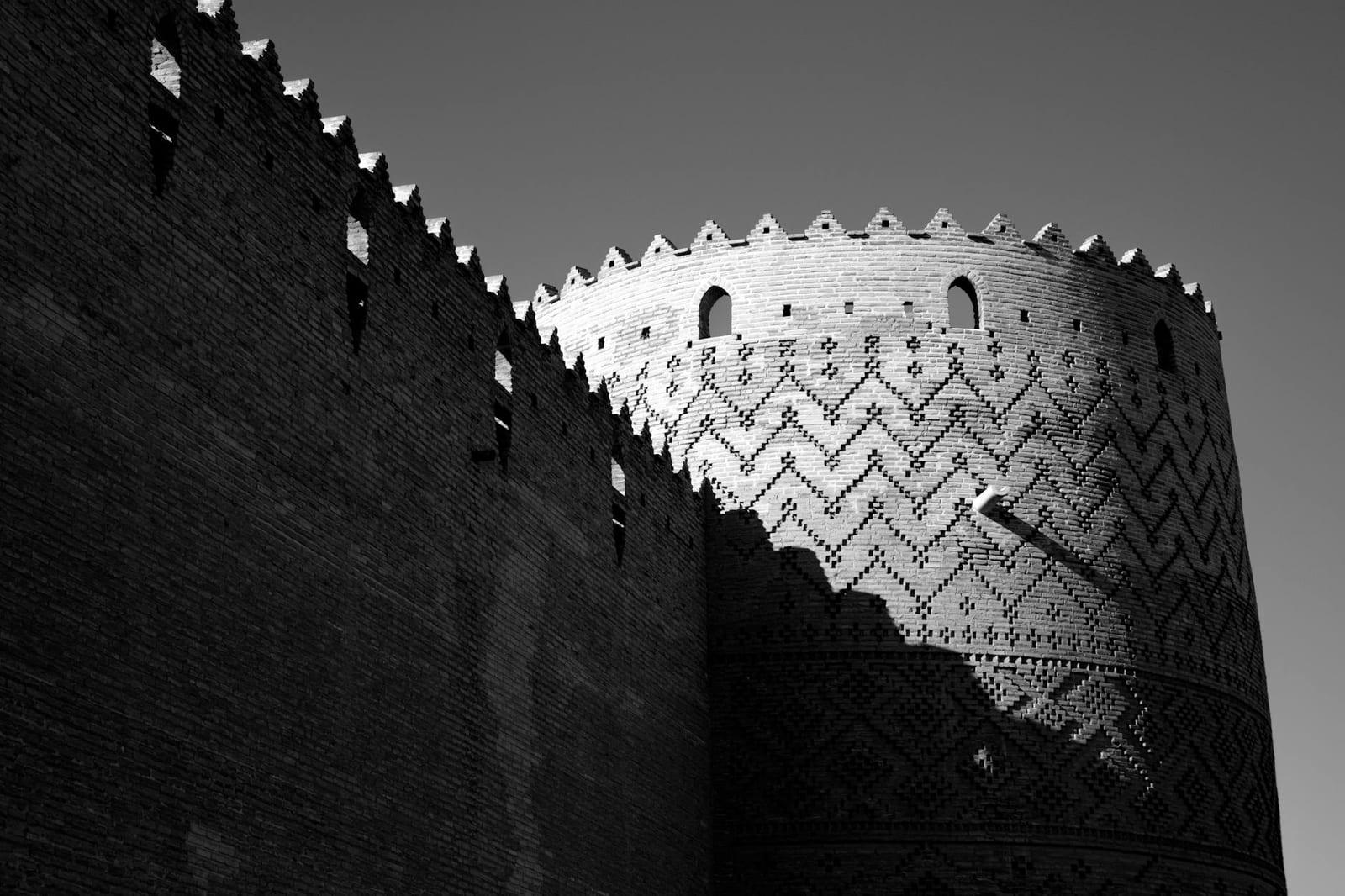
- Bam CitadelThough much of it crumbled in a 2003 temblor, Bam’s medieval mud-brick fortress, now being rebuilt, remains an incredible sight.
- Mount DamavandThe near-perfect cone of Iran’s 18,400-foot high point is among the planet’s handsomest volcanoes.
- Khar Turan National ParkThe semidesert steppes of this large Biosphere Reserve form one of the last redoubts of the imperiled Asiatic cheetah.