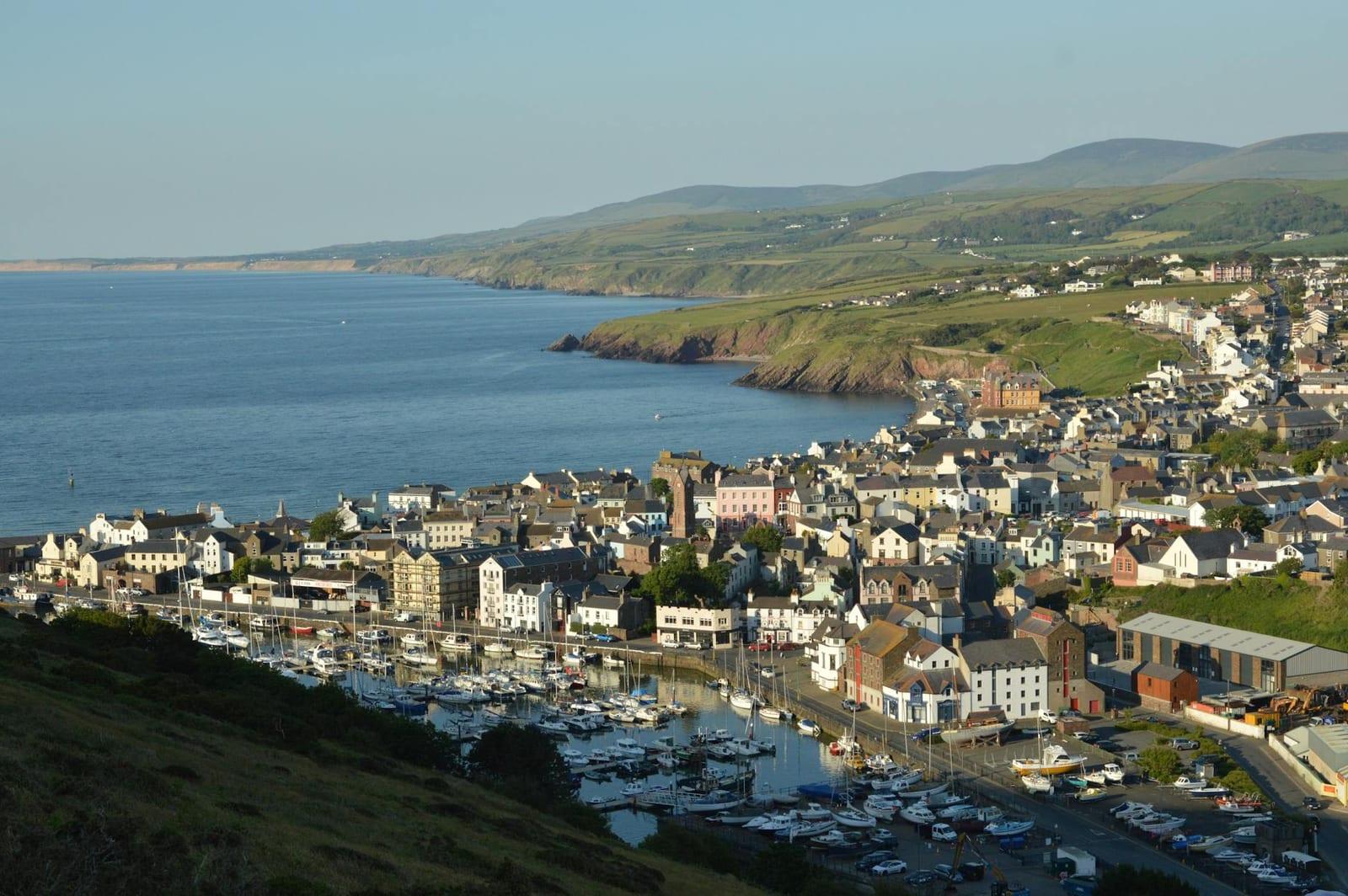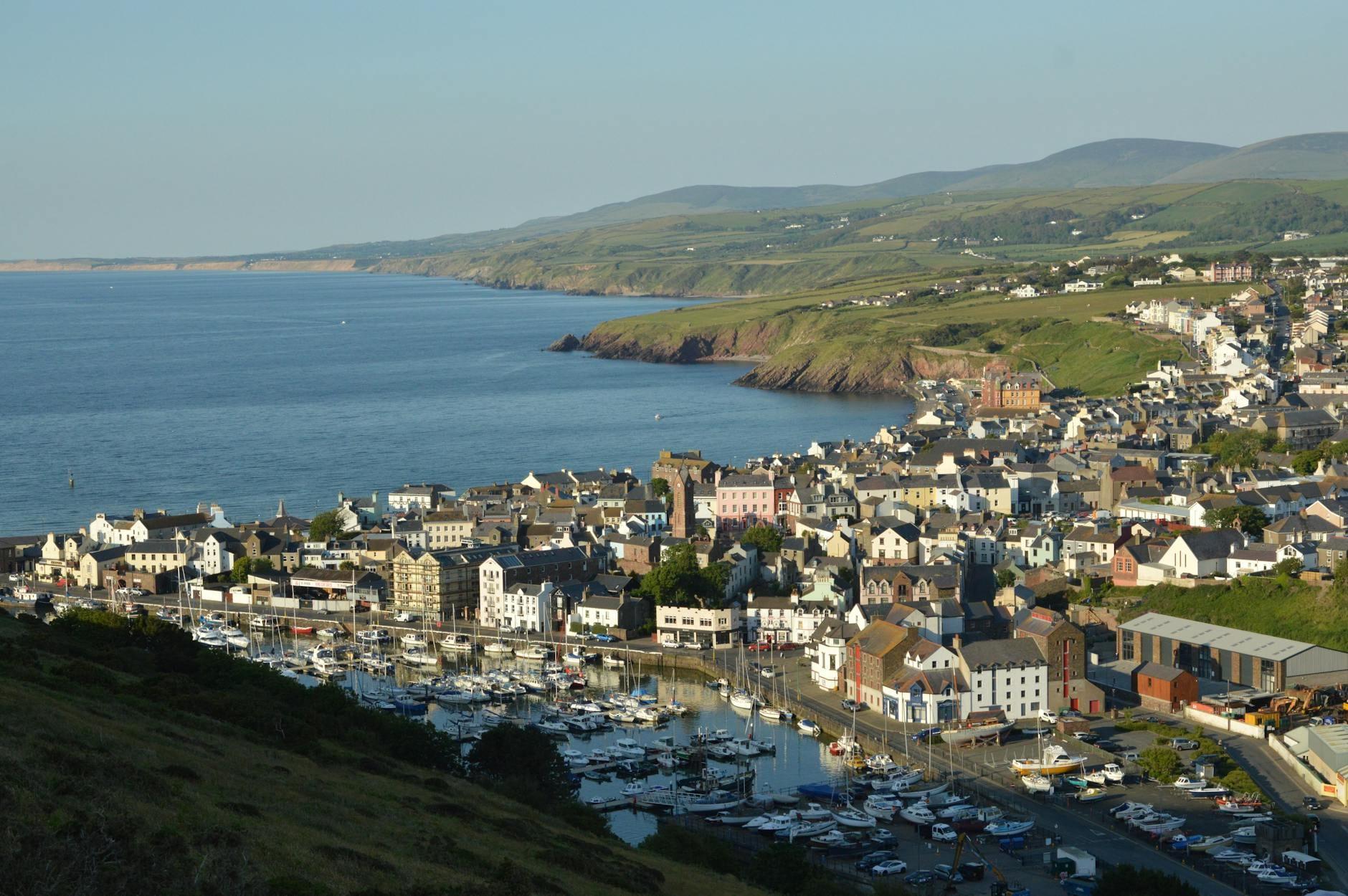
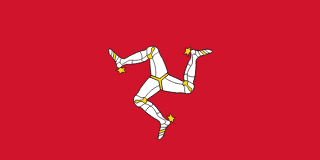
A small island adrift in the Irish Sea between Great Britain and Ireland, the Isle of Man is somewhat obscure—unless you’re a motorcycle fanatic, in which case you’re likely familiar with the heart-pounding and well-attended Tourist Trophy (TT) races. Outside that snarling annual fete, you’ll discover a quiet, proud country that's staked out its own distinct little corner of the British Isles.
Human habitation on the Isle of Man dates back to thousands of years; artifacts of ancient cultures include numerous Neolithic tombs and megalithic cairns (such as those of Cashtal yn Ard). Later, Celtic settlers in the Iron Age established hill forts (like that atop South Barrule). By the 800s CE, the Norse had claimed the island; and their legacy includes archaeological sites such as the buried Viking ship of Balladoole as well as the foundation of the Isle of Man’s long-running parliament, the Tynwald. English rule commenced in 1266, but the island’s been a self-governing Crown dependency—not part of the United Kingdom—since 1828.
Though Scandinavian and English influence is palpable, the inhabitants of the Isle of Man, the Manx, retain strong Celtic roots and affiliation; and their endangered self-named language is closely related to Gaelic. The traditional origin story for the island suggests it derived from a clod of earth hurled into the sea by an Irish giant, aiming for Scotland; the name of the isle, meanwhile, is said to stem from Manannan Mac Lir, a protective Celtic sea god. And speaking of Manx, the name also applies to the isle’s uniquely tail-less (or nearly so) cat breed, known the world over.
Whether you’re admiring Celtic stone crosses or medieval castles, summiting the treeless dome of Snaefell (the island’s 2,036-foot roof), or strolling the streets of Douglas, the Isle of Man does indeed exude a dual sense of familiarity and exoticism. The TT races, meantime, which dominate the end of May and the beginning of June, ignite in this placid setting an utterly chaotic atmosphere: Thousands of spectators come to witness the infamously dangerous circuit, which has been a yearly fixture of the island since the early 1900s.
Staring in disbelief at half-crazy motorcyclists, taking in the view from old Celtic and Viking forts, hiking along a cliffy coast of quiet splendor: There’s a whole lot to experience on this 220-square-mile island, which—edged by bigger and more prominent neighbors—takes a great deal of pride in its uniqueness.
8 things not to miss.
- Cashtal yn ArdThe “Castle of the Heights” forms the biggest Neolithic-era tomb in the entire British Isles.
- BalladooleBesides Bronze Age graves and other assorted relics, this important archaeological site has turned up a buried Viking ship.
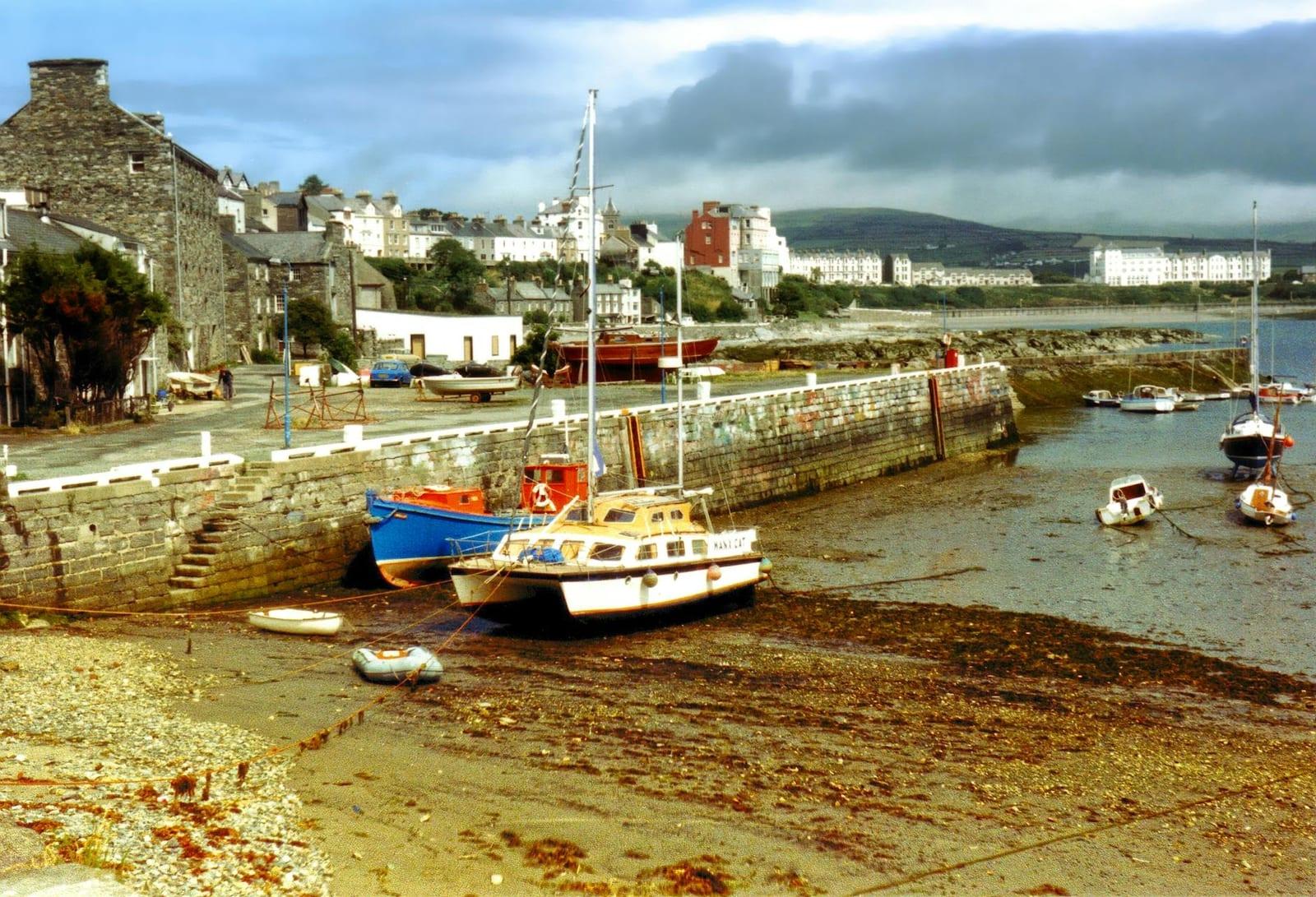
- Castle RushenBuilt for Norse royalty in the 13th century, this limestone-hewn fortress dominates the former Manx capital of Castletown.
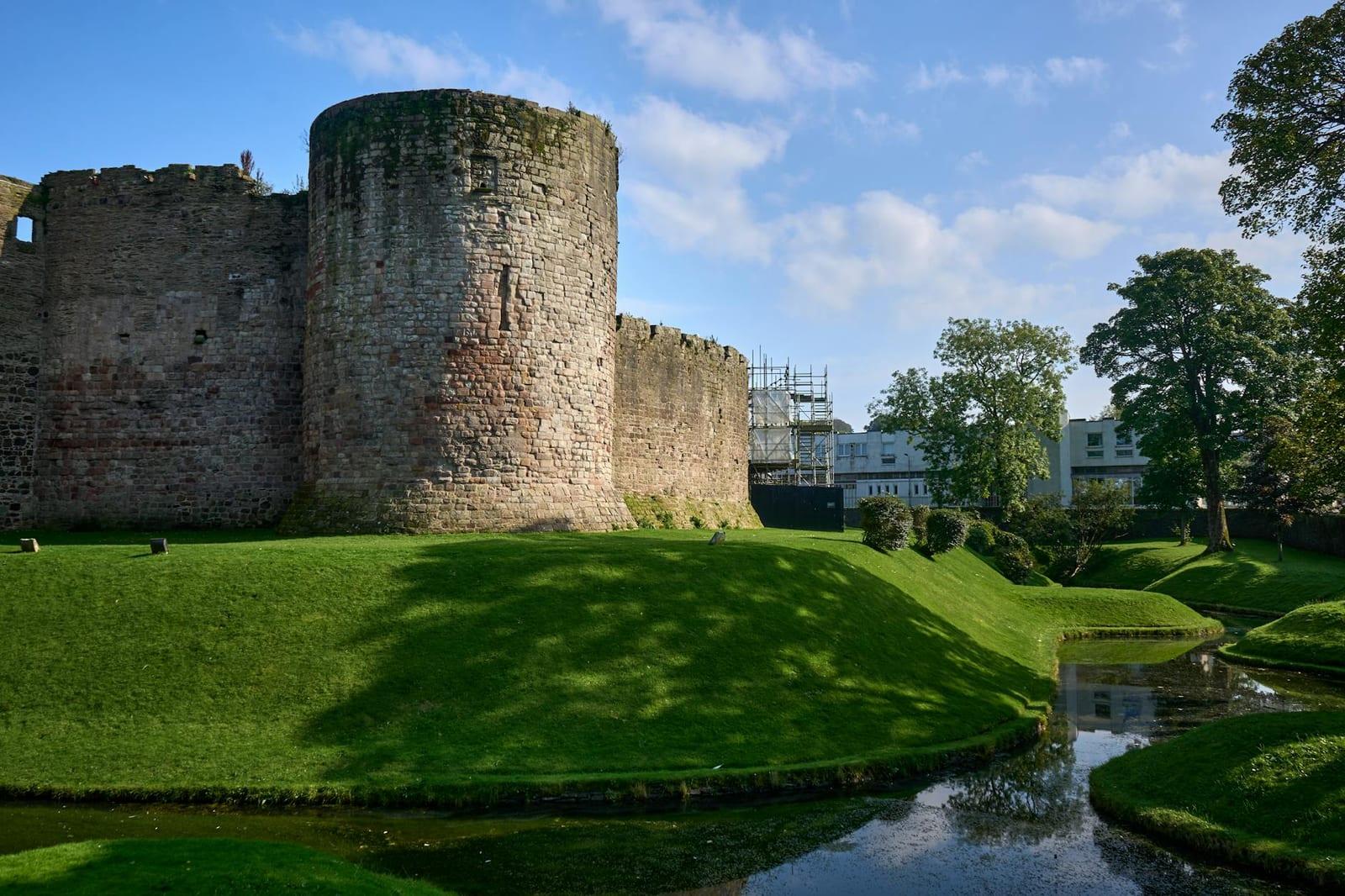
- South BarruleThe remnants of an ancient Celtic hillfort, one of the country’s largest, mark this bleak summit.
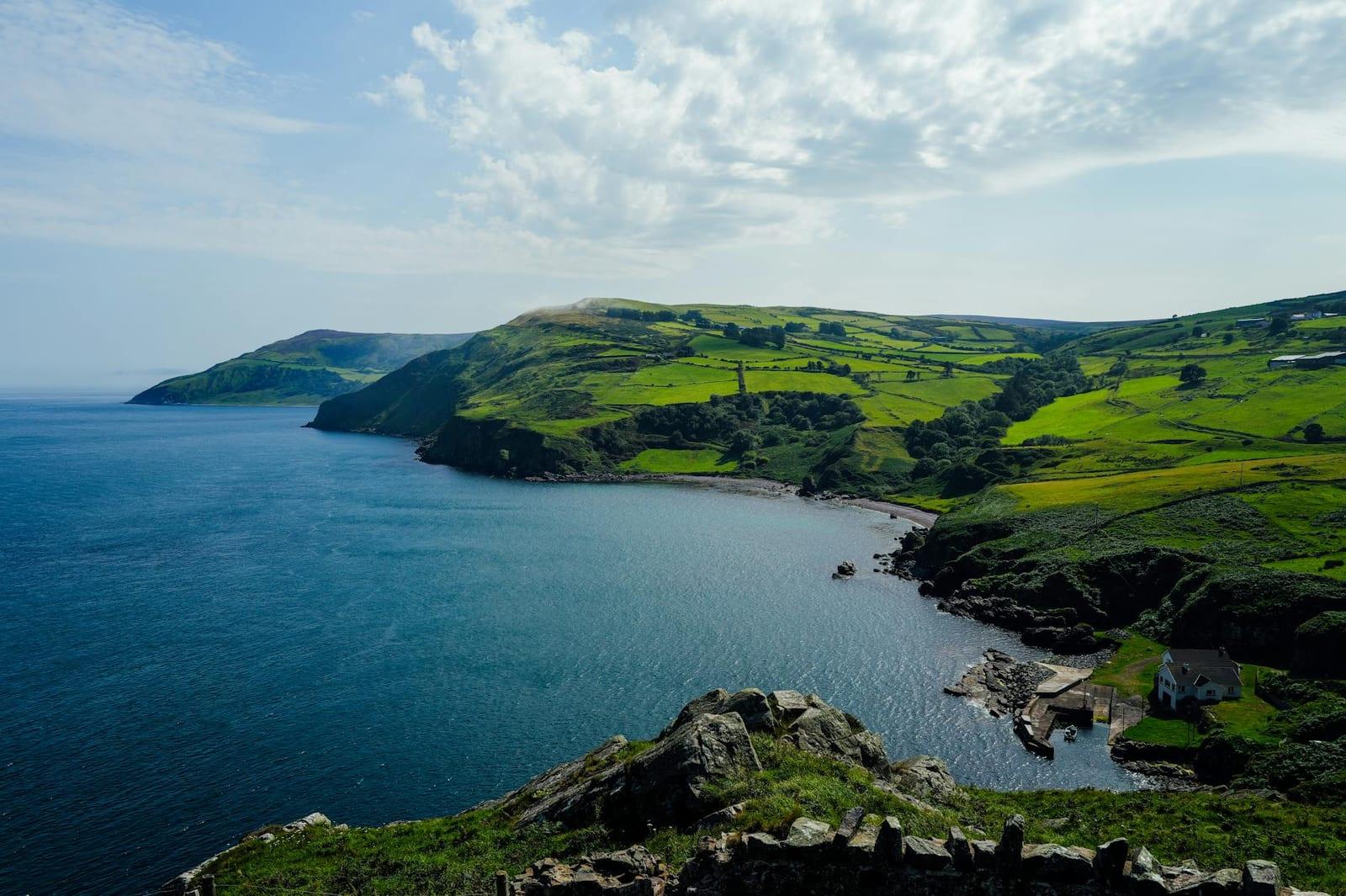
- Kirk Maughold Parish ChurchWander among Celtic and Nordic stone crosses in Kirk Maughold’s historic churchyard, which includes an 11th-century chapel.
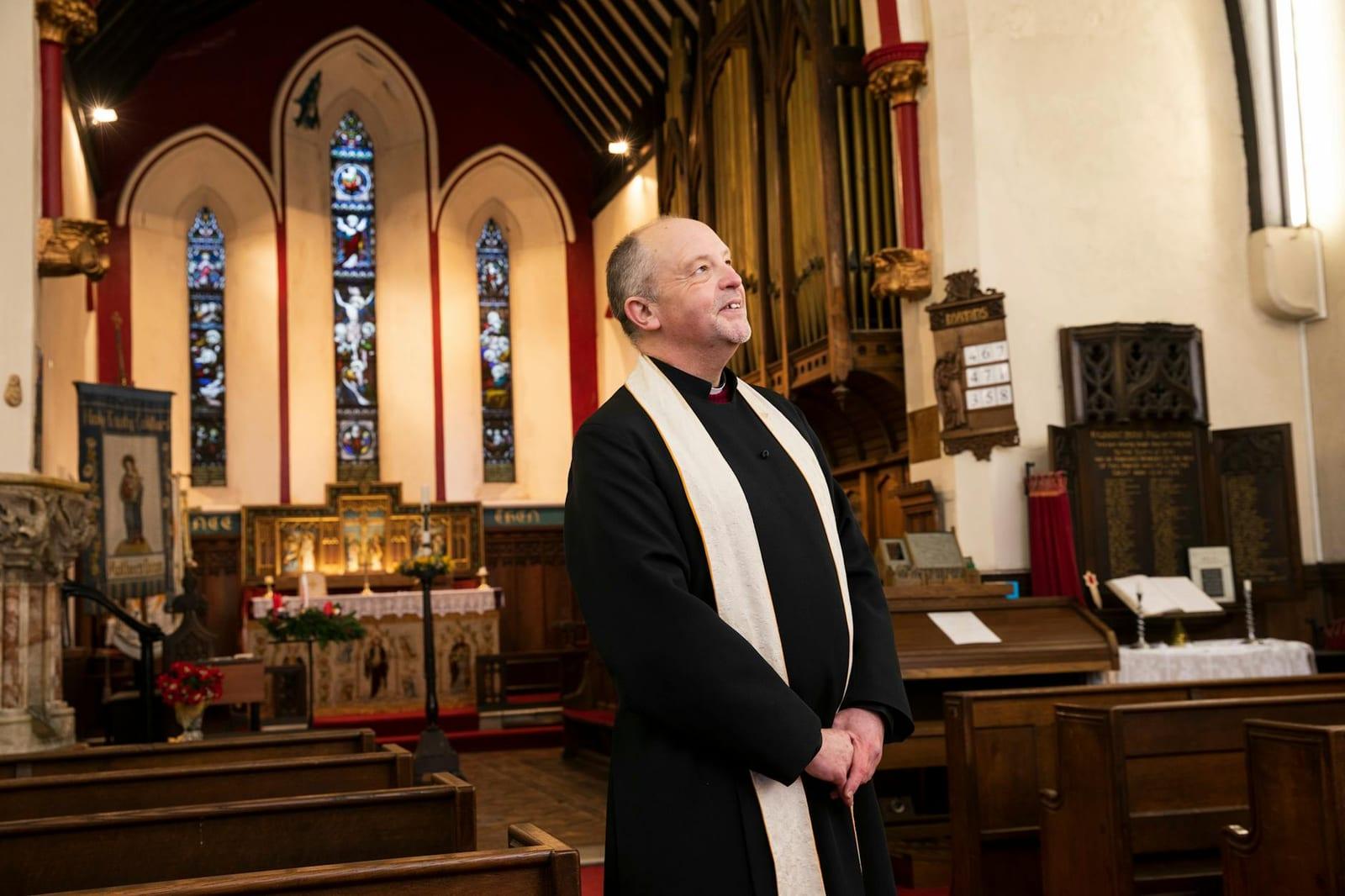
- The House of ManannanNamed for the Celtic sea god, this Peel museum includes reconstructed Celtic and Norse longhouses and a Viking vessel.
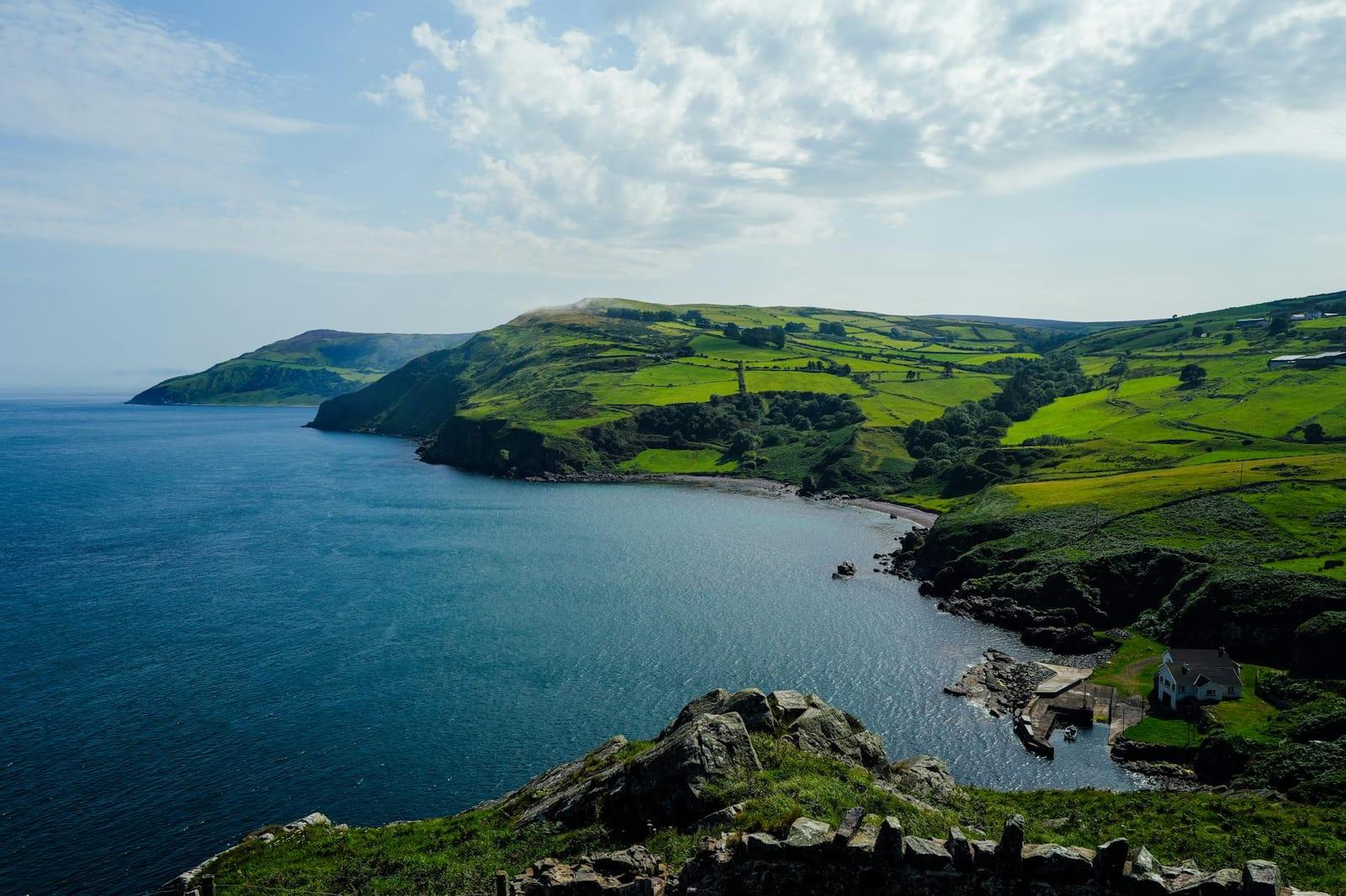
- Calf of ManThe country’s southwestern extremity, this isle offers a good perch for viewing seabirds, grey seals, and huge basking sharks.
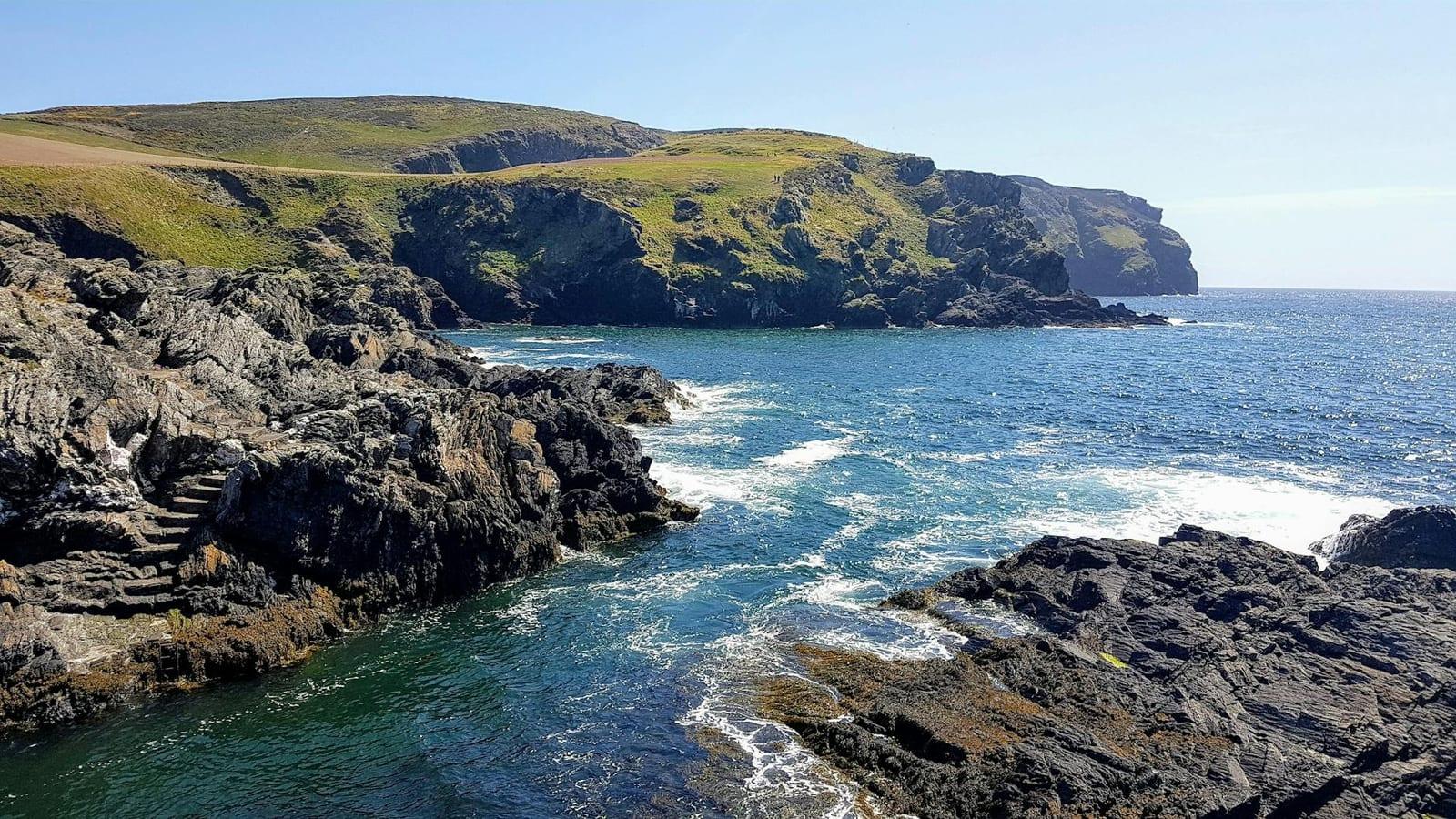
- SnaefellOn a clear day, portions of England, Scotland, and Ireland can be seen from the Isle of Man’s barren 2,034-foot high point.